
Silicone Screen Printing for Apparel — Stretch-Ready Decoration for Big & Tall
Premium silicone screen printing for big & tall menswear from a trusted OEM apparel manufacturer. 28+ years’ experience, 2XL–6XL specialist grading, 100-piece MOQ, fast sampling and full private label menswear services.
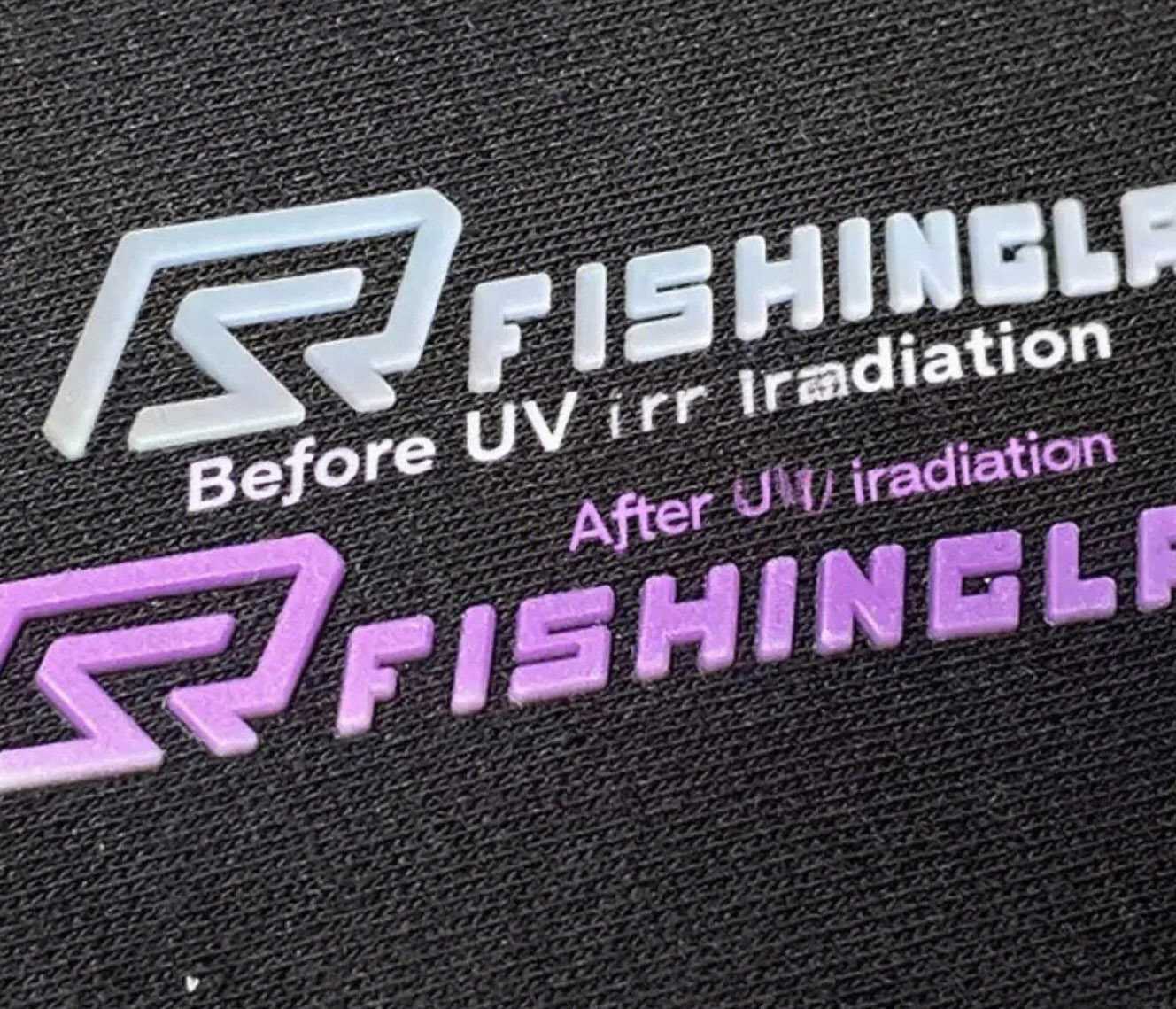
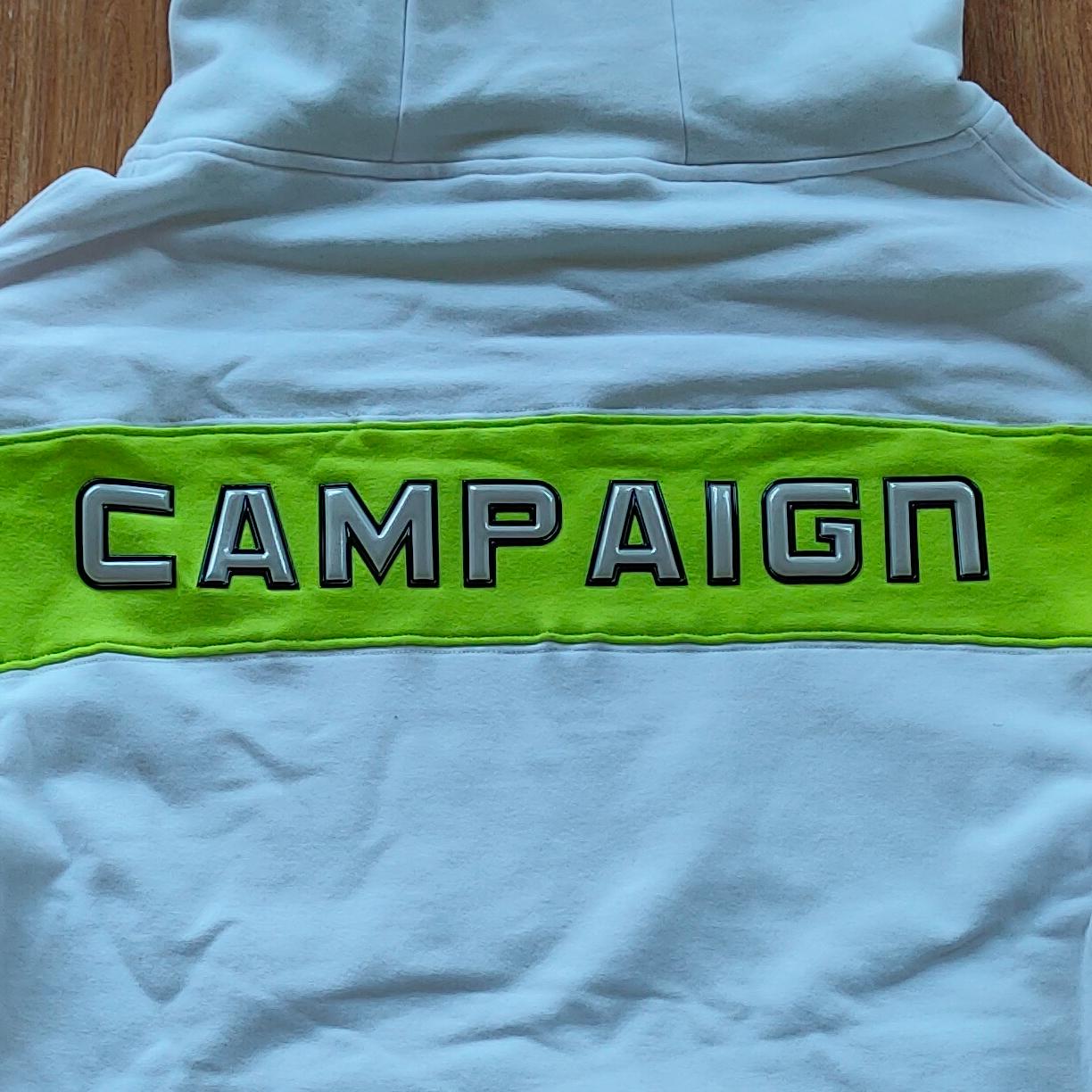
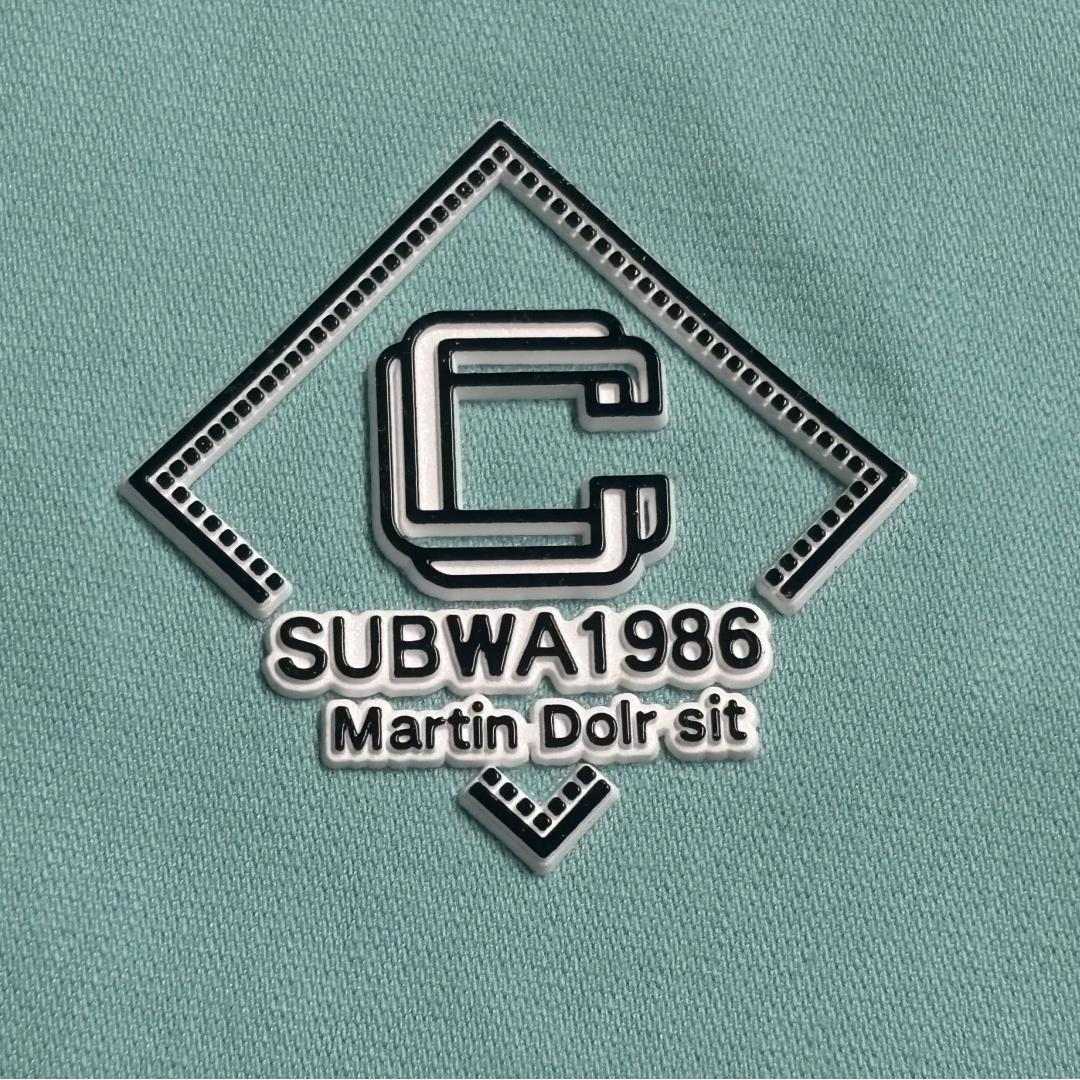
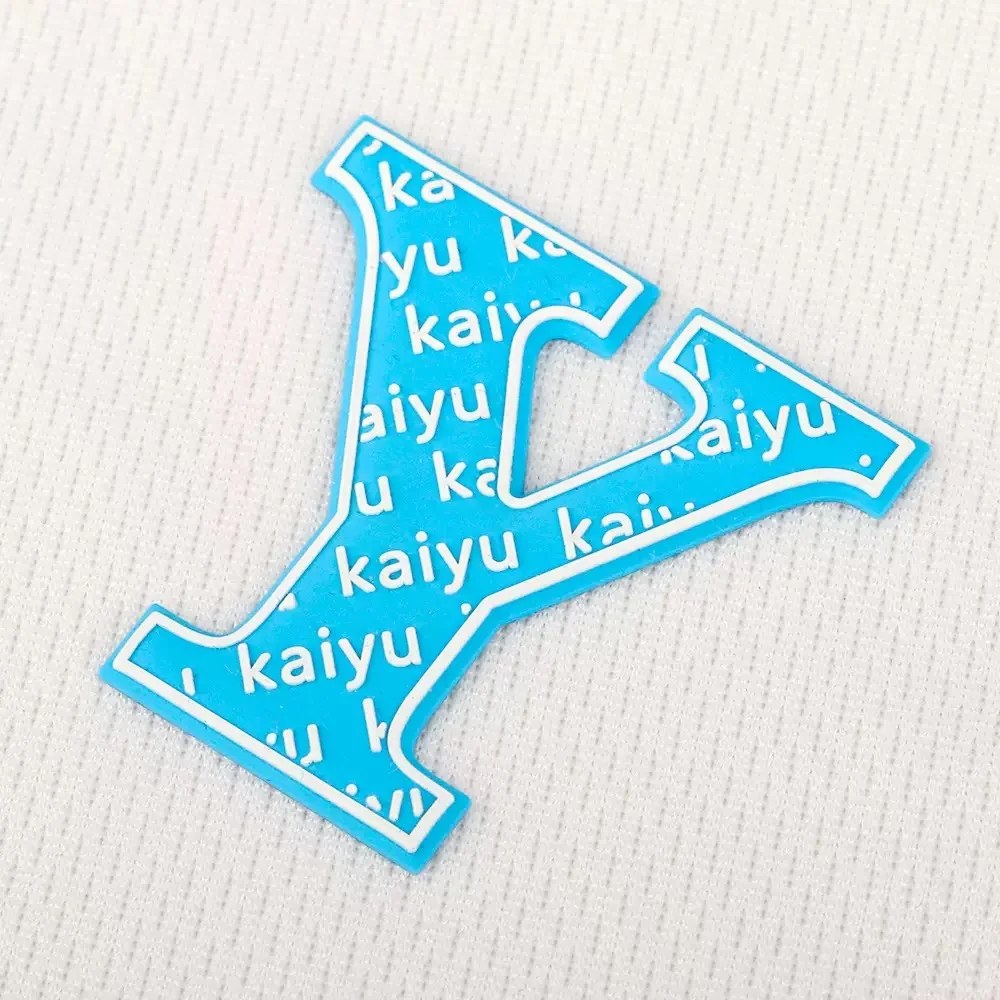
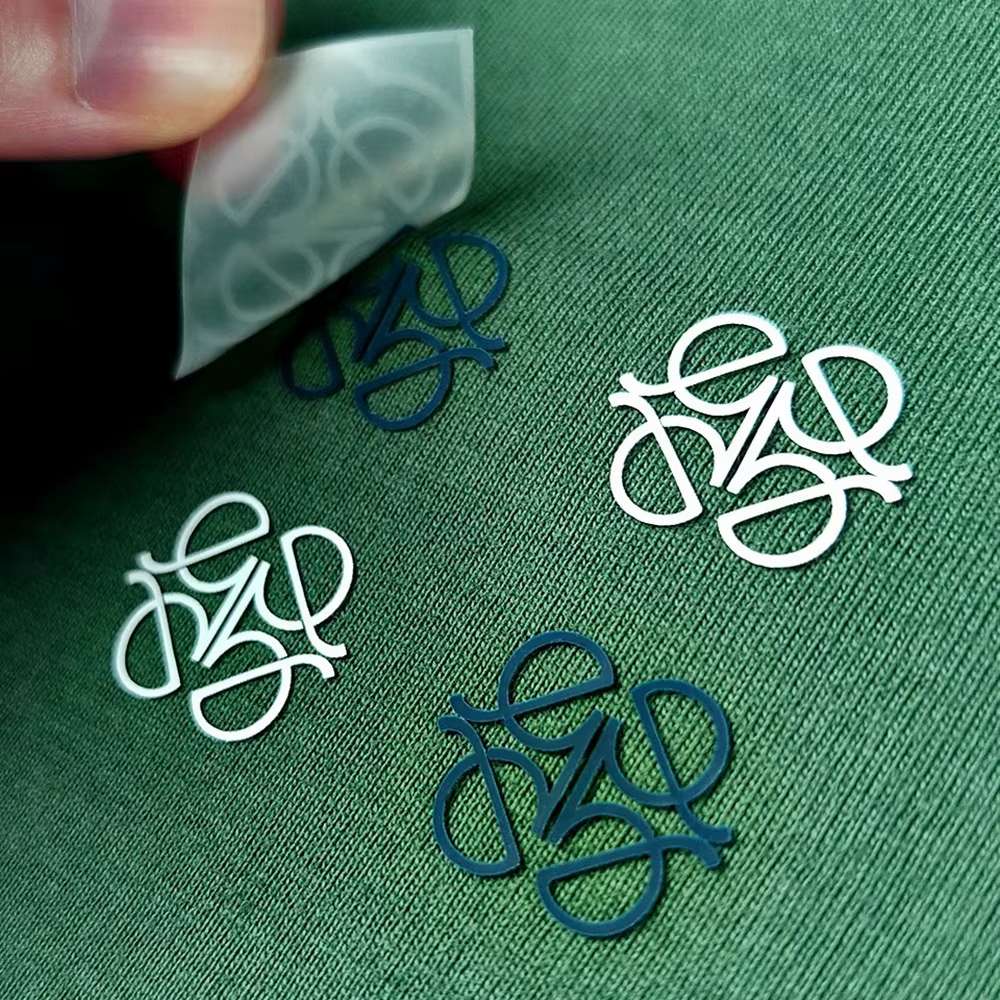
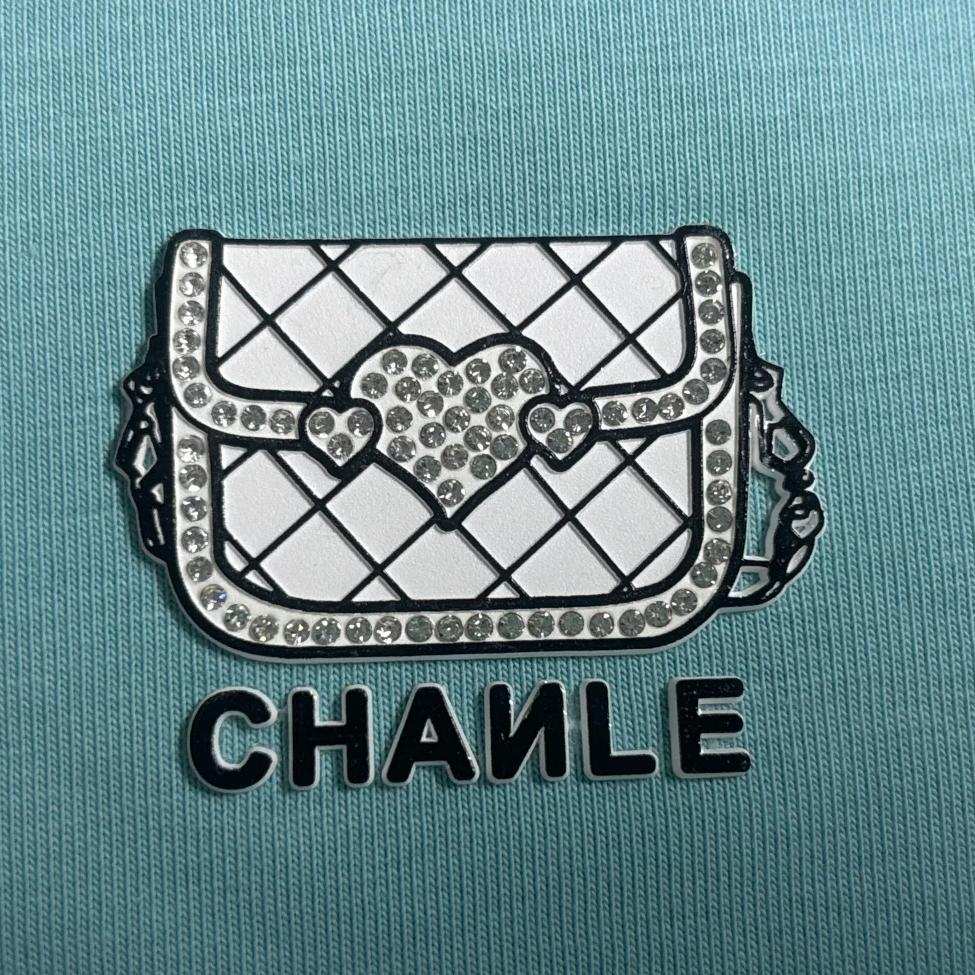
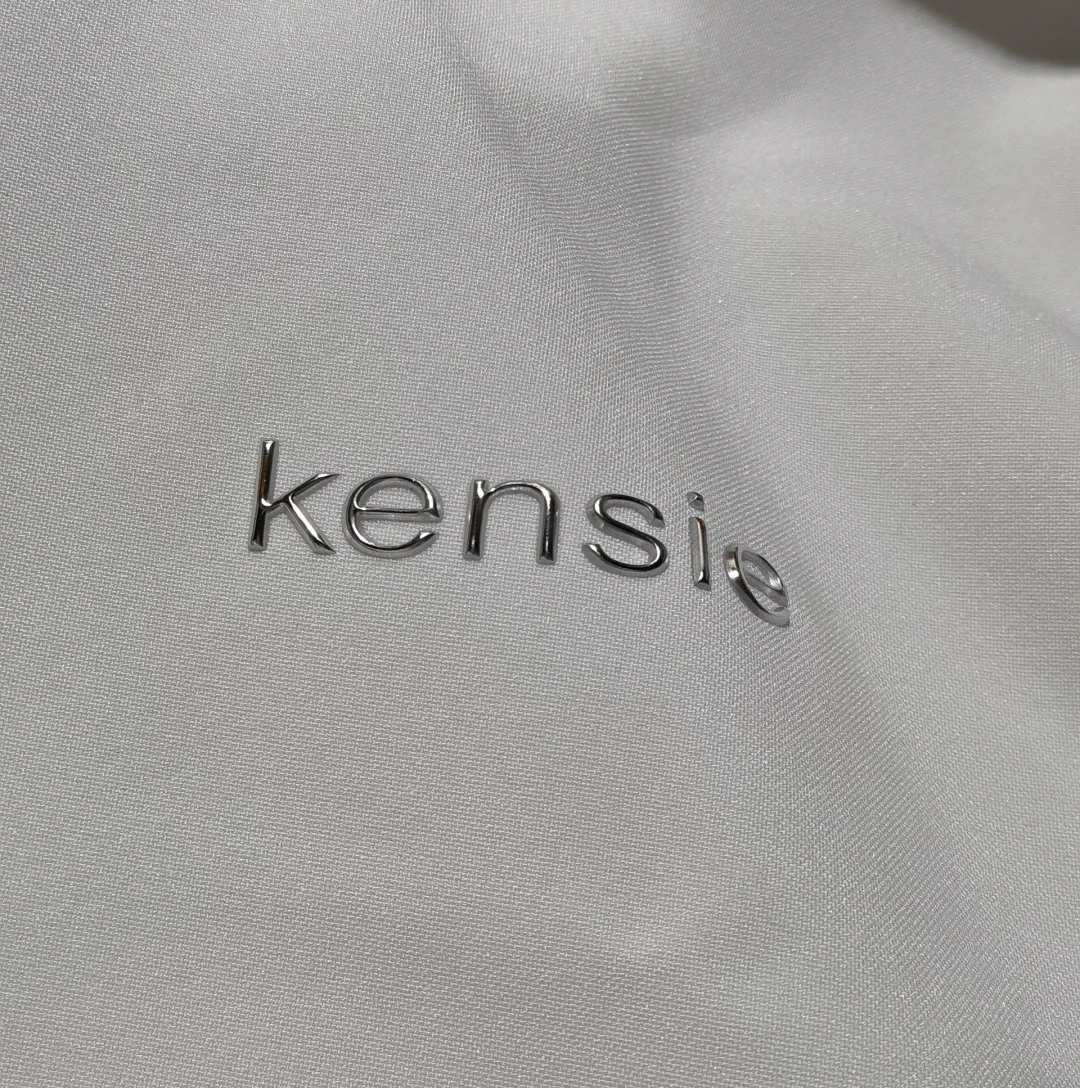
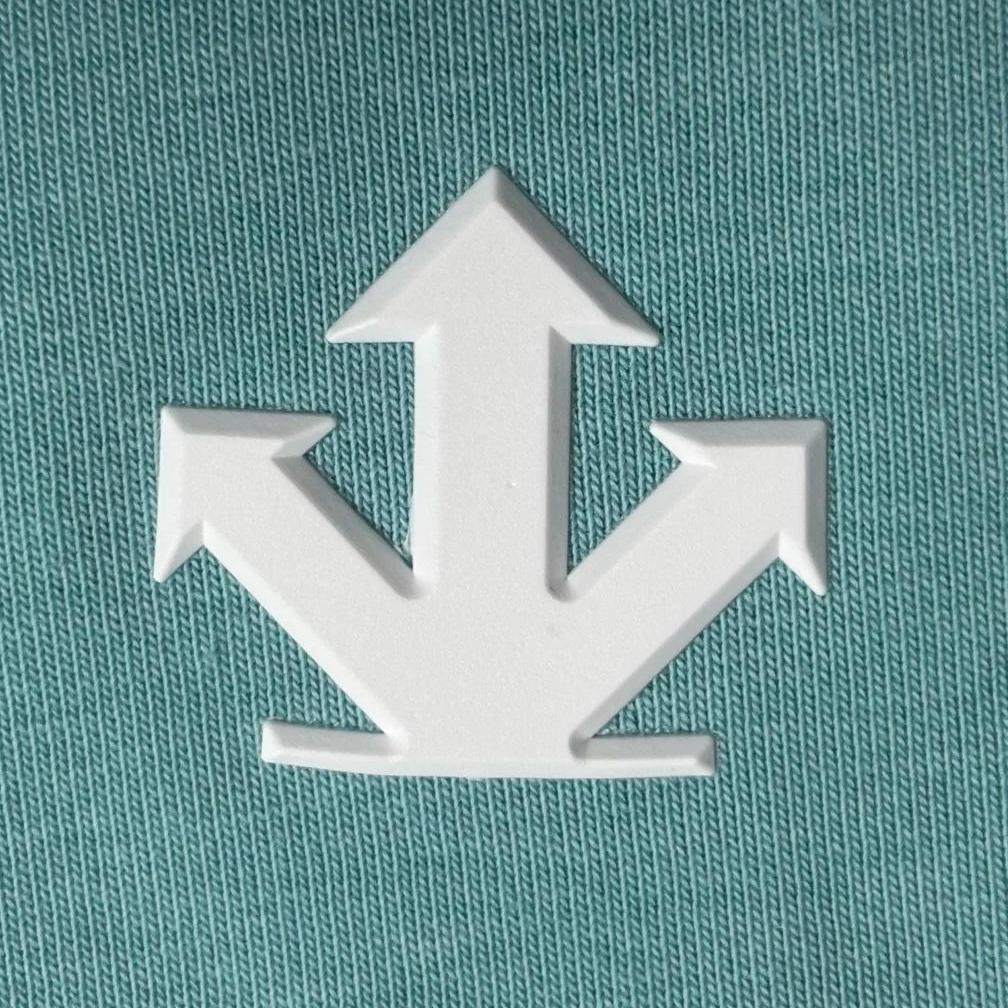
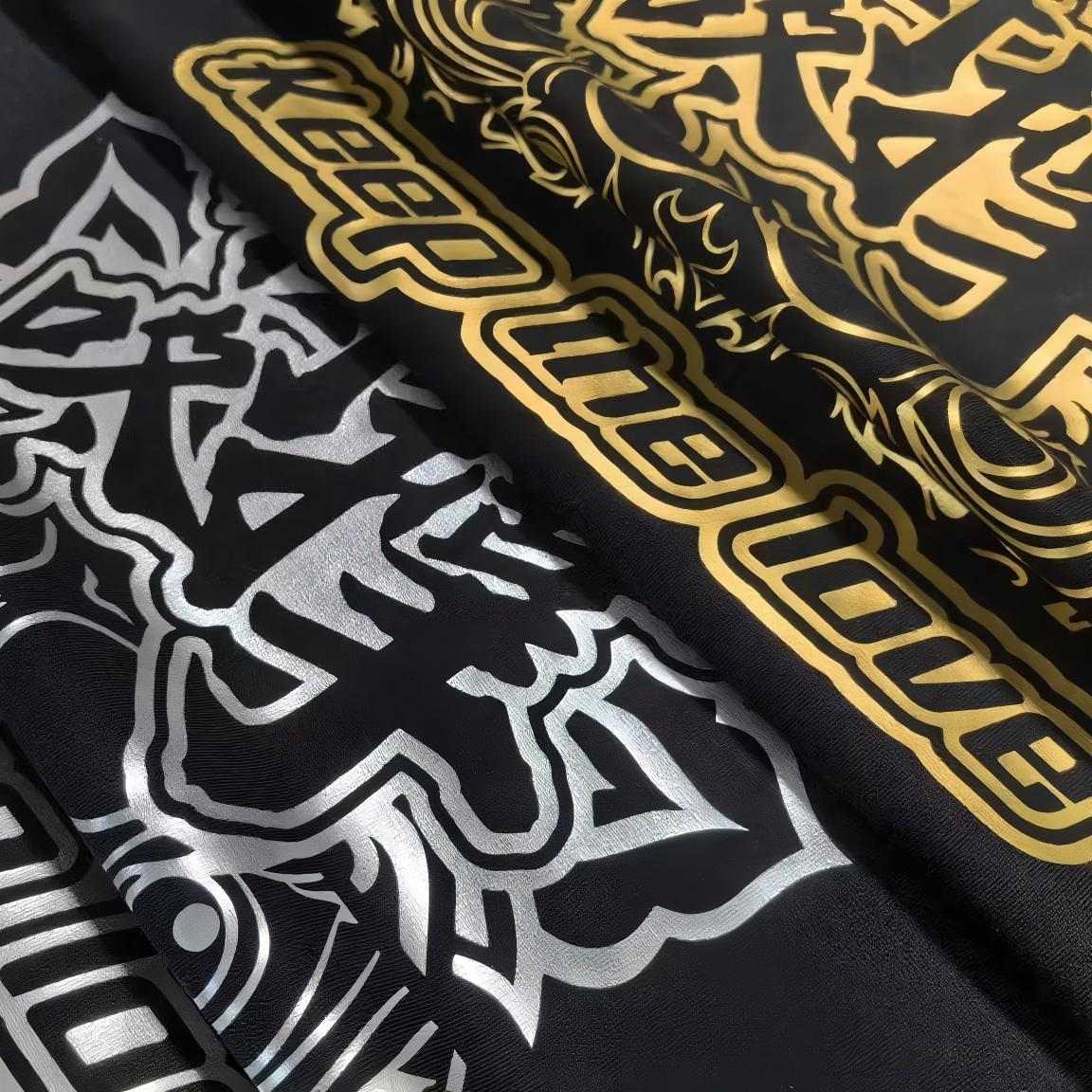
Silicone Screen Printing Samples & Decoration Gallery
Why Silicone Screen Printing for Apparel Outperforms Standard Plastisol on Extended Sizes
MENWILD‘s silicone screen printing delivers superior stretch, durability and hand feel for big & tall menswear from 2XL to 6XL — backed by 28 years as a trusted plus size menswear manufacturer and OEM partner.
Superior Stretch & Recovery
Silicone ink flexes with fabric movement and returns to shape without distortion, ideal for oversized fits and larger body dynamics.
Wash-Cycle Durability
Maintains vibrant color and structural integrity through 50+ industrial washes, resisting fading, peeling and cracking on heavyweight garments.
Soft, Raised Hand Feel
Delivers a premium tactile finish with dimensional texture that enhances brand perception and customer satisfaction across all garment weights.
Vibrant, Long-Lasting Color Hold
Silicone screen printing for apparel locks pigment into the ink matrix, preventing color migration and ensuring consistent brand identity.
No Cracking on Extended Sizes
Engineered for 2XL–6XL proportions where fabric stress is highest, silicone resists the cracking common with rigid plastisol inks.
28 Years Big & Tall Expertise
MENWILD combines specialist extended-size pattern grading with in-house silicone screen printing, ensuring decoration and fit work together flawlessly.
Silicone Screen Printing for Apparel Across Men’s Fashion Categories
From oversized streetwear to performance activewear and classic menswear, silicone screen printing delivers durable, stretch-ready decoration that holds up on big & tall garments from 2XL to 6XL.
Oversized Streetwear & Hoodies
Heavy cotton fleece and French terry stretch with movement, causing standard plastisol prints to crack and peel after just a few washes, especially across chest and sleeve graphics on oversized fits.
Silicone ink flexes with the fabric, maintaining crisp graphics and bold texture through repeated wear and washing. Perfect for high-density logos, puff effects and modern streetwear branding on hoodies and oversized tees.
Performance Activewear & Athleisure
Performance knits and stretch fabrics demand decoration that moves without restriction. Traditional inks stiffen, crack under tension, and compromise breathability—critical failures for activewear and athletic menswear in extended sizes.
Silicone screen printing bonds to technical fabrics while preserving stretch, breathability and moisture-wicking properties. Ideal for gym wear, running apparel, and athleisure collections where comfort and durability cannot be compromised.
Polos, Dress Shirts & Classic Menswear
Chest logos and pocket branding on woven polos, oxford shirts and dress shirts require a professional finish that won't crack at seams or fade after commercial laundering—especially important for workwear and corporate apparel programs.
Silicone delivers a smooth, refined finish with excellent wash fastness and colorfastness. Maintains a polished appearance through industrial laundering cycles, making it the preferred choice for branded polos, uniforms and classic menswear collections.
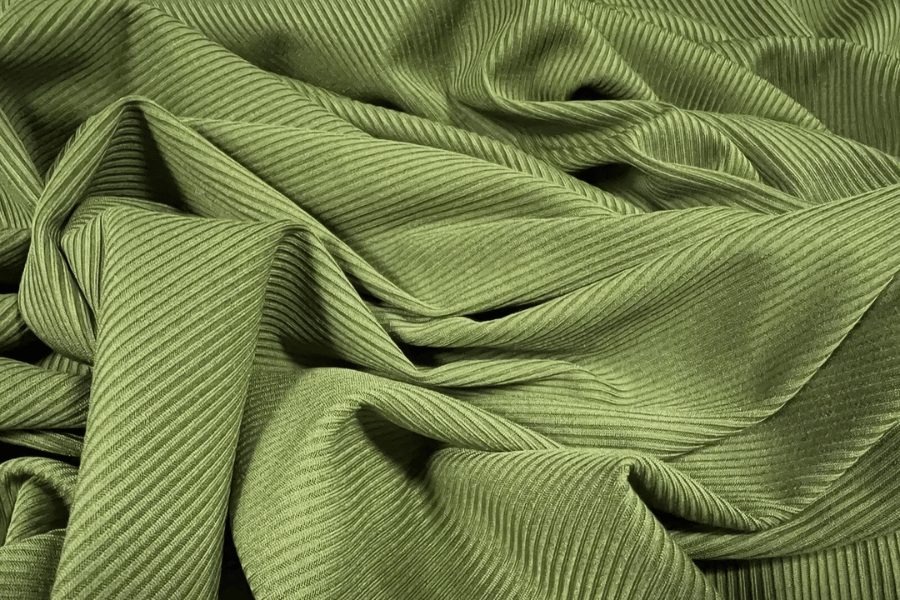
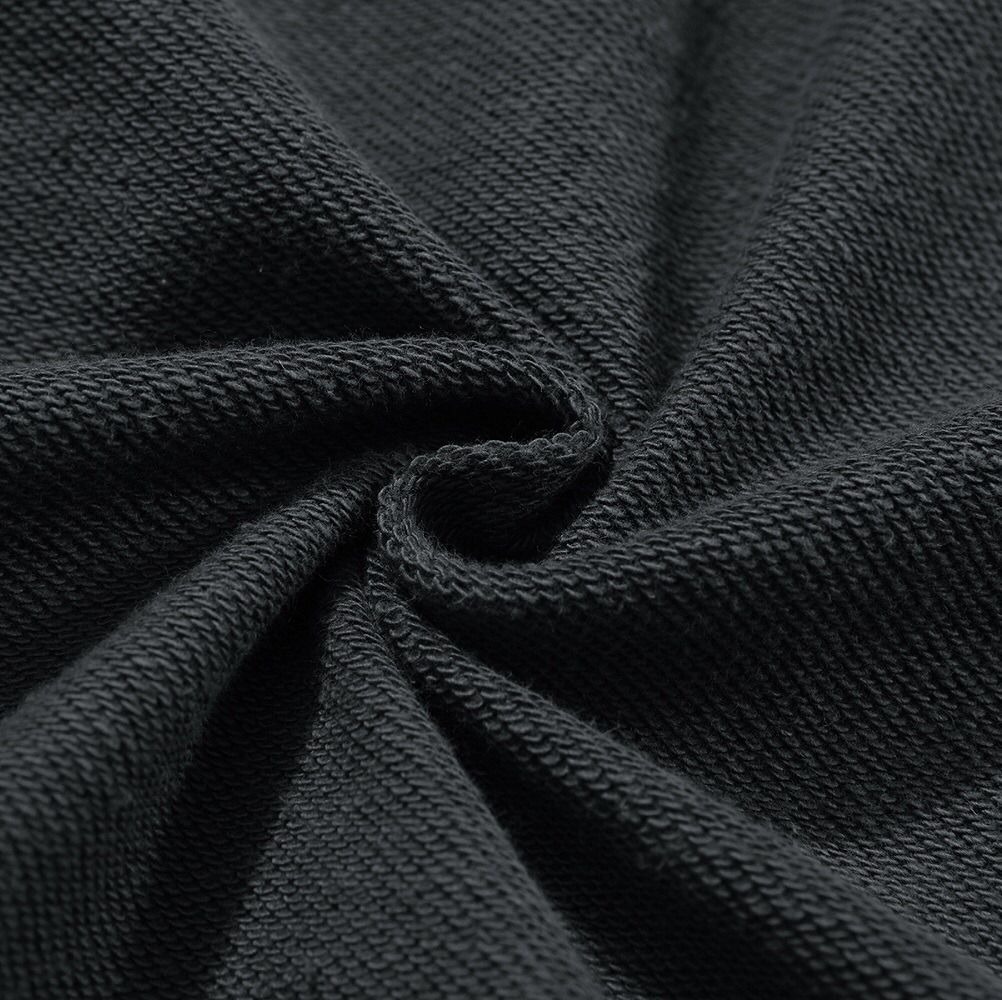
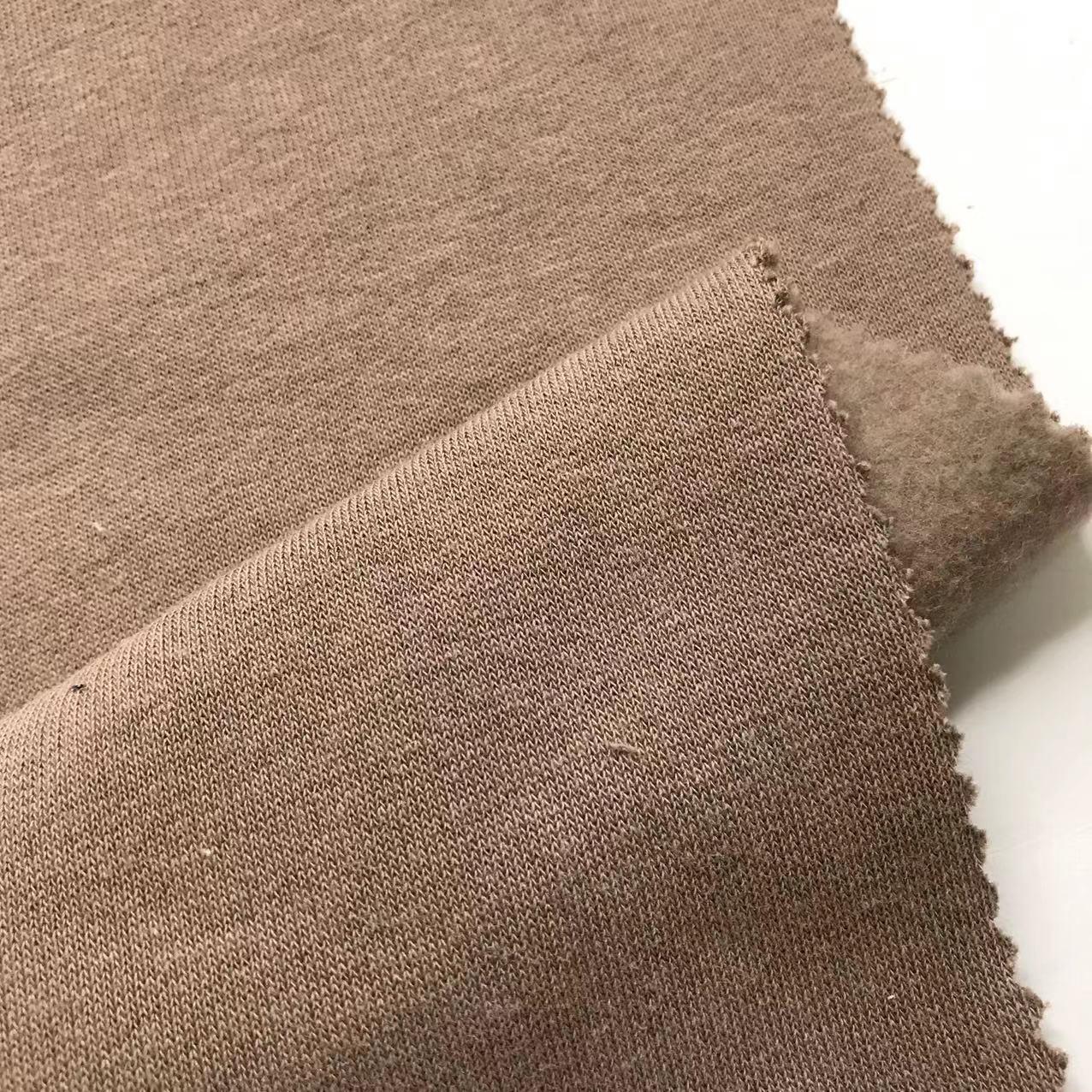
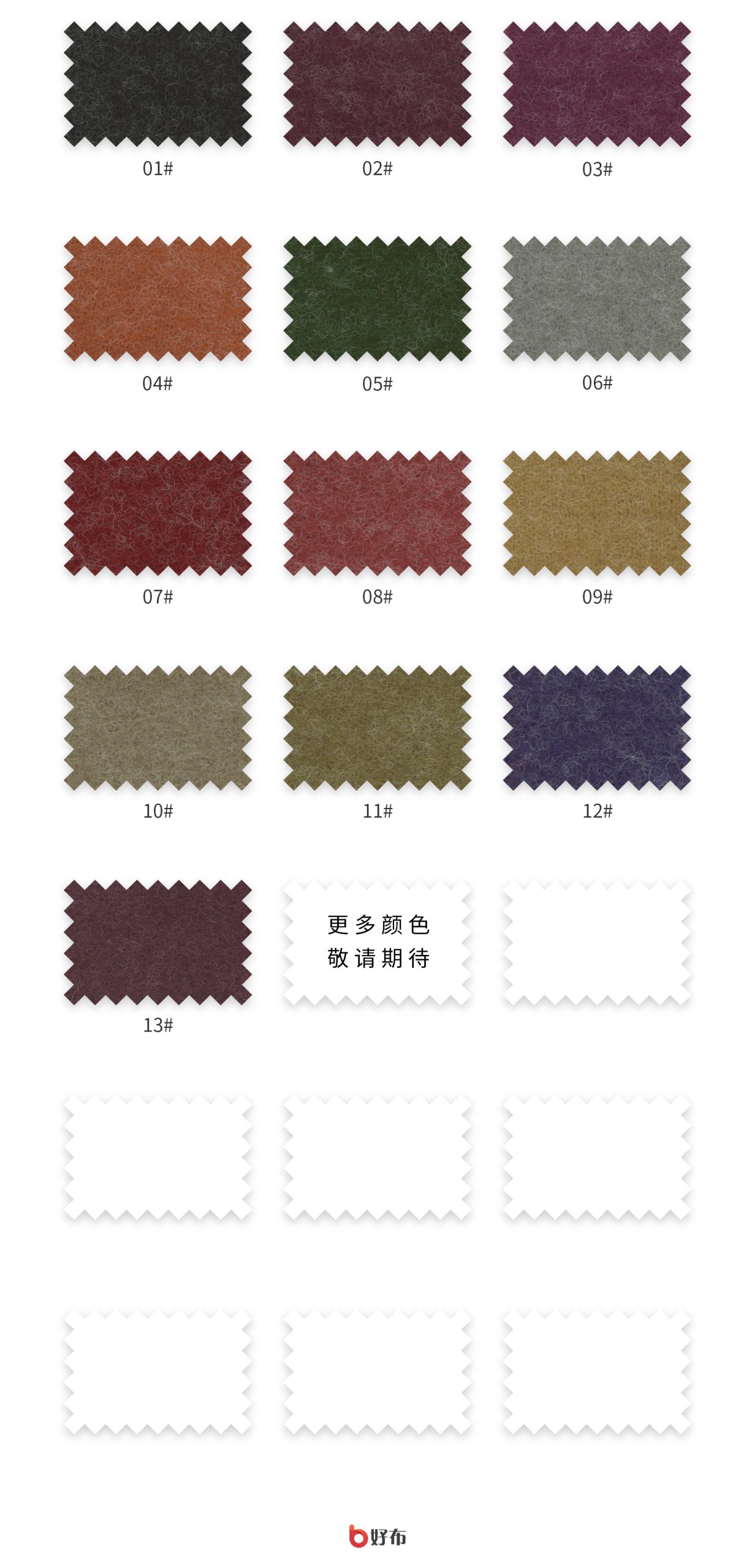
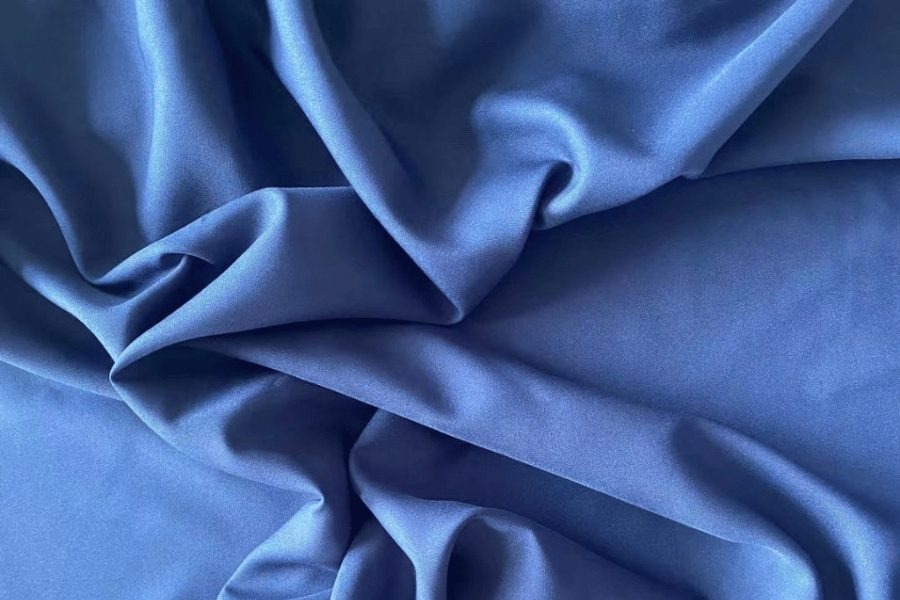
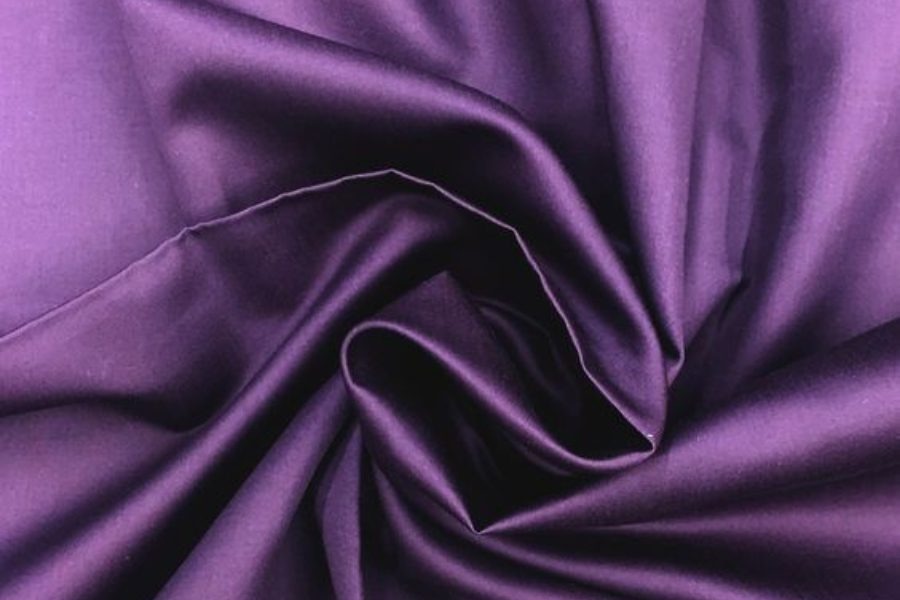
Premium Fabrics for Silicone Screen Printing for Apparel
Silicone Screen Printing Processes & Ink Systems
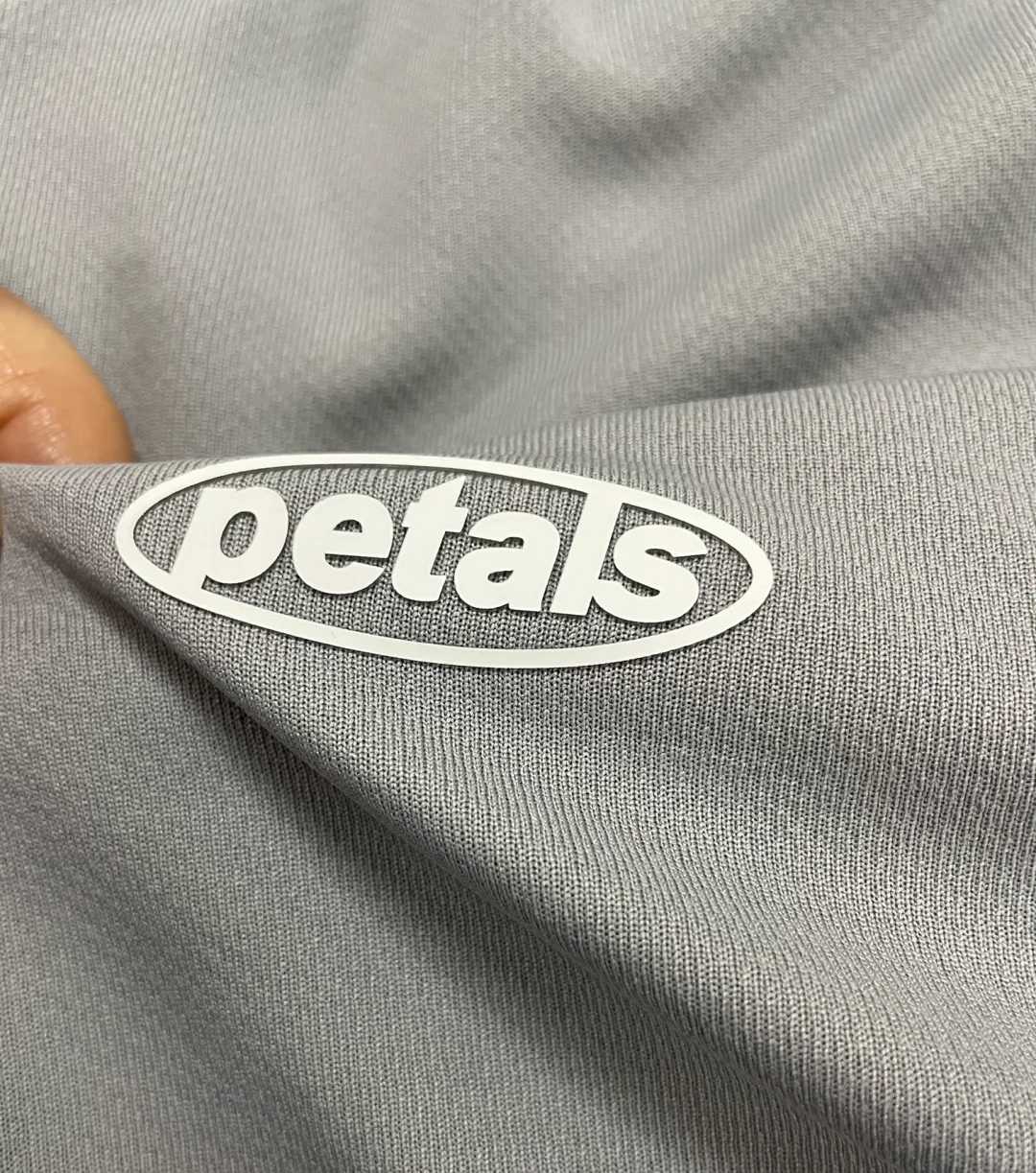
Standard Silicone Ink
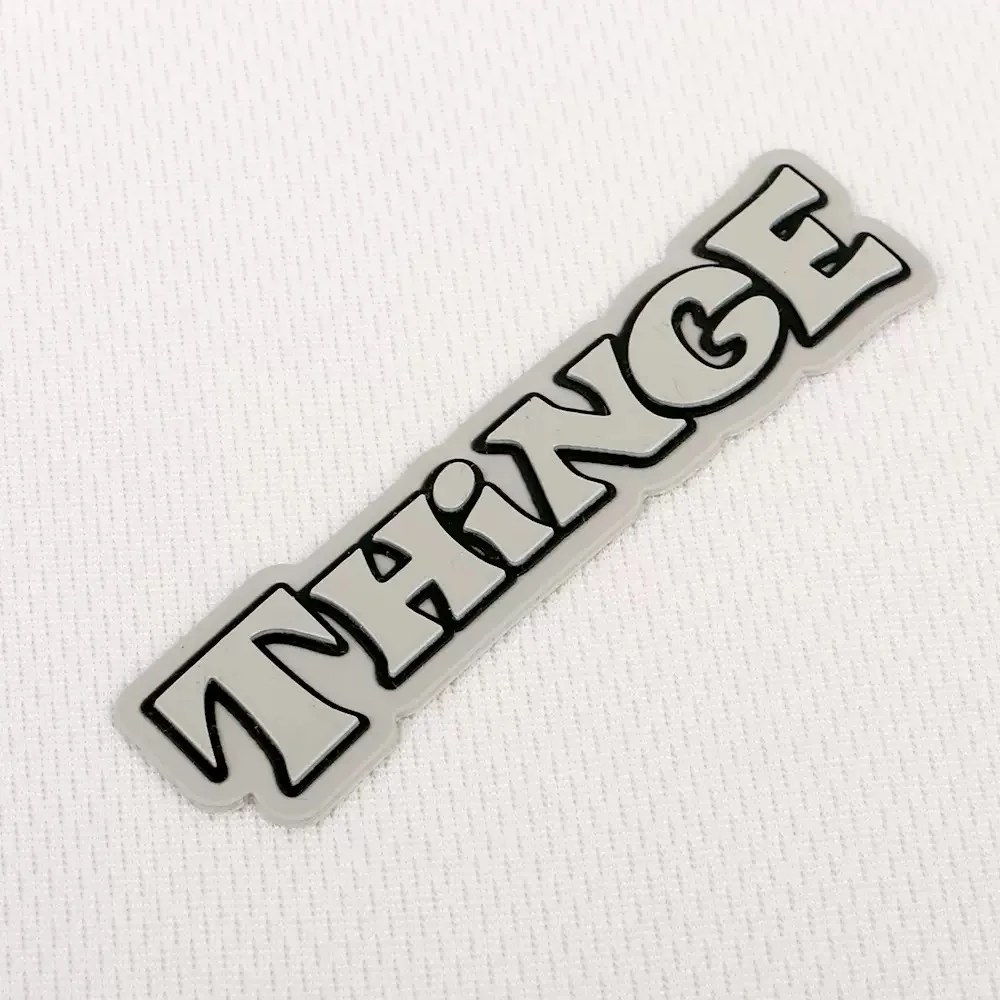
Smooth, soft-hand silicone ink that stretches with the fabric. Ideal for performance tees, activewear and oversized streetwear where comfort and elasticity are essential. Durable through repeated washing and wear.
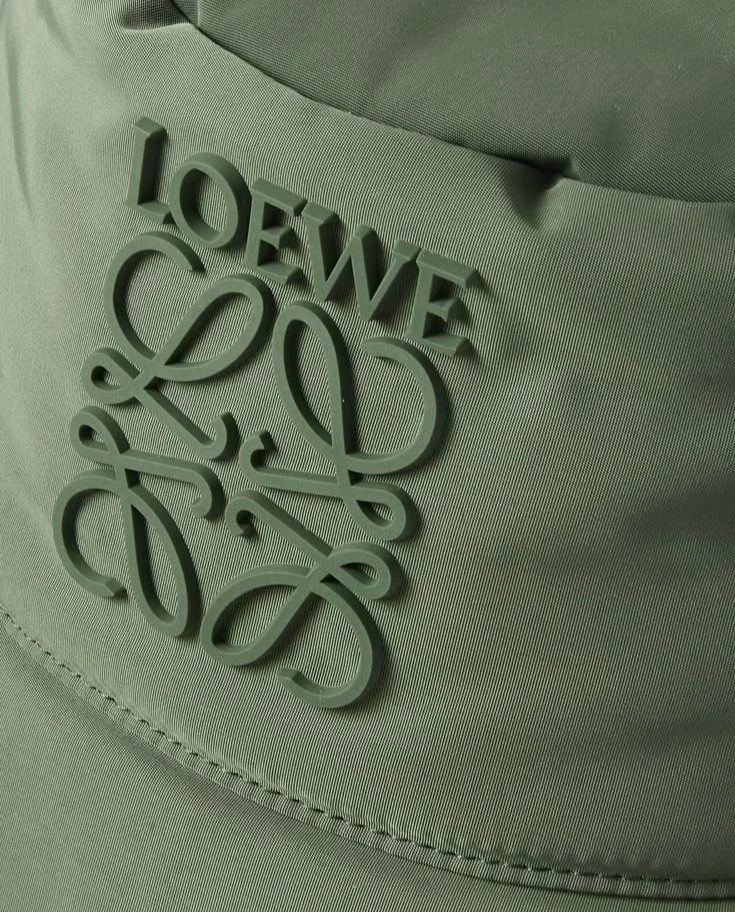
Silicone on Performance Knits
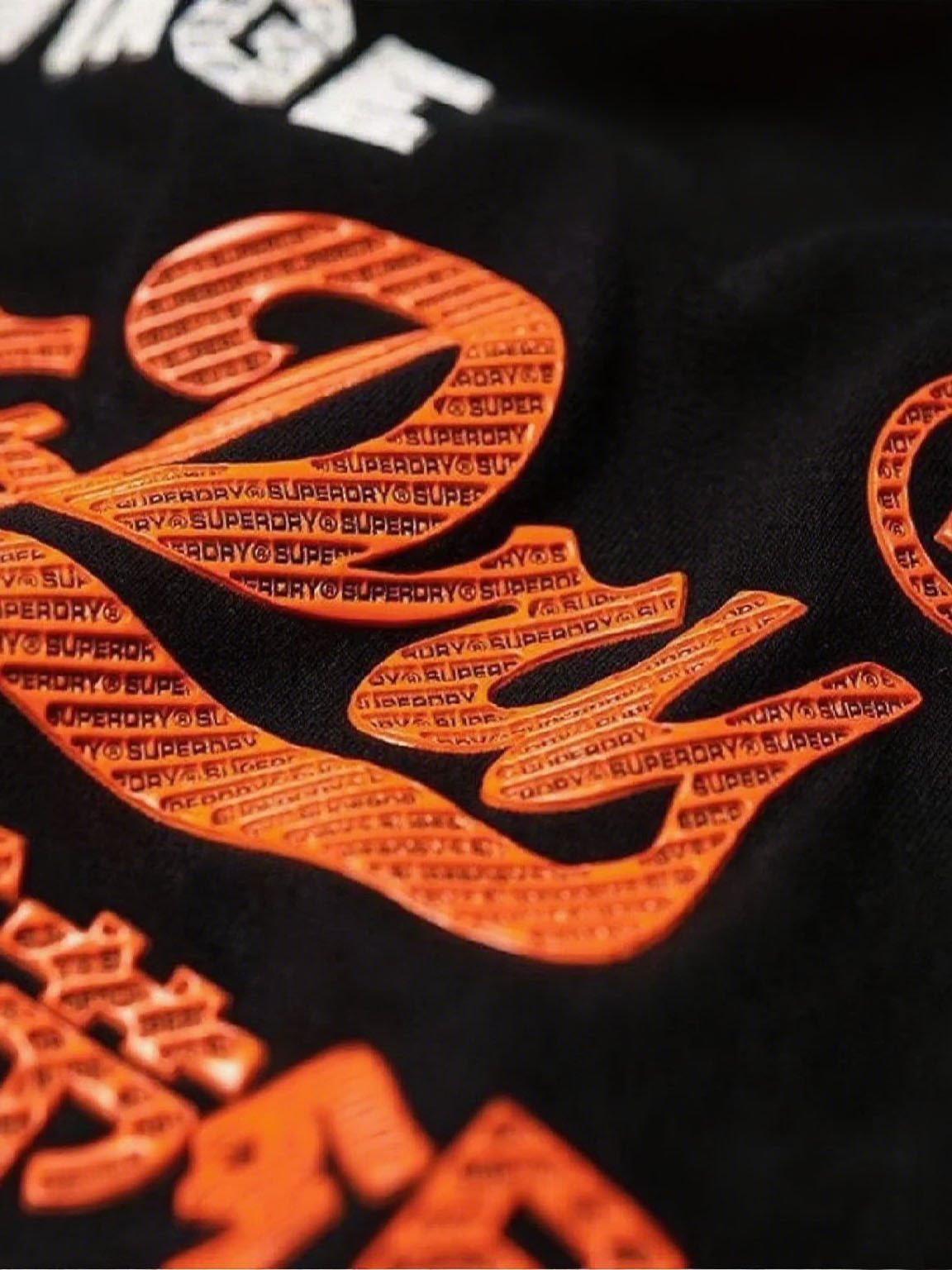
Engineered silicone formulation for moisture-wicking, stretch and compression fabrics. Bonds securely to polyester, spandex blends and technical activewear without cracking, peeling or restricting movement during high-intensity use.
Specialty Silicone Finishes
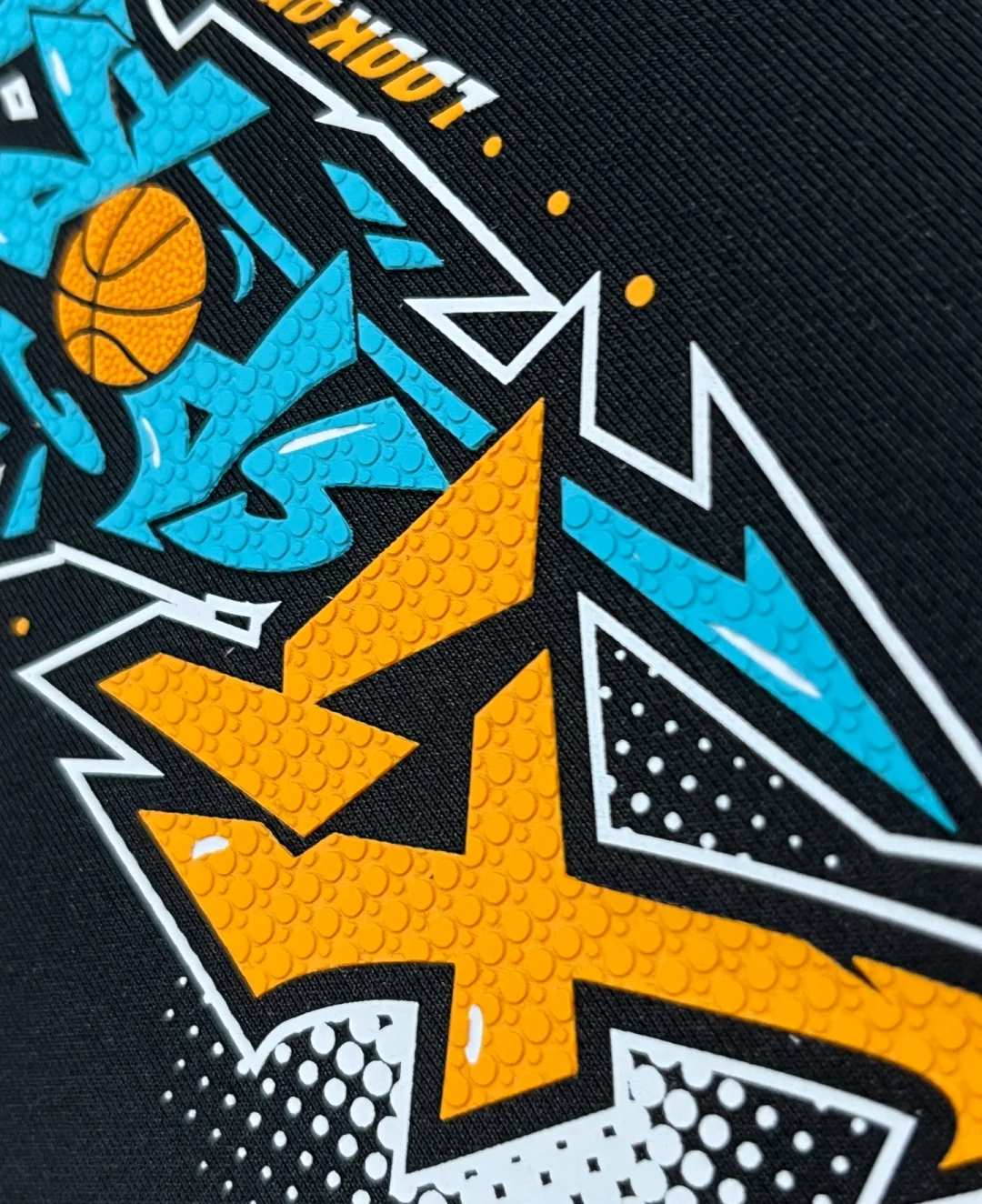
Reflective silicone, glow-in-the-dark, metallic and textured effects for custom branding and limited-edition collections. Adds functional or decorative distinction to streetwear, workwear and statement pieces with lasting durability.
Custom Trims & Finishing for Silicone Screen Printing for Apparel
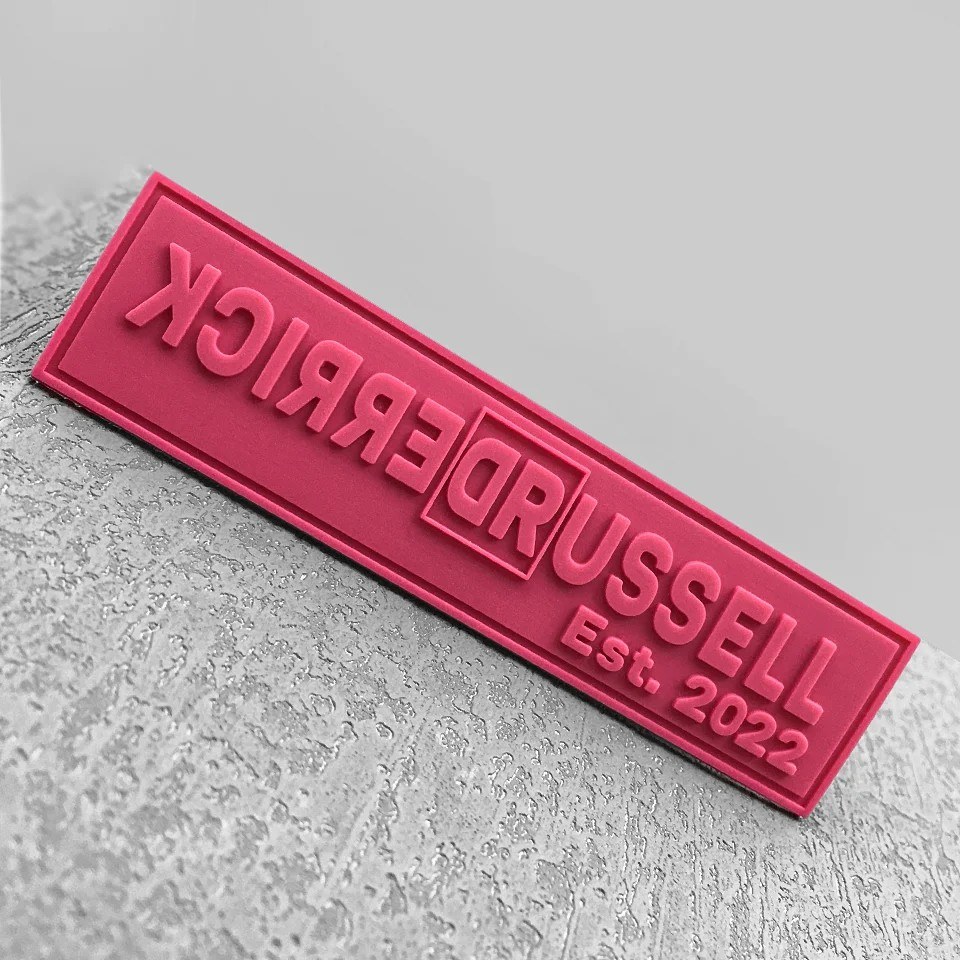
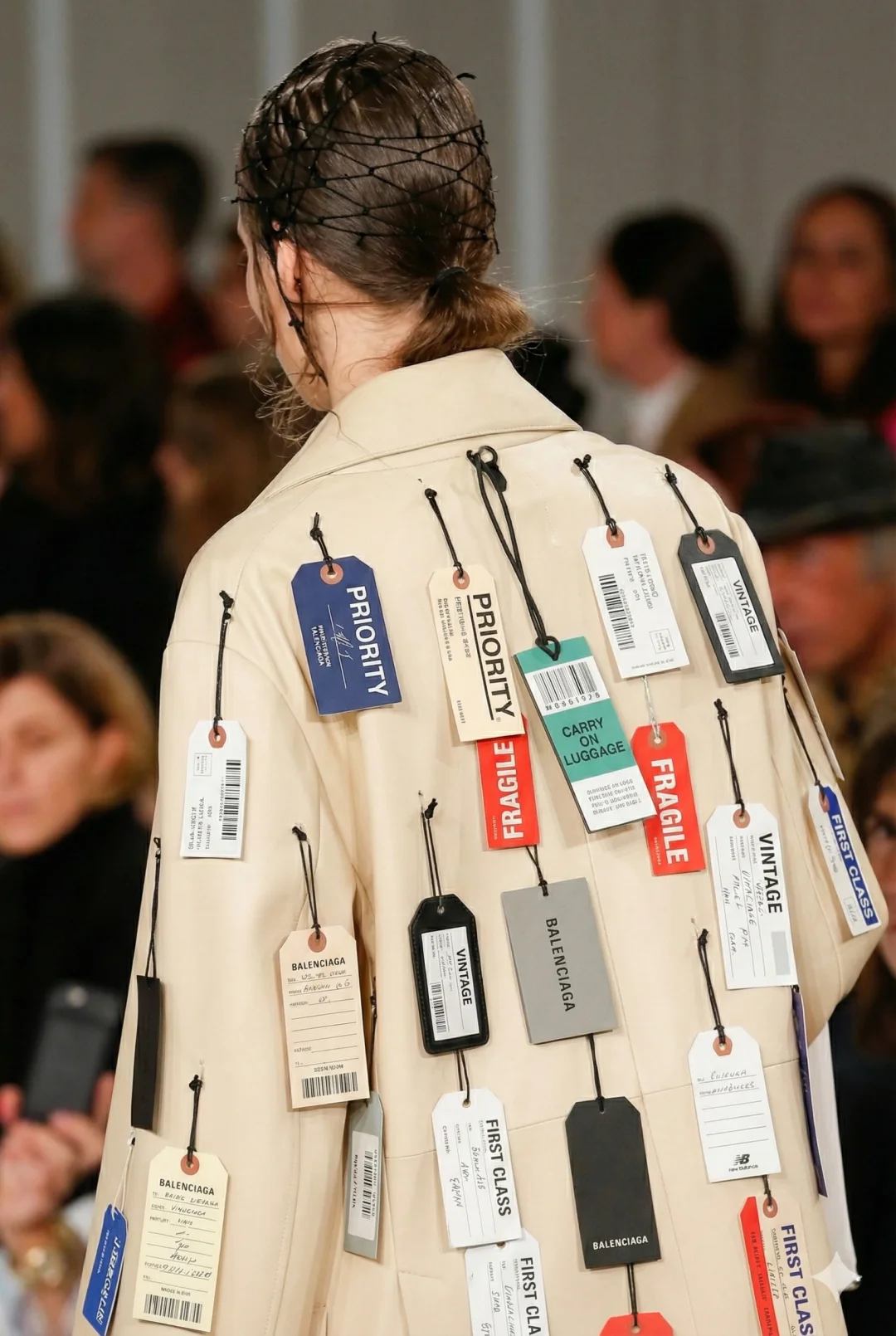
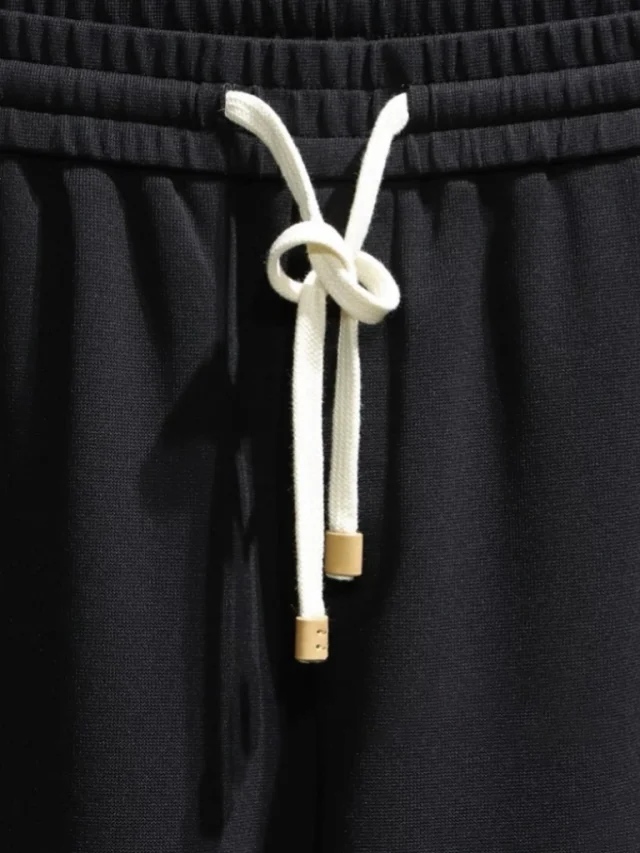
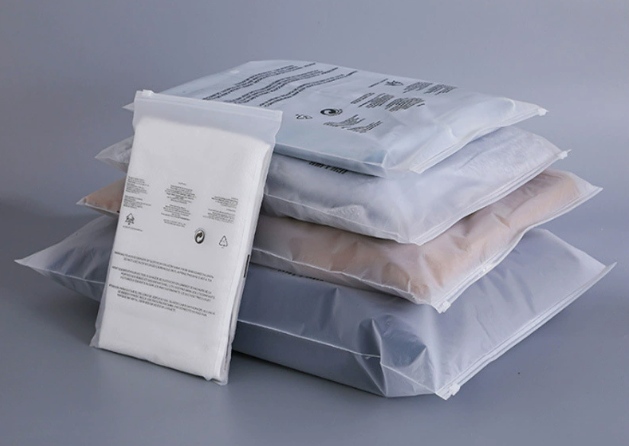
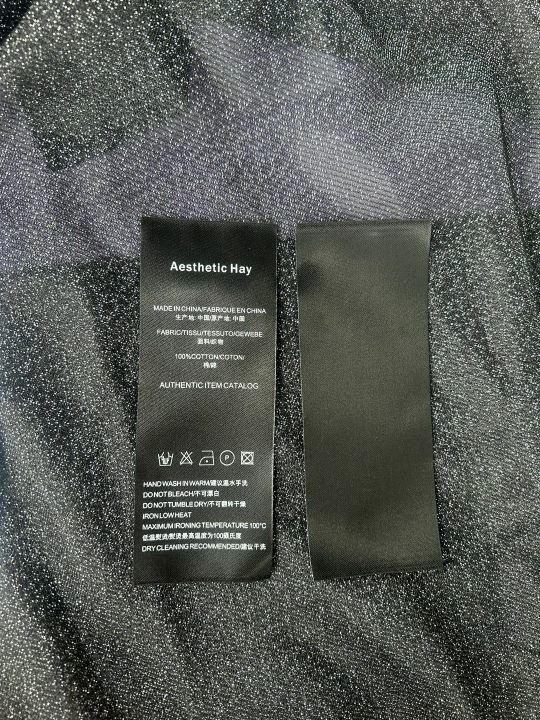
Branded Drawcords
Custom-tipped or printed drawcords add subtle branding to hoodies, joggers and shorts featuring silicone screen printing. Available in matching or contrast colors to complement your design and reinforce brand consistency across collections.
About MENWILD — 28 Years of Big & Tall Menswear Manufacturing
Founded in 1998 in Humen, Dongguan — the heart of China’s garment manufacturing region — MENWILD began as a small family cut-and-sew workshop with a singular mission: to manufacture menswear that actually fits larger and taller men. Over 28 years, that focus has grown into a full-service OEM, ODM and private label manufacturer serving over 2,000 fashion brands across the United States, Canada, Europe, Australia, Russia and the Middle East.
Today MENWILD employs more than 200 skilled workers and produces over 80,000 pieces monthly across cut-and-sew and knitting lines. What sets the company apart is specialist 2XL–6XL pattern grading and fit refinement built specifically for bigger bodies — not generic scaling. From fabric sourcing and sampling to decoration, quality control and export logistics, every step is managed in-house to ensure consistency and speed.
MENWILD offers flexible MOQs from just 100 pieces per style and color, fast sampling, and full decoration capabilities including silicone screen printing for apparel that stretches, breathes and lasts. Whether you’re launching a capsule collection or scaling a global brand, MENWILD partners with you as your long-term manufacturing foundation for big & tall menswear that fits right.
MENWILD’s Silicone Screen Printing for Apparel — From Design to Finished Garment
Extended-Size Pattern Grading for Silicone Prints
MENWILD’s 2XL–6XL pattern grading ensures silicone screen printing for apparel sits correctly on bigger bodies. Placement, scale and stretch zones are calculated for each graded size, preventing distortion, cracking and misalignment as garments move.
- Dedicated 2XL–6XL size-set development with print placement mapped per grade
- Stretch-zone analysis to position silicone graphics where fabric moves most
- Pre-production samples in every size to verify print integrity and fit
- 28+ years of big & tall expertise applied to every decorated garment
Silicone Ink Selection & Application Process
MENWILD sources premium silicone inks matched to fabric weight, stretch and hand-feel. Each print run is calibrated for viscosity, cure temperature and screen tension, delivering raised, flexible graphics that bond permanently without stiffness or peel.
- High-opacity, phthalate-free silicone inks for vivid, tactile prints
- Custom ink formulation for matte, gloss, transparent and 3D-effect finishes
- Multi-pass application for high-density raised prints and fine detail
- Temperature-controlled curing to lock elasticity and wash durability
Quality Control & Durability Testing
Every silicone screen printing for apparel order undergoes in-line inspection and post-cure testing. MENWILD checks print adhesion, stretch recovery, colorfastness and wash performance before any garment leaves the factory, ensuring consistent, retail-ready quality.
- Stretch and recovery tests simulating real-world wear on extended sizes
- Wash-cycle testing (ISO standards) for ink adhesion and color retention
- Hand-feel evaluation to maintain soft, flexible print surfaces
- Final AQL inspection with photographic records for every bulk order
Fast Sampling & Low-MOQ Production
MENWILD delivers silicone screen printing samples in 7–10 days and accepts bulk orders from just 100 pieces per style and color. Test designs, validate fit and launch capsule collections without tying up cash in oversized inventory.
- Sample turnaround in 7–10 days with silicone print applied to your fabric
- MOQ from 100 pieces per style/color — ideal for startups and test runs
- Pattern and print files kept on file for fast, consistent re-orders
- Flexible payment terms: 100% first order, scaling down to 30% for repeat partners
Why Choose MENWILD for Silicone Screen Printing for Apparel
Concrete evidence-based differentiation: big & tall fit expertise, flexible MOQ, premium silicone ink quality, and fast sampling backed by 28+ years of manufacturing experience in Dongguan, China.
← 左右滑动查看 →
Silicone Screen Printing for Apparel — From Tech Pack to Finished Garment
Concrete evidence-based differentiation: big & tall fit expertise, flexible MOQ, premium silicone decoration, and fast sampling backed by 28+ years as a trusted OEM apparel manufacturer and private label menswear partner in Dongguan, China.
Tech Pack & Design Review
Your tech pack, sketch or idea is reviewed by MENWILD’s design team. We confirm silicone print placement, ink type, fabric compatibility and 2XL–6XL grading requirements.
Fabric Sourcing & Swatches
Trusted mills supply cotton, fleece, performance knits or custom blends. You receive fabric swatches for approval before any sampling begins, ensuring perfect print adhesion.
Silicone Print Setup & Sampling
Screens are prepared and silicone ink systems tested on your chosen fabric. Sample garments with final print, size grading and finishing are produced for your approval.
Bulk Production & In-Line QC
Approved samples move to bulk cut-and-sew and silicone screen printing. In-line quality control monitors every print run, ensuring color consistency, cure and stretch performance.
Finishing & Garment Wash
Silicone-printed garments receive optional softening wash, enzyme treatment or garment dye. Each piece is inspected, pressed and prepared for final packing and labeling.
Packing & Export Logistics
Custom hang tags, labels and packaging are applied. MENWILD coordinates global shipping from Dongguan to your warehouse, with full documentation and tracking for every order.
How to Partner with MENWILD for Silicone Screen Printing for Apparel
From initial inquiry to finished garments, MENWILD’s streamlined process makes it easy to launch silicone-printed menswear with low MOQ and fast turnaround.
Submit Your Tech Pack or Design Brief
Share your design, artwork, fabric preferences and size requirements. MENWILD’s team will review your brief and recommend silicone ink systems, mesh counts and garment specs.
Receive Quote and Sampling Timeline
Get a detailed quotation covering fabric, silicone screen printing, trims and MOQ pricing. Sampling timelines are typically seven to ten days, with express options available.
Approve Sample and Finalize Specs
Review your physical sample for fit, hand-feel, stretch and print durability. Adjustments to ink thickness, cure temperature or artwork are made before bulk production begins.
Place Bulk Order with Deposit
Confirm your order quantity from 100 pieces per style and color. Pay your deposit via T/T, PayPal, card or USDT, and production enters the queue immediately.
Production, QC and Global Delivery
MENWILD manufactures, prints and inspects every garment in-house. Final balance is settled before shipment, and your silicone-printed apparel ships direct to your warehouse or fulfillment partner.
MENWILD Certifications & Manufacturing Standards for Silicone Screen Printing
Customer Testimonials — Brands Growing with MENWILD’s Silicone Screen Printing for Apparel
We launched our first 3XL–5XL streetwear collection with silicone logos in under 8 weeks. The prints stayed flexible through every wash, and our repeat order rate jumped 34% compared to our plastisol line.
MENWILD’s silicone screen printing gave our big & tall hoodies the premium hand-feel we needed. Starting at just 100 pieces per colorway let us test three designs, and all three sold out in under two weeks.
Consistency across 2XL to 6XL was our biggest challenge until we switched to MENWILD. Their silicone prints stretch perfectly on performance fabrics, and we’ve had zero customer complaints about cracking since our fourth production run.
FAQ — Silicone Screen Printing for Apparel, MOQ, Sampling & Bulk Orders
What is the minimum order quantity for silicone screen printing for apparel at MENWILD?
How long does it take to get samples with silicone screen printing for apparel?
What are the costs for sampling and bulk production with silicone screen printing?
What payment methods does MENWILD accept for silicone screen printing for apparel orders?
How long is the bulk production timeline for silicone screen printed garments?
How does MENWILD protect my designs and intellectual property?
Can MENWILD source fabrics for my silicone screen printing project?
What customization options are available beyond silicone screen printing for apparel?
Does MENWILD specialize in big and tall sizing for silicone screen printed garments?
The Complete Buyer’s Guide to Silicone Screen Printing for Apparel
Navigate supplier selection, quality benchmarks, and cost structures with confidence. This guide delivers a proven decision framework, essential manufacturer criteria, and the most common mistakes to avoid when sourcing silicone screen printing for apparel.
1. What Is Silicone Screen Printing for Apparel?
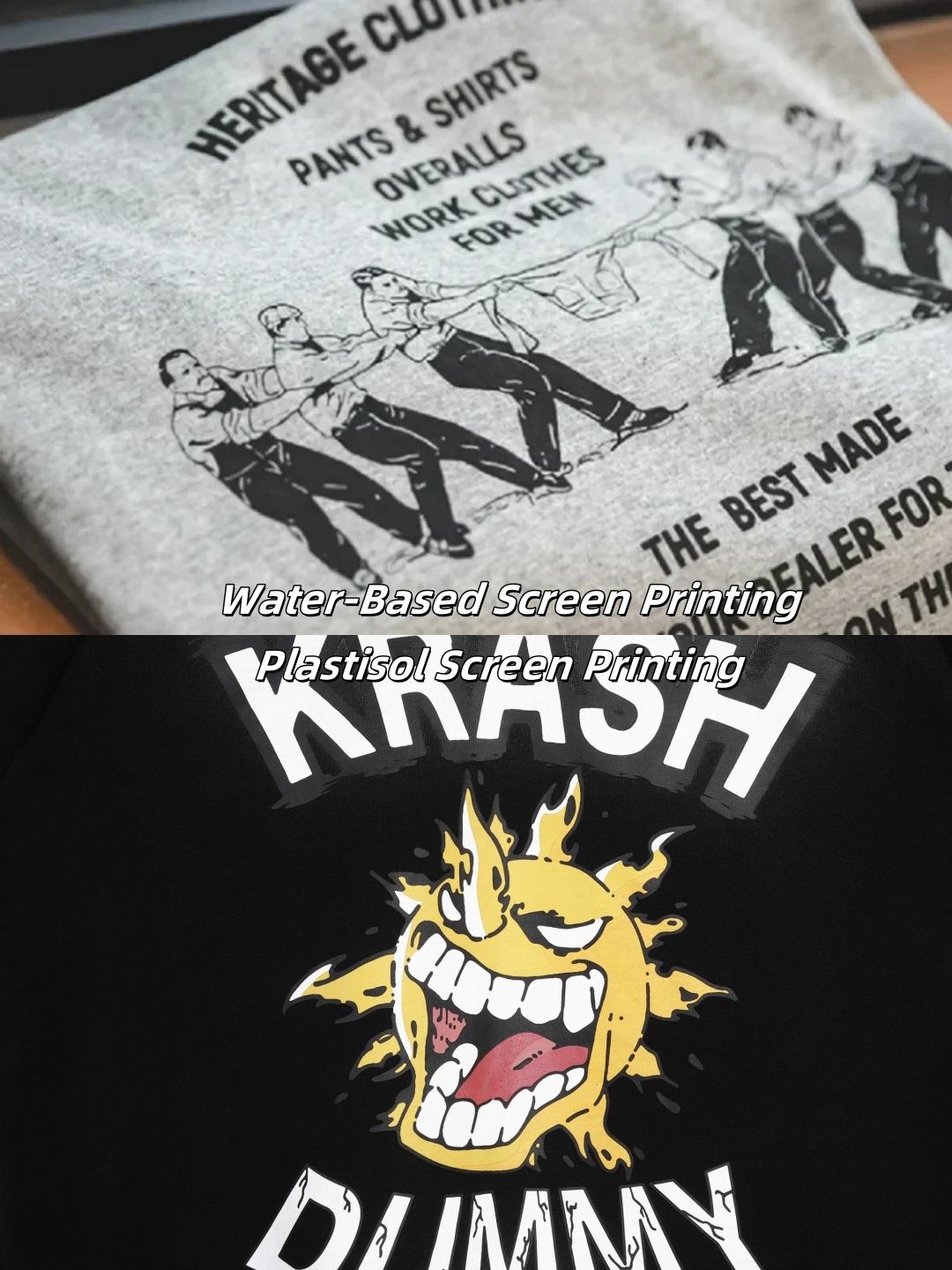
Silicone screen printing for apparel is a specialty decoration technique that forces flexible, raised silicone ink through fine mesh screens onto fabric, creating tactile, three-dimensional graphics that stretch, breathe and withstand industrial laundering. Unlike plastisol or water-based inks, silicone formulations cure into a soft, rubberized layer that remains permanently elastic — critical for performance garments that endure repeated stretch and recovery cycles.
The process mirrors traditional screen printing: emulsion-coated screens, squeegee passes and heat curing. But silicone inks deliver a distinct hand feel — smooth, grippy or matte — and rise 1–3 mm above the fabric surface, making logos and details visible and tactile. Brands in athletic wear, streetwear and activewear adopt silicone printing when durability, stretch retention and premium texture matter more than rock-bottom cost per print.
Silicone screen printing suits collections where graphics must survive 50-plus industrial wash cycles, maintain color on technical polyester and nylon, and add functional grip to gloves, socks or performance tees. If your line prioritizes longevity and hand feel over speed and price, silicone is the right print method.
2. Evolution and History of Silicone Screen Printing
Silicone ink technology entered textile printing in the late 1990s, initially developed for performance sportswear that demanded stretch, breathability and durability beyond what plastisol could deliver. Early formulations were limited to simple raised logos and heat-transfer applications, but by the mid-2000s major athletic brands began specifying silicone for moisture-wicking jerseys, compression gear and technical outerwear where fabric flex and wash permanence were non-negotiable.
The shift from rigid plastisol to flexible silicone accelerated between 2008 and 2012 as activewear moved into mainstream fashion. Silicone inks offered a soft hand, excellent elongation on knits and French terry, and resistance to cracking after repeated laundering — advantages that made them standard for hoodies, oversized tees and streetwear graphics by 2015.
Recent innovations focus on eco-friendly silicone formulations free from phthalates and heavy metals, meeting OEKO-TEX and GOTS standards. High-definition silicone printing now achieves fine line detail below 1 mm, enabling intricate logos, tonal effects and multi-layer designs that were impossible a decade ago.
3. Types of Silicone Screen Printing for Apparel
Silicone screen printing for apparel splits into five main variants, each engineered for distinct tactile, visual and performance outcomes. Thickness, durability and cost scale together, so matching the right type to your garment category and brand positioning directly impacts margin and customer satisfaction.
Standard Raised Silicone
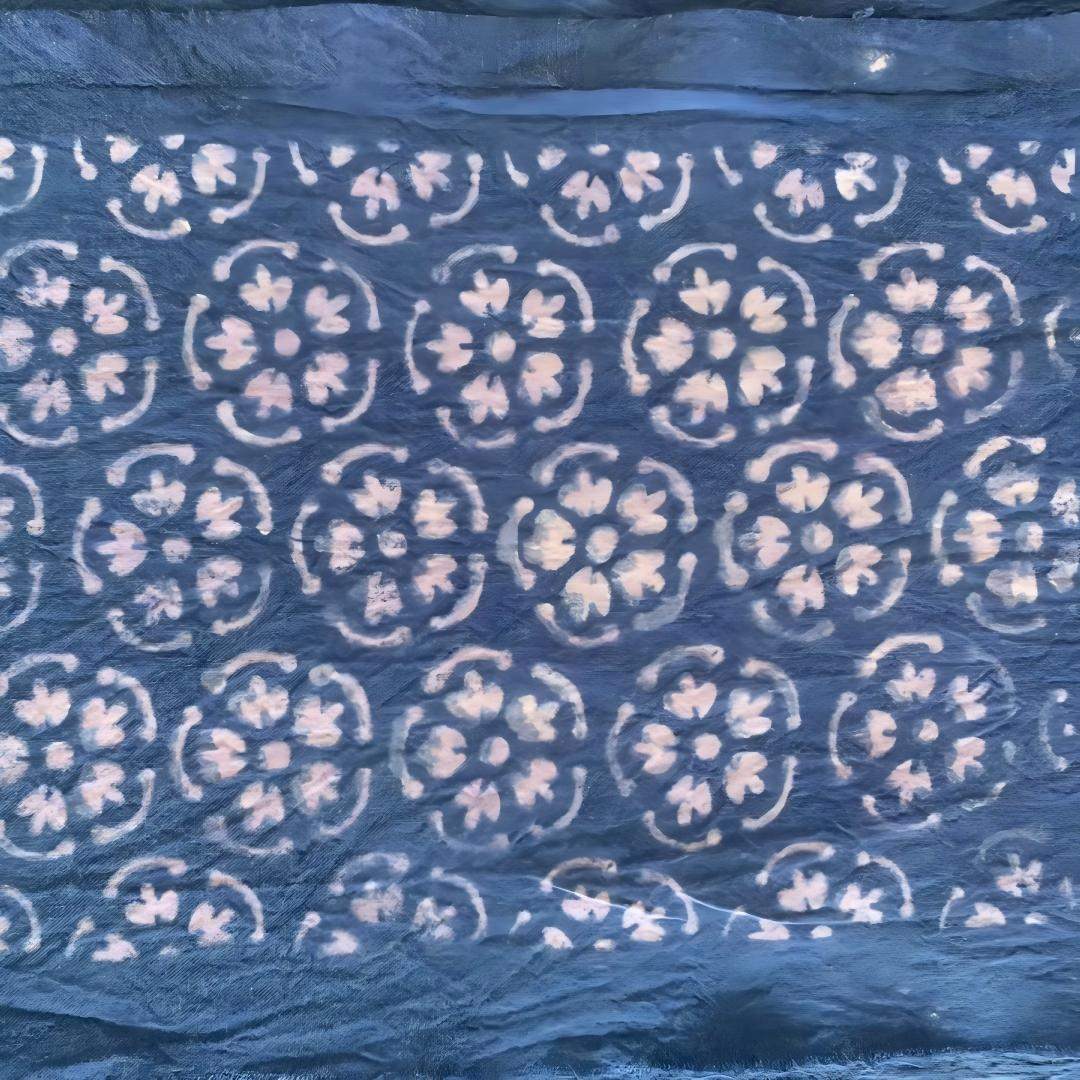
Thickness ranges 0.5–1.0 mm, delivering a soft rubber hand and moderate three-dimensional effect. Durability reaches 50–80 industrial wash cycles before edge lift or cracking appears.
Ideal for fashion tees, hoodies and casual streetwear where tactile branding matters more than extreme abrasion resistance. Cost sits 15–25 % above plastisol per square inch, making it accessible for mid-tier brands testing premium decoration.
High-Density 3D Silicone
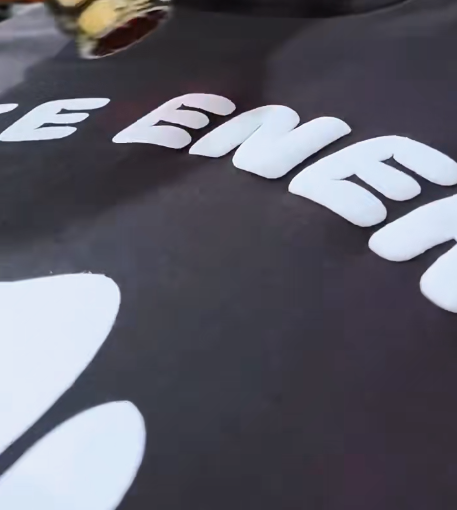
Built-up layers push thickness to 2.0–4.0 mm, creating bold sculptural logos and text. Hand feel is firm yet flexible; durability extends to 80–100 wash cycles when cured correctly.
Outerwear, activewear jackets and performance tees leverage the high-impact visual. Expect cost premiums of 40–60 % over standard silicone due to multi-pass application and extended cure time.
Soft-Hand Silicone
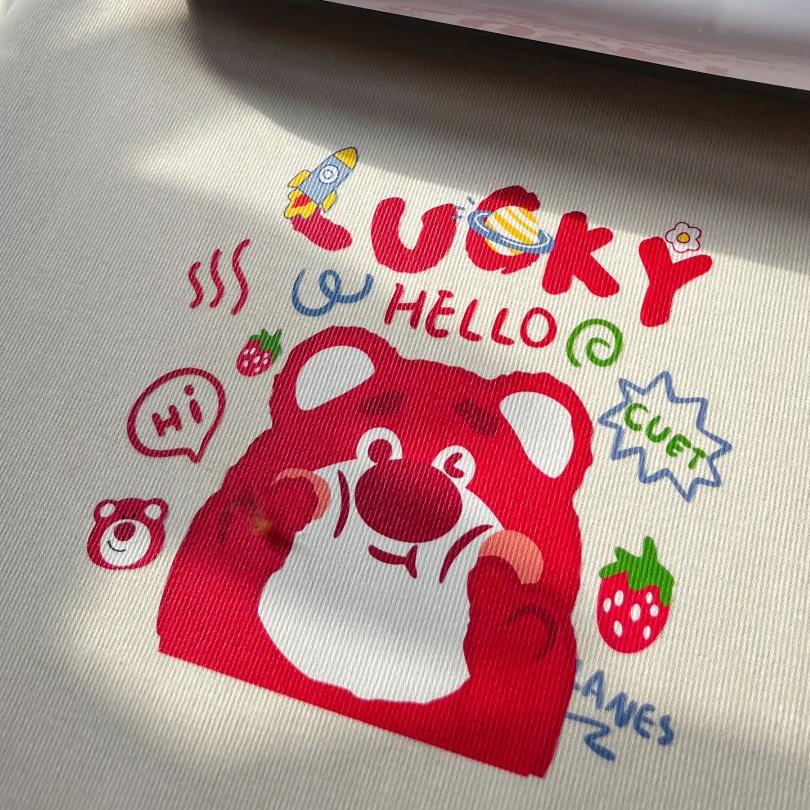
Formulated at 0.3–0.6 mm with plasticizers for a near-fabric feel. Wash durability drops slightly to 40–60 cycles but comfort on skin-contact zones — necklines, underarms — improves significantly.
Premium basics, underwear and activewear baselayers benefit most. Cost aligns closely with standard raised silicone, though specialty inks may add 5–10 % to unit price.
Glow-in-the-Dark Silicone
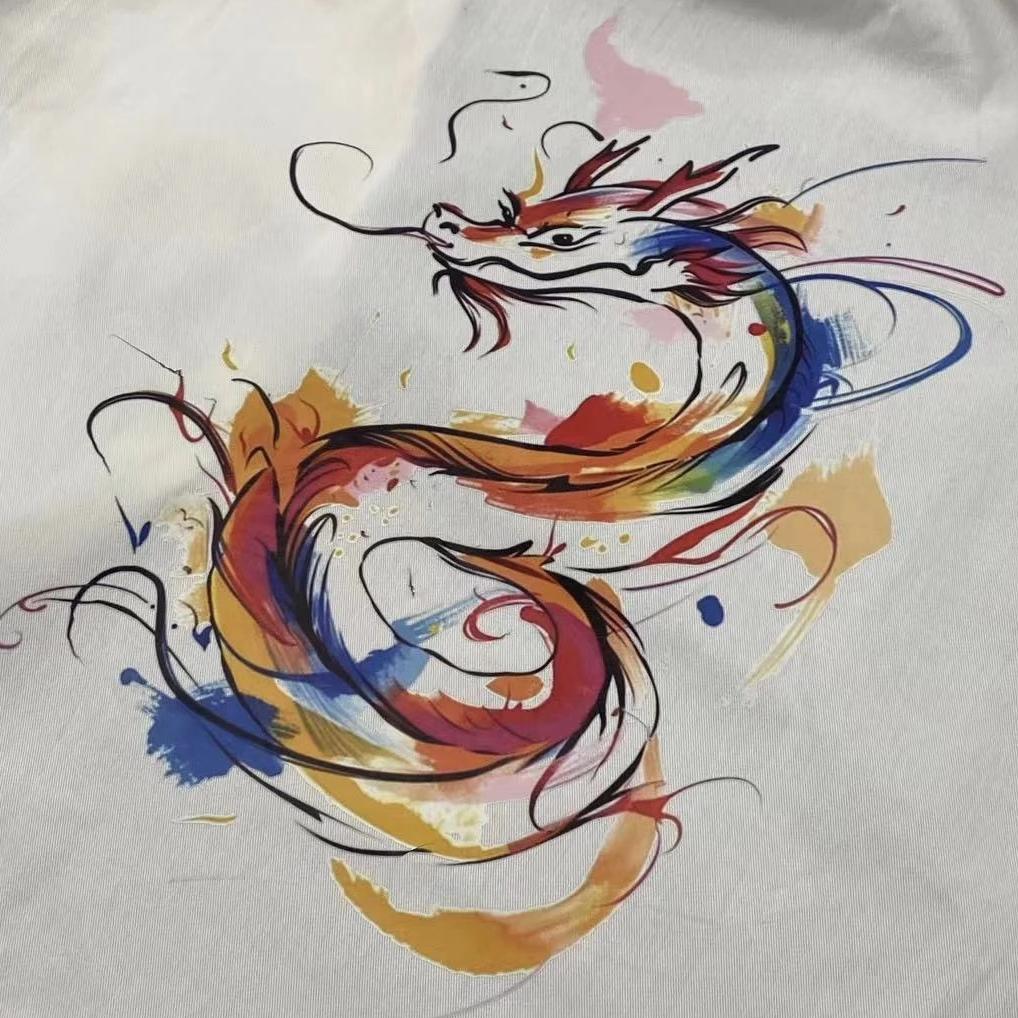
Phosphorescent pigments suspend in a 0.8–1.2 mm silicone base, charging under UV or daylight and emitting visible light for 2–6 hours. Durability matches standard raised at 50–70 cycles.
Novelty tees, festival apparel and children’s lines see strong uptake. Cost premiums reach 50–80 % due to specialty pigment sourcing.
Reflective Silicone
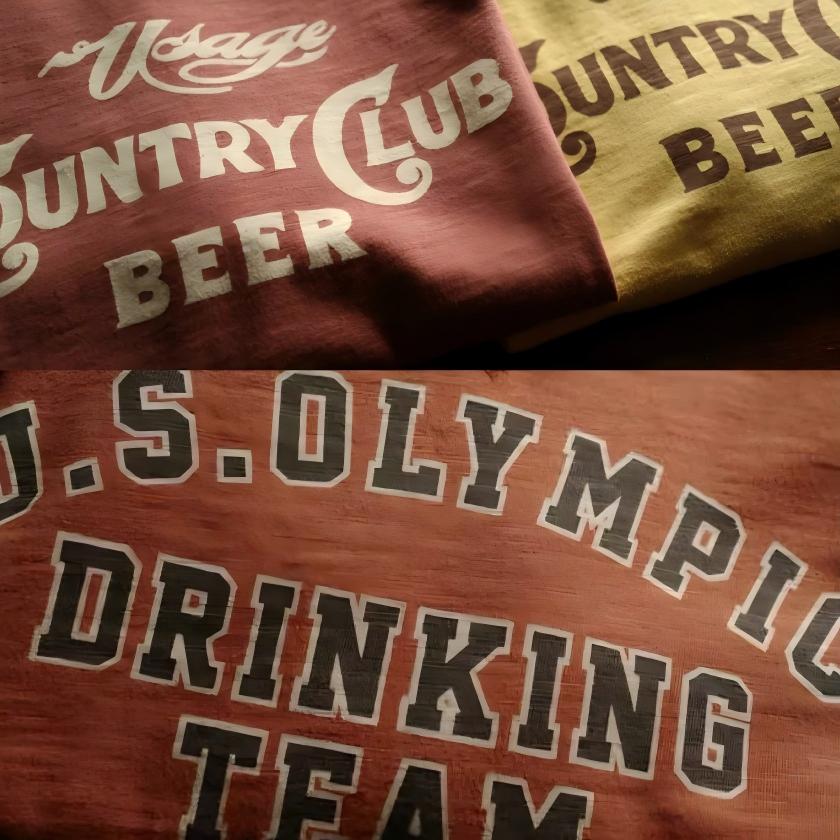
Glass microspheres or retroreflective beads embedded at 0.6–1.0 mm thickness return light to source, critical for visibility. Wash durability spans 60–80 cycles with proper adhesion.
Workwear, cycling apparel and safety-focused activewear demand this variant. Expect cost increases of 30–50 % over standard raised, justified by compliance and liability reduction.
4. Materials and Fabrics Compatible with Silicone Screen Printing for Apparel
Silicone screen printing for apparel works across a wide range of fabrics, but ink adhesion, cure temperature and finish durability depend on fiber content, weight and surface treatment. Matching the correct silicone ink variant and cure profile to your fabric spec ensures prints that survive industrial laundering and retain elasticity through repeated wear.
| Fabric Type | GSM Range | Silicone Ink Variant | Cure Temp (°C) | Typical Applications |
|---|---|---|---|---|
| 100% Cotton Jersey | 160–220 | Standard / High-Density | 150–160 | T-shirts, oversized tees |
| Cotton-Poly Blend | 180–240 | Standard / Puff | 155–165 | Hoodies, activewear basics |
| Polyester Performance Knit | 140–200 | Low-Temp Silicone | 130–145 | Sports jerseys, moisture-wicking tees |
| French Terry / Fleece | 280–340 | High-Density / Puff | 155–165 | Sweatshirts, streetwear hoodies |
| Nylon / Spandex Blends | 180–250 | Low-Temp Stretch-Safe | 130–140 | Activewear, compression apparel |
5. Customization and Decoration Options for Silicone Screen Printing
Silicone screen printing for apparel unlocks design flexibility far beyond single-color logos. Multi-color layering, texture variations and hybrid decoration methods let brands differentiate at every price point.
Multi-Color Layering and Gradient Effects
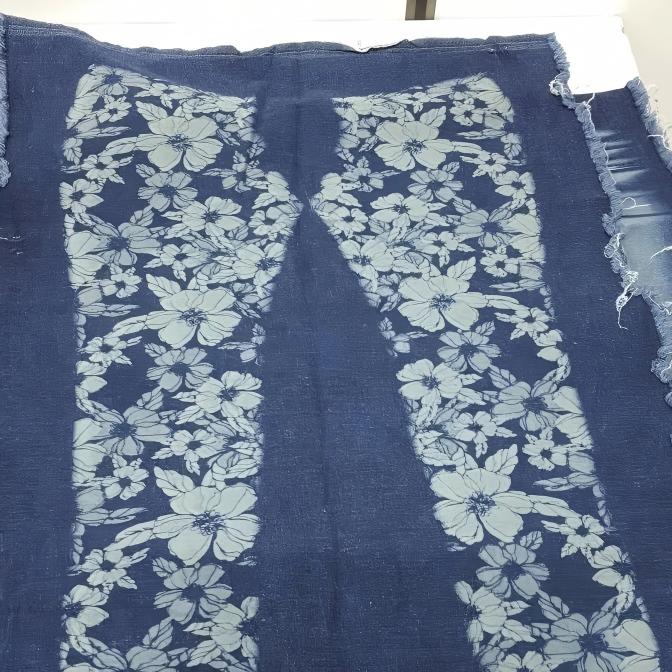
Each color in silicone printing requires a separate screen, making 2–4 color designs common and 5+ colors feasible for premium runs. Gradients demand halftone screens or manual blending, adding setup time but delivering depth impossible with single-pass techniques.
MENWILD’s screen-printing team handles spot-color registration and multi-layer curing, keeping alignment tight across chest logos, sleeve hits and back prints on extended-size tees and hoodies.
Texture Variations: Matte, Gloss and Metallic
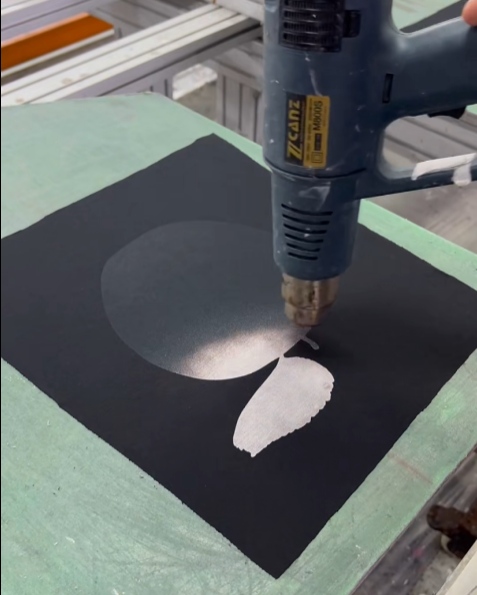
Silicone ink formulations range from soft matte and high-gloss to metallic-infused finishes. Matte silicone suits minimalist streetwear; gloss delivers reflective pop on activewear; metallic adds premium tactile branding to outerwear and jerseys.
Texture choice affects hand-feel and wash durability. MENWILD sources silicone inks from certified suppliers and provides fabric swatches with texture samples before bulk production.
Combining Silicone with Embroidery or Heat Transfer
Hybrid decoration—silicone base layers under embroidery, or silicone accents alongside DTF graphics—creates dimensional branding. Combining techniques raises per-piece cost by 15–30% but differentiates capsule collections and limited releases.
MENWILD’s in-house embroidery and DTG capabilities allow single-vendor coordination, reducing lead time and quality handoffs across decoration methods.
Artwork Preparation and Design Limits
Vector artwork (.AI, .EPS) ensures clean screen separation; raster files below 300 DPI produce jagged edges. Minimum line width is 1 mm; fine detail below 0.5 mm risks ink bleed. Complex gradients and photographic images suit DTG or dye sublimation better than silicone screen printing for apparel.
MENWILD’s design team reviews tech packs and converts sketches or low-res images into production-ready vector files, flagging detail limits before sampling.
6. Key Quality Elements in Silicone Screen Printing for Apparel
Professional silicone screen printing for apparel demands measurable benchmarks at every stage. Adhesion strength, wash-fastness, color accuracy and cure completeness separate durable prints from returns and chargebacks.
Adhesion and Wash-Fastness Standards
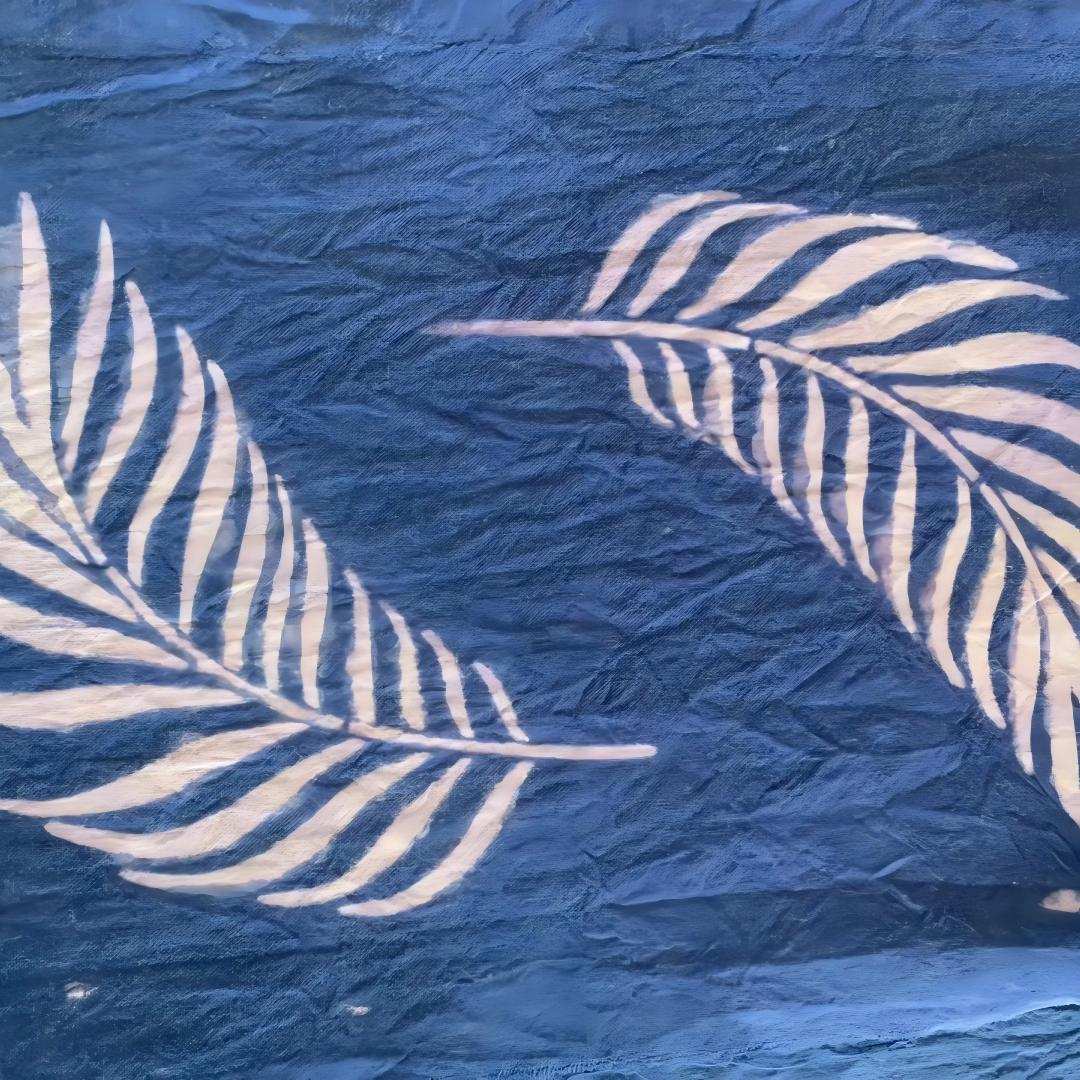
Peel-test adhesion should exceed 3.5 N/cm on jersey and fleece substrates. ISO 105-C06 wash-fastness at 50+ cycles with minimal cracking or color loss is the baseline for retail-grade garments.
Delta E color variance below 2.0 ensures batch consistency. MENWILD pre-production samples lock color formulas and maintain swatch libraries for repeat orders.
Process Control Checkpoints
Screen tension between 25–35 N/cm, ink viscosity 8,000–12,000 cP, squeegee durometer 70–80 Shore A and pressure at 4–6 kg ensure even deposit. Cure schedules run 160–180°C for 90–120 seconds; under-cure causes peeling, over-cure hardens and cracks prints.
MENWILD in-line QC logs tension, viscosity and tunnel temperature every 500 pieces, catching drift before defects scale.
Common Defects and Root Causes
Cracking stems from insufficient plasticizer or over-curing. Peeling traces to low adhesion promoter, contaminated fabric or inadequate cure time. Poor edge definition signals worn screens or incorrect mesh count below 110 threads/inch.
Pre-shipment inspection at MENWILD includes stretch tests, wash samples and microscope edge checks, ensuring every bulk run meets agreed specifications.
7. How to Choose a Silicone Screen Printing Manufacturer
Choosing a silicone screen printing manufacturer requires evaluating both operational capabilities and brand-protection safeguards. The right partner balances production scale, flexibility, and transparent quality systems to reduce risk and accelerate your go-to-market timeline.
Production Capacity and MOQ Flexibility
Monthly capacity signals whether a factory can scale with your brand. Facilities producing 80,000+ pieces per month handle both startup runs and seasonal peaks without bottlenecks.
MOQ starting at 100 pieces per style and color lets you test designs, manage cash flow, and launch capsule collections without overstock risk. Factories requiring 1,000+ units force inventory gambles that sink emerging labels.
Sample Turnaround and Equipment Type
Sample lead time under seven days keeps product development on schedule. Automatic carousel presses deliver tighter registration and faster bulk runs than manual setups, critical for multi-color silicone designs.
Ask whether the factory owns its printing equipment or subcontracts decoration. In-house lines ensure consistency and protect intellectual property.
Certifications and Ink Transparency
OEKO-TEX Standard 100 certification confirms that silicone inks are free from harmful substances. GOTS certification applies when eco-friendly or water-based silicone formulations are used on organic cotton.
Request the ink supplier’s name and safety data sheets. Factories that disclose Phthalate-free, PVC-free formulations demonstrate supply-chain accountability and reduce compliance risk in regulated markets.
Vetting Steps That Protect Your Brand
Request wash-test reports showing adhesion, cracking, and hand-feel after 50+ home laundry cycles. Ask for at least three client references and verify repeat-order history.
Assess communication responsiveness during inquiry: factories replying within 24 hours with detailed answers typically maintain the same discipline through production. Payment flexibility — stepping from 100% down to 30% deposit for repeat clients — signals confidence in long-term partnership.
8. Common Mistakes Buyers Make with Silicone Screen Printing
Even experienced buyers stumble on silicone screen printing details that cascade into delays, quality failures and cost overruns. Five pitfalls account for most rejected samples and rework orders, yet each is simple to prevent with the right specification and testing discipline upfront.
Ignoring Fabric Pre-Treatment Requirements
Silicone ink bonds poorly to oils, sizing agents and finishes left on raw knits and wovens. Skipping pre-treatment wash cycles causes ink to peel after the first customer laundry, triggering returns and brand damage.
MENWILD pre-washes all blanks for silicone runs and confirms fabric readiness before screens are burned, eliminating adhesion surprises.
Underestimating Curing Time Impact on Lead Times
High-density and 3D puff silicone require extended tunnel-oven dwell — often double the time of plastisol — reducing daily throughput. Buyers who ignore curing in their timeline face missed launch dates.
Always add two to three days to standard screen-print lead times when specifying thick silicone effects, and confirm oven capacity with your manufacturer before finalizing delivery schedules.
Choosing the Wrong Silicone Type for Garment Stretch
Standard silicone cracks on high-stretch activewear and oversized streetwear that moves with the body. The consequence is customer complaints and unsellable inventory.
Specify elastic-additive silicone for any garment with spandex content above 3 percent or for prints placed across chest, shoulders or elbows where fabric flexes during wear.
Skipping Wash Testing Before Bulk Orders
A sample that looks perfect off the press can fail after five home washes if ink chemistry, cure temperature or fabric compatibility is marginal. Bulk production of untested prints risks total-lot rejection.
MENWILD runs AATCC-standard wash tests on all silicone samples and shares photographic results before approving any bulk run, protecting both parties from expensive mistakes.
Failing to Specify Pantone Codes
Describing colors as ‘bright red’ or ‘navy’ guarantees mismatched inks and re-screen costs. Silicone formulations are custom-mixed per batch; without a Pantone reference, color consistency across re-orders is impossible.
Provide PMS solid-coated codes for every ink in your artwork, and request strike-off prints on your chosen fabric under daylight before approving screens.
9. Steps to Launch Your Apparel Brand with Silicone Screen Printing
Launching a brand with silicone screen printing for apparel requires a disciplined product development sequence. First-time buyers often jump to production before locking down print specs, fabric choices and fit grading — a costly mistake that section 8 highlighted.
Define Design and Brand Positioning
Clarify your target customer — streetwear, activewear, premium basics — and the role silicone plays in your visual identity. High-density logos suit athletic brands; translucent overlays fit minimalist labels.
MENWILD’s design team converts sketches, mood boards or reference images into production-ready tech packs, ensuring print placement and garment proportions align with your market positioning from day one.
Select Fabrics and Garment Styles
Choose base garments and fabric weights before finalizing print artwork. Silicone adheres differently to 180 GSM jersey versus 320 GSM French terry, and stretch fabrics demand flexible mesh counts.
Request fabric swatches from your manufacturer’s approved mills. MENWILD sources cotton, cotton-poly blends, fleece and performance knits, providing physical swatches so you can test hand-feel and confirm compatibility with your chosen silicone technique.
Create Tech Packs and Approve Samples
Submit detailed tech packs specifying print dimensions, Pantone references, mesh count and ink type. Request strike-offs — small test prints on your chosen fabric — and conduct wash testing for cracking, adhesion and hand-feel.
MENWILD keeps pattern and grading files on record, accelerating re-orders and ensuring consistency across size runs and future collections.
Negotiate MOQs and Schedule Production
Confirm minimum order quantities, deposit terms and lead times in writing. MENWILD starts at 100 pieces per style and color, with deposits stepping from 100% on first orders to 30% for repeat clients.
Lock in production slots early during peak seasons (pre-summer, pre-holiday) and plan third-party or in-line quality inspections before final shipment to protect brand reputation.
10. Pricing and Cost Structures for Silicone Screen Printing
Setup costs for silicone screen printing typically range from $25 to $75 per screen, with each color requiring a separate screen. Per-unit print costs drop sharply as order volume rises: at 100 pieces a single-color silicone print averages $1.80–$2.50, falling to $0.60–$0.90 at 1,000 units and $0.40–$0.65 at 2,500 units for standard placement and fabric.
Print size, color count and fabric type introduce surcharges. Prints exceeding 64 square inches add $0.15–$0.30 per piece; performance knits and fleece may carry a $0.10–$0.25 fabric-handling fee. High-density and reflective silicone inks cost $0.20–$0.50 more per unit than standard formulations but deliver superior tactile impact and wash durability rated above 50 cycles.
Rush production (under 10 days) incurs 15–25% expedite fees. Lead time at standard pace spans 12–18 days for sampling and 18–25 days for bulk runs of 500–2,500 garments, with patterns and screens archived for faster re-orders.
| Quantity Tier | Setup Cost | Per-Unit Print | Lead Time (Days) | Total Landed Cost |
|---|---|---|---|---|
| 100 pcs | $50–$75 | $1.80–$2.50 | 18–22 | $230–$325 |
| 500 pcs | $50–$75 | $1.00–$1.40 | 18–25 | $550–$775 |
| 1,000 pcs | $50–$75 | $0.60–$0.90 | 20–25 | $650–$975 |
| 2,500 pcs | $50–$75 | $0.40–$0.65 | 22–28 | $1,050–$1,700 |
Ready to Launch Your Silicone Screen Printing for Apparel Line?
Start with just 100 pieces. Get fast samples, expert 2XL–6XL grading, and 28+ years of big & tall manufacturing experience behind every order.