
Discharge Print for Apparel — Soft, Breathable Designs on Dark Fabrics
Premium discharge print for apparel with ultra-soft hand feel and vibrant colors on dark garments. OEM, ODM & private label menswear from a specialist big & tall manufacturer with 28+ years experience and 100-piece MOQ.
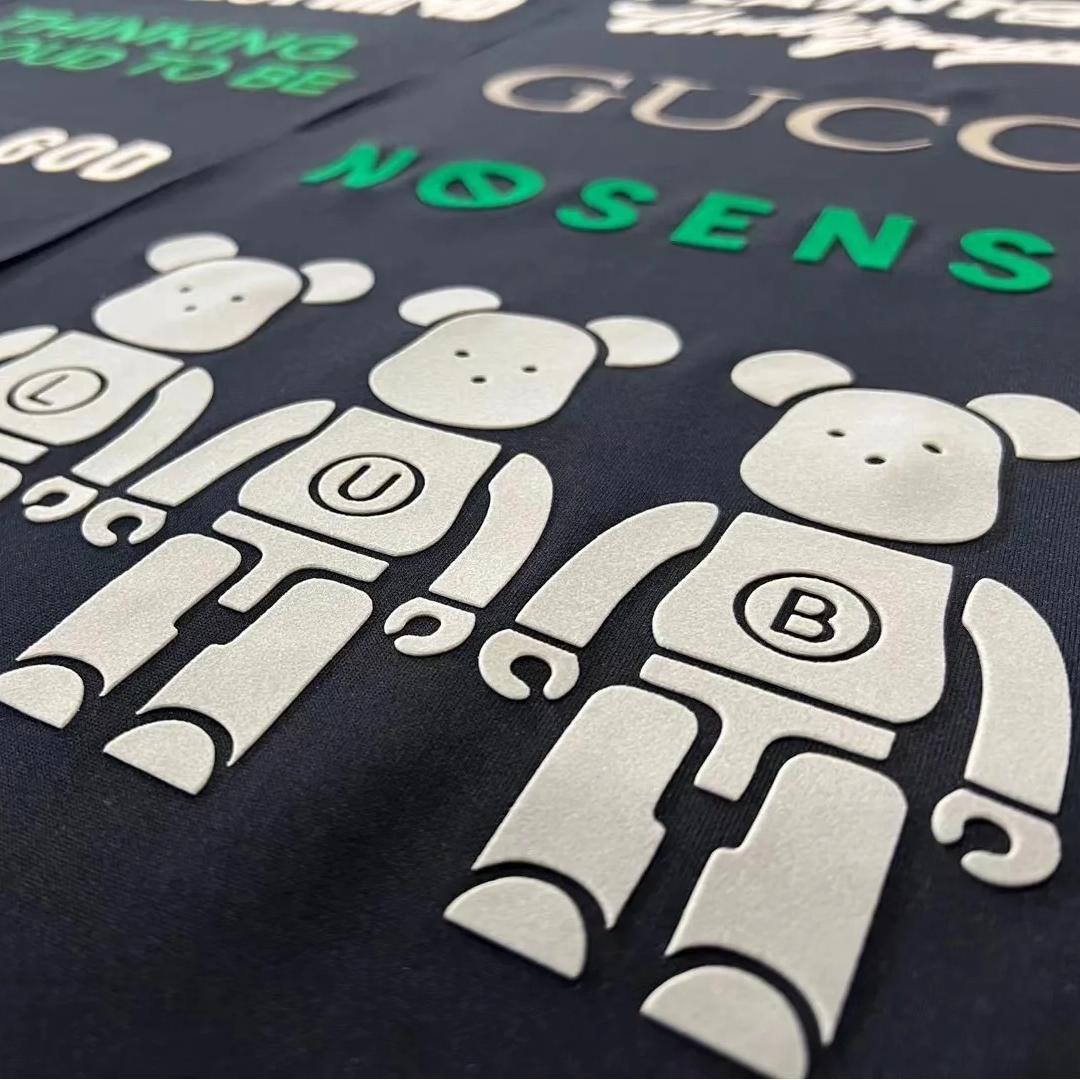
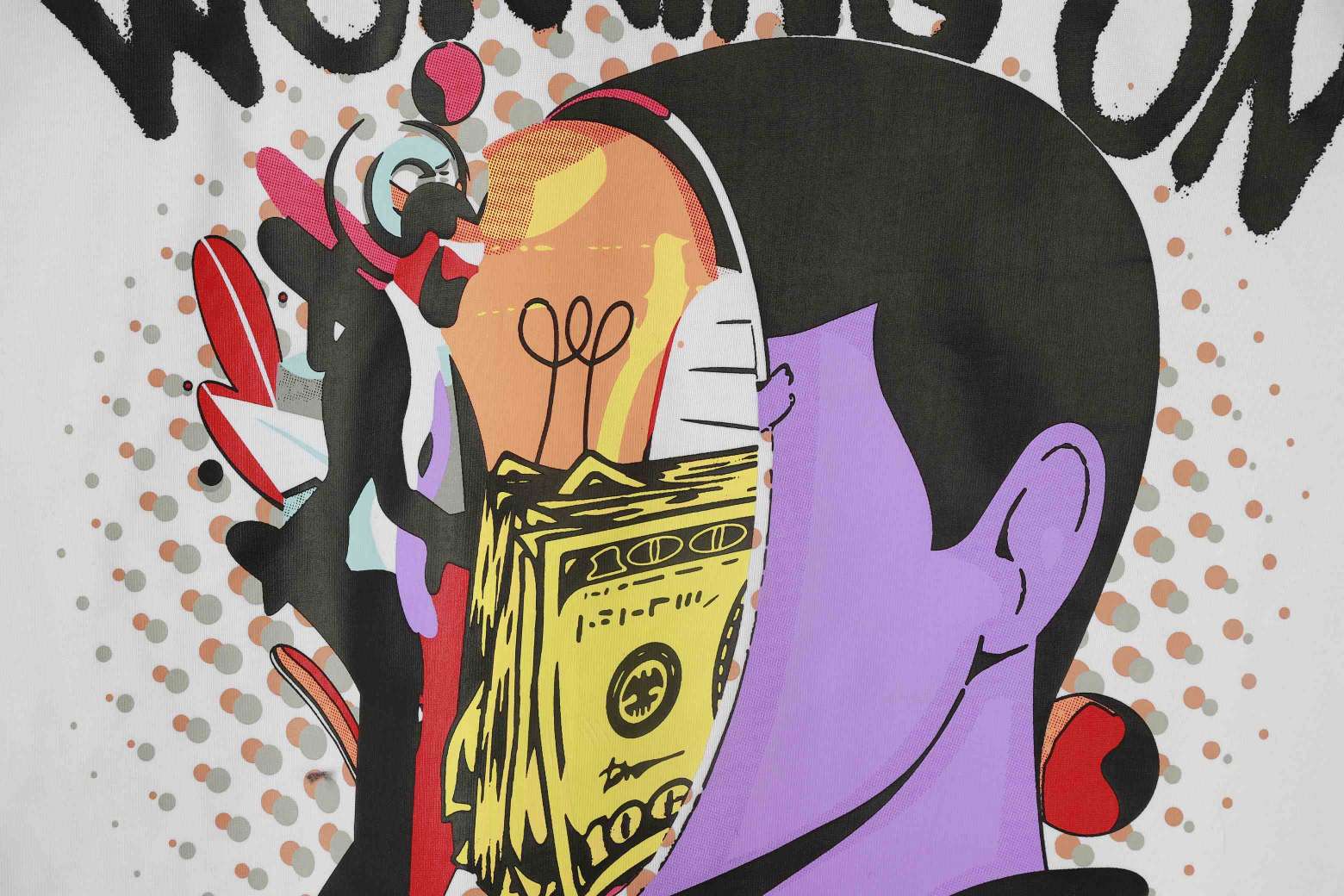
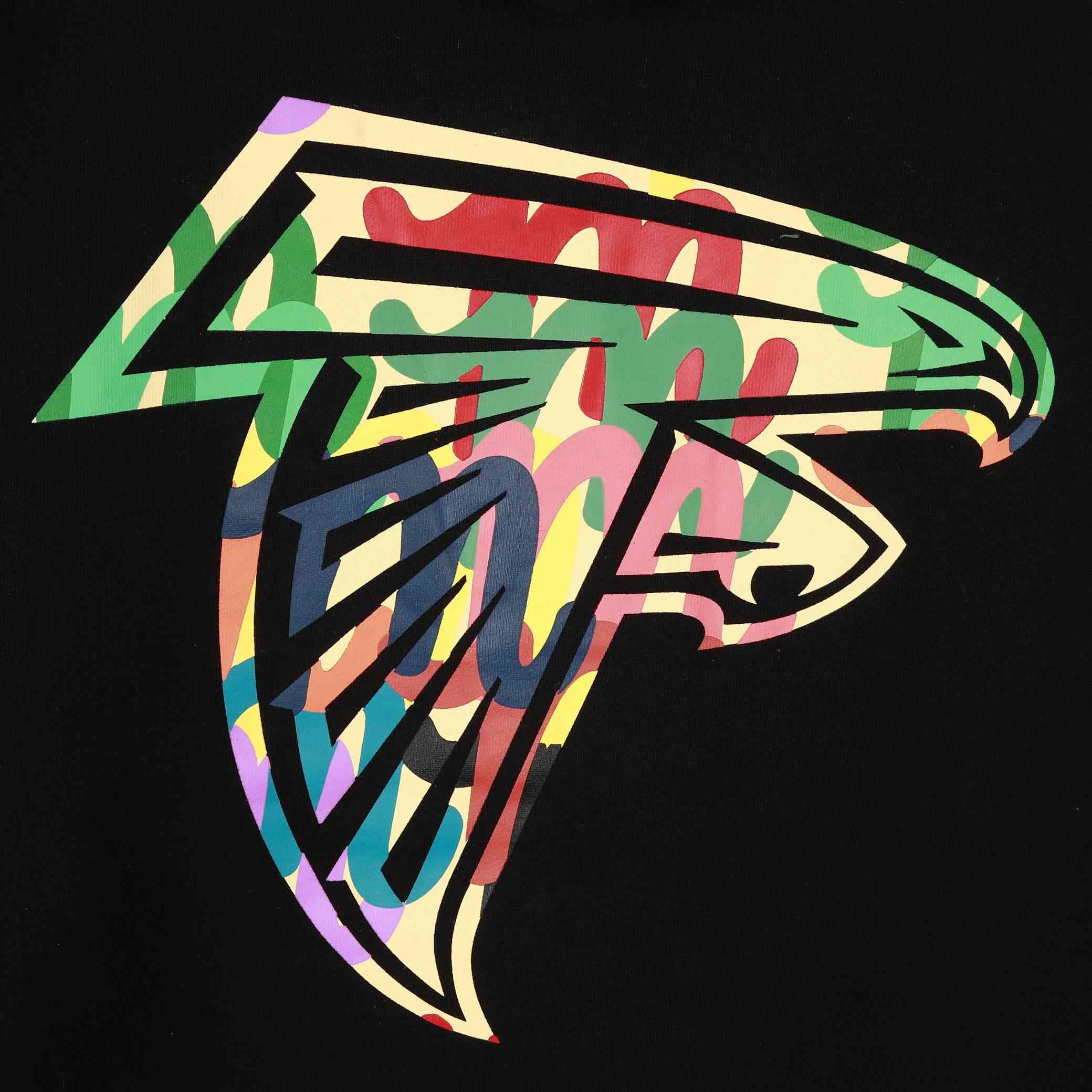
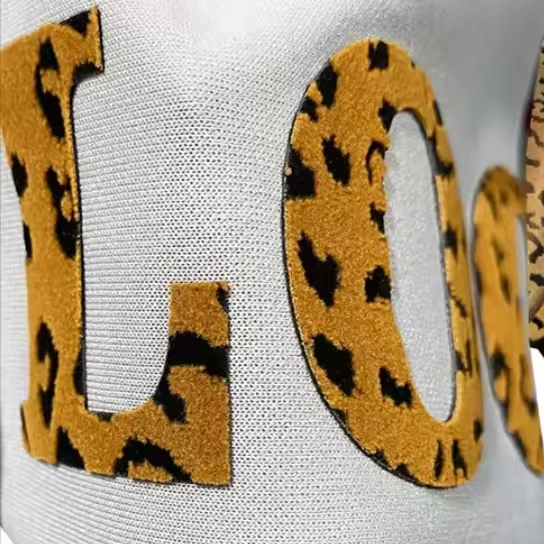
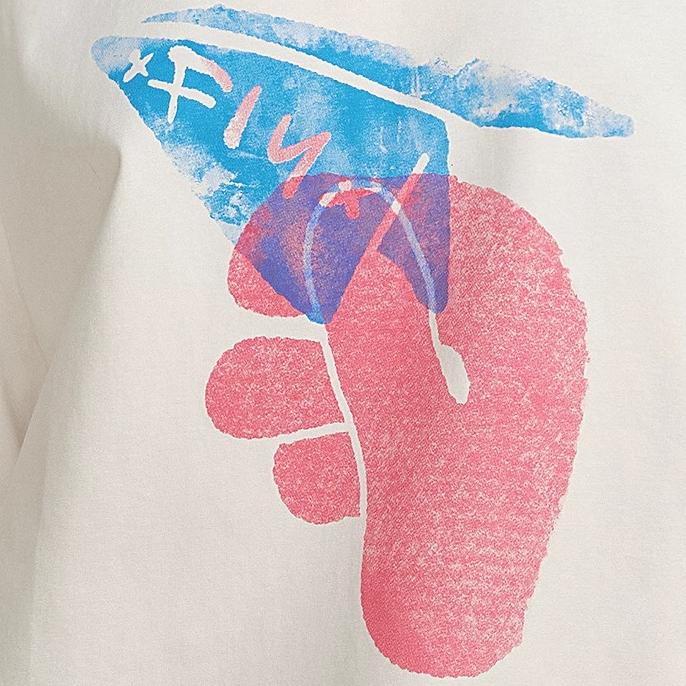
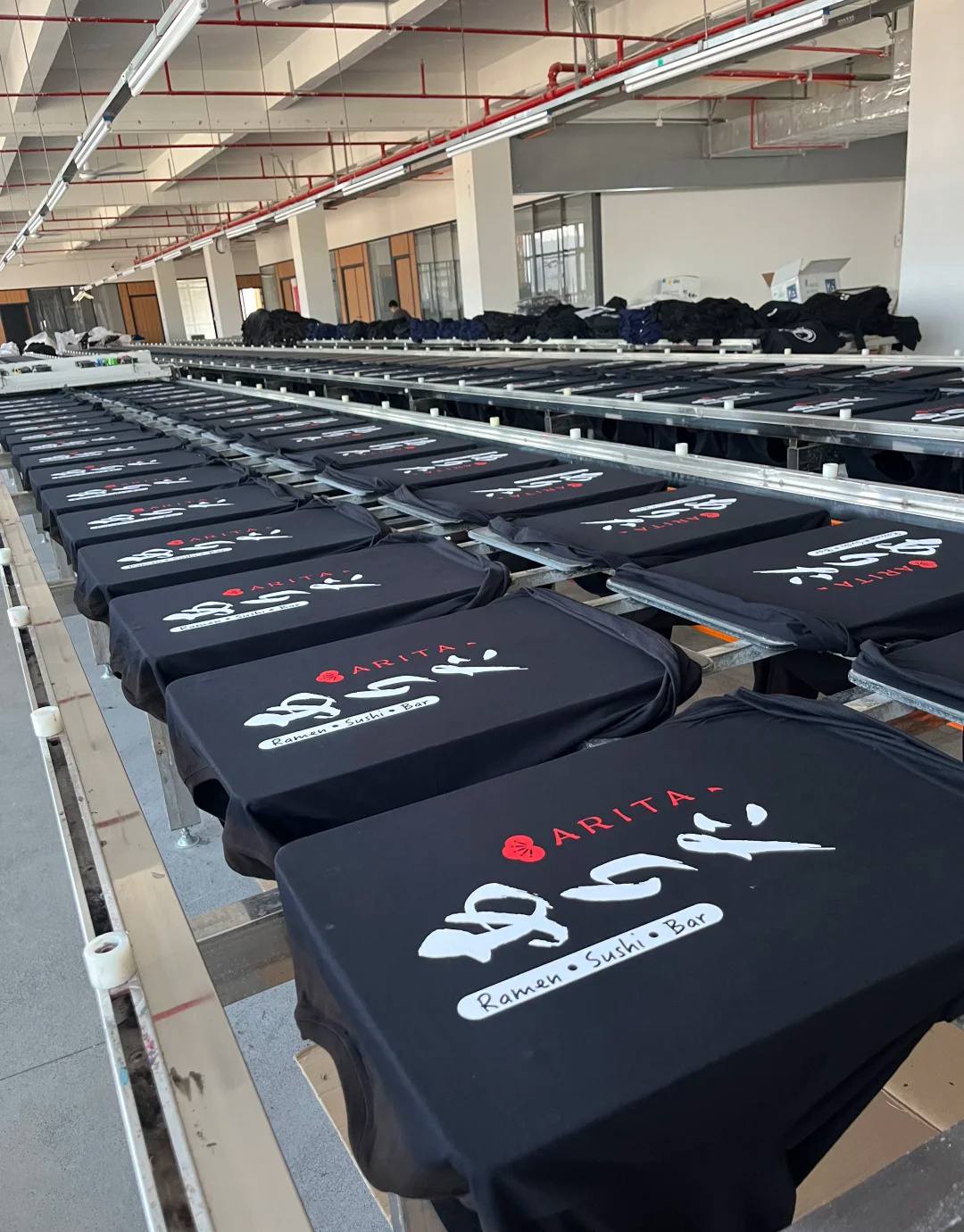
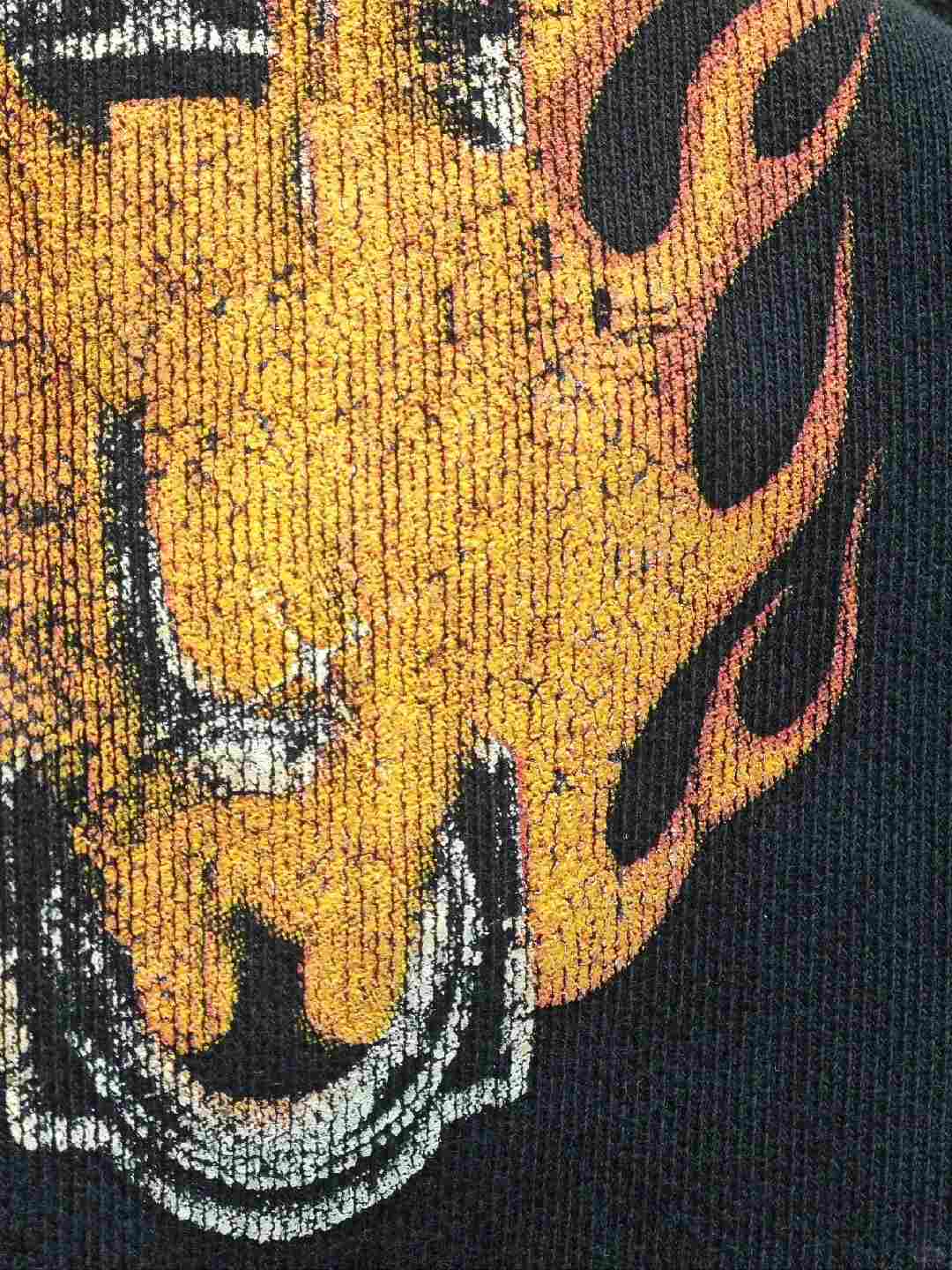
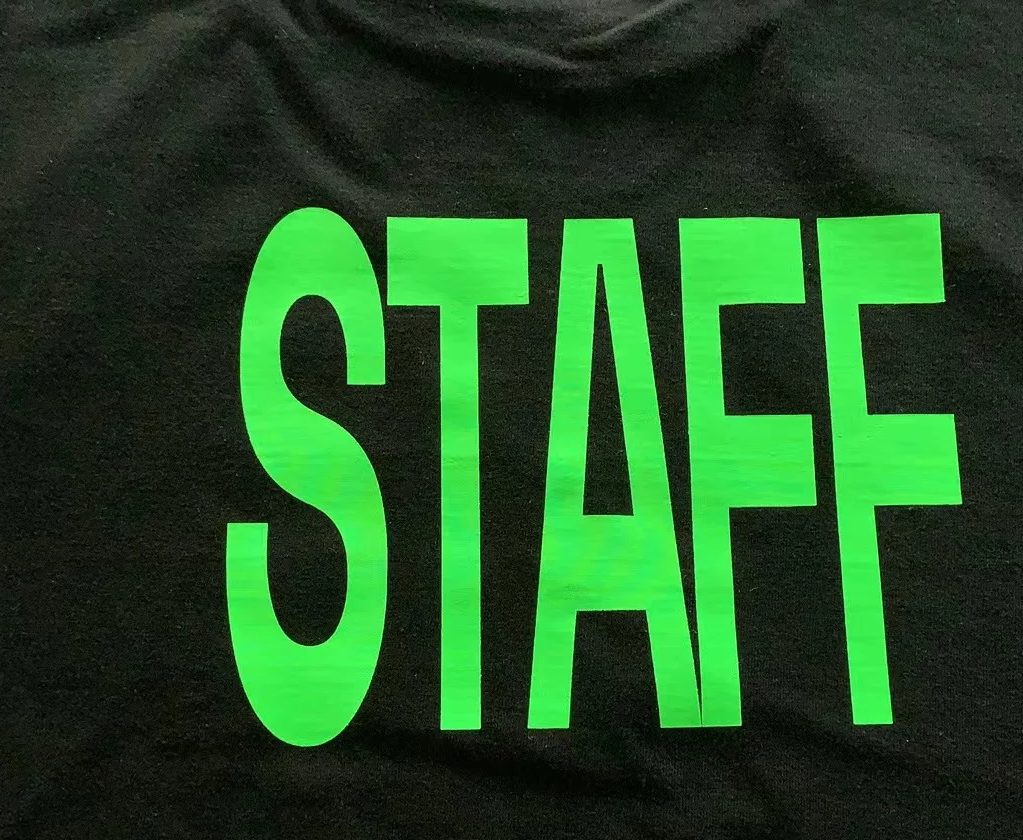
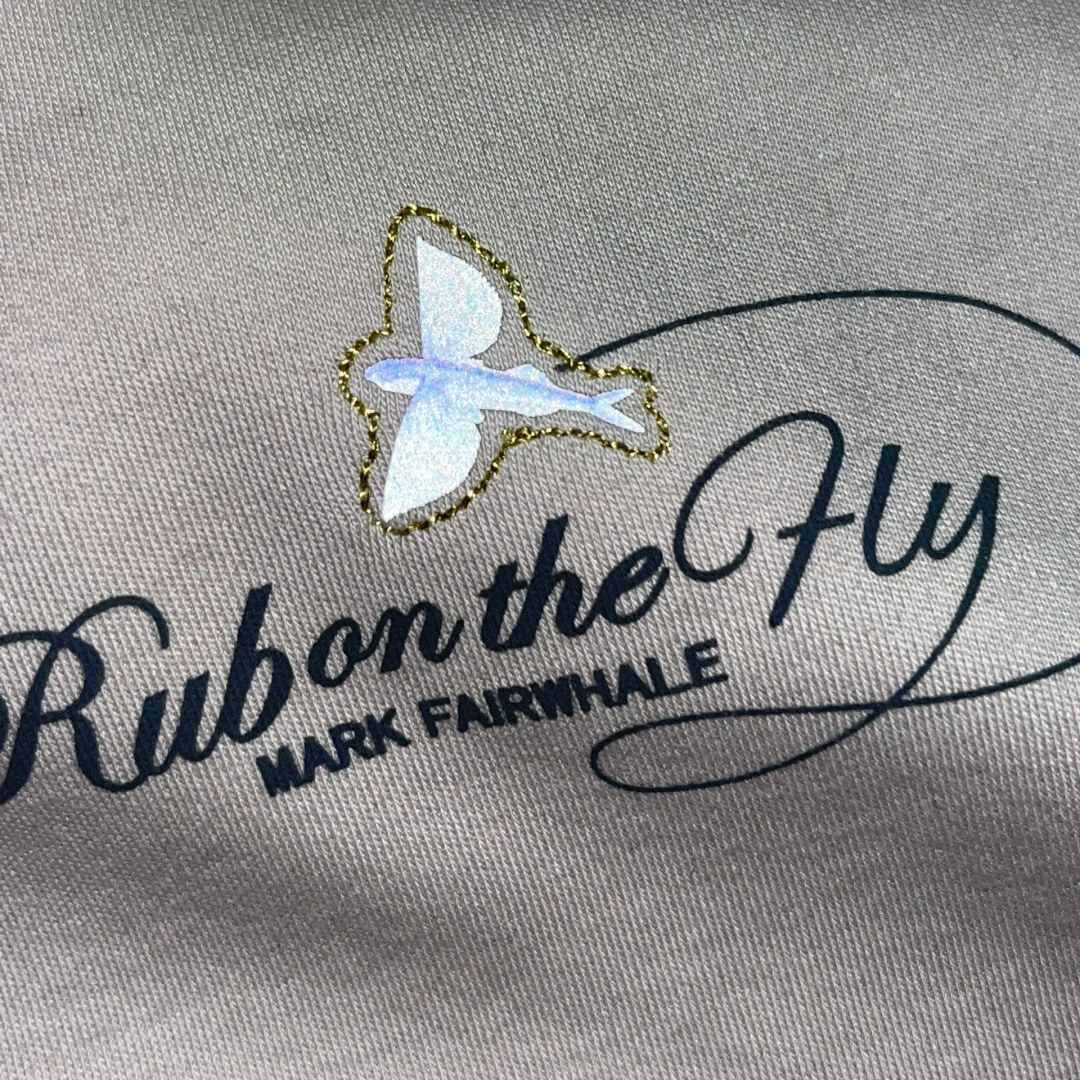
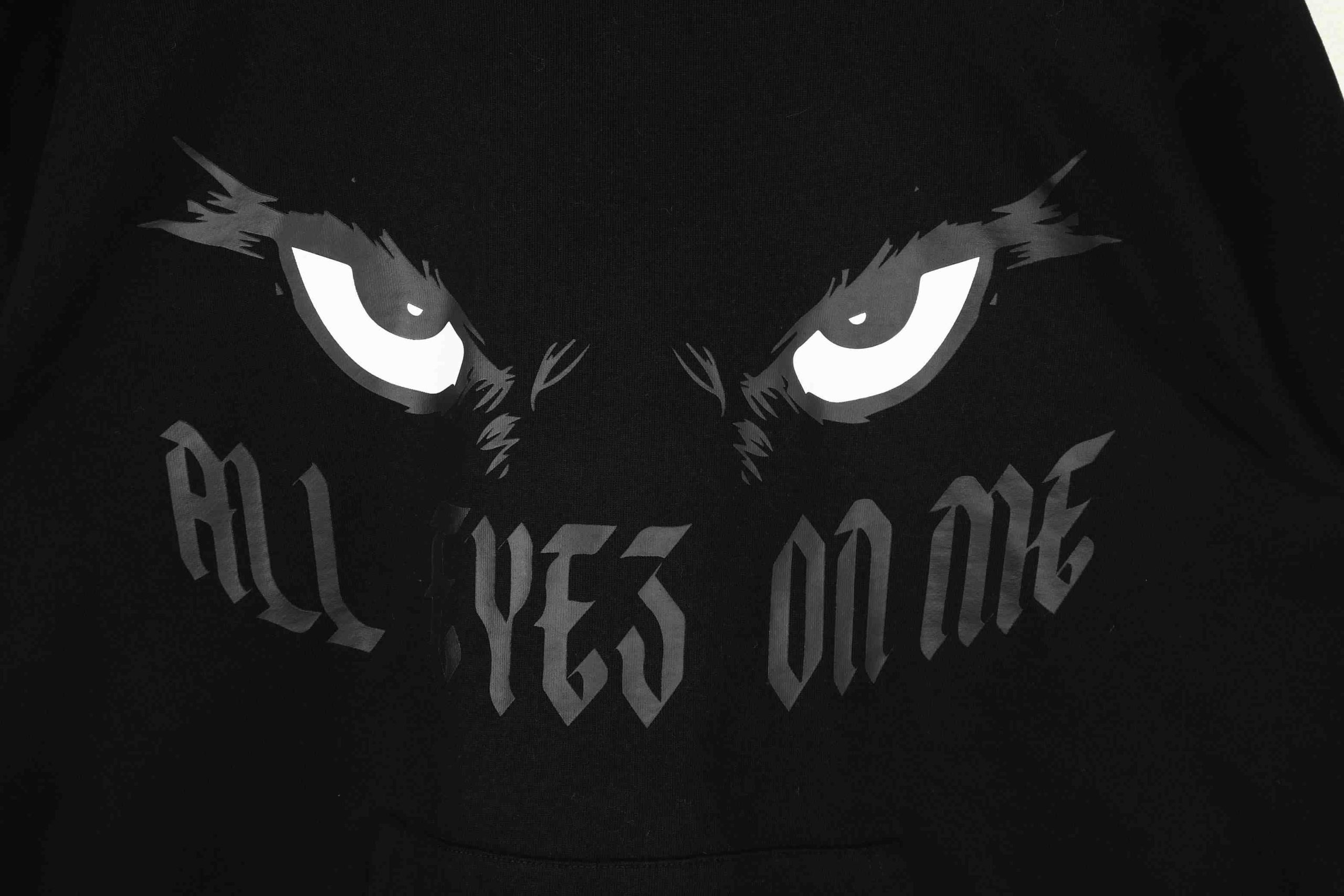
Discharge Print Samples & Production Gallery
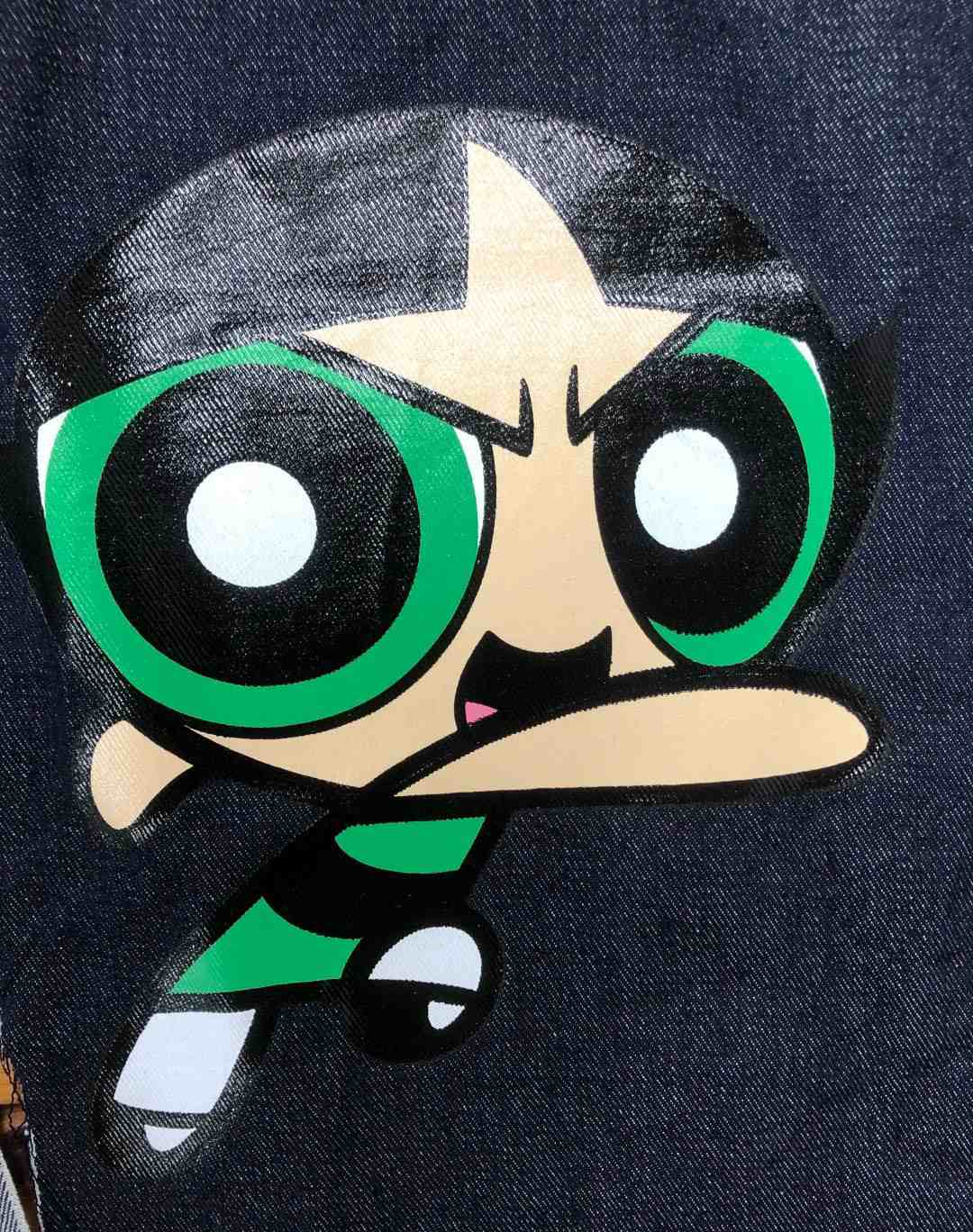
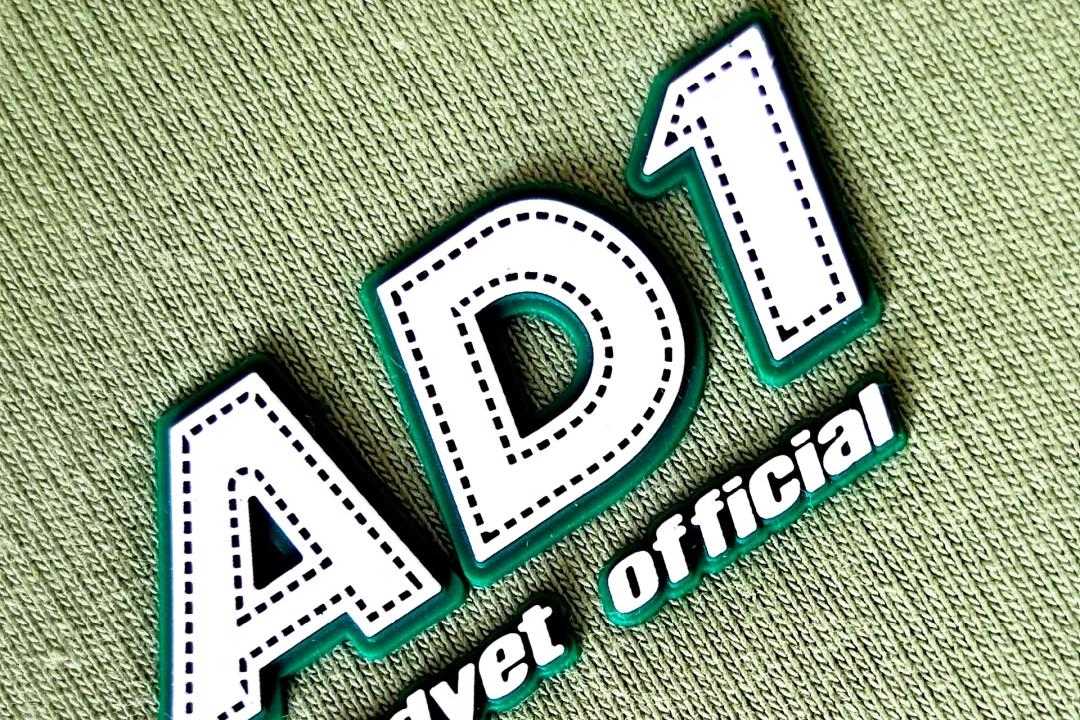
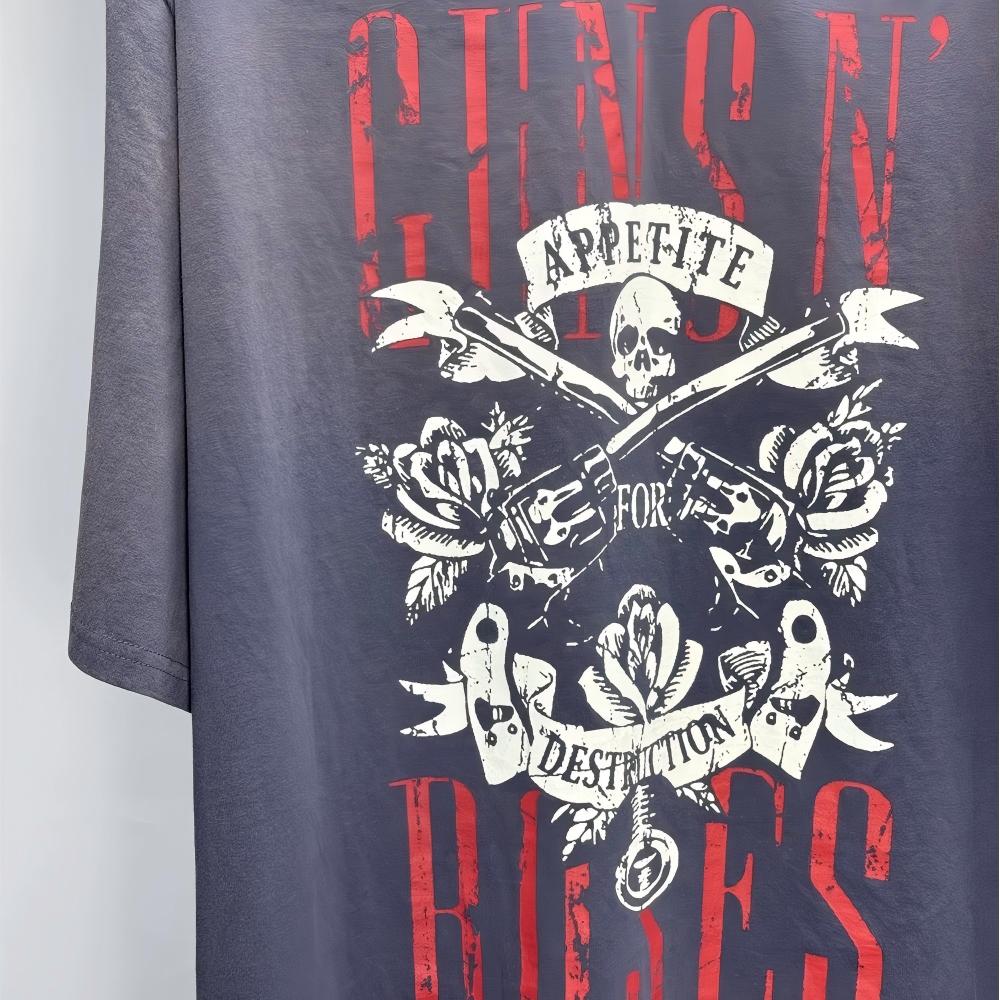
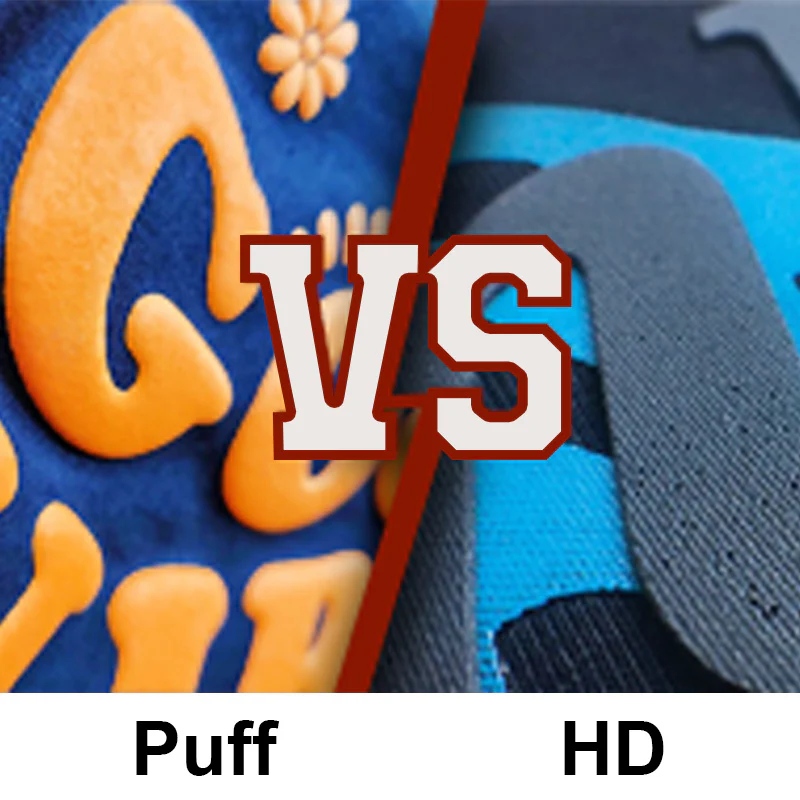
Why Discharge Print for Apparel Works Best for Big & Tall
Softest Hand-Feel Available
Discharge ink removes dye rather than layering on top, leaving zero plastisol weight—critical for all-day comfort in extended sizes.
Breathable & Lightweight
No surface buildup means air flows freely through fabric, keeping bigger bodies cool and comfortable in any climate.
Wash-Durable & Crack-Resistant
Prints bond at the fiber level, never peel or crack even after dozens of washes—perfect for high-wear big & tall garments.
Vibrant on Dark Fabrics
Discharge print for apparel unlocks bold, soft graphics on black, navy and charcoal—colors big & tall brands rely on.
Water-Based & Eco-Friendly
Free from PVC and phthalates, discharge inks meet eco-conscious brand standards without sacrificing print quality or durability.
Ideal for 2XL–6XL Proportions
Soft, flexible prints move with the body and won’t restrict fit—essential for true big & tall pattern grading across our full menswear range: tees, hoodies, polos, shirts, outerwear and more.
Discharge Print for Apparel Across Menswear Categories
From oversized streetwear to premium polo shirts, discharge printing delivers soft-hand, vibrant graphics on dark fabrics. MENWILD manufactures the full big & tall menswear range with OEM, ODM and private label services.
Oversized Streetwear Tees
Independent streetwear brands need bold, breathable graphics on black and dark-colored oversized tees without the stiff, heavy hand-feel of traditional plastisol prints that compromise comfort and drape.
Discharge print delivers ultra-soft, breathable vintage-style graphics that feel like part of the fabric. Perfect for 2XL–6XL oversized fits, with vibrant color on black cotton jersey and low 100-piece MOQs.
Polo Shirts & Casual Wear
Big & tall menswear retailers need premium branding on dark polo shirts and casual wear that maintains a polished, professional appearance without thick, raised prints that crack or peel over time.
Discharge print creates refined, fade-resistant logos and chest prints with zero hand-feel. Ideal for corporate casual lines, wholesale polo programs, and private label collections in extended sizes with consistent wash durability.
Premium Hoodies & Sweatshirts
Fashion brands launching limited-edition hoodies and crewnecks on dark fleece need high-impact custom graphics that won't add weight, stiffen the fabric, or crack after repeated washing and wear in larger sizes.
Discharge print on French terry and fleece produces soft, integrated designs that breathe with the garment. Supports intricate artwork, vintage aesthetics, and seasonal capsule drops with fast sampling and flexible 100-piece production runs.
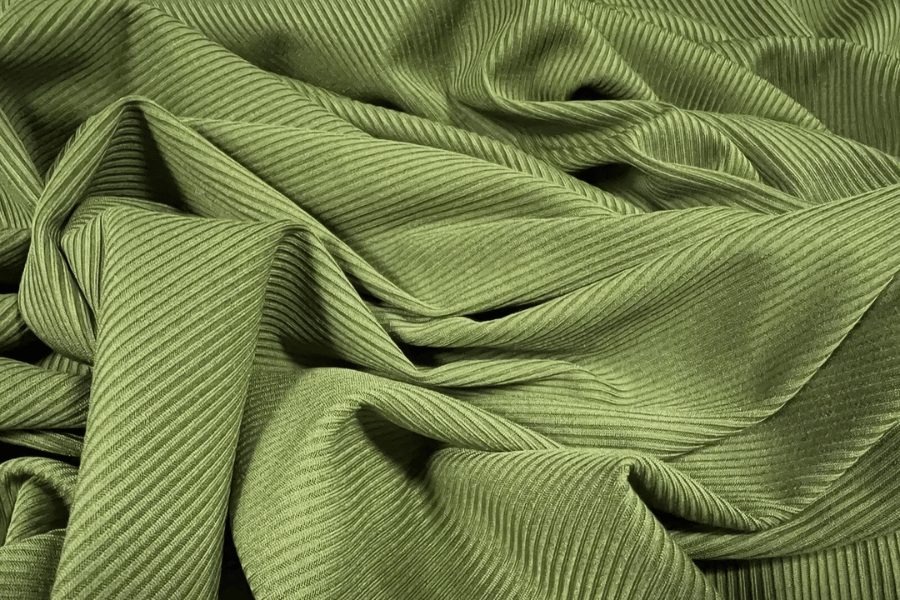
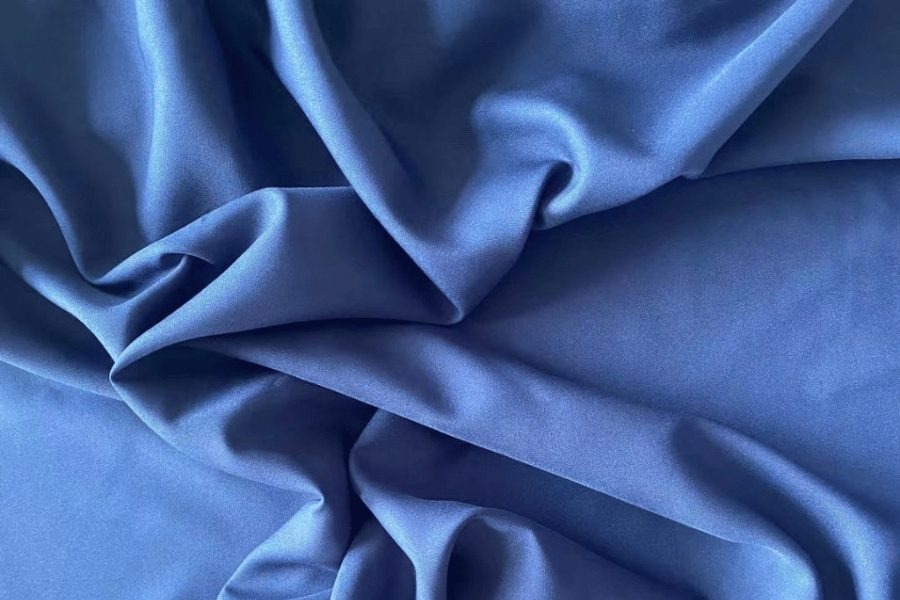
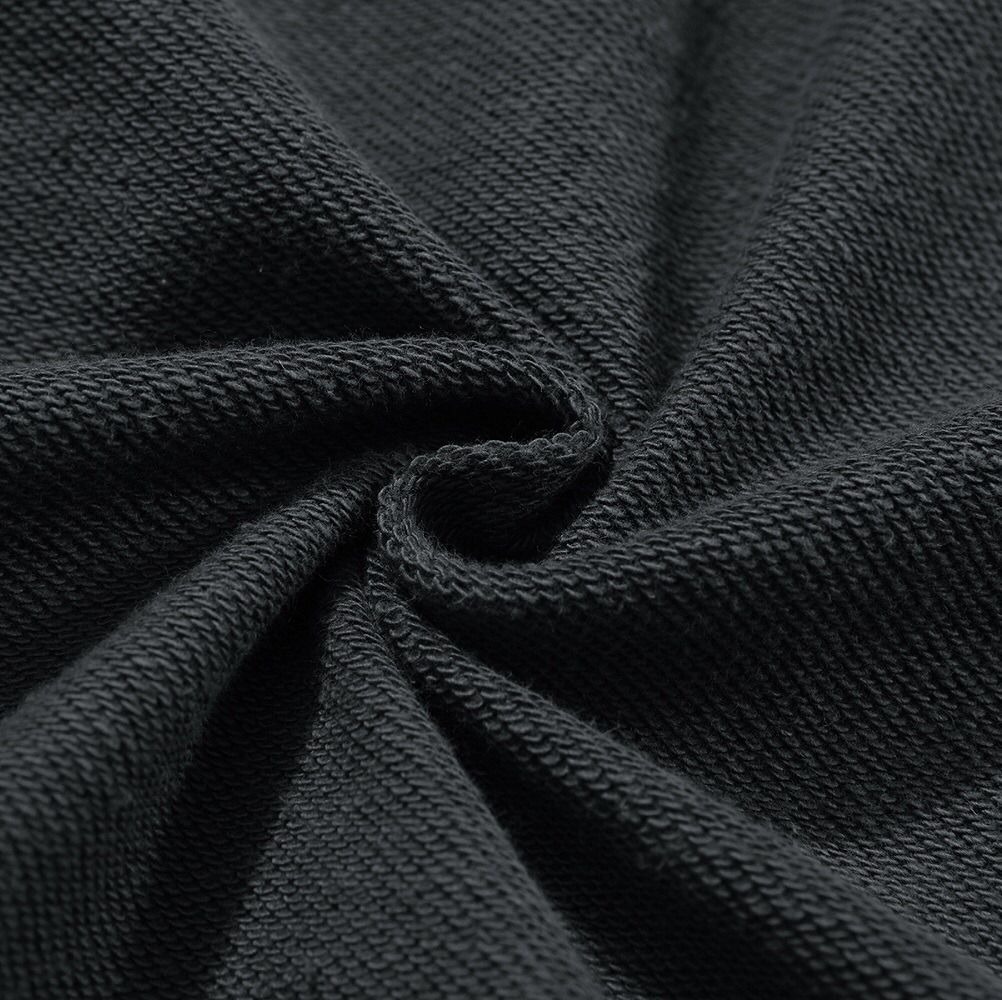
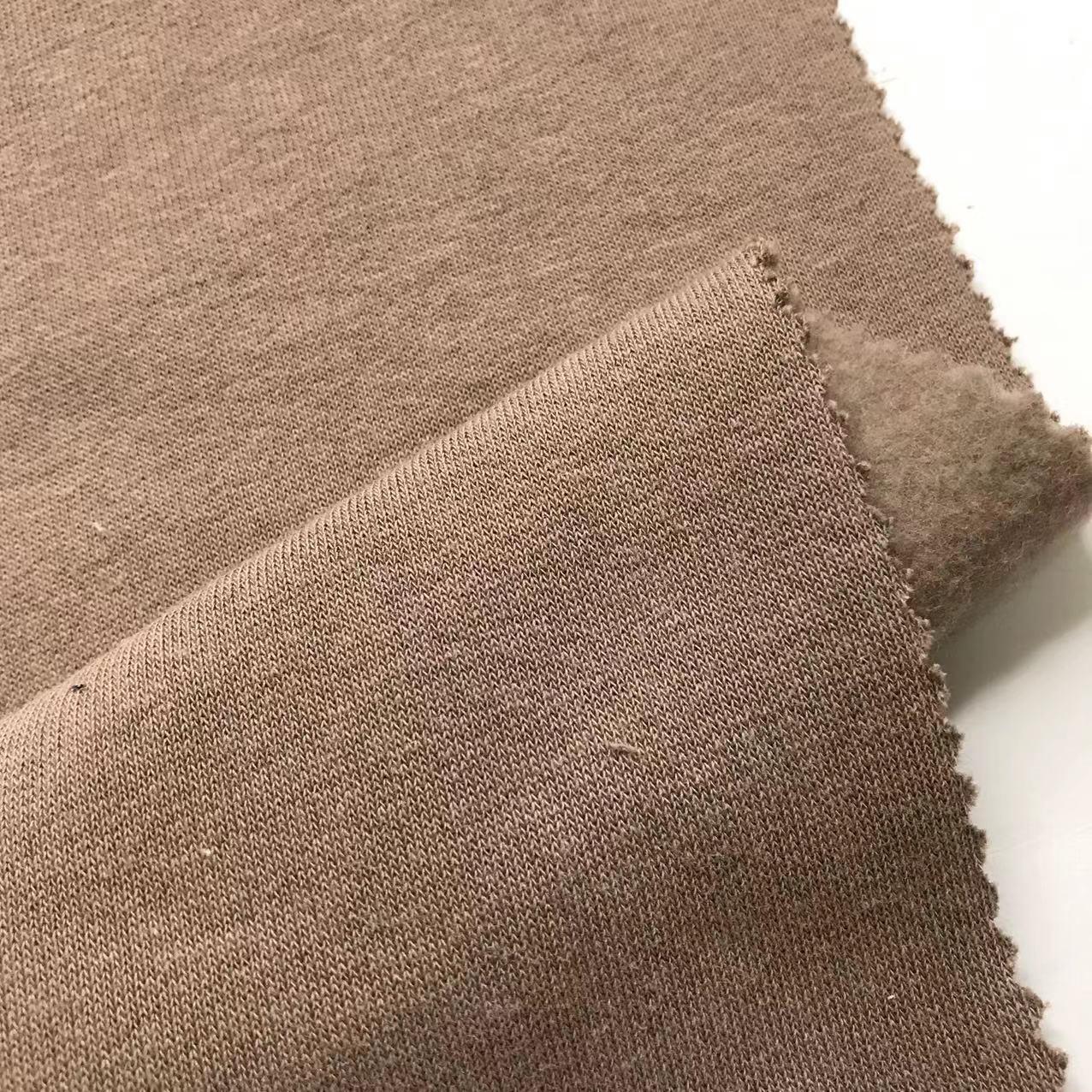
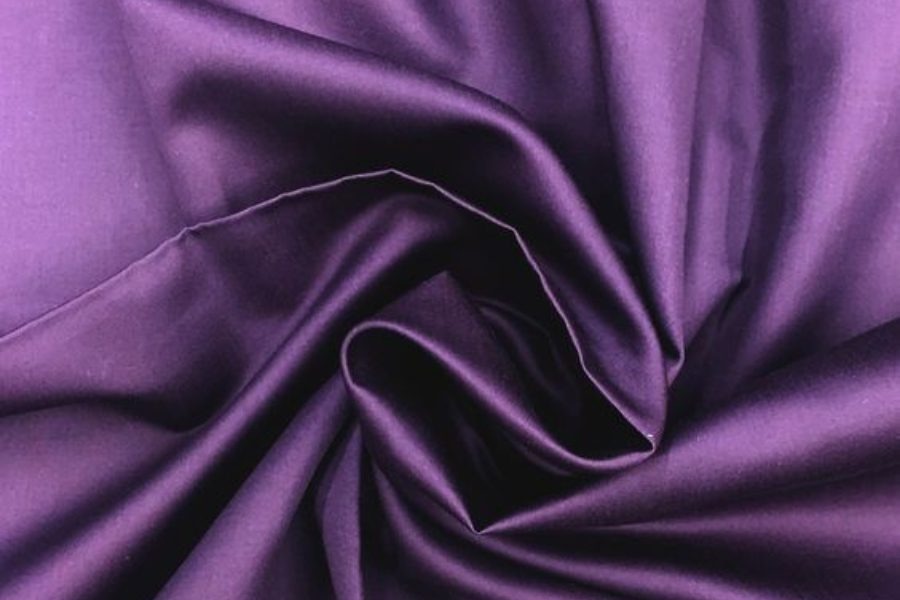
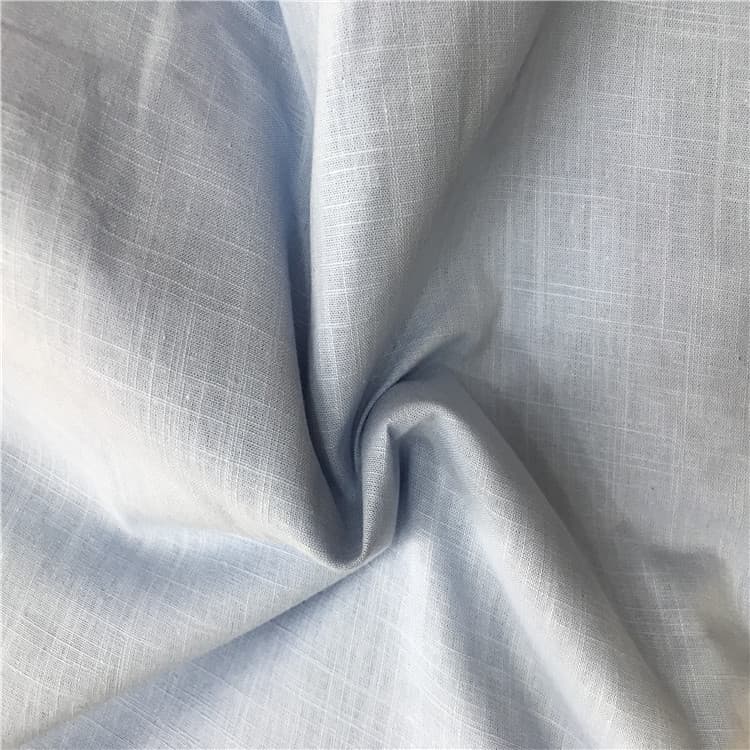
Fabrics We Discharge Print for Apparel
Discharge Print for Apparel Techniques & Variations
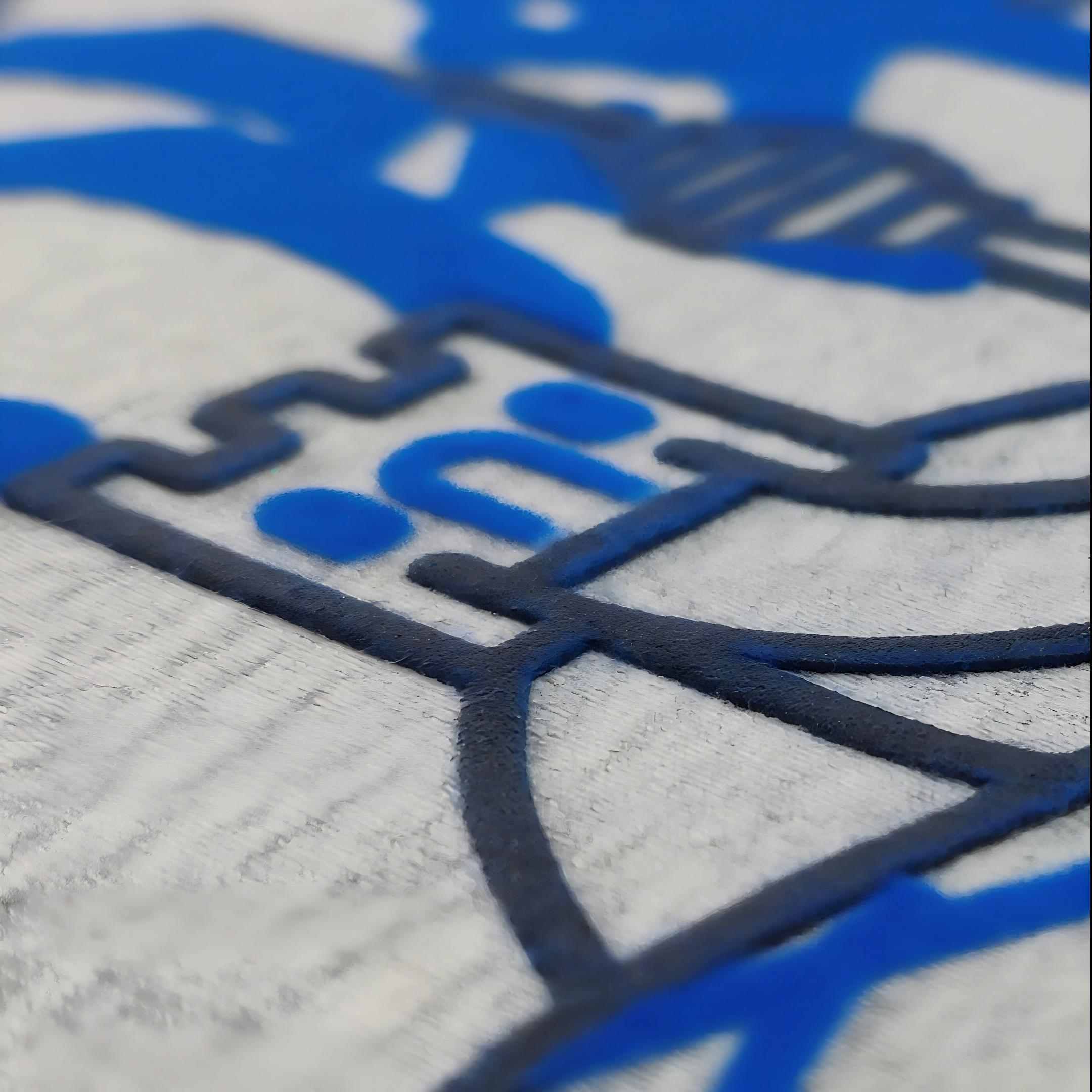
Standard Discharge
Removes garment dye to reveal soft, breathable prints that feel like part of the fabric. Ideal for vintage aesthetics, distressed graphics, and comfortable all-day wear on dark cotton tees and hoodies.
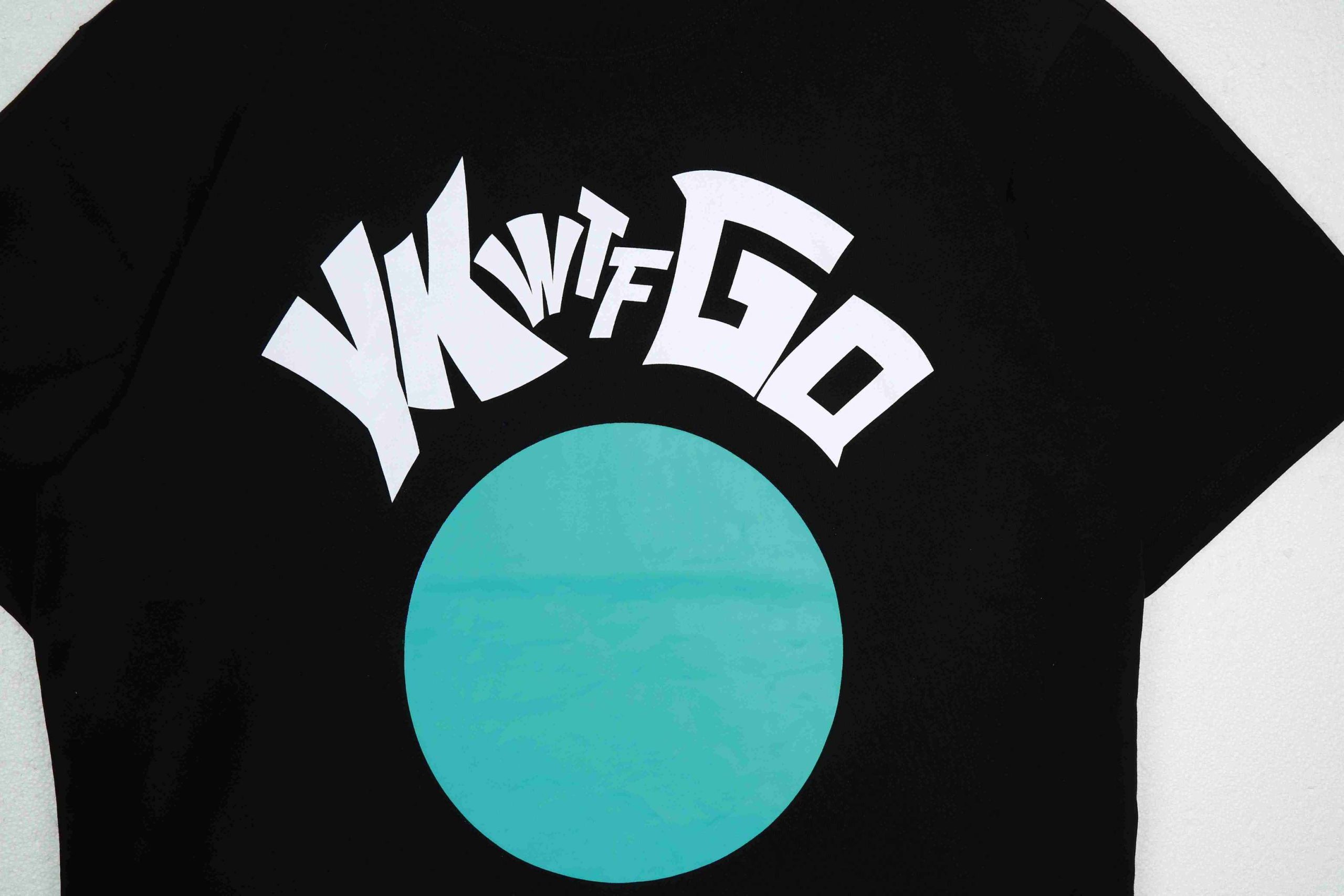
Discharge + DTG Hybrid
Underbase discharge treatment followed by direct-to-garment full-color printing. Unlocks photorealistic detail, gradients, and complex artwork on dark garments with the softest possible finish and no heavy hand.
Custom Trims & Finishing for Discharge Print Apparel
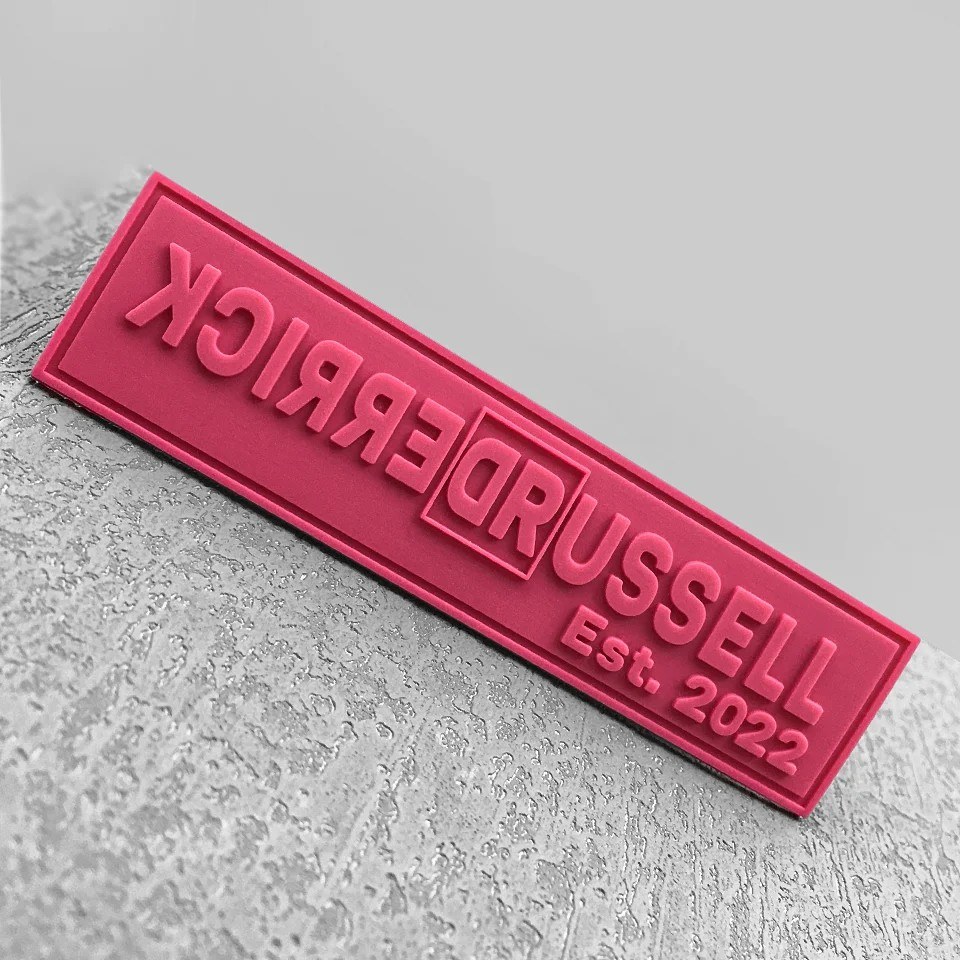
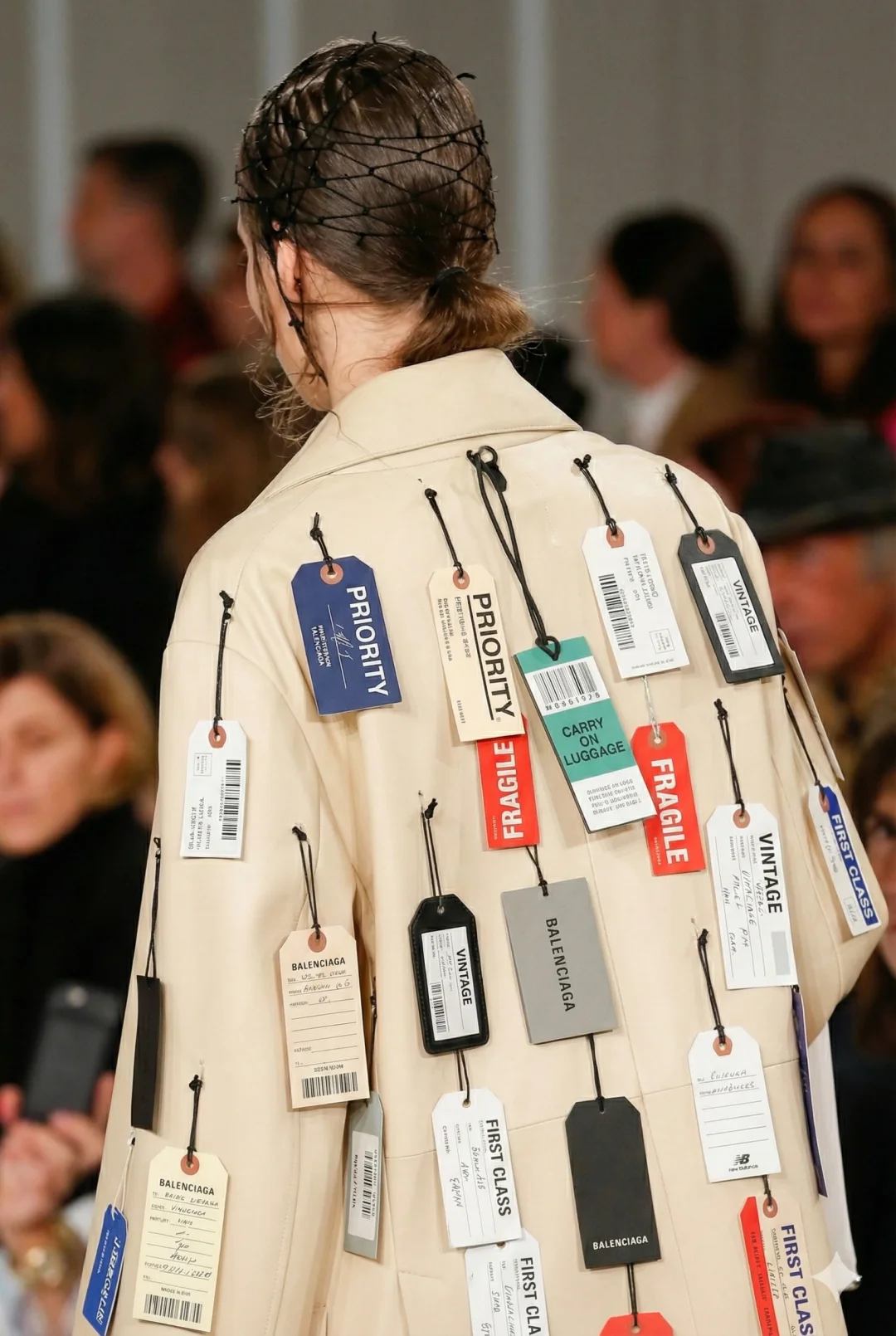
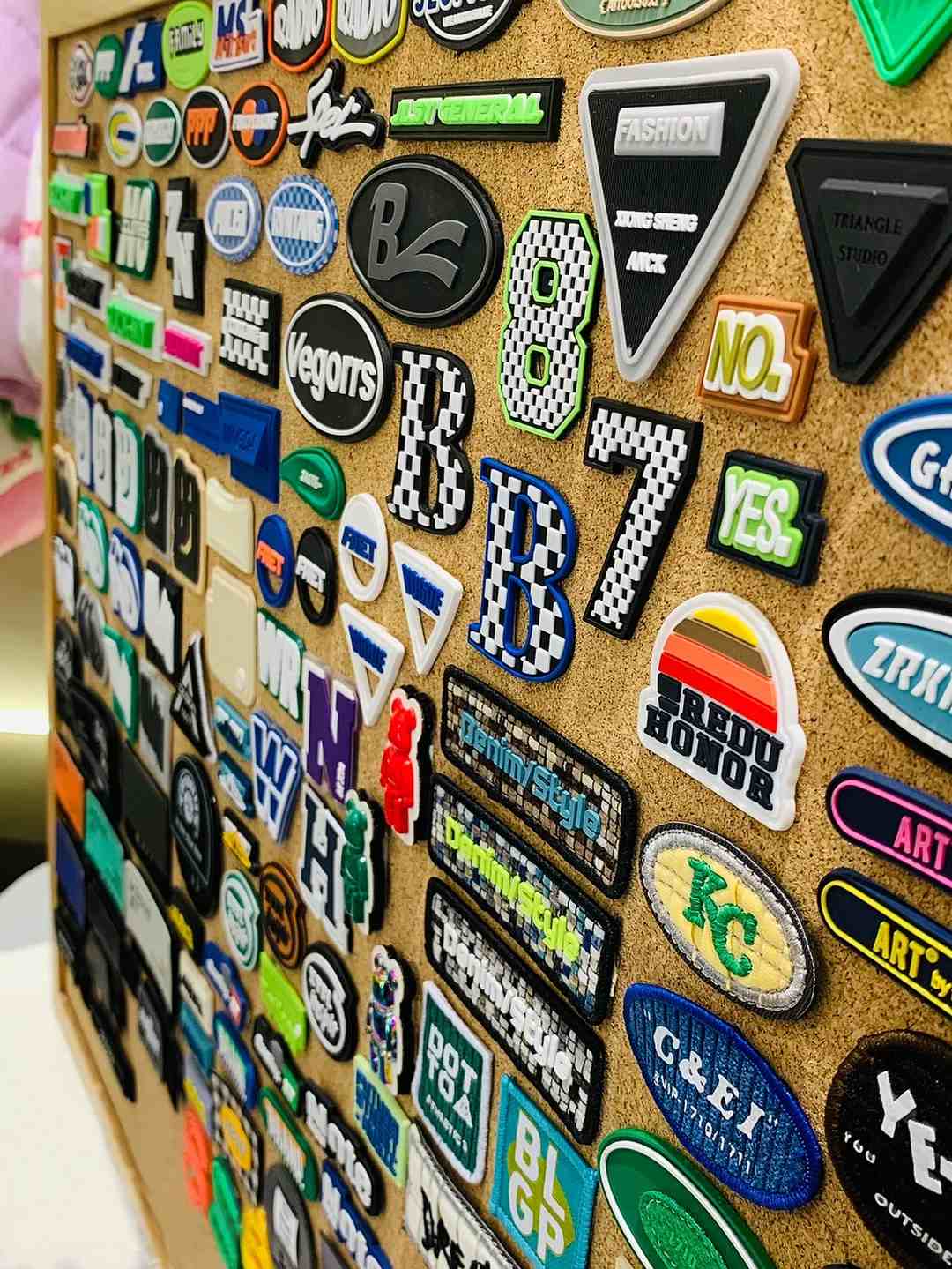
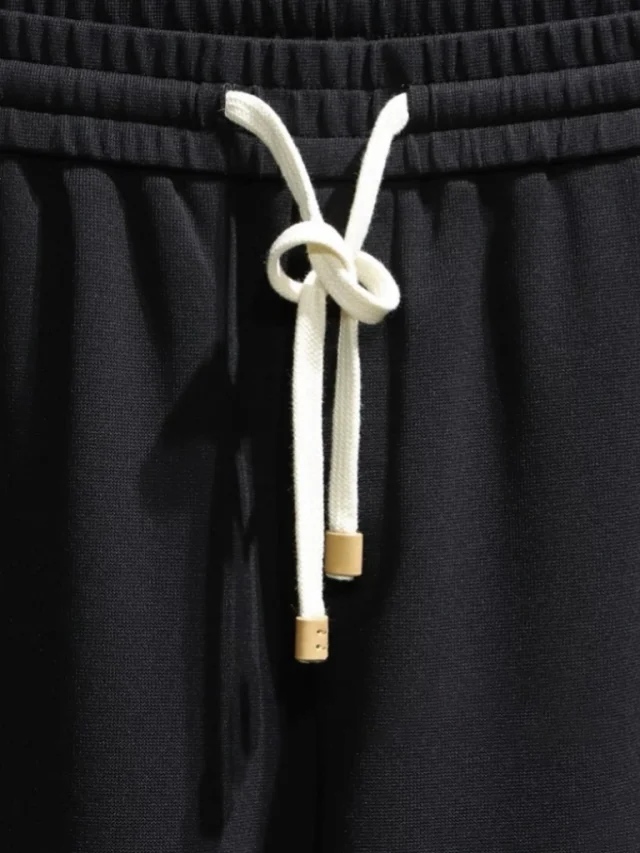
Drawcords & Tipping
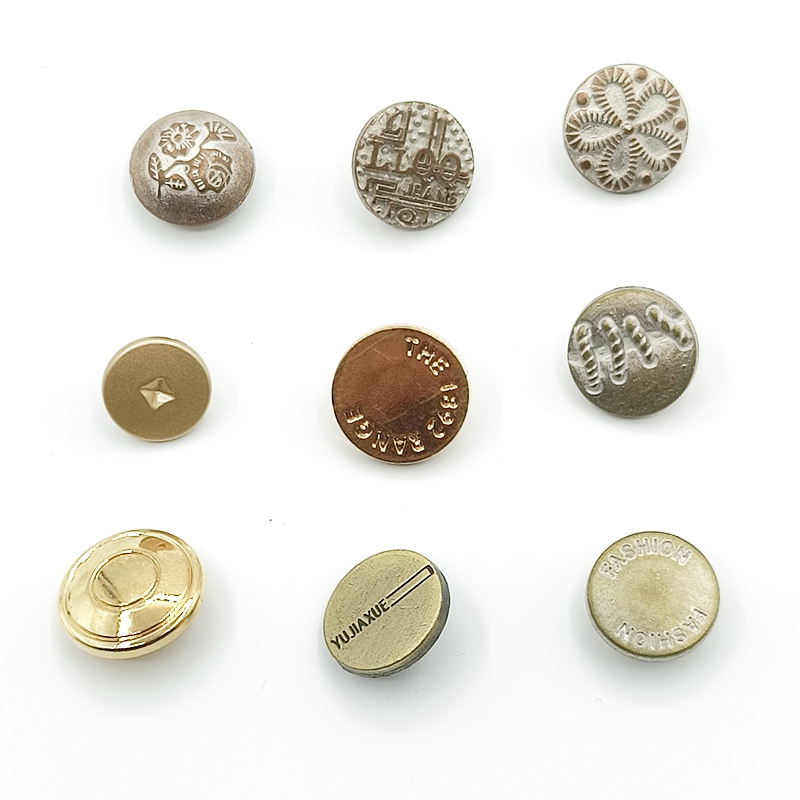
Flat, round or custom-branded drawcords with metal, plastic or silicone tipping for hoodies, joggers and shorts. Coordinate colors with your discharge print palette to create cohesive, finished big & tall streetwear and activewear.
About MENWILD — Big & Tall Menswear Specialists
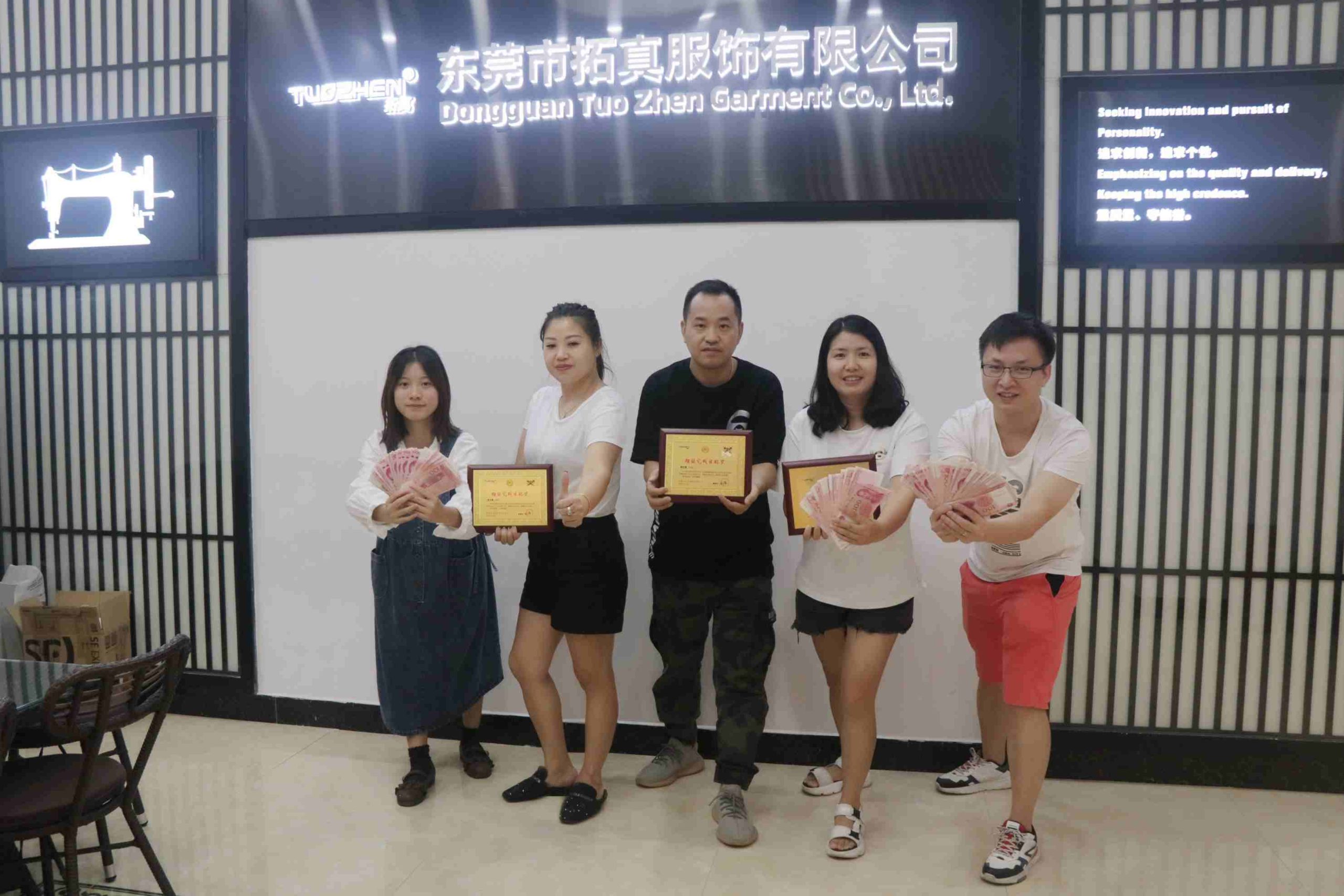
Founded in 1998 in Humen, Dongguan — the heart of China’s garment manufacturing industry — MENWILD has spent over 28 years solving what most factories ignore: genuine fit for larger and taller men. We’re not a generic supplier scaling patterns until proportions break. We’re a specialist big & tall and plus-size menswear manufacturer built around extended-size pattern grading, true fit and modern oversized streetwear silhouettes from 2XL to 6XL.
Today MENWILD operates as a full one-stop OEM, ODM and private label partner with a team of more than 200 skilled employees, monthly production capacity exceeding 80,000 pieces, and in-house decoration including discharge print for apparel, embroidery, screen printing, DTG, DTF and garment finishing. We’ve served over 2,000 fashion brands across the United States, Canada, the United Kingdom, Germany, Australia, Russia and the Middle East.
Our mission is simple: help big & tall and plus-size menswear brands grow by delivering garments that actually fit, with flexible MOQs from 100 pieces, fast sampling, specialist 2XL–6XL grading and decoration techniques like discharge print that bring soft, breathable designs to dark fabrics. We’re the manufacturing partner behind brands that put fit first.
Discharge Print for Apparel Mastery Built Over 28 Years
In-House Ink Chemistry & Color Matching
MENWILD’s discharge print lab controls every variable — from activator ratios to cure temperatures — ensuring accurate color matching on dark fabrics. Our chemists formulate custom discharge inks that remove base dye cleanly while depositing vibrant hues, even across extended 2XL–6XL production runs.
- Custom discharge ink formulation for precise Pantone and brand-color matching on black, navy and dark heather fabrics
- In-house color lab tests every batch against client-approved lab dips and strike-offs before bulk production
- Controlled activator chemistry ensures consistent dye removal and color deposit across thousands of pieces
- Full traceability from ink mix to final garment, with records kept on file for fast, accurate re-orders
Soft-Hand Finishing & Breathable Print Quality
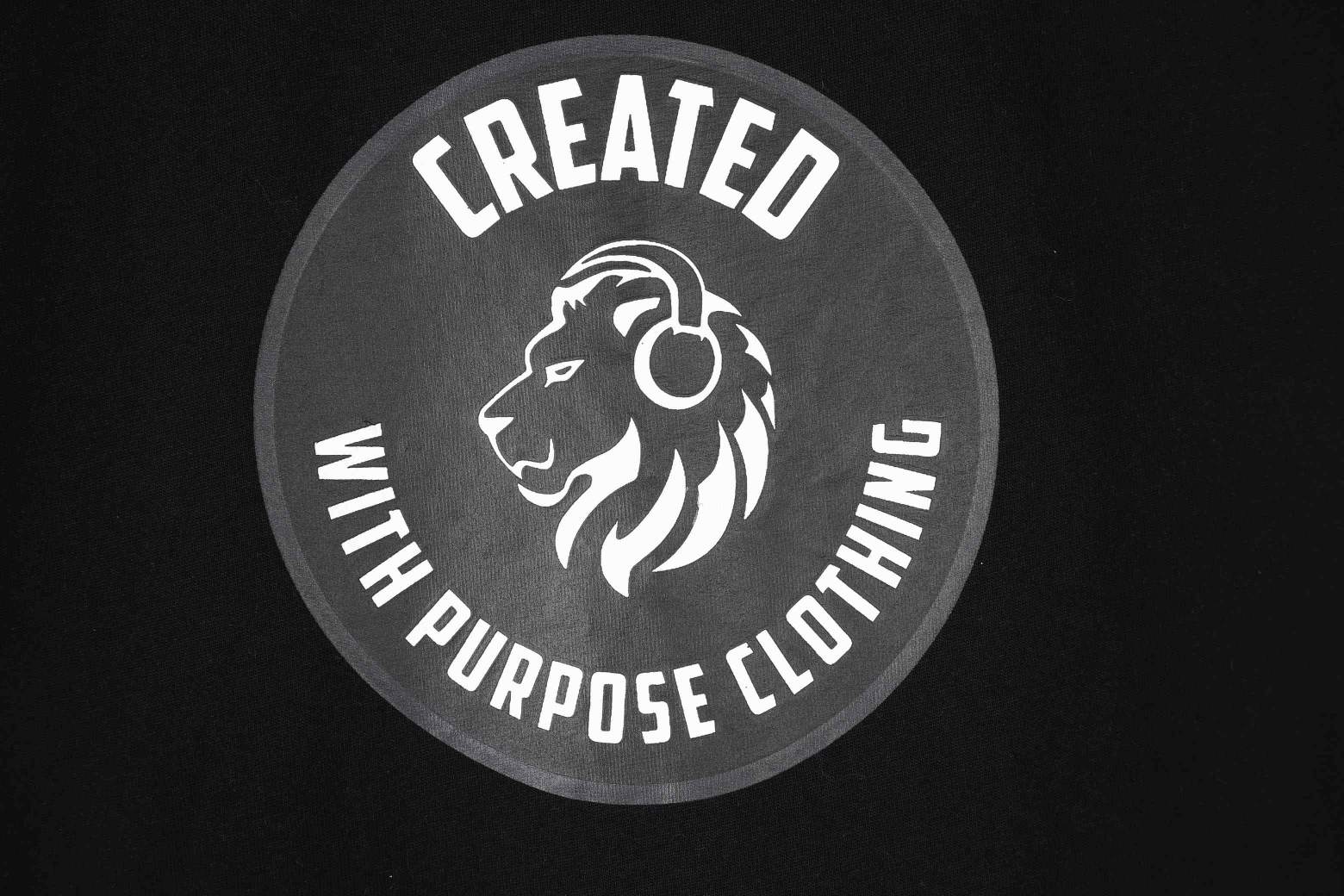
Unlike plastisol that sits heavy on fabric, MENWILD’s discharge print for apparel removes the garment’s base dye and replaces it with pigment — leaving zero surface build-up. The result is a breathable, vintage-soft hand that feels like part of the shirt, not a layer on top.
- No cracking, peeling or stiffness — discharge ink becomes part of the fabric fiber for a truly soft hand
- Breathable prints that don't trap heat, ideal for oversized tees, hoodies and activewear worn close to skin
- Vintage, lived-in aesthetic straight from production — perfect for streetwear, retro graphics and heritage branding
- Wash-tested durability across enzyme wash, garment dye and stone-wash finishing without color fade or distortion
Extended-Size Quality Control & Print Consistency
Big and tall garments stretch farther during wear, so print placement and ink penetration must be spot-on. MENWILD’s QC team inspects every discharge print for registration, color accuracy and hand-feel across the full 2XL–6XL size run, ensuring larger sizes meet the same standard as mediums.
- Print placement verified on graded patterns for each size — chest prints, back graphics and sleeve details stay proportional from 2XL to 6XL
- In-line QC checks ink cure, dye discharge completeness and color match on every tenth garment during production
- Final AQL 2.5 inspection before packing, with photo reports and measurements sent to clients for approval
- Specialist big & tall fit knowledge ensures prints don't distort across broader chests, longer torsos or dropped shoulders
Multi-Decoration Integration & Custom Combinations
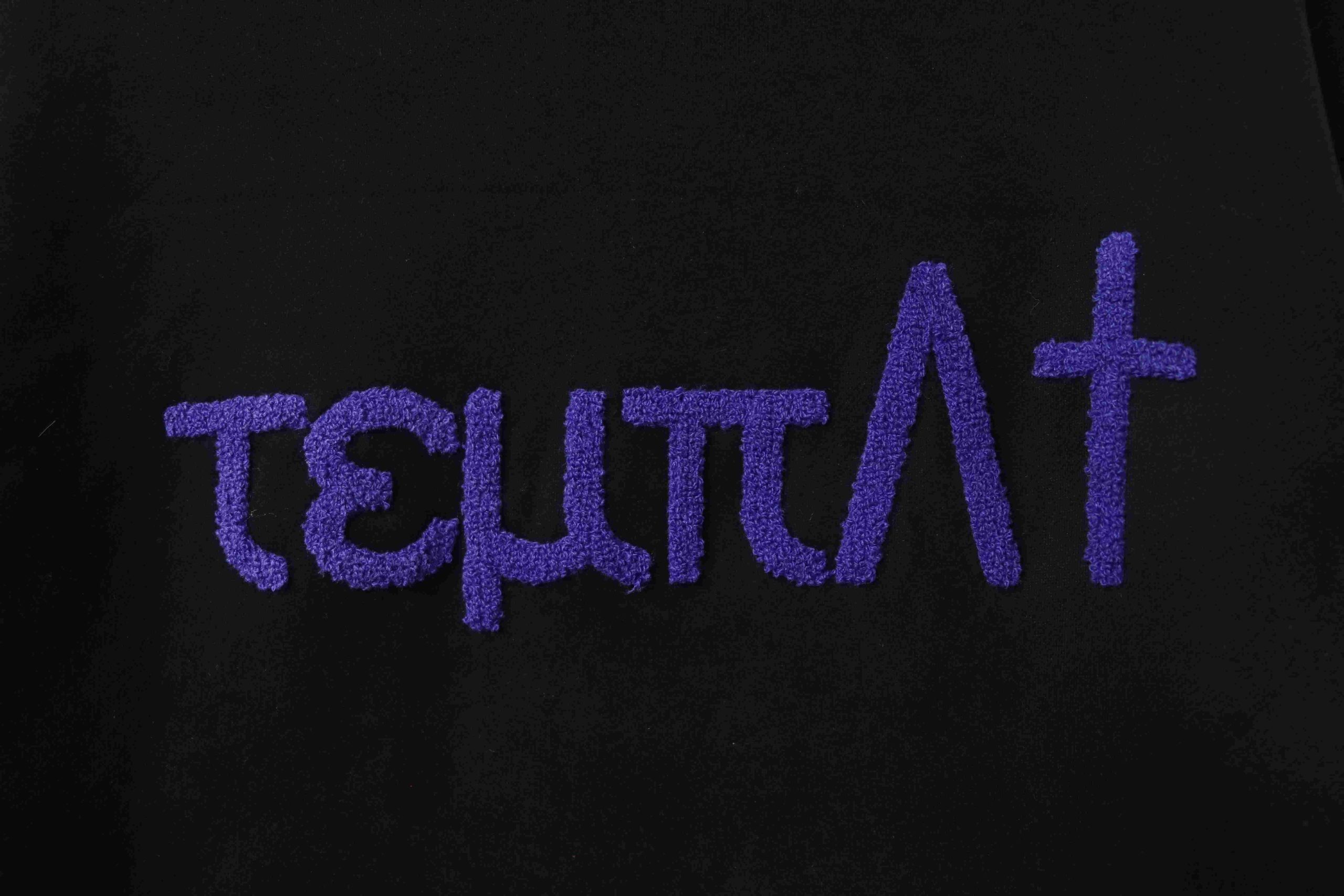
Discharge print for apparel pairs beautifully with embroidery, DTG overlays, screen-print accents and dye sublimation. MENWILD’s full in-house decoration suite lets you layer techniques — discharge base with puff embroidery, foil highlights or water-based overprints — all under one roof, one timeline and one quality standard.
- Combine discharge print with 3D puff or chain-stitch embroidery for dimensional branding and premium streetwear aesthetics
- Layer DTG or DTF details over discharge backgrounds for photorealistic graphics with a soft, breathable foundation
- Add foil, flocking or high-density screen print accents to discharge designs without sacrificing hand-feel or durability
- Single-source decoration management — no outsourcing, no delays, consistent quality across embroidery, print and finishing
Why Choose MENWILD for Discharge Print for Apparel
Compare our specialist big & tall manufacturing, low MOQ flexibility, and in-house decoration capabilities against typical generic apparel suppliers.
← 左右滑动查看 →
Discharge Print for Apparel Production Process — From Design to Shipment
Compare our specialist big & tall manufacturing, low MOQ flexibility, OEM/ODM/private label services, and in-house decoration capabilities against typical generic apparel suppliers.
Design & Tech Pack Development
Share your concept, sketch, or finished tech pack. Our design team refines artwork, color placement, and garment specs for discharge print compatibility on dark fabrics.
Fabric Sourcing & Approval
We source cotton, Pima, organic cotton, or cotton-poly blends from trusted mills. You approve swatches before sampling to ensure texture, weight, and discharge reactivity.
Discharge Print Sampling
Pre-production samples showcase soft, breathable discharge prints on your chosen fabric. We refine color tone, print detail, and fit across 2XL–6XL grading until approved.
Bulk Production & In-Line QC
Cut-and-sew and discharge printing run in parallel with real-time quality checks. Monthly capacity exceeds 80,000 pieces, with patterns and specs kept on file for fast re-orders.
Finishing & Packaging
Garment washing, softening, anti-pilling treatments, and custom labels, hang tags, and packaging are applied. Final inspection confirms print durability and garment integrity before packing.
Global Logistics & Shipment
We coordinate export documentation, freight forwarding, and door-to-door delivery to the US, Canada, UK, Germany, Australia, Russia, and the Middle East with full shipment tracking.
How to Partner With MENWILD for Discharge Print for Apparel
From concept to finished garments, our streamlined process makes it easy to bring your discharge print designs to life with transparent steps, fast samples, and full quality control.
Submit Your Tech Pack or Design Brief
Share your design, artwork, fabric preferences and sizing requirements. Our team reviews your discharge print for apparel project and provides a detailed quote within 24 hours.
Receive Fabric & Discharge Print Samples
We source fabrics, prepare discharge print samples and ship them to you within 7 days. Review print quality, hand-feel and color accuracy before committing to bulk.
Approve Samples & Place Bulk Order
Once you confirm samples, finalize quantities and sizing. Our MOQ starts at just 100 pieces per style and color, making it easy to test or scale.
Production & In-Line Quality Control
We cut, sew, discharge print and finish your garments with continuous quality checks at every stage. Monthly capacity exceeds 80,000 pieces across our lines.
Final Inspection & Global Shipment
Every piece undergoes final inspection before packing. We handle export logistics and deliver your discharge print apparel worldwide, ready for your brand or customers.
Certifications & Quality Standards for Discharge Print Apparel
Customer Testimonials — Big & Tall Brands Trust MENWILD for Discharge Print for Apparel
MENWILD’s discharge print quality on our 3XL–5XL tees is exceptional — soft hand feel, vibrant colors, zero cracking after 20+ washes. Our repeat order rate jumped 34% since switching to their discharge printing.
We needed discharge print hoodies in 2XL–6XL with a 3-week turnaround. MENWILD delivered samples in 7 days, nailed the fit on bigger frames, and shipped 850 pieces on time. They’re our go-to partner now.
After 4 years with MENWILD, the consistency is unmatched. Their discharge print holds detail beautifully on dark fabrics, and their extended-size grading means our big & tall customers finally get garments that actually fit. MOQ flexibility lets us test seasonal designs risk-free.
FAQ — Discharge Print for Apparel & Big & Tall Menswear
What is the minimum order quantity for discharge print for apparel at MENWILD?
How long does it take to get discharge print samples and bulk production?
Is discharge print for apparel durable and how should garments be washed?
Can discharge printing achieve accurate color matching on dark fabrics?
What payment terms does MENWILD offer for discharge print for apparel orders?
How does MENWILD protect my designs and intellectual property?
Do you ship discharge print apparel to the US, UK, and EU?
Can MENWILD customize discharge print designs for extended sizes like 2XL to 6XL?
What garment types work best with discharge print for apparel?
The Complete Buyer’s Guide to Discharge Print for Apparel
Navigate the world of discharge printing with confidence. This guide delivers a proven decision framework, essential supplier criteria, and the most common mistakes to avoid when sourcing discharge print for apparel for your menswear brand.
1. What Is Discharge Print for Apparel?
Discharge print for apparel is a screen-printing technique that chemically removes dye from garment fibers and simultaneously replaces it with soft pigment, leaving no surface layer or hand-feel. Unlike plastisol ink, which sits on top of fabric and can crack or peel, discharge printing bleaches out the base color and bonds pigment directly into the fiber structure, resulting in prints that breathe, stretch and feel identical to the unprinted fabric.
The process uses a discharge agent — typically zinc formaldehyde sulfoxylate or similar reducing compounds — mixed with water-based pigment, then screen-printed and heat-cured at 320–350°F to activate the bleaching reaction. Within seconds under heat, the agent breaks down reactive dye molecules in the garment, creating a permanent white or colored print with zero tactile build-up.
Premium menswear brands choose discharge for dark garments — black, navy, charcoal tees and hoodies — where plastisol creates a stiff, heavy print and DTG struggles with opacity and durability. Discharge delivers vintage-soft graphics on 100% ring-spun cotton without compromising drape, making it the preferred method for high-end streetwear, capsule collections and any brand prioritizing comfort and longevity over cost.
2. The Evolution of Discharge Print for Apparel
Discharge printing traces its roots to early 20th-century textile bleaching, where chlorine-based compounds removed dye from woven fabrics to create light patterns on dark grounds. Commercial screen printers adapted the chemistry in the 1970s, but harsh fumes and inconsistent results limited adoption until reformulated zinc-based activators arrived in the late 1980s.
Between 1995 and 2005, streetwear labels popularized discharge print for apparel as the only technique delivering the ultra-soft hand and vintage fade that plastisol could never match on black and navy tees. Brands launching graphic-heavy collections found that discharge eliminated the stiff, cracked feel of layered plastisol, turning it into the default for premium men’s basics.
Regulatory pressure accelerated innovation after 2008. CPSIA phthalate restrictions in the United States and REACH limits on heavy metals in the European Union pushed ink manufacturers toward water-based, formaldehyde-free discharge formulations. Today’s zinc-free and low-VOC chemistries meet OEKO-TEX Standard 100 while preserving the breathable, no-hand feel that made discharge the backbone of sustainable and oversized menswear decoration.
3. Types of Discharge Print for Apparel Techniques
Discharge printing splits into four core methods, each offering distinct color palettes, fabric compatibility and production workflows. Choosing the right technique depends on your garment base color, desired final tone and whether you need multi-color graphics or simple vintage aesthetics.
Traditional Discharge (Bleach-Only)
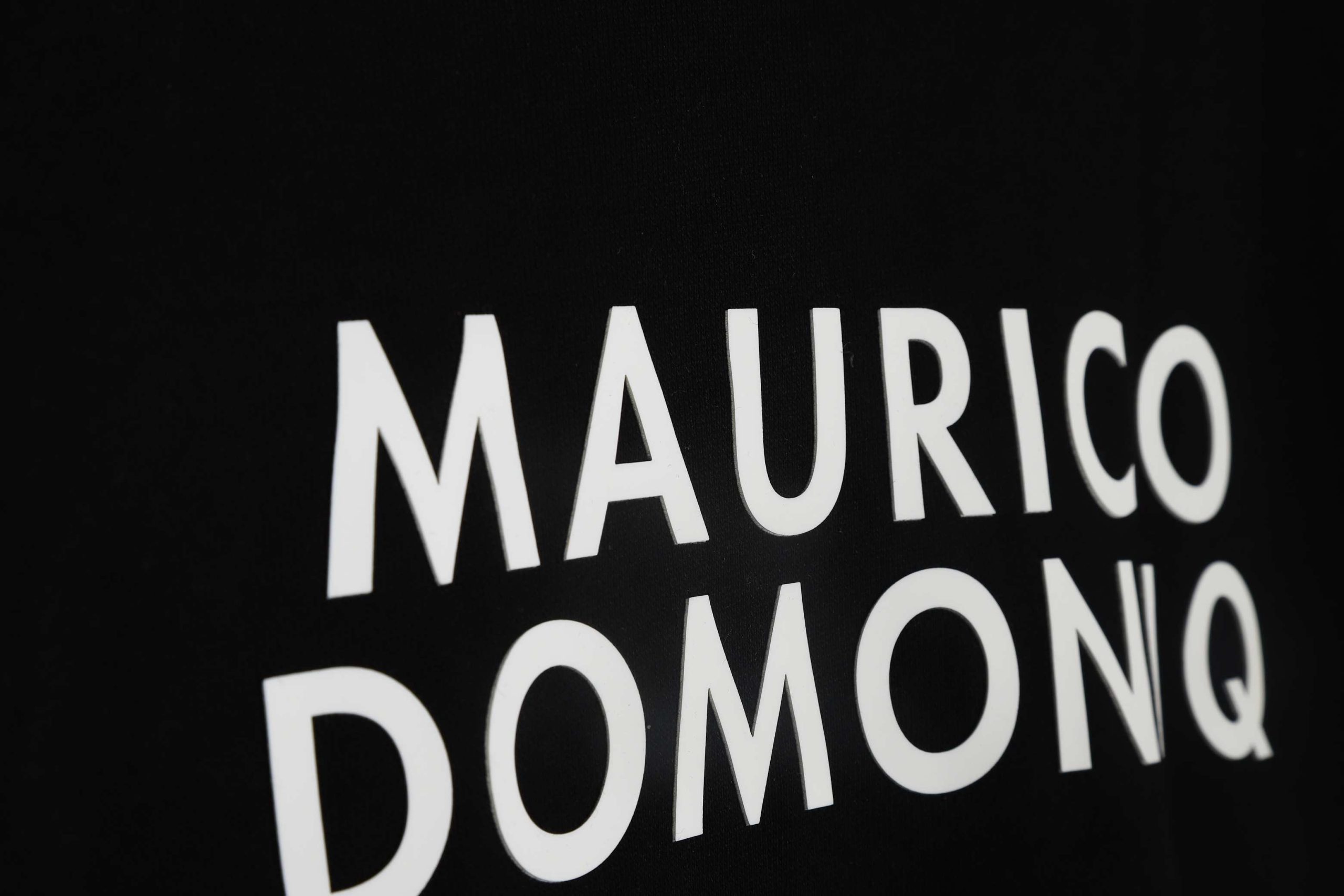
This method uses discharge paste without added pigment, removing dye to reveal the natural fiber color beneath — typically cream, off-white or pale tan on cotton. It delivers the softest hand and highest breathability because no ink layer remains on the fabric surface.
Graphic tees with vintage band logos, distressed text and retro branding rely on traditional discharge for authentic worn-in aesthetics. Works exclusively on 100% reactive-dyed cotton; polyester and synthetic blends will not discharge.
Discharge + Pigment (Color Replacement)
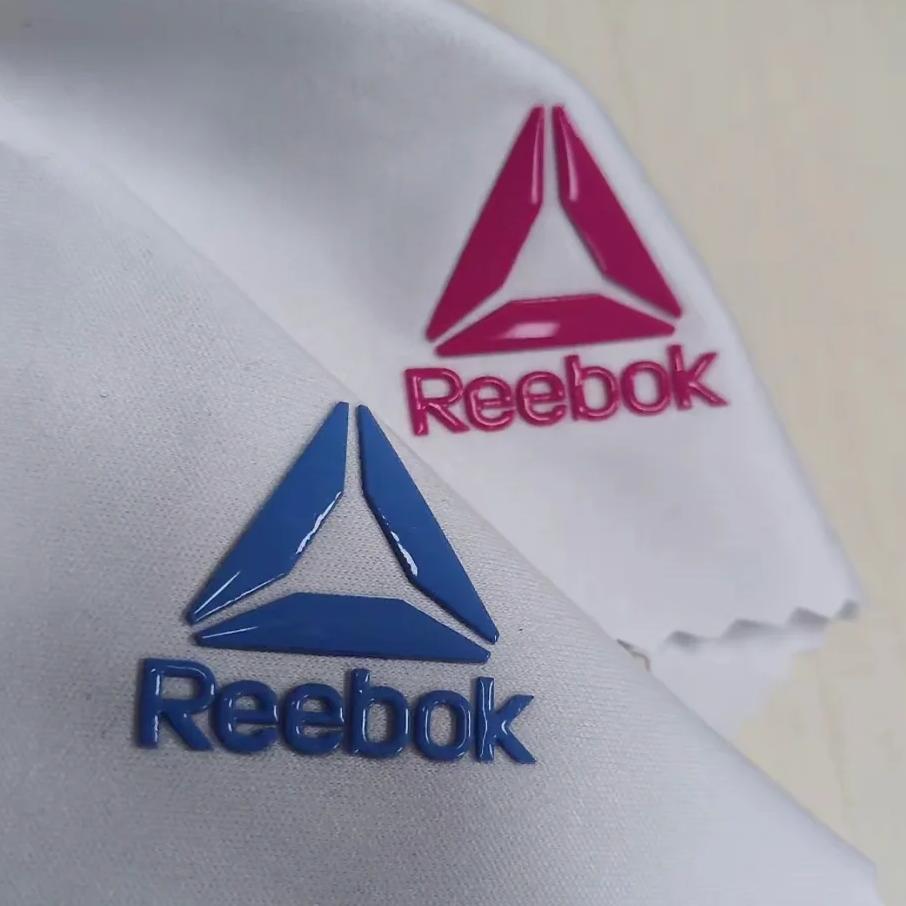
Discharge paste is mixed with water-based pigments, simultaneously removing the base dye and depositing a new color in one pass. This unlocks vibrant hues — reds, blues, greens — on dark garments while maintaining a soft, breathable print.
Ideal for multi-color graphic tees, streetwear logos and apparel requiring Pantone-matched branding. Requires precise pigment ratios and curing; color accuracy depends on fabric dye chemistry and discharge agent strength.
All-Over Discharge
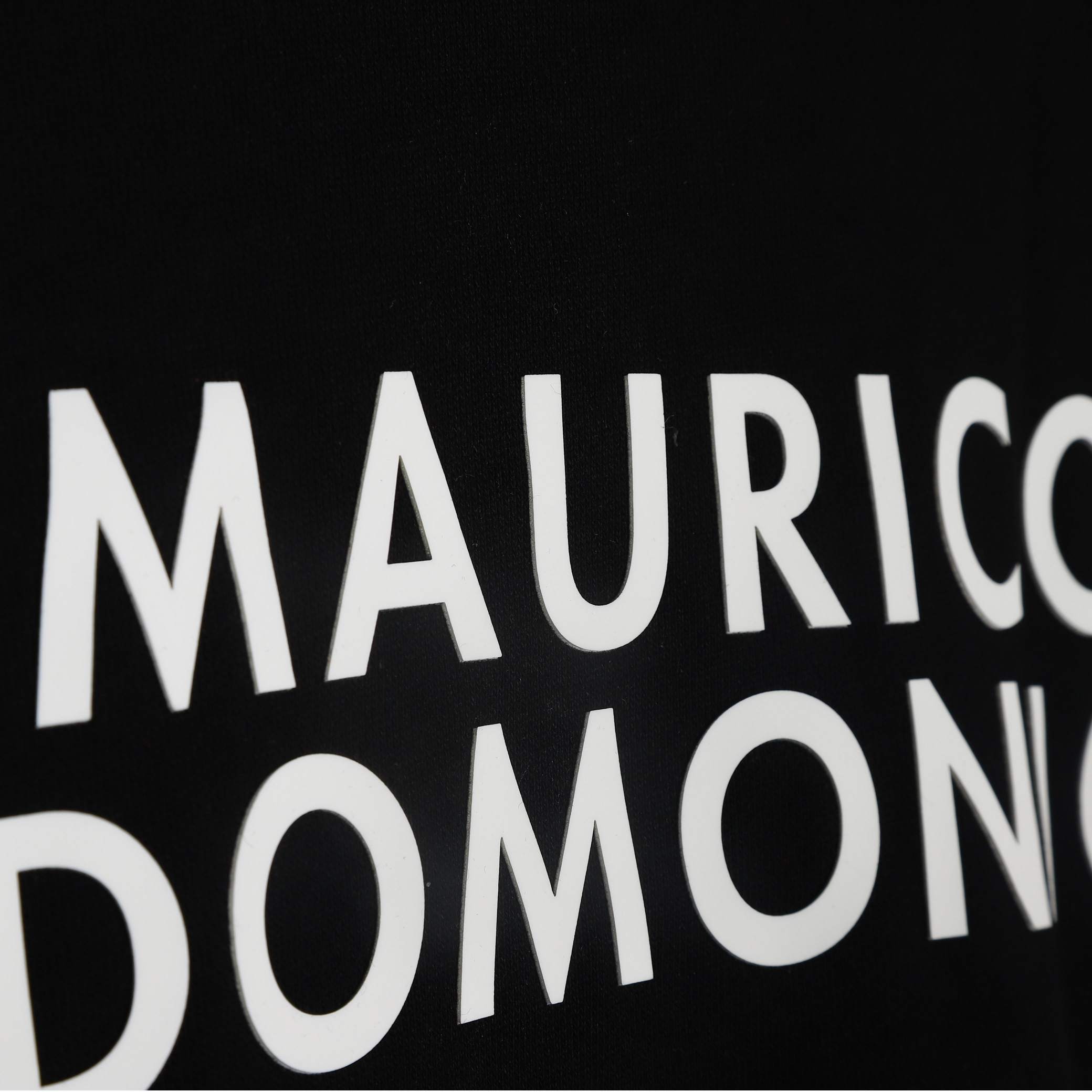
Entire garment panels are treated with discharge paste before or after cut-and-sew, creating uniform vintage washes, ombré fades or tie-dye effects. Production typically uses spray, dip or roller application rather than screen printing.
Popular for oversized tees, hoodies and sweatshirts targeting streetwear and contemporary menswear markets. Requires careful process control to ensure even discharge across large surface areas and consistent results across size runs from 2XL to 6XL.
4. Materials & Fabrics Compatible with Discharge Print for Apparel
Discharge print for apparel works by chemically removing dye from fabric, so fiber content and dye quality dictate success. Natural fibers that accept reactive dyes — chiefly cotton — deliver the cleanest, most vibrant results, while synthetics resist discharge entirely.
| Fabric Type | Discharge Compatibility | Color Vibrancy | Typical Use Cases |
|---|---|---|---|
| 100% cotton (ring-spun, combed) | Excellent — full dye removal | Bright, soft whites and pastels | T-shirts, hoodies, sweatshirts |
| Cotton blends (50/50, tri-blend) | Moderate — partial discharge | Muted, vintage tones | Retail tees, joggers, casual wear |
| Polyester, nylon, synthetics | None — dye-locked fibers | No discharge effect | Not suitable for discharge |
5. Customization & Decoration Options for Discharge Print for Apparel
Discharge print for apparel rarely stands alone in premium collections. Layering discharge with plastisol, embroidery, appliqué and garment finishing creates depth, texture and brand differentiation that single-technique decoration cannot match.
| Decoration Combo | Visual Effect | Cost Impact vs. Discharge Alone | Wash Durability |
|---|---|---|---|
| Discharge + Plastisol | Vivid multi-color detail, soft base | +20–35% | 50+ washes (plastisol may crack) |
| Discharge + Embroidery | Dimensional branding, texture contrast | +40–60% | 100+ washes (thread-dependent) |
| Discharge + Garment Wash | Authentic vintage fade, soft hand | +15–25% | Intentional fade continues |
| Discharge + Appliqué | Layered fabric textures, bold graphics | +50–80% | 80+ washes (stitch quality key) |
Hybrid Discharge and Plastisol Layering
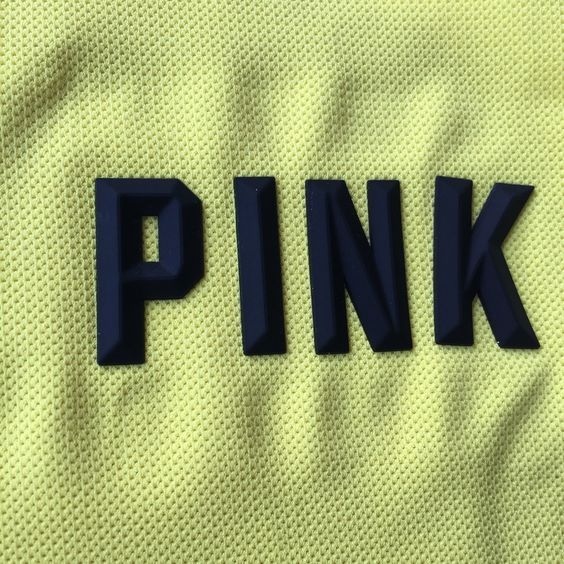
Discharge removes dye to create a soft base, then plastisol ink builds opacity and detail on top. This hybrid approach delivers vivid colors on dark fabrics while keeping hand-feel softer than full plastisol coverage.
MENWILD runs discharge first, cures the underbase, then registers plastisol screens for fine halftones or high-density logos. Cost per piece rises 20–35% over single-method prints, but the visual payoff justifies premium pricing.
Combining Discharge with Embroidery and Appliqué
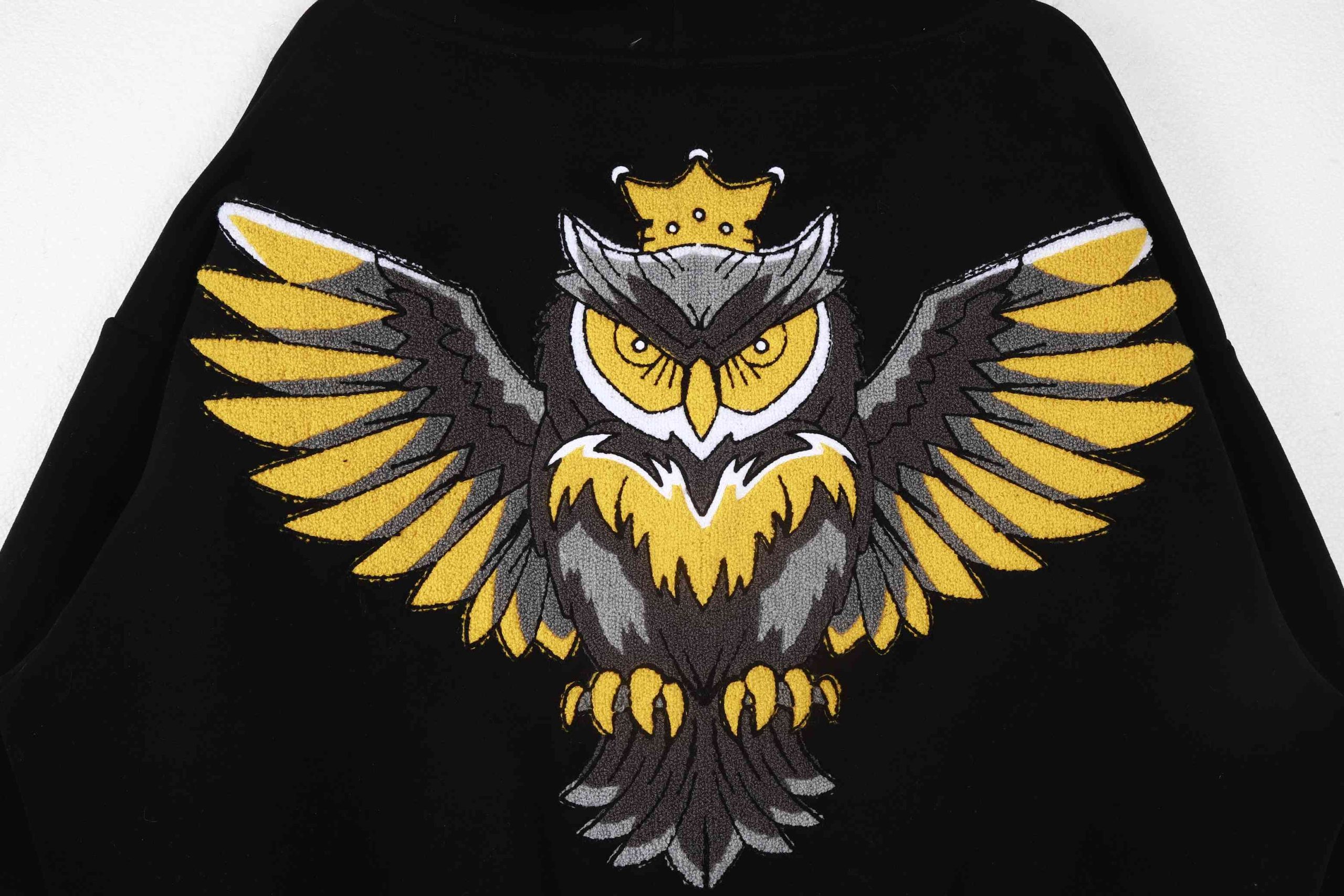
Embroidered patches over discharge backgrounds add dimension to oversized streetwear and workwear. Discharge softens the canvas, embroidery anchors branding, and appliqué inserts introduce texture.
MENWILD coordinates print and embroidery digitizing to align registration within ±1 mm. Lead time extends 3–5 days for multi-technique sampling, and MOQ remains 100 pieces per style when both decoration types share the same colorway.
Distressed and Vintage Finishing
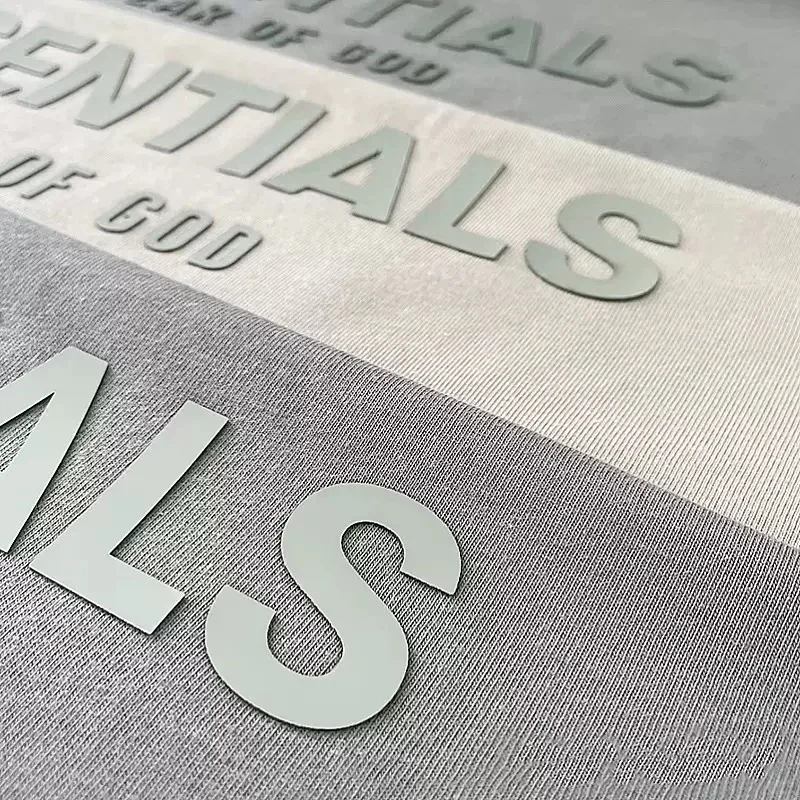
Enzyme wash, stone wash and brushing after discharge printing accelerate fading and crack the ink surface for authentic vintage aesthetics. Discharge ink already sits inside the fiber, so garment washing distresses the fabric and print uniformly.
MENWILD applies controlled enzyme cycles post-print to soften hand-feel and lighten discharge tones by 10–20%. Sampling is critical: over-washing can strip pigment entirely, turning intentional vintage into unintended ghost prints.
Custom Pantone Matching Limitations
Discharge pigments mix to approximate Pantone colors, but final hue depends on the original fabric dye chemistry. Bright neons, metallics and true blacks are unattainable; earthy tones, pastels and off-whites perform best.
MENWILD provides strike-off swatches on the exact fabric lot before bulk production. Expect ±10% color variance between dye lots, and always approve lab dips and printed samples under daylight and store lighting to confirm brand standards.
6. Key Quality Indicators in Discharge Print for Apparel
Discharge print for apparel quality varies factory to factory. Buyers who inspect even dye removal, color accuracy, wash-fastness, chemical odor and registration precision before bulk production avoid costly re-runs and customer complaints.
Even Dye Removal and Color Vibrancy
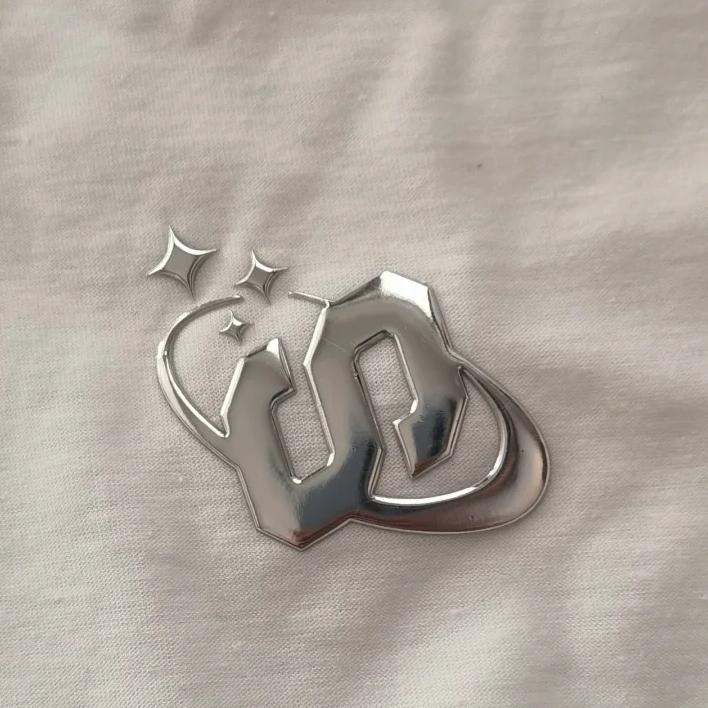
Inspect strike-offs under daylight for patchiness or incomplete discharge. Even removal leaves no darker streaks or ghost tones. Request lab-dip samples on your exact fabric weight and dye lot; color shifts between batches are common. Verify that the factory uses calibrated color-matching systems and maintains dye-removal logs for each fabric type.
Wash-Fastness Testing
AATCC 61 and AATCC 135 standards measure color retention and crocking. Request wash tests at 5, 10 and 20 cycles to confirm vibrancy holds and no bleeding occurs. Factories with in-house or third-party testing labs provide certified reports; those without rely on visual checks alone.
Chemical Odor and Curing Verification
Properly cured discharge prints carry no residual bleach or formaldehyde odor. Smell samples after a 24-hour rest period. Ask whether the factory uses tunnel dryers with exhaust ventilation and temperature logs; under-cured prints smell sharp and fade faster.
Registration Precision on Multi-Color Prints
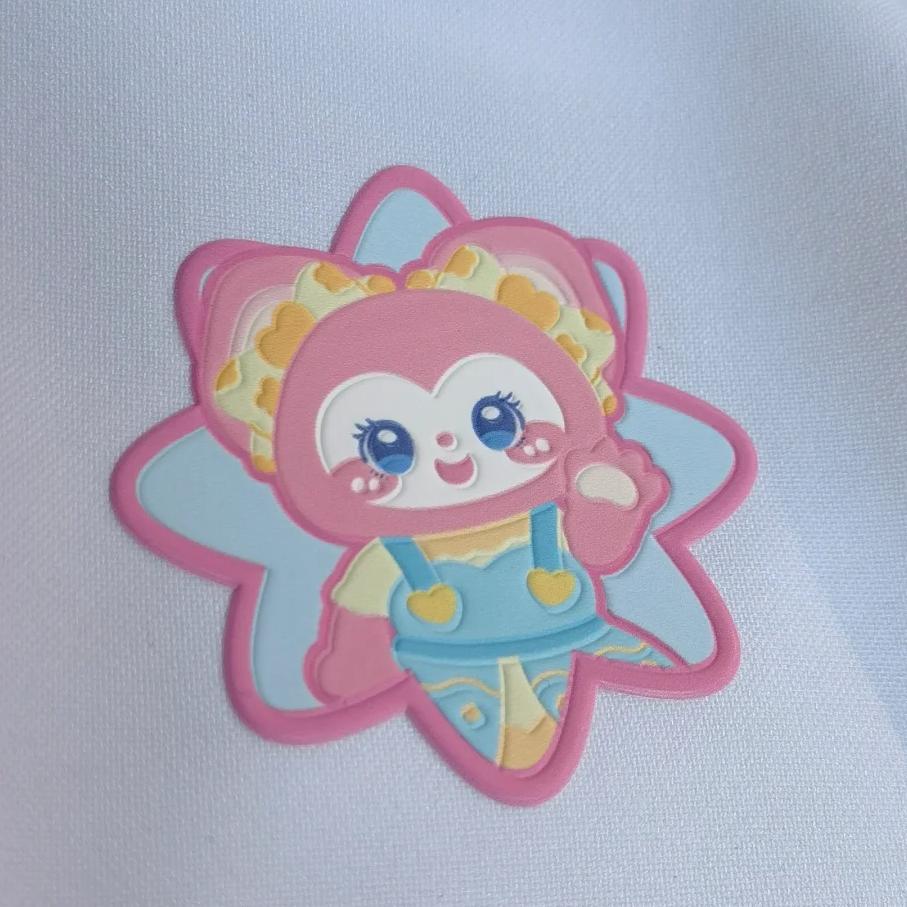
Multi-color discharge designs require frame alignment within ±1 mm. Inspect edges and overlaps on strike-offs for gaps or halos. Automatic screen presses and laser registration systems deliver tighter tolerances than manual setups.
7. How to Choose a Discharge Print for Apparel Manufacturer
Selecting a discharge print for apparel partner requires verifying technical capabilities, not just general screen-printing credentials. Discharge demands specialized equipment, environmental controls and proven portfolio work that many contract printers cannot deliver.
Verify Discharge-Specific Equipment
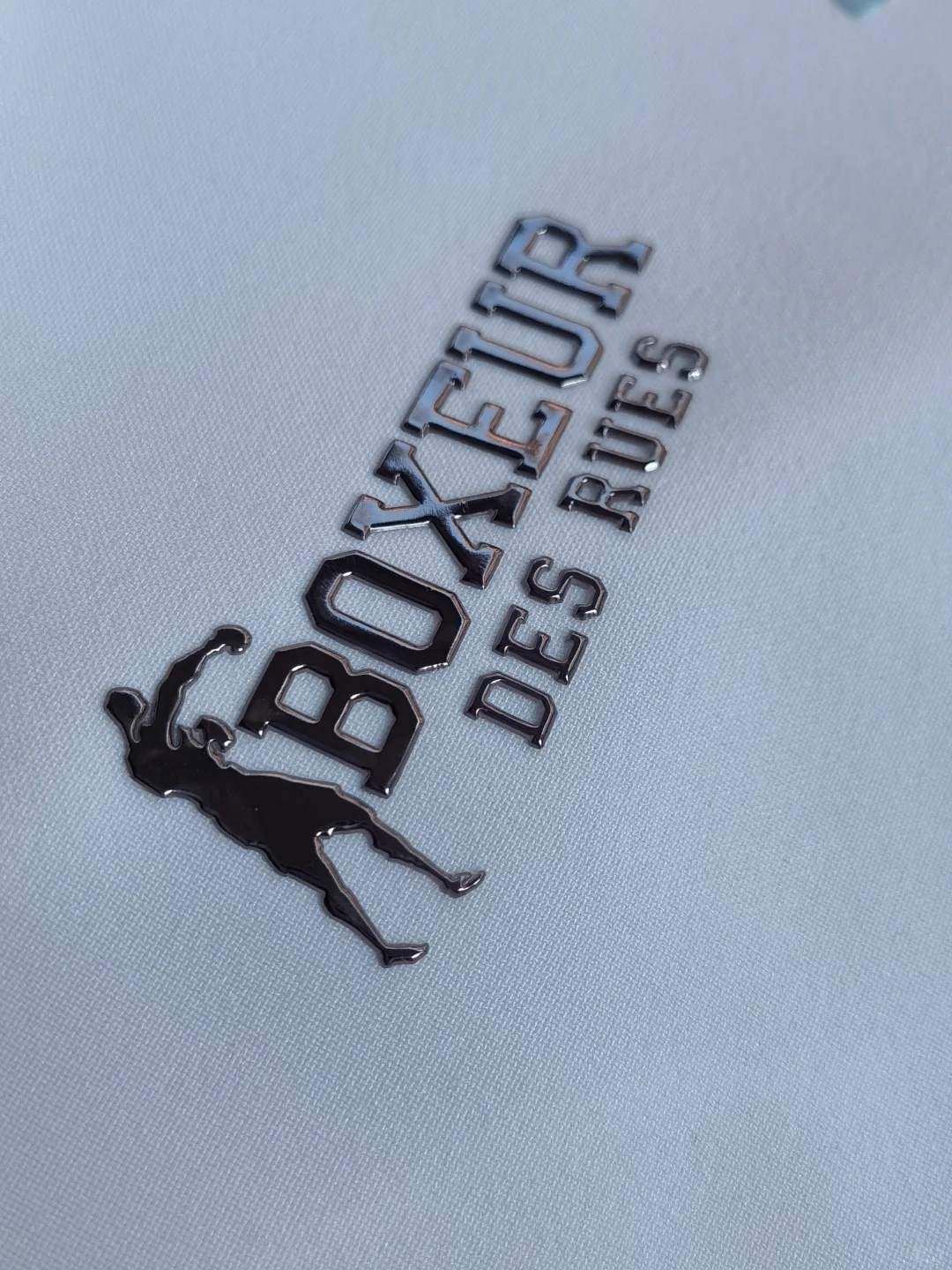
Ask whether the factory operates conveyor dryers capable of sustained 320–350°F curing and climate-controlled print rooms that maintain 65–75°F and 40–60% humidity. Discharge inks activate only within narrow temperature windows, and ambient moisture directly affects ink viscosity and activation speed.
Factories using basic flash units or open-air print floors cannot guarantee consistent bleach activation or color yield across production runs.
Request Portfolio Samples on Dark Garments
Demand physical swatches or finished garments showing recent discharge work on black, navy and dark heather fabrics. Examine hand-feel, color brightness and whether white highlights show any residual plastisol texture.
A manufacturer unable to produce samples within seven days or showing only light-garment prints likely lacks discharge experience or capacity.
Check Certifications and MOQ Flexibility
Confirm OEKO-TEX Standard 100 or GOTS certification for water-based and discharge inks, especially when targeting eco-conscious retail channels. Verify minimum order quantities — MENWILD supports 100-piece starts per style and color — and typical sampling lead times of five to seven days.
Factories demanding 1,000-piece minimums or quoting two-week sample windows rarely prioritize emerging brands or test capsules.
8. Common Mistakes Buyers Make with Discharge Print for Apparel
Discharge print for apparel delivers soft, durable graphics — but only when buyers avoid common pitfalls. Six mistakes account for most failed samples, inconsistent bulk runs and budget overruns, yet each has a straightforward fix.
Choosing Blends Over 100% Cotton
Polyester and poly-cotton blends resist discharge chemistry; activator removes dye only from natural fibers. A 50/50 blend yields faint, patchy prints because half the fabric remains colored.
Specify 100% cotton jersey, French terry or twill for crisp discharge results. If stretch is required, use cotton-spandex blends with ≤5% elastane — the cotton content still discharges cleanly.
Skipping Wash Tests Before Bulk Orders
Incomplete curing or weak activator ratios cause prints to fade or yellow after the first laundry cycle. Approving samples without a wash test hides these defects until thousands of garments ship.
Request three-wash and five-wash test reports on strike-offs. MENWILD runs enzyme wash cycles on discharge samples to confirm colorfastness and hand-feel durability before any bulk production begins.
Failing to Specify Curing Parameters in Tech Packs
Discharge inks require 320–340°F for 45–60 seconds to fully neutralize activator and lock the print. Vague instructions lead factories to use standard plastisol profiles, under-curing the ink and triggering wash-out or odor complaints.
Include exact temperature, belt speed and tunnel length in your tech pack, or reference discharge-specific curing standards when working with an experienced partner like MENWILD.
9. Steps to Launch Your Brand with Discharge Print for Apparel
Launching a discharge-print collection requires a disciplined, stage-gated workflow that accounts for chemistry testing, fabric compatibility and extended lead times. Plan for 1–2 additional weeks beyond standard screen printing to accommodate strike-off testing and formula adjustments.
Concept and Design Selection
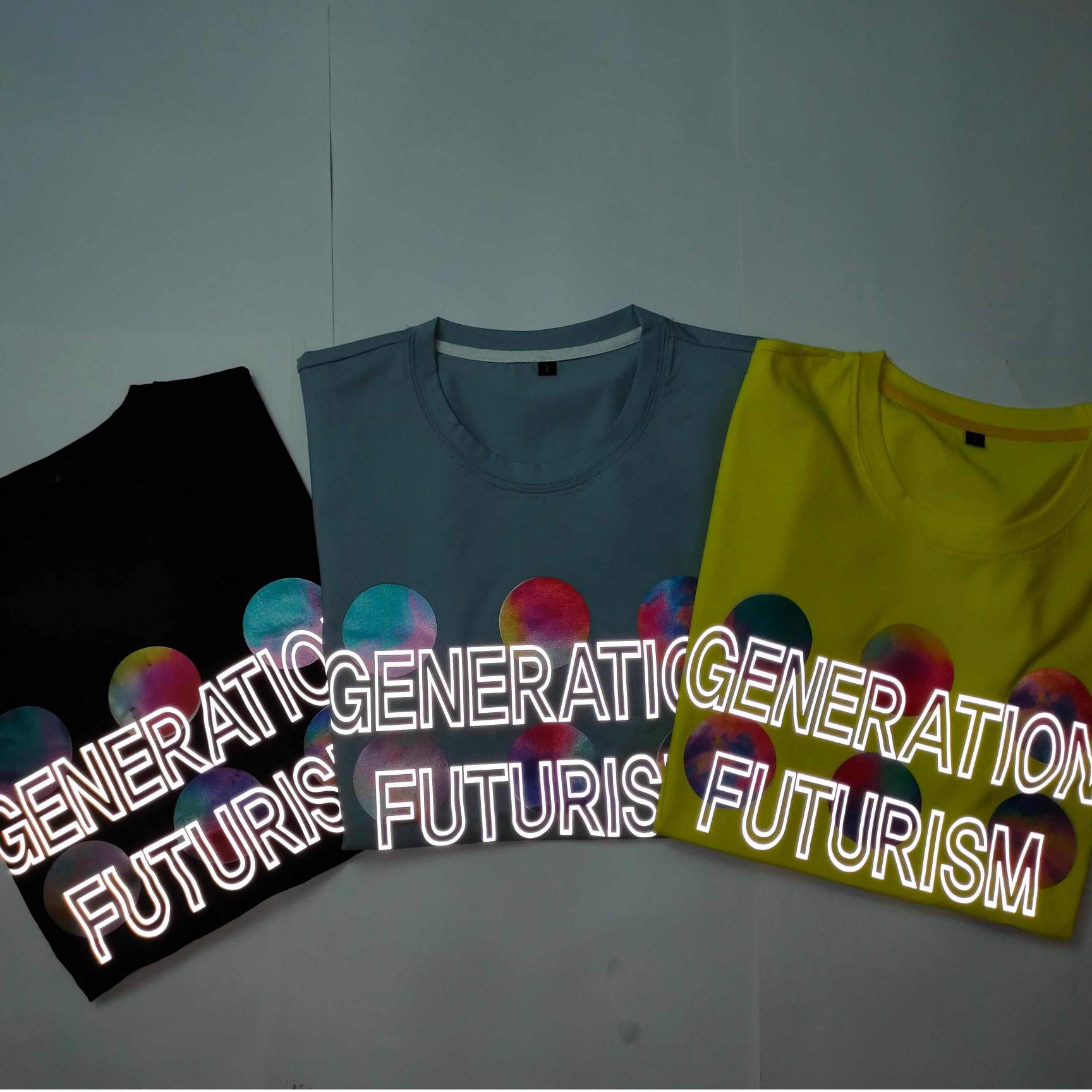
Choose artwork with clean edges, minimal halftones and bold graphics; discharge excels at vintage logos, text lockups and high-contrast illustrations. Avoid photorealistic gradients unless you are prepared for extended color-matching trials.
Submit vector files in AI or EPS format, specifying Pantone codes for each color. Your manufacturer will translate these into discharge-safe ink formulas and confirm which shades are achievable on your chosen base fabric.
Fabric and Blank Sourcing
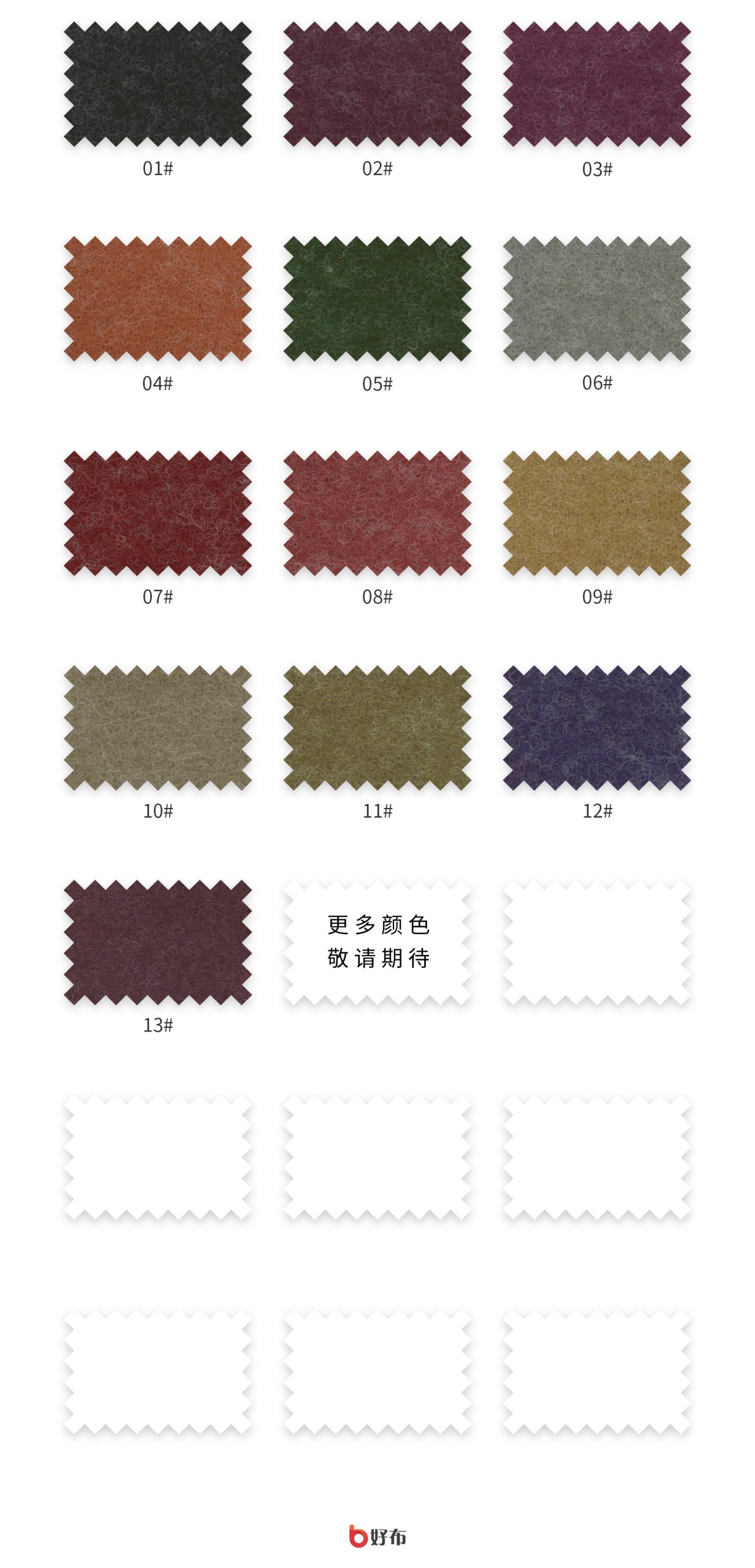
Ring-spun 100 % cotton jersey in 180–200 GSM delivers the most reliable discharge results. Pre-dyed blanks in navy, black, burgundy or forest green show the strongest contrast after bleaching.
Request fabric swatches and confirm dye origin with your manufacturer; reactive-dyed goods discharge cleanly, while certain pigment or sulfur dyes may resist activation and yield inconsistent tones.
Tech Pack and Strike-Off Approval
Build a tech pack that specifies print placement coordinates, ink Pantone references, mesh count (typically 110–156 threads per inch for discharge) and any underbase requirements. Include a marked photograph or flat sketch showing exact graphic position.
Order strike-offs on your selected blank to verify color accuracy, hand feel and wash durability. Approve or iterate formulas before bulk production begins; most factories archive approved strike-offs for future re-orders.
Pre-Production Sample and Final QC
Request a full pre-production sample in each size and colorway, checking print registration, fabric weight consistency and label placement. This is your last checkpoint before committing to bulk.
During in-line production, conduct random pulls every 500 pieces to inspect ink cure, alignment and hand. MENWILD’s nine-step process includes pattern archiving and on-file formulas, ensuring repeat orders match the approved standard without re-testing.
10. Pricing & Cost Breakdown for Discharge Print for Apparel
Discharge print for apparel typically costs $2.50–$6.00 per unit for a single-color print, depending on order volume and garment base. Setup fees range from $25 to $75 per screen, recovered across larger runs but impactful on test batches of 50–100 pieces. Lead time stretches 10–18 days for sampling and 18–28 days for bulk production, longer than plastisol due to fabric testing and discharge chemistry.
Color count drives cost: each additional discharge color adds one screen, one setup fee, and 15–25% to per-unit labor. Heavyweight garments (220+ GSM) require more ink and longer cure cycles, raising per-piece cost by $0.30–$0.80. Sample rounds — essential to confirm discharge behavior on your chosen fabric — add $50–$150 per iteration, so budget two to three rounds for new blends.
MENWILD’s 100-piece MOQ and tiered deposit structure (100% first order, stepping to 30% for repeat partners) let brands test discharge print for apparel economics before committing to inventory-heavy runs, keeping cash flow predictable as you scale.
| Quantity Tier | Per-Unit Cost | Screen Setup | Lead Time |
|---|---|---|---|
| 50–100 pcs | $5.00–$6.00 | $25–$75/screen | 10–18 days (sample) |
| 250 pcs | $3.50–$4.50 | $25–$75/screen | 18–22 days |
| 500 pcs | $2.80–$3.80 | $25–$75/screen | 20–25 days |
| 1,000+ pcs | $2.50–$3.20 | $25–$75/screen | 22–28 days |
Ready to Launch Your Discharge Print for Apparel Line?
Low MOQ from 100 pieces, specialist 2XL–6XL fit, and fast sampling. Partner with a manufacturer built for big & tall menswear.