
Sequin Embroidery Service for Big & Tall Menswear — 100-Piece MOQ
Custom sequin embroidery on big & tall t-shirts, hoodies, and oversized streetwear with specialist 2XL–6XL fit, fast sampling, and 100-piece MOQ. Trusted OEM/ODM menswear manufacturer serving 2,000+ brands for 28+ years in Dongguan, China.
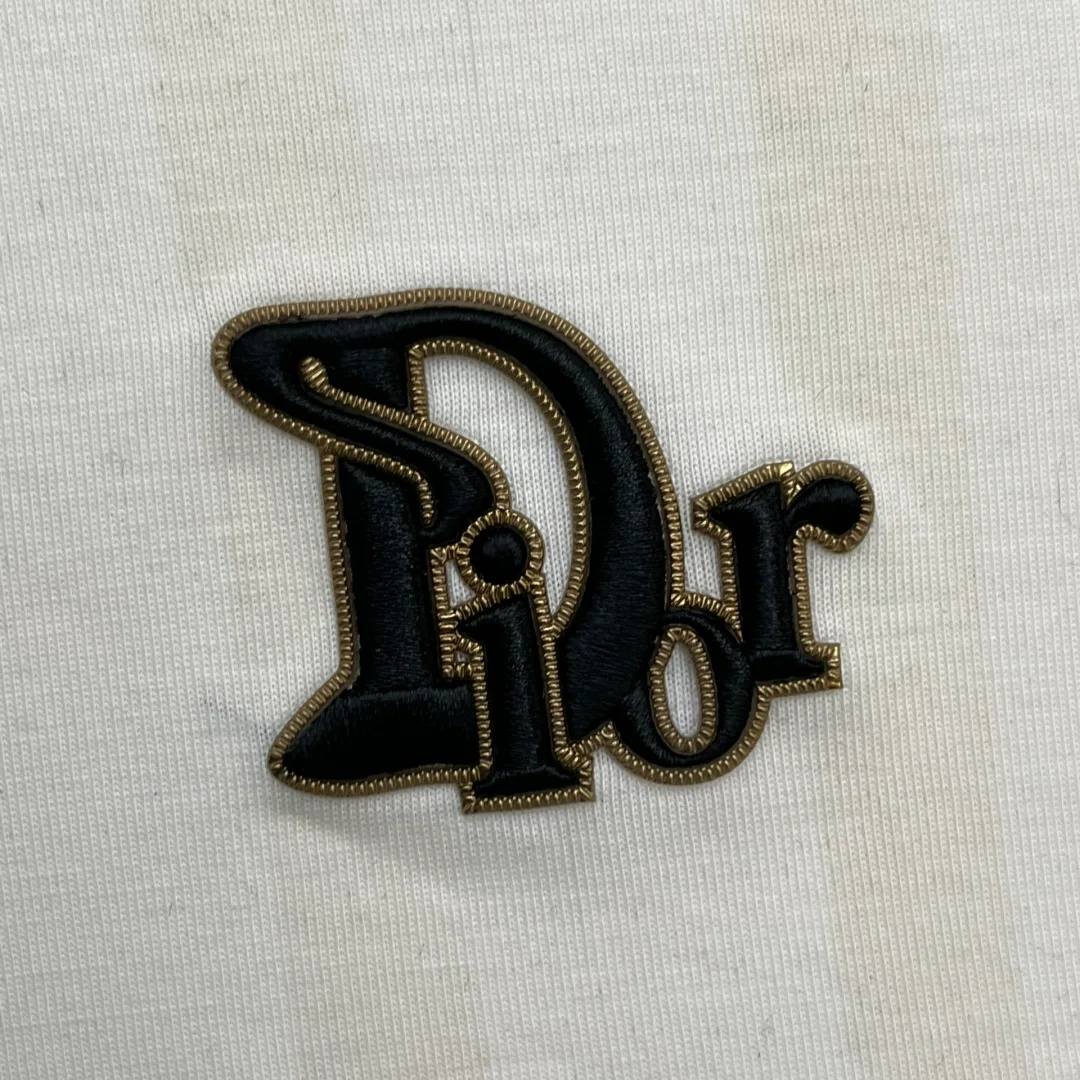
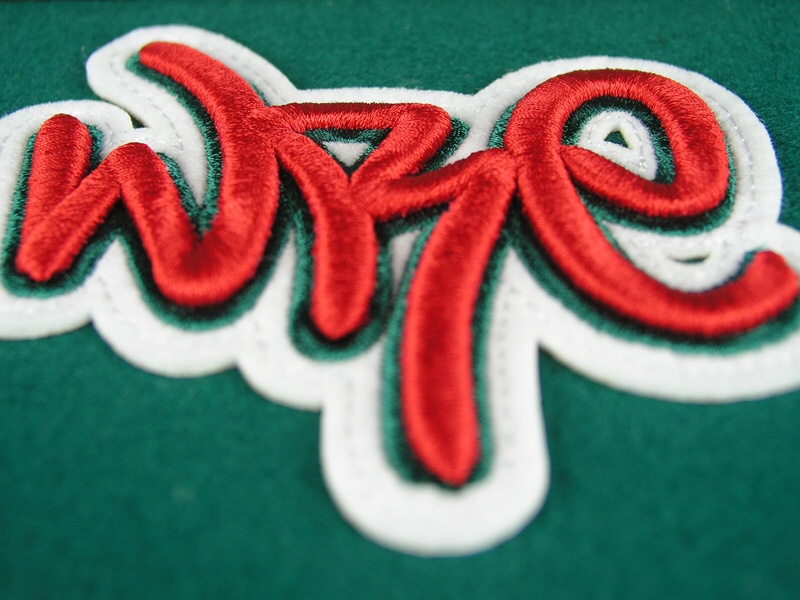
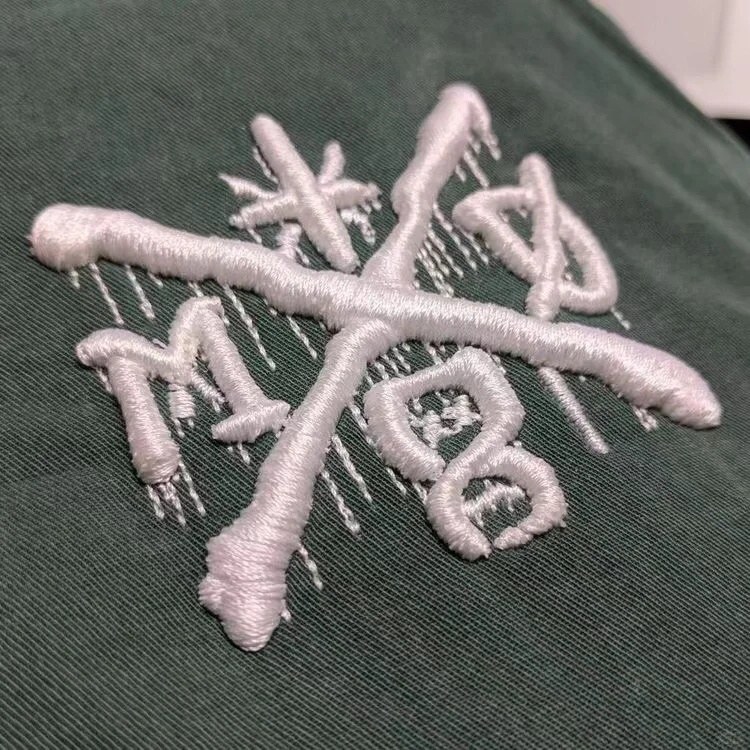
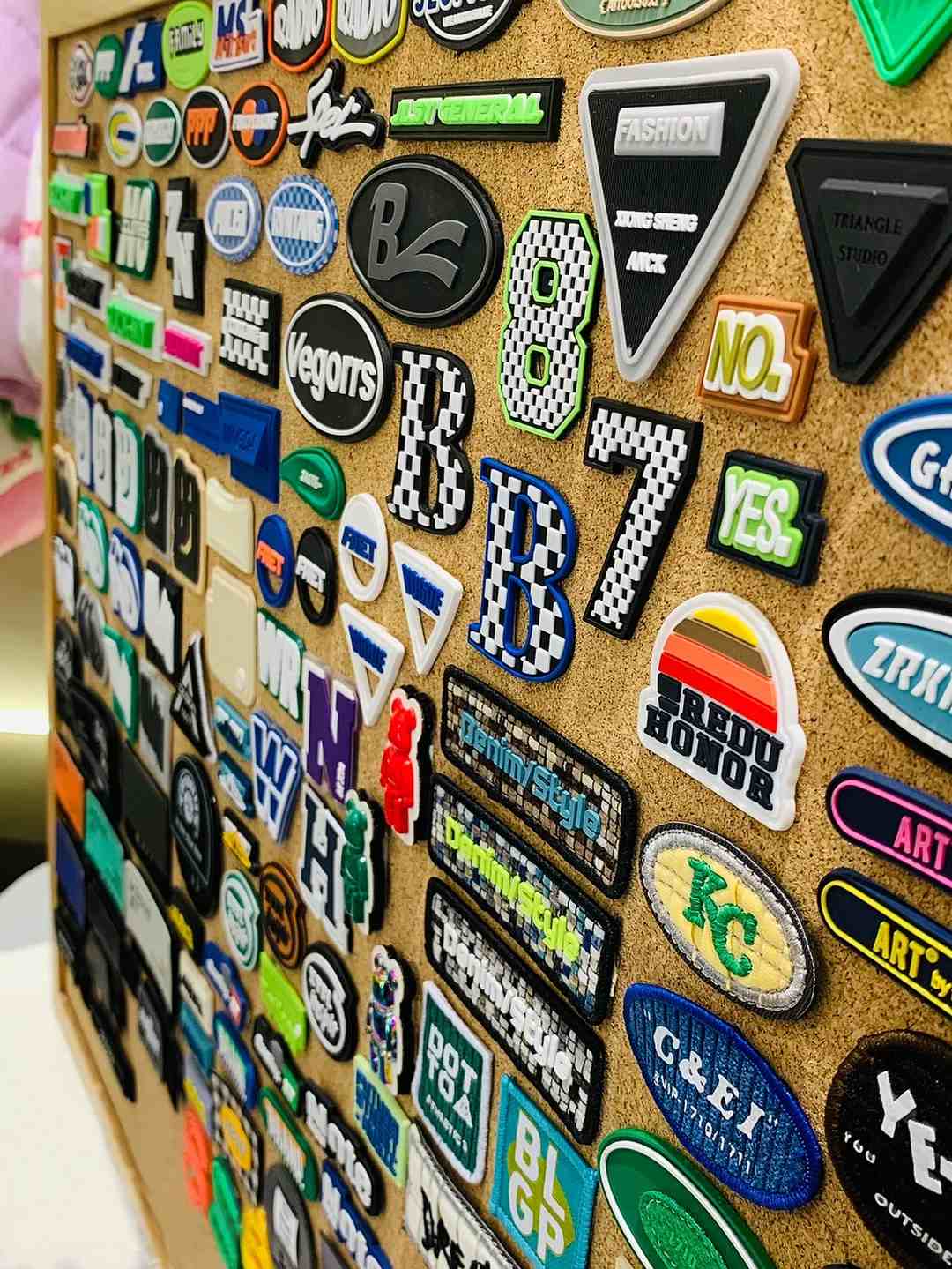
Sequin Embroidery Design Gallery
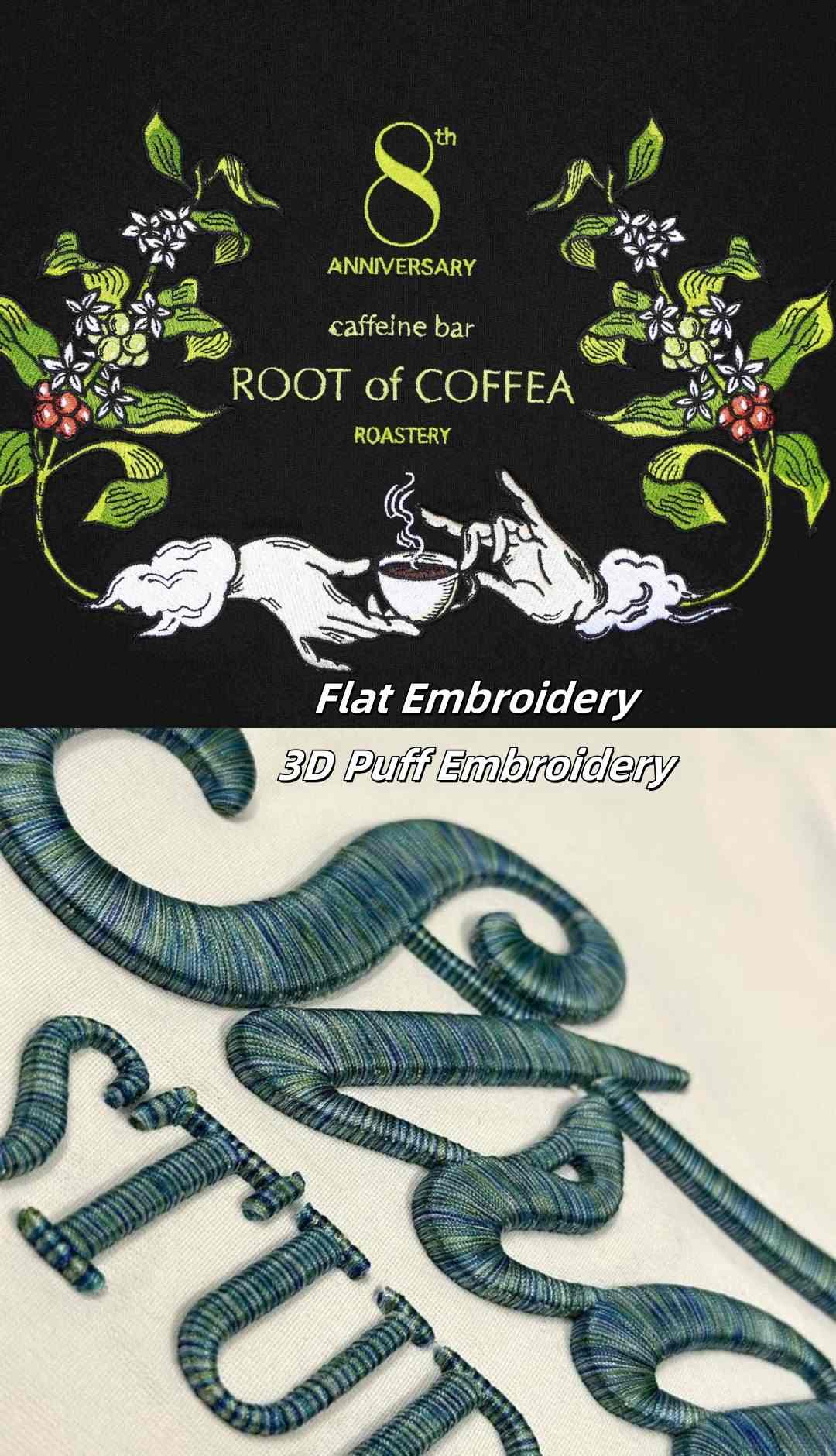
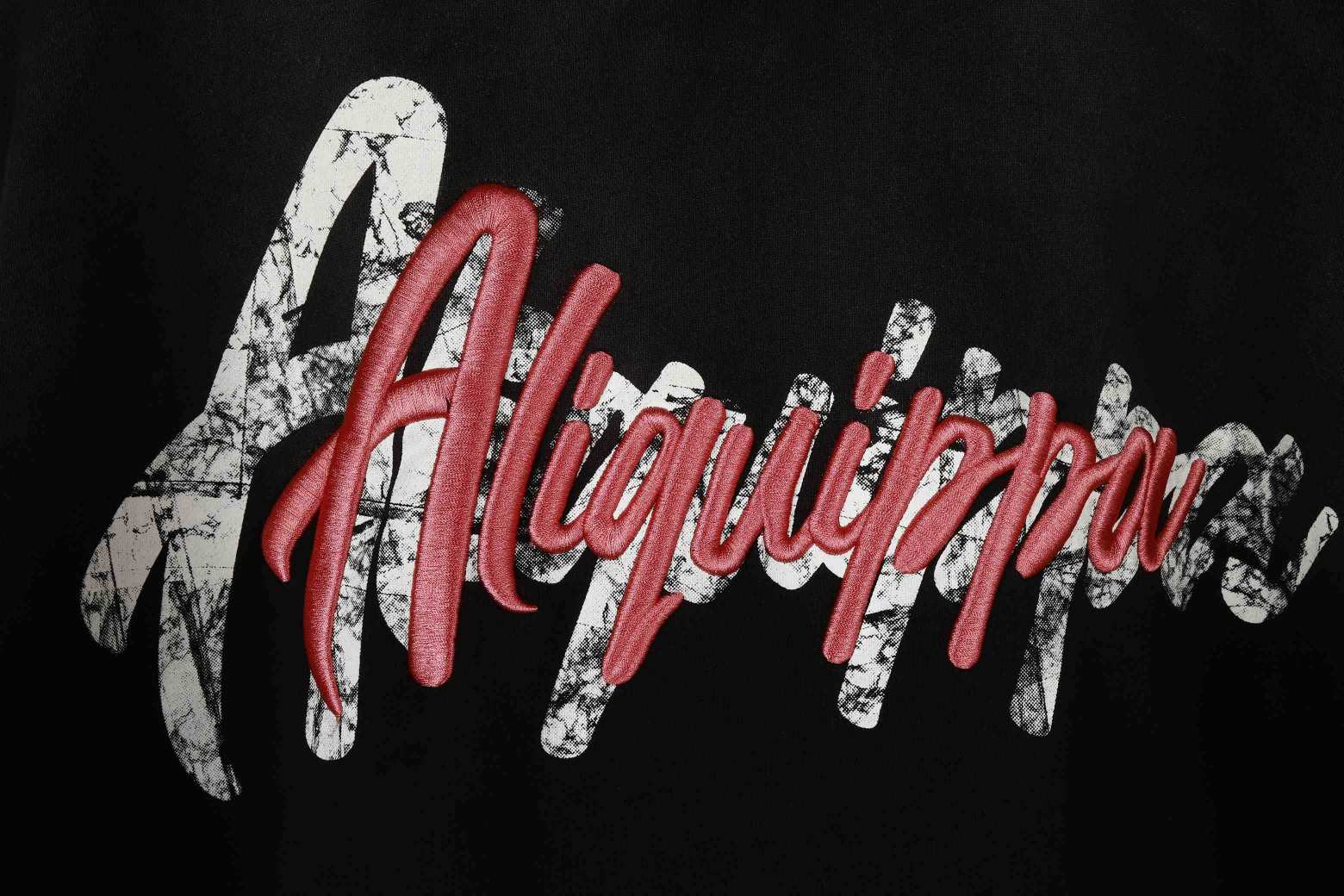
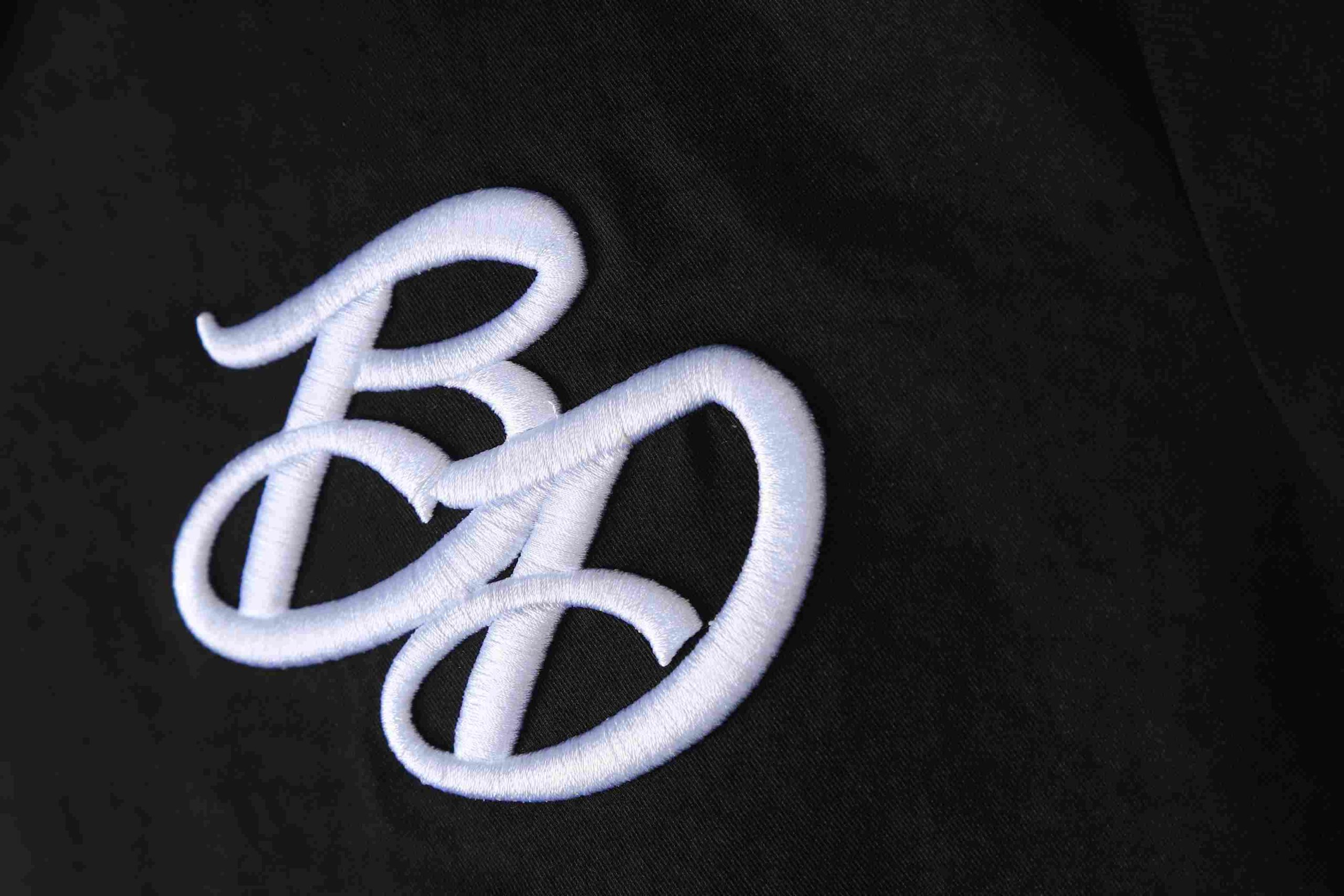
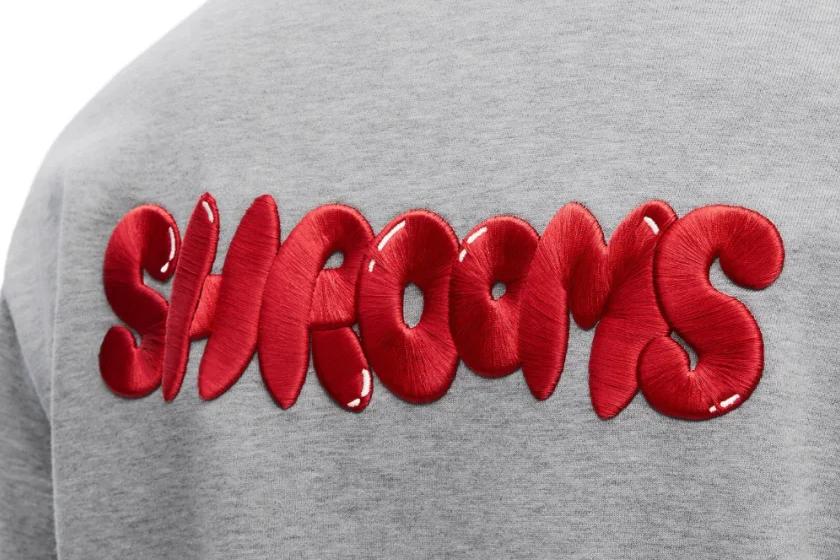
Why Choose MENWILD for Sequin Embroidery Service
Extended-Size Fit Expertise
Specialist 2XL–6XL pattern grading ensures sequin embroidery sits perfectly on big & tall garments, not generic scaled-up blanks.
In-House Sequin Embroidery
Complete embroidery facility under one roof—flat, 3D puff, chain-stitch, appliqué, sequin, patches and logo decoration. Full OEM apparel manufacturer capabilities with zero outsourcing.
Fast Sampling & Development
Rapid sample turnaround with embroidery mock-ups and graded size sets, so you approve fit and decoration before bulk production.
Low MOQ from 100 Pieces
Start your sequin embroidery project with just 100 pieces per style and color, reducing inventory risk and cash outlay.
In-Line Quality Control
Every garment inspected during cutting, embroidery, assembly and finishing to ensure consistent sequin placement and stitch integrity.
28+ Years Manufacturing Experience
Founded in 1998 in Dongguan, serving over 2,000 brands with proven OEM, ODM and private label menswear production expertise.
Garment Categories for Sequin Embroidery Service
From custom hoodies and oversized streetwear to tailored dress shirts, MENWILD applies precision sequin embroidery across every menswear category — all sized 2XL to 6XL with true big & tall fit.
Custom Hoodies & Oversized Tees
Streetwear brands need bold sequin graphics on custom hoodies and heavyweight jersey, but most embroiderers struggle with fabric stretch, hoop distortion, and keeping sequins flat on oversized fits.
MENWILD stabilizes fleece and French terry with precision hooping, applies flat or 3D sequin embroidery without puckering, and grades oversized patterns from 2XL to 6XL for consistent placement.
Polo Shirts & Dress Shirts
Premium menswear labels want subtle sequin accents on collars, plackets or chest logos, but risk fabric damage, thread visibility, and inconsistent shine across woven cotton and performance blends.
Our team uses fine-gauge needles, color-matched backing, and controlled stitch density to embed sequins cleanly into woven shirting, delivering a polished finish that holds through washing and wear.
Jackets & Outerwear
Outerwear brands require large-scale sequin graphics on heavyweight twill, denim, and nylon shells, but face thread breakage, sequin shedding, and misalignment on thick multi-layer construction.
MENWILD runs industrial embroidery heads with reinforced thread tension, layered stabilizers, and sequin-lock stitching to secure bold designs on jackets, bombers, and vests without compromising durability.
Sweatshirts & Streetwear
Independent designers and influencers need eye-catching sequin logos on custom t-shirts, hoodies and limited-run capsule collections, but most suppliers demand MOQs in the thousands or charge premium setup fees.
With a 100-piece MOQ per style and color, fast sampling, and in-house sequin embroidery, MENWILD lets emerging brands test sequin designs, launch exclusive drops, and scale without inventory risk.
Custom Jerseys & Activewear
Sports and athleisure brands want sequin numbers, logos, and trim on moisture-wicking performance knits, but struggle with fabric stretch recovery, sequin weight, and design legibility during movement.
Our technical team selects lightweight sequins, uses stretch-compatible backing, and tests stitch patterns on activewear fabrics to ensure graphics stay sharp, flexible, and comfortable through high-intensity wear.
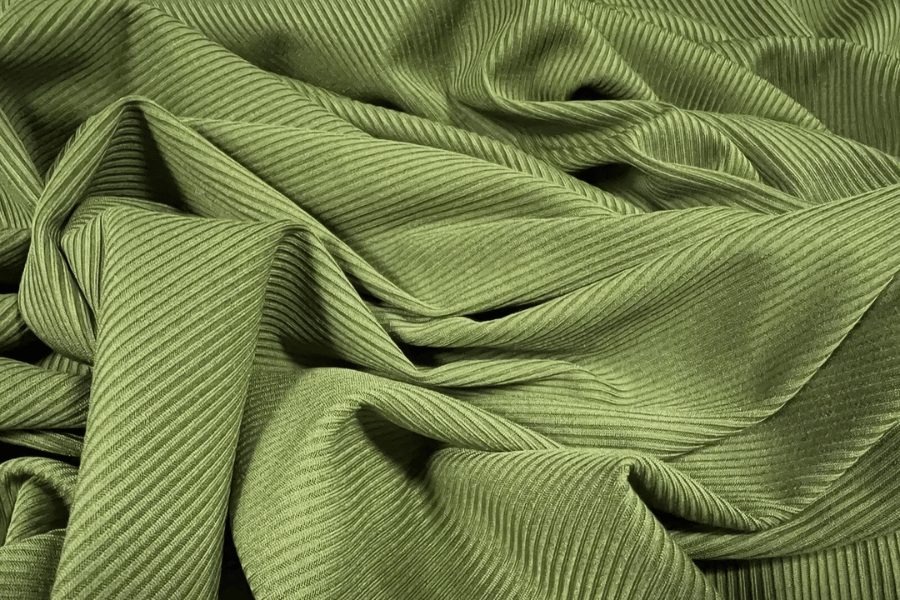
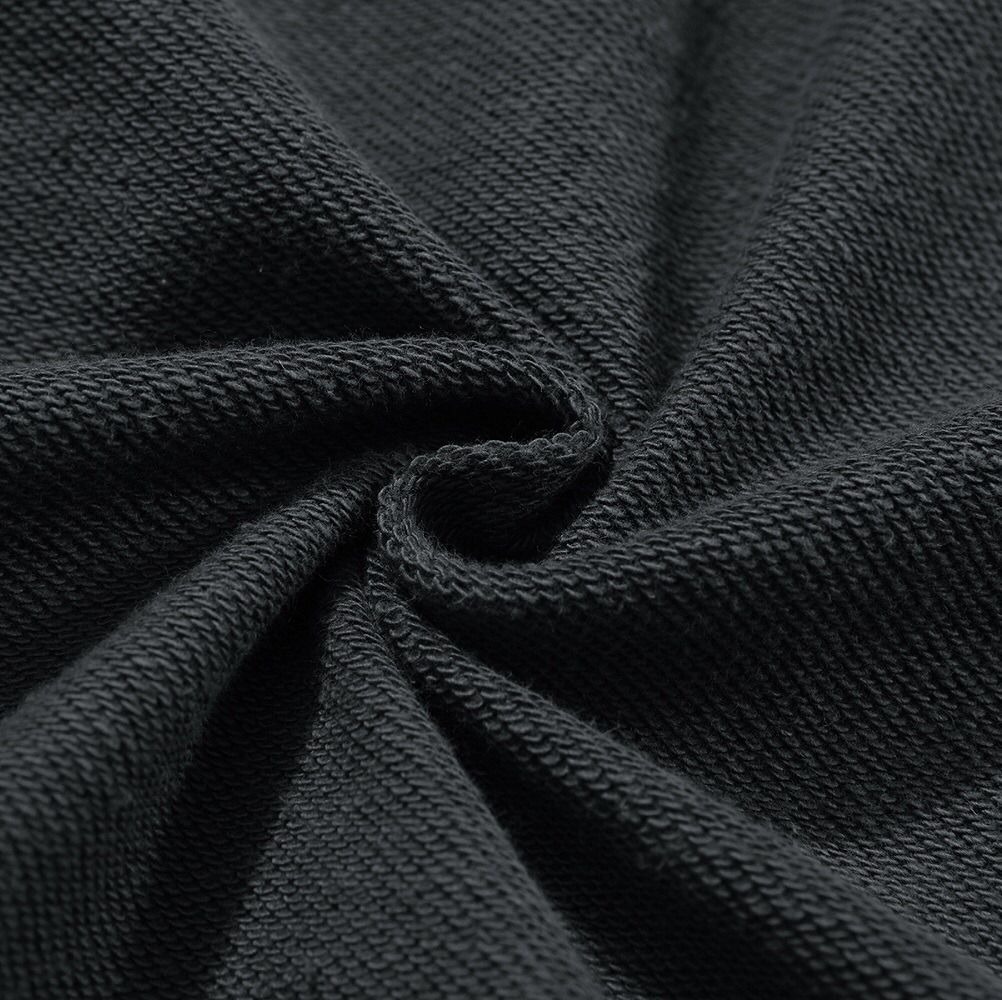
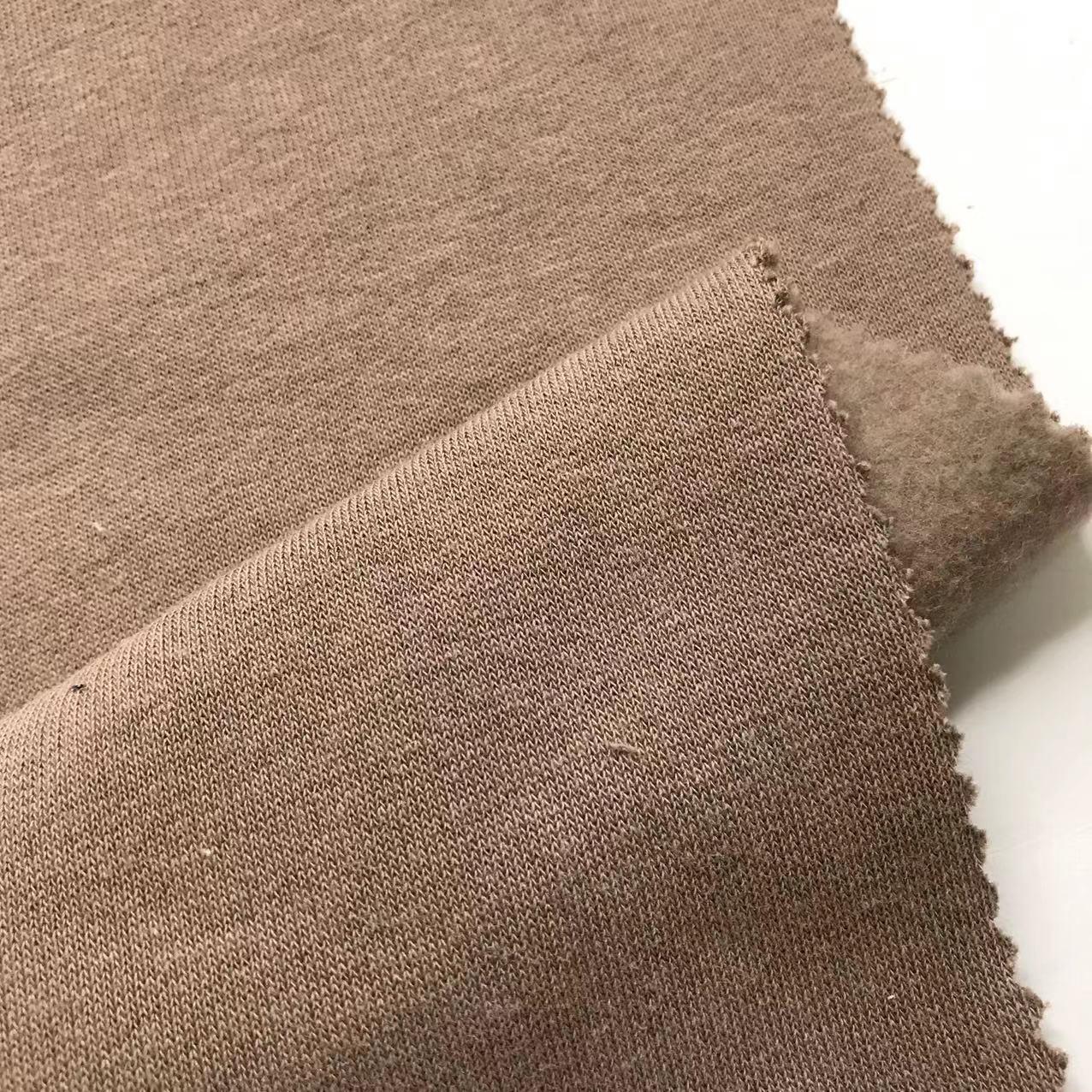
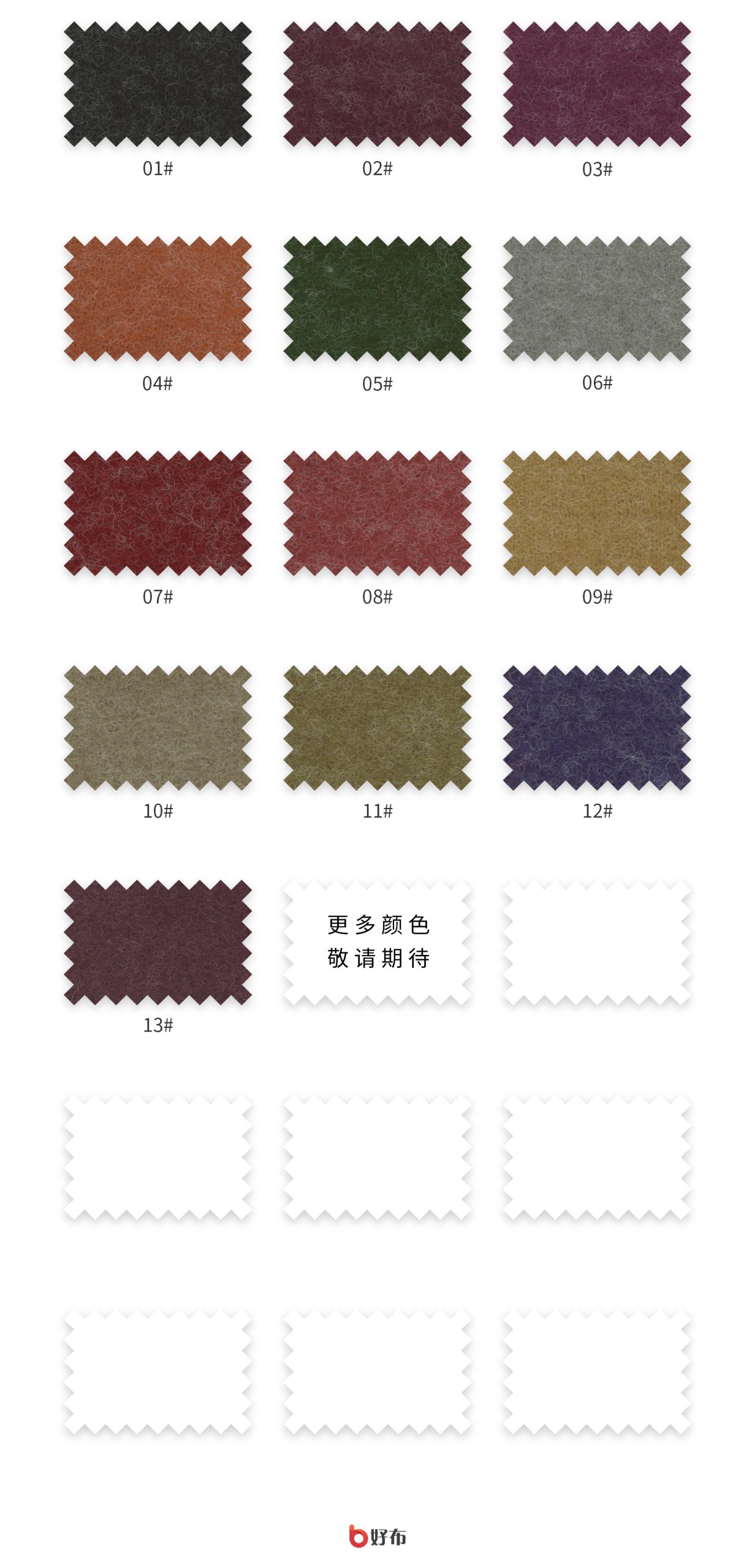
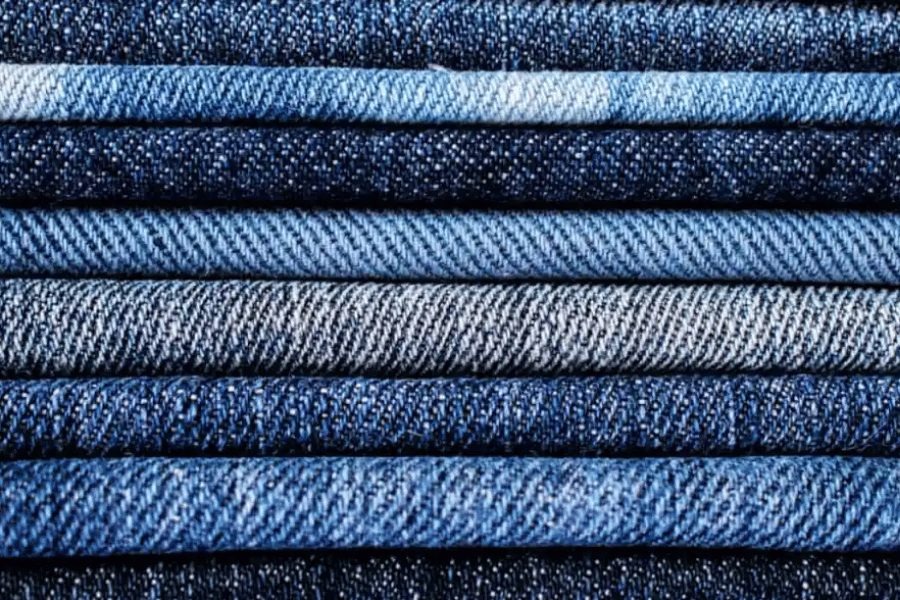
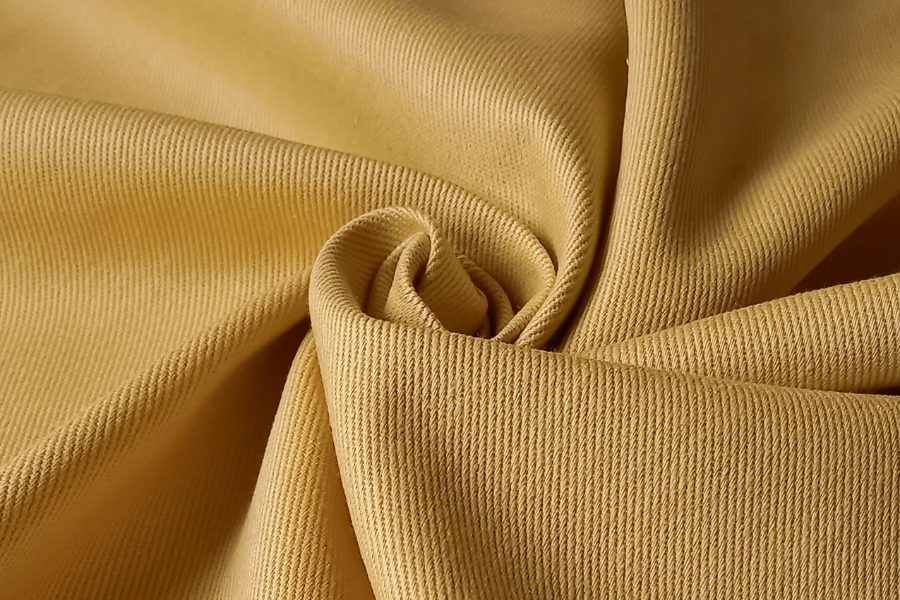
Fabric Options for Sequin Embroidery Service
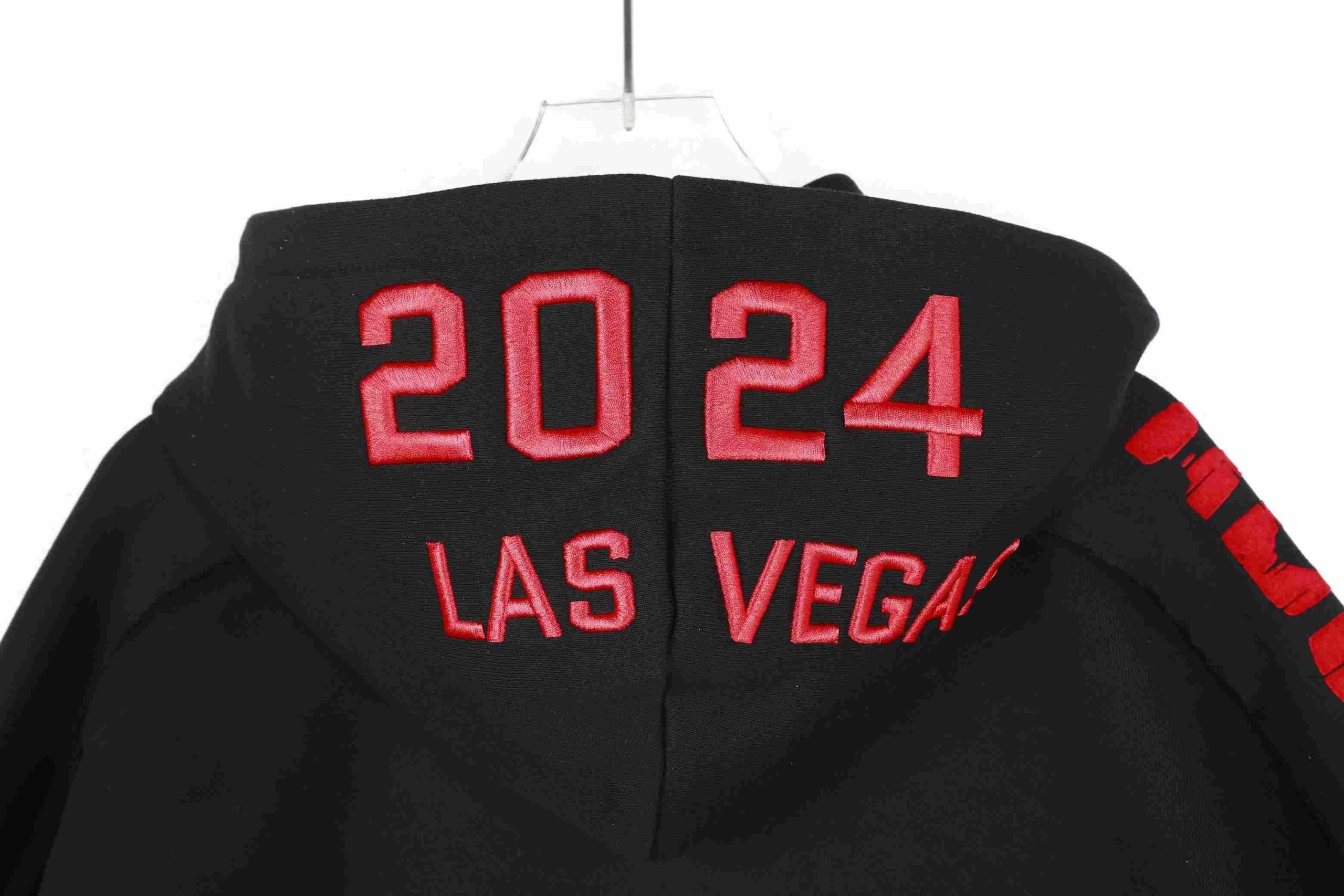
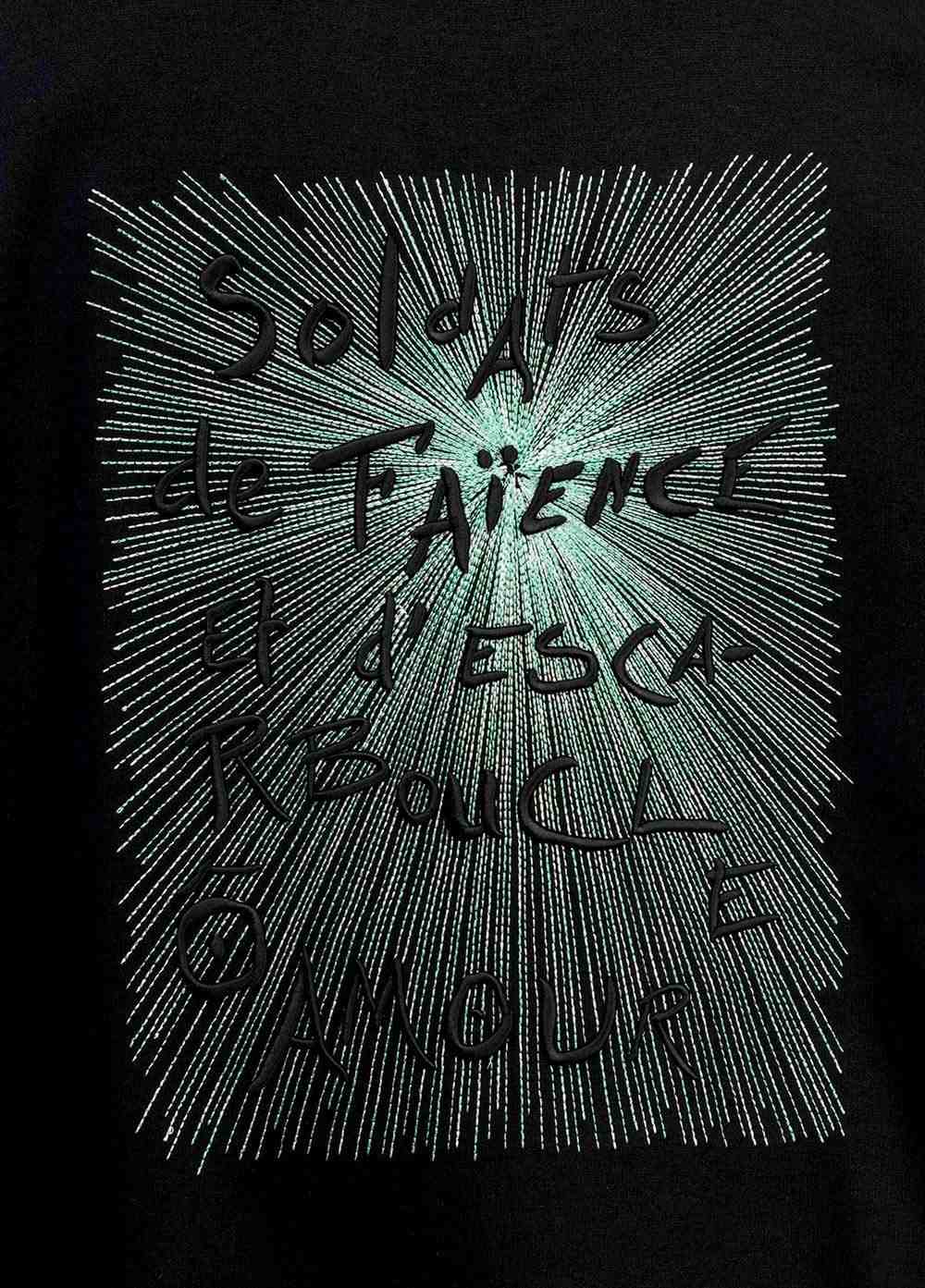
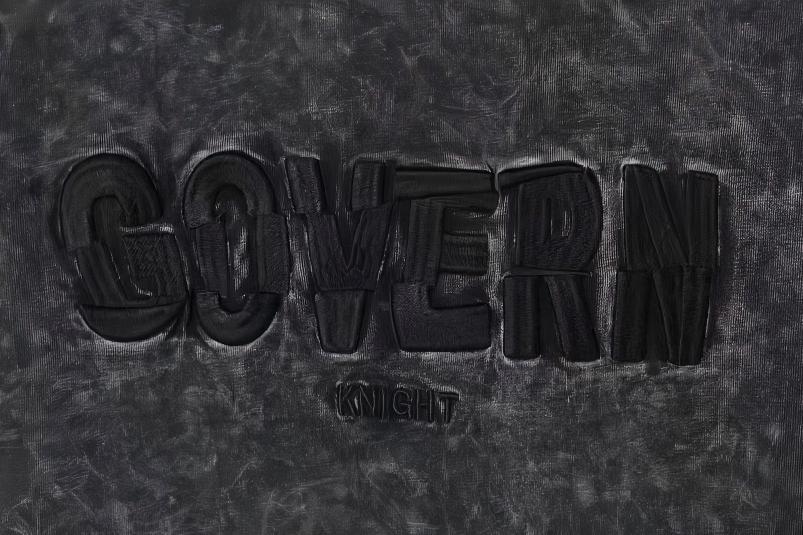
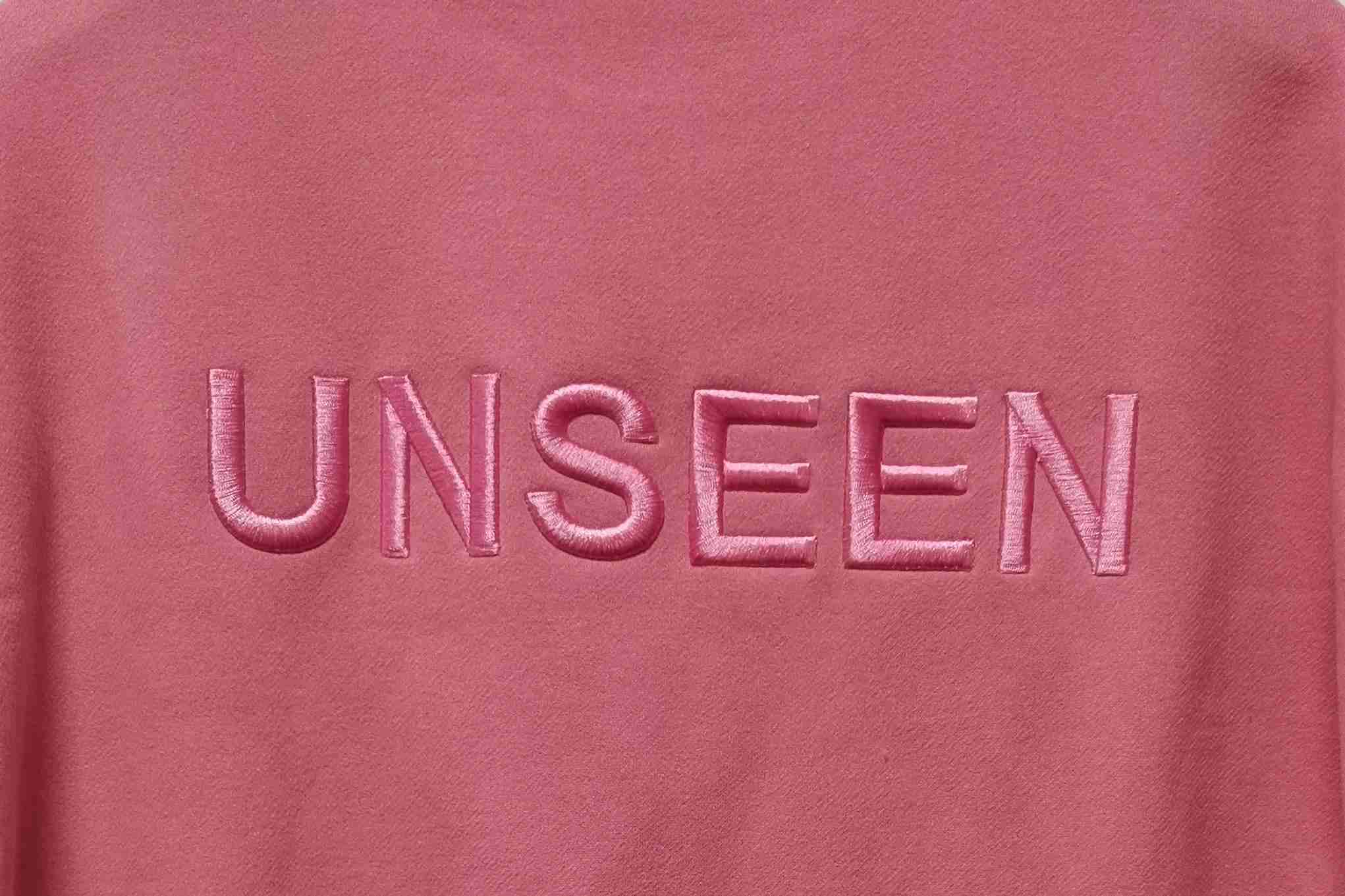
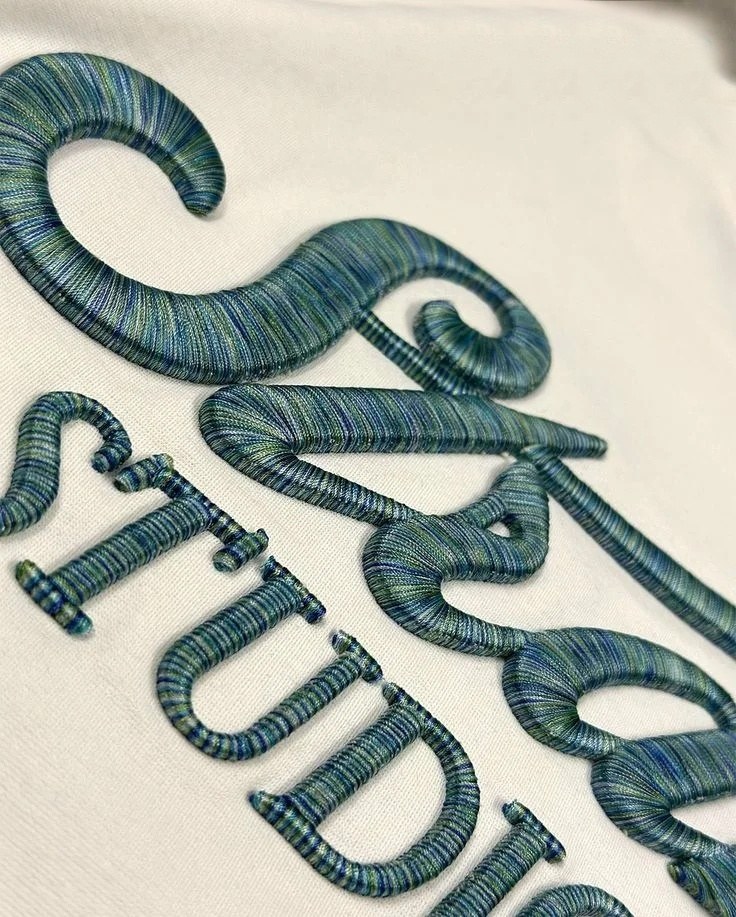
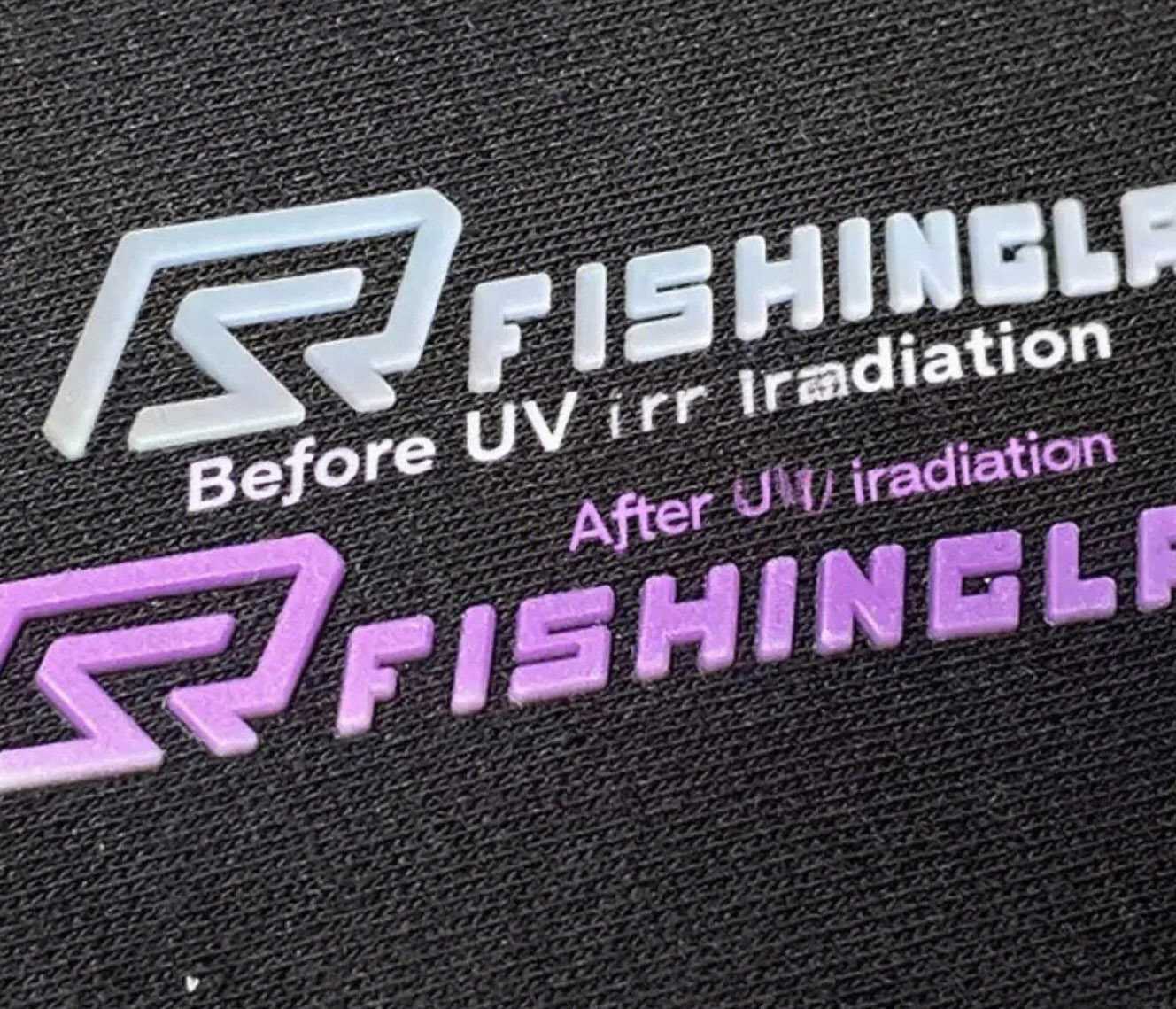
Embroidery Techniques & Decoration Methods for Your Sequin Embroidery Service
Complete Your Sequin Embroidery Service with Custom Trims & Finishing
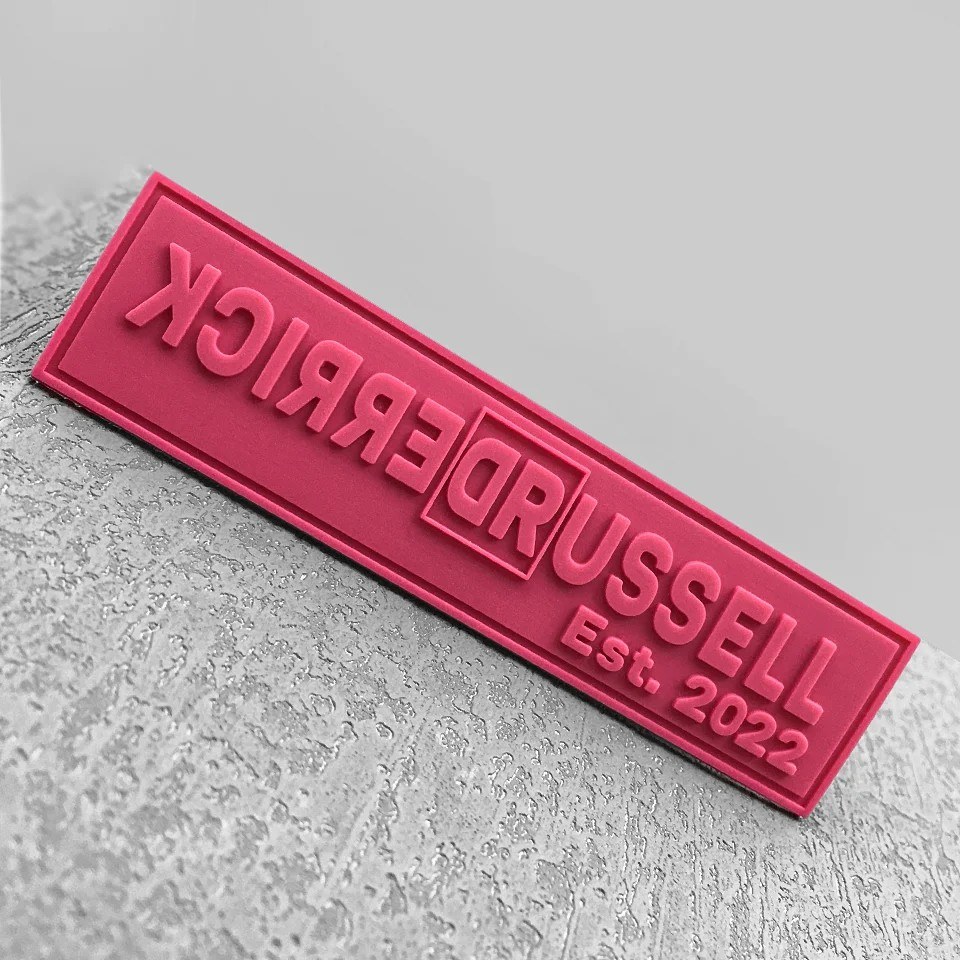
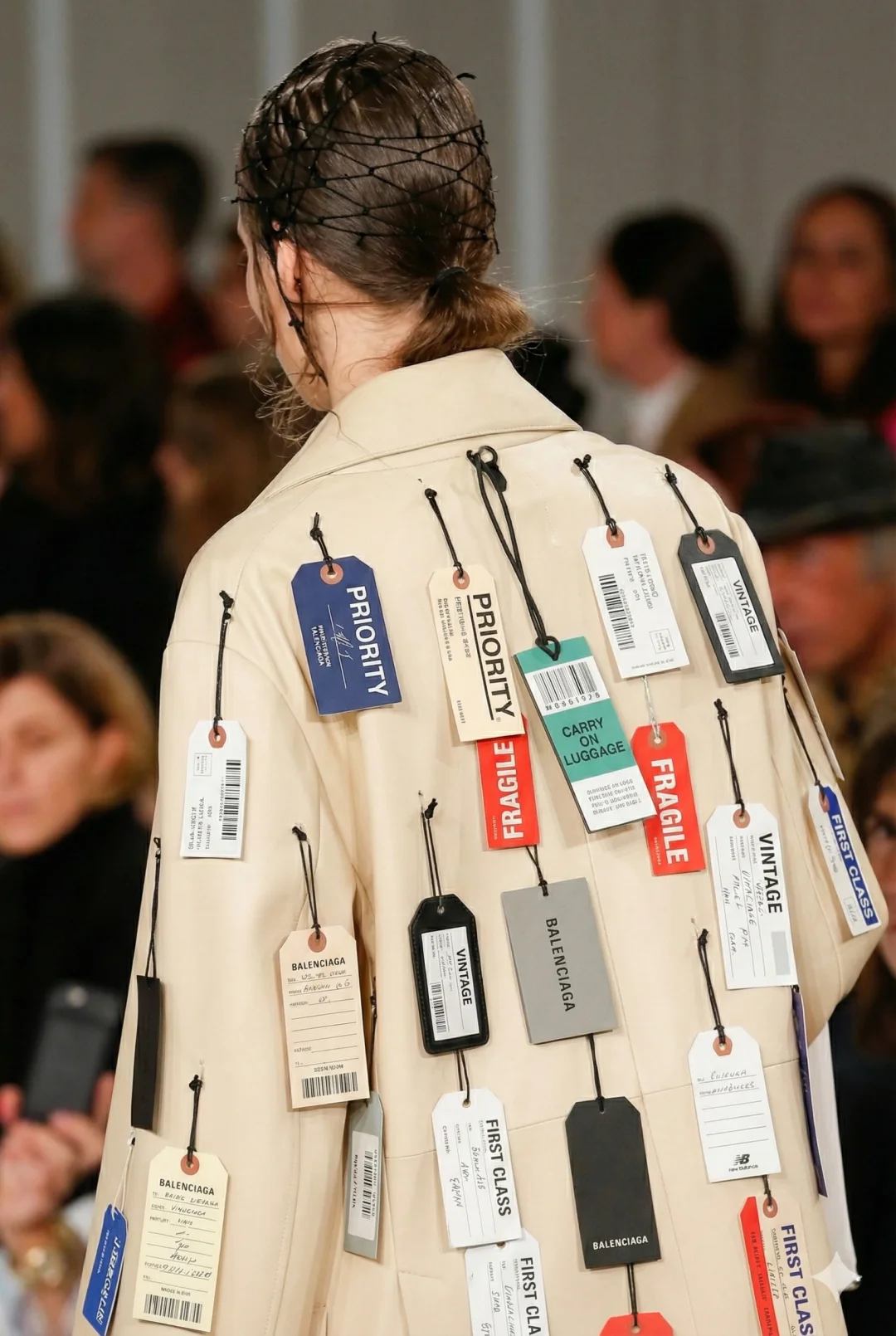
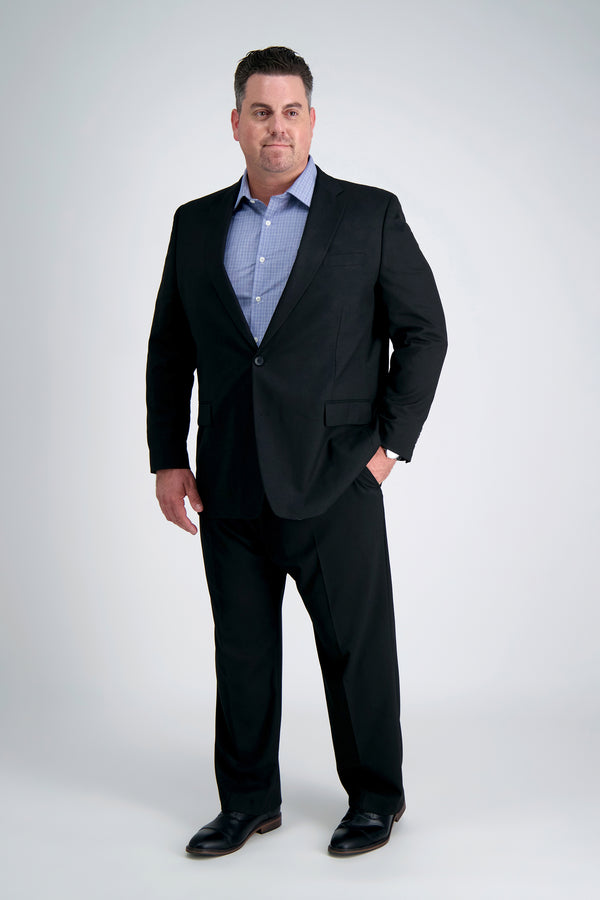
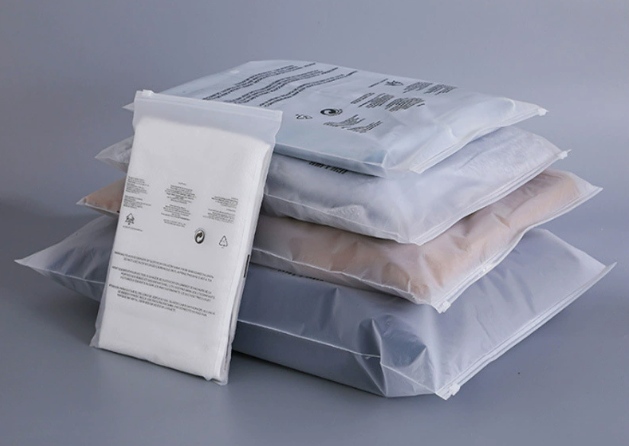
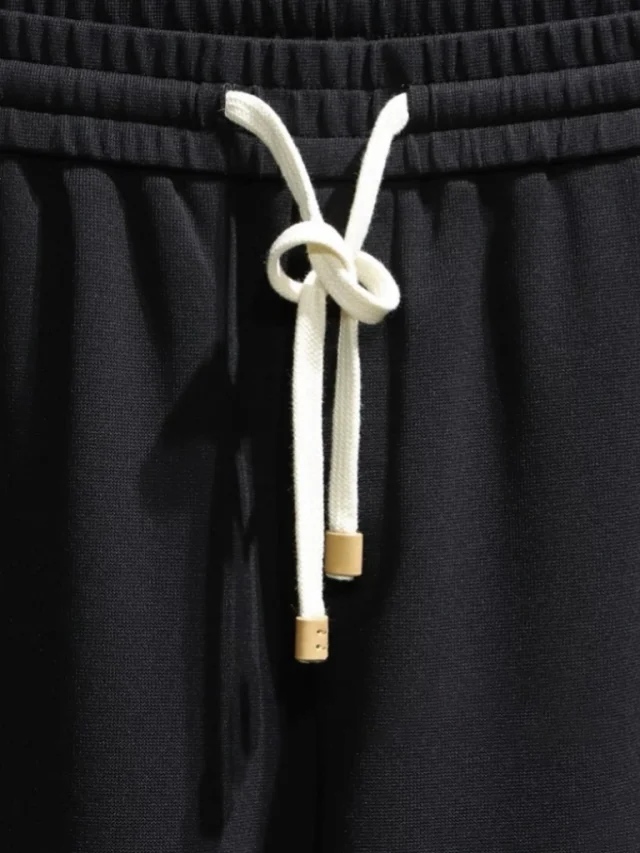
Drawcords & Tipping
Custom drawcords in flat, round or rope styles with metal, plastic or sequin-accented aglets. Coordinate tipping colors with your sequin embroidery palette on hoodies, joggers and outerwear for cohesive, high-end detailing.
About MENWILD — 28 Years of Big & Tall Manufacturing
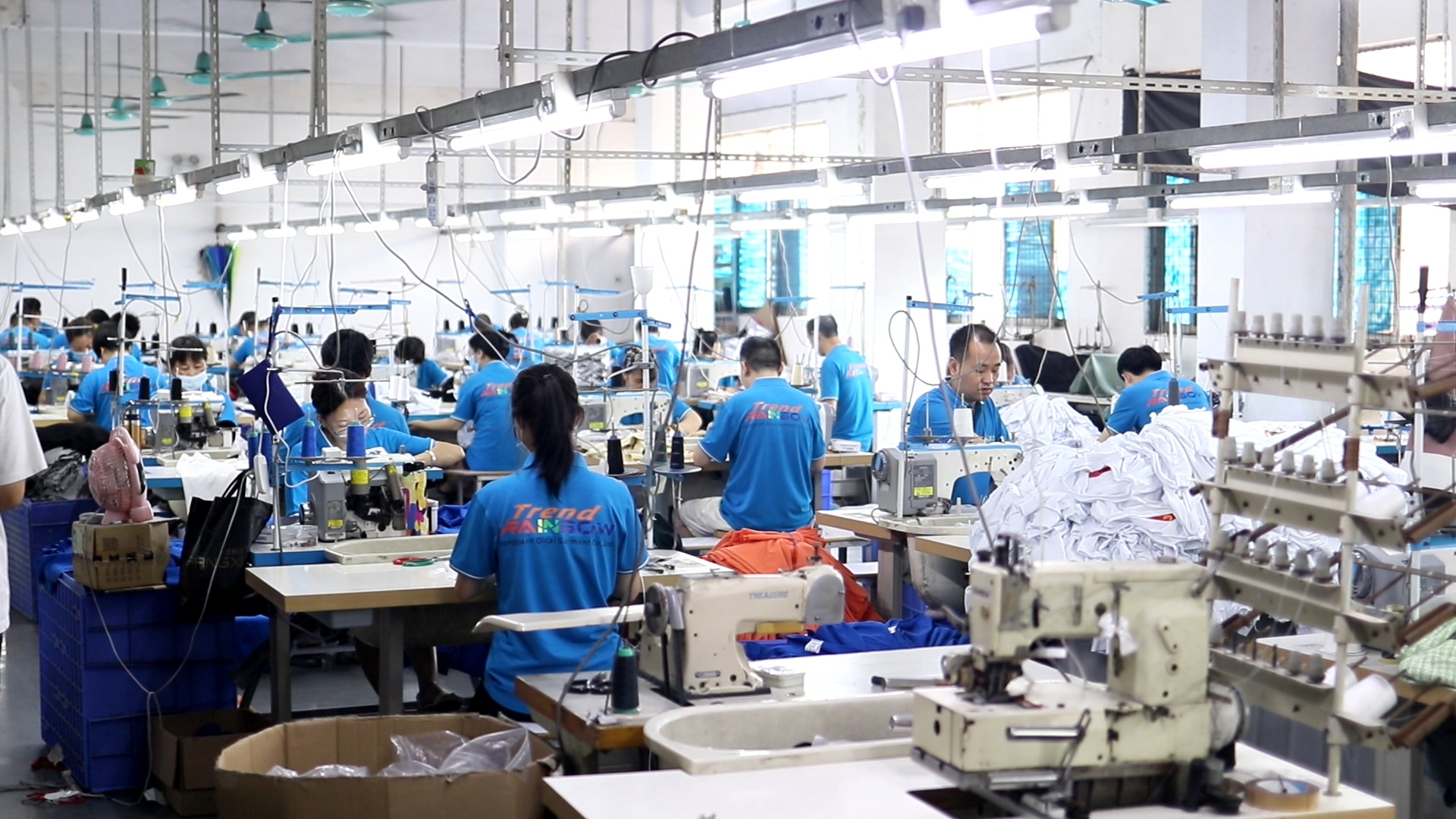
Founded in 1998 in Humen, Dongguan — the heart of China’s garment manufacturing hub — MENWILD began as a small family cut-and-sew workshop. Today, with over 200 skilled employees and a full one-stop production facility, we’ve grown into a trusted OEM, ODM and private label partner for 2,000+ menswear brands across the United States, Canada, Europe, Australia, Russia and the Middle East.
What sets MENWILD apart is our unwavering focus on fit-first design for bigger and taller men. Most factories simply scale patterns up, breaking proportions and leaving sleeves too short and rises too tight. We engineer every garment from 2XL to 6XL with specialist pattern grading and fit refinement built specifically for extended sizes, true big & tall proportions and modern oversized streetwear fits.
From in-house sequin embroidery service and screen printing to garment dyeing, sampling and global logistics, MENWILD delivers complete manufacturing flexibility with MOQs starting at just 100 pieces per style. Whether you arrive with a finished tech pack, a sketch or simply an idea, our design and production teams turn your vision into market-ready menswear that actually fits.
About MENWILD — 28 Years of Big & Tall OEM Menswear Manufacturing
Precision Placement on Extended-Size Garments
Sequin embroidery on 2XL–6XL garments demands exact hoop alignment and pattern scaling. Our 28-year big & tall expertise ensures every sequin design lands perfectly on chest, sleeve, and back panels, maintaining symmetry and visual impact across all extended sizes.
- Custom hoop programming for oversized and big & tall proportions
- Scaled design placement tested across 2XL through 6XL size sets
- Pre-production sample approval to verify alignment and balance
- Dedicated quality checks for every size in your run
Color-Matched Sequins and Fabric Coordination
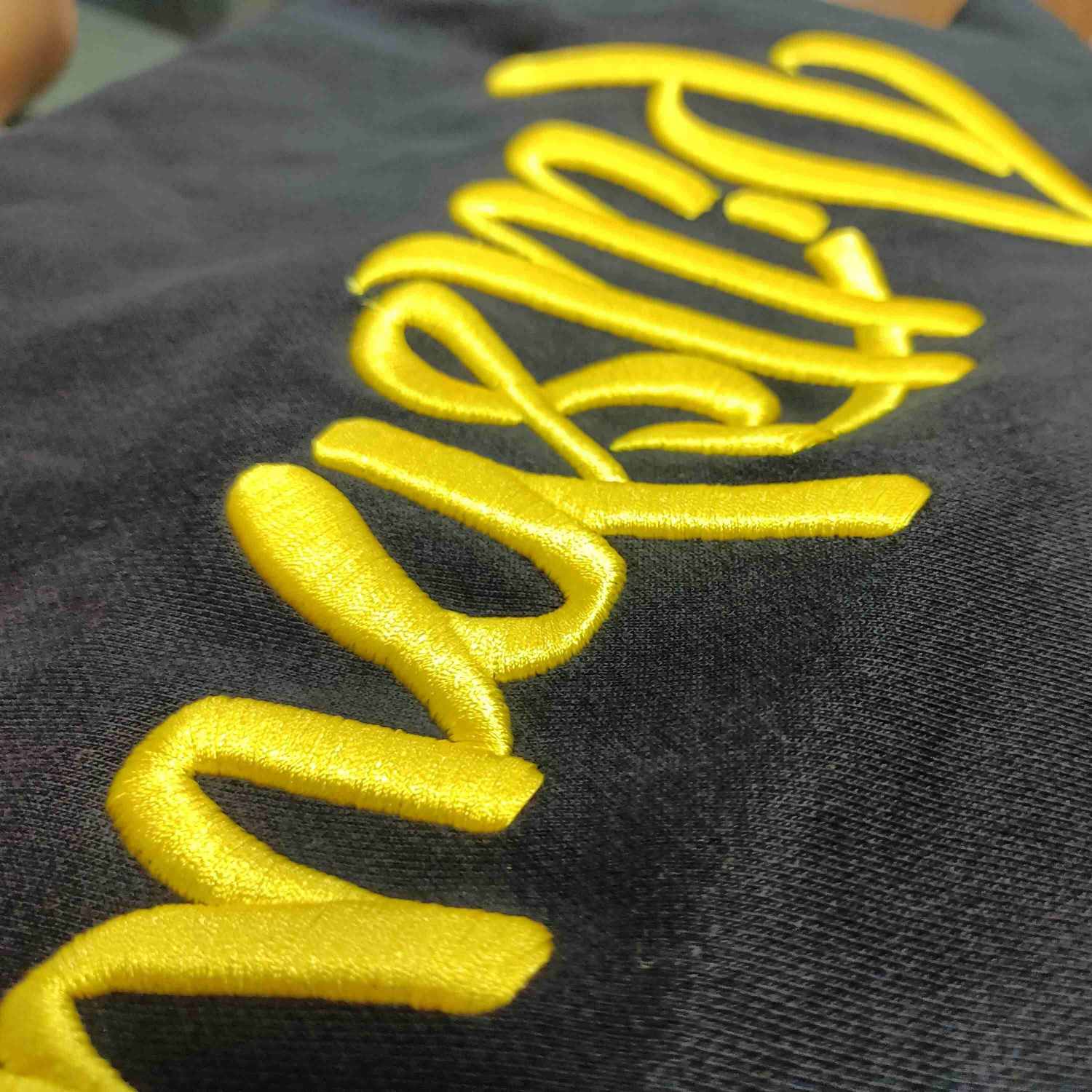
Sequin embroidery shines when sequins, thread, and fabric form a cohesive palette. We source sequins in over 100 colors and finishes, match them to your fabric swatches, and provide pre-production samples so you approve every detail before bulk production begins.
- Access to matte, metallic, holographic, and iridescent sequin finishes
- Thread and sequin color matching to your brand Pantone or fabric swatch
- Physical sample swatches sent for approval before bulk orders
- Consistent color batching across re-orders and size runs
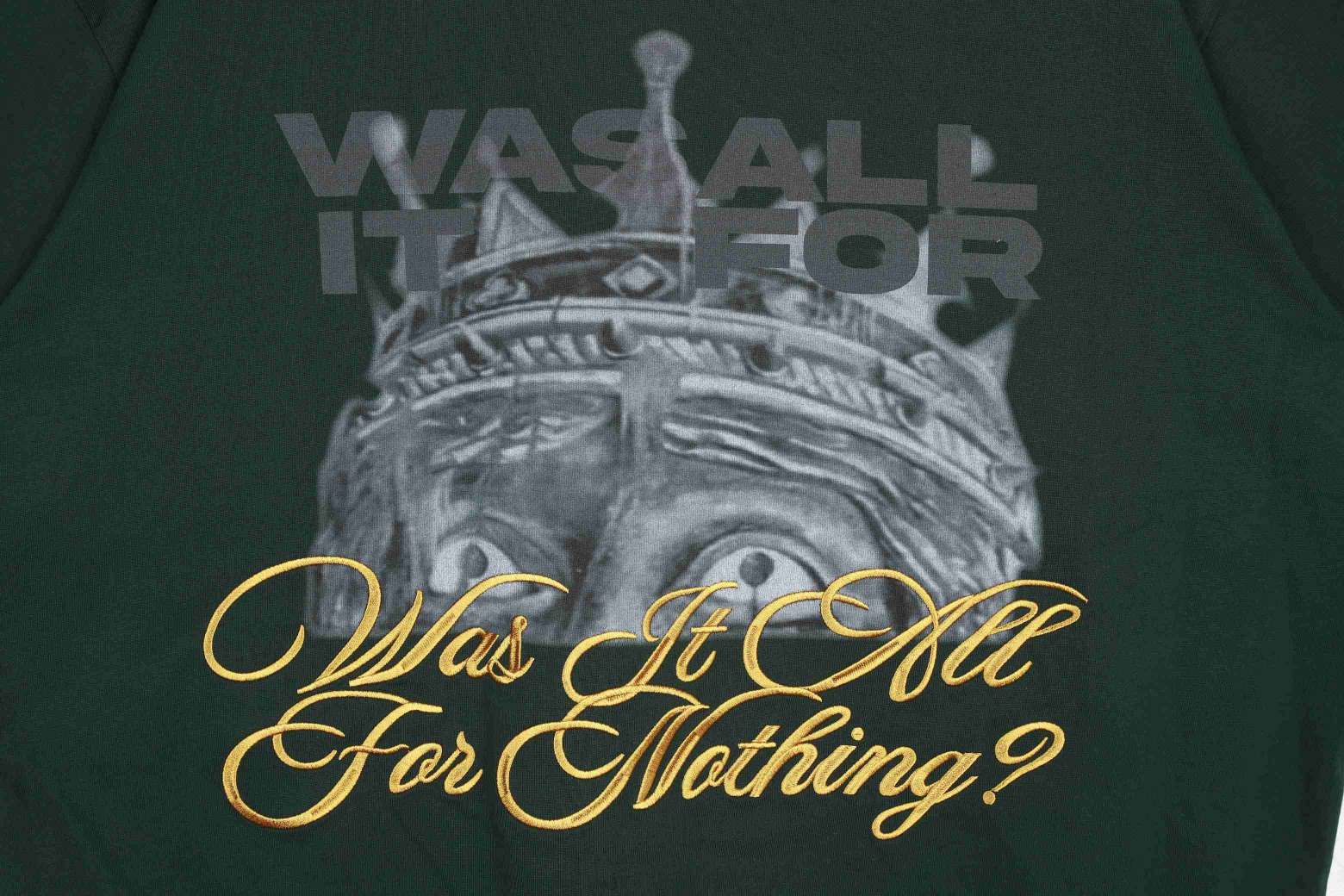
Durability Testing for Wash and Wear
Sequin embroidery must survive repeated laundering without shedding, fading, or distortion. Every design undergoes wash testing, stitch-density review, and backing reinforcement to ensure your garments retain their sparkle and structure through the product lifecycle.
- Multi-cycle wash and tumble-dry testing on sample garments
- Reinforced backing and secure stitch anchoring for high-wear areas
- Fade-resistant sequins and colorfast thread selection
- Detailed care-label recommendations based on test results
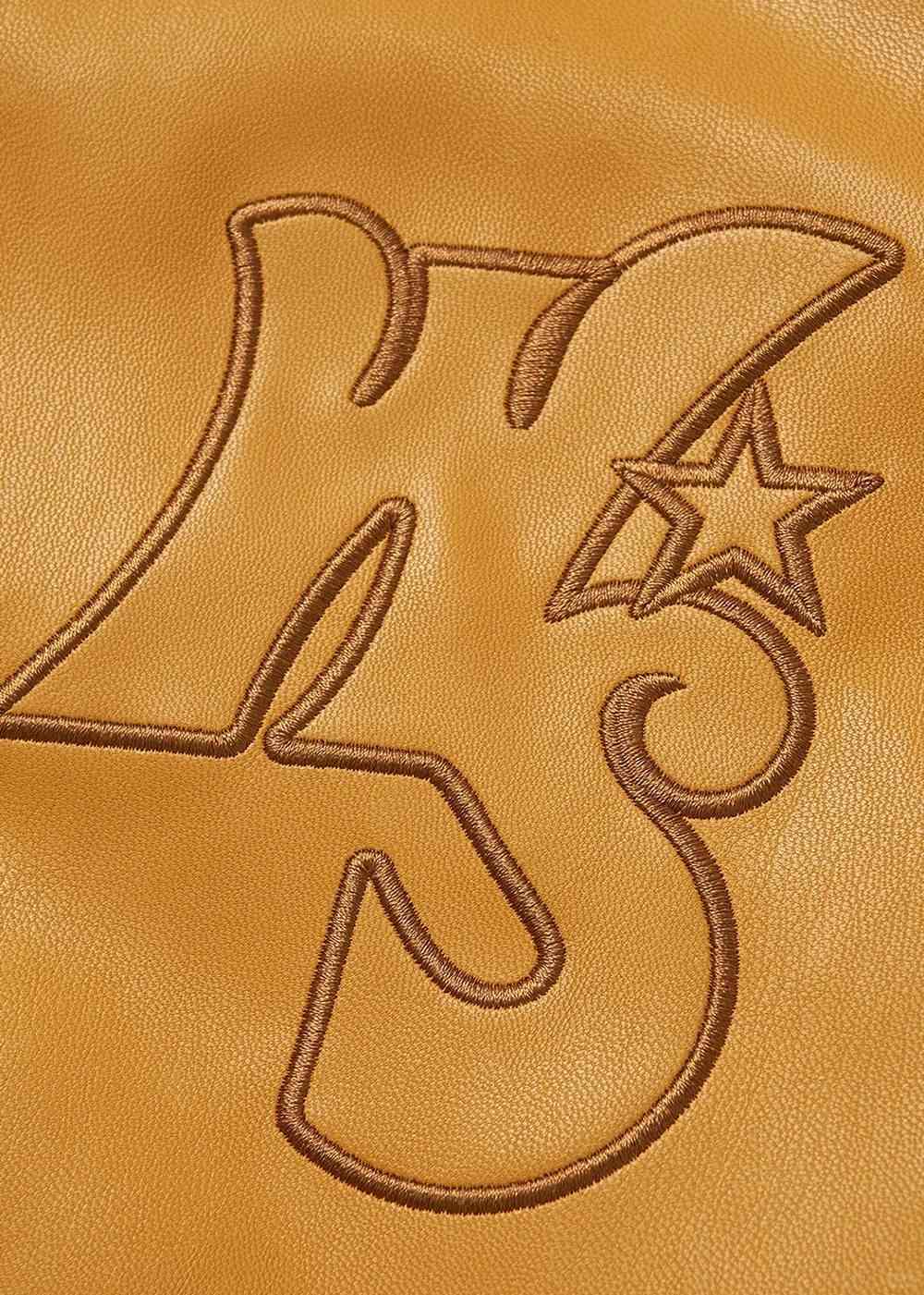
Design Adaptation for Big & Tall Proportions
Standard sequin artwork often breaks on larger bodies. Our design team re-scales, repositions, and adjusts density so your sequin embroidery looks intentional—not stretched—on every size from 2XL to 6XL, preserving brand identity and visual appeal.
- Pattern grading and sequin-density adjustments for extended sizes
- Repositioned chest, sleeve, and back placements to suit taller torsos
- Digital mock-ups and graded tech packs before sampling
- Collaboration with your design team or full original artwork development
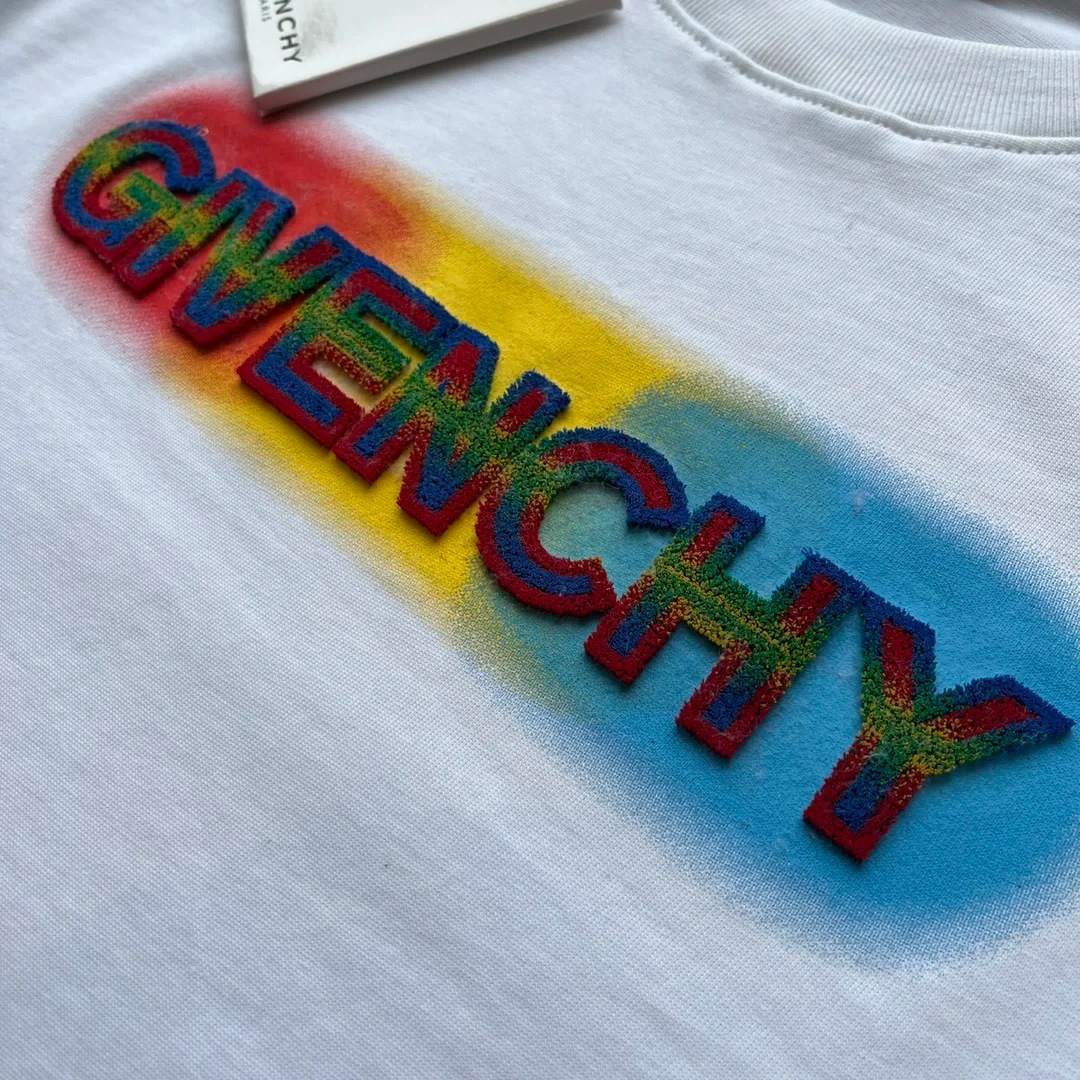
MENWILD Sequin Embroidery Service vs. Standard Embroidery Suppliers
Most embroidery vendors treat big & tall sizing as an afterthought and require high minimums. MENWILD specializes in extended-size menswear with true fit grading, full in-house decoration, and flexible low-MOQ production built for growing brands.
← 左右滑动查看 →
Our Sequin Embroidery Service Production Process
Most embroidery vendors treat big & tall sizing as an afterthought and require high minimums. MENWILD is a full-service OEM apparel manufacturer specializing in extended-size menswear with true fit grading, in-house decoration, and flexible low-MOQ production built for growing brands.
Design Review & Digitization
Our team reviews your artwork, converts it to embroidery-ready files, and confirms sequin color, density and placement for optimal results on extended-size garments.
Fabric Sourcing & Sampling
We source your chosen base fabric, produce sample garments with sequin embroidery, and ship them for fit and decoration approval before bulk production.
Embroidery Setup & Test Run
Machines are programmed, sequin feeds calibrated, and test pieces sewn to verify tension, alignment and durability across 2XL–6XL size runs.
Bulk Production with In-Line QC
Full production begins with continuous in-line quality control, checking every garment for sequin integrity, thread tension, placement accuracy and overall finish.
Final Quality Inspection
Completed garments undergo final inspection for embroidery defects, fabric flaws, sizing consistency and custom trim application before packing approval.
Packing & Global Shipping
Garments are folded, poly-bagged, carton-packed with your custom labels and tags, then shipped via sea or air to your warehouse worldwide.
How to Order Custom Sequin Embroidery Service from MENWILD
From design brief to finished garments, our streamlined sequin embroidery service process ensures speed, quality and full transparency at every step — with MOQ from just 100 pieces.
Submit Your Tech Pack or Design Brief
Share your garment style, sequin embroidery placement, design files or reference images. Our team reviews your requirements and confirms feasibility within 24 hours.
Receive Quote and Sample Timeline
We provide a detailed quote covering fabric, sequin embroidery, production and shipping, plus a clear sample development timeline tailored to your project scope.
Approve Pre-Production Sample
Review and approve your physical sample with sequin embroidery applied. Request adjustments if needed — we refine until fit, decoration and quality meet your standards.
Place Bulk Order and Confirm Deposit
Lock in your order from 100 pieces per style and color. Pay your deposit via T/T, PayPal, credit card or USDT to begin production.
Production, In-Line QC and Delivery
Your garments move through cutting, sewing, sequin embroidery, washing and finishing with in-line quality control at every stage, then ship globally to your door.
Certifications & Quality Standards for Sequin Embroidery Service
Brands Trusting MENWILD Sequin Embroidery Service
We launched a 500-piece sequin hoodie capsule in under three weeks. The sequin quality was flawless, and MENWILD’s 3XL–5XL grading fit our audience perfectly. Best decision we made this season.
MENWILD’s sequin embroidery brought our streetwear designs to life. We ordered 300 pieces across two colorways, and every detail—from sequin placement to durability—exceeded our expectations. Finally found a partner who gets big & tall.
Fast sampling, zero minimums on the first sample, and sequin work that rivals luxury brands. We’ve scaled from 100 to 1,200 pieces per drop, and quality stays consistent every time.
FAQ — Sequin Embroidery Service, MOQ, Sampling & Pricing
What is the minimum order quantity for your sequin embroidery service?
How long does it take to receive samples with sequin embroidery?
Do you charge for sequin embroidery samples, and are those fees refundable?
What payment terms do you offer for sequin embroidery service orders?
How do you protect my designs and intellectual property when using your sequin embroidery service?
What is the bulk production lead time after sample approval?
Can you source fabrics for garments that will receive sequin embroidery?
How many design revisions are allowed during the sampling phase?
Can your sequin embroidery service handle big and tall sizing from 2XL to 6XL?
The Complete Buyer’s Guide to Sequin Embroidery Service for Menswear Brands
This guide walks you through everything you need to know about selecting a sequin embroidery service—from quality benchmarks and customization options to supplier vetting criteria and the most common sourcing mistakes that drain budgets and delay launches.
1. What Is a Sequin Embroidery Service?
A sequin embroidery service uses specialized multi-head embroidery machines fitted with sequin-feed attachments to apply individual sequins — typically 3 mm to 6 mm diameter discs — onto garments through programmed stitch sequences. Unlike traditional thread embroidery that builds designs purely from colored polyester or rayon threads, sequin embroidery combines a base stitch with sequin placement, anchoring each disc at its center and creating reflective, three-dimensional surface texture.
Sequin embroidery machines operate at 400 to 800 stitches per minute, slower than standard embroidery due to the mechanical feeding and precise placement required for each sequin. The process allows brands to layer sequins with flat or 3D puff embroidery, chain-stitch outlines and appliqué for complex, high-impact designs.
Menswear brands apply sequin embroidery service to statement pieces — oversized hoodies, bomber jackets, snapback caps, varsity jackets and custom jerseys — where light-catching shimmer and tactile depth differentiate product in crowded streetwear, athleisure and premium casual markets. Sequins deliver visual drama unmatched by print or thread alone, driving higher perceived value and retail price points.
2. Evolution and History of Sequin Embroidery in Fashion
Hand-sewn sequins first appeared in European couture houses in the early 20th century, reserved for evening gowns and stage costumes due to labor costs exceeding $200 per garment hour. Performance wear — Broadway, Las Vegas, competitive dance — drove early commercial demand, but production remained slow and exclusive.
The introduction of programmable multi-head sequin embroidery machines in the mid-1980s transformed the sequin embroidery service landscape. By 1995, automated sequin heads could apply 800–1,200 sequins per hour per needle, cutting lead times by 70% and opening the door to ready-to-wear collections. Durability improved as lock-stitch anchoring replaced fragile hand tacking.
Streetwear and luxury menswear adopted sequin embroidery in earnest after 2015, with oversized hoodies, bomber jackets and logo tees featuring sequin chest crests and sleeve patches. Technology advances now support MOQs as low as 100 pieces per style — down from the 1,000-piece minimums common in the early 2000s — making sequin embroidery accessible to independent menswear brands and capsule collections.
3. Types of Sequin Embroidery Service Techniques
Sequin embroidery service providers offer four primary application methods, each with distinct cost, durability and garment-suitability trade-offs. Understanding which technique fits your design, fabric weight and budget ensures the right balance between visual impact and production efficiency.
Single-Sequin Embroidery (Individual Placement)
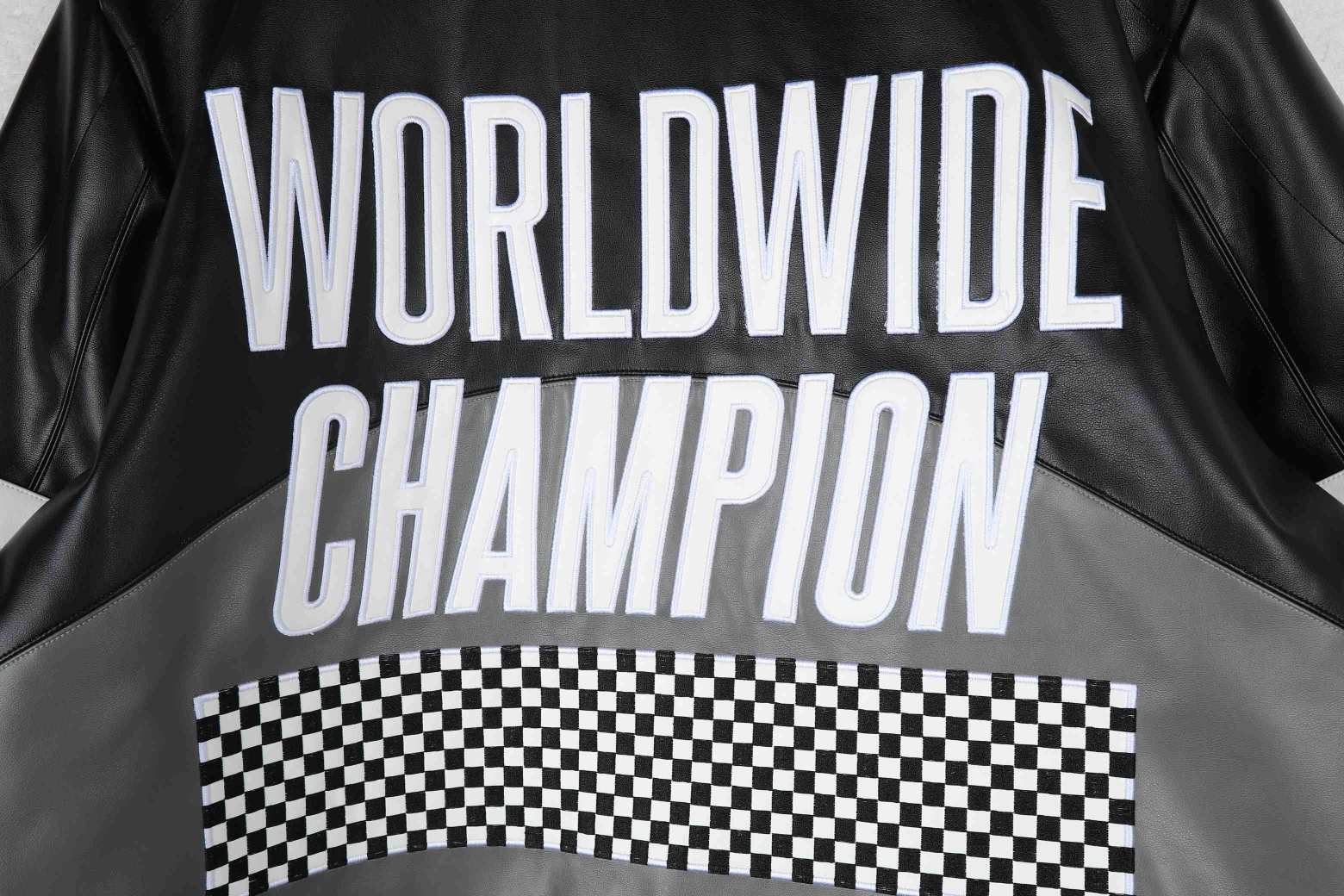
Each sequin is stitched individually with a center lock-stitch, allowing precise placement and custom patterns. Best for logo accents, small motifs and premium detailing on heavyweight garments like hoodies, jackets and denim. Durability is excellent — sequins rarely detach through normal wash cycles. Cost per thousand stitches runs 20–40% higher than chain methods due to slower machine speed and higher thread consumption.
Continuous-Sequin Chain
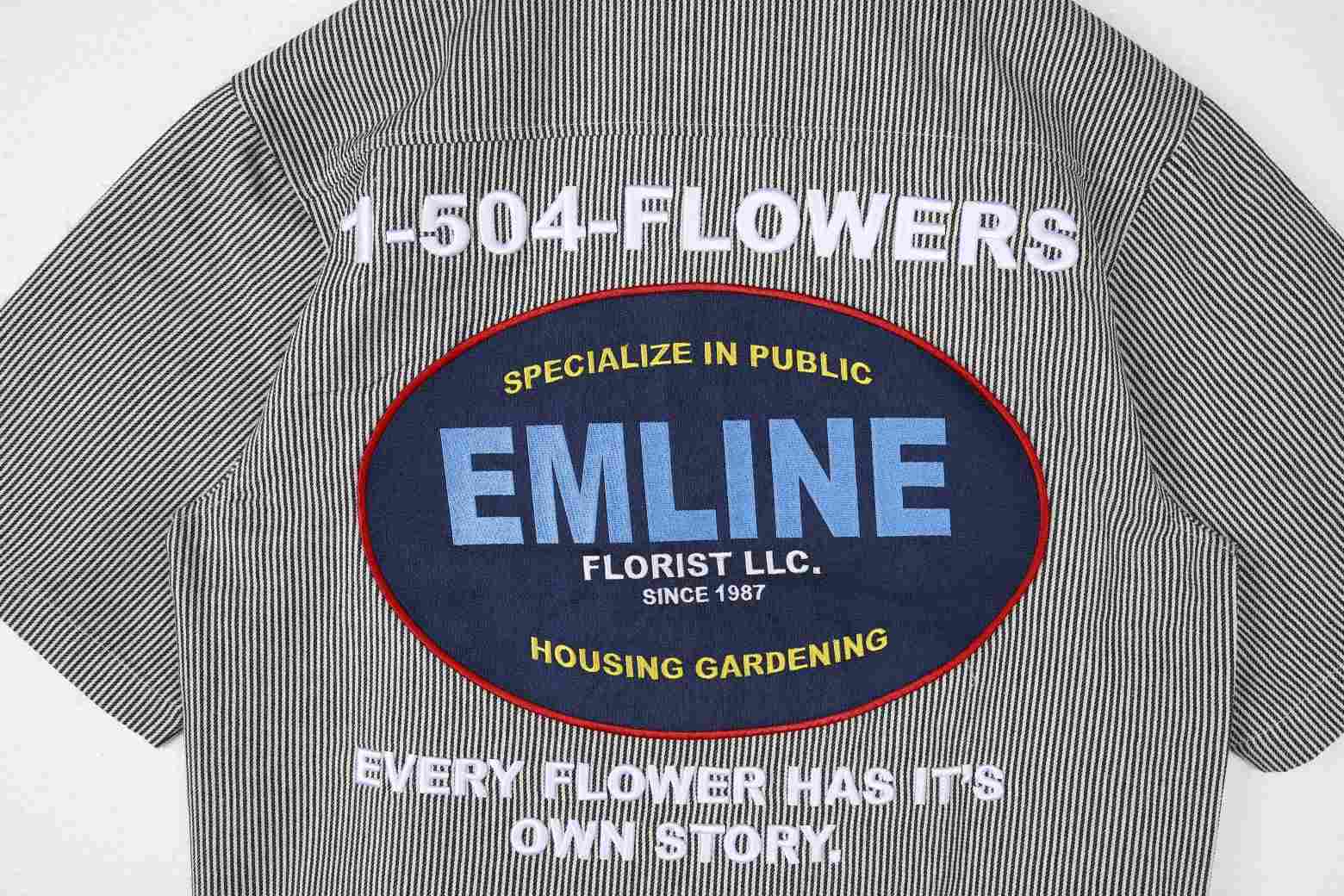
Pre-strung sequin tape feeds through a chain-stitch head, laying sequins in unbroken lines or fills. Ideal for borders, lettering outlines and large-area coverage on mid-weight tees and polos. Production speed doubles versus single-sequin, lowering per-piece cost by 30–50%. Chain stitches are less secure; a single break can unravel multiple sequins, making this technique less suitable for high-abrasion zones.
Mixed Sequin-and-Thread Embroidery
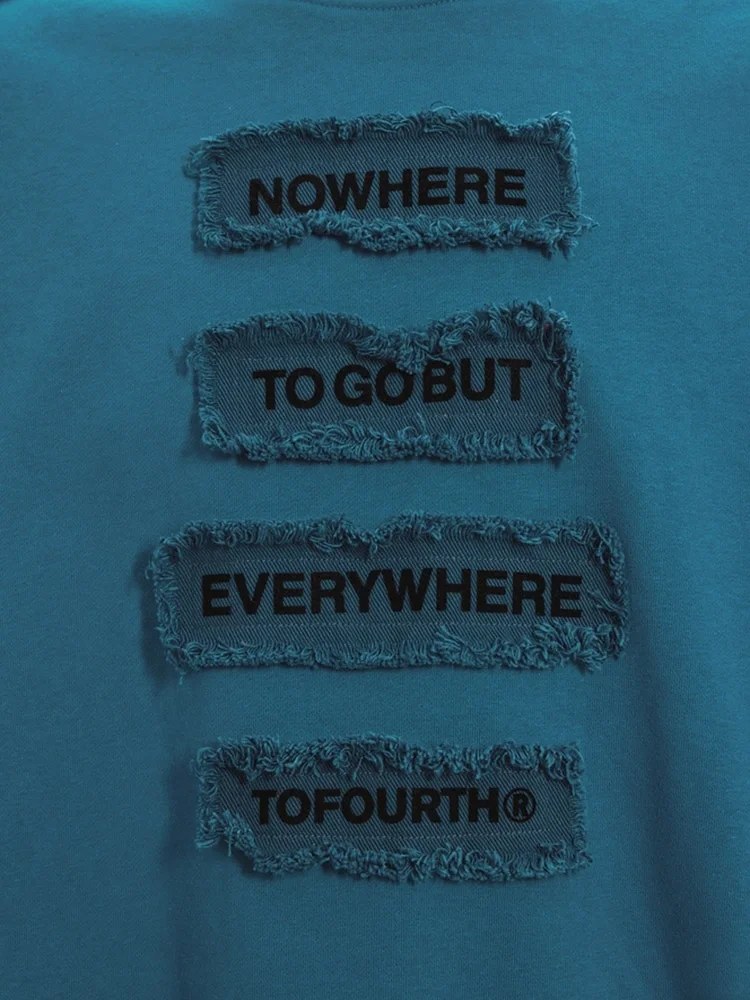
Combines standard thread embroidery with sequin accents in a single run, reducing setup time and registration issues. Common for brand logos where sequins highlight specific elements — wordmarks, icons or borders — while thread fills background or fine detail. Compatible with all garment weights. Per-piece cost sits between pure thread and pure sequin work, and durability matches the stitch type used for each element.
Heat-Applied Sequin Film
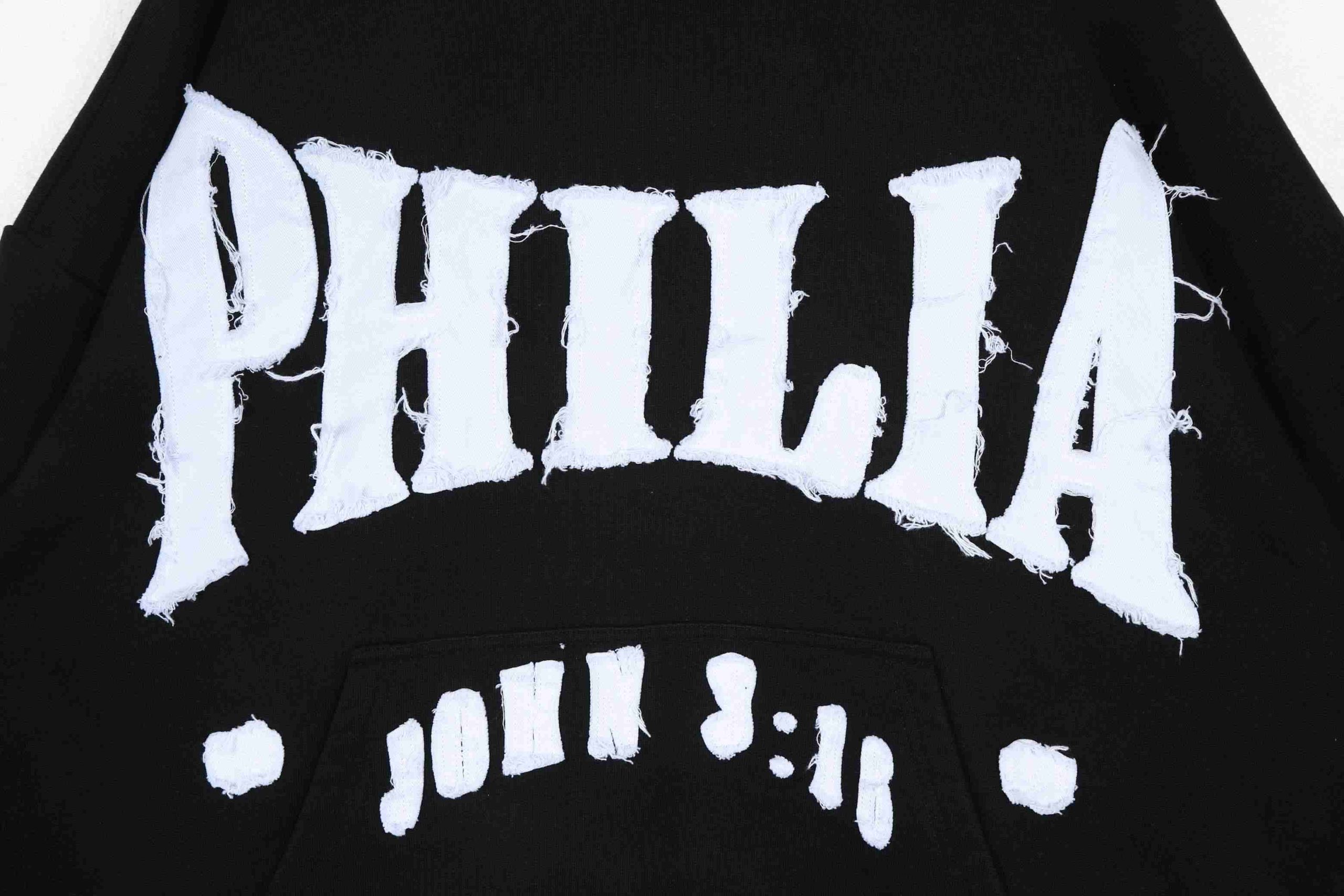
Pre-assembled sequin sheets or transfers bond via heat press, eliminating needle time entirely. Fastest turnaround and lowest per-piece cost for large runs, but adhesive durability varies widely — premium films survive 30+ industrial washes, budget options may lift after five home cycles. Best reserved for lightweight tees, fashion pieces with short wear cycles or samples where speed trumps longevity.
4. Materials and Base Fabrics for Sequin Embroidery
Sequin embroidery service demands stable, heavyweight fabrics that anchor stitches without puckering or distortion. Fabric weight (GSM) and weave density directly determine how many sequins a garment can carry and how long the decoration will last through washing and wear.
| Fabric Type | Recommended GSM | Sequin Density Tolerance | Typical Garment Applications |
|---|---|---|---|
| Cotton Fleece / French Terry | 240–350 | High (up to 80% coverage) | Hoodies, sweatshirts, oversized tees |
| Denim | 340–475 (10–14 oz) | High (60–80%) | Jackets, jeans, workwear |
| Twill / Canvas | 200–400 | Medium-High (50–70%) | Chinos, caps, blazers |
| Performance Knits | 180–220 | Low-Medium (30–50%) | Activewear, jerseys, track pants |
| Jersey (lightweight) | < 180 | Low (< 30%, small motifs) | Basic tees, underlayers |
Heavyweight Cotton Fleece and French Terry
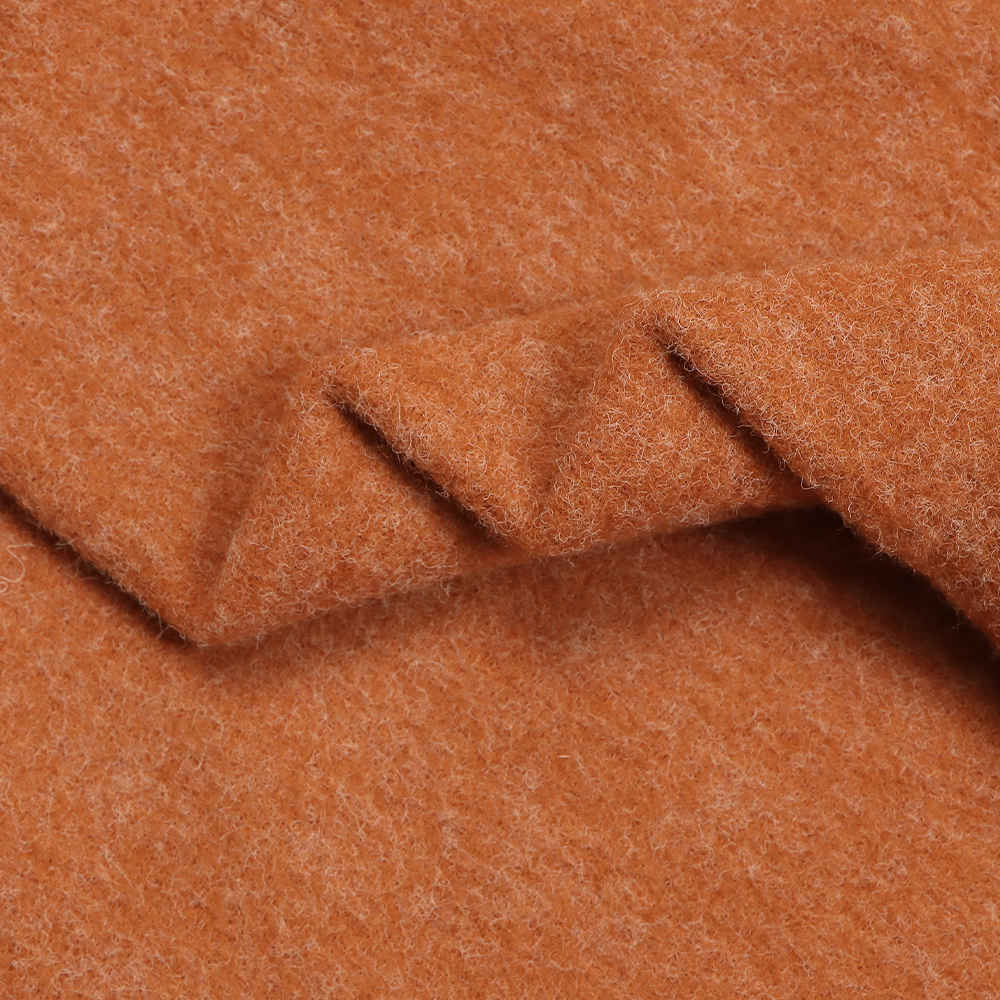
Cotton fleece at 280–350 GSM and French terry at 240–300 GSM provide the mass and loop structure needed for dense sequin designs. The brushed interior anchors backing stabilizer, preventing thread pull-through. MENWILD sources ring-spun fleece and combed French terry from certified mills across Guangdong, ensuring consistent hand-feel and shrinkage control for hoodies, sweatshirts and oversized streetwear that carry large chest or back sequin placements.
Denim, Twill and Canvas
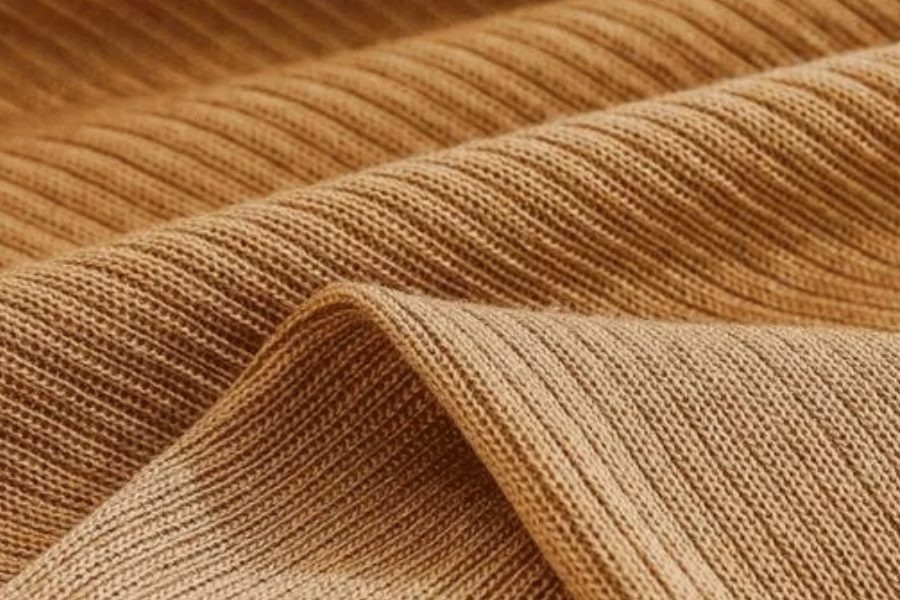
Denim (10–14 oz per yard, ~340–475 GSM), cotton twill (200–280 GSM) and canvas (300–400 GSM) are woven tightly enough to resist needle penetration stress. Their flat, stable surface minimizes sequin tilt and thread snags. Denim jackets, chino pants and workwear benefit from medium-to-high sequin density without additional tear-away backing, though cut-away stabilizer is still recommended for designs exceeding 60% coverage.
Performance Knits and Stabilizer Requirements
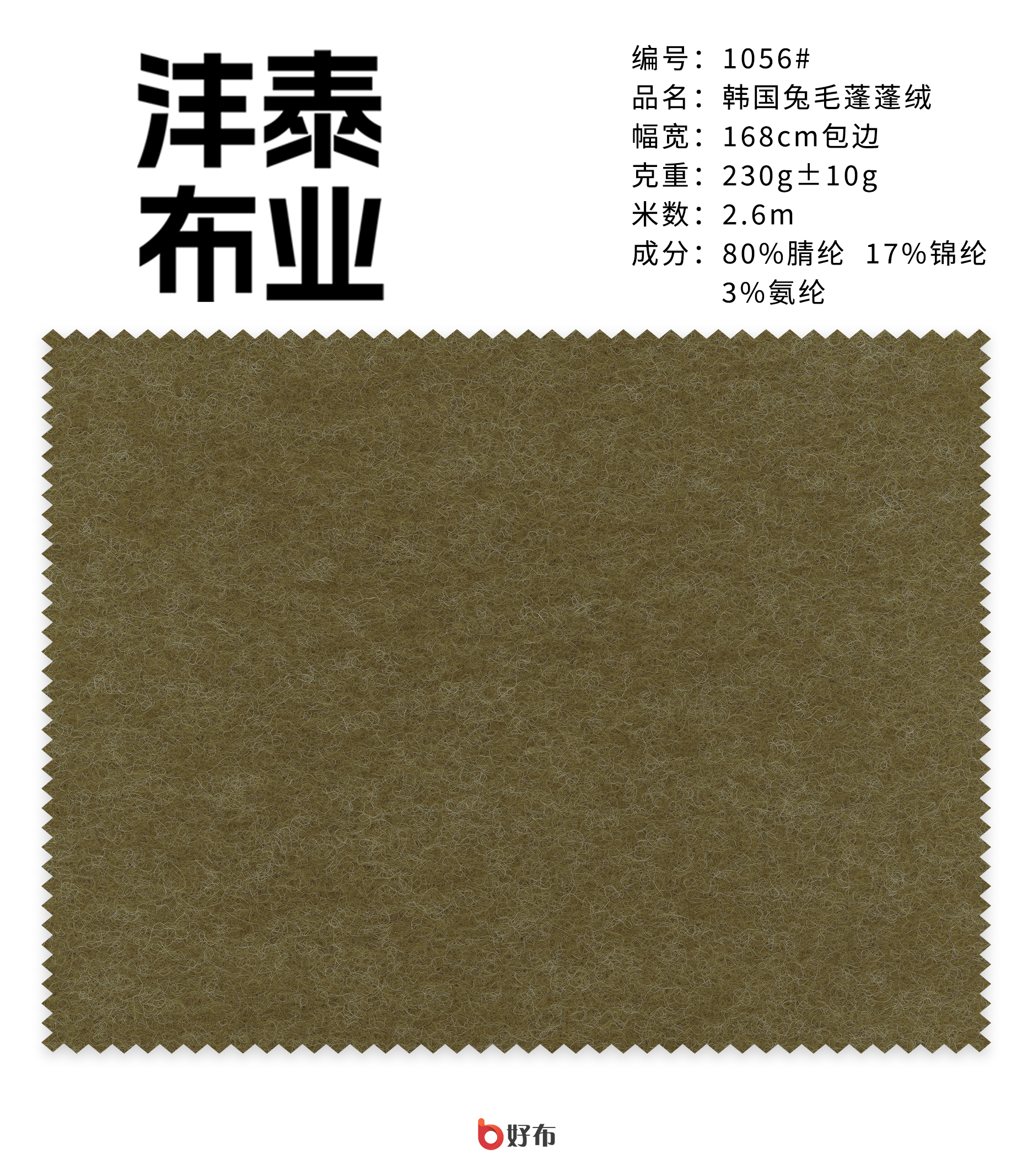
Polyester-blend performance knits (180–220 GSM) stretch under tension, so sequin embroidery service on activewear requires water-soluble or heat-away stabilizer plus a layer of cut-away backing. MENWILD’s embroidery team tests stitch density and hoop tension on sample swatches before bulk runs, ensuring sequins lie flat and seams remain elastic. Lower GSM fabrics — jersey tees below 180 GSM — tolerate only sparse, small-motif sequin work to avoid fabric distortion.
5. Customization Options in Sequin Embroidery Service
A sequin embroidery service offers far more than a single-size, single-color sparkle. Buyers can specify sequin size, shape, finish, thread pairing, stitch density and file format to achieve everything from subtle accent details to high-impact streetwear graphics.
Sequin Size, Shape and Finish Options
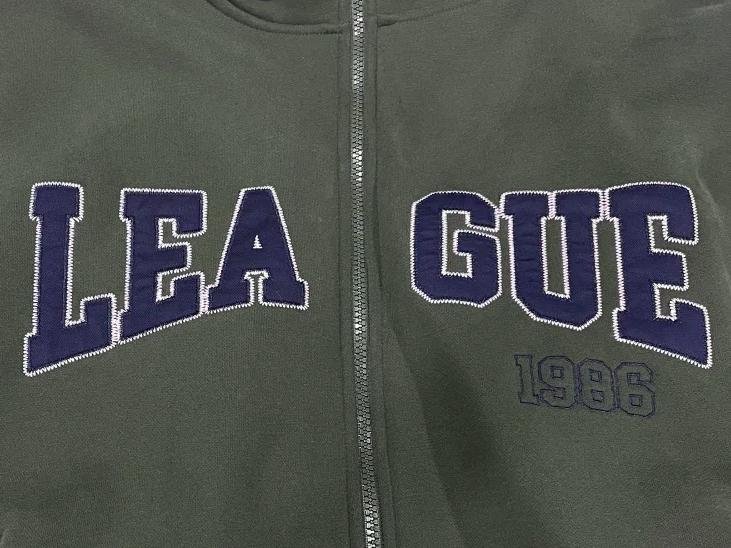
Sequin diameters range from 3 mm micro-sequins for fine detail to 15 mm statement discs for bold logos and oversized graphics. Standard shapes include round, square, star and hexagon; custom die-cut shapes are available above 500-piece minimums.
Finishes span matte, metallic, holographic, iridescent and color-shifting films. MENWILD sources sequins from certified suppliers and provides physical swatches before sampling to ensure color and finish match your brand’s Pantone references or fabric dye lots.
Thread Color, Stitch Density and Overlap
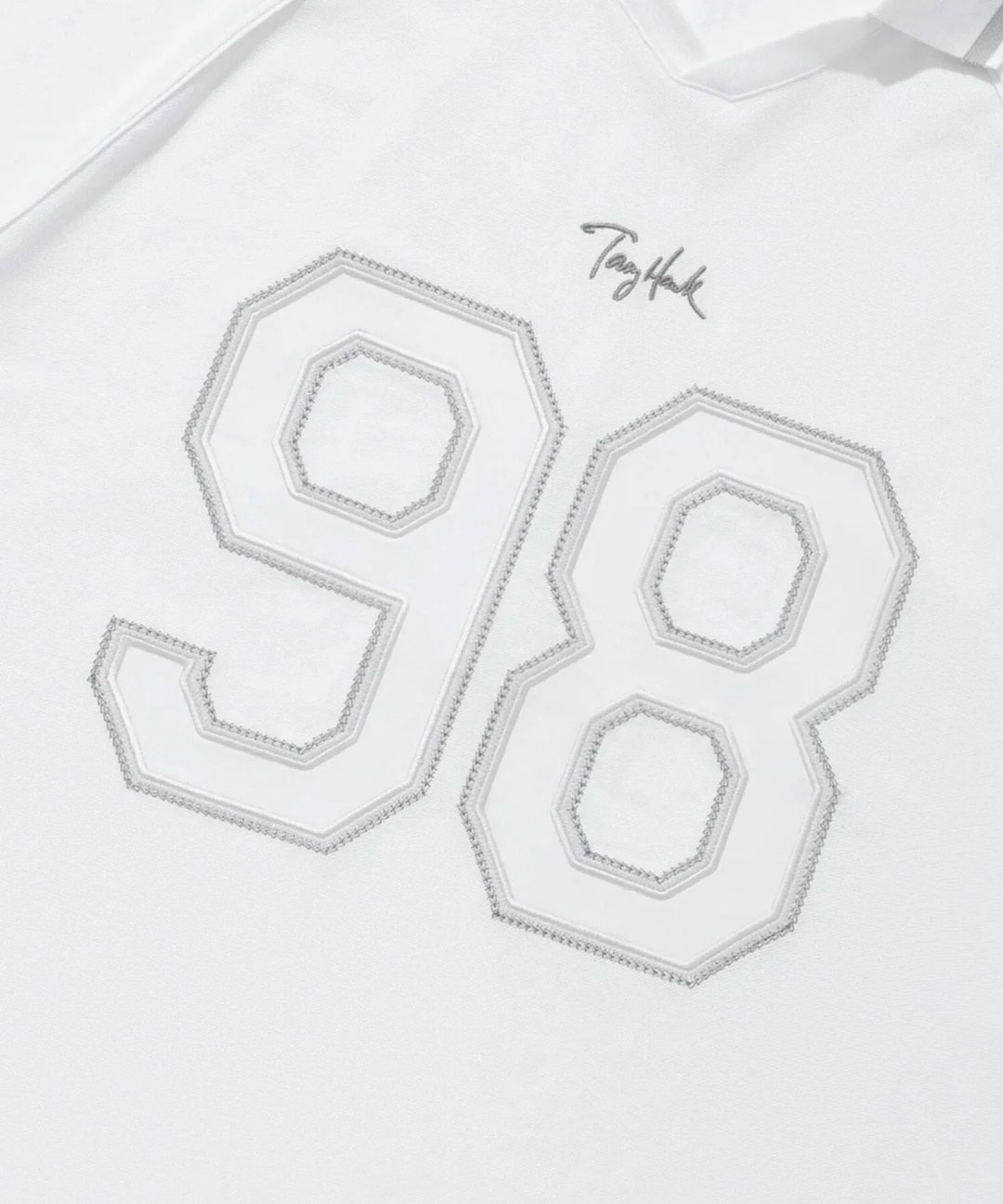
Thread color can match, contrast or disappear into the sequin for different visual effects. Stitch density—typically 4–6 stitches per sequin—controls security and texture, while sequin overlap from 25 % to 75 % determines coverage and shimmer intensity.
Higher overlap creates continuous metallic surfaces ideal for logos; lower overlap suits gradient fades and textured patterns. MENWILD’s digitizing team adjusts these variables during the sample phase to balance design intent with wash durability.
File Formats and Digitization Fees
Production machines read DST, EMB or Tajima formats. If you supply vector artwork (AI, PDF, EPS), MENWILD’s in-house digitizers convert it into stitch files, test-run the program and refine sequin placement before the first sample.
Digitization fees range from 15 USD for simple text to 80 USD for complex multi-color artwork and are waived after the first re-order when patterns are kept on file.
6. Key Quality Indicators for Sequin Embroidery Service
Premium sequin embroidery service depends on measurable construction benchmarks, not subjective finish alone. MENWILD evaluates every sample against attachment security, spacing consistency, fabric integrity and wash durability before any bulk run begins.
Secure Attachment and Thread Tension
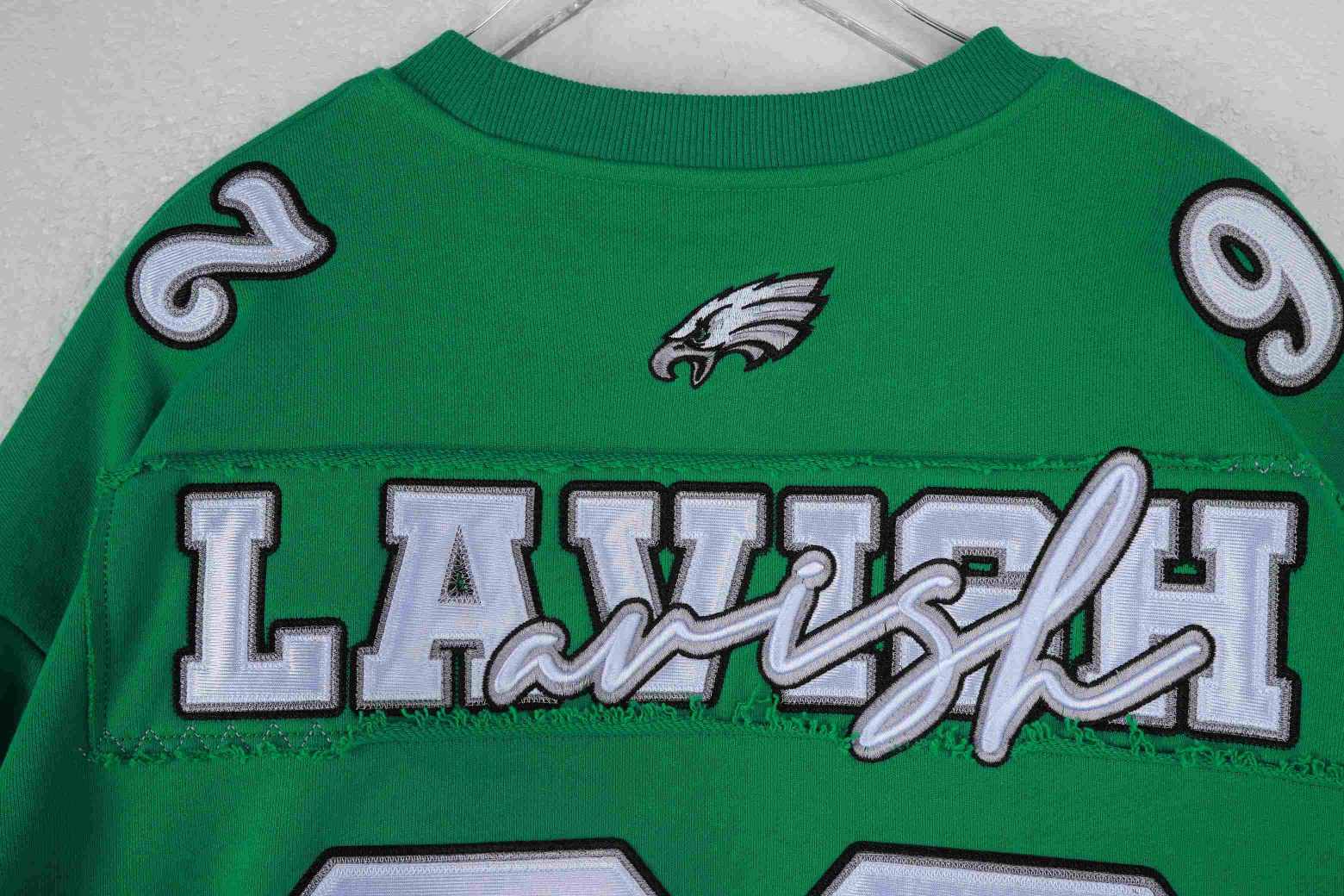
Each sequin should be locked with a minimum of three stitches, with no loose thread tails visible on the face or backing. Thread tension calibration prevents puckering and ensures sequins lie flat without distorting the base fabric.
MENWILD runs tension tests on every fabric weight, adjusting bobbin and top-thread settings to eliminate skipped stitches and thread breaks that compromise durability.
Uniform Spacing and Minimal Distortion
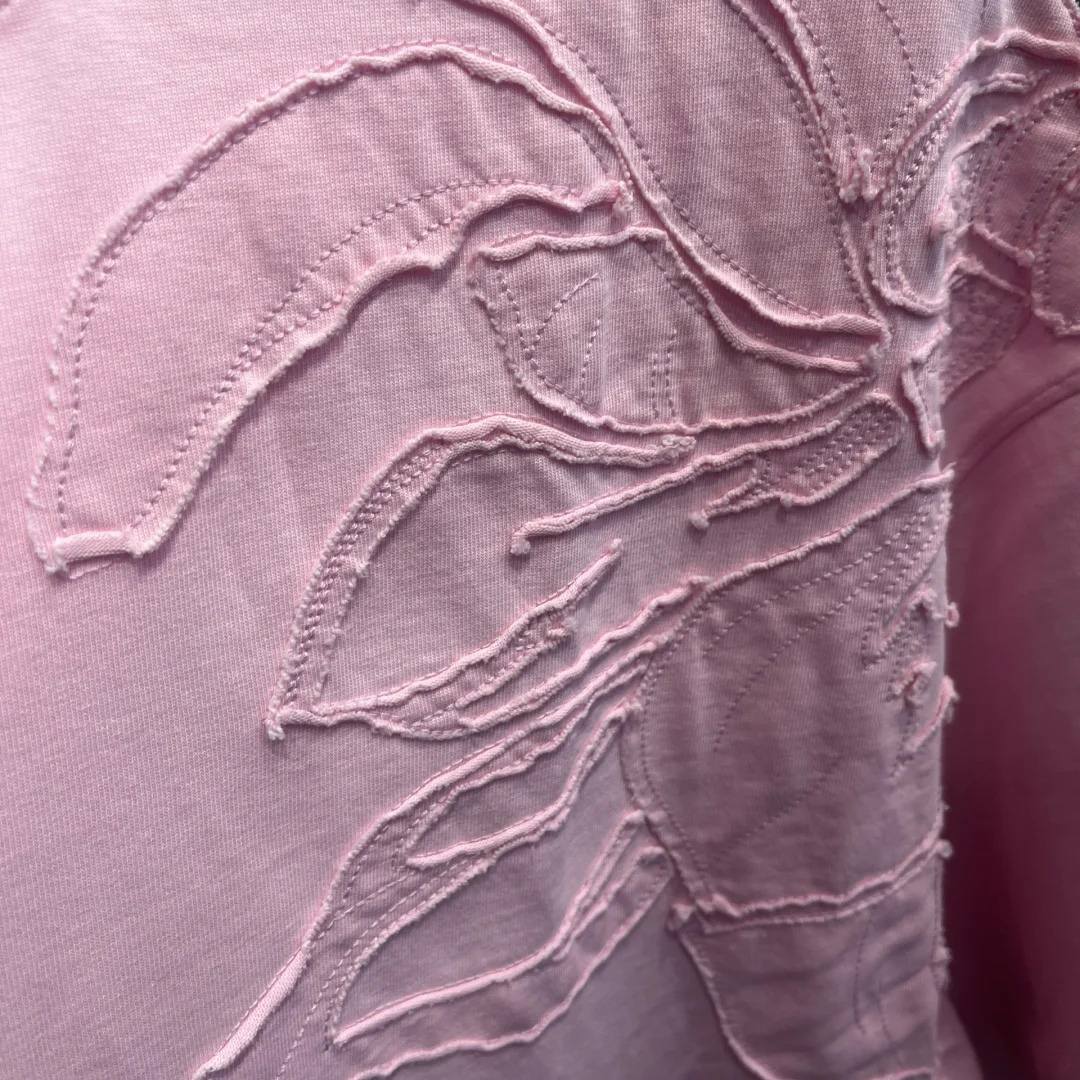
Sequin placement should follow programmed spacing within ±0.5 mm, with no gaps or overlaps. Proper hooping technique — firm but not stretched — prevents fabric rippling and maintains garment dimensions through production.
Distortion is measured by comparing pre- and post-embroidery hoop marks; premium work shows no permanent fabric stretch or wave.
Clean Backing and Wash Durability
Backing fabric should be trimmed flush, with no exposed adhesive or frayed edges that irritate skin or snag in washing. Colorfastness testing — five home-wash cycles at 40°C — confirms sequins retain finish and attachment integrity.
MENWILD provides wash-test reports with every sample approval, documenting sequin retention rate and color shift measured against original swatches.
7. How to Choose the Right Sequin Embroidery Service Provider
Selecting the right sequin embroidery service provider requires a methodical evaluation of technical infrastructure, portfolio depth and operational flexibility. A strong partner balances machine capability with responsive communication and realistic MOQ thresholds for menswear brands testing new designs.
Machine Capabilities and Sequin Feeder Types
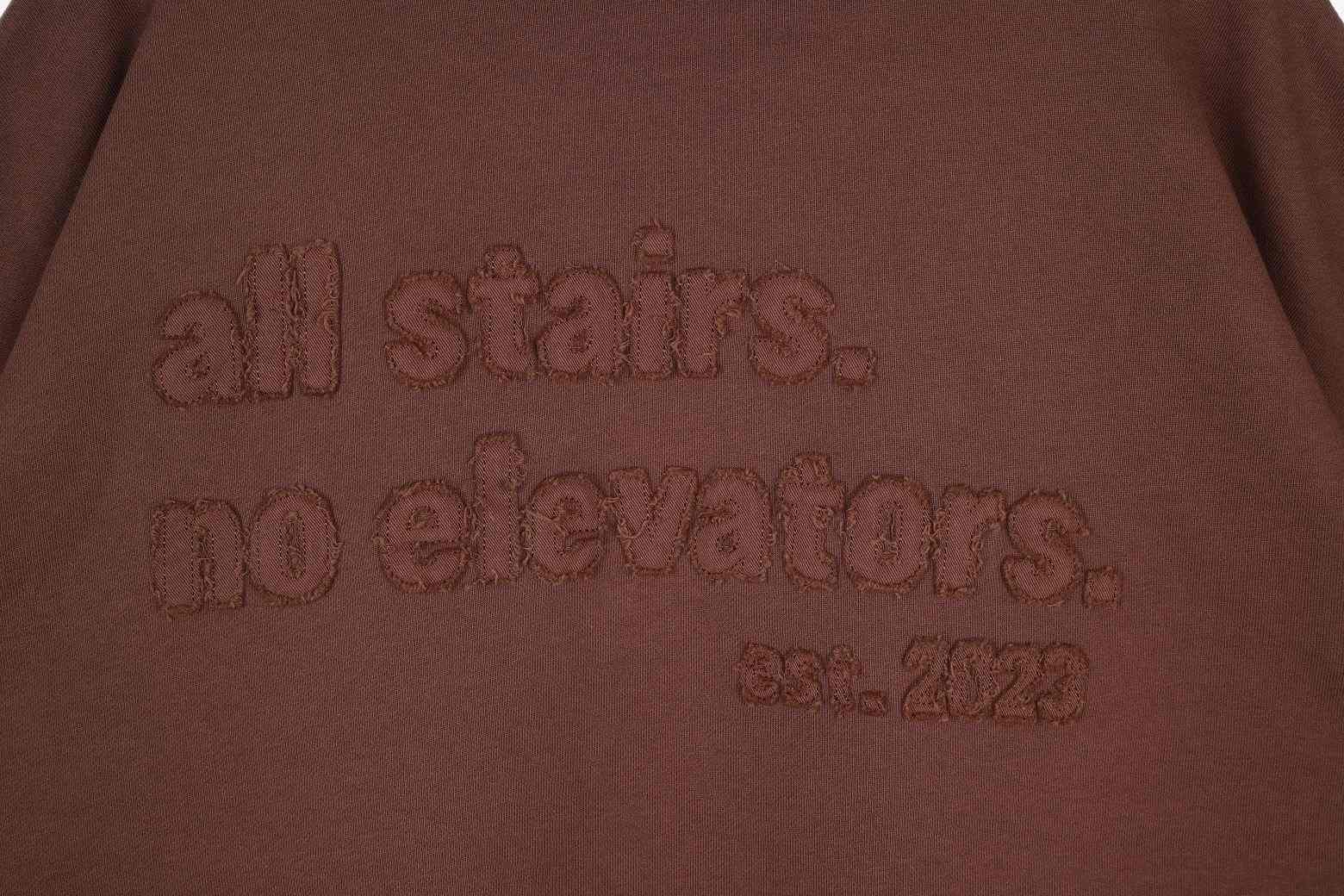
Multi-head embroidery machines (6–15 heads) determine throughput and cost efficiency; higher head counts reduce per-piece pricing on bulk runs. Sequin feeders vary by device type — single-color fixed feeders suit simple logos, while multi-color rotary feeders enable complex patterns without manual thread changes.
Ask the factory how many heads run sequin attachments simultaneously and whether feeders support 3 mm, 4 mm and specialty shapes. MENWILD operates multi-head embroidery lines with dedicated sequin feeders, ensuring consistent tension and placement across extended-size menswear.
Portfolio Samples and Menswear Experience
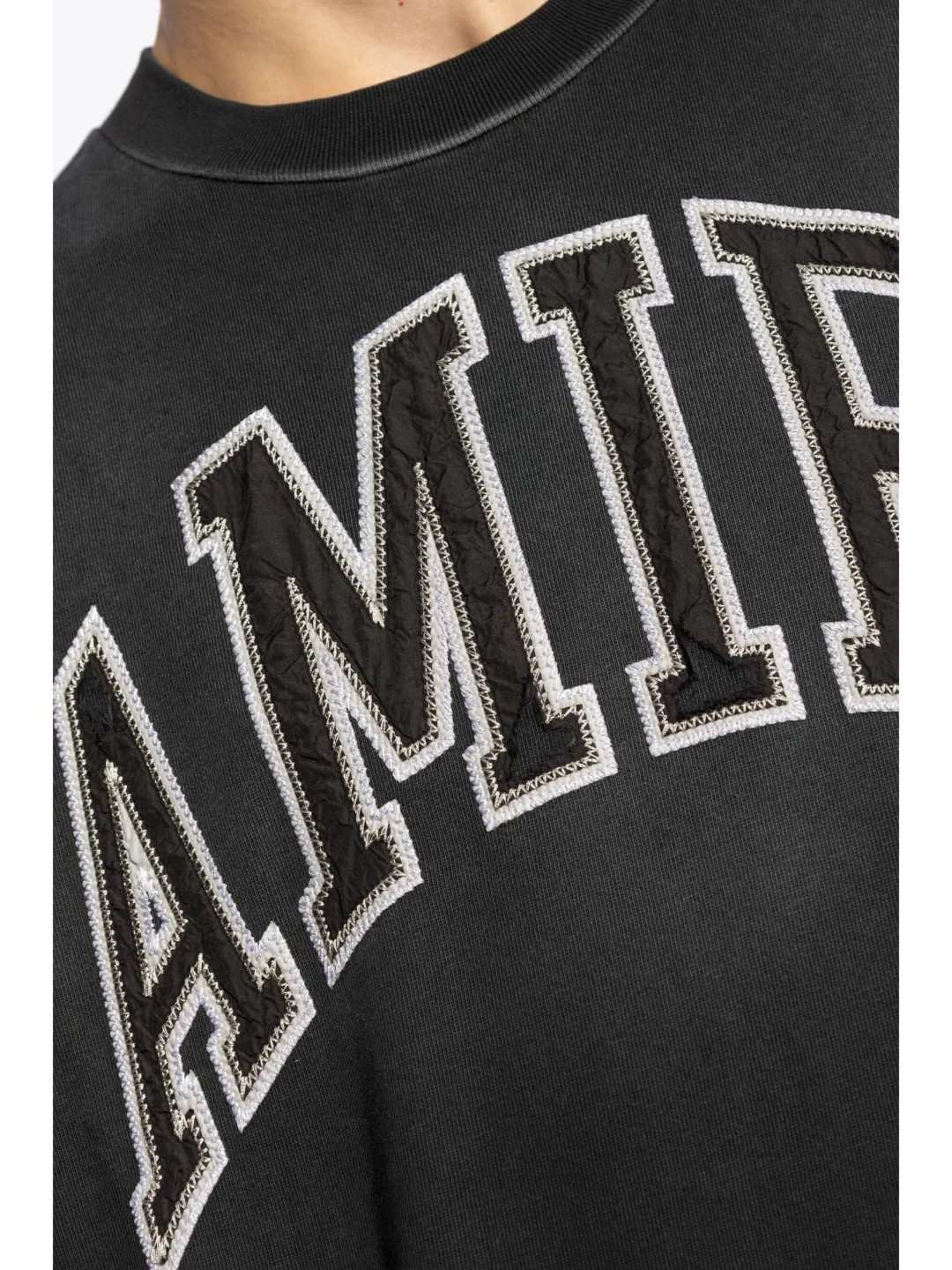
Request high-resolution photos or physical samples of completed menswear projects — hoodies, jackets, caps — to verify stitch density, sequin alignment and fabric compatibility. Generic samples rarely reveal how a provider handles stretch knits, heavyweight fleece or curved placement on oversized silhouettes.
MENWILD maintains a reference library of sequin-embroidered menswear in sizes 2XL–6XL, demonstrating real-world durability and fit retention after garment washing.
MOQ Flexibility and Lead Times
Test-run MOQs of 100 pieces per style/color allow brands to validate designs before committing to larger inventory. Confirm digitization turnaround (typically 2–3 business days) and bulk production lead time (15–25 days for sequin embroidery plus cut-and-sew).
MENWILD starts at 100 pieces per style/color, with in-house digitizing that shortens sampling cycles and keeps patterns on file for fast re-orders.
Certifications and Communication Responsiveness
Oeko-Tex Standard 100 certification for sequins and threads ensures no harmful substances contact skin — critical for activewear and basics. Evaluate response time to technical questions, willingness to share fabric swatches and transparency around pricing.
MENWILD’s design team replies within 24 hours, provides fabric swatches before sampling and supports clients via email, WhatsApp and video calls across all time zones.
8. Common Mistakes Buyers Make with Sequin Embroidery Service
Even experienced buyers stumble when ordering sequin embroidery service for the first time. Five recurring mistakes account for most production delays, quality disputes and wasted samples — each avoidable with clear specifications and upfront testing.
Choosing Fabric Too Lightweight for Sequin Density
Sequins add 80–150 g/m² to base fabric weight; a 180 g/m² jersey under dense sequin coverage will pucker, ripple and lose shape after one wash. The consequence is unwearable garments and rejected bulk orders.
Specify base fabrics of at least 200 g/m² for moderate sequin density and 240 g/m² or heavier for full-coverage designs. MENWILD’s sampling team tests fabric stability before digitization to prevent structural failure.
Neglecting to Order a Strike-Off Sample Before Bulk
Skipping a physical strike-off sample means you approve sequin color, density and placement only from a digital mock-up — differences in thread tension, sequin sheen and fabric drape appear only on cloth. The result is costly re-runs or unsellable inventory.
Always request a strike-off on your chosen fabric and colorway. MENWILD produces samples within 7–10 days, letting you verify sequin finish, wash durability and fit before committing to bulk production.
Ignoring Wash-Care Instructions That Void Durability
Standard hot-water washing and tumble-drying dislodge sequins secured with single-thread chain stitch; buyers who omit care labels see return rates above 15%. The consequence is brand damage and refund costs.
Specify gentle cold wash, inside-out, and air-dry only on all sequin garments. MENWILD includes compliant care labels and tests each sequin technique through five industrial wash cycles to confirm attachment integrity.
Underestimating Digitization Complexity for Intricate Logos
A logo with fine serif type or gradients requires manual digitization and test stitching; assuming auto-conversion works leads to misaligned sequins, skipped stitches and blurred brand marks. The fix costs time and extra sampling fees.
Share vector artwork early and budget 3–5 days for custom digitization. MENWILD’s design team reviews logo complexity, recommends sequin size (3 mm, 5 mm or 6 mm) and provides a digitized proof before any needle touches fabric.
Failing to Specify Sequin Finish
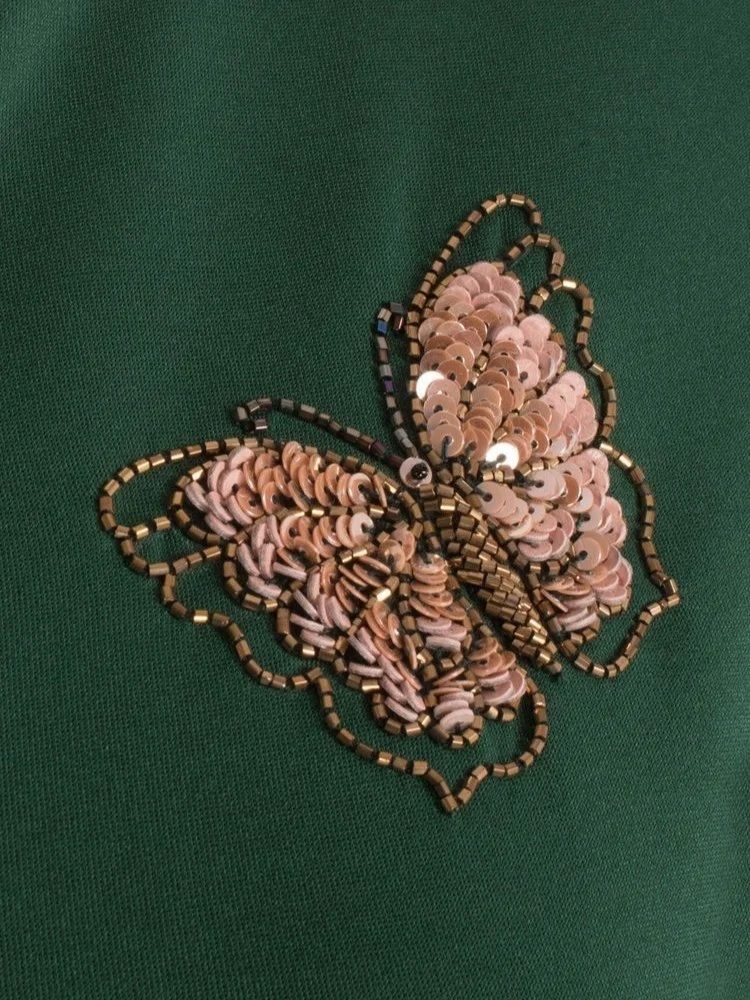
Sequins ship in glossy, matte, holographic, metallic and iridescent finishes; omitting finish from your tech pack leaves the factory to choose, resulting in mismatched sheen across colorways. The consequence is inconsistent brand presentation.
Call out exact sequin finish and request physical sequin swatches alongside fabric. MENWILD maintains a reference library of 40+ sequin finishes, ensuring every re-order matches your approved standard.
9. Steps to Launch Your Menswear Line with Sequin Embroidery
Launching a menswear line with sequin embroidery requires a structured workflow to avoid delays and quality issues. MENWILD’s nine-step process builds in timeline buffers for sequin sourcing, digitization and machine setup, ensuring every pilot and bulk order ships on spec.
Finalize Design Artwork and Placement
Submit vector artwork (AI, EPS or high-resolution PNG) with exact sequin placement, size and density marked. Specify sequin diameter (3 mm, 5 mm, 6 mm), color codes (Pantone or physical swatch) and whether flat, cupped or mixed finishes are required.
MENWILD’s design team converts sketches or reference photos into production-ready tech packs, ensuring artwork scales correctly across 2XL–6XL grading and oversized fits.
Select Base Garments and Fabric
Choose garment type — hoodies, oversized tees, jackets or sweatshirts — and fabric weight. French terry (280–320 GSM) and fleece (300–380 GSM) handle sequin weight and stitch density better than lightweight jersey.
MENWILD sources cotton, cotton-poly blends, performance knits and recycled options from regional mills, providing fabric swatches before sampling to confirm hand-feel and drape under sequin load.
Request Digitized Proof and Strike-Off Sample
The factory digitizes your artwork into machine-readable stitch files, then produces a strike-off sample on the chosen fabric. Review sequin alignment, thread tension, backing stability and overall visual impact before approving.
Allow 7–10 days for sequin sourcing if custom colors or specialty finishes are specified, plus 3–5 days for digitization and sample embroidery.
Approve Sample and Lock Materials
Sign off on the strike-off to freeze sequin supplier, thread color, backing type and stitch parameters. Any changes after approval reset the sampling clock and may require new sequin inventory.
MENWILD archives approved samples, graded patterns and material specs on file, accelerating re-orders and seasonal colorway expansions.
Place Pilot Order and Conduct Wash Testing
Order 100–300 units to test market response and validate durability. Run home-wash cycles (cold water, tumble-dry low) on pilot garments to confirm sequin retention, thread integrity and fabric stability.
Pilot MOQs let brands refine placement, adjust sequin density or switch base fabrics before committing to full production, reducing inventory risk and improving cash flow.
10. Pricing and Cost Structure for Sequin Embroidery Service
Sequin embroidery pricing varies by order volume, design complexity and lead time. At MENWILD, digitization and setup fees range from $30 to $80 per design depending on sequin count and stitch density, with the fee amortized across larger runs. Per-garment costs drop significantly at higher tiers: a 100-piece order may cost $8–12 per placement, while 1,000 pieces can fall to $3–5.
Three variables drive cost beyond quantity: sequin count per design (designs exceeding 2,000 sequins add 20–40% to base pricing), custom sequin shapes or colors (requiring dedicated sourcing and minimum buys from suppliers), and rush production (orders compressed under seven working days typically incur a 15–25% expedite fee). Standard turnaround is 10–14 days after sample approval; rush orders deliver in 5–7 days when capacity permits.
| Quantity Tier | Per-Garment Cost | Digitization/Setup Fee | Lead Time |
|---|---|---|---|
| 50–99 pieces | $10–15 | $60–80 | 12–14 days |
| 100–299 pieces | $8–12 | $50–70 | 10–12 days |
| 300–499 pieces | $6–9 | $40–60 | 9–11 days |
| 500–999 pieces | $4–7 | $30–50 | 8–10 days |
| 1,000+ pieces | $3–5 | $30 (waived ≥2,000) | 7–9 days |
Start Your Sequin Embroidery Service Project Today
Join 2,000+ brands worldwide. 28 years of expertise, 100-piece MOQ, fast sampling and specialist big & tall fit. Get your quote now.