
Big & Tall Menswear Manufacturer — OEM, ODM & Private Label from 100 Pieces
Professional big & tall and plus-size menswear manufacturer with 28+ years of extended-size expertise. OEM, ODM & private label services with specialist 2XL–6XL pattern grading, custom t-shirts, hoodies, oversized streetwear, and low MOQ from 100 pieces per style.
Big & Tall Menswear Product Gallery
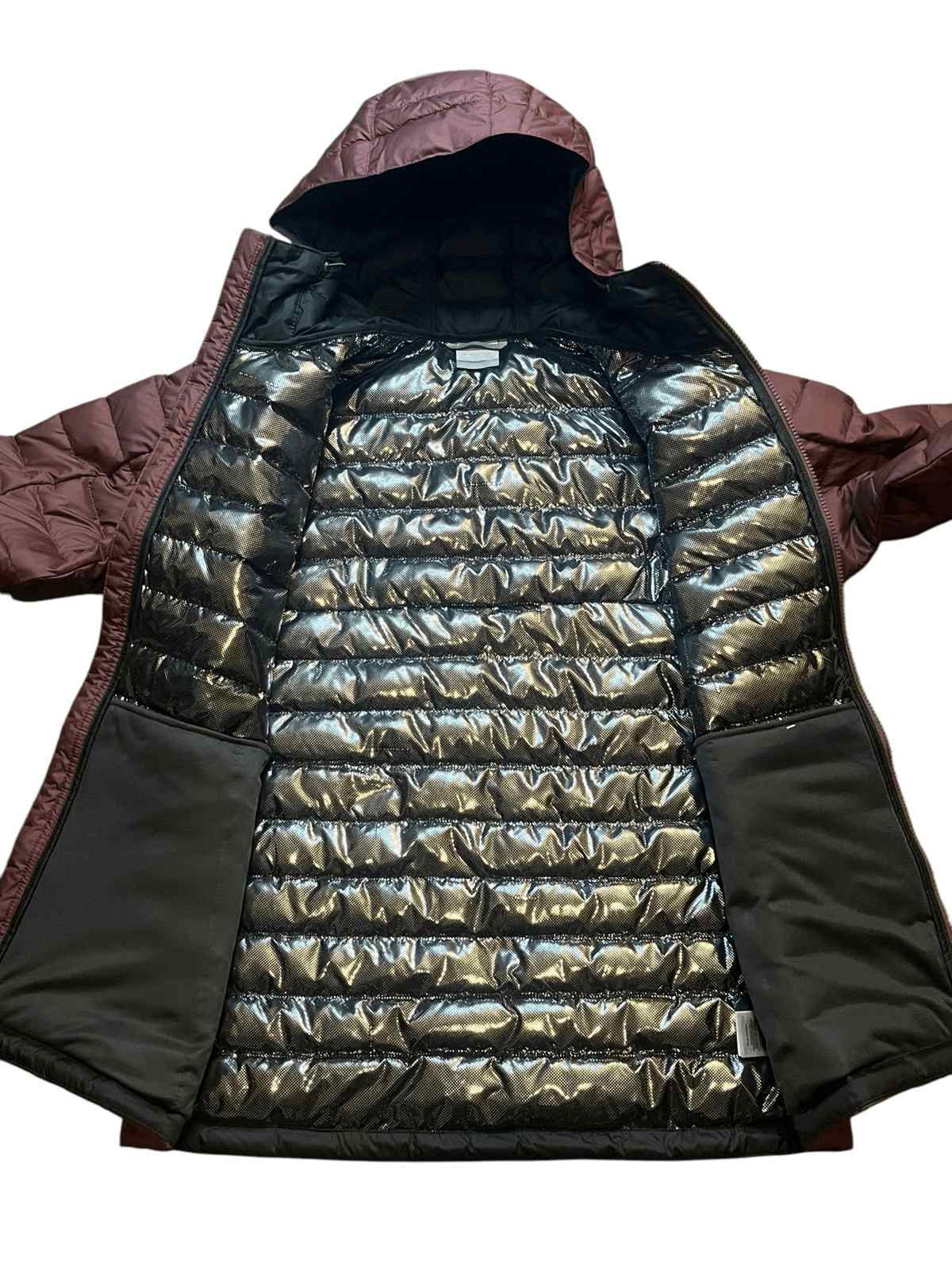
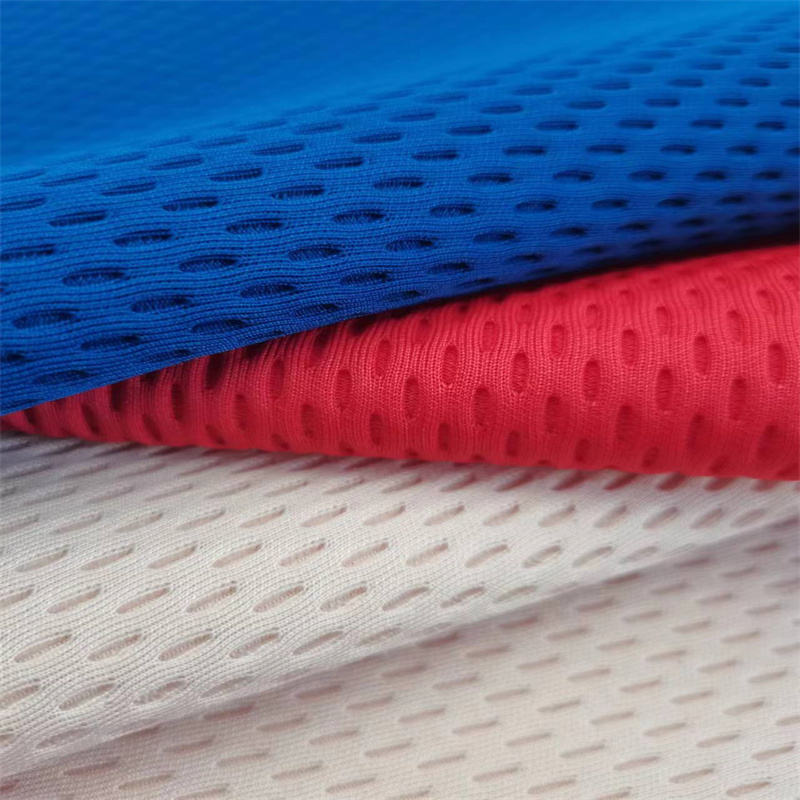
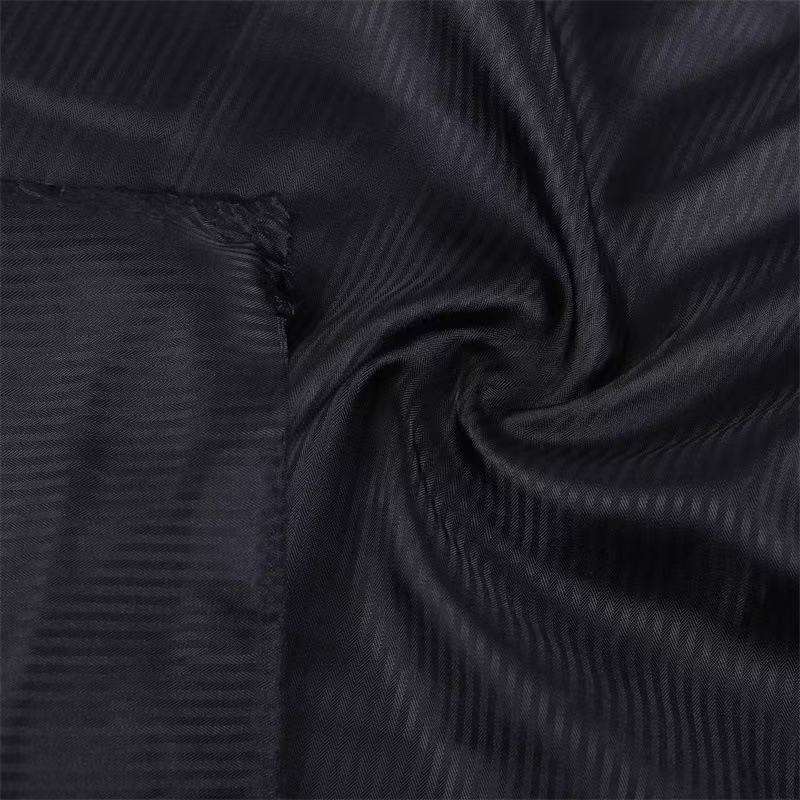
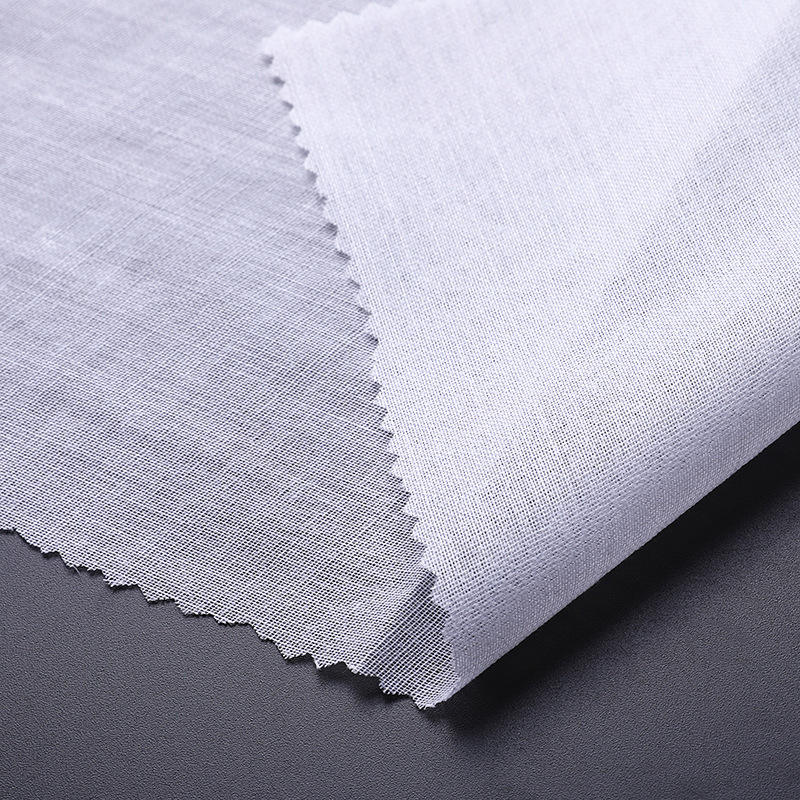
Why Choose MENWILD as Your Big & Tall Menswear Manufacturer
Specialist Big & Tall Grading
Expert 2XL–6XL pattern grading and fit development ensures interlining placement works perfectly for larger, taller body proportions.
Low MOQ from 100 Pieces
Start production with just 100 pieces per style and color, reducing inventory risk and enabling agile product testing.
28+ Years Dongguan Manufacturing
Founded in 1998 in China’s garment capital, MENWILD brings proven expertise and a team of 200+ skilled professionals.
Full In-House Decoration Services
Embroidery, screen printing, DTG, DTF, sublimation and garment washing all under one roof for faster turnaround and quality control.
Fast Sampling & Development
Rapid tech-pack creation, fabric sourcing, interlining testing and sample garment production to accelerate your time to market.
OEM, ODM & Private Label
Flexible partnership models from full design support to production-only, tailored to your brand’s needs and growth stage.
Big & Tall Menswear Categories MENWILD Manufactures
From custom t-shirts and hoodies to tailored suits and oversized streetwear, MENWILD manufactures the full menswear range with specialist 2XL–6XL pattern grading and fit — not just scaled-up patterns.
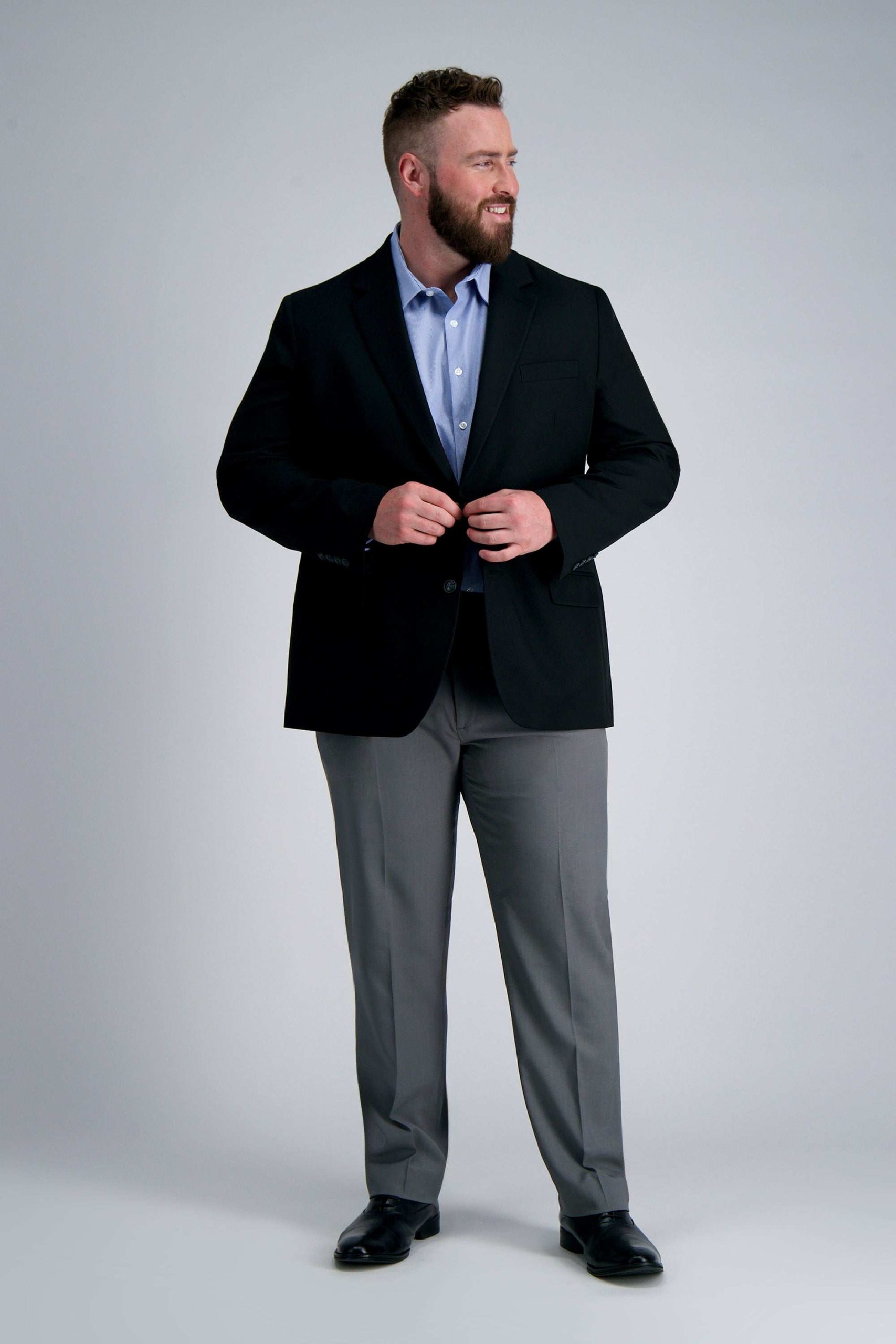
Dress Shirts & Formalwear
Standard interlining in collars, cuffs and plackets fails at extended sizes — collars buckle, cuffs curl and button bands ripple when proportions are simply scaled up instead of re-engineered.
MENWILD grades fusible interlining placement for 2XL–6XL, ensuring crisp collars, flat plackets and professional structure that holds through wear and washing in true big & tall proportions.
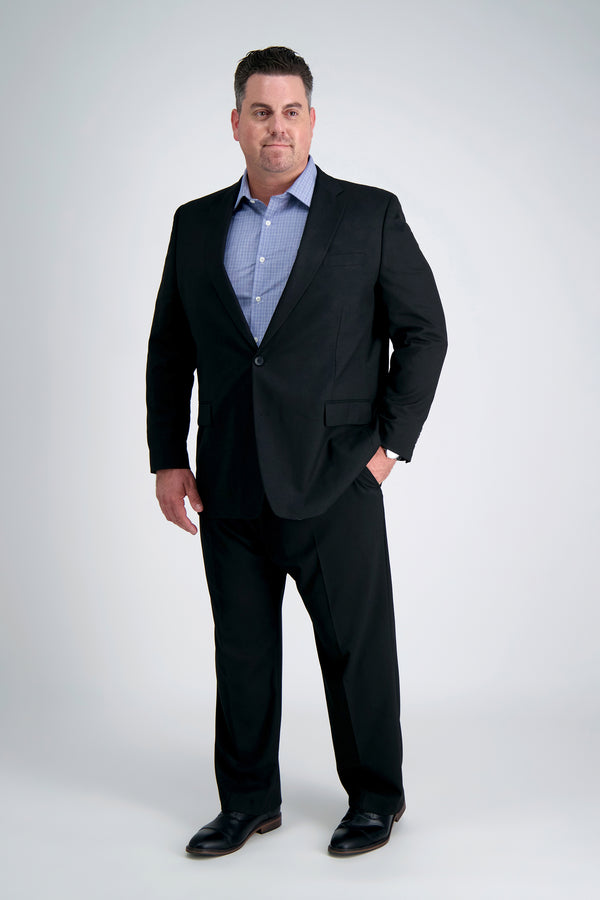
Suits, Blazers & Outerwear
Larger jackets demand heavier canvas and chest pieces, yet most factories apply the same interlining weight across all sizes — leading to sagging lapels, poor drape and lost shape.
Our interlining manufacturer specs adjust weight, fusible type and canvas reinforcement by size bracket, delivering tailored structure, clean lines and lasting shape in extended-size suiting and outerwear.
Polo Shirts & Casual Tops
Collar and placket interlining in polos often stiffens or puckers at larger sizes when fabric tension and body curves aren't factored into the interlining selection and application process.
MENWILD selects knit-compatible fusibles and grades interlining width and stiffness for 2XL–6XL, ensuring soft hand-feel, natural drape and collars that lie flat on bigger frames.
Jeans, Pants & Workwear
Waistbands, fly shields and pocket bags in extended-size bottoms require reinforced interlining to handle stress and movement, yet standard specs lead to waistband roll, gaping flies and torn pockets.
Our interlining manufacturer integrates durable non-woven and woven interlinings graded for bigger waists and thighs, delivering waistbands that hold shape, smooth flies and reinforced pockets built to last.
Activewear & Performance Apparel
Performance fabrics demand stretch-compatible interlining in waistbands, hems and panels, but most suppliers use rigid fusibles that crack, delaminate or restrict movement in extended-size activewear.
MENWILD sources low-melt stretch interlinings and applies them with precision heat and pressure settings, preserving fabric recovery, moisture management and comfort across 2XL–6XL performance menswear.
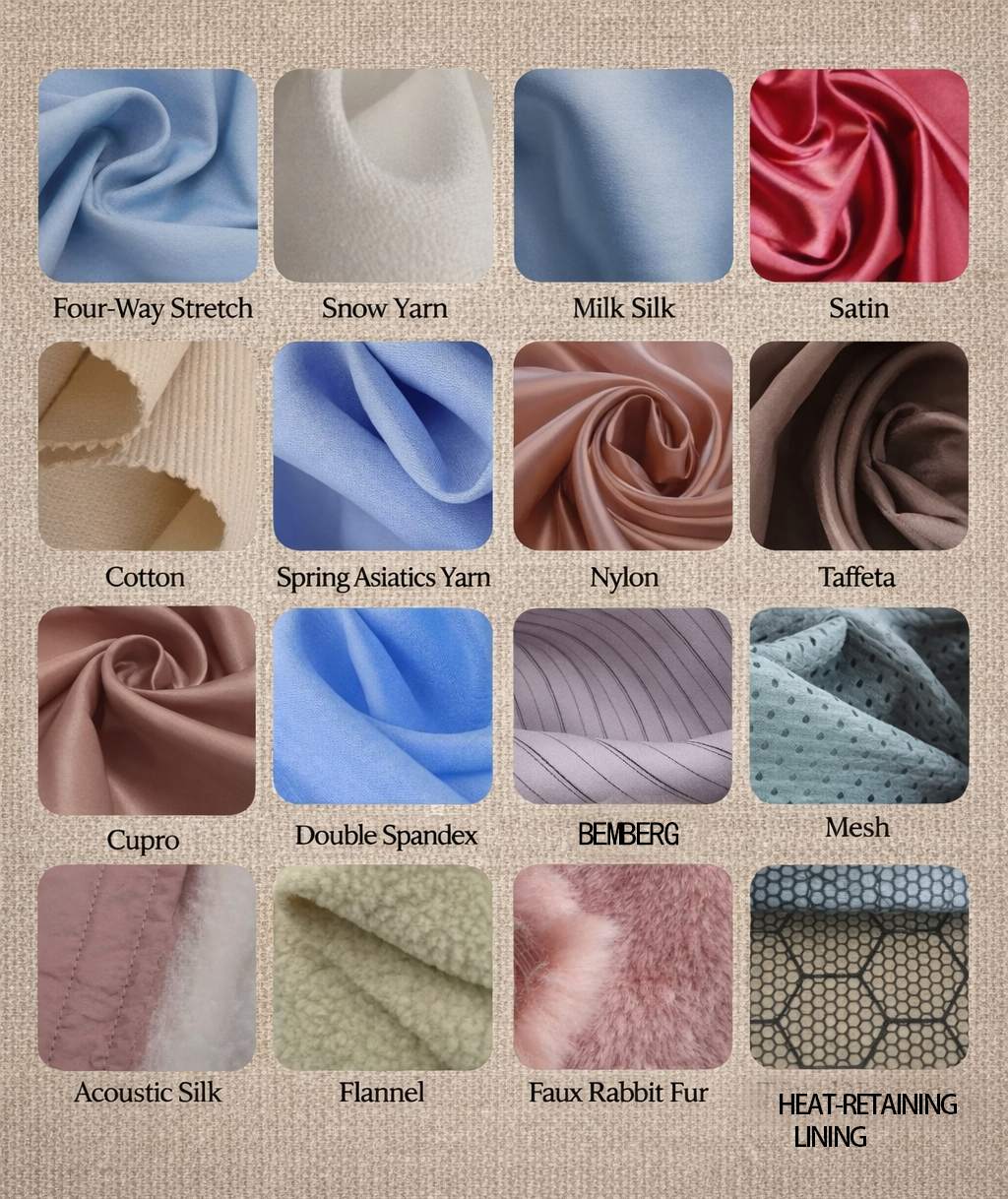
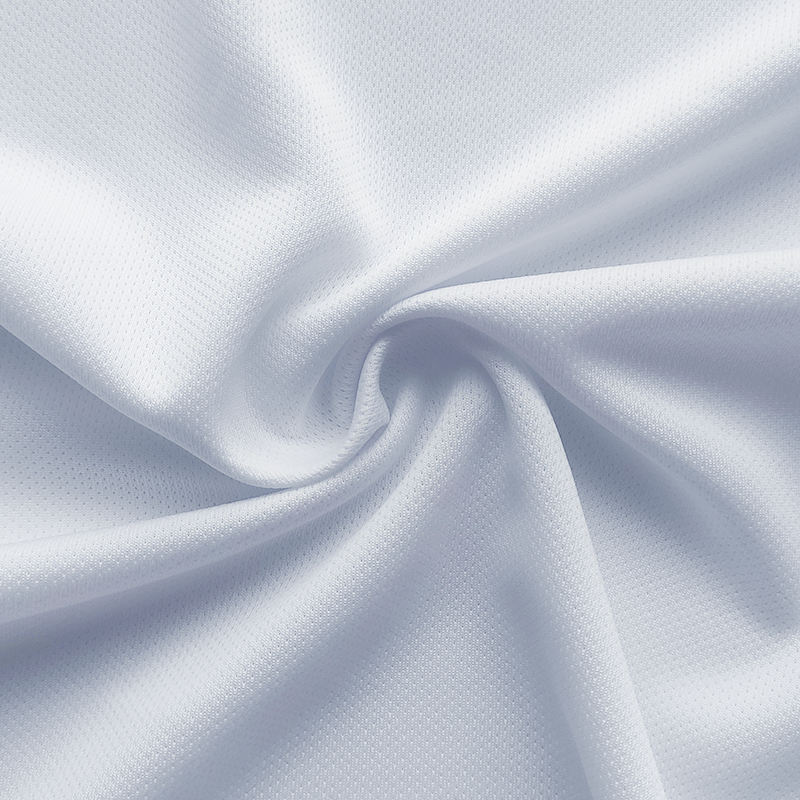
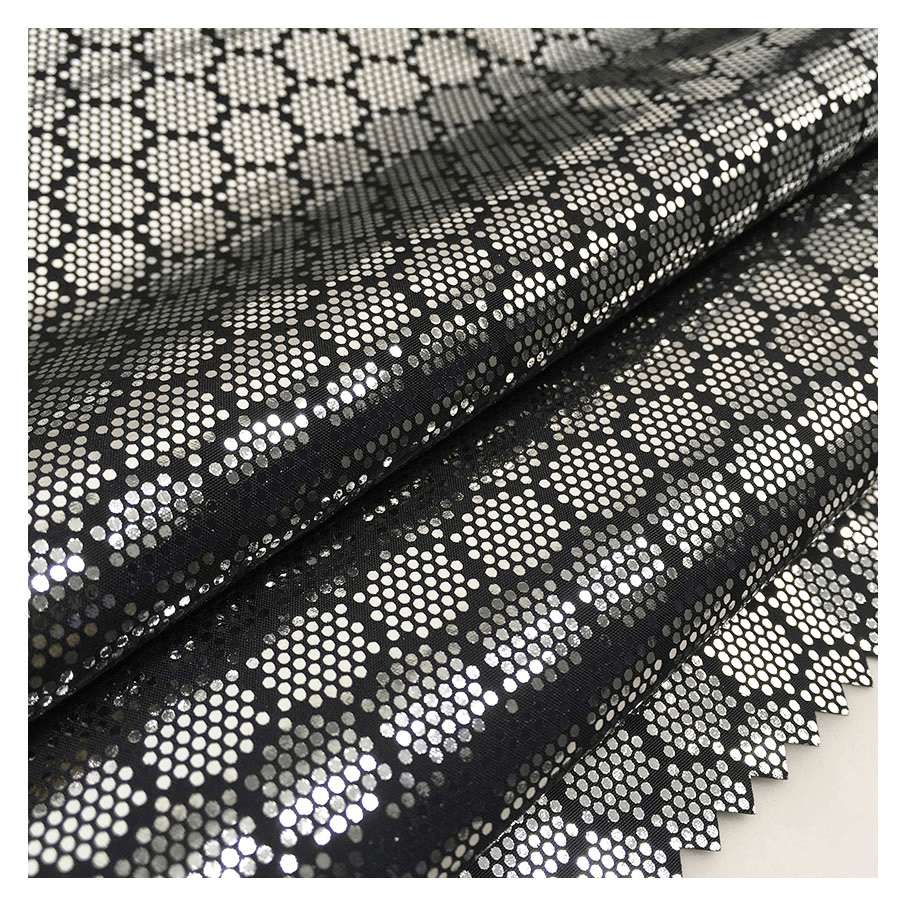
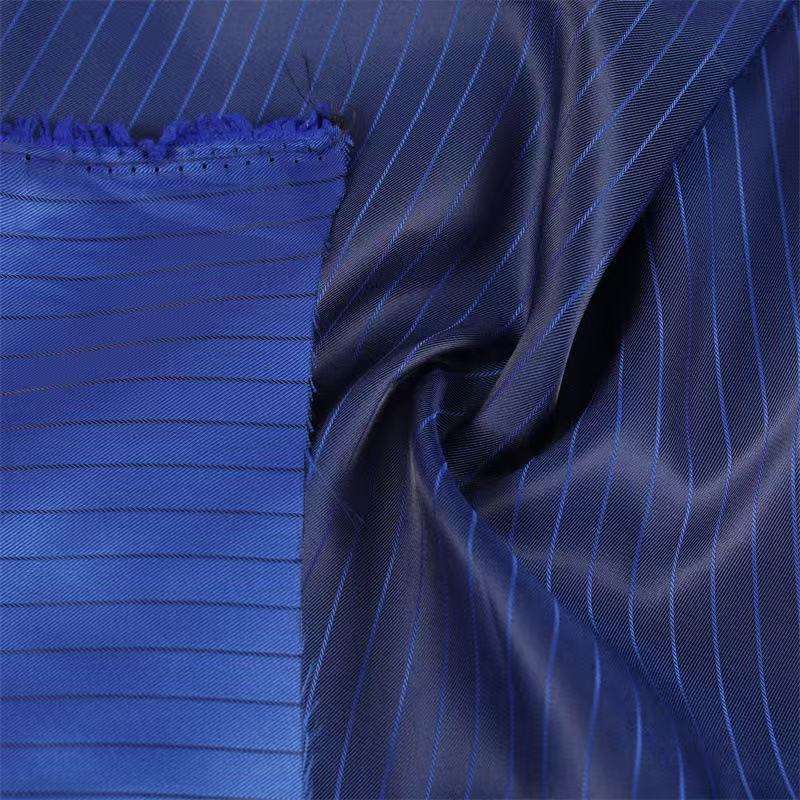
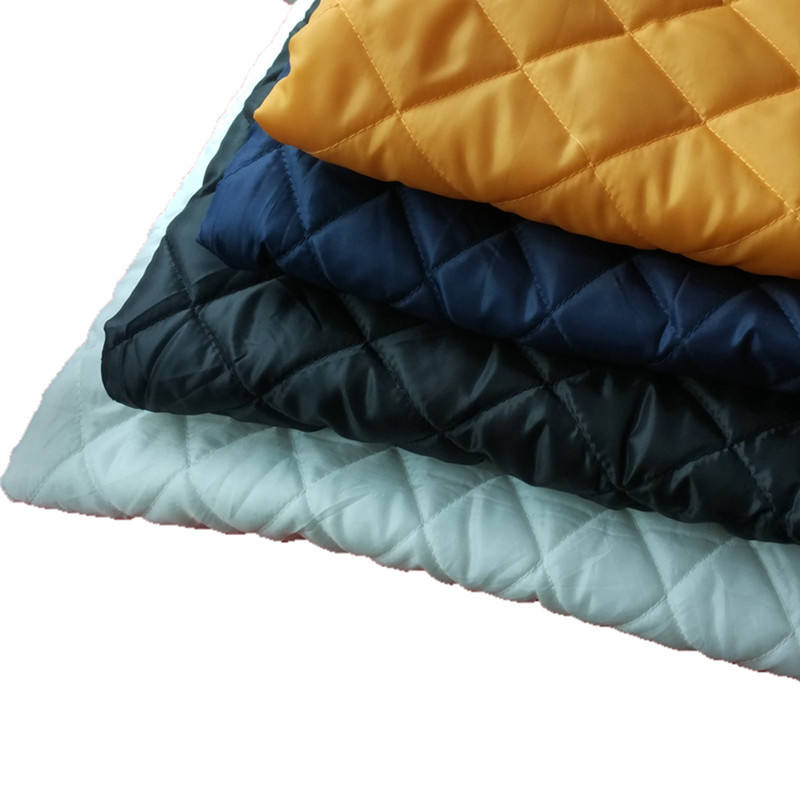
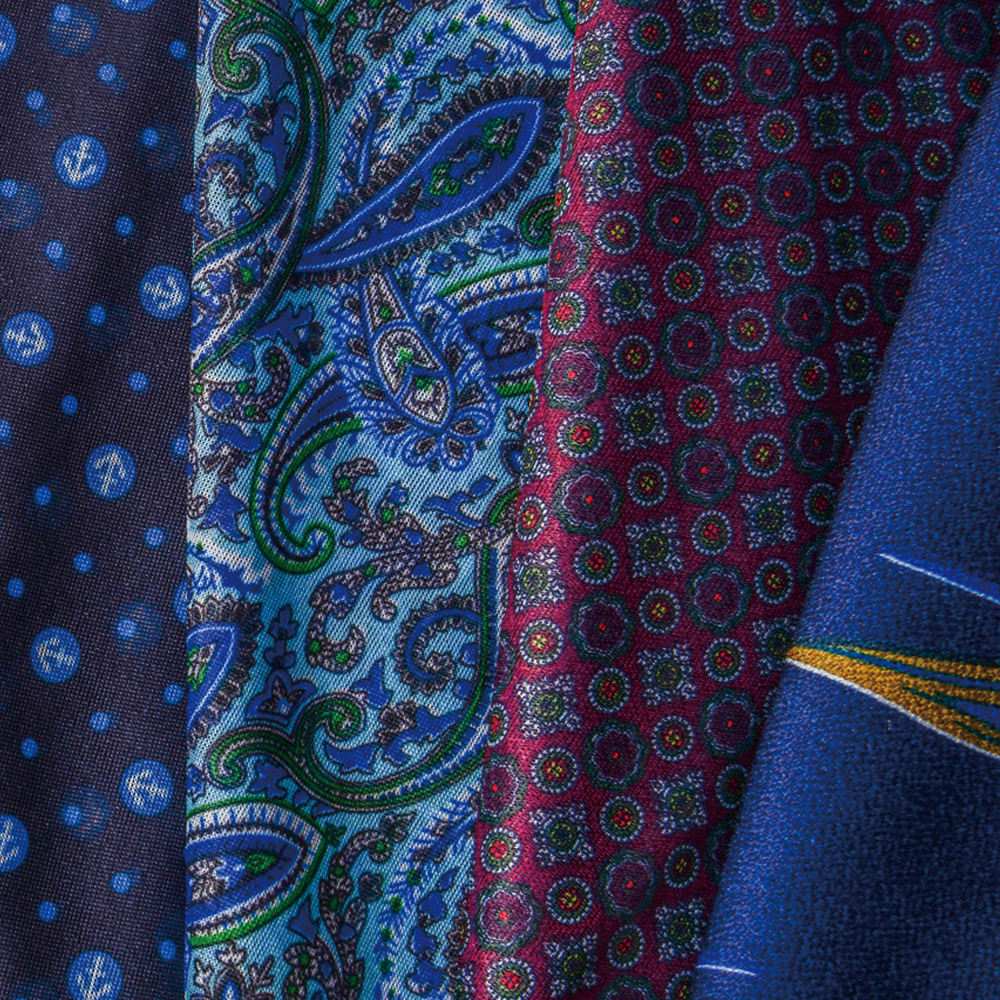
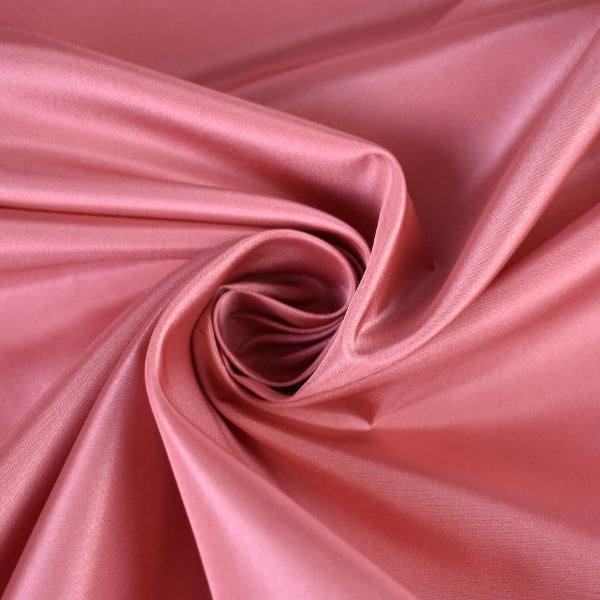
Fabrics & Materials for Big & Tall Menswear Manufacturing
Interlining Application & Finishing Processes
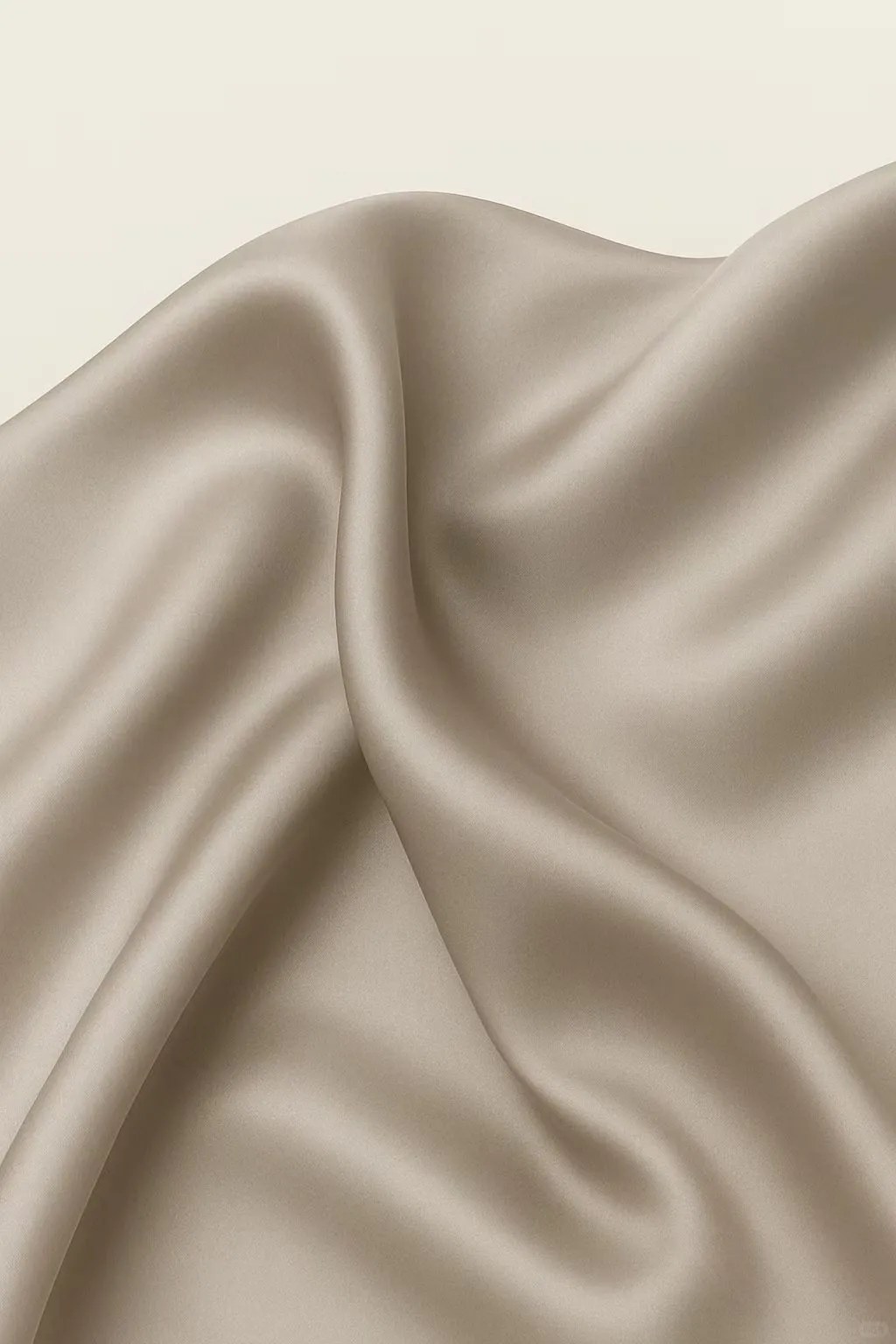
Precision Cutting & Layering
Interlining is cut to exact pattern specifications and layered with shell fabric before fusing. Our cutting tables ensure grain alignment and zero waste, critical for maintaining shape and structure in collars, cuffs, plackets and waistbands across 2XL–6XL sizing.
Quality Control Checkpoints
In-line QC inspects interlining placement, fusing quality, alignment and finish at cutting, fusing, sewing and final inspection stages. Every garment is checked for bubbling, edge curl, stiffness consistency and dimensional accuracy before packing, ensuring zero defects reach your warehouse.
Custom Trims, Labels & Packaging from Your Interlining Manufacturer
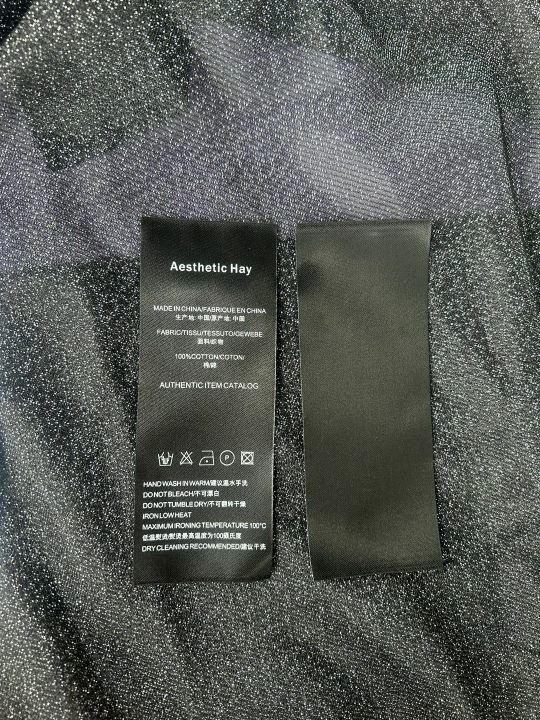
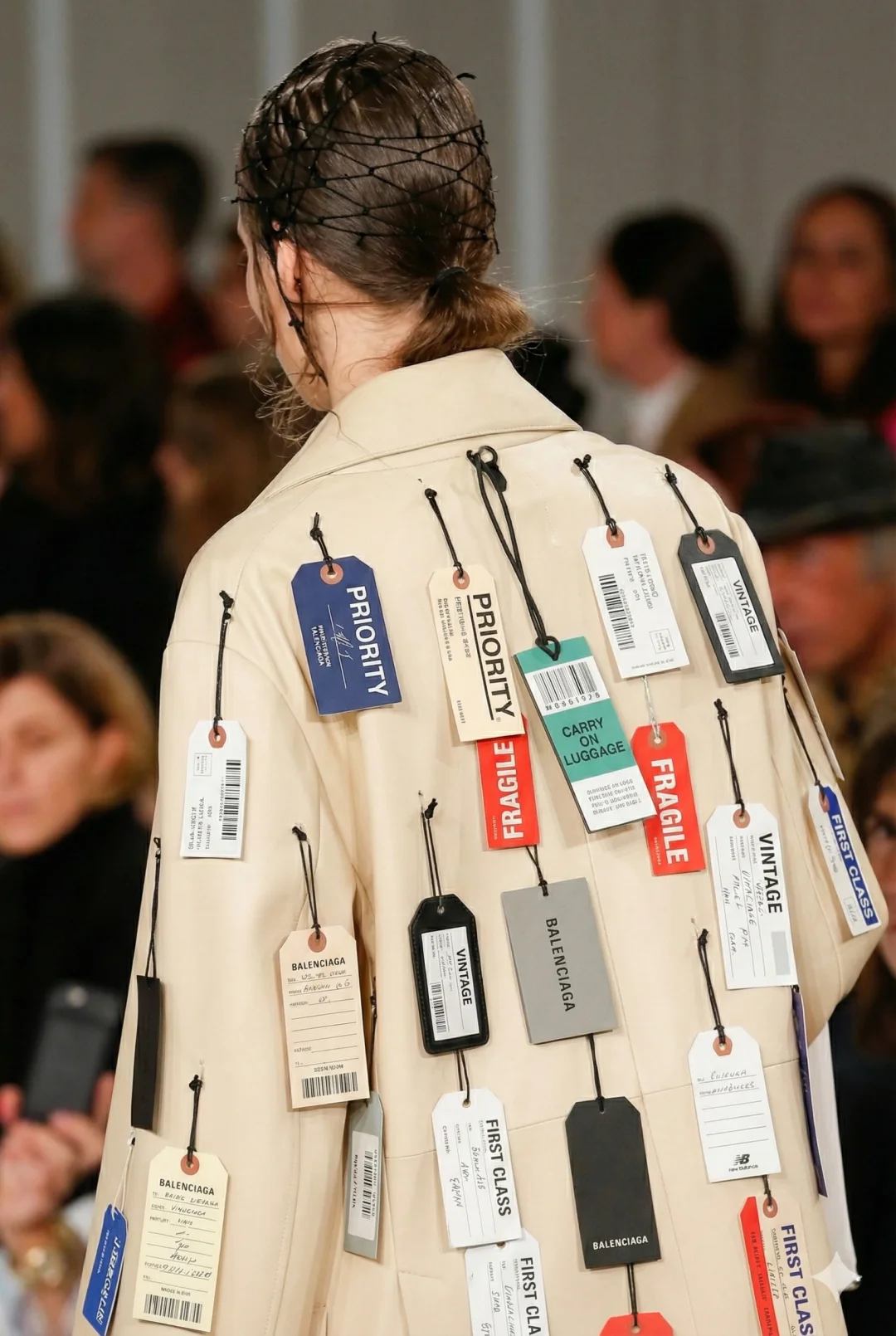
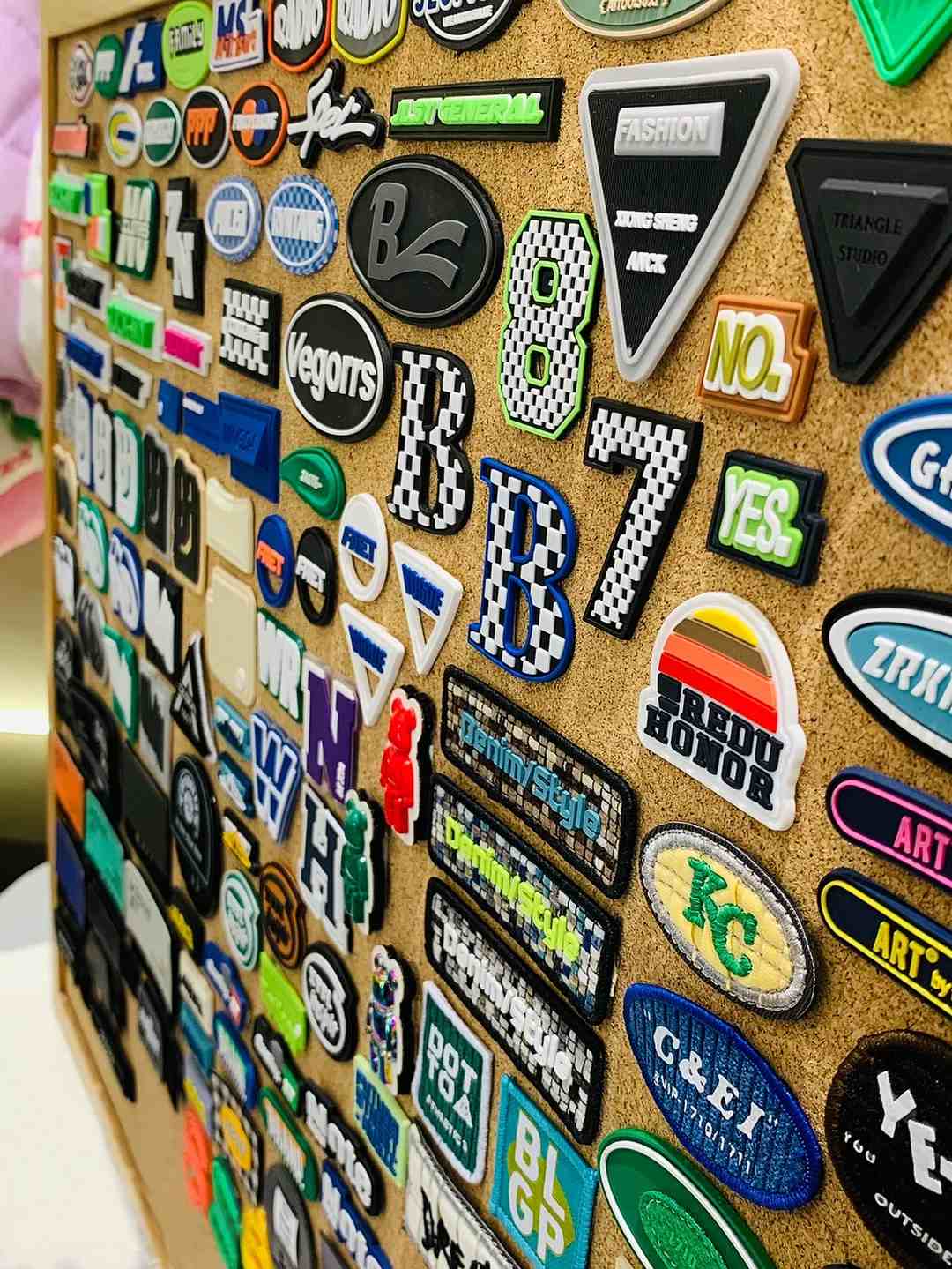
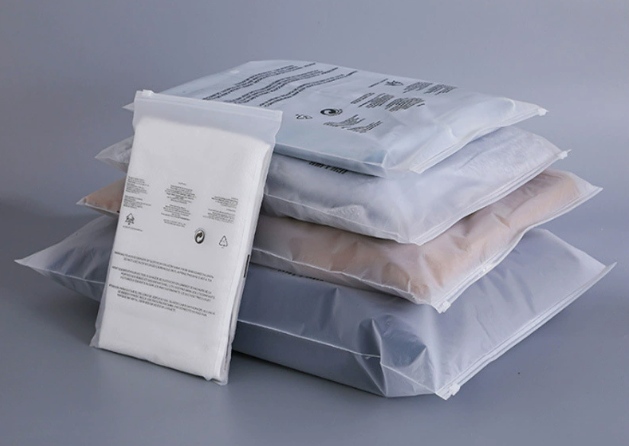
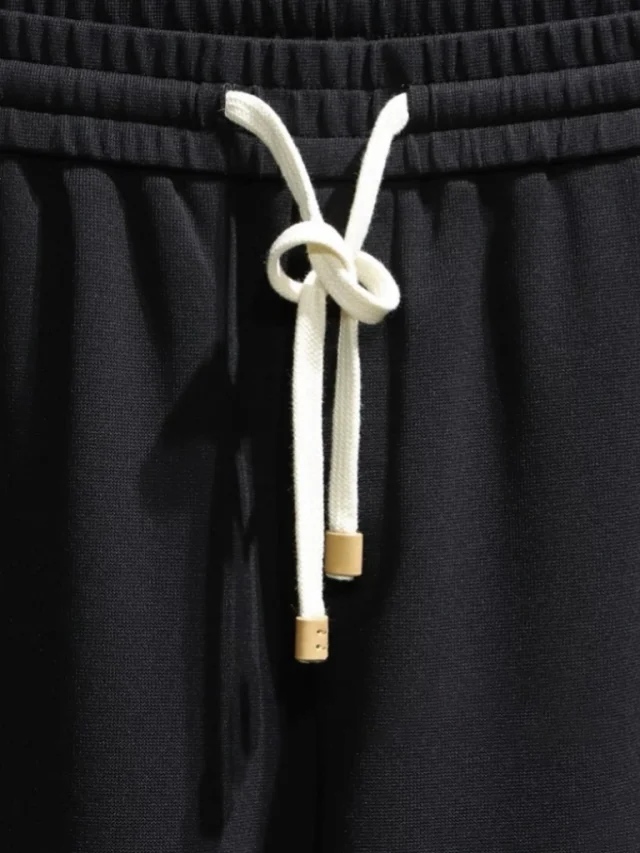
Drawcords & Tipping
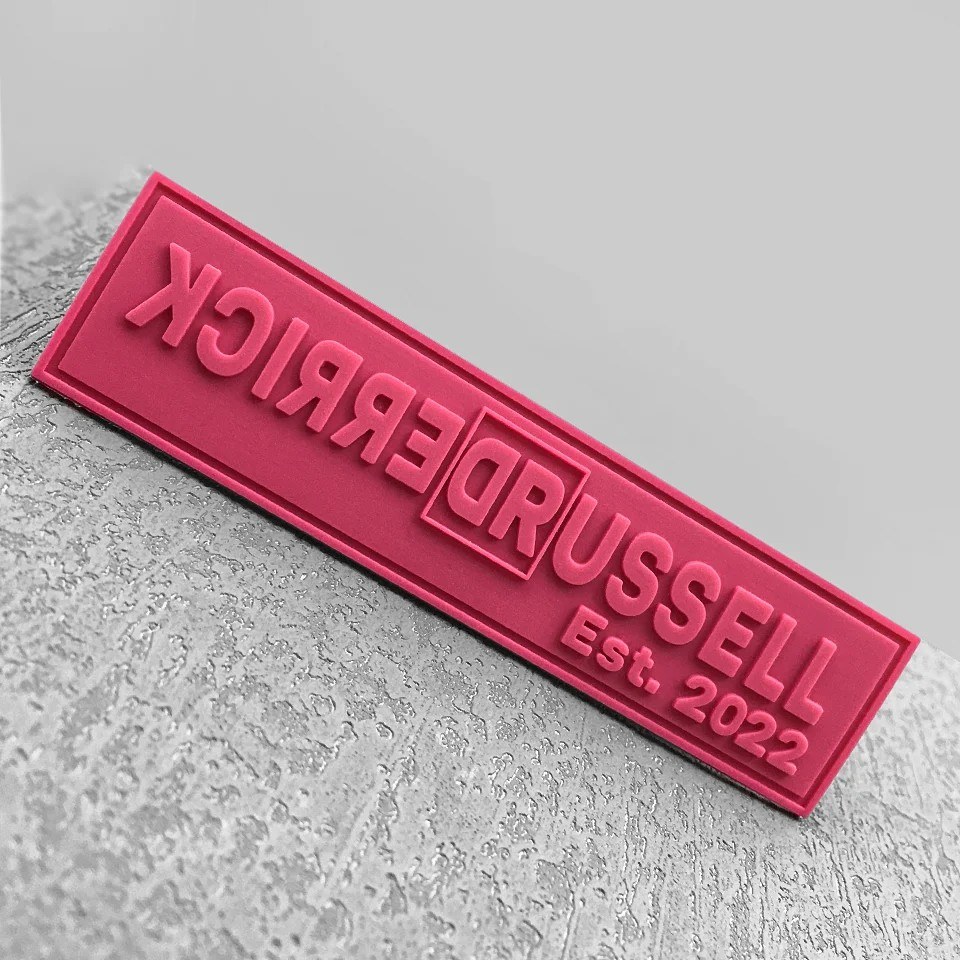
Custom-dyed drawcords with metal or plastic aglets, tipping and branded end caps for hoodies, joggers and outerwear. Coordinates with interlining-backed waistbands and hoods to deliver consistent quality and functional durability across your big & tall collection.
Custom Labels, Trims & Packaging from Your Big & Tall Menswear Manufacturer
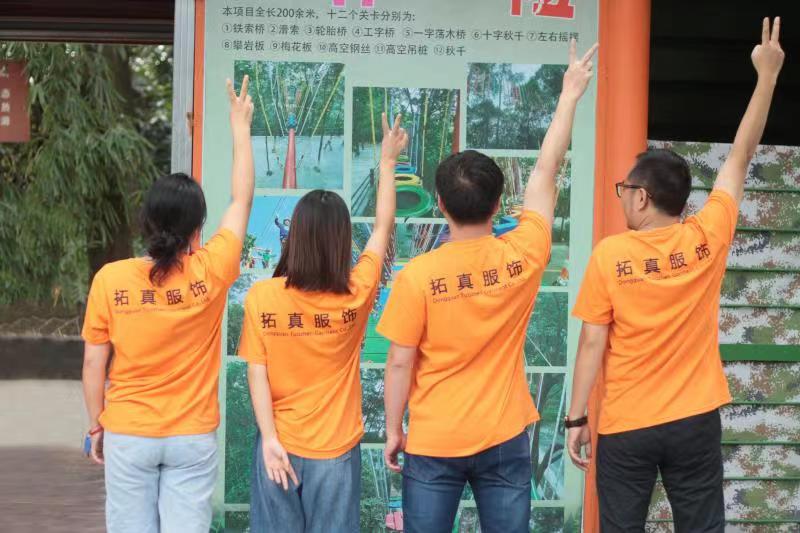
Founded in 1998 in Humen, Dongguan — the heart of China’s garment manufacturing hub — MENWILD began as a small family cut-and-sew workshop. Over 28 years, we’ve grown into a full one-stop interlining manufacturer and big & tall menswear production partner, serving over 2,000 fashion brands worldwide with a team of more than 200 skilled employees.
What sets MENWILD apart is our obsession with fit for larger bodies. Big and tall garments are too often an afterthought, with interlining and construction simply scaled up until proportions break. From 2XL to 6XL, we develop interlining applications, pattern grading and garment construction specifically for bigger men — it’s our core DNA, not an add-on.
Today we run integrated cut-and-sew and knitting lines with a monthly capacity exceeding 80,000 pieces. From interlining selection and fabric sourcing through sampling, decoration, quality control and global logistics, MENWILD is built to be the long-term manufacturing partner behind growing big & tall and plus-size menswear brands.
About MENWILD — Your Big & Tall Menswear Manufacturing Partner
Extended-Size Pattern Grading for 2XL–6XL Fit
True big and tall garments require more than scaling up. MENWILD develops graded size sets with extended proportions, adjusted rises, longer sleeves and proper shoulder-to-waist ratios so interlining placement and garment structure work for larger bodies.
- Specialist 2XL–6XL pattern grading built for bigger, taller men
- Adjusted collar, cuff and placket proportions at every size
- Interlining cut and fused to match extended-size pattern blocks
- 28+ years of fit refinement across true big & tall silhouettes
Interlining Selection and Precision Application
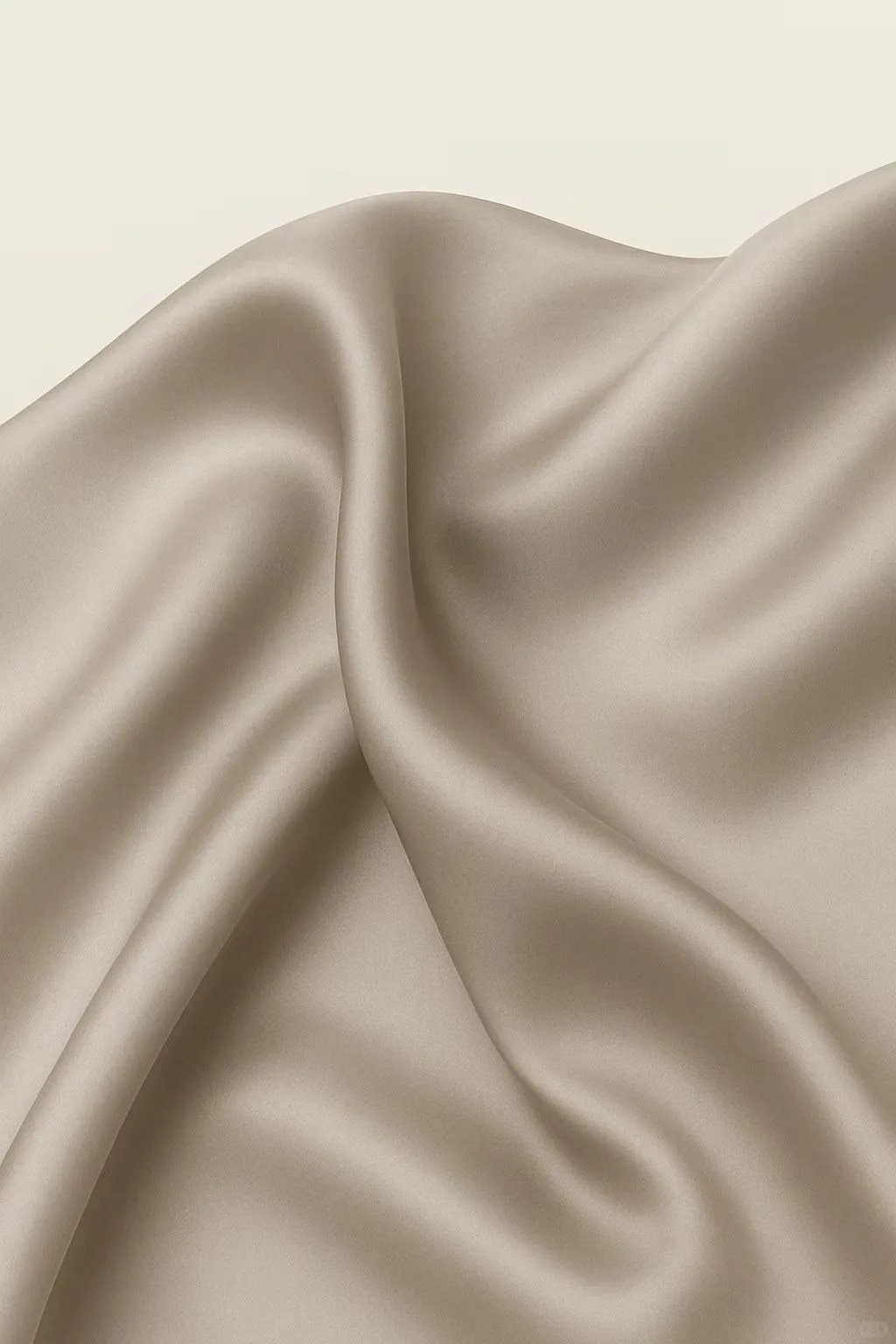
Proper garment structure starts with the right interlining. MENWILD sources woven, non-woven and knit interlinings from trusted mills, then applies them with precision fusing to collars, cuffs, plackets, waistbands and jacket fronts for lasting shape and drape.
- Woven, non-woven and stretch interlining options for every garment type
- Precision fusing equipment for collars, cuffs, plackets and jacket panels
- Weight and hand-feel matched to fabric and end-use requirements
- In-house testing for wash durability and bubble-free adhesion
In-House Embroidery, Printing and Garment Finishing
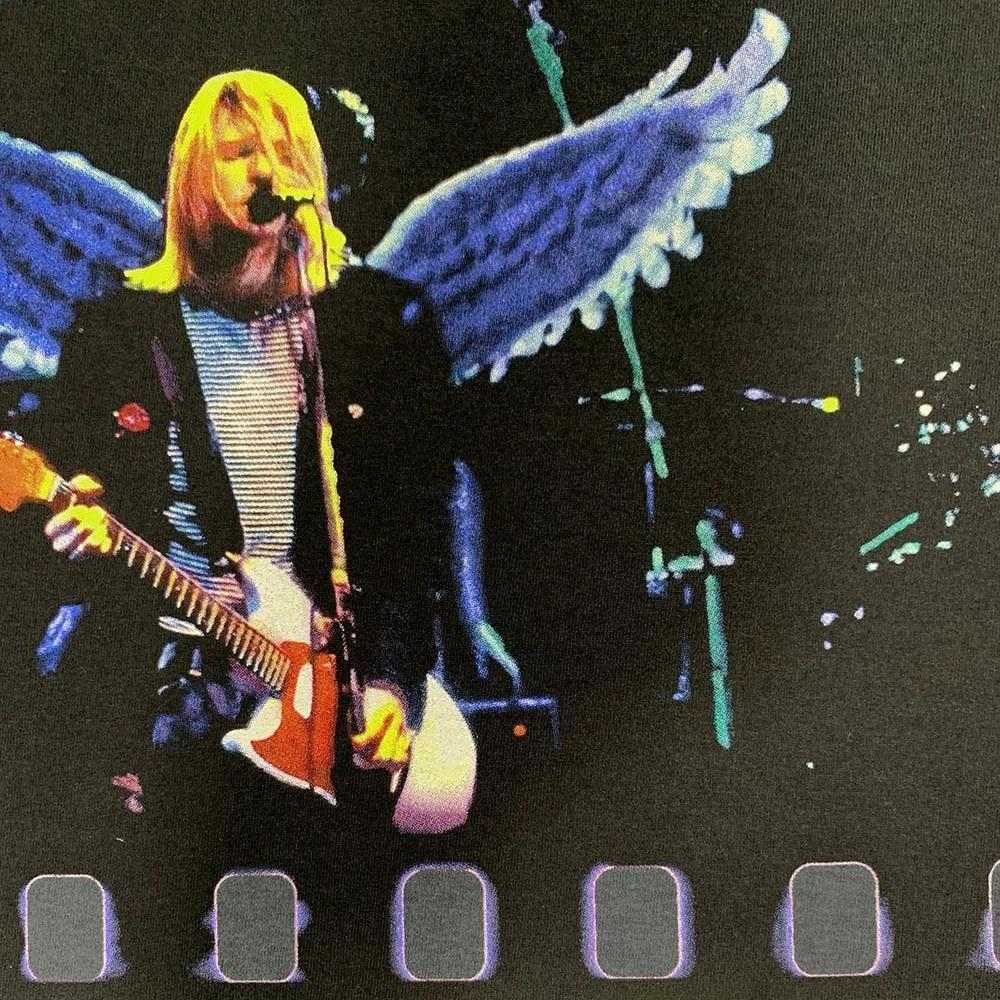
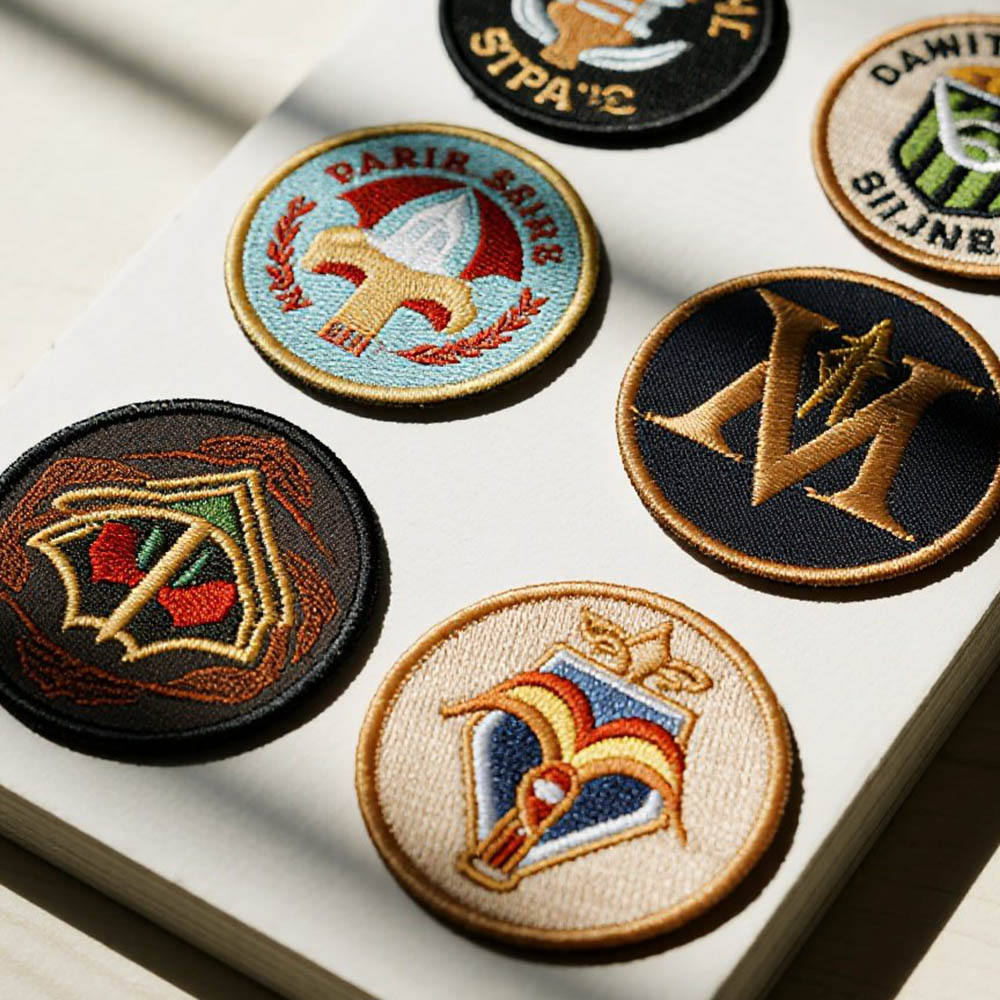
From concept to finished garment, MENWILD handles decoration and finishing under one roof. Embroidery in flat, 3D puff, applique and patches; screen printing, DTG, DTF and sublimation; plus garment washing, dyeing, stone wash and brushing for authentic texture.
- Embroidery: flat, 3D/puff, chain-stitch, applique, sequin, logo patches
- Printing: screen (plastisol, water-based, puff, discharge), DTG, DTF, sublimation
- Garment wash: enzyme, stone, acid, tie-dye, garment dye, brushing, napping
- All decoration and finishing managed in-house for quality and speed
Design-to-Production Support for Any Starting Point
Whether you have a finished tech pack, a sketch, a reference photo or only an idea, MENWILD’s design team develops production-ready menswear. Original design, fabric sourcing, interlining recommendation, full size-set grading, sampling and bulk production — all managed end-to-end.
- Dedicated design team for tech pack development and pattern creation
- Fabric and interlining sourcing with swatches and sample approval
- Fast sampling with graded size sets and fit refinement
- MOQ from 100 pieces per style/color for flexible product testing
MENWILD vs. Standard Interlining Manufacturers — Why We’re Different
Most interlining suppliers treat big & tall as an afterthought. MENWILD specializes in extended-size menswear with 28+ years of fit-first expertise, low MOQs, and full garment integration — not just fabric supply.
← 左右滑动查看 →
MENWILD vs. Standard Big & Tall Manufacturers — Why We’re Different
Most big & tall manufacturers treat extended sizes as an afterthought. MENWILD specializes in 2XL–6XL menswear with 28+ years of fit-first expertise, low MOQs, OEM/ODM flexibility, and full in-house decoration — not just basic cut-and-sew.
Inquiry & Tech-Pack Review
We review your design specs, interlining requirements and fit goals. No tech pack? Our team develops one from sketches or reference samples.
Fabric & Interlining Sourcing
We source shell fabrics and compatible interlinings from trusted mills, send physical swatches and confirm weight, hand-feel and fusing compatibility.
Pattern Grading & Sampling
2XL–6XL patterns are graded for true big & tall proportions. Interlining is fused and sample garments are shipped for your approval.
Bulk Production & In-Line QC
Cut-and-sew lines run your order with real-time quality checks on interlining adhesion, stitching and sizing across every piece.
Decoration & Finishing
Embroidery, screen print, DTG, garment wash and finishing are applied in-house. Interlining stability is verified post-wash where applicable.
Packing & Global Shipping
Garments receive custom labels, hang tags and packaging, then ship via sea or air to your warehouse with full export documentation.
How to Partner with an Interlining Manufacturer in 3 Simple Steps
From your first inquiry to bulk production, MENWILD’s design-support team guides you through every stage — whether you arrive with a finished tech pack or just an idea.
Submit Your Tech Pack or Design Brief
Share your finished tech pack, sketch, reference photo or concept. MENWILD’s design team develops patterns, graded size sets and production specs — even if you’re starting from scratch.
Receive Interlining Samples and Quote
Review fabric swatches, interlining options and sample garments tailored to your big & tall fit requirements. Pricing, MOQ and lead times are confirmed before you commit.
Approve Samples and Launch Production
Sign off on fit, interlining application and finishing. Bulk production begins with in-line quality control, decoration and global logistics managed end to end by MENWILD.
Certified Interlining Manufacturer — Quality & Compliance You Can Trust
Brands Trust MENWILD as Their Interlining Manufacturer
MENWILD’s interlining quality and specialist 2XL–5XL fit grading helped us launch our big & tall dress shirt line in just 6 weeks. The collars hold shape perfectly and the plackets stay crisp through multiple washes.
Low MOQ from 100 pieces per style let us test three different interlining weights for our blazer collection without tying up cash. We found the perfect hand-feel and moved to production in under 30 days.
Their interlining application on our 3XL–6XL outerwear is flawless. No bubbling, no puckering, and the garments drape exactly as designed. We’ve reordered 4 times in 8 months and quality stays consistent every run.
FAQ — Interlining Sourcing & Big & Tall Manufacturing
What is the minimum order quantity (MOQ) when working with MENWILD as an interlining manufacturer?
Does an interlining manufacturer like MENWILD provide sampling before bulk production?
How long does it take to receive samples from an interlining manufacturer?
Can MENWILD source custom interlining materials for specific garment types?
What payment terms does MENWILD offer as an interlining manufacturer?
How does MENWILD handle big & tall fit grading when applying interlining?
Does MENWILD protect my designs and intellectual property?
What garment categories can MENWILD manufacture with interlining integration?
How does shipping and logistics work when ordering from an interlining manufacturer in China?
The Complete Buyer’s Guide to Choosing the Right Interlining Manufacturer
Navigate the complexities of sourcing interlinings with confidence. This guide delivers a proven decision framework, critical supplier evaluation criteria, material selection strategies, and the most common mistakes fashion brands make when partnering with an interlining manufacturer.
1. What Is an Interlining Manufacturer?
An interlining manufacturer produces specialized fabrics — fusible and non-fusible — inserted between a garment’s outer shell and lining to control structure, drape, and durability. In menswear, interlinings anchor collars, lapels, cuffs, waistbands, and the fronts of suits and blazers, ensuring clean lines and shape retention through wear and laundering.
Fusible interlinings carry heat-activated adhesive dots or powder that bond to fabric under press, while non-fusible (sew-in) types are stitched or basted and preferred in high-end tailoring. Weight ranges from 20 GSM for shirt collars to 120+ GSM for structured outerwear, each engineered for specific fabric bases — woven cotton, wool suiting, stretch denim, or performance knits.
Dedicated interlining manufacturers differ from general textile mills by maintaining precise adhesive chemistry, shrinkage control (typically under 3 percent), and washability testing across fiber types. Sourcing from a specialist ensures compatibility with your shell fabric, consistent fusing performance, and technical support for big & tall pattern grading where interlining placement directly affects fit and comfort in extended sizes.
2. Evolution of Interlining Manufacturing
Before 1960, tailors hand-stitched canvas and horsehair interlinings into every jacket collar and lapel, a process that could add eight to twelve hours per garment. Each interlining layer was basted, pad-stitched and shaped by hand, making structured menswear accessible only to bespoke clients and premium brands.
The 1960s and 1970s brought thermoplastic adhesives and heat-activated fusible interlinings, cutting labor time by 70 percent and enabling mass production. Dot-coating and powder resin methods allowed manufacturers to bond woven or non-woven base fabrics to outer shells under controlled heat and pressure, transforming tailoring economics and opening big & tall menswear to factory-scale runs.
By the 1990s, non-woven polyester and polyamide bases replaced many traditional wovens, offering lighter weight, consistent stretch and lower cost. Today’s interlining manufacturers deploy water-based and solvent-free adhesives that meet OEKO-TEX and eco-certification standards, balancing the speed demands of fast fashion with the hand-feel expectations of bespoke tailoring and extended-size fit precision.
3. Types of Interlinings and Their Applications
Interlining selection determines garment structure, drape, and longevity. Understanding the four core distinctions — fusible vs. sew-in, woven vs. non-woven, hair canvas vs. synthetic, and specialty applications — ensures you spec the right reinforcement for every menswear component.
Fusible vs. Sew-In Interlining
Fusible interlinings bond to fabric via heat-activated resin, cutting labor and enabling consistent adhesion across high-volume runs. They dominate shirt collars, cuffs, and plackets in mid-tier menswear.
Sew-in (non-fusible) interlinings are stitched into the garment, preserving natural drape and breathability. Premium tailored jackets and suits rely on sew-in hair canvas to maintain chest shape through decades of wear, while fusibles risk delamination after repeated cleaning.
Woven vs. Non-Woven Base Fabrics
Woven interlinings use yarn interlaced at right angles, offering superior tear strength, elasticity, and recovery — ideal for tailored jackets, blazers, and outerwear that flex at shoulders and elbows.
Non-woven interlinings are bonded fiber mats, lighter and cheaper, suited to shirt collars, waistbands, and budget casualwear. They lack the resilience of wovens but deliver consistent stiffness at lower price points.
Hair Canvas vs. Synthetic Blends
Hair canvas — wool, goat, or horsehair woven with cotton or linen — remains the gold standard for suit fronts and lapels, molding to the wearer’s body over time and retaining shape without stiffness.
Synthetic blends (polyester, nylon, acrylic) cost 40–60% less, suit high-volume production, and perform well in casual blazers, chinos, and jeans waistbands where extreme longevity is secondary to price and washability.
Specialty Interlinings by Component
Collar interlinings range 60–120 GSM for dress and oxford shirts; lapel canvas at 120–180 GSM shapes jacket fronts; waistband tapes at 200–300 GSM prevent stretch in denim and chinos. Matching interlining weight to garment fabric weight ensures balanced hand-feel and prevents puckering or rigidity.
4. Materials, Fabrics, and Weight Specifications
Interlining performance depends on base fabric composition and adhesive chemistry. Selecting the correct material and weight ensures durability, washability, and the right hand-feel for each garment category.
| Base Fabric | Typical GSM Range | Adhesive Type | Recommended Use |
|---|---|---|---|
| Cotton woven | 50–70 | Polyamide | Dress-shirt collars, cuffs |
| Polyester non-woven | 60–80 | Polyethylene | Casual blazers, jackets |
| Cotton-poly blend | 40–60 | Water-based | Everyday shirts, polos |
| Wool blend | 80–100 | Polyamide | Tailored suits, coat lapels |
| Horsehair canvas | 90–120 | Polyamide | High-end suit fronts |
Base Fabric Options
Cotton woven interlinings deliver natural breathability and are standard for dress shirts and tailored blazers. Polyester non-woven variants offer consistent stretch recovery and lower cost, ideal for casual jackets and activewear. Wool and horsehair blends provide structure in high-end suiting, while cotton-poly blends balance washability with shape retention for everyday menswear.
Adhesive Types
Polyamide (PA) adhesives bond at 130–150 °C and suit dry-clean garments; polyethylene (PE) activates at lower temperatures for delicate fabrics. Water-based adhesives eliminate solvents, meeting eco-compliance for brands targeting OEKO-TEX or GOTS certification. Adhesive choice directly impacts wash durability and peel resistance over repeated laundering cycles.
GSM Ranges and Garment Pairing
Interlining weight is measured in grams per square meter (GSM). Lightweight 20–50 GSM suits shirt collars and cuffs; medium 50–90 GSM supports casual blazers and outerwear facings; heavyweight 90+ GSM reinforces structured suit fronts and coat lapels. Matching GSM to fabric weight prevents puckering and maintains drape.
5. Customization and Finishing Options
An interlining manufacturer can tailor nearly every specification — from adhesive chemistry and GSM to roll dimensions and surface treatments. Custom options let brands match interlining precisely to fabric weight, drape and end-use, though they typically require higher minimums and longer sampling cycles than stock SKUs.
| Feature | Standard Stock | Custom Specification |
|---|---|---|
| GSM range | 20, 30, 50, 80 GSM | Any blend 15–100 GSM |
| Color options | White, black | Charcoal, grey, custom dye |
| MOQ (meters) | 100–500 | 1,000–3,000 |
| Sampling lead time | 7–10 days | 15–30 days |
Custom GSM Blends and Adhesive Patterns
Standard fusible interlinings ship in discrete weights — 20, 30, 50, 80 GSM — but many suppliers blend fibers to hit intermediate targets like 35 or 65 GSM when a garment sits between weight classes. Adhesive dot spacing, dot diameter and coating weight are also adjustable; tighter patterns suit stretch fabrics, while open grids preserve breathability in activewear.
Minimum order quantities for bespoke blends start around 1,000–3,000 meters per specification, versus 100–500 meters for stock rolls.
Color Tinting and Roll Dimensions
White interlining shows through pale shirting; black or charcoal variants prevent shadowing on dark denim and outerwear. Manufacturers dye non-woven or woven bases to match fabric families, though each color adds a separate SKU and raises MOQ to 2,000+ meters.
Custom widths — 36, 44, 60 inches — reduce waste when cutting collar stands or cuffs, and non-standard roll lengths accommodate factory workflow.
Functional Finishes and Sampling Lead Times
Anti-microbial treatments and moisture-wicking topcoats extend interlining into performance menswear, meeting activewear and workwear hygiene standards. These finishes require lab validation and add 10–15 days to sampling.
Typical sampling cycles run 7–10 days for stock interlinings, 15–20 days for custom GSM or adhesive tweaks, and 25–30 days when finishes or dye lots are involved. Factories keep approved samples on file to accelerate re-orders.
6. Key Quality Indicators When Evaluating an Interlining Manufacturer
Quality interlinings determine whether a collar holds its shape through fifty washes or delaminates after three. Bond strength, dimensional stability, and chemical compliance separate professional manufacturers from commodity suppliers.
Adhesive Bond Strength and Peel Resistance
ISO 2411 and ASTM D2724 measure peel force in Newtons per 25 mm width; menswear collars and cuffs typically require ≥3.5 N/25mm after five home launderings. Request test certificates showing bond strength at 60°C wash cycles.
Manufacturers who skip third-party testing often deliver interlinings that separate during garment dyeing or first customer wash, triggering costly chargebacks.
Dimensional Stability After Washing and Pressing
Shrinkage beyond ±2% causes puckering along fused seams and misaligned buttonholes. ISO 3759 and AATCC 135 protocols simulate home laundering; ask for shrinkage data at your target wash temperature.
In-house fusing trials on your actual shell fabric reveal real-world performance before bulk commitment.
Hand-Feel Consistency and Strike-Through Prevention
Adhesive strike-through leaves shiny patches on the garment face; bubbling signals uneven resin distribution or incorrect fusing parameters. Sample garments should show uniform hand and zero visible adhesive bleed.
Oeko-Tex Standard 100, REACH, and ZDHC MRSL certifications confirm that resins are free from restricted amines, formaldehyde, and heavy metals — essential for U.S. and EU retail compliance.
7. How to Choose the Right Interlining Manufacturer for Your Brand
Selecting the right interlining manufacturer requires a systematic evaluation of technical capability, commercial flexibility, and operational fit. Use this framework to vet suppliers during factory visits or qualification calls.
Verify Production Capacity and Lead Times
Ask for monthly output in pieces and current utilization rates. MENWILD’s 80,000-piece monthly capacity supports both large wholesale orders and rapid capsule launches. Confirm standard sampling lead time (7–10 days) and bulk production windows (21–35 days for most menswear). Request a production calendar to identify peak seasons and slot availability.
Confirm MOQ Flexibility for Emerging Brands
Standard factory minimums of 500–1,000 pieces per colorway lock out startups and test collections. MENWILD’s 100-piece MOQ per style/color enables brands to validate fit, test markets, and manage cash flow without excess inventory risk.
Evaluate Technical Support and R&D Capabilities
Ask whether the supplier provides fusing parameter guidance, troubleshooting for puckering or delamination, and custom interlining development for specialized garments. A dedicated design and sampling team — like MENWILD’s — turns sketches, photos, or ideas into production-ready tech packs with graded size sets.
8. Common Mistakes Buyers Make with Interlining Manufacturers
Even experienced buyers stumble when sourcing interlinings, often discovering defects only after thousands of units are fused. Price-driven decisions, untested bond compatibility and skipped wash trials account for the majority of costly rework and garment failures in extended-size menswear production.
Choosing on Price Without Bond Testing
A lower-cost interlining may use weaker adhesive resins that delaminate after the first wash or dry-clean cycle. Always request fused sample swatches — press your interlining to your actual shell fabric at the manufacturer’s recommended temperature and dwell time, then launder or dry-clean the swatch three times before approving any bulk order.
Mismatching Weight to Fabric
Pairing heavy 80 GSM interlining with lightweight poplin causes puckering and stiffness; conversely, 25 GSM fusible on heavyweight twill offers no structure. Match interlining weight to shell fabric weight and desired hand-feel, and confirm grading adjustments for 2XL–6XL panels where larger surface areas amplify any mismatch.
Skipping Shrinkage and Fusing Parameters
Interlining and shell fabric shrink at different rates; neglecting pre-shrink allowances leads to bubbled collars and warped plackets. Confirm fusing temperature, pressure and dwell time in writing, and specify adhesive type — dot-coat for wovens, scatter-coat or double-dot for knits and stretch fabrics to preserve recovery and hand.
9. Steps to Launch Your Menswear Line with an Interlining Manufacturer Partner
Launching a menswear line with an interlining manufacturer partner requires tight coordination between your interlining supplier, fabric mill, and cut-make-trim factory. A structured nine-step workflow ensures that adhesive type, fusing parameters, and hand-feel targets align before bulk production begins.
Define Garment Types and Target Hand-Feel
Start by listing every garment category — dress shirts, blazers, outerwear collars — and the desired drape, stiffness, and washability for each. Share fabric swatches (weight in GSM, fiber content, weave) with your interlining manufacturer so they can recommend fusible or non-fusible base weights and adhesive dot patterns.
Clear hand-feel benchmarks prevent costly revisions; specify whether you need soft roll for unstructured jackets or firm support for tailored shirt plackets.
Request Samples and Conduct Fusing Trials
Order interlining samples matched to your shell fabrics and run fusing trials at your CMT partner’s press. Test temperature (typically 130–150 °C), pressure (2–4 bar), and dwell time (10–18 seconds) to verify bond strength and avoid puckering or delamination after washing.
Document every parameter in your tech pack so repeat orders maintain consistent hand and appearance across production runs.
Approve Specs, Negotiate MOQs, and Place Pilot Orders
Once fusing trials pass, finalize adhesive pattern, base weight, and color with your interlining manufacturer. Negotiate MOQs — many suppliers require 1,000–5,000 meters per roll but will split orders across colorways.
Place a pilot order of 500–1,000 pieces through your CMT factory, embedding interlining specs into every tech pack, and monitor the first production run for bond integrity, shrinkage, and hand-feel before scaling to full volume.
10. Pricing and Cost Structures
Interlining pricing varies by fabric composition, adhesive type, GSM specification, and order volume. Standard fusible non-woven interlinings typically range from $0.15 to $0.35 per meter at 2,000-meter minimums, while woven fusible and hair canvas blends command $0.50 to $1.20 per meter due to higher material and weaving costs. Custom-spec orders — tailored GSM, OEKO-TEX or other certifications, or proprietary adhesive formulations — add 15–30% and often require setup fees of $150–$400 to cover lab testing and production line adjustments.
Lead times compress as quantity rises: 500-meter trials ship in 10–12 days, whereas 10,000+ meter runs benefit from bulk scheduling and deliver in 7–9 days. Payment terms on first orders typically require 50–70% deposit with balance due before shipment; established partners often negotiate 30% down. Shipping incoterms — FOB, CIF, or DDP — shift landed cost by 8–18%, so always compare quotes on identical terms when evaluating multiple interlining manufacturers.
| Interlining Type | 500 m | 2,000 m | 5,000 m | 10,000+ m | Lead Time |
|---|---|---|---|---|---|
| Fusible Non-Woven | $0.32/m | $0.22/m | $0.18/m | $0.15/m | 10–12 days |
| Woven Fusible | $0.85/m | $0.65/m | $0.55/m | $0.50/m | 12–14 days |
| Hair Canvas Blend | $1.35/m | $1.05/m | $0.90/m | $0.80/m | 14–16 days |
| Custom-Spec (OEKO-TEX) | $1.60/m | $1.25/m | $1.05/m | $0.95/m | 16–18 days |
FAQ — Big & Tall Menswear Manufacturing & Custom Production
Start your big & tall menswear project today. 100-piece MOQ, fast sampling, and 28+ years of extended-size expertise ready to support your brand.