1. What Is a Plus Size Clothing Manufacturer USA?
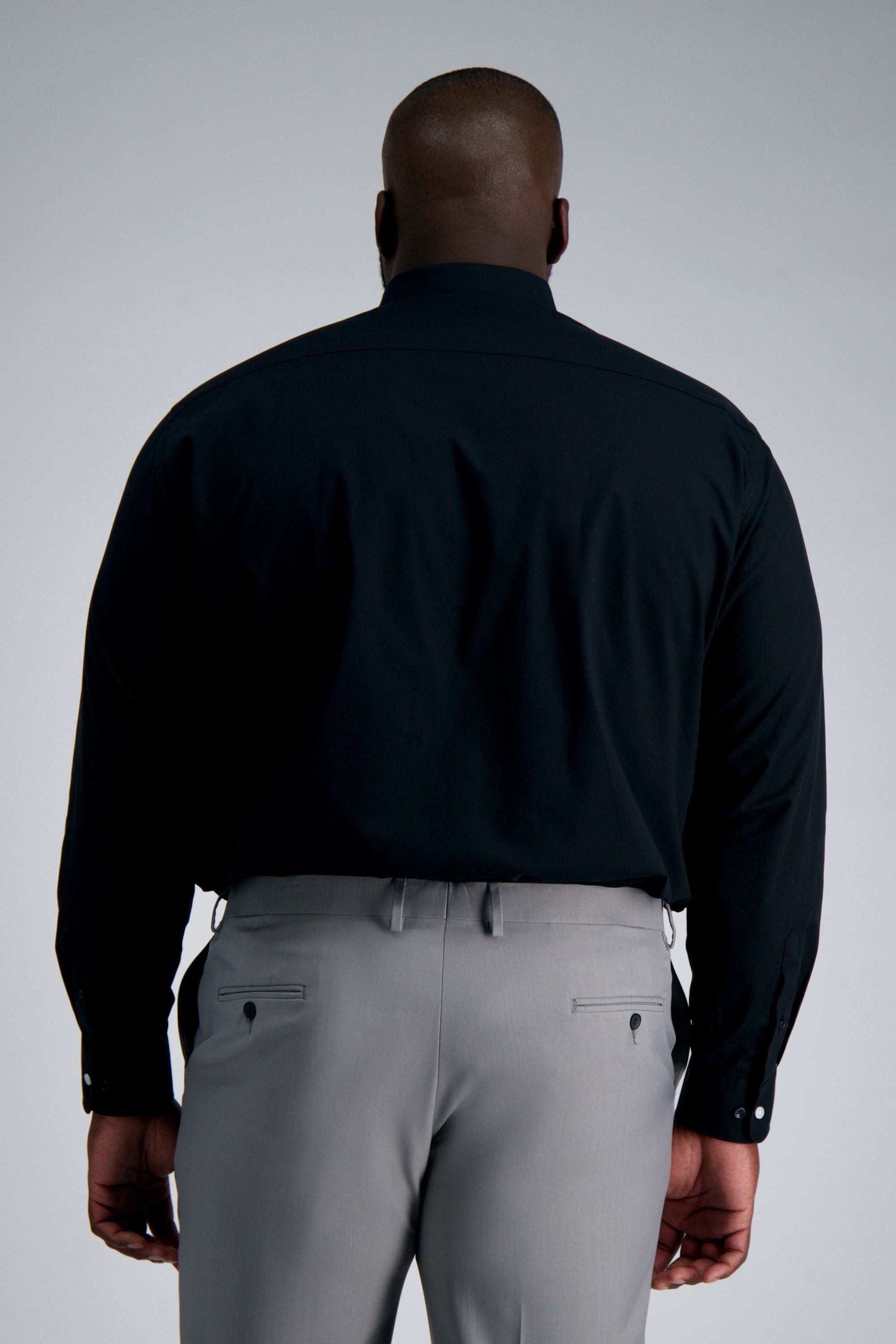
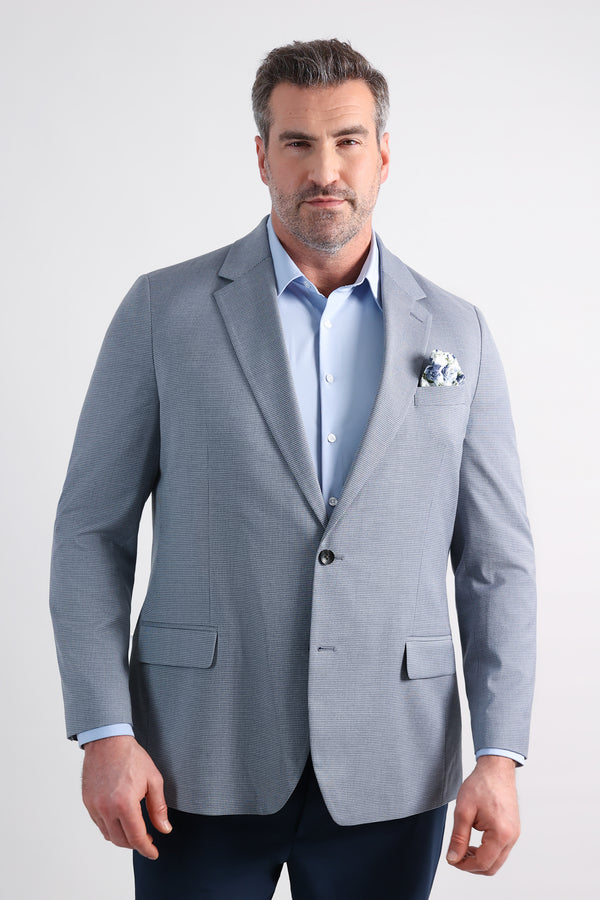
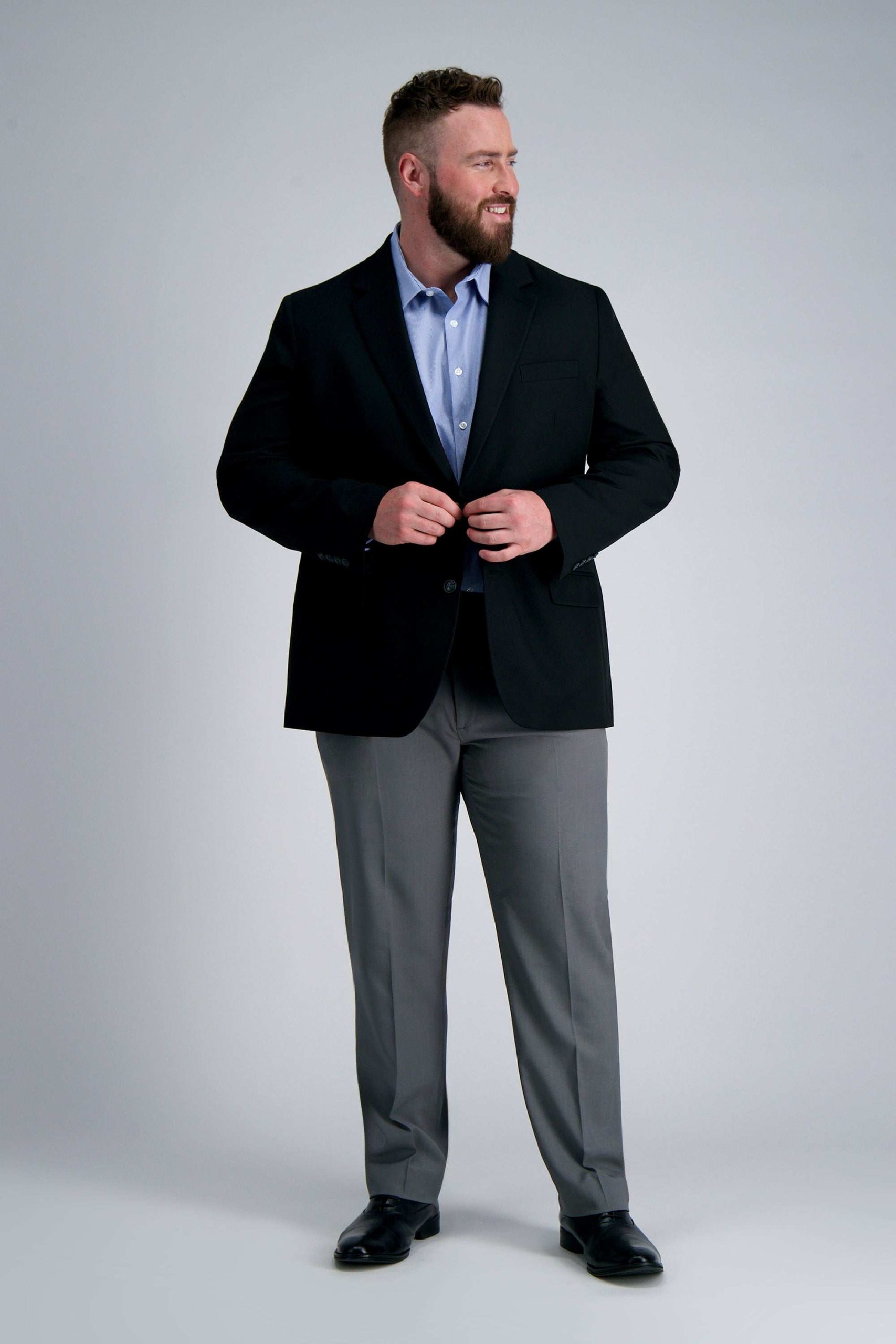
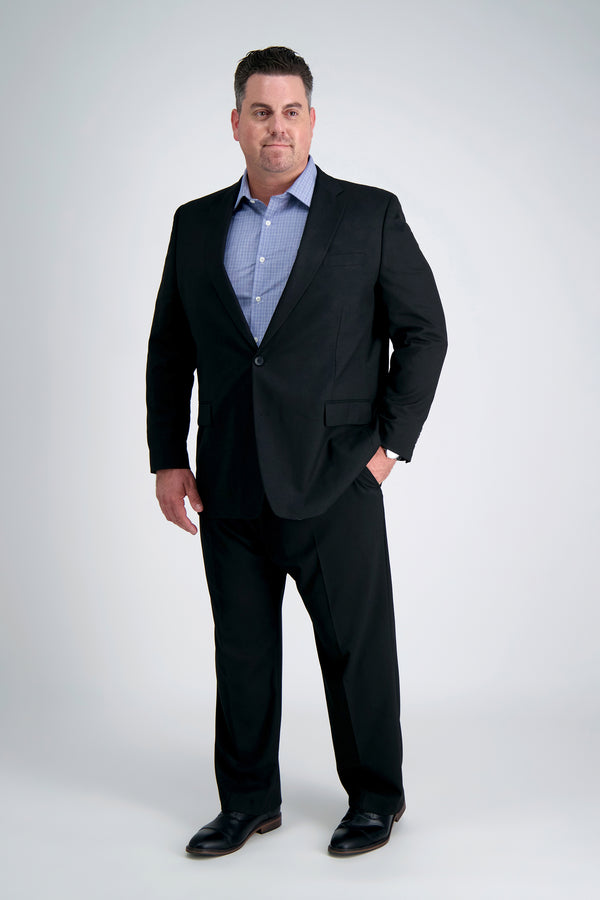
A plus size clothing manufacturer USA is a domestic apparel production partner specializing in extended-size menswear, typically covering XL through 6XL and beyond, with grading and fit engineering built specifically for larger and taller frames. Unlike standard-size factories that scale patterns uniformly — often resulting in short rises, tight armholes and disproportionate sleeves — true plus-size manufacturers develop size curves that preserve fit, comfort and style across the entire range.
Brands choose USA-based partners for speed-to-market, lower minimums, simplified communication and the perception of domestic quality, yet many discover that specialized overseas manufacturers offer deeper extended-size expertise, lower costs and identical service scope. A full-service plus size clothing manufacturer delivers design support from concept or tech pack, pattern development and graded size sets, sample production with fit refinement, bulk manufacturing, quality control and logistics.
The core differentiator is fit-first grading: recognizing that a 4XL is not simply a scaled 2XL, but a garment engineered for different body proportions, longer torsos and authentic big & tall construction.
2. Evolution of Plus Size Manufacturing in America
Before 1990, plus-size menswear in the United States remained a niche served almost exclusively by local tailors and specialty big & tall shops offering limited, conservative styles. Mass production began in earnest during the 1990s, when offshore manufacturing to China, Bangladesh and Vietnam lowered costs but imposed rigid 3,000–5,000 piece minimums that locked out smaller brands.
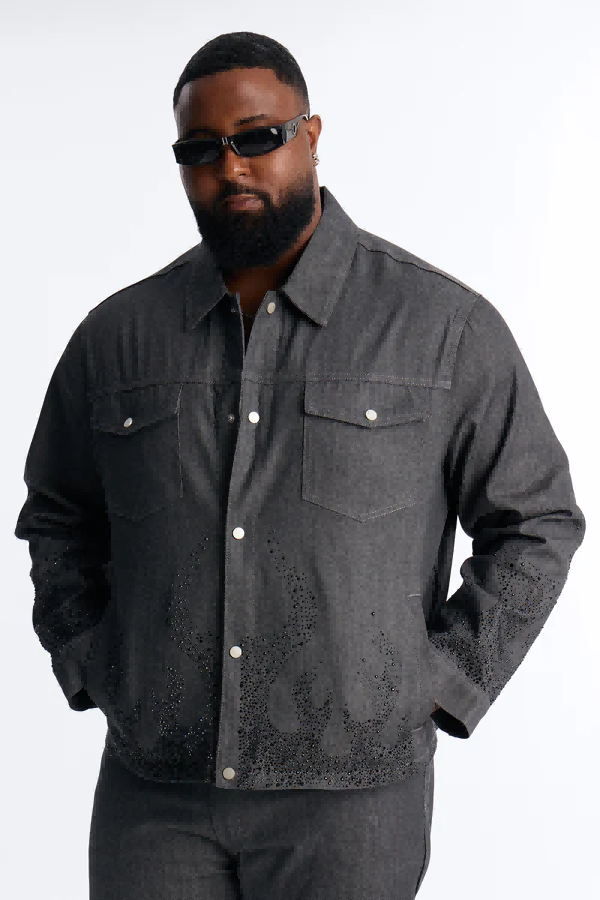
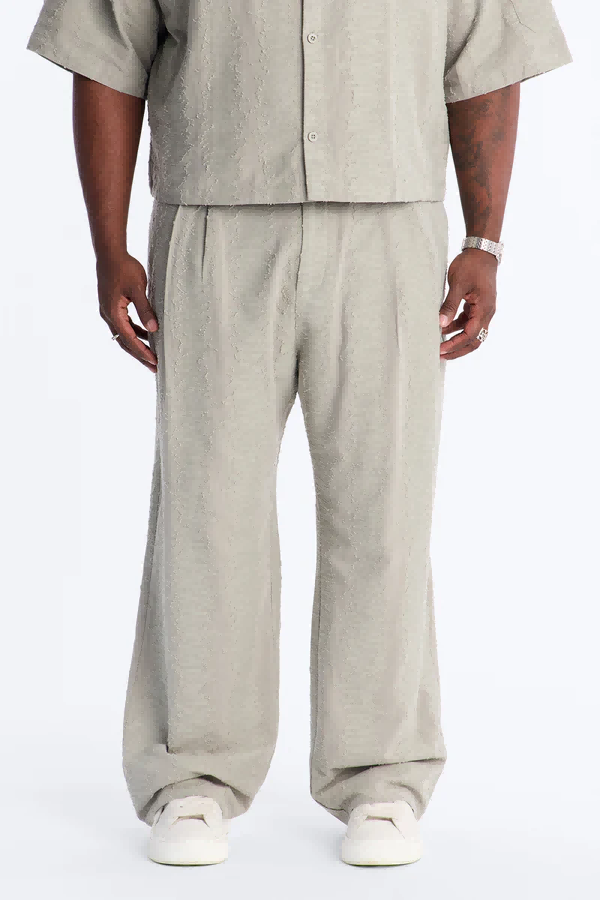
By the 2010s, body-positive movements and technical advances in digital pattern grading — enabling accurate proportional scaling from 2XL to 6XL — pushed demand for extended sizing beyond basics into streetwear, activewear and premium categories. Factories that once treated big & tall as an afterthought began investing in fit-specific pattern libraries and dedicated sampling teams.
Today's landscape favors flexible, low-MOQ partnerships. MENWILD's 28 years of experience — from a 1998 Dongguan workshop to a 200-person operation with 100-piece minimums — mirrors this evolution: offshore expertise now paired with the agility and grading precision that modern plus-size brands require to test markets, reduce inventory risk and scale responsibly.
3. Types of Plus Size Clothing Manufacturer USA Services
Manufacturers offer distinct service models, each suited to different brand stages, volumes and control needs. Understanding these structures helps buyers align their resources, timelines and creative direction with the right production partner.
Full-Package Manufacturing
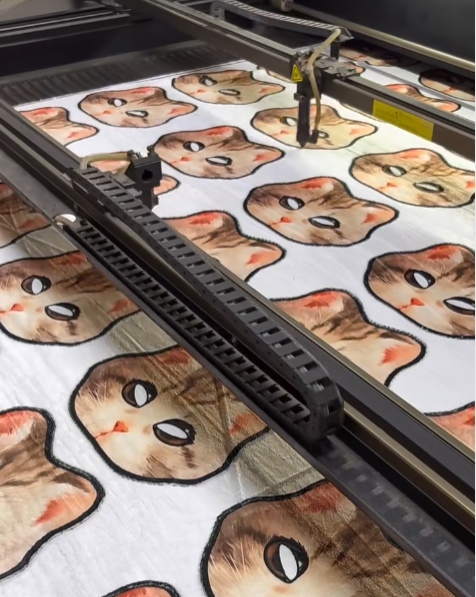
The manufacturer sources fabrics, trims and labels, manages sampling, grading, production, decoration and export logistics. Brands submit tech packs or sketches; the factory handles everything through delivery.
Ideal for startups and brands without fabric contacts. MOQs typically start at 100–300 pieces per style. Lead times run 45–75 days. MENWILD's one-stop model includes design support, fabric swatches and in-line quality control.
Cut-Make-Trim (CMT)
Brands supply all fabrics, trims and packaging; the factory cuts, sews and finishes. Suited to designers with established fabric suppliers or specific mill contracts.
MOQs often drop to 50–100 pieces because material risk shifts to the buyer. Lead times compress to 30–45 days. Brands retain full material control but must coordinate fabric delivery and inspect yardage on arrival.
Private-Label Programs
Manufacturers offer pre-developed styles in extended sizes; brands add custom labels, hang tags and packaging. Fastest path to market with proven fits.
MOQs can be as low as 50 pieces per colorway. Lead times average 21–35 days. Limited design freedom but reduced development risk and immediate access to graded big & tall patterns.
Design-to-Delivery Partnerships
A collaborative model where the factory's design team co-develops original garments from concept, refines fit across 2XL–6XL, manages sampling and scales to repeat production.
Best for influencers and emerging brands without in-house technical staff. MOQs mirror full-package (100–300 pieces), but the relationship evolves: MENWILD reduces deposits to 30 percent for stable partners and keeps patterns on file for faster re-orders.
4. Materials and Fabrics for Plus Size Garments
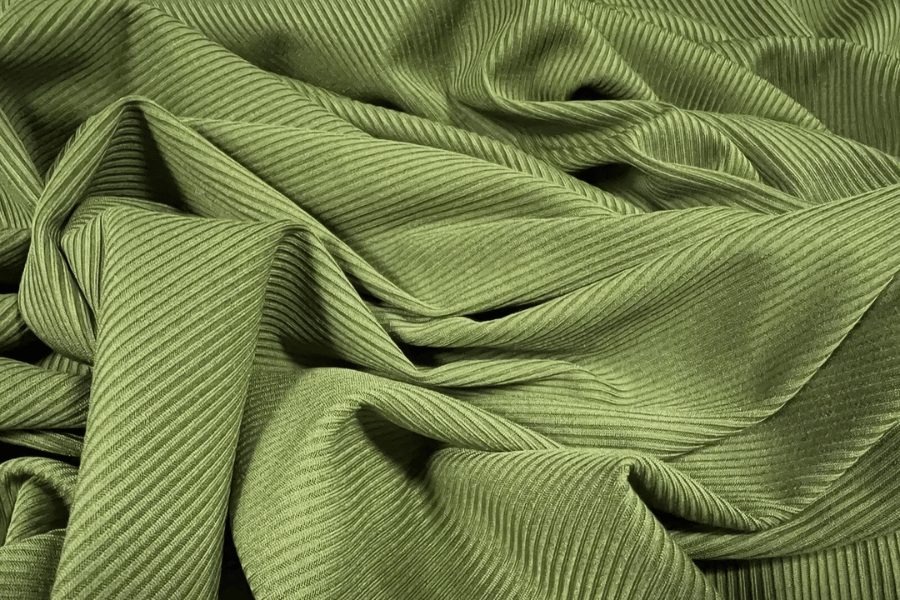
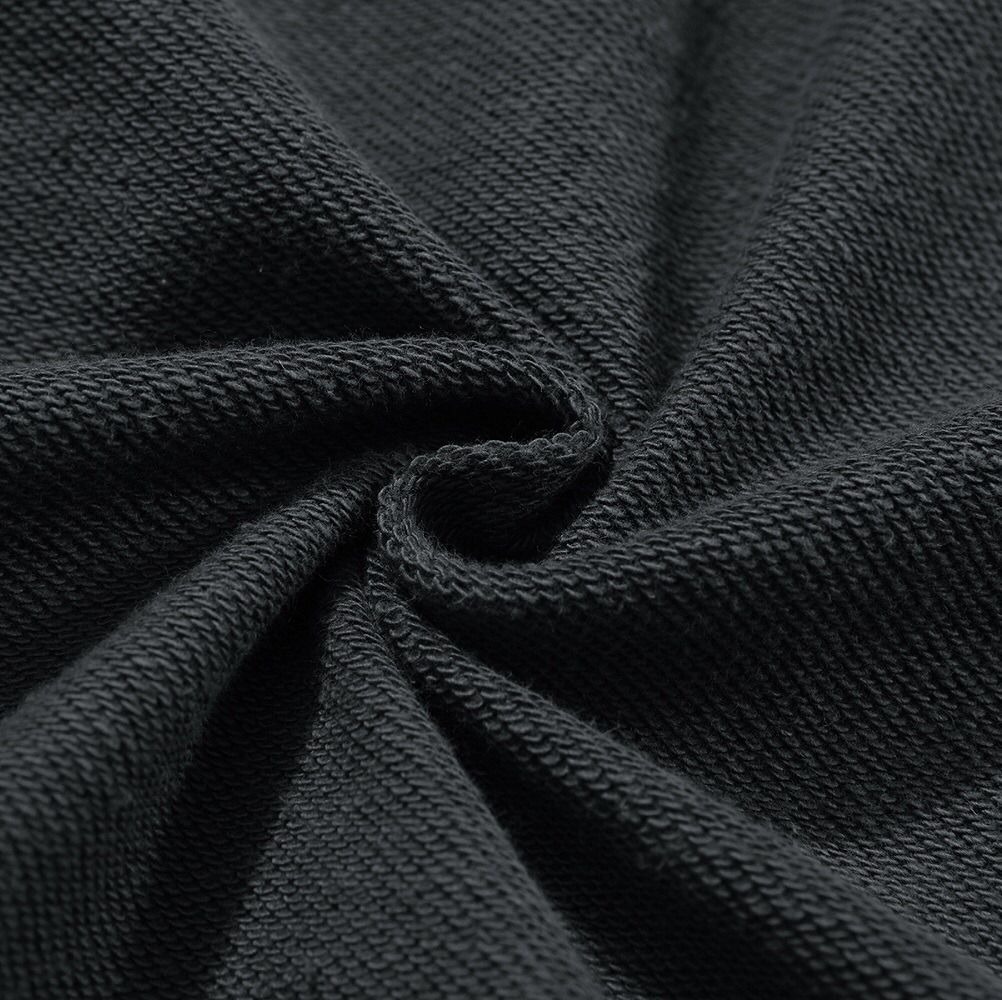
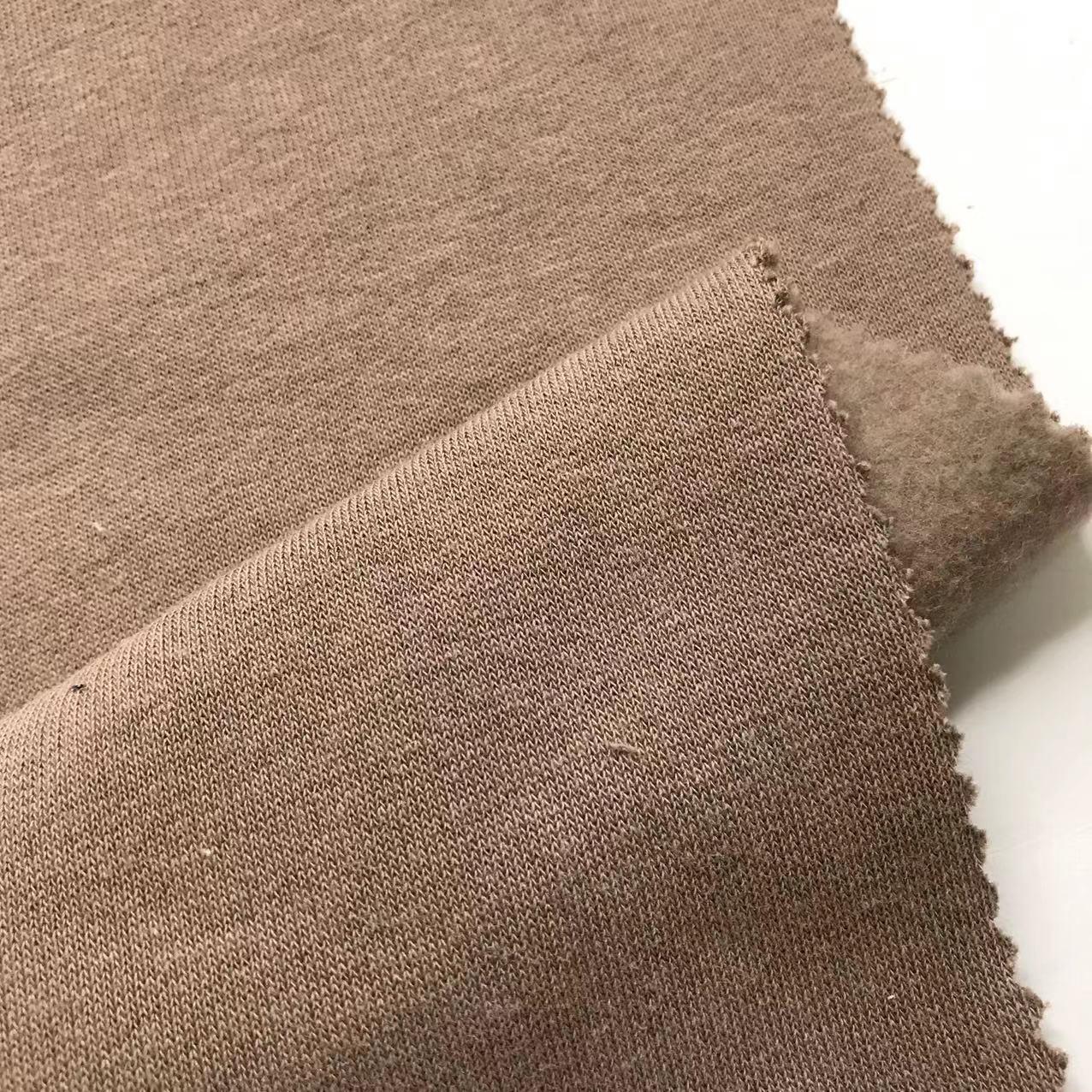
Fabric choice in extended sizing directly affects comfort, longevity and fit retention across 2XL–6XL bodies. Stretch recovery, GSM weight, breathability and abrasion resistance matter more when garments carry greater stress at seams and stretch zones.
| Fabric Type | Typical GSM | Stretch % | Best Applications |
|---|
| Cotton Jersey (ring-spun) | 160–220 | 5–10% | T-shirts, basics, underwear |
| Cotton-Poly Blend | 180–240 | 10–20% | Hoodies, sweatshirts, activewear |
| French Terry / Fleece | 240–320 | 5–15% | Hoodies, joggers, loungewear |
| Performance Knits | 140–200 | 15–30% | Activewear, athleisure, performance tees |
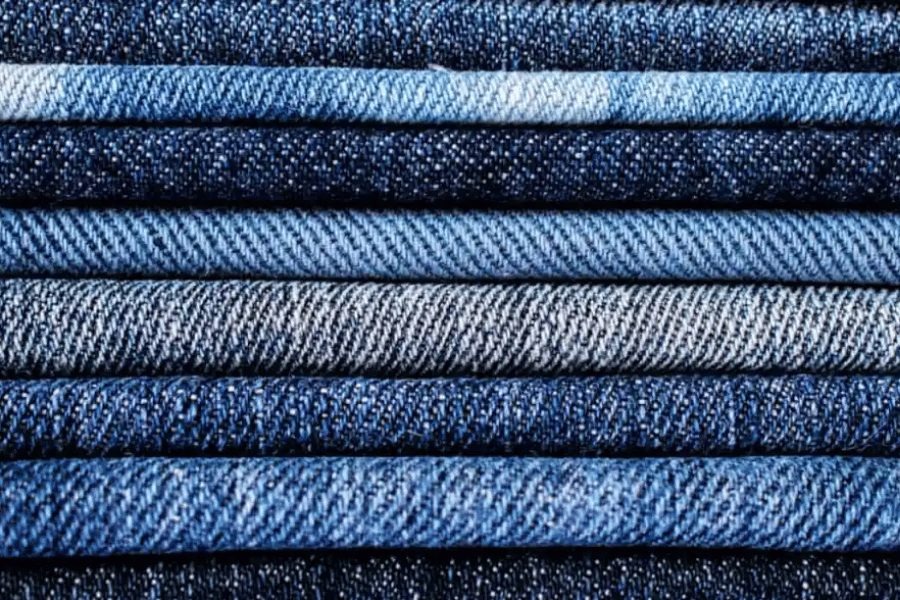
| Denim (stretch) | 10–14 oz | 1–3% | Jeans, jackets, workwear |
| Twill / Chino | 200–280 | 2–5% | Chinos, pants, shorts, workwear |
| Woven Shirting | 120–160 | 0–2% | Dress shirts, oxford, flannel |
5. Customization and Decoration Options
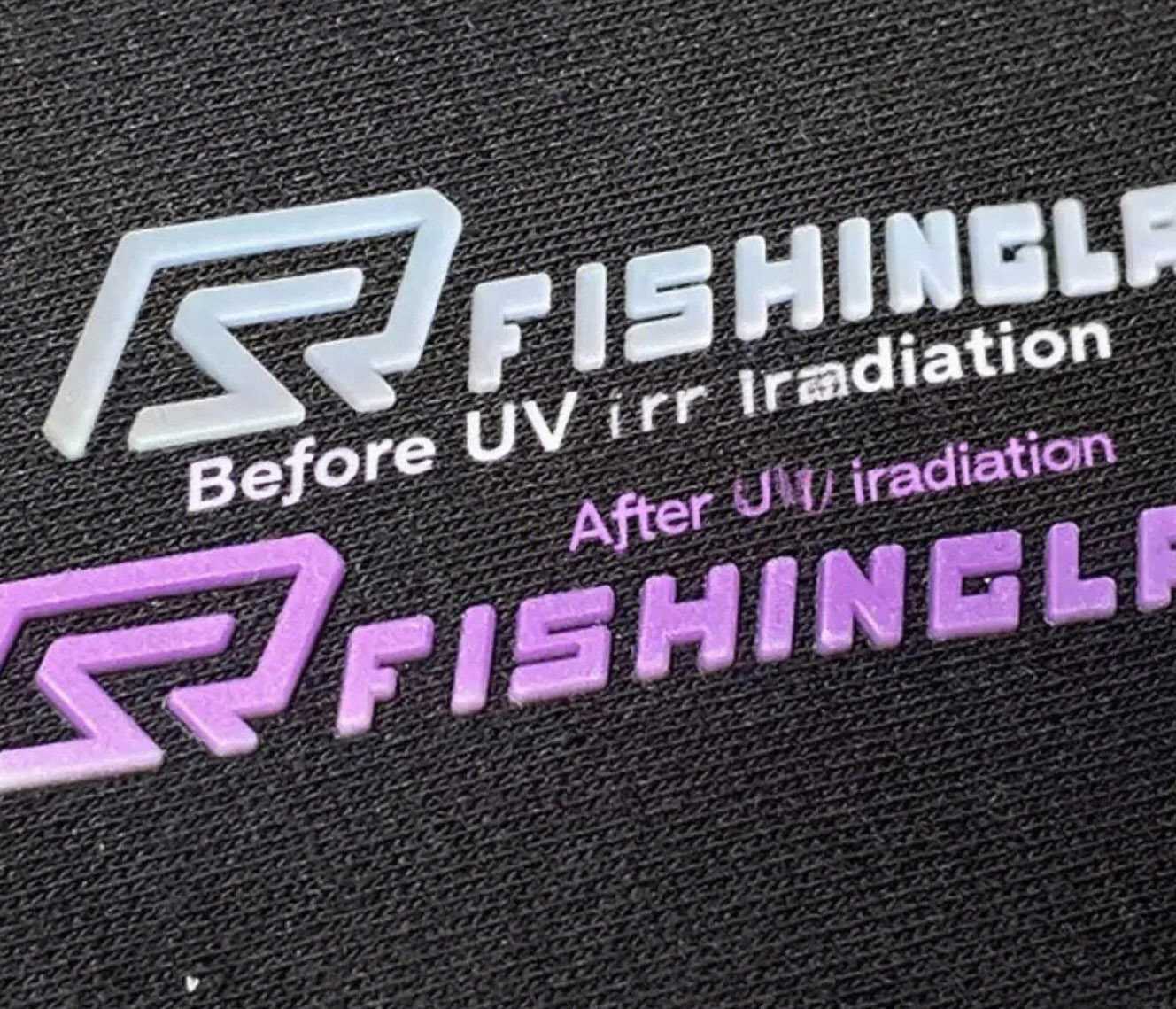
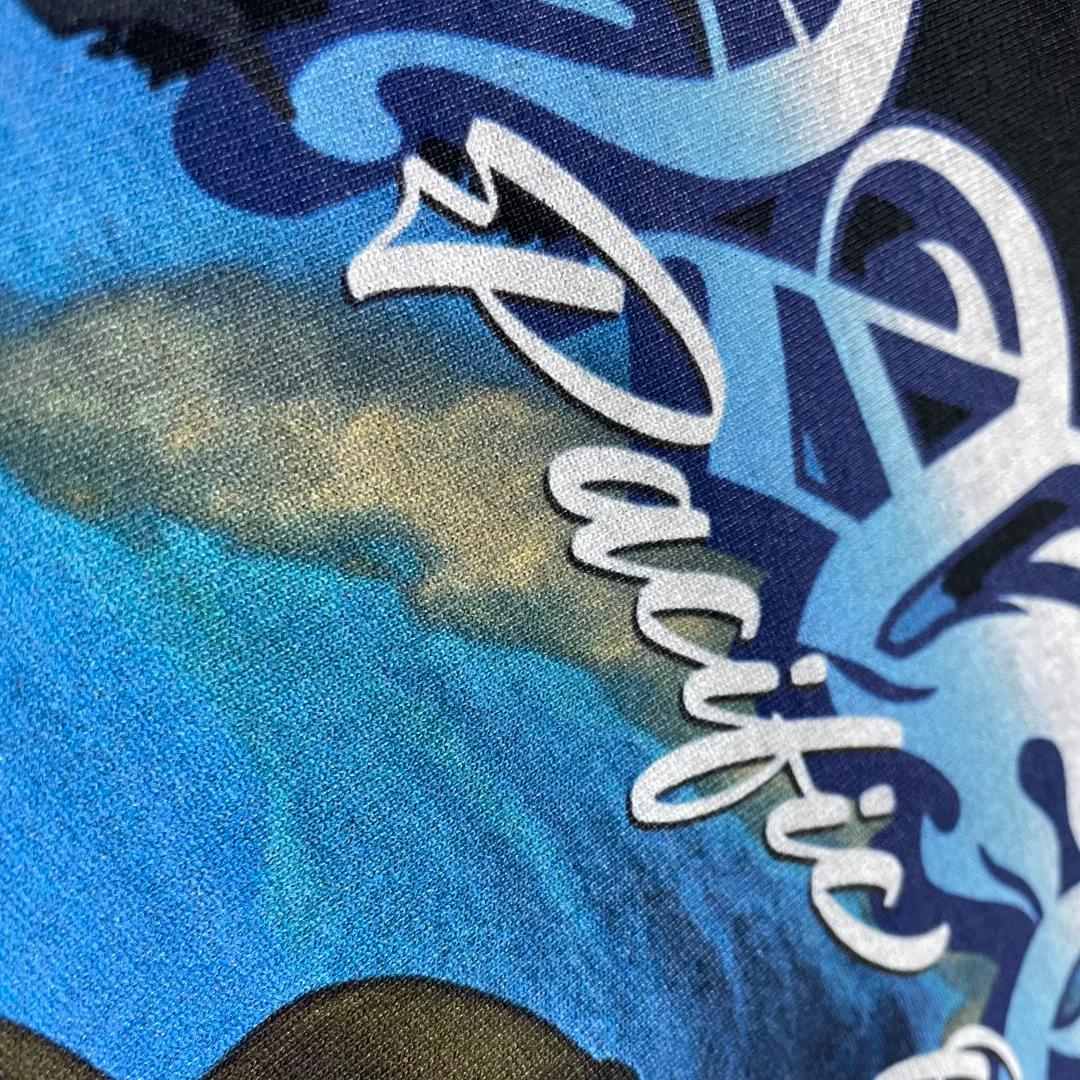
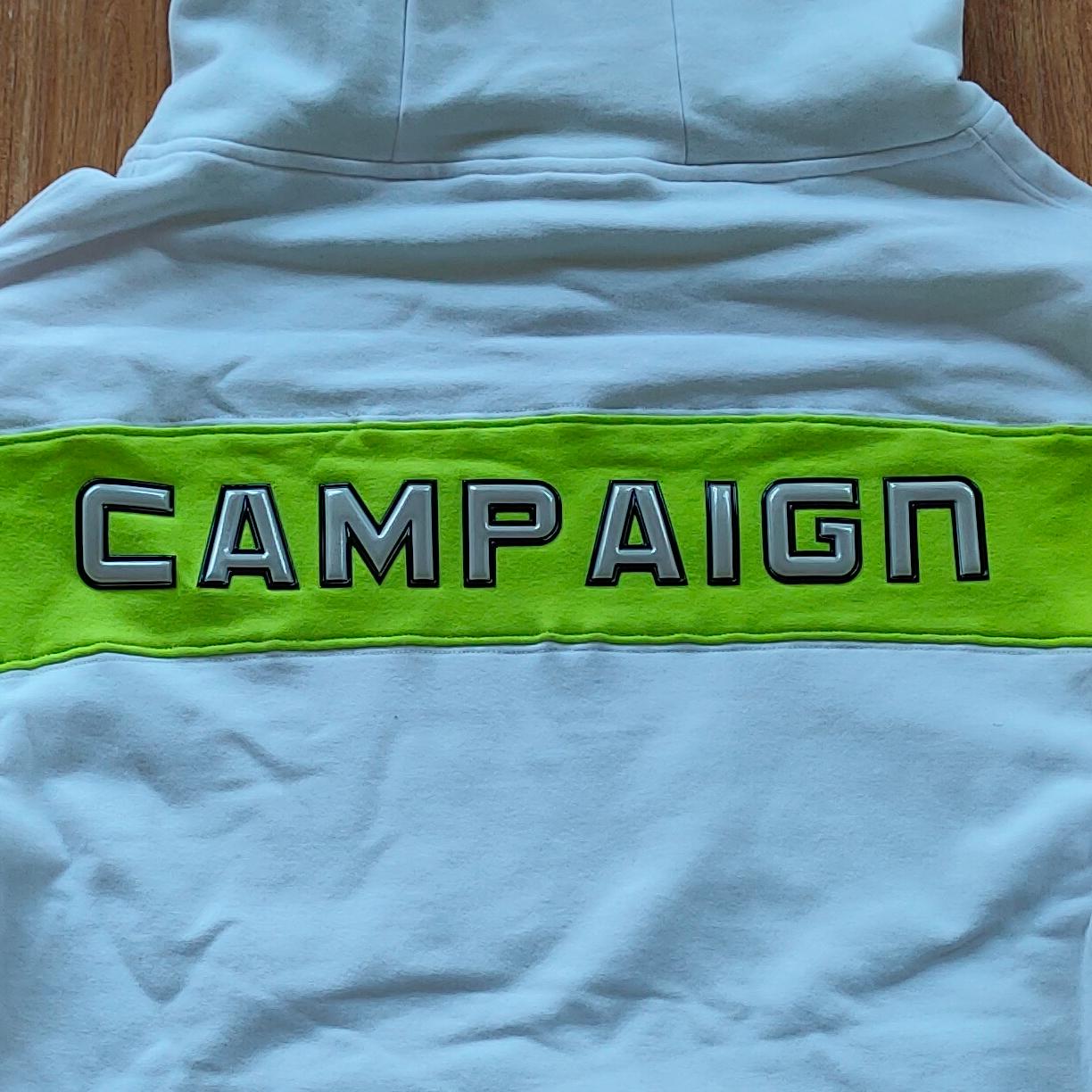
A plus size clothing manufacturer USA offers multiple decoration techniques to bring brand identity to life on extended-size garments. Each method carries distinct cost structures, durability profiles and design constraints that matter more on stretch fabrics and larger surface areas.
| Technique | Setup Cost | Durability on Stretch | Best Use Case |
|---|
| Screen Printing | Medium (screens) | High with plastisol; good with water-based | Large runs, bold graphics, multi-color designs |
| Embroidery | Medium (digitizing) | Excellent; thread flexes | Logos, small text, premium branding |
| Heat Transfer / DTF | Low | Good; may crack over time | Photo-realistic art, short runs, full-color |
| Dye Sublimation | Low | Excellent on polyester only | All-over prints, activewear, performance knits |
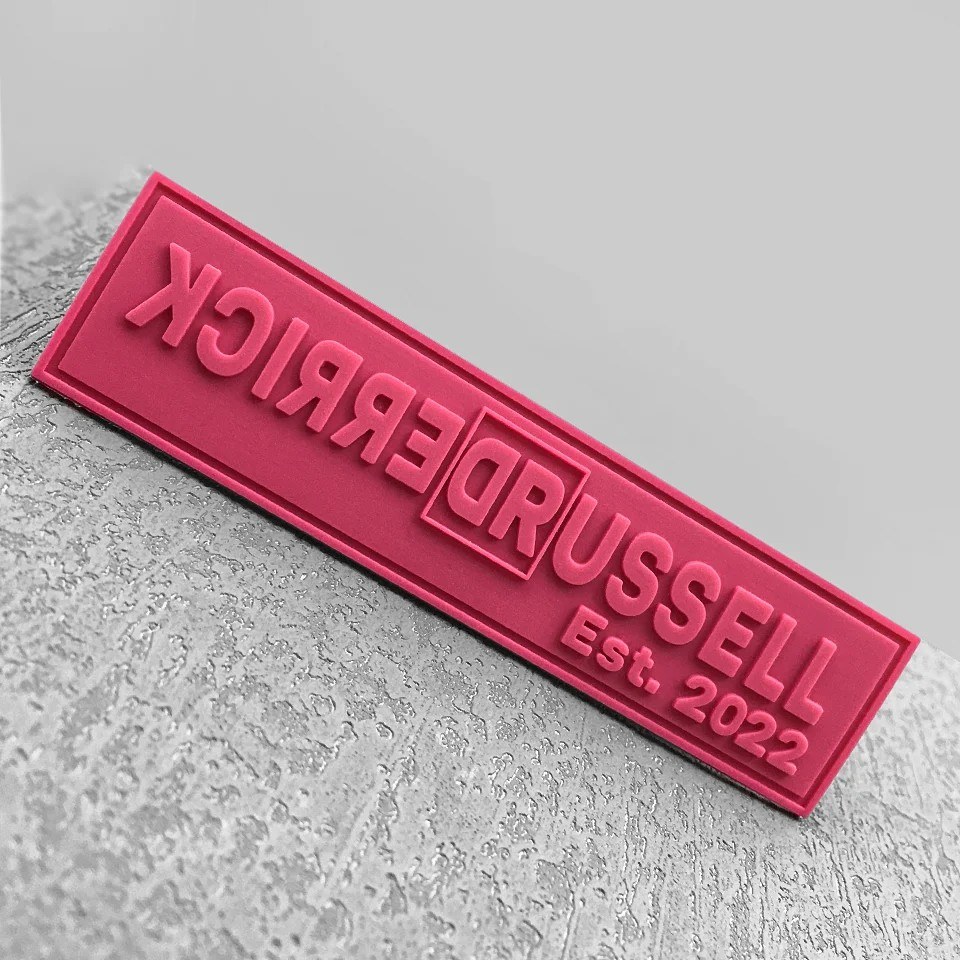
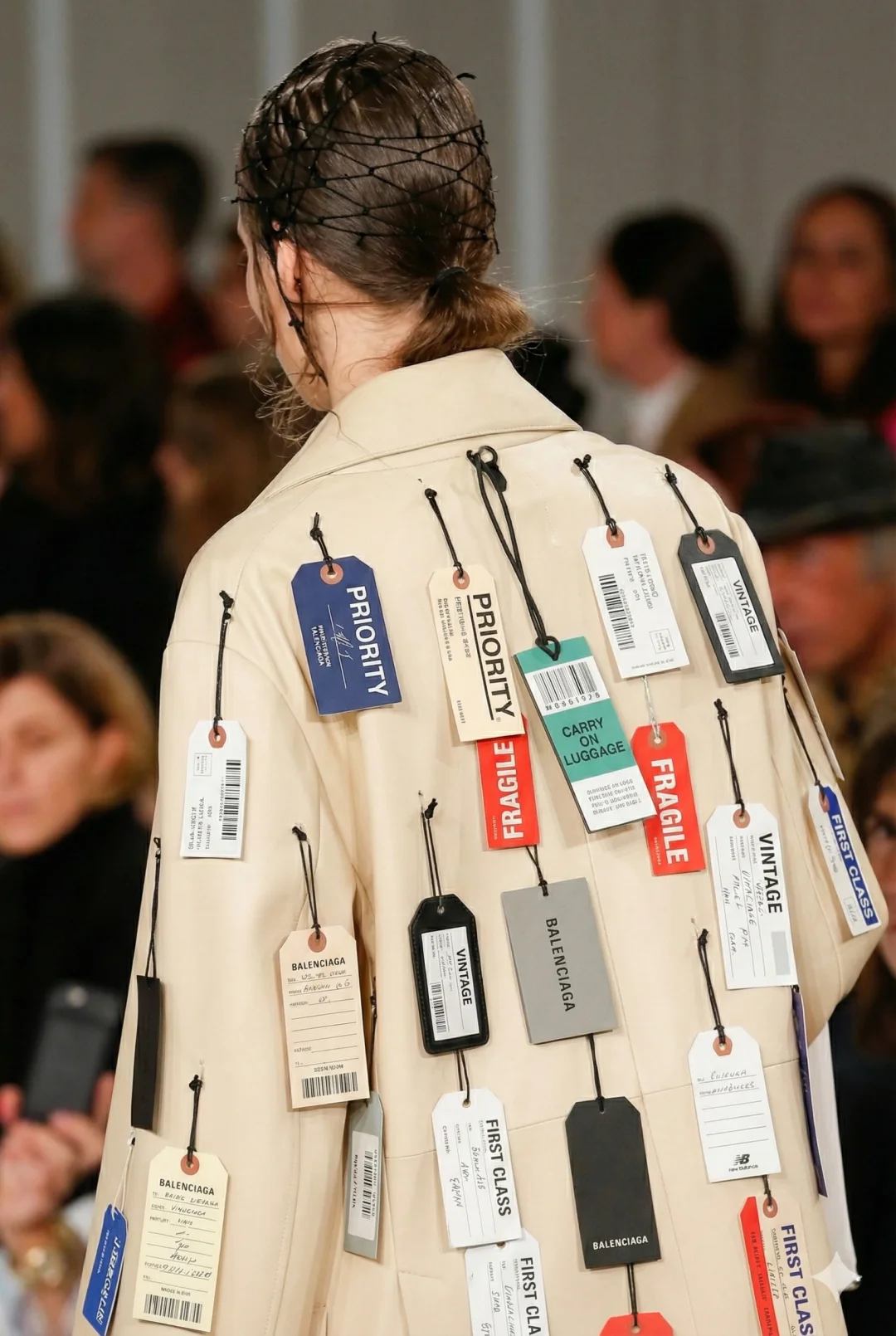
| Custom Labels & Tags | Low to medium (dies) | N/A | Woven labels, hang tags, neck prints, care labels |
6. Key Quality and Construction Elements
High-quality plus-size garments are built on four pillars: accurate grading, correct stitch selection, thoughtful finishing, and rigorous quality control. Each element directly impacts fit, durability, and return rates — brands that skip these details lose customers fast.
Grading Accuracy Across Extended Sizes
True plus-size grading adjusts rise, sleeve pitch, and body proportions at every increment, not just width. A 3XL garment should not be a scaled-up L — chest depth, armhole shape, and back length must change to maintain fit.
MENWILD develops graded size sets from 2XL to 6XL with pattern adjustments built for larger frames. Accurate grading reduces returns by 15–25% and increases repeat purchases.
Reinforced Seams and Stitch Types
Plus-size garments endure higher stress at seams, pockets, and waistbands. Coverstitch hems on t-shirts and hoodies provide stretch and durability; flatlock seams lie flat on activewear to prevent chafing.
MENWILD uses double-needle side seams, bar-tack reinforcement at stress points, and appropriate stitch density (12–14 SPI for wovens, 3–4 SPI for knits) to ensure longevity across all extended sizes.
Finishing and Garment Wash Quality
Enzyme wash, softening, and anti-pilling treatments improve hand-feel and reduce shrinkage — critical for maintaining fit consistency in larger sizes. Garment dye and stone wash must be calibrated to fabric weight and construction to avoid distortion.
MENWILD offers enzyme wash, garment dye, brushing, and napping with pre-production wash samples to validate shrinkage and color stability before bulk runs.
Quality Control Checkpoints
In-line QC during production catches grading errors, stitch defects, and misaligned prints before they multiply. Final AQL 2.5 inspection checks measurements, stitch integrity, fabric flaws, and trim placement on every size in the run.
MENWILD conducts fabric inspection, in-line checks during cutting and sewing, and pre-shipment AQL audits, with photographic reports sent to clients before final payment.
7. How to Choose the Right Plus Size Clothing Manufacturer USA
Selecting a plus size clothing manufacturer usa partner requires a disciplined vetting process that goes beyond price and lead time. Verify size-range expertise, production credentials, and flexibility before committing to samples or deposits.
Credentials to Verify First
Check whether the manufacturer maintains graded size sets for 2XL–6XL and true big & tall proportions, not simple scale-ups. Ask for client references in your product category and request portfolio samples in extended sizes.
Confirm certifications such as WRAP, OEKO-TEX, or BSCI if compliance matters to your market. Verify production capacity — monthly output above 80,000 pieces signals stable operations and reliable turnaround.
Questions to Ask During Vetting
Ask for MOQ per style and color; 100–200 pieces supports testing and capsule launches. Inquire about deposit terms and payment methods — flexibility from 100% down to 30% for repeat orders reflects partnership readiness.
Request fabric-swatch and sample-garment timelines, and confirm whether patterns and size sets remain on file for fast re-orders.
Red Flags That Signal Risk
Avoid manufacturers unwilling to provide references, samples, or clear lead times. Inconsistent grading across size runs, vague answers on fabric sourcing, and demands for full payment before sampling all indicate unreliable partners and higher risk of quality or delivery failures.
8. Common Mistakes When Sourcing from a Plus Size Clothing Manufacturer USA
Even experienced buyers stumble when sourcing extended-size menswear. Technical, contractual and timeline errors can derail fit, inflate costs and delay launch. Recognizing these pitfalls early protects your brand and partnership.
Ignoring Grading Expertise
Scaling a medium pattern up to 4XL without true big & tall grading produces sleeves that run short, rises that shrink and armholes that bind. Many factories treat extended sizes as simple arithmetic.
Demand graded size sets and fit samples across your full range before bulk production. MENWILD maintains graded patterns on file, ensuring every size from 2XL to 6XL reflects authentic proportions for larger frames.
Skipping Fit Samples and Fabric Testing
Approving production from photos or a single size sample hides stretch recovery, weight distribution and seam performance under stress. Fabric that works at medium may fail at 5XL.
Request pre-production samples in your largest size and test wash, wear and movement. Confirm fabric stretch percentages and recovery ratings in writing before committing to bulk yardage.
Neglecting Lead-Time Buffers and IP Clarity
Underestimating sampling cycles, fabric mill lead times and shipping transit leaves no room for revisions. Simultaneously, vague contracts on design ownership can expose your tech packs to competitors.
Add 2–3 weeks to quoted timelines for first orders and formalize IP assignment in your purchase agreement. MENWILD keeps client patterns confidential and archives records for fast, consistent re-orders.
9. Steps to Launch Your Plus Size Brand with a USA Manufacturer
Launching a plus-size menswear line with a full-service partner follows a predictable nine-step workflow, from initial inquiry to global shipment. MENWILD's 28-year process keeps patterns, graded size sets and fabric records on file, making re-orders fast and consistent.
Concept and Design Development
Clients arrive with a finished tech pack, a sketch or photo, or only an idea. MENWILD's design team turns concepts into production-ready garments with original design support, full 2XL–6XL grading and sample development.
This phase typically runs 3–7 days for tech-pack refinement and 7–10 days for original design development, depending on complexity.
Fabric Sourcing and Approval
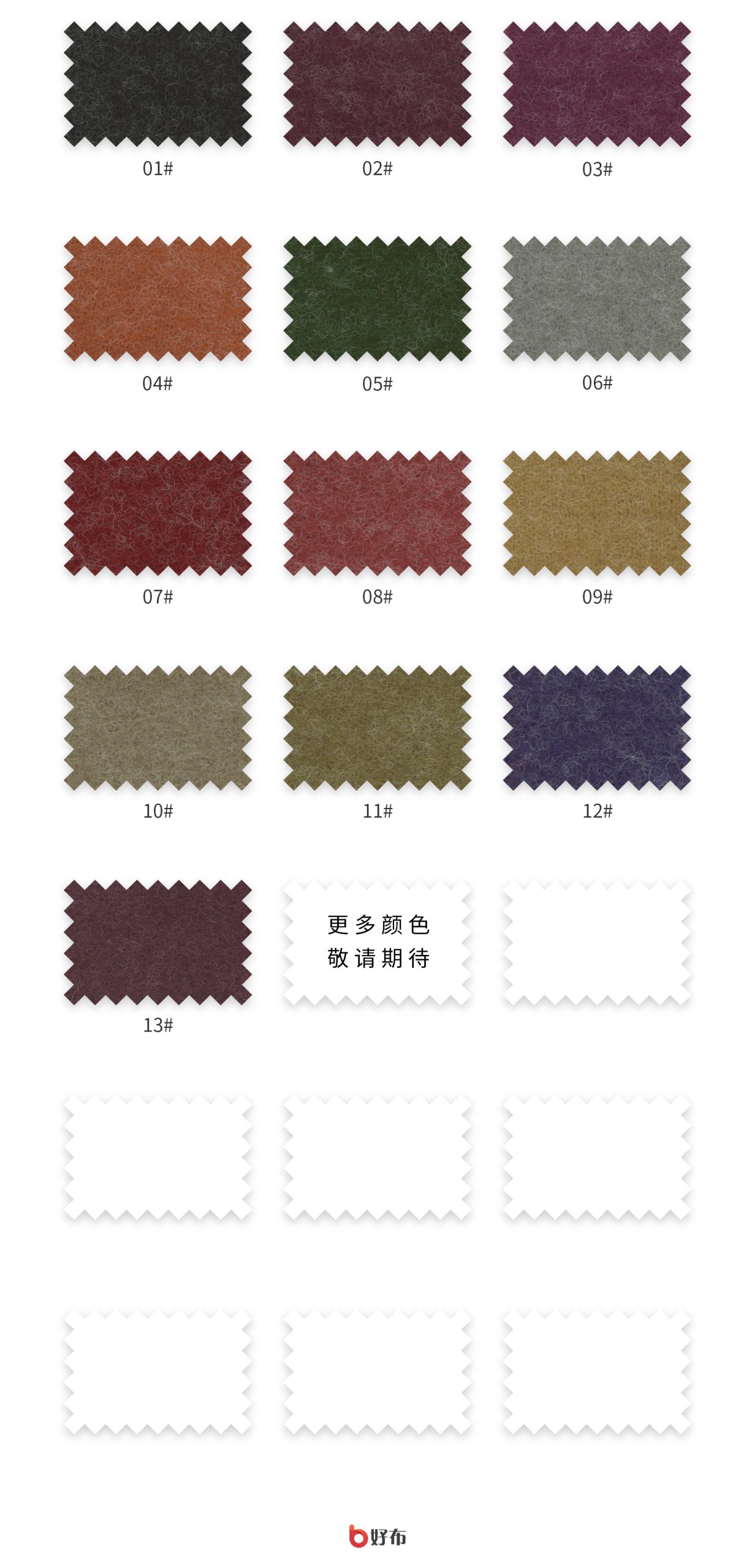
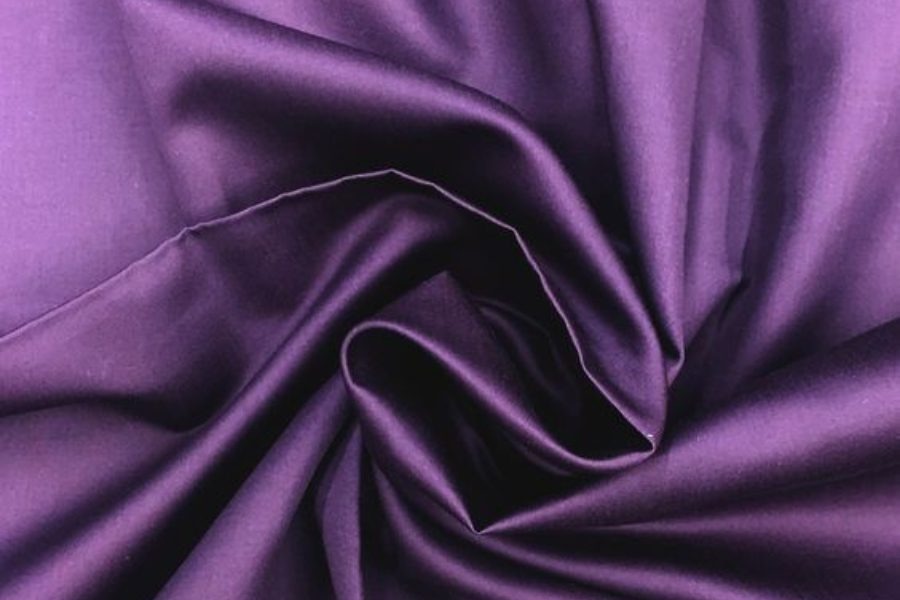
Mills across China supply cotton, Pima and organic cotton, French terry, fleece, denim, twill, performance knits, wool and recycled options. Clients receive fabric swatches before any bulk commitment.
Swatch delivery takes 5–7 days; fabric procurement for sampling adds another 7–14 days once approved.
Sampling and Fit Testing
Pre-production samples validate fit across the full size run, especially critical for big & tall proportions where standard grading fails. MENWILD produces samples in 10–15 days and ships globally for client review.
Revisions add 7–10 days per round; most brands finalize fit within two iterations.
Production and Quality Control
MOQ starts at 100 pieces per style/color, with monthly capacity exceeding 80,000 pieces. Bulk production runs 25–35 days for cut-and-sew and 30–40 days for knit styles, with in-line quality inspection at every stage.
Deposit terms step down from 100% on first orders to 30% for long-term partners; balance settles before shipment.
10. Pricing and Cost Structures
Per-unit costs for plus-size menswear vary by fabric weight, construction complexity and decoration method. A basic 180–200 GSM cotton tee in 2XL–4XL typically runs $8–12 per piece at 100 units, while a fleece hoodie with embroidery climbs to $22–35. Fabric yardage increases 15–25% from L to 3XL, and each print or embroidery setup adds $50–150 depending on technique — screen printing, DTG, or puff embroidery each carry different per-color and per-position fees.
Domestic USA factories often quote $18–40 per garment with 250–500 piece minimums and 4–6 week lead times. Offshore partners like MENWILD start at 100 pieces per style/color, deliver $7–28 unit costs and 3–5 week production windows after sampling. Sampling fees range $80–200 per prototype; many manufacturers credit this against bulk orders above 200 units.
Order quantity is the single largest cost lever: doubling volume from 100 to 200 pieces typically drops per-unit price 12–18%, and reaching 500 unlocks another 10–15% reduction while preserving the same graded fit and decoration quality.
| Quantity Tier | Est. Cost per Unit | Setup Fee | Lead Time |
|---|
| 100 pcs | $12–28 | $150–300 | 3–4 weeks |
| 250 pcs | $10–22 | $100–200 | 3–4 weeks |
| 500 pcs | $8–18 | $50–150 | 4–5 weeks |
| 1,000+ pcs | $7–15 | Negotiable | 5–6 weeks |