
Custom Embroidered Patches Service — Fast Samples, Low MOQ
MENWILD delivers flat, 3D puff, chain-stitch, appliqué and sequin patches from just 100 pieces, with 7-day sampling. As a trusted OEM apparel manufacturer and private label menswear partner with 28+ years of experience, we bring big & tall garment expertise to every embroidered patch project.
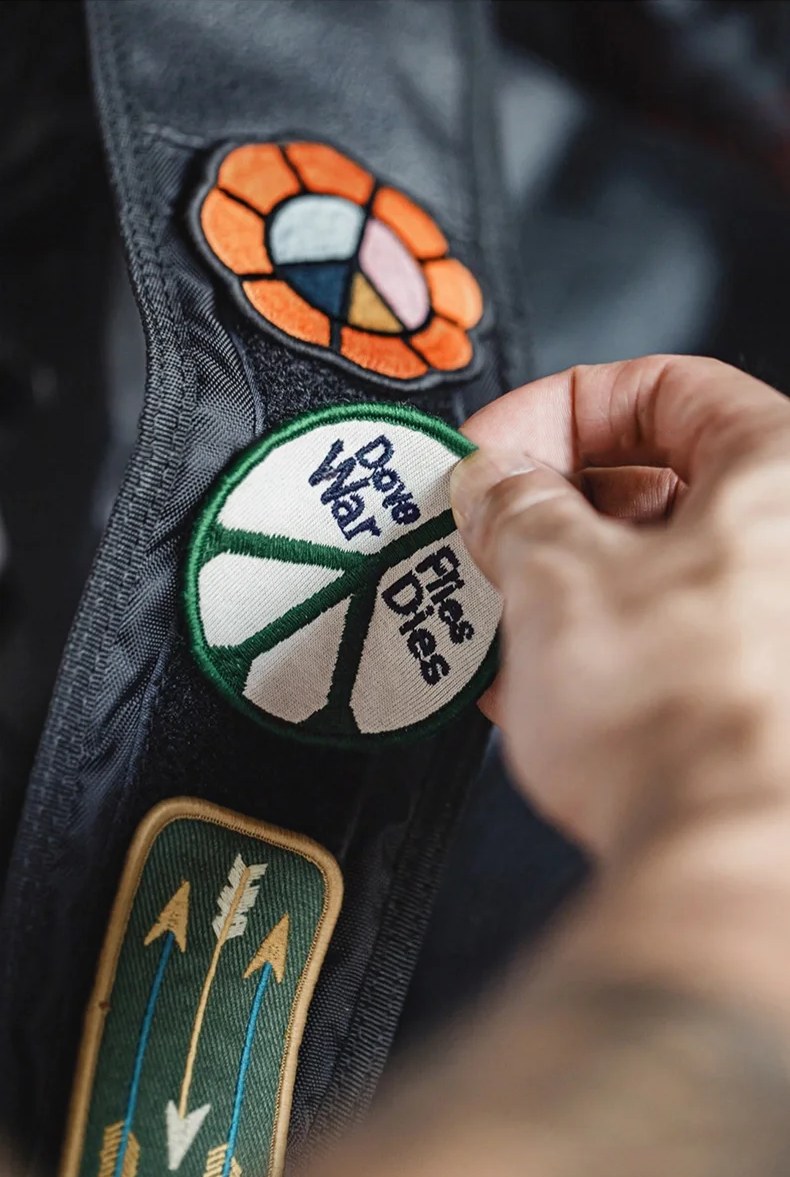
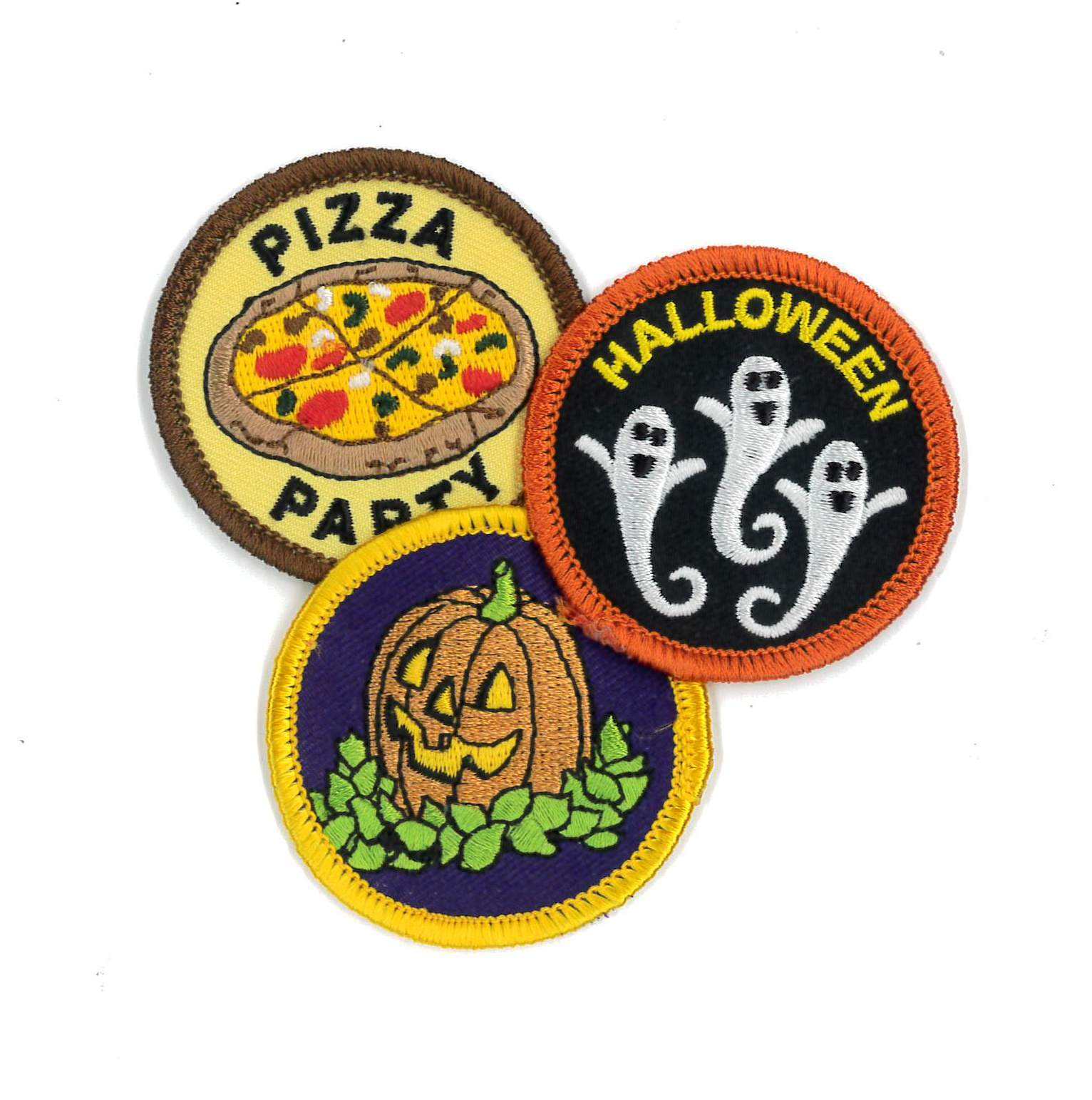
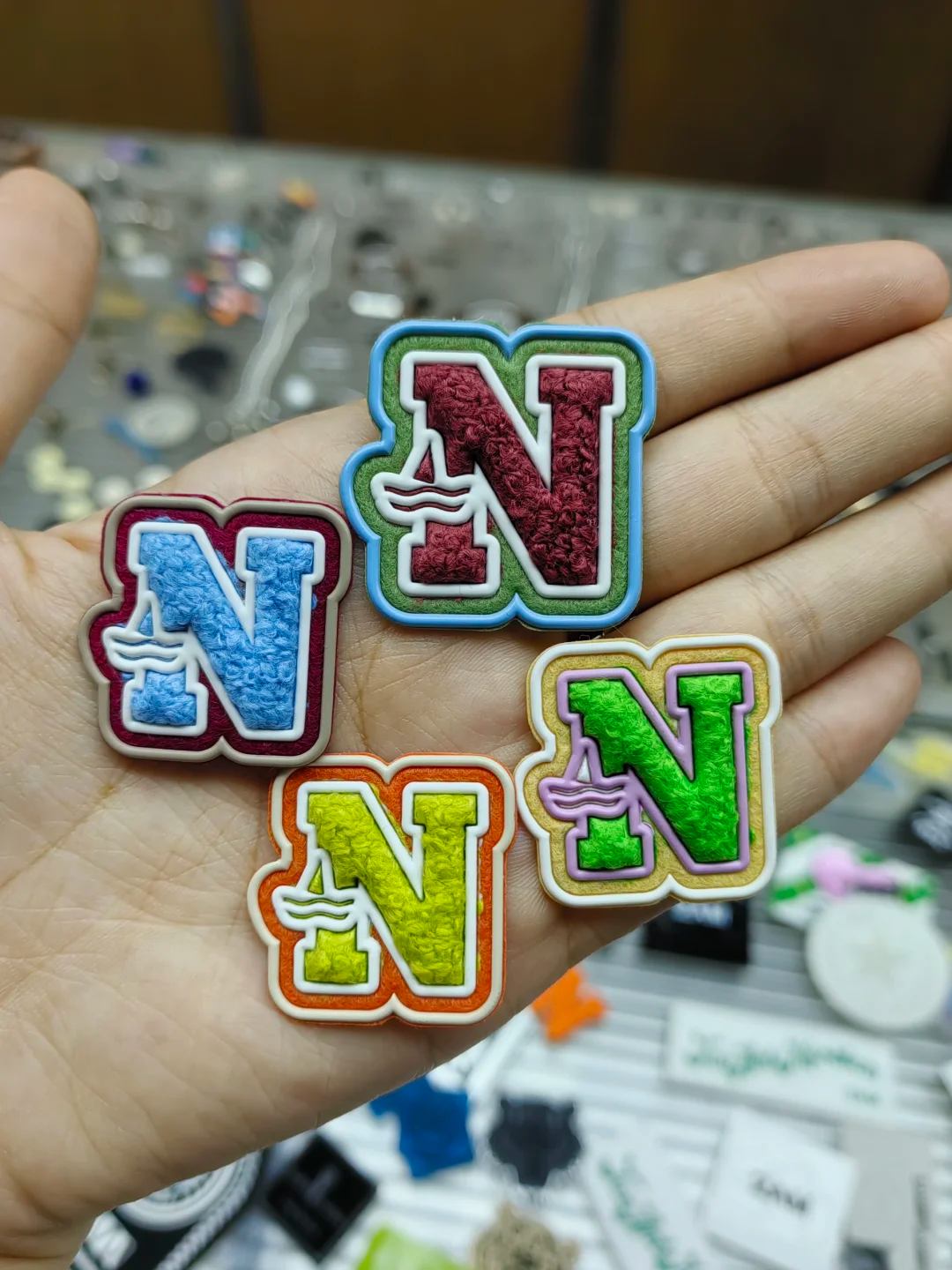
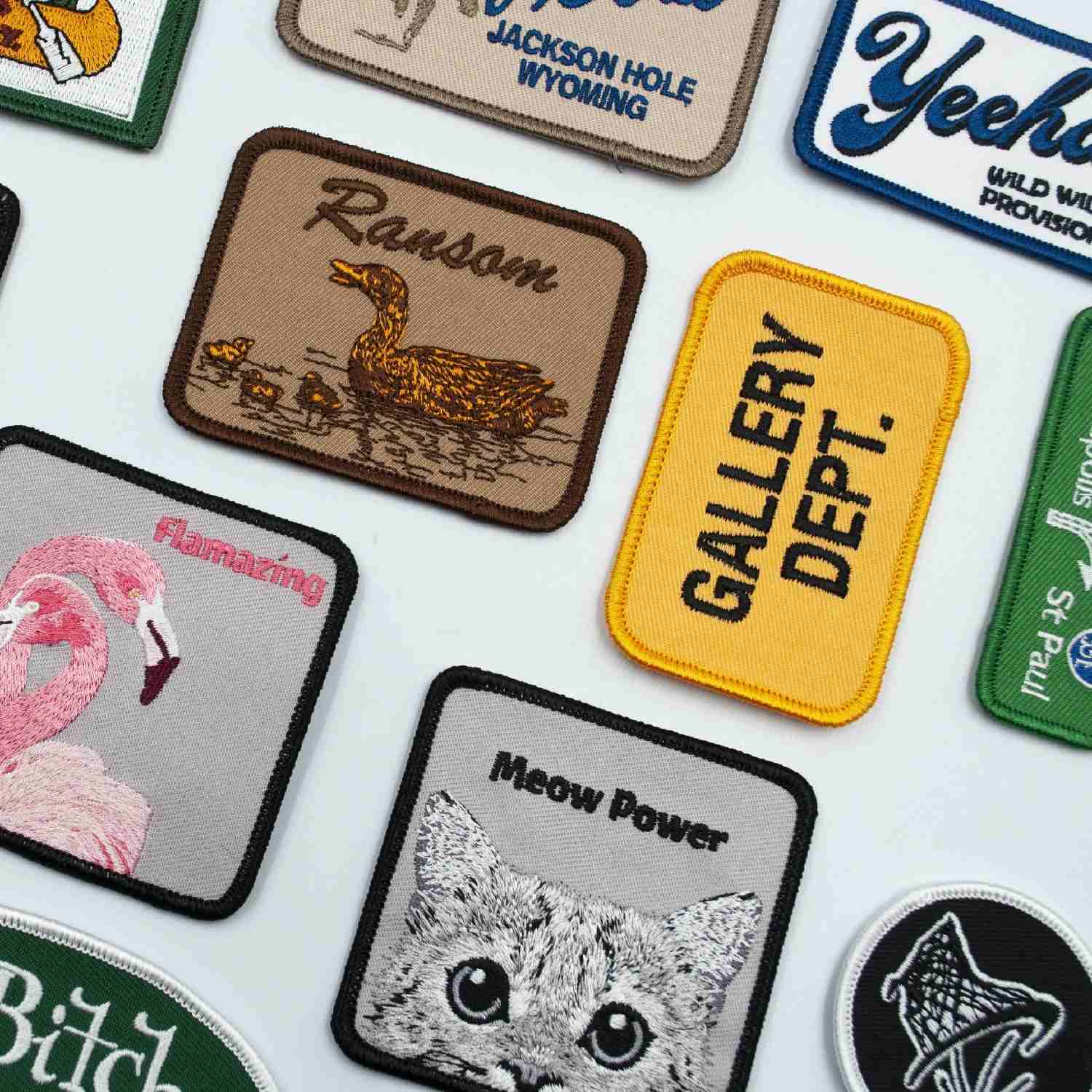
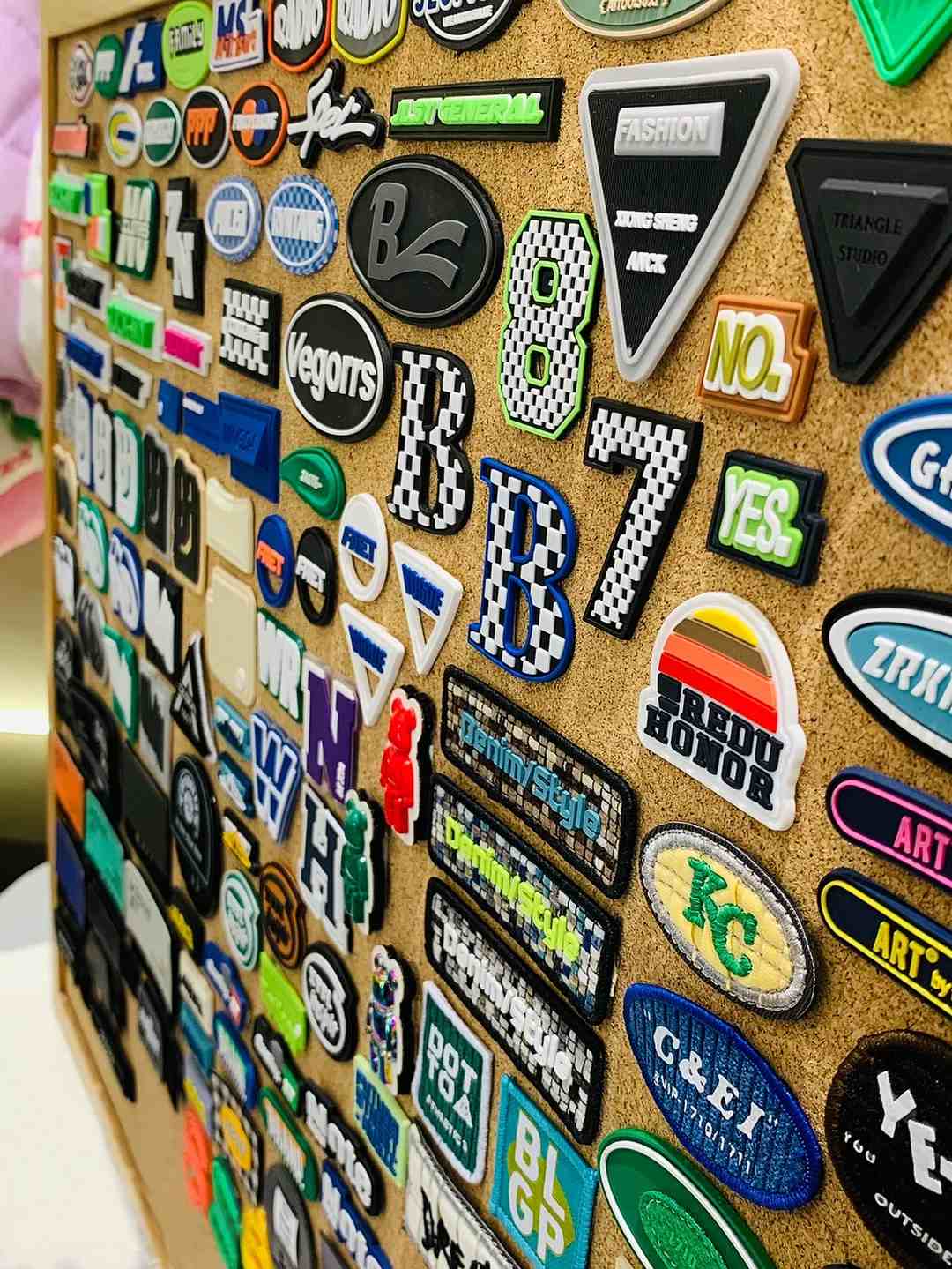
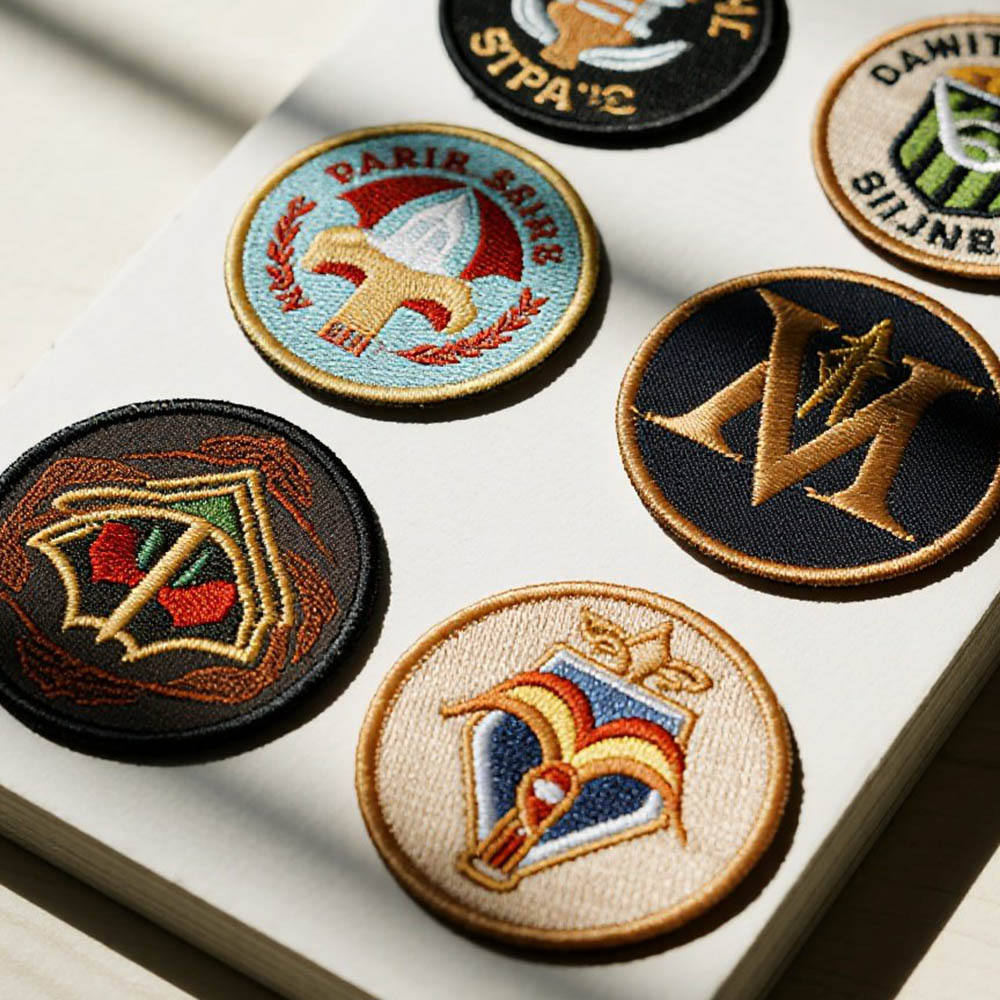
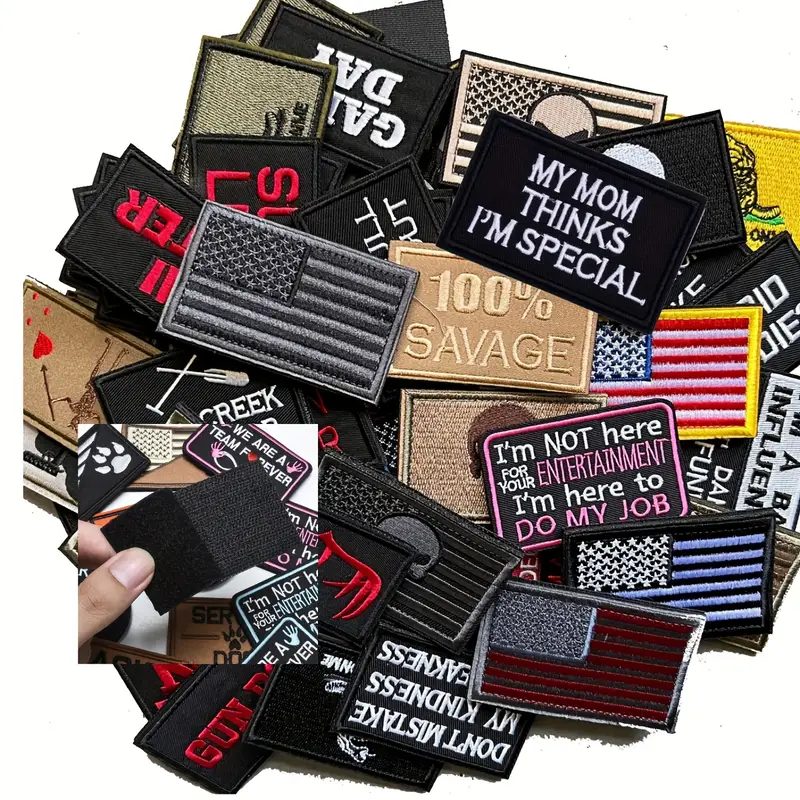
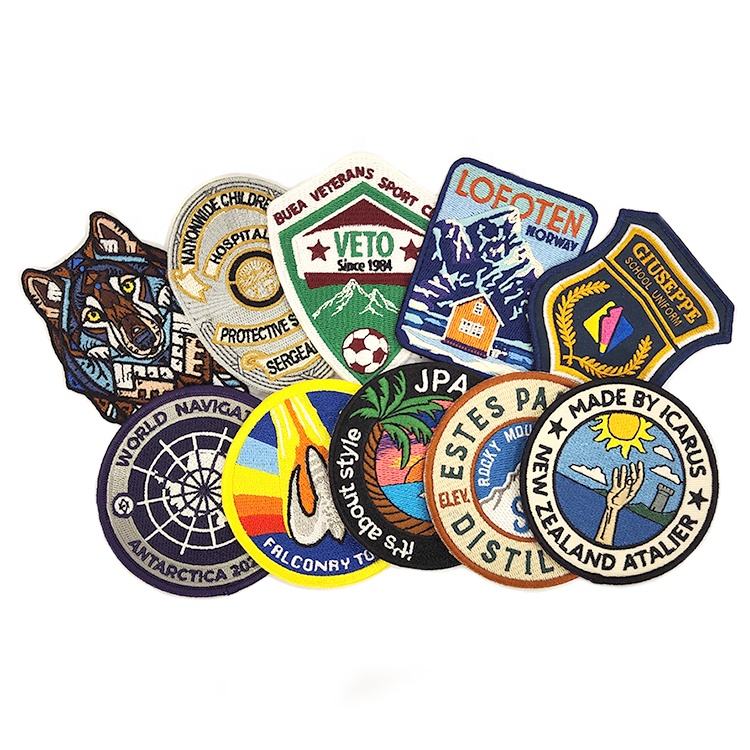
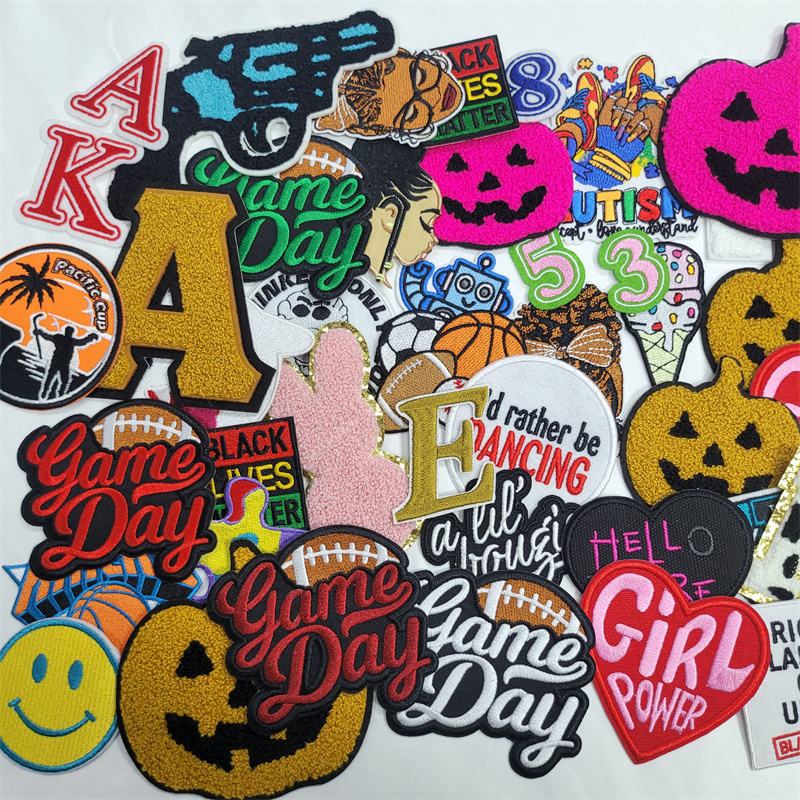
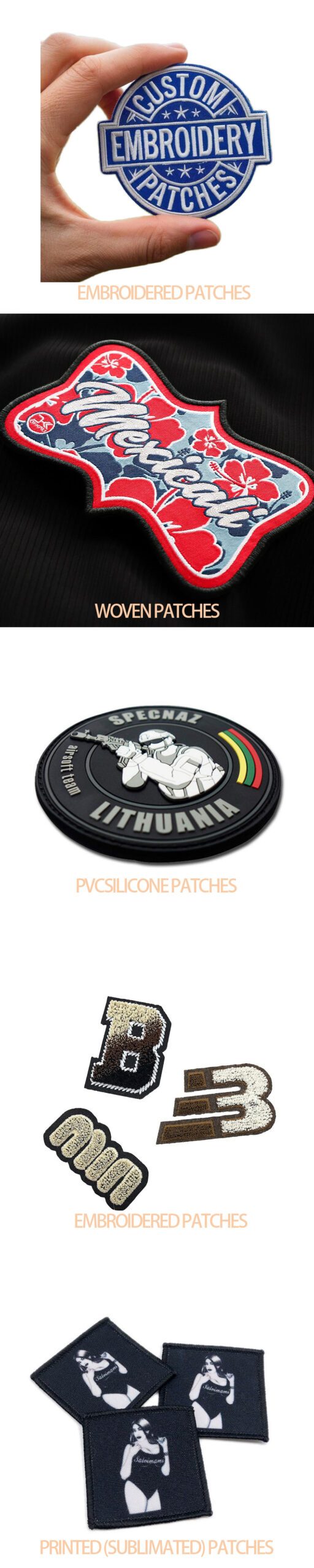
Embroidered Patch Gallery & Samples
Why Choose MENWILD Custom Embroidered Patches Service
100-Piece MOQ Per Style
Launch patch collections or test designs with low risk. Start from just 100 pieces per style and color, ideal for brands and independent designers.
7-Day Sample Turnaround
Fast sampling and product development. Receive embroidered patch samples in as little as seven days to approve quality before bulk production.
In-House Embroidery Lines
Complete in-house embroidery capabilities: flat, 3D puff, chain-stitch, appliqué, sequin and custom patches. As a custom hoodie manufacturer and custom t-shirt manufacturer, we integrate decoration directly into garment production with no outsourcing and consistent quality control.
28+ Years Manufacturing Experience
Over 28 years of big and tall menswear production expertise. Trusted by 2,000+ fashion brands across the US, Canada, UK, Germany and Australia.
Big & Tall Garment Grading Expertise
Expert extended-size pattern grading and fit refinement for the garments your patches will adorn. As a plus size menswear manufacturer specializing in 2XL–6XL proportions, we ensure patches are scaled and placed correctly on bigger bodies.
Flexible Payment Terms
Payment via T/T, PayPal, credit card and USDT. Deposits start at 100% first order, reduce to 30% for long-term partners, balance before shipment.
Custom Embroidered Patches Service Techniques We Offer
From flat embroidery to 3D puff, chain-stitch logos to sequin detail — MENWILD’s in-house decoration team delivers the right technique for your brand aesthetic, garment type and budget.
Flat Embroidery & Logo Patches
Your brand needs clean, professional embroidered logos or patches for polos, jackets, hats and workwear, but most suppliers lack consistent thread tension and registration across extended-size garments.
MENWILD delivers crisp flat embroidery with tight stitch density, perfect thread color matching and flawless placement on 2XL–6XL garments, ensuring your logo looks sharp on every size.
3D Puff Embroidery
You want bold, raised logos that stand out on streetwear hoodies and caps, but typical factories produce uneven puff height, cracking foam or inconsistent fill across larger production runs.
Our 3D puff embroidery uses premium foam underlay and precision digitizing to create uniform, durable raised logos that maintain their shape through washing and wear, even at scale.
Chain-Stitch & Vintage Logos
Vintage-inspired brands and streetwear labels need authentic chain-stitch embroidery for retro jersey graphics and varsity lettering, but few manufacturers offer true chain-stitch equipment or expertise.
MENWILD's dedicated chain-stitch machines and experienced operators deliver the looped, rope-like texture that defines classic sportswear and heritage menswear, with consistent tension and authentic vintage character.
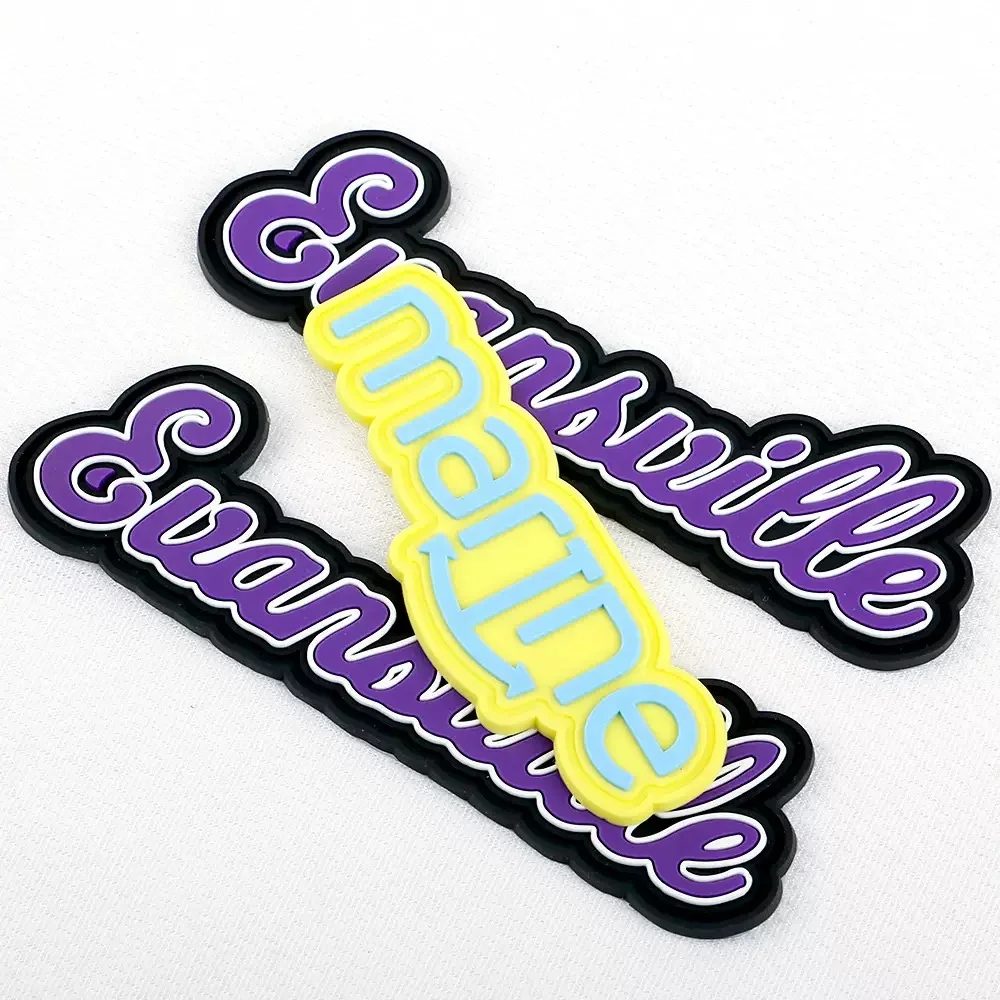
Appliqué & Layered Patches
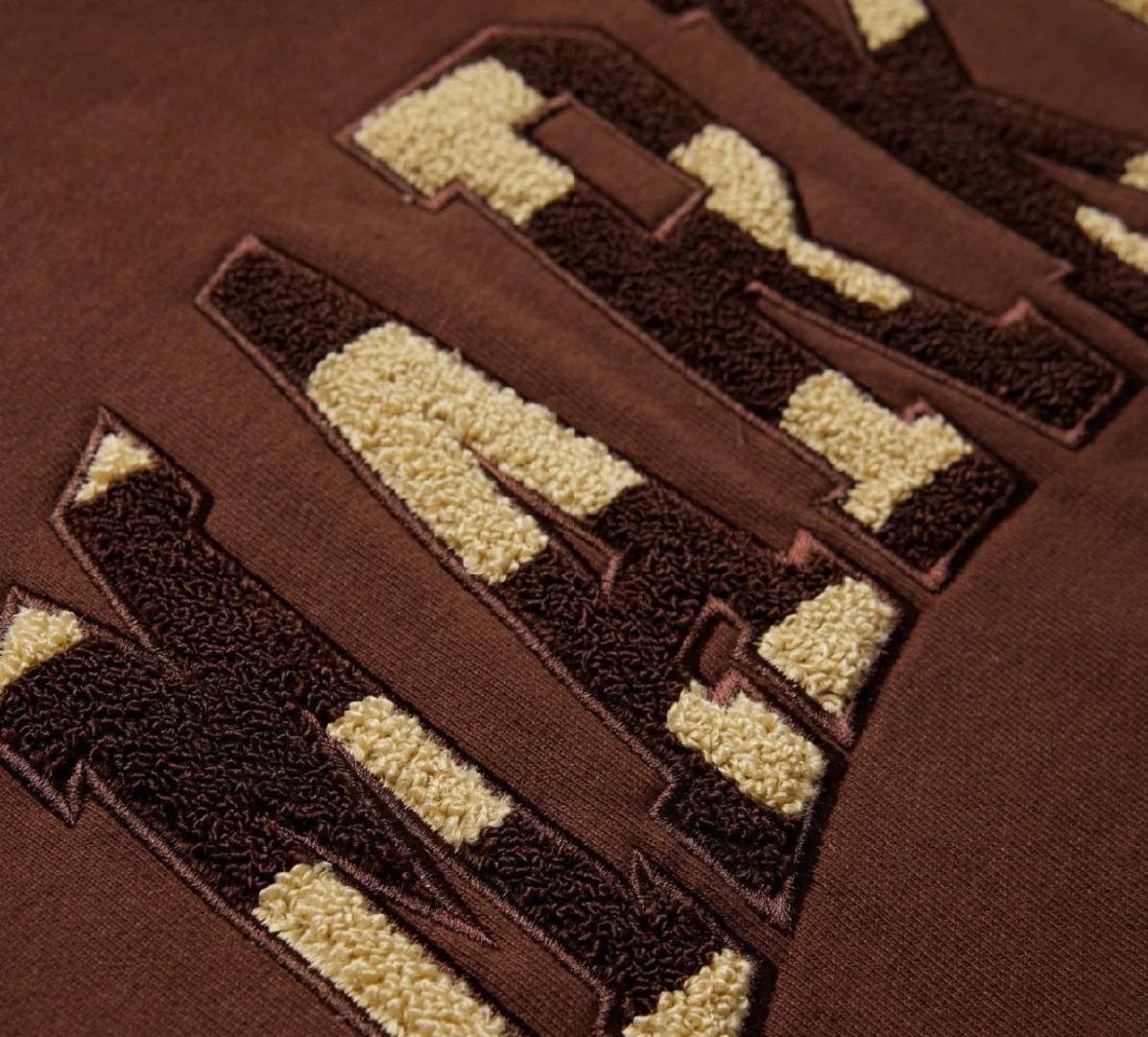
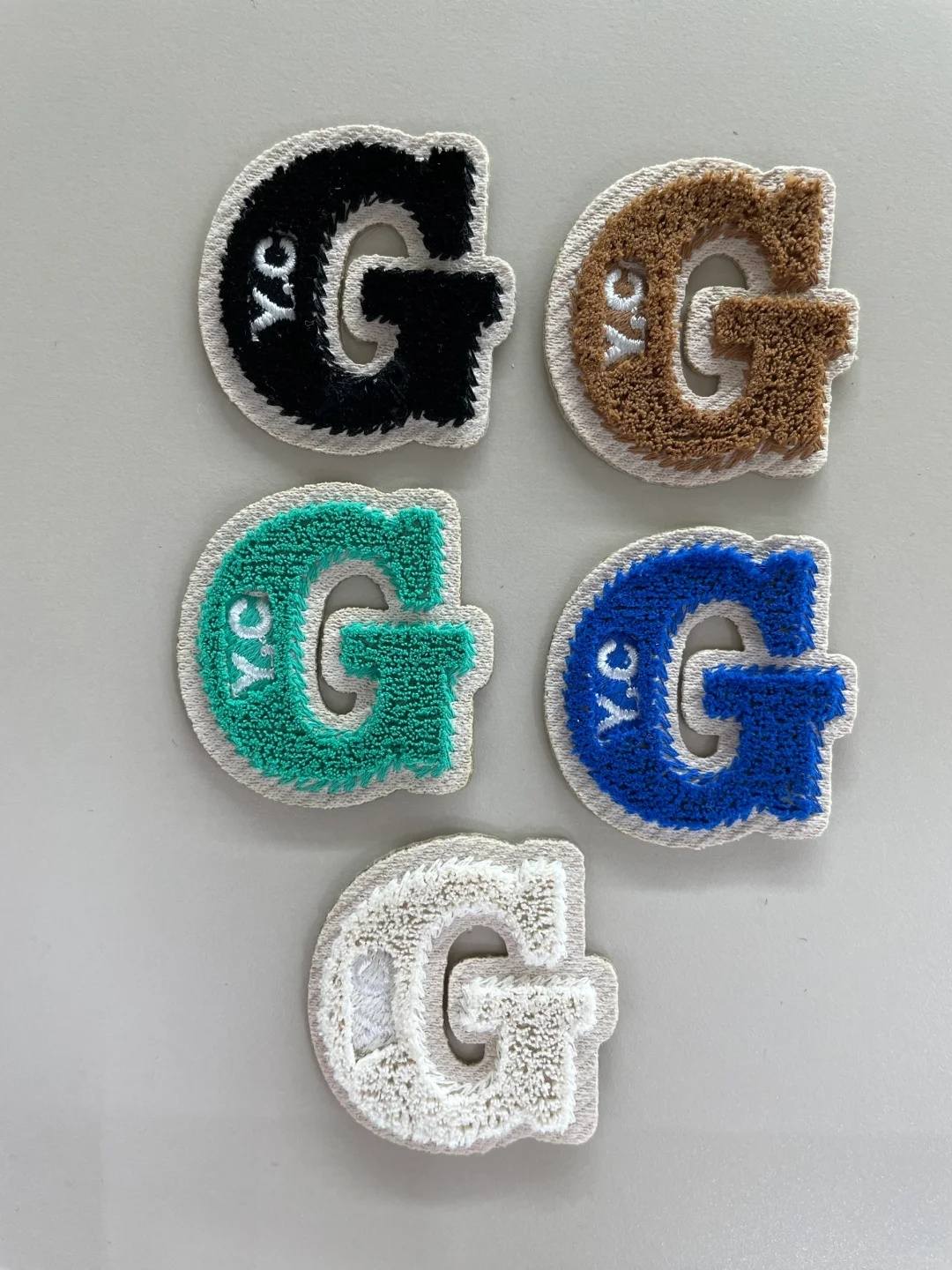
Your designs call for layered fabric appliqué, chenille patches or mixed-material embroidery to add dimension and texture, but coordinating multiple materials and stitching steps slows sampling and raises costs.
We handle full appliqué workflows in-house — fabric cutting, placement, edge stitching and embroidery overlay — delivering complex, multi-layer patches with fast turnaround and no third-party delays.
Sequin & Specialty Embroidery
Fashion-forward brands want sequin embroidery, metallic thread or mixed-media decoration to elevate premium collections, but most factories treat specialty techniques as risky add-ons with long lead times.
Our embroidery team routinely combines sequins, metallic and glow-in-the-dark threads with standard stitching, producing eye-catching details that meet luxury quality standards and ship on schedule.
Custom Woven & Heat-Seal Labels
You need branded woven labels, heat-transfer patches or custom neck tags to complete your garment's identity, but sourcing them separately from your embroidery supplier adds coordination headaches and delays.
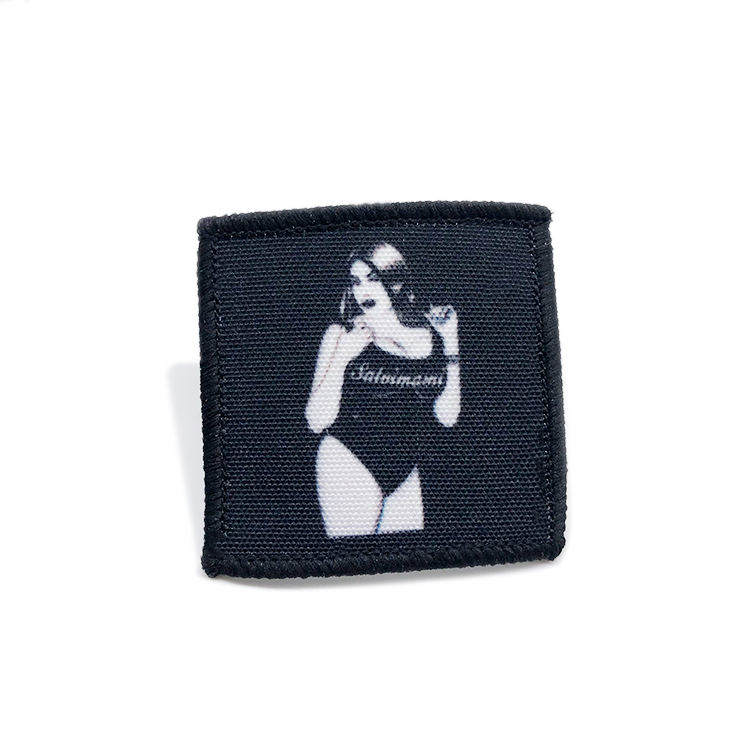
MENWILD produces custom woven labels, printed heat-seal patches and branded trims alongside embroidery, so all your decoration and branding elements arrive together, perfectly coordinated and ready for production.
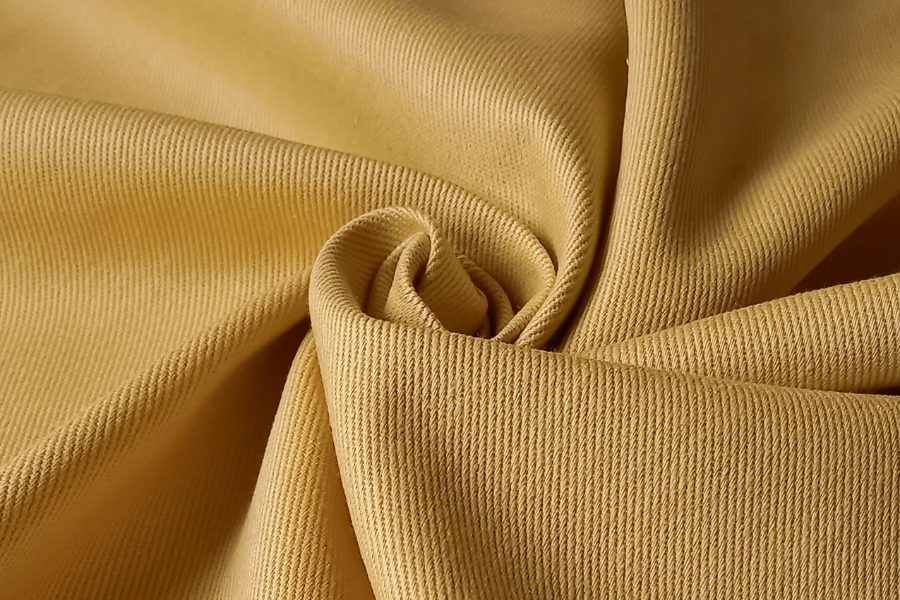
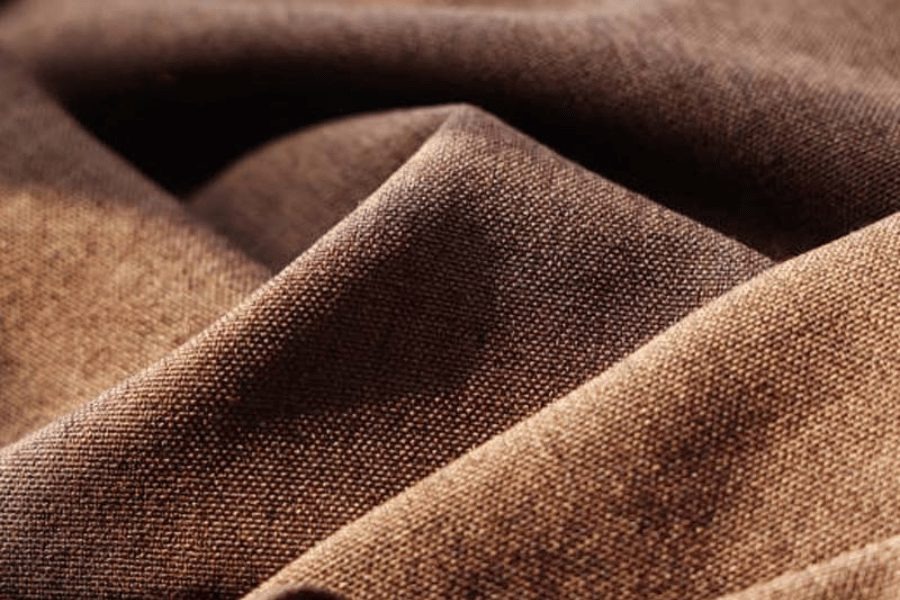
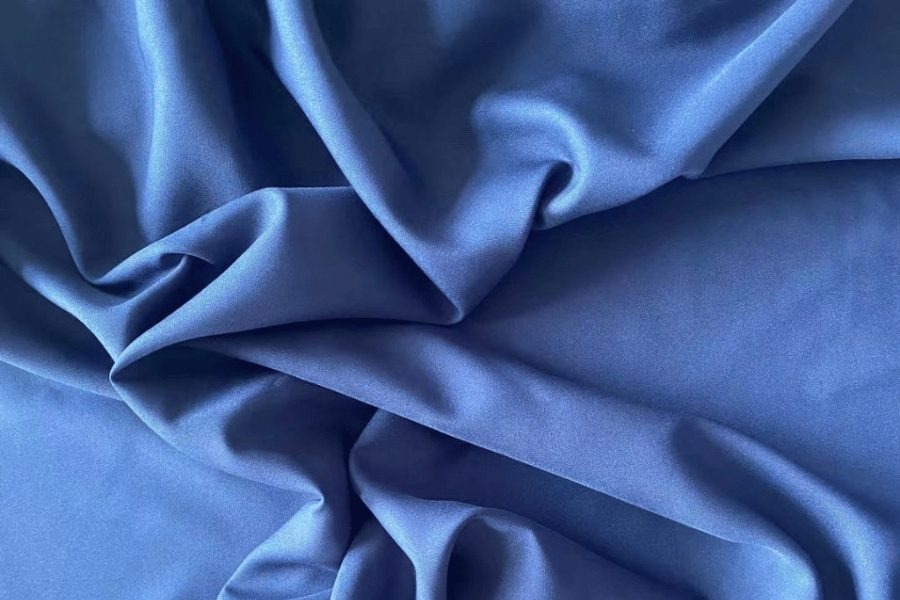
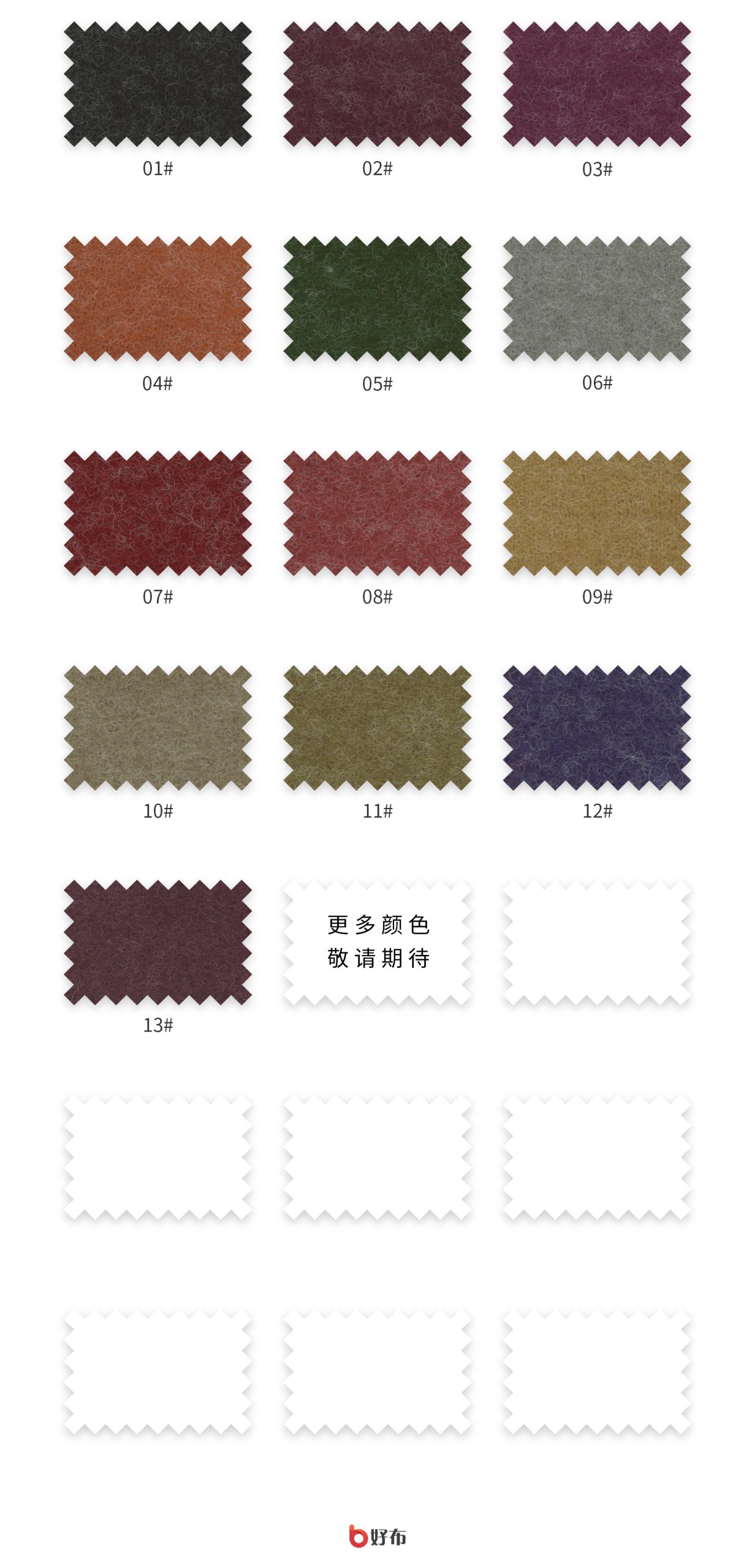
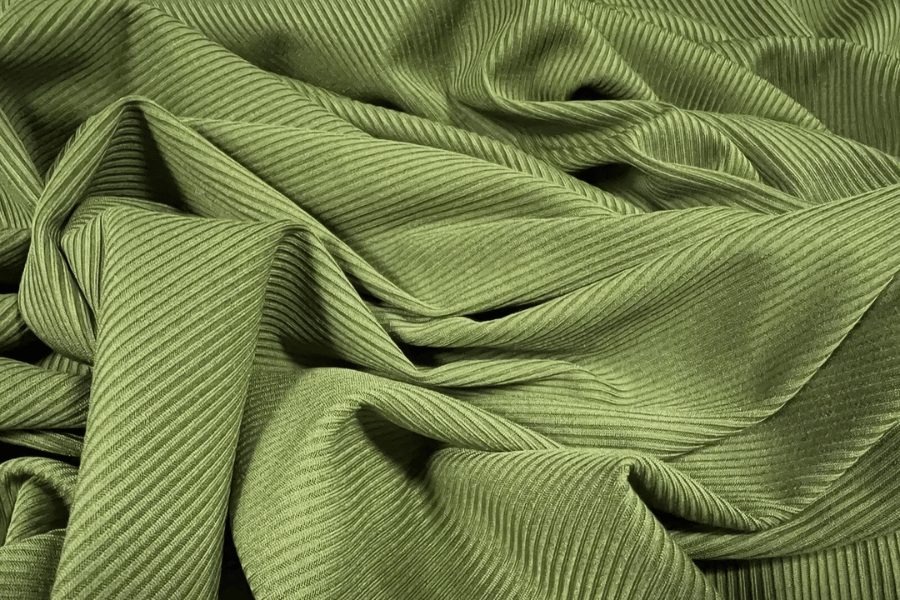
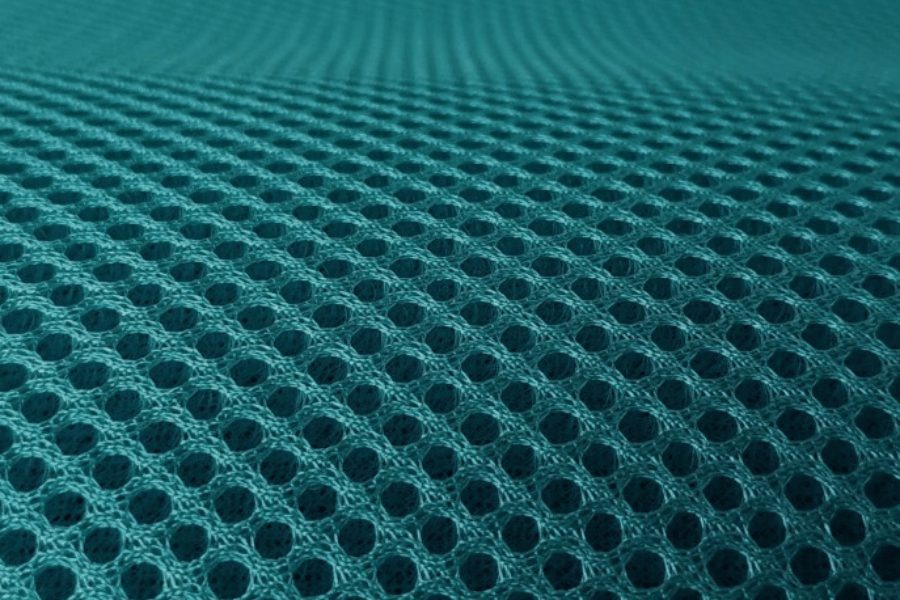
Base Fabrics & Materials for Custom Embroidered Patches Service
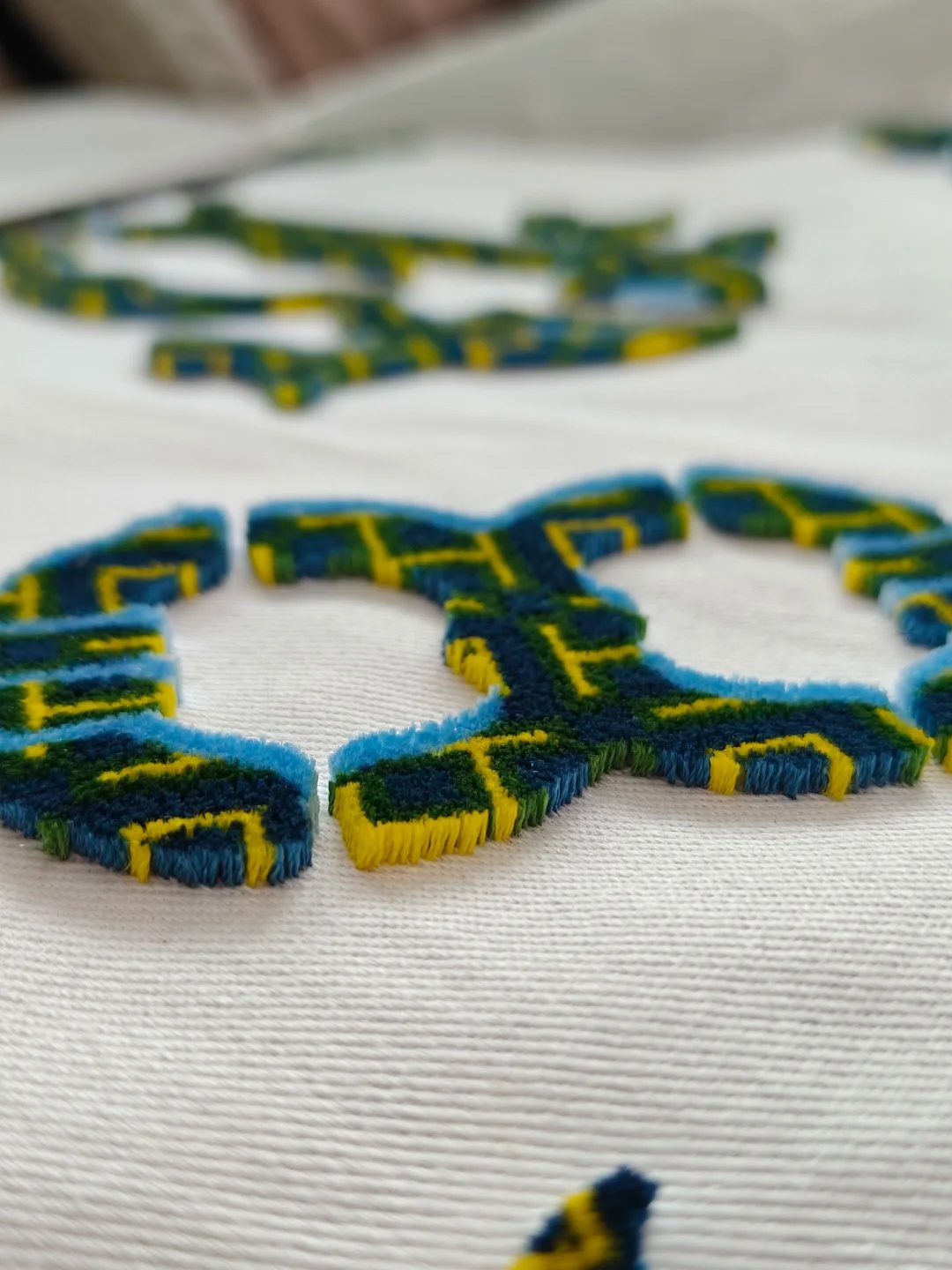
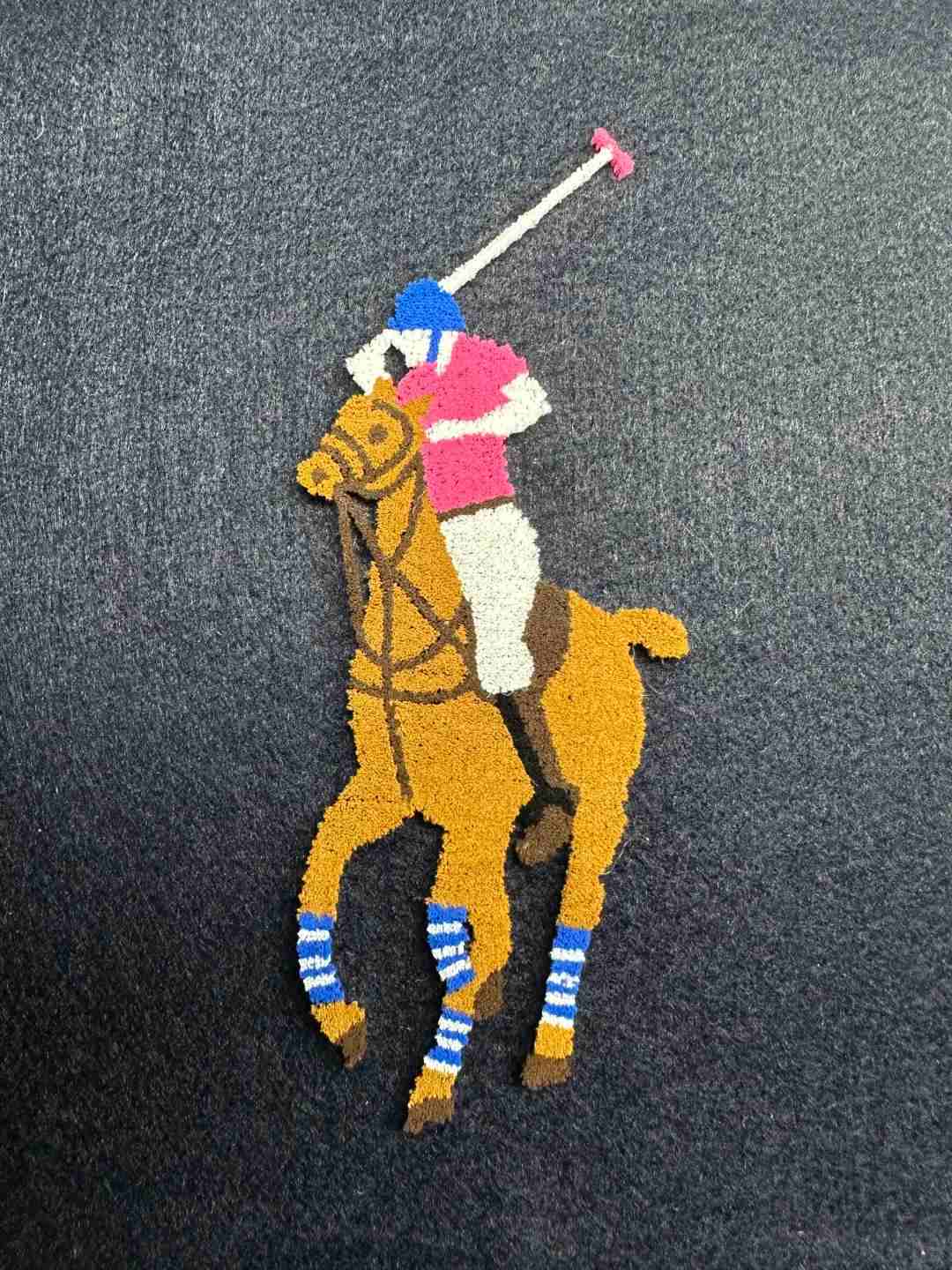
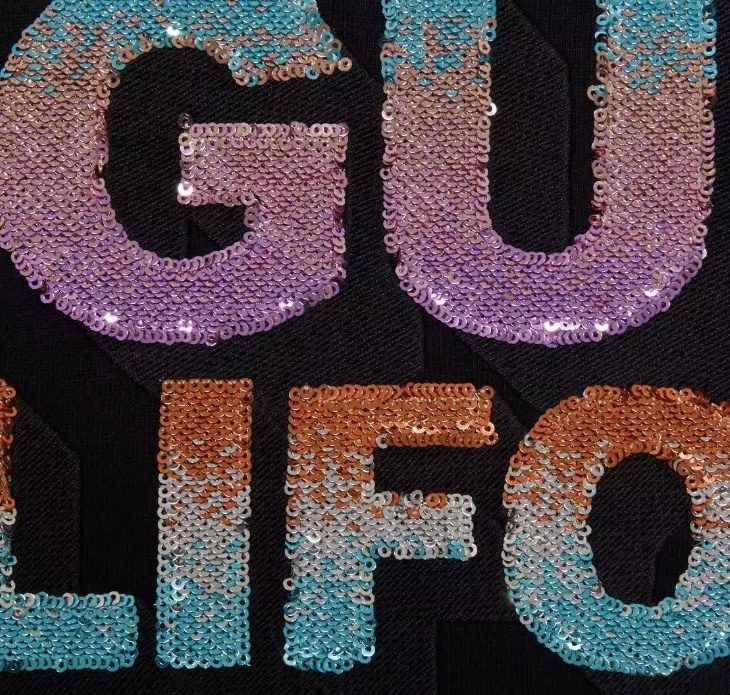
Custom Embroidered Patches Service Techniques & Processes
Custom Patch Hardware & Attachment Options
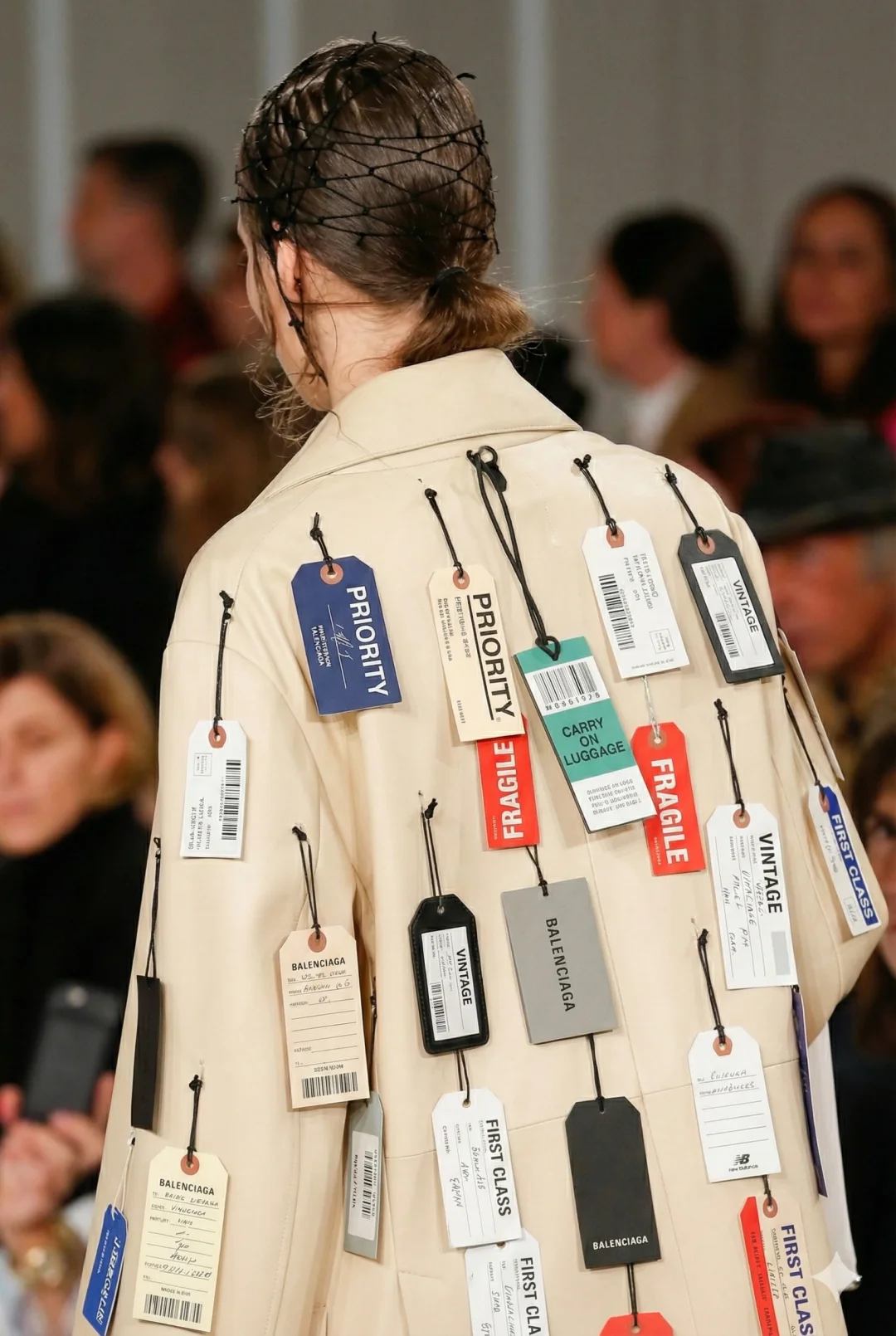
Sew-On Backing
Traditional cloth backing stitched directly onto garments. Offers maximum durability and a premium finish, ideal for jackets, jeans, hoodies, and any piece built to last. Best for permanent branding and high-wash applications.
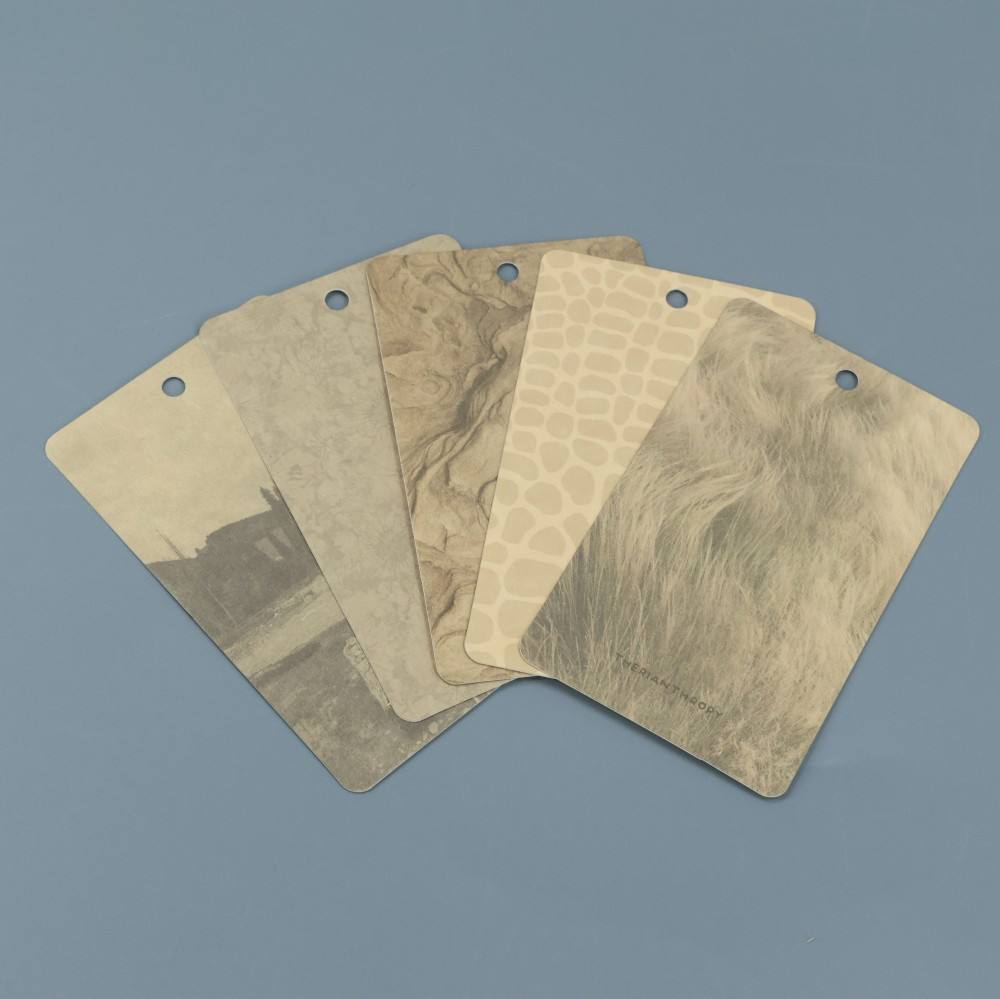
Iron-On Adhesive
Heat-activated adhesive backing that bonds patches to fabric with a household iron or heat press. Quick application with strong hold, perfect for retail-ready garments, t-shirts, caps, and low-MOQ test runs where speed matters.
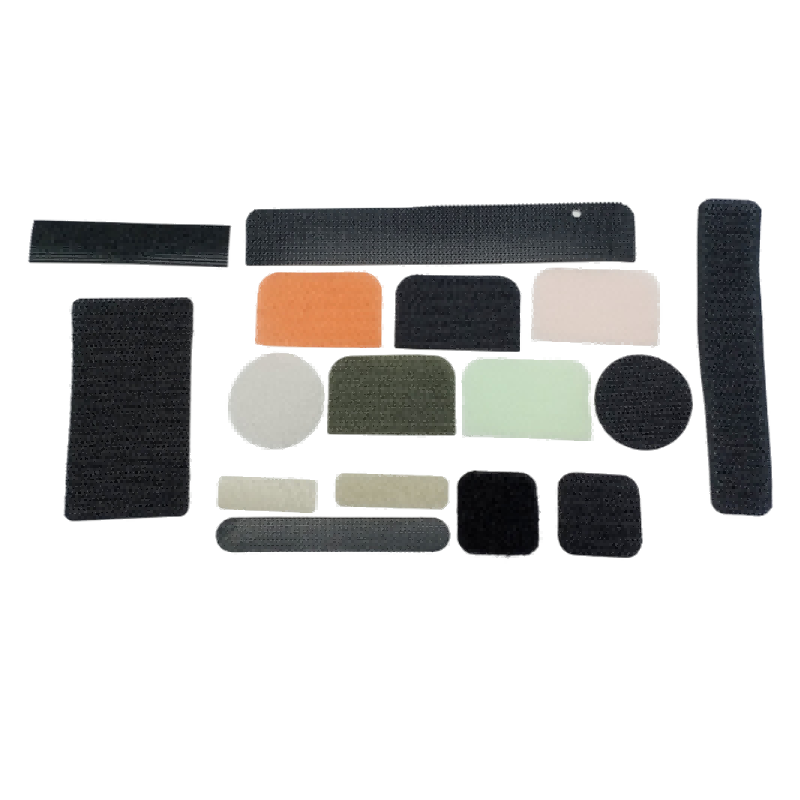
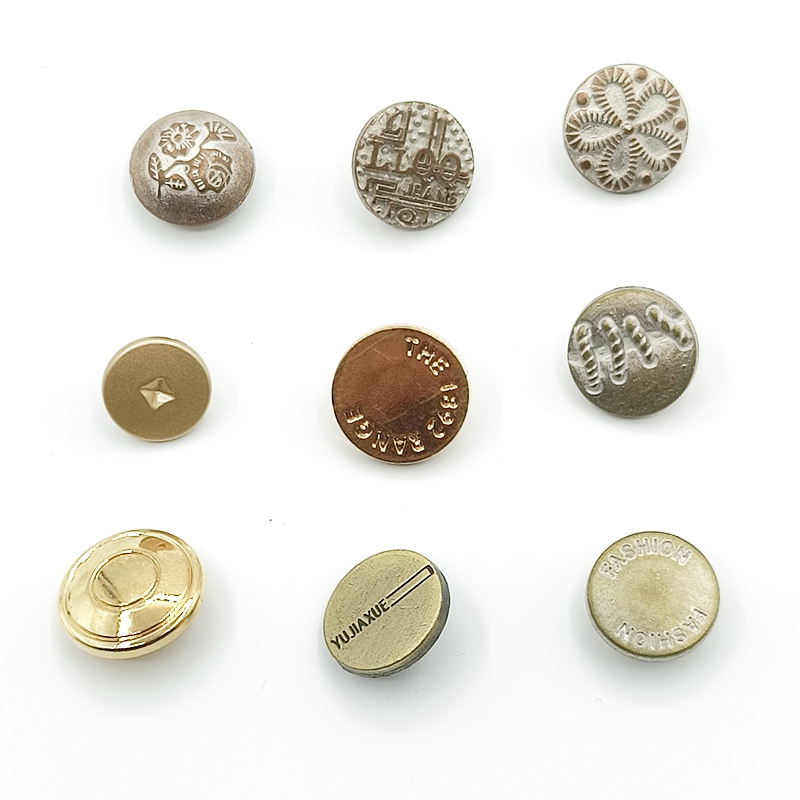
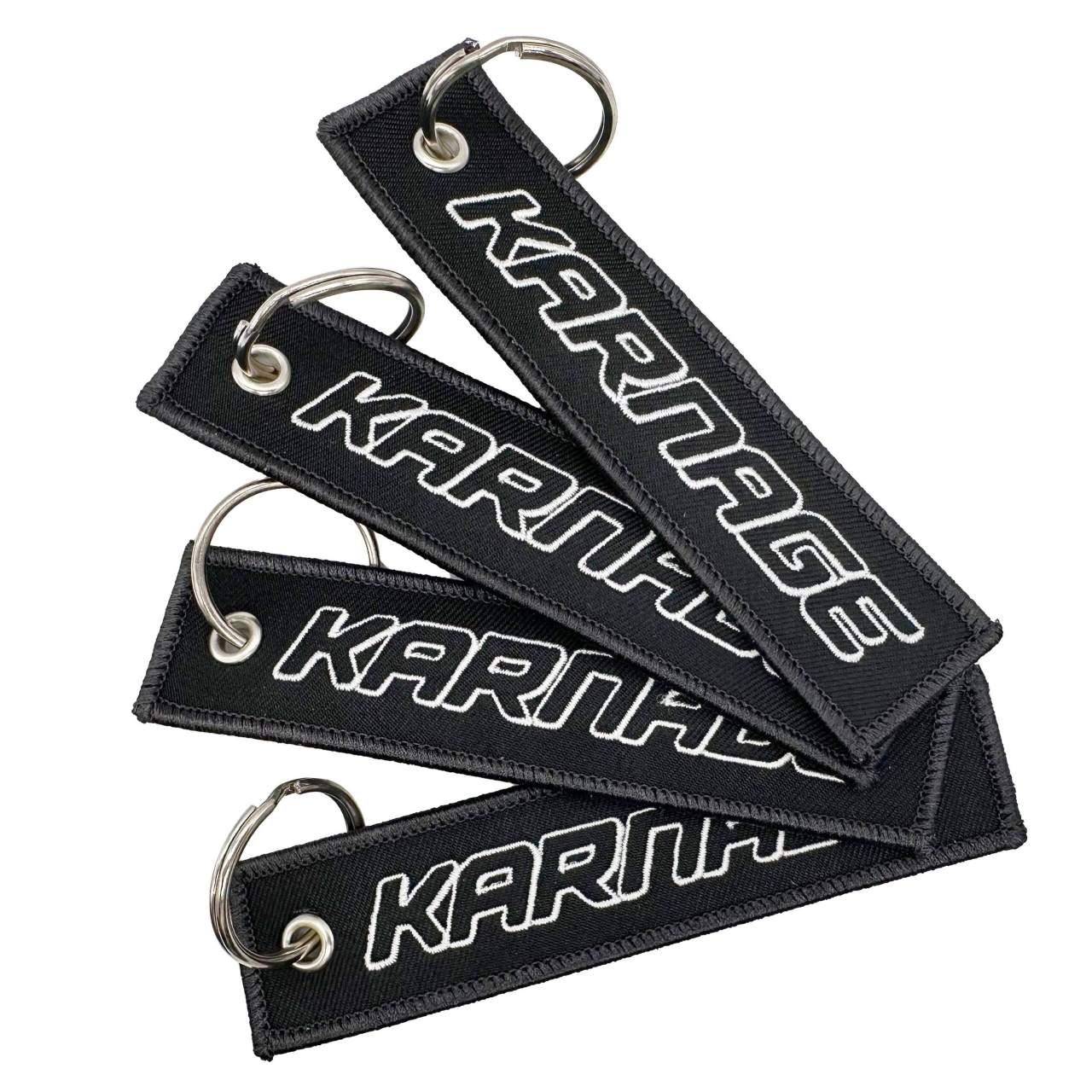
Safety Pin Clasp
Metal pin-back attachment for temporary or non-permanent use. Allows patches to be moved across garments without damage. Ideal for samples, trade shows, influencer kits, limited drops, and accessories like bags, hats, and canvas pieces.
About MENWILD — Your OEM & Private Label Partner for Embroidered Patches
Founded in 1998 in Humen, Dongguan — the heart of China’s garment manufacturing hub — MENWILD has grown from a small cut-and-sew workshop into a full-service OEM and ODM menswear manufacturer. With over 200 skilled employees and a monthly capacity exceeding 80,000 pieces, we’ve partnered with more than 2,000 fashion brands worldwide, specializing in big and tall menswear that actually fits larger bodies.
Our embroidered patch service is part of a complete in-house decoration suite that includes flat embroidery, 3D puff, appliqué, sequin, chain-stitch and custom patches — all integrated with our 2XL to 6XL pattern grading and garment production. As a wholesale big and tall clothing supplier and oversized streetwear manufacturer, we deliver patches directly onto your finished menswear, ensuring perfect placement, proportion and quality control from fabric to final product.
Whether you’re launching a capsule collection or scaling a private label line, MENWILD combines 28 years of big and tall manufacturing experience with flexible MOQs from just 100 pieces per style and fast sampling. We’re not just a supplier — we’re the long-term manufacturing partner behind growing menswear brands that refuse to compromise on fit or craftsmanship.
Custom Embroidered Patches Service Built for Brands
In-House Embroidery Lines and Equipment
MENWILD operates dedicated in-house embroidery lines in our Dongguan facility, giving you direct access to flat, 3D puff, chain-stitch, appliqué, sequin and custom patch embroidery. Fast sampling and product development — from design intake to physical samples in 5–7 days — keeps your launch timelines tight without third-party delays or quality gaps.
- Multi-head computerized embroidery machines for volume and precision
- Flat, 3D/puff, chain-stitch, appliqué, sequin and patch capabilities in one facility
- No outsourcing — full control over timelines, quality and revisions
- Capacity to handle 80,000+ pieces monthly with consistent stitch quality
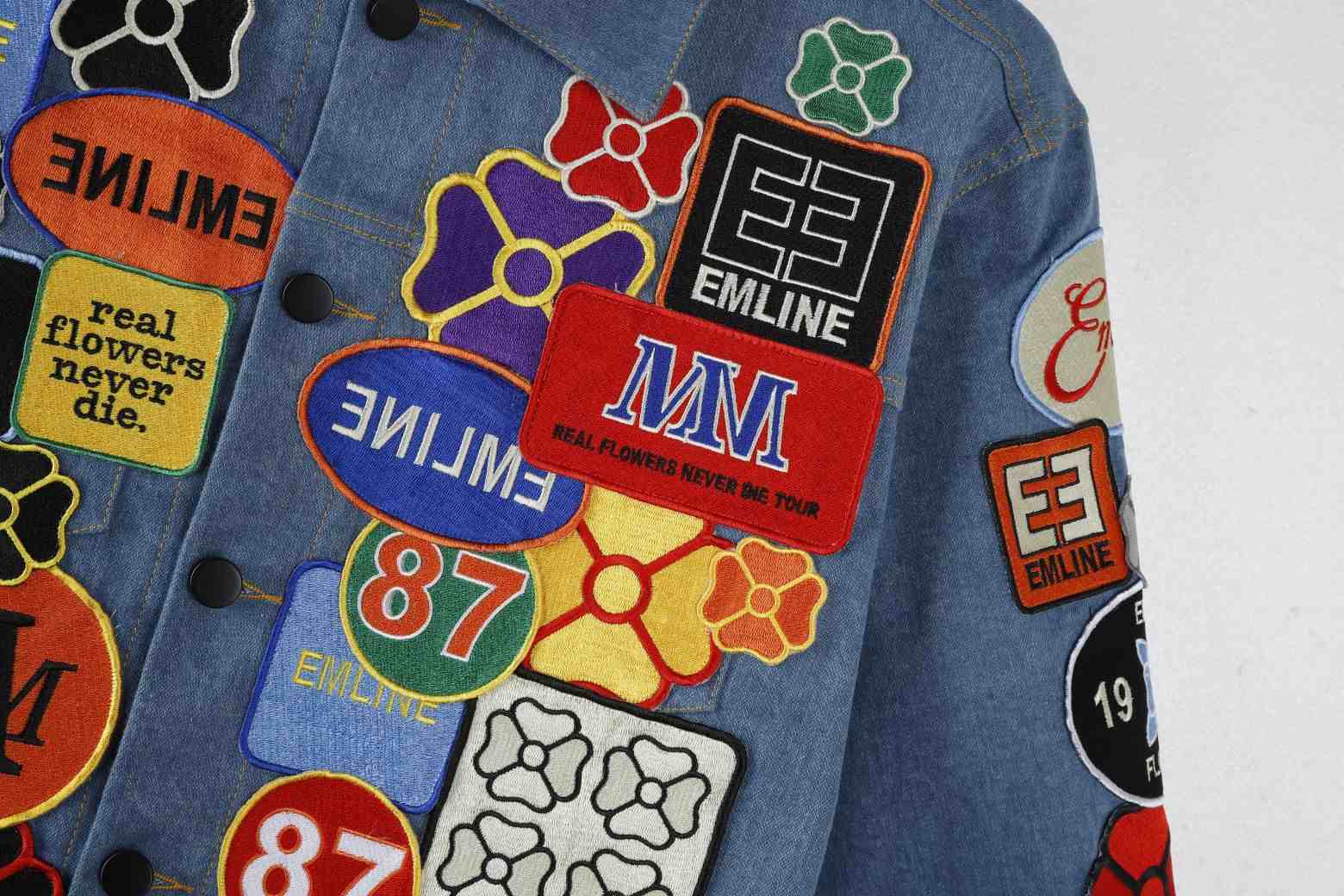
Design-to-Production Workflow for Custom Patches
From your logo file or sketch to finished embroidered patch, our design team digitizes artwork, grades thread density for durability, creates sample patches and refines stitch direction and underlay before any bulk production begins — ensuring every detail translates perfectly.
- Free digitization and thread-color matching from your artwork or photo
- Sample patches produced in 5–7 days for approval before bulk
- Stitch-count optimization to balance detail, durability and cost
- Pantone and PMS thread-color matching with swatch confirmation
Quality Control for Patch Durability
Every embroidered patch undergoes multi-stage inspection: thread tension checks during stitching, backing adhesion tests, wash-fastness validation and final visual review. We guarantee patches that survive repeated laundering, stretching and wear without fraying, puckering or thread loss.
- In-line QC during embroidery to catch tension or registration errors immediately
- Wash-fastness and colorfastness testing on sample patches before bulk approval
- Backing and border integrity checks to prevent fraying or peeling
- Final inspection of every finished patch before packing and shipment
Fast Sample Turnaround and Low MOQ
Test your custom embroidered patches with sample production in as few as 5–7 days, then scale confidently with MOQ starting from just 100 pieces per design and colorway — perfect for capsule drops, influencer collabs and brand launches without overcommitting inventory.
- Sample patches ready in 5–7 days, bulk production in 15–25 days
- MOQ from 100 pieces per patch design/color — no factory minimums forcing overstock
- Patterns and digitized files kept on record for fast, consistent re-orders
- Flexible payment terms: 100% deposit first order, scaling down to 30% for repeat partners
MENWILD Custom Embroidered Patches Service vs. Typical Patch Suppliers
When your brand needs custom embroidered patches that fit big & tall menswear perfectly, not every supplier can deliver. Here’s how MENWILD’s 28-year manufacturing expertise and flexible partnership model compare to standard patch vendors.
← 左右滑动查看 →
Custom Embroidered Patches Service Production Timeline
From design intake to global shipment, MENWILD delivers custom embroidered patches with speed and precision. Our streamlined six-phase process keeps turnaround fast without sacrificing quality, backed by 28+ years of manufacturing experience and in-house embroidery capabilities.
Design Intake & Approval
Submit your patch design, logo or artwork. Our team reviews file resolution, thread count and size specifications, then confirms digitization feasibility and provides a quote within 24 hours.
Fabric & Thread Sourcing
We source backing fabric and embroidery thread from trusted mills across China. Clients receive color swatches and material samples to approve before any production begins.
Digitization & Sample Embroidery
Your artwork is digitized into machine-ready embroidery files. We produce physical samples with flat, 3D puff, chain-stitch or applique techniques and ship for your approval.
Bulk Embroidery Production Run
Once samples are approved, bulk embroidery begins on multi-head machines. Our monthly capacity exceeds 80,000 pieces, supporting both low MOQ and large wholesale orders efficiently.
Quality Control & Finishing
Every patch undergoes in-line QC for stitch density, color match and edge finish. Heat-cut borders, merrowed edges or laser-cut shapes are applied, then patches are trimmed and inspected.
Packing & Global Shipment
Finished patches are packed with custom labels, poly bags or header cards per your spec. We coordinate air or sea freight to the United States, Canada, Europe and beyond.
How Our Custom Embroidered Patches Service Works
From initial inquiry to finished patches, MENWILD’s streamlined process delivers quality custom embroidery with 100-piece MOQ flexibility and 7-day sample turnaround.
Submit Your Design or Tech Pack
Share your patch design, logo file, sketch or reference image. Our team reviews dimensions, thread colors, backing options and placement to prepare your quote.
Receive Quote and Sample Timeline
Within 24 hours you’ll receive a detailed quote for samples and bulk, plus confirmation of our 7-day sample turnaround and 100-piece minimum order quantity.
Approve Your Physical Sample
We produce and ship a physical embroidered patch sample. Review stitch quality, colors and finish, then approve or request adjustments before bulk production begins.
Confirm Bulk Production Order
Lock in your quantity, finalize payment terms and production schedule. Our in-house embroidery lines begin bulk manufacturing with inline quality control at every stage.
Receive and Inspect Your Patches
Finished patches are packed to your specifications and shipped globally. Every order includes final QC reports and full documentation for seamless customs clearance.
Certifications & Quality Standards Behind Every Custom Embroidered Patches Service
Brands Trust MENWILD’s Custom Embroidered Patches Service
We launched our first capsule collection in just 8 weeks with a 150-piece MOQ. The embroidered patches looked incredible — sharp detail, perfect placement, and the quality stayed consistent across every re-order.
MENWILD’s patch quality exceeded our expectations. The 3D puff embroidery on our 3XL hoodies had flawless registration, and their team nailed our brand colors on the first sample. Turnaround for bulk was only 22 days.
As a wholesaler, consistent turnaround matters. MENWILD delivers our custom embroidered patches in 18–21 days every single time, and their low 100-piece MOQ lets us test new designs without huge risk.
FAQ — Custom Embroidered Patches Service
What is the minimum order quantity for custom embroidered patches service?
How long does sampling take for custom embroidered patches service?
Do you provide design support and protect my intellectual property?
What are the payment terms and deposit requirements for custom embroidered patches service?
How are embroidered patches shipped, and what are typical lead times?
Are your embroidered patches durable and wash-fast?
Can you handle rush orders for custom embroidered patches service?
What custom hardware and attachment options are available for patches?
The Complete Buyer’s Guide to Custom Embroidered Patches Service for Your Brand
Navigate supplier selection with confidence. This guide delivers a proven decision framework, critical quality criteria, customization options, and the most common sourcing mistakes fashion brands make when ordering custom embroidered patches.
1. What Is a Custom Embroidered Patches Service?
A custom embroidered patches service produces branded fabric patches using thread embroidery — typically polyester or rayon filament on a twill, felt or canvas backing — that are sewn, heat-sealed or applied to garments, accessories, hats and promotional items. Unlike printed labels that fade or crack, embroidered patches offer 50+ wash durability, a three-dimensional texture and a premium aesthetic that elevates perceived value across every category from streetwear hoodies to workwear jackets.
Fashion brands, workwear suppliers, military and government contractors, sports teams, promotional distributors and independent designers use custom embroidered patches service to reinforce brand identity, commemorate events and differentiate product lines. Patches remain versatile: they can be sewn as permanent branding, applied as iron-on or Velcro for seasonal collections, or sold separately as merchandise.
Embroidered patches outlast screen-printed or heat-transfer graphics in high-abrasion zones — shoulders, chest pockets, sleeves — and maintain color fidelity under UV exposure and industrial laundering. That durability, combined with tactile appeal and the ability to reproduce intricate logos in up to 15 thread colors, explains why embroidered patches continue to command 20–40 percent price premiums over printed alternatives in both wholesale and retail channels.
2. Evolution of Custom Embroidered Patches in Fashion
Military insignia and scout badges introduced embroidered patches as identity markers in the early 20th century, relying entirely on hand embroidery and small-batch artisan production. By the 1980s, punk and streetwear subcultures repurposed patches as DIY branding tools, fueling demand beyond institutional orders and pushing workshops toward faster, repeatable methods.
Schiffli machines emerged in the mid-1900s to automate multi-needle embroidery, yet setup costs and long lead times kept custom embroidered patches service limited to large runs. Computerized multi-head systems in the 1990s changed the economics: digital design files replaced hand-punching, setup time dropped from days to hours, and MOQs fell from thousands to hundreds, enabling small brands to order custom patches affordably.
Today luxury houses and streetwear labels collaborate on limited-edition patch capsules, while B2B manufacturers integrate embroidery with cut-and-sew workflows. Digital design portals, instant digitizing and scalable production lines have turned custom embroidered patches service into a core branding option for independent menswear brands launching with MOQs as low as 100 pieces per design.
3. Types of Custom Embroidered Patches Service Offerings
Custom embroidered patches service offerings vary by construction method, edge finish and backing type. Each combination serves distinct aesthetic goals, garment weights and wash durability requirements, from flat corporate logos to bold streetwear statements.
Flat Embroidery Patches
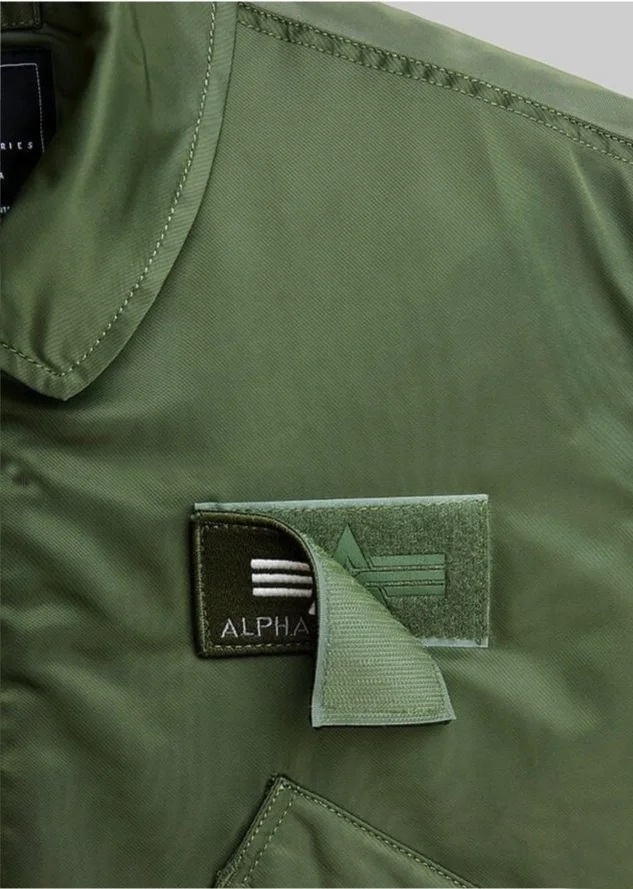
Flat embroidery uses standard fill stitches to create smooth, detailed designs ideal for logos, text and intricate artwork. Stitch density typically ranges from 3,500 to 6,000 stitches per square inch, balancing clarity and fabric stability.
Flat patches suit lightweight to midweight garments — tees, polos, dress shirts — and withstand industrial laundering when properly backed. MENWILD applies flat embroidery for brand logos on extended-size dress shirts and workwear where fine detail and professional appearance matter.
3D Puff Embroidery Patches
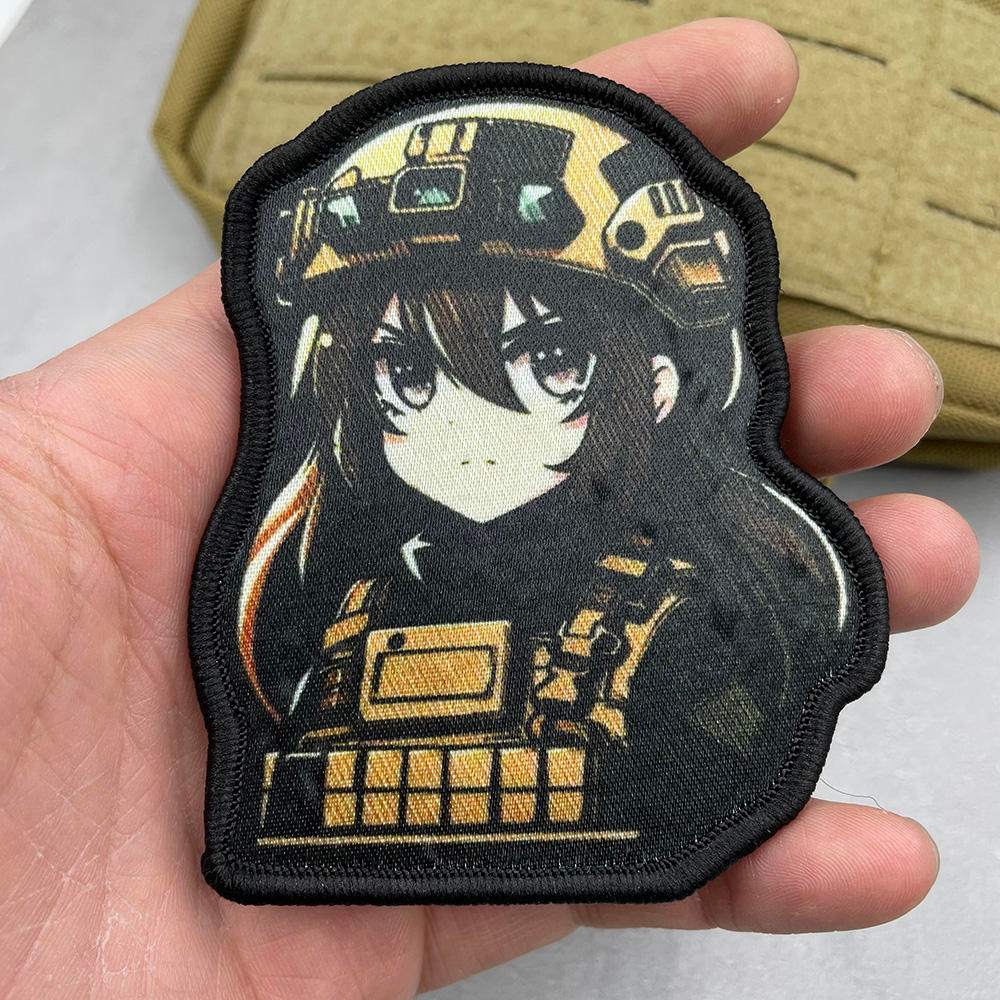
3D puff embroidery layers foam under stitching to raise text or graphics up to 3–5 mm above the fabric surface. This technique delivers bold, tactile branding popular in streetwear, caps and oversized hoodies.
Puff works best on thicker bases — French terry, fleece, twill — and requires merrowed or woven edges to contain the foam. MENWILD uses puff embroidery for oversized tee chest logos and snapback front panels where dimensional impact drives brand recognition.
Edge Finish: Merrowed vs. Woven
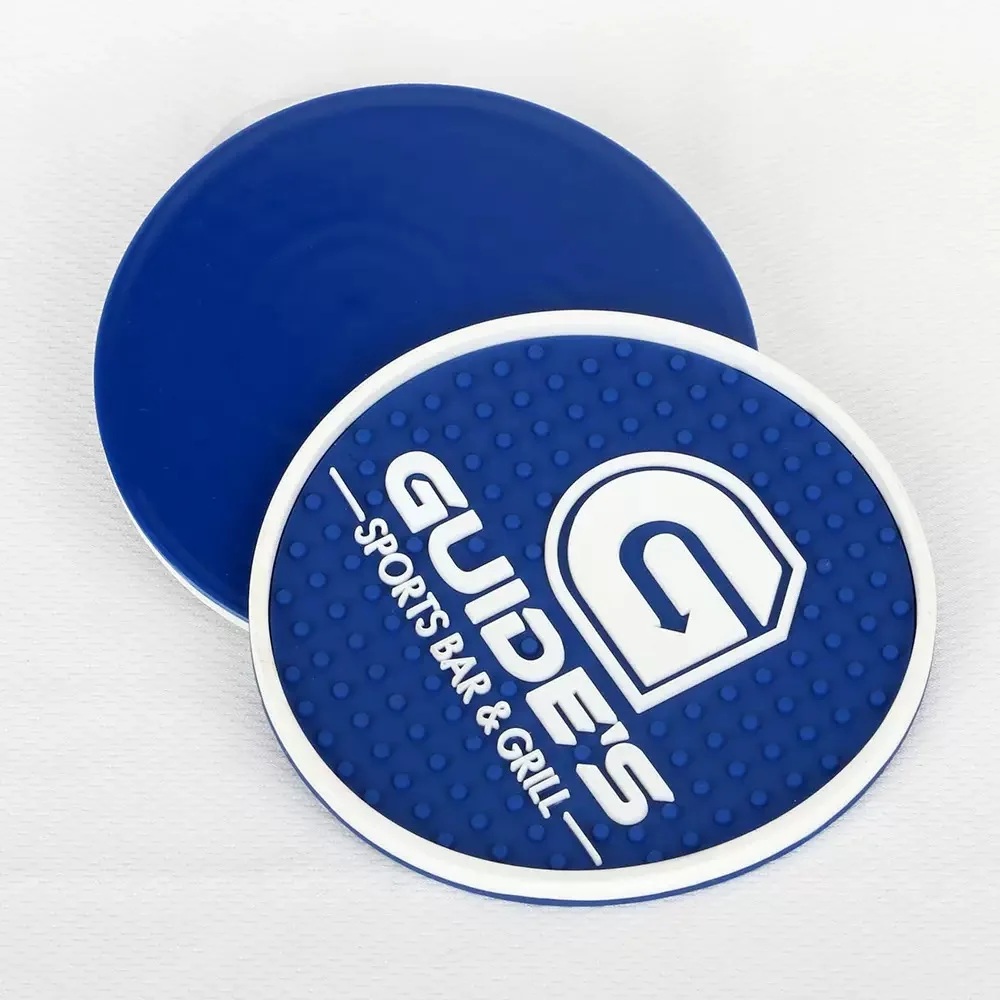
Merrowed borders wrap thread over the patch edge in a tight overlock, creating a raised, rope-like finish that prevents fraying. Woven edges fold fabric inward and stitch flat, yielding a cleaner, thinner profile suited to tailored garments.
Merrowed edges handle heavy wash cycles and are standard for varsity jackets and workwear; woven edges suit dress shirts and blazers where bulk must stay minimal.
Backing Options: Iron-On vs. Sew-On
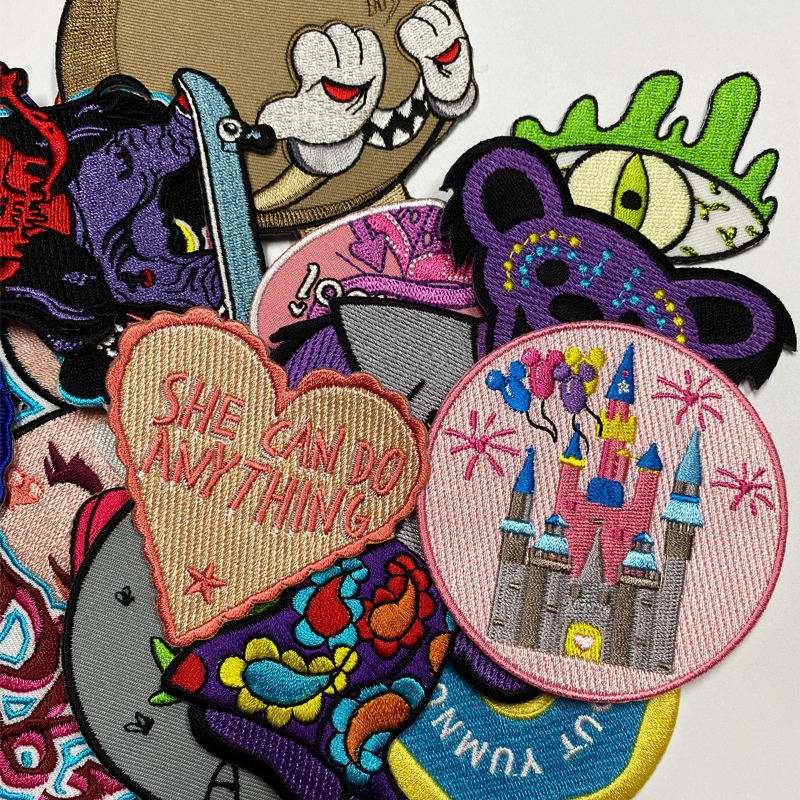
Iron-on patches use heat-activated adhesive film, enabling fast application on sample runs and retail DIY kits. Sew-on patches rely on perimeter or zigzag stitching, offering superior wash durability for production garments.
MENWILD recommends iron-on for low-volume influencer merch and test drops, sew-on for wholesale collections expecting 50+ industrial wash cycles. Adhesive backing may lift on performance knits; sew-on remains the safest choice for activewear and denim.
4. Materials and Thread Options in Custom Embroidered Patches Service
Material and thread selection determines patch durability, appearance and wash performance across menswear categories. Base fabrics include twill (crisp, detailed), felt (soft, vintage), canvas (heavyweight, workwear) and denim (casual, rugged). Thread types range from rayon (high sheen, lower cost) to polyester (superior colorfastness, industrial wash cycles) and metallic (premium accent, delicate care).
| Material | Durability | Sheen | Colorfastness | Cost Tier | Best Use Case |
|---|---|---|---|---|---|
| Twill + Polyester | High | Medium | Excellent | Mid | Logo tees, polos, commercial wash |
| Felt + Rayon | Medium | High | Fair | Low | Vintage streetwear, low-wash capsules |
| Canvas + Polyester | Very High | Low | Excellent | Mid-High | Workwear, outerwear, heavy denim |
| Denim + Metallic | Medium | Very High | Fair | High | Premium jackets, limited editions |
Base Fabric Comparison
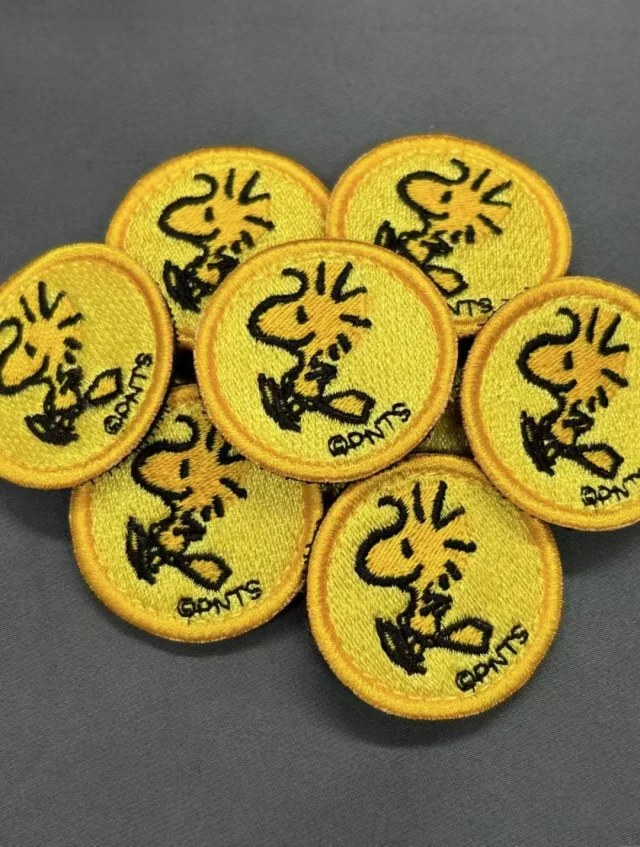
Twill remains the industry standard for detailed logo work, offering tight weave density and sharp edge definition. Felt delivers a softer hand and vintage aesthetic but pills faster under commercial laundering. Canvas suits workwear and outerwear applications requiring abrasion resistance, while denim-backed patches align with casual streetwear and denim garments.
Fabric weight typically ranges from 200–400 GSM; heavier bases withstand stone-wash and enzyme cycles common in big & tall denim production.
Thread Types and Performance
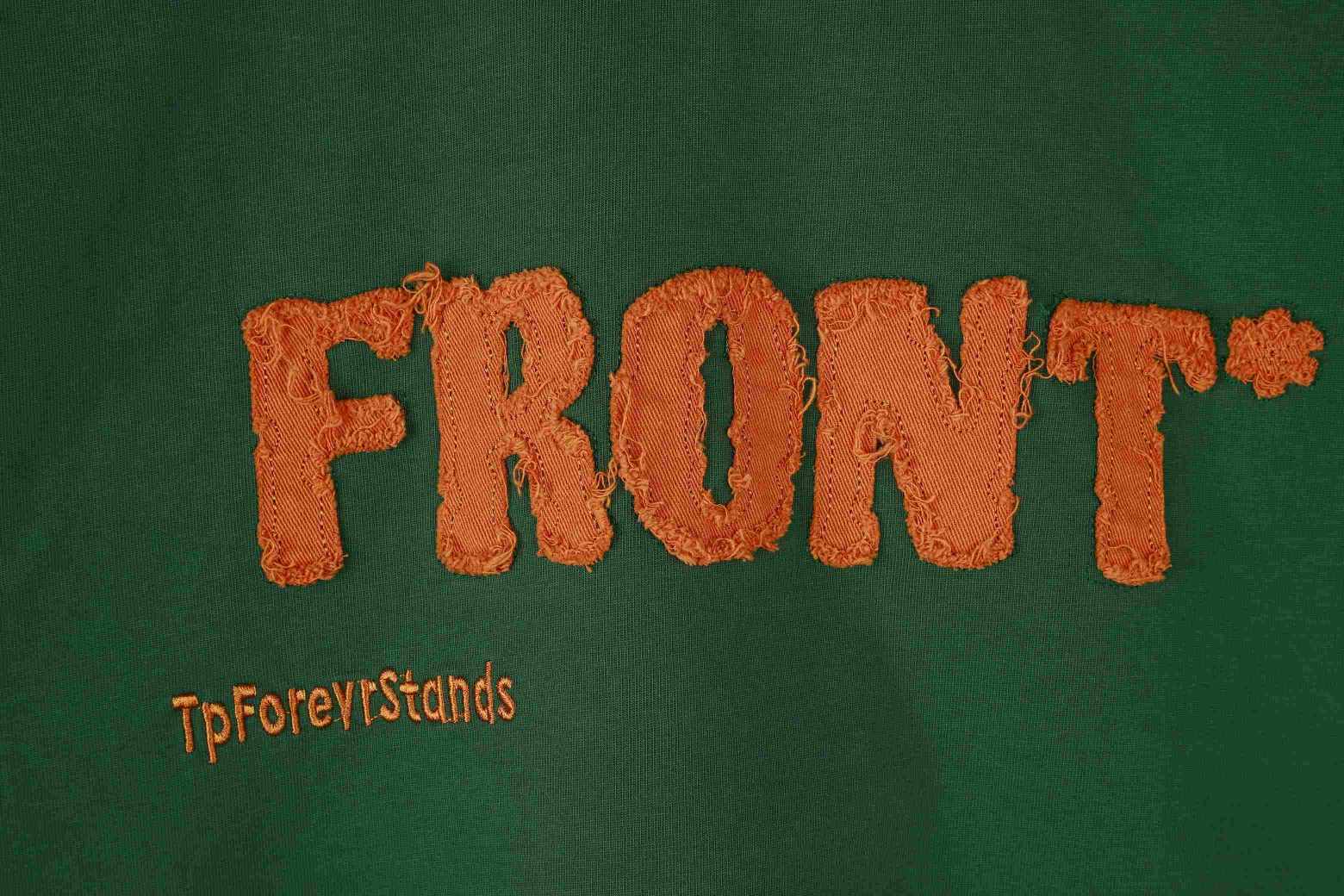
Rayon thread provides brilliant sheen at lower cost but fades under chlorine and high-temperature commercial wash. Polyester thread resists UV, chlorine and repeated industrial cycles, making it the default for activewear, workwear and garments washed above 60°C. Metallic thread adds premium visual impact but requires gentle care and is best reserved for outerwear or low-wash streetwear pieces.
Most factories stock 200+ polyester colors; rayon and metallic selections are narrower and may require minimum order quantities per spool.
Backing Materials and Attachment Methods
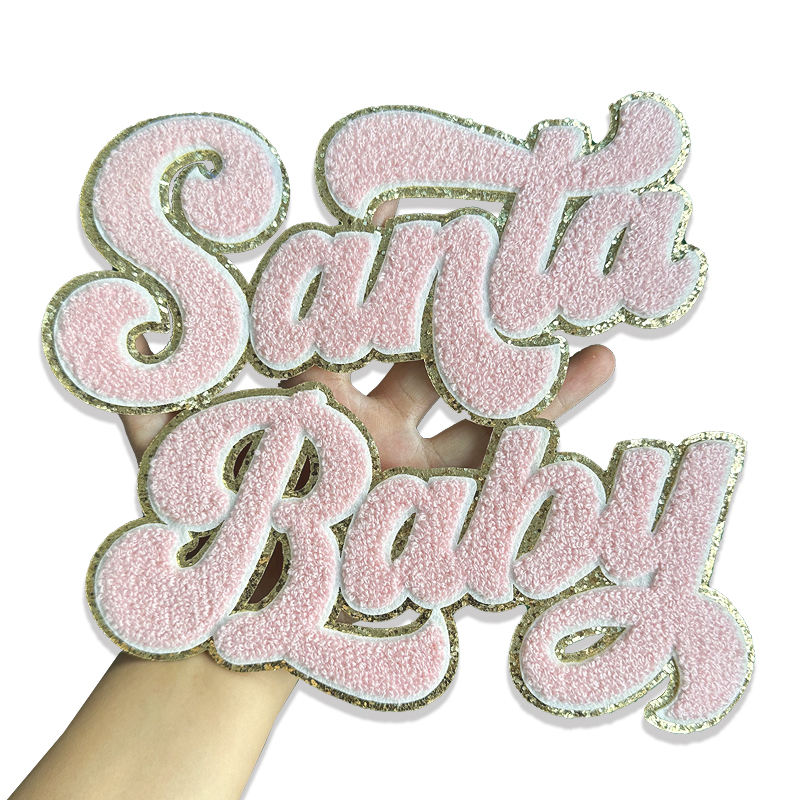
Heat-seal backing bonds to fabric under press (15–20 seconds at 150–170°C) and suits high-volume production but cannot be repositioned. Adhesive peel-and-stick backs enable customer application yet may lift after multiple washes. Velcro (hook-and-loop) allows removal for laundering or rotation, popular in tactical workwear and custom caps. Plain-edge patches require sewing, offering maximum durability for outerwear and heavyweight garments subjected to stone-wash or garment-dye finishing.
5. Customization and Design Options for Your Patches
Every custom embroidered patches service begins with translating your artwork into stitch-ready specifications. Size, shape, thread density, color matching and file format all determine whether your design embroiders cleanly or loses detail in production.
Size, Shape and Stitch Density
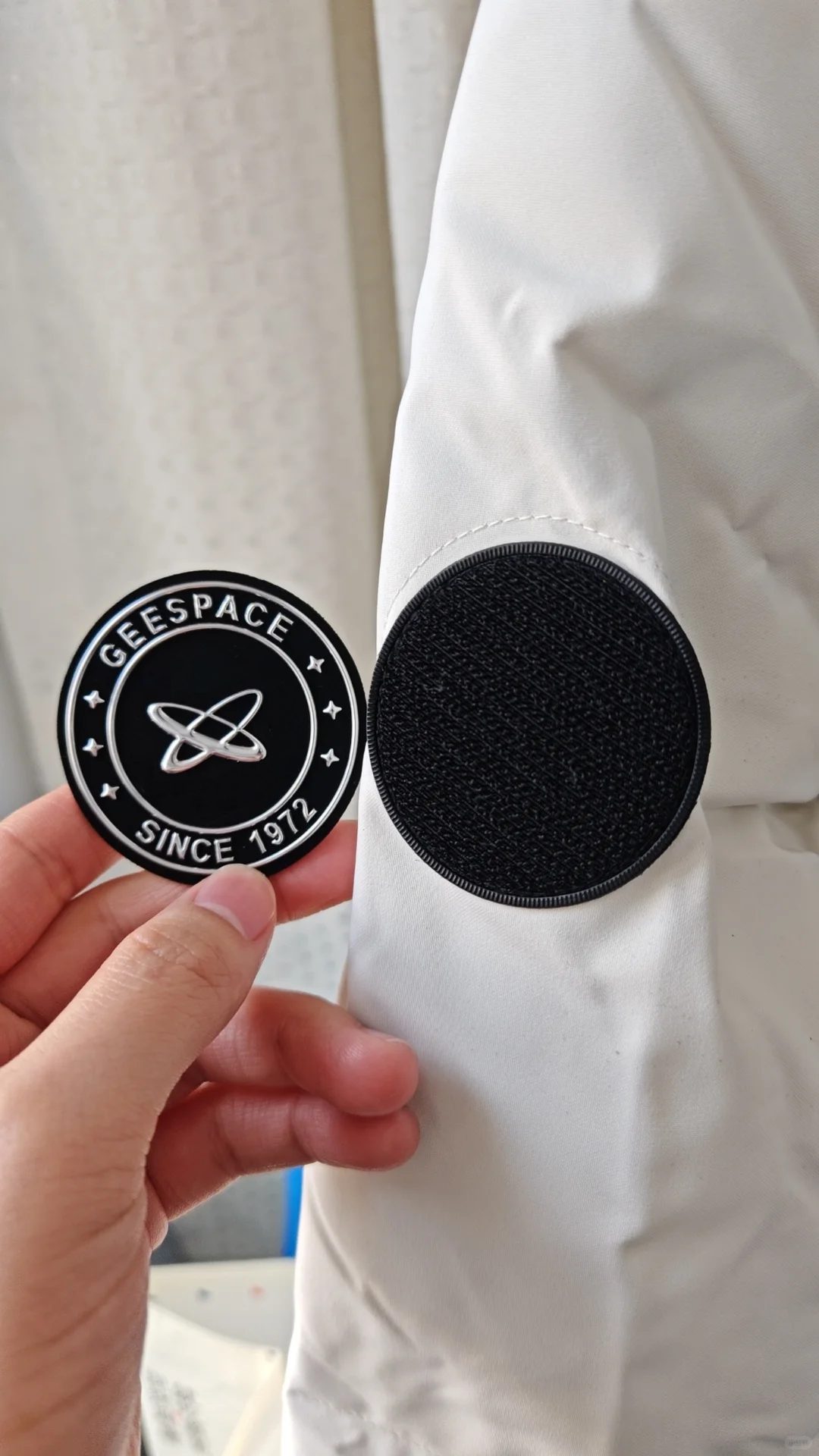
Patches range from 1-inch circle minimums to 12-inch back pieces; most factories quote by the square inch. Standard shapes—circle, square, rectangle—cost less than die-cut custom outlines that follow logo contours.
Stitch density runs 4,000–6,500 stitches per square inch; higher counts yield sharper edges but stiffer hand and longer run times. Text below 0.25 inches or fine serif fonts often blur; sans-serif block letters remain legible down to 3 mm.
Color Matching and Thread Charts
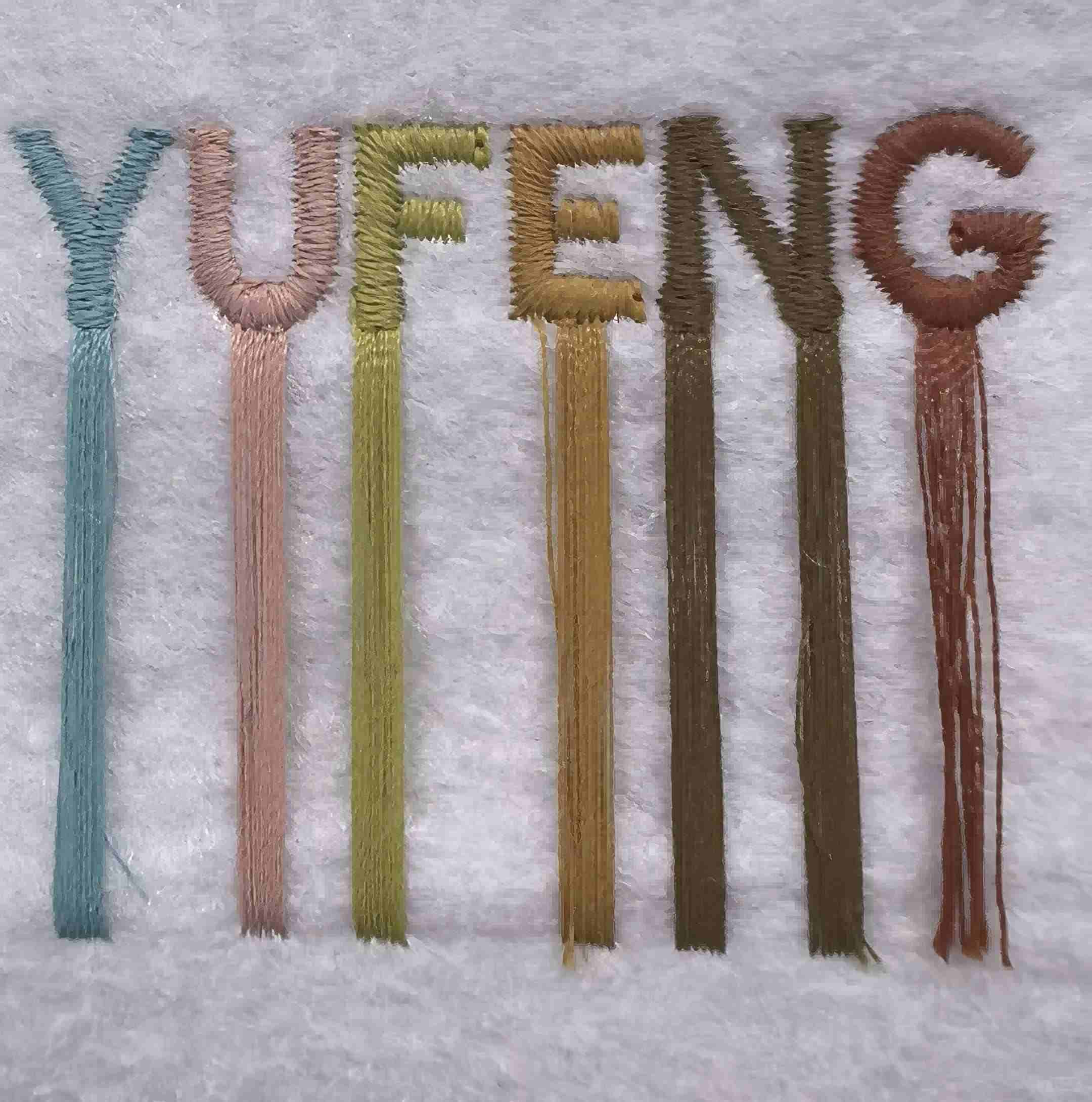
Embroidery thread catalogs carry 300–400 stock colors; exact PMS matches are approximated to the nearest thread shade. Gradients and photographic shading do not translate—embroidery builds solid fills and distinct color blocks.
MENWILD digitizes artwork into stitch files, assigns thread colors from chart references, and sends a digital mock-up before cutting the first sample.
Artwork Files and Digitization
Vector files—AI, EPS, PDF—scale without pixelation and speed digitization. Raster formats like JPG or PNG work if resolution exceeds 300 DPI at final patch size.
Digitization converts your artwork into machine-readable stitch paths: underlay, fill direction, border sequence. One round of revisions on the digitized mock-up is standard; physical samples confirm thread tension and color before bulk.
6. Key Quality Indicators When Evaluating Custom Embroidered Patches Service
Quality separates a patch that survives fifty wash cycles from one that frays after five. When evaluating a custom embroidered patches service, measurable benchmarks and sample inspection catch defects before bulk production begins.
Stitch Density and Thread Tension
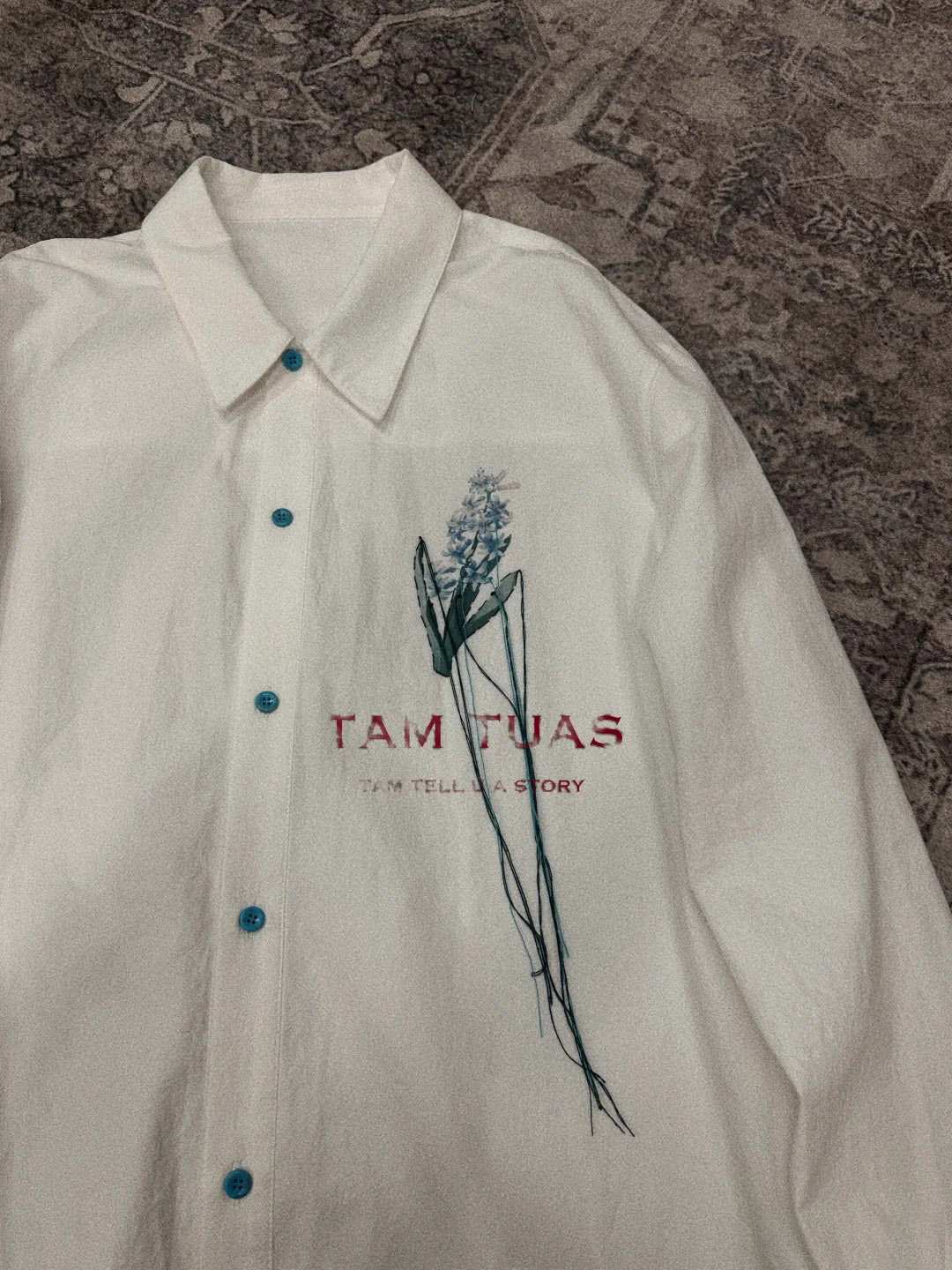
Professional patches run 4–6 stitches per millimeter; lower density leaves gaps, higher risks puckering. Thread tension must stay consistent across the entire design — uneven tension causes loops on the surface or thread breaks underneath.
Inspect samples under bright light at an angle to spot loose stitches or bunching. MENWILD’s embroidery lines maintain calibrated tension across flat, 3D puff, and chain-stitch work to ensure uniform coverage.
Backing Adhesion and Edge Finish
Heat-seal backing must bond uniformly without peeling at corners; merrowed or laser-cut edges should show no fraying threads. Poor adhesion causes patches to lift after the first wash, while ragged edges unravel quickly.
Bend the sample sharply — backing should flex without separating. Check edge stitching for tight, even coverage that locks all cut ends securely.
Color Consistency and Durability Testing
Batch-to-batch color variance over ΔE 2.0 is visible to customers; request thread-lot records and Pantone references. Wash-cycle testing — minimum twenty cycles at 40°C — and abrasion resistance confirm thread dye fastness and backing integrity.
MENWILD keeps thread-lot samples on file and runs in-line color checks to maintain consistency across re-orders and large runs.
7. How to Choose the Right Custom Embroidered Patches Service Provider
Choosing a custom embroidered patches service provider requires evaluating capabilities, flexibility and long-term scalability. Vet suppliers on technical infrastructure, quality systems and responsiveness to ensure your brand’s decoration needs grow with production volume.
MOQ Flexibility and Lead Times
MOQ for patches typically ranges from 50 to 500 pieces per design. MENWILD offers 100-piece minimums, letting brands test designs without overcommitting inventory. Sampling takes 5–7 days, bulk runs 10–15 days after approval.
Revision policies matter: confirm whether design tweaks or thread-color adjustments incur fees or restart lead times.
Machine Park and Digitization Capability
Multi-head embroidery machines (6–15 heads) ensure consistent stitch density and faster turnaround. Ask how many heads the supplier operates and whether they digitize artwork in-house or outsource.
In-house digitization shortens revision cycles and maintains tighter control over stitch files, especially for complex logos or gradients.
Domestic vs. Overseas Suppliers
Domestic suppliers offer 3–5 day sampling and easier communication but cost 40–60% more per patch. Overseas manufacturers like MENWILD deliver lower per-unit pricing, broader fabric and thread libraries, and scalable capacity for brands planning multi-SKU collections.
Payment flexibility — T/T, PayPal, USDT — and deposit structures (100% first order, stepping to 30% for repeat clients) ease cash flow as orders scale.
8. Common Mistakes Buyers Make with Custom Embroidered Patches Service
Even experienced buyers stumble when ordering custom embroidered patches service for the first time. Missteps in artwork preparation, backing selection and sample validation can delay production, inflate costs and compromise final quality.
Low-Resolution Artwork and Missing Color Codes
Submitting JPEGs under 300 DPI forces digitizers to redraw edges, adding 2–3 days and risking detail loss. Always provide vector files (AI, EPS, PDF) or high-resolution PNGs above 600 DPI.
Omitting Pantone or PMS thread codes leaves color matching to guesswork. Specify exact codes for brand consistency, especially when reordering months later.
Ignoring Thread Density and Backing Type
Over-dense digitizing (above 4.5 stitches per millimeter) creates stiff, board-like patches that crack in wash cycles. Under-density looks cheap and frays quickly.
Choosing heat-seal backing for lightweight jerseys causes puckering; iron-on adhesive fails on performance fabrics. Match backing—sew-on, heat-seal, Velcro or adhesive—to garment weight and end use.
Skipping Physical Samples and Wash Tests
Approving digitized previews on-screen without a physical sample hides texture, true thread color and edge finish. Request strike-offs before bulk.
Ordering thousands of patches without wash-testing one sample risks thread bleed, backing separation or shrinkage. Run three hot-water cycles on the sample patch applied to your actual fabric.
9. Steps to Launch Your Brand with Custom Embroidered Patches
Launching a brand with custom embroidered patches requires a clear workflow that balances creative vision, production timelines and budget. Each step—from artwork digitization through final application—affects both cost and market impact, making patches a strategic branding asset rather than a simple decoration.
Concept and Artwork Digitization
Finalize your patch design with vector artwork at 300 DPI, specifying exact Pantone thread colors and stitch type (flat, 3D puff, chain-stitch). Submit the file to your manufacturer for digitization—the process that converts artwork into machine-readable embroidery code.
Digitization typically adds 1–3 days and $20–$50 per design, depending on complexity. MENWILD’s design team handles digitization in-house, ensuring stitch density and underlay settings suit the chosen twill or felt backing.
Sample Approval and Bulk Order
Request a physical sample patch—usually 5–7 days and $15–$30 per design—to verify thread color, edge finish (merrowed or laser-cut) and size accuracy. Approve the sample before placing your bulk order at 100-piece MOQ per colorway.
Bulk lead time runs 12–18 days after deposit. Lock patch quantities to garment production volume, ordering 5–10% extra for replacements and future repairs.
Application and Marketing as Brand Signature
Sew-on patches offer durability for outerwear and denim; heat-press backing suits lightweight tees and hoodies but may lift after 20–30 washes. Communicate application method to your CMT or end customer clearly.
Market patches as storytelling elements: photograph close-ups for product pages, highlight craftsmanship in launch emails and offer limited-edition patch variants to drive collection urgency. Patches become recognizable brand signatures when consistently placed and promoted.
10. Pricing and Cost Structure for Custom Embroidered Patches Service
Setup fees for custom embroidered patches service typically range from $30 to $80 per design, covering digitization, thread mapping and first-sample approval. Stitch count, patch size (2″ to 5″ most common), thread type (rayon, polyester, metallic) and backing method (heat-seal, iron-on, Velcro, sew-on) drive per-unit cost; a 3″ patch with 5,000 stitches on twill backing averages $0.90–$2.50 depending on quantity.
Volume breaks deliver significant savings: 100-piece orders carry higher per-unit costs to offset setup, while 1,000+ orders drop unit price 40–60 percent. Reorders eliminate digitization fees entirely, reducing cost by $0.15–$0.40 per patch when patterns and thread specs are kept on file.
Hidden costs include revision charges beyond two rounds ($15–$25 each), rush production fees (20–30 percent surcharge for sub-10-day lead times), and international shipping — DHL/FedEx for samples often adds $25–$45, while bulk freight depends on weight and destination. Always confirm whether quotes are FOB, DDU or DDP to avoid surprise duties and clearance fees.
| Quantity Tier | Unit Price Range | Setup Cost | Typical Lead Time |
|---|---|---|---|
| 100 pcs | $1.80–$2.50 | $50–$80 | 12–15 days |
| 500 pcs | $1.20–$1.60 | $50–$80 | 10–14 days |
| 1,000 pcs | $0.90–$1.30 | $50–$80 | 10–12 days |
| 5,000 pcs | $0.60–$0.95 | $50–$80 (waived for reorders) | 12–18 days |
Start Your Custom Embroidered Patches Service Project Today
100-piece MOQ, 7-day samples, and 28 years of big & tall manufacturing expertise. Send your design and get a quote within 24 hours.