
Big & Tall Menswear Manufacturer for Fashion Brands & Retailers
Partner with a trusted big & tall menswear manufacturer offering low MOQ from 100 pieces, specialist 2XL–6XL pattern grading, and 28+ years of OEM, ODM & private label expertise in Dongguan, China.
Big & Tall Menswear Product Gallery
Why Choose MENWILD as Your Big & Tall Menswear Manufacturer
Low MOQ from 100 Pieces
Start small and scale fast. Test inventory solutions, launch pilot programs, and reduce upfront investment with flexible minimum order quantities.
Fast Sampling & Product Development
Receive production-ready garment samples in 7–10 days. Validate fit, fabric, and construction before committing to bulk production runs.
Full In-House Decoration
Embroidery, screen printing, DTG, DTF, and sublimation all under one roof for your menswear. Complete design control without third-party delays or quality gaps.
28+ Years Manufacturing Experience
Since 1998, MENWILD has delivered precision big & tall menswear to over 2,000 fashion brands across six continents from Dongguan, China.
OEM, ODM & Private Label
Bring your tech pack, sketch, or concept. Our design team develops custom menswear tailored to your brand and extended-size fit requirements.
Certified Production Standards
ISO-compliant facilities and rigorous in-line quality control ensure every garment meets international compliance and performance benchmarks.
Big & Tall Menswear Categories We Manufacture
From t-shirts and hoodies to jeans, outerwear and suits, MENWILD manufactures the full menswear range in extended 2XL–6XL sizing, true big & tall proportions and modern oversized fits — all with low 100-piece MOQs and fast sampling.
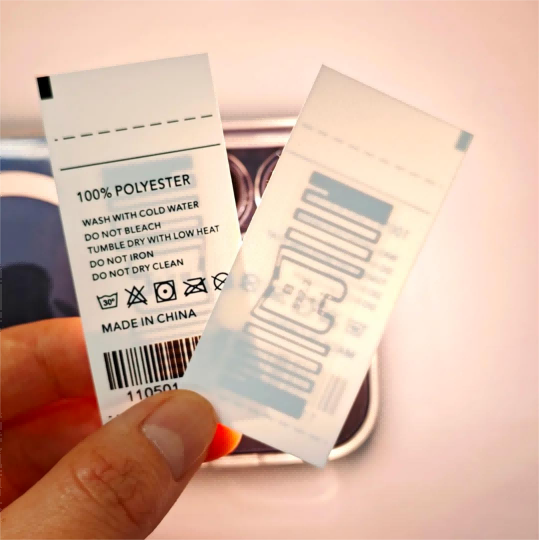
Woven RFID Labels
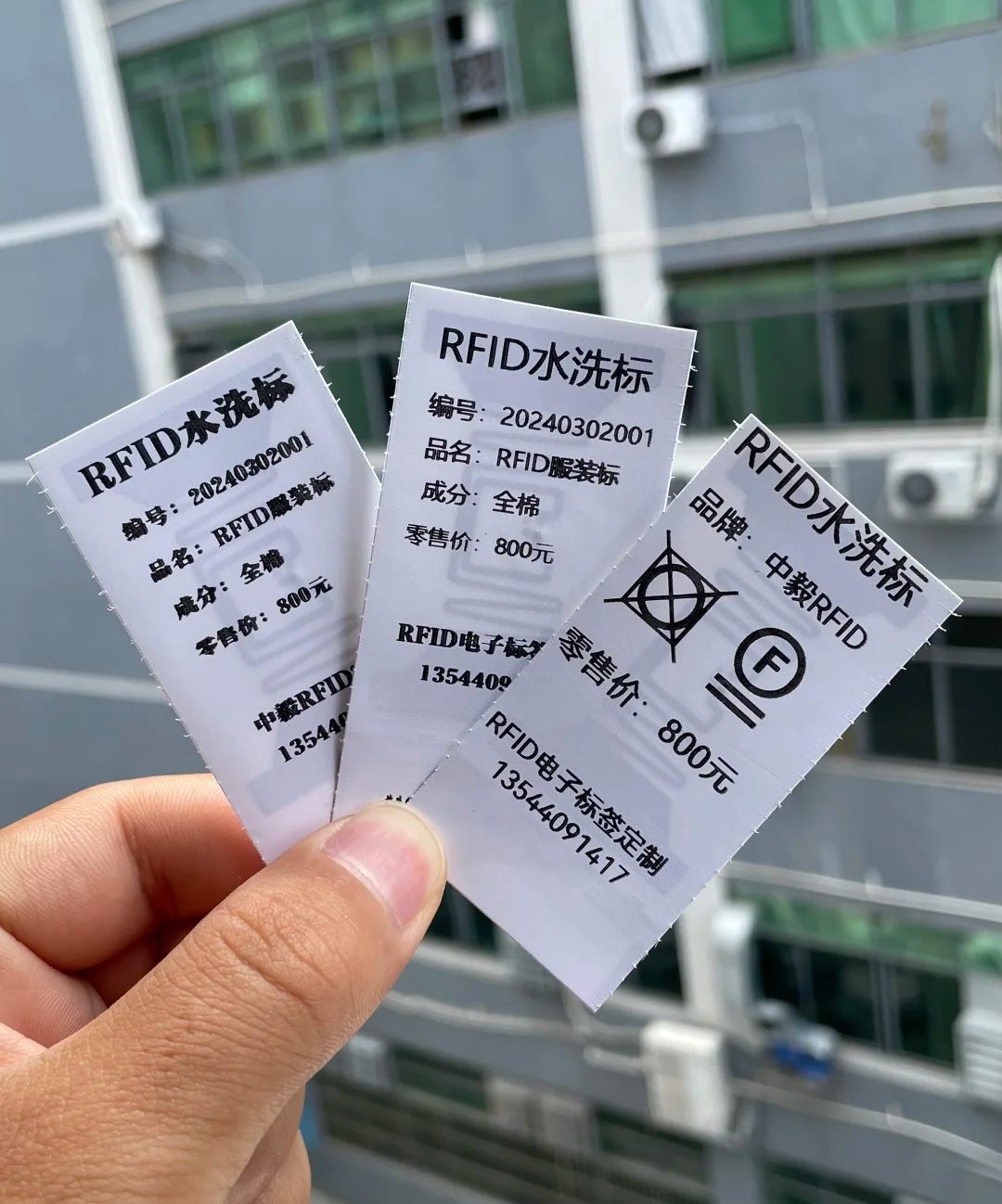
Fashion brands struggle to embed RFID chips into soft woven brand labels without compromising aesthetics, wash durability or comfort against skin, especially in extended-size garments with multiple touchpoints.
MENWILD integrates UHF and NFC chips directly into custom woven damask, satin or taffeta labels with your logo, care symbols and size — washable, flexible and sewn invisibly into necklines or side seams.
RFID Hang Tags
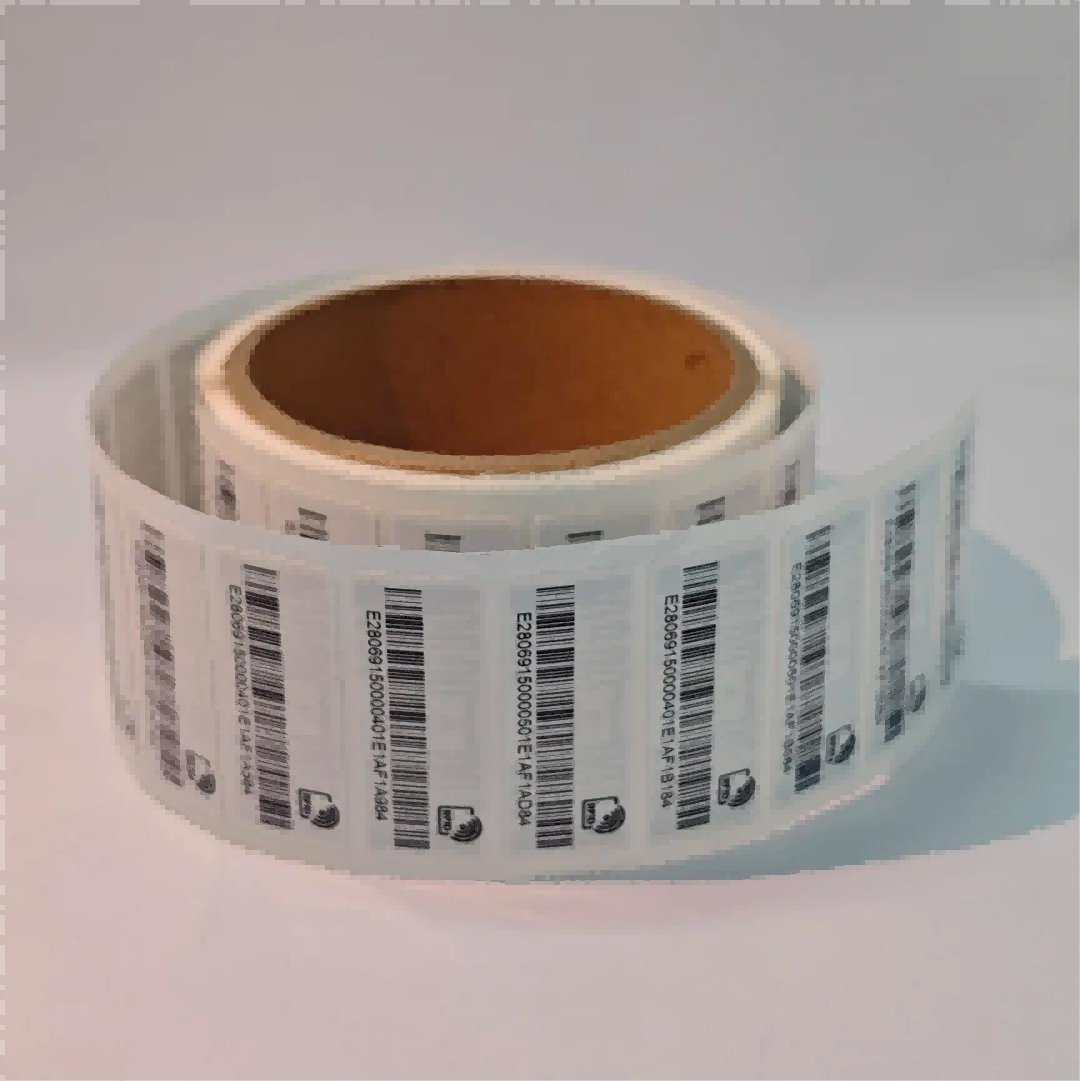
Retailers need scannable hang tags for fast receiving and point-of-sale tracking, but generic RFID hang tags lack brand identity, custom shapes or the decoration options that reinforce premium positioning on the sales floor.
Custom die-cut hang tags with embedded RFID inlays, full-color printing, foil stamping, embossing and QR code integration — designed to match your brand while enabling instant inventory visibility and anti-theft protection.
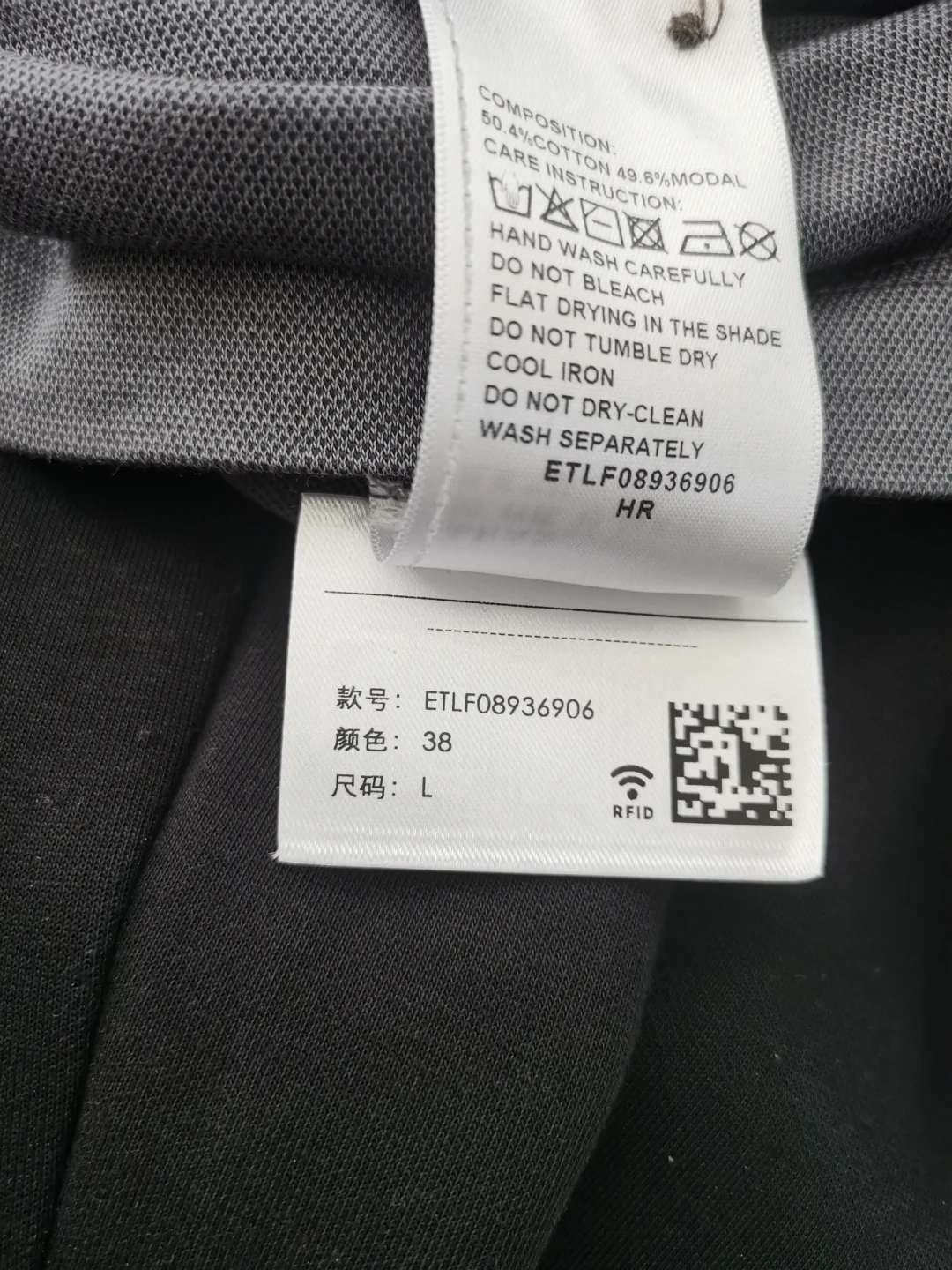
Fabric Care Labels with Chips
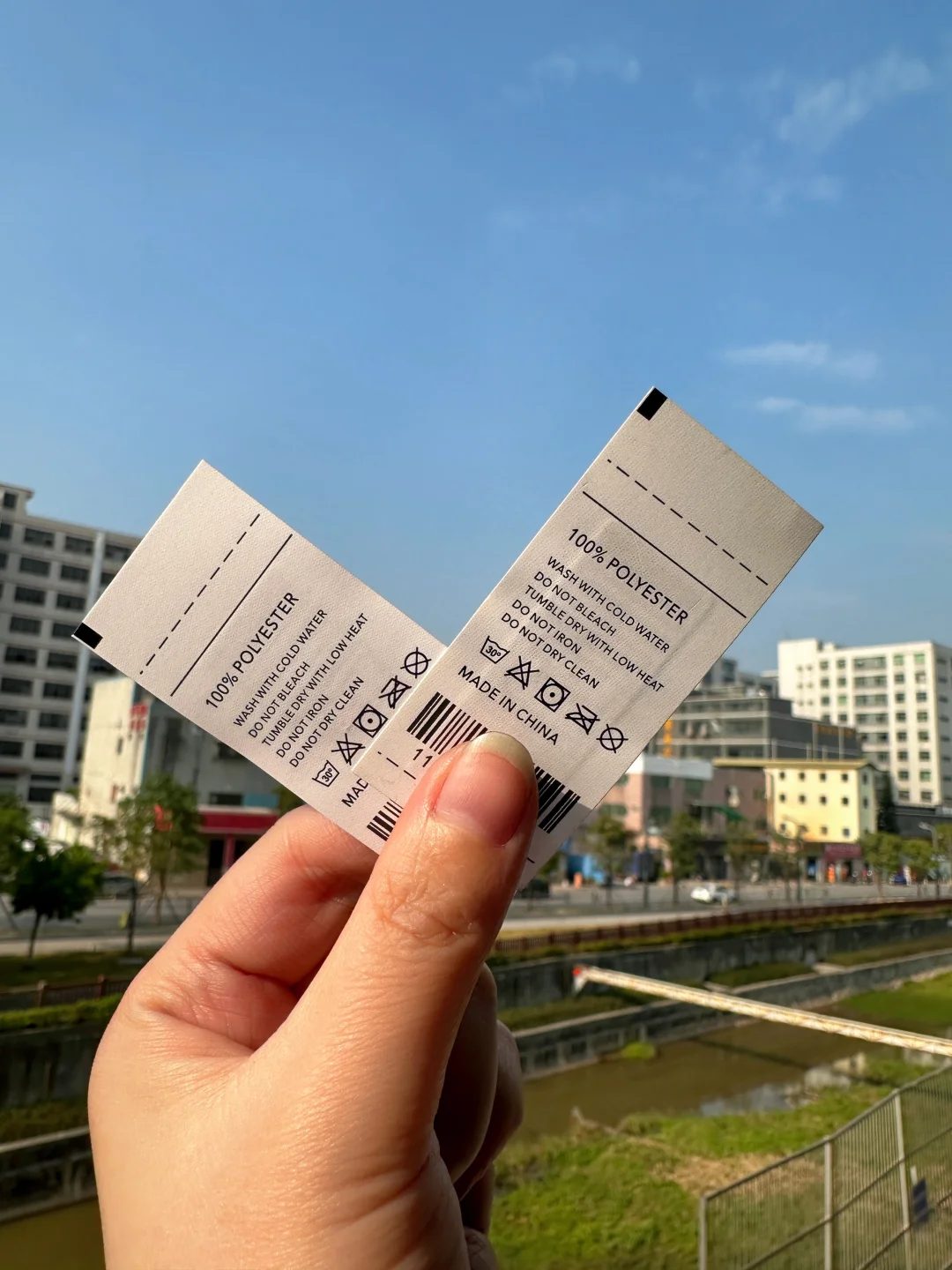
Care labels are mandatory but often wasted real estate — brands miss the chance to turn compliance tags into smart touchpoints for product authentication, warranty registration or post-purchase engagement with larger-size customers.
RFID-enabled printed or woven care labels that meet fiber-content and wash-symbol regulations while embedding NFC chips customers can tap with smartphones for fit guides, care tips, resale verification and loyalty rewards.
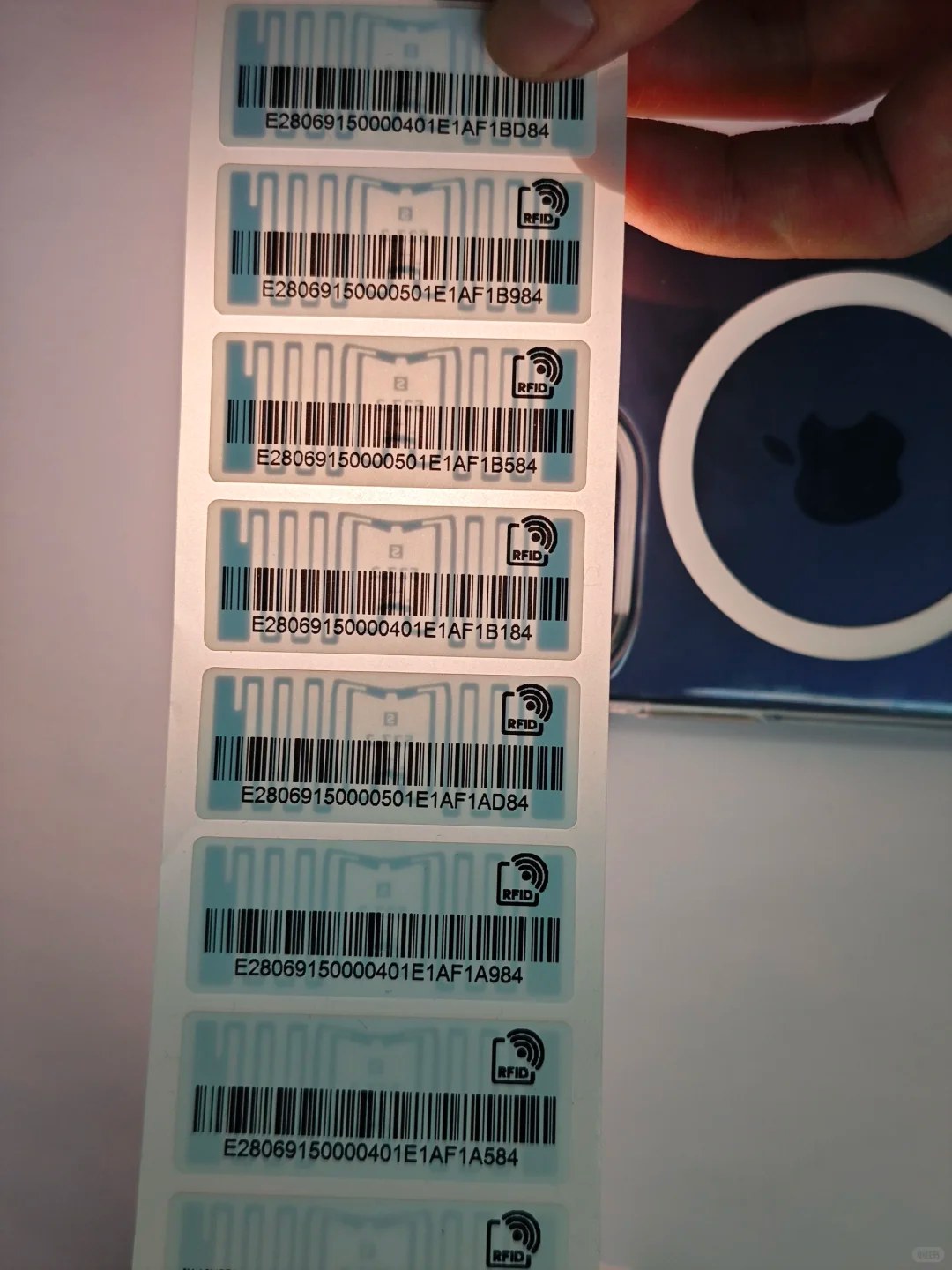
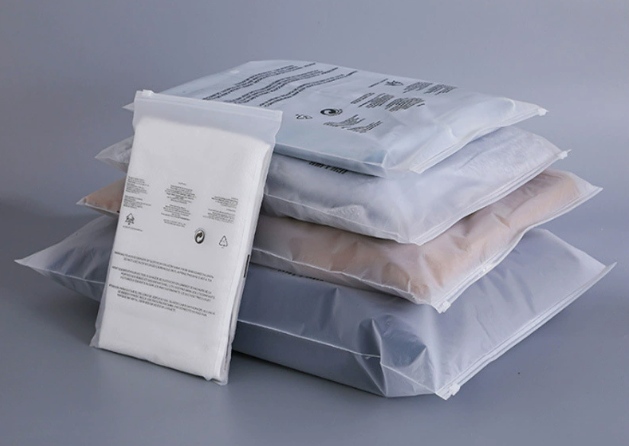
Packaging & Poly Bag Labels
Wholesalers and big & tall brands shipping bulk orders face time-consuming manual SKU checks, mispicks and receiving errors — especially when managing size runs from 2XL to 6XL across multiple styles and colorways.
Adhesive or sewn-on RFID labels for poly bags, cartons and individual garment packaging enable automated sortation, accurate receiving and real-time shipment tracking, cutting warehouse labor and fulfillment mistakes.
Custom Branded RFID Tags
Independent designers and influencer brands want unique, Instagram-ready tags that tell a story and build hype, but most RFID tag suppliers offer only plain, industrial-looking inlays with no customization or decoration options.
Fully custom RFID tags in any shape, material or finish — embroidered patches with chips, metal plates with NFC, leather tags, silicone labels, even 3D-puff or sequin decoration — all starting from just 100 pieces per design.
Supported Materials for Custom RFID Tag Supplier Solutions
Custom RFID Tag Supplier Decoration & Finishing Processes

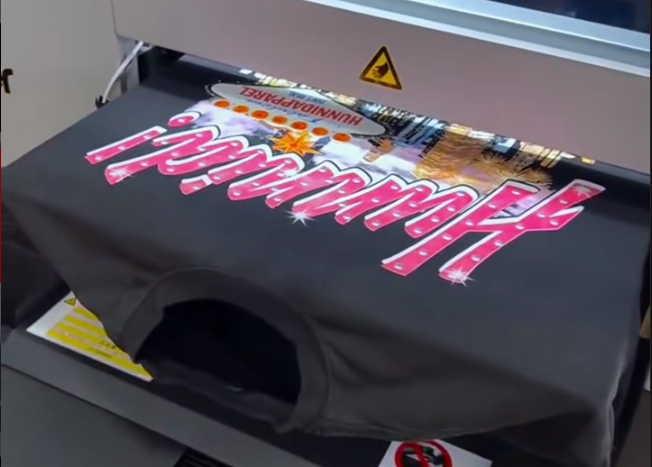
DTG & DTF
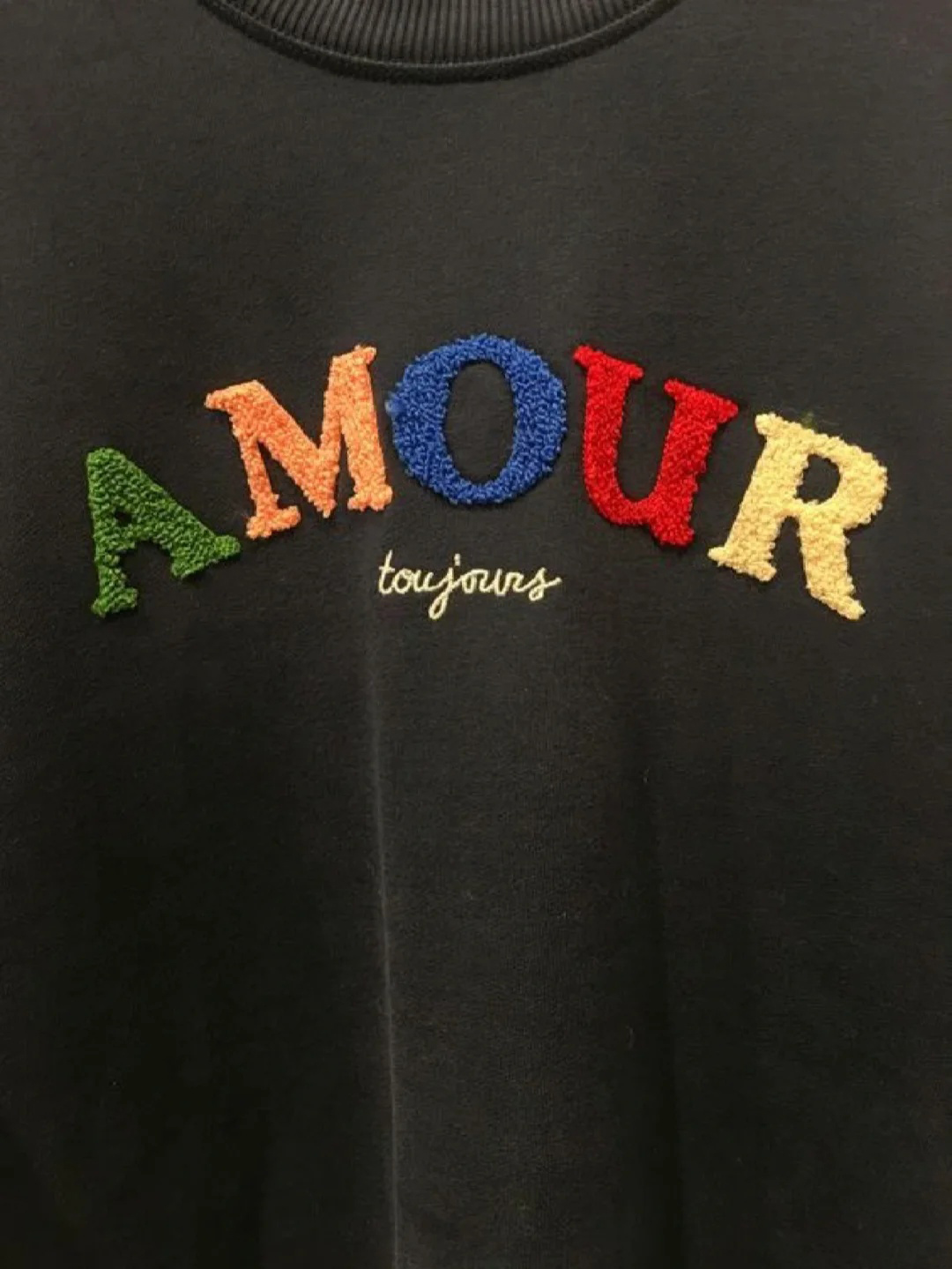
Direct-to-garment and direct-to-film printing enable full-color, photo-quality artwork and gradients on RFID tags with no minimums per design. Perfect for limited-edition drops, influencer collaborations, and testing new tag graphics before committing to screens.
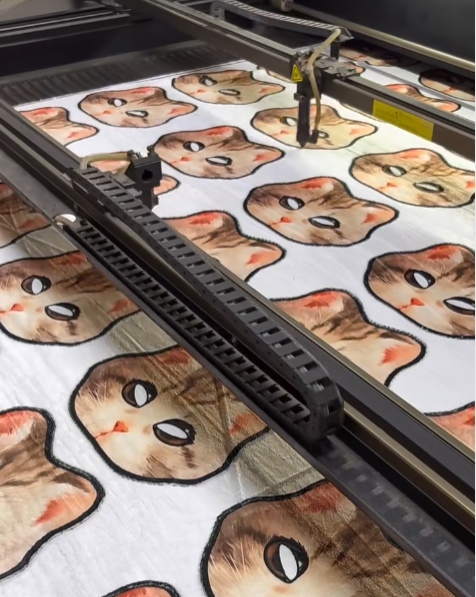
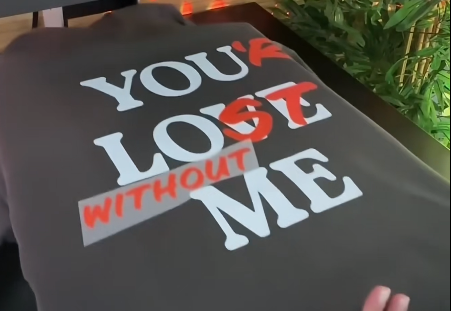
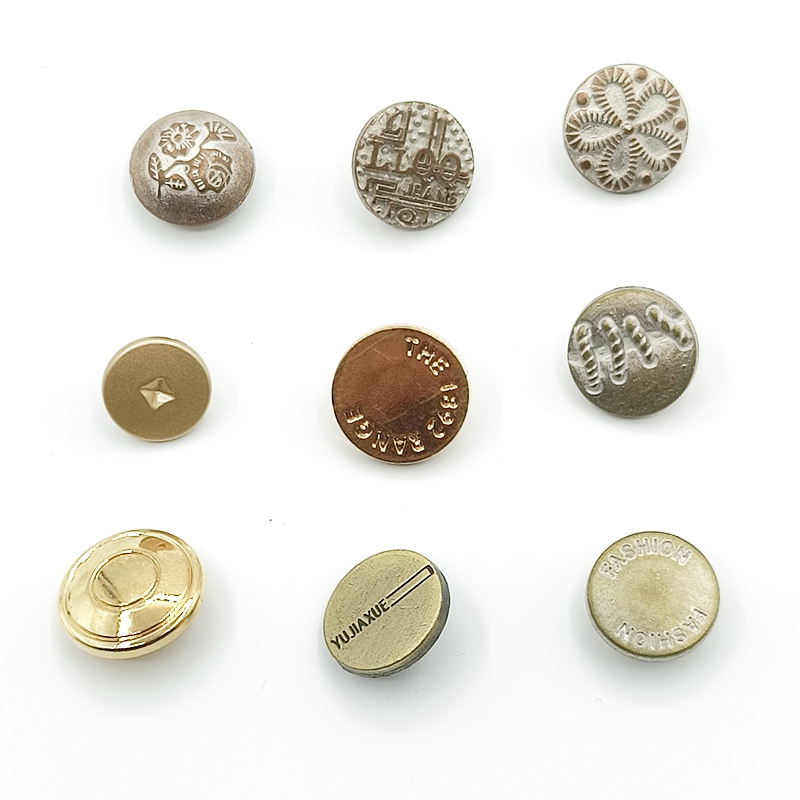
Custom Trims, Hardware & Accessories From Your RFID Tag Supplier
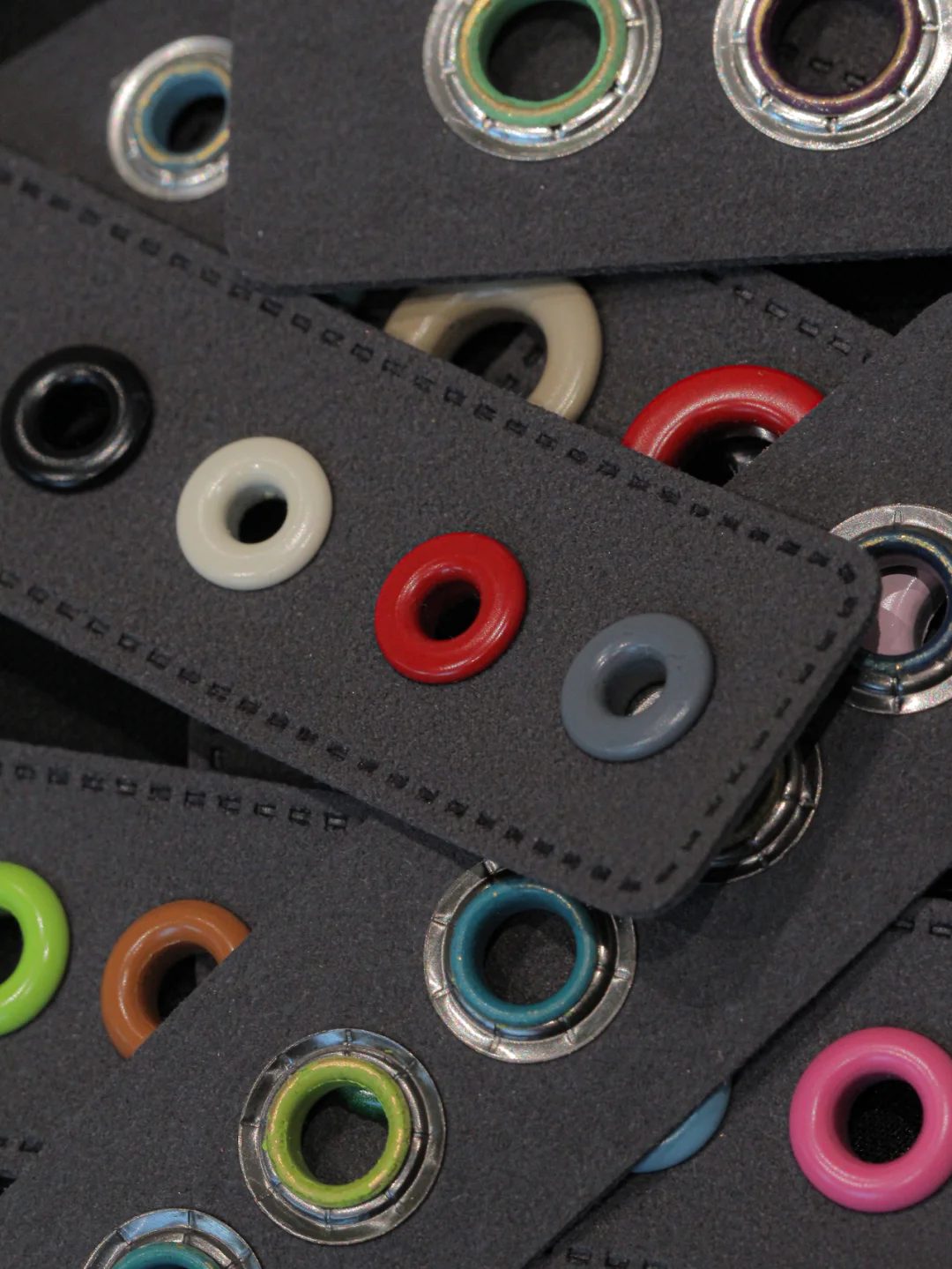
Safety Pins
Stainless-steel or coated safety pins pre-attached to RFID hang tags for instant garment tagging on production lines. Speeds up retail prep and reduces labor cost during bulk order fulfillment.
Fold-Over Tabs
Integrated fold-over flaps on woven or printed RFID labels that wrap around seams, belt loops or hems. Provides clean, hidden attachment without visible hardware, perfect for premium menswear branding.
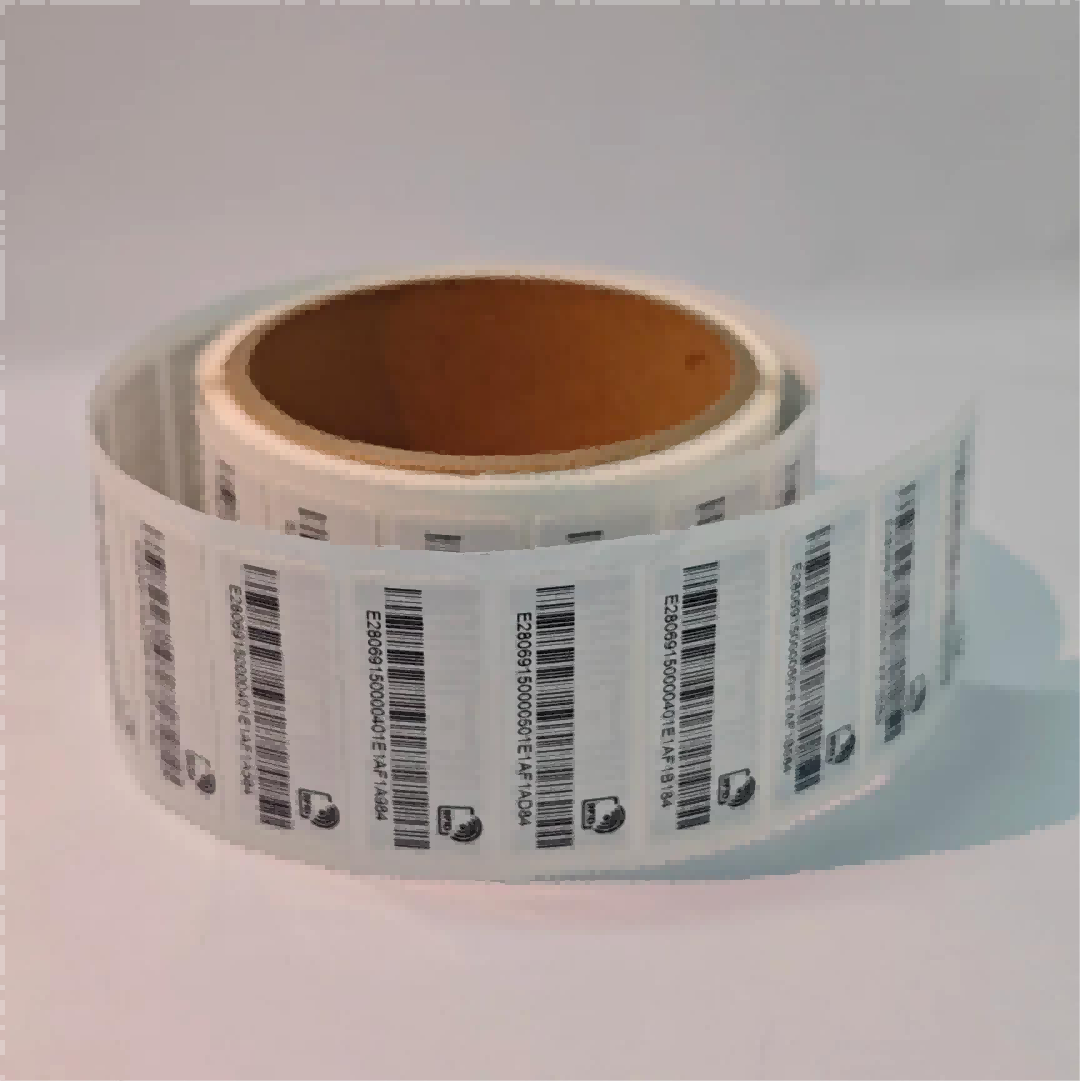
Adhesive Backing
Permanent or removable adhesive applied to the reverse of RFID labels and inlays. Enables fast application to packaging, hangtags, poly bags or product surfaces without sewing, ideal for low-MOQ test runs.
Your Custom RFID Tag Supplier Since 1998
Founded in 1998 in Humen, Dongguan — the heart of China’s garment manufacturing hub — MENWILD has grown from a family workshop into a full-service menswear manufacturer serving over 2,000 fashion brands worldwide. With 200+ skilled employees and a monthly capacity exceeding 80,000 pieces, we deliver OEM, ODM and private label solutions built for brands that refuse to compromise on fit or quality.
What sets MENWILD apart as your custom RFID tag supplier is our deep expertise in extended-size menswear. We specialize in 2XL–6XL pattern grading and fit-first manufacturing, ensuring every garment — and every RFID tag, label, trim and accessory — meets the exacting standards of big & tall and plus-size brands. Our in-house decoration, sampling and quality control teams support fast turnarounds, low MOQs from just 100 pieces, and seamless integration of RFID technology into your production.
Whether you’re launching a new collection, scaling inventory management or enhancing retail operations, MENWILD combines 28 years of manufacturing experience with modern RFID solutions to help your brand grow. We’re not just a supplier — we’re your long-term production partner, committed to innovation, responsibility and putting fit first in everything we make.

Our Core Capabilities as Your Custom RFID Tag Supplier
Low-MOQ RFID Tag Production from 100 Pieces
Launch inventory management, authenticate products, or test RFID solutions without massive commitments. MENWILD produces custom RFID tags and labels from just 100 pieces per design, enabling brands to control cash flow, reduce risk, and scale as demand grows.
- Minimum order quantity starts at only 100 pieces per style or design
- Perfect for startups, capsule collections, seasonal launches, and product testing
- Flexible re-order terms with patterns and specs kept on file for consistency
- Deposit requirements ease from 100% to as low as 30% for long-term partners
Rapid Sampling and Design Iteration
Speed matters when validating RFID chip compatibility, adhesive strength, or brand aesthetics. Our in-house design and sampling team turns concepts into physical prototypes in days, not weeks, supporting tech packs, sketches, reference samples, or rough ideas.
- Fast-turnaround samples with embedded RFID chips for real-world testing
- Design support from concept through production-ready files and dielines
- Multiple rounds of iteration to refine size, material, print, and chip placement
- All samples validated before any bulk production begins
Full In-House Decoration and Finishing Suite
Elevate your RFID tags with premium branding and finishing. MENWILD’s integrated decoration capabilities include screen printing, embroidery, heat transfer, foil stamping, embossing, laser cutting, and garment washing—all under one roof for speed, quality control, and cost efficiency.
- Screen printing in plastisol, water-based, puff, metallic, and discharge inks
- Embroidery with flat, 3D puff, chain-stitch, sequin, and appliqué options
- Digital decoration via DTG, DTF, dye sublimation, and heat-transfer vinyl
- Specialty finishes: foil stamping, embossing, laser etching, and custom die-cuts
Global Logistics and Compliance Ready
Navigate customs, certifications, and cross-border shipping with confidence. MENWILD handles export documentation, supports ISO and REACH compliance testing, and ships custom RFID tags to the United States, Canada, Europe, Australia, Russia, and the Middle East with full tracking and transparency.
- Export-ready packaging, labeling, and commercial invoices for smooth customs clearance
- Support for ISO, REACH, RoHS, and other regional compliance standards
- Trusted freight partners for air, sea, and express courier delivery worldwide
- Payment via T/T, PayPal, credit card, USDT, and dedicated VTB Bank channel for Russia
MENWILD vs. Typical Custom RFID Tag Suppliers
See how MENWILD’s flexible MOQ, fast sampling, and 28+ years of manufacturing experience set us apart as your custom RFID tag supplier.
← 左右滑动查看 →
How Our Custom RFID Tag Supplier Process Works
Six proven phases that ensure accurate specs, fast sampling, consistent quality and on-time global delivery for every RFID tag order.
Inquiry & Specification Review
Share your RFID tag requirements — chip type, read range, size, substrate and decoration. Our team reviews feasibility and provides material and cost guidance.
Material Sourcing & Approval
We source RFID inlays, substrates and trims from trusted suppliers. You receive swatches and spec sheets for approval before sampling begins.
Sampling & Testing
Physical samples are produced with your artwork, branding and RFID chip. Read-range and durability testing confirm performance before bulk production.
Bulk Production & In-Line QC
Full production runs with continuous quality checks. Every tag is tested for chip functionality, print accuracy and attachment integrity throughout the run.
Decoration & Finishing
Custom printing, embroidery, heat transfer or laser engraving is applied. Tags are trimmed, sealed and finished to your exact brand specifications.
Packing & Global Shipping
Tags are counted, packed per your instructions and shipped worldwide. Full export documentation and tracking ensure smooth customs clearance and delivery.
How to Partner With Your Custom RFID Tag Supplier
From inquiry to delivery, MENWILD’s streamlined process makes sourcing custom RFID tags simple, fast and transparent — with MOQs from just 100 pieces and 28+ years of manufacturing expertise backing every order.
Submit Your Inquiry & Brief
Share your RFID tag requirements, tech pack, design files or reference samples. Our team reviews your project and confirms feasibility within 24 hours.
Receive Quote & Sample Timeline
Get a detailed quotation with pricing, MOQ options from 100 pieces, material specs and a clear sampling and production schedule tailored to your needs.
Approve Samples & Bulk Specs
Review physical samples for fit, material, decoration and RFID performance. Confirm all bulk production specifications before moving forward with your order.
Confirm Production & Payment Terms
Finalize your production schedule and flexible payment terms. First-time clients pay 100% upfront; returning partners enjoy terms as low as 30% deposit.
Receive Your Finished RFID Tags
Your custom RFID tags are manufactured, quality-checked and shipped globally. Full export logistics support ensures on-time delivery to your warehouse or fulfillment center.
Certified Custom RFID Tag Supplier You Can Trust




What Our Clients Say About Their Custom RFID Tag Supplier Partnership
MENWILD’s low 100-piece MOQ let us launch three capsule collections with RFID inventory tracking risk-free. Our stock accuracy jumped from 78% to 97% in just two months, and reorders are seamless.
We tested five RFID tag suppliers before MENWILD. Their sampling turnaround cut our product development cycle by 45%, and the embroidered RFID labels integrate perfectly with our 3XL–6XL garments without bulk or distortion.
As a wholesaler serving 200+ retailers, consistent RFID tag quality is non-negotiable. MENWILD’s in-house decoration and QC delivered zero defects across our last 50,000-piece order. Best custom RFID tag supplier we’ve partnered with.
Frequently Asked Questions About Custom RFID Tag Supplier Services
What is the minimum order quantity when working with a custom RFID tag supplier?
How long does sampling and bulk production take for custom RFID tags?
Does a custom RFID tag supplier charge for samples, and how much?
What payment methods and terms does your custom RFID tag supplier accept?
How does MENWILD protect my designs and intellectual property?
What customization options are available for RFID tags and labels?
Which countries does MENWILD ship custom RFID tags to?
Can MENWILD integrate RFID tags into garments during manufacturing?
The Complete Buyer’s Guide to Choosing a Custom RFID Tag Supplier
Navigate supplier selection with confidence. This guide delivers a proven decision framework, essential quality criteria, customization options, and the most common procurement mistakes fashion brands make when sourcing custom RFID tags.
1. What Is a Custom RFID Tag Supplier?
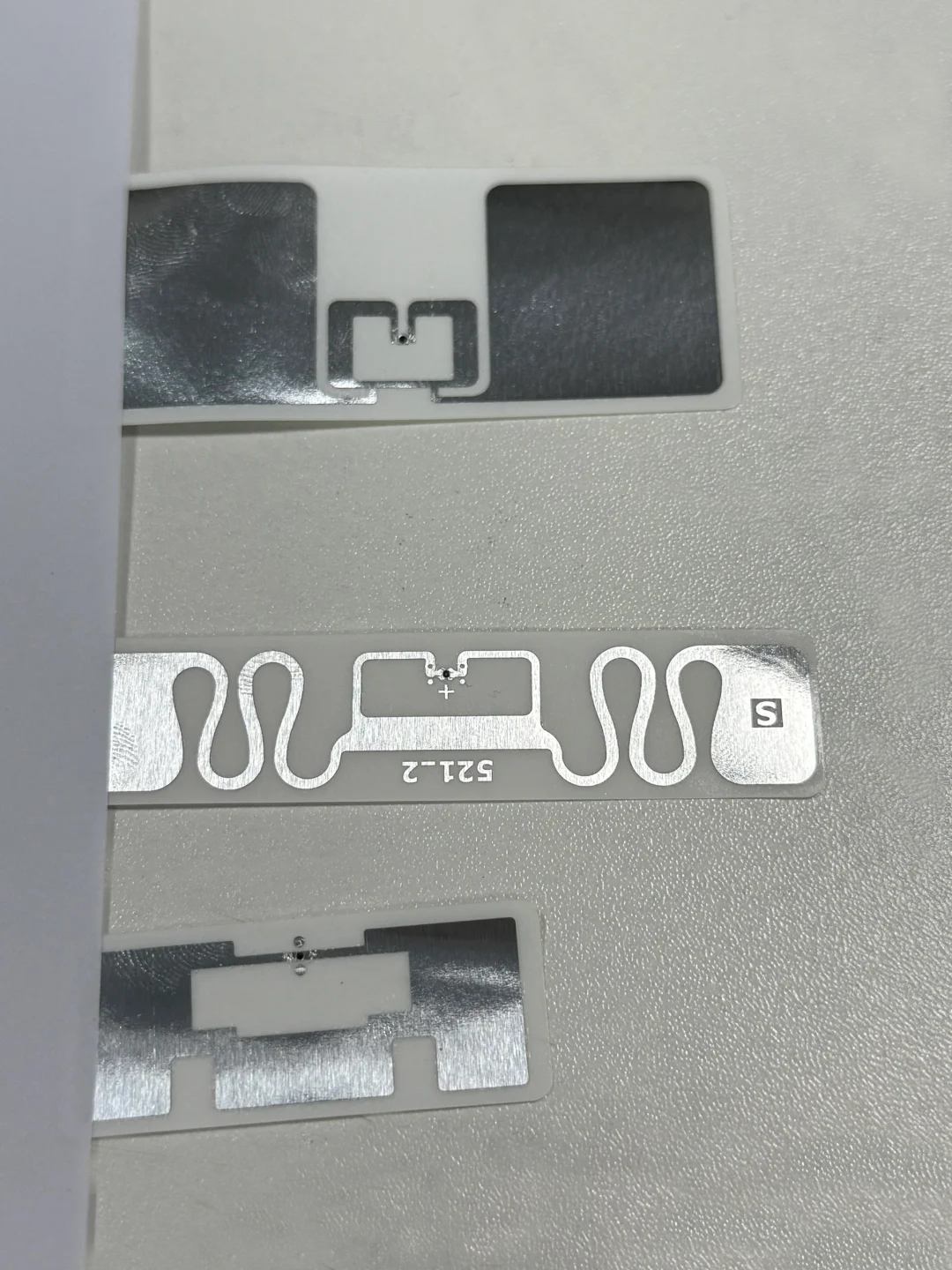
A custom RFID tag supplier designs and manufactures radio-frequency identification tags tailored to a brand’s specific apparel applications, encoding protocols, physical form factors and branding requirements. RFID tags use electromagnetic fields to automatically identify and track garments throughout the supply chain, from factory floor to retail floor, without line-of-sight scanning.
Off-the-shelf RFID tags ship with generic chip configurations, adhesive backing unsuitable for fabric, and no brand identity. Custom suppliers engineer tags that survive garment washing and finishing, integrate hang-tag or woven-label formats, encode EPC or serialized SKU data, and print brand logos or care instructions directly on the tag substrate.
Fashion brands need customization because a 100% cotton tee requires a different tag substrate than a stone-washed denim jacket, and omnichannel retailers demand unique serial numbers for real-time inventory visibility across warehouses, stores and e-commerce. Generic tags lack the read range, durability and data structure to support anti-counterfeiting, automated stocktaking and seamless returns processing that modern apparel operations require.
2. The Evolution of RFID in Fashion & Apparel
In 2003, Walmart and the U.S. Department of Defense issued RFID mandates that pushed apparel suppliers toward early adoption, though tag costs above $0.50 each limited deployment to high-value items and loss-prevention trials. By 2006, the ratification of the EPC Gen2 standard (ISO 18000-6C) established global interoperability, enabling tags from any custom RFID tag supplier to work across different readers and retail systems.
Tag prices fell below $0.10 by 2012, unlocking item-level tagging for mid-tier fashion brands and triggering integration with POS and inventory-management platforms for real-time stock visibility. Zara, Macy’s, and Decathlon deployed RFID fleetwide between 2014 and 2016, shifting focus from shrink reduction to omnichannel fulfillment, faster replenishment, and click-and-collect accuracy.
Today, over 20 billion RFID tags ship annually into apparel, with costs as low as $0.03–$0.06 per tag enabling even independent brands and wholesalers to adopt item-level tracking, improve customer experience, and optimize supply-chain transparency from factory to fitting room.
3. Types of Custom RFID Tags for Apparel
Apparel RFID tags come in five primary form factors, each optimized for different garment categories, lifecycle stages and brand aesthetics. Selecting the right type balances read range, durability, cost and whether the tag stays with the garment permanently or ships removable at retail.
Hang Tags with Embedded RFID Chips
Paper or cardboard hang tags with encapsulated inlays are the most common entry point for brands. Read range reaches 3–5 meters with UHF chips, ideal for receiving and point-of-sale scanning. Tags are removed at purchase, so chip cost stays with inventory management rather than the finished garment.
Best for jackets, jeans, shirts and any item sold on a hanger. Custom printing supports full brand artwork, QR codes and care instructions on the same tag.
Woven Labels with Embedded Chips
Fabric care labels or size labels embed ultra-thin RFID inlays between woven polyester layers. Read range drops to 1–2 meters but the tag remains sewn into the garment permanently, enabling post-sale tracking, authentication and resale verification.
Ideal for premium outerwear, suits and knitwear where lifetime traceability or anti-counterfeiting matters. Washable up to 200 cycles at 60°C when properly encapsulated.
Heat-Seal and Adhesive Sticker Tags
Heat-transfer and pressure-sensitive sticker tags apply directly to garment interiors or packaging. Read range spans 2–4 meters. Heat-seal versions survive multiple washes; adhesive stickers are removable or single-use.
Popular for t-shirts, hoodies and activewear where sewn labels irritate skin. Stickers also serve as carton and polybag identifiers in logistics.
Hard Tags for Retail Loss Prevention
Reusable plastic hard tags clip onto garments at retail and trigger alarms if removed improperly. Read range exceeds 5 meters. Staff detach them at checkout, and tags cycle back into inventory.
Common in high-theft categories: denim, leather jackets and accessories. Higher upfront cost per tag but amortized over hundreds of uses.
4. RFID Chip Standards & Frequency Options
Choosing the right RFID chip standard and frequency determines whether your tags integrate with existing retail infrastructure, support smartphone authentication, or both. A custom rfid tag supplier should guide you through UHF, HF and NFC options, protocol compatibility and memory architecture to match your brand’s inventory, anti-counterfeiting and consumer-engagement goals.
UHF vs. HF vs. NFC Frequency Bands
UHF (860–960 MHz) offers read ranges up to 10 meters and is the global standard for retail inventory management, warehouse automation and point-of-sale scanning. HF (13.56 MHz) reads within 10–30 cm and is common in access control and item-level tracking.
NFC operates at 13.56 MHz and enables smartphone tap-to-read for product authentication, care instructions and brand storytelling. Many suppliers now offer dual-frequency tags that combine UHF for back-end logistics with NFC for consumer interaction.
EPC Gen2 and Protocol Standards
EPC Class 1 Generation 2 (ISO 18000-6C) is the dominant UHF protocol, ensuring interoperability with readers from Zebra, Impinj, Alien and most retail systems worldwide. Proprietary protocols exist but lock you into single-vendor ecosystems.
For HF and NFC, ISO 15693 and ISO 14443 are the leading standards, with NFC Forum Type 2 and Type 5 tags compatible with all modern smartphones running iOS and Android.
Memory Capacity and Read/Write Features
Basic 96-bit EPC memory stores a unique serial number for inventory tracking. Extended user memory — 128 bytes to 8 kilobytes — supports batch codes, authentication keys, care instructions and dynamic content URLs.
Read-only tags are pre-encoded at manufacture and cost less; read/write tags let you update data in-store or post-production, enabling serialization, product lifecycle tracking and field personalization through your custom rfid tag supplier’s encoding service.
5. Materials & Substrate Options for Custom RFID Tags
A custom rfid tag supplier offers substrates ranging from disposable paper to industrial-grade silicone, each engineered for specific garment lifecycles and brand positioning. Material choice directly affects read performance, wash durability and environmental footprint.
| Material | Durability Rating | Eco-Friendliness | Cost Tier | Best Use Case |
|---|---|---|---|---|
| Paper | 1–5 washes, <60°C | Recyclable, FSC options | Lowest | Disposable packaging, fast fashion, single-use inventory |
| Synthetic Polyester | 50+ washes, 85°C | Limited recyclability | Low–Mid | Basics, activewear, rental uniforms |
| Woven Fabric | 100+ washes, 95°C | Natural fiber blends, OEKO-TEX | Mid | Premium casualwear, denim, workwear |
| Silicone | 200+ washes, 120°C | Non-toxic, long lifespan | High | Outerwear, industrial workwear, reusable garments |
| PVC | 150+ washes, 100°C | Non-recyclable, durable | Mid–High | Sportswear, outdoor gear, harsh environments |
6. Customization & Branding Options with a Custom RFID Tag Supplier
A custom RFID tag supplier transforms blank inlays into branded assets that reinforce identity and combat counterfeiting. Decoration choices range from simple one-color logos to full-surface graphics, serialized data and security features that authenticate every garment.
Printing Methods for Logos and Care Instructions
Offset printing delivers sharp, full-color brand logos, washing symbols and care text on paper or synthetic label faces at volume. Digital printing suits shorter runs — 500 to 5,000 tags — with no plate costs and faster turnaround, ideal for seasonal capsules or test launches.
Most suppliers require 1,000-piece minimums for offset; digital starts at 100 to 500 pieces. Setup fees range from $50 to $200 per design, recovered across larger orders.
Hot Stamping, Embossing and Die-Cutting
Hot foil stamping applies metallic gold, silver or holographic film for premium hang tags and woven labels, adding tactile luxury. Embossing raises logos without ink, creating subtle texture on coated paper and synthetic substrates.
Custom die-cutting shapes tags into circles, ovals or brand silhouettes, differentiating collections on the rack. Tooling costs $100 to $300 per shape; lead time extends one to two weeks for die production.
Variable Data Printing and Anti-Counterfeiting
Variable data printing encodes unique serial numbers, QR codes or batch identifiers onto every tag, linking physical inventory to cloud databases for real-time tracking and authentication.
Integrating serialized codes raises per-tag cost by $0.02 to $0.05 but enables instant verification via smartphone, protecting brand equity and reducing gray-market leakage across wholesale channels.
7. Key Quality & Performance Criteria
Before committing to volume orders from a custom rfid tag supplier, validate performance against four non-negotiable benchmarks. Read-rate accuracy above 99% in real-world fabric stacks, reliable adhesion or attachment under wash cycles, error-free chip encoding, and GS1 EPC compliance separate functional tags from decorative labels.
Read Rate Accuracy in Fabric Environments
Demand documented read rates exceeding 99% when tags are embedded in garment stacks, hung on metal racks, or packed in cartons. Antenna tuning must account for conductive and absorptive fabrics — denim, metallized prints and moisture all degrade signal.
Request sample tags affixed to your actual garment substrates and test with your intended reader hardware at typical distances (1–5 meters handheld, 3–8 meters portal). Record misreads across 100+ cycles before approval.
Adhesive Strength & Attachment Durability
Adhesive-backed inlays must survive industrial wash cycles, steam pressing and tumble drying without delamination. Sewn-in or heat-sealed tags require secure stitching or bond integrity through at least ten laundry cycles.
Test samples through your brand’s care-label protocol — if you specify cold wash and low heat, run that exact sequence five times and verify both read performance and physical attachment remain intact.
Chip Encoding Accuracy & GS1 EPC Compliance
Every chip must arrive pre-encoded to your EPC schema with zero write errors. GS1 EPC standards (SGTIN-96, SGTIN-198) ensure global interoperability across retail systems and prevent SKU conflicts.
Request a pre-production encoding test: supply your EPC data structure, TID requirements and user-memory fields, then verify 100% of returned samples decode correctly on ISO 18000-6C readers and match your product master data.
8. How to Choose the Right Custom RFID Tag Supplier
Selecting a custom RFID tag supplier requires a structured evaluation framework that balances technical capability, production flexibility and long-term partnership reliability. Vetting across certifications, MOQ policy, apparel case studies, integration support and IP protection ensures your RFID program scales without costly re-sourcing.
Verify Certifications and Standards Compliance
ISO 9001 quality management and GS1 EPC encoding compliance are baseline requirements for any reputable custom RFID tag supplier. ISO certification confirms process consistency across batches, while GS1 membership ensures globally unique tag IDs compatible with retail and logistics systems.
Ask for current certificates and audit dates during initial calls. Suppliers serving major apparel brands typically hold OEKO-TEX or REACH clearances for textile-safe materials and inks.
Assess MOQ Flexibility and Scalability
MOQ thresholds reveal whether a supplier can grow with your brand. Entry-level minimums of 1,000–5,000 tags suit capsule launches, while 50,000+ capacity supports wholesale rollouts.
Confirm whether pricing tiers drop at 10K, 25K and 100K volumes, and ask if pattern files and encoding templates remain on file for fast re-orders as your SKU count expands.
Review Apparel Case Studies and Integration Support
Suppliers experienced in fashion understand hang-tag reinforcement, wash durability and retail POS workflows. Request references from apparel clients in your size category — big & tall brands face unique tag-placement challenges on extended-size garments.
Check whether the supplier offers pre-encoding services, middleware partnerships or API documentation to connect tags with your inventory and e-commerce platforms before shipment.
9. Common Mistakes When Sourcing from a Custom RFID Tag Supplier
Even experienced brands stumble when adopting RFID for the first time. Missteps in frequency selection, durability testing, system integration, tag placement and data security can derail inventory accuracy, inflate costs and damage customer trust. Knowing the most common pitfalls — and how to avoid them — protects your investment and accelerates ROI.
Choosing the Wrong Frequency for Your Retail Environment
UHF (860–960 MHz) dominates apparel for its long read range and batch-scan speed, yet some buyers default to HF (13.56 MHz) because it is familiar from NFC marketing tags. HF read range rarely exceeds 30 cm, making rack-level inventory scans impractical.
Confirm your point-of-sale hardware, warehouse scanners and regional regulations (Europe vs. North America frequency allocations differ) before locking chip specs. A custom RFID tag supplier can recommend the optimal frequency and antenna design for your specific retail workflow.
Ignoring Wash and Care Testing
RFID inlays survive printing and sewing but may fail after the first commercial laundry cycle if encapsulation or adhesive is inadequate. Brands that skip wash testing discover read-rate drops only after garments reach rental fleets or hotel linen programs.
Request at least five industrial wash-and-dry cycles at 75 °C with detergent before approving any bulk order. MENWILD coordinates wash testing for clients who integrate RFID into big & tall uniforms and workwear, ensuring tags endure repeated high-temperature cycles without delamination.
Underestimating Encoding and Integration Complexity
A blank RFID chip holds no value until encoded with SKU, size, color and serialized EPC data that your ERP, WMS or POS can parse. Many buyers assume encoding is automatic, then face delays when middleware cannot map tag IDs to product records.
Plan middleware integration, data-format standards (GS1 EPC) and pre-encoding services early. Ask your custom RFID tag supplier whether they offer factory encoding and sample data files for system testing before the first production run ships.
Failing to Plan Tag Placement on Garments
Tag location — hem, side seam, care label, hang tag — affects read reliability, customer experience and production workflow. Tags sewn into metal-zippered pockets or placed near conductive trims suffer signal interference and lower read rates.
Test placement on actual samples in your retail fixture layout. MENWILD’s pattern and sampling teams help brands identify optimal tag positions during the tech-pack phase, ensuring RFID inlays integrate seamlessly into extended-size garments without compromising fit or aesthetics.
Neglecting Data Privacy and Security Features
Unencrypted RFID tags broadcast EPC codes that third parties can intercept, raising privacy concerns in consumer-facing retail. Regulations in the EU and California increasingly require kill commands or password-protected memory for personally linked data.
Specify chip security features — password protection, encrypted memory, kill/lock commands — during the RFQ phase. A reputable custom RFID tag supplier will guide compliance with GDPR, CCPA and retail-specific data standards, protecting both brand reputation and customer trust.
10. Pricing & Cost Breakdown
RFID tag pricing follows steep volume curves. At 1,000 units, UHF woven labels typically cost $0.45–$0.65 per tag; at 10,000 units prices drop to $0.25–$0.35, and 50,000-unit runs reach $0.15–$0.22. Hard-tag variants and specialty substrates add $0.05–$0.15 per unit. Setup fees for custom artwork, logo printing and size grading range from $150 to $400 per design, while chip encoding is often included above 5,000 units or billed at $0.02–$0.05 per tag for smaller orders.
Lead times mirror apparel production cycles: 7–10 days for pre-production samples, 15–20 days for bulk orders under 10,000 tags, and 20–25 days for runs exceeding 25,000 units. Payment terms with a custom rfid tag supplier typically start at 100% deposit for first orders, stepping down to 30–50% for repeat clients, with balance due before shipment. Volume discounts of 10–20% apply when tags are bundled with garment production runs.
| Quantity Tier | Price per Tag (UHF) | Setup Fee | Lead Time |
|---|---|---|---|
| 1,000 units | $0.45–$0.65 | $150–$250 | 15–18 days |
| 5,000 units | $0.30–$0.45 | $150–$250 | 18–20 days |
| 10,000 units | $0.25–$0.35 | $200–$300 | 20–22 days |
| 25,000 units | $0.18–$0.28 | $250–$350 | 22–25 days |
| 50,000+ units | $0.15–$0.22 | $300–$400 | 25–28 days |
11. Steps to Launch Your RFID Program with a Custom RFID Tag Supplier
Launching an RFID program with a custom RFID tag supplier follows a clear sequence that balances technical validation with business objectives. Each phase builds on the last, from defining goals to measuring ROI, and timelines typically span 8–14 weeks from first contact to full deployment.
Define Objectives and Select Tag Specifications
Start by documenting measurable goals: 99% inventory accuracy, 30% faster receiving, or 15% shrink reduction. Map which garment categories need tags — hang tags for outerwear, woven labels for knitwear — and specify chip standard (EPC Gen2 UHF for most apparel) and memory size (96-bit EPC for SKU encoding, 128-bit for serialization). This phase takes 1–2 weeks and sets every downstream decision.
Request Samples and Run Pilot Tests
Order 200–500 sample tags encoded with test data and run read-range tests on actual garments, through packaging and at point-of-sale. Validate read rates above 98% in real warehouse conditions and confirm adhesive or sewing durability through one wash cycle. Pilots typically require 2–3 weeks and surface integration issues before bulk orders.
Finalize Artwork, Place Order and Integrate Systems
Lock artwork files (logo, QR code, serialization format) and confirm encoding schemes with your custom RFID tag supplier. Initial production runs of 5,000–20,000 tags ship in 10–15 days. Simultaneously, configure WMS and POS middleware to parse EPC data, train receiving and sales staff on handheld readers, and establish KPI dashboards. Full integration spans 3–4 weeks, with ROI measurement beginning immediately post-launch.
Ready to Source Your Custom RFID Tags?
Join 2,000+ brands working with a trusted custom RFID tag supplier. Low MOQ from 100 pieces, fast samples, and 28 years of manufacturing excellence.