
Big & Tall Clothing Manufacturer — 2XL–6XL Menswear, 100-Piece MOQ
Partner with a proven big & tall clothing manufacturer specializing in 2XL–6XL menswear. 28+ years of OEM/ODM experience, low MOQ from 100 pieces, and specialist pattern grading for brands that demand real fit.
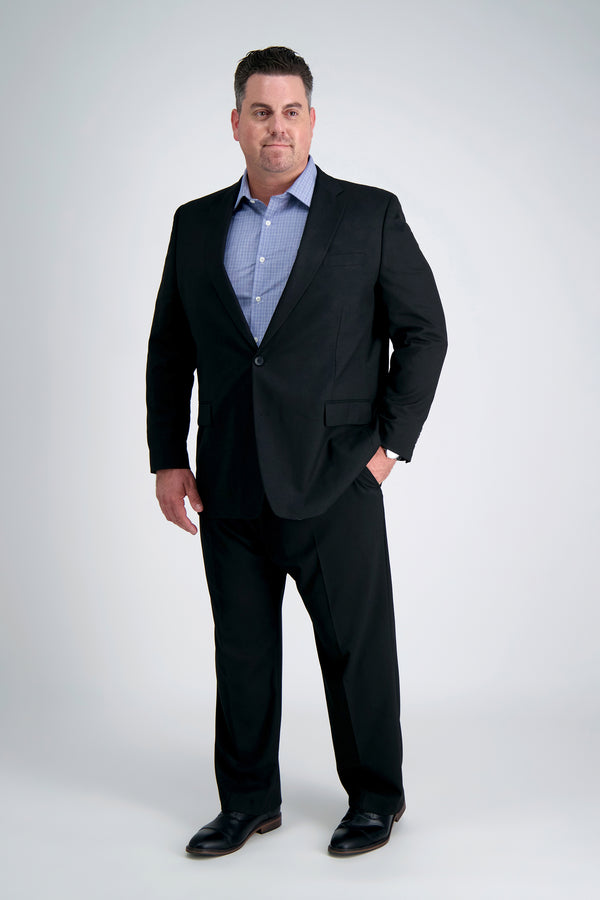
Extended-Size Menswear Samples & Production
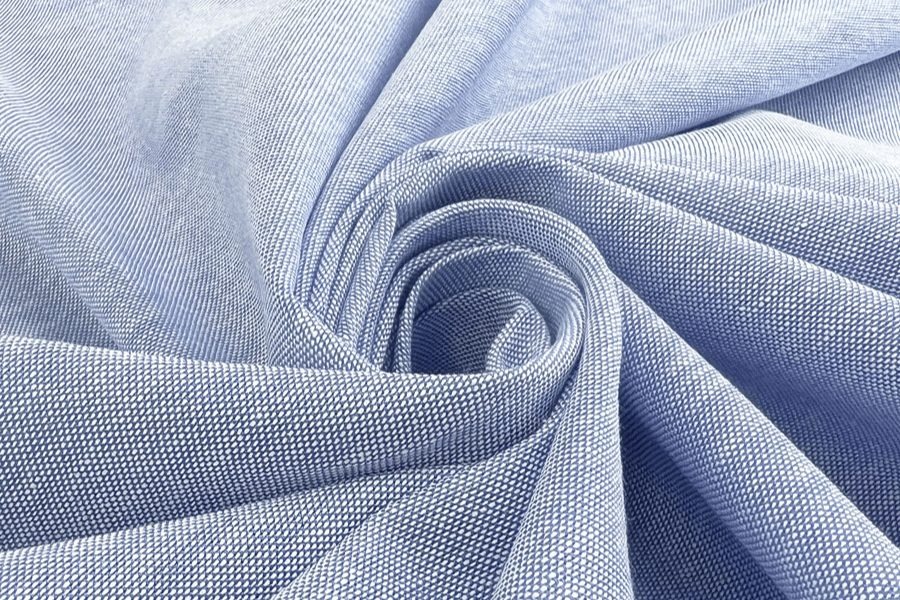
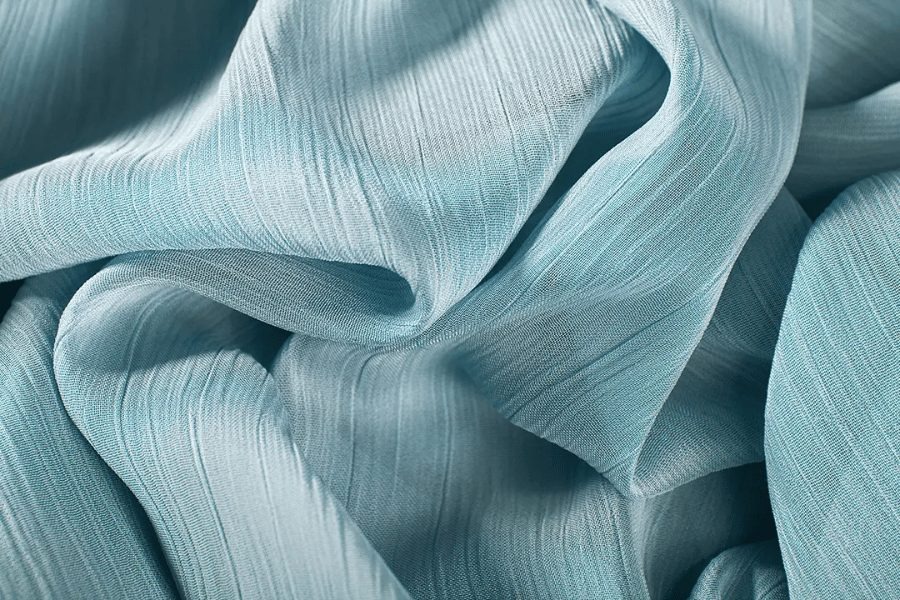
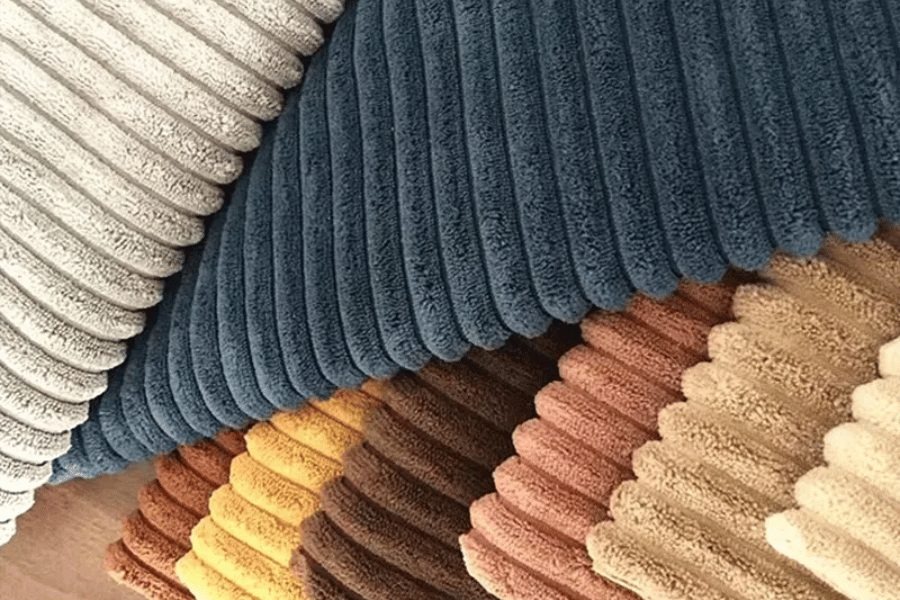
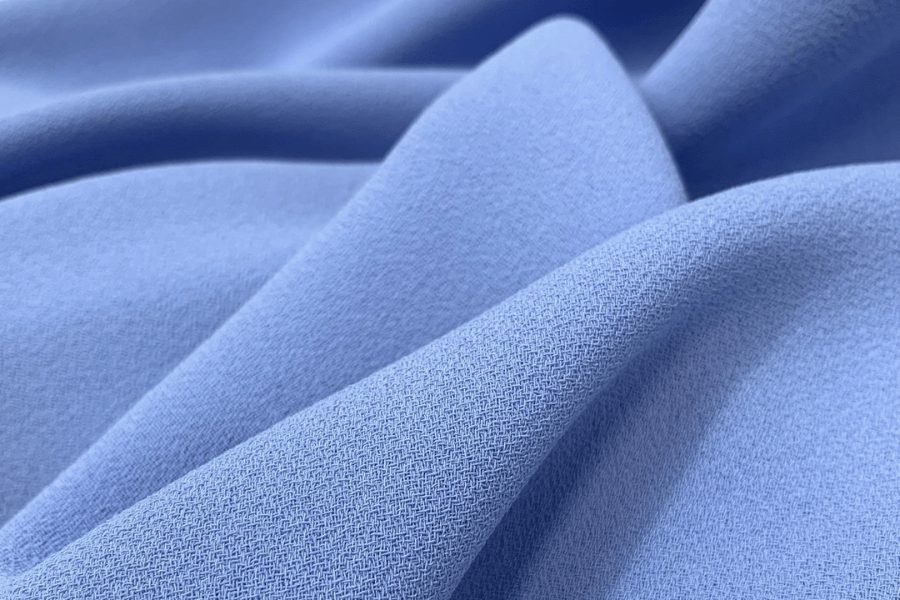
Why Choose MENWILD as Your Big & Tall Clothing Manufacturer
Specialist Big & Tall Grading
Expert 2XL–6XL pattern grading and fit development built for larger bodies, not just scaled-up templates that break proportions.
Low MOQ from 100 Pieces
Start production at just 100 pieces per style and color. Test products, reduce risk, and launch collections without massive inventory.
Fast Sampling & Development
Rapid tech-pack development, fabric sourcing, and sample turnaround. Move from concept to production-ready garment quickly and confidently.
Full OEM & ODM Capability
From your finished tech pack to a rough sketch or just an idea—our design team turns concepts into market-ready menswear.
In-House Decoration & Finishing
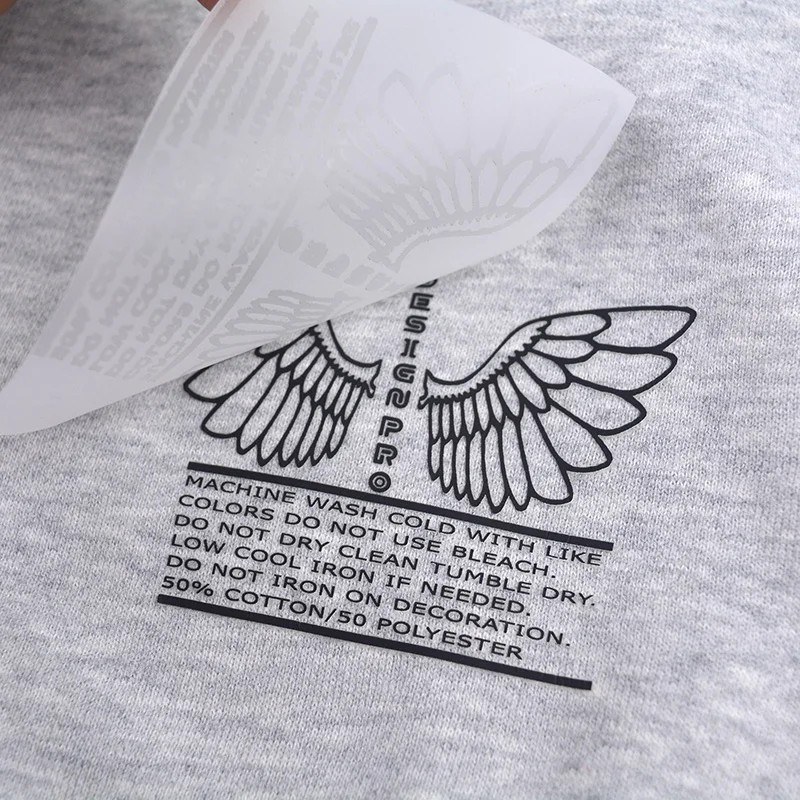
Complete embroidery, screen printing, DTG, DTF, sublimation, garment wash and finishing—all under one roof for quality and speed.
28+ Years Manufacturing Experience
Since 1998 in Dongguan, we’ve served over 2,000 brands with 80,000-piece monthly capacity and deep extended-size expertise.
Big & Tall Menswear Categories We Manufacture
From oversized streetwear to tailored suiting, MENWILD produces the full extended-size menswear range with specialist 2XL–6XL grading and fit built for bigger bodies.
T-Shirts & Oversized Tees
Most apparel fabric suppliers scale up basic tees without adjusting shoulder width, sleeve length or body proportions, leaving big & tall customers with boxy, ill-fitting garments that ride up or hang awkwardly.
MENWILD grades every tee from 2XL to 6XL with true big & tall proportions—longer sleeves, deeper armholes, adjusted rises—in cotton, Pima, organic and performance knits, with full decoration and 100-piece MOQ.
Hoodies & Sweatshirts
Extended-size hoodies often feature short torsos, tight hoods and sleeves that pull when layered, because generic apparel fabric suppliers treat them as simple size multipliers rather than proportionally graded garments.
Our fleece and French terry hoodies are pattern-graded for comfort and movement in larger frames, with custom embroidery, screen print and appliqué, sourced from trusted mills and delivered from just 100 pieces.
Dress & Casual Shirts
Big & tall dress shirts, flannels and oxfords from standard apparel fabric suppliers rarely account for chest-to-waist taper, collar fit or sleeve pitch, resulting in gaping buttons, tight shoulders and awkward drape.
MENWILD's woven shirt program includes fit-tested patterns for extended sizes, fabric sourcing across cotton, twill, denim and performance blends, garment washing, custom labels and low 100-piece minimums per style and color.
Denim & Pants
Finding an apparel fabric supplier who understands rise depth, inseam length and thigh room for bigger men is difficult—most jeans and chinos are graded poorly, with waistbands that gap and legs that taper incorrectly.
We manufacture jeans, chinos and pants in stretch denim, twill and performance fabrics with specialist big & tall grading, garment wash and finishing, custom hardware and trims, all from 100 pieces and 28+ years of fit expertise.
Jackets & Outerwear
Outerwear for extended sizes demands precise shoulder construction, sleeve mobility and layering room—capabilities most apparel fabric suppliers lack, leading to restrictive fits, short sleeves and poor drape in larger sizes.
MENWILD produces jackets, blazers and outerwear in wools, twills, performance shells and technical fabrics with full pattern grading for 2XL–6XL, in-house embroidery and printing, and flexible 100-piece MOQ for seasonal collections.
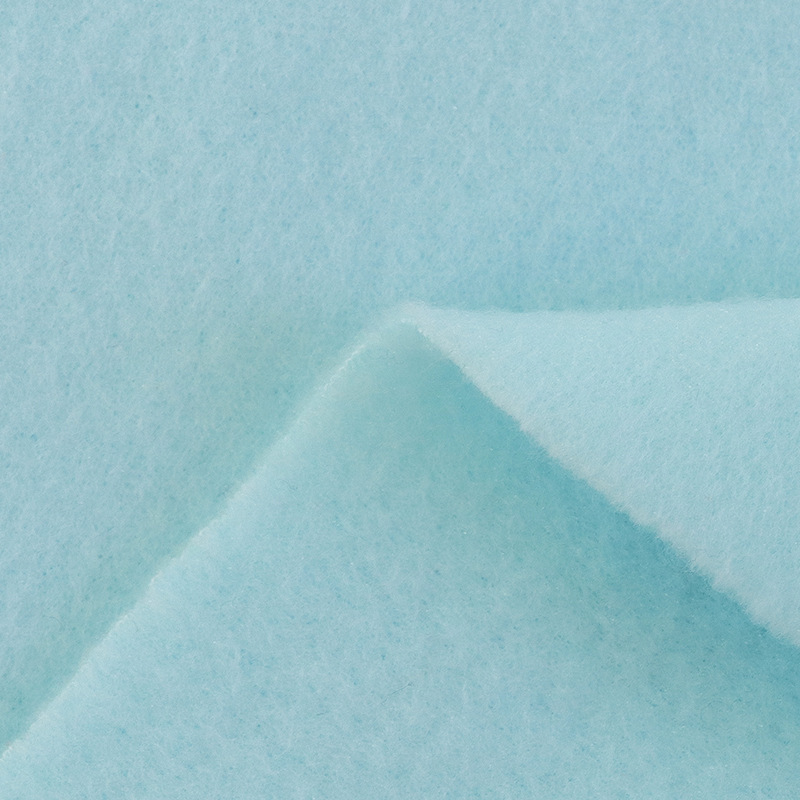
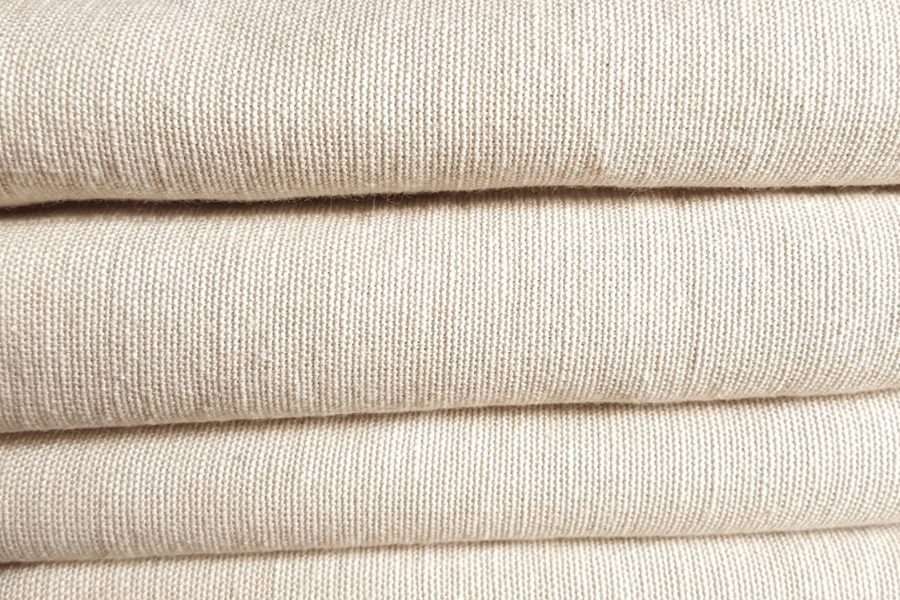
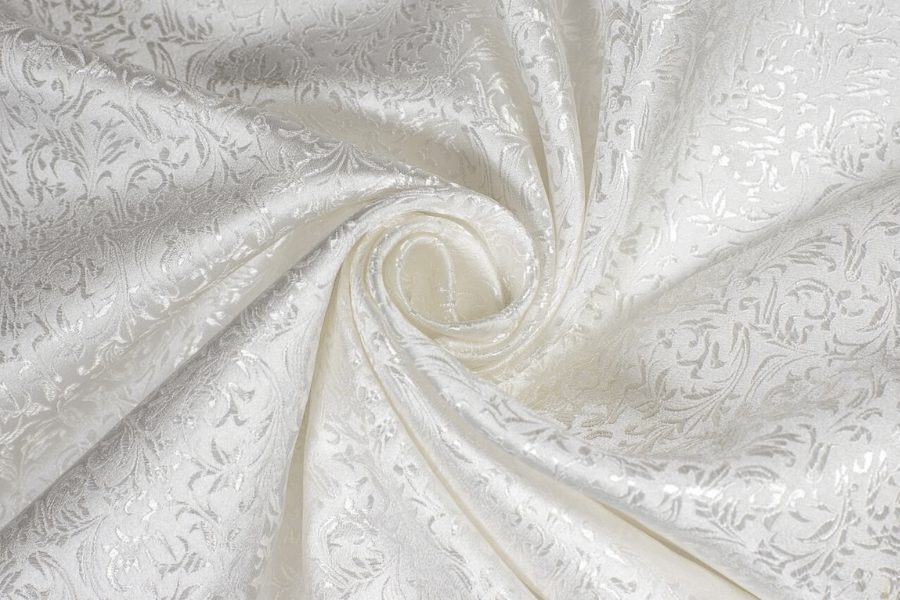
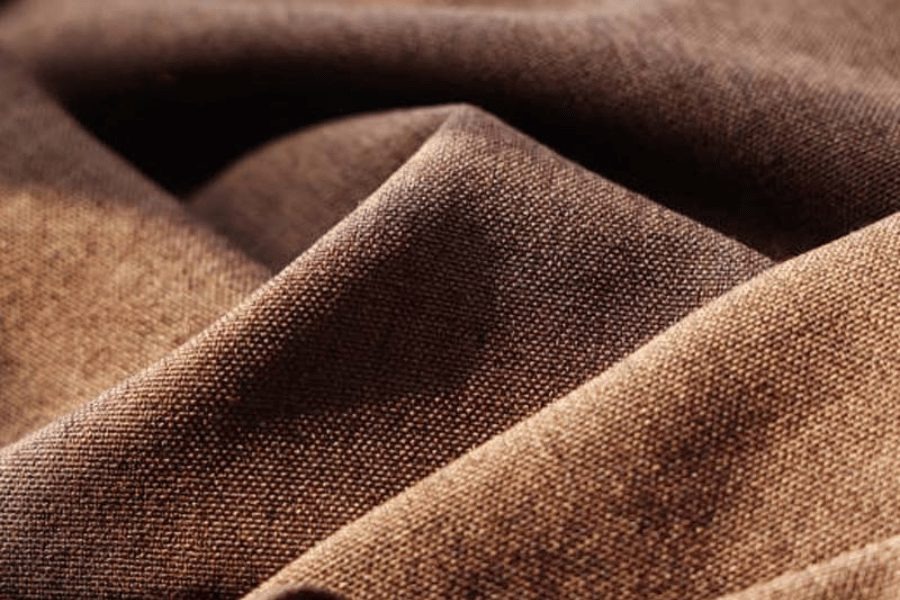
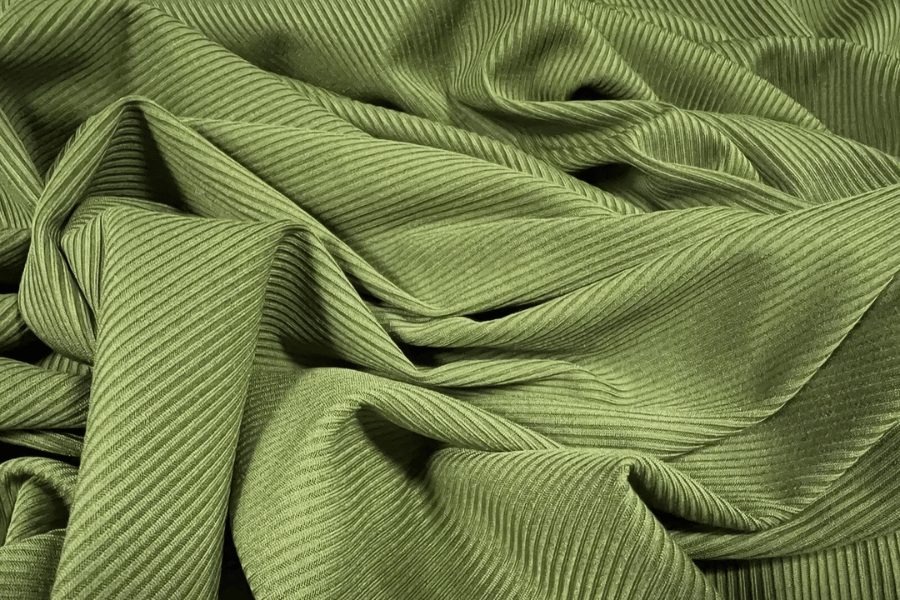
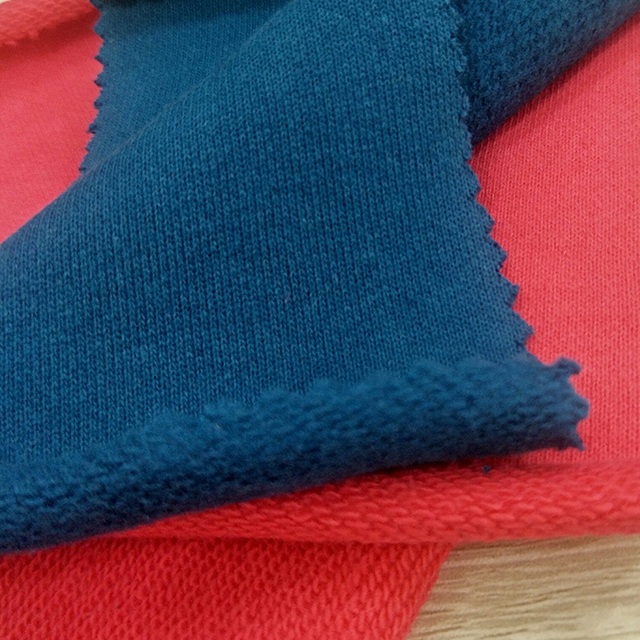
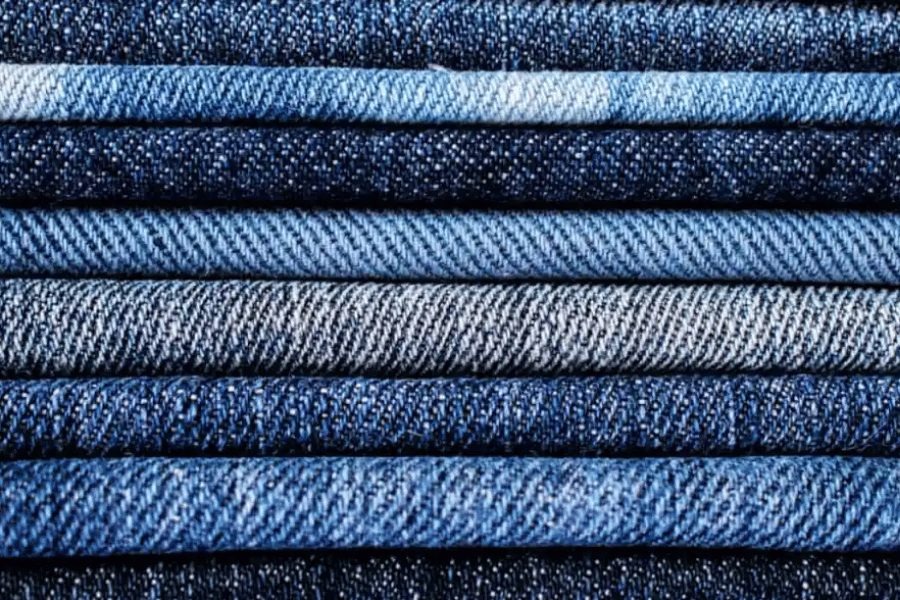
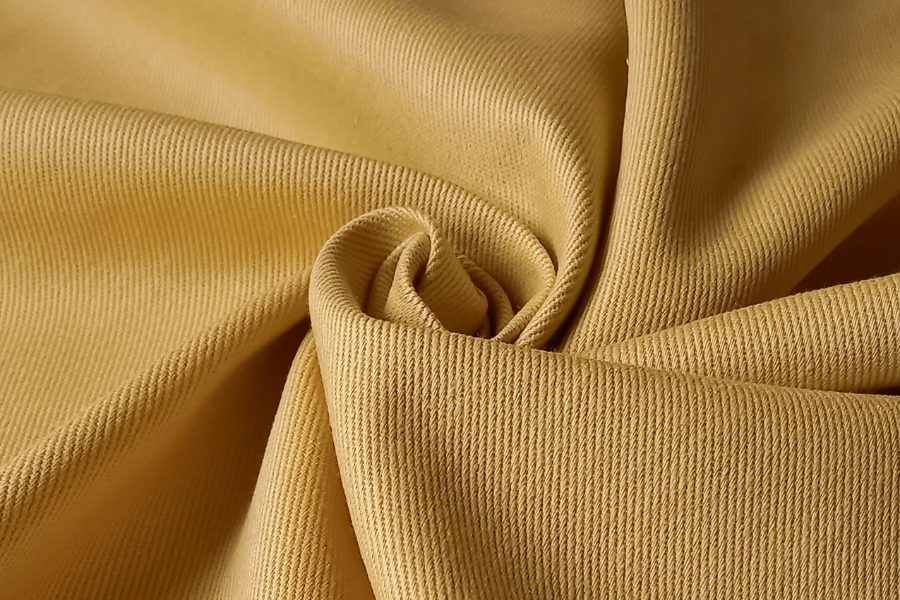
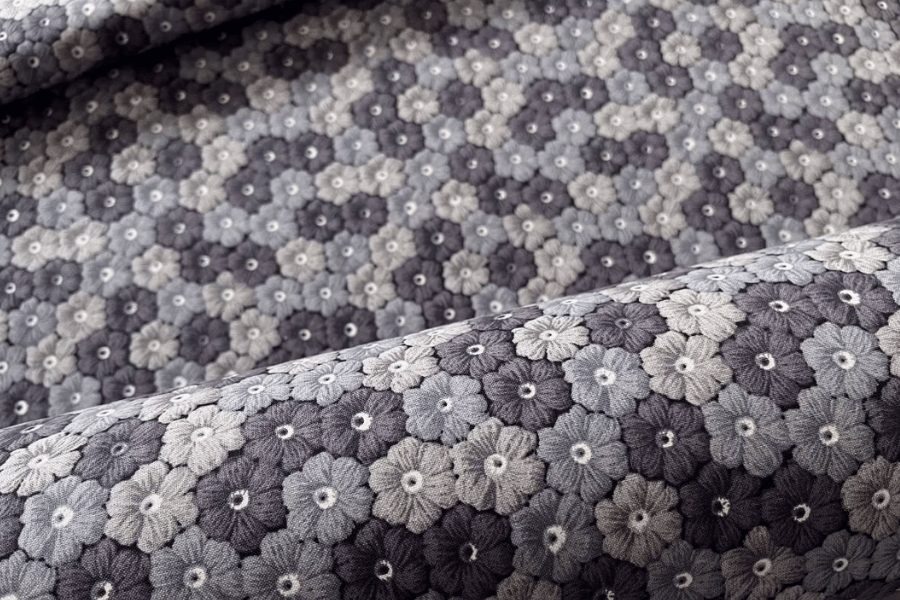
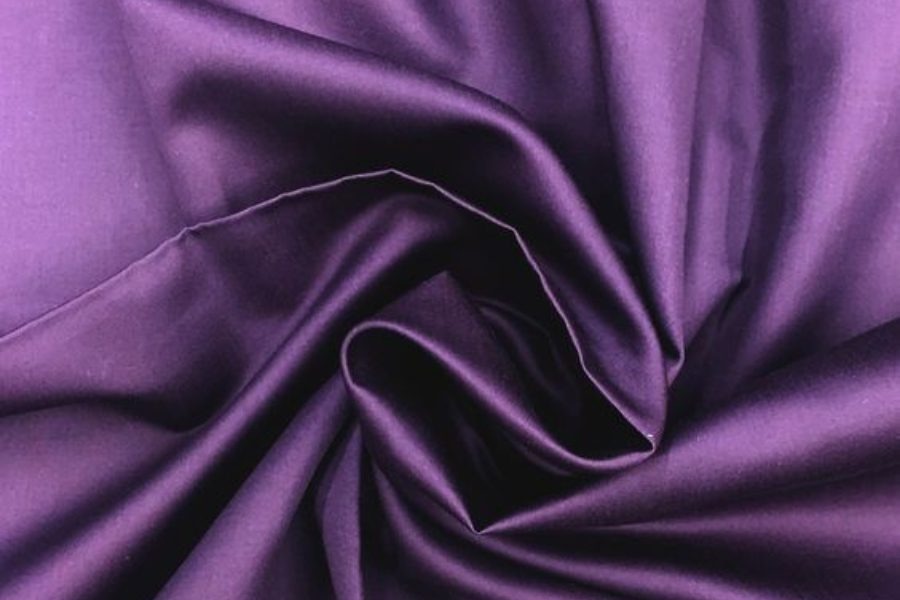
Premium Fabrics We Source & Stock for Your Production
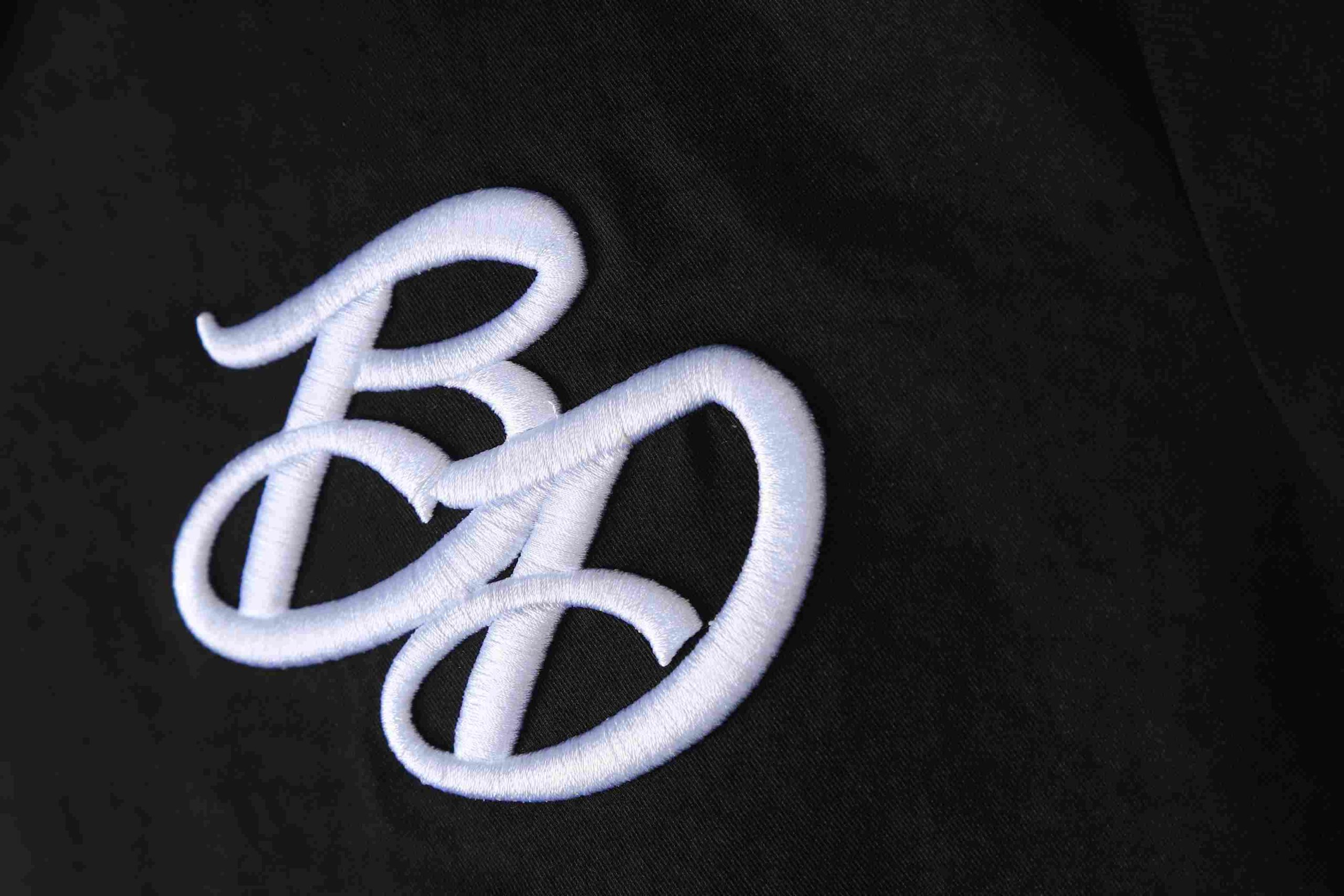
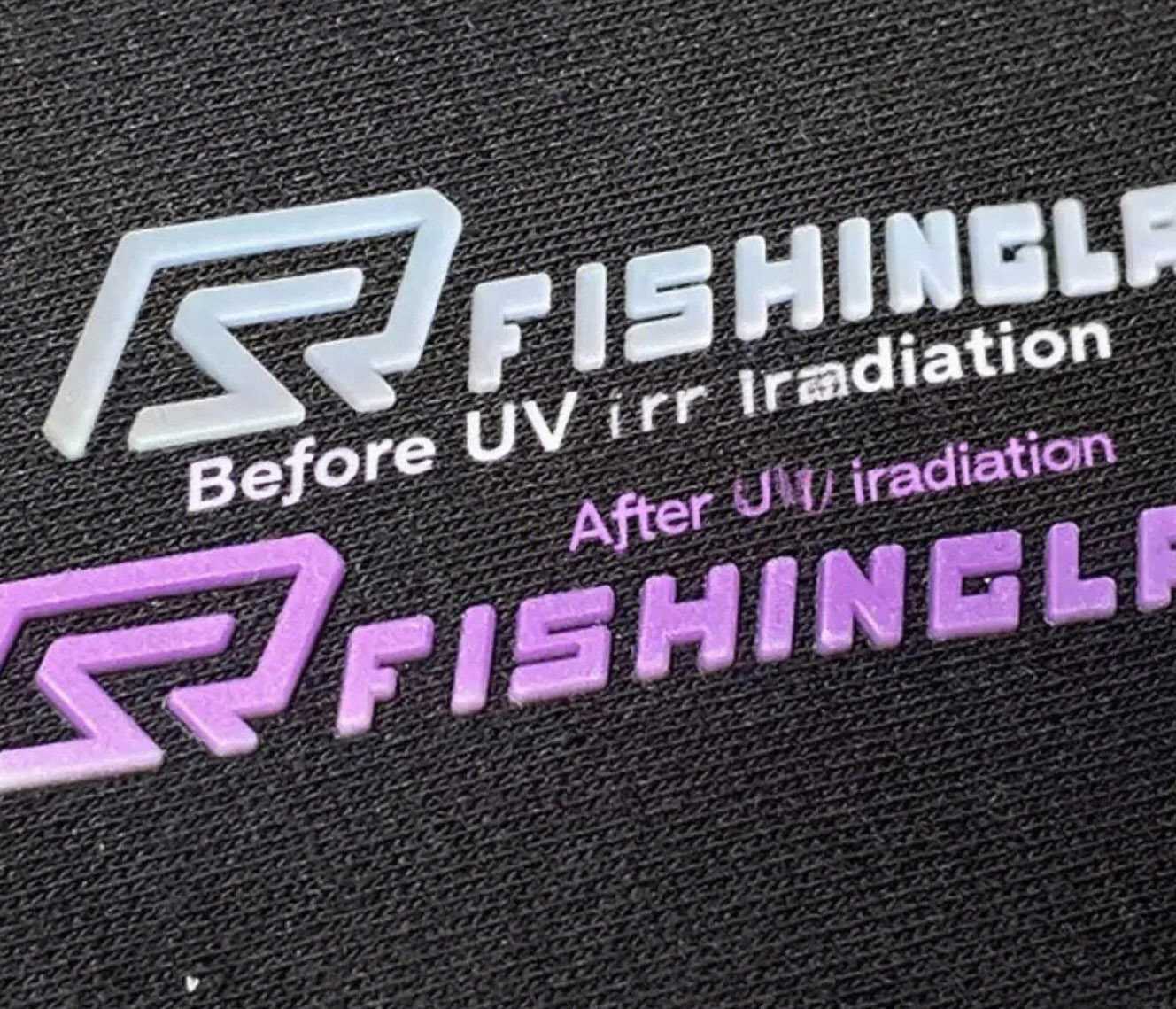
Full In-House Decoration & Finishing Capabilities
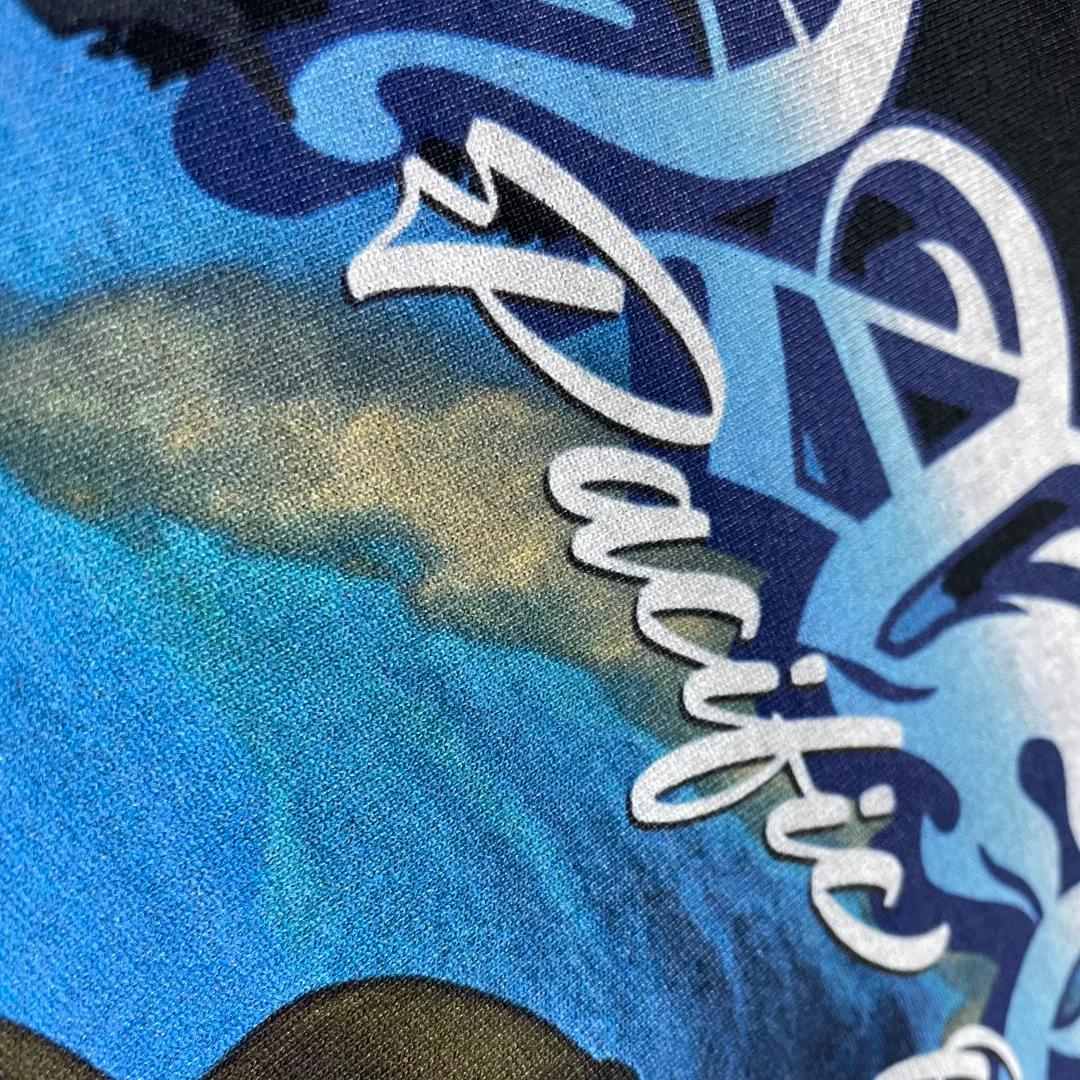
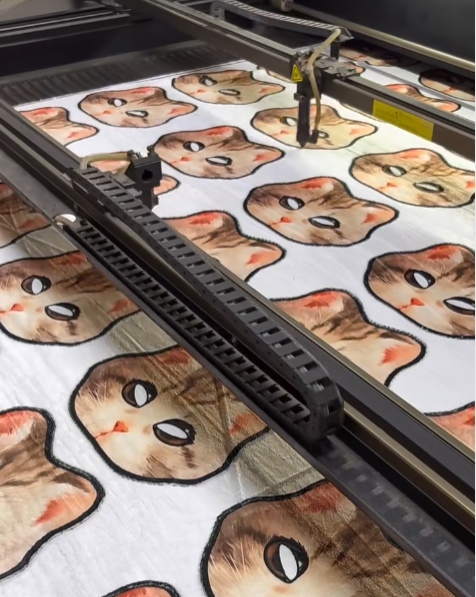
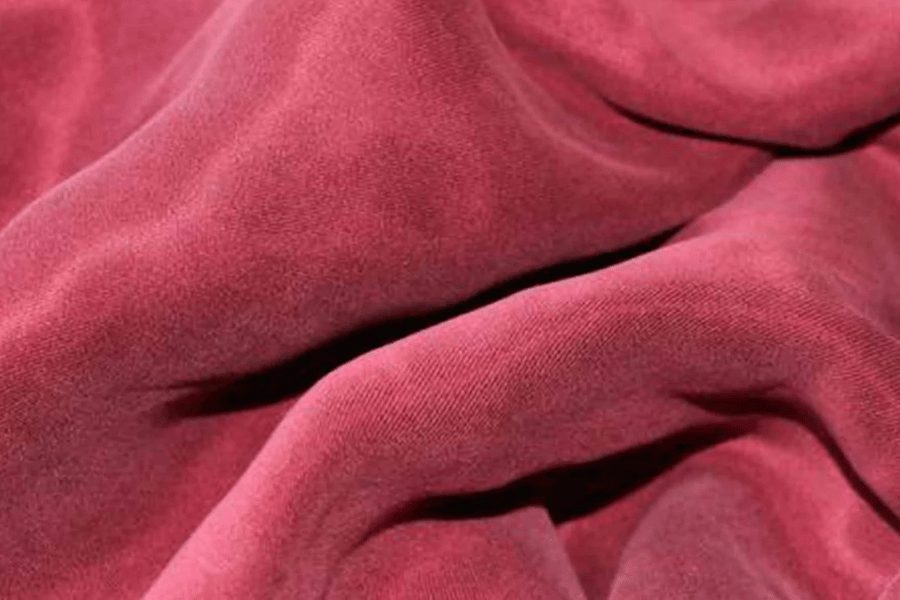
Brushing & Napping
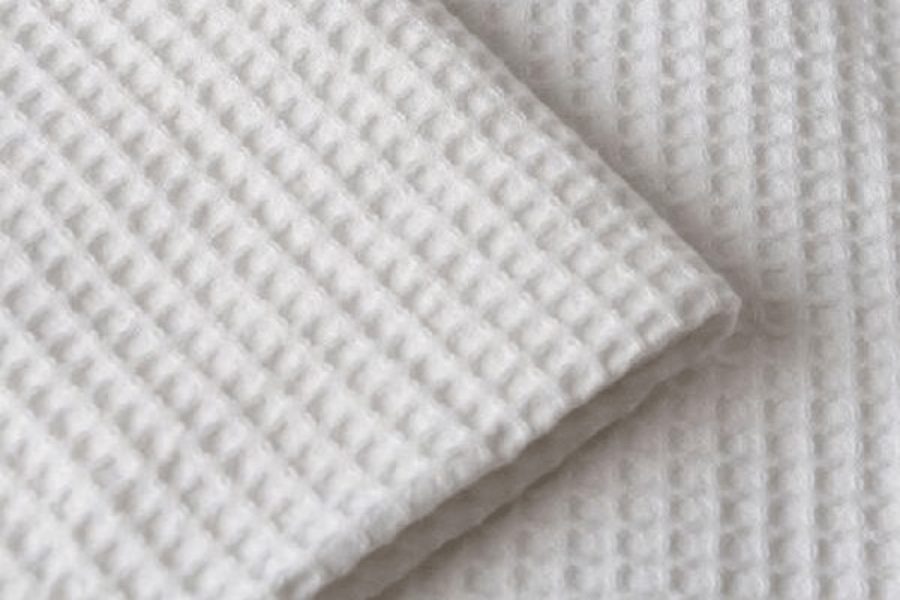
Mechanical finishing that raises fabric fibers for a soft, warm surface. Creates plush fleece interiors, cozy flannels and brushed twill with enhanced comfort and a premium tactile experience.
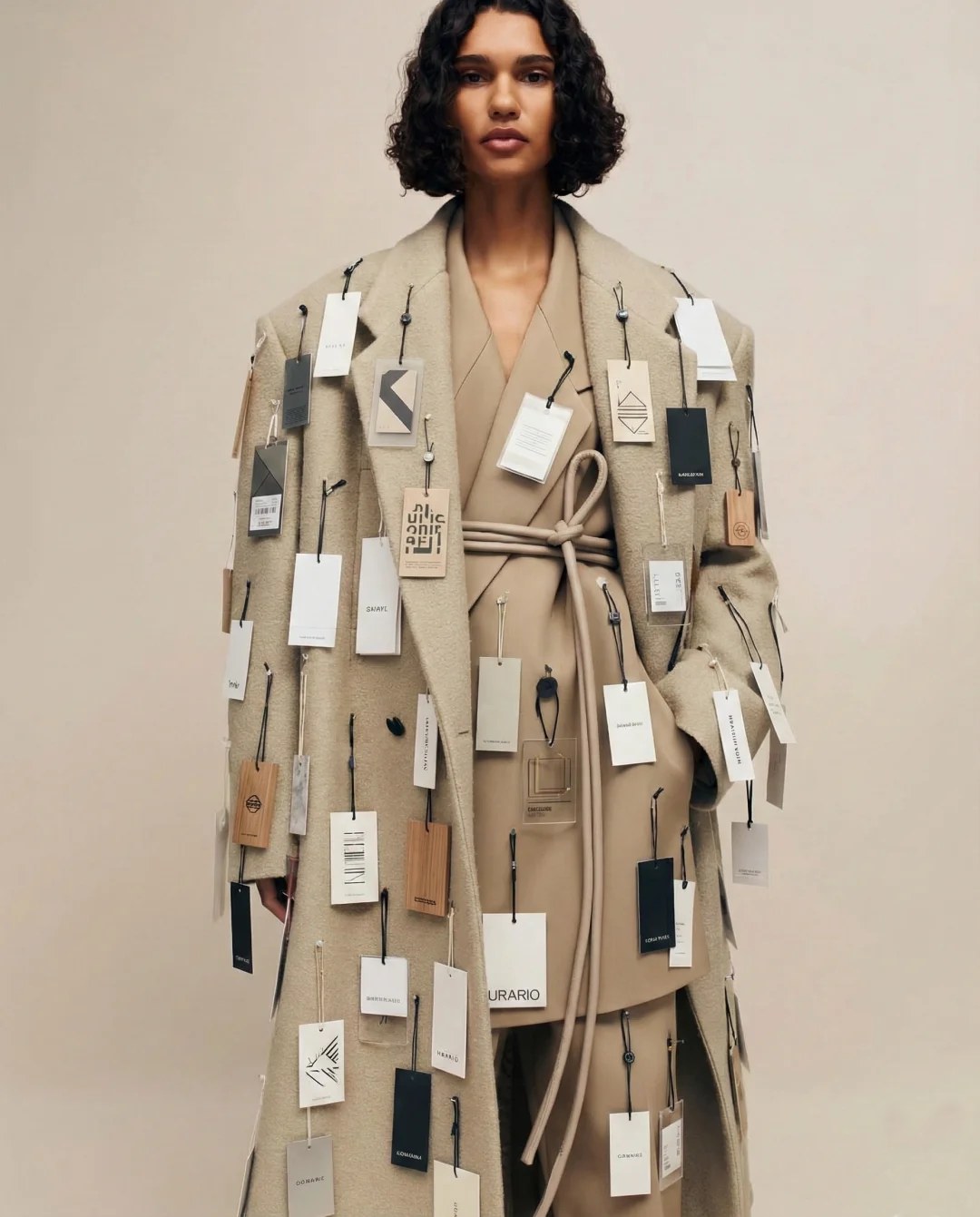
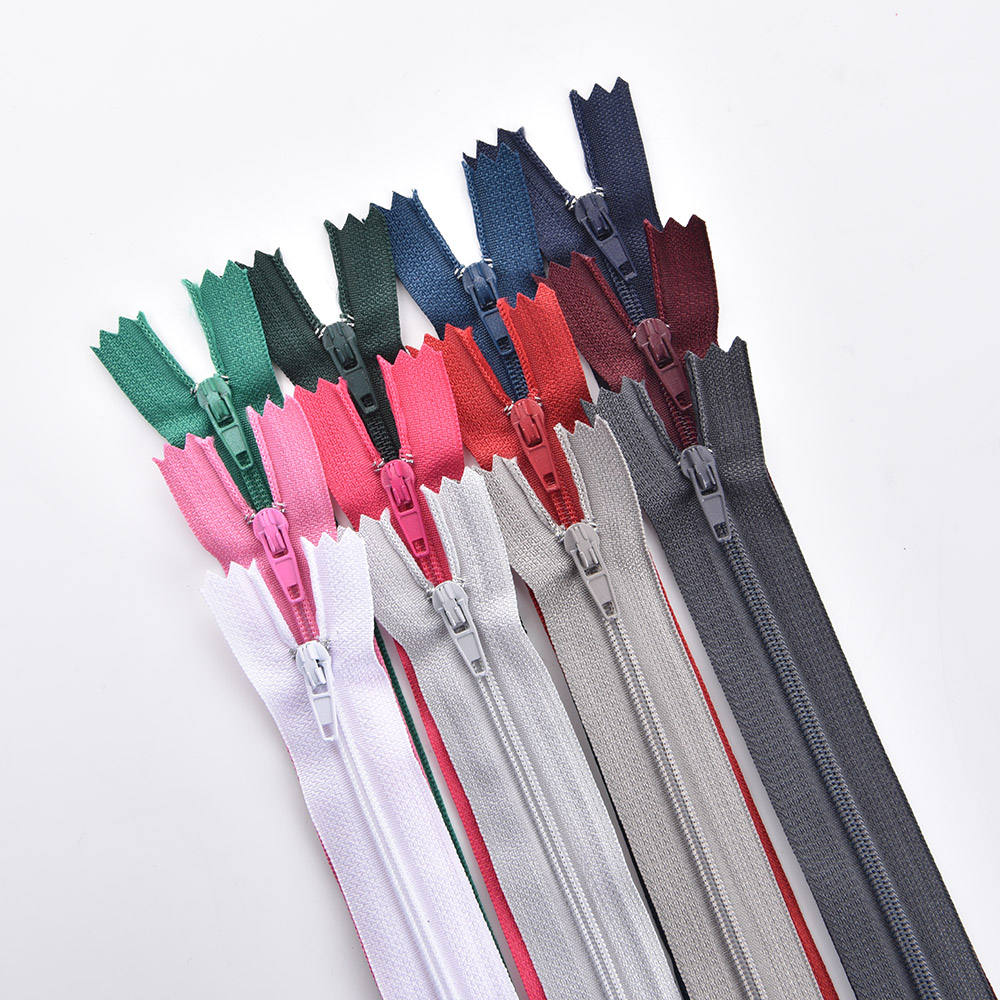
Complete Your Brand — Custom Trims, Labels & Packaging
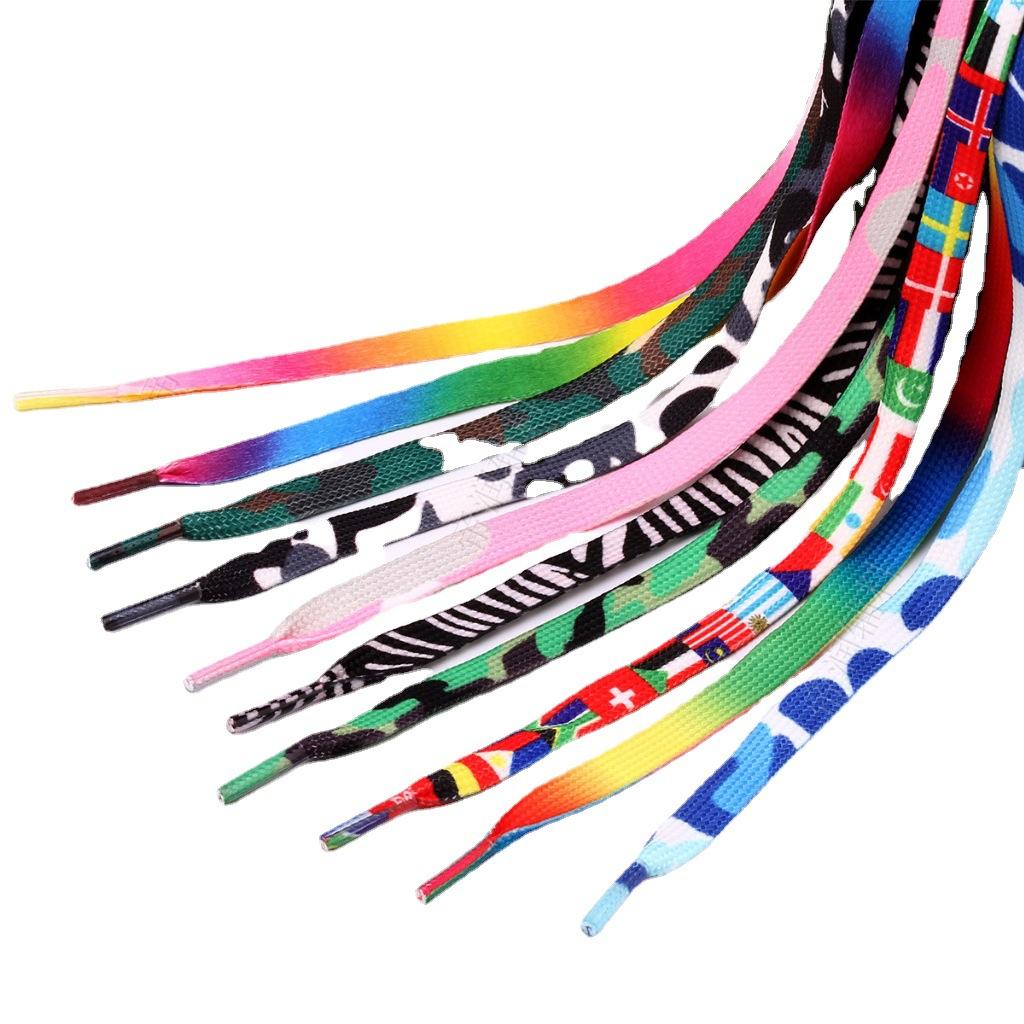
Drawcords & Tipping
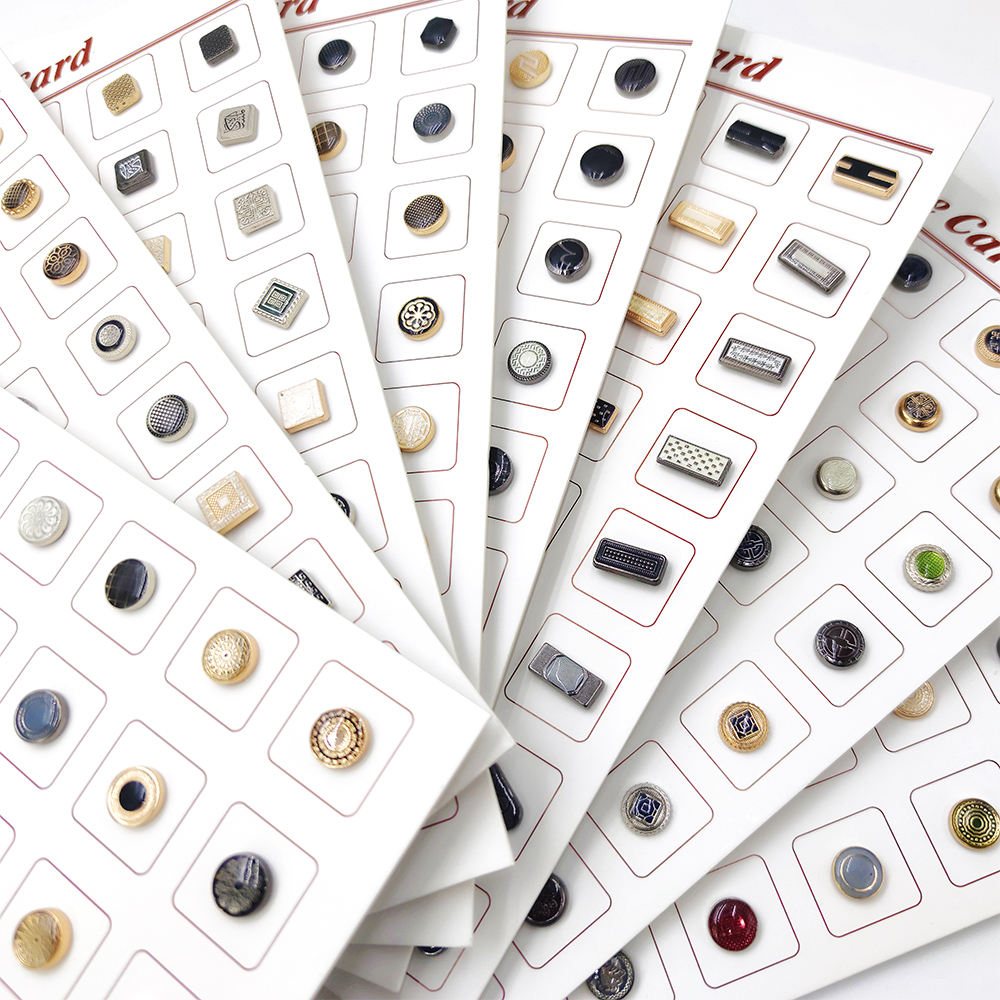
Flat, round and rope drawcords in cotton, polyester or blended yarns with custom colors, metal or plastic aglets, and branded tipping. Perfect for hoodies, sweatpants, shorts and outerwear in extended sizes.
Your Big & Tall Menswear Manufacturing Partner
Founded in 1998 in Humen, Dongguan — the heart of China’s garment manufacturing region — MENWILD began with a clear mission: to create menswear that genuinely fits larger and taller men, not simply scaled-up versions where proportions break and comfort disappears. What started as a small family cut-and-sew workshop has grown into a full-service big & tall clothing manufacturer serving over 2,000 brands worldwide.
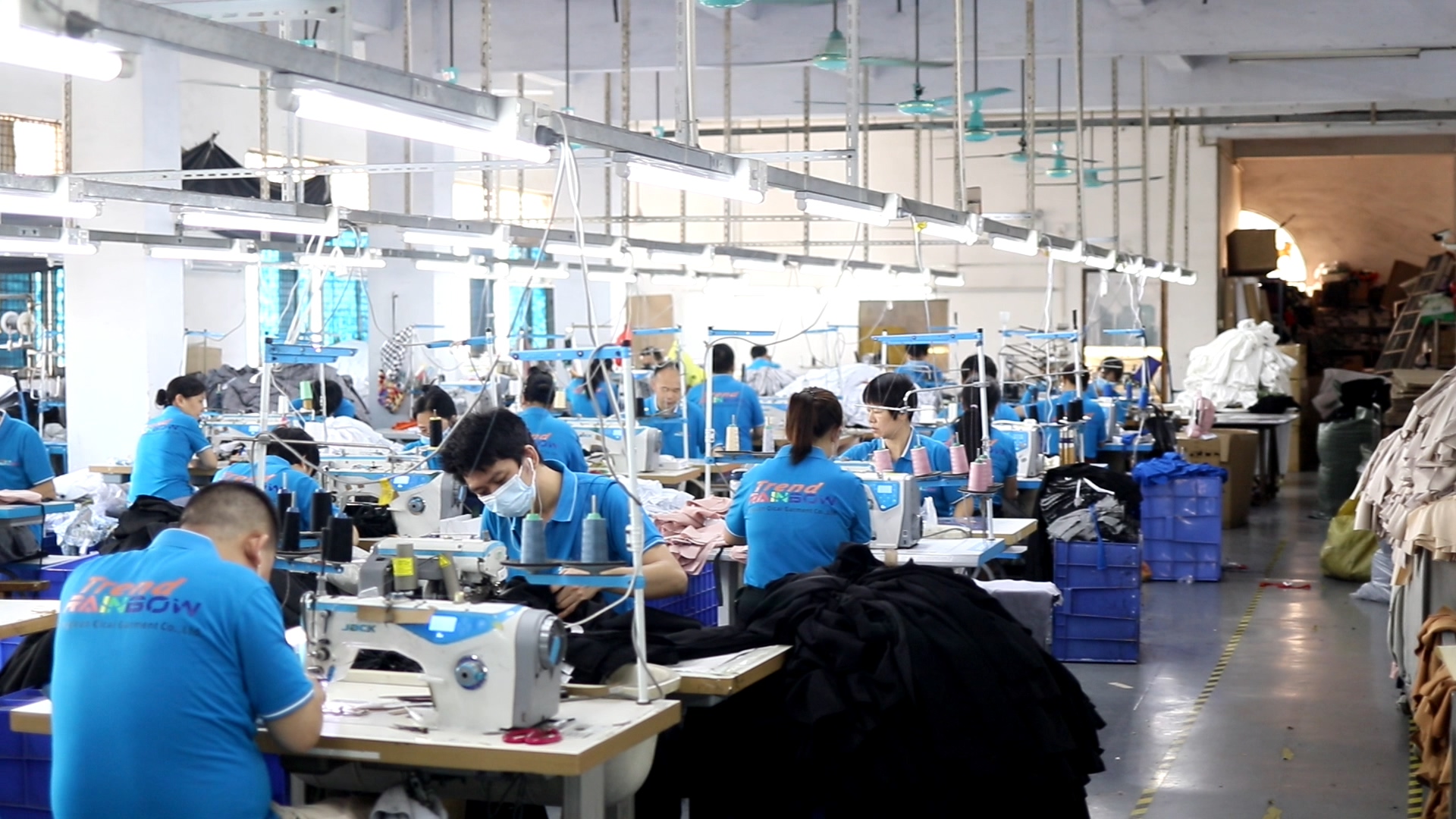
Today, MENWILD operates as a one-stop big & tall menswear partner with a team of more than 200 skilled employees and a monthly production capacity exceeding 80,000 pieces. From fabric sourcing and specialist 2XL–6XL pattern grading to sampling, decoration, quality control and export logistics, every step is handled in-house to ensure consistency, speed and genuine fit for extended-size menswear.
With 28+ years of experience, MENWILD has built its reputation not on volume alone, but on understanding what most factories overlook: true big & tall proportions require dedicated grading, fit refinement and craftsmanship. As a full-package manufacturing partner, MENWILD supports brands at every stage — from concept and fabric selection through production and delivery — with flexible MOQs starting at just 100 pieces per style.
Specialist Big & Tall Pattern Grading & Fit Development
Extended-Size Pattern Grading Built for Bigger Bodies
Most apparel fabric suppliers simply scale patterns up, breaking proportions and fit. MENWILD develops true 2XL–6XL grading with sleeve length optimization, rise adjustments, and shoulder-to-waist ratios calibrated specifically for larger and taller men—not afterthought sizing.
- Dedicated 2XL–6XL size sets with proportional sleeve, inseam and torso length
- Shoulder width, armhole depth and rise adjusted for genuine big & tall fit
- Modern oversized streetwear proportions alongside classic big & tall cuts
- Pattern libraries kept on file for fast, consistent re-orders
Fit Refinement Through Sampling and Wear Testing
Every new style undergoes fit-sample iteration before bulk production. MENWILD’s design and pattern team reviews wear ease, drop, and movement across the full size range, ensuring garments that actually fit—eliminating the tight waist, short sleeve trap of scaled-up patterns.
- Pre-production fit samples in your target size range
- In-house wear testing and adjustment for comfort and movement
- Feedback loops with your team to lock in ideal proportions
- Fabric swatches and sample garments shipped before any bulk commitment
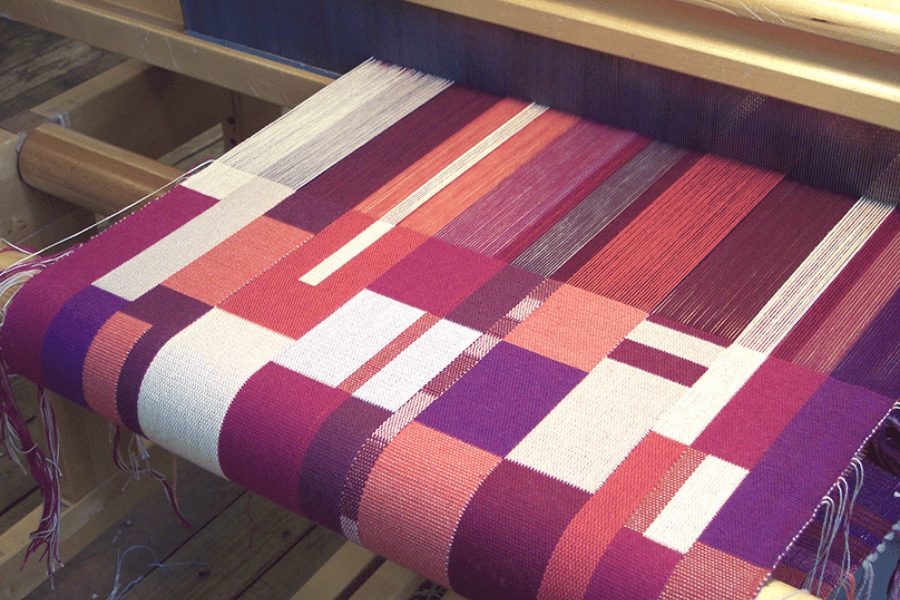
Design-to-Sample Process That Starts With Your Vision
Whether you arrive with a finished tech pack, a sketch, a reference photo or just an idea, MENWILD’s design team turns concepts into production-ready big & tall menswear. Full grading, original design support, and sample development are included—so your apparel fabric supplier becomes your product partner.
- Tech-pack development from sketches, photos or concepts
- Original design support and trend-informed style guidance
- Full size-set grading and spec documentation for every style
- Fast sampling with decoration, trims and finishing to match your vision
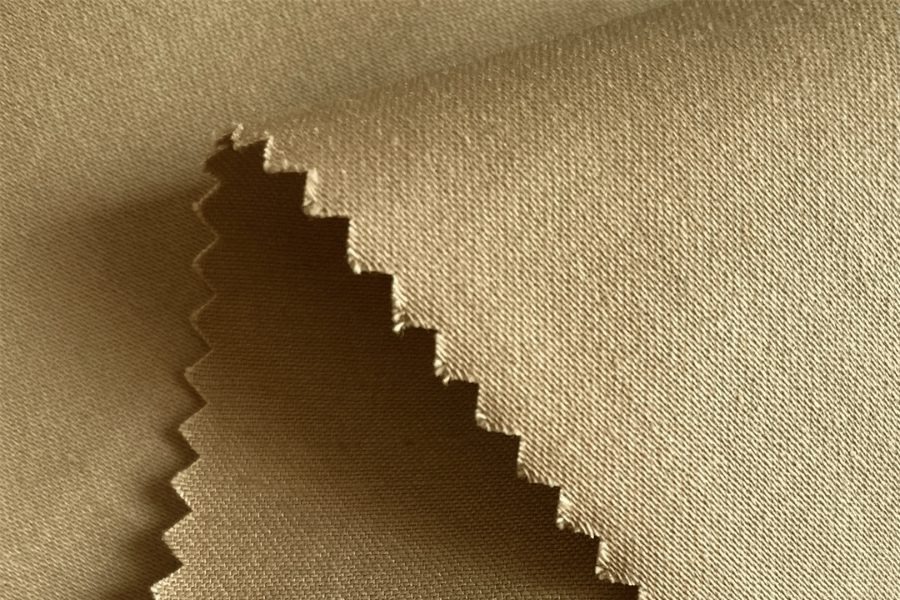
MENWILD vs. Generic Big & Tall Manufacturers
Most apparel fabric suppliers treat big & tall as an afterthought. MENWILD specializes in extended-size menswear from pattern to production — with proven fit expertise, low MOQ flexibility, and full in-house capabilities that generic suppliers can’t match.
← 左右滑动查看 →
From Inquiry to Delivery: Our 9-Step Manufacturing Process
Every big & tall menswear order follows a proven workflow built over 28 years — from tech-pack review and fabric sourcing through specialist pattern grading, sampling, bulk production, decoration, finishing and global logistics. Here’s exactly what happens at each stage.
Inquiry & Tech-Pack Review
Share your design idea, sketch, photo or finished tech pack. Our team reviews specifications, confirms sizing and provides an initial quote within 24 hours.
Fabric Sourcing & Swatching
We source fabrics from trusted Chinese mills — cotton, fleece, denim, twill, performance knits — and send physical swatches for your approval before sampling.
Pattern & Size Grading
Our specialist team develops patterns with true 2XL–6XL big & tall grading, adjusting rises, sleeve length and proportions so larger sizes actually fit.
Sampling & Fit Refinement
You receive sample garments for fit approval. We refine patterns based on your feedback until every detail meets your brand’s standards.
Bulk Production Launch
Once samples are approved and deposit is received, cutting, sewing and knitting begin. Monthly capacity exceeds 80,000 pieces across all product lines.
In-Line Quality Control
Every garment passes through multiple checkpoints during production — fabric inspection, cutting accuracy, stitching quality and measurement verification ensure consistency.
Decoration & Finishing
Embroidery, screen printing, DTG, heat transfer, garment wash, dye and other techniques are applied in-house, maintaining full control over timing and quality.
Final Inspection & Packing
Completed garments undergo final QC, then are folded, bagged and packed with your custom labels, hang tags and packaging, ready for shipment.
Global Logistics & Delivery
We coordinate export documentation and shipping to the United States, Canada, Europe, Australia, Russia and the Middle East, keeping you updated at every milestone.
How to Partner With MENWILD
From inquiry to shipment, MENWILD makes big & tall menswear production fast, flexible and transparent — whether you arrive with a tech pack or just an idea.
Submit Your Inquiry & Design
Share your tech pack, sketch, reference photo or idea. Our design team will refine it into production-ready specs with full 2XL–6XL grading.
Receive Fabric Swatches & Quote
We source matching fabrics from trusted mills, send physical swatches for approval, and provide a detailed quote within 24–48 hours.
Approve Samples & Refine Fit
Fast sampling with your chosen fabrics and trims. Review, fit-test across sizes, and request adjustments until the garment is production-ready.
Place Bulk Order & Production
Confirm your order from 100 pieces per style and color. We handle cutting, sewing, decoration, finishing and in-line quality control.
Final QC & Global Shipment
Every garment is inspected before packing. We arrange export logistics and deliver to your warehouse anywhere in the world.
Certified Big & Tall Manufacturer — Quality, Safety & Ethical Standards

Big & Tall Brands Trust MENWILD as Their Manufacturing Partner
MENWILD’s specialist 3XL–5XL grading let us launch our big & tall line in just 58 days with a 200-piece test order. Fit complaints dropped by 43% compared to our previous supplier.
We scaled from 500 to 12,000 units per month without a single quality issue. Their fabric sourcing, embroidery and low MOQ flexibility gave us the confidence to expand our plus-size menswear range.
Working with MENWILD cut our sampling time in half and eliminated the endless fit revisions we faced with generic suppliers. Their 2XL–6XL expertise is unmatched — our return rate fell 38% in six months.
FAQ — Big & Tall Menswear Manufacturing
What is the minimum order quantity when working with MENWILD as an apparel fabric supplier?
How long does sampling and bulk production take with your apparel fabric supplier services?
Does MENWILD charge for samples when sourcing from you as an apparel fabric supplier?
What payment terms and methods does your apparel fabric supplier offer?
Can I get DDP or CIF shipping when ordering from MENWILD as my apparel fabric supplier?
How does MENWILD protect my designs and intellectual property?
What fabrics can I source through MENWILD as an apparel fabric supplier for big & tall menswear?
Does MENWILD offer in-house decoration and finishing services?
Why choose MENWILD over other apparel fabric suppliers for extended-size menswear?
The Complete Buyer’s Guide to Choosing the Right Apparel Fabric Supplier
Navigate the complexities of fabric sourcing with confidence. This guide delivers a proven decision framework, essential supplier evaluation criteria, material selection insights, and the critical mistakes to avoid when partnering with an apparel fabric supplier for your menswear brand.
1. What Is an Apparel Fabric Supplier?
An apparel fabric supplier sits upstream in the fashion supply chain, specializing in sourcing, stocking and selling raw textiles—greige goods (unfinished, undyed fabric) or finished, dyed and printed yardage—to garment manufacturers, cut-and-sew contractors and independent designers. Typical fabric-supplier MOQs range from 500 to 3,000 yards per color, far above the 100-piece garment minimums offered by full-package manufacturers like MENWILD.
Greige goods arrive from mills untreated and are sent to dye houses or finishing plants; finished fabrics are ready to cut. Brands sourcing fabric separately gain control over unique prints, exclusive colorways and specialty finishes, but must then coordinate pattern-making, grading, sampling and sewing with a separate contractor—adding lead time, logistics and risk.
A garment manufacturer differs fundamentally: it sources fabric, develops patterns, grades sizes, produces samples, cuts, sews, finishes and ships completed garments. Full-package partners like MENWILD eliminate the need to buy fabric by the thousand yards, manage multiple vendors or warehouse raw textiles, streamlining cash flow and reducing inventory risk for emerging and independent menswear brands.
2. Evolution of the Apparel Fabric Supply Industry
For decades, apparel fabric suppliers operated through regional hubs — Italy’s Como and Biella for luxury wool and silk, China’s Jiangsu and Guangdong provinces for cotton and synthetics, and India’s Tirupur and Surat for jersey and denim. Brands placed orders through agents, faced 3,000–5,000 meter minimums per colorway, and waited 60–90 days for shipment.
Globalization and digital platforms reshaped procurement after 2010. Alibaba, Sourcify, and direct-mill websites let independent designers compare GSM, stretch percentages, and OEKO-TEX certifications online, request swatches within 48 hours, and negotiate MOQs as low as 100–300 meters. Factories in China’s Pearl River Delta began offering integrated fabric-plus-cut-and-sew services, eliminating the middleman and shortening lead times to 25–35 days.
Sustainability accelerated the shift toward transparency. Brands now demand GOTS-certified organic cotton, GRS-recycled polyester, and full mill traceability — requirements that favor direct relationships over opaque agent chains. Low-MOQ suppliers supporting 100-piece runs per style enable test launches, reduce dead stock, and align with lean inventory models essential for emerging menswear labels.
3. Types of Apparel Fabric Suppliers
Not every apparel fabric supplier operates the same way. Understanding the four main supplier categories — mills, wholesalers, jobbers and converters — helps you match your brand’s size, budget and lead-time needs to the right partner.
Textile Mills
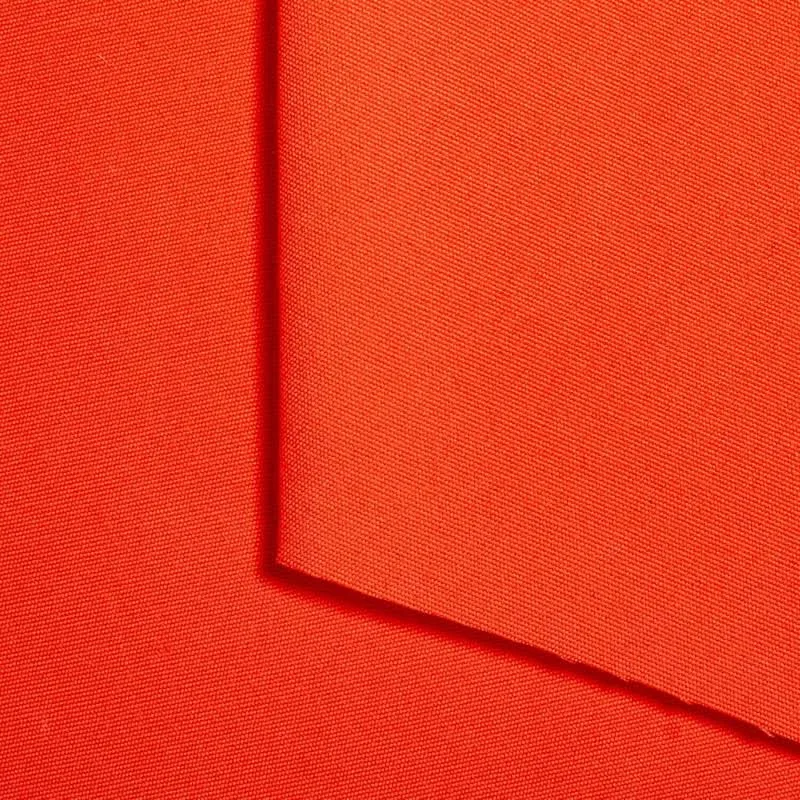
Mills weave or knit fabric from yarn. MOQ typically starts at 1,000–3,000 meters per colorway, with lead times of 45–90 days. Customization is deep: you specify fiber blend, weight, weave and finish.
Mills suit mid-tier and enterprise brands with stable re-order volumes. Startups rarely hit the minimums unless pooling fabric across multiple styles.
Fabric Wholesalers
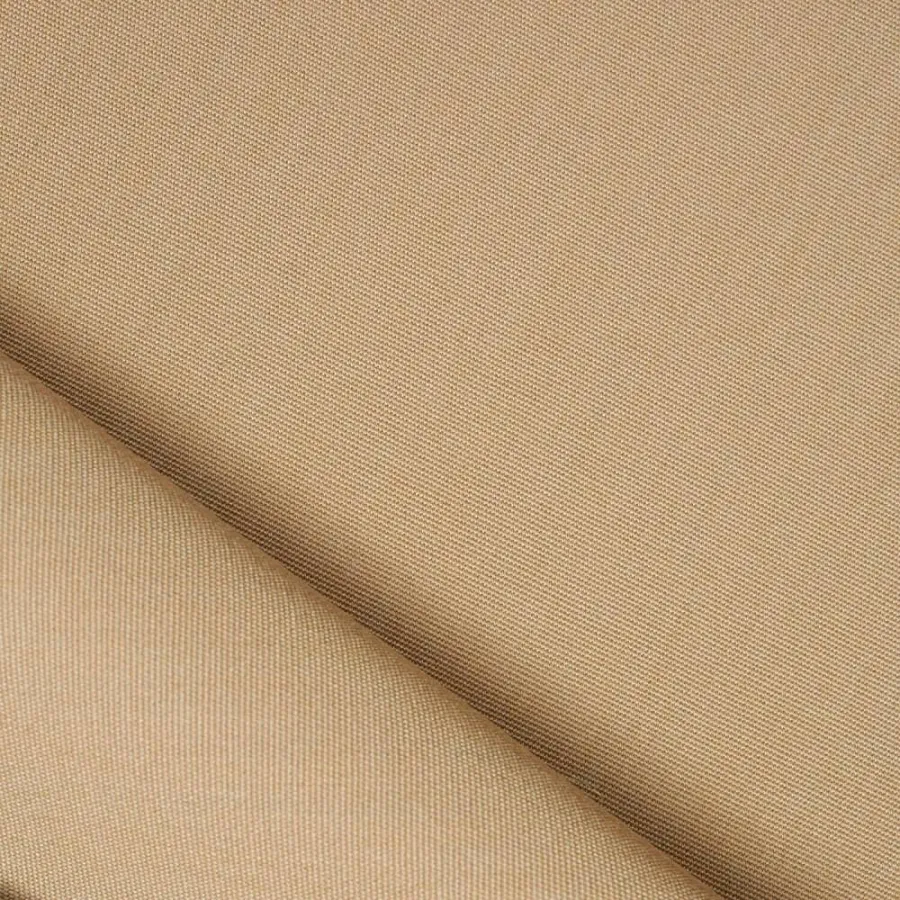
Wholesalers stock finished fabrics from multiple mills and sell by the roll or cut length. MOQ drops to 50–500 meters; lead time is 7–21 days for in-stock goods.
Customization is limited to what’s already woven. Wholesalers serve startups, independent designers and brands testing new categories without committing to mill runs.
Jobbers and Converters
Jobbers buy surplus and closeout fabric at discount; converters purchase greige goods and apply dyeing, printing or finishing. MOQ and lead time vary widely.
Jobbers offer low per-meter cost but inconsistent supply. Converters bridge mills and brands, enabling mid-run customization — ideal for capsule collections in menswear denim, twill and performance knits.
4. Materials and Fabrics for Menswear Production
Choosing the right fabric is critical when manufacturing big & tall menswear. Extended sizes amplify every fabric weakness — poor stretch recovery causes bagging, high shrinkage ruins fit, and unstable weaves distort after washing. An experienced apparel fabric supplier matches material properties to garment type and body movement.
| Fabric Type | Weight (GSM) | Typical Use | Care & Extended-Size Notes |
|---|---|---|---|
| Cotton jersey (ring-spun) | 160–220 | T-shirts, polo shirts, basics | Pre-shrunk essential; 5–7% shrinkage common. Stable knit structure resists torque. |
| Cotton-poly blend | 180–240 | Hoodies, sweatshirts, activewear | Reduced shrinkage vs. 100% cotton. Holds shape through repeated wear and stretch. |
| French terry & fleece | 280–340 | Hoodies, sweatshirts, joggers | Heavier GSM supports drape in larger sizes. Enzyme wash prevents pilling. |
| Stretch denim (2–4% elastane) | 10–14 oz | Jeans, chinos, workwear | Stretch recovery critical for seat and thigh. Sanforized finish locks sizing. |
| Performance knits (polyester, nylon blends) | 140–200 | Activewear, athleisure, base layers | Moisture-wicking, 4-way stretch. Low shrinkage; colorfast in garment dye. |
| Wool & suiting fabrics | 240–320 | Blazers, trousers, dress pants | Natural resilience; pre-shrink or specify ready-to-cut. Dry-clean recommended. |
5. Customization and Finishing Options from Your Apparel Fabric Supplier
A full-service apparel fabric supplier offers far more than raw yardage. Dyeing, printing, finishing and performance treatments transform base goods into differentiated menswear fabrics, and understanding MOQ thresholds for each service protects both budget and timeline.
| Finishing Method | Typical MOQ Impact | Cost Addition | Durability |
|---|---|---|---|
| Piece dyeing | 300–500 yd/color | +10–20 % | Good (50+ washes) |
| Yarn dyeing | 1,000+ yd/color | +25–40 % | Excellent (100+ washes) |
| Screen printing | 500+ pc/design | +$1–3/pc | High (plastisol), Medium (water-based) |
| DTG / DTF | 1–100 pc | +$3–6/pc | Medium (30–50 washes) |
| Moisture-wicking treatment | 500+ yd | +8–15 % | Permanent (embedded) |
| Brushing / napping | No minimum | +5–10 % | Permanent (mechanical) |
Dyeing: Piece-Dyed vs. Yarn-Dyed
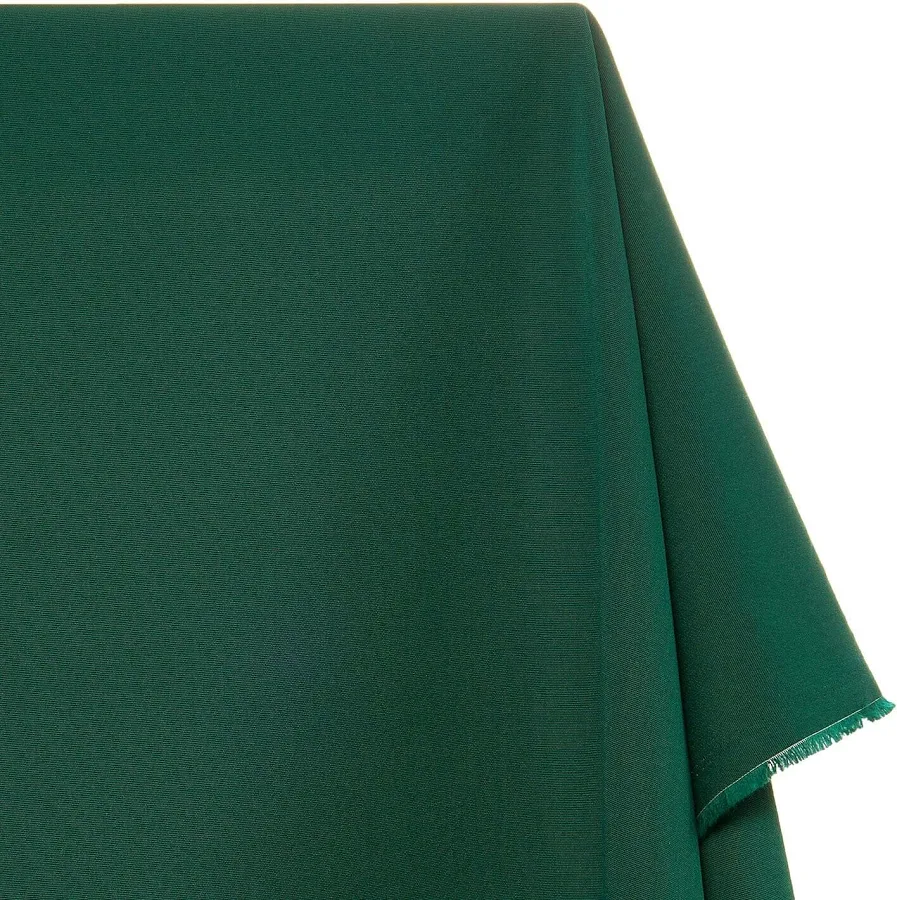
Piece dyeing applies color after fabric construction, enabling lower MOQs — often 300–500 yards per colorway — and faster turnaround. Yarn-dyed fabrics color individual threads before weaving, yielding richer hues and better colorfastness but requiring minimums of 1,000+ yards and longer lead times.
For extended-size collections testing new palettes, piece dyeing offers flexibility. Yarn-dyed oxfords and flannels deliver premium hand-feel and durability for core seasonal runs.
Printing Methods and Durability
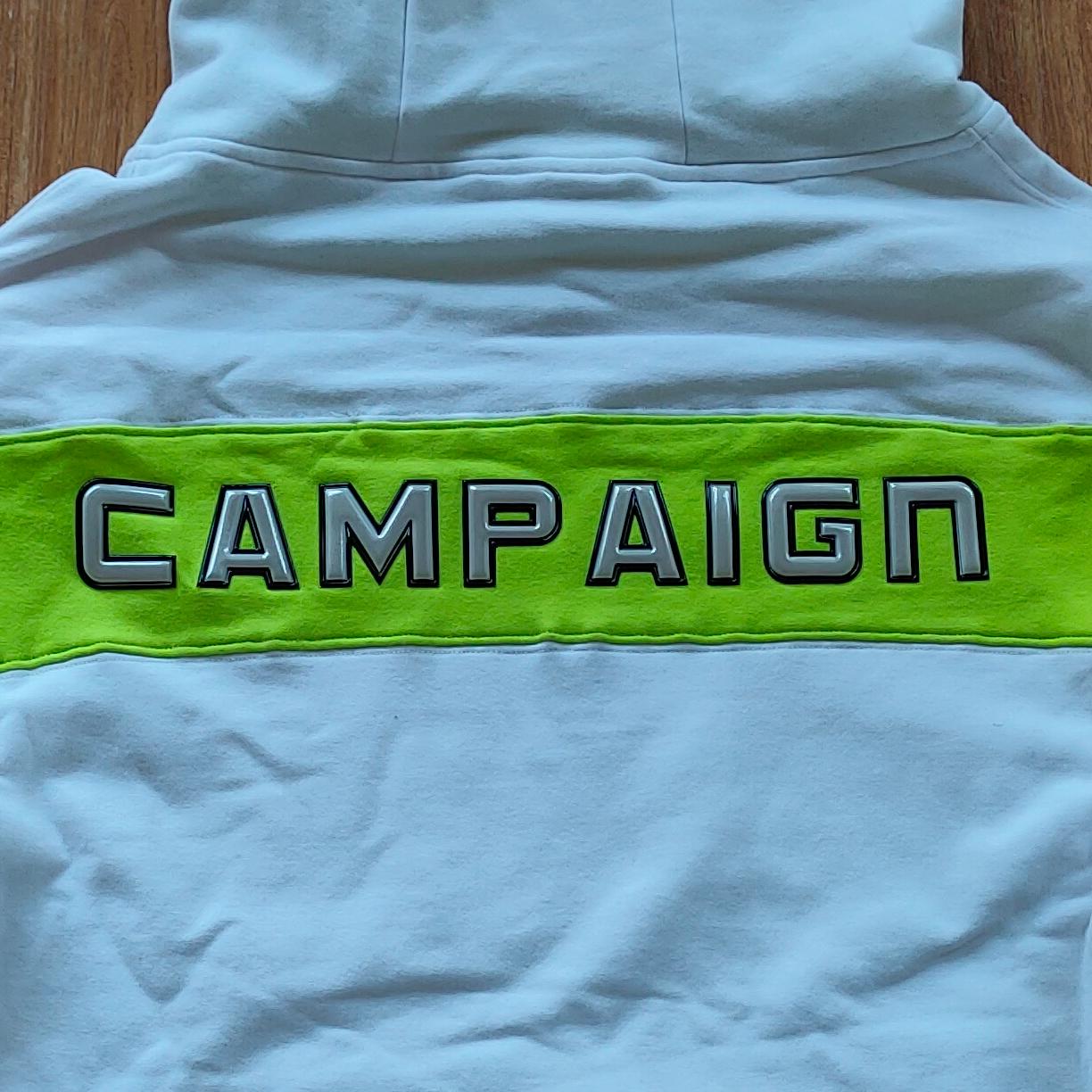
Screen printing remains cost-effective above 500 pieces per design; plastisol inks sit atop fabric, water-based inks penetrate for softer hand. Digital direct-to-garment (DTG) and dye sublimation suit small runs under 100 pieces but work only on light or synthetic bases respectively.
MENWILD supports screen (plastisol, water-based, discharge, puff, foil), DTG, DTF and heat transfer, matching method to fabric weight, stretch and wash cycles.
Finishing and Performance Treatments
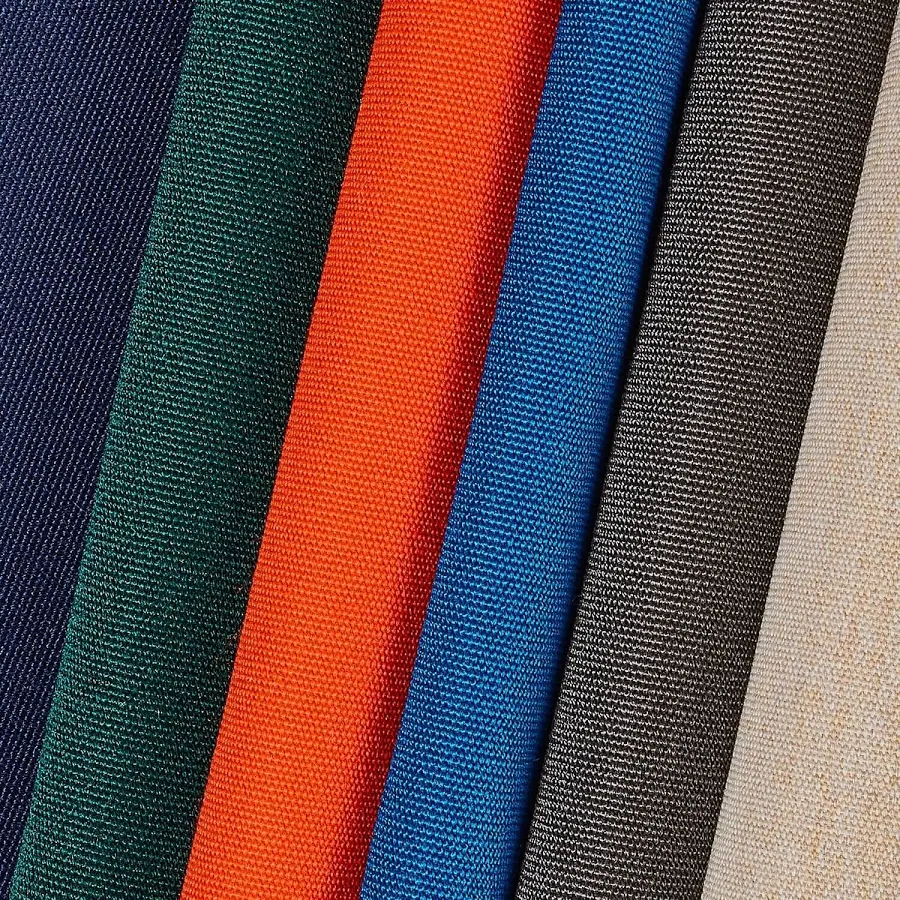
Mechanical finishes — brushing, napping, calendaring — alter surface texture with minimal MOQ impact. Chemical treatments (moisture-wicking, antimicrobial, anti-wrinkle, UV-blocking) typically add 8–15 % to fabric cost and require 500+ yard minimums per treatment batch.
Moisture-wicking polyester blends and enzyme washes improve comfort in activewear and casual basics. Anti-pilling enzyme treatments extend garment life in fleece and French terry, critical for big & tall sizing where friction zones see heavier wear.
6. Key Quality Indicators When Evaluating Fabric
Fabric quality determines whether your big & tall menswear survives the first wash or the first season. Professional buyers evaluate six measurable indicators before committing to bulk orders, and your apparel fabric supplier should provide documented test results for each.
GSM and Weight Consistency
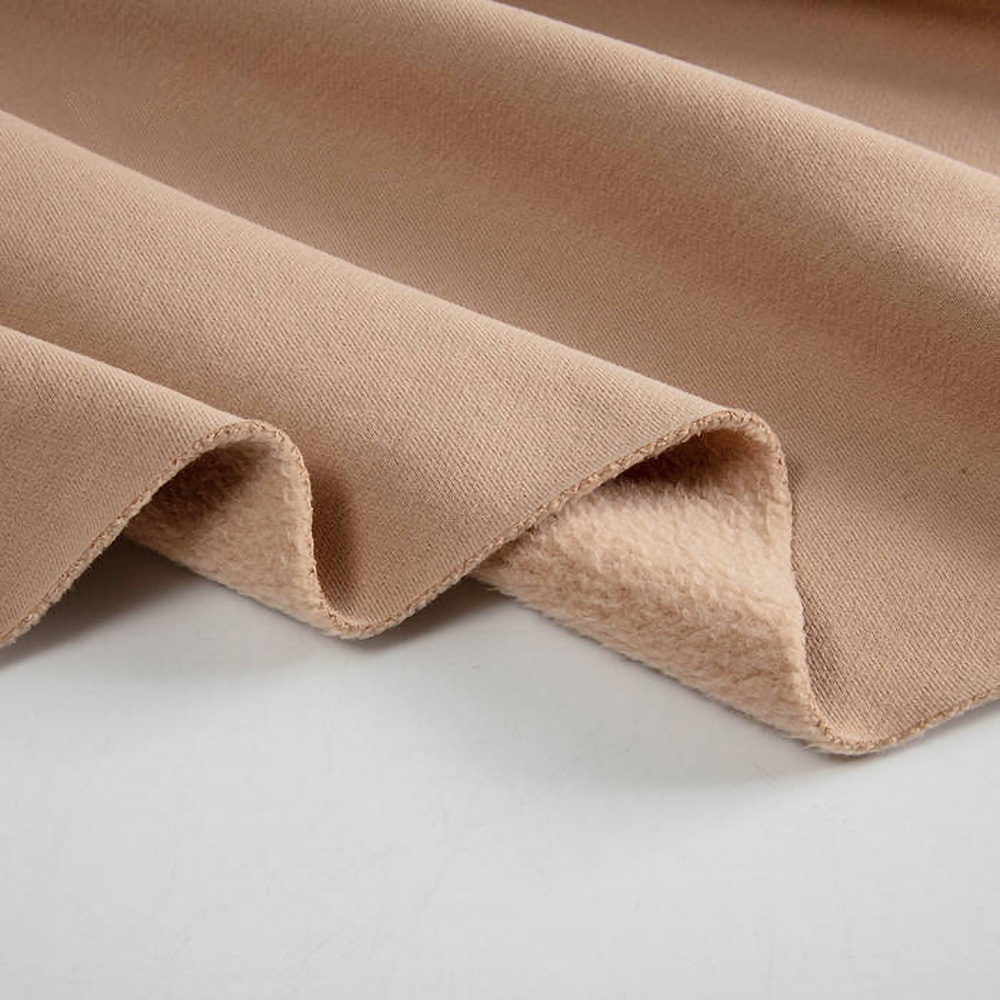
Fabric weight, measured in grams per square meter (GSM), dictates drape, durability and cost. A 180 GSM jersey tee feels light; a 320 GSM heavyweight hoodie resists pilling and holds shape through dozens of washes.
Request GSM tolerances within ±5% across the roll. Inconsistent weight causes color variation in dyeing and uneven shrinkage, critical when grading 2XL to 6XL patterns where an extra half-inch can break fit.
Colorfastness to Washing and Light
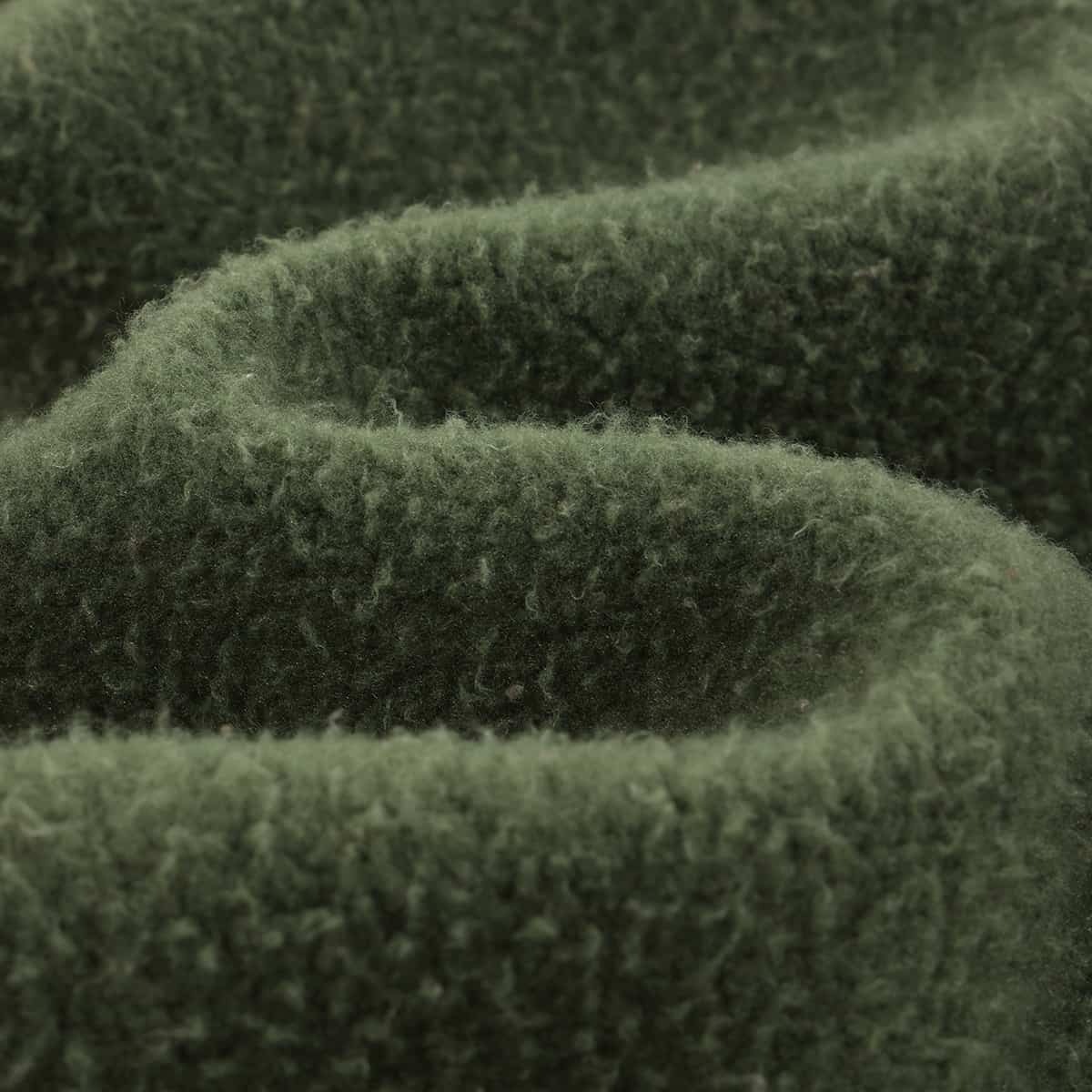
AATCC 61 (wash) and AATCC 16 (light) tests measure dye migration and fading on a 1–5 scale; grade 4 or higher ensures your black hoodies stay black after twenty washes. ISO 105 standards are the European equivalent.
Ask your apparel fabric supplier for lab reports before sampling. Reactive dyes on cotton and disperse dyes on polyester each behave differently, and poor fastness triggers costly chargebacks from retailers.
Tensile Strength and Pilling Resistance
ASTM D5034 measures how many pounds of force a fabric withstands before tearing — essential for stress points on big & tall garments like armholes and seat seams. Minimum 40 lbf warp and weft for everyday menswear.
Pilling resistance (ASTM D3512 or ISO 12945) uses a Martindale tester; grade 3.5 or above keeps fleece and knitwear looking new. Request strike-off swatches and run your own wash tests before bulk production.
Shrinkage Rates and Pre-Production Testing
AATCC 135 measures dimensional change after three home launderings. Cotton jersey typically shrinks 3–5%; pre-shrunk or compacted fabrics hold within 2%. Uncontrolled shrinkage in extended sizes turns a 3XL into an unwearable 2XL.
Your apparel fabric supplier should provide shrinkage data per colorway and finish. Always approve a pre-production sample washed to your care-label spec, and keep that approved swatch on file for every re-order.
7. How to Choose the Best Apparel Fabric Supplier for Your Brand
Selecting the right apparel fabric supplier determines whether your big & tall menswear line ships on time, fits correctly, and scales profitably. A systematic evaluation framework protects your brand from costly mistakes and ensures your manufacturing partner can grow with you.
Verify Certifications and Compliance
OEKO-TEX Standard 100 confirms fabrics are free from harmful chemicals; GOTS certifies organic cotton and eco-friendly processing. For brands targeting European or North American retailers, WRAP and BSCI social-compliance audits are often mandatory.
Request certificates directly and verify issuing bodies online. Extended-size menswear brands should also confirm that grading and pattern libraries meet fit standards for 2XL–6XL proportions.
Assess MOQ Flexibility and Payment Terms
Minimum order quantities starting at 100 pieces per style/color let emerging brands test products and reduce inventory risk. Payment structures typically begin at 100% deposit for first orders, stepping down to 30–50% for repeat clients, with balance due before shipment.
Confirm accepted methods — T/T bank transfer, PayPal, credit card, or USDT — and ask whether deposit terms improve as order volume grows.
Review Lead Times and Sample Quality
Standard sampling takes 7–10 days; bulk production runs 20–30 days depending on fabric and decoration complexity. Request fabric swatches and a fit sample in your target size range before committing to bulk.
Inspect stitching density, seam allowances, and whether graded sizes maintain correct rise, sleeve length, and shoulder width across the full 2XL–6XL spectrum.
8. Common Mistakes Buyers Make When Sourcing Fabric
Even experienced buyers stumble on fabric sourcing. Six recurring mistakes derail timelines, inflate costs and compromise fit — especially in extended-size menswear where yardage, grading and consistency matter most.
Skipping Pre-Production Sample Testing
Ordering bulk yardage without a strike-off or sample garment is the fastest route to unusable inventory. Fabric hand, drape and recovery vary between mills — even within the same GSM spec.
MENWILD sends swatches and sample garments before any bulk run, letting brands confirm weight, stretch and wash performance in the actual silhouette before committing thousands of yards.
Ignoring Shrinkage Allowances
Cotton jersey and fleece shrink 3–7% in length after the first wash; denim can lose half an inch in the inseam. Failing to add shrinkage to your pattern or fabric order leaves finished garments too short.
Always request pre-shrunk or compacted fabrics, or build 5–8% extra length into cut plans for natural-fiber knits and wovens.
Underestimating Yardage for Extended Sizes
A 6XL hoodie consumes 30–40% more fabric than an XL, yet many buyers scale orders linearly. This mismatch stalls production mid-run or forces costly air-freight top-ups.
MENWILD’s pattern library includes graded consumption tables for 2XL–6XL, ensuring accurate yardage forecasts and eliminating shortfalls before cutting begins.
Choosing Suppliers Solely on Price
The lowest per-yard quote often hides poor color consistency, delayed lead times or substandard hand-feel. Re-orders, chargebacks and brand damage quickly erase any initial savings.
Evaluate lead-time reliability, dye-lot traceability and sample responsiveness alongside unit cost to protect margin and reputation over the long term.
9. Steps to Launch Your Menswear Line with an Apparel Fabric Supplier
Launching a menswear line requires a clear roadmap from fabric specification to first shipment. A structured process reduces sampling loops, avoids costly rework and keeps your launch timeline on track.
Define Fabric Requirements and Request Swatches
Start by documenting fiber content (100% cotton, cotton-poly blends, performance knits), weight in GSM (180–220 for tees, 280–320 for hoodies) and finish (enzyme wash, brushed, garment-dyed). Share your tech pack or design reference with your apparel fabric supplier and request physical swatches in target colorways.
MENWILD provides fabric swatches from trusted Chinese mills, letting you compare hand-feel, drape and color accuracy before committing to yardage.
Negotiate MOQ, Pricing and Sample Timeline
Confirm minimum order quantity per style and colorway — MENWILD starts at 100 pieces — and lock in fabric cost, sampling fee and bulk lead time. Expect 7–10 days for first samples and 25–35 days for bulk production after approval.
Payment terms typically begin at 100% deposit for new clients, stepping down to 30–50% as trust builds, with balance due before shipment.
Approve Samples and Scale to Production
Review fit, construction and fabric performance on sample garments. Request adjustments to grading, rise or sleeve length for true big & tall proportions. Once approved, place your bulk order and coordinate final QC inspections before export logistics begin.
10. Pricing and Cost Considerations
Fabric pricing from an apparel fabric supplier typically ranges from $2–$4 per yard for basic cotton jersey and twill, $4–$7 for premium Pima cotton, French terry and performance knits, and $8–$15+ for denim, wool suiting and eco-certified organic materials. Order volume drives unit cost: a 100-yard test run may price 30–50% higher per yard than a 1,000-yard bulk order, while setup fees for custom dyeing or printing add $150–$500 regardless of quantity.
Fiber content, finishing complexity and mill origin are the three largest cost drivers. Ring-spun combed cotton costs 15–25% more than open-end, garment-dyed and enzyme-washed fabrics carry additional per-yard charges, and European or Japanese mills command premiums over Chinese equivalents. Lead time shortens as order size grows: 100–300 yards typically ships in 25–35 days, 500–1,000 yards in 20–28 days, and orders above 1,000 yards in 15–25 days once dyeing and finishing are confirmed.
| Quantity Tier | Price per Yard (Cotton Jersey) | Custom Dye Setup | Lead Time |
|---|---|---|---|
| 100–300 yards | $3.50–$4.50 | $200–$350 | 25–35 days |
| 500–800 yards | $2.80–$3.80 | $150–$250 | 20–28 days |
| 1,000–2,000 yards | $2.40–$3.20 | $100–$200 | 18–25 days |
| 2,000+ yards | $2.00–$2.80 | Negotiable / waived | 15–22 days |
Partner With a Trusted Apparel Fabric Supplier
Get a fast, no-obligation quote. Our team responds within 24 hours with fabric options, pricing, and next steps for your big & tall menswear line.