
Garment Dye Service for Big & Tall Menswear — 100-Piece MOQ
Professional garment dye service from a trusted OEM apparel manufacturer with specialist 2XL–6XL pattern grading, fast 7-day sampling, and in-house wash and finishing capabilities. Low minimums, consistent quality, 28+ years of big & tall menswear expertise.
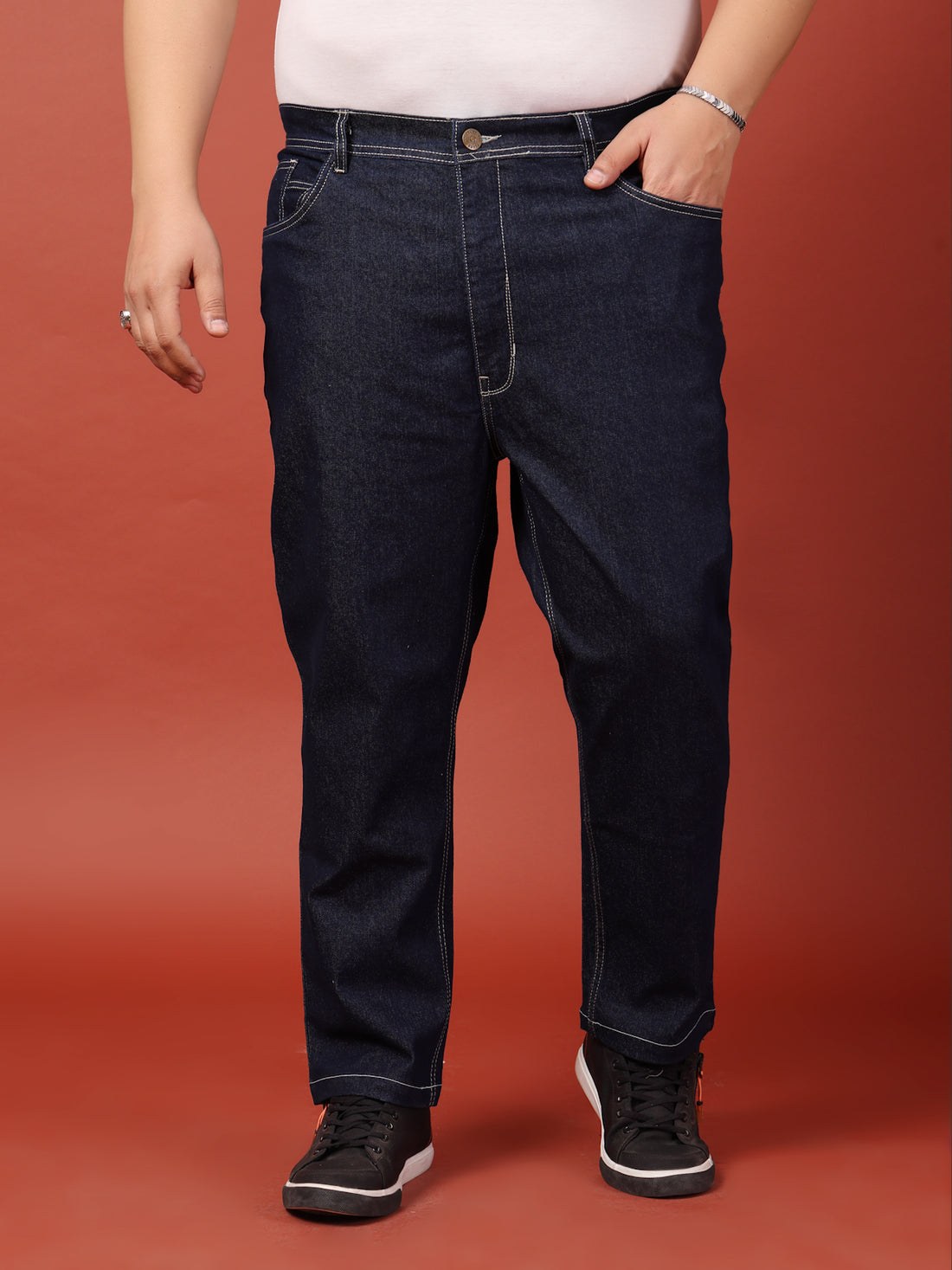
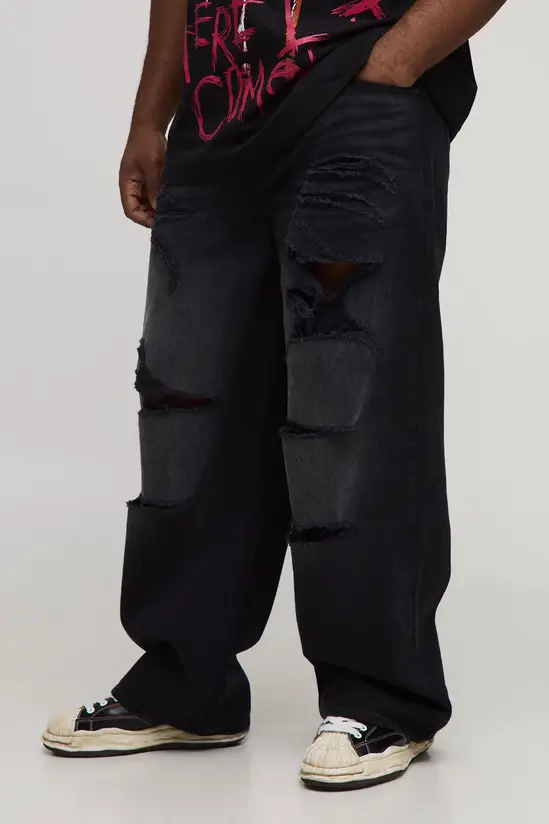
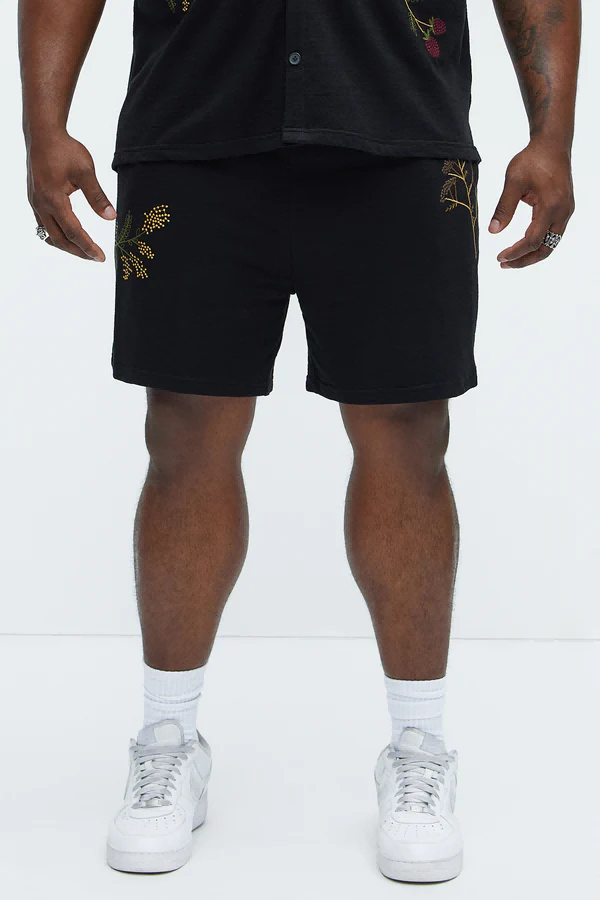
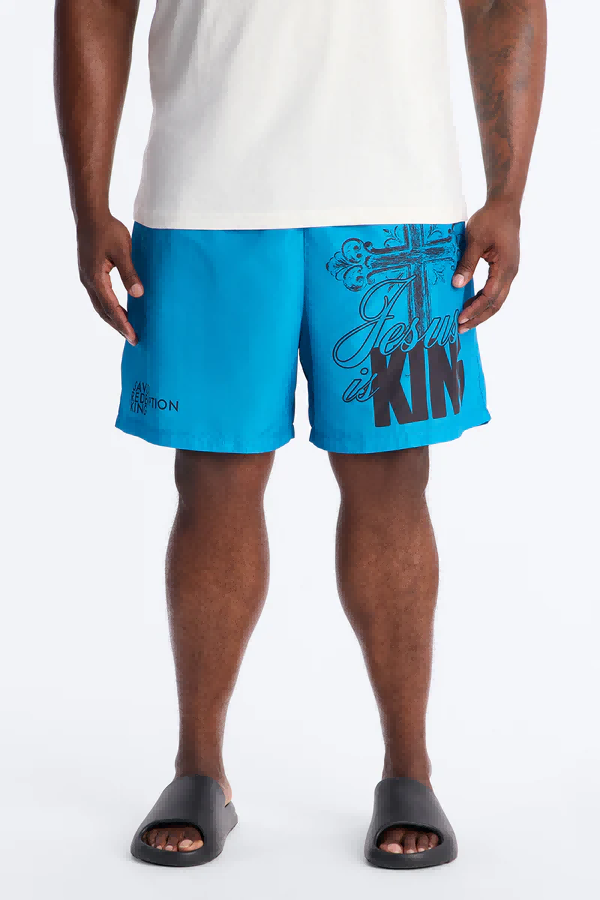
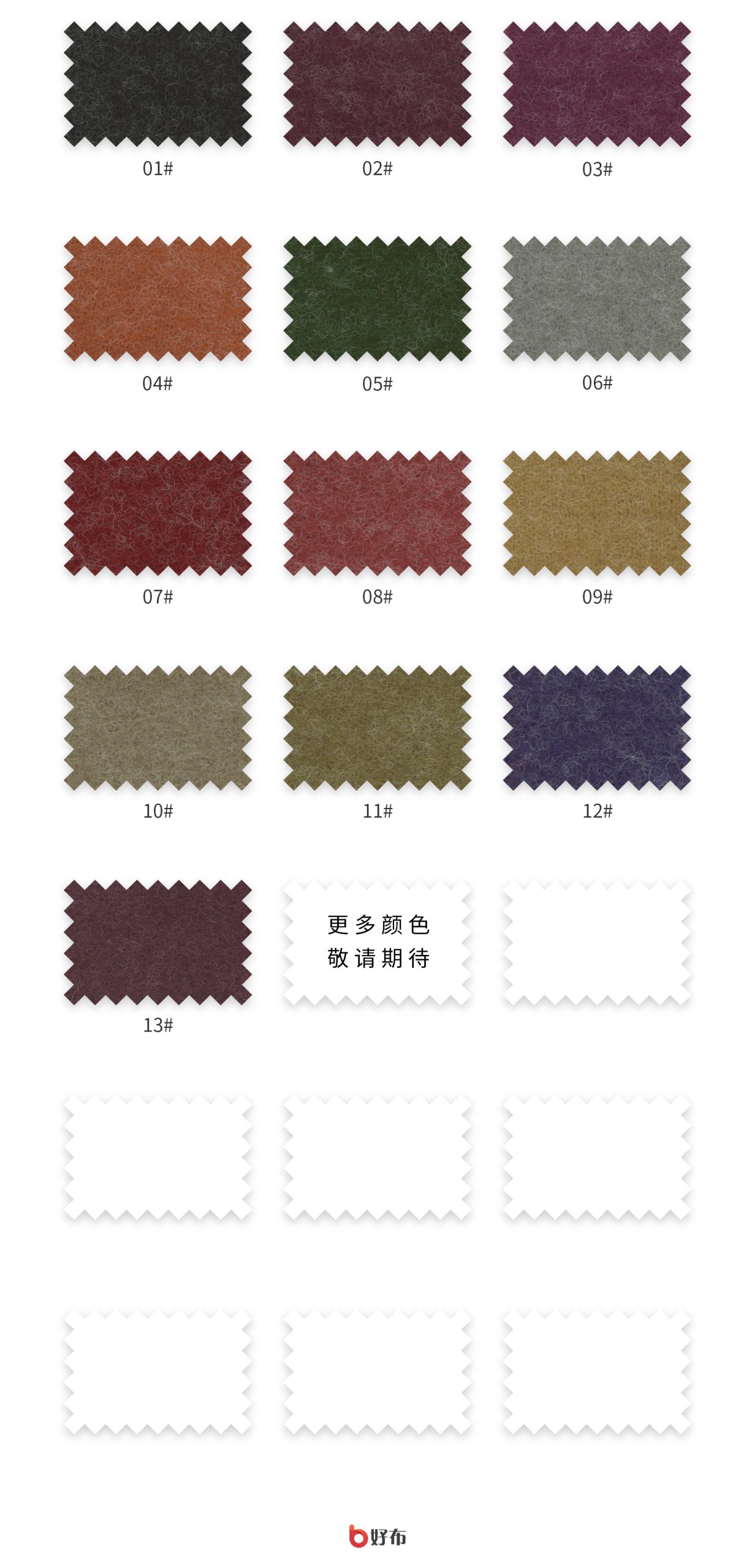
Garment Finishing & Dye Samples
Why MENWILD’s Garment Dye Service Stands Out
In-House Dye House Control
Complete garment dye and wash facility on-site in Dongguan ensures batch consistency, faster turnaround and direct quality oversight throughout every step.
Extended-Size Dye Expertise
Specialist 2XL–6XL pattern grading and big & tall fit knowledge ensures garments maintain proper proportions and dimensions after dye and wash processing.
Fast Sampling & Turnaround
Seven-day garment dye samples and streamlined bulk production timelines let brands test colors, validate finishes and launch collections without delays or long lead times.
Eco-Friendly Dye Options
Low-impact and sustainable garment dye processes available, including water-saving techniques and environmentally responsible chemistry for conscious menswear brands seeking greener production.
Consistent Batch Color Matching
Rigorous dye-lot control and color-matching protocols across every production run ensure your garment dye service delivers uniform, repeatable results at any order volume.
28+ Years Manufacturing Experience
Since 1998, MENWILD has refined garment dye and finishing techniques for over 2,000 menswear brands, bringing deep expertise to every OEM and private label project.
Garment Dye Service Techniques for Every Collection
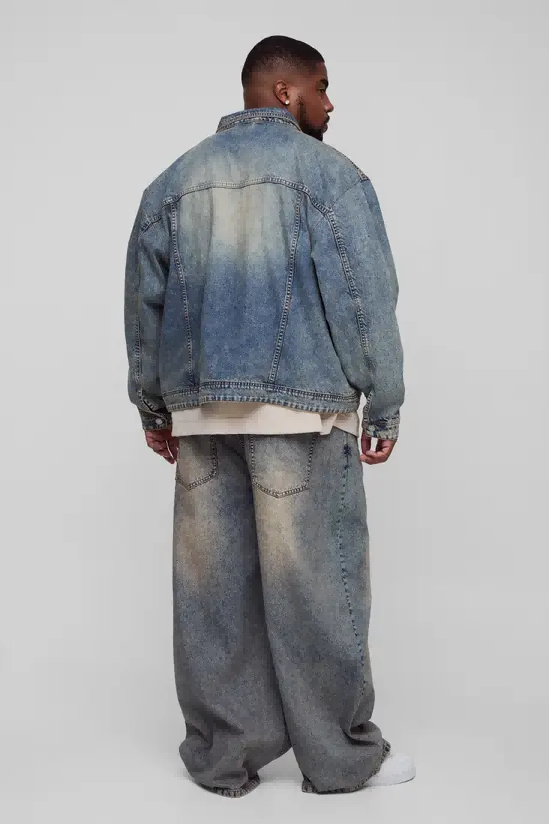
From vintage acid wash to modern piece-dyed colorways, MENWILD‘s in-house garment dye service delivers consistent, professional finishes across all big & tall sizes — 2XL to 6XL.
Garment Dye (Piece-Dyed)
Brands need soft, lived-in color with natural variation that can't be achieved with pre-dyed fabric, especially for capsule collections and limited runs with low MOQ.
Rich, saturated hues with subtle tonal shifts and a broken-in hand feel, dyed after construction to ensure uniform color across every seam and panel in 2XL–6XL sizing — ideal for custom t-shirt manufacturers and private label menswear brands seeking unique colorways.
Acid Wash & Stone Wash
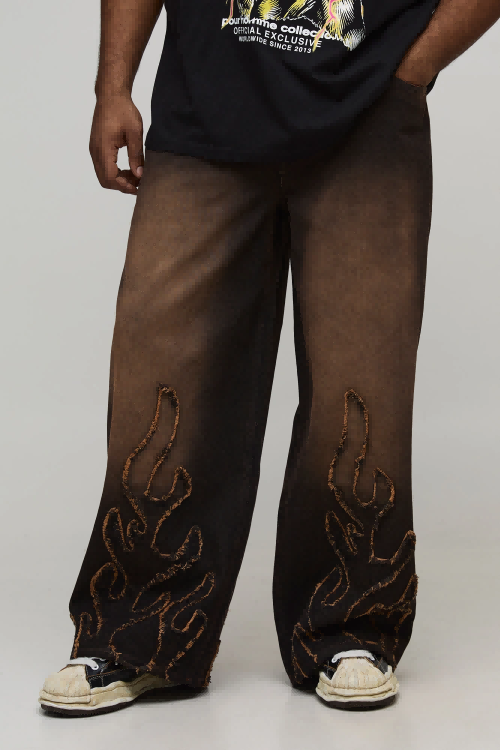
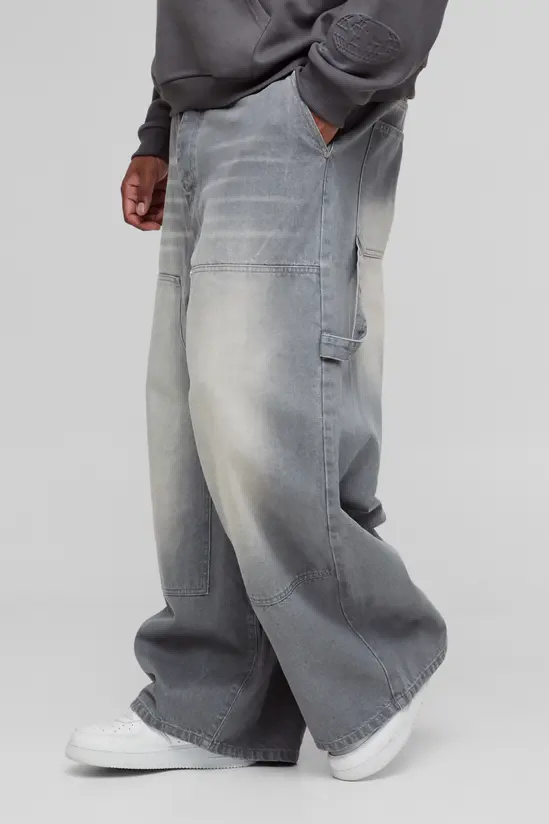
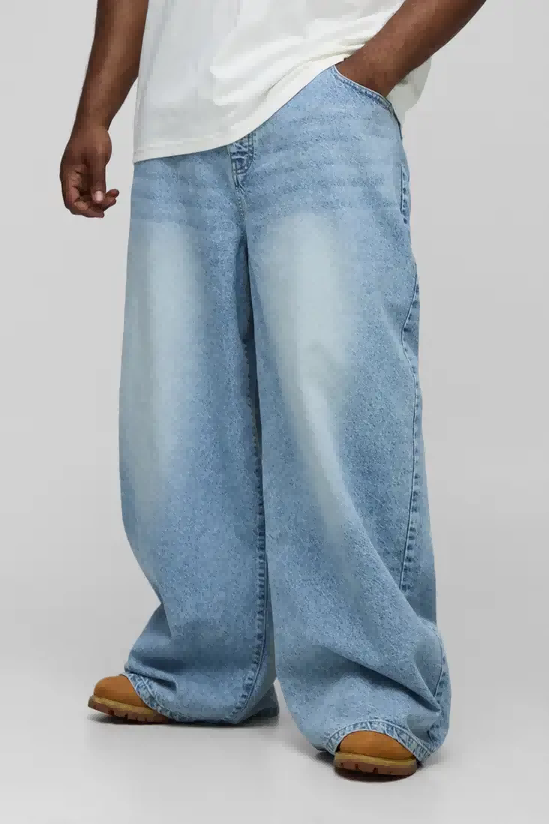
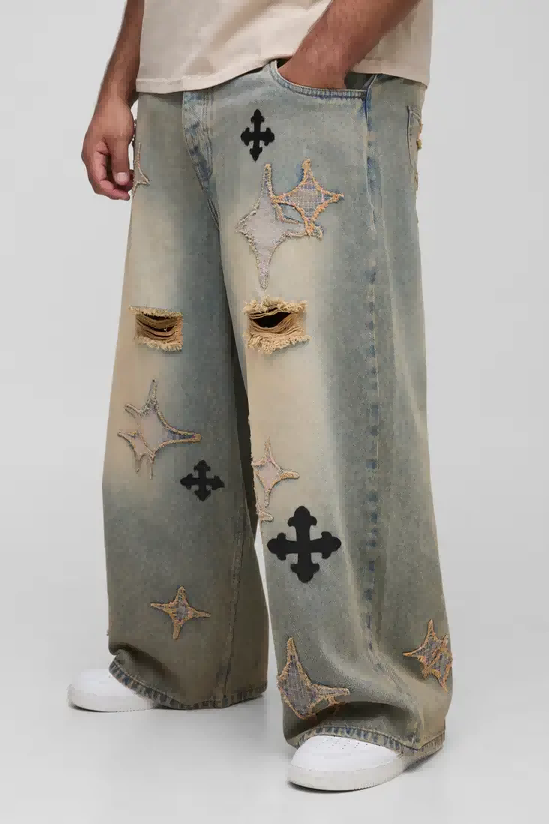
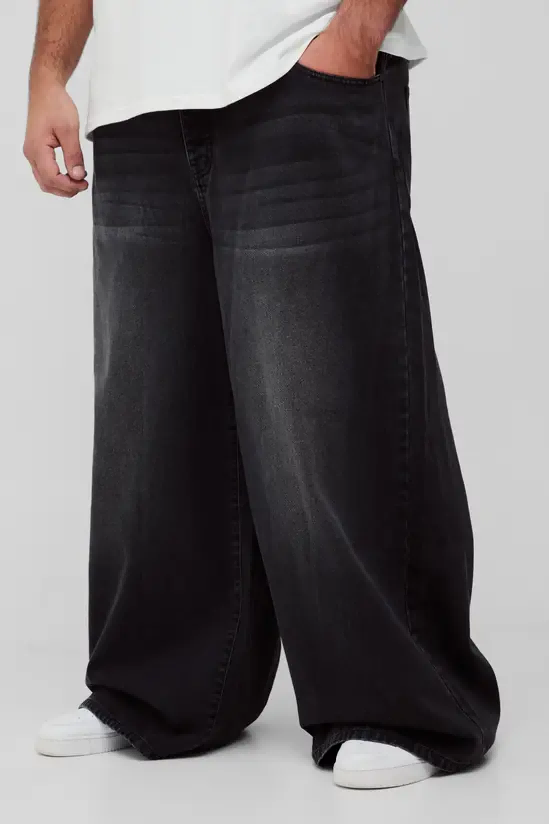
Achieving vintage, distressed denim looks with authentic fading and texture requires specialized equipment and expertise that most contract manufacturers lack or outsource inconsistently.
Controlled acid-wash contrast and stone-wash softness with repeatable results across bulk orders, perfect for retro streetwear and denim collections that demand a genuine worn-in aesthetic.
Tie-Dye & Custom Patterns
Tie-dye and hand-dyed effects are labor-intensive and hard to scale while maintaining pattern consistency, color vibrancy, and size-to-size uniformity for wholesale and retail orders.
Vibrant, on-trend tie-dye patterns executed with precision folding and dye application, scaled to your order quantity while preserving the artisanal look your customers expect.
Enzyme & Anti-Pilling Wash
Premium knitwear and fleece need a polished, pill-free surface and extra softness without compromising fabric integrity, especially in heavier extended-size garments that see more wear stress.
Smooth, luxurious hand feel with reduced pilling and enhanced drape, extending garment life and elevating perceived quality for hoodies, sweatshirts, and knit basics in big & tall fits.
Brushing, Napping & Specialty Finishes
Seasonal collections require unique surface textures—brushed fleece, napped flannel, peached jersey—that add warmth and tactile appeal but demand specialized finishing equipment and know-how.
Custom fabric finishes that differentiate your line, from ultra-soft brushed interiors on oversized hoodies to cozy napped flannels, all applied in-house with fast sampling and consistent bulk runs.
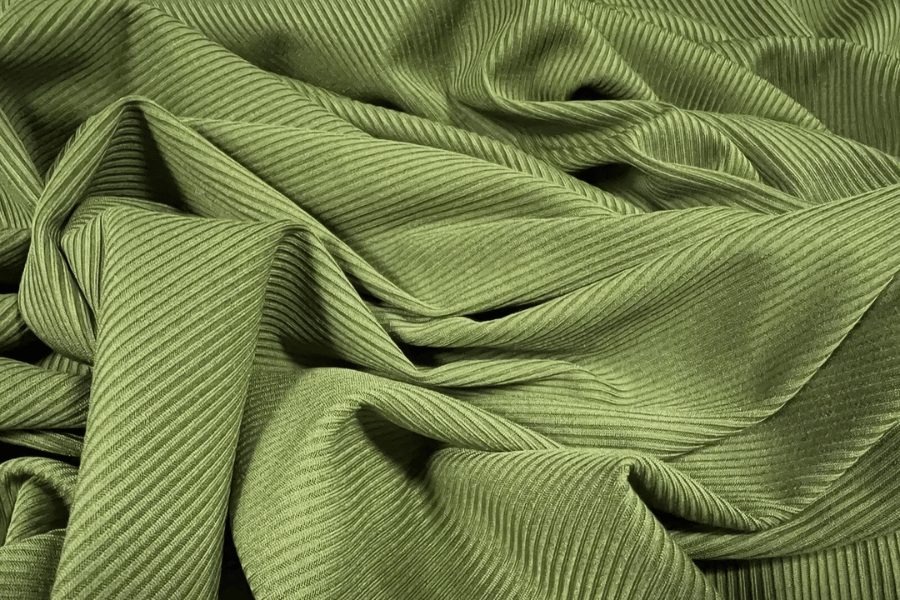
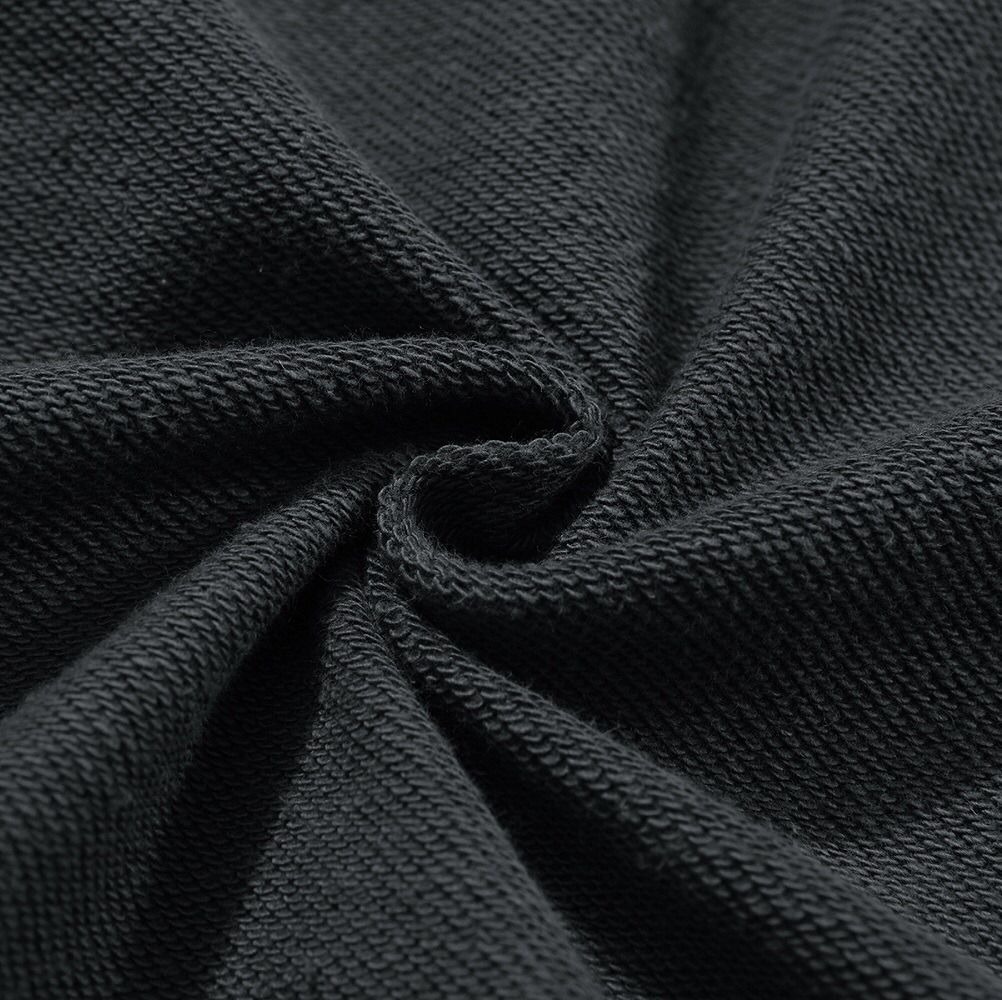
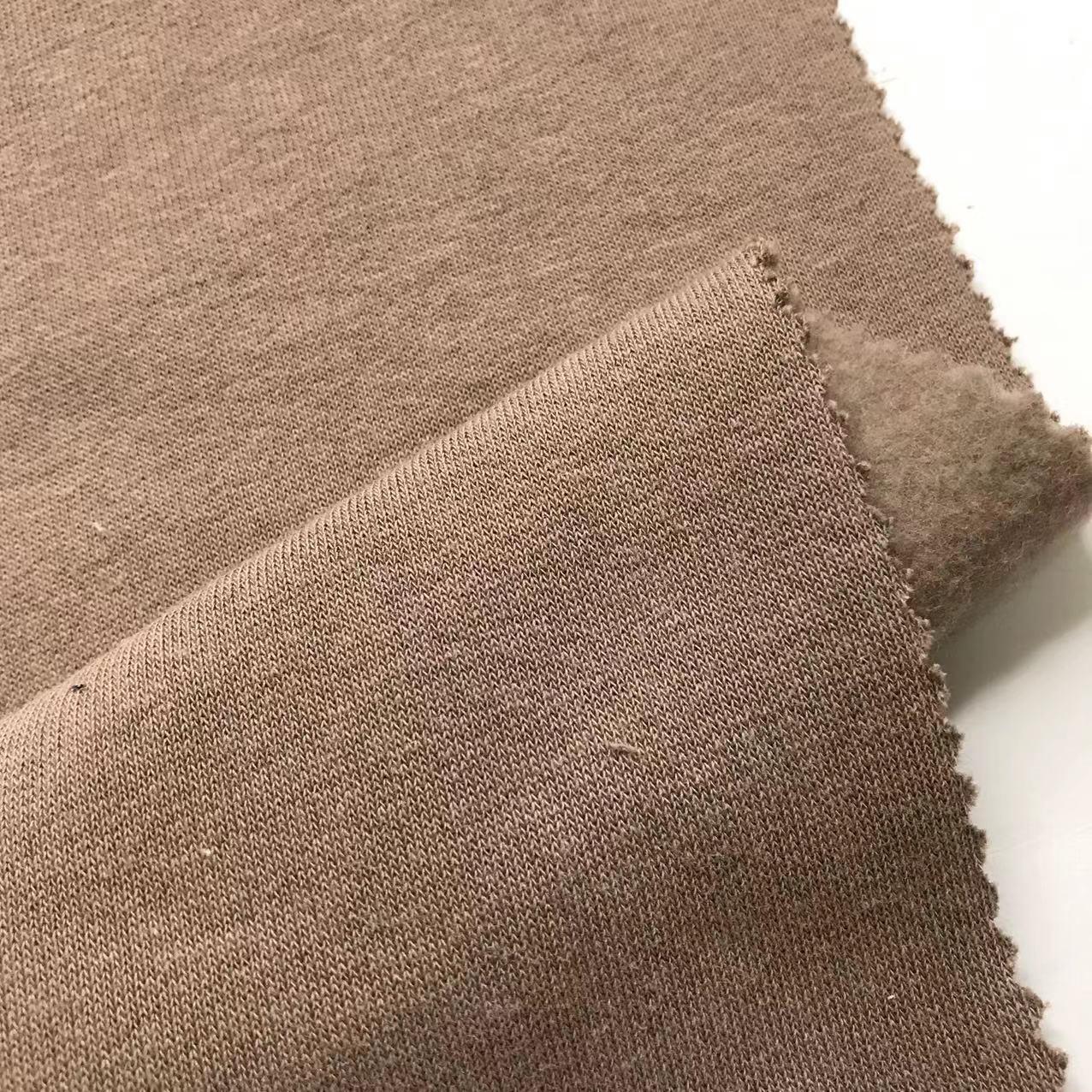
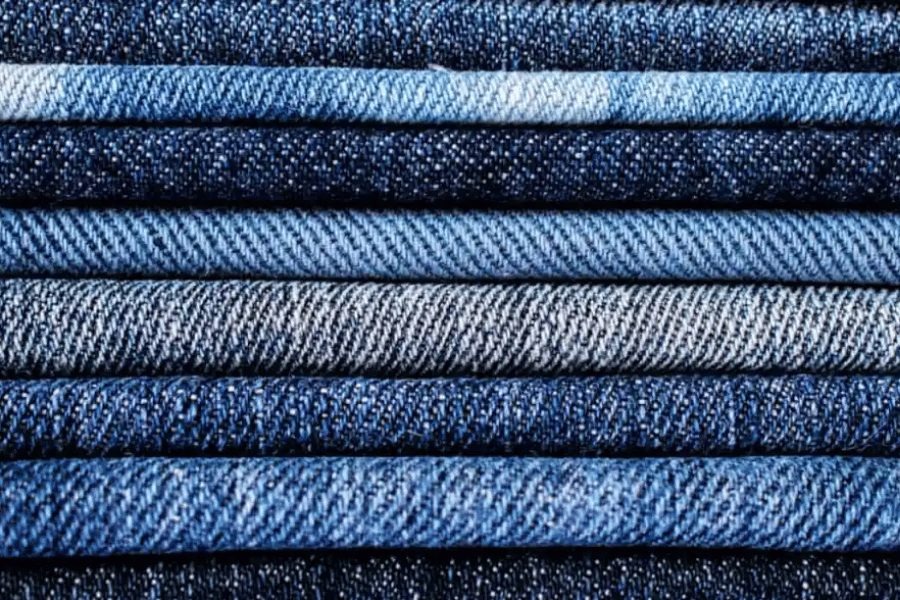
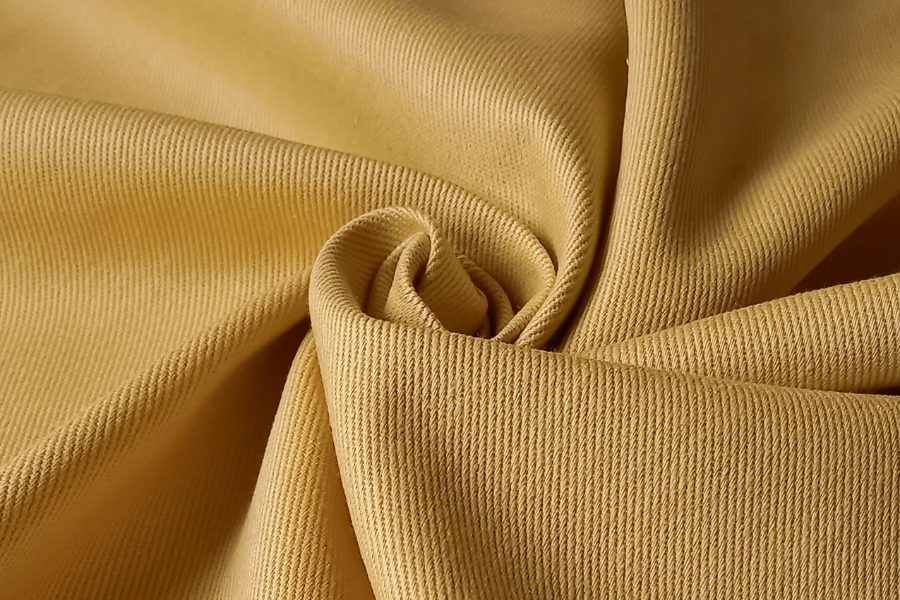
Fabrics We Dye & Finish for Your Garment Dye Service
Garment Dye Service Process Capabilities
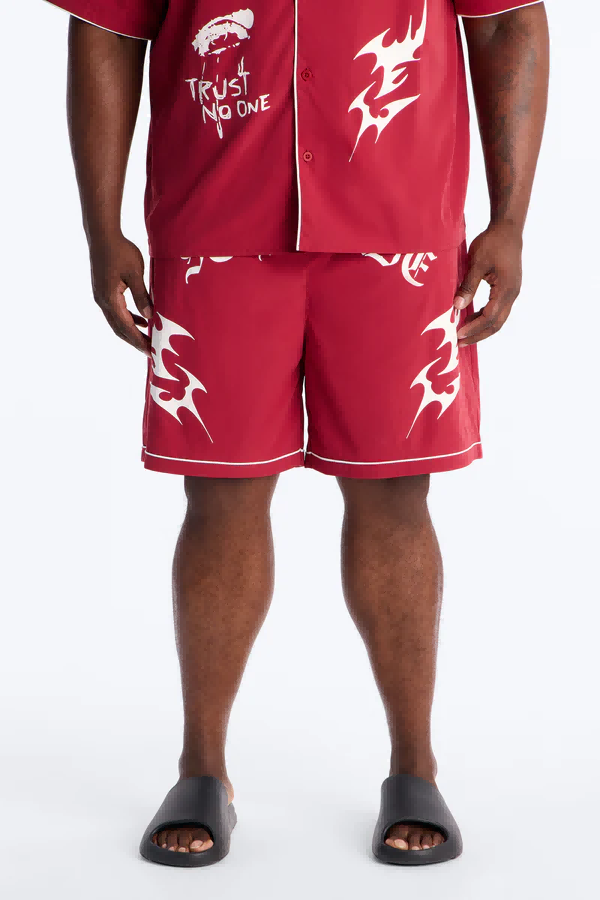
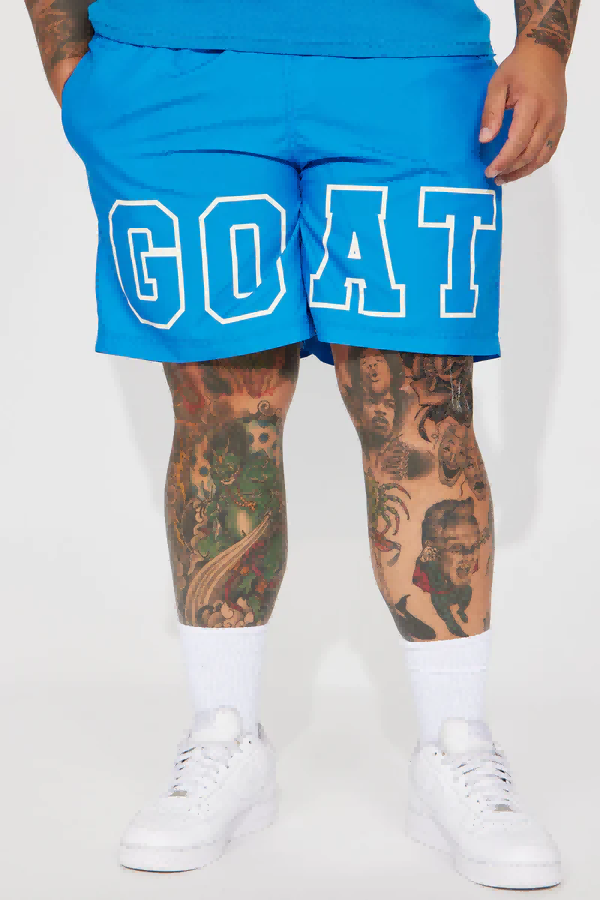
Tie-Dye
Hand-tied or folded garments are dipped in reactive dye baths to create one-of-a-kind spiral, stripe or blotch patterns. Each piece emerges unique, perfect for limited capsule collections and festival-inspired menswear.
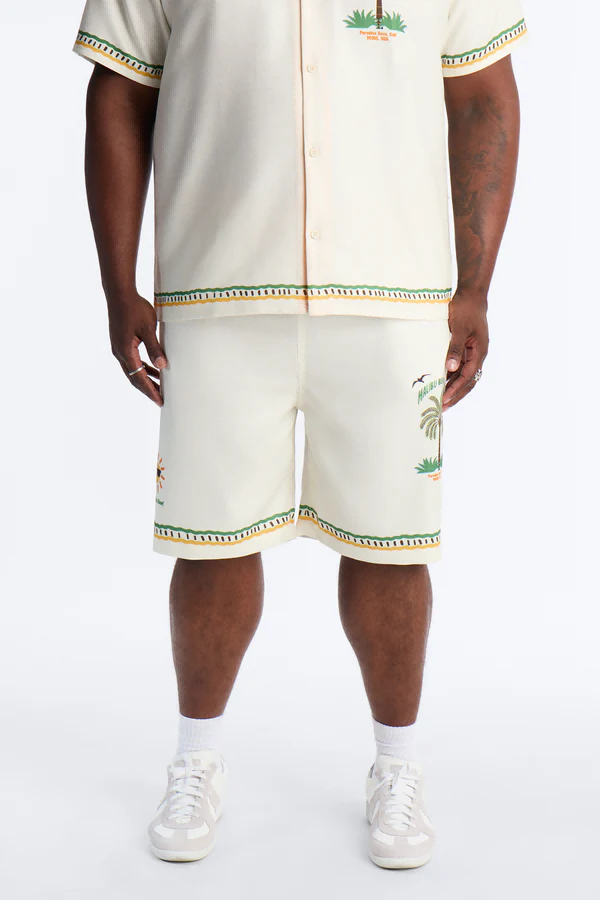
Brushing & Napping
Mechanical brushing raises fabric surface fibers to add warmth, texture and a plush hand-feel. Commonly applied to flannel shirts, fleece hoodies, sweatshirts and cold-weather garments requiring extra softness and comfort.
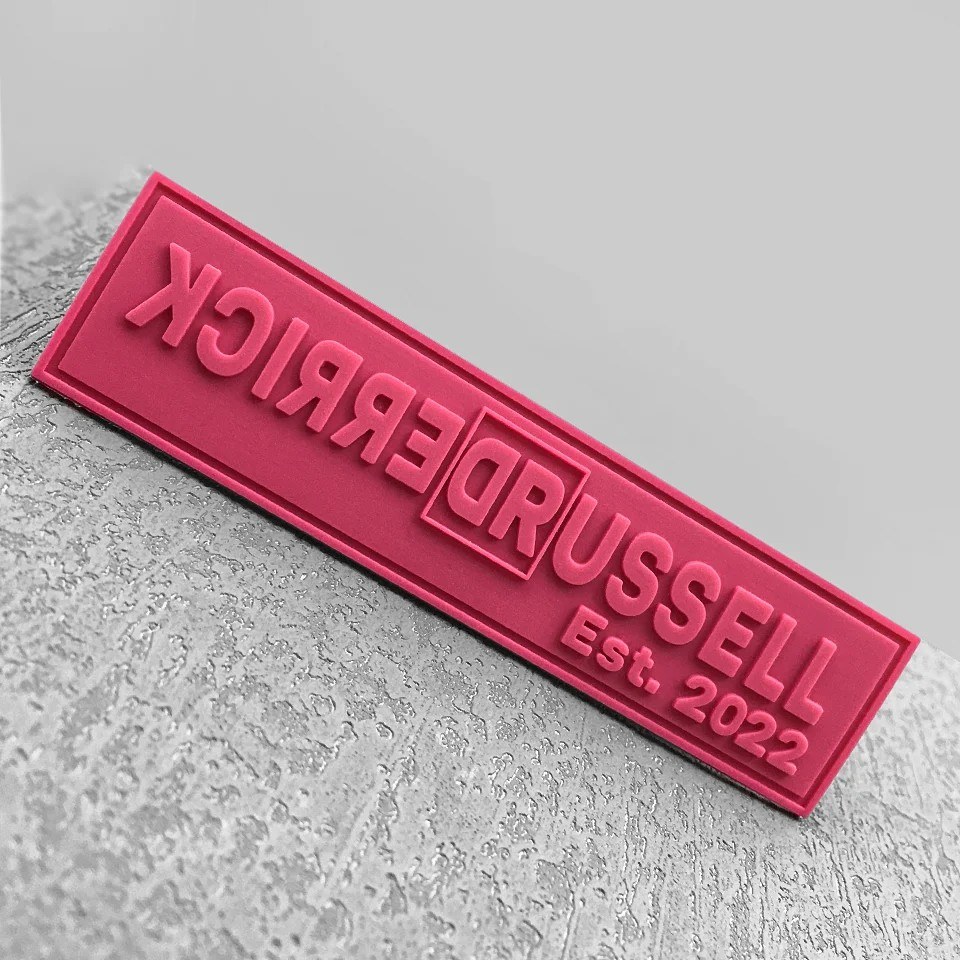
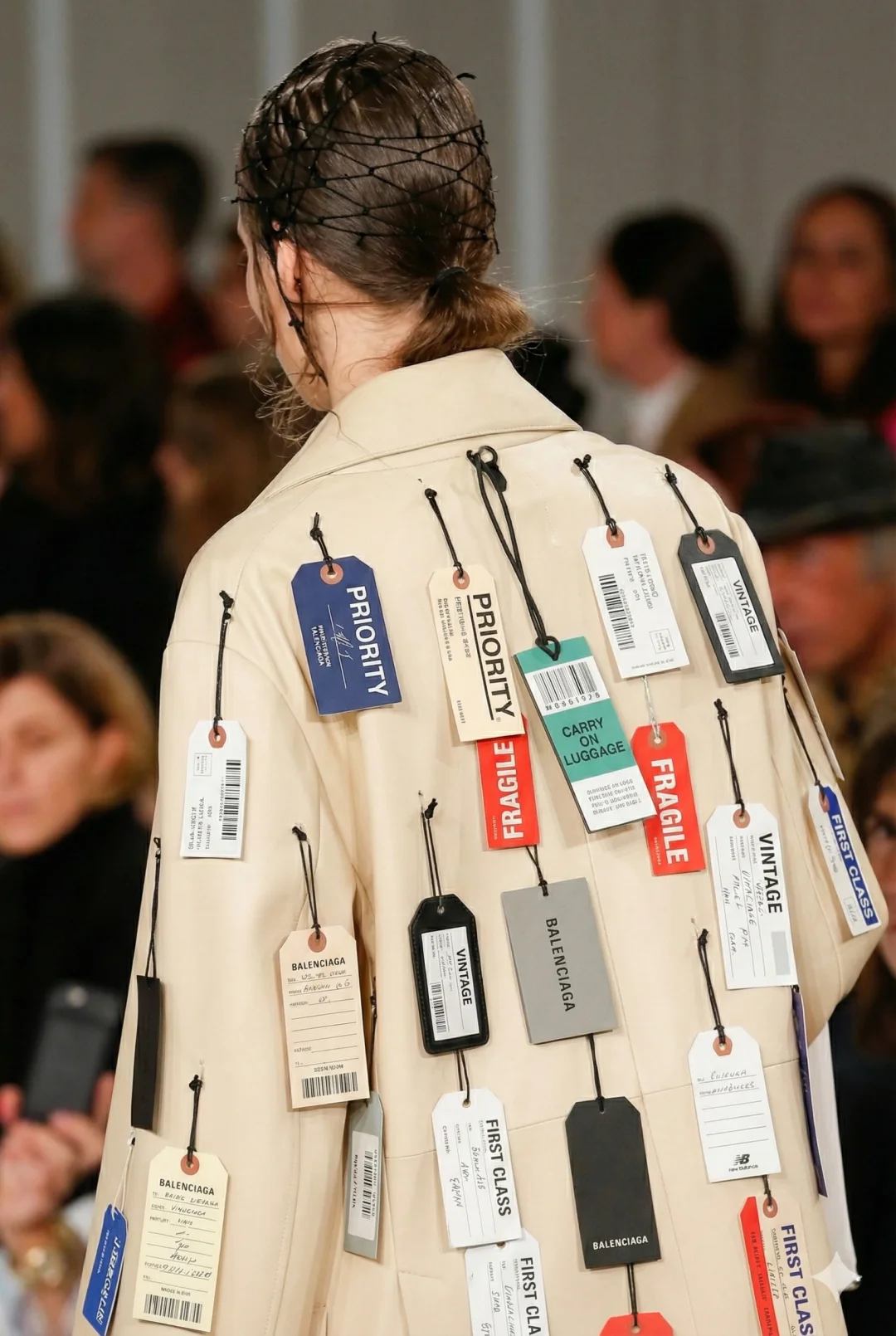
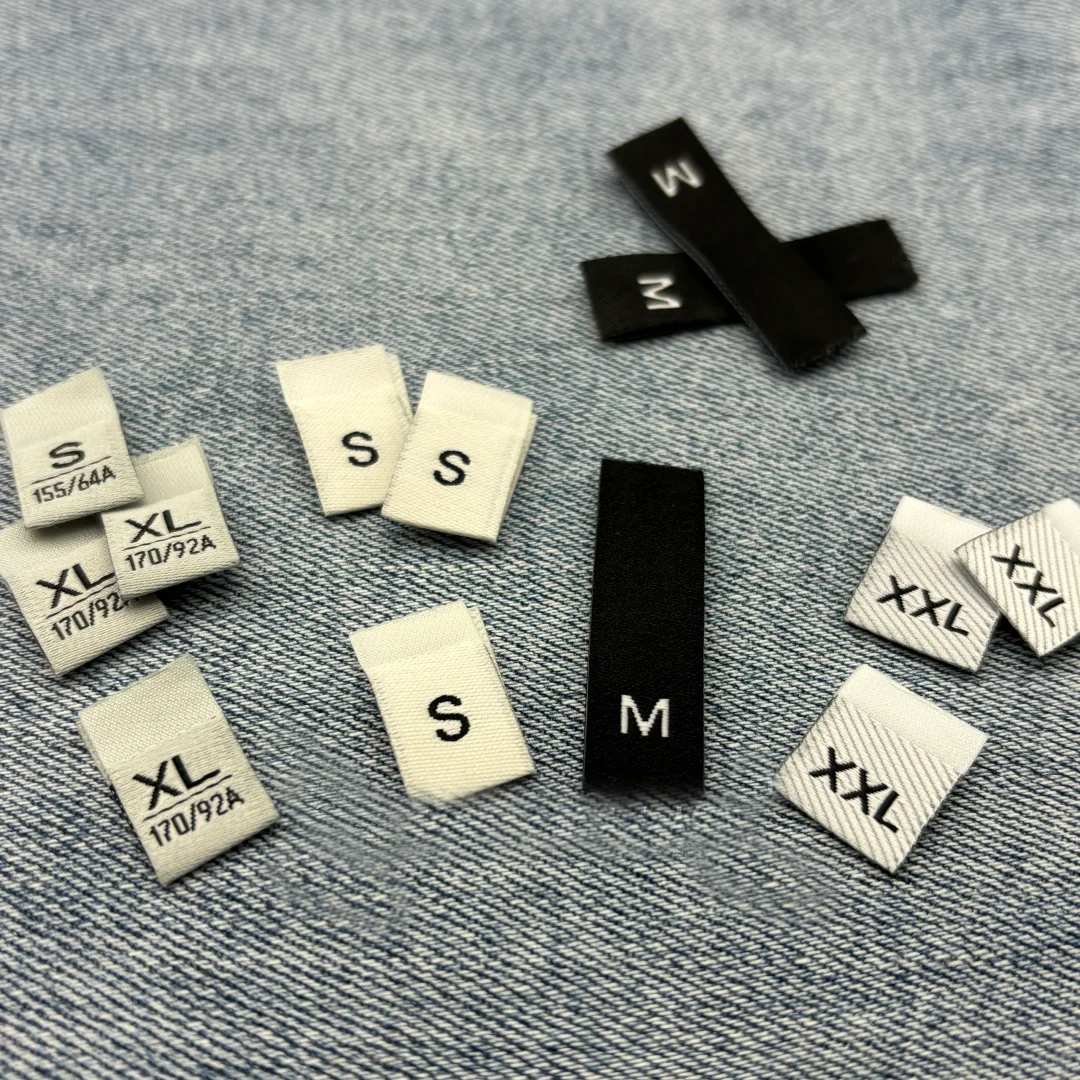
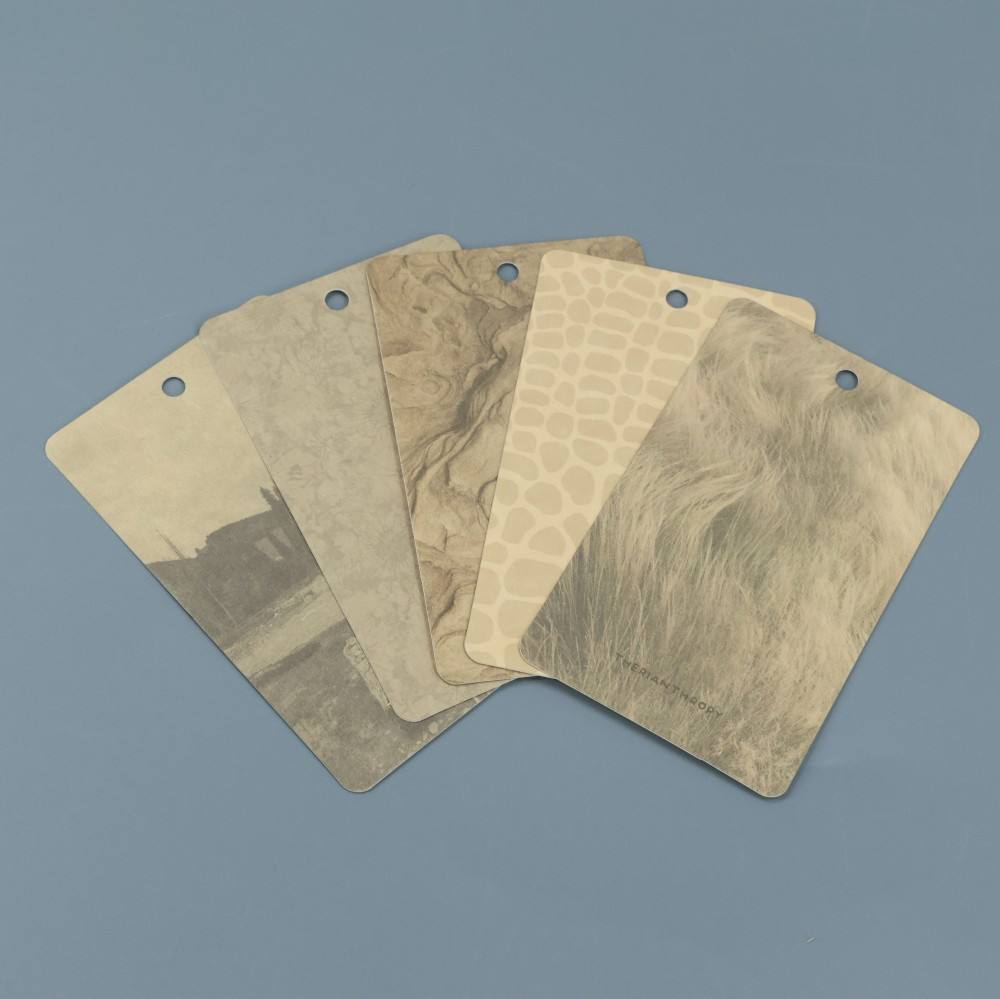
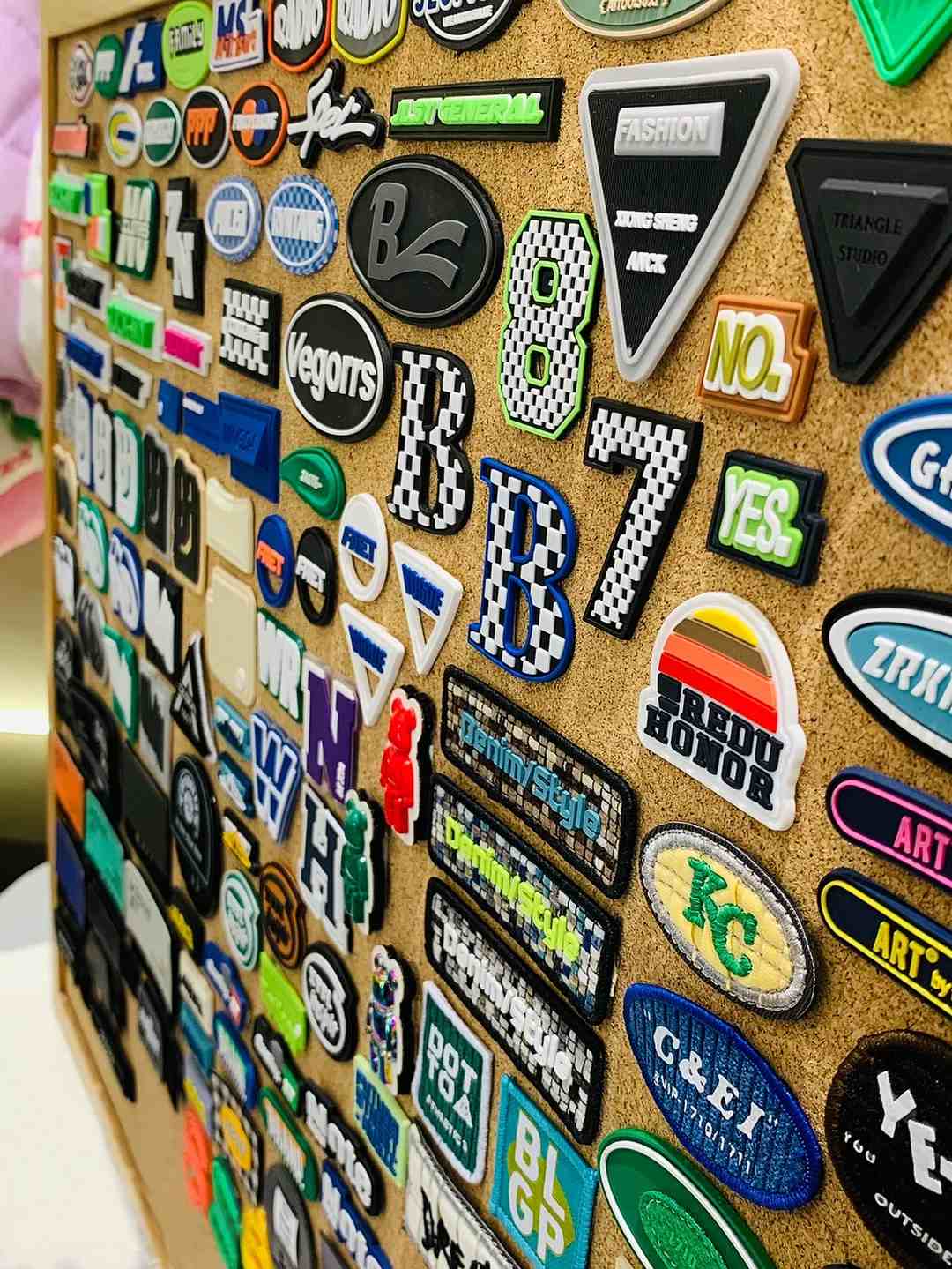
Custom Trims & Labels for Garment Dye Service
About MENWILD — 28 Years of Big & Tall Manufacturing
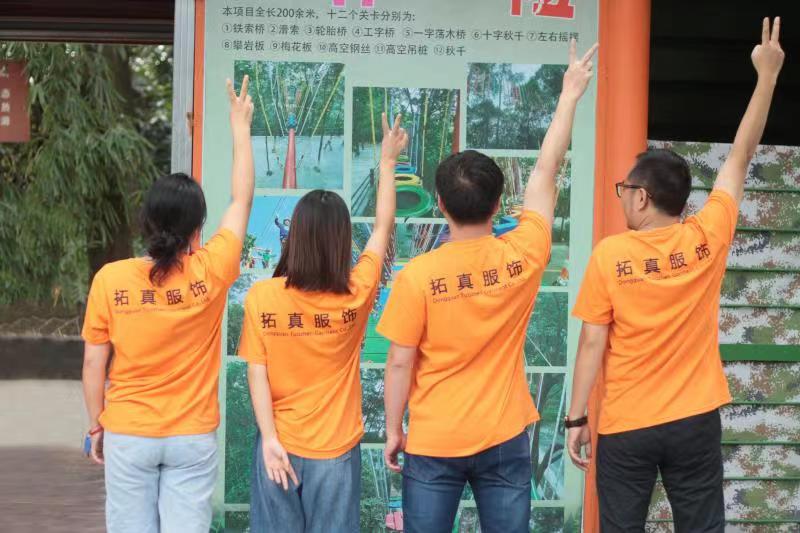
Founded in 1998 in Humen, Dongguan — the heart of China’s garment manufacturing hub — MENWILD began as a small family cut-and-sew workshop and has grown into a full-service menswear manufacturer. Today, with over 200 skilled employees and a monthly capacity exceeding 80,000 pieces, we’ve partnered with more than 2,000 fashion brands across the United States, Canada, Europe, Australia, Russia and the Middle East.
What sets MENWILD apart is our specialist focus on genuine fit for larger and taller men. Too many factories treat big and tall sizing as an afterthought, simply scaling up patterns until proportions break. We develop extended-size pattern grading from 2XL to 6XL and modern oversized fits built specifically for bigger bodies — because true fit is never one-size-stretched.
From OEM and ODM to private label and low-MOQ production starting at just 100 pieces, we offer complete garment dye service, embroidery, screen printing, and full finishing in-house. Whether you bring a finished tech pack or just an idea, our team turns concepts into production-ready menswear with fast sampling, dedicated support and consistent quality you can build a brand on.
In-House Garment Dye Service & Wash Expertise
Dedicated Dye House & Color Matching
MENWILD’s in-house garment dye facility ensures precise color matching and batch consistency across every order. From Pantone references to physical swatches, our dye technicians calibrate formulas for cotton, fleece, French terry and blended fabrics, delivering repeatable results order after order.
- Pantone and custom swatch color matching
- In-house dye kitchen with calibrated equipment
- Recipe archiving for consistent re-orders
- Pre-production dye samples within 7 days
Extended-Size Batch Control & Quality
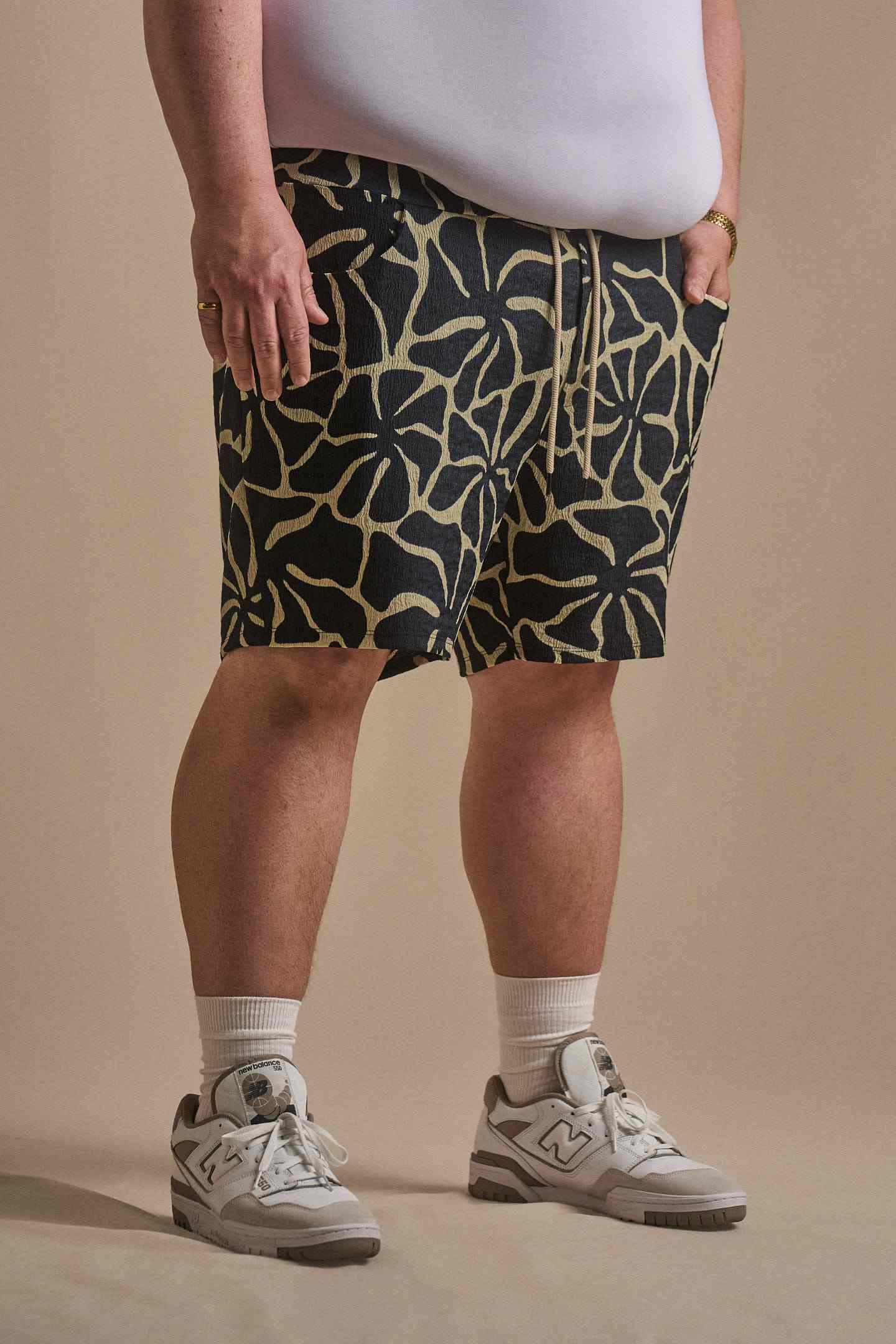
Big and tall garments demand larger dye lots and careful load balancing to prevent uneven color or fabric distortion. Our 28+ years of extended-size expertise means every 2XL–6XL piece is dyed with correct machine capacity, water ratios and cycle times for uniform finish and fit retention.
- Optimized dye loads for 2XL–6XL garments
- Pre- and post-dye dimensional checks
- Color fastness and shade-consistency testing
- Minimal shrinkage and fabric hand preservation
Eco-Friendly & Low-Impact Dye Options
Sustainability meets performance with MENWILD’s eco-friendly garment dye solutions. Choose low-impact reactive dyes, GOTS-approved chemistry, or water-saving processes that reduce environmental footprint without compromising color vibrancy, washfastness or the soft hand your customers expect.
- Low-impact and GOTS-approved dye options
- Water-efficient dye cycles and wastewater treatment
- Azo-free and heavy-metal-free chemistry
- Eco-certifications available on request
Fast Turnaround & Integrated Production
Because dyeing, washing and finishing happen under one roof alongside cut-and-sew, MENWILD eliminates the delays and quality risks of outsourced dye houses. Your garments move seamlessly from knitting or cutting through dye, wash, QC and packing—faster lead times, tighter control, one point of contact.
- No third-party dye-house delays or handoffs
- Integrated timeline from fabric to finished garment
- Real-time production updates and photo QC
- MOQ from 100 pieces per style/color
Why Choose MENWILD for Garment Dye Service
In-house control, extended-size expertise, and flexible minimums — compare MENWILD’s garment dye capabilities to typical outsourced dye contractors and see why brands trust us for consistent color, fast turnaround, and true big & tall fit.
← 左右滑动查看 →
Our Garment Dye Service Production Process
From fabric inspection to final shipment, MENWILD’s six-phase garment dye and finishing workflow ensures consistent color, superior hand-feel and fast turnaround for big and tall menswear brands.
Fabric & Garment Inspection
Every piece is inspected for defects, weight consistency and construction integrity before entering the dye batch to eliminate waste and ensure uniform results.
Dye Recipe & Setup
Our technicians formulate custom dye recipes, calibrate machines and prepare wash programs tailored to your fabric type, weight and desired finish effect.
Color Matching & Sampling
Sample garments are dyed to your Pantone or physical swatch, reviewed under daylight and approved by you before any bulk production begins.
Batch Dye & Wash Production
Approved garments move into controlled batch production with enzyme wash, stone wash, garment dye or finishing treatments, monitored for temperature, time and pH.
Quality Control & Final Inspection
Each dyed piece is checked for color consistency, fabric hand, shrinkage and construction integrity against your approved sample and tech pack specifications.
Packaging & Global Shipment
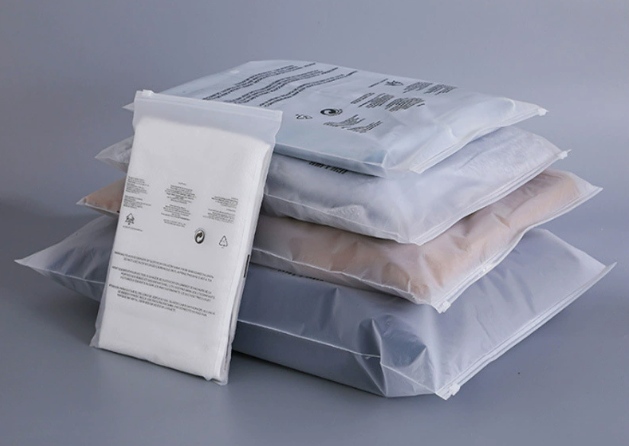
Finished garments are folded, bagged with custom labels and hang tags, packed to your requirements and shipped worldwide with full export documentation and tracking.
How to Partner With MENWILD for Garment Dye Service
From tech pack to finished garments, our streamlined process ensures consistent color, quality and fast turnaround for your big & tall menswear collection.
Submit Your Tech Pack & Fabric
Share your design specs, fabric swatch and color reference. Our team reviews your requirements and confirms dye compatibility, MOQ and lead time within 24 hours.
Approve Color Sample & Garment
We dye a lab dip and sample garment to your Pantone or physical swatch. You review, request adjustments if needed, then approve for bulk production.
Bulk Dye Run & In-Line QC
Your approved garments enter our bulk dye line with continuous quality control. Each batch is checked for color consistency, shrinkage and finish before moving forward.
Final Inspection & Packing
Finished garments pass final QC, are pressed, folded and packed with your custom labels, hang tags and packaging. Documentation is prepared for shipment.
Ship to Your Warehouse
We coordinate global logistics and provide tracking. Your garment dye order ships on time, with patterns and dye records kept on file for fast re-orders.
Certified Garment Dye Service You Can Trust
Customer Success Stories — Garment Dye Service Projects
MENWILD’s garment dye service delivered perfect color consistency across 3,200 hoodies in 3XL–5XL. We launched our capsule collection two weeks ahead of schedule and saw zero customer returns for color variation.
We needed enzyme wash and garment dye on big & tall tees with 150-piece MOQ. MENWILD turned samples around in 6 days, nailed the vintage look we wanted, and bulk production was flawless. Cut our sampling time by 60%.
Their acid wash expertise transformed our 4XL–6XL denim line. MENWILD processed 4,800 units with zero defects, maintained fit integrity after washing, and delivered on time. Best garment dye service partner we’ve worked with in China.
FAQ — Garment Dye Service
What is the minimum order quantity for garment dye service, and do you offer OEM or private label options?
How long does it take to receive dyed garment samples?
Can you guarantee color consistency across production batches with garment dye service?
Do you offer eco-friendly or low-impact dye options in your garment dye service?
What payment terms do you offer for garment dye service orders?
How do you protect my designs and intellectual property when using your garment dye service?
Which fabrics work best with your garment dye service?
Can I combine garment dye service with other finishing techniques like embroidery or screen printing?
What shipping and logistics options are available for garment dye service orders?
The Complete Buyer’s Guide to Garment Dye Service for Men’s Fashion Brands
This comprehensive guide walks you through everything you need to know about garment dye services—from understanding the process and supplier selection criteria to avoiding common pitfalls. Make informed sourcing decisions with our expert framework for evaluating quality, pricing, and turnaround times.
1. What Is Garment Dye Service?
Garment dye service is a post-production dyeing process in which fully constructed garments — t-shirts, hoodies, sweatshirts, chinos — are dyed after sewing, rather than dyeing fabric yardage or yarn before cutting. This method produces a naturally soft hand feel, subtle color variation between panels and seams, and the lived-in vintage aesthetic that piece-dyed or yarn-dyed goods cannot replicate.
Unlike piece dyeing (fabric dyed in rolls before cutting) or yarn dyeing (fibers dyed before weaving or knitting), garment dye allows brands to delay final color decisions until after sampling or even pre-orders, reducing inventory risk and enabling faster response to trend shifts. Seams, stitching and trim often take dye differently, creating organic tonal contrast prized in premium streetwear, workwear and casualwear.
Brands choose garment dye service for three reasons: the unique washed-down color palette and soft drape that customers associate with quality and comfort; the flexibility to produce smaller color runs without committing to large fabric minimums typical of wholesale big and tall clothing orders; and the ability to differentiate collections with an authentic, artisan finish that feels broken-in from day one.
2. The Evolution of Garment Dye Service in Fashion Manufacturing
In the early 1980s Italian sportswear brands pioneered garment dye service as a post-production technique to achieve soft hand-feel and unique color depth impossible with pre-dyed fabric. What began as a premium finishing method for high-end casualwear quickly spread across Europe and North America, adopted by brands seeking differentiation through lived-in texture and subtle color variation.
By the mid-1990s advances in rotary drum machines and automated dye dosing systems reduced cycle times from 8–12 hours to under 4 hours, cutting labor and energy costs while improving color consistency. These technological leaps made garment dyeing economically viable for mid-tier brands and OEM apparel manufacturers, not just luxury labels.
The 2010s sustainable fashion movement accelerated adoption further: garment dye service enables brands to postpone color decisions until closer to market, reducing overstock and fabric waste. Today factories like MENWILD — a leading plus size menswear manufacturer and oversized streetwear manufacturer — offer garment dye with MOQs as low as 100 pieces per color, transforming it from a niche artisan finish into a mainstream sourcing option for independent designers, influencers and small-batch menswear brands testing seasonal palettes without heavy inventory risk.
3. Types of Garment Dye Service Processes
Garment dye service providers use four primary dye chemistries, each engineered for specific fiber types and finish characteristics. Understanding reactive, disperse, pigment and vat processes ensures your menswear line achieves the color fastness, hand feel and aesthetic you need.
Reactive Dye for Cotton and Cellulose Fibers
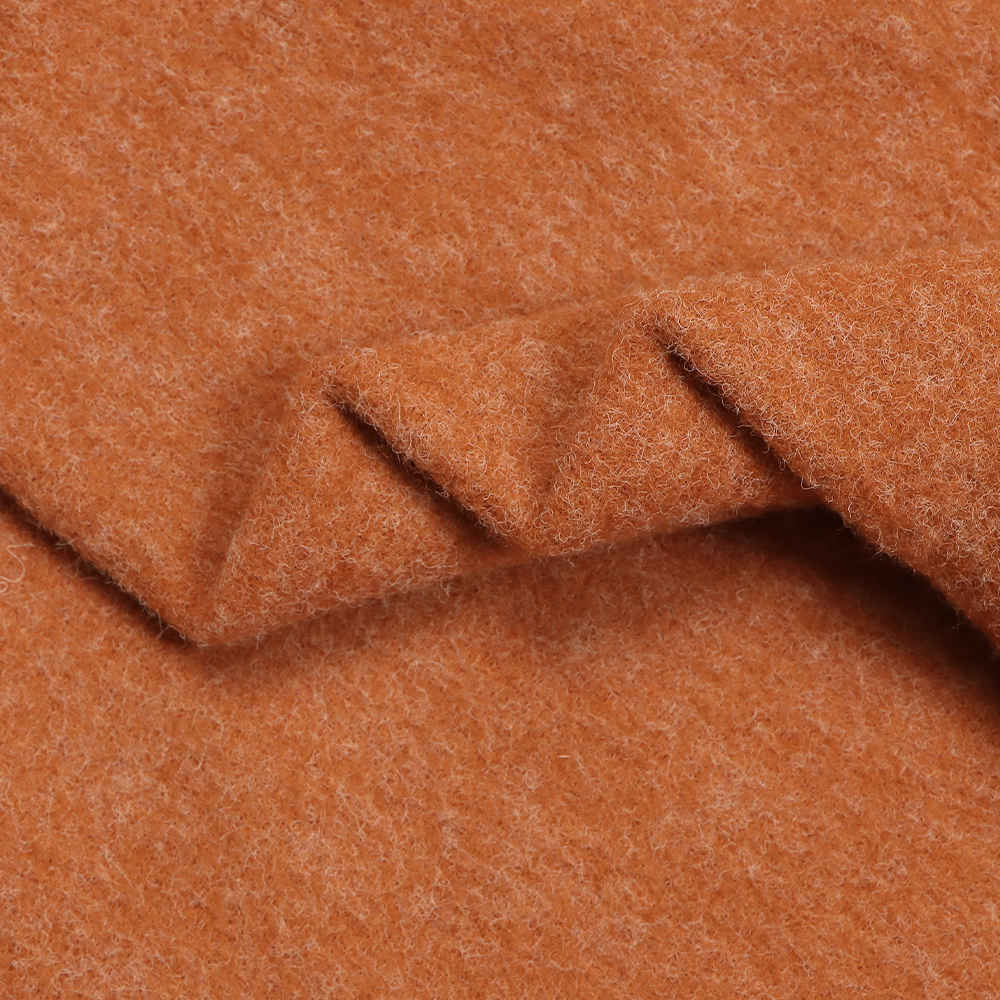
Reactive dye forms a covalent bond with cotton, linen, rayon and other cellulose fibers, delivering excellent wash fastness and vibrant color depth. The chemical bond ensures colors survive 40+ industrial laundry cycles without significant fading.
Hand feel remains soft because the dye molecule integrates into the fiber rather than coating it. Reactive dye is the standard choice for t-shirts, hoodies, chinos and dress shirts in cotton or cotton-blend fabrics up to 6XL.
Disperse Dye for Polyester and Synthetics
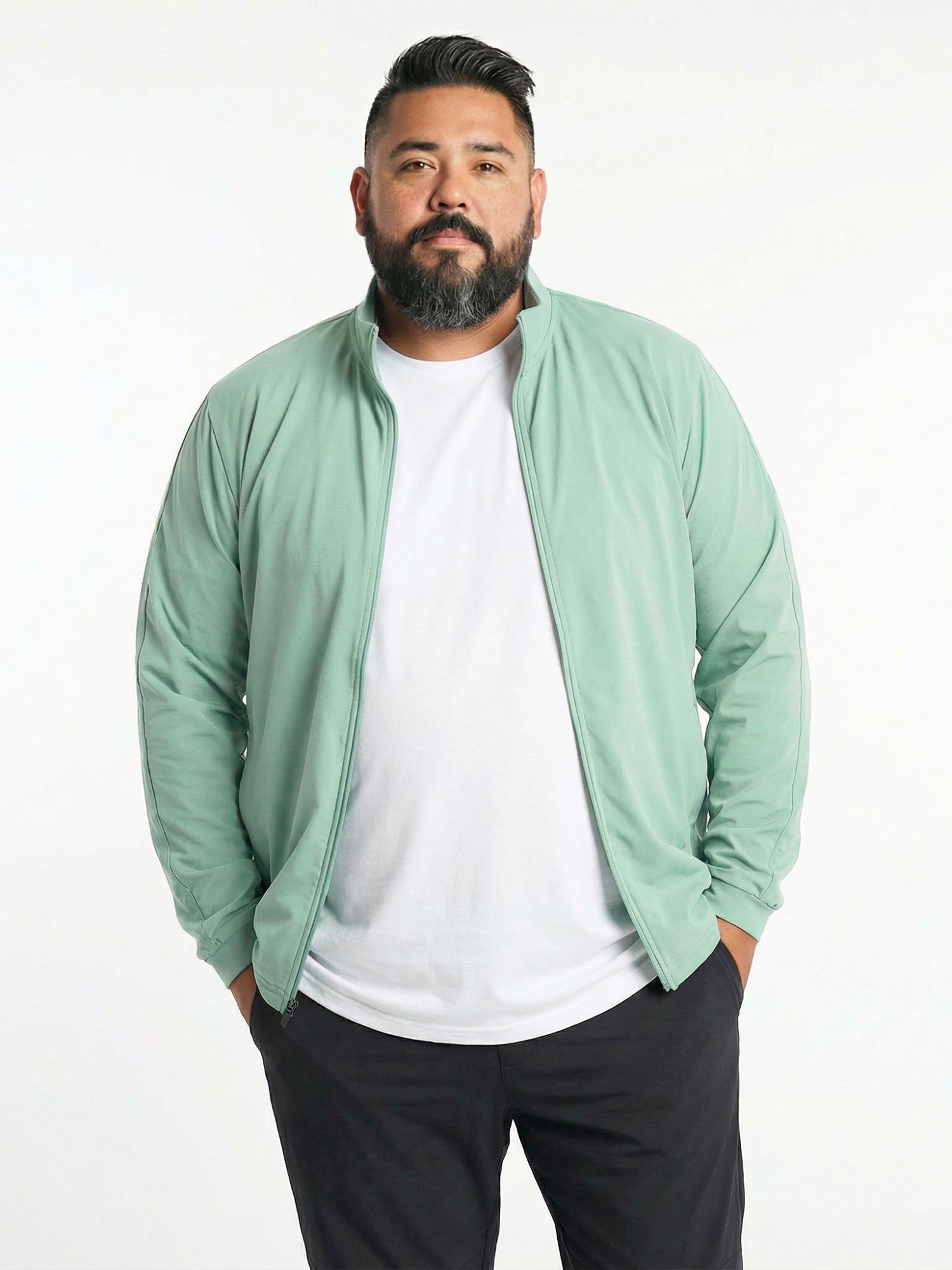
Disperse dye penetrates polyester, nylon and other synthetic fibers through heat, typically at 120–135°C under pressure. Color fastness is high, and the process suits performance activewear, fleece and poly-blend streetwear.
Because disperse dye requires elevated temperature, it works only on heat-stable synthetics; cotton and natural fibers remain undyed. Menswear brands use disperse dye for moisture-wicking tees, track pants and technical outerwear in extended sizes.
Pigment Dye for Vintage and Distressed Aesthetics
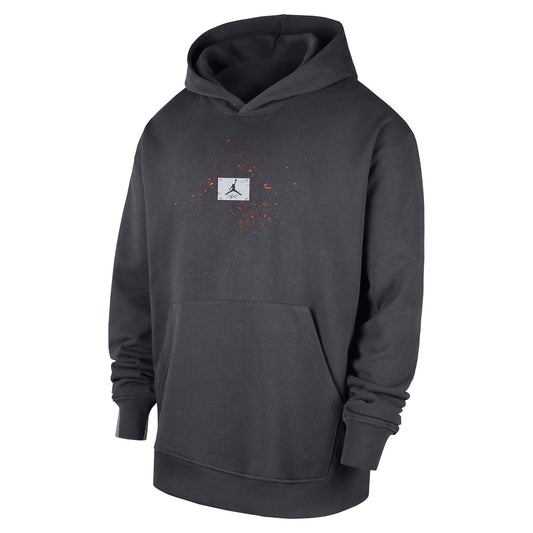
Pigment dye coats the fabric surface with color particles bound by resin, creating the soft, faded look favored in vintage-inspired menswear. Wash fastness is moderate; intentional color variation and fade over time are part of the design.
The process works on cotton, poly-cotton and blends, leaving a slightly stiffer initial hand that softens with wear. Pigment dye is ideal for oversized tees, workwear jackets and casual hoodies targeting a lived-in, distressed finish.
Vat Dye for Deep, Wash-Fast Colors
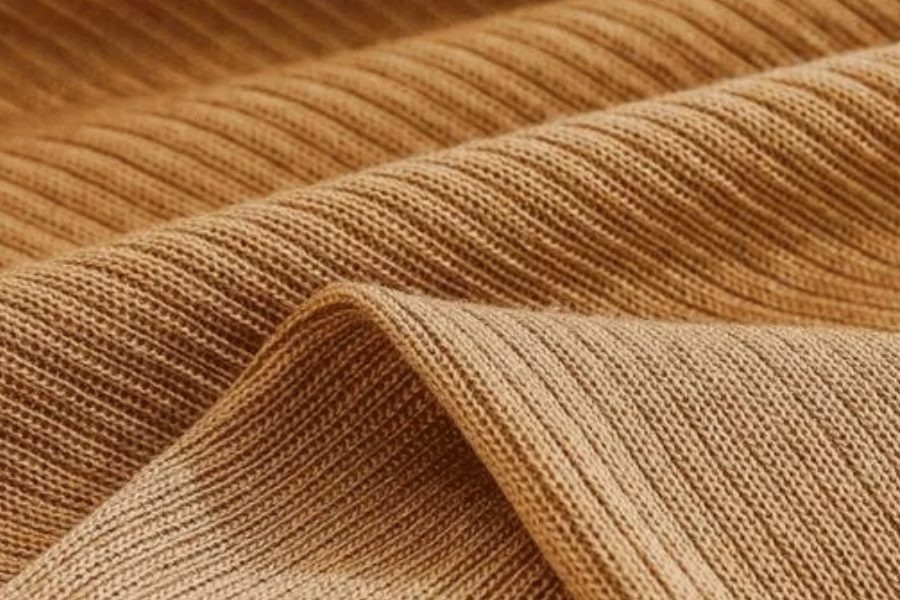
Vat dye delivers the deepest, most wash-resistant colors on cotton and cellulose fibers, used historically for indigo denim and military uniforms. The dye is applied in a reduced, soluble form, then oxidized to lock color permanently into the fiber.
Hand feel stays natural, and color fastness exceeds reactive dye in harsh laundry environments. Vat dye suits premium denim, workwear and any menswear line promising long-lasting, fade-resistant color in big & tall sizes.
4. Materials and Fabrics Suitable for Garment Dye Service
Not every fabric responds equally to garment dye service. Fiber content dictates dye uptake, color consistency, shrinkage and final hand. Natural cellulosic fibers absorb reactive dyes deeply, while synthetics require disperse chemistry and higher heat.
| Fabric Type | Dye Method | Shrinkage % | Ideal Categories |
|---|---|---|---|
| 100% Cotton | Reactive | 3–5% | Tees, hoodies, fleece |
| Linen / Tencel | Reactive | 4–7% | Chinos, woven shirts |
| Polyester / Nylon | Disperse | 1–2% | Activewear, outerwear |
| Cotton-Poly Blend | Dual / Reactive | 2–4% | Hoodies, sweatshirts |
Natural Cellulosic Fibers
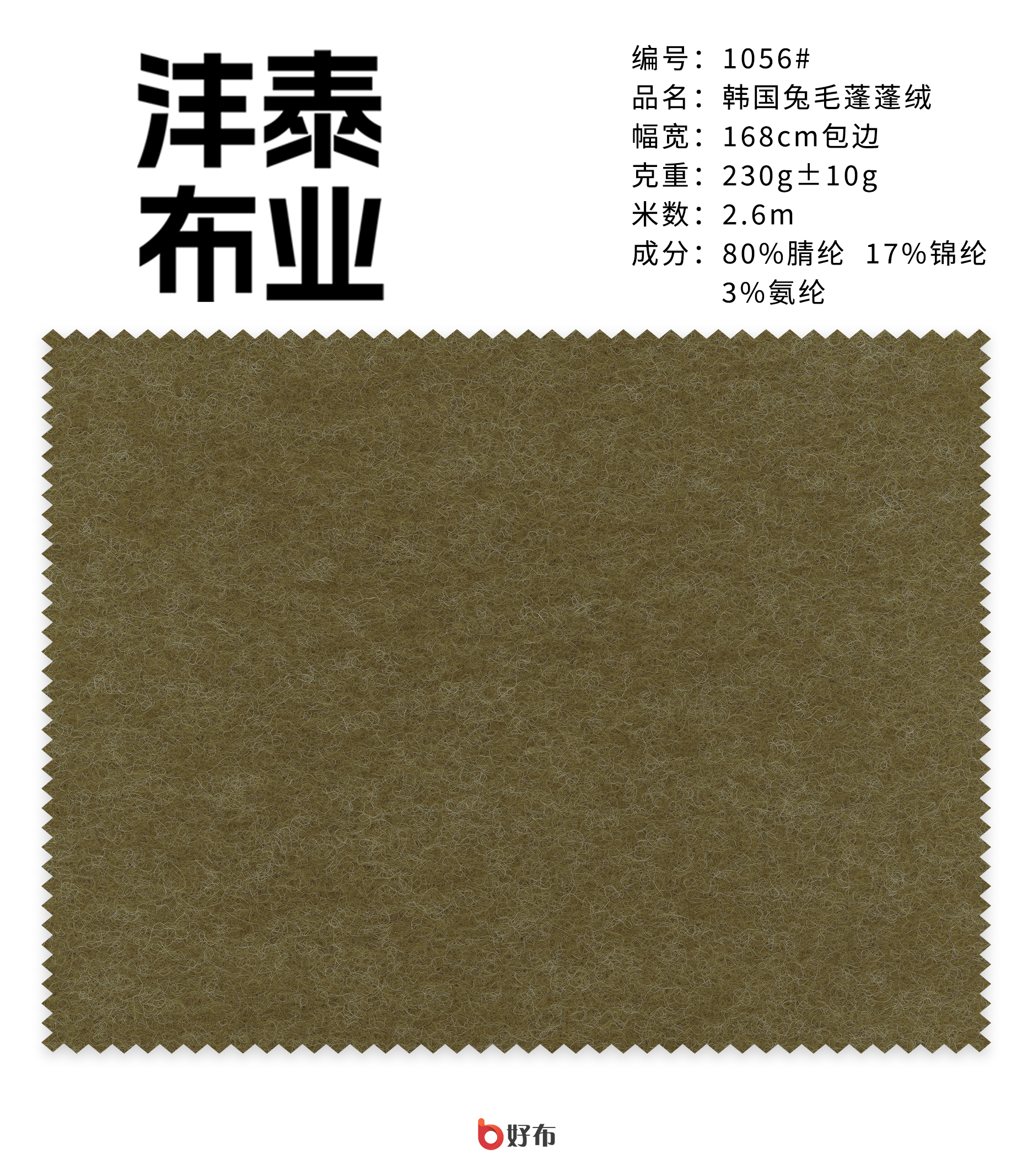
100% cotton jersey, French terry and fleece deliver the richest, most even garment-dye results when processed with reactive dyes. Expect 3–5% shrinkage in length and width, locking in a soft, lived-in hand ideal for oversized tees and hoodies.
Linen and Tencel also take reactive dyes well but shrink 4–7%, requiring careful pre-production sampling. Both fibers emerge with a refined drape suited to chinos and woven shirts.
Synthetic Fibers
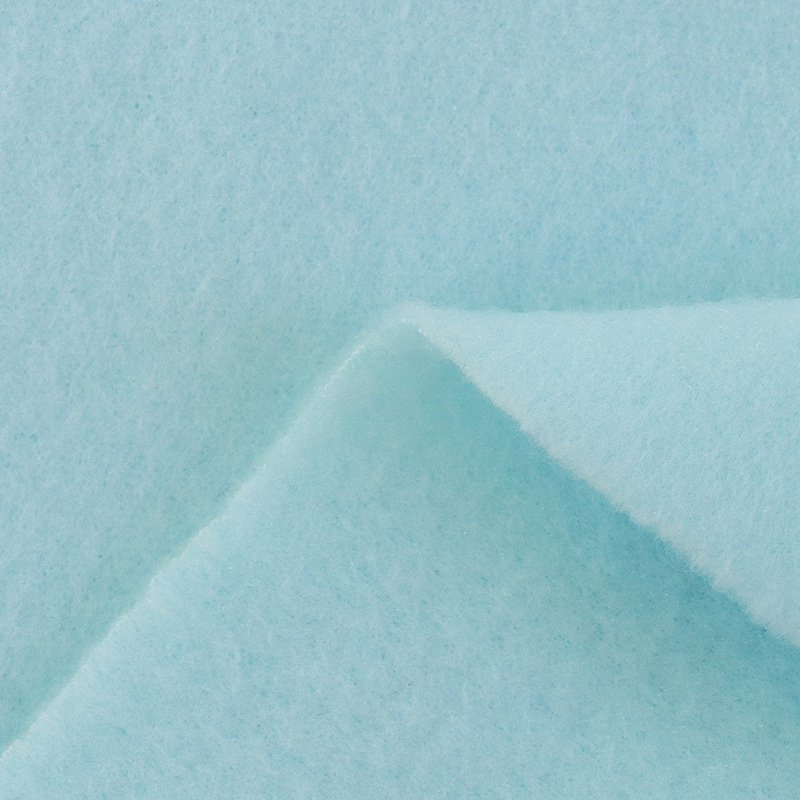
Polyester and nylon demand disperse dyes and elevated temperatures above 120°C. Color saturation is lighter than cotton, and shrinkage stays below 2%. These fibers suit activewear, windbreakers and performance outerwear where dimensional stability matters more than vintage aesthetics.
Cotton-Poly Blends
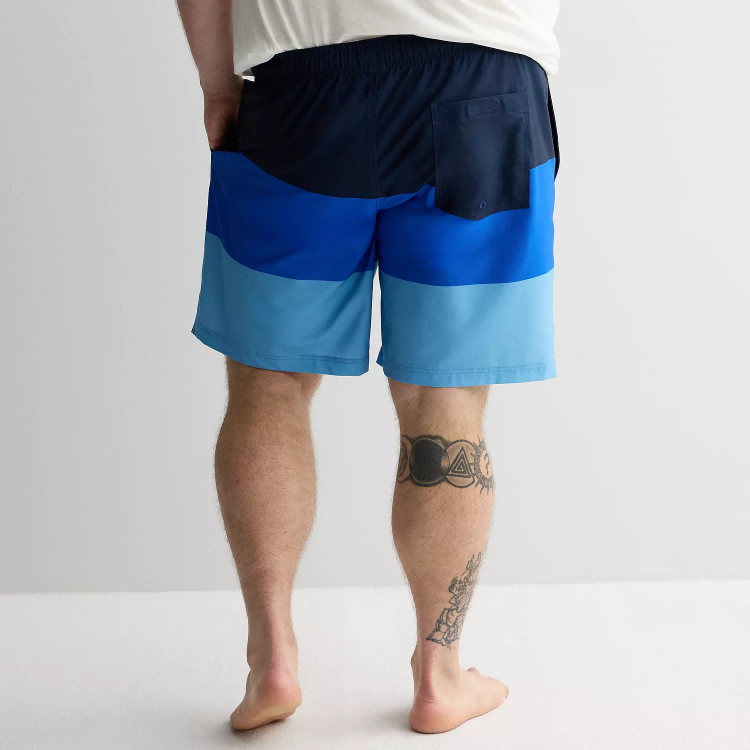
Blends of 50/50 to 80/20 cotton-polyester require dual-dye chemistry or accept heathered, two-tone effects. Shrinkage falls between 2–4%, and the hand stays firmer than 100% cotton. Ideal for hoodies and sweatshirts where durability and lower cost outweigh deep saturation.
5. Customization Options in Garment Dye Service
Garment dye service extends far beyond single solid colors. Brands can combine dye techniques with overdye effects, gradients, tie-dye patterns, enzyme washes and silicone softening to create unique product differentiation that stands out in crowded menswear markets.
Overdye, Dip-Dye and Tie-Dye Techniques
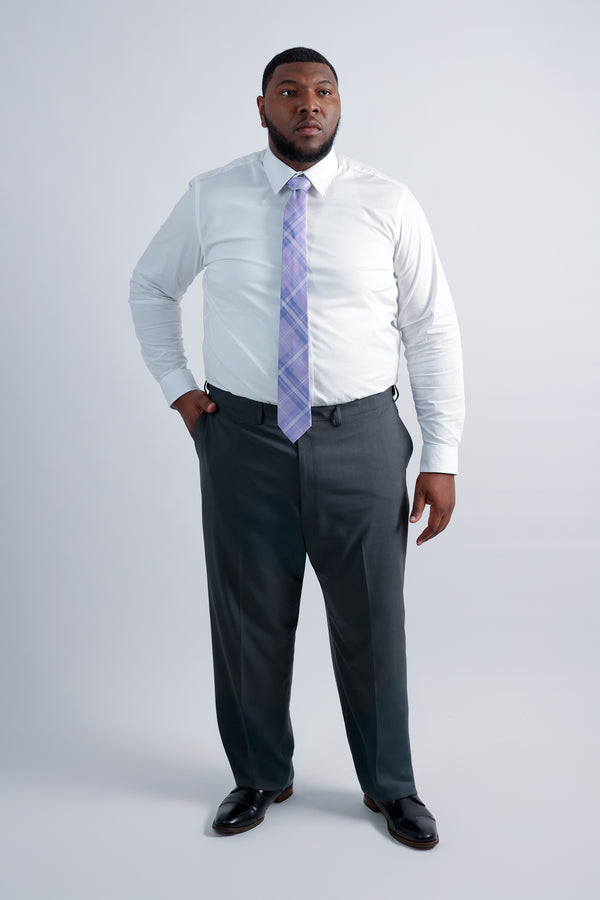
Overdye applies a second dye bath over pre-dyed or printed garments, creating vintage depth and tonal variation. Dip-dye gradients immerse only part of the garment — hem, sleeves or chest — producing ombré fades popular in streetwear hoodies and tees.
Tie-dye patterns range from classic spiral and crumple to modern ice-dye and shibori folds. Each technique requires manual setup, so MOQ for custom tie-dye typically starts at 200–300 pieces per colorway to justify labor and dye-bath preparation.
Layering Garment Dye with Decoration
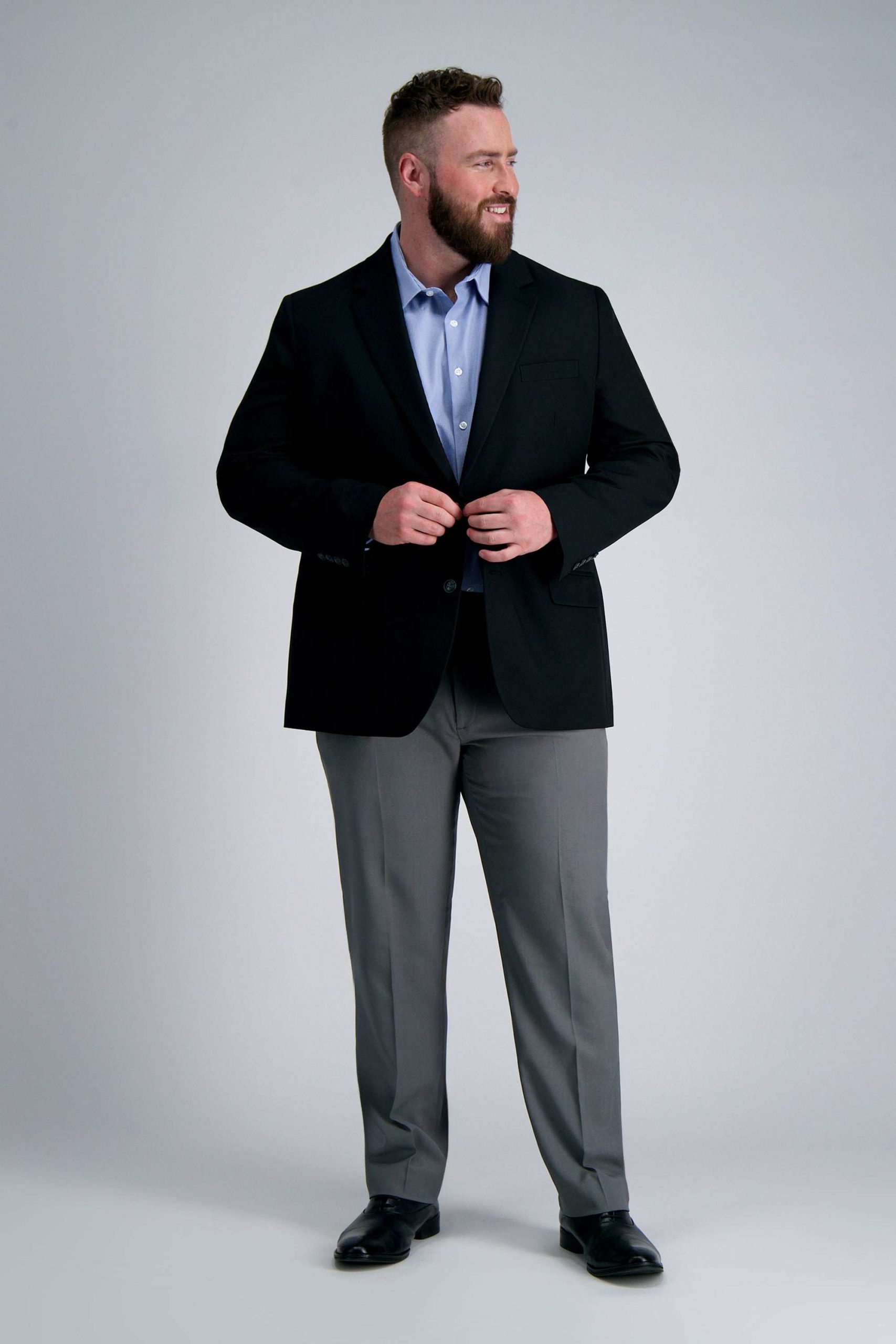
Screen printing, embroidery and appliqué can be applied before or after garment dyeing. Pre-dye decoration locks graphics under the dye for a vintage, sun-faded aesthetic; post-dye layering keeps logos crisp and vibrant against the dyed base.
MENWILD offers flat, 3D puff and chain-stitch embroidery, screen printing in plastisol, water-based, discharge and foil, plus heat-transfer and DTG — all compatible with garment dye workflows to maximize brand storytelling and product uniqueness.
Custom Color Matching and Pantone References
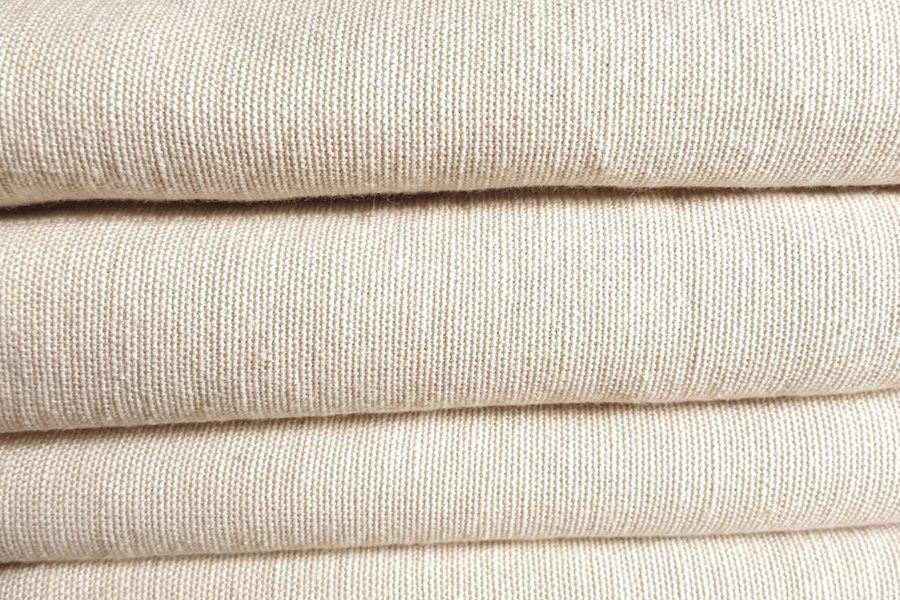
Pantone TPX or TCX references guide custom color matching, though garment dye results vary by fabric blend, weight and pre-treatment. Lab dips — small fabric swatches dyed to target shade — confirm color before bulk production.
MOQ for custom Pantone matching typically starts at 300–500 pieces per color to offset dye-kitchen setup, recipe development and quality-control sampling. Standard color libraries reduce MOQ to 100 pieces, enabling smaller brands to access garment dye service without prohibitive minimums.
6. Quality Indicators When Evaluating a Garment Dye Service Provider
Quality garment dye service separates professional manufacturers from batch-to-batch gamblers. Buyers must verify measurable performance across colorfastness, shrinkage, coverage uniformity and chemical safety before committing to bulk runs.
Colorfastness and ISO Testing Standards
ISO 105 colorfastness tests measure resistance to washing, rubbing (crocking), light and perspiration. Professional garment dye services run ISO 105-C06 wash tests and ISO 105-X12 rub tests, grading results on a 1–5 scale; Grade 4 or higher ensures retail-ready durability.
Request test reports for every dye lot. Factories without third-party lab access or in-house testing equipment cannot guarantee consistent performance across re-orders.
Certifications: OEKO-TEX and GOTS
OEKO-TEX Standard 100 certifies dyes free from harmful chemicals; GOTS (Global Organic Textile Standard) covers organic cotton and low-impact dyes. Both require annual audits and batch traceability.
Certified factories maintain chemical inventories and wastewater treatment logs, reducing compliance risk for brands selling in the EU, US and Australia.
Sample Approval Workflow
A robust sample protocol includes lab dip approval, strike-off on actual fabric, and a final pre-production sample washed to match bulk conditions. MENWILD archives approved samples and dye recipes, ensuring every re-order matches the original color within ΔE < 1.0.
Without sample archiving, color drift across seasons becomes inevitable.
Red Flags: Streaks, Crocking and Poor Rinsing
Uneven dye coverage, visible streaks and excessive crocking (dye transfer to skin or fabric) signal inadequate machine loading, incorrect dye chemistry or insufficient rinsing cycles. A single under-rinsed batch can fail retail quality audits and trigger costly chargebacks.
7. How to Choose the Right Garment Dye Service Partner
Selecting the right garment dye service partner requires a structured evaluation of technical capability, production flexibility and long-term reliability. The right factory will combine modern dyeing equipment, proven menswear experience and transparent communication to support your brand’s growth.
Assess Dye House Capacity and Machinery
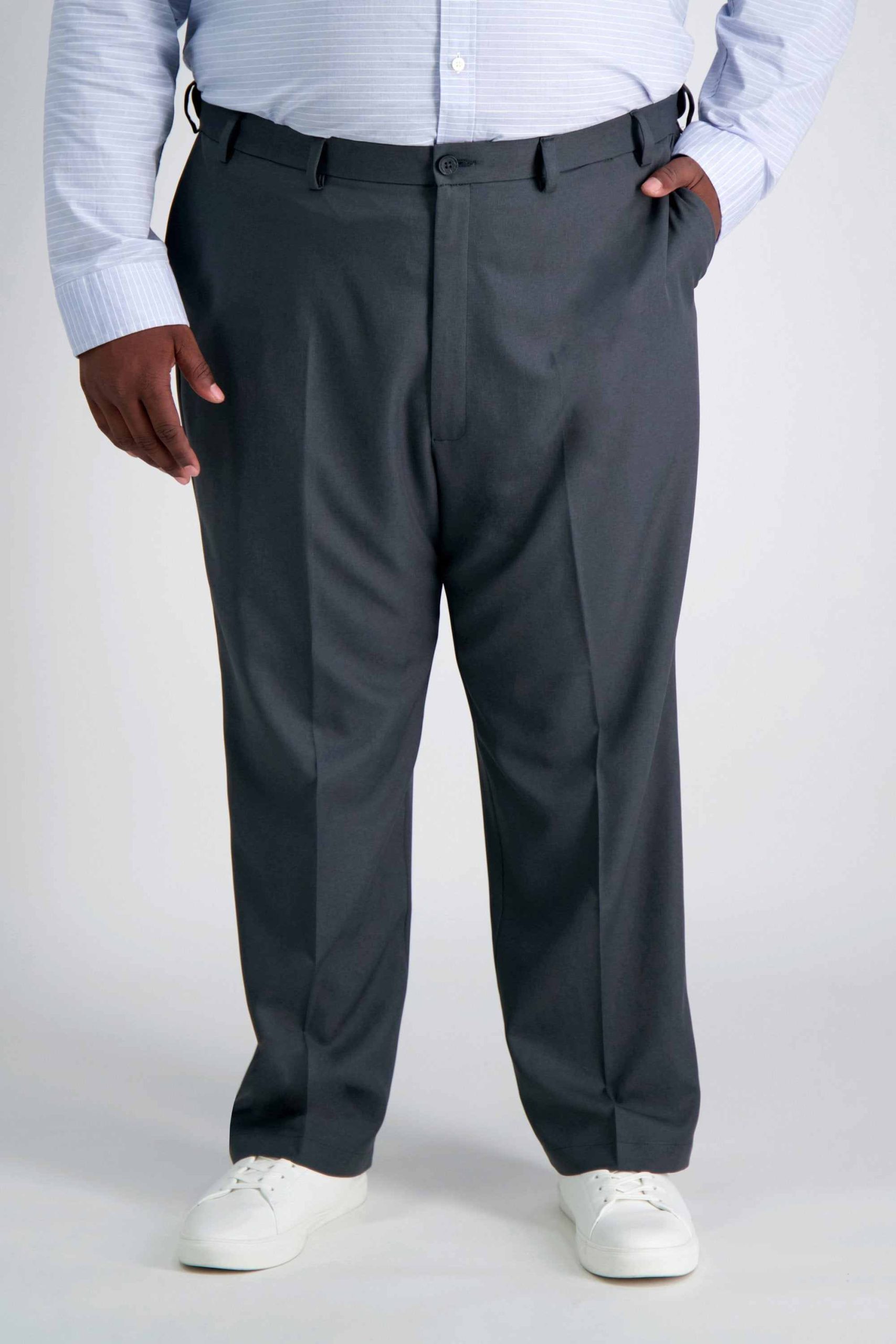
Jet dyeing machines deliver faster, more uniform color penetration and lower water consumption than traditional rotary drums, especially for knits and fleece. Ask whether the factory operates jet or paddle systems and confirm monthly capacity — top facilities handle 50,000–80,000 pieces per month.
MENWILD runs both jet and rotary equipment across its Dongguan facility, ensuring consistent results for jersey, French terry, denim and woven garments in extended 2XL–6XL sizes.
Review Portfolio of Past Menswear Projects
Request samples of garment-dyed hoodies, tees and outerwear in similar weights and fabrics to your line. Check for even color saturation, minimal shrinkage and soft hand feel after wash.
MENWILD has completed over 2,000 brand partnerships since 1998, with archived samples and production records available for review during onboarding.
Verify Lead Times for Samples and Production
Sample turnaround should be 7–10 days; bulk production typically runs 25–35 days depending on order size and dye complexity. Delays in dyeing can cascade through your entire launch calendar.
MENWILD maintains fabric and pattern libraries on file for repeat clients, cutting sample lead times to as low as 5 days and ensuring consistent bulk runs.
Confirm MOQ Flexibility
Standard garment dye MOQs range from 300 to 500 pieces per color due to batch-dyeing economics. Factories offering 100-piece minimums per style/color enable capsule launches and reduce inventory risk.
MENWILD’s 100-piece MOQ per style/color supports startups, influencers and independent designers testing new colorways without overcommitting capital.
Evaluate Sustainability Practices
Ask whether the dye house recycles process water, uses low-impact or GOTS-approved dyes and treats effluent before discharge. Water recycling systems can cut consumption by 40–60 percent per batch.
MENWILD sources eco-friendly and recycled fabrics from certified mills and partners with dye houses that meet international environmental standards, supporting brands with transparent sustainability messaging.
8. Common Mistakes Brands Make with Garment Dye Service
Even experienced brands stumble when ordering garment dye service for the first time. Missteps in dye-method selection, shrinkage planning, sampling and specification can turn a premium finish into costly returns and reprints.
Choosing the Wrong Dye Method for Fabric Blend
Cotton-poly blends require reactive or disperse dye chemistry, yet many brands default to pigment dye and end up with uneven color. Pure cotton accepts reactive dye beautifully, but polyester fibers resist it entirely. MENWILD’s fabric team cross-references fiber content with dye compatibility before sampling, ensuring consistent tone across jersey, fleece and woven twill.
Underestimating Shrinkage and Not Sizing Up Blanks
Garment dye typically shrinks cotton 3–5% in length and 2–4% in width. Ordering true-to-size blanks leaves finished pieces undersized. Smart brands order one size larger or specify relaxed pre-dye dimensions. MENWILD grades patterns with post-dye shrinkage built in, so 2XL–6XL garments hit target measurements after washing.
Skipping Pre-Production Dye Samples
Approving color from a swatch is not the same as seeing a full garment after washing. Dye takes differently on seams, hems and heavy-stitch areas. MENWILD provides strike-off samples in the actual fabric and construction before any bulk dye run, letting brands confirm shade, hand-feel and wash behavior under real conditions.
Ignoring Wash-Care Instructions
Garment-dyed pieces demand gentler care than piece-dyed goods. Brands that omit wash-temperature limits or tumble-dry warnings see premature fading and pilling. MENWILD includes recommended care symbols and wash instructions with every bulk shipment, and tests colorfastness to ISO standards so your customers enjoy long-lasting, vibrant color.
9. Steps to Launch Your Menswear Line Using Garment Dye Service
Launching a menswear line with garment dye service requires careful sequencing of blank production and dye scheduling. Each phase — from color development through final QC — builds on the previous step, and missteps in timing can delay shipments by weeks.
Define Your Color Palette and Aesthetic
Start by selecting 3–8 core colors that align with your brand story and seasonal theme. Reference Pantone TPG or TCX codes to ensure lab dips match your vision. MENWILD’s design team can translate mood boards or competitor samples into dyeable color specifications, even if you lack a formal tech pack.
Source Undyed Blanks or Coordinate Cut-and-Sew
Decide whether to dye pre-made blanks or coordinate blank production with your factory. MENWILD manufactures undyed garments in-house — tees, hoodies, jackets — then schedules garment dye in the same facility, eliminating handoff delays and ensuring pattern consistency across dye lots.
Request Lab Dips and Strike-Offs
Order lab dips on actual fabric swatches and strike-off samples on full garments before committing to bulk. Approve color under daylight and store lighting. MENWILD provides up to three rounds of lab dips at no extra charge, with turnaround in 5–7 days per iteration.
Approve Samples and Lock Specifications
Confirm fit, hand-feel, color fastness and shrinkage on pre-production samples. Document approved Pantone references, wash formulas and finishing steps in a shared spec sheet. Any change after sample approval resets the timeline and may incur re-dyeing fees.
Place Production Orders with Clear Specs
Submit a purchase order listing style codes, sizes, quantities per color, and delivery dates. MENWILD’s MOQ starts at 100 pieces per style/color, and bulk lead time runs 25–35 days after deposit and final spec approval, including both blank production and garment dye.
Plan QC Inspections Pre-Shipment
Schedule in-line and final random inspections to catch shade variation, pilling or uneven dye penetration before goods leave the factory. MENWILD photographs random samples from each dye batch and shares images via WeChat or email for remote approval, reducing the need for third-party audits.
10. Garment Dye Service Pricing and Cost Breakdown
Garment dye service costs typically range from $1.50 to $6.00 per piece, determined by order volume, fabric weight and dye complexity. Lab-dip samples — the color-approval swatches sent before bulk production — add $25 to $75 per colorway, while rush orders incur 20–40% surcharges.
Heavier fabrics above 280 GSM consume more dye and processing time, raising per-unit costs by 15–30%. Multi-tone or gradient effects require additional cycles and skilled technicians, pushing prices toward the upper tier. Setup fees cover machine calibration and dye-lot preparation; many factories waive these once order quantities exceed 500 pieces.
Lead times compress as volume grows: 100-piece runs may need 18–21 days, while 1,000+ orders benefit from dedicated batch scheduling and finish in 10–12 days. Payment terms at MENWILD start at 100% deposit for first orders and step down to 30% for repeat partners, with balance due before shipment.
| Order Quantity | Per-Garment Cost | Lab Dip Fee | Lead Time (Days) | Setup Charge |
|---|---|---|---|---|
| 100–249 pcs | $4.50–$6.00 | $50–$75 | 18–21 | $100 |
| 250–499 pcs | $3.00–$4.50 | $40–$60 | 14–16 | $75 |
| 500–999 pcs | $2.00–$3.00 | $25–$50 | 12–14 | Waived |
| 1,000+ pcs | $1.50–$2.00 | $25 | 10–12 | Waived |
Start Your Garment Dye Service Project Today
100-piece MOQ, 7-day samples, and 28+ years of in-house garment dye expertise. Get your quote in 24 hours.