
Garment Washing and Dyeing Service for Big & Tall Menswear
Professional garment washing and dyeing service from a specialist big and tall clothing manufacturer — 100-piece MOQ, OEM/ODM/private label production, and 2XL–6XL fit expertise for menswear brands worldwide.
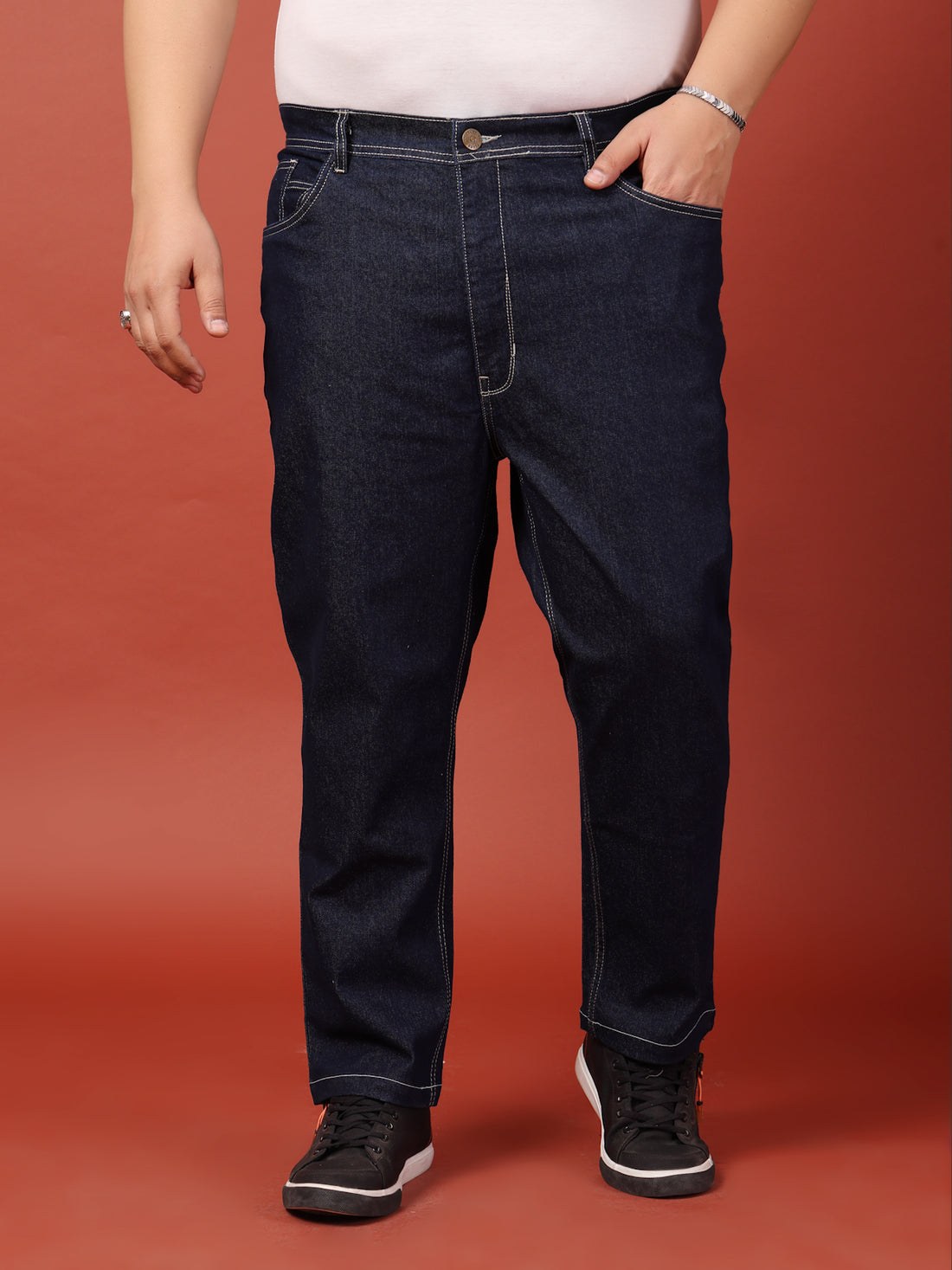
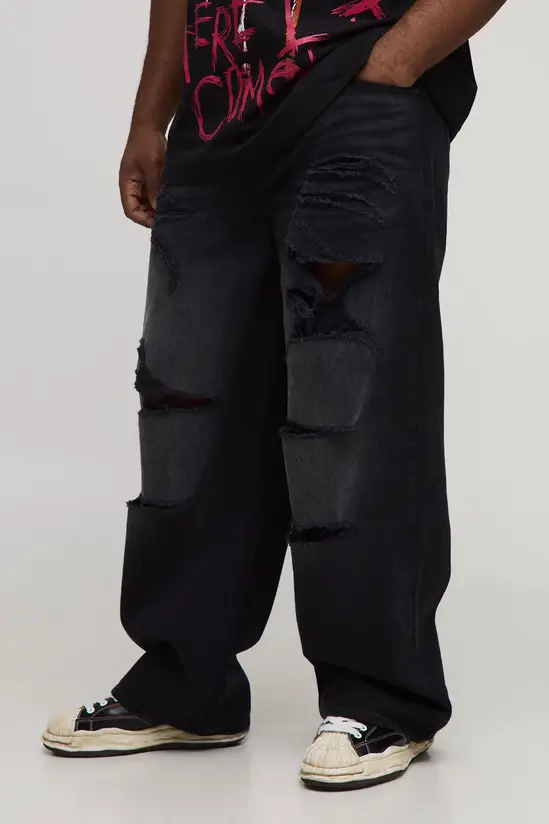
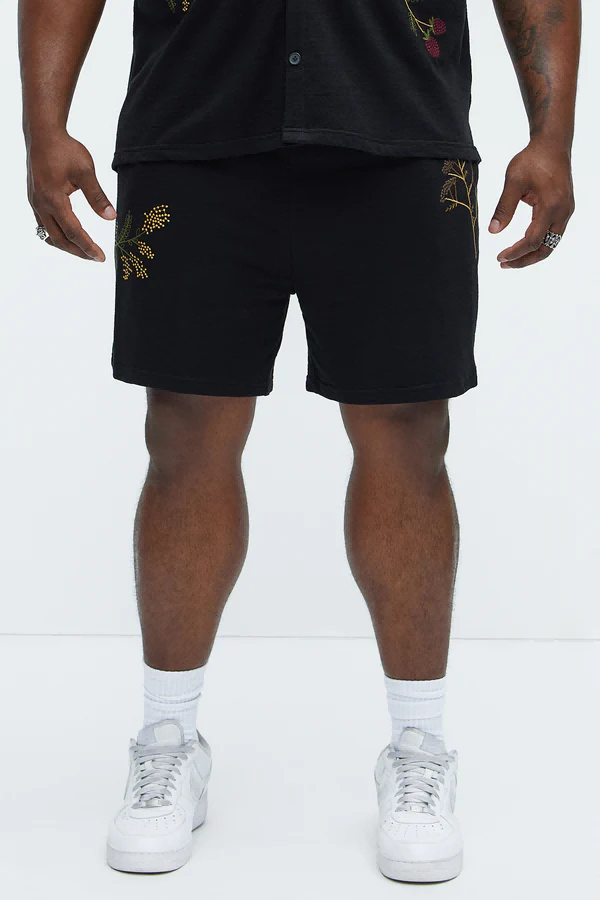
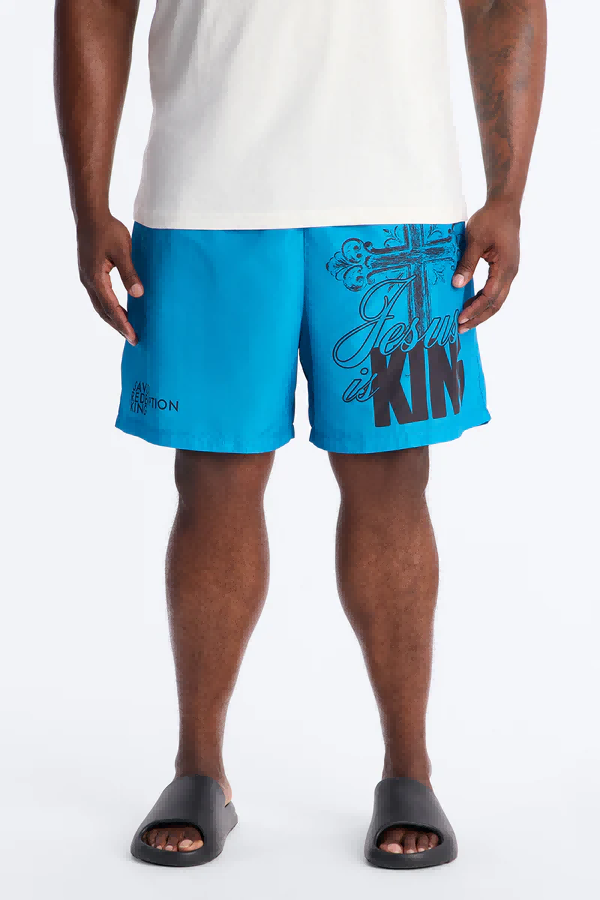
Garment Wash & Dye Portfolio — Acid Wash, Stone Wash, Tie-Dye & Enzyme Finish
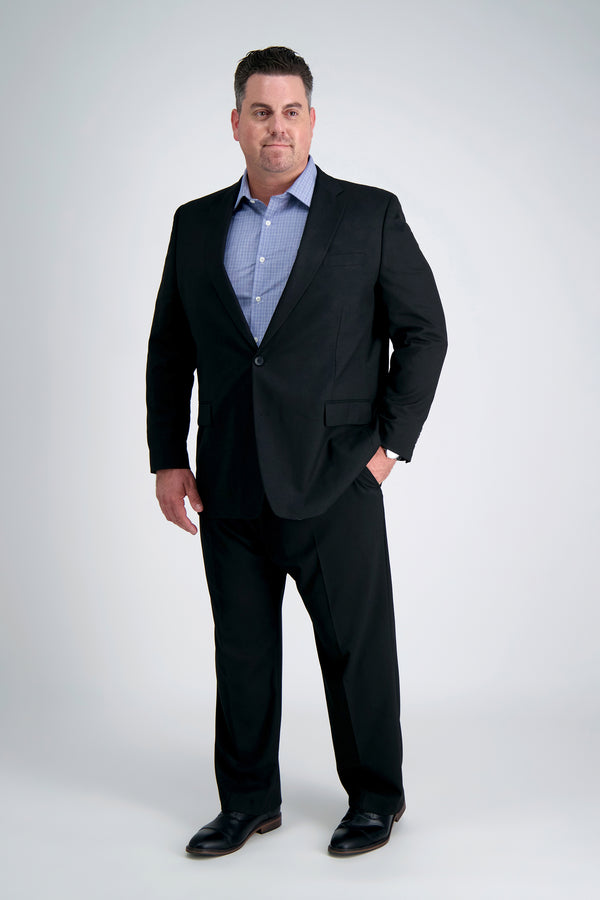
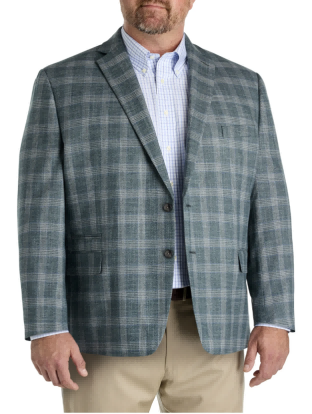
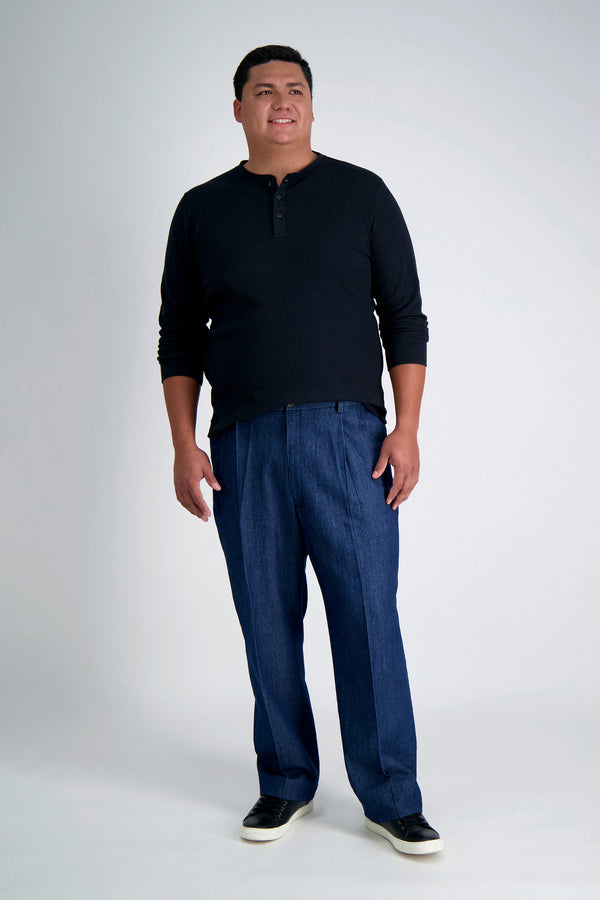
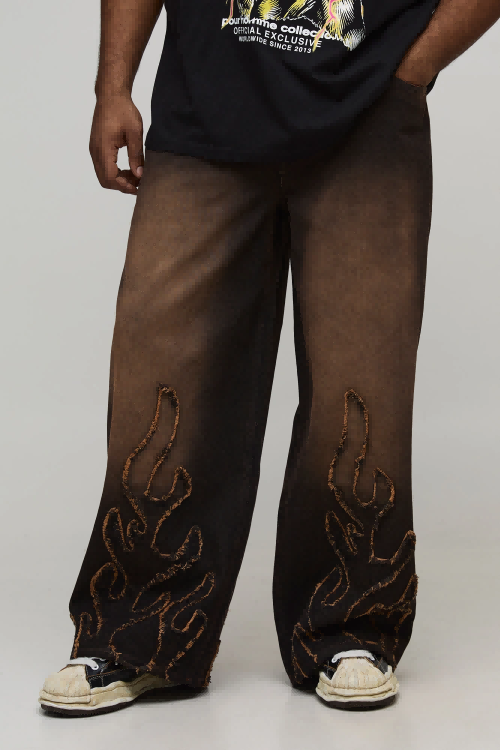
Why Our Garment Washing and Dyeing Service Stands Out
Extended-Size Wash Expertise
Specialized garment washing and dyeing for 2XL–6XL menswear, ensuring even color penetration and finish across larger pattern pieces and true big & tall proportions.
Fast Sampling & Turnaround
Quick lab dips and wash samples so you can approve colors and finishes faster, then move to bulk production without delays or guesswork.
100-Piece MOQ Per Color
Launch new washes, test seasonal dye palettes or run limited capsules without committing to thousands of units — flexibility built for growing brands.
Full OEM Apparel Manufacturer Integration
All garment washing, dyeing and finishing happen under one roof alongside cut-and-sew, embroidery and screen printing — giving you a true OEM apparel manufacturer partner with tighter quality control, faster communication and consistent results every order.
Precision Color Matching
We match Pantone references, physical swatches or your existing garments, then lock formulas on file so every re-order delivers the exact same shade.
Eco-Friendly Wash Options
Choose water-saving enzyme washes, low-impact dyes and anti-pilling treatments that meet sustainability goals without sacrificing the vintage or modern finish your brand demands.
Wash & Dye Techniques for Every Menswear Style
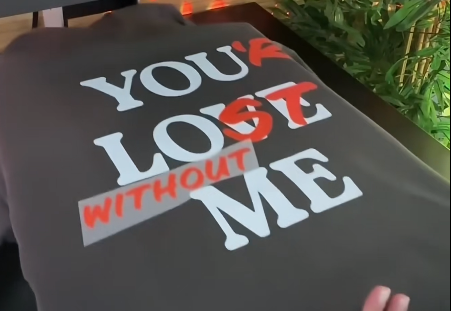
Tie-Dye
Custom tie-dye service for tees, hoodies, sweatshirts and fleece in spiral, crumple, stripe and custom patterns. Available across cotton jersey, French terry and performance knits in 2XL–6XL sizing. Ideal for streetwear capsules, festival collections and limited drops with low 100-piece MOQ per colorway.
Get a Quote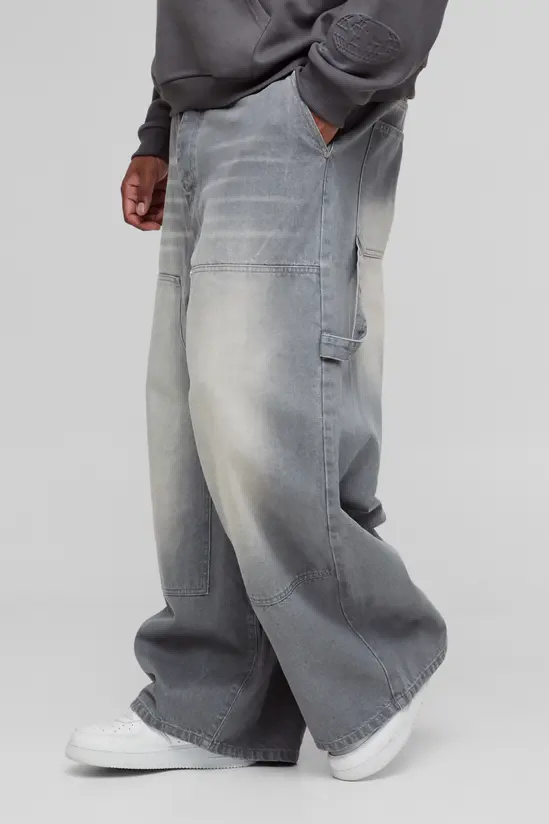
Acid Wash
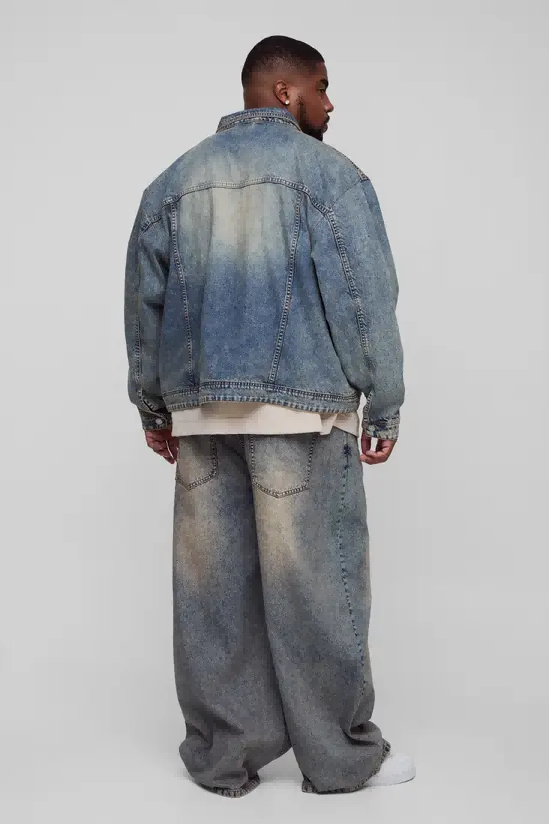
Acid wash garment service creates vintage high-contrast bleach effects on denim jeans, jackets, shirts and twill pieces. Applied post-construction for authentic worn texture and unique marbling. Works across medium and heavyweight wovens in extended big & tall grading. Perfect for retro and Y2K-inspired menswear lines.
Get a Quote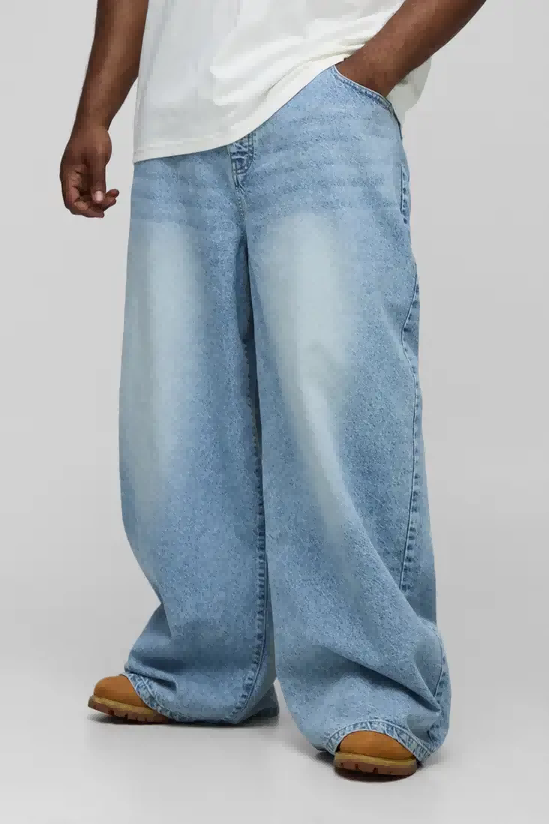
Stone Wash
Stone wash garment service delivers soft broken-in texture and faded color on denim, chinos, twill shirts and canvas outerwear. Tumbled with pumice or synthetic stones to reduce stiffness and achieve lived-in appeal. Standard for comfort-first jeans, workwear and casual shirting in sizes 2XL to 6XL.
Get a Quote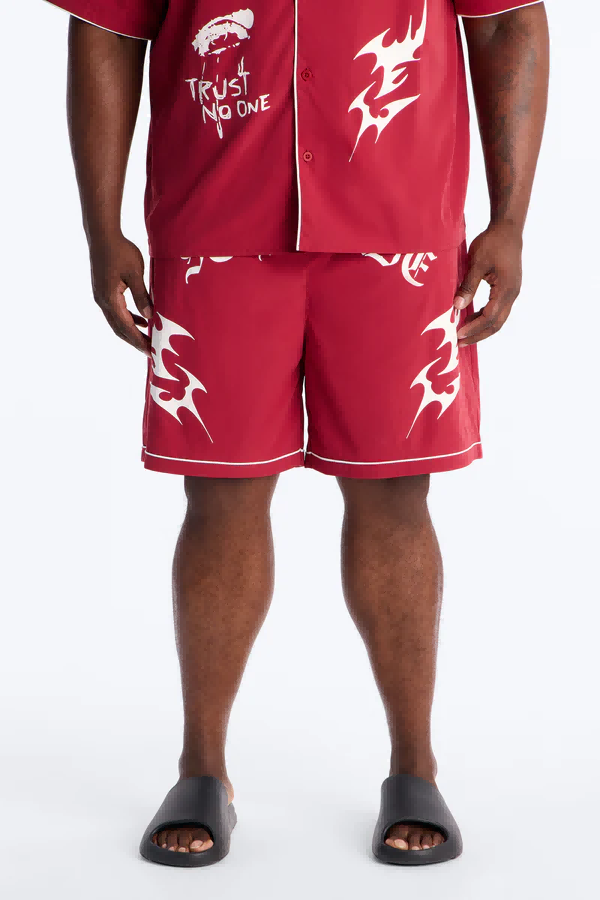
Enzyme Wash
Enzyme wash service for softening, anti-pilling and color refinement on cotton jersey tees, polos, knitwear and fleece hoodies. Bio-polishing smooths surface fibers, reduces fuzzing and improves hand feel without harsh chemicals. Essential for premium basics, activewear and repeat-purchase staples in extended sizing.
Get a Quote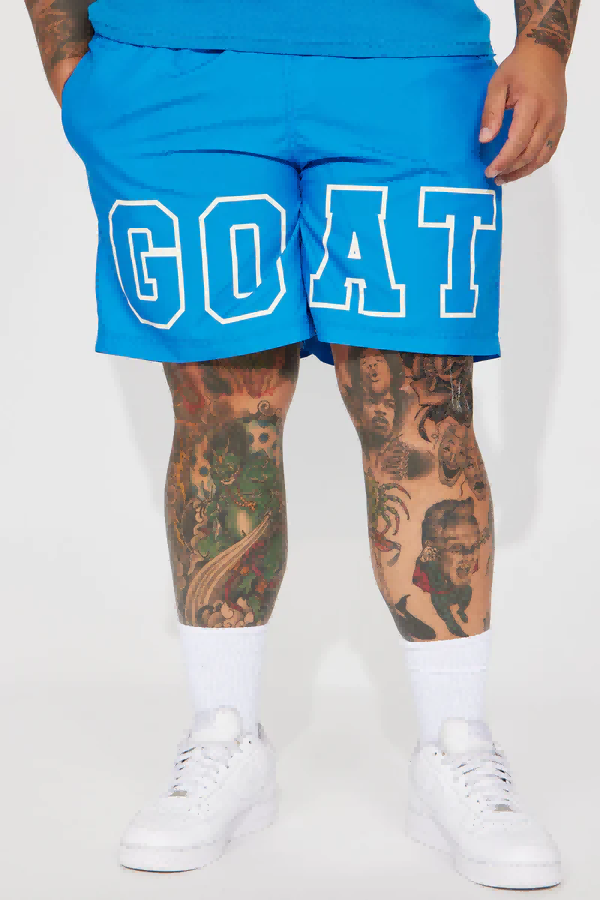
Garment Dye
Garment dye service applies rich, even color to finished cut-and-sewn pieces including tees, hoodies, sweatshirts, shirts, chinos and outerwear. Creates soft vintage hand, slight color variation and unique depth impossible with piece-dyed fabric. Supports custom Pantone matching and seasonal palette development from 100 pieces.
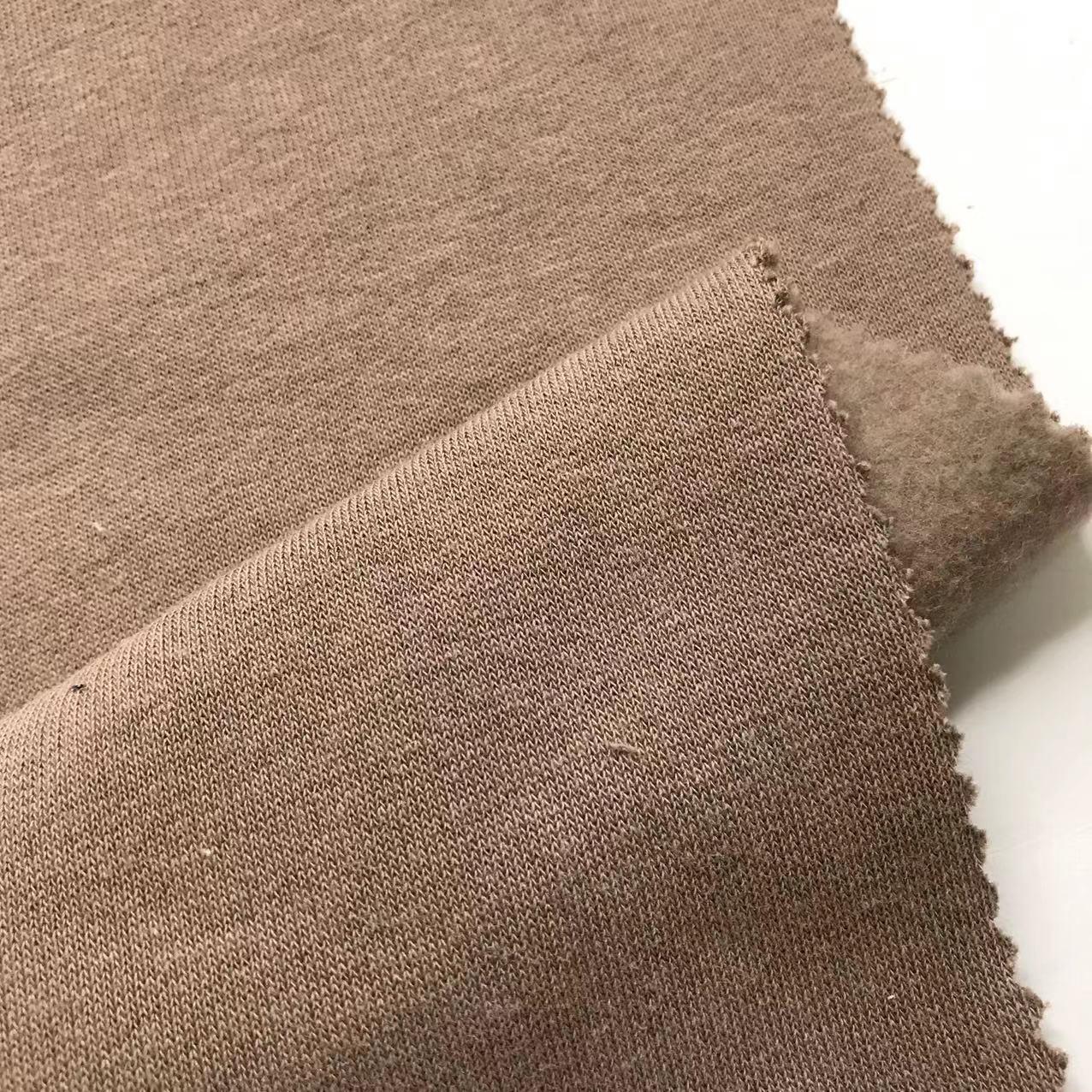
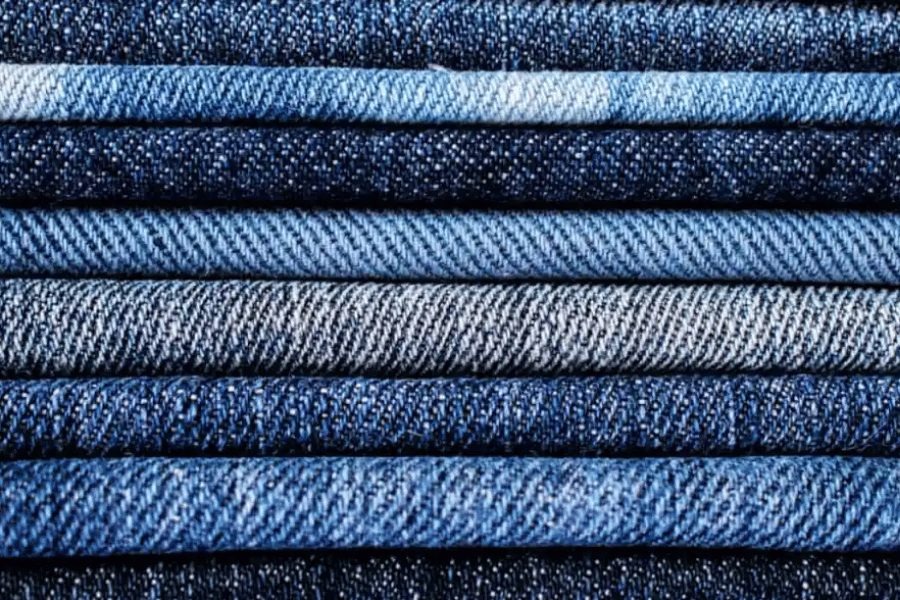
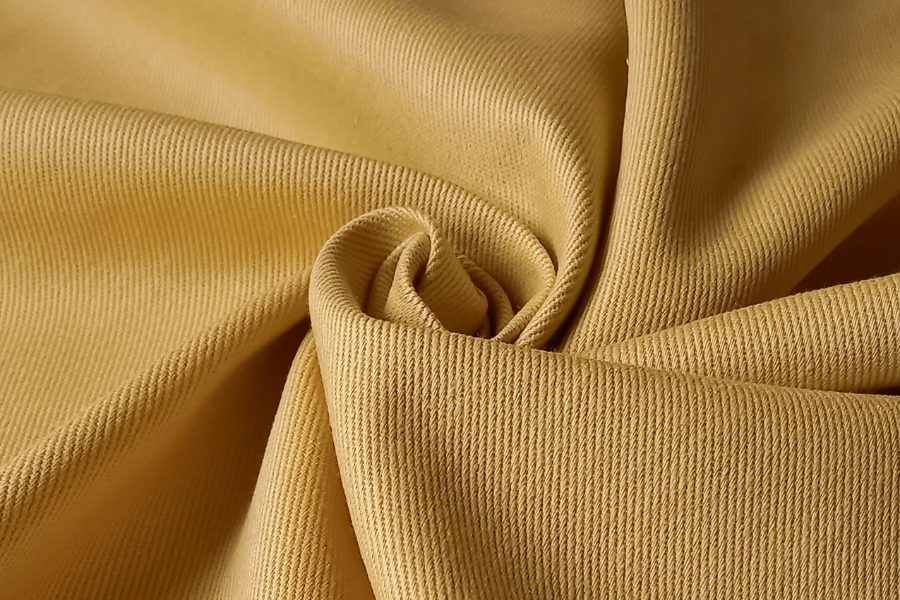
Get a QuoteFabrics We Work With for Garment Washing and Dyeing Service
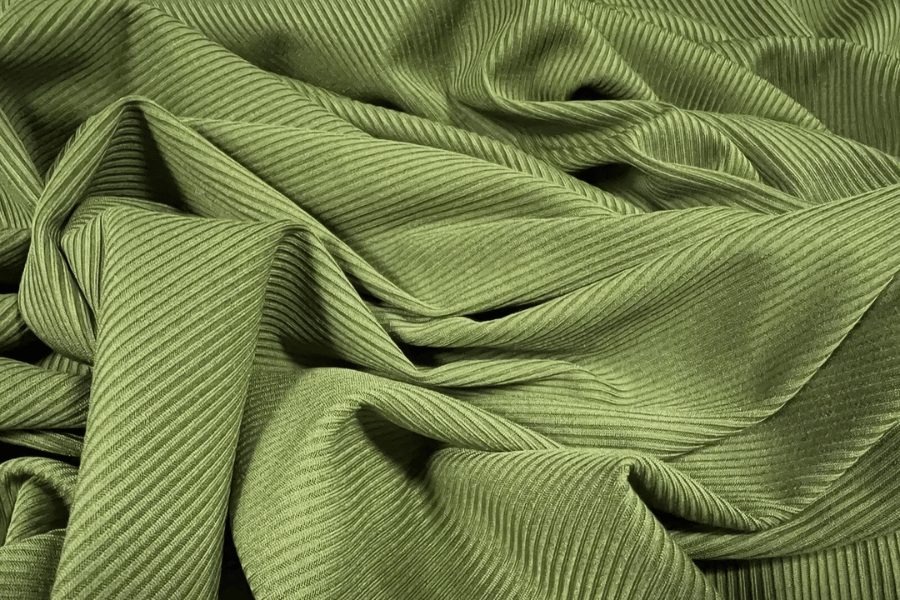
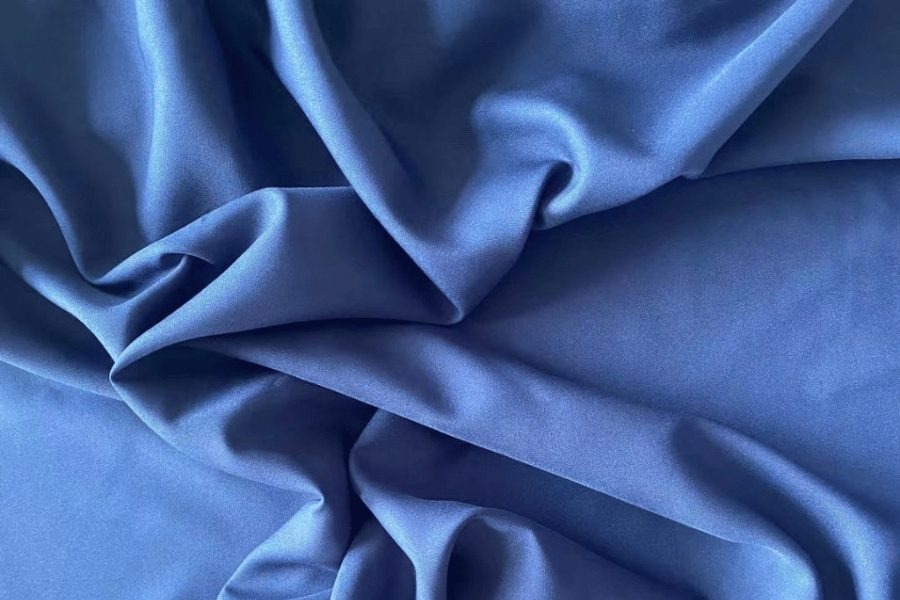
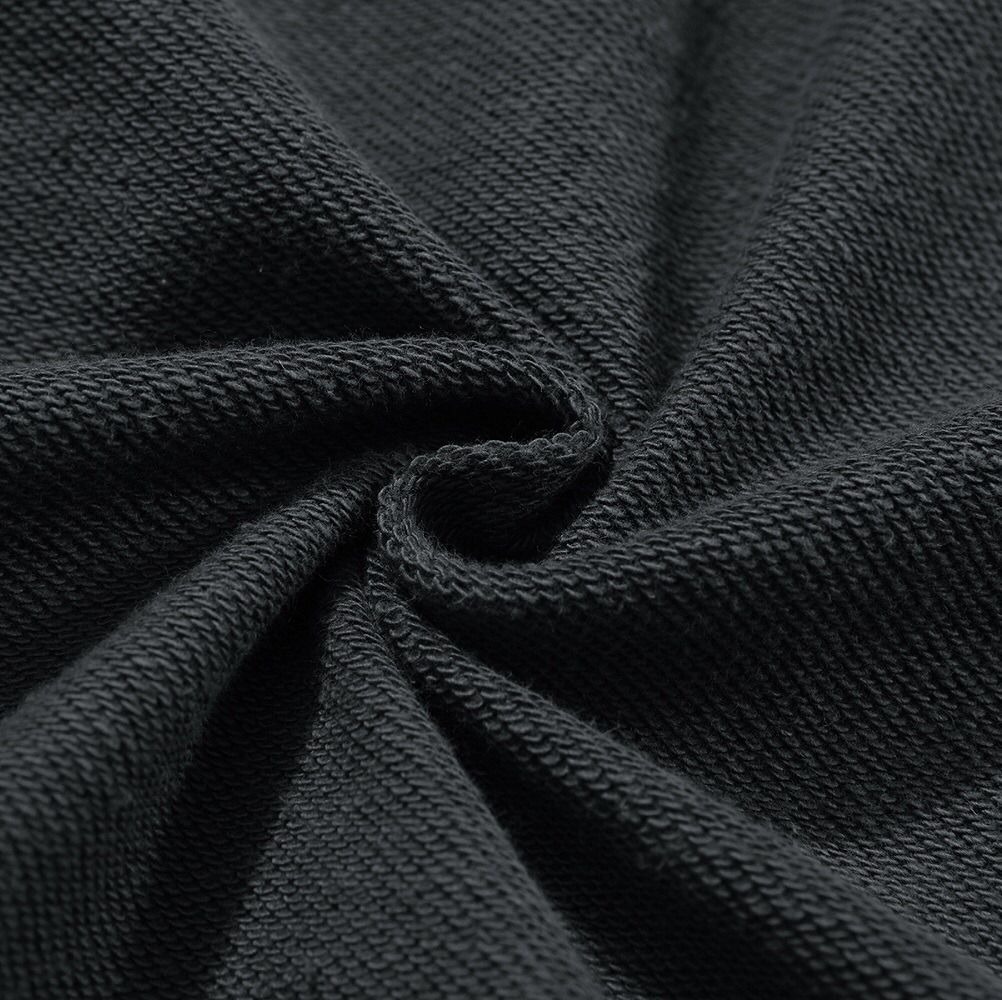
Garment Washing & Dyeing Processes We Offer
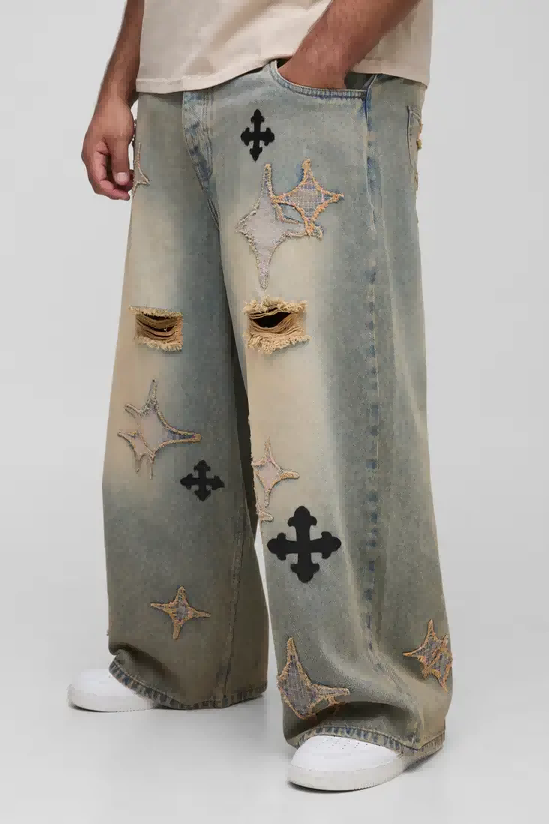
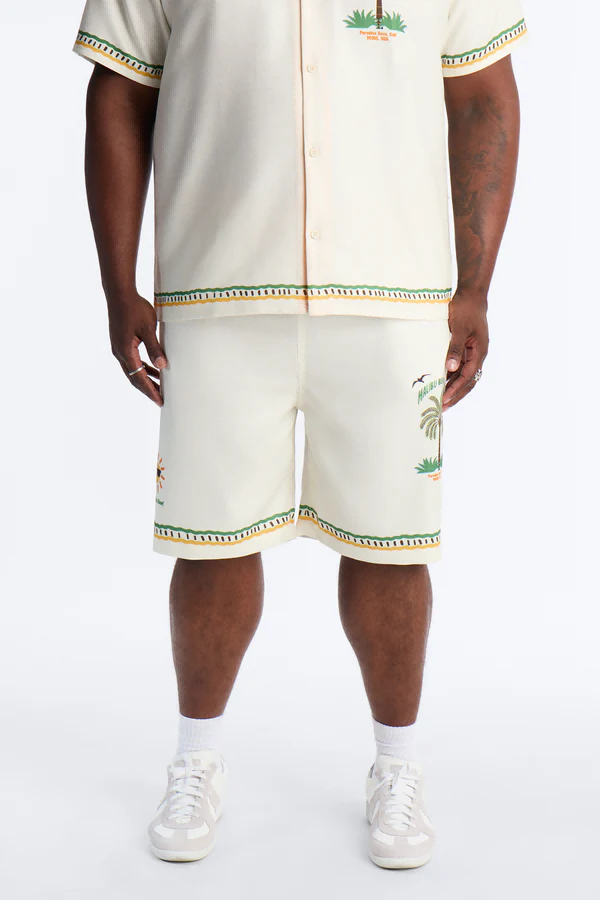
Stone Wash
Tumbles garments with pumice stones to soften fabric and create natural, worn-in fading. Ideal for jeans, chinos and casual jackets seeking authentic broken-in comfort and timeless appeal.
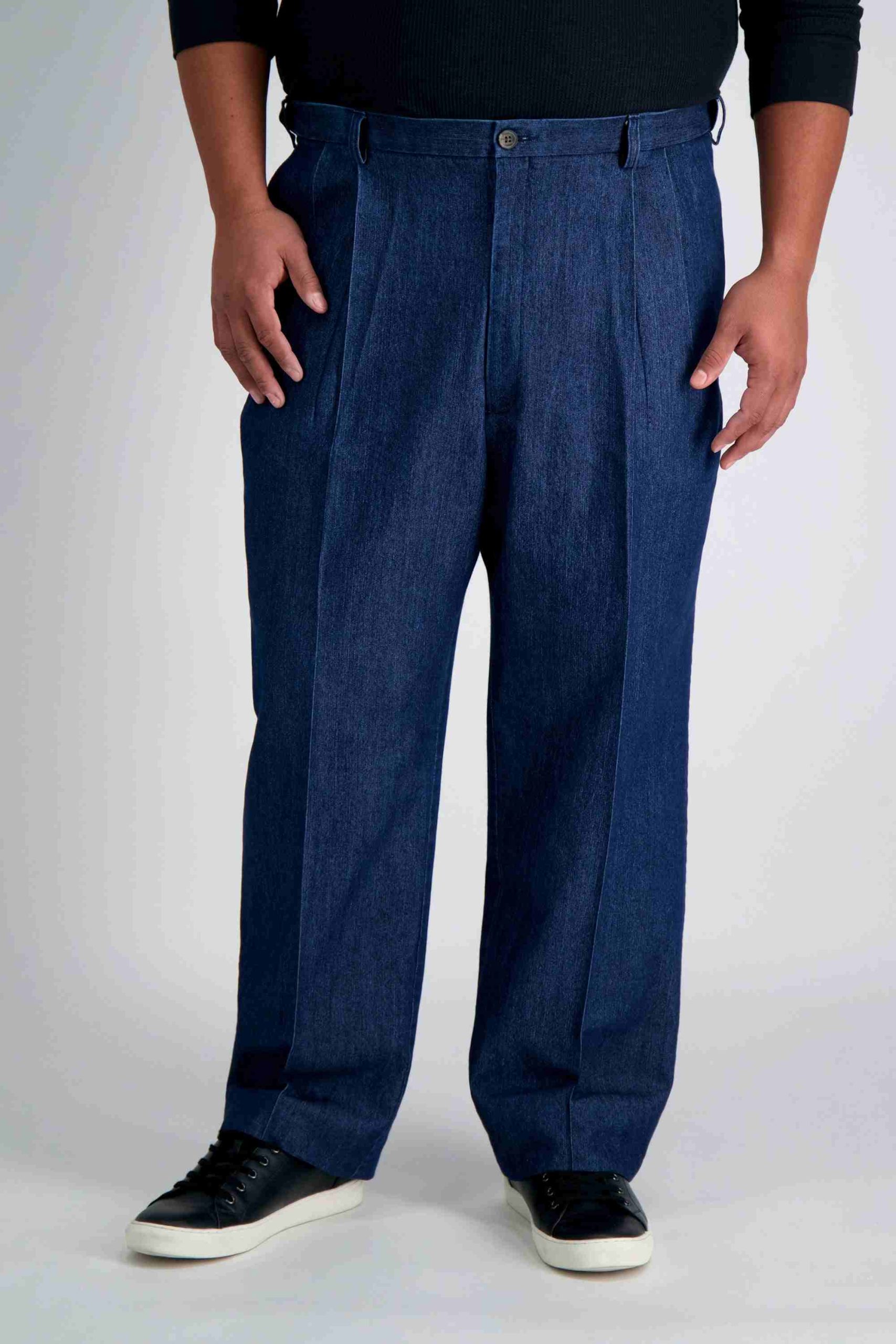
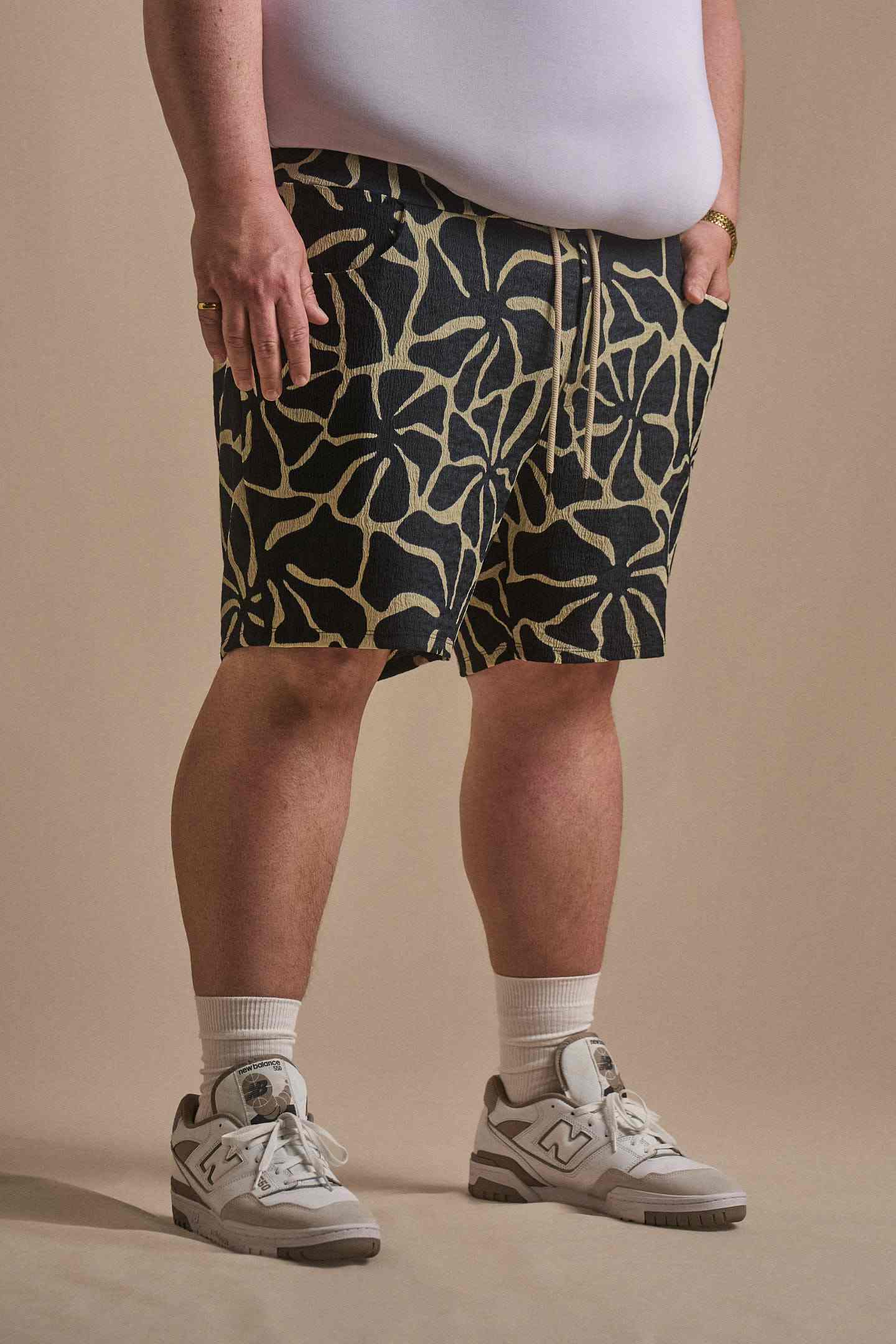
Tie-Dye
Hand-applies vibrant, multi-color patterns using traditional folding, twisting and binding techniques. Perfect for festival wear, limited drops and capsule collections that celebrate bold, one-of-a-kind artisan aesthetics.
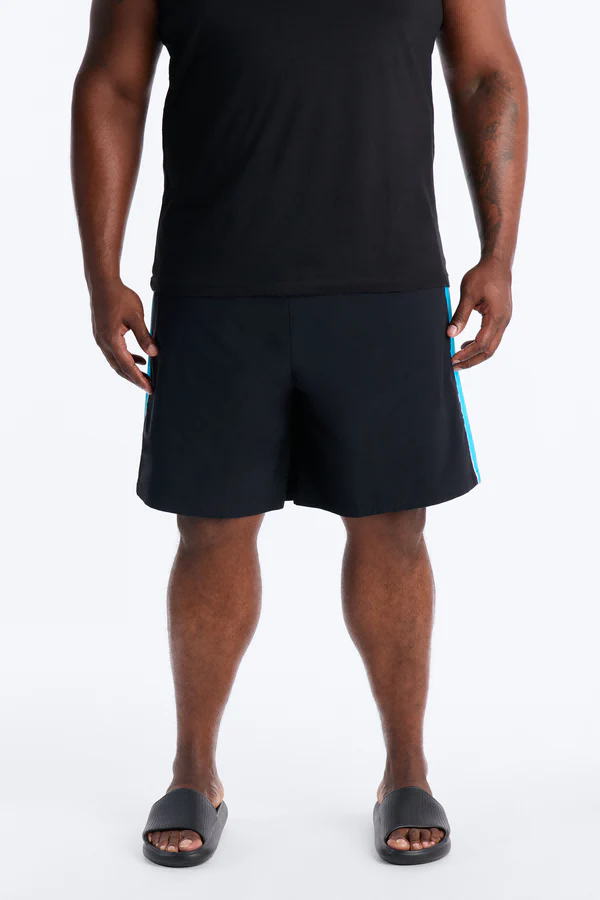
Enzyme Wash
Uses bio-enzymes to gently break down fiber surfaces, creating ultra-soft hand feel and controlled fading without harsh chemicals. Ideal for premium tees, polos and activewear prioritizing comfort and skin-friendliness.
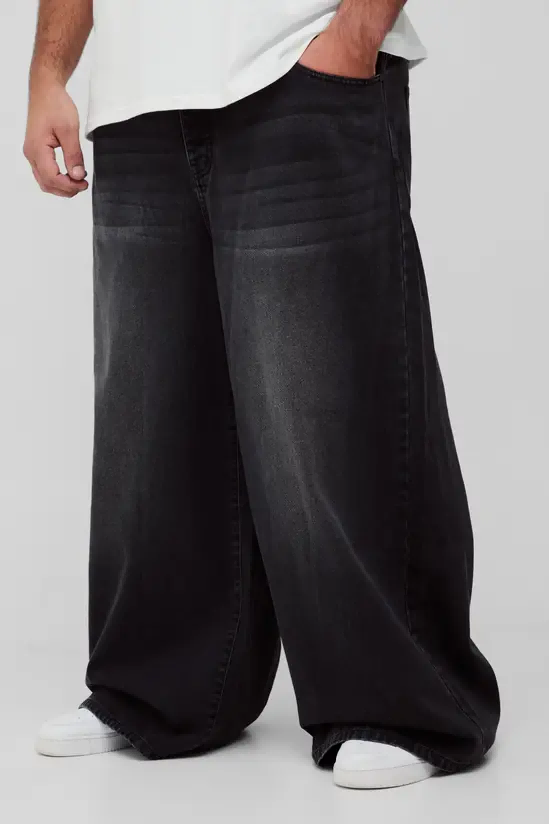
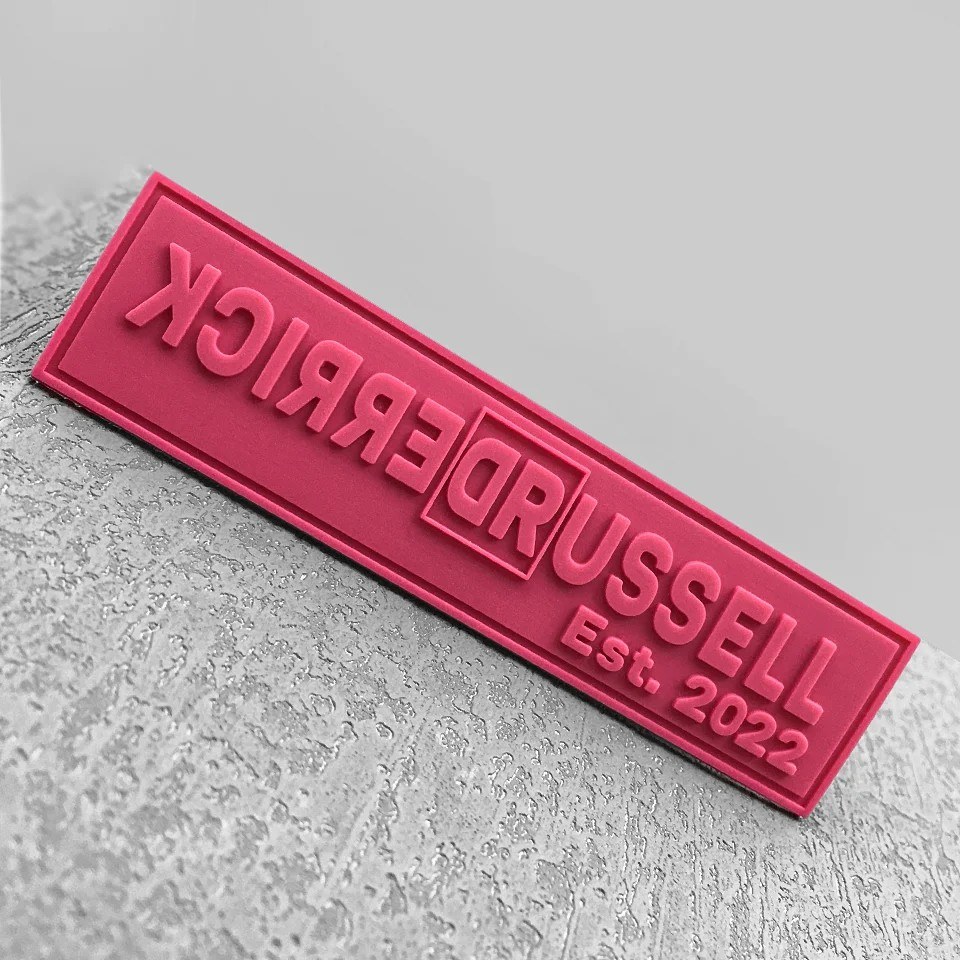
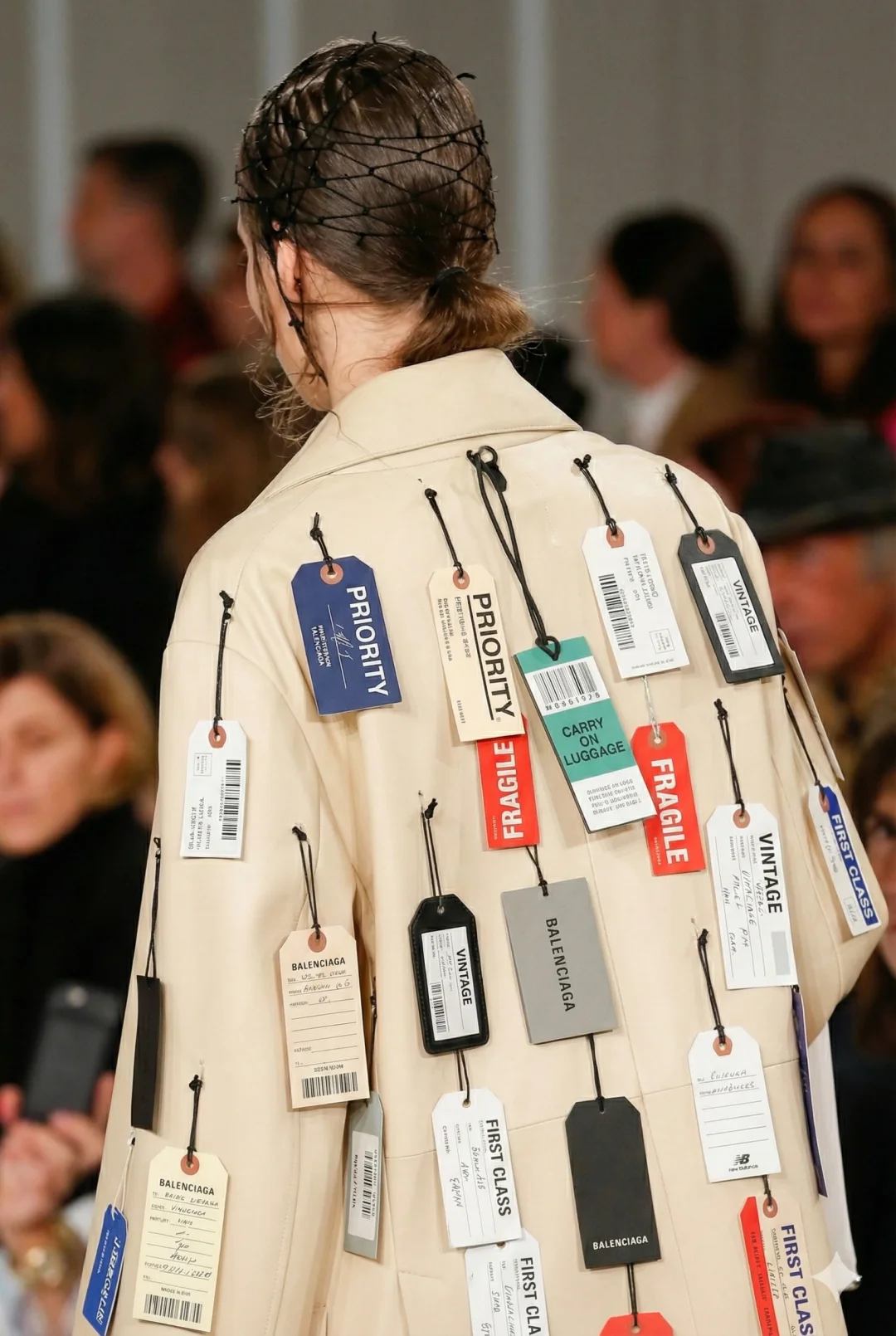
Custom Trims & Finishing Touches for Your Garment Washing and Dyeing Service
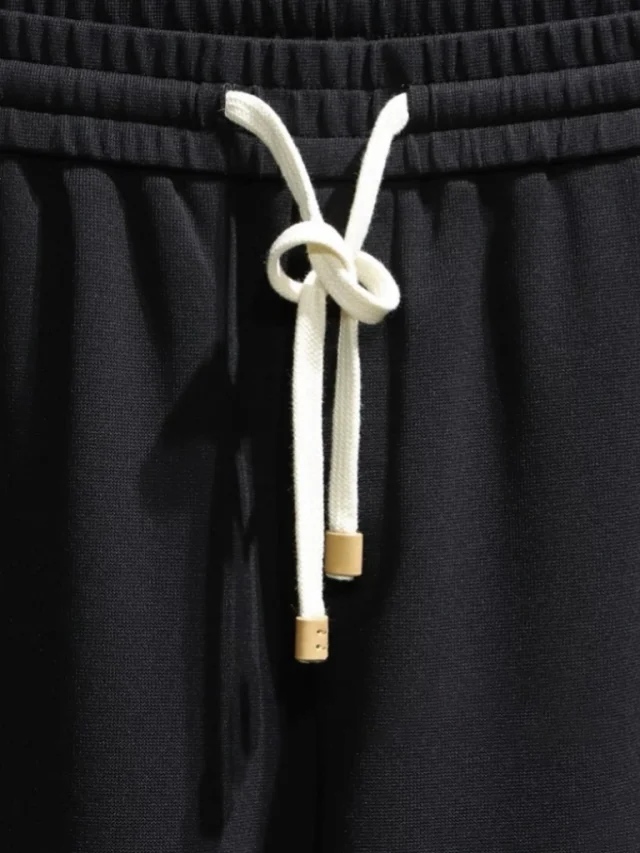
Drawcords & Tipping
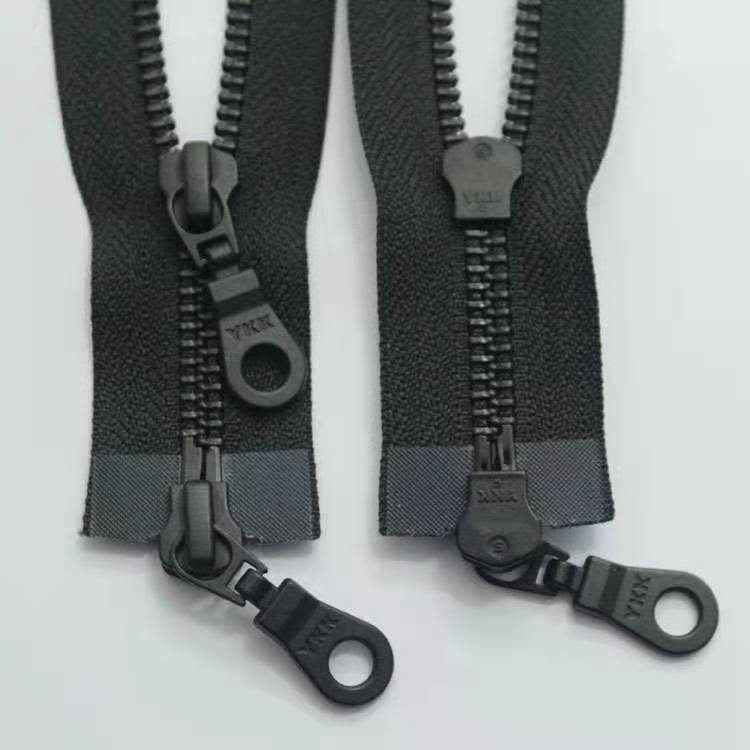
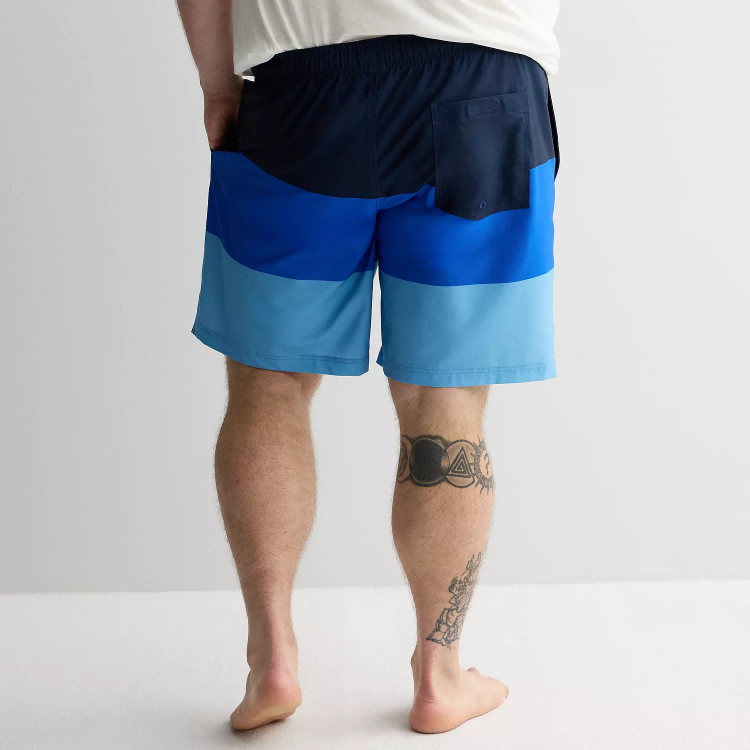
Flat, round or rope drawcords with metal, plastic or custom-molded tipping in colors that coordinate with your garment dye palette. Perfect for hoodies, joggers and shorts after enzyme or softening wash treatments.
28+ Years Manufacturing Big & Tall Menswear
Founded in 1998 in Humen, Dongguan — the heart of China’s garment manufacturing hub — MENWILD has grown from a small family cut-and-sew workshop into a full-service menswear manufacturer with over 200 skilled employees and a monthly capacity exceeding 80,000 pieces. We’ve partnered with more than 2,000 fashion brands worldwide, delivering OEM, ODM and private label production with flexible 100-piece MOQs.
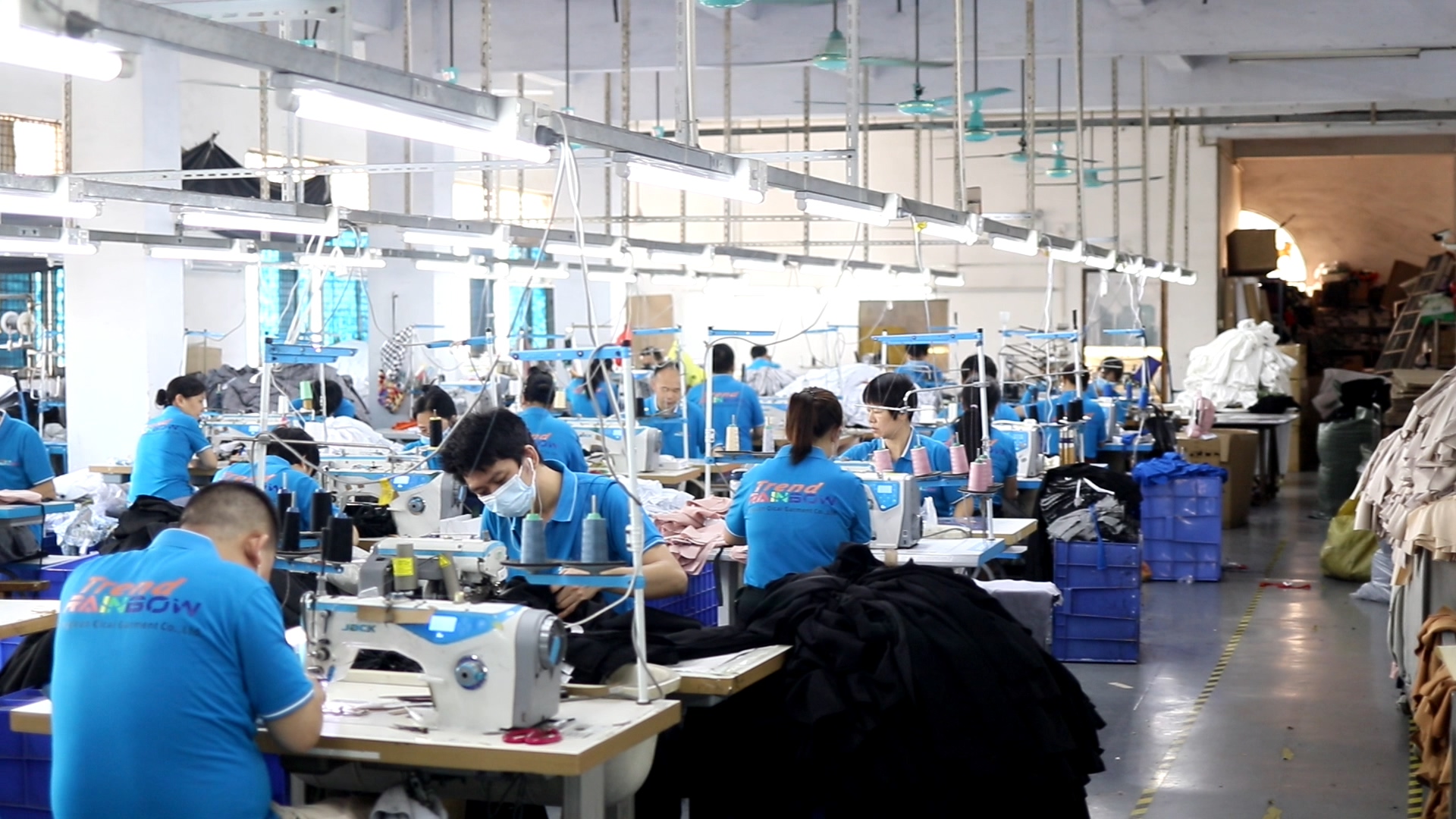
What sets MENWILD apart is our fit-first philosophy. Big and tall garments aren’t simply scaled-up versions — they demand specialized 2XL–6XL pattern grading and proportion adjustments built specifically for larger, taller bodies. Our in-house garment washing and dyeing service, combined with embroidery, screen printing and full decoration capabilities, ensures every piece leaves our facility finished, branded and ready to sell. We operate as a private label menswear manufacturer and OEM partner, not just a finishing subcontractor.
From tech-pack development and fabric sourcing to sampling, bulk production, quality control and global logistics, MENWILD operates as your long-term OEM apparel manufacturer and private label menswear partner — not just a supplier. Whether you’re launching a capsule collection, sourcing wholesale big and tall clothing, or scaling an established brand, we bring 28+ years of expertise to every order.
Our Garment Washing and Dyeing Service — From Lab Dips to Bulk Production
In-House Lab Dips for Precise Color Matching
Before any bulk run, our in-house lab develops custom dye recipes and wash formulas tailored to your fabric and color specifications. You receive physical lab-dip samples for approval, ensuring every shade matches your vision before production begins.
- Physical lab-dip samples sent for approval before bulk production
- Custom dye recipes developed for your exact fabric and color requirements
- Multiple iterations available until color and wash effect are perfect
- All recipes stored on file for consistent re-orders
Bulk Wash and Dye Production Lines
Our dedicated garment washing and dyeing production lines handle volumes from 100 pieces to tens of thousands per month. Industrial washing machines, dye vats and finishing equipment ensure uniform color, texture and effect across every garment in your order.
- Monthly capacity exceeding 80,000 finished pieces across all lines
- Industrial washing machines and dye vats for uniform results
- Scalable from 100-piece minimums to large wholesale production runs
- Specialized equipment for acid wash, stone wash, enzyme, tie-dye and garment dye
Quality Control at Every Stage
Every batch undergoes in-line inspection during washing, dyeing and finishing. Our QC team checks color consistency, fabric hand-feel, shrinkage control and durability before garments move to packaging, ensuring only first-quality pieces reach your customers.
- In-line quality checks during washing, dyeing and finishing stages
- Color consistency verified against approved lab dips for every batch
- Fabric hand-feel, shrinkage and durability tested before packaging
- Defective or off-shade garments removed and reworked or replaced
Fast Sampling and Recipe Storage
Receive wash and dye samples in as little as seven to ten days. Once approved, we store your color recipes, fabric records and process parameters on file, making re-orders faster, more consistent and eliminating the need to restart development.
- Wash and dye samples ready in seven to ten days
- Color recipes and process parameters stored on file for re-orders
- Fabric records kept to ensure consistent sourcing across production runs
- No need to restart development — re-orders ship faster with guaranteed consistency
OEM Garment Washing & Dyeing — From Lab Dips to Bulk Production
Most dyeing services treat big & tall as an afterthought and require high minimums. MENWILD combines specialist extended-size expertise with flexible MOQs, in-house quality control, and 28+ years of garment finishing experience — so your collection launches faster, fits better, and scales with confidence.
← 左右滑动查看 →
Our Garment Washing and Dyeing Service Production Timeline
From raw fabric to finished, washed and dyed garments ready to ship — every step includes quality checkpoints to ensure consistent color, texture and fit across your entire big and tall menswear order.
Fabric Sourcing & Inspection
We source cotton, denim, fleece or jersey from trusted mills, inspect for weight and construction, and send swatches for your approval before cutting.
Cutting & Sewing
Patterns graded 2XL to 6XL are cut and sewn with reinforced stitching, then inspected for construction quality before any wash or dye treatment.
Pre-Wash Quality Control
Each garment is checked for loose threads, stitch integrity and sizing accuracy to ensure only clean, well-constructed pieces enter the wash process.
Wash & Dye Treatment
Garments undergo enzyme wash, stone wash, acid wash, garment dye or tie-dye in controlled batches, with time and temperature monitored for consistent results.
Post-Wash Inspection & Decoration
Washed pieces are inspected for color uniformity and texture, then move to embroidery, screen printing or DTG if decoration is part of your order.
Final QC, Packing & Shipping
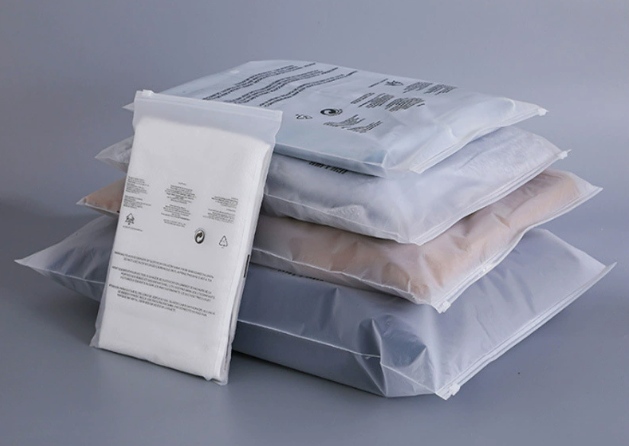
Every garment is measured, checked against your tech pack, folded with custom labels and hang tags, then packed and shipped to your destination.
How to Partner With MENWILD for Garment Washing and Dyeing
From concept to shipment, our streamlined process makes it easy to launch custom-washed and dyed big & tall menswear with low MOQ and expert support at every step.
Submit Your Tech Pack or Design Idea
Share your garment specifications, wash or dye technique, color references and fabric details. Our team reviews your project and confirms feasibility, timeline and MOQ from 100 pieces per style and color.
Request Lab Dips and Sample Garments
We prepare lab dips to match your color standards and produce sample garments with the specified wash or dye treatment, giving you a tangible preview before bulk production begins.
Approve Color, Fit and Finish
Review samples for color accuracy, garment fit across 2XL to 6XL sizing and finishing quality. Request adjustments until every detail meets your brand standards and extended-size proportions are perfect.
Place Your Bulk Order
Confirm quantities, finalize payment terms and submit your deposit. We schedule production, source approved fabrics and prepare patterns and graded size sets from our records for fast, consistent manufacturing.
Production, QC and Global Shipment
Your garments move through cut and sew, washing or dyeing, in-line quality control and final inspection. Once approved, we handle packaging, export documentation and worldwide logistics to your door.
Certifications & Compliance for Garment Washing and Dyeing Service
Big & Tall Brands Transformed by Our Garment Washing and Dyeing Service
MENWILD’s garment dyeing service helped us launch our 3XL–5XL capsule in just 8 weeks with perfect color consistency across 400 pieces. The enzyme wash finish gave our hoodies exactly the soft, lived-in feel we wanted.
We needed an exact color match for our workwear line expansion into big & tall sizes. MENWILD nailed the garment dye on the first lab dip and delivered 650 units that sold out in the first month.
Their acid wash and stone wash techniques brought our vintage denim concept to life in 2XL–6XL. We started with just 120 pieces to test the market — now we’re on our fourth reorder in six months.
Big & Tall Menswear Brands Powered by Our Manufacturing & Finishing Service
What is the minimum order quantity for your garment washing and dyeing service?
How long does it take to get samples with garment washing and dyeing applied?
Can you match a specific Pantone or custom color with your garment dyeing service?
Do you offer eco-friendly or sustainable garment dyeing options?
What payment terms do you offer for garment washing and dyeing orders?
How do you protect my designs and intellectual property during the wash and dye process?
Will garment washing or dyeing cause fabric shrinkage in my finished products?
How do you ensure color and wash consistency across re-orders?
What is the typical lead time for bulk production with garment washing and dyeing?
The Complete Buyer’s Guide to Garment Washing and Dyeing Service
Discover how to select the right garment washing and dyeing service partner for your menswear brand. Learn proven supplier criteria, quality benchmarks, customization options, and critical mistakes to avoid when outsourcing garment finishing.
1. What Is a Garment Washing and Dyeing Service?
Garment washing and dyeing service encompasses post-production finishing processes applied after cut-and-sew assembly to modify color, texture and hand-feel. Unlike fabric dyeing, which treats rolls before cutting, garment dyeing immerses finished pieces in dye baths to achieve uniform color or custom effects, while piece dyeing colors fabric yardage post-weave but pre-assembly. Industrial washing techniques — stone wash, enzyme wash, acid wash, softening and anti-pilling treatments — mechanically or chemically distress and soften garments to deliver vintage aesthetics, broken-in comfort and dimensional stability that raw fabric cannot provide.
Over 60% of premium denim and streetwear brands rely on third-party garment washing and dyeing service providers to achieve signature finishes without capital investment in industrial washers, dye vats and wastewater treatment. Outsourcing ensures batch-to-batch color consistency, Pantone-matched garment dyes and specialized techniques — tie-dye, garment overdye, brushing and napping — that differentiate collections in saturated menswear markets. For extended-size and big & tall labels, professional finishing also compensates for fabric shrinkage variability across 2XL to 6XL size runs, locking in final fit before shipping.
2. Evolution of Garment Washing and Dyeing Techniques
Manual indigo vat dyeing and stone-washing dominated denim finishing through the 1980s, using pumice stones and chlorine bleach to achieve worn-in aesthetics. Each wash cycle consumed 60–100 liters of water per kilogram of fabric, and heavy abrasion shortened garment lifespan while generating textile waste.
Enzyme washes arrived in the early 1990s, replacing stones with cellulase enzymes that softened cotton and lightened denim with less mechanical damage. By the 2000s, laser distressing and ozone finishing eliminated wet processing steps entirely for localized fading, cutting water use by up to 90 percent and cycle times from hours to minutes.
Waterless dyeing technologies — including supercritical CO₂ systems and digital pigment application — entered commercial production after 2010, driven by REACH regulations in the EU and California’s Proposition 65 restrictions on hazardous chemistry. Closed-loop water recycling and low-impact dye formulations became standard in compliant facilities, reducing effluent discharge by 70–95 percent.
Today’s garment washing and dyeing service providers integrate digital color-matching spectrophotometers, automated dosing and real-time pH monitoring to ensure batch consistency while meeting OEKO-TEX and ZDHC MRSL standards.
3. Types of Garment Washing and Dyeing Service
Garment washing and dyeing service splits into two core categories: mechanical and chemical washing techniques that age, soften or distress fabric, and dyeing methods that add or shift color after construction. Each serves distinct aesthetic goals, and many menswear pieces layer both for depth.
Washing Services
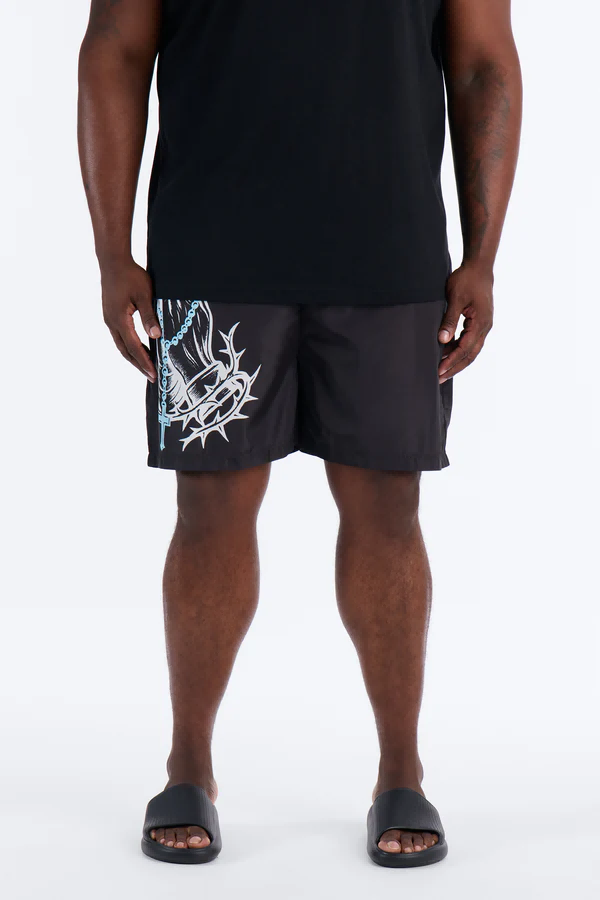
Stone wash tumbles garments with pumice or synthetic stones to abrade denim and twill, creating worn-in fades and soft hand; enzyme wash uses cellulase enzymes for gentler, more controlled aging on cotton denim, chinos and canvas jackets. Bleach wash lightens indigo denim dramatically, while acid wash delivers high-contrast marbling on heavyweight denim outerwear. Silicon wash coats fibers for permanent smoothness on knitwear, tees and activewear.
Choose washing when you want texture, vintage appeal or hand-feel improvement without changing base color.
Dyeing Services
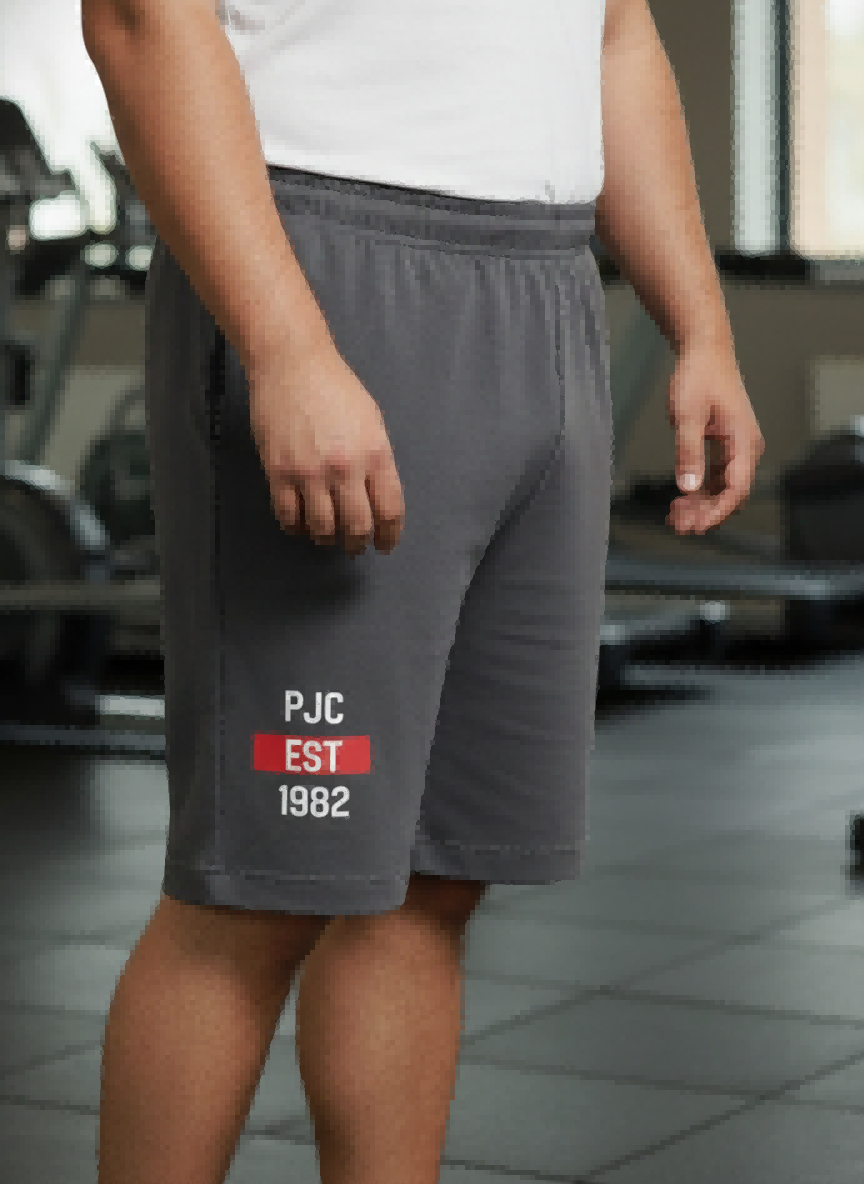
Reactive dyes bond chemically to cellulose fibers — cotton, linen, viscose — delivering bright, wash-fast color for tees, hoodies and chinos. Vat dyes, including indigo, penetrate deeply and fade beautifully on denim and workwear. Pigment dyes sit on the surface, yielding vintage, uneven tones on garment-dyed fleece and outerwear; sulfur dyes offer muted, earthy hues for military-inspired pants and jackets.
Select dyeing to unify fabric panels, refresh stock or create tonal depth across a collection.
4. Materials and Fabrics Compatible with Garment Washing and Dyeing Service
Not every fabric responds the same way to industrial washing and dyeing. Fiber chemistry, weight and construction determine which processes deliver consistent color, hand and dimensional stability across production runs.
| Fabric Type | Compatible Methods | Typical Shrinkage | Recommended Use |
|---|---|---|---|
| 100% Cotton Jersey | Enzyme, garment dye, stone wash | 3–5% | Tees, hoodies, basics |
| Cotton-Poly Blend | Enzyme, light garment dye | 2–4% | Performance tees, activewear |
| Heavyweight Denim | Stone, acid, enzyme wash | 5–8% | Jeans, jackets, workwear |
| Linen & Tencel | Enzyme, garment dye | 4–6% | Shirts, summer styles |
| Wool & Knits | Enzyme, anti-pill wash | 3–5% | Sweaters, outerwear |
Fiber Reactivity and Dye Compatibility
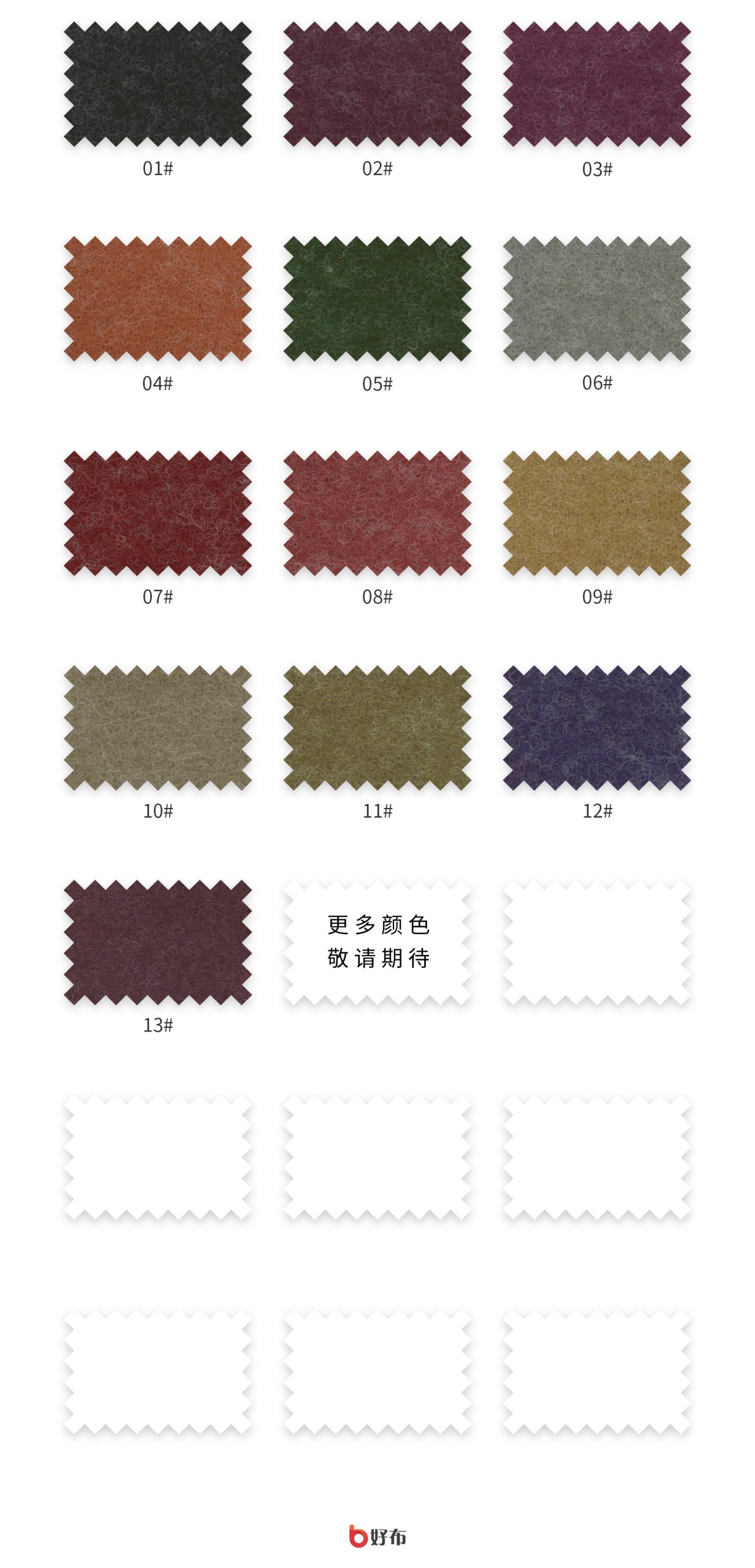
Natural fibers — cotton, linen, Tencel, modal and wool — accept reactive and vat dyes because their molecular structure bonds with water-soluble colorants. Polyester and synthetic blends require disperse dyes that migrate into the fiber under heat.
Polyester-cotton blends demand two-stage dyeing or compromise saturation. Pure cotton and cellulosic fibers yield the deepest, most even garment-dye results, while 50/50 poly-cotton blends show lighter, heathered tones after the same cycle.
Fabric Weight and Construction Impact
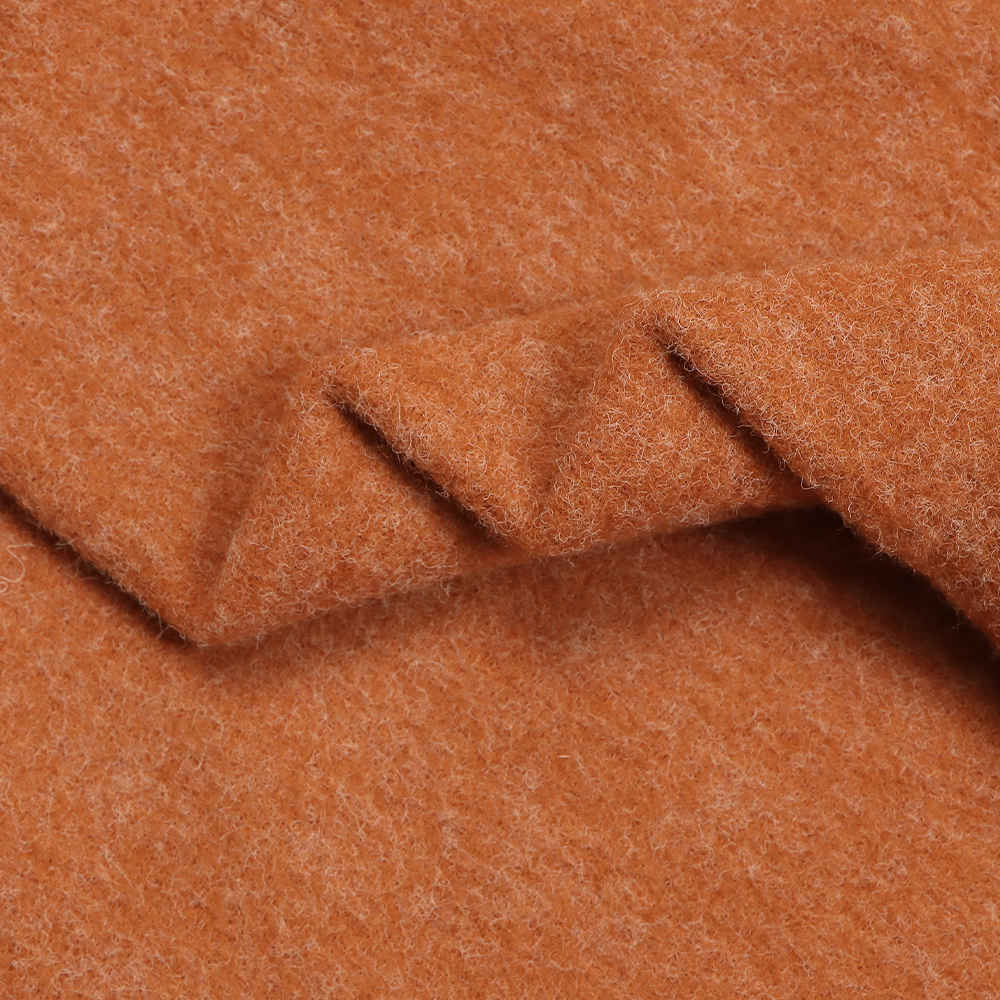
Lightweight 160–180 GSM jersey shrinks 3–5% and dries faster, making it ideal for garment-dye tees and soft-wash hoodies. Heavyweight 12–14 oz denim absorbs more water, extends cycle time and can shrink 5–8%, requiring pre-shrink calculations in pattern grading.
Knit fabrics — jersey, French terry, fleece — relax and soften uniformly in enzyme and garment-dye washes. Woven twill, denim and shirting hold structure better but show more pronounced fading and crease patterns in stone and acid washes.
5. Customization and Branding Options in Garment Washing and Dyeing Service
Garment washing and dyeing service unlocks brand differentiation through custom color recipes, localized distressing and finish protocols that preserve logos and branding. Customization extends beyond the wash floor into hang tags, care labels and storytelling that communicate heritage techniques and sustainability commitments.
Custom Color Recipes and Pantone Matching
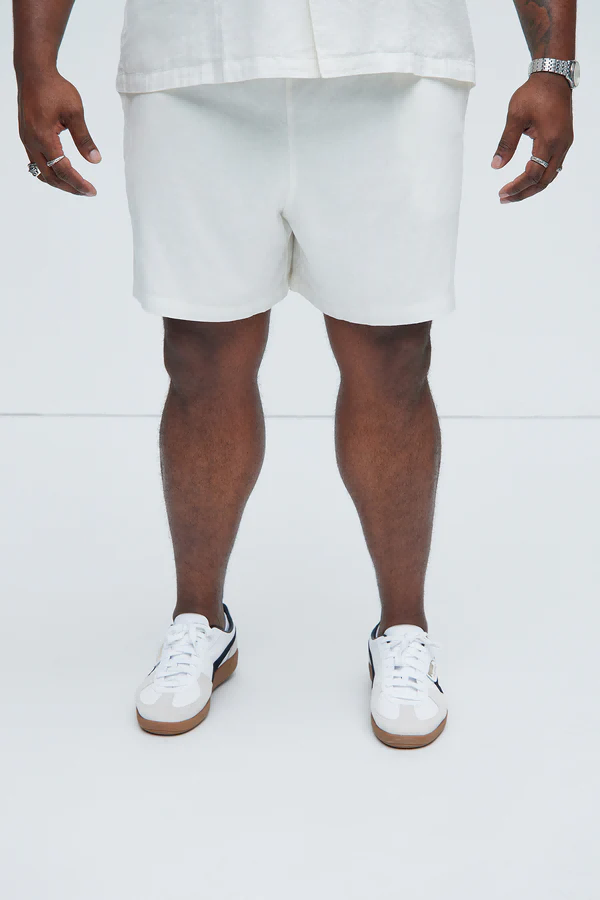
Pantone matching ensures garment-dyed pieces hit exact seasonal palette targets, with dye labs formulating custom recipes to match brand swatches. Most factories maintain color libraries for repeat orders, reducing lead time on re-runs.
Seasonal palettes — earth tones, pastels, neons — require batch testing on the target fabric and construction before bulk production. MENWILD archives dye formulas and fabric records for every client, guaranteeing consistency across capsule drops and multi-season collections.
Localized Distressing and Hand-Finishing Techniques
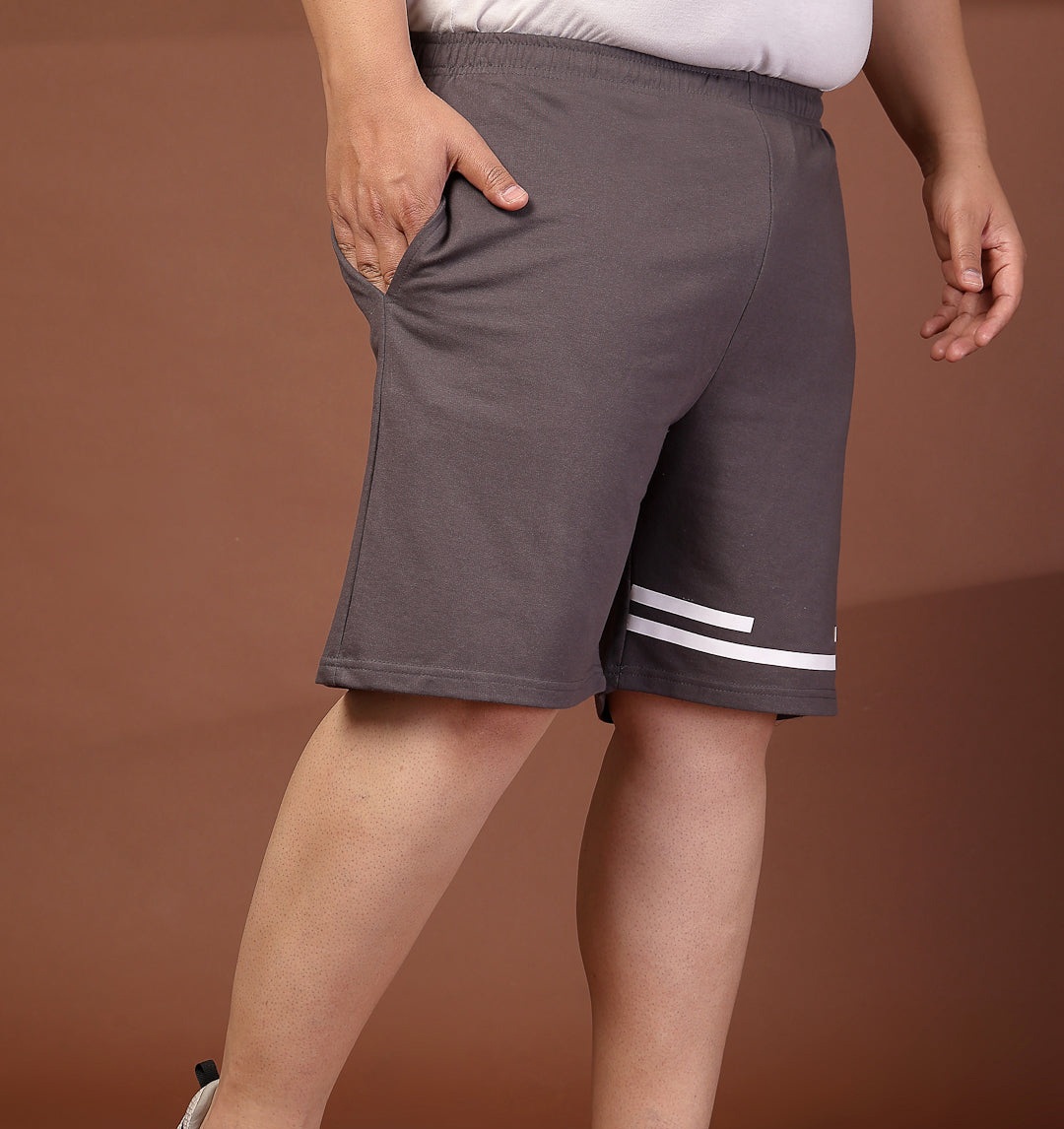
Hand-scraping, whiskering, sanding and enzyme spotting create signature wear patterns on denim, twill and heavyweight cotton. Each technique is maskable to protect screen-printed or embroidered logos, ensuring branding stays crisp while the garment ages.
MOQ for hand-finished distressing typically starts at 100–200 pieces per style due to labor intensity. Setup includes sample approval of placement maps, ensuring whiskers, stacks and abrasions align with your design intent and fit grading.
Branding Touchpoints and Storytelling
Hang tags referencing enzyme wash, garment dye or stone wash communicate craft and sustainability to end customers. Care labels can call out unique finishes — ‘Acid-washed in Dongguan’ or ‘Garment-dyed for soft hand’ — turning technical details into brand narrative.
Heritage techniques like indigo overdye, tie-dye and discharge printing offer storytelling angles that resonate with streetwear and workwear audiences. MENWILD’s design team collaborates on tag copy, finish names and packaging that amplify your garment washing and dyeing service choices into cohesive brand identity.
6. Key Quality Indicators for Garment Washing and Dyeing Service
Quality benchmarks separate professional garment washing and dyeing service from inconsistent finishing. Color fastness, dimensional stability, chemical safety and wastewater compliance protect your brand reputation and ensure every batch meets retail standards.
Color Fastness and ISO 105 Standards
ISO 105 test methods measure resistance to wash (X12), light (B02) and crocking or rub (X12). Garment-dyed pieces should achieve grade 4 or higher for wash fastness and grade 3–4 for light to prevent fading and color transfer.
Request lab reports from your garment washing and dyeing service provider before bulk production. MENWILD conducts in-house color-fastness checks and can arrange third-party ISO testing to confirm every dye lot meets your quality gate.
Dimensional Stability and Shrinkage Control
Industry-standard tolerance for shrinkage sits at ±3 percent across length and width after three home washes. Garment dyeing and enzyme washes relax fibers, so pre-shrinking or controlled heat-setting is essential.
Always approve a washed sample and measure critical points — chest, length, sleeve — before signing off. Patterns graded for big & tall men cannot afford unexpected shrinkage that ruins fit.
pH Balance and Chemical Compliance
Skin-safe pH ranges from 4.5 to 7.5; acidic or alkaline residues cause irritation and fail OEKO-TEX Standard 100 limits. REACH regulation in the EU restricts over 200 substances, including azo dyes and heavy metals.
Verify that your garment washing and dyeing service uses compliant auxiliaries and completes neutralization rinses. Ask for OEKO-TEX or REACH test certificates and wastewater treatment documentation to prove environmental responsibility.
7. How to Choose a Garment Washing and Dyeing Service Provider
Selecting the right garment washing and dyeing service provider determines product consistency, lead times and scalability. Evaluate capacity, certifications, technology and communication workflows before committing to production.
Production Capacity and MOQ Flexibility
Minimum order quantities range from 100 pieces per color at flexible factories like MENWILD to 1,000+ at high-volume mills. Confirm both floor and ceiling capacity — a provider maxing out at 5,000 pieces monthly cannot support growth beyond early-stage runs.
Turnaround for garment-dye samples typically spans 7–10 days; bulk runs require 15–25 days depending on wash complexity and queue depth.
Certifications and Compliance
GOTS certification verifies organic-compliant dyes and wastewater treatment; Bluesign ensures chemical safety; ZDHC MRSL compliance eliminates restricted substances. Request current certificates and test reports, especially for EU and North American retail channels where audit trails are mandatory.
Technology and Sample Approval Workflow
Automated dosing systems and spectrophotometer color-matching reduce batch variation below ΔE 1.0. Ask whether the provider archives dye recipes digitally for consistent re-orders.
A structured sample-approval process — photo confirmations, physical swatches and pre-production samples — prevents costly bulk errors. Responsiveness within 24 hours and references from similar menswear brands signal reliable partnership.
8. Common Mistakes Buyers Make with Garment Washing and Dyeing Service
Even experienced buyers stumble when ordering garment washing and dyeing service. Five common pitfalls drive returns, damage brand reputation, and inflate production costs — yet all are avoidable with systematic pre-production checks.
Skipping Pre-Production Wash Trials
Many brands approve samples unwashed, then discover unexpected texture, hand-feel or color shifts in bulk. A single trial wash on your chosen fabric reveals shrinkage, surface change and final drape before you commit to thousands of pieces.
MENWILD runs enzyme, stone, acid and garment-dye trials on sample yardage, documenting every parameter so bulk runs match approved standards and eliminate costly surprises.
Ignoring Shrinkage Allowances in Pattern Grading
Garment-dyed tees can shrink 3–7 % in length and width; failing to add shrinkage to your pattern means finished goods land a half-size small. Graders must calculate wash-shrinkage into every size block, especially across 2XL–6XL where proportions are already critical.
MENWILD’s extended-size grading tables bake shrinkage allowances into each grade rule, ensuring post-wash measurements hit your spec across the full size run.
Choosing Price Over Compliance and Testing
The cheapest wash house may skip waste-water treatment, use non-compliant dyes or omit color-fastness testing — risks that surface only when a retailer’s lab flags your shipment. OEKO-TEX, GOTS or BSCI certification and third-party test reports cost more up-front but protect your brand and prevent chargebacks.
Verify certifications, request recent test data and tour the facility or ask for video proof of equipment and effluent systems before placing orders.
Failing to Specify Color-Fastness Requirements
Without written crocking, wash-fastness and light-fastness minimums, your garment-dyed hoodies may bleed onto customers’ skin or fade after two washes. ISO 105 grade-4 or higher for wash and crocking is standard for premium menswear; anything less invites returns.
MENWILD’s QC protocol includes color-fastness checks on every dye lot, with reports filed alongside your production records for traceability.
Neglecting to Test Washes on Trims
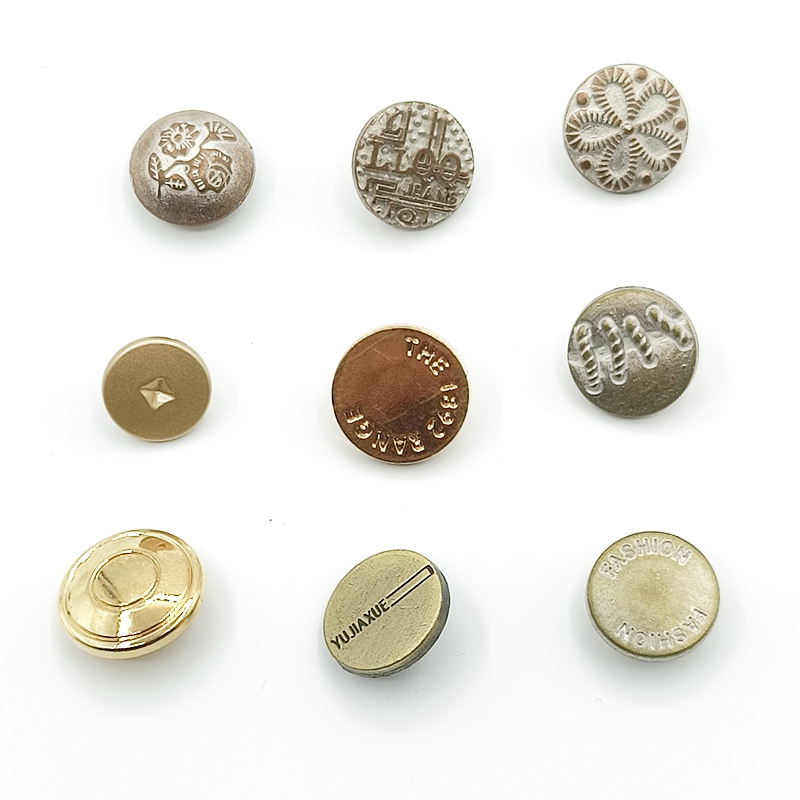
Buttons crack, metal zippers corrode and printed labels peel when exposed to stone wash or acid treatments. Always submit actual buttons, YKK zippers, woven labels and hang-tag hardware to the same trial wash as your fabric.
Request trim samples post-wash and inspect for discoloration, brittleness or adhesive failure; swap incompatible components before bulk cutting begins.
9. Steps to Launch Your Menswear Line with Garment Washing and Dyeing Service
Launching a menswear line with garment washing and dyeing service requires a clear roadmap from concept to reorder. Each stage — sampling, pilot production, quality control and scale-up — carries distinct timelines and budget allocations that brands must plan in advance.
Define Your Aesthetic and Target Finishes
Start by identifying the exact wash effects and dye tones that align with your brand identity. Reference existing garments, Pantone TPX codes or mood boards to communicate softness, distress level and color intensity.
MENWILD’s design team translates visual references into production-ready wash and dye recipes, ensuring every finish is achievable within your fabric and MOQ constraints.
Request Samples with Multiple Recipes
Order strike-offs and lab dips for at least three recipe variations per style. Compare enzyme strength, stone-wash cycles and dye concentration side by side before committing to bulk.
Allocate 10–15 days for sample turnaround and budget approximately 50–100 USD per garment sample, including fabric, construction and finishing trials.
Pilot Production and Quality Checks
Place a 100–300 piece pilot run to validate color consistency, shrinkage and hand-feel across the full size range. Conduct in-house inspections for shade variation, seam integrity and trim durability.
MENWILD maintains pattern and recipe records on file, accelerating reorders and seasonal color updates with minimal lead time once the pilot is approved.
10. Pricing and Cost Considerations for Garment Washing and Dyeing Service
Garment washing and dyeing costs vary by quantity tier, process complexity and fabric weight. At 100 pieces, basic enzyme wash or garment dye typically runs $2.50–$4.00 per unit, while multi-step finishes like stone wash with brushing can reach $5.00–$7.50. Setup fees for color recipe development and sample runs range from $150 to $400 per style, amortized across production volume.
Fabric weight directly impacts unit economics: heavyweight denim (12–14 oz) consumes more water, chemicals and machine time than lightweight jersey (150–180 GSM), adding $0.80–$1.50 per garment. Eco-certified processes — OEKO-TEX or GOTS-compliant dyes, low-water enzyme systems — carry a 15–25% surcharge but reduce environmental liability and appeal to sustainability-focused brands.
Rush orders under 14 days incur a 20–30% premium, while geographic location influences logistics: Dongguan-based facilities like MENWILD benefit from integrated supply chains, cutting turnaround by 5–7 days versus remote subcontractors. Volume discounts at 1,000+ pieces lower per-unit wash costs by 30–40%, making larger runs essential for margin-sensitive collections.
| Quantity Tier | Basic Wash/Dye (per unit) | Multi-Step Finish (per unit) | Setup Fee | Lead Time |
|---|---|---|---|---|
| 100 pcs | $2.50–$4.00 | $5.00–$7.50 | $150–$400 | 18–21 days |
| 500 pcs | $1.80–$3.00 | $3.50–$5.50 | $150–$400 | 16–19 days |
| 1,000 pcs | $1.40–$2.40 | $2.80–$4.20 | $100–$300 | 14–17 days |
| 5,000 pcs | $1.00–$1.80 | $2.00–$3.20 | $50–$200 | 12–15 days |
Ready to Start Your Garment Washing and Dyeing Project?
Low 100-piece MOQ, fast sampling, and 28+ years of big & tall expertise. Partner with MENWILD to bring your vision to life.