
Heat Transfer Printing Service for Big & Tall Menswear — 100-Piece MOQ
Professional heat transfer printing service with specialist 2XL–6XL pattern grading, fast sampling, and flexible low-MOQ production from a Dongguan manufacturer with 28+ years of experience.
Heat Transfer Printing Samples & Portfolio
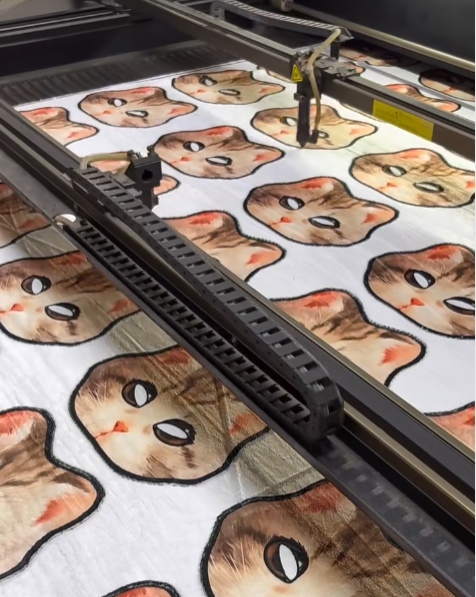
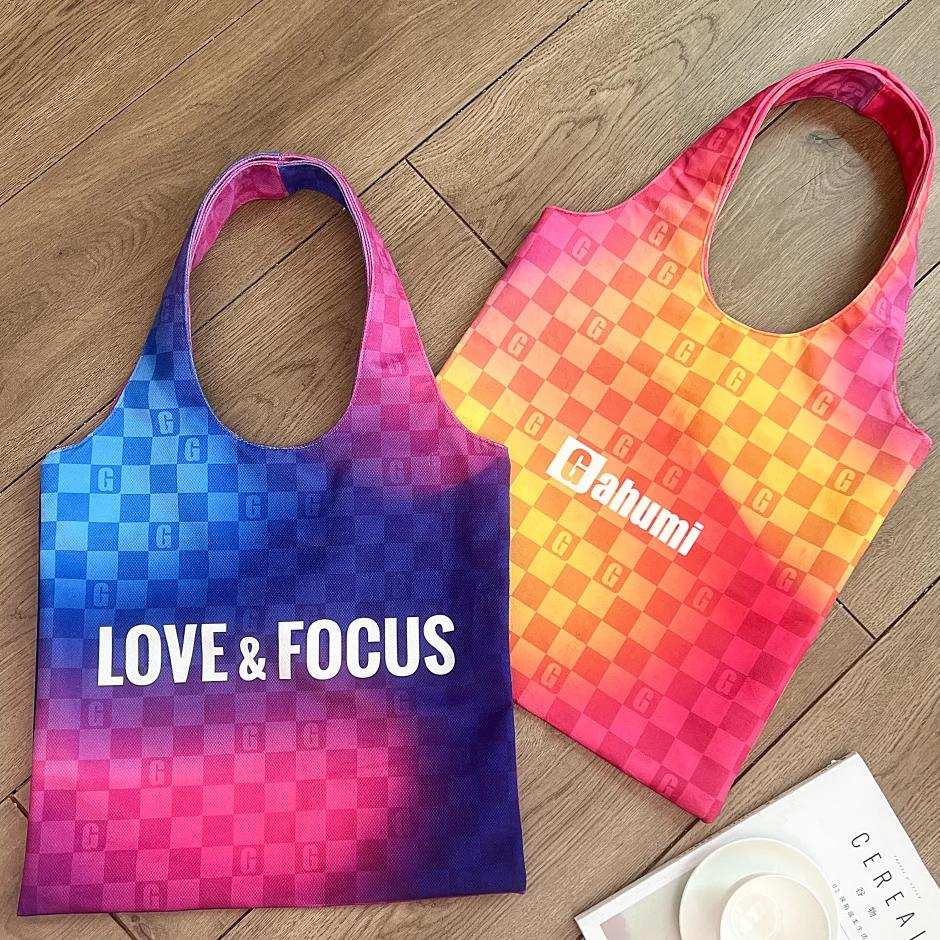
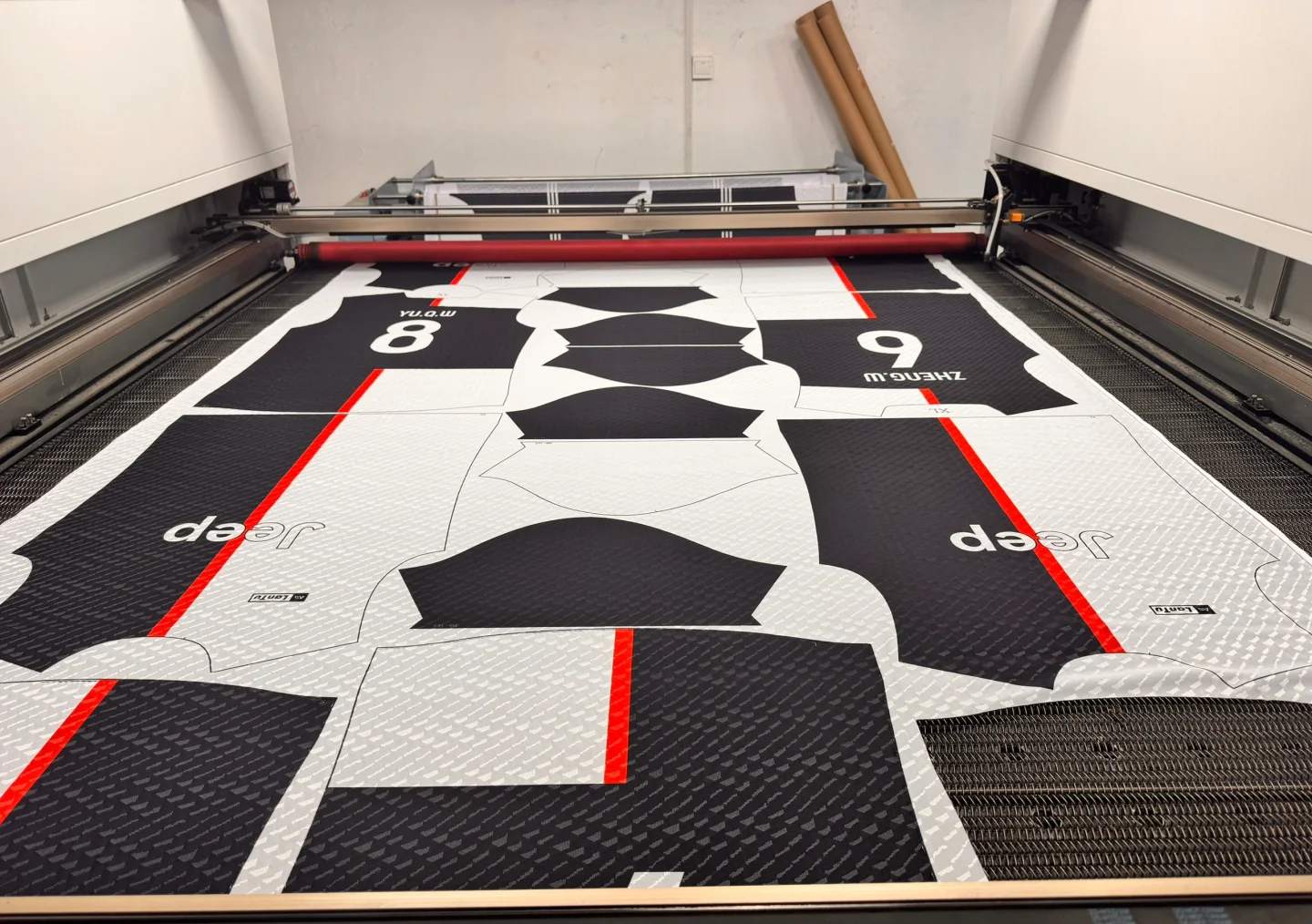
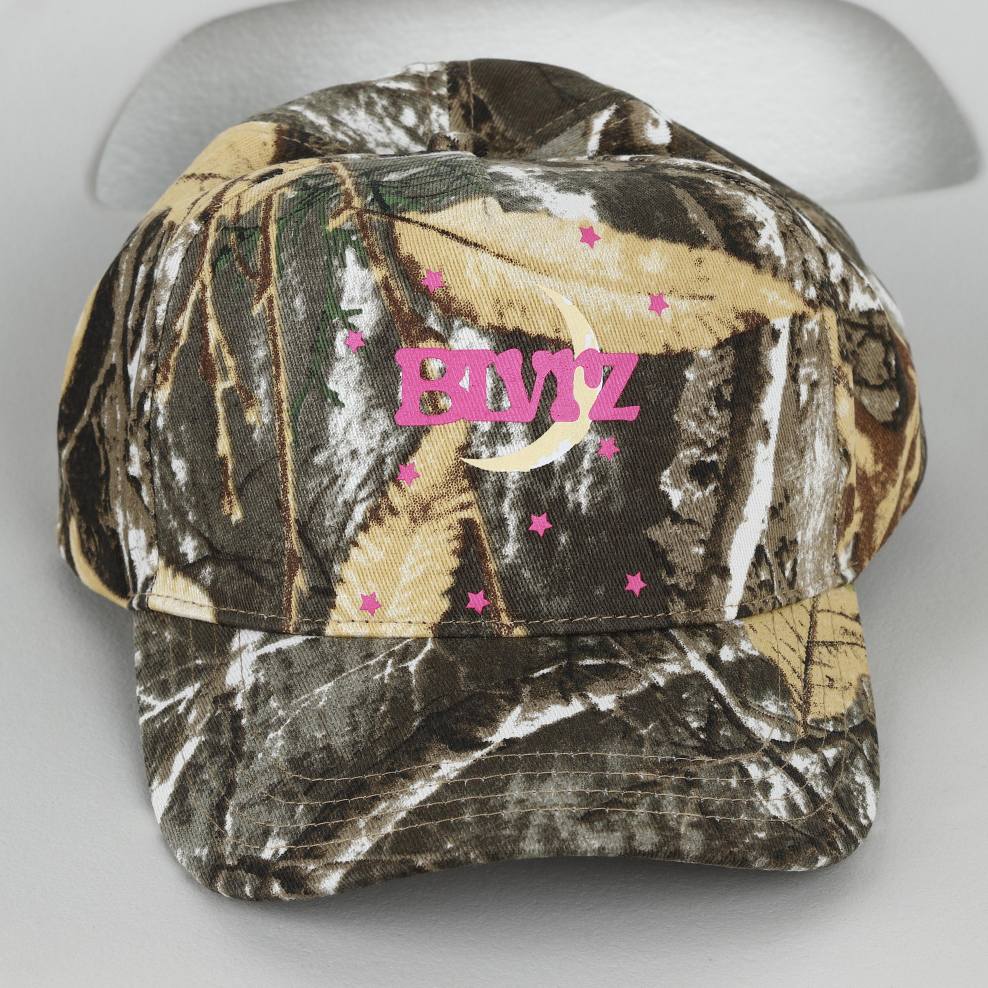
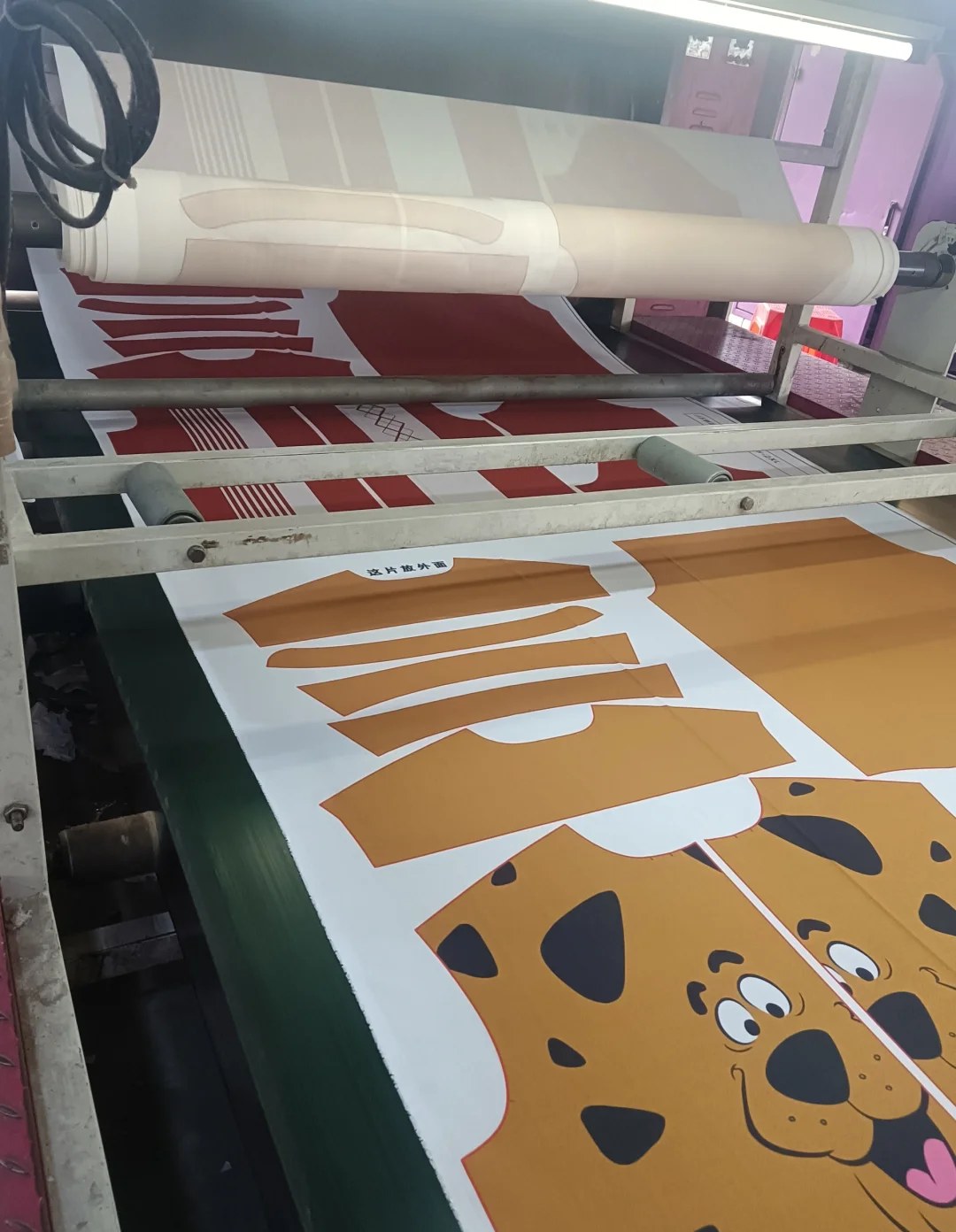
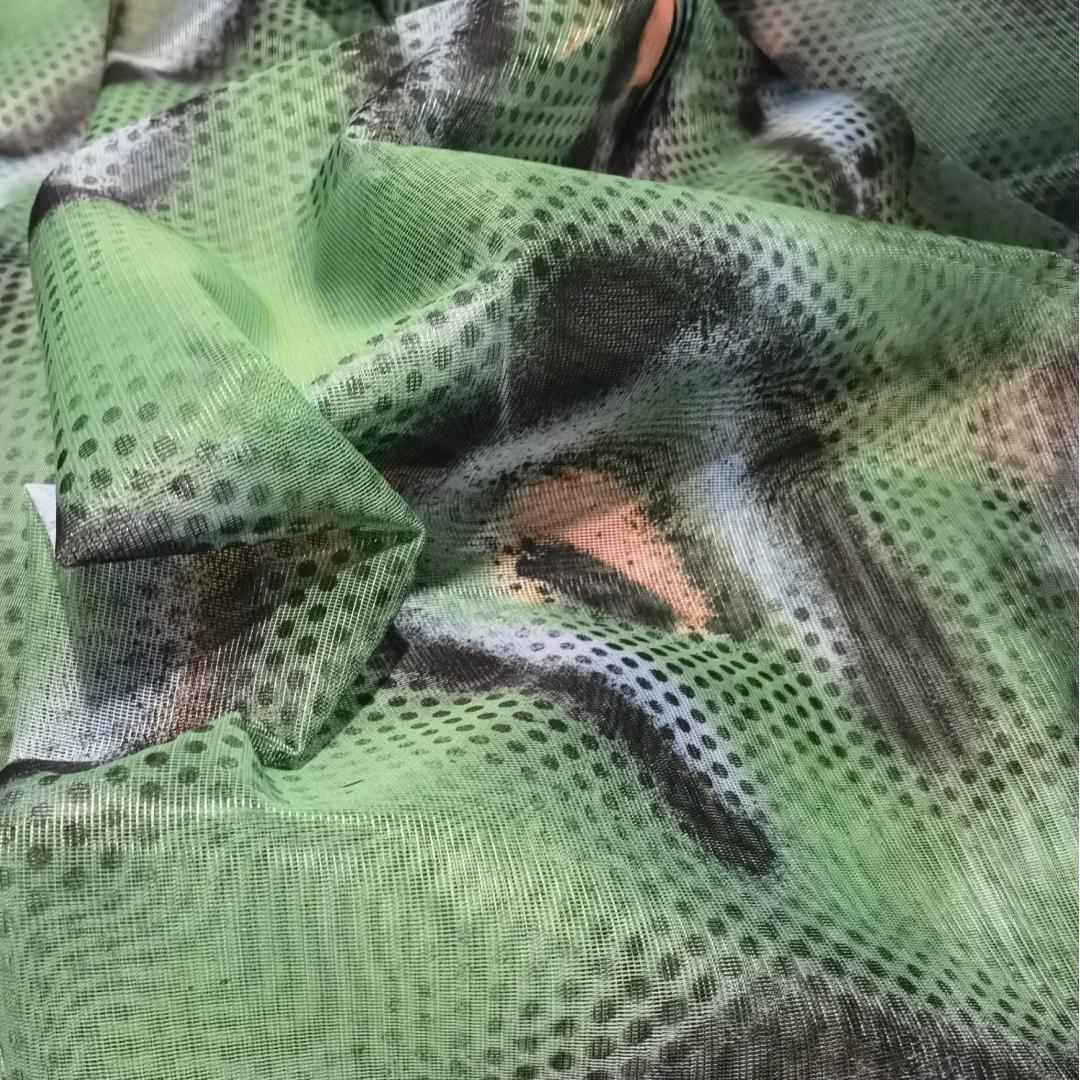
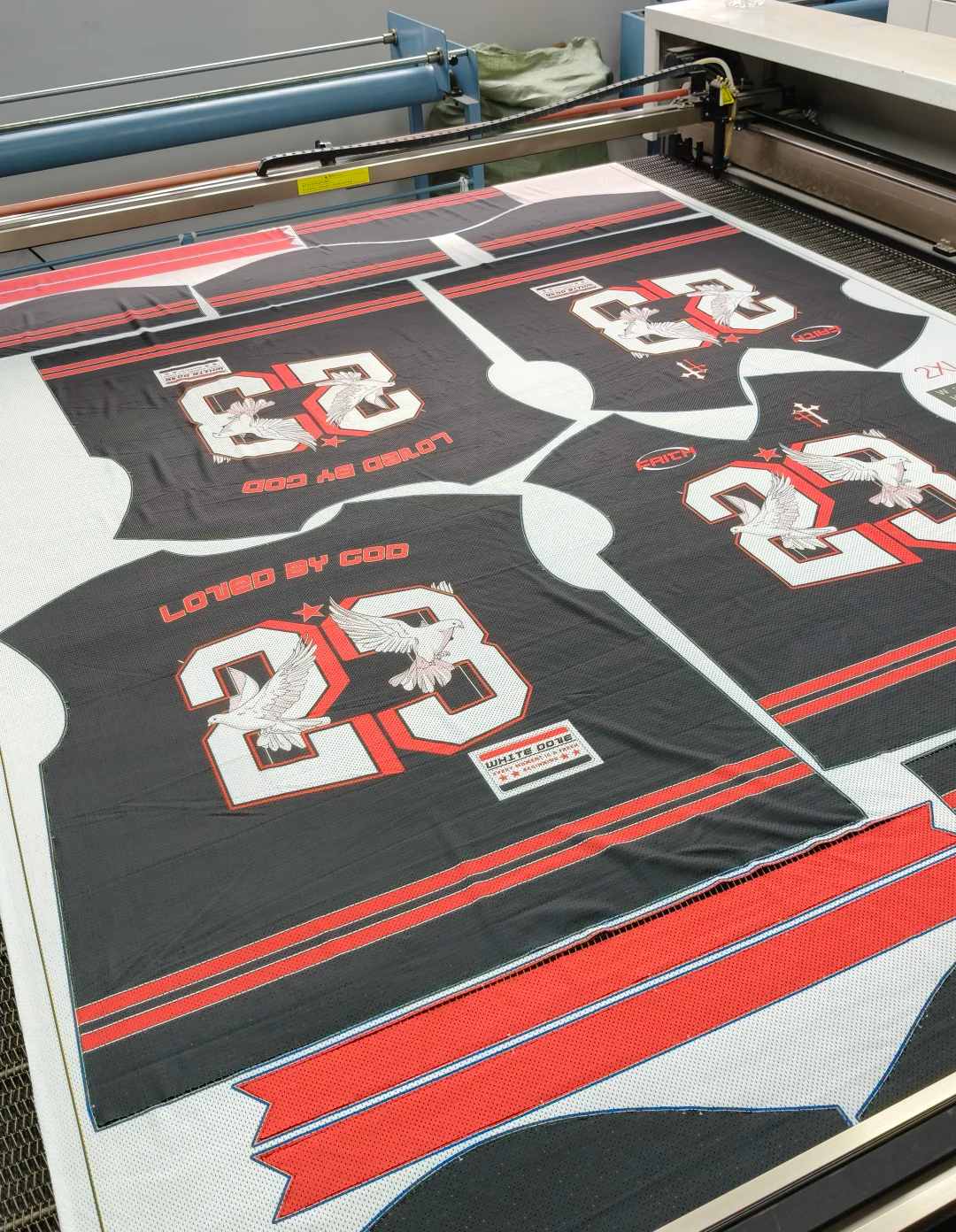
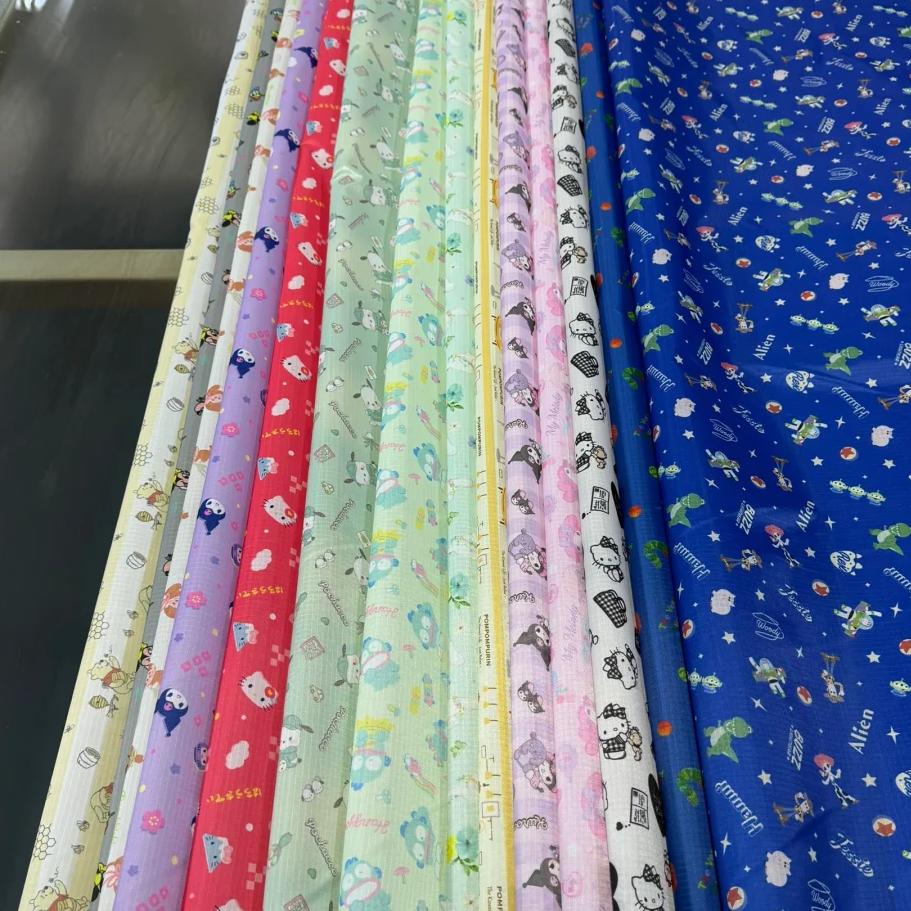
Why MENWILD’s Heat Transfer Printing Service Stands Apart
Specialist 2XL–6XL Grading
Expert 2XL–6XL pattern grading ensures heat transfer designs align perfectly on extended-size garments without distortion or misplacement across every size.
28+ Years Manufacturing Experience
Since 1998, MENWILD has refined heat transfer printing workflows for over 2,000 menswear brands, delivering consistent quality and reliable turnaround times.
Full In-House Decoration
Heat transfer, DTG, DTF, screen printing, embroidery and sublimation all under one roof — no outsourcing delays, complete quality control, faster sampling.
Fast Sampling & Development
Receive heat transfer samples within days. Our design team turns your concept, sketch or tech pack into production-ready garments quickly and accurately.
OEM, ODM & Private Label
Flexible partnership models from 100-piece MOQ. Bring your designs, co-develop new styles, or launch private-label collections with full branding support.
Certified Quality Standards
ISO-compliant production, fabric testing, in-line QC and final inspection ensure every heat transfer print meets durability, wash-fastness and safety standards.
Heat Transfer Printing Service Options for Every Design
From photorealistic graphics to durable logos, MENWILD‘s in-house decoration capabilities deliver the right technique for your big & tall menswear collection — all with 100-piece MOQ and fast sampling.
DTF Heat Transfer Printing
You need full-color, photorealistic graphics with fine gradients and detail on dark or light fabrics without the setup costs and color limits of traditional screen printing.
DTF heat transfer delivers vibrant, durable prints with unlimited colors, soft hand feel, and no minimums per design — perfect for testing new graphics or short-run collections.
Screen Printing for Volume
Your brand requires bold, opaque logos or text across hundreds or thousands of garments, and you need proven durability, wash-fastness, and cost efficiency at scale.
Multi-head screen printing in plastisol, water-based, puff, and specialty inks ensures consistent, long-lasting results across bulk orders with color-matched Pantone accuracy.
Dye Sublimation for Activewear
You're launching performance apparel or all-over-print designs on polyester, and traditional methods crack, peel, or add stiff layers that compromise breathability and stretch.
Dye sublimation infuses ink directly into fabric for permanent, lightweight, full-coverage graphics that move, breathe, and wash like the base fabric — ideal for sportswear and jerseys.
Embroidery for Premium Branding
Your collection demands a high-perceived-value finish — raised logos, monograms, or intricate designs that communicate craftsmanship and elevate brand positioning beyond printed graphics.
In-house flat, 3D puff, chain-stitch, and appliqué embroidery add texture, durability, and luxury appeal, with custom digitizing and sampling to perfect every stitch.
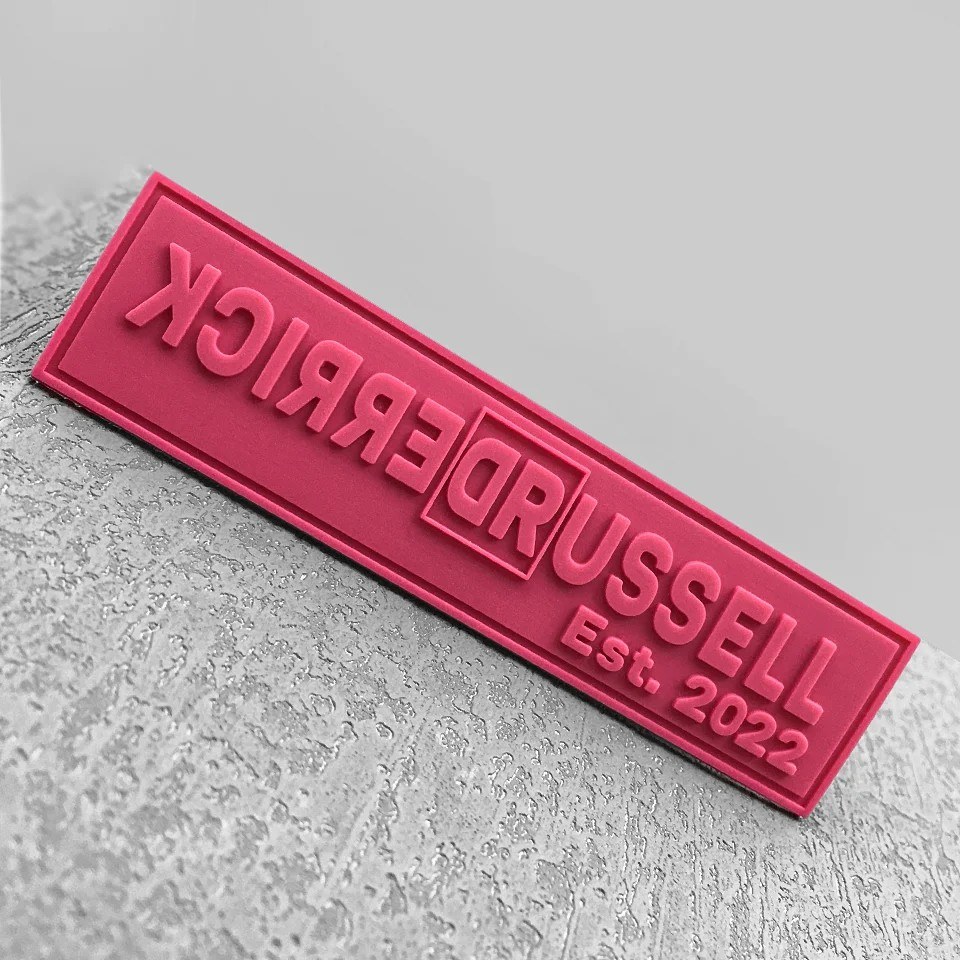
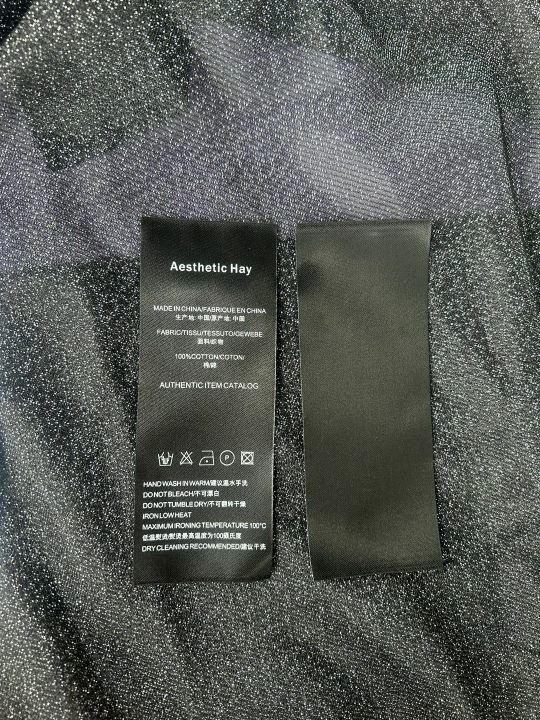
Custom Heat Transfer Labels
You want branded neck labels, size tags, or care instructions that are soft, tagless, and won't irritate skin, but woven labels add bulk and traditional printing fades quickly.
Custom heat-transfer labels deliver a clean, professional finish inside every garment — durable, wash-safe, fully customizable, and applied in-line during production for seamless branding.
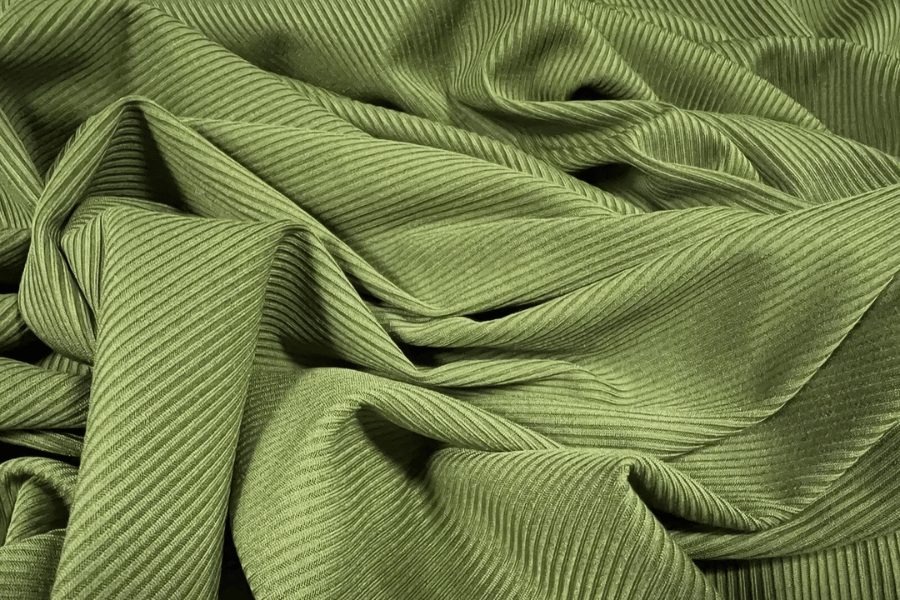
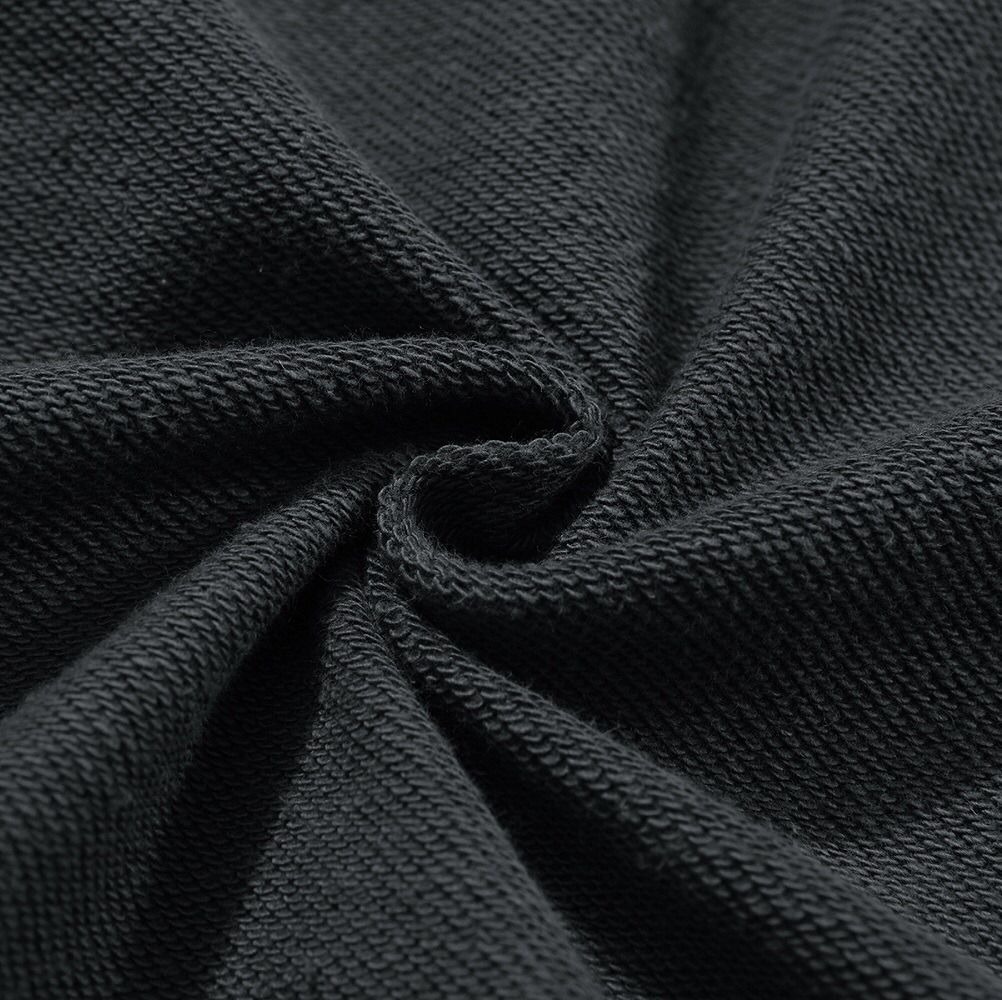
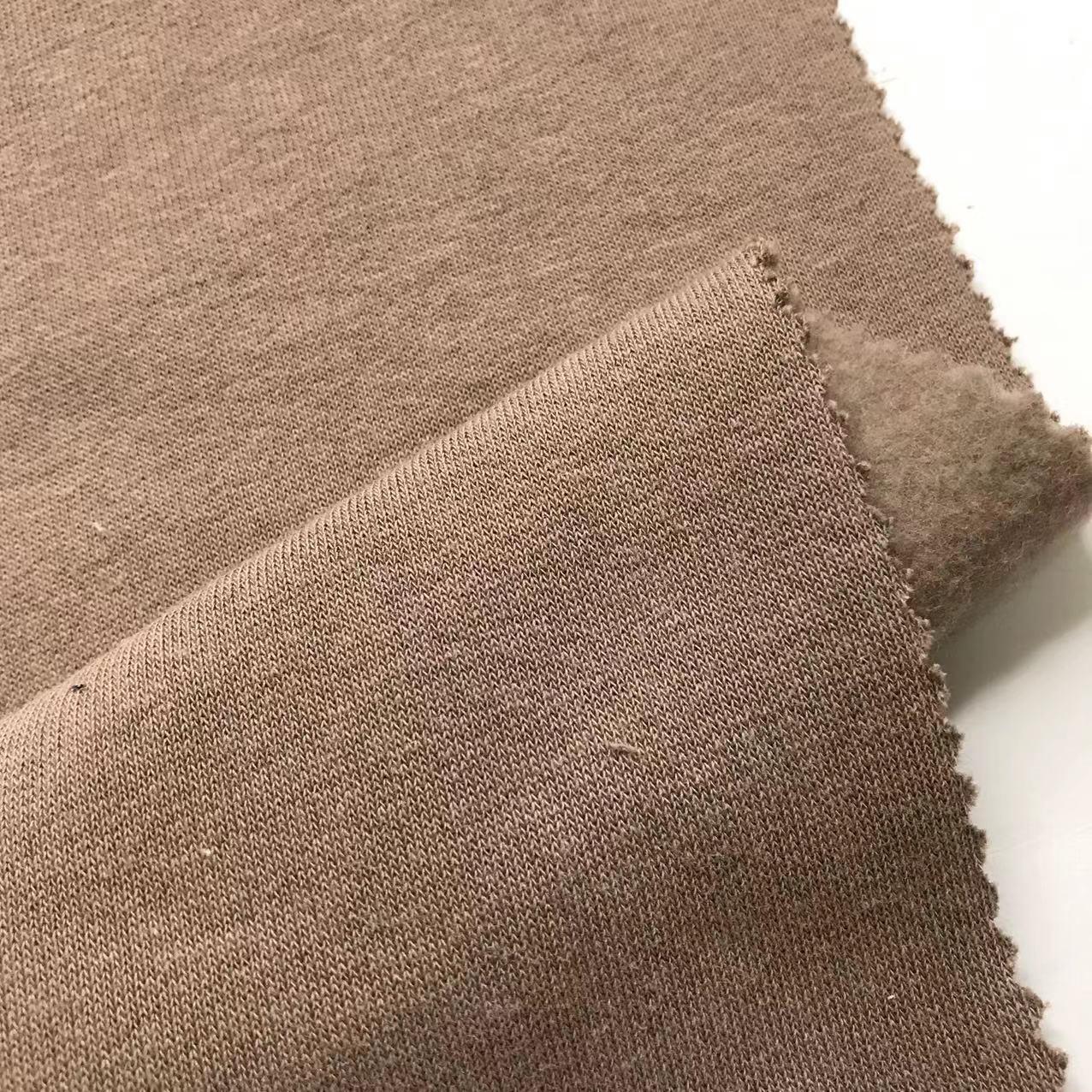
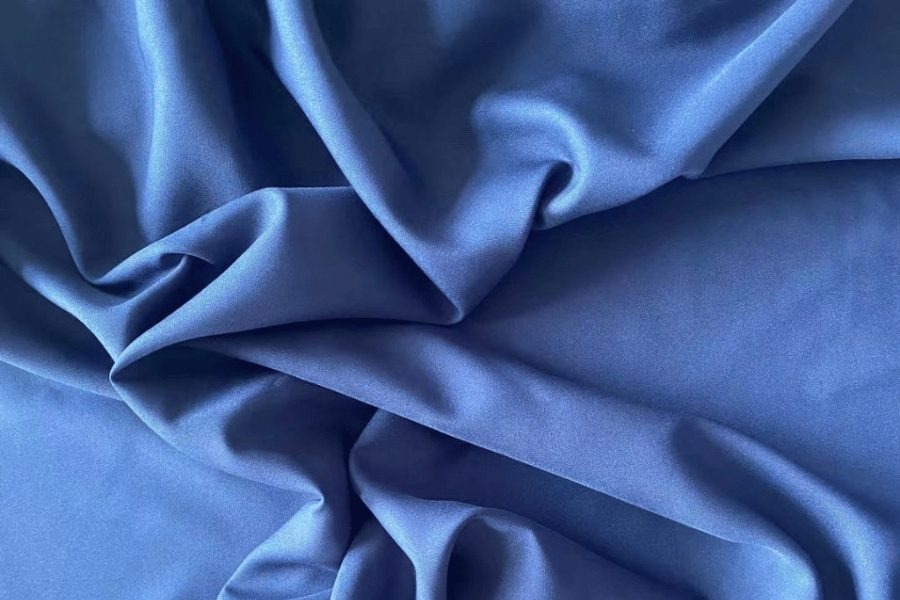
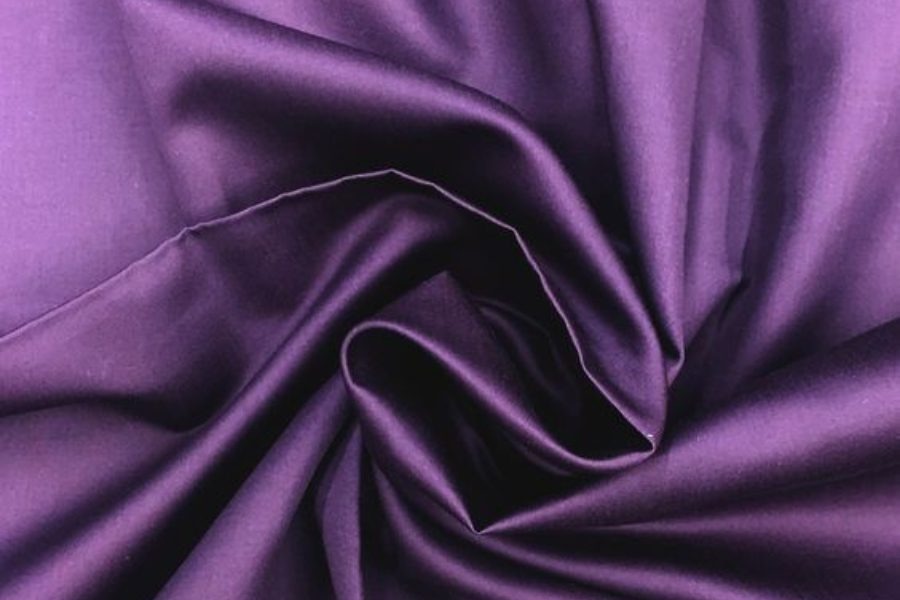
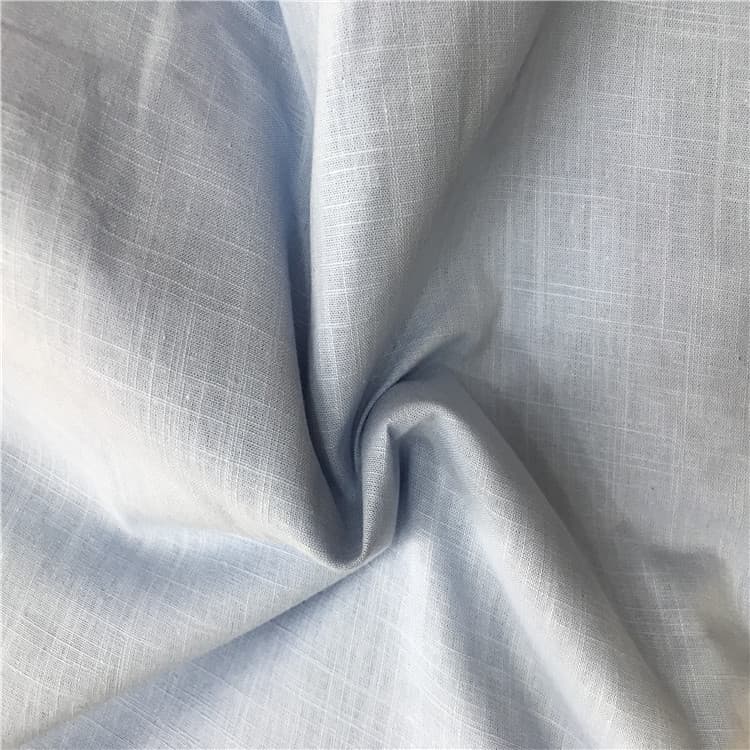
Fabrics We Work With for Heat Transfer Printing Service
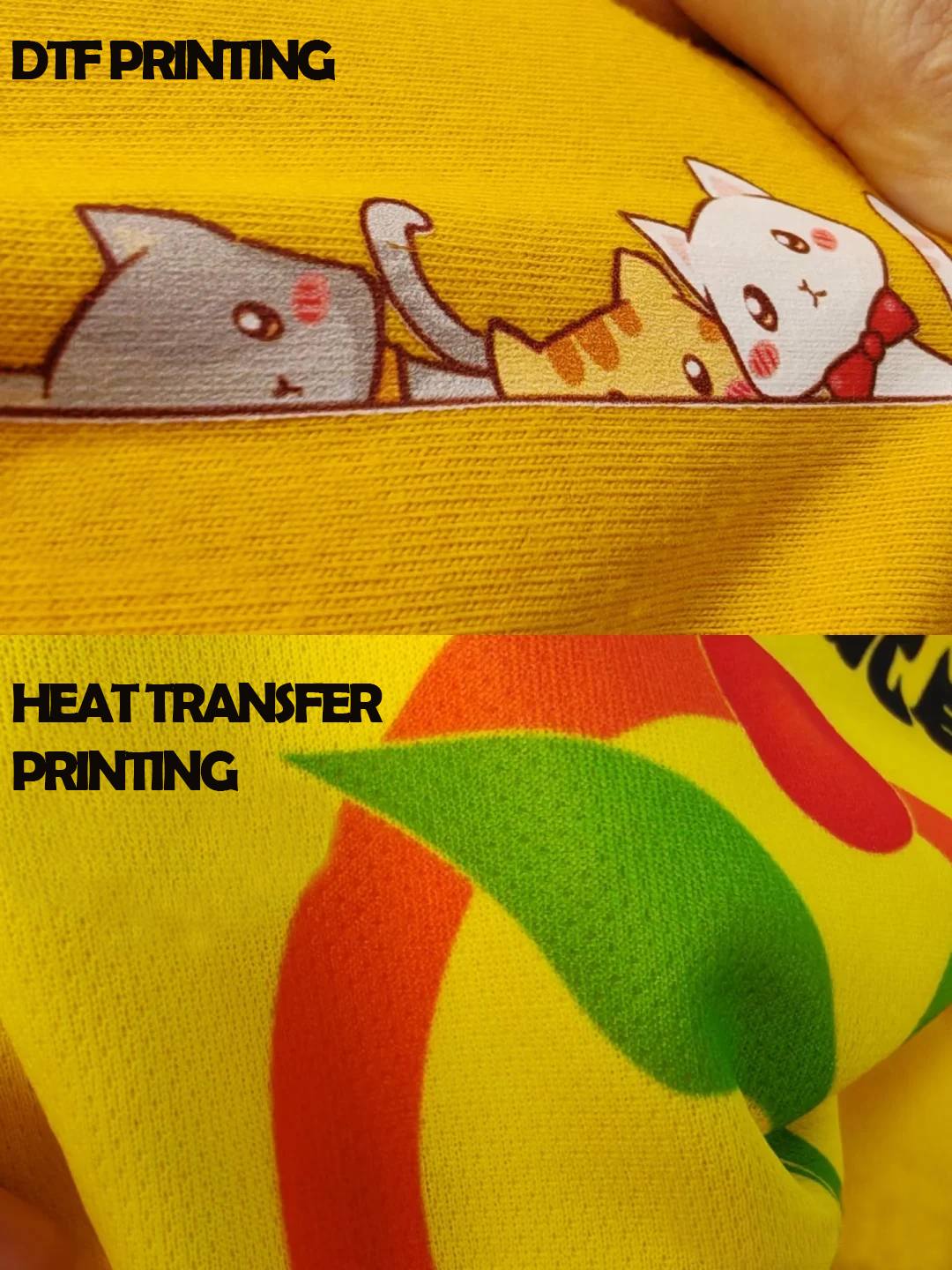
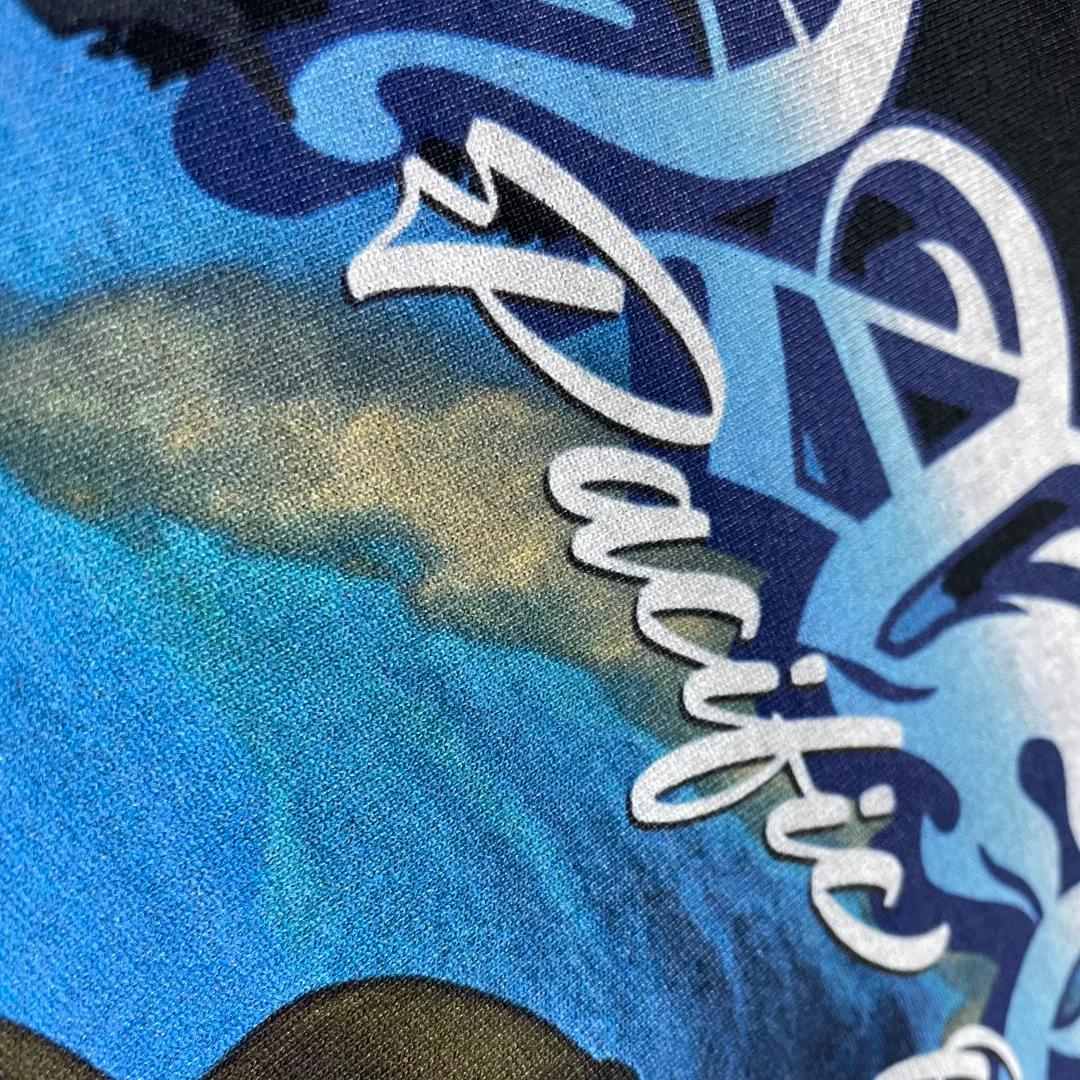
Heat Transfer & Decoration Techniques
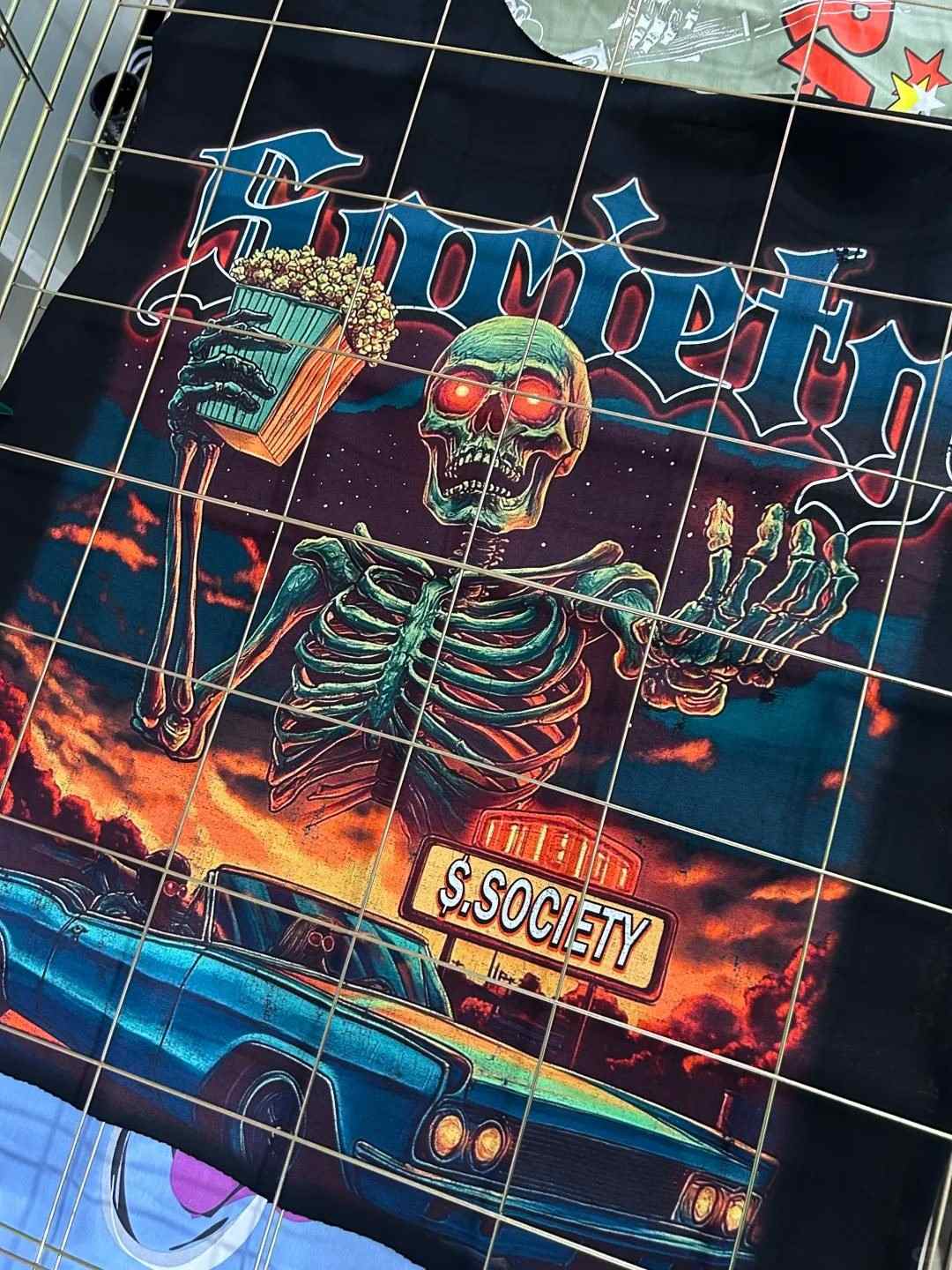
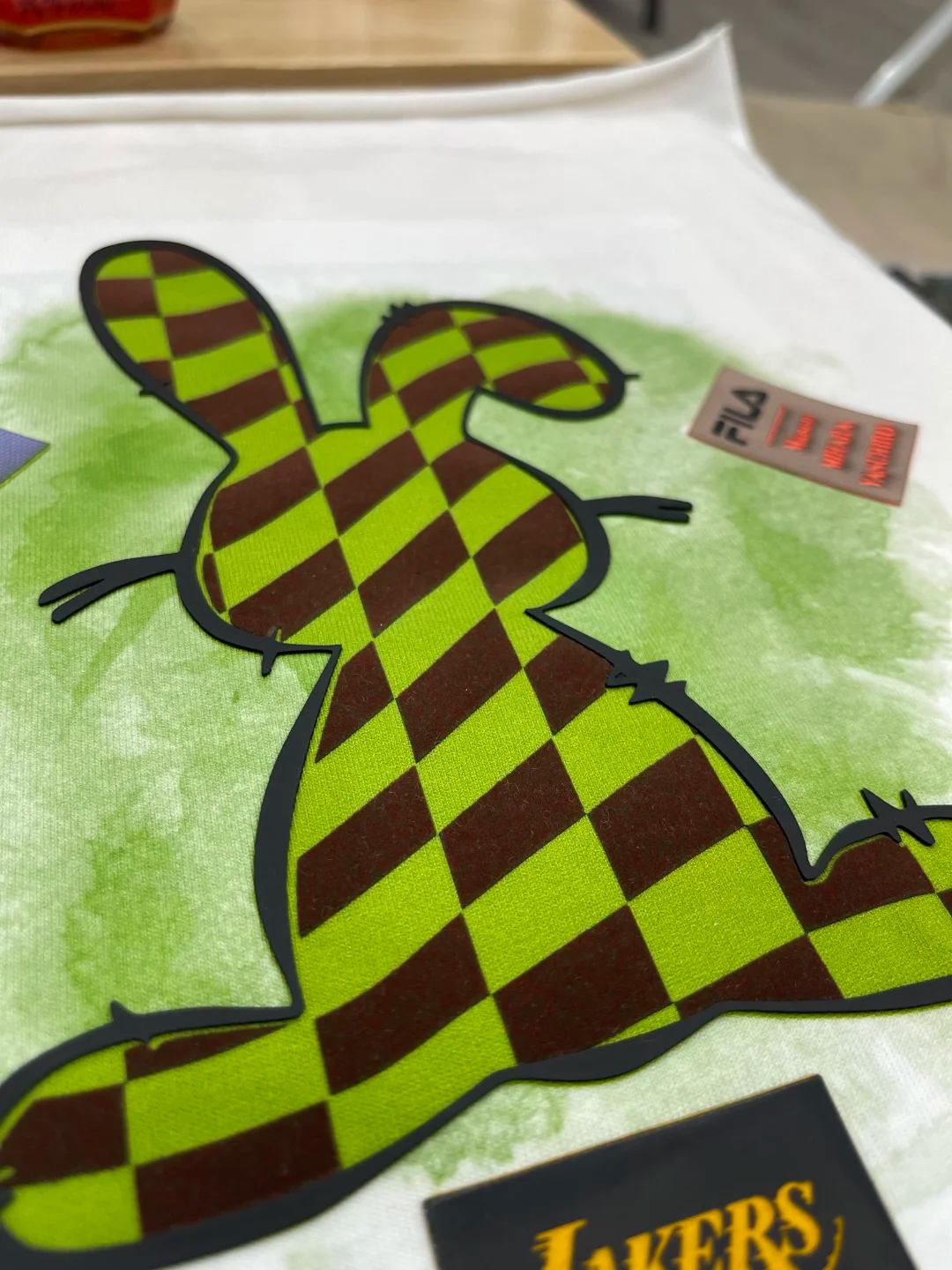
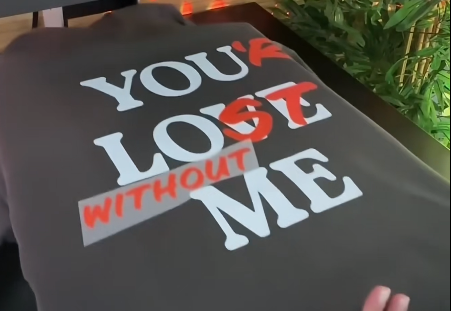
Custom Trims & Finishing for Heat Transfer Garments
28 Years of Big & Tall Menswear Manufacturing
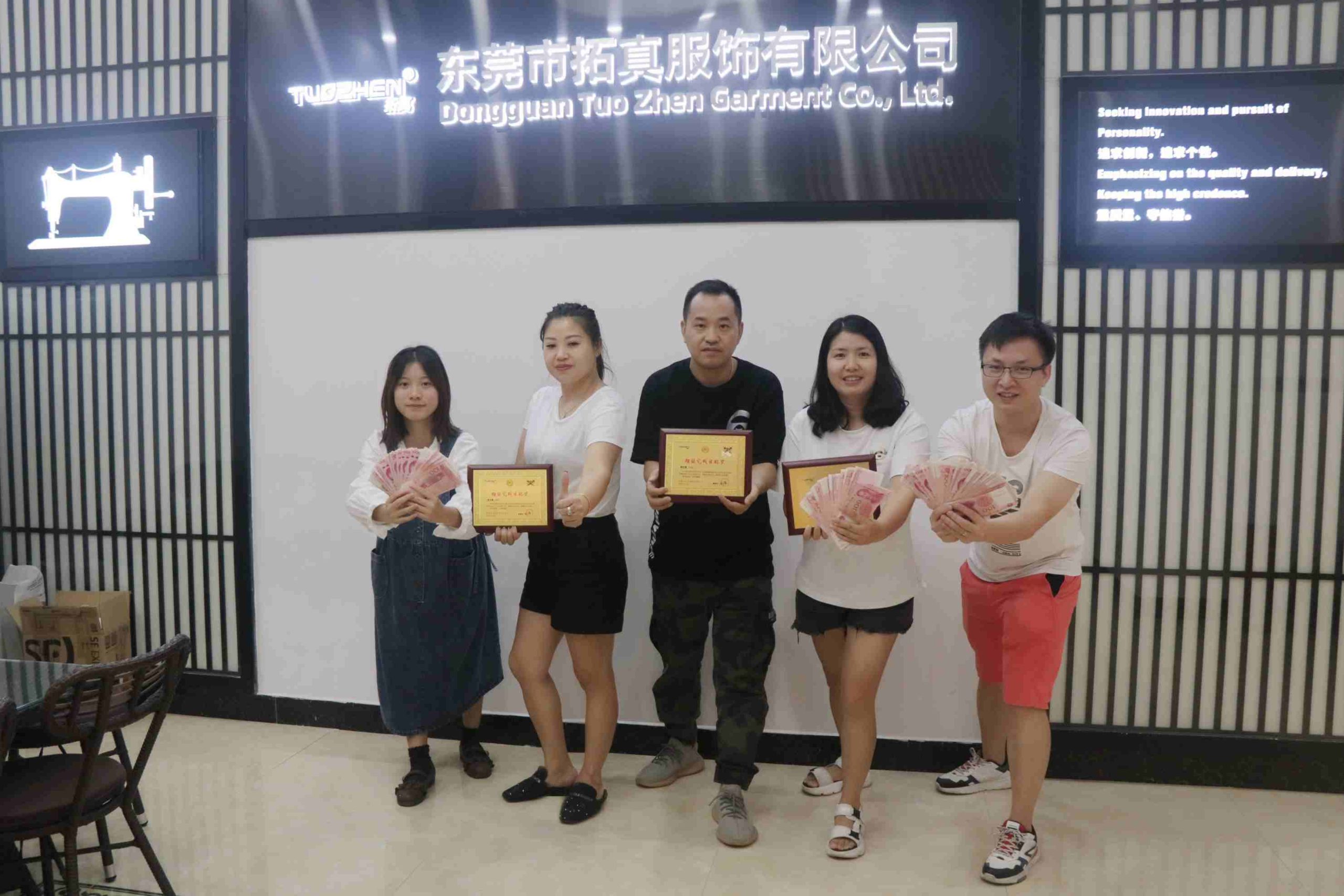
Founded in 1998 in Humen, Dongguan — the heart of China’s garment manufacturing hub — MENWILD has grown from a small cut-and-sew workshop into a full-service big & tall menswear manufacturer. Today, over 200 skilled employees and 80,000-piece monthly capacity support brands across the United States, Canada, Europe, Australia, Russia and the Middle East.
What sets MENWILD apart is a fit-first philosophy. Too many factories scale patterns up until proportions break. MENWILD develops genuine 2XL–6XL grading and fit refinement built specifically for bigger bodies, so sleeves, rises and silhouettes actually work. Over 2,000 brands have trusted MENWILD to turn concepts into production-ready menswear that fits.
Every heat transfer printing service, embroidery run and garment finish happens in-house. From design and fabric sourcing through sampling, decoration, quality control and export logistics, MENWILD delivers OEM, ODM and private-label menswear with MOQ from just 100 pieces per style and color — so brands can test products, reduce risk and grow with confidence.
Our Heat Transfer Printing Service: End-to-End Capabilities
Expert 2XL–6XL Pattern Grading & Fit
True big & tall menswear demands more than scaled-up patterns. MENWILD’s extended-size grading adjusts sleeve length, rise, shoulder width and body proportions across 2XL to 6XL so heat transfer prints sit exactly where intended on every size.
- Over 28 years refining big & tall and plus-size pattern libraries
- Graded size sets stored on file for fast, consistent re-orders
- Fit samples provided before bulk production to verify proportions
- Modern oversized streetwear and classic big & tall fits both available
In-House Heat Transfer and Full Decoration Suite
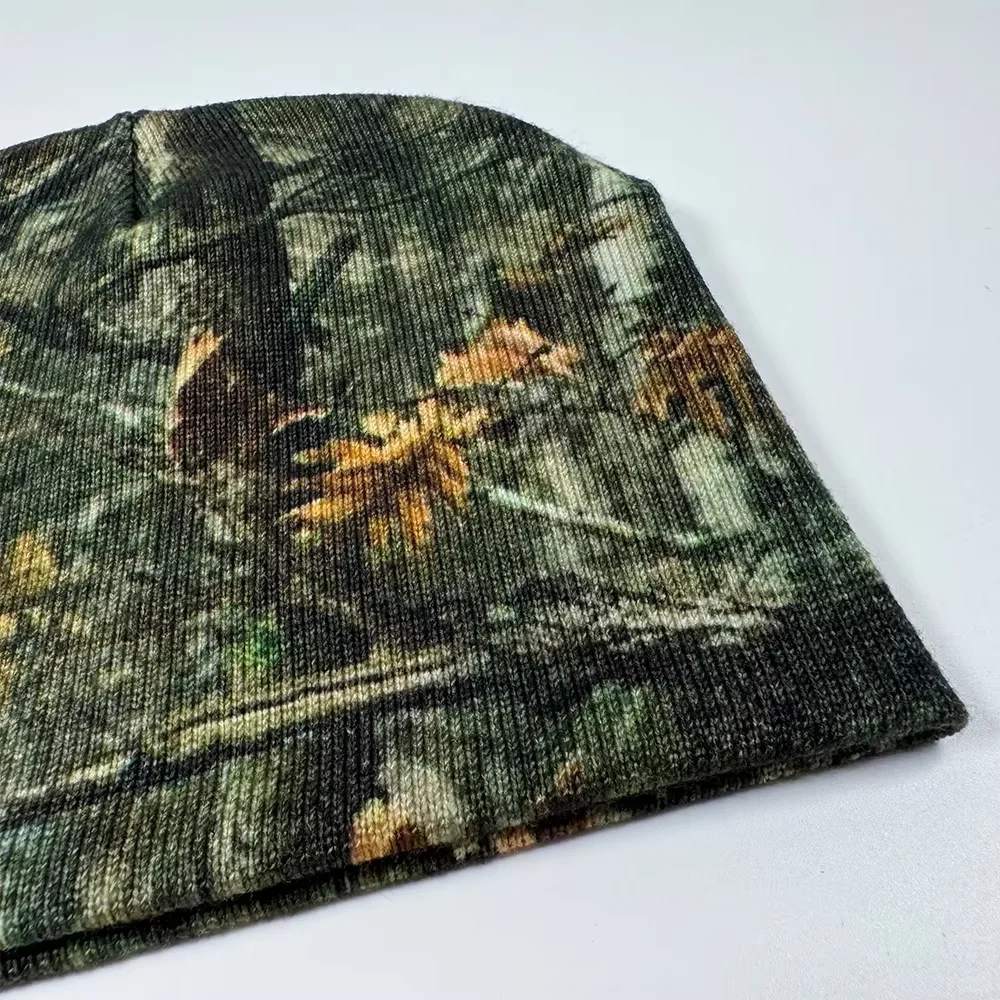
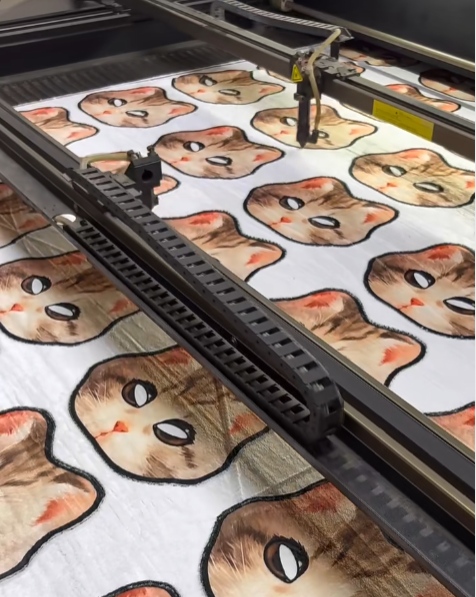
Every decoration method—heat transfer, screen printing, DTG, DTF, embroidery and dye sublimation—runs under one roof. No outsourcing delays. Your designs move from artwork approval to decorated samples in days, with full quality control at every step.
- Heat transfer for photorealistic graphics, gradients and fine detail
- Screen printing in plastisol, water-based, puff, discharge and foil
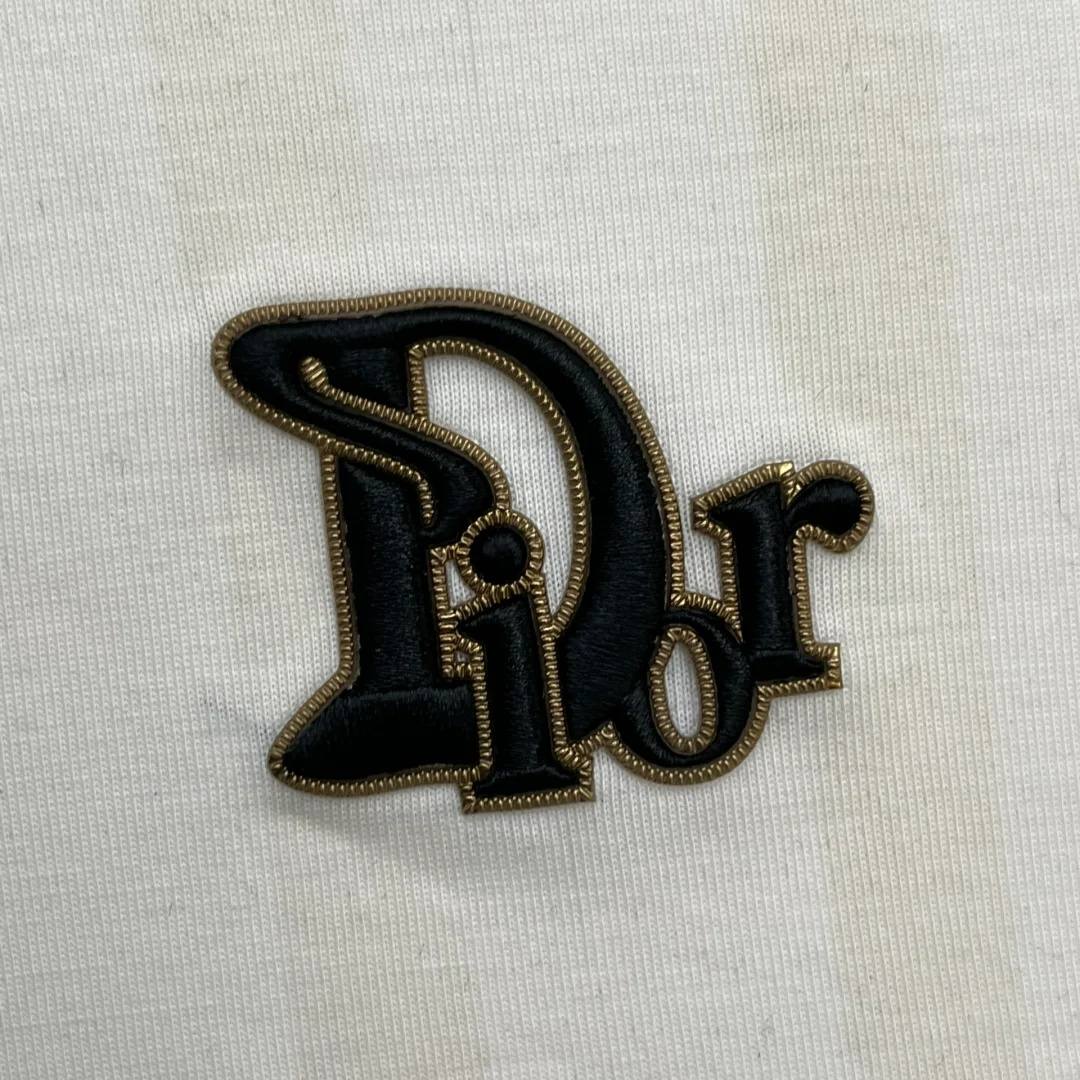
- Embroidery: flat, 3D puff, chain-stitch, appliqué, patches and sequin
- DTG and DTF for complex, full-color designs with fast turnaround
Fast Sampling and Product Development Support
Whether you arrive with a finished tech pack, a sketch or only an idea, MENWILD’s design team turns concepts into production-ready samples. Fabric swatches, graded patterns and decorated prototypes ship within 7–14 days so you can test and refine fast.
- Original design development from concept to finished tech pack
- Fabric sourcing with mill swatches and performance specs provided
- Pre-production samples with heat transfer decoration applied
- Pattern adjustments and fit revisions included before bulk order
Global Logistics and Flexible MOQ from 100 Pieces
Launch capsule collections, test new prints or reduce inventory risk with a 100-piece minimum per style and color. MENWILD handles export documentation, freight forwarding and door-to-door delivery to the U.S., Canada, Europe, Australia and beyond.
- MOQ starts at just 100 pieces per style/color for maximum flexibility
- Deposit terms ease from 100% to 30% as partnership grows
- Payment via T/T, PayPal, credit card, USDT and VTB for Russia
- Full export support with clear lead times and shipment tracking
MENWILD vs. Standard Heat Transfer Printing Service Providers
Most suppliers offer decoration. We deliver decoration built for big & tall fit, flexible MOQs, and true manufacturing partnership — backed by 28 years in Dongguan.
← 左右滑动查看 →
Our Heat Transfer Printing Service Production Process
MENWILD follows a proven six-phase workflow that integrates heat transfer decoration seamlessly into big and tall menswear manufacturing, ensuring consistent quality, accurate fit and on-time delivery from your first 100-piece order onward.
Tech Pack & Design Approval
Share your design, artwork or concept. Our team reviews heat transfer placement, sizing and compatibility with your chosen fabric and garment style for optimal adhesion and durability.
Fabric Sourcing & Pre-Production Sample
We source fabric from trusted mills, send swatches for approval, then produce a pre-production sample with heat transfer applied to confirm fit, print quality and color accuracy.
Heat Transfer Decoration & In-Line QC
Approved designs are printed and heat-pressed onto finished garments or panels. Every piece passes in-line quality control checks for alignment, adhesion, color match and finish consistency.
Garment Washing & Finishing
Decorated garments undergo optional washing, softening or garment-dye treatments. Heat transfer prints are tested for wash fastness and durability to meet your brand’s quality standards.
Final Inspection & Custom Packaging
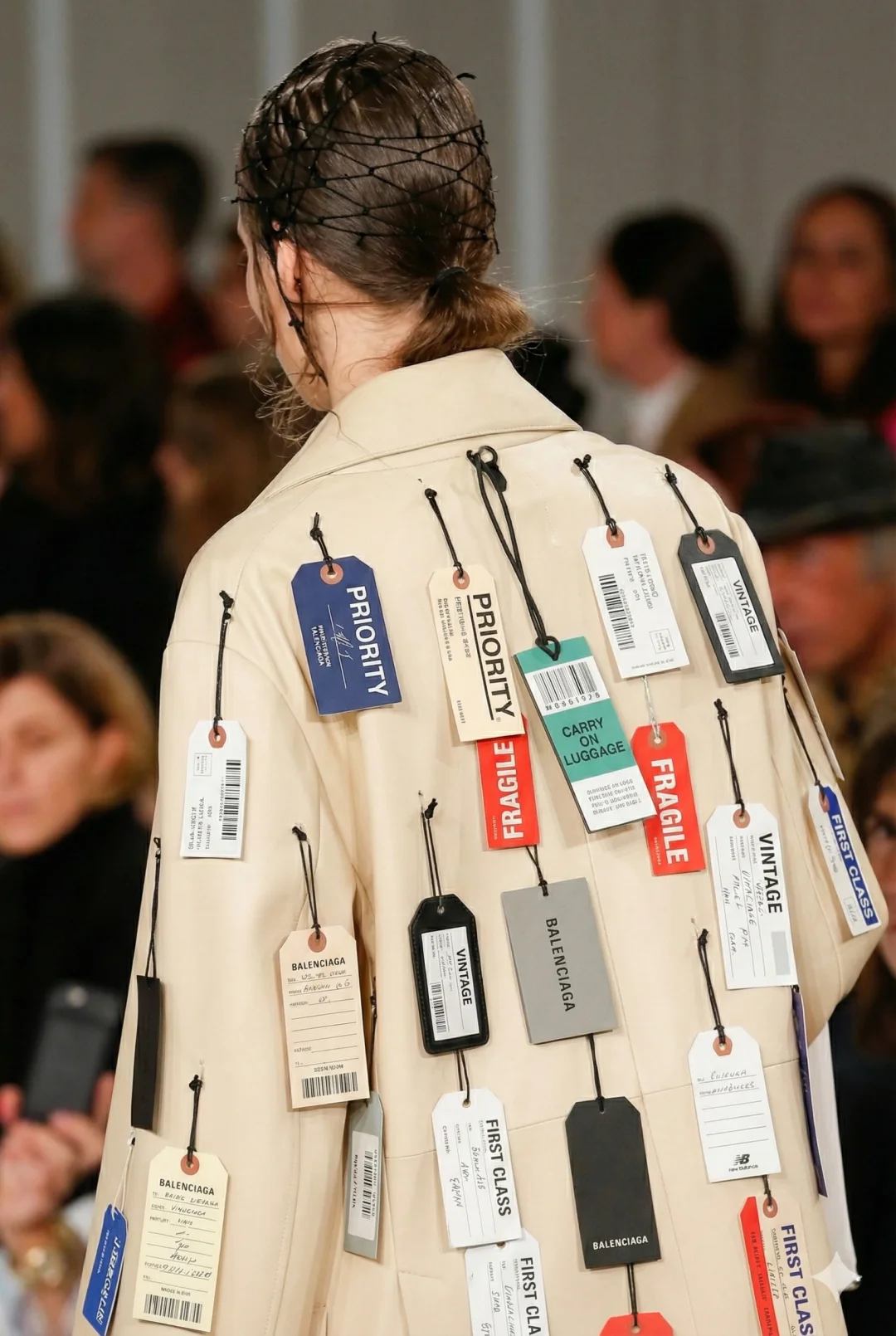
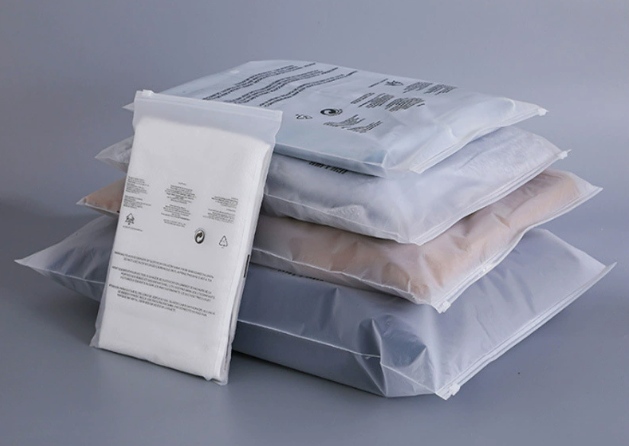
Finished pieces receive final inspection for print integrity, stitching and sizing. Custom labels, hang tags, poly bags and carton packing are applied per your branding requirements.
Export Logistics & Delivery
Packed orders are shipped via sea, air or express courier to your warehouse. All patterns, graded size sets and heat transfer files are archived for fast, consistent re-orders.
How to Partner With MENWILD for Heat Transfer Printing Service
From initial inquiry to finished garments, our streamlined process ensures fast sampling, transparent pricing, and consistent quality across every heat transfer printing order — starting from just 100 pieces.
Submit Your Design or Tech Pack
Share your artwork, garment specs, or just an idea. Our team reviews your requirements and recommends the best heat transfer method and fabric combination.
Receive Quote and Sample Timeline
Within 24 hours, you’ll get a detailed quotation covering fabric, decoration, MOQ pricing, and sample lead time — typically seven to ten business days.
Approve Pre-Production Samples
We produce physical samples with actual heat transfer decoration. Review fit, print quality, and finish before any bulk production begins to ensure perfection.
Place Your Bulk Order
Confirm quantities, colors, and sizes. Pay your deposit and we schedule production. First-time orders require full payment; returning clients enjoy flexible deposit terms.
Production, QC, and Global Shipment
Bulk manufacturing begins with in-line quality checks at every stage. Once approved, garments are packed to your spec and shipped worldwide with full tracking.
Certified Heat Transfer Printing Service You Can Trust
Brands Trust MENWILD’s Heat Transfer Printing Service
We launched our 3XL–5XL collection in just 6 weeks thanks to MENWILD’s heat transfer samples and perfect grading. The prints held up beautifully through wash testing, and our first run of 300 pieces sold out in 12 days.
MENWILD’s heat transfer quality is consistent across every reorder. We’ve done 8 production runs totaling over 4,000 hoodies with zero decoration defects. Their 2XL–4XL fit is the best we’ve found in Dongguan.
As a wholesaler, reliable turnaround matters. MENWILD delivered heat transfer samples in 9 days and hit every bulk deadline. The 100-piece MOQ let us test 5 new designs without tying up cash.
Frequently Asked Questions About Heat Transfer Printing Service & MOQ
What is the minimum order quantity for your heat transfer printing service?
How long does sampling take for heat transfer printing service orders?
Do you charge for heat transfer printing samples, and is the cost refundable?
What fabrics are compatible with your heat transfer printing service?
How durable is heat transfer printing compared to screen printing or embroidery?
What payment terms do you offer for heat transfer printing service orders?
Can you protect my designs and artwork when using your heat transfer printing service?
Do you offer international shipping for heat transfer printing service orders?
Can you combine heat transfer printing with embroidery or other decoration techniques?
The Complete Buyer’s Guide to Heat Transfer Printing Service for Menswear Brands
Navigate supplier selection with confidence. This guide delivers a proven decision framework, critical quality criteria, and the most common sourcing mistakes to avoid when choosing a heat transfer printing service partner for your menswear line.
1. What Is a Heat Transfer Printing Service?
A heat transfer printing service applies graphic designs to fabric by bonding transfer media—vinyl, plastisol or digital films—onto garments using controlled heat and pressure, typically 300–375°F for 10–20 seconds. Unlike screen printing, which layers wet ink directly onto fabric, heat transfer uses pre-printed or pre-cut films pressed onto the surface, eliminating setup screens and making it economical for runs as low as 100 pieces per style.
Direct-to-garment (DTG) printers spray water-based ink into fibers; heat transfer instead sits atop the fabric, delivering sharper edges, full-color photographic detail and compatibility with performance polyester, nylon and blends that reject water-based inks. For menswear brands launching oversized tees, hoodies or activewear in 2XL–6XL sizing, heat transfer supports unlimited colors, fine gradients and metallic or glitter finishes without per-color charges.
Independent designers and extended-size labels choose heat transfer printing service to test capsule collections, reduce inventory risk and maintain cash flow—especially when MOQ flexibility, fast sampling and predictable per-piece costs matter more than the rock-bottom unit price of 5,000-piece screen runs.
2. Evolution and History of Heat Transfer Printing
Heat transfer printing began in the 1960s with simple iron-on decals that allowed home crafters and small shops to apply graphics without screen-printing equipment. These early paper transfers were limited in durability and color range but proved the viability of heat-activated decoration for low-volume runs.
Vinyl cutting emerged in the 1970s, letting brands produce single-color logos and lettering on demand with no setup costs or minimum order quantities. By the 1990s, dye-sublimation printing matured into a reliable method for full-color, photo-quality graphics on polyester fabrics, opening the door for activewear and sportswear brands to offer custom designs at accessible MOQs.
Direct-to-film (DTF) technology arrived in the early 2020s, combining the color flexibility of digital printing with compatibility across cotton, polyester and blends. DTF slashed setup time and eliminated color-count fees, enabling menswear startups and independent designers to test capsule collections with runs as low as 50–100 pieces per design. Today’s heat transfer printing service providers support brands at every stage, from sampling to scaled production, without the capital investment traditional screen printing demands.
3. Types of Heat Transfer Printing Service Methods
Four distinct heat transfer printing service technologies dominate menswear decoration, each suited to different fabric weights, order volumes and brand aesthetics. Understanding mechanism, hand-feel and MOQ differences lets you match method to product category and margin structure.
Vinyl Heat Transfer
Cut or printable vinyl film is weeded, then heat-pressed onto garments. Cut vinyl suits simple logos and text; printable vinyl handles multi-color artwork. Both deliver a raised, slightly rubbery hand.
Ideal for low-volume custom names, numbers and single-color branding on tees, hoodies and jerseys. Durability reaches 25–50 washes with proper care. MOQ often starts at 1 piece, making vinyl perfect for on-demand and influencer capsules.
Sublimation Transfer
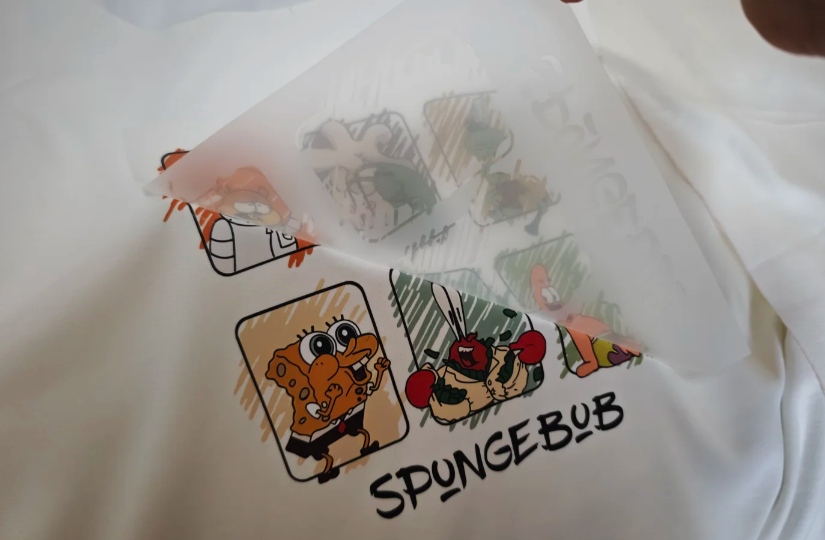
Dye gas bonds into polyester fibers under heat, yielding photo-quality, soft-hand prints with zero surface layer. Only compatible with white or light polyester and poly-blend fabrics above 65% synthetic content.
Best for all-over prints, activewear, jerseys and technical apparel. Prints endure 50+ washes without cracking. MOQ typically 50–100 pieces due to paper setup costs.
DTF (Direct-to-Film)
Ink prints onto PET film, dusted with adhesive powder, cured, then heat-pressed. Works on cotton, polyester, blends and dark fabrics with vivid color and a thin, flexible feel.
Popular for complex graphics, gradients and small-batch streetwear. Wash durability hits 40–50 cycles. MOQ as low as 10–20 pieces per design, balancing quality and flexibility for emerging brands.
Plastisol Transfers
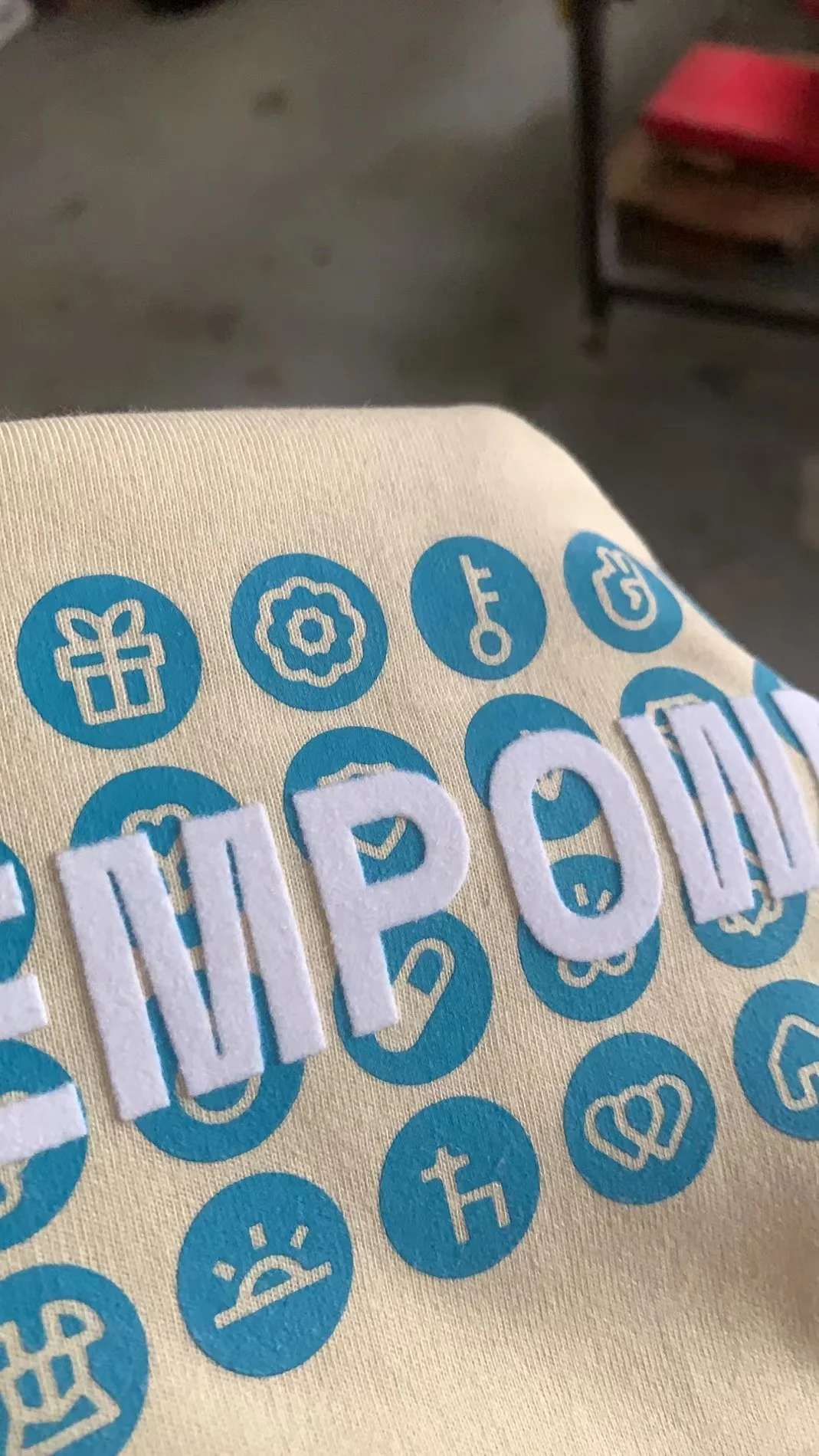
Screen-printed plastisol ink on release paper, heat-applied later. Offers vibrant opacity on dark garments and a slightly raised, traditional screen-print hand.
Ideal for bulk decoration of promotional tees, workwear and wholesale basics. Durability spans 30–40 washes. MOQ usually 100+ pieces per design due to screen setup, favoring larger production runs.
4. Materials and Fabrics Compatible with Heat Transfer Printing Service
Fabric choice determines heat transfer printing service durability, color vibrancy and wash performance. Polyester, cotton, blends and performance knits each pair with specific transfer methods, and extended-size garments from 2XL to 6XL demand fabrics with controlled stretch and stable weight to prevent cracking or peeling.
| Fabric Type | Compatible Transfer Method | Wash Durability (Cycles) | Typical Applications |
|---|---|---|---|
| 100% Polyester | Dye Sublimation | 50+ | Activewear, jerseys, performance tees |
| 100% Cotton | Vinyl, DTF, Screen Transfer | 30–40 | T-shirts, hoodies, streetwear |
| Cotton-Poly Blend (50/50–65/35) | DTF, Vinyl, Plastisol Transfer | 40–50 | Polos, workwear, casual tees |
| Performance Knits (Polyester-Spandex) | Sublimation, DTF | 50+ | Sportswear, activewear, athleisure |
| French Terry & Fleece (Cotton or Blend) | DTF, Screen Transfer | 30–40 | Hoodies, sweatshirts, oversized fits |
Extended-Size Fabric Considerations
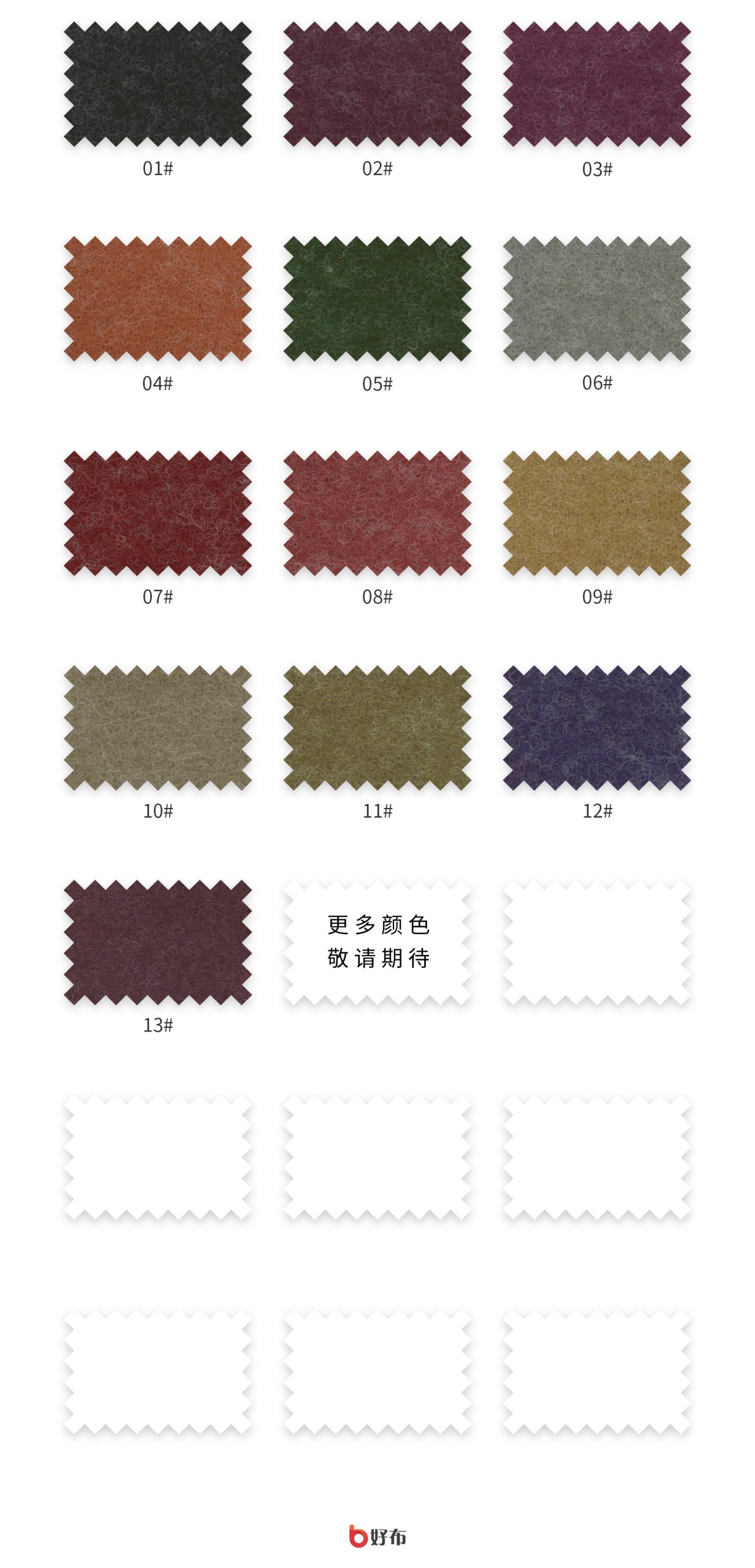
Big & tall garments from 2XL to 6XL require fabrics with stable recovery and controlled stretch. Cotton-spandex blends (95/5 or 97/3) prevent vinyl cracking across larger chest and shoulder panels, while heavier-weight fleece (280–320 GSM) supports DTF transfers without puckering.
MENWILD sources performance knits and French terry from trusted mills across China, providing fabric swatches and sample garments before bulk production to ensure heat transfer printing service compatibility across every extended size.
5. Customization and Design Options in Heat Transfer Printing Service
Heat transfer printing service unlocks creative options that screen printing cannot match at low volumes. From full-color photographic graphics to personalized names and numbers, transfers support complex artwork without setup fees or screen costs, making them ideal for test runs and capsule collections.
Full-Color and Specialty Finishes
DTF and dye-sublimation heat transfer methods reproduce photographic images, gradients and unlimited CMYK colors in a single pass. Specialty finishes — metallic foil, glitter, reflective and glow-in-the-dark — layer onto transfers for premium streetwear and activewear branding.
Multi-layer designs combine base colors, highlight details and texture effects in one transfer, reducing press time and registration errors compared to multi-screen runs.
File Formats and Color Matching
Vector files (AI, EPS, PDF) ensure crisp edges for logos and text; raster files (PNG, PSD at 300 dpi minimum) suit photographic artwork. Pantone references guide spot-color matching, while CMYK profiles control full-color output.
Design size limits depend on press width — typically 16 × 20 inches for DTF, full-panel for dye-sub — and artwork resolution below 150 dpi will pixelate on finished garments.
Impact on Turnaround and Cost
Name and number personalization adds 1–2 days for file preparation and individual pressing. Complex multi-layer or foil transfers increase material cost by 20–40 percent but eliminate screen fees, keeping per-piece pricing predictable even at 100-piece MOQs.
- Single-color transfers: fastest turnaround, lowest cost per piece.
- Full-color photographic: moderate cost, no added setup time.
- Specialty finishes (foil, glitter): higher material cost, same lead time.
6. Key Quality Indicators for Heat Transfer Printing Service
Professional heat transfer printing service quality is measured by six testable indicators. Before approving bulk production, brands should request strike-off samples and inspect each metric to avoid costly re-runs and customer returns.
Edge Definition and Weeding Precision
Clean edges and complete removal of excess material separate professional from amateur work. Inspect fine details, small text (below 8 pt) and intricate logos under magnification; ragged borders or residual film indicate poor weeding or low-resolution artwork preparation.
Color Vibrancy and Pantone Accuracy
Premium heat transfer printing service providers match Pantone references within Delta E ≤ 2. Request a color swatch or strike-off against your brand’s PMS codes, especially for logo work, to verify ink formulation and press calibration before committing to thousands of pieces.
Adhesion Strength and Peel Testing
ASTM D6862 180° peel tests measure bond strength; transfers should withstand ≥ 3.5 lb/in without delamination. Ask providers for peel-test data on your chosen fabric and request samples after five home-laundry cycles to confirm real-world adhesion performance.
Hand Feel: Soft-Hand vs. Rubbery Finish
Thin polyurethane and low-temperature curing yield a soft hand; thick plastisol or over-pressed transfers feel stiff and crack prematurely. Compare samples side-by-side and stretch the decorated area — premium transfers remain flexible and breathable, critical for activewear and oversized streetwear comfort.
Wash-Fastness and AATCC Cycles
AATCC 135 (dimensional change) and AATCC 61 (colorfastness) standards require ≥ 50 industrial wash cycles without significant fading or peeling. Request laundered samples and compare color retention, edge integrity and stretch recovery to ensure your garments survive typical consumer care.
7. How to Choose the Right Heat Transfer Printing Service Provider
Selecting a heat transfer printing service provider requires systematic evaluation of technical capabilities, service flexibility and quality assurance. A structured RFQ process uncovers whether a partner can scale with your brand.
Equipment and Technical Capabilities
Ask which press types the factory operates — pneumatic heat presses offer consistent pressure and temperature control, while manual presses introduce variability. Verify temperature range (typically 160–200 °C) and dwell-time precision for your fabric blends.
Request sample transfers on your exact fabric weight and fiber content to confirm color vibrancy, edge definition and wash durability before committing to bulk.
MOQ Flexibility and Sampling Policy
MENWILD’s 100-piece per style/color minimum lets brands test designs without tying up capital. Confirm whether samples are charged separately or credited against the first order, and whether the provider keeps graded patterns and artwork on file for faster re-orders.
Certifications and Compliance
Check for OEKO-TEX Standard 100 certification on transfer films and inks, especially for childrenswear or activewear sold in the EU and North America. Eco-friendly water-based inks and phthalate-free plastisol reduce environmental impact and meet retailer chemical-compliance programs like ZDHC.
8. Common Mistakes When Sourcing a Heat Transfer Printing Service
Even experienced brands stumble when sourcing a heat transfer printing service. Six recurring mistakes account for most failed samples, production delays and costly re-runs — yet each is preventable with clear specifications and upfront validation.
Choosing on Price Alone Without Sample Validation
The lowest quote rarely delivers the best value. Request physical samples on your exact fabric before committing to bulk — adhesion, hand-feel and color accuracy vary widely between providers. MENWILD supplies sample garments and fabric swatches before any production run, ensuring transfer performance matches expectations across cotton, fleece and performance knits.
Ignoring Wash-Test Results
A vibrant print that cracks after three washes destroys brand reputation. Demand documented wash-test cycles — minimum 20 washes at 40°C — and inspect samples for peel, fade and hand-feel change. Reputable factories maintain wash-test logs for every transfer method and fabric pairing.
Submitting Low-Resolution Artwork
Vector files (AI, EPS, PDF) at 300 DPI minimum prevent pixelation and color shifts. Low-resolution JPEGs force the printer to interpolate, losing detail and sharpness. Always supply Pantone references for critical brand colors and confirm color matching on a pre-production proof.
Overlooking Fabric Pre-Treatment Requirements
Polyester blends, moisture-wicking knits and garment-dyed fabrics each demand specific pre-treatment or adhesive formulations. Communicate fabric composition and any finishing (enzyme wash, softener) upfront so the provider can adjust temperature, pressure and dwell time to prevent peel or discoloration.
Failing to Specify Placement and Size Precisely
A chest logo ‘approximately centered’ invites inconsistency across a size run. Provide exact measurements from shoulder seam, center-front or hem in your tech pack, and request a placement mock-up for 2XL–6XL grading to confirm proportions scale correctly on extended sizes.
Neglecting to Negotiate Re-Order Terms
Pattern files, color formulas and placement templates should remain on file for fast, consistent re-orders. Clarify whether setup fees recur, confirm lead times for repeat runs, and lock pricing for a defined volume or period to protect margins as your line scales.
9. Steps to Launch Your Menswear Line with Heat Transfer Printing Service
Launching a menswear line with heat transfer printing service requires tight coordination between design, garment production and decoration. MENWILD’s nine-step process integrates cut-and-sew manufacturing with heat transfer capabilities to streamline sample development, bulk production and quality control from a single partner.
Concept and Design Finalization
Start with a finished tech pack or sketch showing garment silhouette, sizing and graphic placement. MENWILD’s design team converts concepts into production-ready specs, grading patterns from 2XL to 6XL with true big & tall proportions.
File preparation begins here: vector artwork at 300 dpi, Pantone color codes and exact placement coordinates ensure alignment between heat transfer printing service output and garment construction.
Fabric and Blank Garment Sourcing
Coordinate fabric selection with heat transfer method early. Cotton jersey, French terry and performance blends each react differently to heat and pressure — MENWILD sources from trusted mills and provides swatches before sampling.
If you supply blanks separately, confirm fabric weight, stretch percentage and pre-shrink status with your heat transfer printing service to avoid registration errors and adhesion failures after first wash.
Sample Order and Fit Testing
Order sample garments with applied heat transfers in your full size range. MENWILD produces samples at 100-piece MOQ per style and color, letting you validate fit, graphic durability and wash performance before bulk commitment.
Run home-wash cycles at 40°C and tumble dry to confirm transfer adhesion, color fastness and hand-feel meet retail standards — adjustments to pressure, temperature or film type happen here, not after 5,000 units ship.
Production Order and Quality Inspection
Bulk orders lock in graded patterns, fabric lots and approved transfer files. In-line quality control checks registration, peel strength and color match at intervals during the run.
MENWILD’s final inspection measures transfer placement within ±2 mm, verifies no bubbles or edge lift, and confirms garment measurements against the approved spec sheet before packaging and export logistics begin.
10. Pricing and Cost Structure for Heat Transfer Printing Service
Heat transfer printing service pricing varies by method, quantity tier and print complexity. Most factories quote per-garment rates that decline as volume rises, with setup or film fees charged once per design. Understanding these tiers helps brands budget accurately and compare supplier quotes on equal terms.
DTF and plastisol heat-transfer typically start around $1.50–$3.00 per print at 100 pieces, dropping to $0.80–$1.50 at 500+ and $0.50–$1.00 at 1,000+ units. Setup fees range from $25 to $75 per design color separation. Dye-sublimation and specialty foil transfers often carry a 20–40% premium due to material and pre-press costs.
Rush production (under seven days) adds 15–30% to the base rate, and oversized prints (above 12 × 16 inches) incur surcharges of $0.30–$0.80 per piece. Lead times at standard MOQ run 10–15 days for sampling and 18–25 days for bulk, with express options available for urgent launches.
| Quantity Tier | Per-Unit Cost (USD) | Setup Fee | Lead Time |
|---|---|---|---|
| 100–249 pcs | $1.50–$3.00 | $25–$75 | 18–25 days |
| 250–499 pcs | $1.00–$2.00 | $25–$75 | 18–25 days |
| 500–999 pcs | $0.80–$1.50 | $25–$50 | 15–22 days |
| 1,000+ pcs | $0.50–$1.00 | $25–$50 | 15–20 days |
| Rush (< 7 days) | +15–30% | Same | 5–7 days |
| Oversized print | +$0.30–$0.80/pc | Same | Standard |
Start Your Heat Transfer Printing Service Project Today
28 years of big & tall expertise, 100-piece MOQ, 7-day sampling, and full in-house decoration. Let’s bring your designs to life.