
Big & Tall Menswear Manufacturer — OEM, ODM & Private Label Production
Professional big & tall and plus-size menswear manufacturer with 28+ years’ experience, 100-piece MOQ, specialist 2XL–6XL pattern grading, OEM/ODM services, and full in-house decoration, finishing and packaging for extended-size menswear brands worldwide.
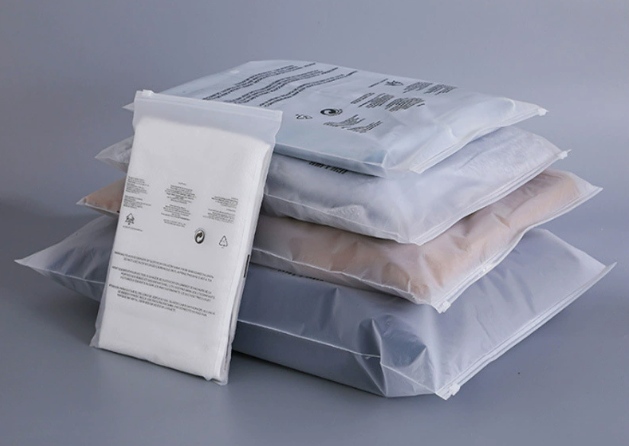
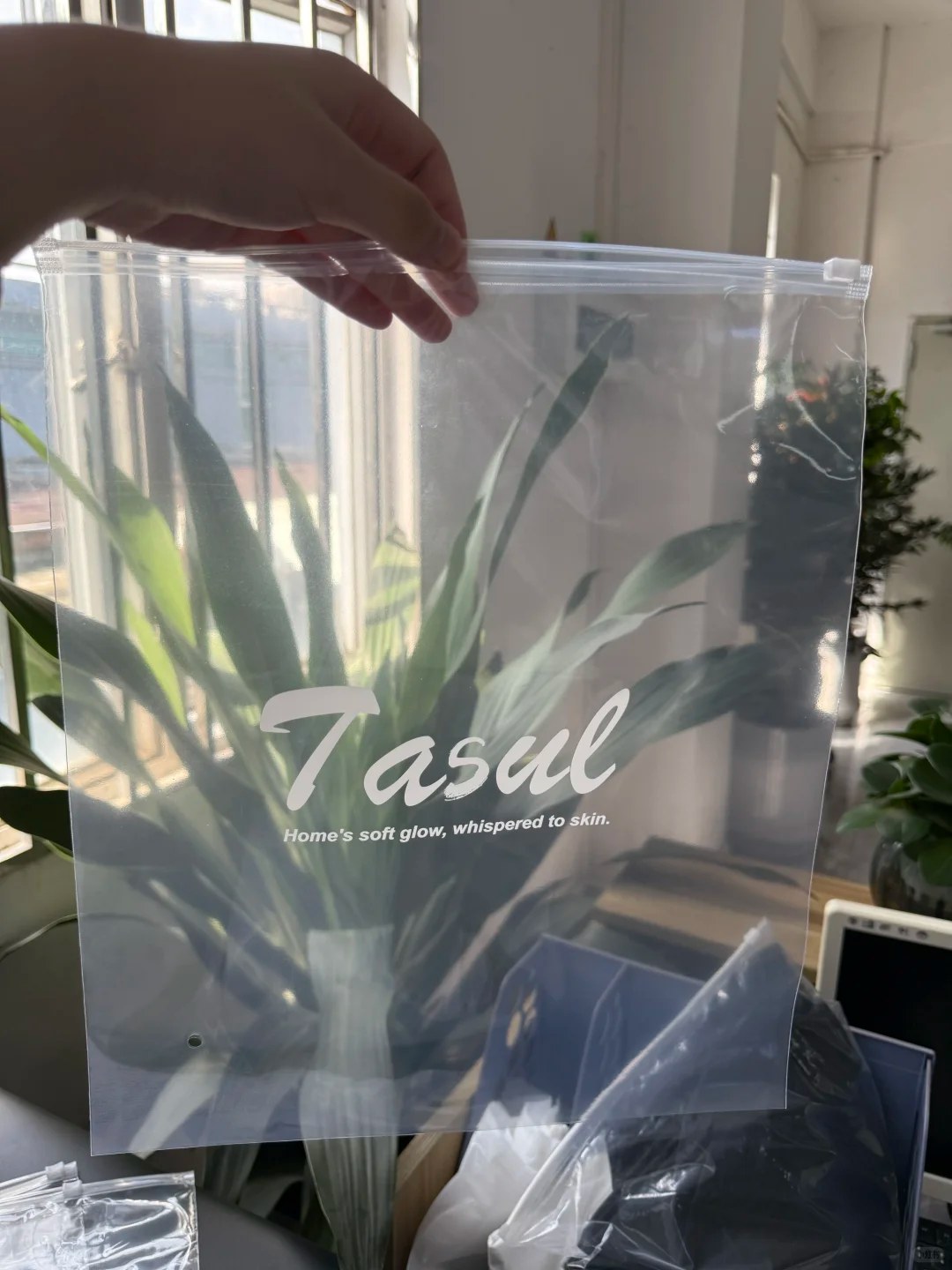
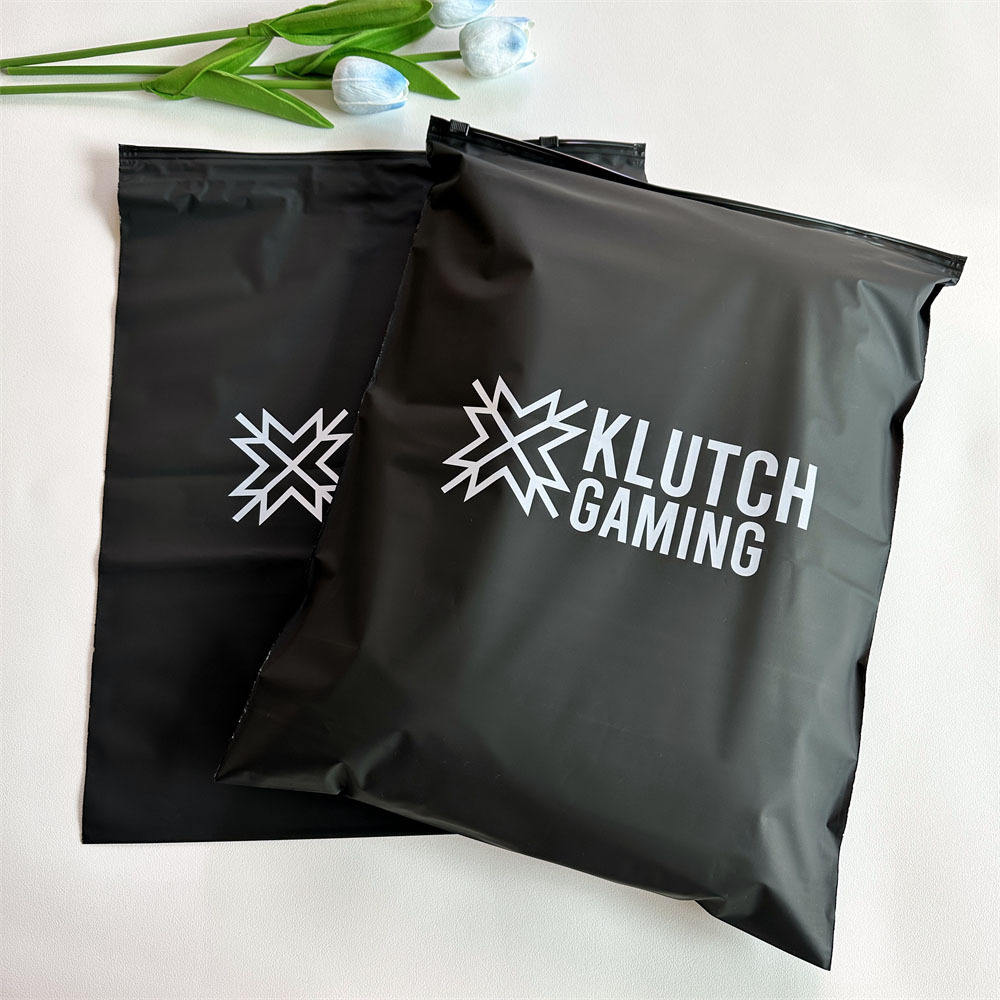
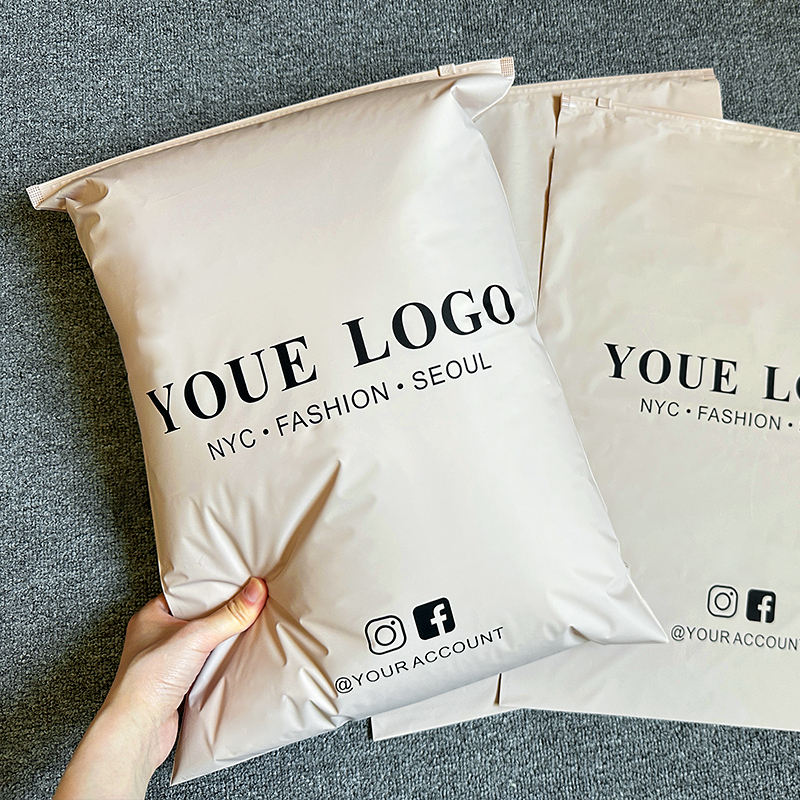
Packaging Solutions & Finishing Gallery
Why MENWILD Is Your Trusted Big & Tall Menswear Manufacturing Partner
Low MOQ from 100 Pieces
Launch capsule collections and test products without massive inventory risk. Start with just 100 pieces per style and color.
Fast Sampling & Product Development
From concept to sample in days, not weeks. Our in-house team turns tech packs, sketches, or ideas into production-ready garments.
Specialist 2XL–6XL Pattern Grading
True big and tall fit expertise. Extended-size grading and proportion refinement built specifically for larger and taller men.
Full In-House Decoration Services
Embroidery, screen printing, DTG, DTF, sublimation, garment wash and finishing — all under one roof for quality and speed.
Flexible Payment & Low Deposits
Payment via T/T, PayPal, card, or USDT. Deposit terms ease as partnership grows, down to 30% for long-term clients.
28+ Years Manufacturing Track Record
Founded in 1998 in Dongguan, serving over 2,000 brands globally with consistent quality, reliability, and extended-size expertise.
Custom Packaging & Finishing Solutions for Your Big & Tall Menswear
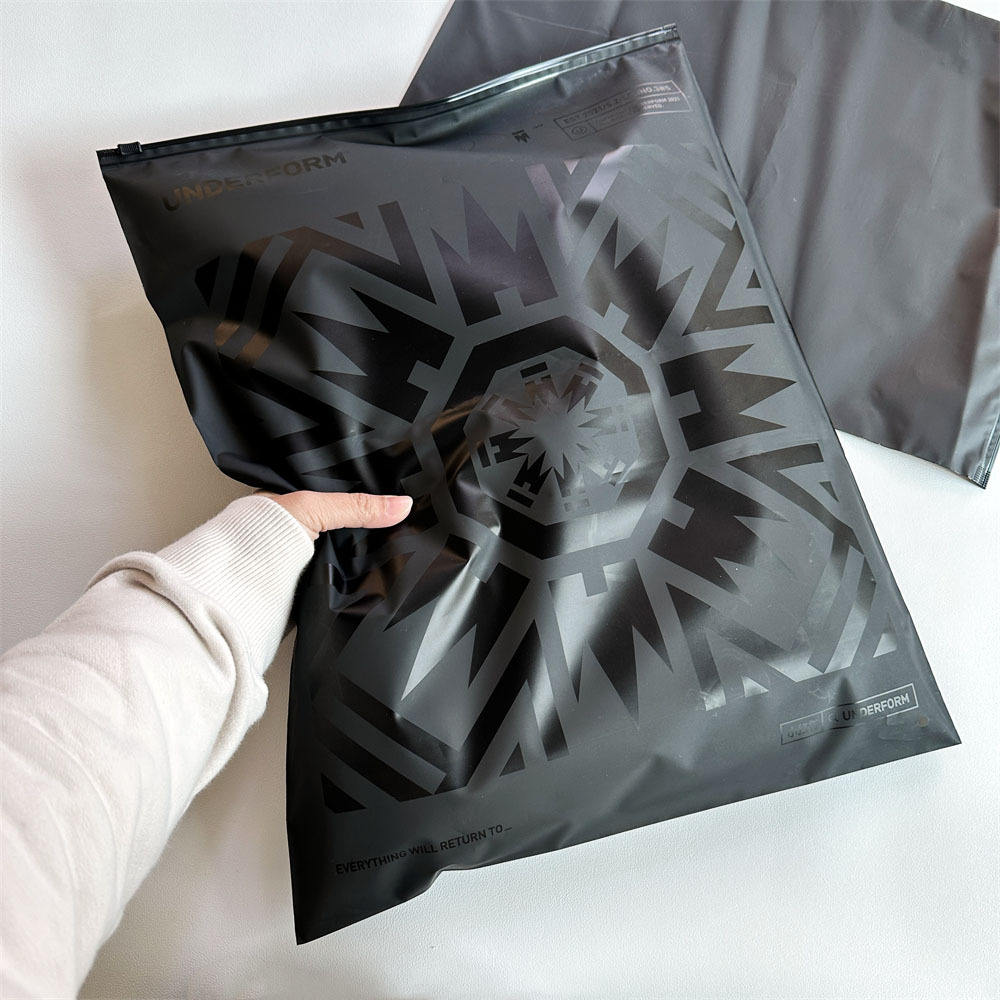
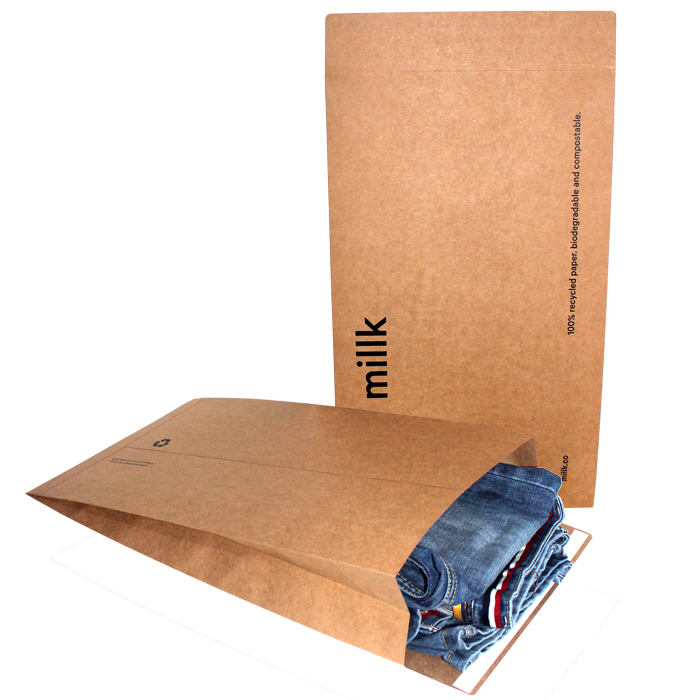
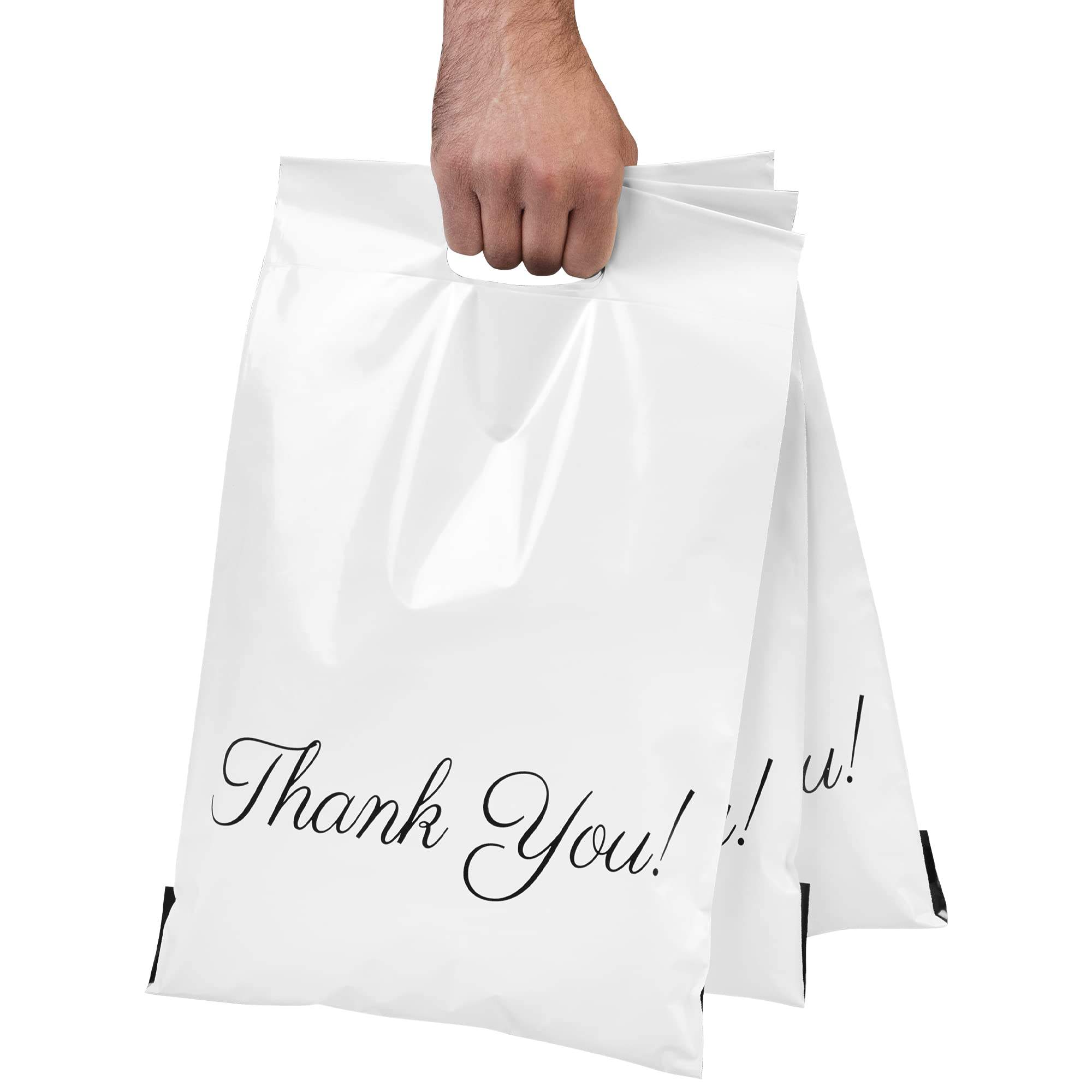
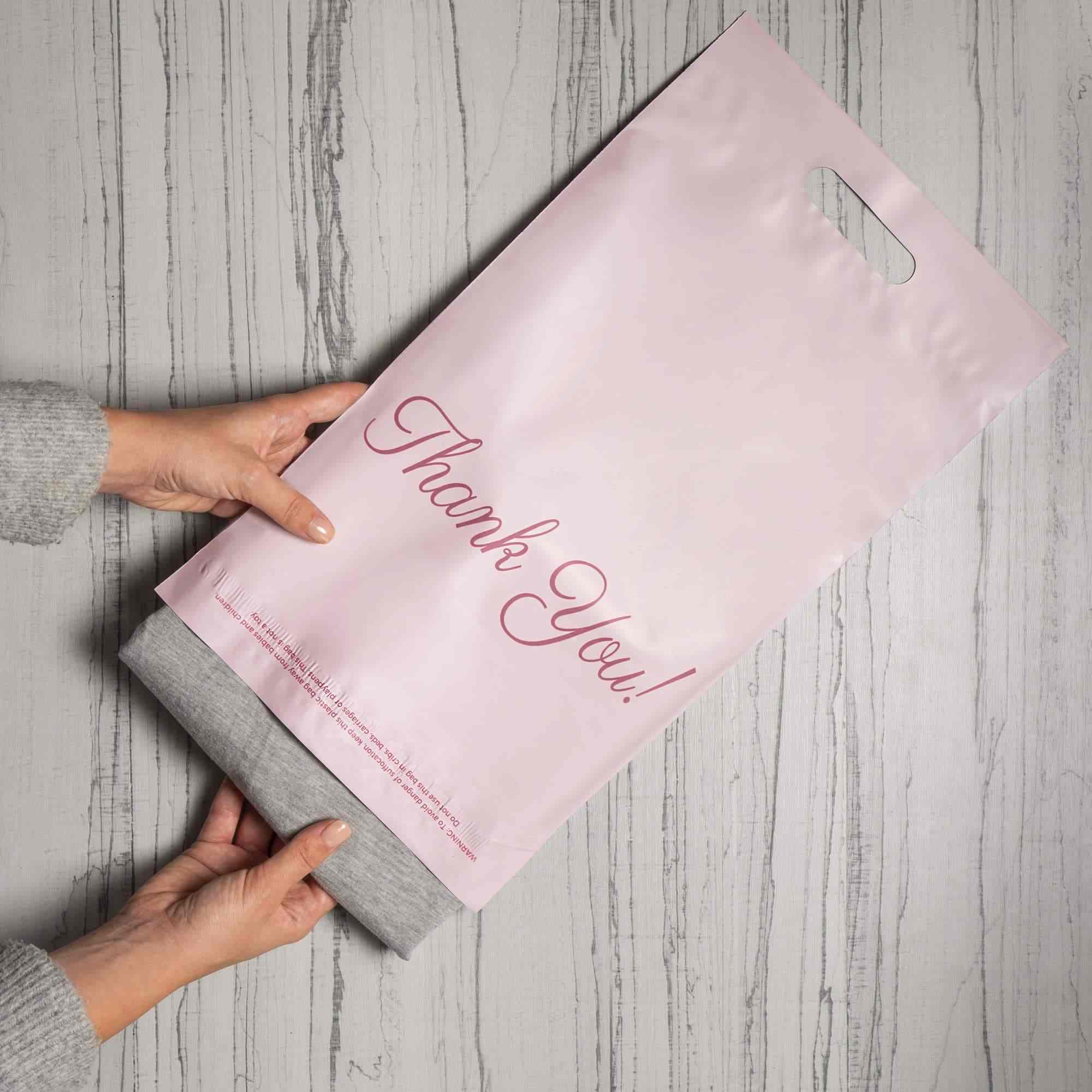
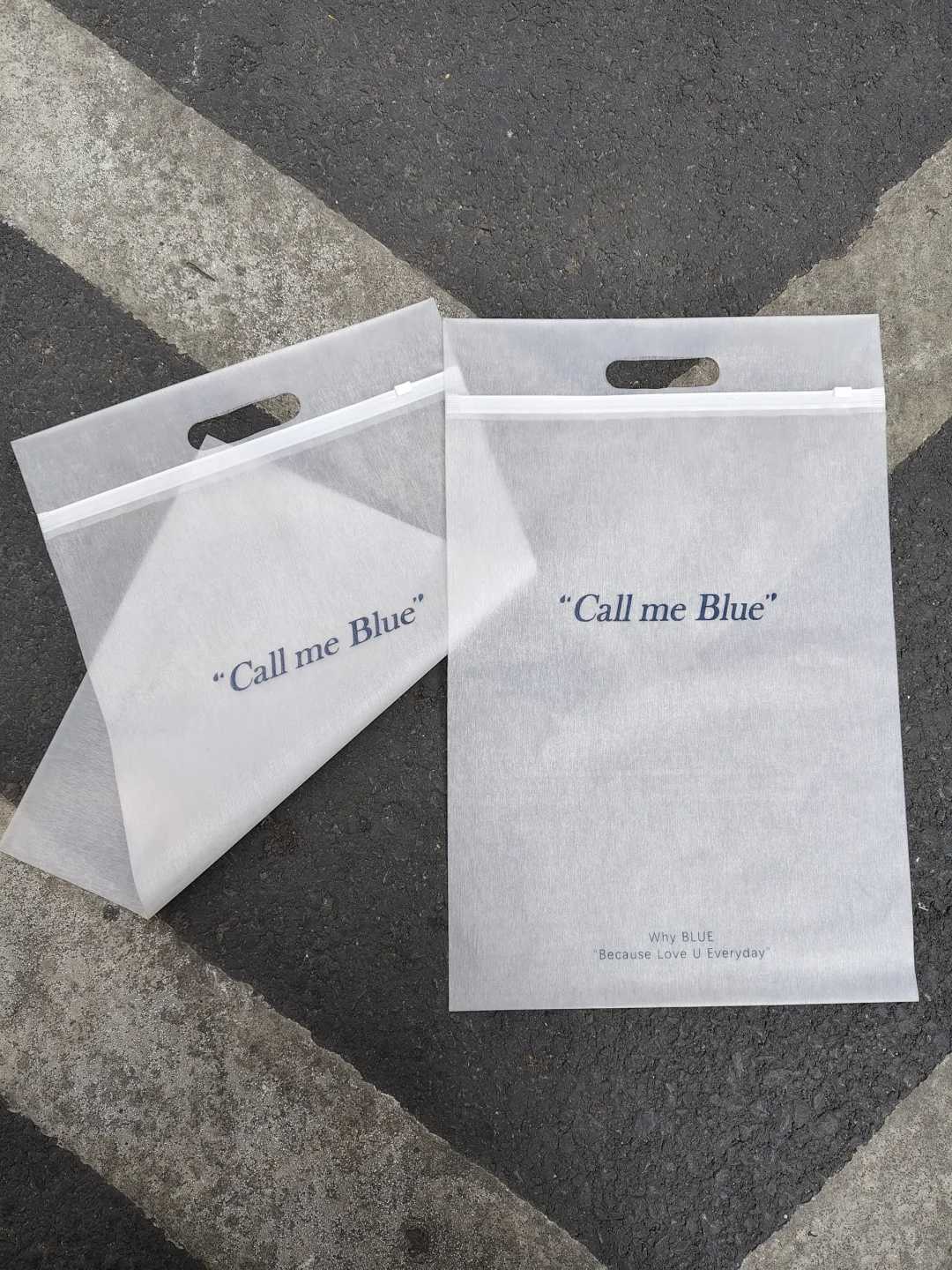
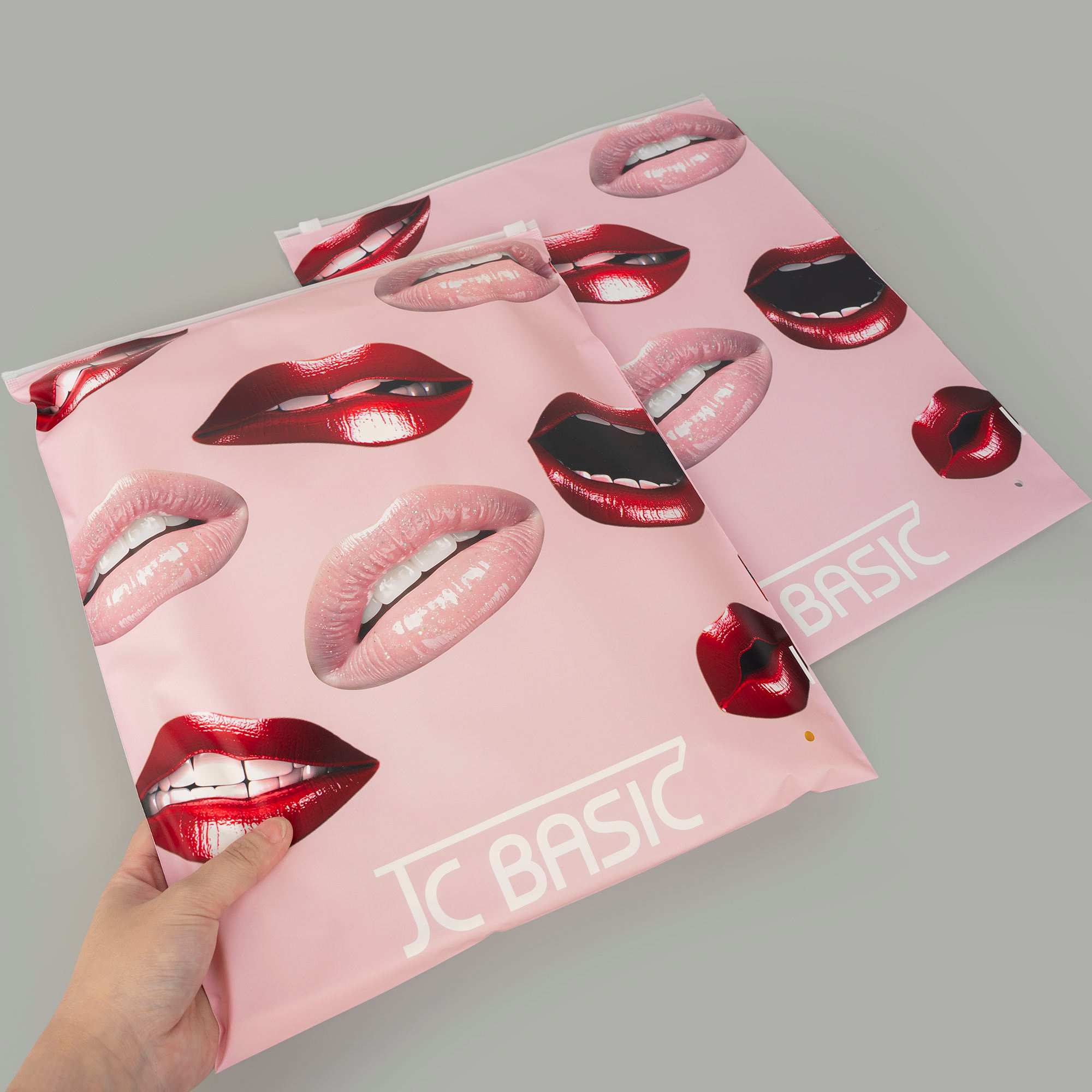
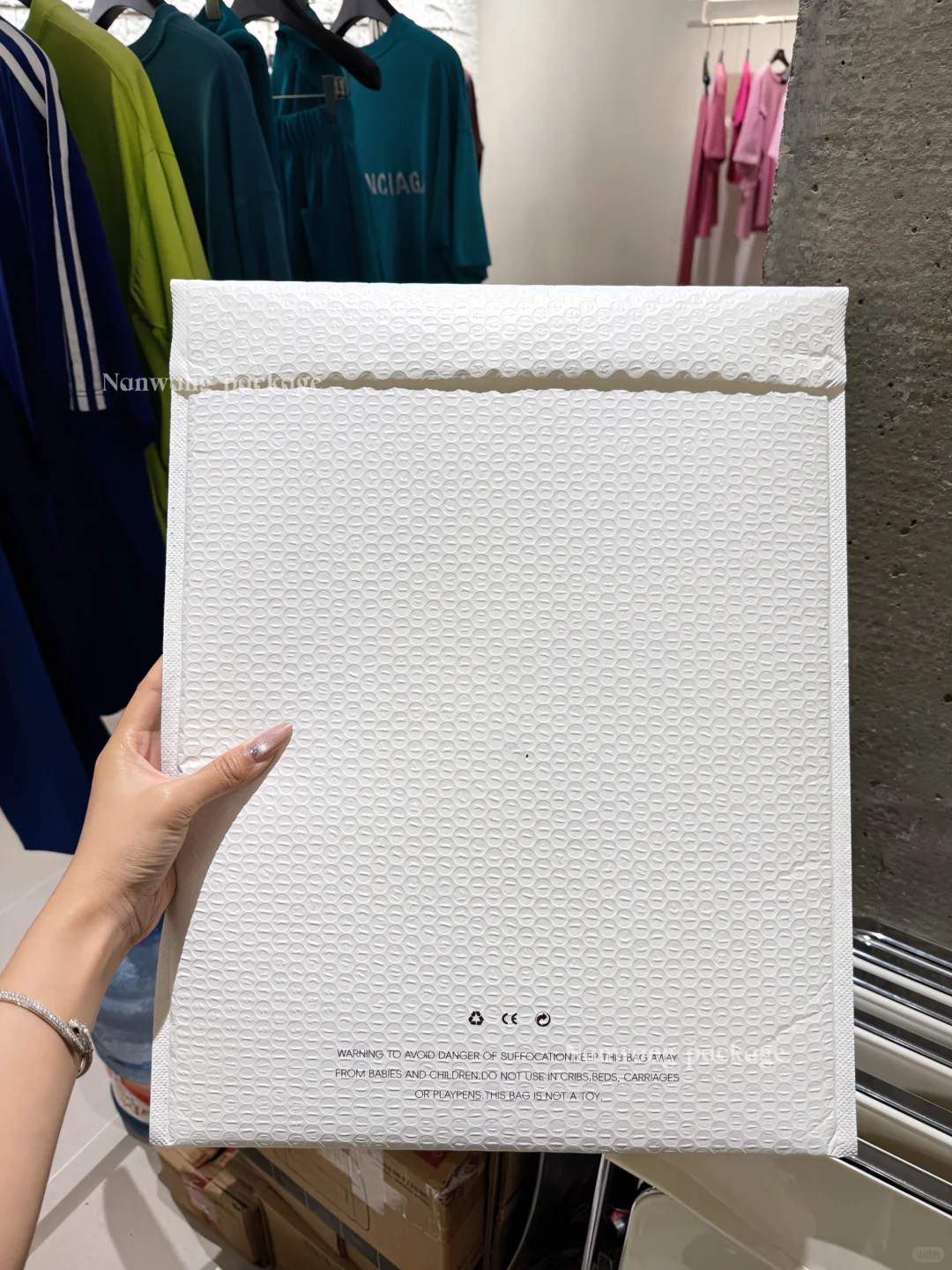
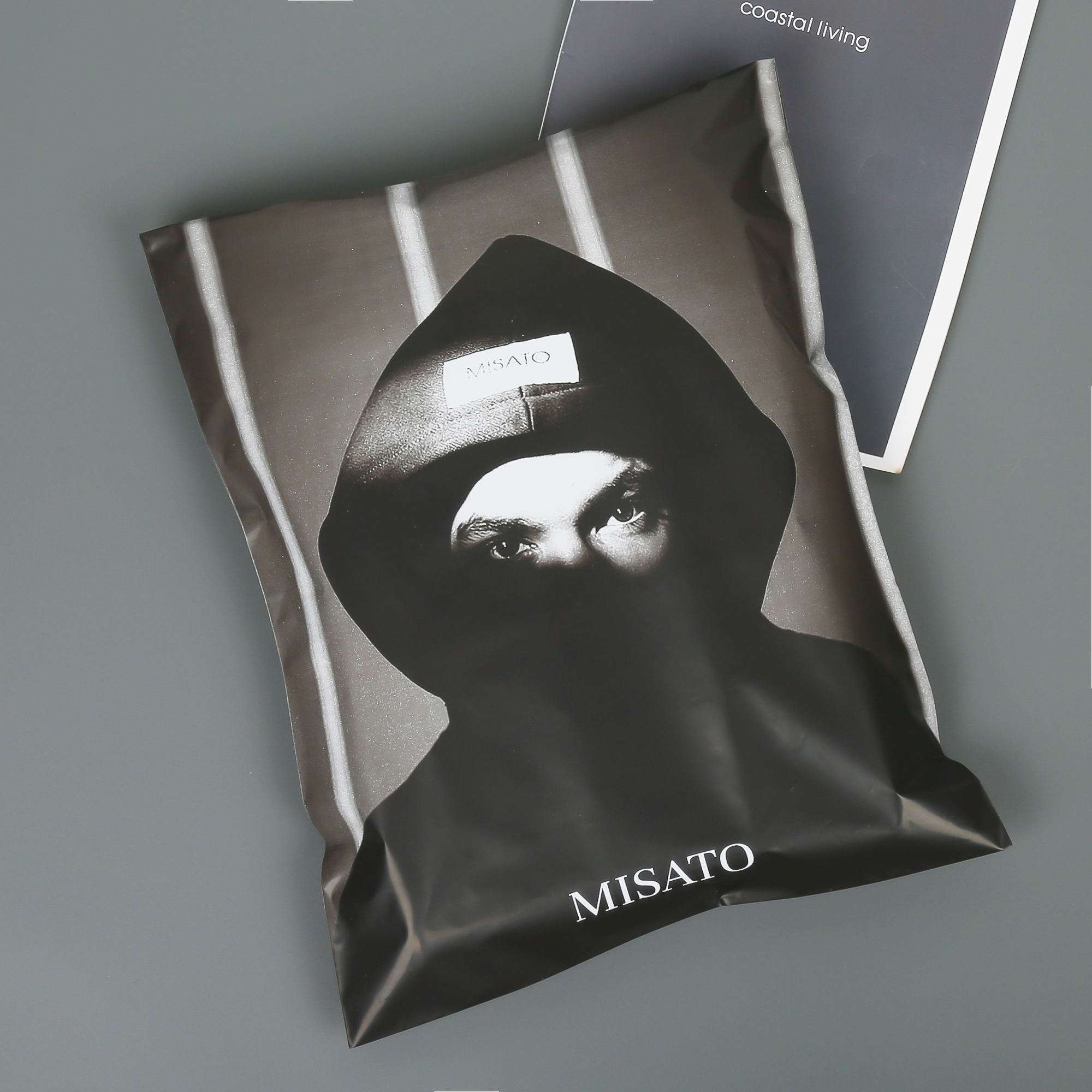
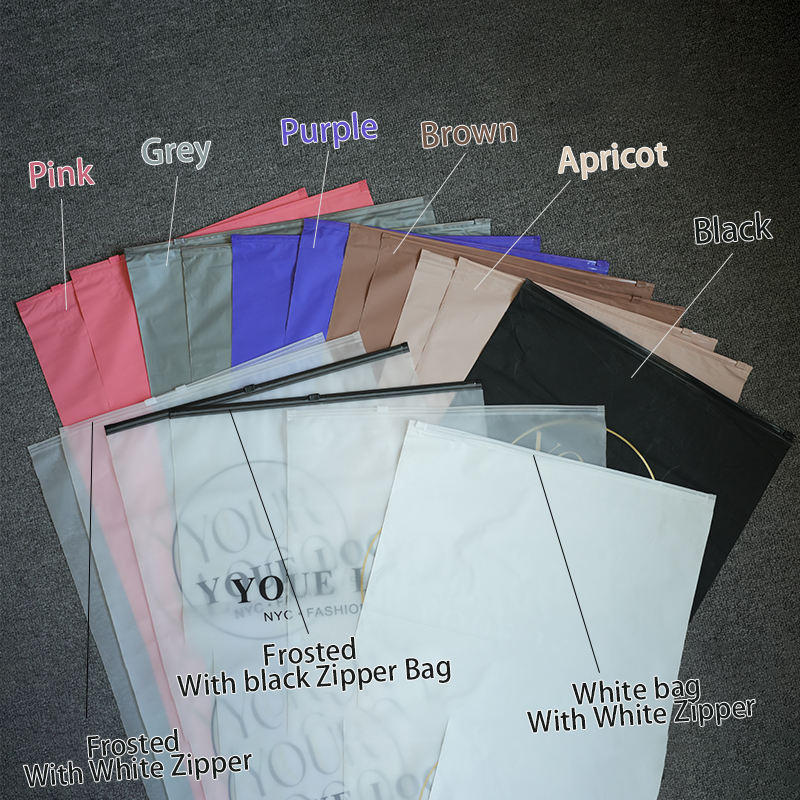
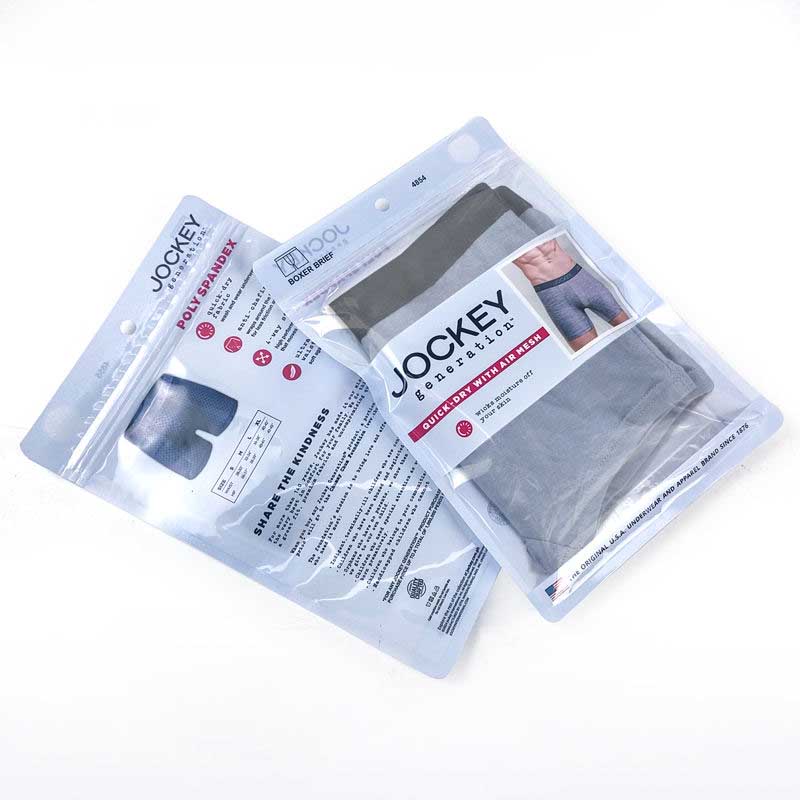
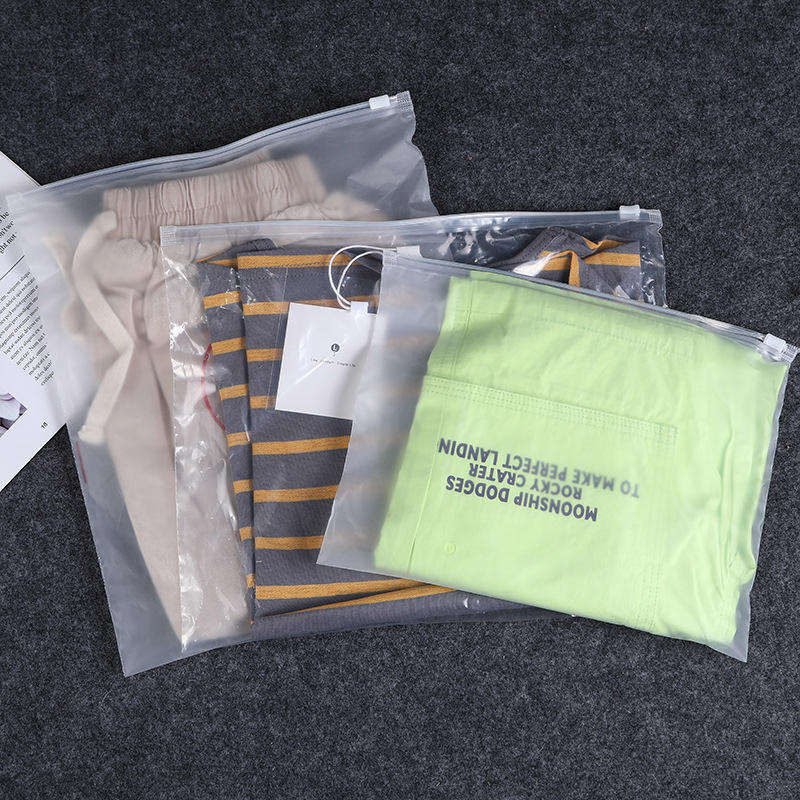
Packaging Bags
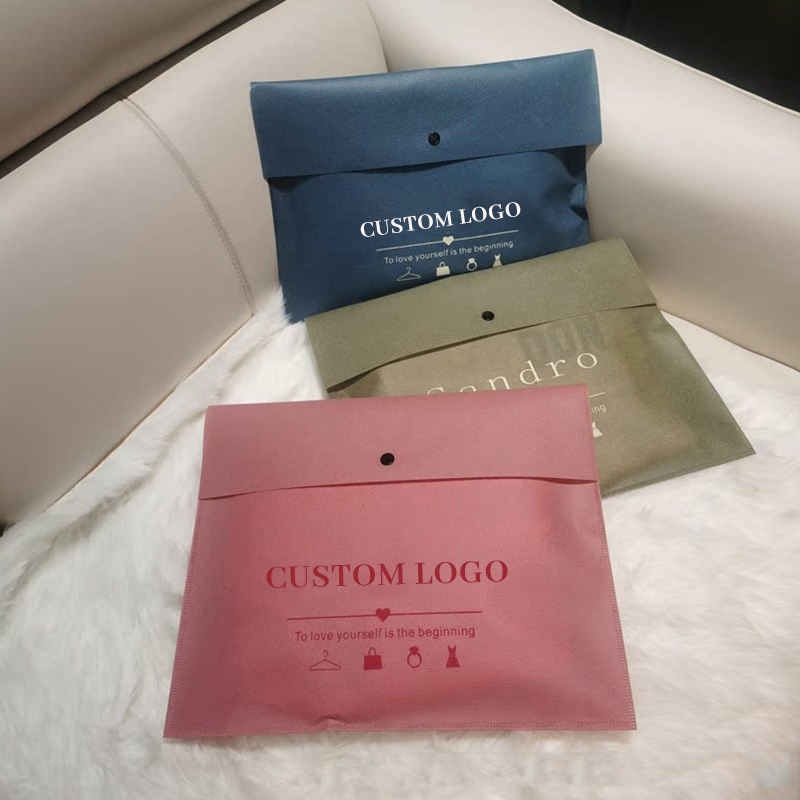
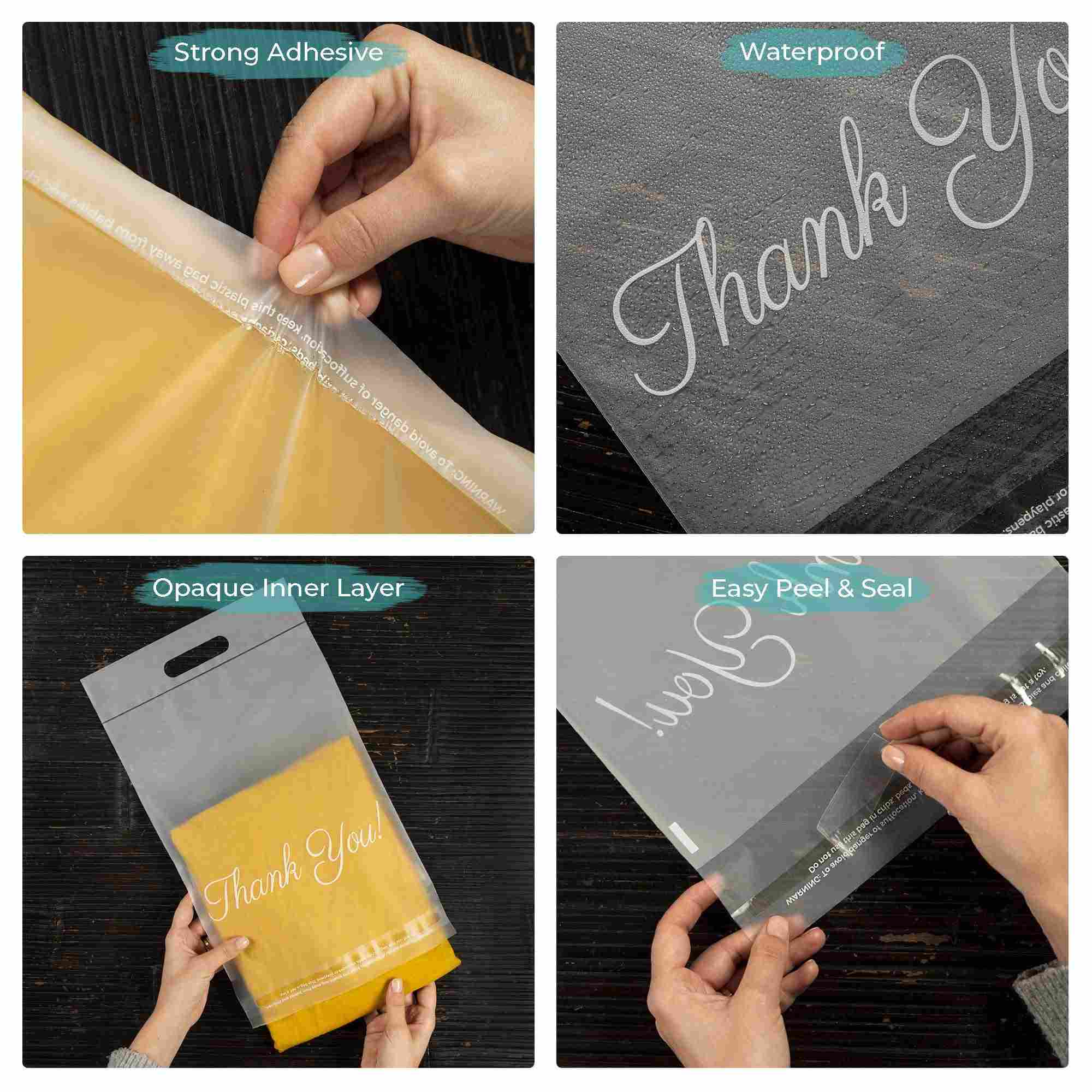
Custom poly mailers, garment bags, zipper pouches and retail packaging bags printed with your logo, brand colors and care instructions. Available in multiple sizes to accommodate 2XL–6XL garments, with options for biodegradable, recyclable and premium matte or gloss finishes. MOQ from 500 units. Sourced and coordinated in-house to match your delivery schedule.
Get a Quote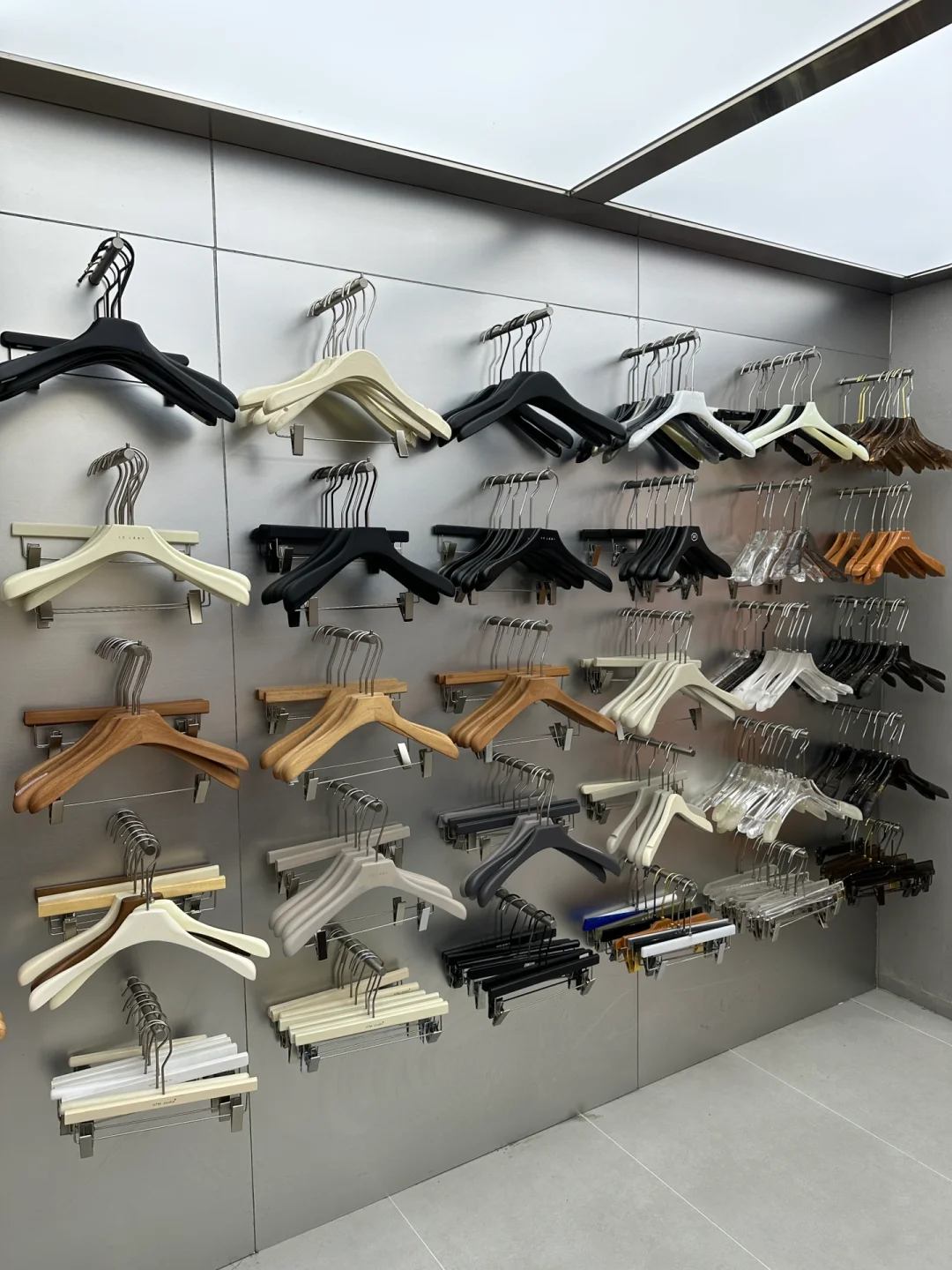
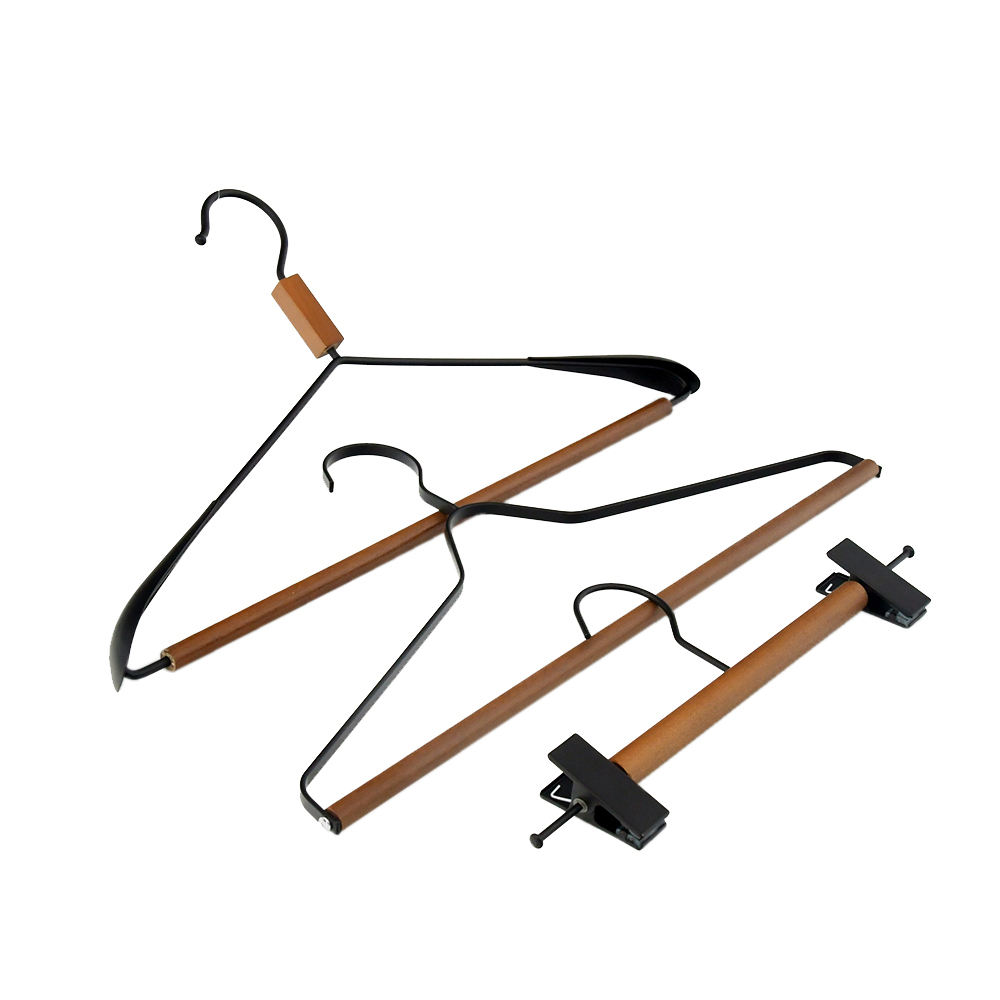
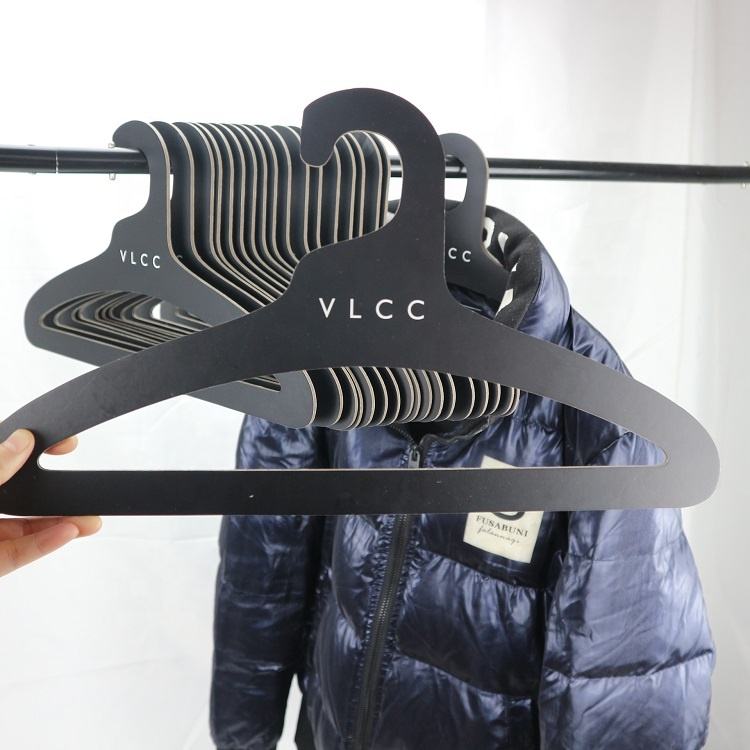
Clothes Hangers
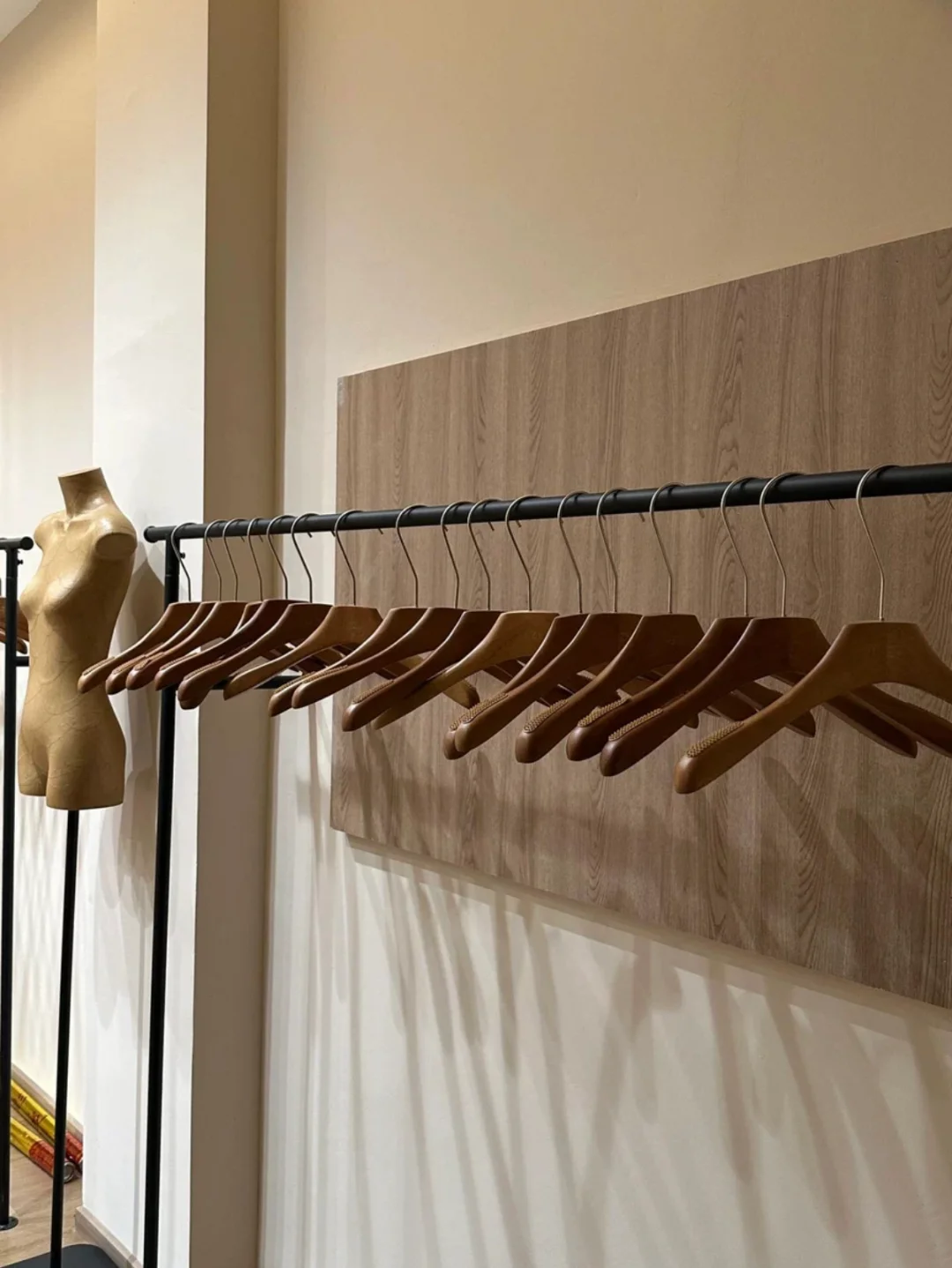
Branded velvet, wooden, plastic and metal hangers custom-printed or engraved with your logo and size markings. Designed to support the weight and shoulder width of big & tall garments without distortion. Available in multiple finishes and colors. Supplied with every bulk order or as standalone accessories to strengthen retail presentation and customer unboxing experience.
Get a Quote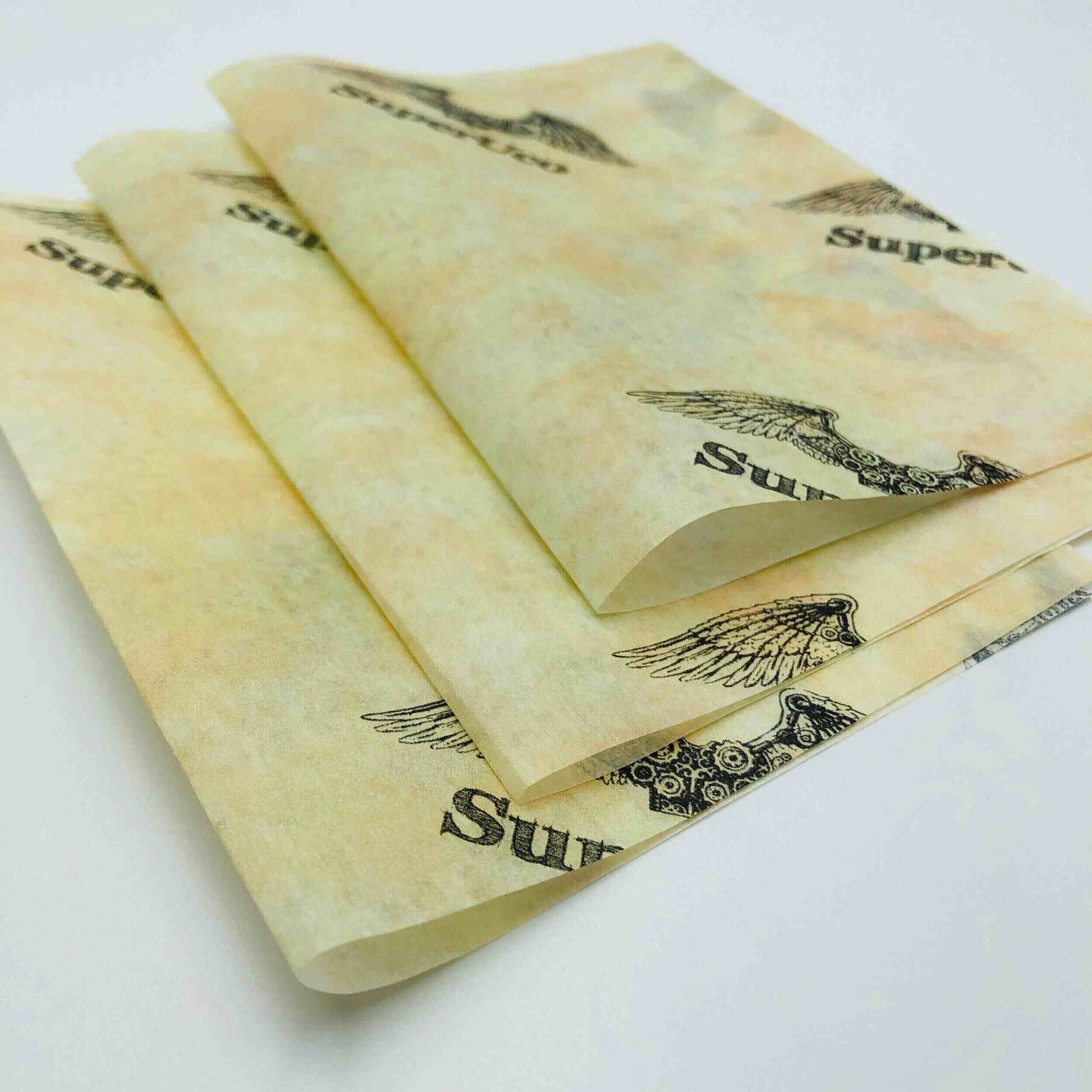
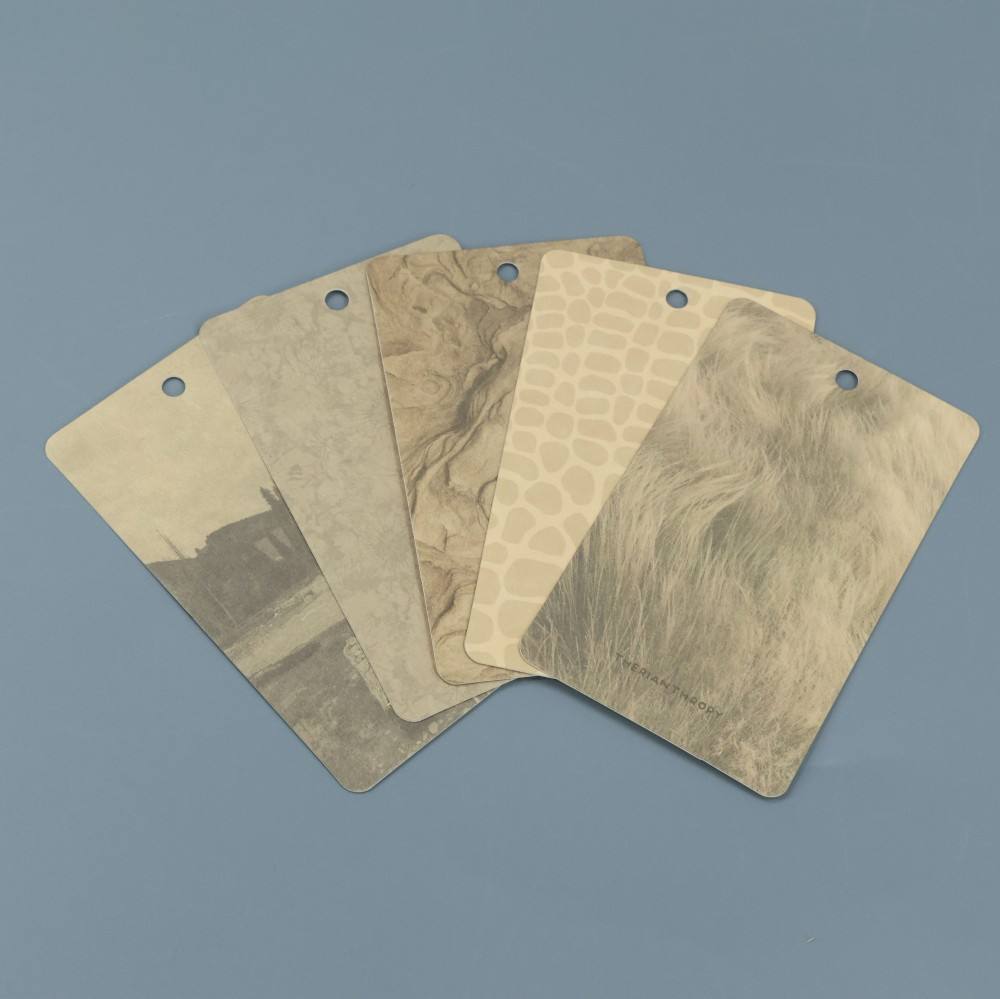
Tissue Paper
Custom-printed tissue paper in your brand colors, logo or seasonal artwork. Used for inner wrapping, box fill and premium unboxing presentation. Available in lightweight and heavyweight stock, with options for solid color, pattern repeat or edge-to-edge print. Minimum order from 1,000 sheets. Coordinated with garment shipments to ensure unified brand packaging.
Get a Quote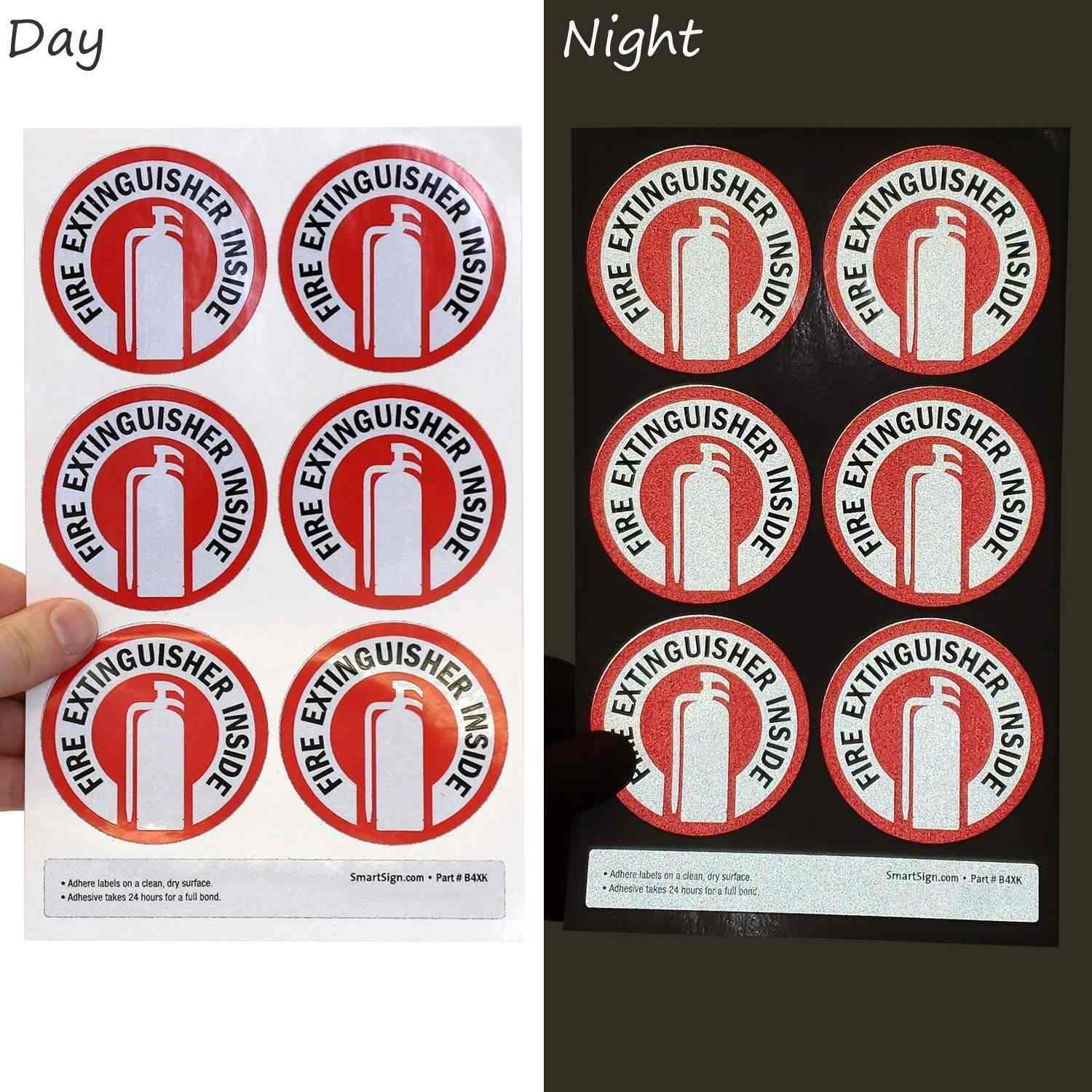
Packaging Stickers
Die-cut logo stickers, thank-you seals, size labels, care instruction decals and promotional QR-code stickers printed to your artwork. Available in paper, vinyl, holographic and eco-friendly materials with matte, gloss or clear finishes. Used to seal poly bags, reinforce branding on hang tags or add limited-edition campaign details. MOQ from 500 pieces per design.
Get a QuotePremium Fabrics Sourced by Your Big & Tall Menswear Manufacturer
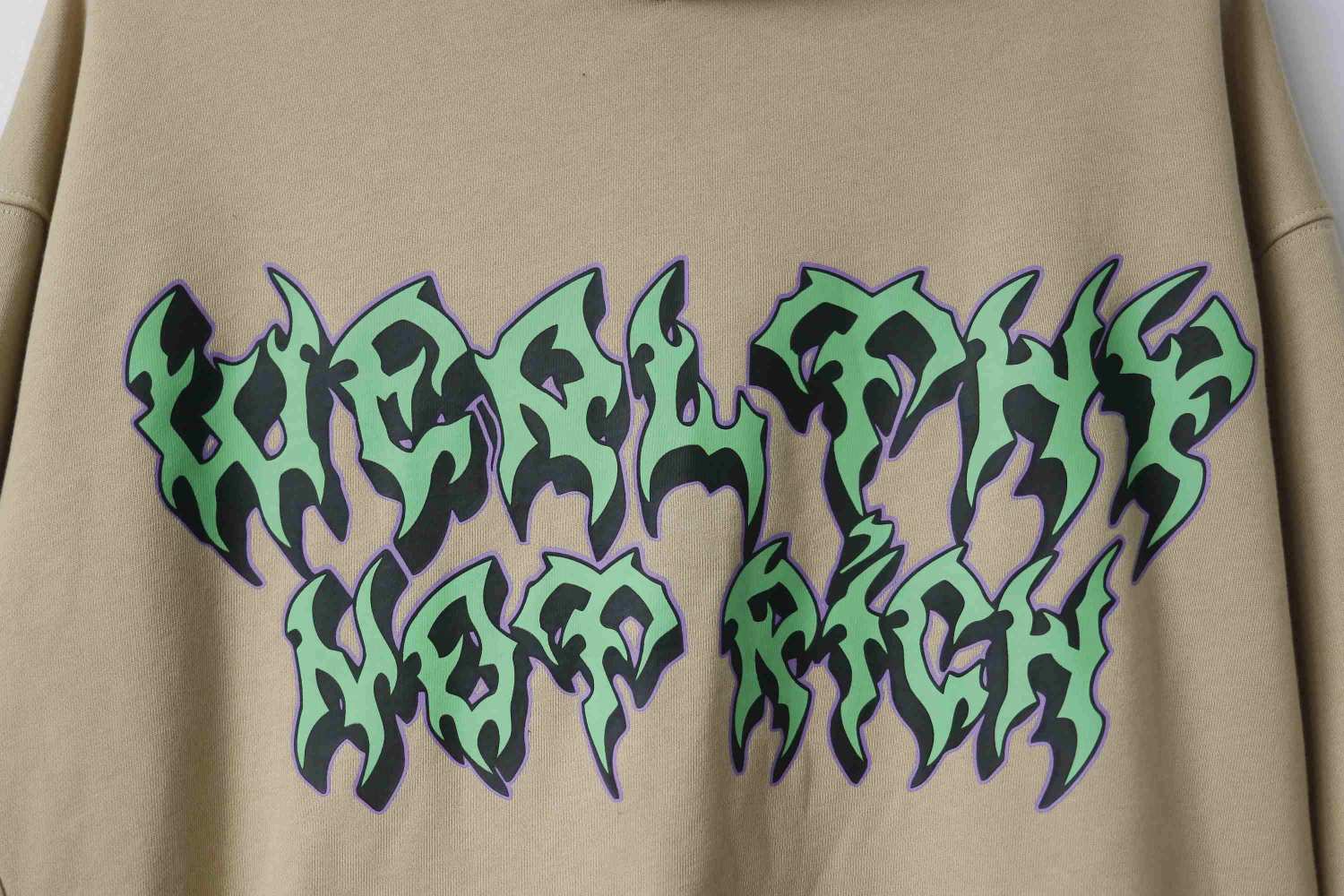
In-House Decoration & Printing for Custom Big & Tall Menswear
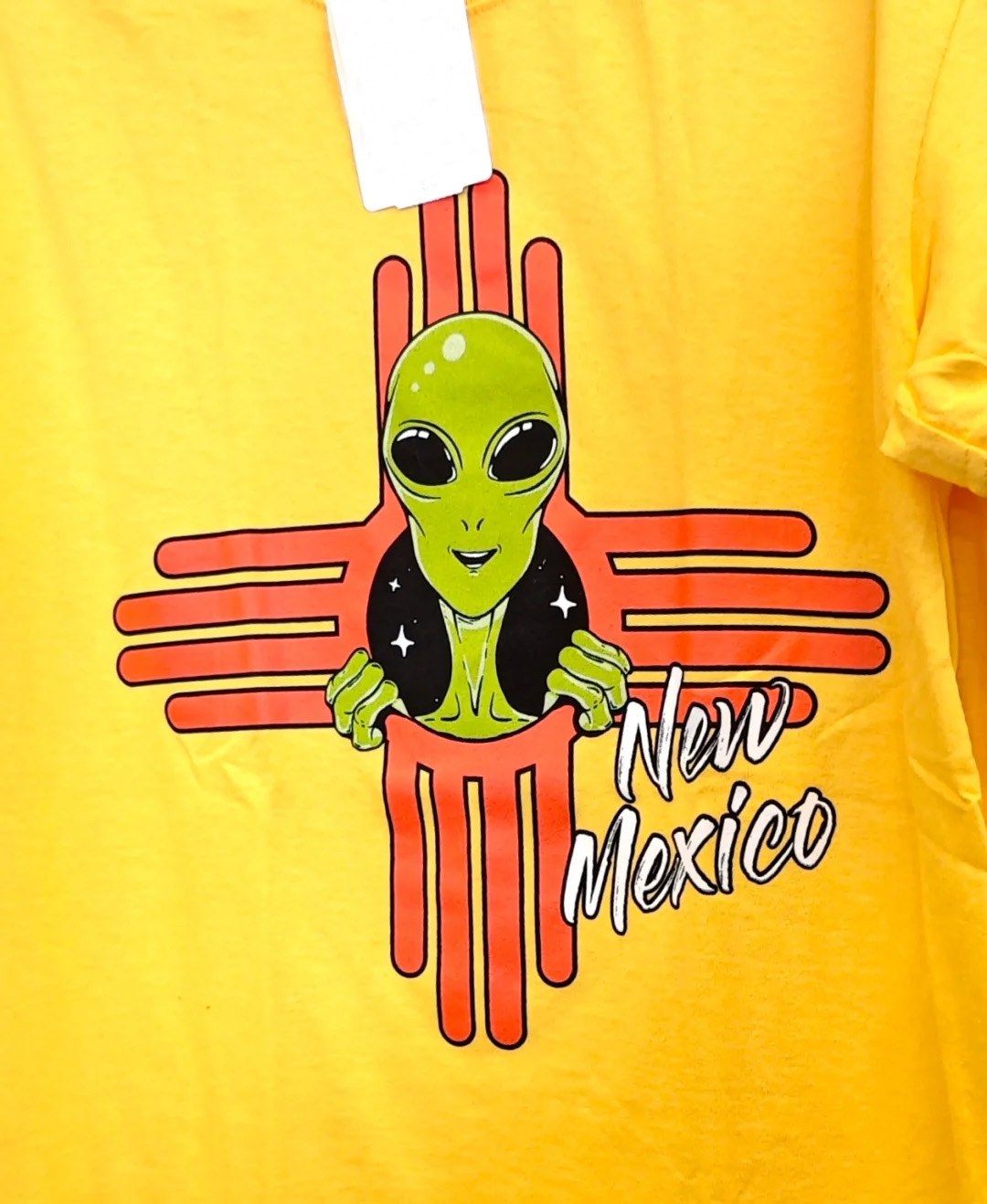
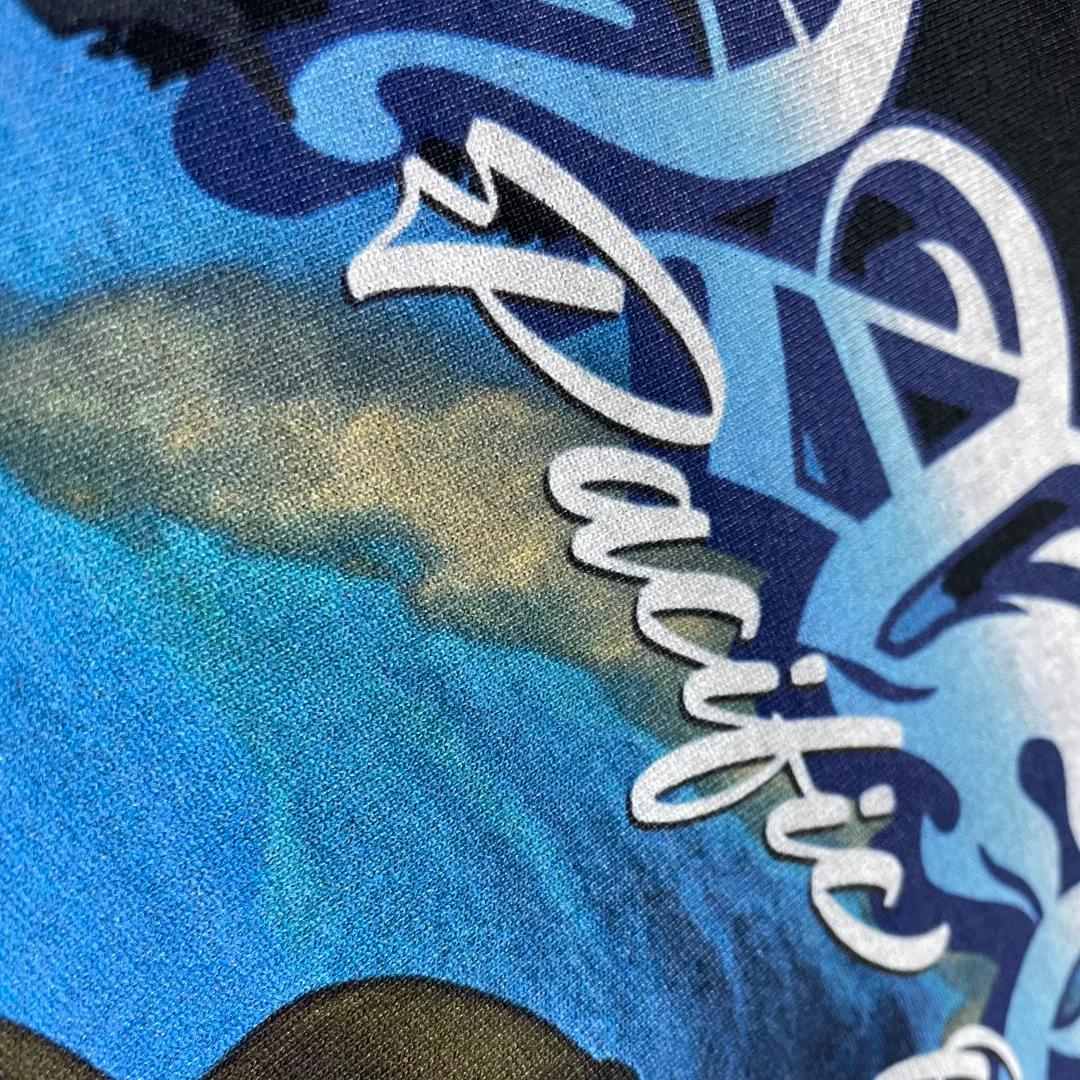
DTG & DTF
Direct-to-garment and direct-to-film printing for photographic detail, gradients and complex multi-color designs. Ideal for low-MOQ custom runs, samples and on-demand capsule collections starting from 100 pieces.
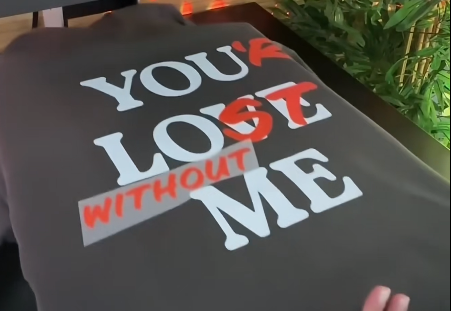
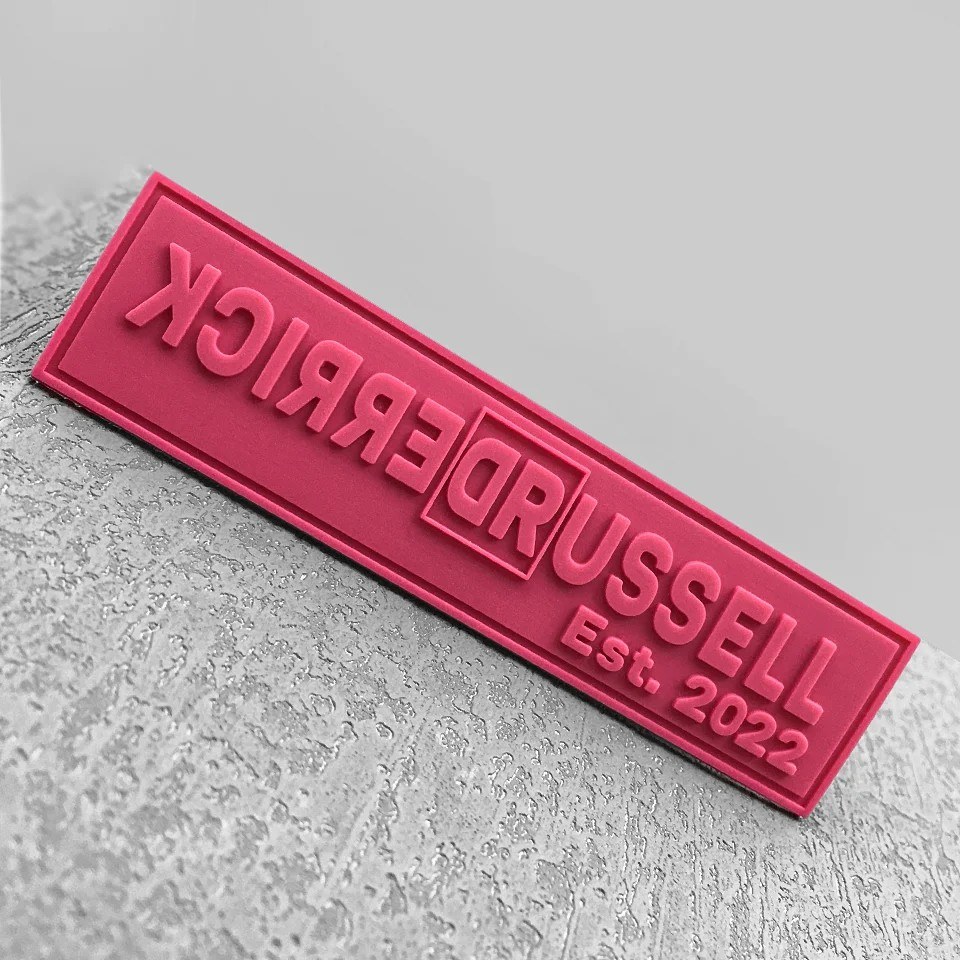
Custom Trims & Accessories for Big & Tall Menswear Brands
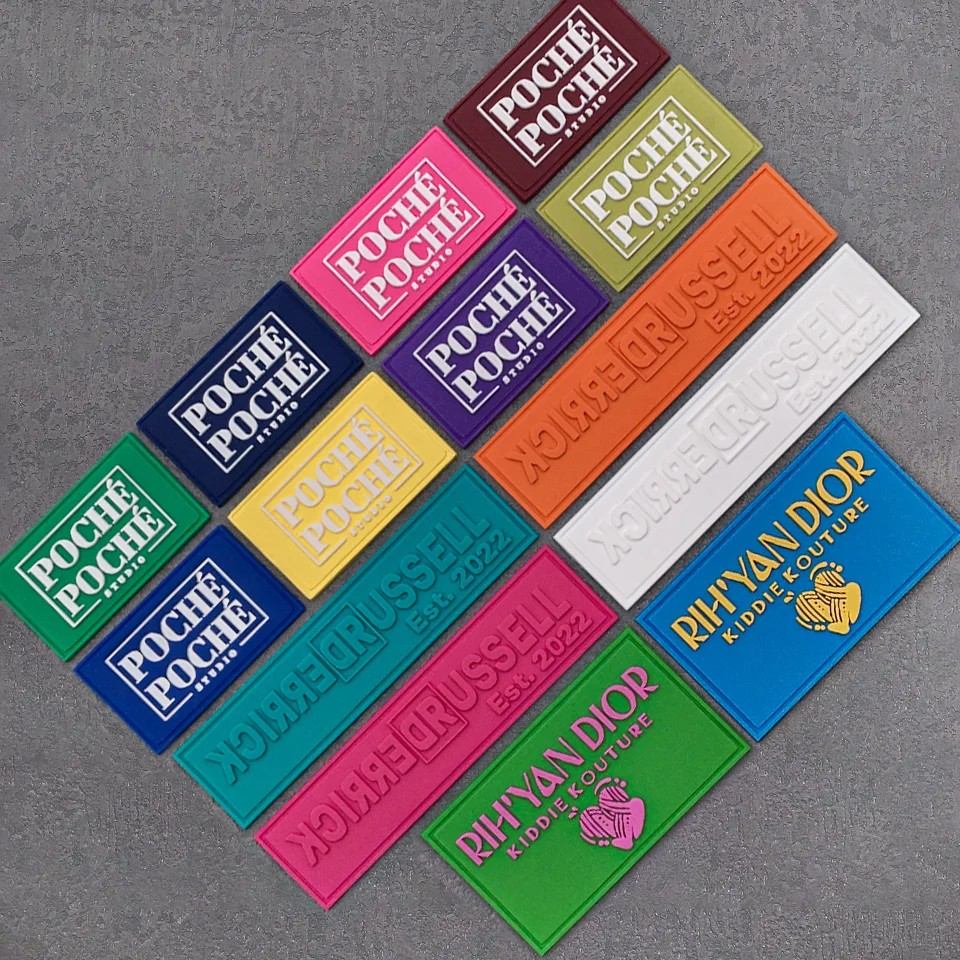
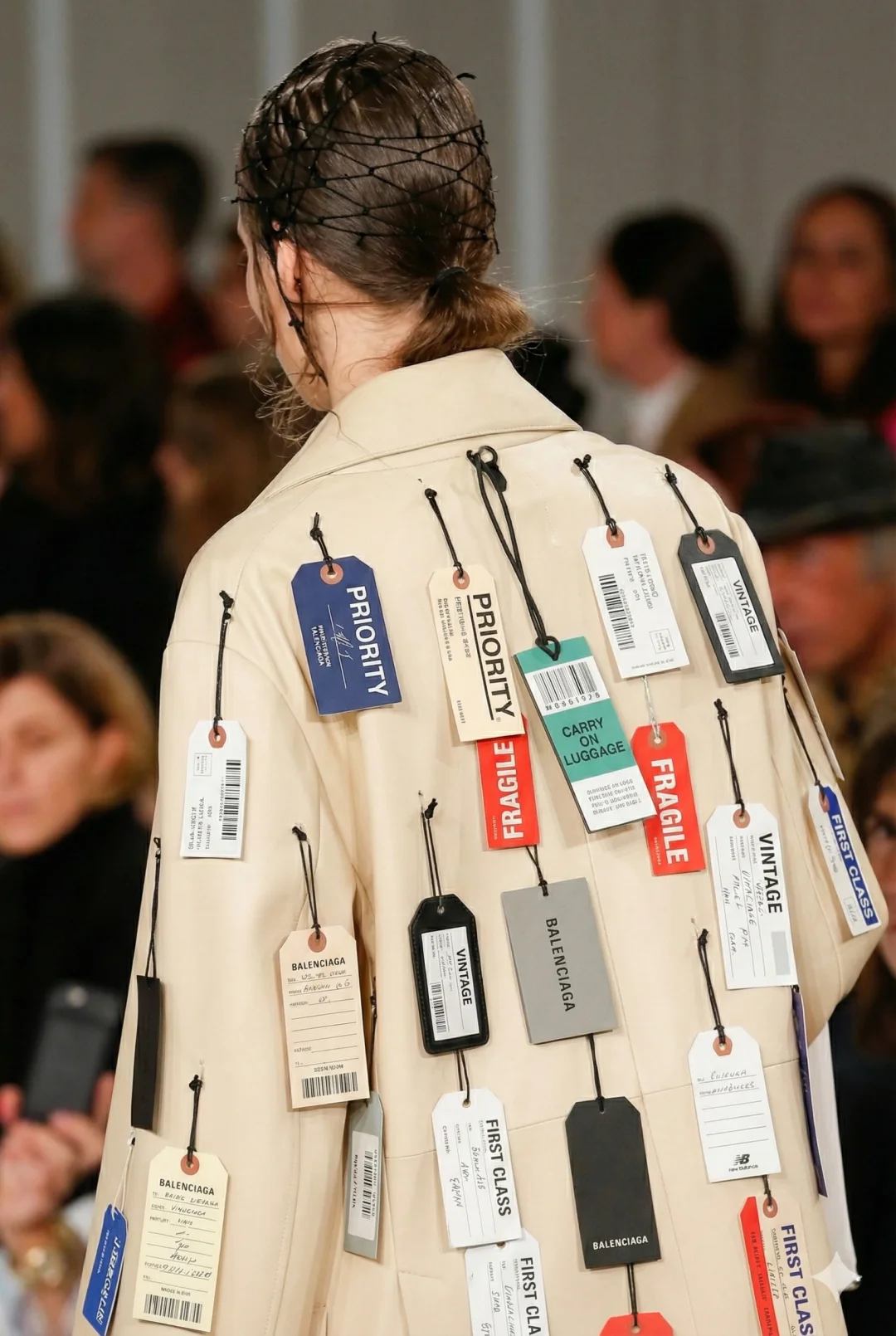
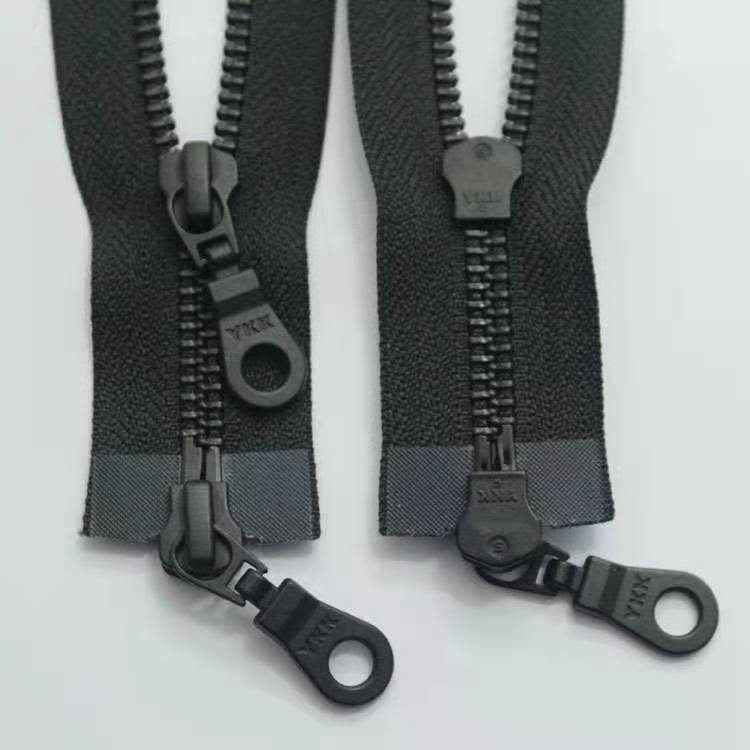
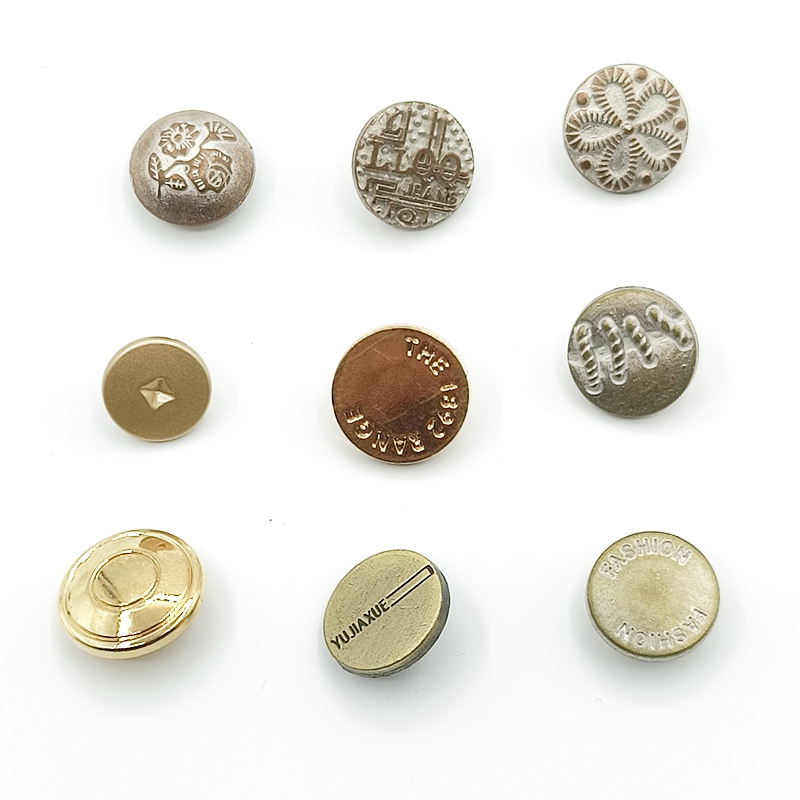
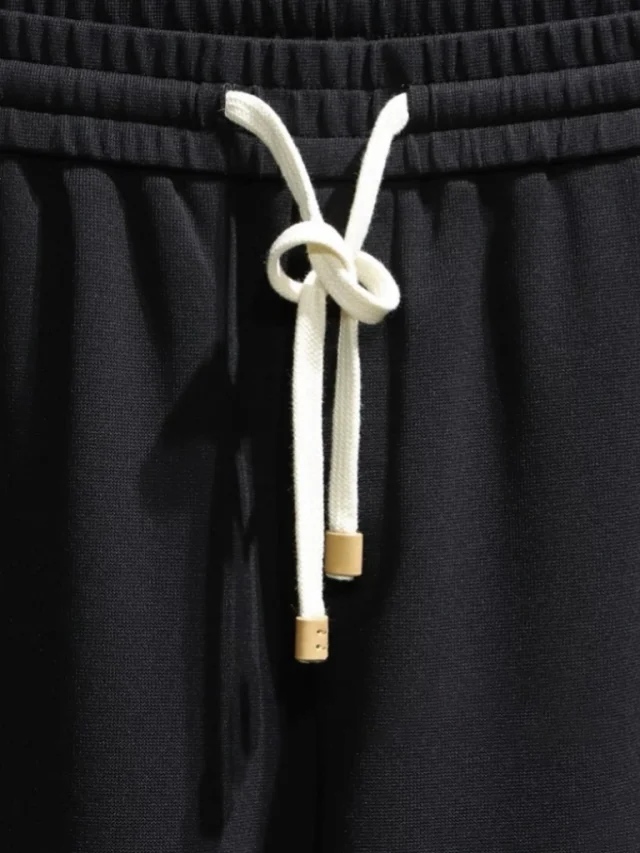
Drawcords & Tipping
Round, flat and elastic drawcords with metal, plastic or silicone tipping in matching or contrast colors. Specified for hoodies, joggers, shorts and outerwear waistbands to deliver adjustable fit and finished aesthetic across 2XL–6XL sizing.
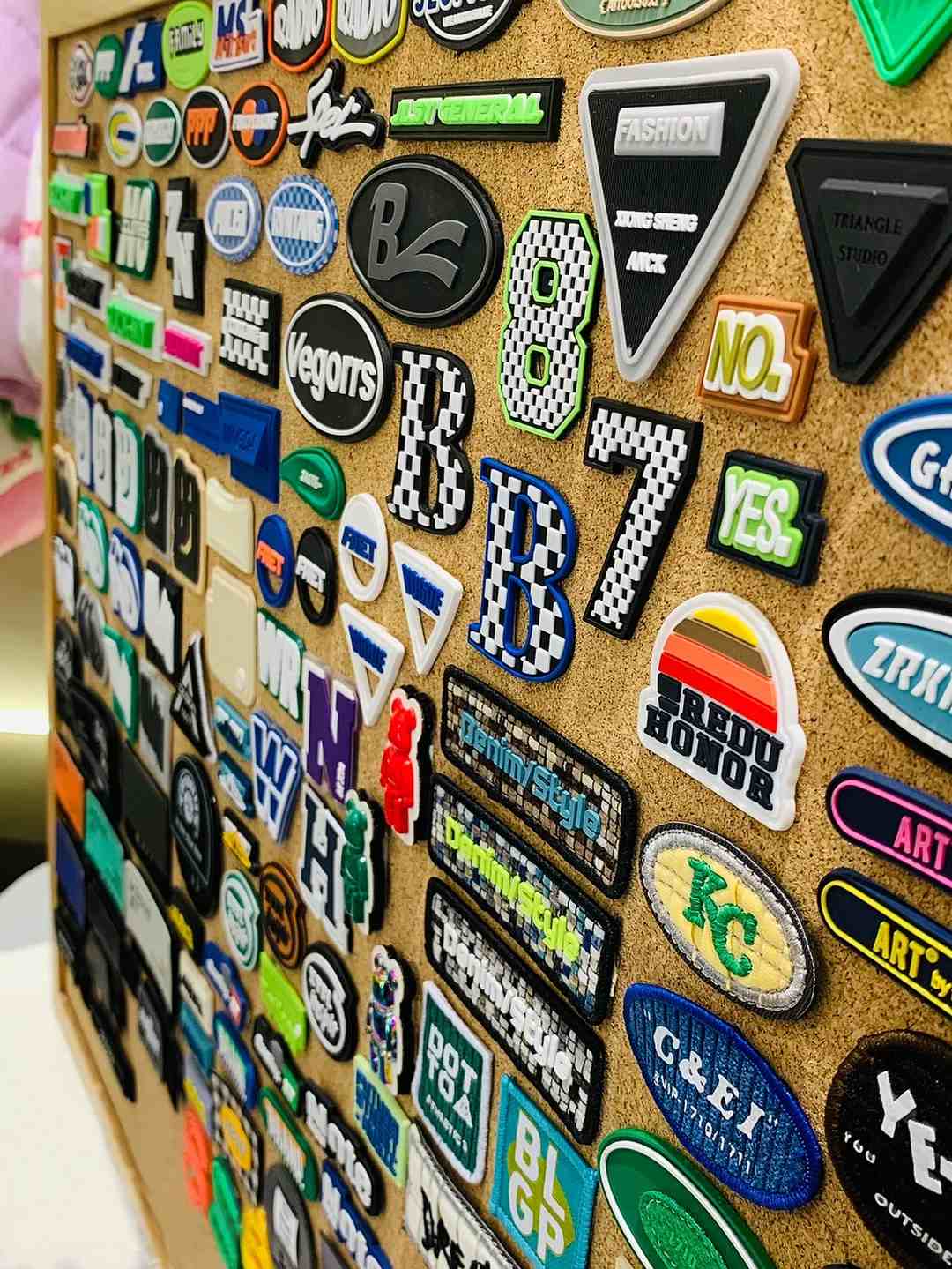
About MENWILD — Your Big & Tall Menswear Manufacturing Partner
Founded in 1998 in Humen, Dongguan — the heart of China’s garment manufacturing hub — MENWILD has spent over 28 years perfecting big & tall and plus-size menswear production. What started as a small family cut-and-sew workshop has grown into a full-service garment packaging supplier and manufacturer serving over 2,000 fashion brands across the United States, Canada, Europe, Australia, Russia and the Middle East.
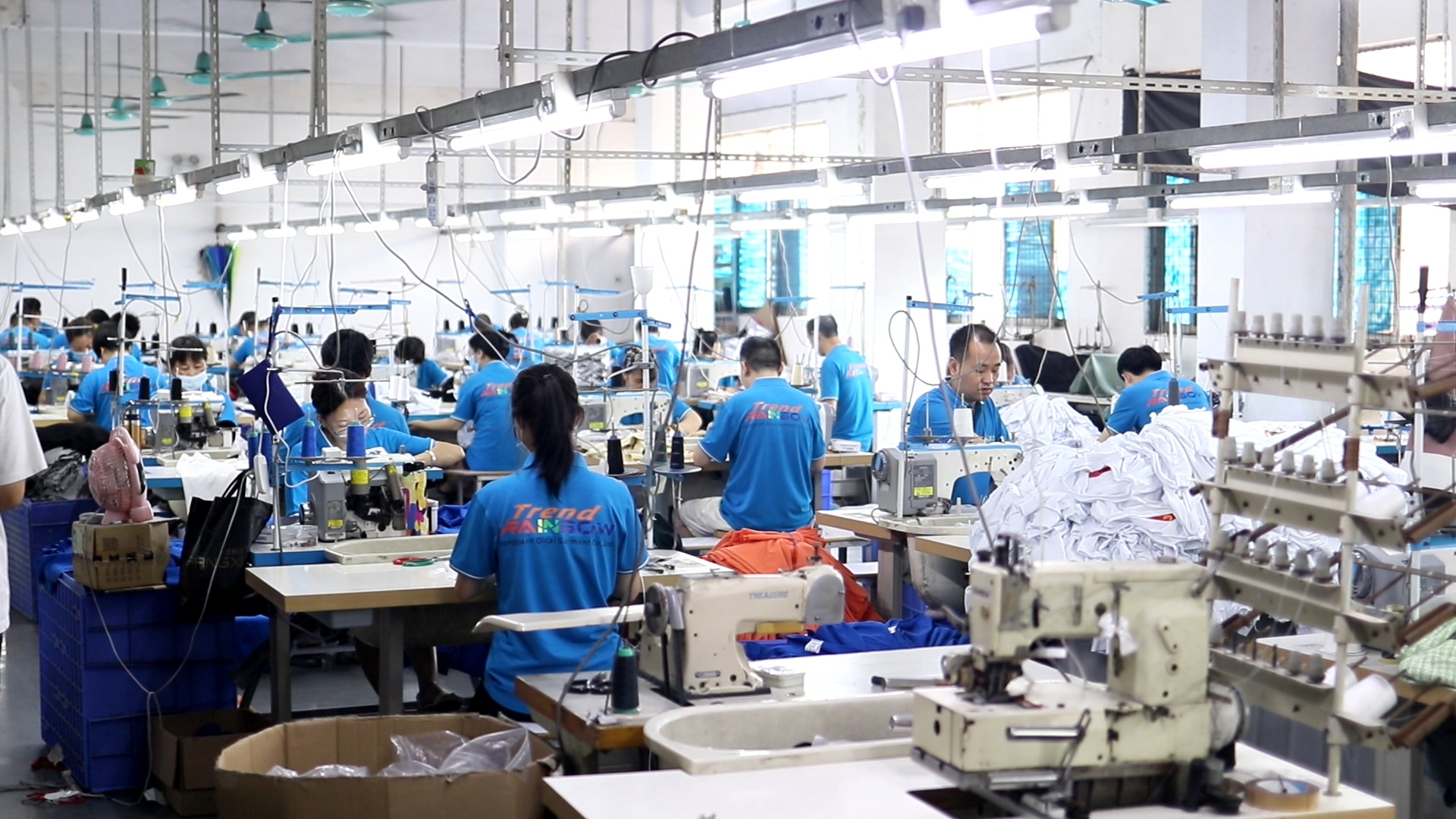
With more than 200 skilled employees and a monthly capacity exceeding 80,000 pieces, MENWILD covers every step: design development, fabric sourcing, specialist 2XL–6XL pattern grading, sampling, cut-and-sew and knitting production, embroidery and printing decoration, garment finishing, custom packaging and export logistics. Unlike typical suppliers that scale patterns up until proportions break, MENWILD engineers true fit for larger and taller men — because extended-size garments deserve more than guesswork.
Flexible MOQs from just 100 pieces per style, fast sampling, in-house decoration and a dedicated design team make MENWILD the long-term manufacturing partner behind growing big & tall menswear brands. Whether you arrive with a finished tech pack, a sketch or only an idea, MENWILD turns your vision into production-ready garments that actually fit.
Core Manufacturing Capabilities That Set MENWILD Apart
Specialist 2XL–6XL Pattern Grading & Fit
True big and tall garments demand more than simple scaling. MENWILD’s pattern team develops extended-size grading systems that maintain proper proportions, sleeve length, rise depth and shoulder width across every size from 2XL to 6XL, ensuring your garments actually fit larger men.
- Custom grade rules for big & tall and oversized streetwear fits
- Fit refinement built for bigger bodies, not afterthought scaling
- Pattern and size-set records kept on file for fast re-orders
- 28+ years of extended-size manufacturing experience
Design Development From Any Starting Point
Whether you arrive with a finished tech pack, a sketch, a reference photo or just an idea, MENWILD’s in-house design team turns concepts into production-ready menswear. Original design, full size-set grading and sample development are all handled under one roof.
- Tech-pack creation and pattern development in-house
- Fast sampling with fabric swatches before bulk production
- Design support for startups, influencers and established brands
- Full ODM and private-label services available
Complete In-House Decoration & Printing Suite
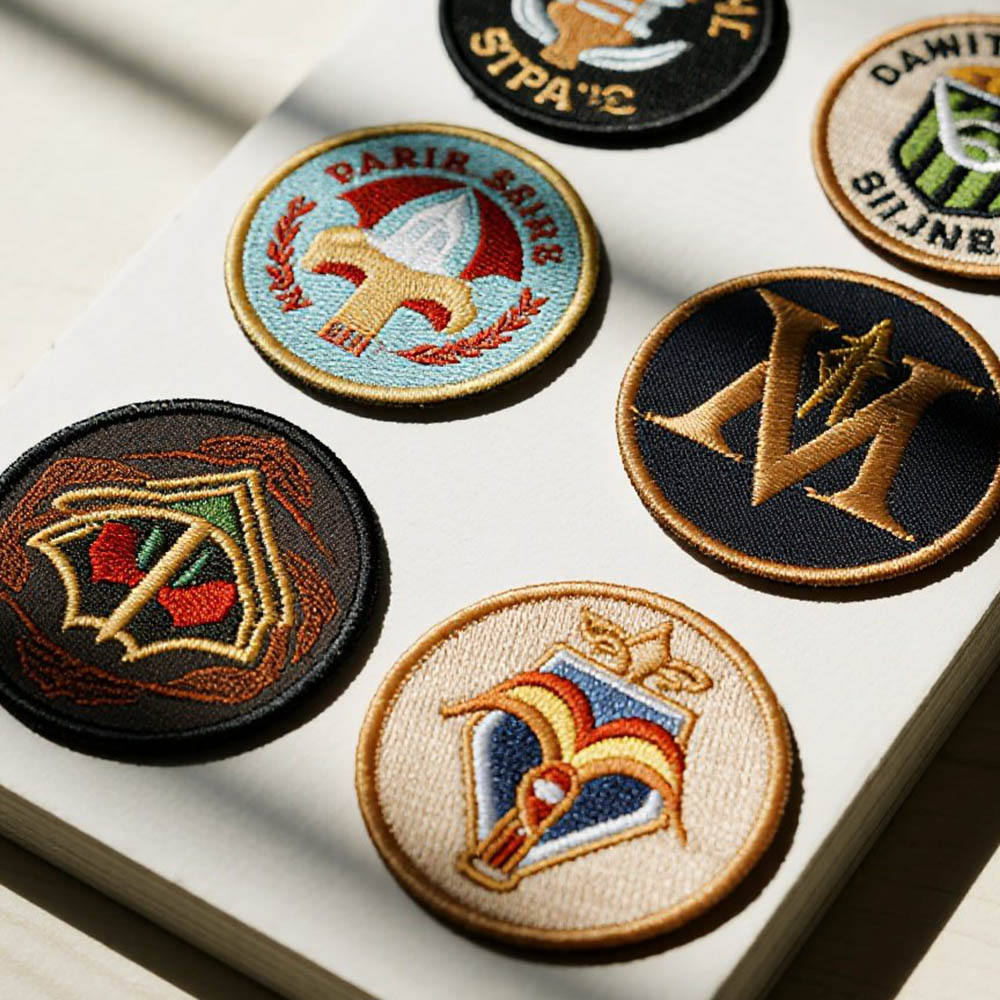
Embroidery, screen printing, DTG, DTF, sublimation, patches, appliqué, garment dye, acid wash and more — all managed in-house. No outsourcing delays, no quality gaps. Your garment packaging supplier controls every decoration step from fabric to final folding and bagging.
- Flat, 3D puff, chain-stitch and sequin embroidery
- Screen print in plastisol, water-based, discharge, foil and puff
- Garment washing: enzyme, stone, tie-dye, brushing and finishing
- Custom labels, hang tags, poly bags and branded packaging
In-Line Quality Control & Export Logistics
Every order passes through multi-stage inspection — fabric, cutting, sewing, decoration and final packing. MENWILD coordinates global shipping, documentation and customs compliance, delivering finished, packaged garments ready for your warehouse or retail floor.
- AQL-standard inspection at fabric, production and packing stages
- Pre-shipment samples and photo reports available on request
- Export documentation, carton marking and FOB/CIF logistics
- Patterns and QC records archived for consistent re-orders
Why Choose MENWILD as Your Big & Tall Menswear Manufacturer
Evidence-based comparison: What sets MENWILD apart from typical garment suppliers when it comes to packaging, production flexibility, and big & tall expertise.
← 左右滑动查看 →
From Inquiry to Delivery — Your Big & Tall Menswear Production Workflow
MENWILD’s streamlined six-phase workflow ensures every big & tall menswear order—from initial tech pack to final packaged garment—is delivered on time, on spec, and ready for your customers.
Inquiry & Tech-Pack Development
Share your design concept, sketch, or finished tech pack. Our team refines specs, confirms extended-size grading requirements, and prepares production-ready documentation for 2XL–6XL fits.
Fabric Sourcing & Sampling
We source fabrics from trusted Chinese mills, send swatches for approval, and produce pre-production samples with accurate big & tall proportions before any bulk commitment.
Bulk Production & In-Line QC
Cut-and-sew and knitting lines begin production with real-time quality checks at every stage, ensuring fit consistency across all extended sizes and maintaining our 28-year craftsmanship standards.
Decoration & Finishing
In-house embroidery, screen printing, DTG, DTF, garment washing, and finishing treatments are applied. Every decoration technique is quality-checked before moving to the packaging stage.
Packaging & Final Quality Check
Custom labels, hang tags, poly bags, and branded packaging are applied. Each garment undergoes final inspection to confirm size accuracy, decoration quality, and packaging presentation standards.
Global Logistics & Delivery
Finished garments are packed, documented, and shipped via air or sea to your destination. Patterns and fabric records are archived for fast, consistent re-orders.
How to Partner With MENWILD for Big & Tall Menswear Production
From concept to finished, packaged garments ready to ship — MENWILD guides you through every step with transparent pricing, fast sampling, and full in-house decoration and packaging capabilities.
Submit Your Tech Pack or Design
Send your finished tech pack, sketches, reference photos, or just an idea. Our design team reviews your requirements and confirms fabric, trims, sizing, decoration, and packaging specifications.
Receive Quote and Sample Garment
Within 48 hours you’ll receive a detailed quote covering production, decoration, and packaging. Approve fabric swatches, then we produce your sample garment for fit and quality approval.
Approve Bulk Production Start
Once you approve the sample, confirm your order quantity starting from just 100 pieces per style and color. Pay your deposit and we begin cutting and sewing.
Complete In-House Decoration and Packaging
Your garments move through embroidery, screen printing, washing, or other finishing processes, then into custom hang tags, labels, polybags, and branded packaging — all under one roof.
Ship Directly to Your Warehouse
Final QC inspection confirms every piece meets spec. We handle export documentation and arrange ocean or air freight to your door, with full tracking and support throughout.
Certifications & Quality Standards From Your Big & Tall Menswear Manufacturer

What Our Clients Say About MENWILD as Their Big & Tall Menswear Manufacturer
We launched 3 capsule collections in 6 months thanks to the 100-piece MOQ. The custom hang tags and poly bags elevated our brand presentation, and the 3XL–5XL fit was spot-on from the first sample.
MENWILD’s packaging and labeling service saved us weeks. Every garment arrived folded, tagged, and retail-ready. Our big & tall customers in the U.S. saw zero fit complaints across 2XL to 4XL sizes.
After switching to MENWILD, our return rate on 3XL+ hoodies dropped by 40%. Their extended-size grading is the real deal, and the custom woven labels and garment bags gave us a premium unboxing experience.
Frequently Asked Questions About Big & Tall Menswear Manufacturing
What is the minimum order quantity for custom big & tall menswear production?
How long does sampling take for custom big & tall menswear?
What payment terms does MENWILD offer for menswear production?
Can you handle international shipping and logistics for garment orders?
How does MENWILD protect intellectual property and design confidentiality?
What customization options are available for garment packaging and finishing?
Do you source fabrics, or do I need to supply my own?
Why choose MENWILD as your garment packaging supplier for big and tall menswear?
What is the typical lead time for bulk production and packaging?
The Complete Buyer’s Guide to Choosing the Right Garment Packaging Supplier
Navigate the garment packaging landscape with confidence. This guide delivers a proven decision framework, essential supplier criteria, material comparisons, and the critical mistakes to avoid when sourcing packaging for your menswear brand.
1. What Is a Garment Packaging Supplier?
A garment packaging supplier manufactures and supplies the full range of protective and branded materials that enclose apparel from production through final delivery: poly bags (typically 2–4 mil LDPE or biodegradable alternatives), folding cartons and mailer boxes, tissue paper (17–24 GSM), velvet or flocked hangers, woven and printed care labels, size stickers, hang tags, thank-you cards, shopping bags (kraft, coated paper, non-woven PP) and shipping cartons. These suppliers serve fashion brands, wholesalers, e-commerce retailers, independent designers and brick-and-mortar stores across every price tier.
Packaging is the first physical touchpoint a customer experiences. Over 60 percent of online shoppers report that premium unboxing increases perceived brand value and repeat-purchase intent, while inadequate protection during transit directly raises return rates and damages margin. For extended-size and big & tall menswear brands, properly sized poly bags (often 14×20 inch or 16×24 inch) and reinforced mailer boxes prevent creasing in larger garments and preserve the fit integrity that customers in 2XL to 6XL depend on.
2. Evolution of Garment Packaging in Fashion
Until the early 2000s, most garment packaging suppliers shipped apparel in plain poly bags or brown kraft paper, treating packaging as a pure cost line. Retailers and wholesalers prioritized protection and logistics efficiency over brand expression, and end consumers rarely saw the original packaging.
E-commerce growth after 2010 changed everything. Direct-to-consumer brands began shipping garments straight to buyers’ doorsteps, and Instagram unboxing culture turned the first sixty seconds of product reveal into a marketing event. Packaging shifted from invisible cost center to brand differentiator, with custom-printed mailers, tissue wraps, stickers and thank-you cards becoming standard.
By 2018, sustainability mandates in the EU and California pushed garment packaging suppliers to offer compostable mailers, recycled poly, FSC-certified paper and water-based inks. Today’s buyers prioritize both customization and eco-materials, expecting a garment packaging supplier to deliver branded, compliant and memorable unboxing experiences at accessible MOQs — often starting from 500 or 1,000 units per SKU.
3. Types of Garment Packaging Suppliers
The garment packaging supplier landscape divides into six distinct categories, each serving different volume, customization and budget profiles. Matching your brand stage and order size to the right supplier type reduces lead times, lowers MOQs and unlocks better unit economics.
Full-Service Packaging Houses
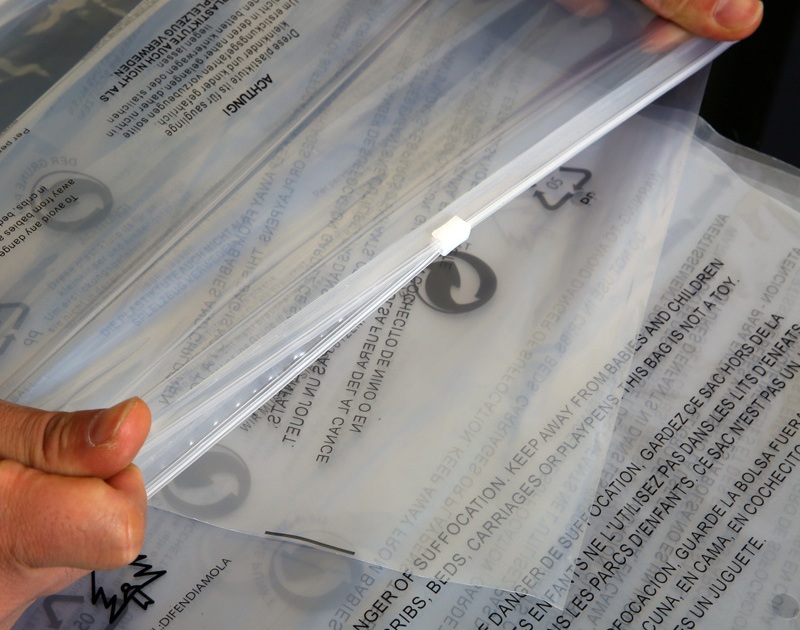
Full-service suppliers handle poly bags, tissue, boxes, hang tags, labels and printed inserts under one roof. MOQs typically start at 5,000–10,000 units per SKU, with lead times of 3–5 weeks. Established brands benefit most from consolidated ordering and consistent quality across all packaging components.
Specialty Poly Bag Manufacturers
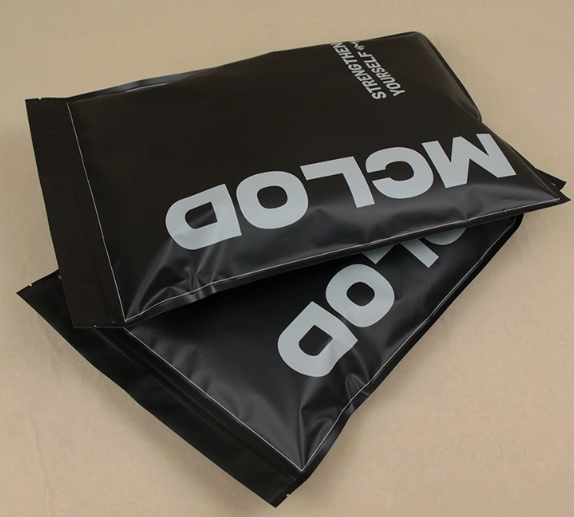
Focused on poly mailers, resealable bags and biodegradable film, these vendors offer MOQs as low as 1,000 pieces and 7–14 day turnarounds. Startups launching single-product lines or testing market fit find the low entry threshold and fast sampling ideal for cash-flow management.
Rigid Box Specialists
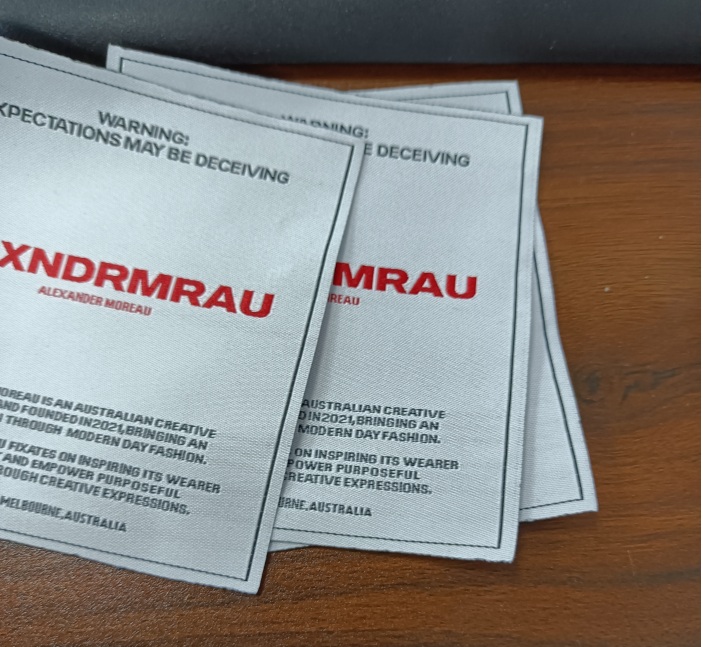
Premium brands use rigid-box specialists for luxury unboxing experiences. MOQs range from 500–3,000 units, lead times extend to 4–6 weeks, and per-unit costs run 3–8× higher than poly. Best suited for limited-edition drops, gift sets and high-margin product launches.
Sustainable and Eco-Packaging Vendors
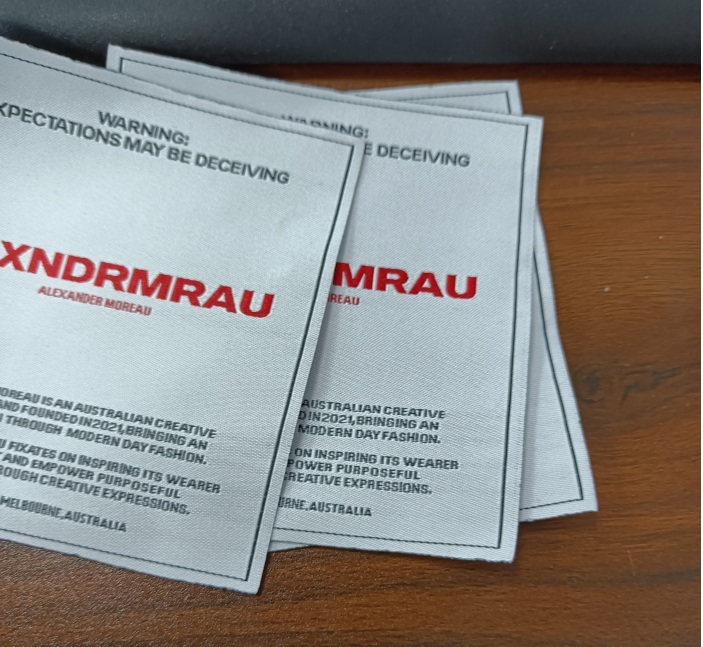
Suppliers focused on recycled paper, compostable mailers, soy inks and FSC-certified materials serve eco-conscious labels. MOQs sit between 2,000–5,000 units, with lead times of 2–4 weeks. Brands targeting Gen Z and millennial audiences leverage certified sustainable packaging to align messaging with material choices.
Print-on-Demand Packaging Platforms
Digital platforms print custom packaging with no minimum order, shipping sample quantities in 3–7 days. Per-unit costs are 2–5× retail supplier rates, making them viable only for prototyping, influencer gifting or ultra-low-volume capsule releases before committing to bulk orders.
Hybrid Garment Packaging Suppliers
Hybrid suppliers integrate packaging into apparel manufacturing workflows, coordinating fabric sourcing, cut-and-sew, decoration and final packaging. MOQs align with garment minimums—often 100–500 pieces per style. Independent designers and wholesalers gain single-point accountability, faster turnarounds and reduced freight by consolidating packaging with production.
4. Packaging Materials and Sustainability Options
Material choice defines brand perception, environmental footprint and shipping durability. A garment packaging supplier should offer virgin and recycled poly, biodegradable films, kraft paper, corrugated cardboard, tissue and cotton bags, each certified and suited to specific channels.
| Material | Sustainability | Cost Tier | Certifications | Best Application |
|---|---|---|---|---|
| Virgin poly bag | Low | $ | — | Budget e-commerce, moisture barrier |
| Recycled poly (rPE/rPP) | Medium | $$ | GRS | Eco-conscious e-commerce, water resistance |
| Biodegradable/compostable film | High | $$$ | Home-compostable (EN 13432) | Premium sustainable brands, short shelf life |
| Kraft paper mailer | Medium–High | $$ | FSC | Retail, lightweight e-commerce, unboxing appeal |
| Corrugated cardboard box | Medium–High | $$ | FSC | Heavy garments, multi-item orders, branding |
| Tissue wrap | Medium | $ | FSC | In-store retail, gift presentation |
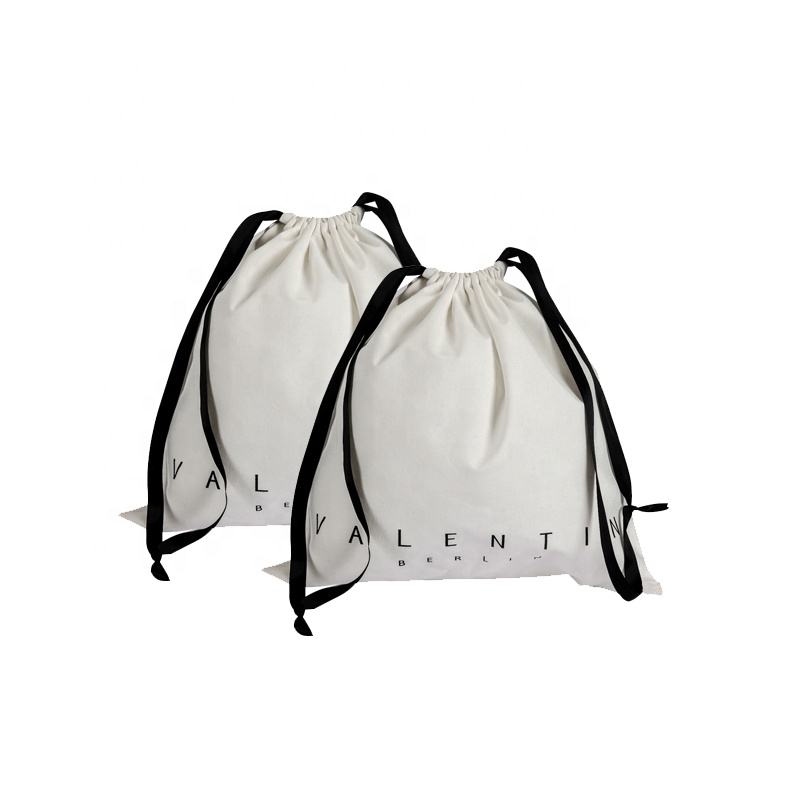
| Cotton drawstring bag | High (reusable) | $$$ | GOTS, organic | Premium retail, loyalty programs, reusable packaging |
5. Customization and Branding Techniques
A garment packaging supplier’s decoration capabilities determine how effectively your brand identity transfers to polybags, boxes, tissue, and hang tags. Screen printing, digital printing, hot stamping, embossing and die-cutting each offer distinct trade-offs in color range, setup cost, durability and minimum order.
| Method | Setup Fee | Unit Cost Adder | Minimum Order |
|---|---|---|---|
| Screen printing | $50–150/color | $0.03–0.08 | 1,000+ pcs |
| Flexographic | $100–250/color | $0.02–0.05 | 5,000+ pcs |
| Digital printing | $0 | $0.10–0.30 | 100+ pcs |
| Hot stamping | $80–200 | $0.08–0.20 | 500+ pcs |
| Emboss/Deboss | $100–250 | $0.05–0.15 | 500–1,000 pcs |
| Die-cut | $80–300 | $0.05–0.15 | 500+ pcs |
Screen Printing and Flexographic Printing
Screen printing applies ink through mesh stencils, delivering vibrant Pantone-matched colors on poly bags, tissue and boxes. Setup requires one screen per color, typically $50–150 each, making it cost-effective above 1,000 units but less viable for multi-color short runs.
Flexographic printing uses flexible polymer plates and is faster for high-volume runs (5,000+ pieces). Per-unit cost drops below $0.05 at scale, and both methods offer matte, gloss and soft-touch UV finishes that resist scuffing during shipping.
Digital and Hot Stamping Techniques
Digital printing (inkjet or toner) skips setup plates, enabling full-color logos and photography from 100 pieces with no per-color penalty. Unit cost runs $0.10–0.30, higher than screen but justified for test launches and limited editions.
Hot stamping presses metallic or holographic foil onto paper and cardboard using heated dies ($80–200 setup). Gold, silver, rose-gold and iridescent foils add premium shelf appeal; minimums start around 500 pieces, and the foil layer is durable under normal handling.
Embossing, Debossing and Die-Cuts
Embossing raises your logo in relief; debossing presses it inward, both using custom metal dies ($100–250). These tactile finishes work on heavyweight paper (200+ GSM), rigid boxes and leather-effect tags, with minimums around 500–1,000 units.
Custom die-cuts shape hang tags, window boxes and sleeve inserts beyond standard rectangles. Die costs range $80–300 depending on complexity, and per-unit adders stay under $0.15 at moderate volumes, strengthening brand recognition on retail racks.
6. Quality and Compliance Essentials for Garment Packaging
Quality packaging protects your garments and reinforces brand trust, but only when materials, printing and compliance meet measurable standards. Before committing to a garment packaging supplier, verify material specs, print durability and regulatory certifications to avoid costly returns and legal exposure.
Material Thickness and Durability Standards
Poly bags are measured in gauge (1.5–3 mil typical for apparel) or microns (38–76 µm); thinner stock tears during packing, while excessive thickness adds cost and waste. Paper mailers and boxes use GSM (grams per square meter): 150–200 GSM for lightweight mailers, 250–350 GSM for rigid folding cartons.
Request material certificates and test samples under real-world stress — fill a poly mailer to rated weight, seal and drop from waist height. Weak seams or split corners signal substandard film or heat-seal calibration.
Print Adhesion and Color Consistency
Flexographic and digital printing on poly or paper must resist scuffing during transit. Rub a printed sample firmly with a dry thumb; ink that flakes or smudges indicates poor curing or incompatible coatings. Pantone or CMYK color should match your brand guide within Delta E ≤ 2 across production batches.
Ask your garment packaging supplier for strike-off proofs on the exact substrate before bulk runs, and verify lot-to-lot consistency if you plan multi-phase orders.
Safety Compliance and Labeling Requirements
California Prop 65 limits phthalates and heavy metals in packaging; REACH restricts over 200 substances for EU shipments. Recyclable poly must carry resin code (typically #4 LDPE) and ‘How2Recycle’ or regional symbols where mandated.
Request test reports (CPSIA, REACH, RoHS) from accredited labs, not supplier declarations. Off-gassing odors, sticky residue or discoloration are red flags for non-compliant additives or recycled contamination.
7. How to Choose the Best Garment Packaging Supplier
Vetting a garment packaging supplier demands the same rigor you apply to fabric mills or cut-and-sew partners. The right partner balances production scale, compliance credibility, sample turnaround, flexible minimums and responsive design support to match your brand’s growth trajectory.
Assess Production Capacity and Lead Times
Monthly capacity above 80,000 pieces signals machinery depth and workforce stability. Ask for typical sampling lead times — seven to ten days is standard — and bulk runs of fourteen to twenty-one days for orders between 500 and 5,000 units.
Factories with in-house printing, embroidery and garment-wash lines ship faster because decoration and finishing stay under one roof, eliminating handoffs that stretch timelines and risk quality drift.
Verify Certifications and Compliance Documentation
Request current OEKO-TEX, GOTS, WRAP or BSCI certificates and confirm they cover the specific mill or facility producing your goods. Generic PDFs are red flags.
Compliance documentation — lab test reports for azo dyes, formaldehyde, lead in trims — should match your target markets. U.S. and EU regulations differ; ensure your supplier maintains region-specific records and can provide third-party audit trails on request.
Compare MOQs, Pricing Tiers and Payment Terms
Flexible minimums — 100 pieces per style and color — let emerging brands test SKUs without tying up cash in deep inventory. Confirm whether quoted pricing includes decoration, labels, hang tags and poly-bag packaging or if those are line-item add-ons.
Deposit structures that step down from 100% to 30% as order history builds reward loyalty and improve working capital. Payment methods beyond T/T — PayPal, credit card, USDT — signal supplier willingness to accommodate smaller or international buyers.
Evaluate Communication and Design Support
Responsive suppliers reply within twelve to twenty-four hours and assign a dedicated account manager who understands extended-size grading, fabric behavior and decoration limits. If you lack a tech pack, ask whether the team offers original design sketches, pattern development and full size-set grading.
Design support transforms a transactional vendor into a true manufacturing partner, especially when launching capsule collections or adapting runway ideas into production-ready big and tall garments.
8. Common Mistakes When Sourcing a Garment Packaging Supplier
Even experienced brands stumble when selecting a garment packaging supplier. Avoiding these pitfalls protects your launch timeline, budget and brand reputation from day one.
Choosing on Price Alone Without Sampling
Lowest-cost quotes often hide poor print registration, thin poly stock that tears during packing, or adhesive that yellows after sixty days. Always order sample packs with your actual garment to verify material weight, print clarity and closure durability before committing to bulk.
Ignoring Lead Times and Missing Deadlines
Custom-printed poly mailers typically require fourteen to twenty-one days; rigid boxes with foil stamping can stretch to thirty-five days. Confirm production and shipping windows in writing, and add a ten-day buffer for customs and final-mile delivery to avoid missing your launch date.
Failing to Verify Sustainability Claims
Terms like ‘eco-friendly’ and ‘biodegradable’ carry no legal weight without third-party certification. Require FSC, GOTS or Cradle to Cradle documents, and ask for compostability test reports if the supplier claims home or industrial composting compliance.
Skipping Contract Terms on Tooling Ownership
Custom die-cuts, printing plates and embossing dies can cost three hundred to eight hundred dollars. Ensure your contract states that you own all tooling after payment, preventing reorder lock-in and enabling you to switch suppliers without re-investment.
9. Steps to Launch Your Brand with the Right Packaging Partner
Launching with a garment packaging supplier requires a structured workflow from brief to first shipment. Following these steps reduces risk, controls costs and ensures your packaging reinforces brand identity from day one.
Define Requirements and Vet Suppliers
List exact packaging types (poly mailers, hang tags, tissue, boxes), sizes, monthly volumes and sustainability goals before outreach. Request quotes and samples from three to five vetted suppliers, comparing lead times, MOQ thresholds and material certifications.
Shortlist partners who match your volume profile and offer the decoration techniques — foil stamping, embossing, custom printing — your brand needs.
Evaluate Samples and Negotiate Terms
Inspect physical samples for print sharpness, material hand-feel and structural integrity. Compare color accuracy against Pantone references and test closures, adhesive strength and fold lines under handling stress.
Negotiate pricing, payment schedules and deposit terms; stable partners often step deposits down from 100 percent on first orders to 30 percent for repeat clients, with balance due before shipment.
Approve Proofs and Launch Production
Review digital mockups and pre-production samples to confirm artwork placement, color matching and sizing. Build two to four weeks of buffer time into your first order to accommodate sampling revisions and shipping.
Inspect the first production run in full, then establish a reorder workflow with pattern and spec records on file to speed repeat orders and maintain inventory flow.
10. Pricing and Cost Considerations
Packaging costs typically represent 2–8% of a garment’s wholesale price, with poly mailers starting near $0.15 at 1,000 units and premium rigid boxes reaching $3.50+ at lower volumes. Setup fees for one-color screen printing range from $50–150 per design, while full-color digital printing carries little or no setup but higher per-unit costs below 5,000 pieces.
Most garment packaging suppliers tier pricing by quantity, customization level and material weight. Stock poly mailers with no branding ship fastest — often 7–10 days — whereas custom-printed rigid boxes with tissue inserts, stickers and thank-you cards require 15–25 days and carry higher tooling charges. Brands launching with 500–1,000 units should budget $0.40–1.20 per complete package; at 5,000+ units, economies of scale drop costs to $0.25–0.70 for comparable specifications, making repeat orders significantly more cost-effective.
| Packaging Type | 500 Units | 1,000 Units | 5,000 Units | Setup Fee | Lead Time |
|---|---|---|---|---|---|
| Stock poly mailer (no print) | $0.25 | $0.18 | $0.12 | $0 | 7–10 days |
| 1-color printed poly mailer | $0.45 | $0.32 | $0.20 | $75–120 | 12–15 days |
| Full-color printed mailer | $0.70 | $0.55 | $0.35 | $0–50 | 10–14 days |
| Rigid box + tissue insert | $1.80 | $1.40 | $0.85 | $200–350 | 18–25 days |
| Premium box + inserts + sticker | $2.50 | $1.90 | $1.10 | $300–500 | 20–28 days |
Ready to Partner With a Trusted Garment Packaging Supplier?
Start with 100 pieces, get fast samples, and work with a manufacturing partner built for big & tall menswear brands.