
Big & Tall Menswear Manufacturer for Fashion Brands Worldwide
OEM and ODM menswear manufacturer specializing in 2XL–6XL extended sizing, 100-piece low MOQ, full in-house decoration, and fast sampling for big & tall fashion brands, wholesalers, and independent designers.
Big & Tall Menswear Product Gallery
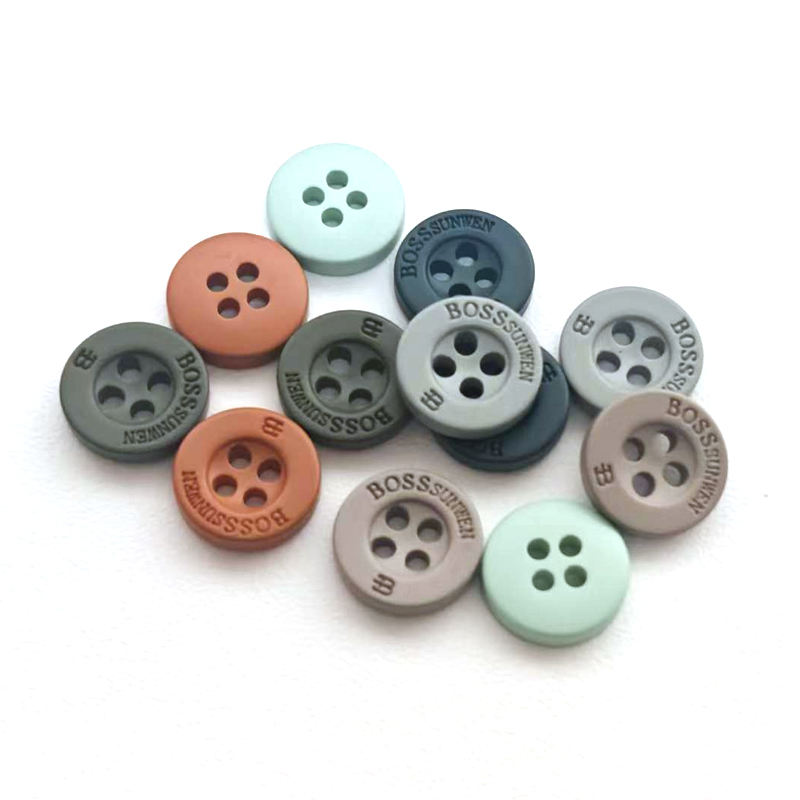
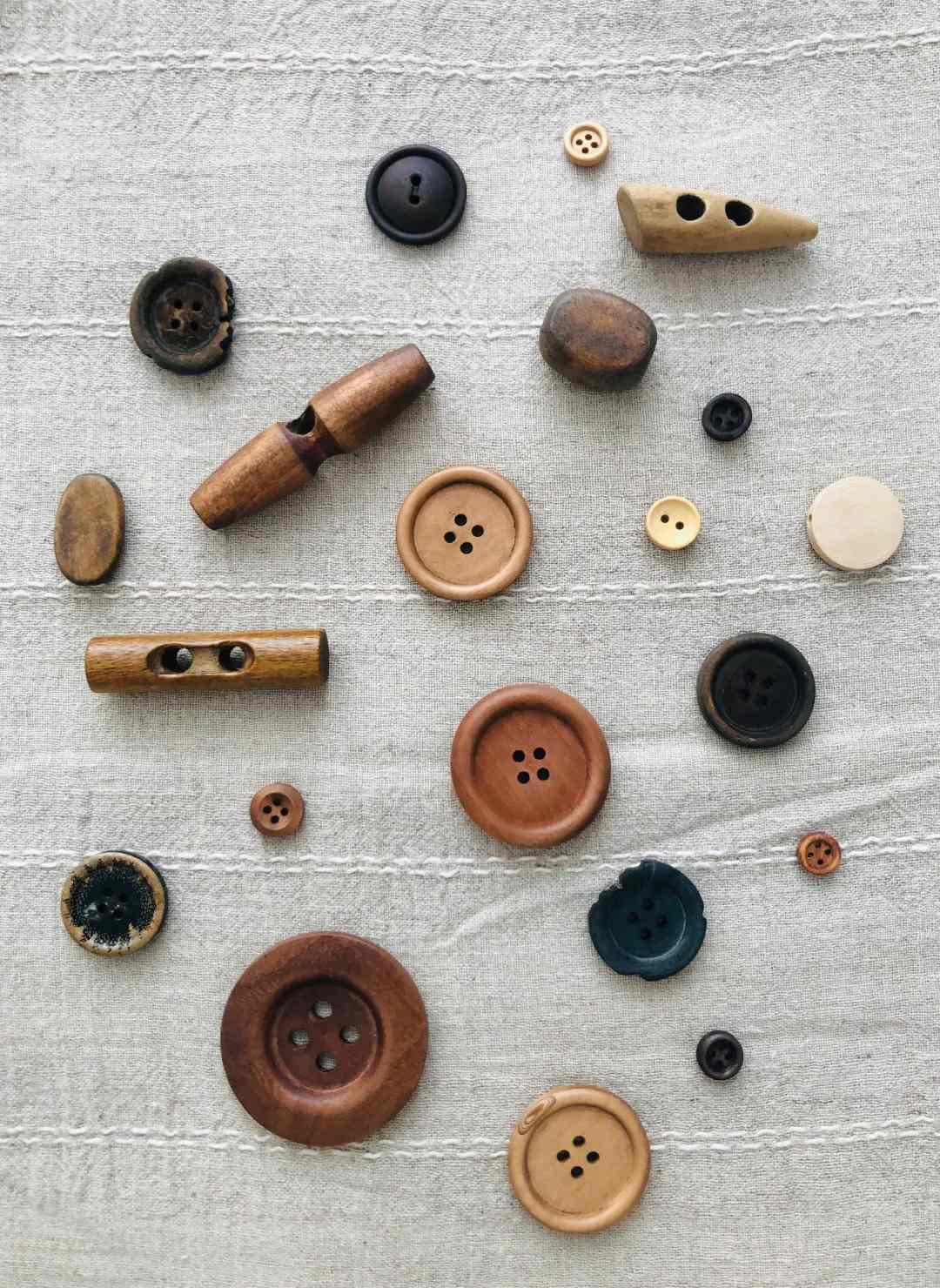
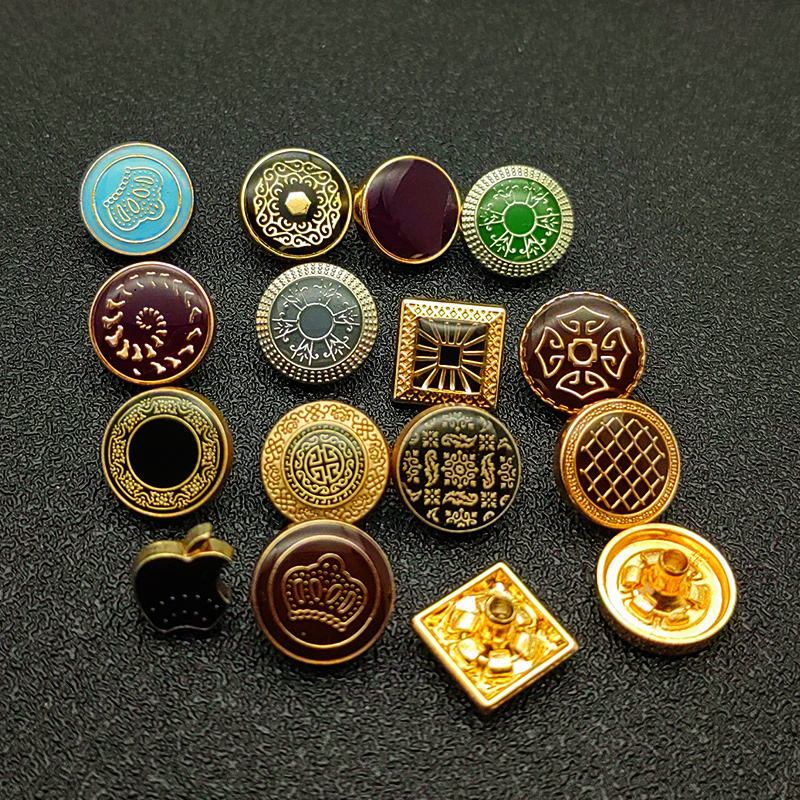
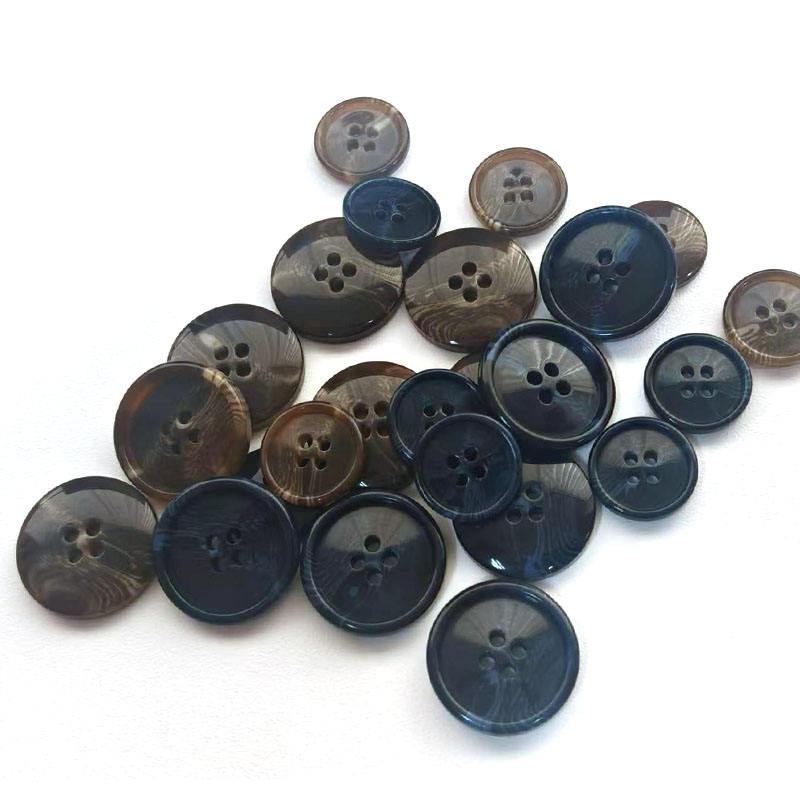
Why MENWILD Stands Out as Your Big & Tall Menswear Manufacturer
Specialist Big & Tall Grading
Expert 2XL–6XL pattern grading and fit refinement built specifically for larger bodies, ensuring buttons align perfectly on extended-size garments.
Low MOQ from 100 Pieces
Start production with just 100 pieces per style and color, letting you test designs and reduce inventory risk without large commitments.
Fast Sampling Turnaround
Rapid sample development with custom buttons, trims and decoration so you can approve designs and move to production quickly.
In-House Embroidery & Printing
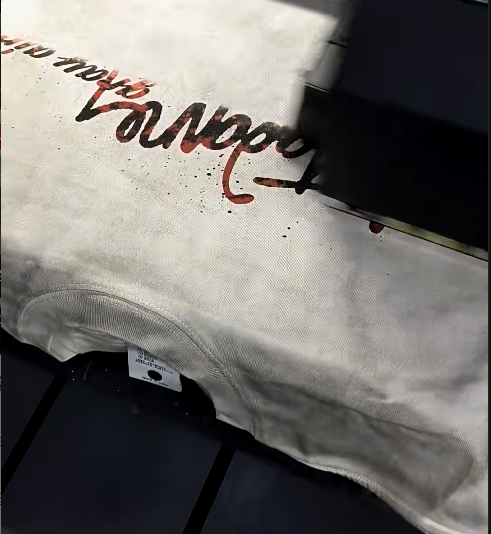
Full custom decoration capabilities including embroidery, screen printing, DTG, DTF and sublimation—all under one roof for quality control.
28+ Years Dongguan Experience
Founded in 1998 in Humen, Dongguan, with over 200 skilled employees and a proven track record serving 2,000+ menswear brands worldwide.
Flexible Payment Terms
Multiple payment methods including T/T, PayPal, credit card and USDT, with deposit terms as low as 30% for established partners.
Menswear Categories We Specialize In
From oversized streetwear to tailored blazers, MENWILD delivers custom menswear engineered for 2XL–6XL fit — with the pattern grading, fabric expertise, and decoration precision your extended-size brand demands.
Jeans & Denim Buttons
Standard jeans buttons often fail under stress in 2XL–6XL waistbands, causing returns and damaging brand reputation. Big & tall denim needs reinforced closures that hold through repeated wear and washing.
MENWILD supplies heavy-duty metal and tack buttons sized and reinforced for extended waistbands, tested for pull strength and wash durability, so your big & tall denim stays secure through every wear.
Snap Buttons & Magnetic Closures
Larger garments demand closures that balance ease of use with holding power. Generic snaps pop open or require excessive force, frustrating customers and increasing return rates on plus-size shirts and jackets.
Our custom snap buttons and magnetic closures are graded for extended sizing, delivering smooth operation and secure hold across chest and waist expansion, improving customer satisfaction and repeat purchase rates.
Custom Labels & Hang Tags
Off-the-shelf labels and tags don't communicate the specialized fit and quality of big & tall menswear. Generic branding misses the chance to connect with extended-size customers who value garments made for their body.
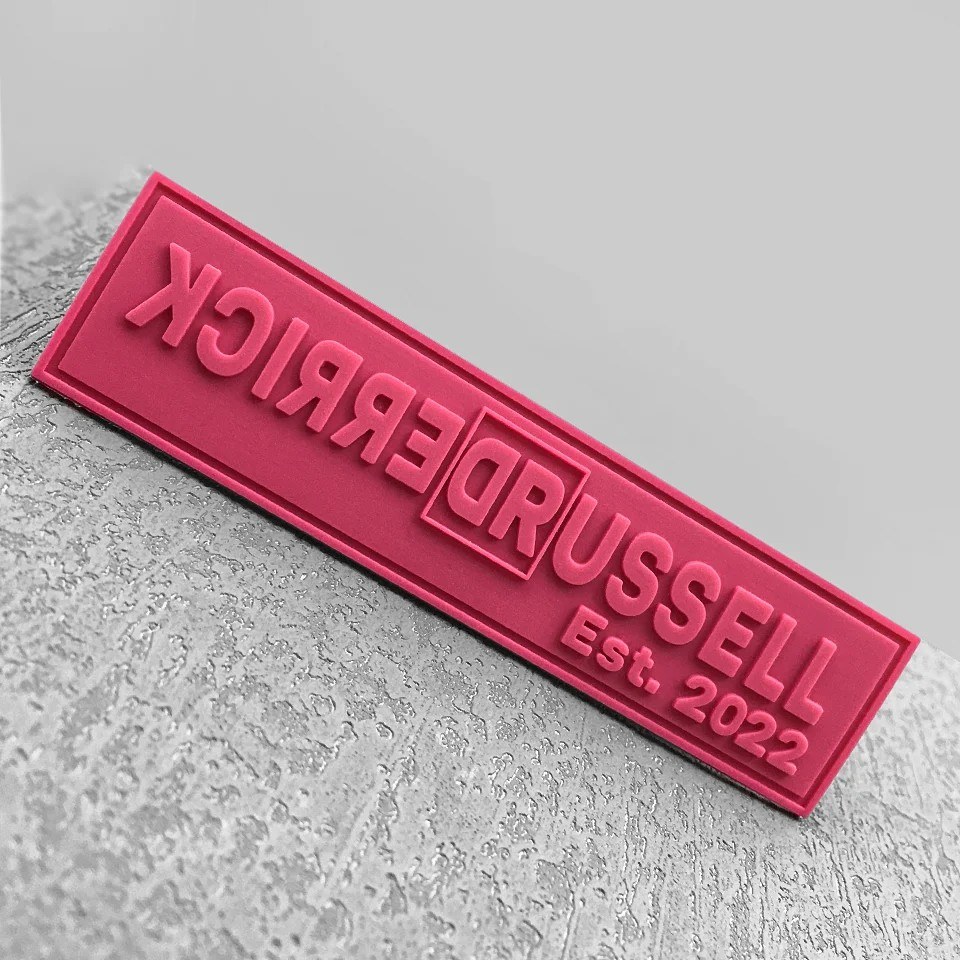
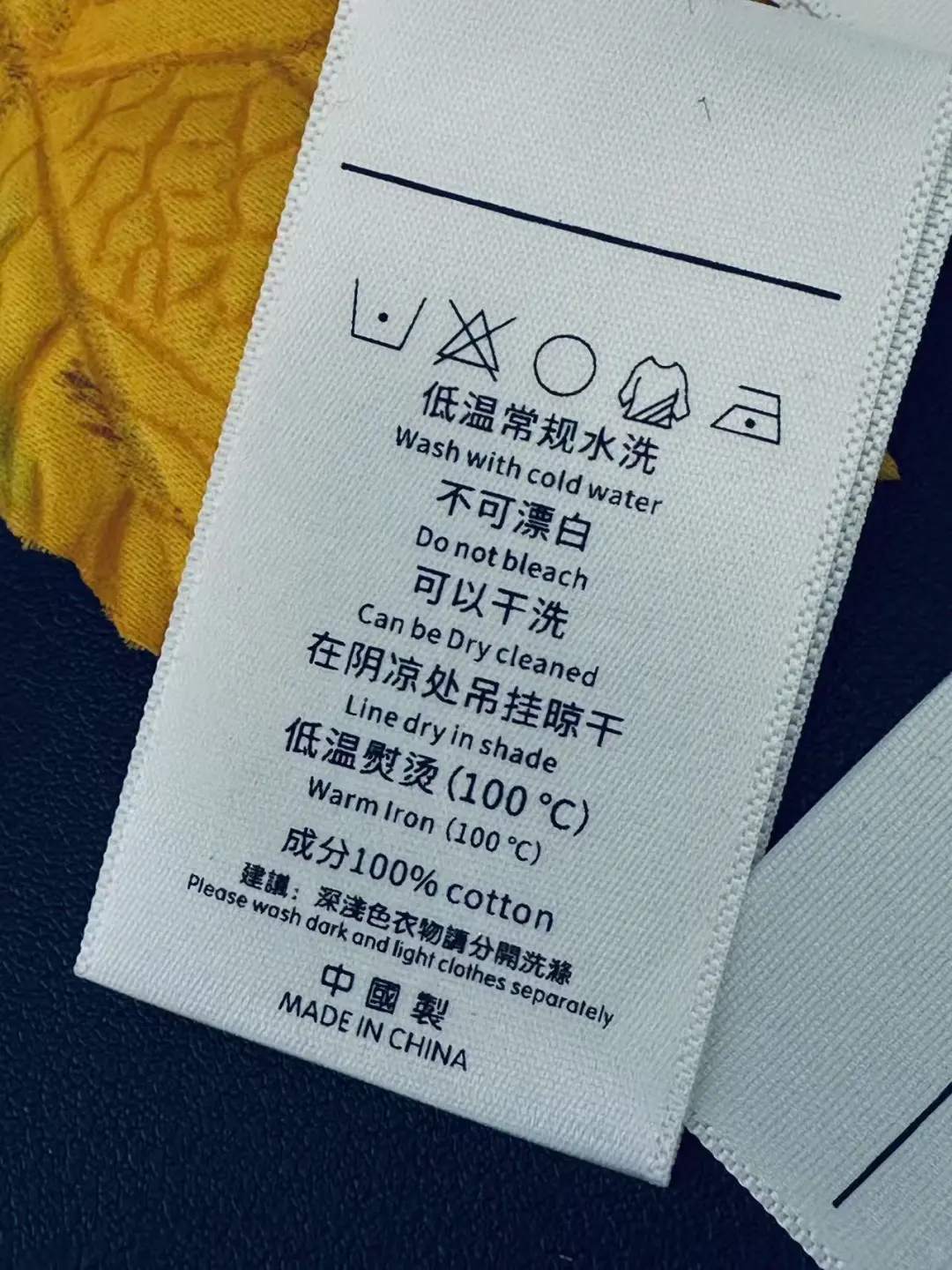
MENWILD designs and produces custom woven labels, printed neck labels and branded hang tags that reinforce your big & tall positioning, elevate perceived value and build customer loyalty from the first touchpoint.
Woven & Embroidered Patches
Standard patch placement and sizing often look disproportionate on 2XL–6XL garments. Poorly scaled branding elements cheapen the look of premium extended-size streetwear, outerwear and workwear collections.
Our design team scales woven and embroidered patches to match big & tall proportions, ensuring logos, crests and graphics maintain visual balance and premium appeal across your entire extended size run.
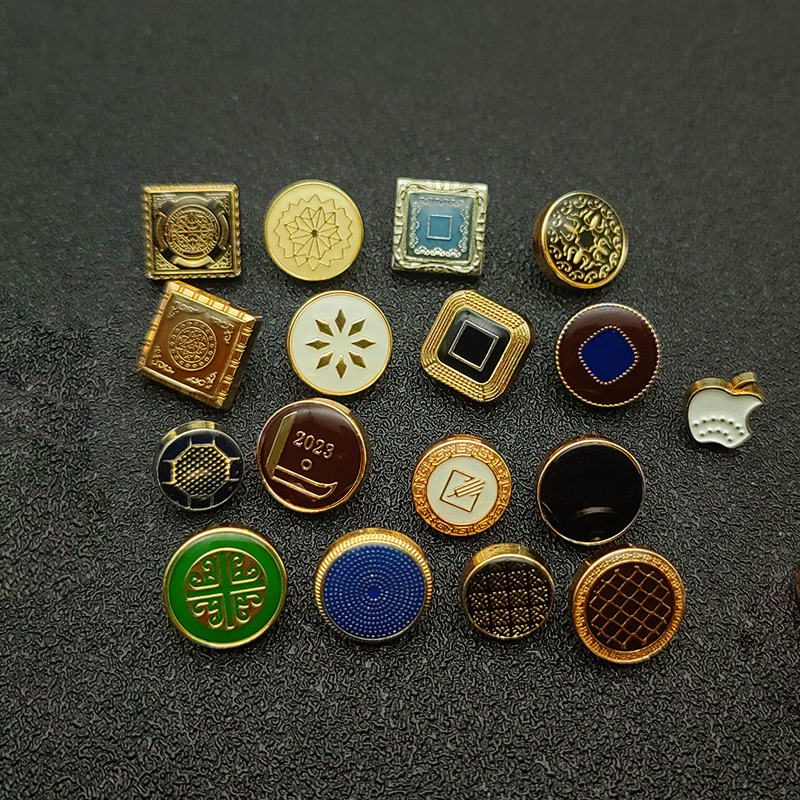
Metal Buttons & Custom Hardware
Lightweight metal buttons and hardware bend or tarnish quickly on larger garments subject to greater tension. This undermines the durability promise of premium big & tall outerwear, blazers and workwear.
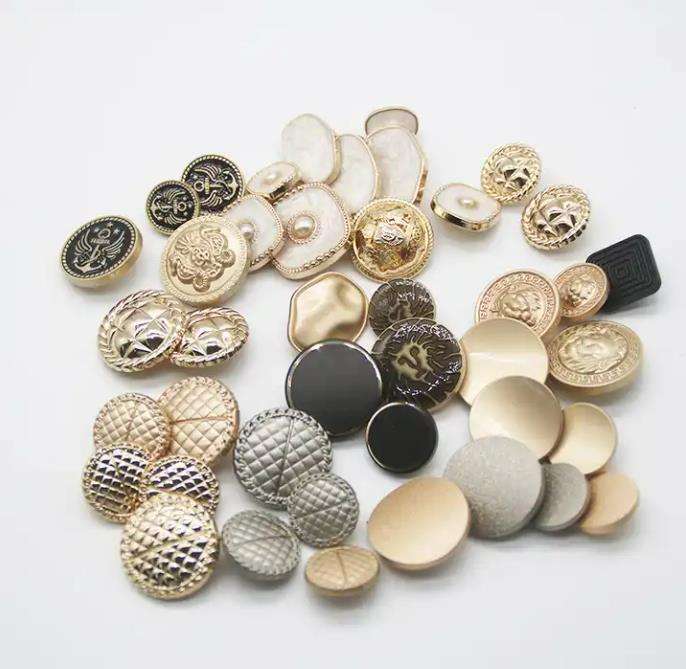
MENWILD sources and finishes heavy-gauge metal buttons, rivets and custom hardware in brass, zinc alloy and stainless steel, engineered for the stress loads of extended sizing and finished to your exact brand aesthetic.
Fabric Materials Our Menswear Manufacturer Works With
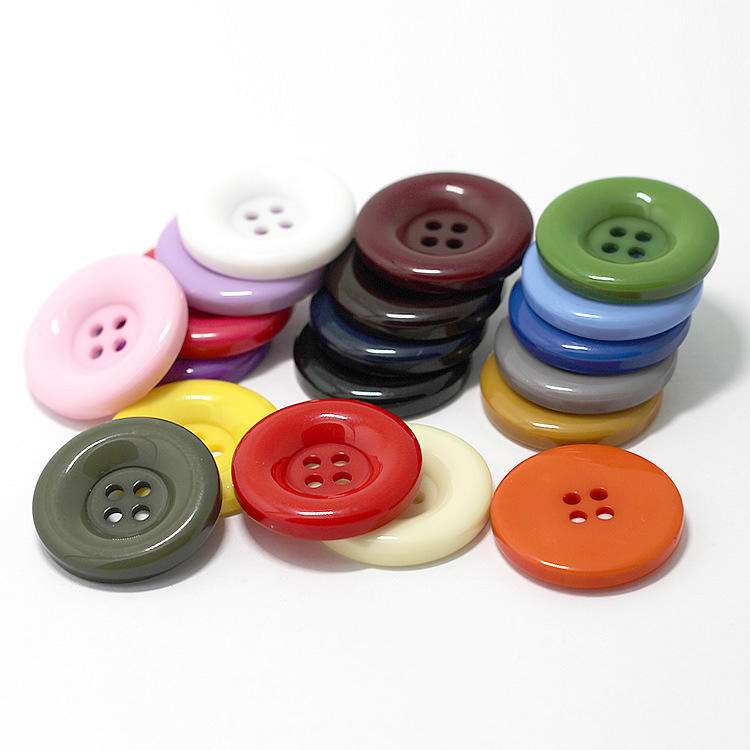
Decoration & Finishing Processes for Big & Tall Menswear
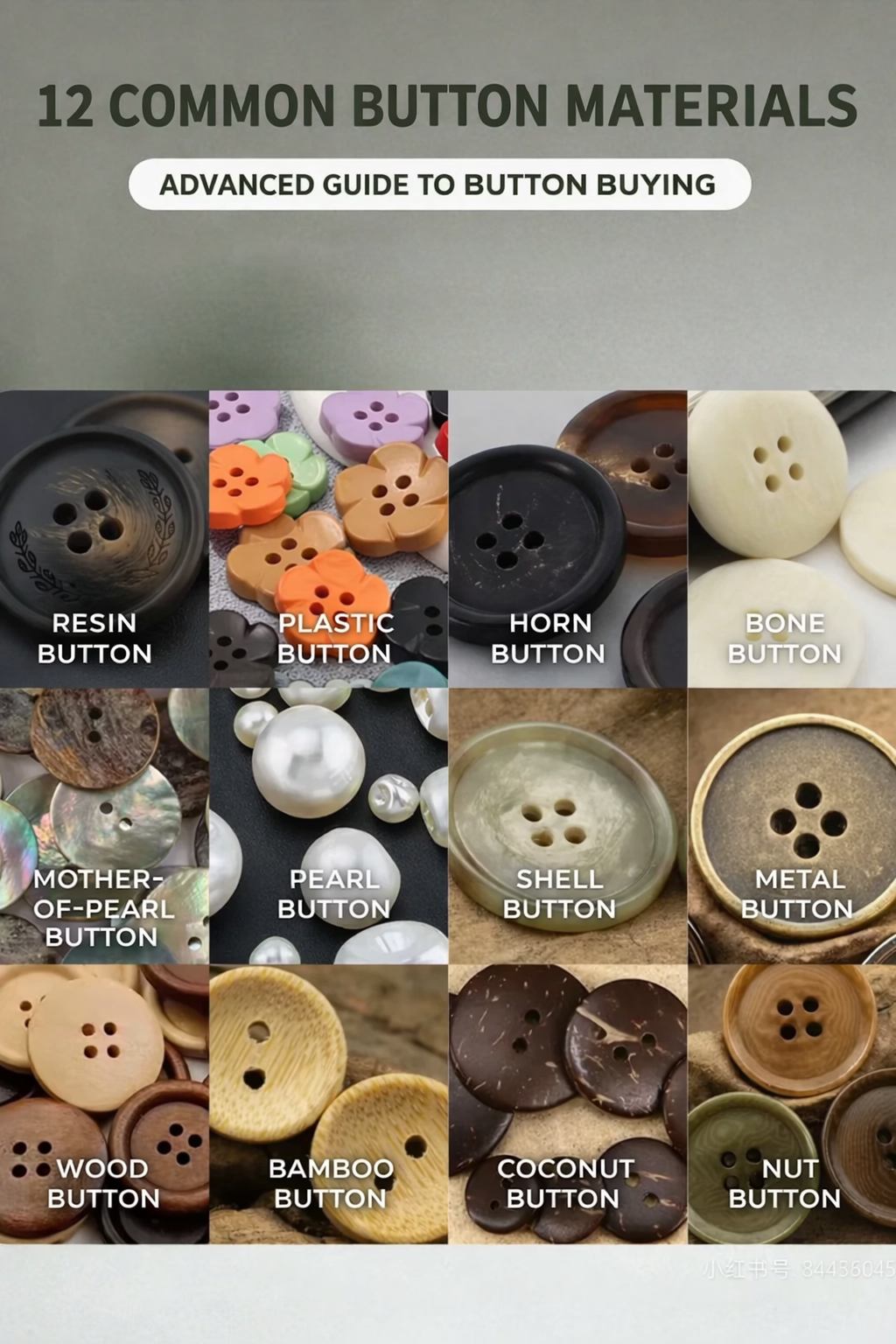
Laser Engraving
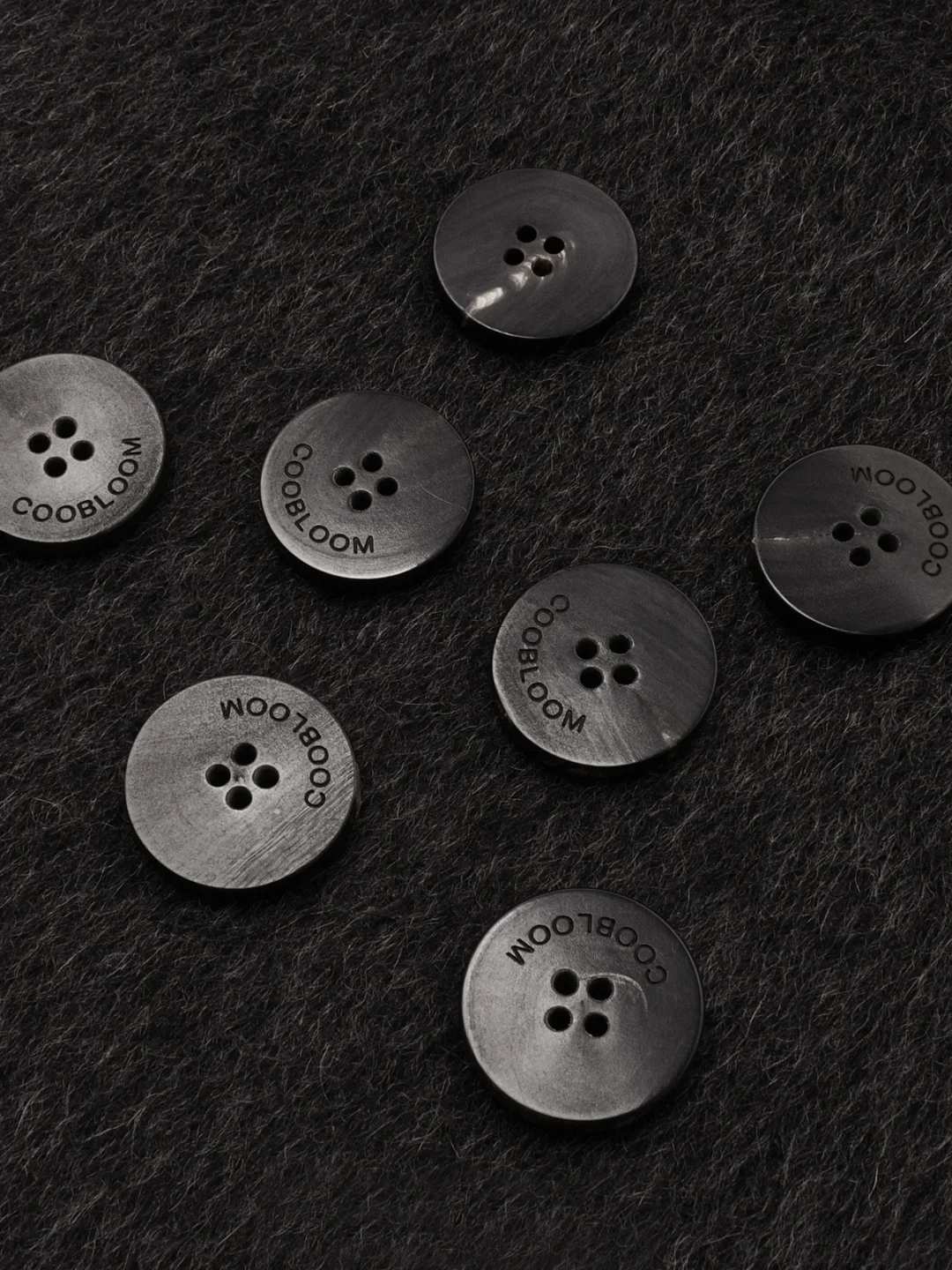
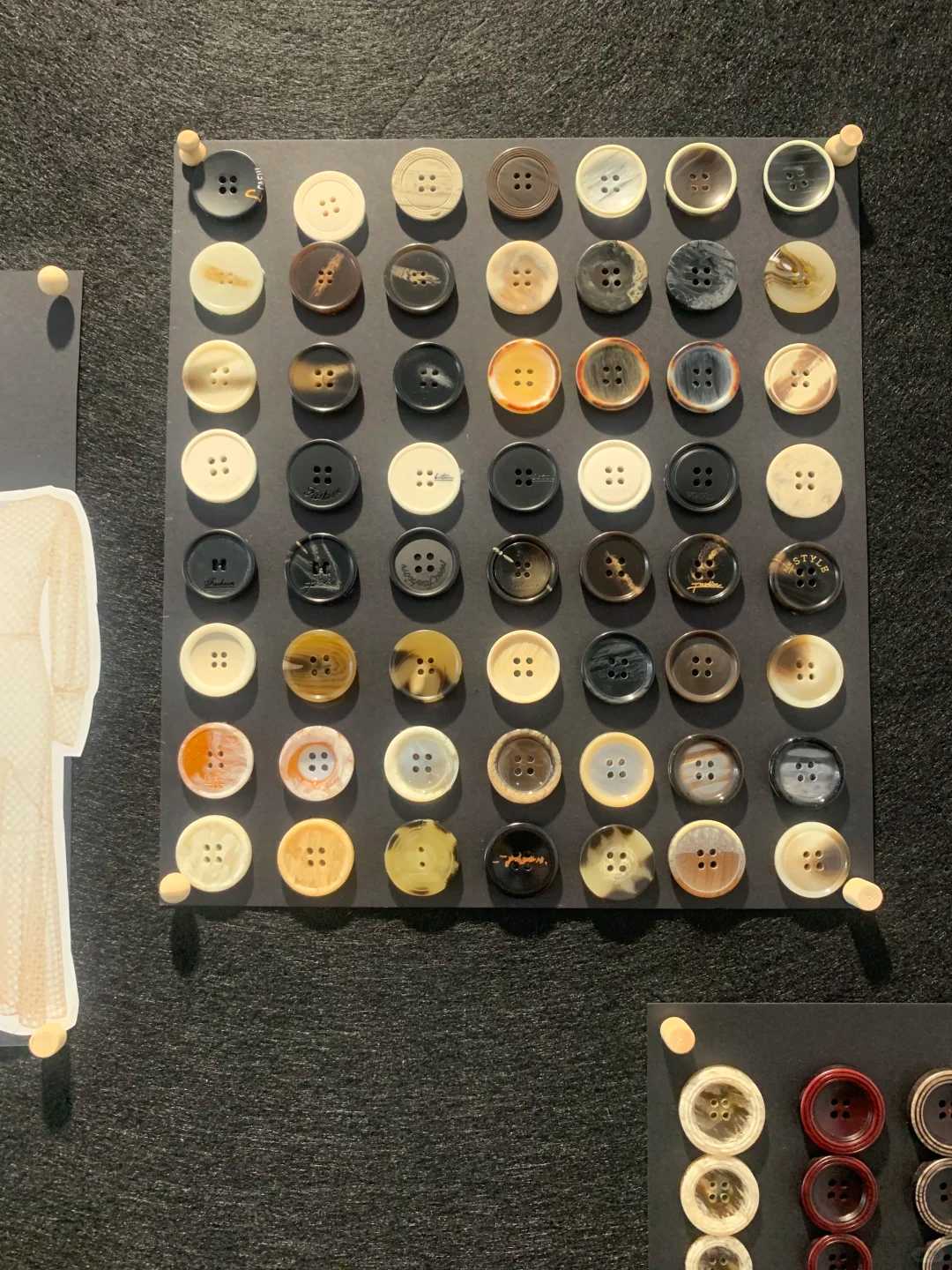
Precision laser etching creates permanent, detailed logos and text on metal, wood, and corozo buttons. Ideal for premium menswear brands seeking subtle, sophisticated branding that won’t fade or wear off over time.
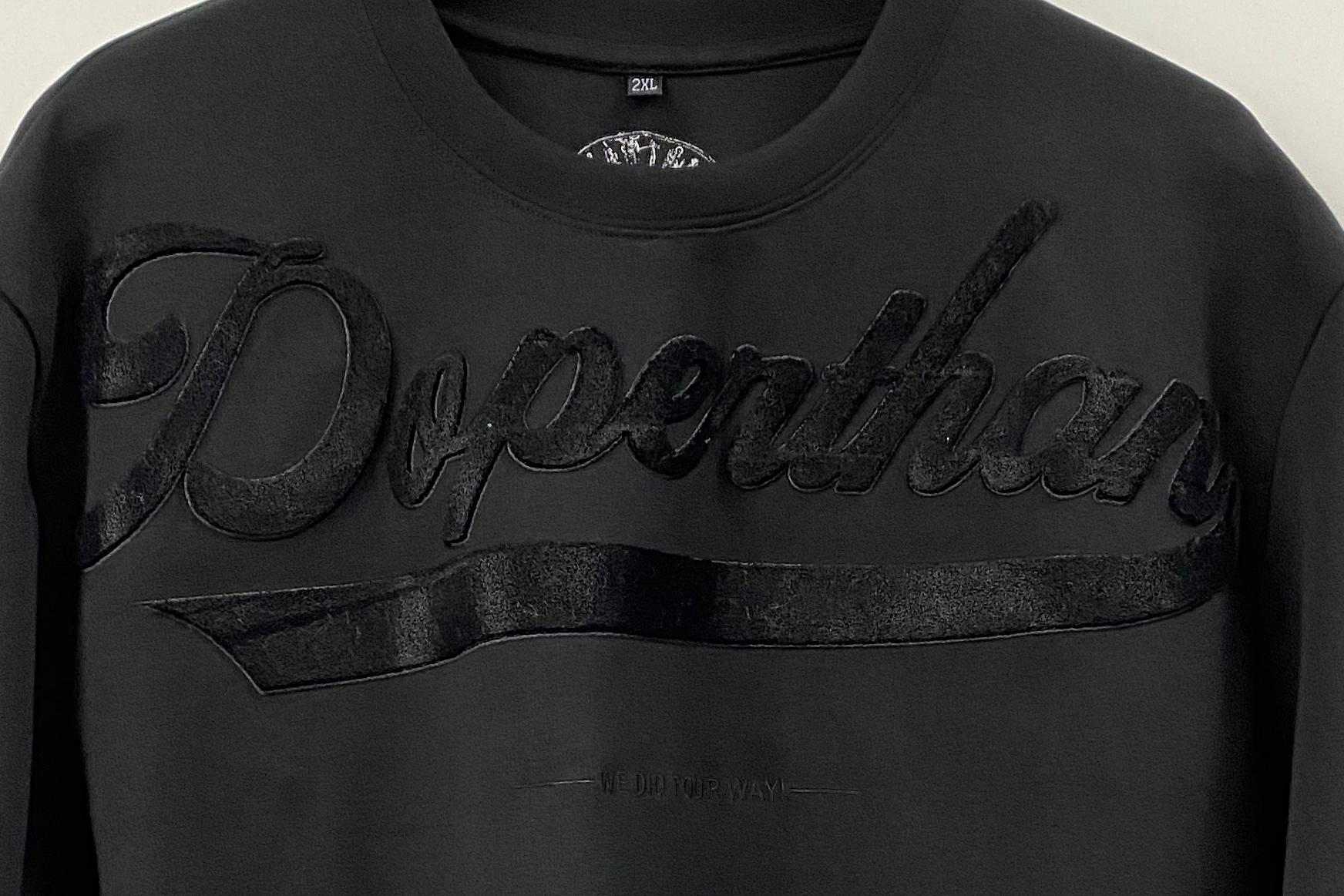
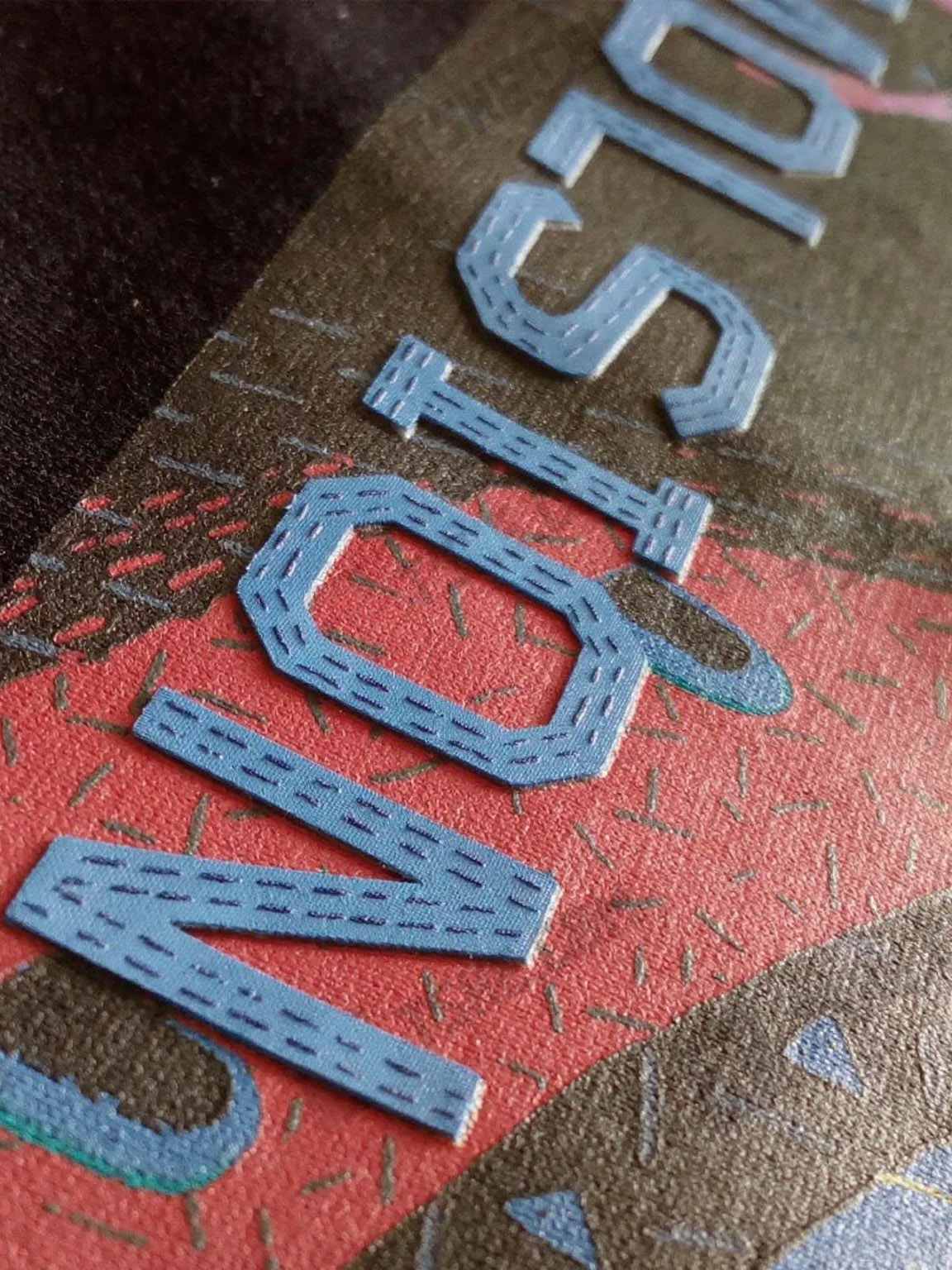
Plating & Polishing
Electroplating in gold, silver, antique brass, gunmetal, and matte black finishes, plus mirror and brushed polishing. Essential for achieving the exact metal aesthetic that matches your big & tall menswear brand identity.
Complete Your Menswear with Professional Labels & Packaging
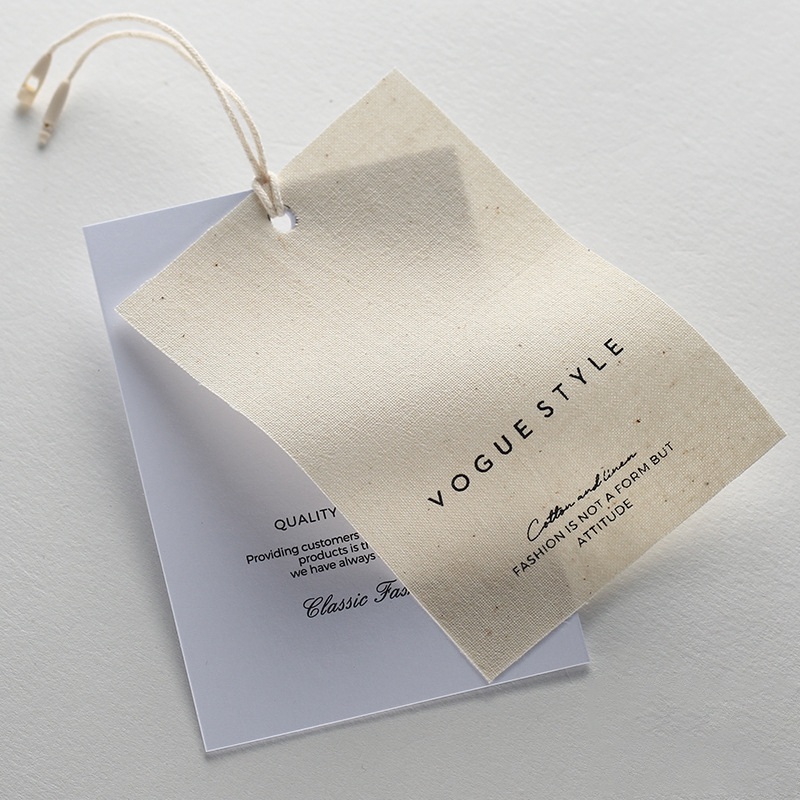
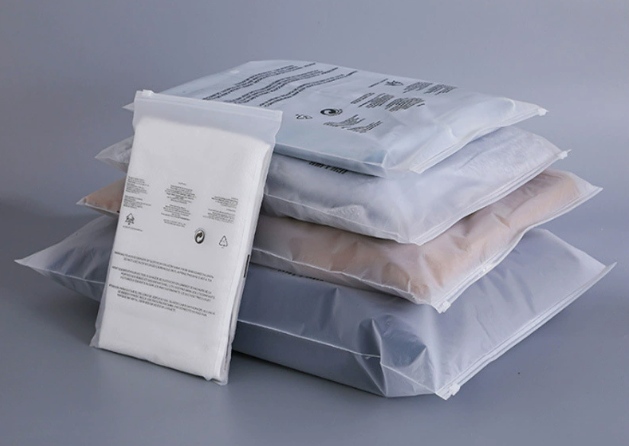
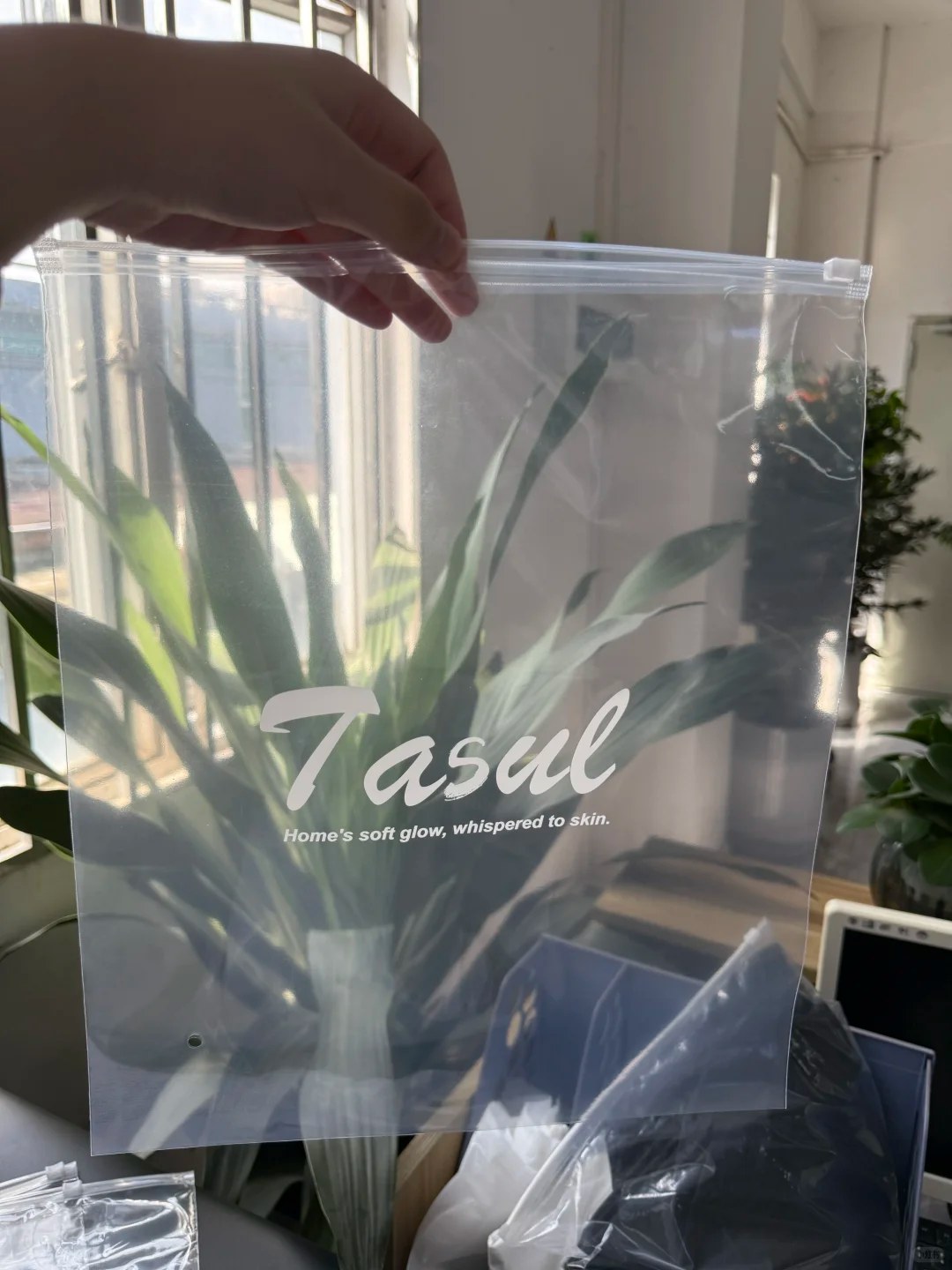
Branded Boxes
Custom-printed rigid boxes, corrugated mailers and folding cartons with full-color printing, logo placement and interior branding. Perfect for premium big & tall menswear lines, influencer collaborations, subscription boxes and direct-to-consumer shipments.
Big & Tall Menswear Manufacturer Since 1998
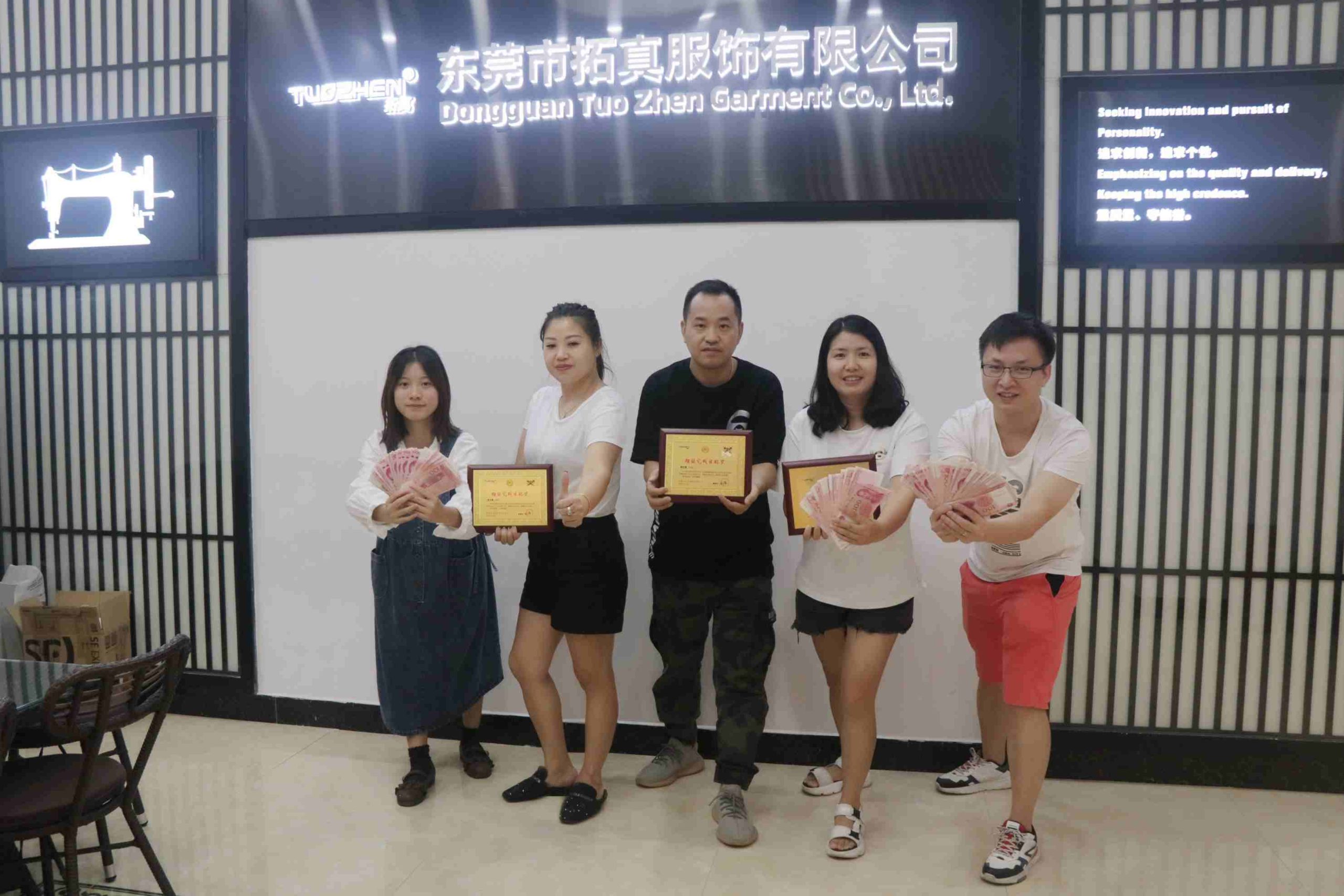
Founded in 1998 in Humen, Dongguan — the heart of China’s garment manufacturing hub — MENWILD began as a small family cut-and-sew workshop. Today, we’re a full-service big & tall menswear manufacturer with over 200 skilled employees, 80,000+ pieces monthly capacity, and 2,000+ fashion brands served across North America, Europe, Australia and beyond.
What sets MENWILD apart is our relentless focus on genuine fit for larger and taller men. We don’t just scale patterns up. From 2XL to 6XL, we engineer extended-size pattern grading and proportions built specifically for bigger bodies — ensuring every garment, button, trim and detail works together for true big & tall fit.
As a one-stop OEM, ODM and private label partner, we handle design development, fabric sourcing, sampling, full in-house decoration including custom buttons and trims, production, quality control and global logistics. With 28+ years of experience and MOQ from just 100 pieces, we’re built to grow with your brand.
What Sets MENWILD Apart as a Custom Buttons Manufacturer
Specialist Pattern Grading for Extended Sizes
As a custom buttons manufacturer serving big & tall menswear brands, we engineer button placement, spacing and reinforcement for 2XL–6XL garments. Our 28+ years of extended-size pattern grading ensures every button functions perfectly across true big & tall proportions.
- Button placement optimized for 2XL–6XL chest, waist and shoulder proportions
- Reinforced stitching and interfacing for stress points on larger garments
- Graded buttonhole sizing and spacing across full extended size runs
- Tech packs include detailed button maps for every size in your range
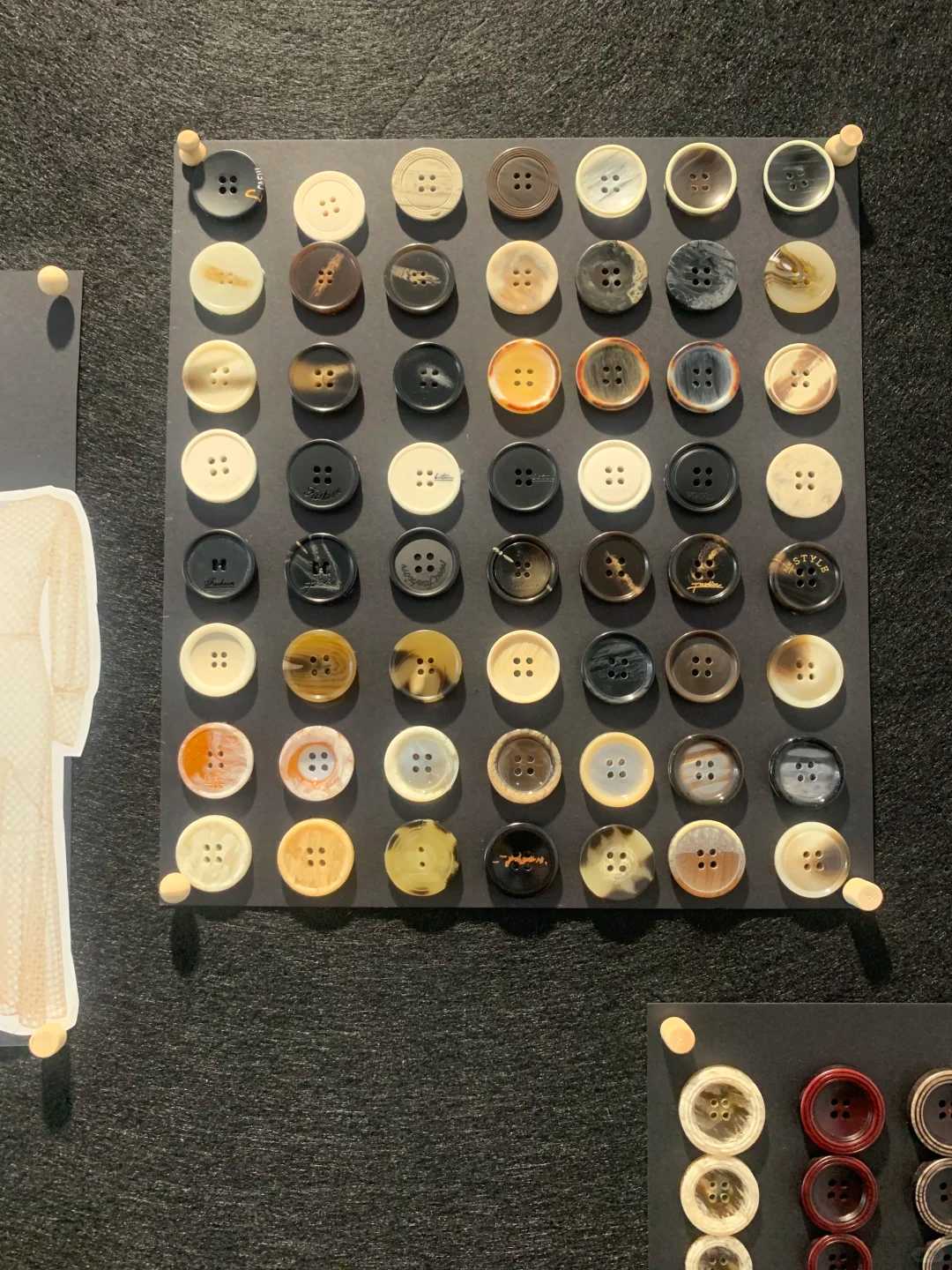
In-House Embroidery and Screen Printing
Full decoration capabilities under one roof let us customize buttons, trims and garments without outsourcing. From laser-engraved metal buttons to embroidered fabric-covered buttons and printed labels, every detail is controlled in-house for speed and consistency.
- Laser engraving, embossing and custom molding for metal and resin buttons
- Embroidered and printed fabric-covered buttons with your logo or design
- Screen printing, DTG and heat transfer for coordinating labels and tags
- Quality-controlled decoration on buttons, snaps, rivets and all trims
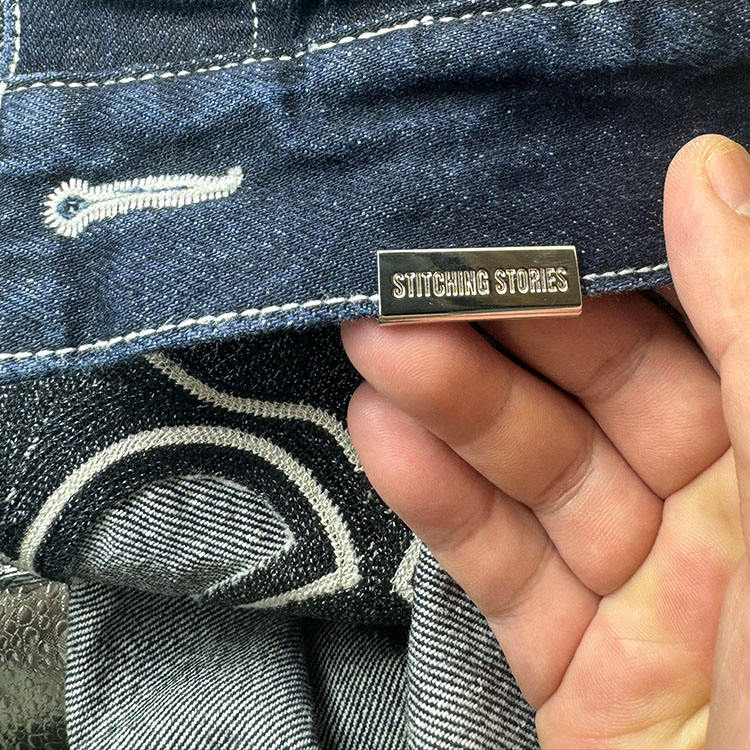
Fast Sampling and Product Development
Our dedicated design team turns your concept into production-ready garments with custom buttons in days, not weeks. Whether you supply a tech pack or just an idea, we develop samples with your chosen buttons, finishes and trims before any bulk commitment.
- Physical button samples and swatches provided before bulk production
- Full garment prototypes with buttons attached for fit and function testing
- Iterative sampling to refine button style, size, color and placement
- Tech pack development included—start with a sketch or reference photo
Global Logistics and Compliance Support
We handle export documentation, customs compliance and worldwide shipping so your custom buttons and finished garments arrive on time. With clients across the US, Canada, UK, Germany, Australia, Russia and the Middle East, our logistics team navigates every market.
- Complete export documentation and customs declarations managed in-house
- Button safety and material compliance testing (lead-free, REACH, CPSIA)
- Consolidated shipments of buttons, trims and finished garments
- Trusted freight partners for air, sea and express delivery worldwide
What Sets MENWILD Apart as a Big & Tall Menswear Manufacturer
Most button suppliers treat custom trims as a commodity. MENWILD brings 28+ years of big & tall menswear expertise, extended-size pattern grading, in-house decoration, and flexible low-MOQ production built for growing fashion brands.
← 左右滑动查看 →
Our Custom Buttons Manufacturer Production Process
From initial inquiry to final shipment, every custom button order follows our proven six-phase workflow — ensuring quality, fit and on-time delivery for big and tall menswear brands worldwide.
Inquiry & Tech-Pack Review
Share your button specifications, garment type and quantity. Our team reviews your tech pack or develops one from sketches, photos or ideas to confirm every detail.
Material Sourcing & Approval
We source buttons, snaps, rivets and trims from trusted suppliers. You receive physical samples and swatches for approval before any production begins.
Sampling & Fit Refinement
Pre-production samples are sewn with your custom buttons attached. We refine placement, sizing and finish to ensure perfect fit on 2XL to 6XL garments.
Bulk Production & In-Line QC
Approved samples move to our cut-and-sew or knitting lines. In-line quality control checks button attachment, stitching strength and alignment throughout the production run.
Decoration & Finishing
Custom embroidery, screen printing, DTG, heat transfer or garment washing is applied in-house. Buttons and trims are inspected again after every decoration step.
Final QC, Packing & Export
Finished garments pass final inspection for button security, thread tension and overall quality. We handle custom packaging, labeling, hang tags and global logistics.
How to Partner With a Custom Buttons Manufacturer That Understands Big & Tall
From inquiry to shipment, our streamlined process ensures your custom buttons meet exact specifications and arrive on time, every time.
Submit Your Design or Tech Pack
Share your button specifications, garment details, or reference samples. Our team reviews your requirements and confirms feasibility within 24 hours.
Review Quote and Sampling Timeline
Receive a detailed quote covering materials, finishes, quantities and lead times. We source samples and provide options that match your design intent.
Approve Samples and Finalize Specs
Inspect physical button samples for material, color, size and finish. Once approved, we lock in specifications and prepare your bulk production order.
Place Your Bulk Order
Confirm quantities starting from just 100 pieces per style. Flexible deposit terms and multiple payment options make ordering simple for any brand size.
Production and In-Line Quality Control
Your buttons are manufactured with continuous quality checks at every stage. Real-time updates keep you informed throughout the production cycle.
Final Inspection and Global Shipment
A comprehensive pre-shipment inspection ensures every button meets your standards. We handle export logistics and deliver directly to your warehouse worldwide.
Certified Custom Buttons Manufacturer: Quality, Compliance & Ethical Standards
Big & Tall Brands Trust MENWILD as Their Custom Buttons Manufacturer
MENWILD’s custom metal buttons elevated our premium big & tall blazer line. We launched 3 capsule collections at just 100 pieces per style, and the button quality and engraving detail matched our high-end positioning perfectly.
Consistent fit across 2XL to 5XL and custom logo buttons that don’t crack or fade after washing. MENWILD reduced our sampling time by 40% and kept our re-order lead times under 3 weeks.
We needed custom corozo buttons for our sustainable workwear collection with low MOQ. MENWILD sourced eco-friendly materials, handled laser engraving in-house, and delivered 150-piece test runs that let us validate the market before scaling.
FAQ: Custom Buttons Manufacturer Questions
What is the minimum order quantity for a custom buttons manufacturer like MENWILD?
How long does sampling and bulk production take when working with your custom buttons manufacturer?
Do you charge for samples when ordering custom buttons from your custom buttons manufacturer?
What payment terms does MENWILD offer as a custom buttons manufacturer?
What shipping and logistics options are available for custom button orders?
How does MENWILD protect my designs and intellectual property?
What customization options are available for buttons and trims?
Can MENWILD source specific button materials or do I need to supply them?
How consistent are reorders for custom buttons and garment production?
The Complete Buyer’s Guide to Choosing a Custom Buttons Manufacturer
Navigate supplier selection with confidence. This guide delivers a proven decision framework, essential quality criteria, customization options, and the most common mistakes fashion brands make when sourcing custom buttons—so you avoid costly delays and quality issues.
1. What Is a Custom Buttons Manufacturer?
A custom buttons manufacturer designs, produces, and finishes buttons to exact brand specifications rather than offering pre-made stock inventory. True custom manufacturers create unique molds, source materials, apply finishes, and integrate brand logos through engraving, laser etching, or printing — services stock suppliers cannot provide. The process begins with mold or die creation for shapes and sizes unavailable off-the-shelf, followed by material selection from resin, metal, corozo (natural tagua nut), horn, wood, or recycled options, then finishing with plating, painting, or coating.
Brands choose custom over off-the-shelf buttons for three reasons: differentiation, fit, and brand consistency. Stock buttons limit color palettes to 20–40 standard shades, while custom manufacturers match Pantone references and engrave logos as small as 8 mm. Custom buttons also solve technical fit issues — shank placement, hole diameter, and thickness — that ready-made inventory cannot address. Packaging options range from bulk poly bags to individually carded sets with branded backing cards, supporting retail-ready presentation that stock buttons never deliver.
2. The Evolution of Button Manufacturing
Before the 1800s, buttons were hand-carved from bone, shell, horn and wood — a labor-intensive craft that limited availability and drove up garment costs. The Industrial Revolution introduced metal stamping and die-casting, enabling mass production of brass, steel and nickel buttons by the late 19th century.
The 20th century brought full automation and the rise of synthetic materials. Polyester resin and urea formaldehyde buttons became the industry standard by the 1950s, offering consistent color, durability and lower cost than natural materials. Injection molding lines scaled output to millions of units per week, yet minimum order quantities remained prohibitively high — often 10,000 to 50,000 pieces per style.
Digital printing, laser engraving and CNC machining emerged in the 1990s and 2000s, slashing setup costs and enabling custom logo buttons, multi-color prints and intricate surface textures. Today, advanced tooling and flexible production lines allow custom buttons manufacturers to accept orders as low as 100 pieces per design, with turnarounds shortened from weeks to days — empowering independent fashion brands to test seasonal collections without tying up working capital in excess trim inventory.
3. Types of Custom Buttons Every Brand Should Know
Button choice directly impacts durability, hand-feel and production cost. Every category of button serves distinct garment types, closures and brand aesthetics, and a custom buttons manufacturer will ask which construction you need before quoting.
Sew-Through Buttons
Sew-through buttons feature two or four holes drilled straight through the face. They lie flat against fabric and are the fastest to attach on high-speed lockstitch machines.
Specify sew-through for dress shirts, oxford shirts, polo plackets and lightweight outerwear where a clean, low-profile closure is required. Available in resin, shell, horn and metal finishes.
Shank Buttons
A shank button carries a raised loop or stem on the reverse, creating space between button and fabric. This clearance accommodates thicker fabrics and reduces tension on the closure.
Use shanks for suit jackets, blazers, overcoats and any garment above 10 oz per square yard. The hidden attachment also delivers a cleaner face for engraving or enamel branding.
Snap Buttons
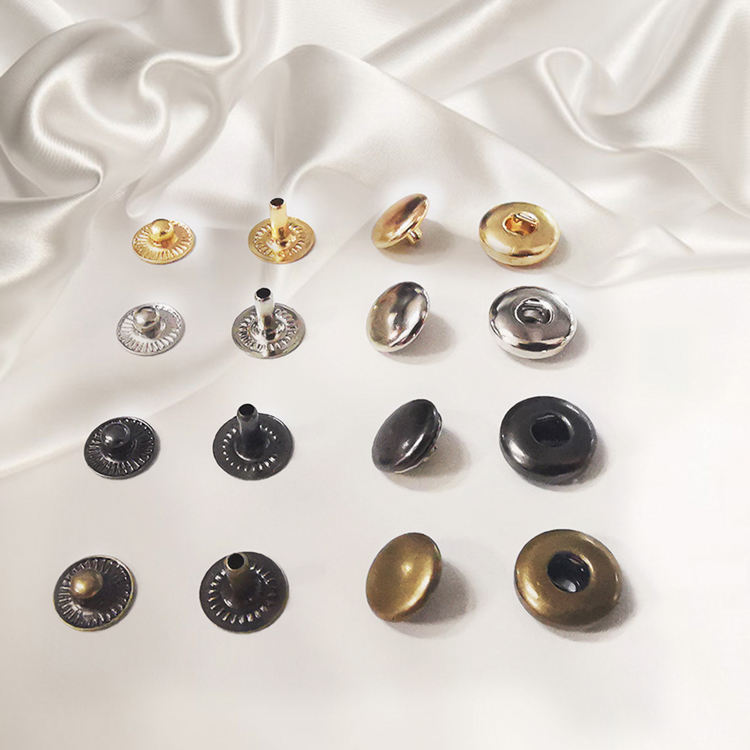
Snap fasteners use a male post and female socket that lock with pressure. They open and close faster than threaded buttons and eliminate thread wear.
Ideal for denim jackets, Western shirts, workwear and activewear where speed and repeated use matter. Snaps are applied by rivet press, so factor tooling setup into MOQ discussions with your custom buttons manufacturer.
Specialty and Decorative Buttons
Magnetic closures, laser-etched wood, enamel-filled metal and fabric-covered buttons fall into specialty categories. Each requires unique tooling, longer lead times and higher per-unit cost.
Reserve specialty buttons for signature pieces, limited capsules or premium lines where the closure becomes a brand identifier. Always request samples before committing to bulk.
4. Materials Used by Custom Buttons Manufacturers
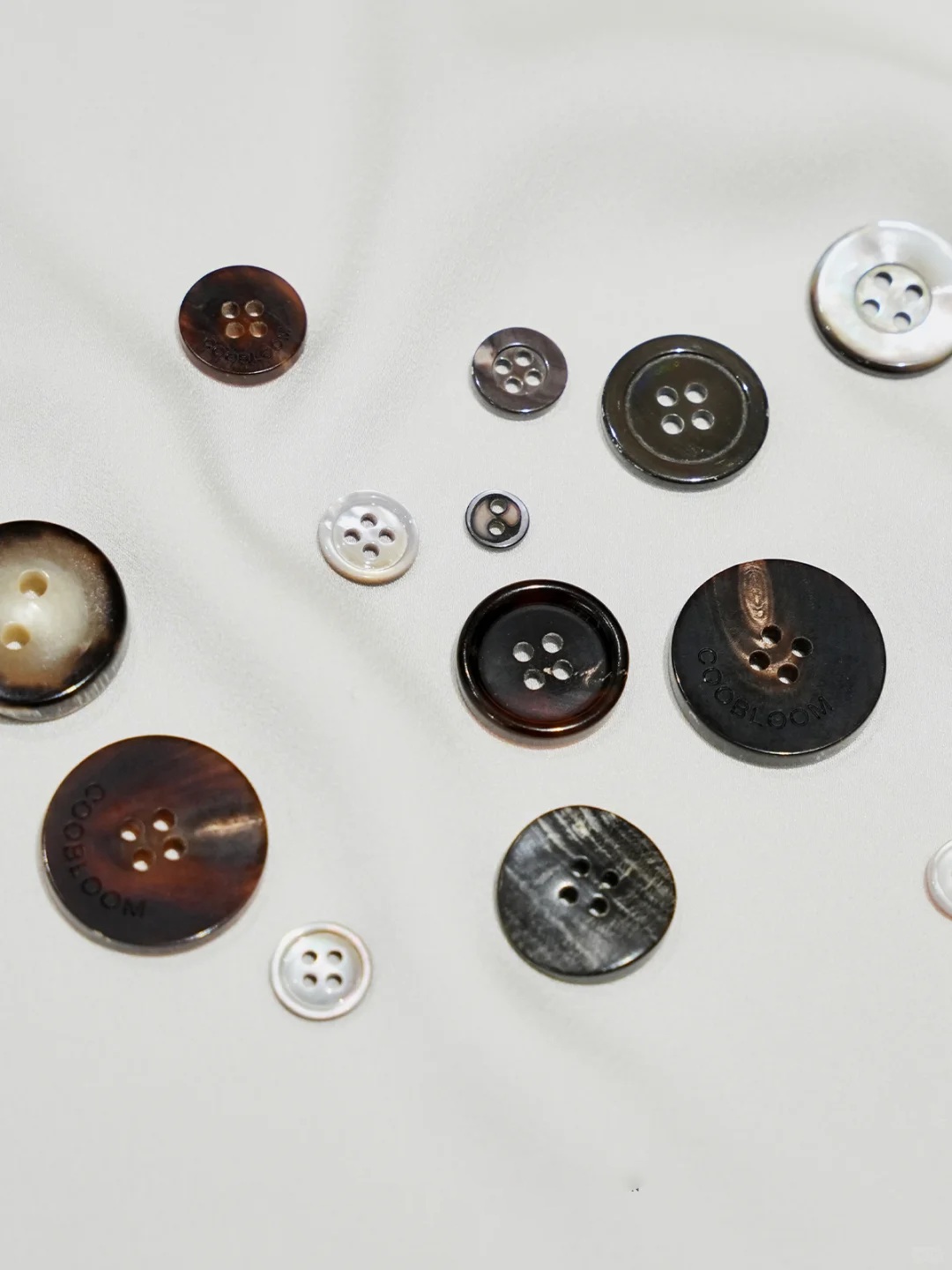
Button material dictates durability, weight, finish and garment compatibility. A custom buttons manufacturer typically offers polyester/resin, metal alloys, natural materials and fabric-covered options, each suited to different menswear categories and price points.
| Material | Durability | Cost Tier | Best Use Cases |
|---|---|---|---|
| Polyester/Resin | High; wash-stable, color-fast | Low–Mid | Dress shirts, casual shirts, everyday basics |
| Brass/Zinc Alloy | Very high; tarnish-resistant with plating | Mid–High | Jeans, chinos, jackets, workwear, blazers |
| Stainless Steel | Extreme; corrosion-proof | High | Outerwear, technical garments, premium suiting |
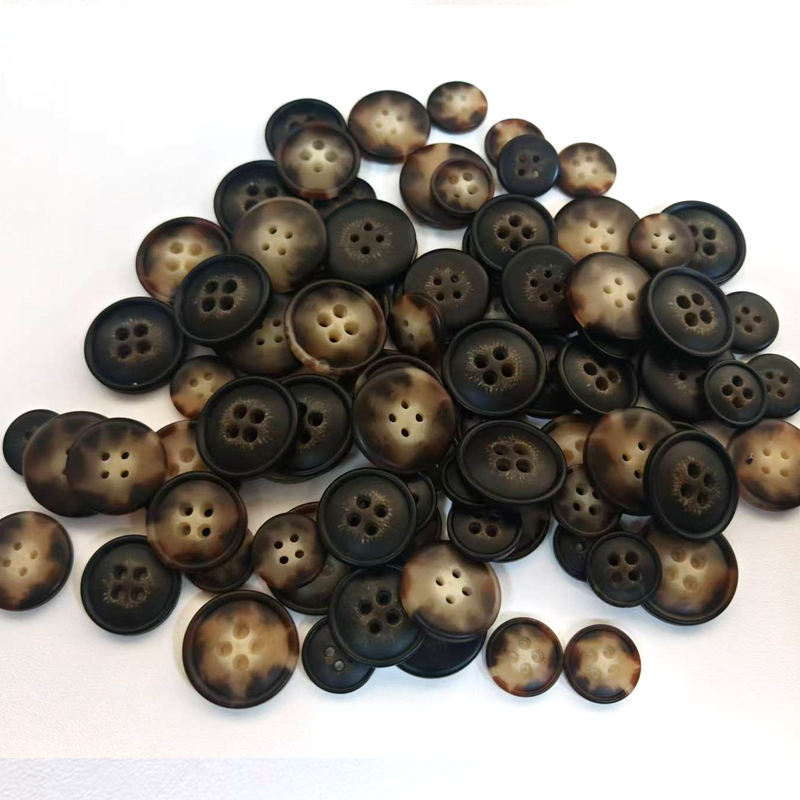
| Corozo Nut (Tagua) | High; natural grain, renewable | Mid–High | Dress shirts, linen, eco-conscious collections |
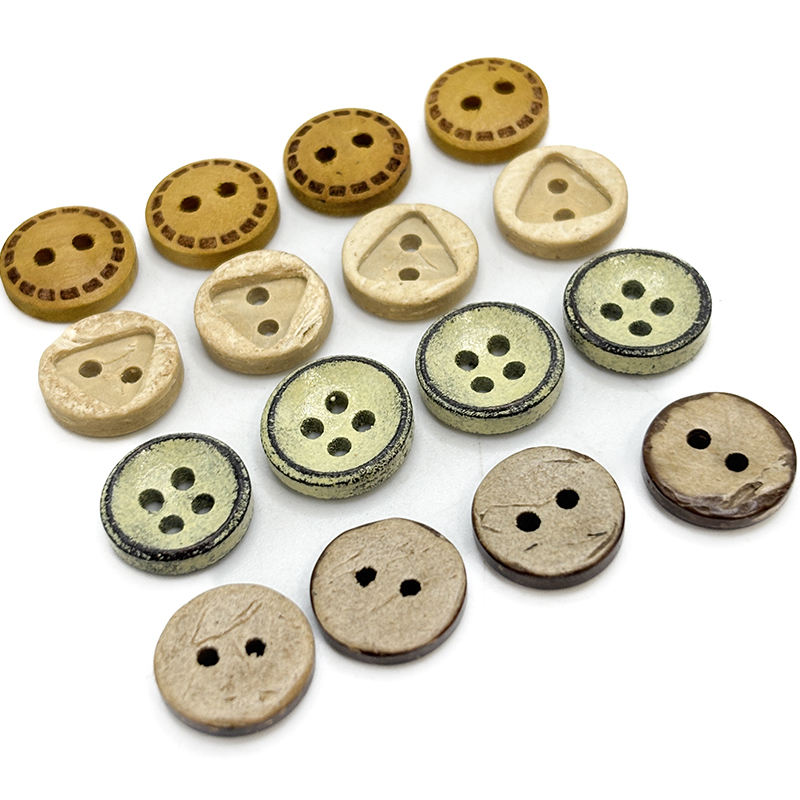
| Wood/Shell | Moderate; sensitive to moisture | Mid | Casualwear, resort wear, artisan lines |
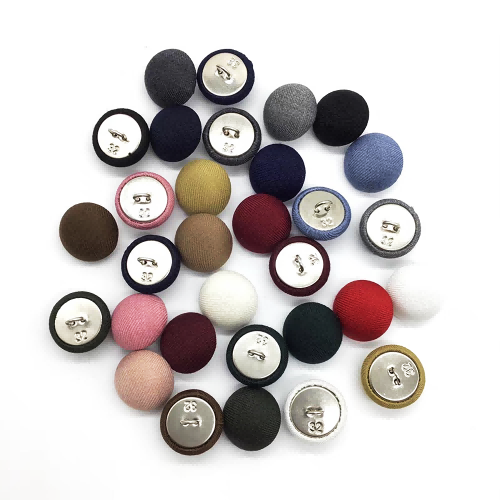
| Fabric-Covered | Moderate; depends on backing | Mid | Suits, blazers, formalwear, vintage styles |
5. Customization and Branding Options
A custom buttons manufacturer unlocks brand identity through decoration and personalization techniques that range from subtle laser engraving to bold enamel fill. Each method carries distinct setup costs, minimum-order thresholds, durability profiles and aesthetic signatures that shape both your upfront investment and long-term brand recognition.
Laser Engraving and Screen Printing
Laser engraving burns permanent marks into metal, wood or coated plastic buttons with zero ink or tooling wear, making it ideal for minimalist logos and serial numbers. Setup runs as low as $20–50 per design with no minimum beyond the button order itself, and the mark lasts the garment’s lifetime.
Screen printing applies UV-curable or solvent inks onto flat button faces, delivering vibrant multi-color graphics on resin, wood or coated metal. Expect $40–80 screen fees per color and a practical minimum of 500–1,000 pieces; the ink can fade under heavy abrasion but suits bold streetwear branding.
Embossing, Debossing and Electroplating
Embossing raises your logo in relief; debossing presses it inward — both require a custom steel die ($80–200) and work best on metal buttons at minimums around 1,000 pieces. The tactile depth adds premium hand-feel that survives industrial laundering.
Electroplating deposits gold, silver, antique brass or gunmetal finishes over base metal, protecting against corrosion while defining your aesthetic. Plating adds $0.02–0.10 per button and pairs seamlessly with engraving or enamel for layered branding.
Enamel Fill and Custom Molds
Soft or hard enamel fills recessed areas with colored resin, curing into a smooth, jewelry-grade surface that resists fading and scratching. Setup includes die-cutting ($100–250) and color matching; minimums start near 1,000 pieces, but the result rivals luxury hardware.
Fully custom molds sculpt three-dimensional shapes — mascots, crests, architectural details — in zinc alloy or brass. Mold tooling runs $200–600 and requires 2,000+ pieces to justify cost, yet delivers signature closures no competitor can replicate.
6. Key Quality Indicators When Evaluating a Custom Buttons Manufacturer
Quality separates a reliable custom buttons manufacturer from a supplier who ships defects. Before committing to production, inspect mold precision, finish durability, and compliance documentation to ensure buttons survive hundreds of wash cycles without chipping, fading, or breaking.
Mold Precision and Detail Resolution
Sharp mold tooling reproduces logos, text, and fine patterns without blur or distortion. Inspect sample buttons under magnification; edges should be crisp, engraving depth uniform, and surface free of flash or parting-line marks.
Poor mold precision results in fuzzy logos and inconsistent embossing that damages brand perception.
Finish Consistency and Plating Durability
Electroplating, powder coating, and enamel finishes must resist chipping through 50+ industrial wash cycles. Request wash-tested samples and examine for color shift, peel, or corrosion.
Uneven plating thickness causes premature wear, especially on high-contact edges and shanks.
Thread-Hole Smoothness and Colorfastness
Rough or burr-edged holes fray thread during sewing and wear. Run thread through sample holes; it should glide without snagging. For dyed buttons, rub a damp white cloth across the surface to check for color bleed.
OEKO-TEX, REACH, and nickel-free certifications confirm compliance for sensitive skin and international markets.
7. How to Choose the Right Custom Buttons Manufacturer
Choosing the right custom buttons manufacturer requires a structured vetting process that balances flexibility, capability and long-term support. Ask targeted questions at each stage to ensure alignment with your brand’s growth trajectory and production timelines.
Assess MOQ Flexibility
MOQ policies separate factories built for volume from partners willing to grow with emerging brands. A manufacturer offering 100-piece minimums per style/color enables capsule launches and inventory testing, while rigid 5,000-piece floors lock brands into overstock risk.
Ask whether MOQ applies per design, per colorway or across an entire order, and confirm whether sample runs count toward the minimum.
Evaluate Design and Sampling Capabilities
In-house design teams turn sketches, reference images or even rough ideas into production-ready tech packs with graded size sets. Factories that provide pre-production samples — including fabric swatches and fit prototypes — reduce costly revisions during bulk runs.
Confirm turnaround time for first samples and whether pattern files and grading records stay on file for re-orders.
Verify Production Capacity and Lead Times
Monthly output above 80,000 pieces signals stable workforce, proven workflows and the ability to scale repeat orders without delays. Lead times from approved sample to finished goods typically range from four to eight weeks depending on fabric sourcing and decoration complexity.
Request a clear timeline breakdown covering fabric procurement, cutting, sewing, decoration, QC and export logistics.
Compare Pricing Transparency
Transparent quotes itemize fabric cost, labor, decoration, trims and packaging separately, making it easier to adjust specifications without renegotiating the entire order. Factories that publish deposit structures — such as stepping from 100% down to 30% for repeat clients — demonstrate commitment to partnership growth.
Ask for sample invoices and confirm whether prices include FOB, duties or door-to-door delivery.
8. Common Mistakes Brands Make When Sourcing Custom Buttons
Even experienced brands stumble when sourcing buttons, often treating them as afterthoughts rather than critical brand touchpoints. Five recurring mistakes can derail timelines, inflate costs and compromise garment quality.
Choosing Price Over Quality
Buttons priced 30–50% below market average typically use recycled resin, thinner metal or inconsistent dye lots that fade or crack after three to five washes. The consequence: customer returns, negative reviews and costly re-production.
Always request wash-test certificates and material specs. A reputable custom buttons manufacturer provides OEKO-TEX or equivalent documentation and samples from the exact production batch.
Ignoring Sample Testing
Skipping pre-production samples to save a week often results in mismatched thread holes, incorrect logo engraving depth or finish incompatibility with your fabric weight.
Order sample sets in every colorway and finish, then test them through your full garment wash cycle. MENWILD keeps sample records on file to ensure consistency across re-orders.
Underestimating Lead Times
Custom mold development for logo buttons requires 7–14 days; electroplating and hand-polishing add another 5–7 days. Brands assuming stock-button timelines miss launch windows.
Add 21–28 days to your calendar for true custom work. Communicate your ship date upfront so your manufacturer can schedule mold cutting and plating runs accordingly.
Failing to Specify Finish and Durability
Vague requests like ‘shiny metal button’ leave finish, coating and corrosion resistance undefined. The result: tarnished buttons after garment dyeing or enzyme wash.
Specify nickel-free plating, anti-tarnish coating and wash-cycle count in your tech pack. Reference Pantone codes for enamel fills and request finish swatches before bulk.
Not Clarifying IP and Mold Ownership
Brands assume they own custom molds after payment, but many factories retain tooling rights and sell identical buttons to competitors or require per-order mold fees.
Negotiate mold ownership in writing before deposit. Confirm whether the custom buttons manufacturer will archive or destroy tooling after your contract ends, protecting your brand’s unique hardware identity.
9. Steps to Launch Your First Custom Button Order
Launching a custom button order follows a structured six-step workflow. From initial specification to bulk delivery, most brands complete their first order in 4–6 weeks, though complex finishes or specialty materials can extend timelines to eight weeks.
Define Design and Functional Requirements
Start with button diameter (10 mm to 40 mm), hole count (two-hole, four-hole, shank), material (polyester resin, metal, corozo, horn) and finish (matte, polished, plated). Specify color by Pantone reference or physical swatch, and note any logo engraving, laser etching or custom molding.
Share garment category and wash cycles so the manufacturer can recommend compatible materials and attachment methods.
Request Quotes and Samples from Multiple Manufacturers
Contact two to three custom buttons manufacturers with your spec sheet, target quantity and delivery date. Request pricing for your initial MOQ and typical reorder volumes, plus lead times for sampling and bulk production.
Ask for physical samples of similar buttons in your chosen material and finish to assess hand-feel, weight and color accuracy before committing.
Approve Pre-Production Samples
Manufacturers produce 5–10 buttons per colorway for sign-off. Check diameter tolerance (±0.2 mm), hole alignment, color match under daylight and indoor lighting, and logo clarity.
Test attachment on your fabric: sew through sample garments and run a wash cycle to confirm colorfastness and durability before authorizing bulk production.
Place Order and Confirm Timelines
Issue a purchase order stating quantity per color, unit price, total value, deposit terms (typically 30–50 percent upfront) and delivery Incoterm. Confirm the production lead time — usually 10–21 days for standard buttons, 21–35 days for custom molds.
Lock in your ship date and arrange pre-shipment inspection if order value exceeds your risk threshold.
Inspect Bulk Production and Conduct Quality Checks
Before shipment, request high-resolution photos of finished buttons or hire a third-party QC firm to inspect on-site. Check random samples for diameter consistency, hole centering, surface defects and color deviation.
MENWILD’s in-line quality control catches defects during production, reducing the reject rate in final inspection and ensuring buttons match approved samples.
Plan Reorder Schedules
Once your first order ships, forecast reorder quantities based on garment production cadence. Manufacturers keep molds, color formulas and size specs on file, cutting sampling time to 3–5 days and bulk lead time to 10–14 days.
Schedule repeat orders 4–6 weeks before stock-out to maintain continuous supply and qualify for volume discounts or reduced deposit terms.
10. Pricing and Cost Structures for Custom Buttons
Mold and setup fees for custom buttons typically range from $50 to $300 per design, covering engraving, tooling and first-article samples; these are one-time costs that do not recur on repeat orders. Material choice drives per-unit price: basic polyester resin buttons start around $0.02–0.05, while metal snap buttons, corozo and horn run $0.10–0.40 each, and decorative finishes such as laser engraving, enamel fill or electroplating add $0.03–0.15 per piece.
Order quantity unlocks steep discounts. A 500-piece run may cost $0.25 per button, but 10,000 units can drop below $0.05, and volume tiers above 50,000 pieces often qualify for tooling-fee waivers. Lead time compresses as volume rises: 500 buttons ship in 7–10 days, while 10,000+ require 15–21 days for plating, curing and QC.
Decoration complexity — multi-color printing, 3D logos, hand-applied crystals — can double unit cost and extend lead time by 5–7 days. International shipping adds $0.01–0.03 per button for air freight; sea consolidation cuts that to under $0.005 on orders above 5,000 pieces.
| Quantity Tier | Price per Unit (USD) | Lead Time (days) |
|---|---|---|
| 500 | $0.20 – $0.30 | 7 – 10 |
| 1,000 | $0.12 – $0.20 | 10 – 12 |
| 5,000 | $0.06 – $0.10 | 12 – 15 |
| 10,000+ | $0.04 – $0.08 | 15 – 21 |
Ready to Partner With a Trusted Big & Tall Menswear Manufacturer?
Start with just 100 pieces. Get expert pattern grading, fast sampling, and full trim customization from a 28-year manufacturing partner.