
Enzyme Wash Service for Big & Tall Menswear
Professional enzyme wash finishing that softens fabrics, creates authentic worn-in aesthetics, and perfects extended-size garments from 2XL to 6XL — from custom t-shirt manufacturing to wholesale big and tall collections.
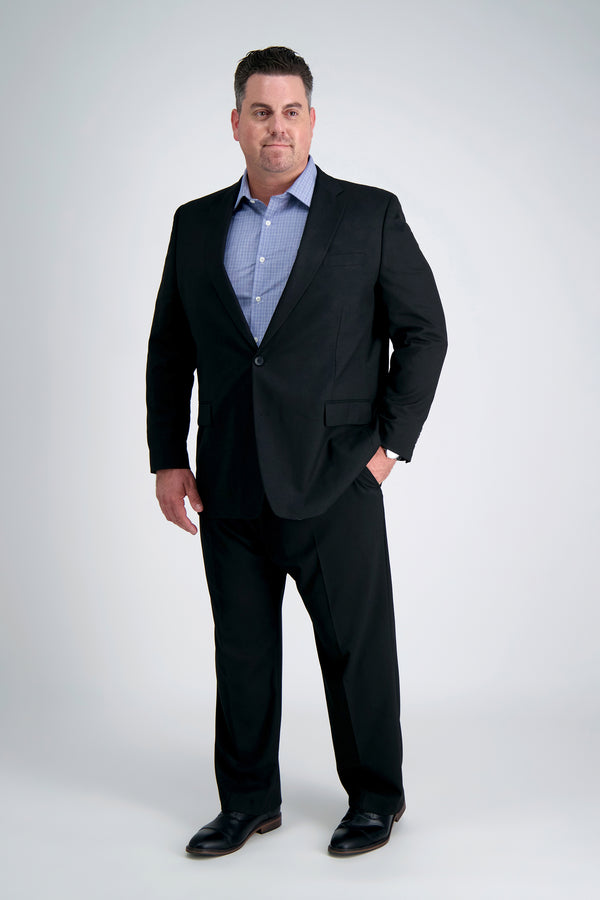
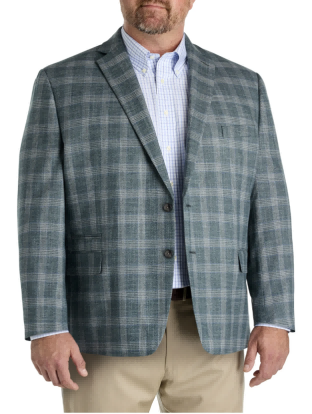
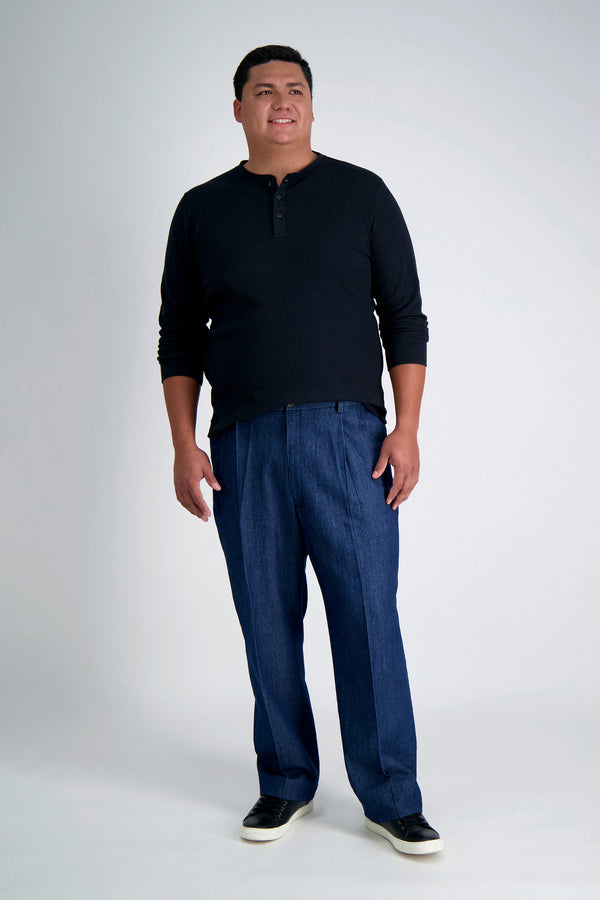
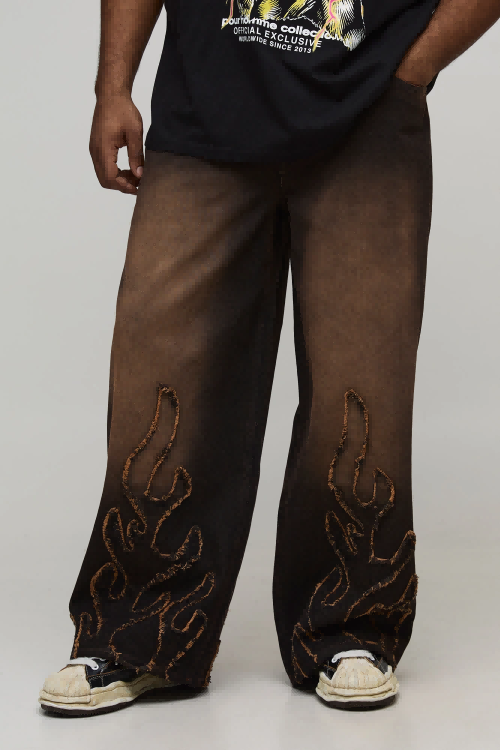
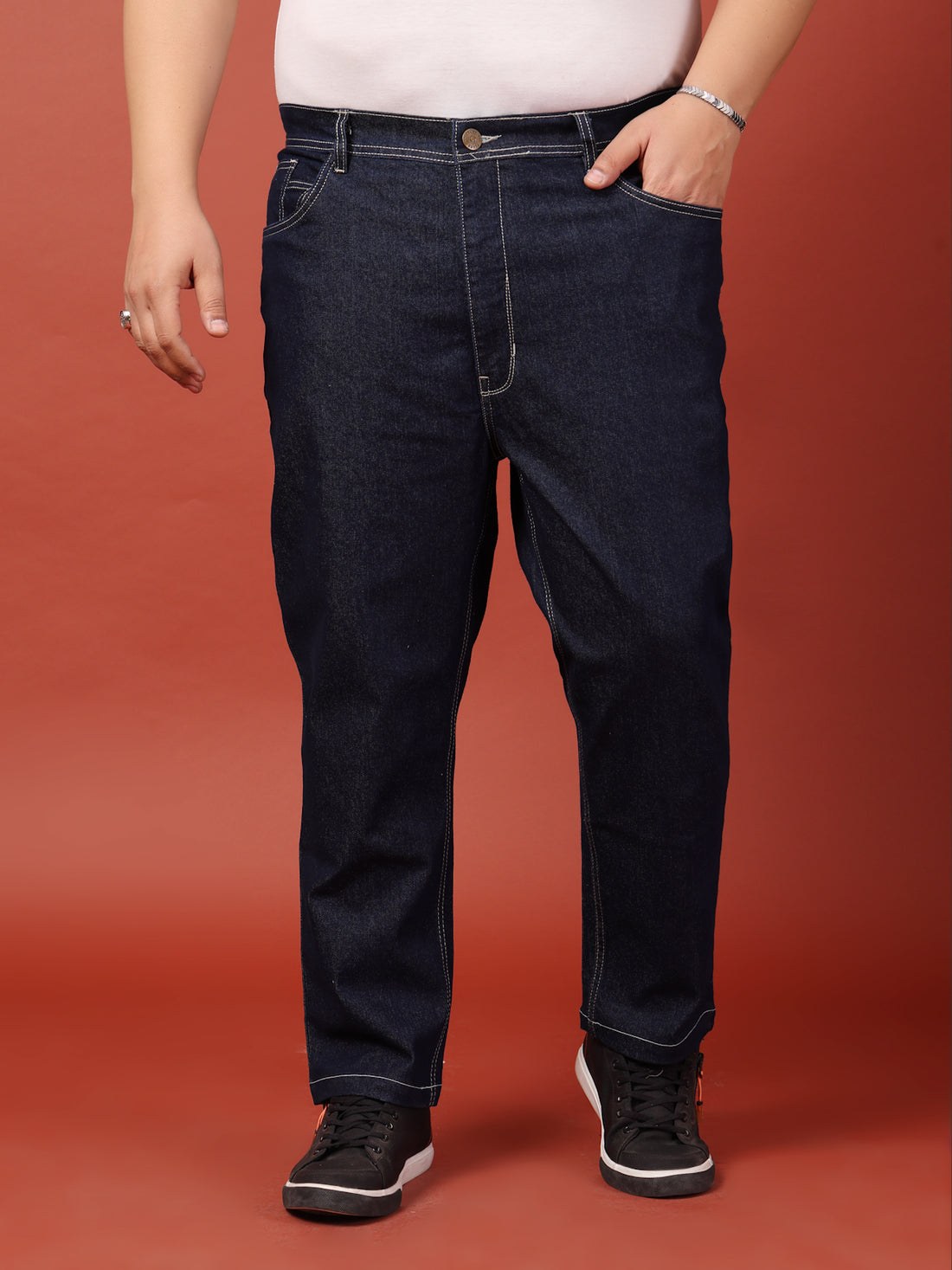
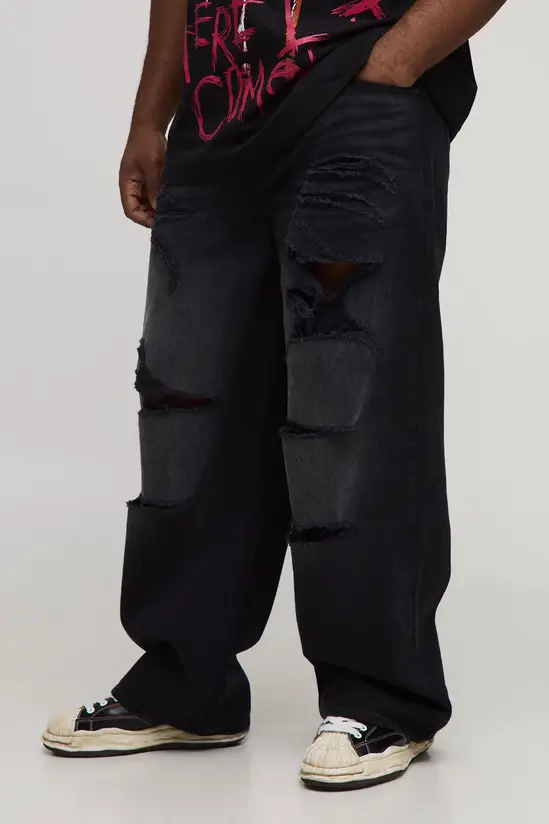
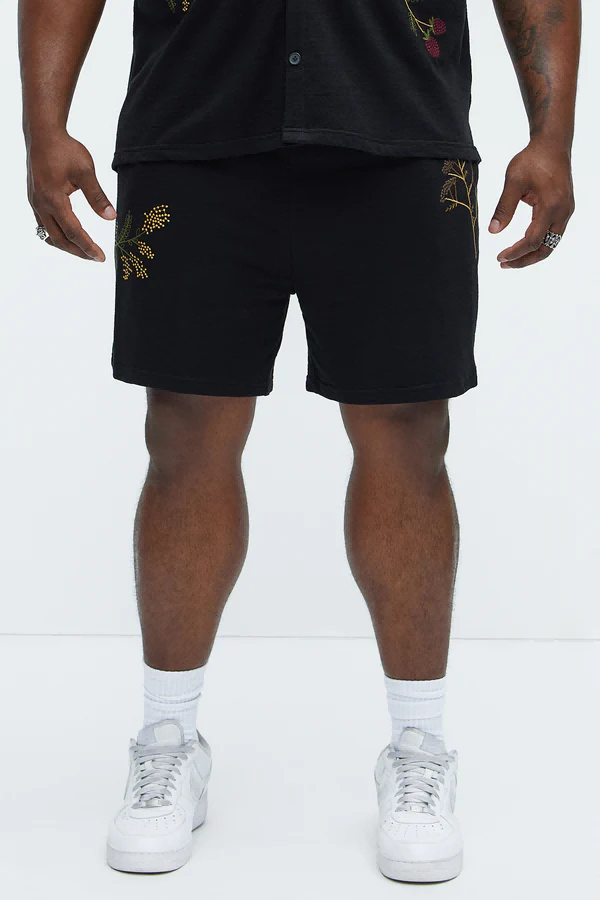
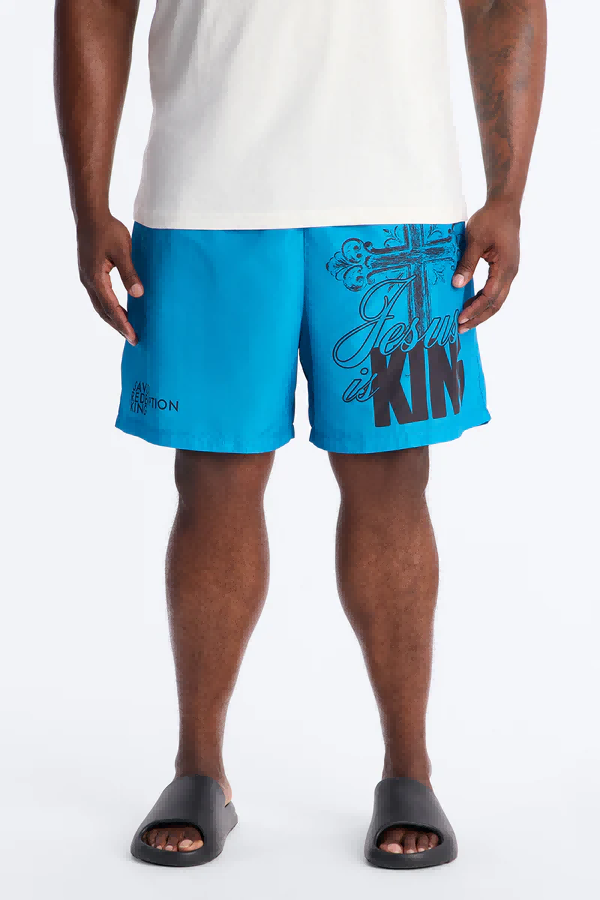
Enzyme Wash Finishing Gallery
Why Choose MENWILD’s Enzyme Wash Service
Precision Softening for Extended Sizes
Enzyme wash calibrated for extended sizes from 2XL to 6XL, ensuring uniform softness and texture across every panel, seam and size in your collection.
Eco-Friendly Biodegradable Enzymes
We use biodegradable cellulase enzymes that reduce water and chemical usage, delivering sustainable finishing without compromising hand-feel or durability.
Color-Fastness Enhancement
Our enzyme wash process locks in dye stability, preventing fading and ensuring vibrant, consistent color across bulk production and repeat orders.
Consistent Batch Finishing
Strict process controls and calibrated enzyme ratios guarantee identical softness, pilling resistance and surface finish in every production batch.
Fast Turnaround on Sampling
Enzyme wash samples ready in 7–10 days. Test hand-feel, drape and finish before committing to bulk — fast product development with no delays in your launch timeline.
International Wash Standards Compliance
All enzyme wash services meet AATCC, ISO and buyer-specific wash testing protocols, ensuring global market readiness and retailer acceptance.
Enzyme Wash Service Options for Every Garment Type
T-Shirts & Oversized Tees
Big & tall tees often feel stiff and boxy after printing or dyeing, with fabric hand that's uncomfortable against skin and proportions that don't drape naturally on larger frames.
Enzyme wash softens cotton and jersey knits, removes surface fuzz, improves drape and creates a lived-in feel that flatters bigger bodies — ready to wear from the first touch.
Hoodies & Sweatshirts
Fleece and French terry in extended sizes can pill quickly, feel scratchy or heavy, and lose shape after the first few washes — especially around cuffs, waistbands and high-friction zones.
Our enzyme wash service anti-pills fleece, softens terry loops, reduces fabric weight perception and stabilizes garment dimensions so 2XL–6XL hoodies stay comfortable and consistent through every wear cycle.
Denim & Jeans
Raw or rigid denim in big & tall sizing is notoriously uncomfortable — tight in the rise, stiff through the thighs, and prone to breaking in unevenly where larger men need flex and movement most.
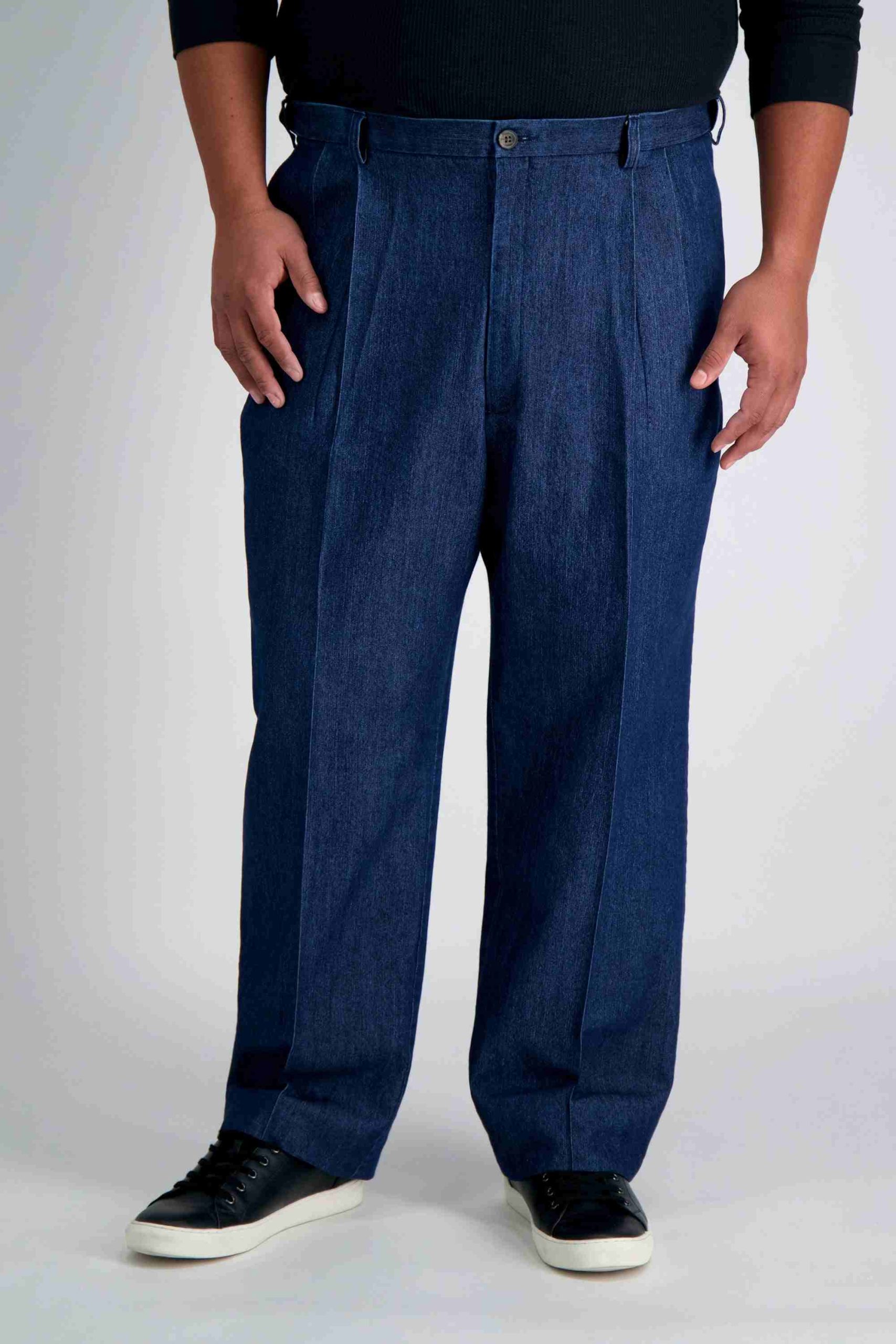
Enzyme wash breaks down starch and surface fibers for immediate softness, improves stretch recovery in blended denim, and delivers vintage or worn-in aesthetics without compromising fit integrity across extended size runs.
Dress & Casual Shirts
Woven dress shirts, flannels and oxfords for bigger men often arrive boardy and uncomfortable, requiring multiple home washes before they're soft enough for all-day wear — delaying time to market.
Enzyme finishing transforms stiff cotton twill, poplin and flannel into soft, breathable fabrics with a broken-in hand, so your big & tall dress shirts feel premium and comfortable straight out of the package.
Activewear & Performance Knits
Performance fabrics in plus sizes can retain excess dye, surface lint or chemical residue that irritates skin during movement, and synthetic blends may feel slick or non-breathable against larger body contact areas.
Controlled enzyme wash service removes loose fibers and residues, enhances moisture wicking, softens poly-cotton blends and improves skin comfort — critical for activewear that moves with bigger, more active bodies.
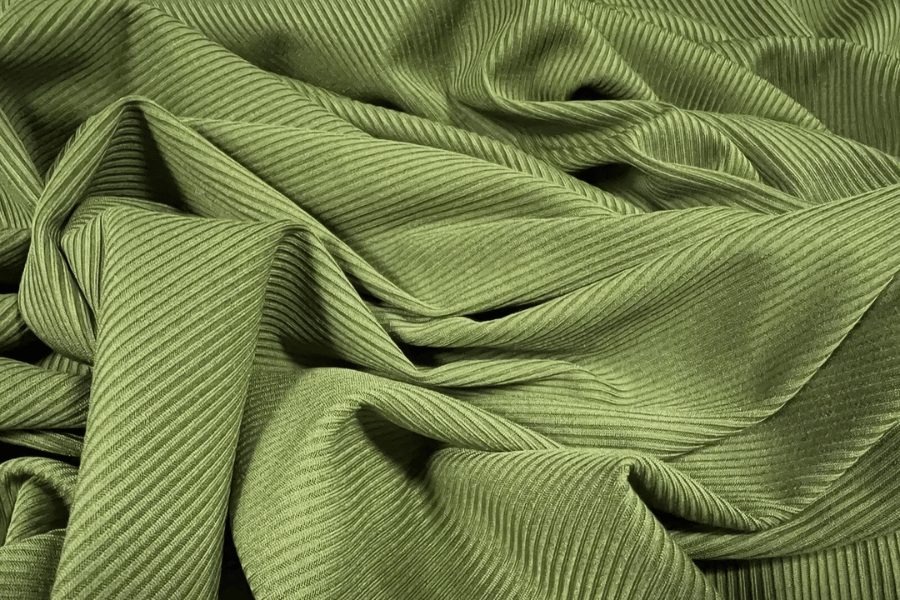
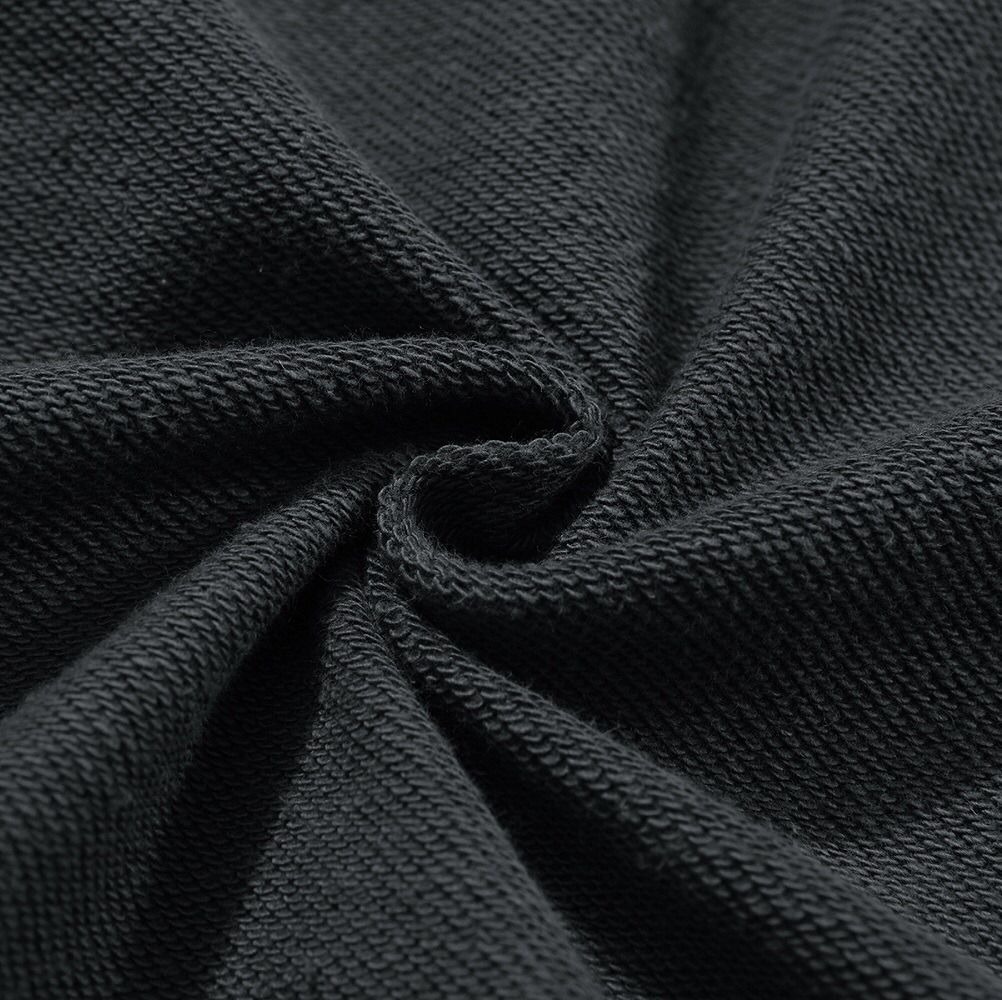
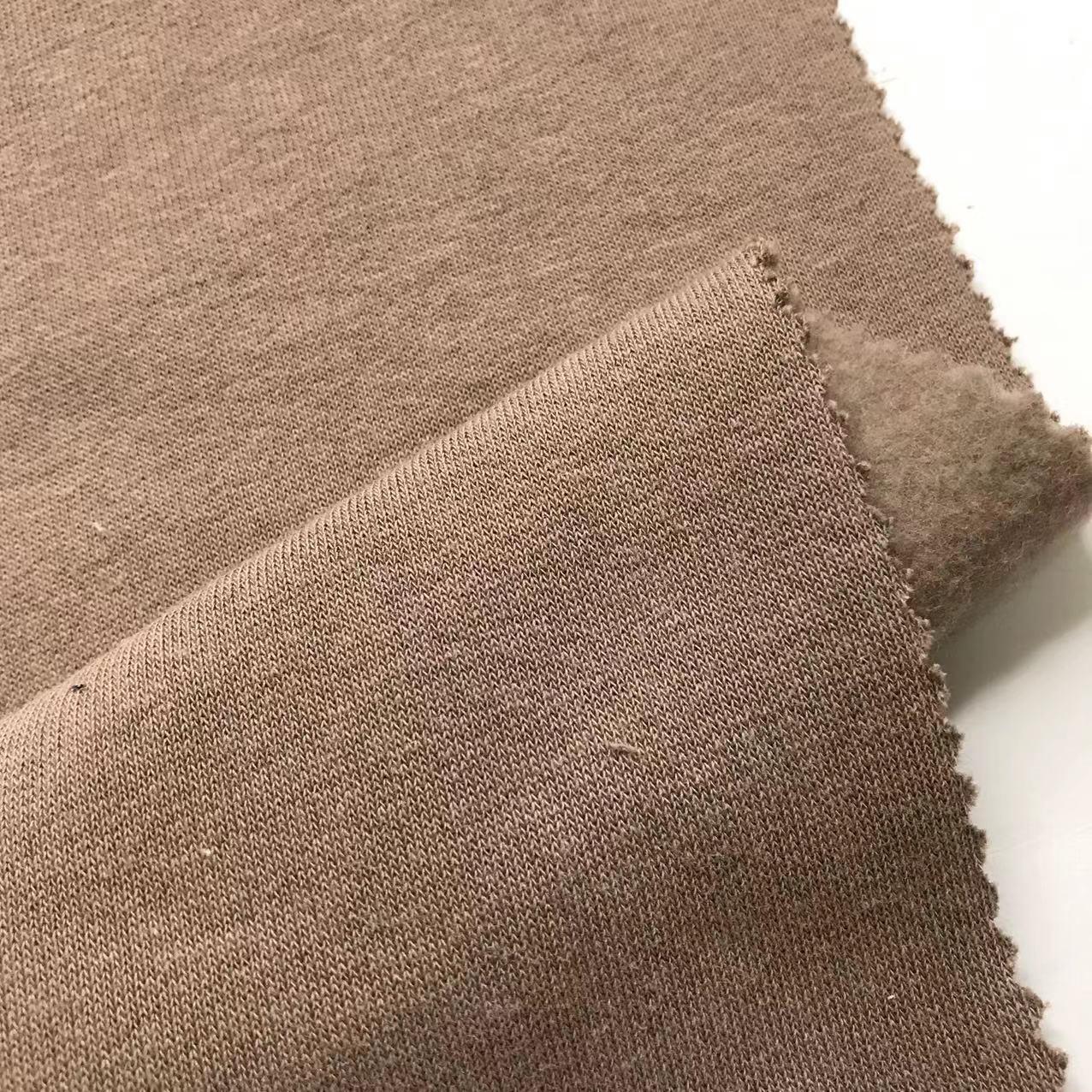
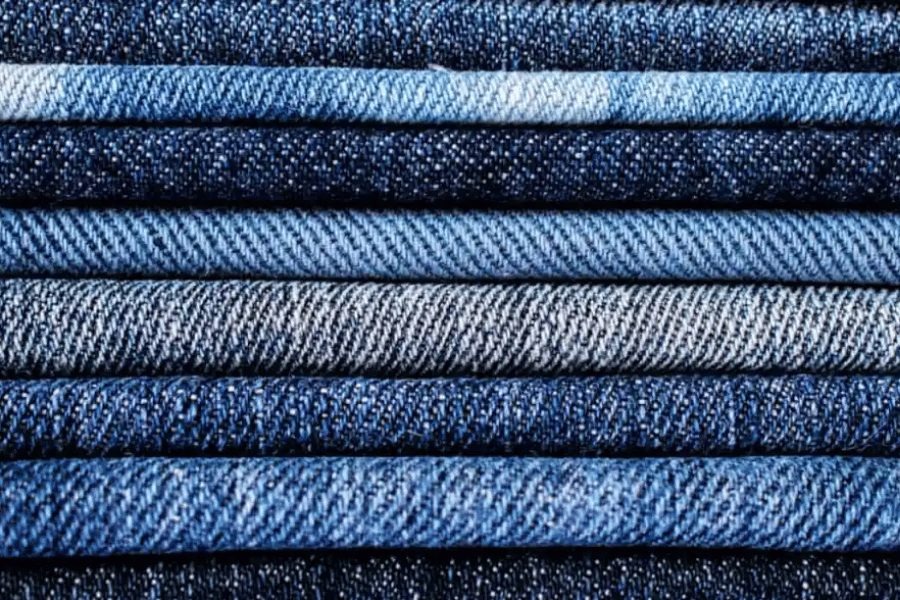
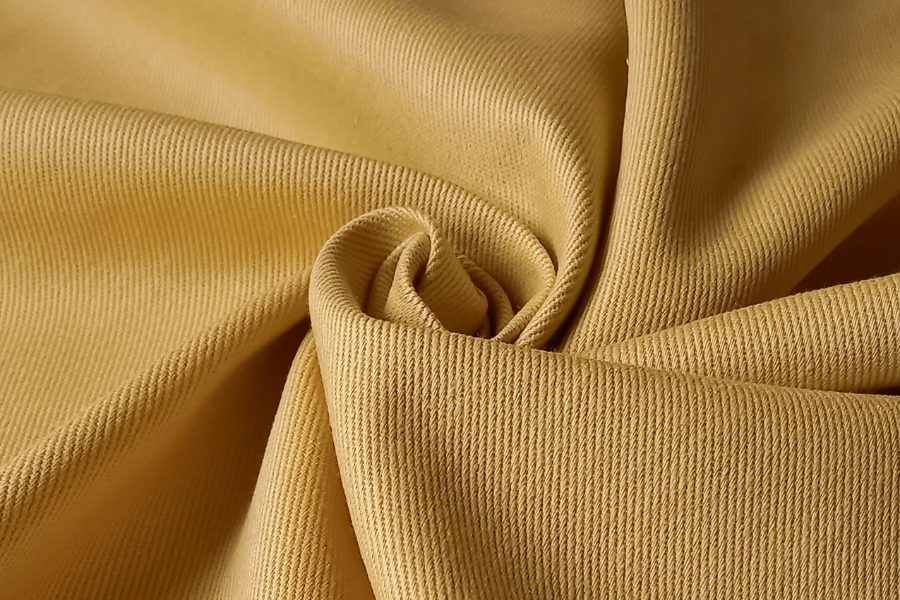
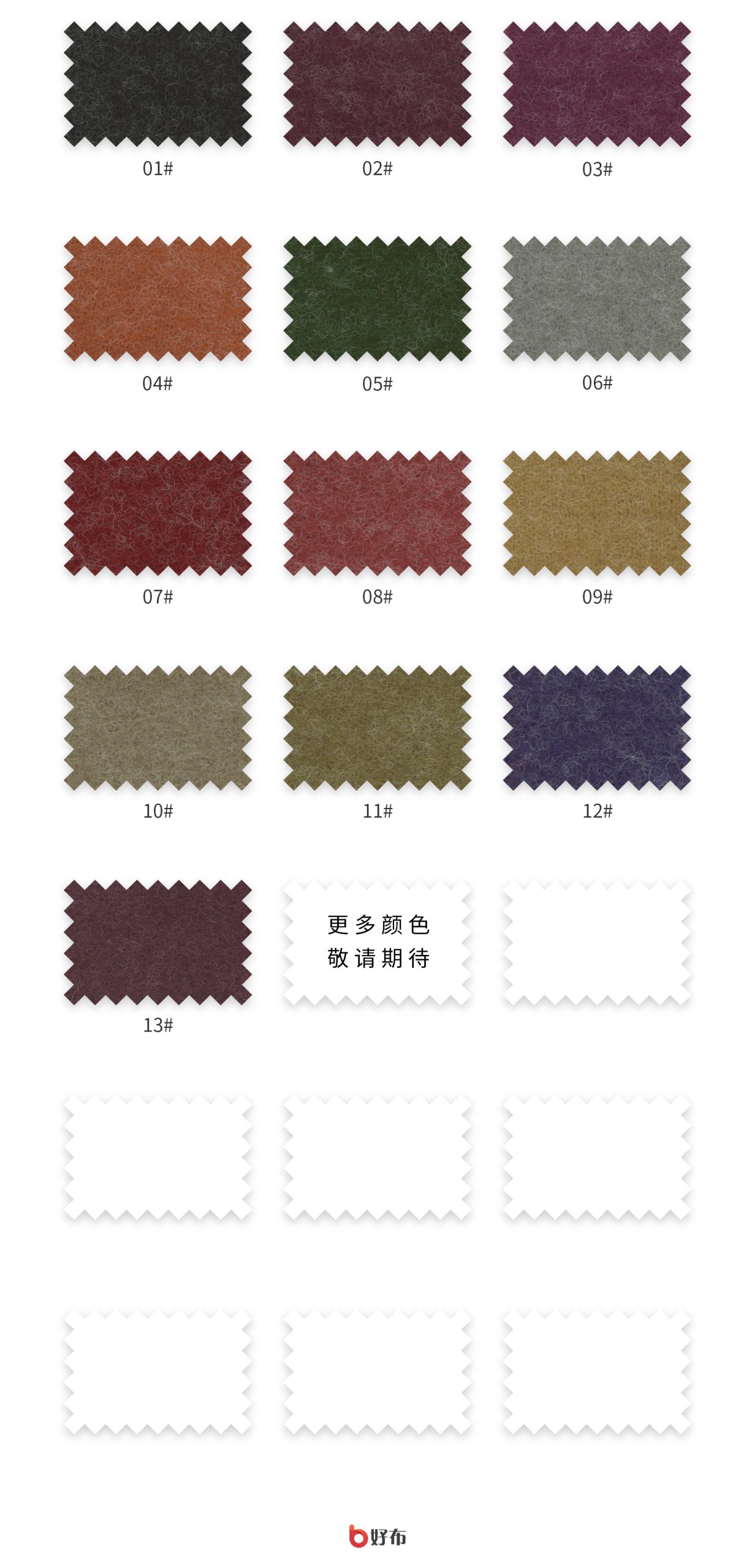
Fabrics We Enzyme Wash
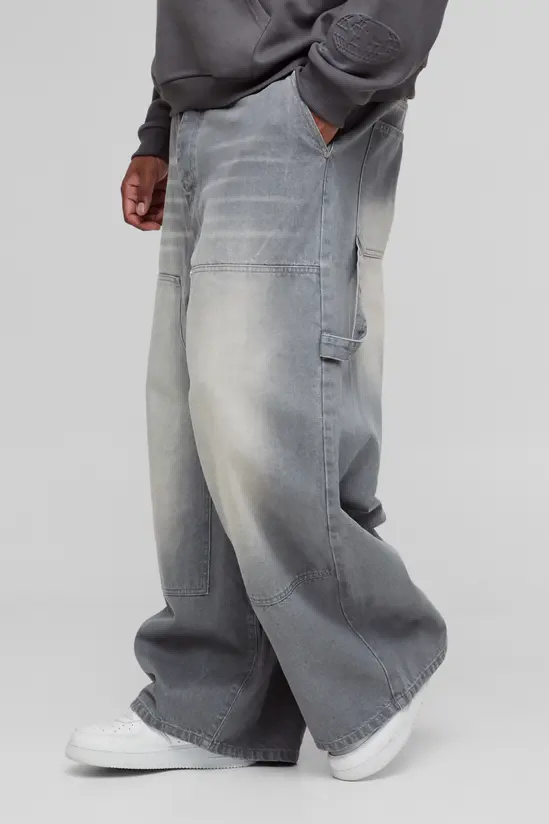
Enzyme Wash Service Techniques & Intensity Levels
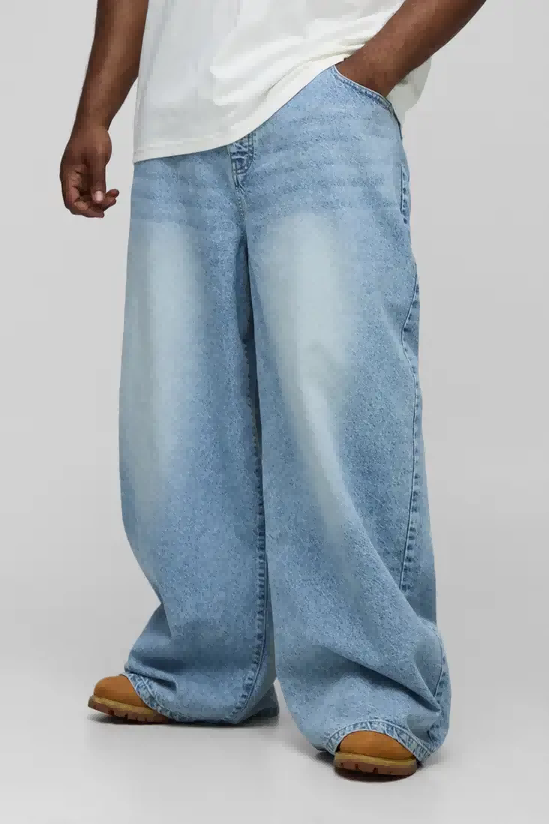
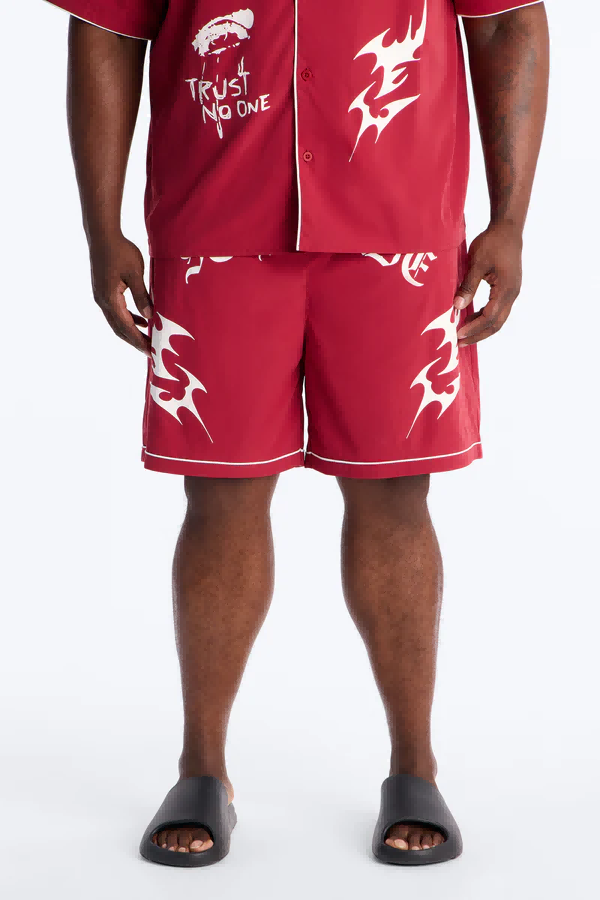
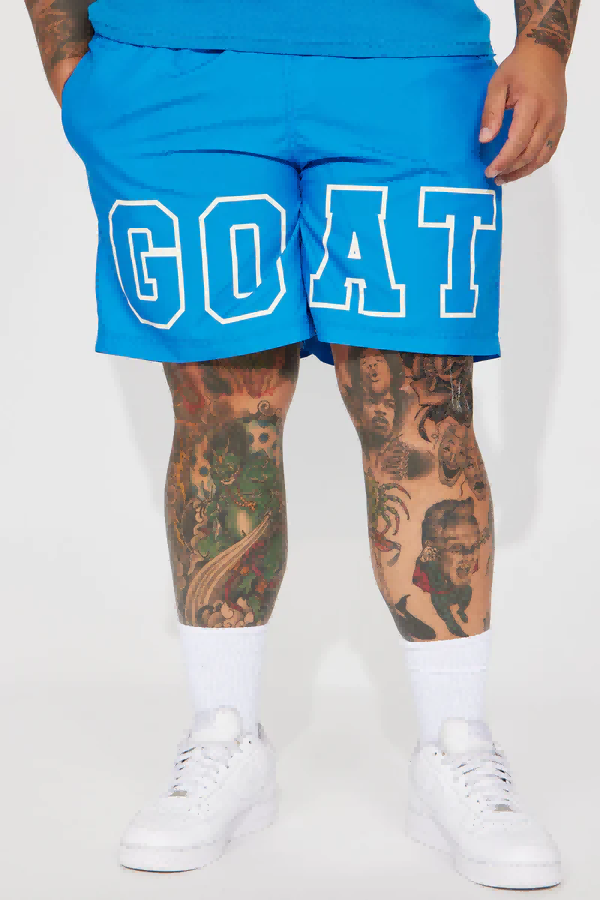
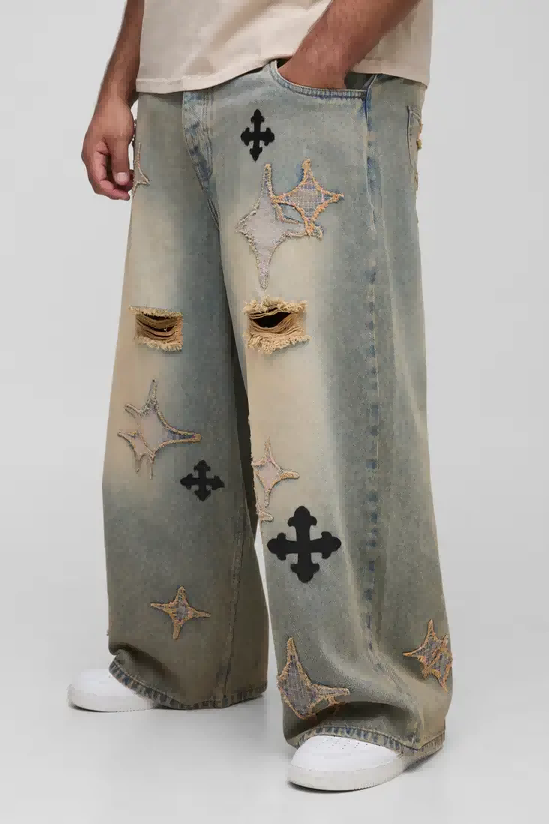
Enzyme + Softener
Combined enzyme wash with silicone or natural softener for superior drape and luxurious touch. Reduces stiffness in heavyweight denim, twill, and canvas while enhancing comfort across extended sizing.
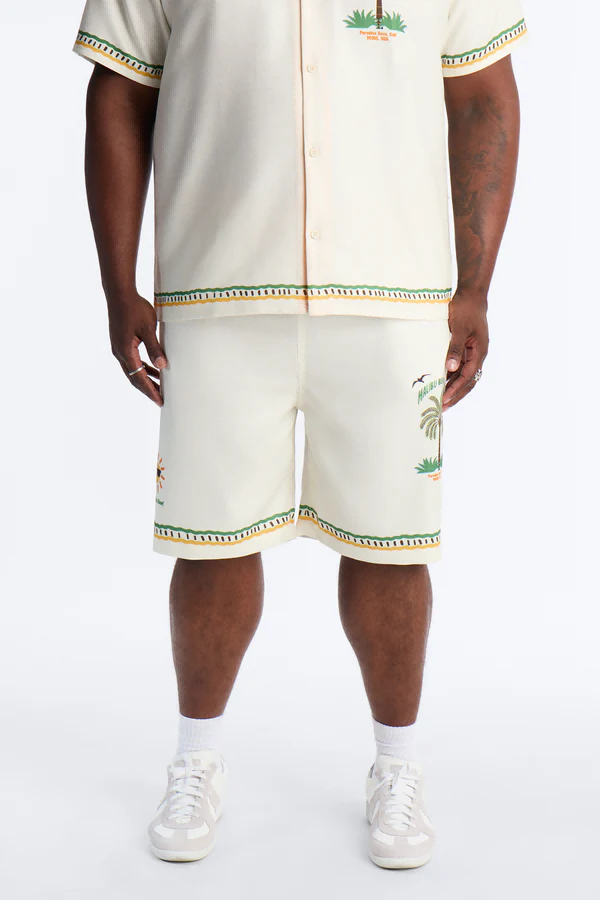
Premium Trims & Branding That Complete Your Enzyme Wash Service
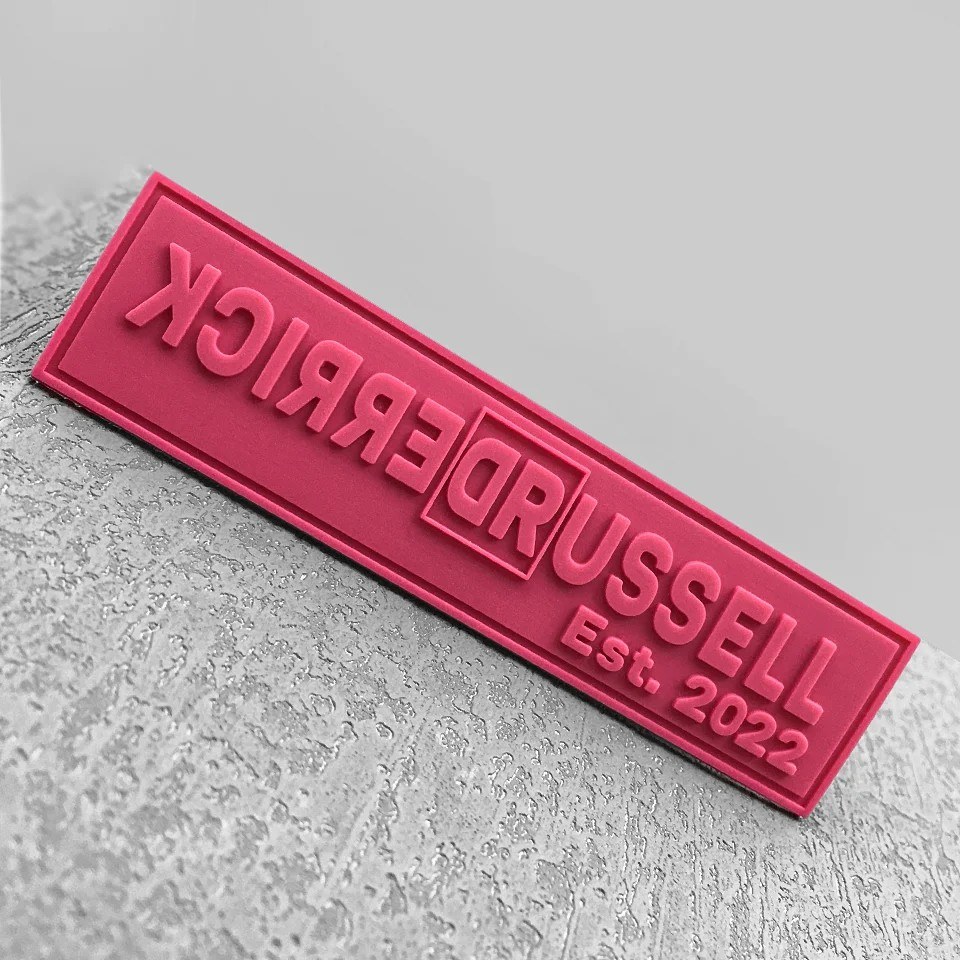
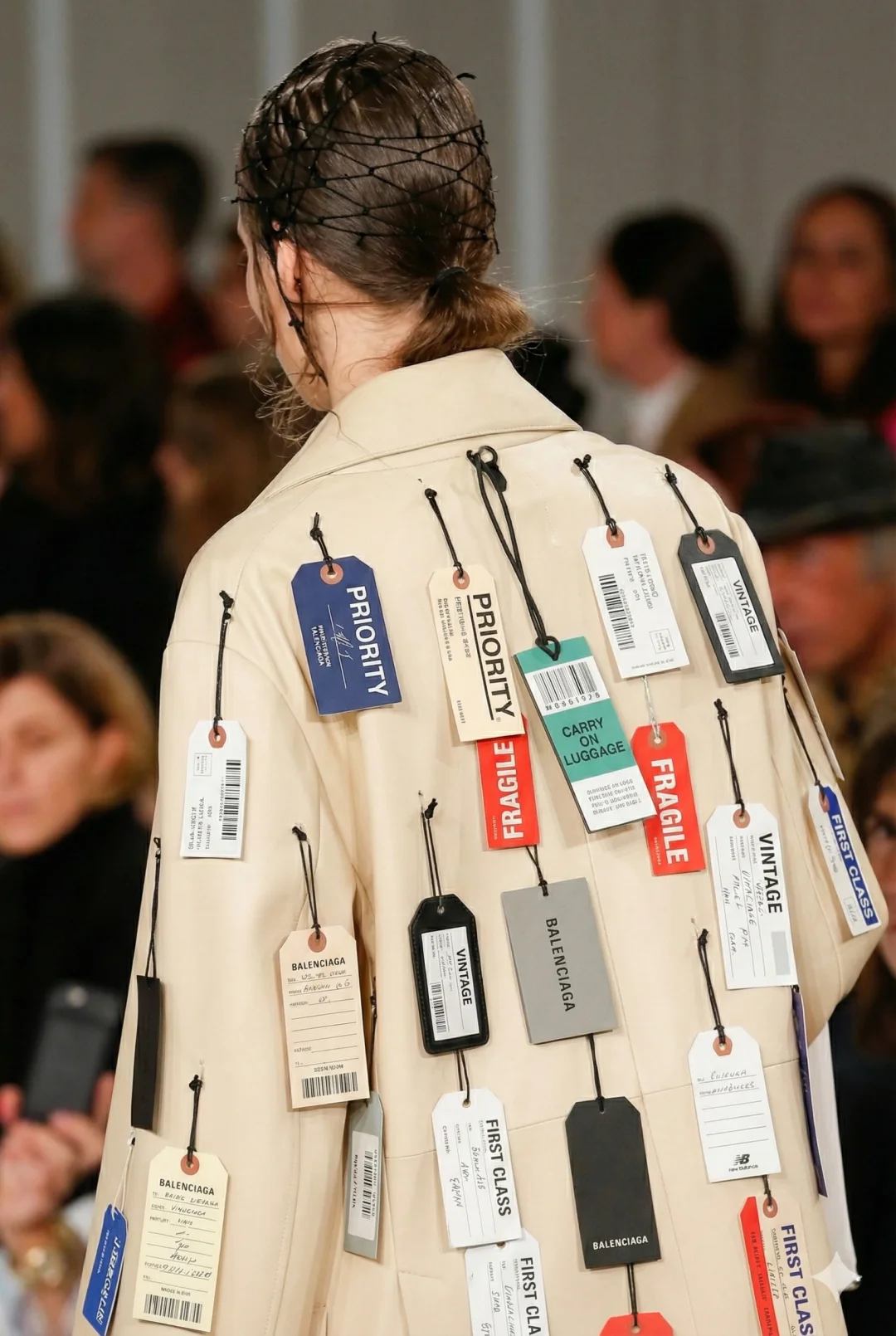
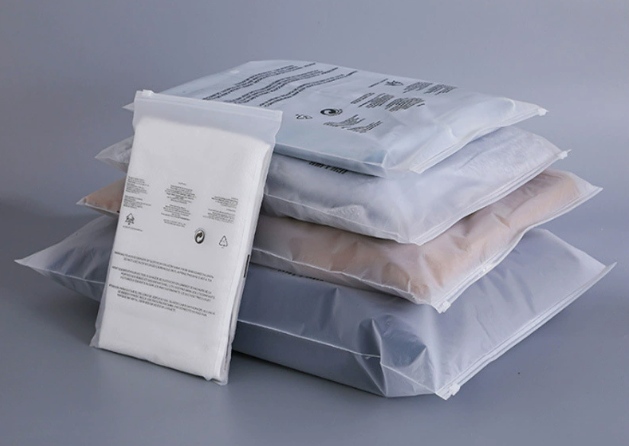
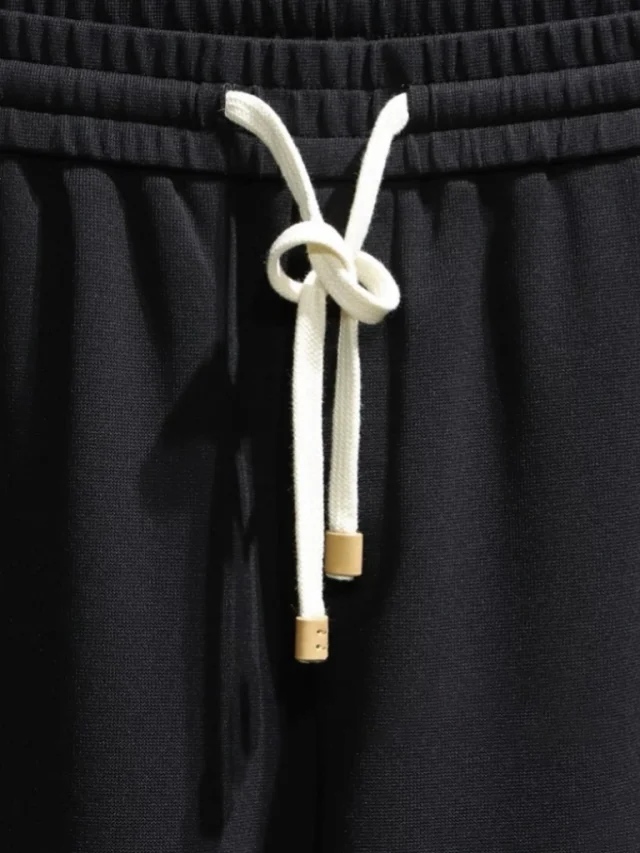
Drawcords & Tipping
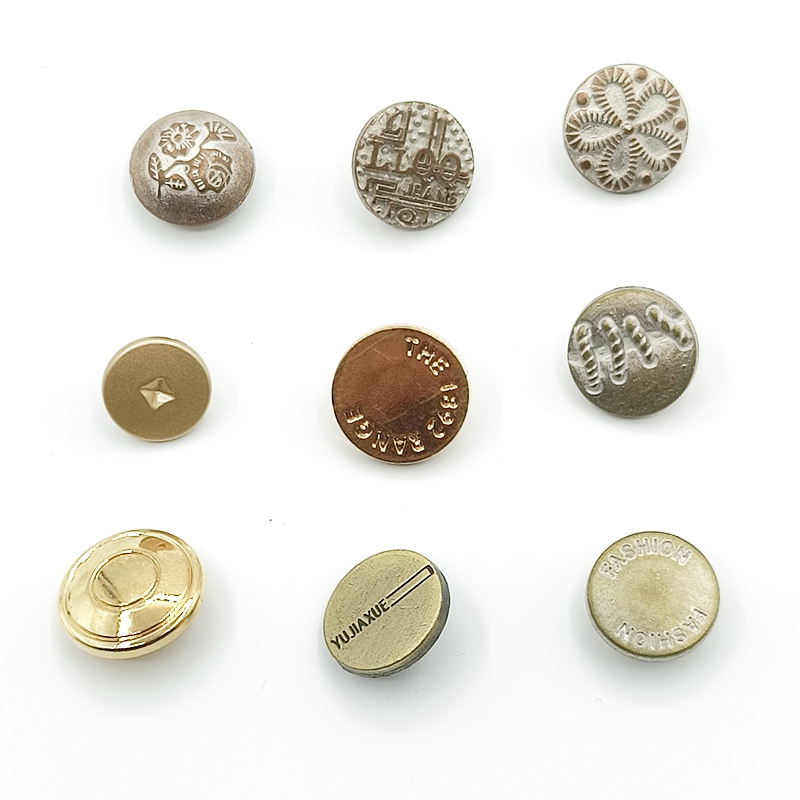
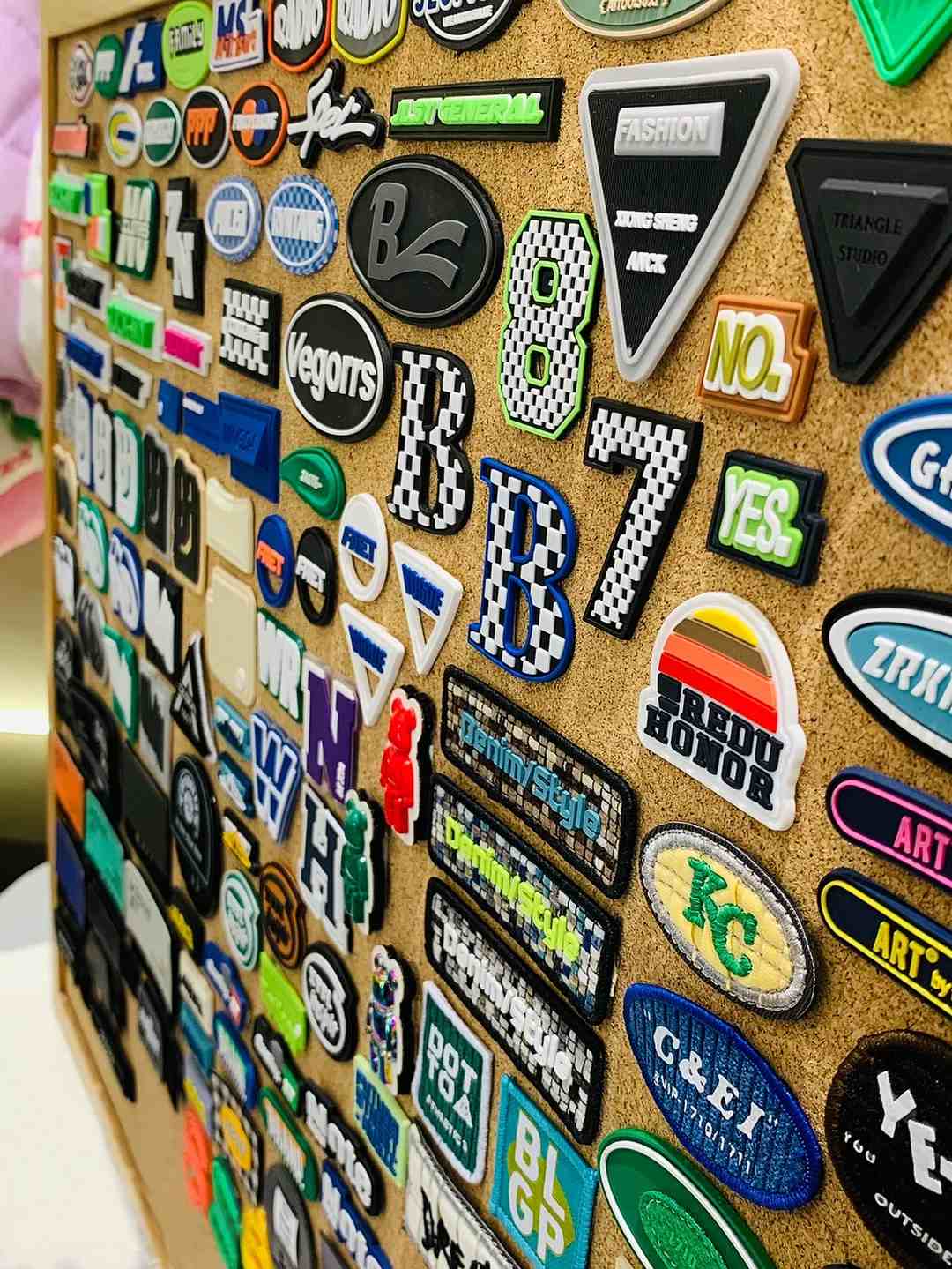
Flat, round or rope drawcords with metal, plastic or custom-branded aglets and tipping. Enzyme wash softens the cord while preserving structure — ideal for hoodies, joggers and outerwear in 2XL–6XL sizing.
About MENWILD — Big & Tall Manufacturing Experts
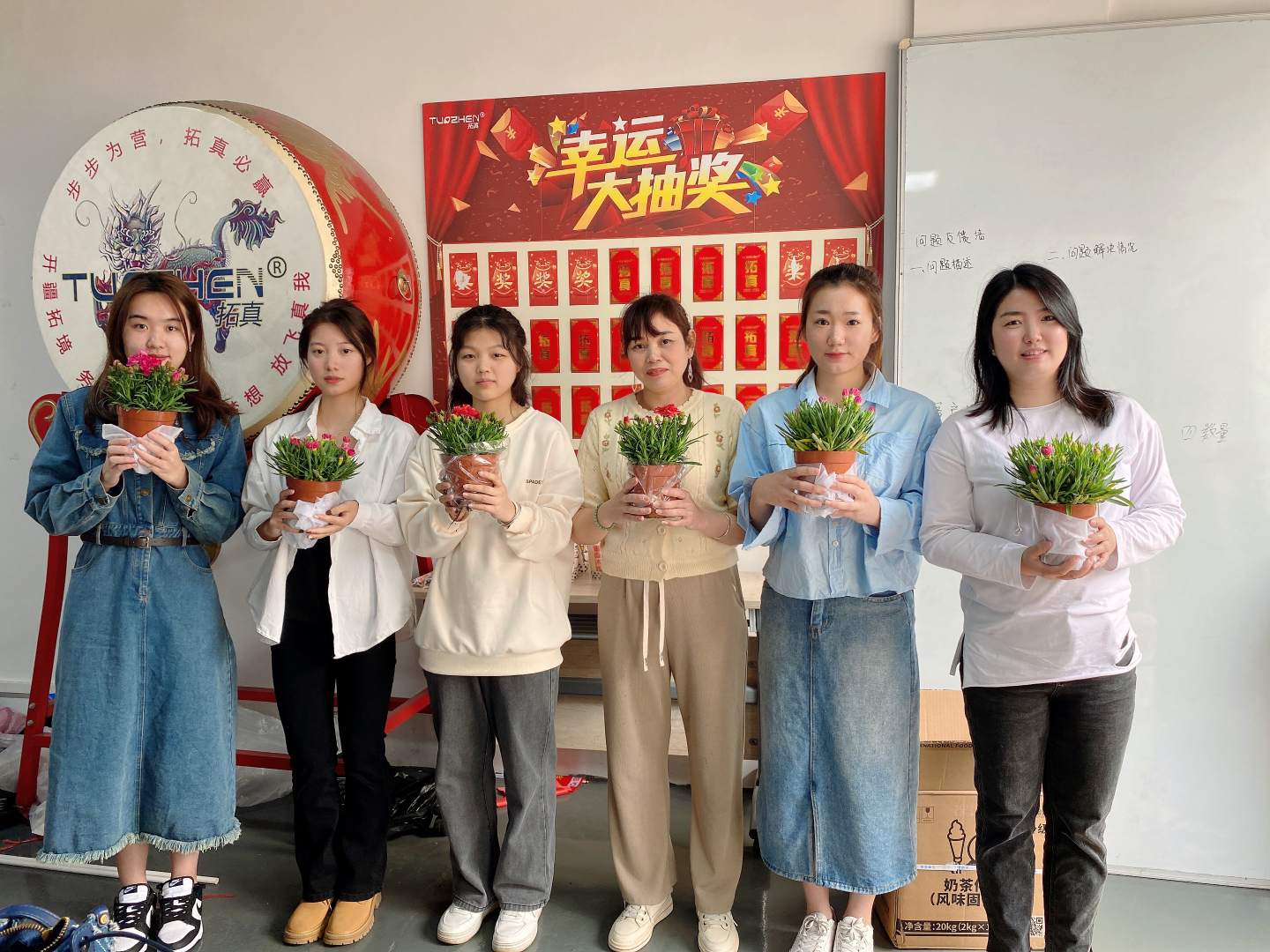
Founded in 1998 in Humen, Dongguan — the heart of China’s garment manufacturing hub — MENWILD has spent over 28 years perfecting big & tall and plus-size menswear production. What started as a small family cut-and-sew workshop has grown into a full-service manufacturer with more than 200 skilled employees, 80,000+ monthly piece capacity, and enzyme wash service integrated into every finishing line.
MENWILD serves over 2,000 fashion brands worldwide, from independent designers and influencers to wholesalers and established labels across the United States, Canada, Europe, Australia, Russia and the Middle East. Our core mission is genuine fit for larger and taller men — specialist 2XL–6XL pattern grading, proportions built for bigger bodies, and garment finishing techniques like enzyme wash that soften, refine and elevate every piece.
Unlike factories that treat extended sizes as an afterthought, MENWILD builds fit, finishing and fabric treatment into the foundation of every garment. OEM, ODM and private label production starts from just 100 pieces per style, with full in-house decoration, enzyme wash service, sampling support and flexible payment terms that grow with your brand.
About MENWILD — OEM, ODM & Private Label Menswear Manufacturer
Proprietary Enzyme Wash Process for Big & Tall
MENWILD’s enzyme wash service uses a controlled multi-stage process calibrated specifically for extended-size garments from 2XL to 6XL. Our biodegradable cellulase enzymes soften and de-pill fabrics while preserving structural integrity, color depth and dimensional stability across every size in your graded set.
- Enzyme concentration and wash time tuned to fabric weight, weave and fiber content
- Temperature-controlled cycles prevent shrinkage beyond your target tolerance
- Separate processing for light and dark colorways to maintain color fastness
- Pre-production wash trials on your fabric swatches before any bulk run
Biodegradable Enzyme Sourcing and Environmental Compliance
We source neutral and acid cellulase enzymes from certified suppliers that meet OEKO-TEX Standard 100 and REACH regulations. Every enzyme batch is traceable, biodegradable and free from harmful residues, ensuring safe wear and reduced environmental impact for your brand and customers.
- Enzymes break down naturally in wastewater treatment without toxic byproducts
- OEKO-TEX certified enzyme formulations tested for skin safety and restricted substances
- Full supplier documentation and batch traceability for every production run
- Water recycling and neutralization systems in our Dongguan finishing facility
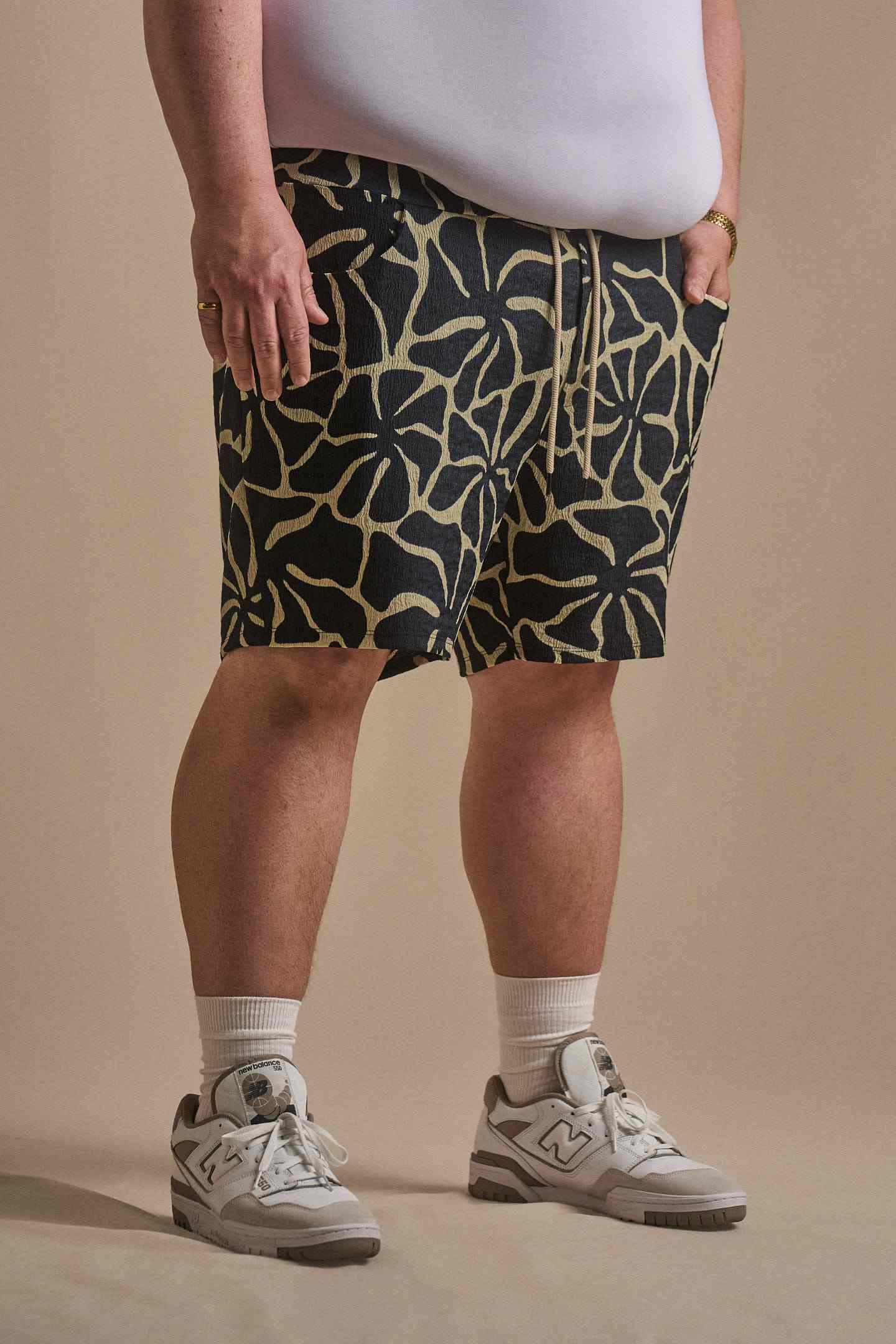
Color-Fastness Testing and Batch Consistency
Before bulk enzyme wash production, every fabric undergoes AATCC and ISO color-fastness testing to crocking, washing and light exposure. We maintain strict process controls and sample every 500-piece batch to guarantee that garment one and garment 10,000 deliver identical hand-feel, color and finish.
- AATCC 61 (wash fastness) and AATCC 8 (crocking) testing on all dyed fabrics
- ISO 105 light-fastness certification available for export markets
- In-line pH monitoring and enzyme activity checks throughout every wash cycle
- Sample approval and side-by-side comparison before releasing any finished batch
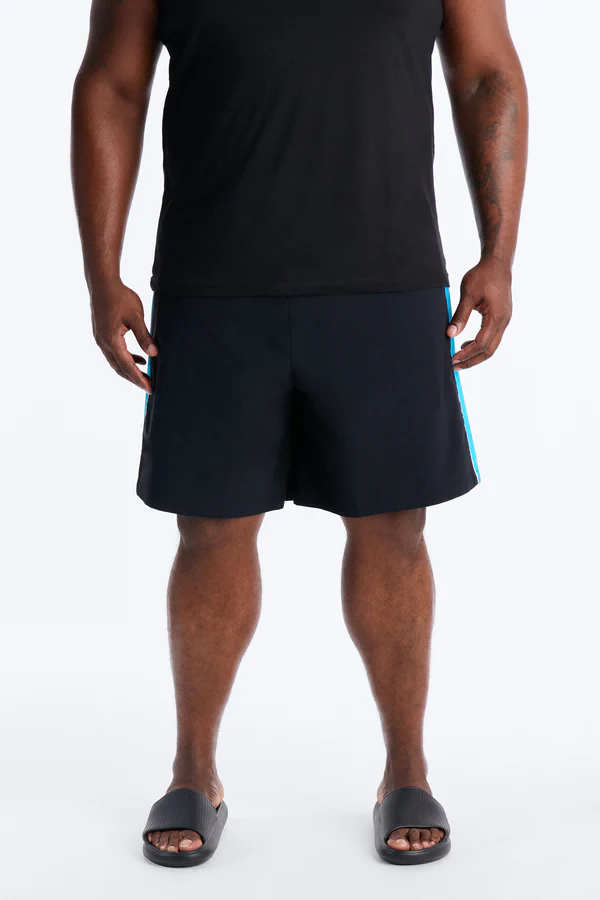
Why MENWILD’s Enzyme Wash Service Outperforms Typical Finishers
Most garment finishers treat enzyme wash as a commodity service. MENWILD integrates it into end-to-end big & tall menswear production — with specialist pattern grading, low MOQs, fast sampling and long-term partnership support that keeps your brand growing.
← 左右滑动查看 →
Our Enzyme Wash Service Production Process
From garment intake to final shipment, every enzyme wash service order follows our proven six-phase quality workflow designed for consistent softness, color and fit across 2XL–6XL big and tall menswear.
Garment Intake & Inspection
Your garments arrive at our Dongguan facility. We log fabric type, weight, construction and colorway, then inspect each piece for pre-existing flaws before enzyme treatment begins.
Pre-Wash Quality Check
Garments are sorted by fabric composition and wash intensity. We verify dye stability, seam strength and trim compatibility to ensure safe enzyme processing without damage or shrinkage.
Enzyme Treatment Application
Garments enter controlled enzyme wash drums. Light, medium or heavy enzyme formulations break down surface fibers for softness, anti-pilling and vintage hand-feel tailored to your specification.
Rinse & Neutralization
Multi-stage rinse cycles remove residual enzymes and stabilize pH. Neutralization halts enzyme activity, locking in the desired texture while protecting fabric integrity and colorfastness for long-term wear.
Drying & Final Finishing
Garments are tumble-dried or air-dried per fabric requirements, then steam-pressed or brushed. Final measurements confirm that big and tall proportions remain true across all size grades.
QC, Testing & Shipment
Every piece undergoes hand-touch softness checks, visual inspection and wash-durability testing. Approved garments are folded, poly-bagged with custom labels and packed for global export logistics.
How to Order Enzyme Wash Service from MENWILD
From sample submission to bulk delivery, our streamlined enzyme wash service process ensures fast turnaround, flexible MOQ from 100 pieces, and consistent soft-hand finishing across your entire big & tall collection.
Submit Garment Samples & Specifications
Send your garments or tech packs with desired enzyme wash intensity, fabric type, and finish goals. Our team reviews your requirements within 24 hours.
Receive Quote & Sampling Options
Get a detailed quote covering enzyme wash processing, timeline, and MOQ. We offer multiple intensity levels and can prepare test samples for approval.
Approve Your Sample Finish
Review enzyme-washed samples for softness, color retention, and fabric hand. Request adjustments until the finish perfectly matches your brand standards.
Place Your Bulk Order
Confirm quantities starting from 100 pieces per style. Flexible payment terms and deposit options scale with partnership—100% first order, down to 30% for returning clients.
Production & Quality-Controlled Delivery
Your garments undergo enzyme washing with in-line quality checks, then ship globally. Pattern and wash specs stay on file for fast, consistent re-orders.
Certifications & Enzyme Wash Service Standards
Customer Testimonials — Enzyme Wash Results
MENWILD’s enzyme wash service transformed our heavyweight hoodies. We saw 40% fewer returns for stiffness after switching to their process. The softness is consistent across every 3XL–5XL piece, and color retention stayed above 95% even after customer wash testing.
We needed enzyme wash finishing for 2,400 big & tall tees across four colorways. MENWILD delivered perfect hand-feel uniformity, zero pilling, and met our tight 18-day turnaround. Their enzyme wash service is now standard on all our premium lines.
As a wholesaler serving big & tall retailers, fabric finish quality makes or breaks reorders. MENWILD’s enzyme wash gives us that luxury softness our customers expect, with zero shrinkage variance across 2XL to 6XL. Production consistency is unmatched.
FAQ — Enzyme Wash Service Questions
What is the minimum order quantity for enzyme wash service?
How long does sampling take for enzyme wash service?
Does enzyme wash service cost more than other garment finishing methods?
Will enzyme wash service affect color-fastness or cause fading?
What payment terms do you offer for enzyme wash service orders?
How long does shipping take after enzyme wash service is complete?
How do you protect my custom enzyme wash recipes and formulations?
Can you apply enzyme wash service to garments already decorated with embroidery or printing?
The Complete Buyer’s Guide to Enzyme Wash Service for Extended-Size Menswear
Navigate enzyme wash service options with confidence. This guide delivers a proven decision framework, supplier selection criteria, cost benchmarks, and the most common mistakes brands make when sourcing garment finishing—so you can secure soft, vintage-look fabrics that fit your big & tall collections.
1. What Is Enzyme Wash Service?
Enzyme wash service is a biochemical finishing process that applies cellulase, amylase, or catalase enzymes to fabric surfaces to soften hand-feel, reduce pilling, and create controlled vintage or distressed aesthetics. Unlike mechanical tumbling or harsh chemical baths, enzymes break down cellulose fibers or surface starches at a molecular level, delivering consistent results without compromising fabric integrity. MENWILD’s enzyme wash lines process denim, cotton twill, French terry, and fleece garments in volumes from 100-piece capsule runs to 80,000-piece monthly orders, maintaining color fastness and dimensional stability across 2XL to 6XL extended sizing.
Brands choose enzyme wash over stone wash or bleach treatments because it generates less fabric abrasion, preserves seam strength, and eliminates the environmental burden of pumice dust or chlorine discharge. The process is ideal for streetwear labels seeking a lived-in look, workwear collections requiring anti-pilling durability, and premium lines where soft hand-feel drives repeat purchase. If your garment line targets comfort-first customers or vintage-inspired aesthetics, enzyme wash delivers both without sacrificing structural longevity.
2. Evolution and History of Enzyme Wash Service
1987 marked the first commercial cellulase enzyme wash in denim finishing, replacing pumice stones that abraded fabric and clogged machinery. By the mid-1990s, enzyme wash service had become the standard for achieving soft hand-feel and vintage aesthetics without mechanical damage or the dust and wear associated with stone washing.
REACH regulations (2007) and ZDHC wastewater guidelines (2011) accelerated adoption across global supply chains, pushing brands toward bio-based alternatives that met stricter chemical discharge limits. Enzyme formulations evolved from single-cellulase blends to multi-enzyme systems targeting specific fibers — amylase for starch removal, catalase for peroxide neutralization, and pectinase for cotton scouring — all biodegradable and compliant with OEKO-TEX and GOTS standards.
For big & tall menswear, enzyme wash service solves a critical challenge: softening heavier-weight fabrics and larger garment volumes without compromising structural integrity or requiring extended mechanical cycles that risk seam failure in extended-size patterns.
3. Types of Enzyme Wash Service
Four enzyme families drive modern garment finishing, each targeting specific fibers and visual outcomes. Matching enzyme type to fabric weight, fiber content and desired hand ensures consistent results across production runs and size sets from 2XL to 6XL.
Cellulase for Cotton Softening and Vintage Denim
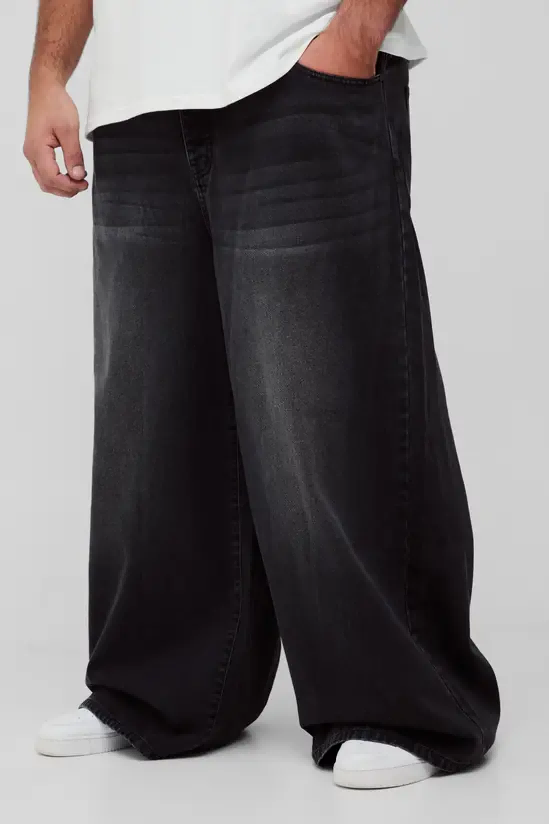
Cellulase enzymes digest surface cellulose fibers on cotton and cotton-blend fabrics, removing fuzz and creating a soft, worn-in hand. Cycle times range from 20 to 60 minutes depending on target softness. Best applications include vintage-wash jeans, distressed denim jackets, stonewashed chinos and oversized cotton tees where a lived-in aesthetic is critical.
Amylase for Starch Removal and Crispness Reduction
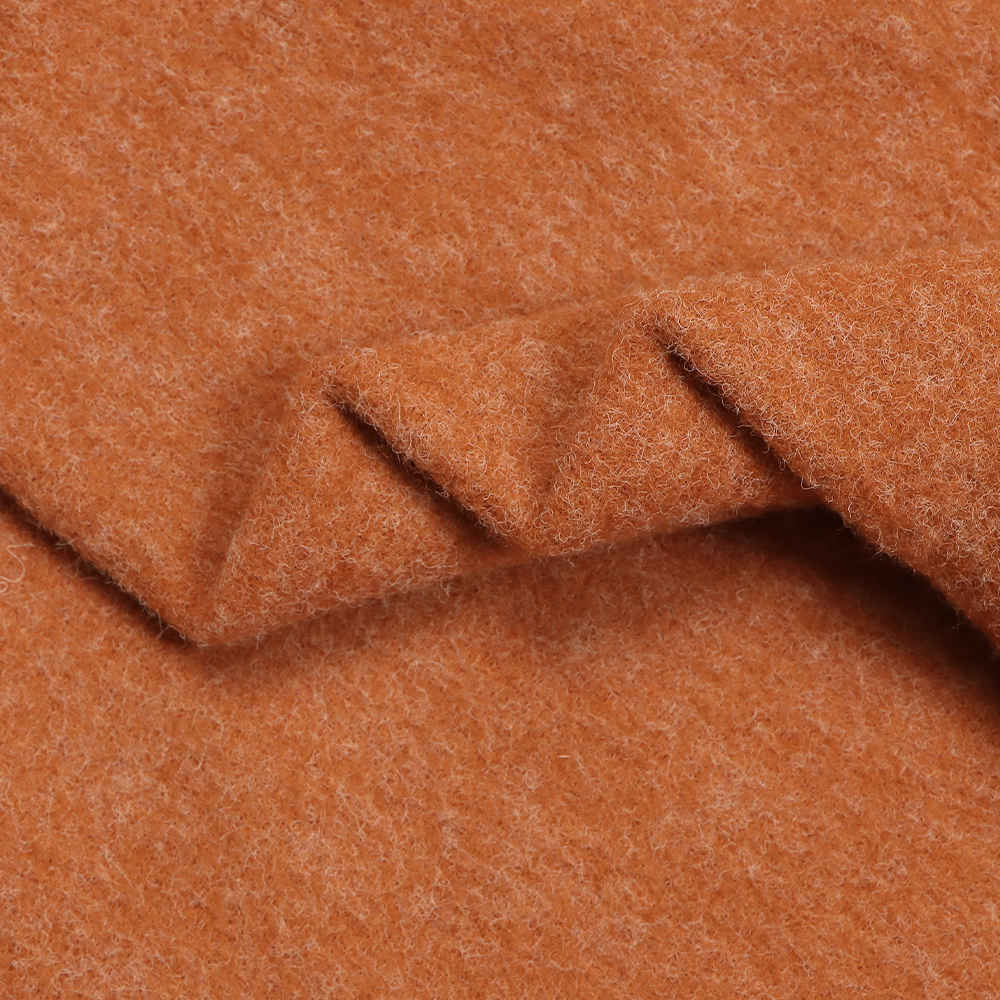
Amylase breaks down starch sizing applied during weaving, reducing crispness in dress shirts, oxford cloth and twill chinos. Typical cycles run 15 to 30 minutes. Use amylase on woven shirting and structured pants when brands want a softer drape without visible distressing or color fade.
Catalase for Peroxide Neutralization
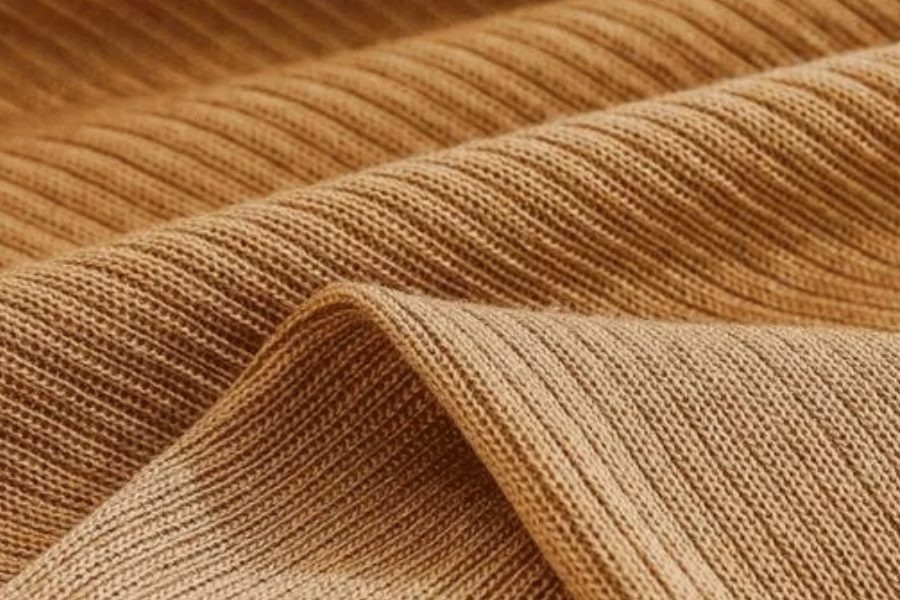
Catalase neutralizes residual hydrogen peroxide after bleach or garment-dye cycles, preventing yellowing and fiber degradation over time. Processing takes 10 to 20 minutes and is essential for white or pastel garments and any piece that undergoes bleach-based finishing before shipment.
Pectinase for Linen and Natural Fibers
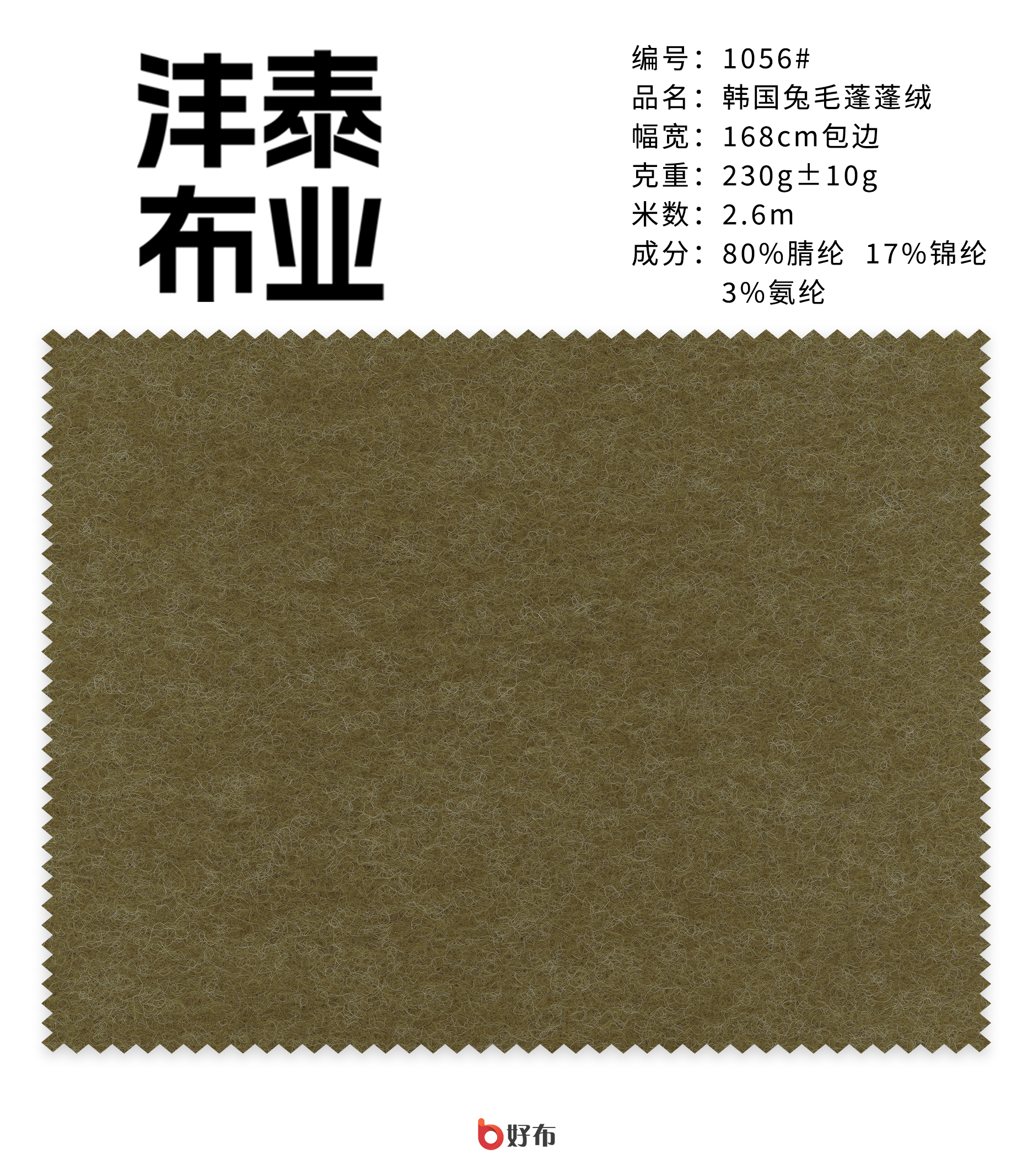
Pectinase targets pectin in plant-based fibers such as linen, hemp and ramie, softening stiff natural weaves without compromising strength. Cycles typically run 30 to 45 minutes. Ideal for linen shirts, hemp-blend chinos and eco-conscious collections where natural-fiber softness is a selling point.
4. Materials and Fabrics Compatible with Enzyme Wash Service
Enzyme wash service works selectively: cellulase enzymes target cellulose fibers but leave synthetics untouched. Understanding which fabrics respond — and how — ensures predictable softness, color and durability in extended-size garments that often use heavier weights.
| Fabric Type | Enzyme Suitability | Expected Hand-Feel | Durability Impact |
|---|---|---|---|
| 100% Cotton | Excellent | Soft, broken-in | Minimal with controlled cycles |
| Denim (10–14 oz) | Excellent | Vintage, supple | Slight strength loss, stable |
| Cotton-Poly Blend | Good (cotton only) | Balanced, less pilling | Improved shape retention |
| Linen | Excellent | Soft, relaxed drape | Minimal |
| Tencel / Modal | Excellent | Silky, smooth | Minimal |
| 100% Polyester | None | Unchanged | No effect |
Cellulose-Based Fabrics and Enzyme Reactivity
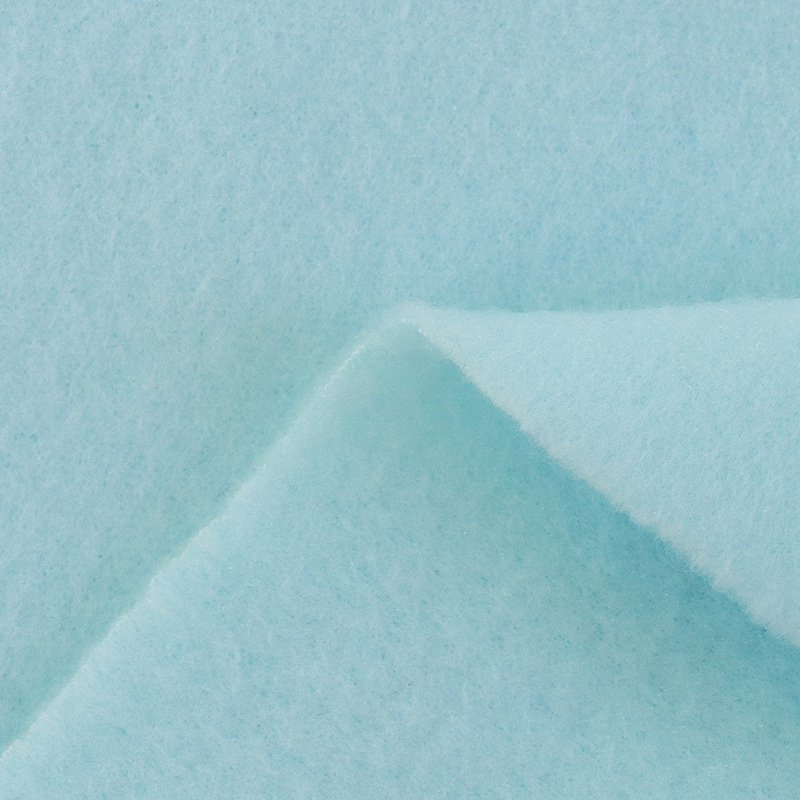
Cotton, denim, linen, Tencel and modal are all cellulose fibers and react well to cellulase enzymes. Enzyme wash breaks surface fibers to soften hand-feel, reduce pilling and create vintage or lived-in aesthetics.
Heavier weights common in big & tall — 10–14 oz denim, 8 oz twill — require longer enzyme cycles or higher concentrations but deliver superior durability and consistent results across extended size runs.
Blends and Synthetic Limitations
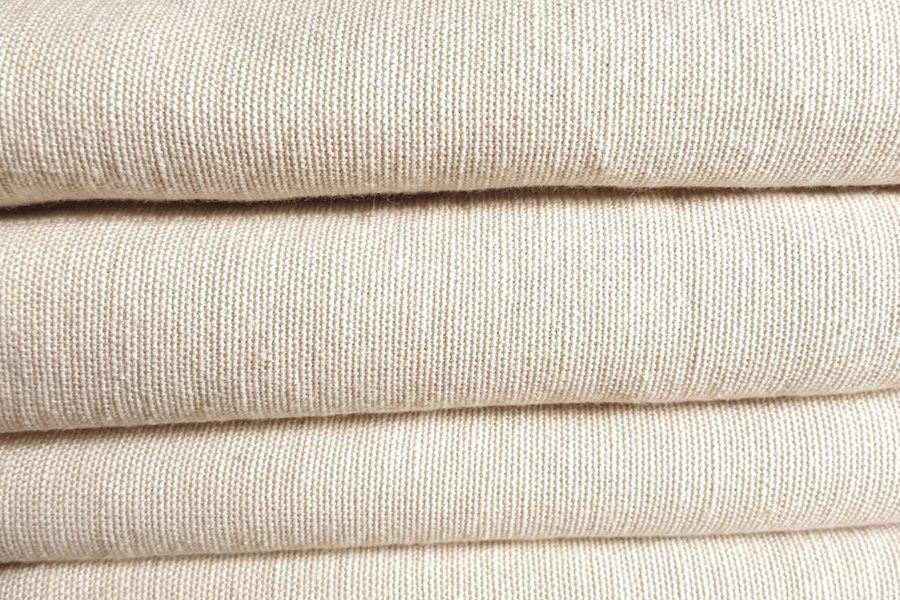
Cotton-polyester blends (50/50 or 65/35) accept enzyme wash, but only the cotton portion softens; polyester remains unchanged. The result is a balanced hand-feel with improved shape retention.
Pure synthetics — polyester, nylon, spandex — are enzyme-inert and unsuitable for cellulase treatment. Brands using performance knits or activewear blends should specify mechanical or chemical softening instead.
5. Customization and Branding Options in Enzyme Wash Service
Enzyme wash service offers far more than a single finish. By adjusting enzyme concentration, wash duration and combination treatments, brands create distinct visual signatures that differentiate collections and build customer recognition.
| Finish Type | Enzyme % | Duration (min) | Cost Add (USD) | Lead Add (days) |
|---|---|---|---|---|
| Light enzyme | 0.5–1.0 | 20–30 | +0.30–0.50 | +1 |
| Medium enzyme | 1.5–2.0 | 40–60 | +0.50–0.80 | +1–2 |
| Heavy enzyme | 2.5–3.0 | 70–90 | +0.80–1.20 | +2 |
| Enzyme + stone | 1.5–2.0 | 60–75 | +1.00–1.50 | +2–3 |
| Enzyme + bleach | 1.0–1.5 | 50–70 | +0.80–1.30 | +2 |
| Localized distress | 1.5–2.5 | 40–60 | +0.50–1.50 | +1–2 |
Enzyme Intensity and Wash Duration
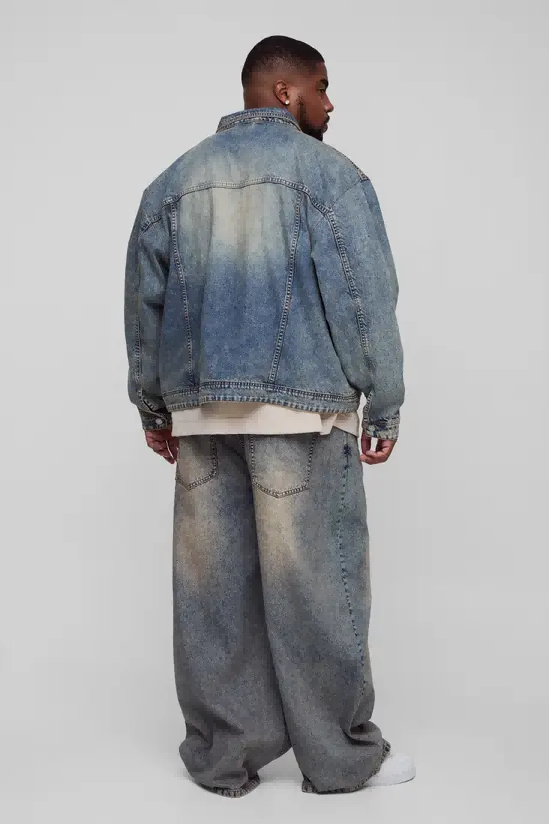
Enzyme concentration typically ranges from 0.5% to 3% of fabric weight, while wash cycles run 20 to 90 minutes. Light enzyme treatment (0.5–1%, 20–30 minutes) produces subtle softening with minimal color shift, ideal for premium basics. Medium cycles (1.5–2%, 40–60 minutes) deliver visible fading and texture, popular in streetwear. Heavy enzyme loads (2.5–3%, 70–90 minutes) create pronounced vintage effects for denim and workwear.
Factories record exact parameters per style, ensuring consistent re-orders and enabling brands to refine intensity across seasonal drops.
Combination Treatments
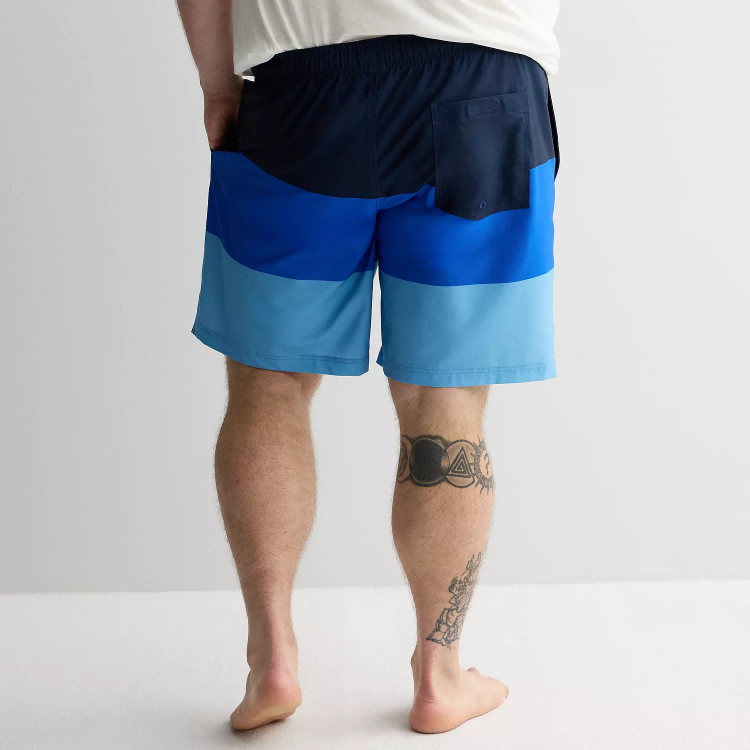
Enzyme wash pairs with stone wash, bleach or acid treatments to expand finish options. Enzyme-plus-stone combines biological softening with mechanical abrasion, yielding deep contrast and whisker marks in 60–75 minutes. Enzyme-plus-bleach lightens indigo denim while preserving hand-feel, reducing harsh chlorine damage. Sequential processing—enzyme first, then stone or bleach—allows tighter control than single-step methods.
Each combination shifts lead time by 1–2 days and adds modest per-unit costs, but the finish range justifies investment for differentiated collections.
Localized Distressing and Hand Techniques
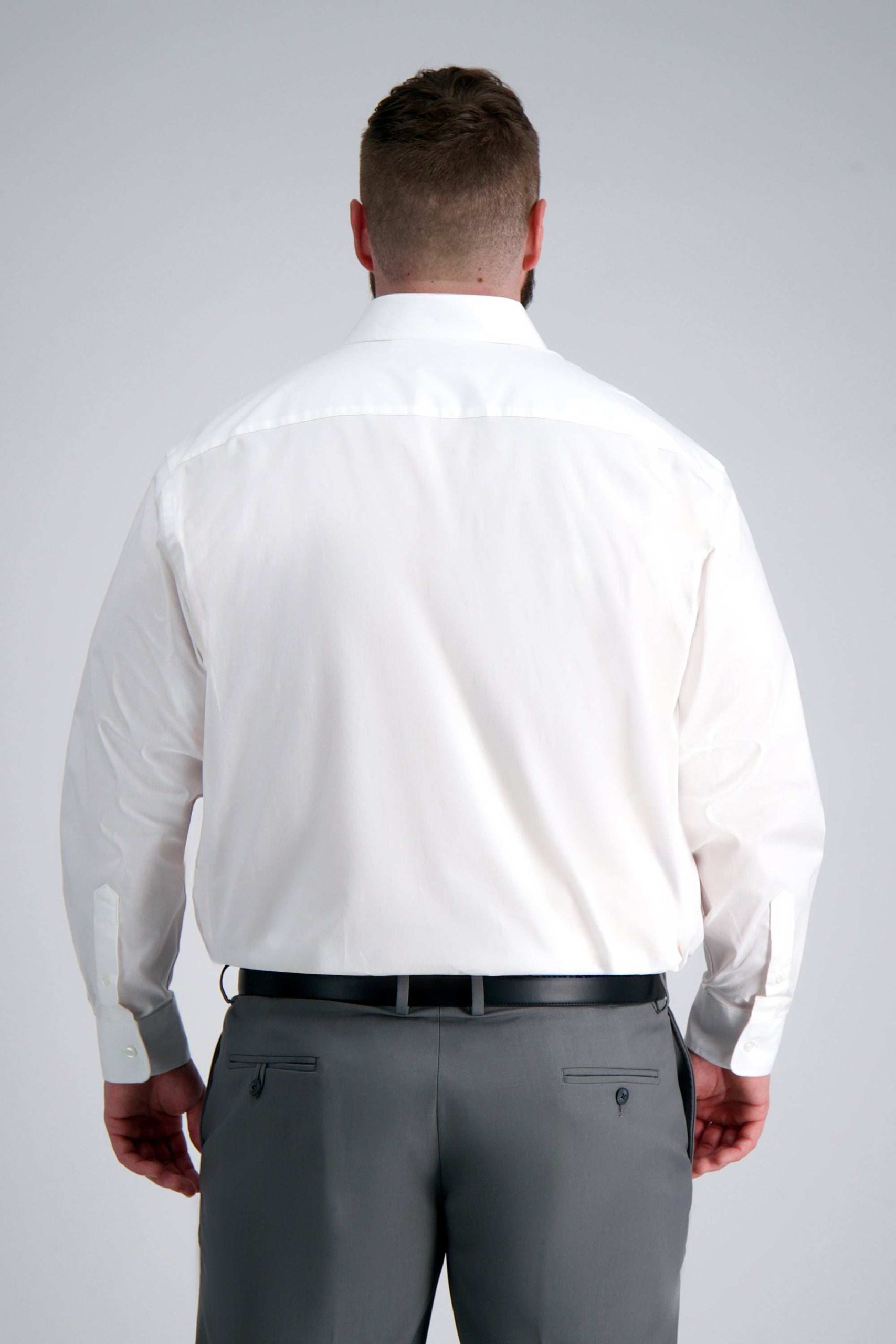
Controlled enzyme application creates localized effects: whiskering at hip creases, honeycombs behind knees, and elbow fading on jackets. Hand-scraping with pumice or sanding tools before enzyme wash amplifies contrast in targeted zones. Stencils and tape masks protect areas from enzyme contact, producing sharp graphic fades.
These techniques require skilled labor and add 0.50–1.50 USD per garment, but they transform commodity denim into signature pieces that command higher retail margins.
Post-Wash Branding and Finishing Agents
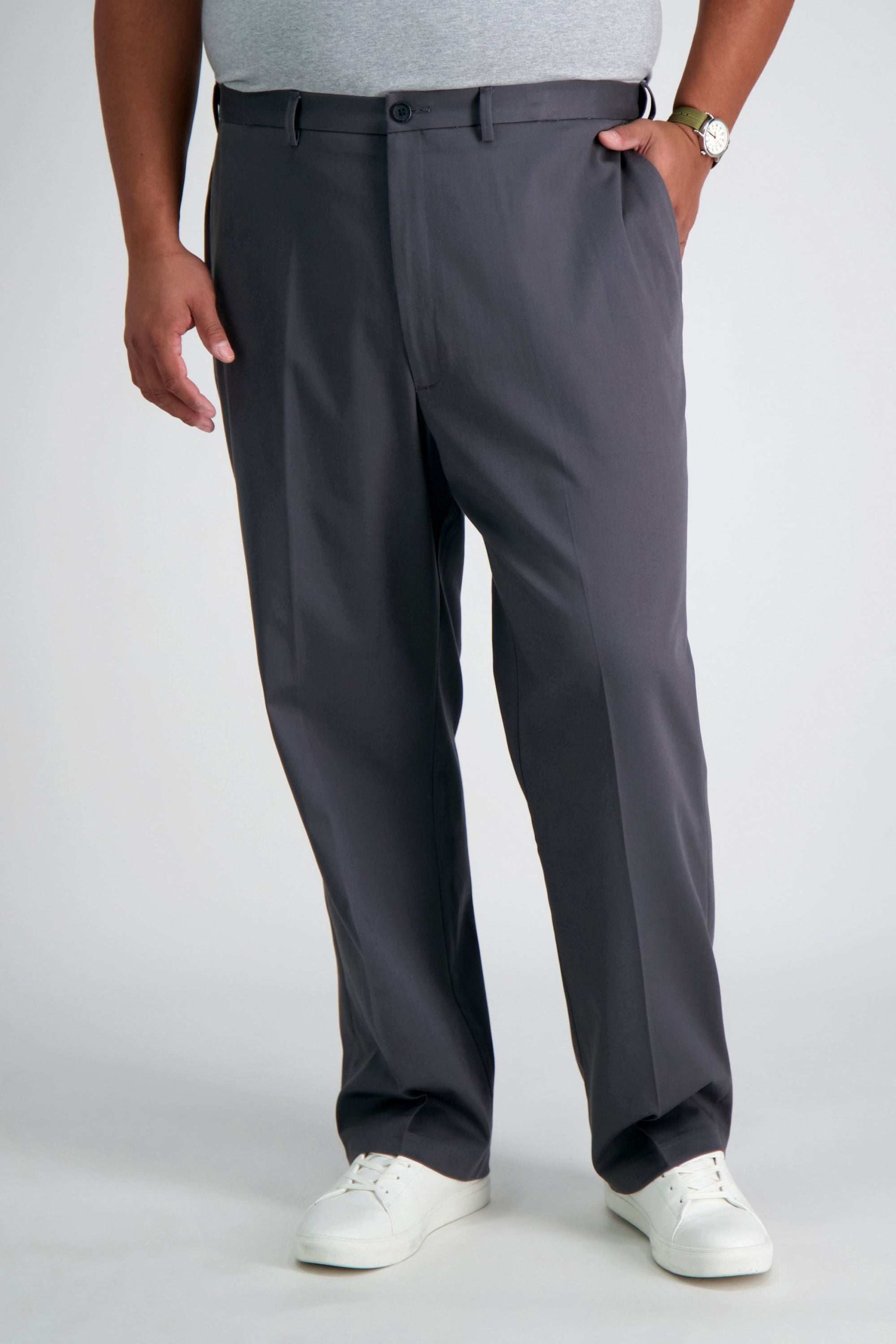
After enzyme cycles, silicone softeners (10–30 g/L) enhance drape and reduce pilling, extending garment life. Anti-pilling enzymes remove surface fuzz on fleece and jersey, critical for big & tall basics subject to friction. Garment-dyed labels and custom hang tags applied post-wash ensure branding survives multiple customer launderings.
These finishing agents add 0.20–0.60 USD per piece and 1–2 days to production but elevate perceived quality and reduce return rates tied to pilling or stiffness.
6. Quality Indicators for Enzyme Wash Service
Professional enzyme wash service is measured by consistent results across every panel, stable seam integrity and controlled shrinkage. Testing protocols and third-party certifications separate reliable finishing from guesswork.
Process Control and Consistency
Enzyme concentration, pH balance, temperature and cycle time must remain within tight tolerances to deliver uniform color loss and hand-feel. Professional facilities monitor each parameter in real time and maintain batch records for traceability.
Controlled shrinkage stays below 3 percent when enzyme type, mechanical action and rinse cycles are calibrated. Seam strength retention above 85 percent confirms that enzymes target only cellulose fuzz, not yarn integrity.
Laboratory Testing Protocols
Abrasion resistance (ASTM D3886 or ISO 12947 Martindale) verifies that enzyme-treated fabric withstands wear without thinning. Tensile-strength tests (ASTM D5034) measure warp and weft retention after wash cycles.
Colorfastness to laundering (AATCC 61 or ISO 105-C06) ensures dye stability post-enzyme treatment, typically grading 4 or higher on the gray scale. OEKO-TEX Standard 100 and bluesign certification confirm that residual enzyme and auxiliary chemicals meet strict safety thresholds.
Red Flags and Rejection Criteria
Uneven fading across chest, sleeves or back panels signals inconsistent enzyme distribution or overloading. Excessive pilling, visible holes or thin spots indicate over-processing or incorrect enzyme selection.
Seam puckering, distorted hems and shrinkage beyond 3 percent are immediate rejection triggers. Reputable providers submit pre-production wash samples and full lab reports before bulk runs.
7. How to Choose an Enzyme Wash Service Provider
Selecting a reliable enzyme wash service provider requires evaluating technical capability, transparency and partnership flexibility. Extended-size menswear demands wash-house capacity, formulation expertise and consistent turnaround that align with your brand’s quality and volume goals.
Certifications and Wastewater Treatment
OEKO-TEX, GOTS and BSCI certifications confirm safe enzyme formulations and responsible effluent management. Ask for wastewater treatment documentation and third-party audit reports.
Certified facilities reduce compliance risk for brands selling in the EU, North America and Australia, where textile chemical regulations are tightening annually.
Wash-House Capacity and Sample Turnaround
Monthly capacity above 50,000 pieces supports scaling from test runs to full collections. Sample turnaround of 7–10 days lets you validate shade, hand-feel and pilling resistance before bulk.
Asia-based providers typically offer 2–4 week lead times; nearshore options shorten transit but often carry higher per-piece costs and stricter MOQ floors.
MOQ Flexibility for Extended Sizes
Providers offering 100-piece minimums per style and color enable brands to test 2XL–6XL assortments without overstock. Confirm that graded size sets and enzyme dosing adjust for heavier fabric weights in larger garments.
Pricing and Contract Transparency
Request itemized quotes separating enzyme wash, water, energy and finishing steps. Transparent deposit terms — stepping from 100% on first orders to 30% for repeat partners — signal stable, growth-focused relationships and protect cash flow.
8. Common Mistakes Brands Make with Enzyme Wash Service
Even experienced brands stumble when enzyme wash programs scale from sample to bulk production. Mistakes in testing, grading and compliance can derail entire collections and damage retailer relationships.
Inadequate Sampling Before Bulk Runs
Approving enzyme wash based on a single M-size sample is the most common error. Full-size runs reveal inconsistencies in hand-feel, pilling resistance and color shift across the size curve.
MENWILD requires brands to approve samples in at least three sizes — S, L and 3XL — before any bulk enzyme wash order. Larger garments carry more fabric mass and absorb enzymes differently, so a 6XL hoodie may emerge softer or lighter than its M counterpart unless cycle time and enzyme concentration are adjusted per size bracket.
Ignoring Size-Grade Impacts on Wash Cycles
Big and tall garments weigh 30–50% more than standard sizes, yet many wash houses run every size through identical cycles. Heavier panels need longer enzyme contact and additional rinse passes to achieve uniform softness.
MENWILD’s wash partners segment loads by garment weight, extending cycle time by 10–15 minutes for 4XL–6XL pieces and adjusting enzyme dosage to maintain consistent hand-feel across the entire size range.
Overlooking Wastewater Compliance
Choosing the cheapest enzyme wash bid without verifying wastewater treatment exposes brands to regulatory risk and reputational damage. Untreated enzyme effluent carries high biological oxygen demand and can violate export-market environmental standards.
MENWILD works exclusively with wash houses holding ISO 14001 certification and on-site biological treatment systems, ensuring every enzyme wash meets EU REACH and U.S. EPA discharge limits.
9. Steps to Launch Your Enzyme Wash Service Collection
Launching an enzyme wash collection requires a structured approach from concept to bulk production. Each step balances aesthetic goals, fabric compatibility and extended-size fit integrity to ensure garments deliver the intended hand-feel and proportions across 2XL–6XL.
Define Target Aesthetic and Hand-Feel
Start by specifying the exact finish: softness level, surface texture, color fade percentage and drape. Enzyme wash can range from subtle anti-pilling to aggressive vintage distressing, and clarity up front prevents costly rework.
Share reference garments or detailed descriptions with your manufacturer. MENWILD’s design team translates visual goals into enzyme type, concentration and wash duration to match your brand’s vision.
Source Compatible Fabrics
Select base fabrics that respond predictably to enzyme treatment. Cotton jersey, French terry, fleece and denim work reliably; blends above 30% synthetic may resist enzyme action.
Request fabric swatches and technical data sheets. MENWILD sources from trusted mills and provides pre-wash GSM, shrinkage estimates and colorfastness ratings before sampling begins.
Request Lab Dips and Wash Trials
Order small-lot wash trials on your chosen fabric and colorways. Lab dips reveal actual color shift, hand-feel change and surface character under your specified enzyme protocol.
Approve or adjust enzyme concentration, time and temperature based on trial results. This step locks in the recipe before any pattern cutting or bulk yardage commitment.
Approve Pre-Production Samples Across Size Range
Produce full pre-production samples in at least three sizes — typically M, 2XL and 5XL — to verify post-wash fit. Enzyme treatments cause fabric relaxation and dimensional change that must be validated in extended sizes.
MENWILD adjusts grading and pattern blocks when wash trials show unexpected shrinkage, ensuring sleeve length, rise and chest proportions remain true to spec after finishing.
Schedule Bulk Production and QC Checkpoints
Lock production timelines with in-line quality checkpoints: fabric inspection, pre-wash measurements, enzyme batch consistency and post-wash dimensional audits. MENWILD’s nine-step process includes QC gates before and after washing.
Plan lead time to accommodate wash cycles and drying. Enzyme finishing typically adds three to five days versus standard cut-and-sew, so coordinate shipping deadlines accordingly.
Plan for Shrinkage and Grading Adjustments
Factor post-wash shrinkage into every pattern piece. Cotton knits may shrink 3–7% in length and width; denim can exceed 10% without pre-shrinking. MENWILD cuts oversize to hit final spec after enzyme wash.
Store approved wash recipes, graded size sets and shrinkage data on file for fast, consistent re-orders. This eliminates trial-and-error on subsequent runs and protects fit integrity across seasons.
10. Pricing and Cost Structure for Enzyme Wash Service
Per-garment enzyme wash costs range from $0.80 to $2.50 depending on order volume, enzyme type, and cycle duration. Setup and sampling typically add $150–$300 to first orders, covering enzyme selection trials and wash-cycle calibration for your fabric weight and desired hand-feel.
Cost drivers include enzyme formulation (cellulase for cotton softening, amylase for sizing removal), cycle time (20–60 minutes), fabric weight (heavyweight denim requires longer exposure), and wastewater neutralization protocols. Anti-back-stain agents and post-wash softeners each add $0.15–$0.40 per piece.
Rush orders (7-day turnaround) carry a 25–35% surcharge; standard lead times of 12–15 days offer the best unit economics. Larger tiers unlock volume discounts and reduce per-piece handling overhead, making 2,500+ unit runs ideal for capsule launches and seasonal collections.
| Quantity Tier | Per-Unit Cost | Setup Fee | Lead Time | Rush Surcharge |
|---|---|---|---|---|
| 500 pcs | $2.20–$2.50 | $250–$300 | 14–15 days | +35% |
| 1,000 pcs | $1.60–$1.90 | $200–$250 | 12–14 days | +30% |
| 2,500 pcs | $1.20–$1.50 | $150–$200 | 12–13 days | +25% |
| 5,000+ pcs | $0.80–$1.10 | $150 | 10–12 days | +25% |
11. Conclusion: Partnering for Quality Enzyme Wash Service
Over 28 years of garment manufacturing have shown that enzyme wash service delivers three strategic advantages for extended-size menswear: a softer hand that improves comfort on larger body contact areas, vintage appeal that differentiates crowded plus-size markets, and sustainability credentials through reduced water and chemical use compared to traditional stone wash. Rigorous supplier vetting remains non-negotiable — request lab-dip swatches, pre-production samples in every size of your graded set, and written process parameters before committing to bulk runs.
MENWILD maintains enzyme wash service as part of its one-stop finishing capabilities, supporting brands from 100-piece MOQ test runs through 80,000-piece monthly capacity. Compare at least two providers on sample quality, turnaround, and communication responsiveness; enzyme formulations and process control vary widely across Dongguan’s finishing workshops. As bio-enzyme technology advances toward lower-temperature and faster cycles, partnering with a manufacturer that invests in process innovation ensures your big & tall collections stay competitive on hand-feel, cost, and environmental impact.
Start Your Enzyme Wash Service Sampling Today
Request a free enzyme wash sample, submit your tech pack, or get a quote — with MOQ from just 100 pieces and 28+ years of big & tall expertise.