
Flat Embroidery Service for Big & Tall Menswear Brands
Professional embroidery with 100-piece MOQ, 7-day sampling, and specialist 2XL–6XL pattern grading. OEM, ODM and private label for growing menswear brands worldwide.
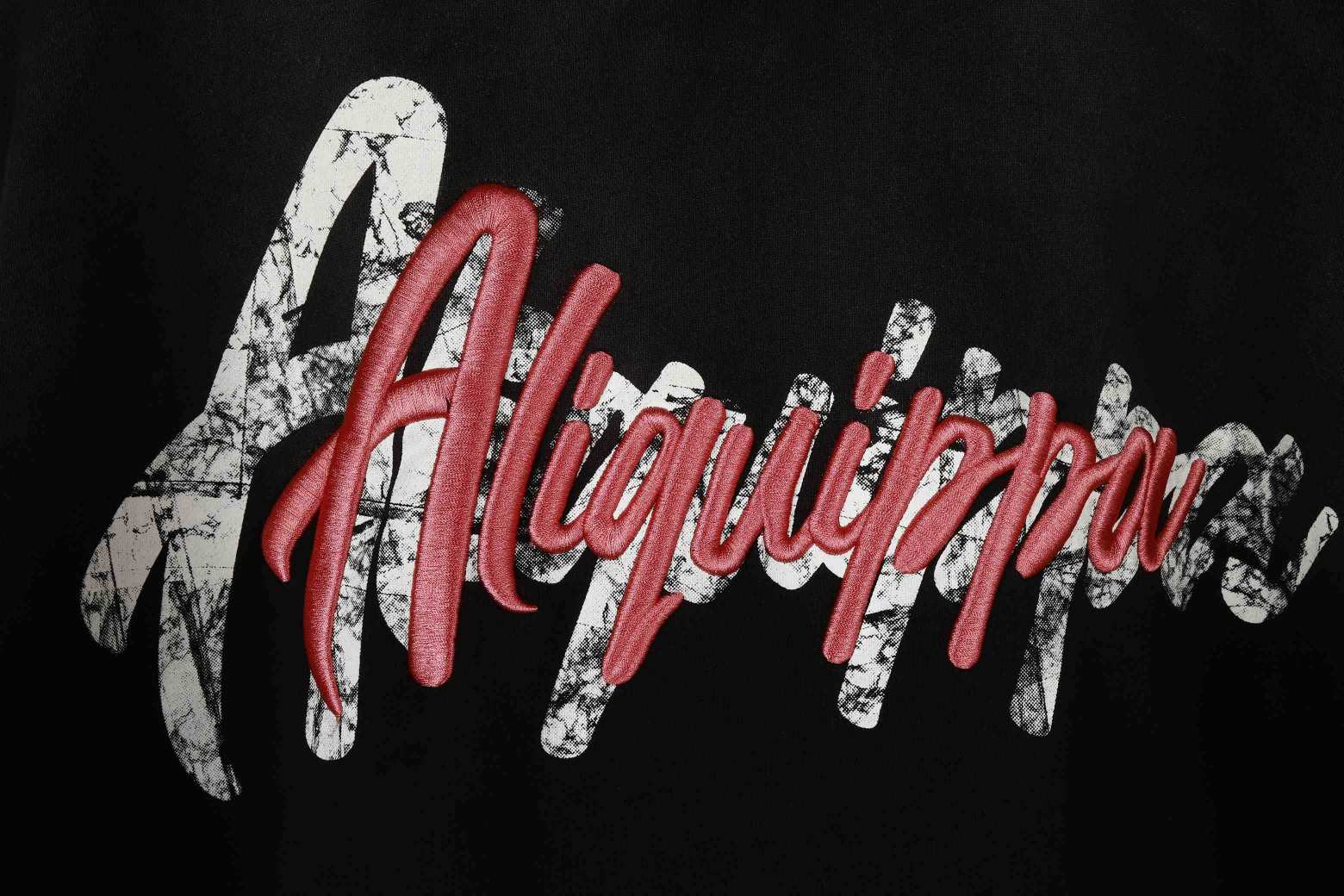
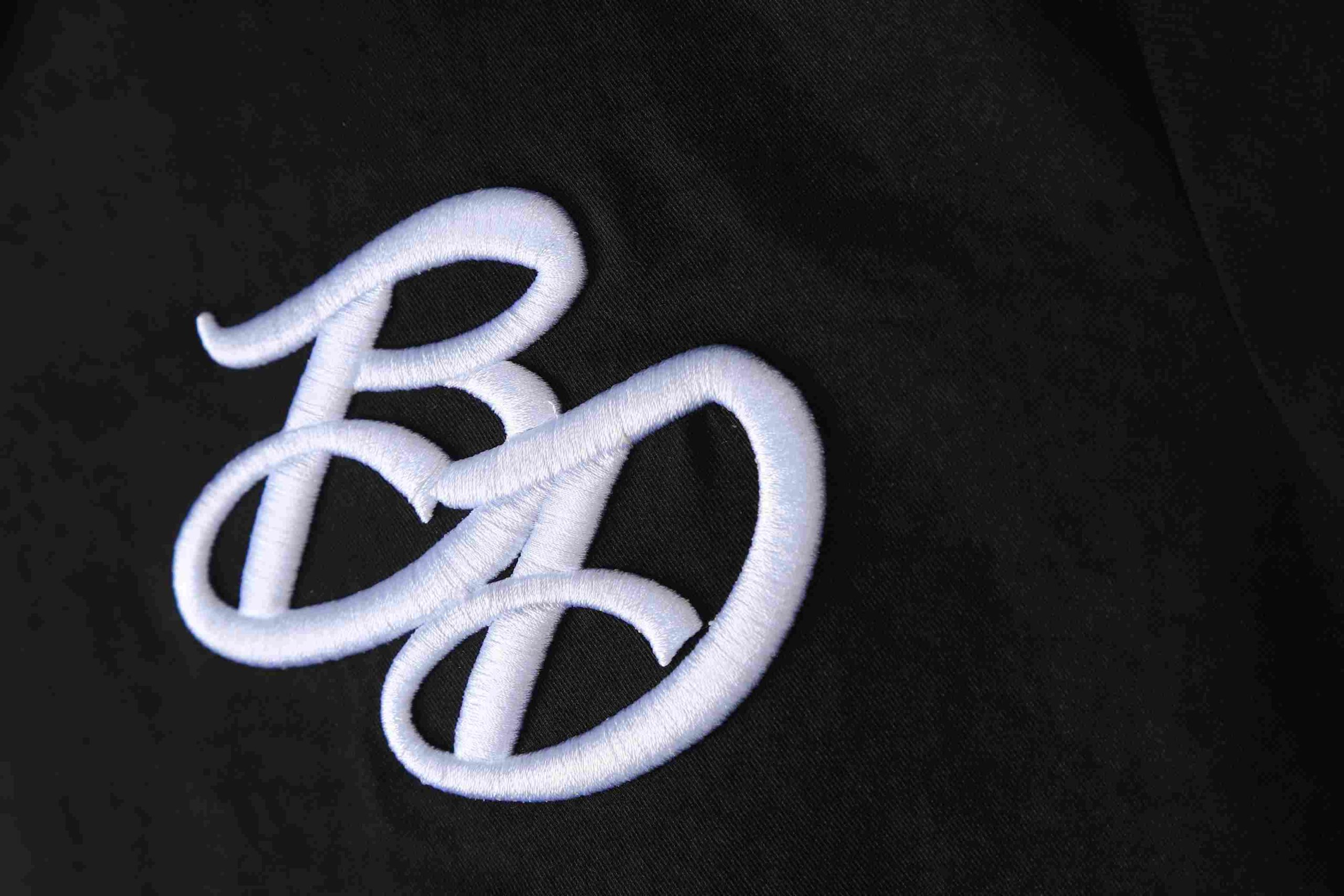
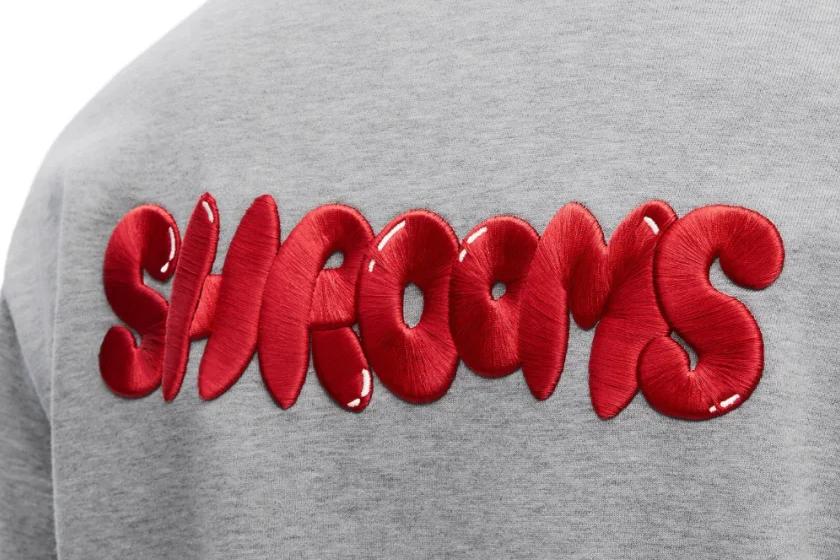
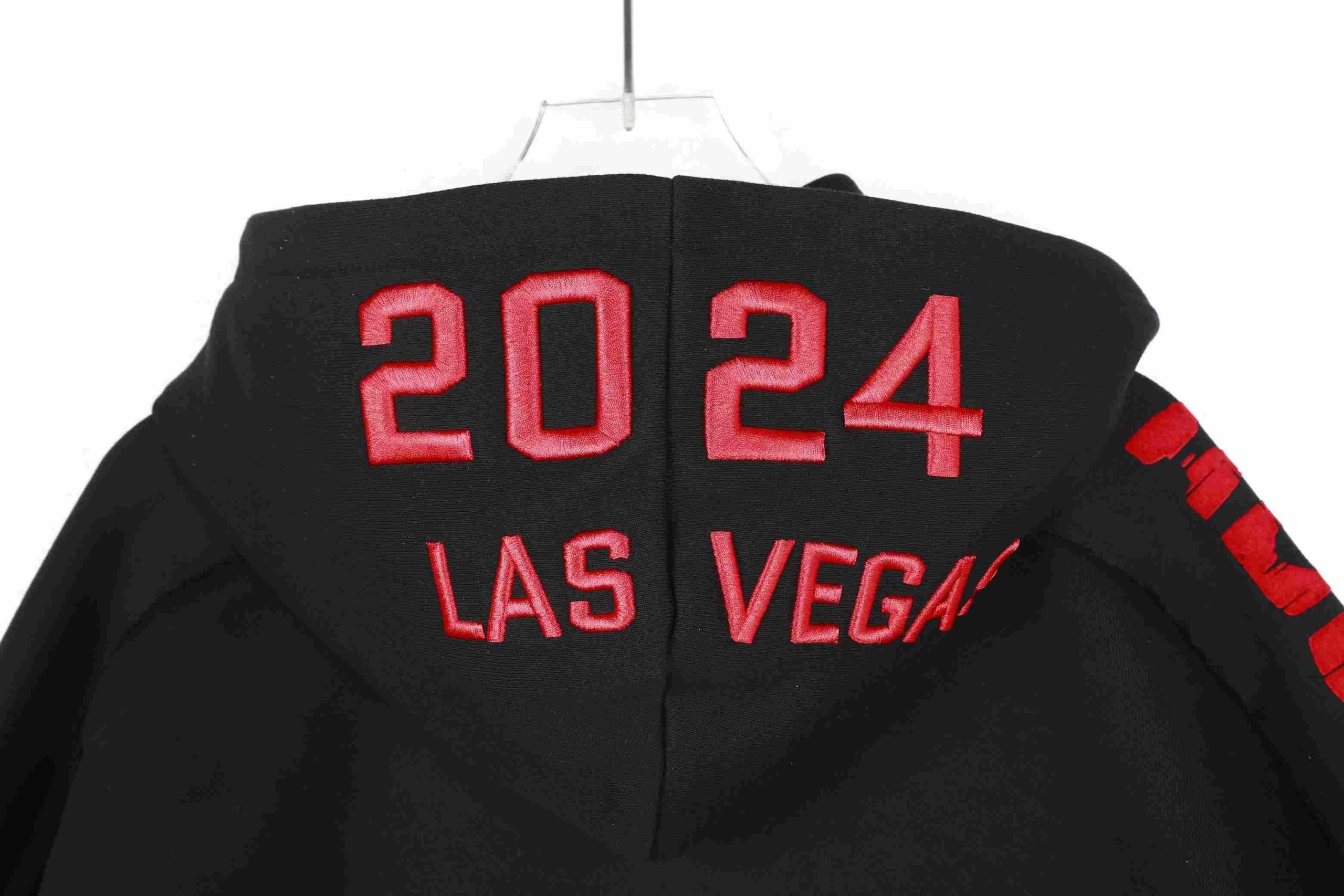
Embroidery Decoration Portfolio
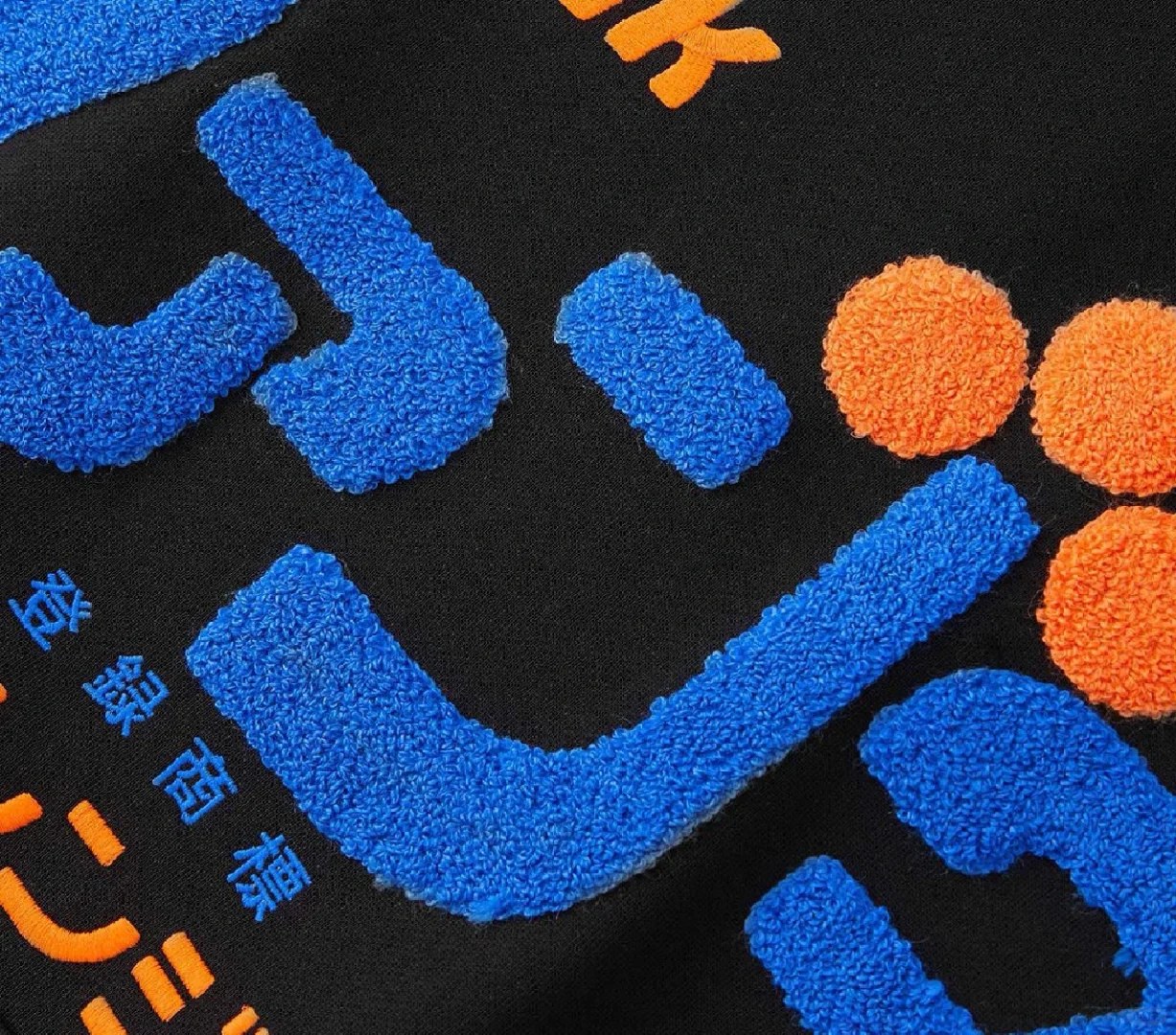
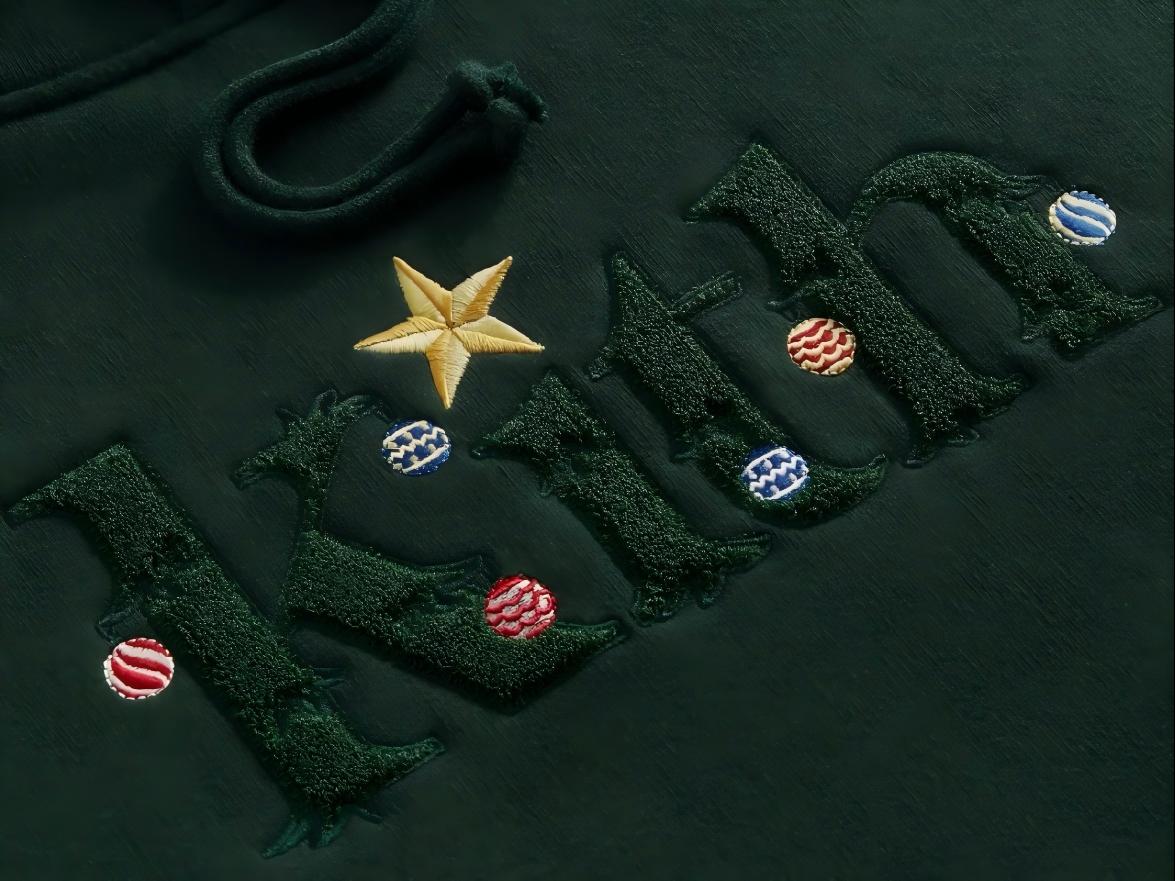
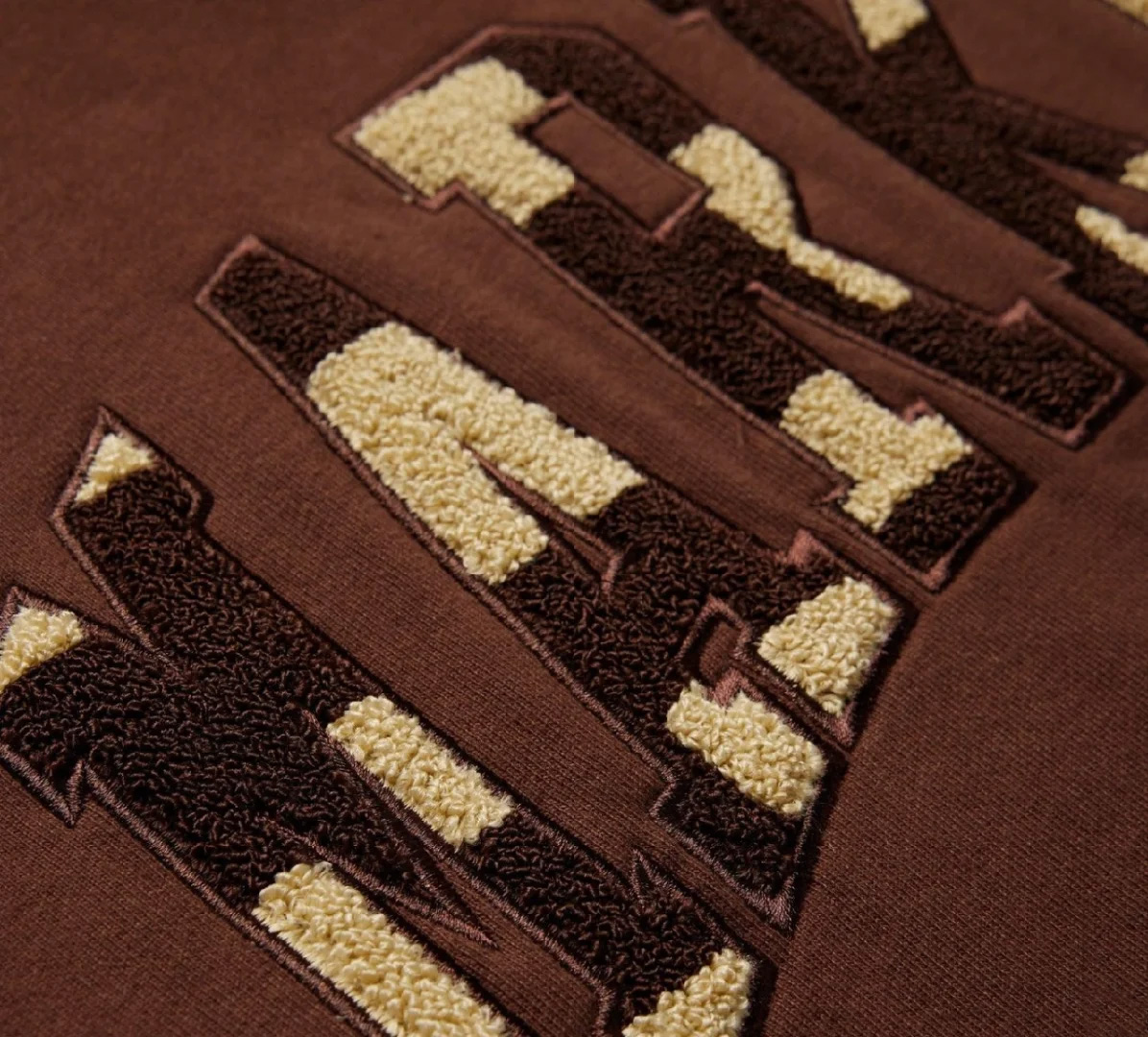
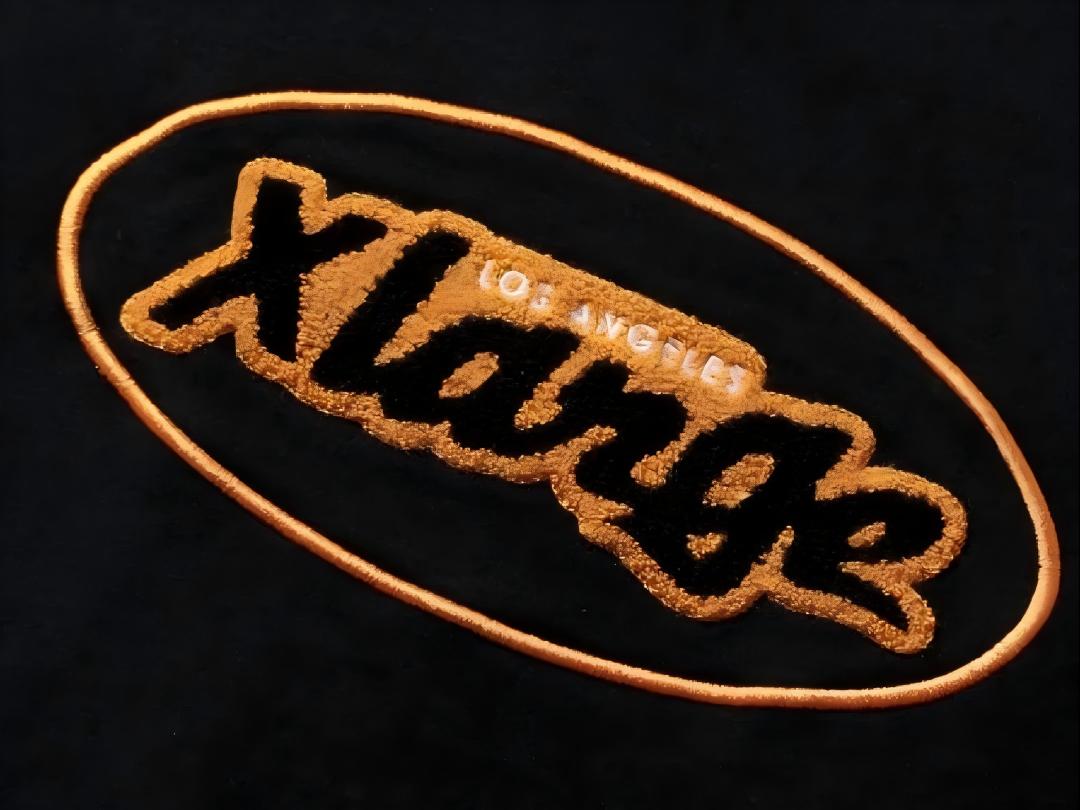
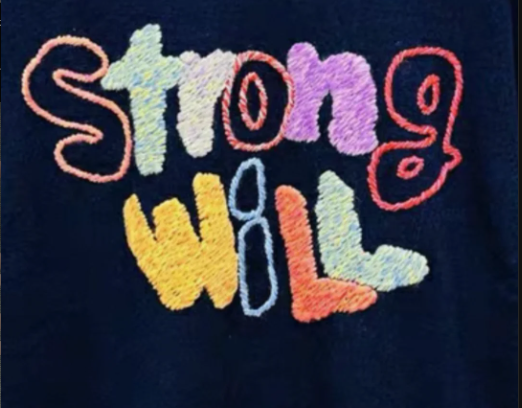
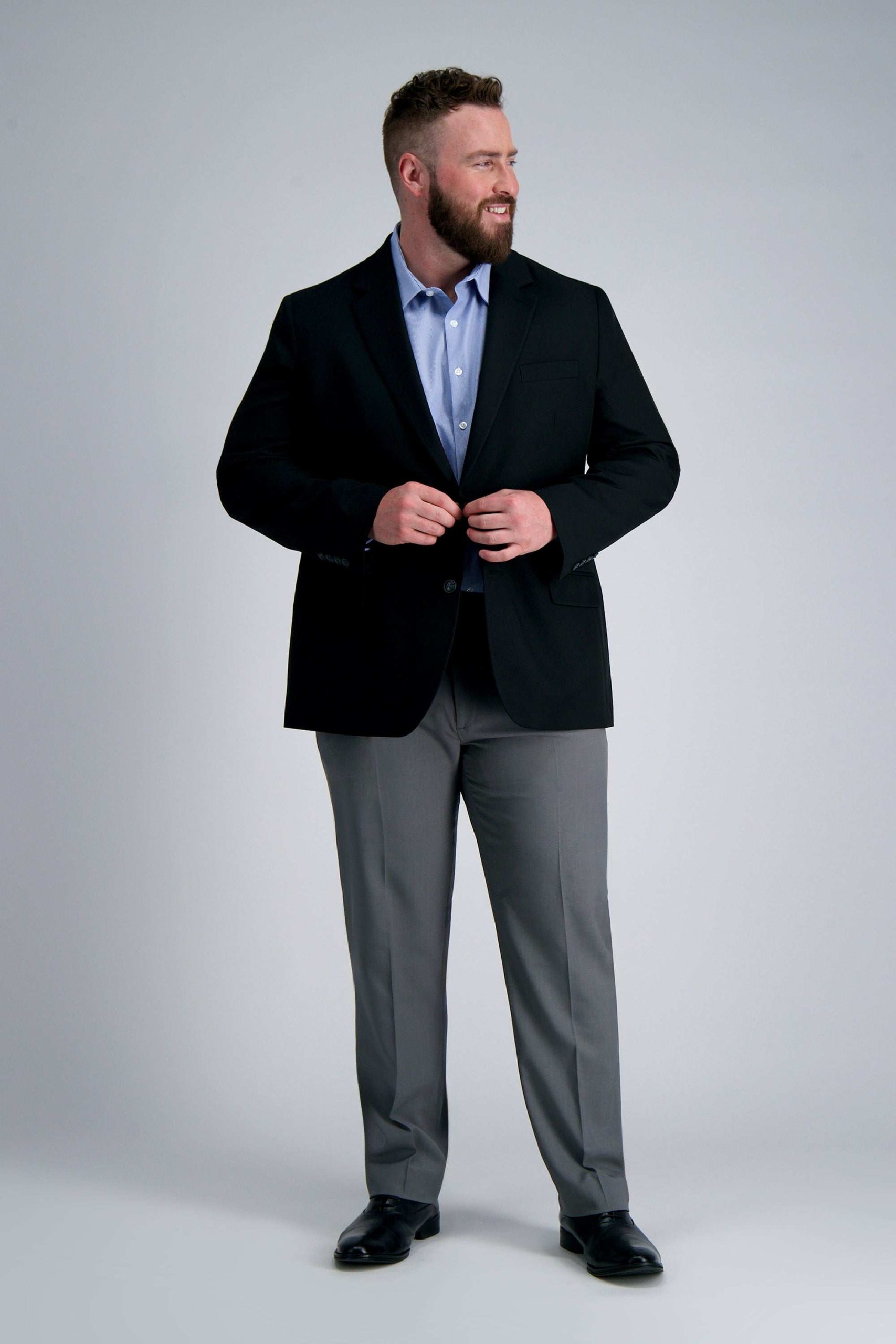
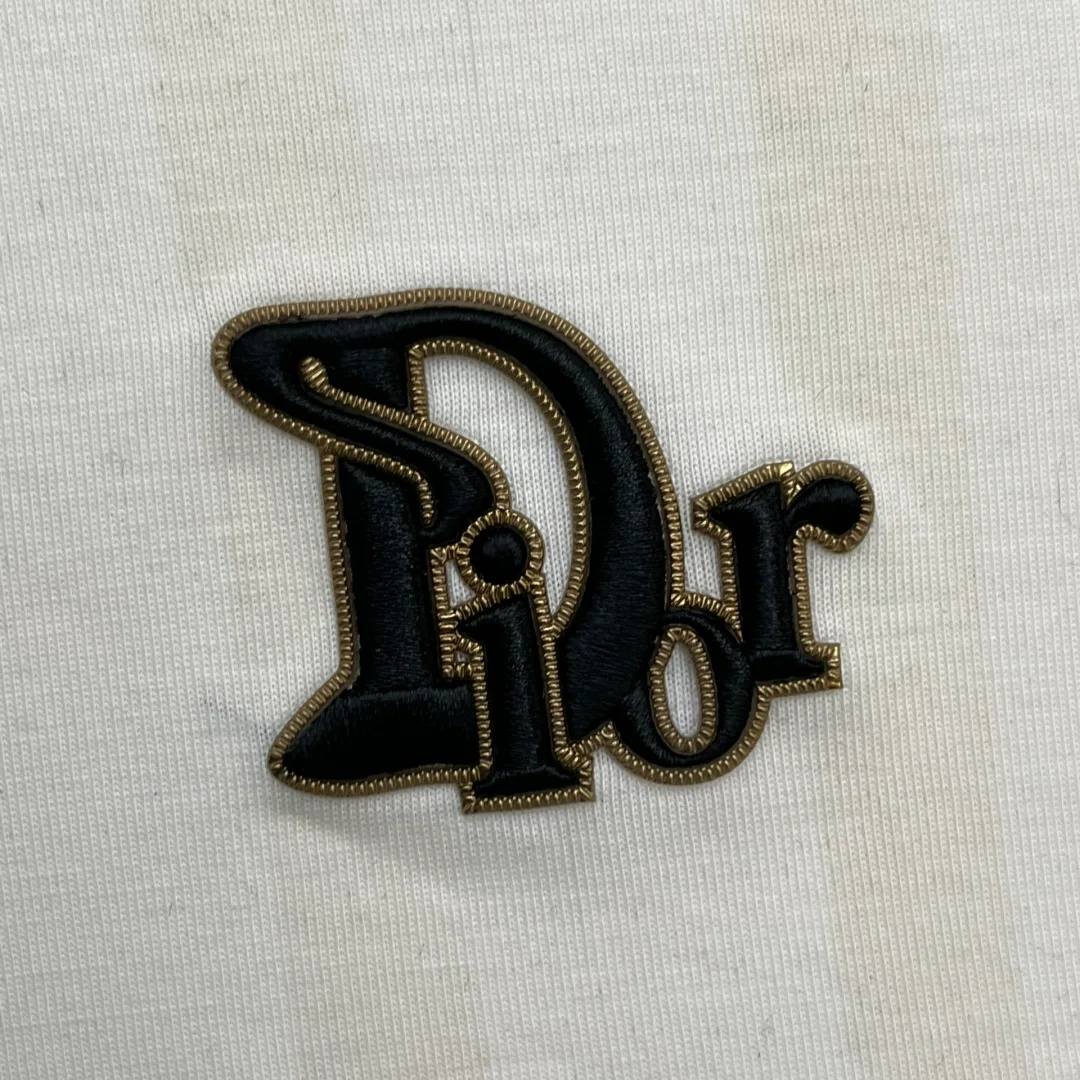
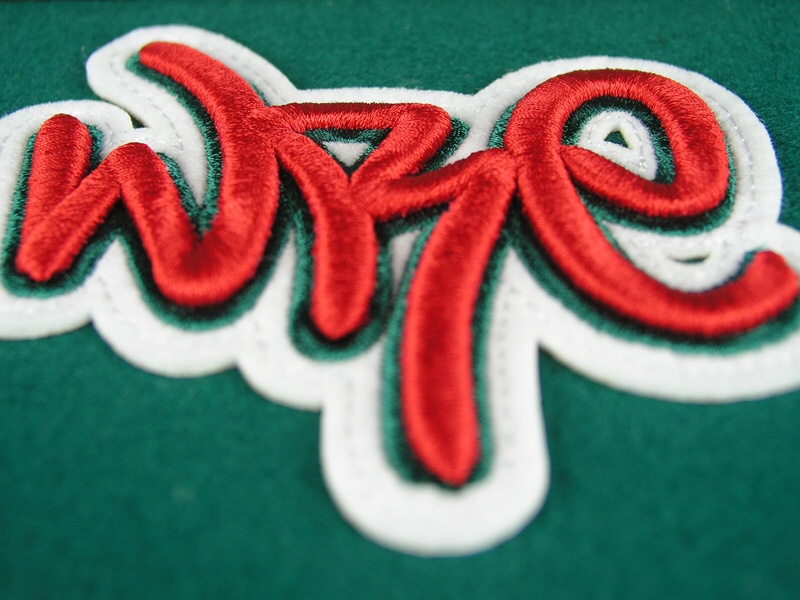
Why Choose MENWILD for Embroidery
28+ Years Big & Tall Expertise
Founded in 1998, MENWILD specializes in extended-size menswear manufacturing with over 2,000 brands served worldwide across six continents.
100-Piece MOQ Per Style
Launch capsule collections, test new designs and reduce inventory risk with flexible low minimums from just 100 pieces per style and color.
7-Day Fast Sample Turnaround
Receive embroidered samples in seven days so you can validate fit, decoration quality and production specs before committing to bulk orders.
Full In-House Embroidery Decoration
Flat, 3D puff, chain-stitch, appliqué, sequin and patch embroidery all completed under one roof with consistent quality and faster lead times.
Specialist 2XL–6XL Pattern Grading
True extended-size grading and fit refinement built for bigger bodies, ensuring embroidered garments fit correctly from 2XL through 6XL sizing.
Global Logistics & Export Support
Seamless shipping to the US, Canada, UK, Germany, Australia, Russia and Middle East with full export documentation and flexible payment terms.
Flat Embroidery Service Plus Every Decoration You Need
From classic flat embroidery to 3D puff, screen printing, DTG, DTF and sublimation — all in-house, all sized for big & tall menswear, all from 100-piece MOQ.
Premium Logo Embroidery
Your big & tall brand needs crisp, durable logo embroidery on polos, hoodies and jackets — but most decorators struggle with placement and distortion on extended-size garments, especially across chest and sleeve positions.
MENWILD's flat embroidery service delivers precision stitching on 2XL–6XL garments with correct hoop placement, density tuning and digitizing optimized for larger proportions. Logos stay sharp, centered and professional across every size.
3D Puff & Appliqué
Streetwear and athleisure brands want bold, dimensional decoration — raised 3D puff embroidery, chenille patches and appliqué — but lack a partner who can combine techniques and handle low-MOQ custom orders in extended sizes.
MENWILD runs in-house 3D puff, chain-stitch, appliqué, sequin and patch embroidery alongside flat work. Mix techniques on a single garment, test styles from 100 pieces, and get samples in seven days with grading through 6XL.
Multi-Color Screen Printing
Your capsule collection requires vibrant, multi-color graphics — plastisol, water-based, puff or foil screen prints — but you need a decorator who also understands big & tall fit and can coordinate embroidery with print in one facility.
MENWILD combines screen printing (plastisol, water-based, discharge, puff, flocking, silicone, high-density, foil) with embroidery, all under one roof. Coordinate complex decoration, reduce lead times and simplify quality control with a single manufacturing partner.
DTG, DTF & Sublimation
Independent designers and influencers launching limited drops need photo-realistic prints, all-over patterns or quick-turn custom graphics, but traditional screen printing MOQs are too high and turnaround times too slow for agile brands.
MENWILD offers direct-to-garment (DTG), direct-to-film (DTF), heat transfer and dye sublimation printing from just 100 pieces. Launch test collections, personalize designs per order and combine digital print with flat embroidery for hybrid decoration.
Full Custom Finishing
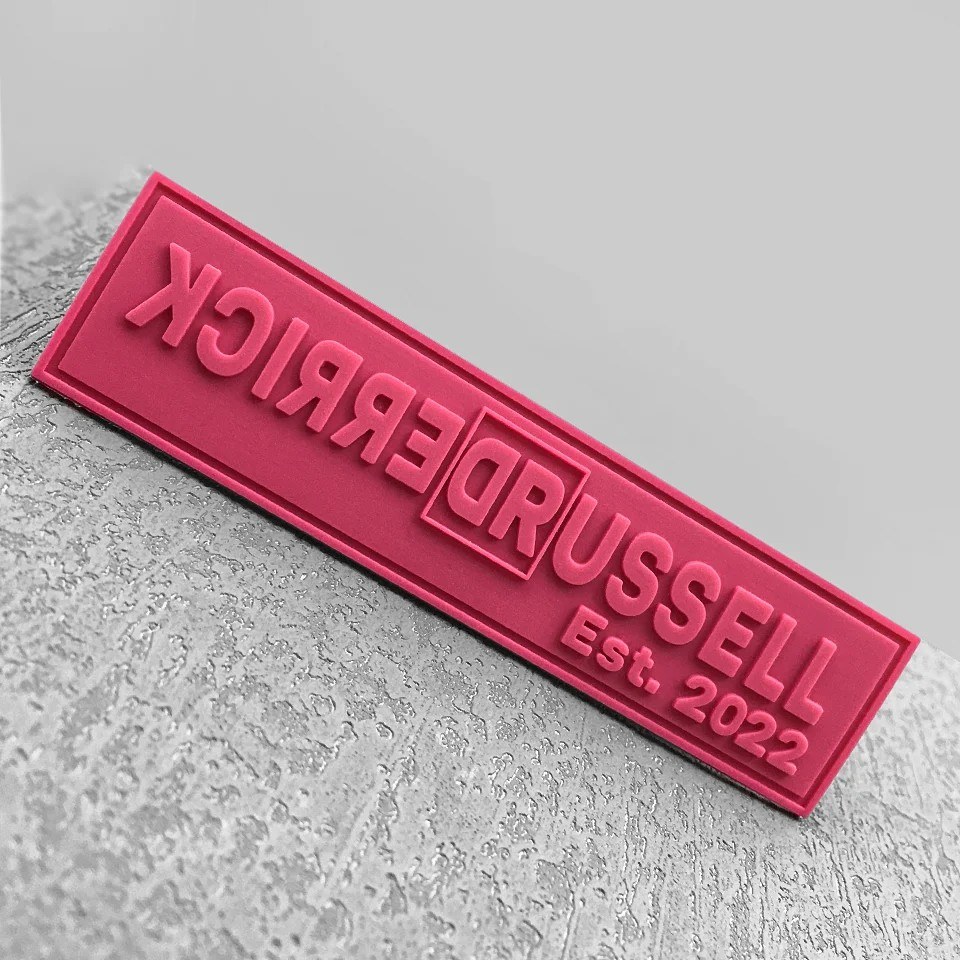
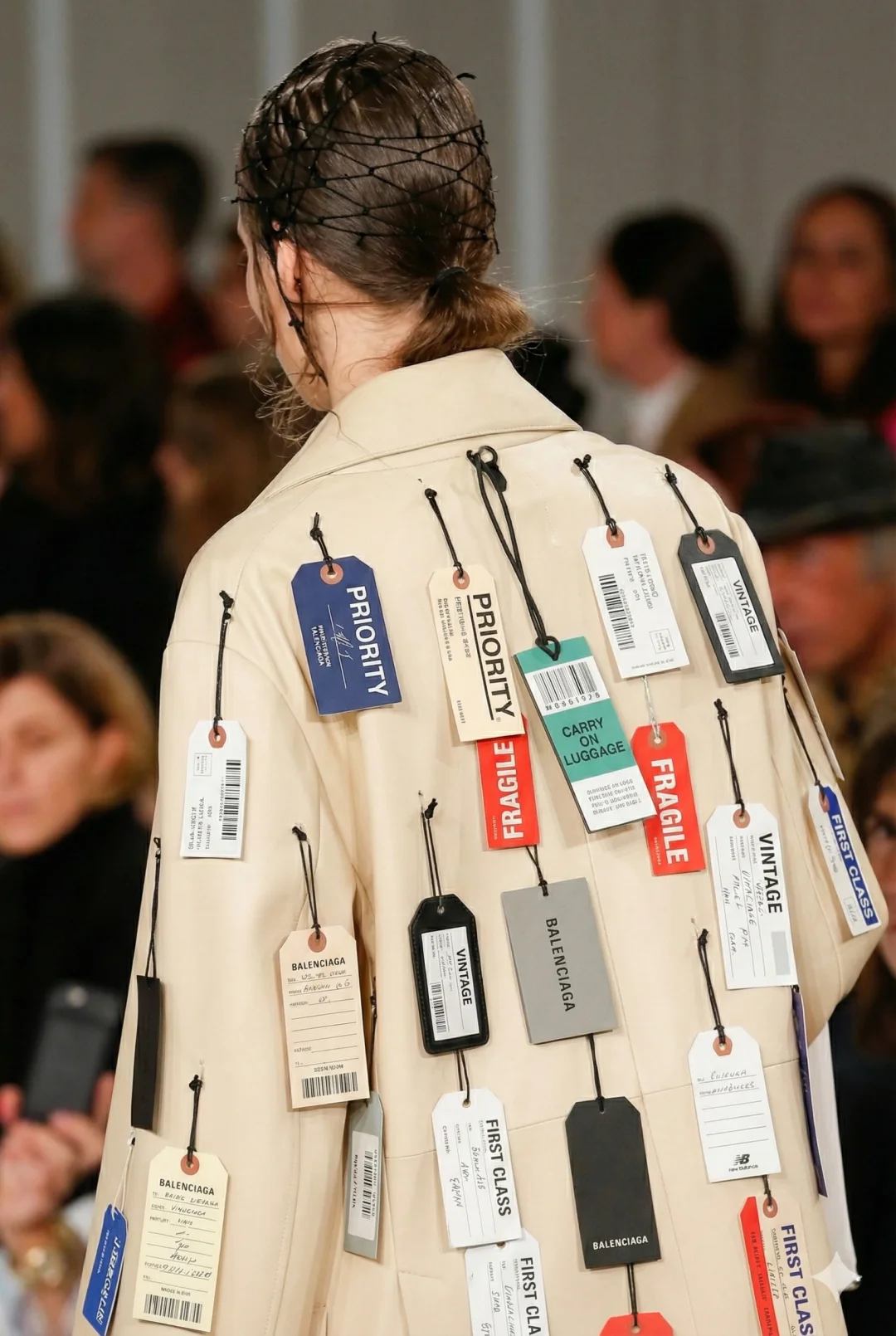
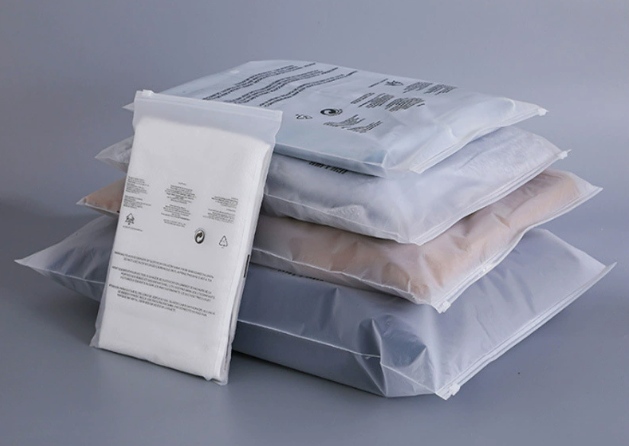
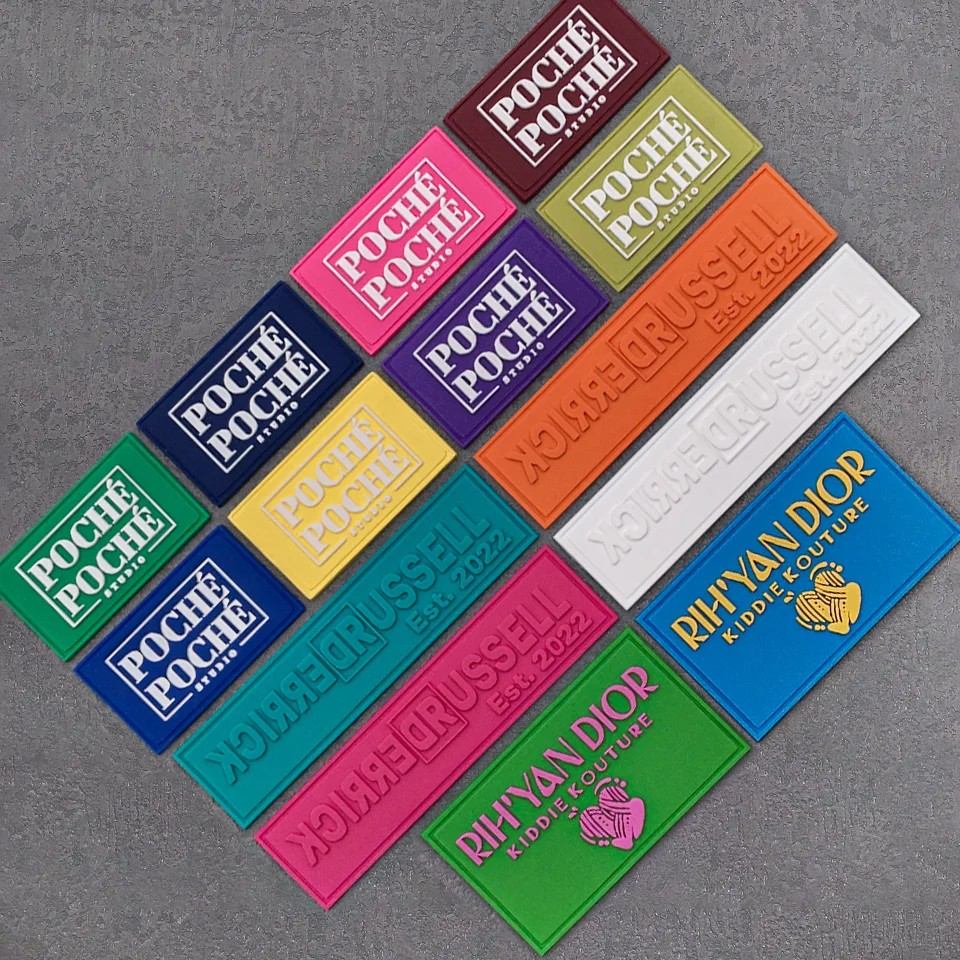
Wholesale and private-label brands need complete garment finishing — woven labels, heat-transfer neck prints, custom hang tags, poly-bag packaging and carton marking — but coordinating multiple vendors adds cost, delay and quality risk.
MENWILD handles embroidery, printing, garment washing, custom trims, woven and printed labels, hang tags and branded packaging in-house. One factory, one timeline, one quality standard — from raw fabric to retail-ready big & tall menswear.
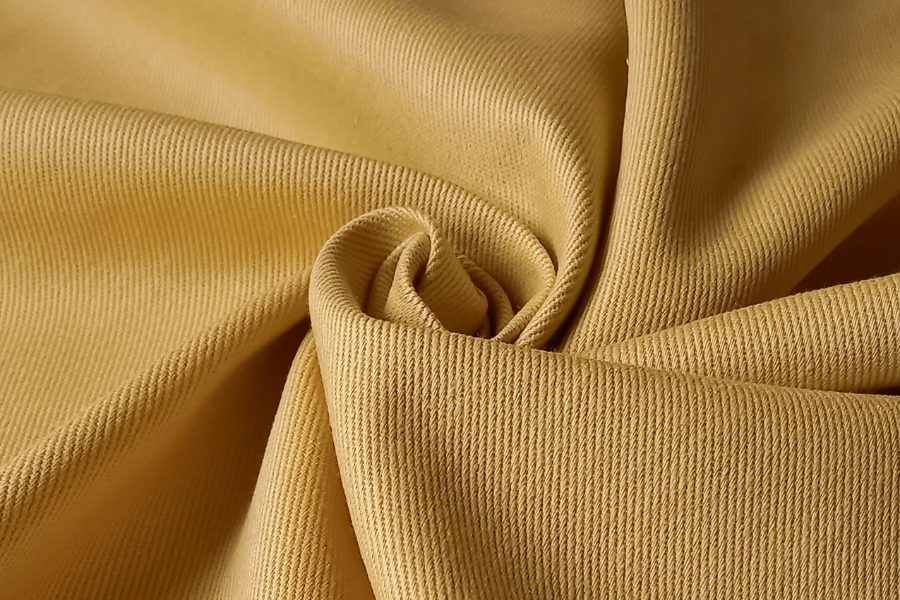
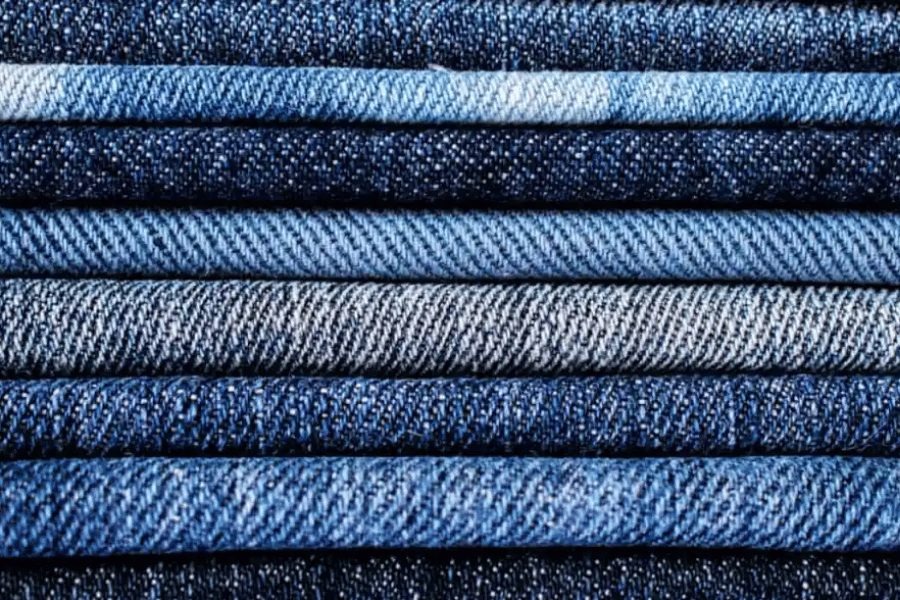
Premium Fabrics for Flat Embroidery Service
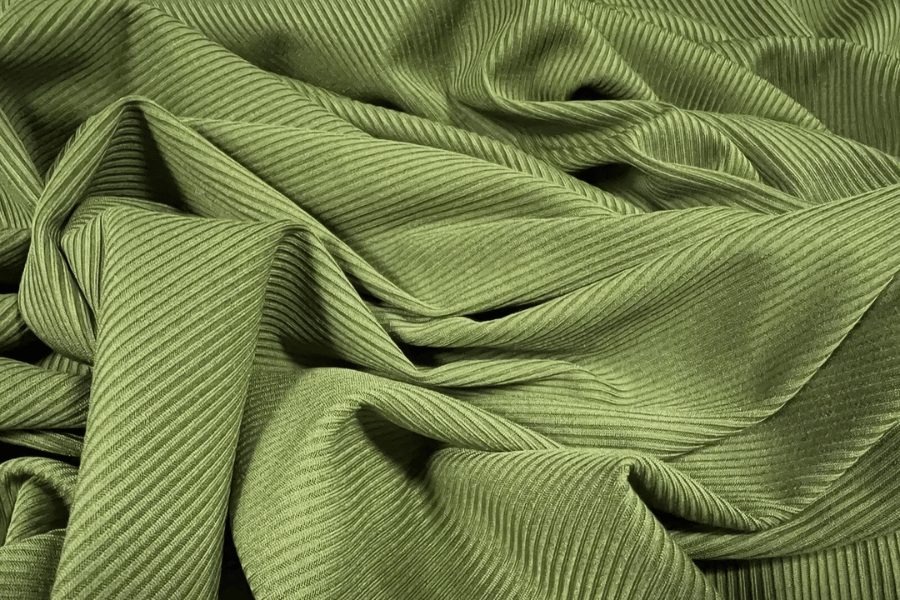
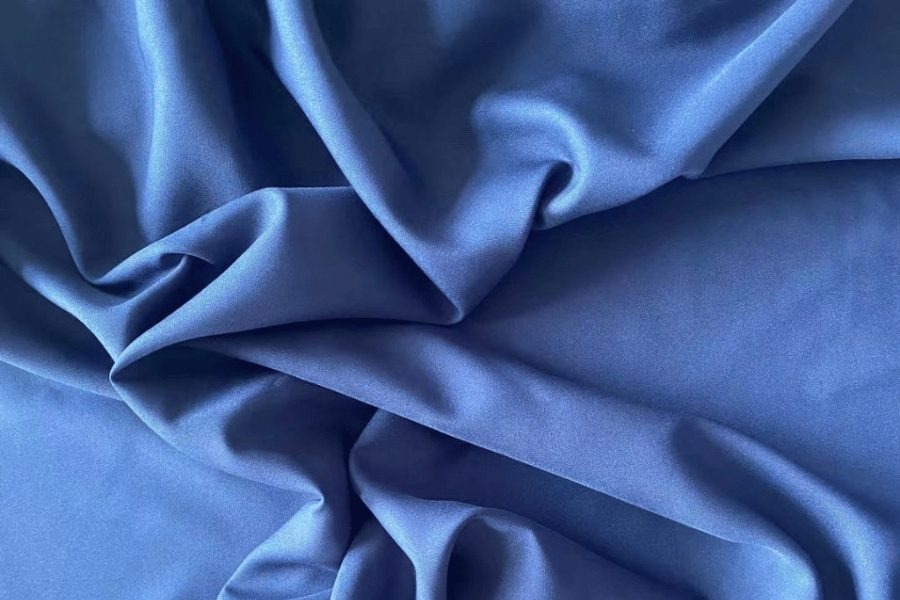
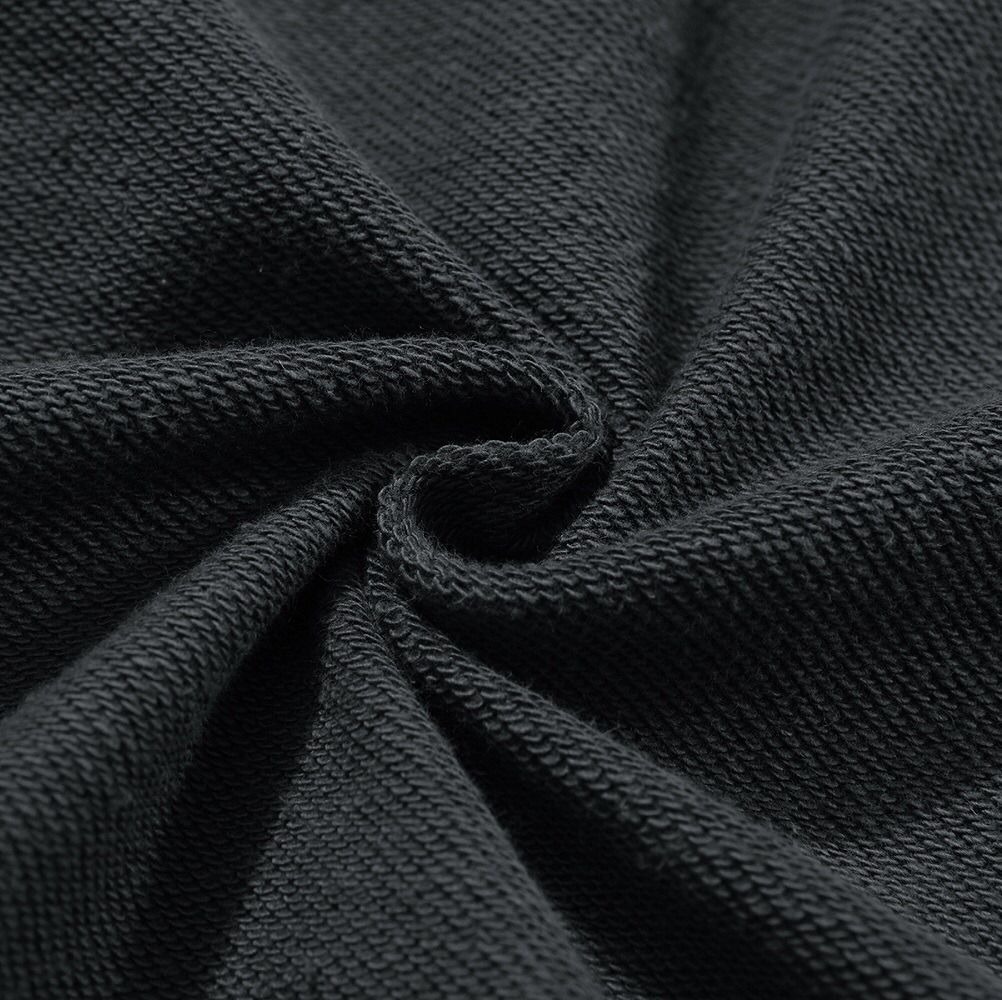
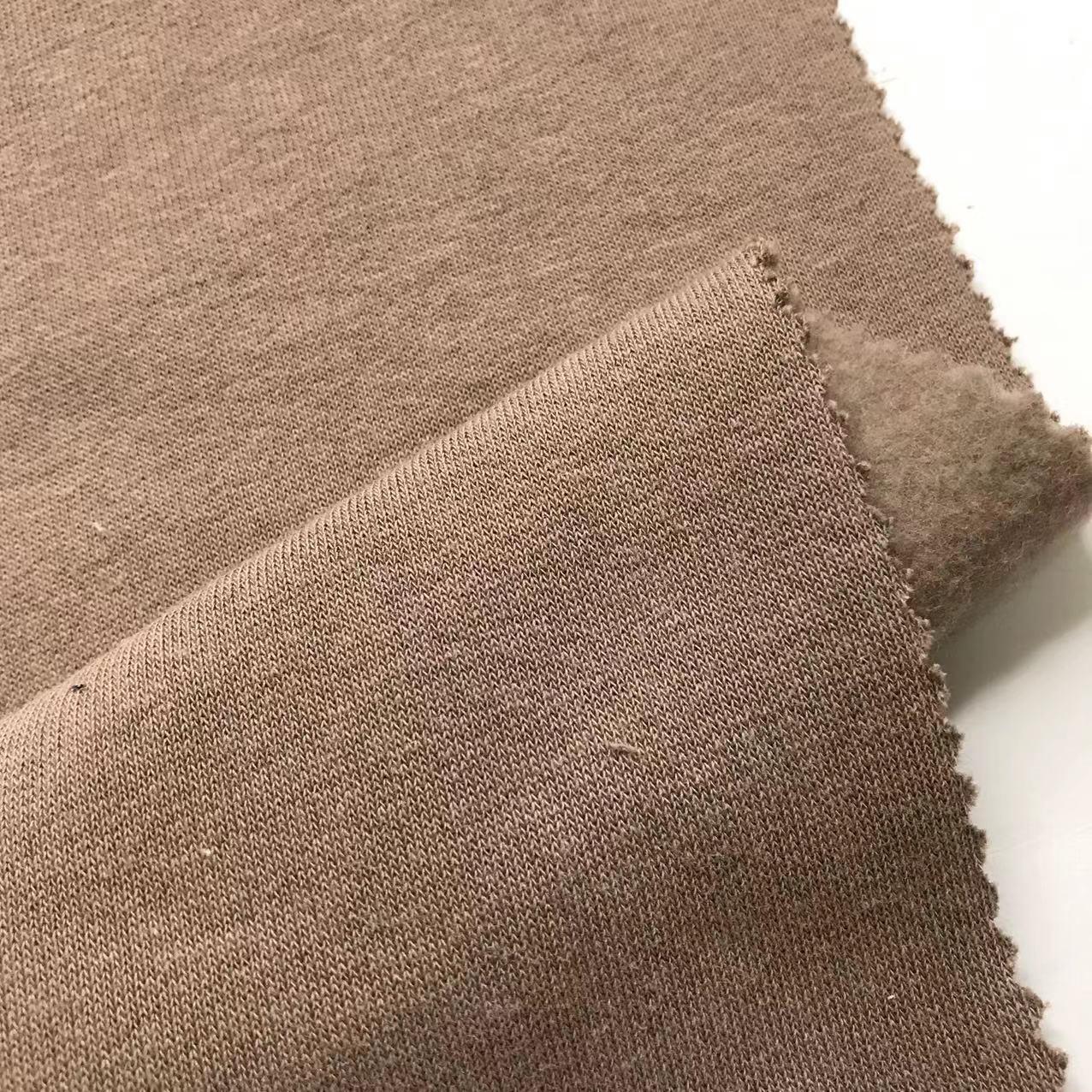
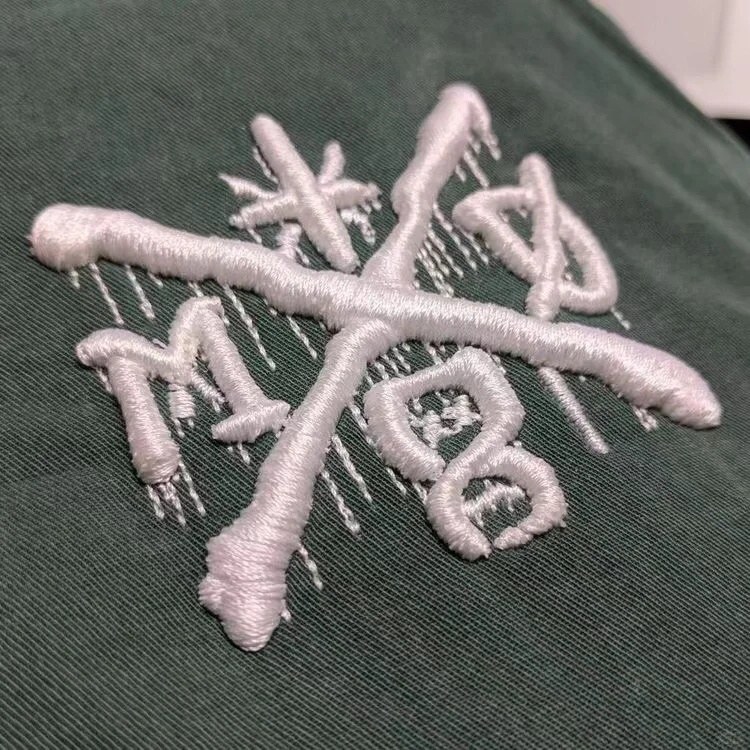
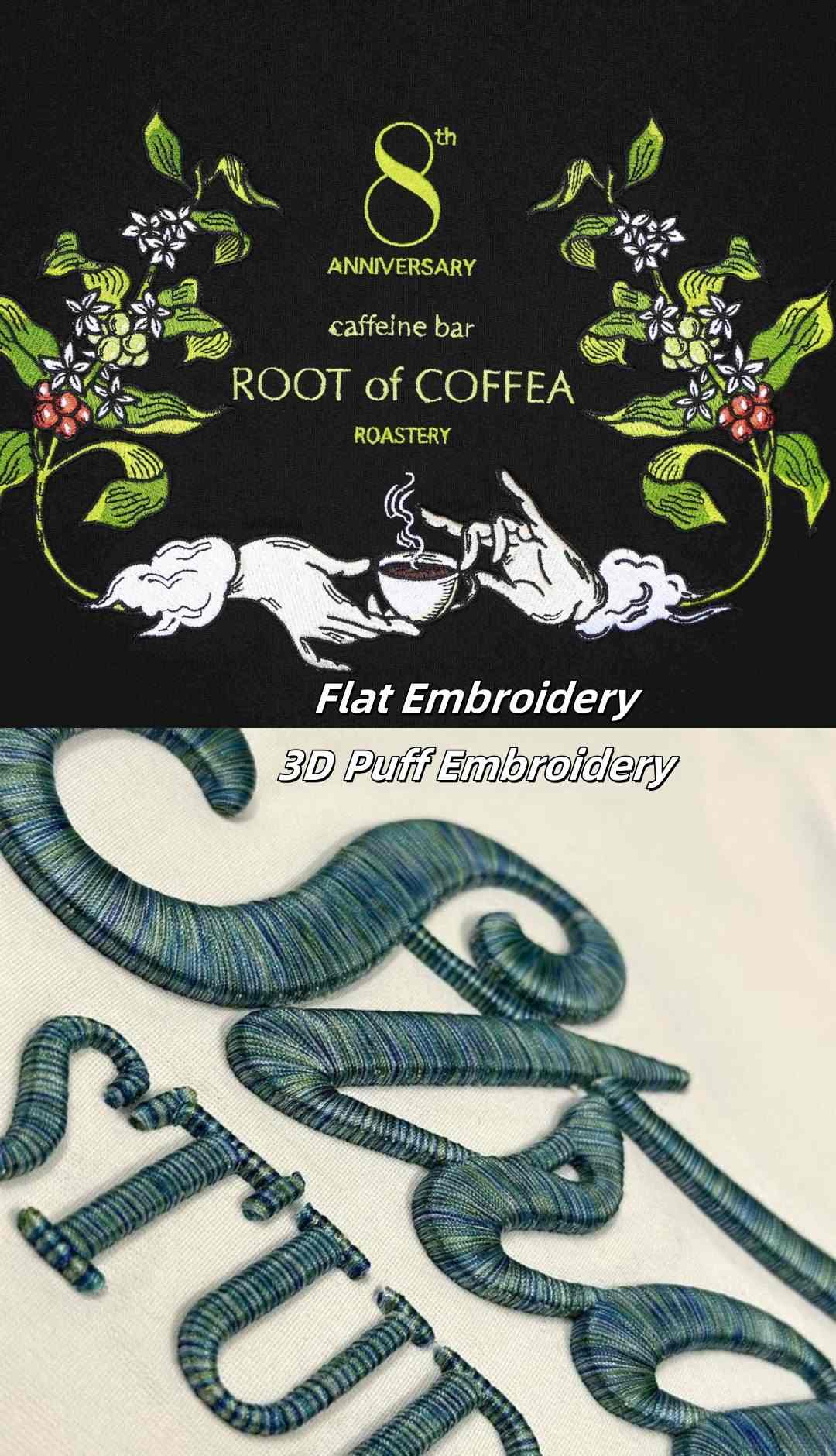
Flat Embroidery Service Techniques & Finishes
Complete Your Flat Embroidery Service with Custom Trims & Finishing
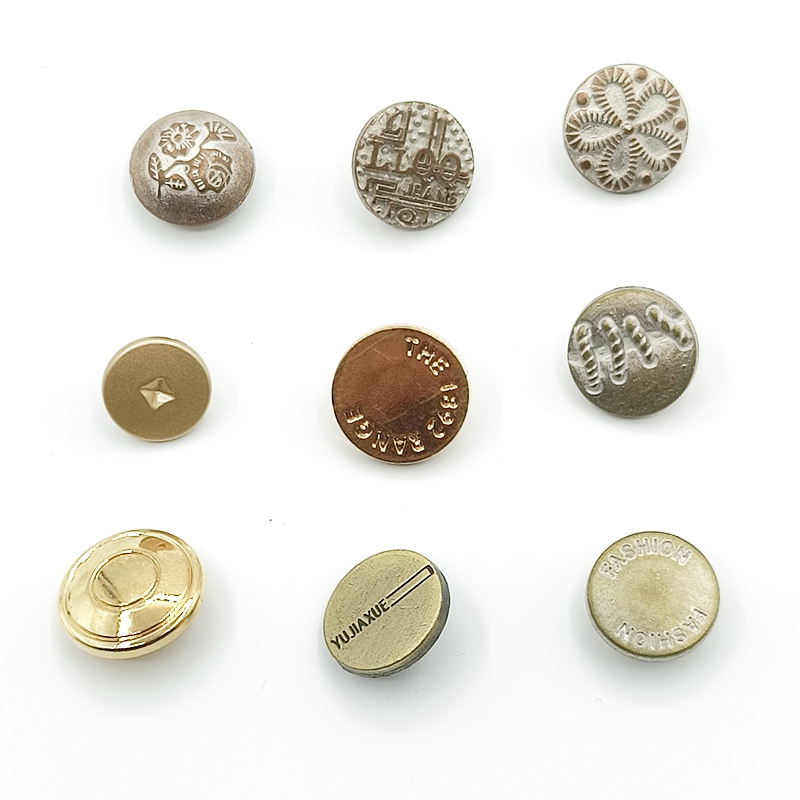
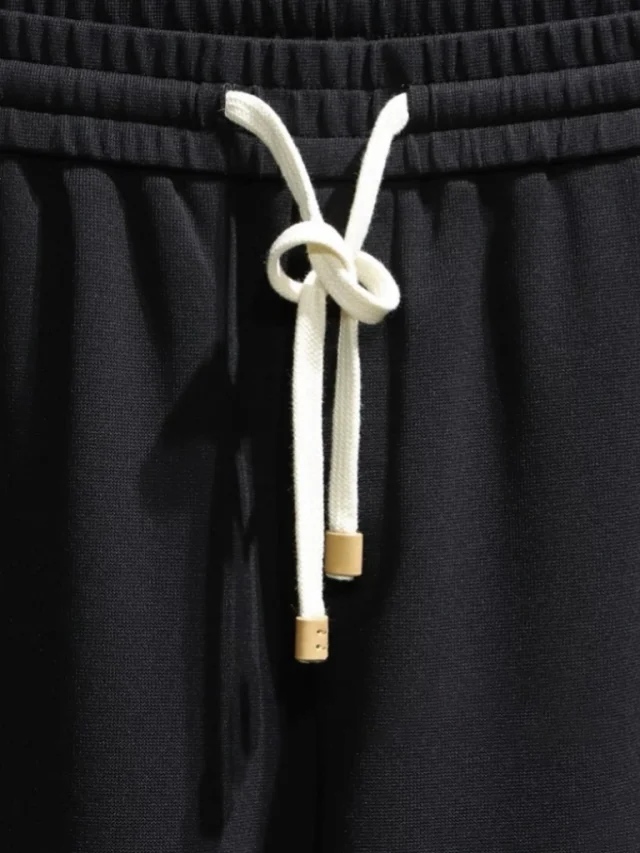
Drawcords & Tipping
Flat, round or rope drawcords with metal, silicone or custom-branded aglets and tips. Available in woven jacquard, reflective and contrast-color styles. Functional and decorative finishing for hoodies, joggers and outerwear in extended sizes.
About MENWILD — 28 Years of Big & Tall Expertise
Founded in 1998 in Humen, Dongguan — the heart of China’s garment manufacturing hub — MENWILD has grown from a small family workshop into a full-service big & tall and plus-size menswear manufacturer. With over 200 skilled employees and monthly capacity exceeding 80,000 pieces, we’ve partnered with more than 2,000 fashion brands across the United States, Canada, Europe, Australia, Russia and the Middle East.
What sets MENWILD apart is our specialist focus on genuine fit for larger and taller men. Most factories treat extended sizes as an afterthought, simply scaling up patterns until proportions break. We engineer every garment from 2XL to 6XL with extended-size pattern grading and fit refinement built specifically for bigger bodies — ensuring sleeves, rises, shoulders and silhouettes work the way they should.
Whether you need flat embroidery service, screen printing, garment washing or full cut-and-sew production, our in-house decoration and manufacturing capabilities support OEM, ODM and private label programs with MOQs from just 100 pieces, fast sampling and flexible payment terms that grow with your brand.
Flat Embroidery Service Capabilities — From Design to Delivery
Design Review & Professional Digitizing
Our embroidery team converts your artwork into production-ready files optimized for big & tall garments. We adjust stitch density, underlay and pathing to ensure logos sit flat on heavier fabrics and extended-size patterns without puckering or distortion.
- Free digitizing review and density optimization for all flat embroidery orders
- Artwork converted to DST, EMB or Tajima formats within 24–48 hours
- Stitch-count estimates and placement mockups provided before sampling
- Multi-head machine programming for consistent replication across bulk runs
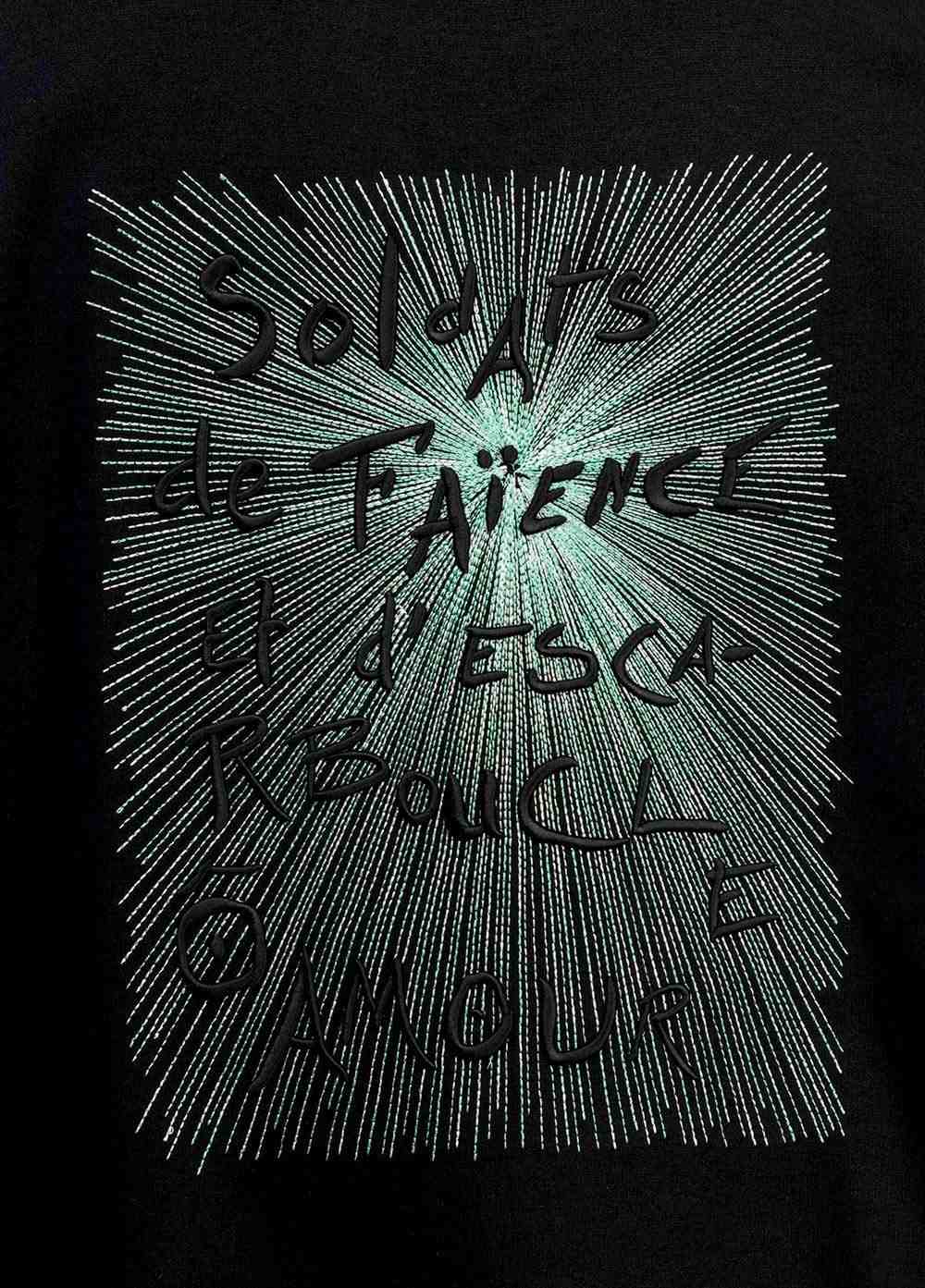
Fabric Sourcing & Pre-Production Sampling
We source embroidery-compatible fabrics from trusted Chinese mills and produce physical samples before any bulk commitment. You receive swatches, strike-offs and a full garment sample with your exact flat embroidery placement, thread color and backing stabilization.
- Access to cotton jersey, fleece, twill, denim, performance knits and wovens
- Thread-color matching via Pantone, PMS or physical swatch reference
- Samples shipped within 7 days; revisions completed in under 5 days
- Fabric and embroidery specs archived for fast, consistent re-orders
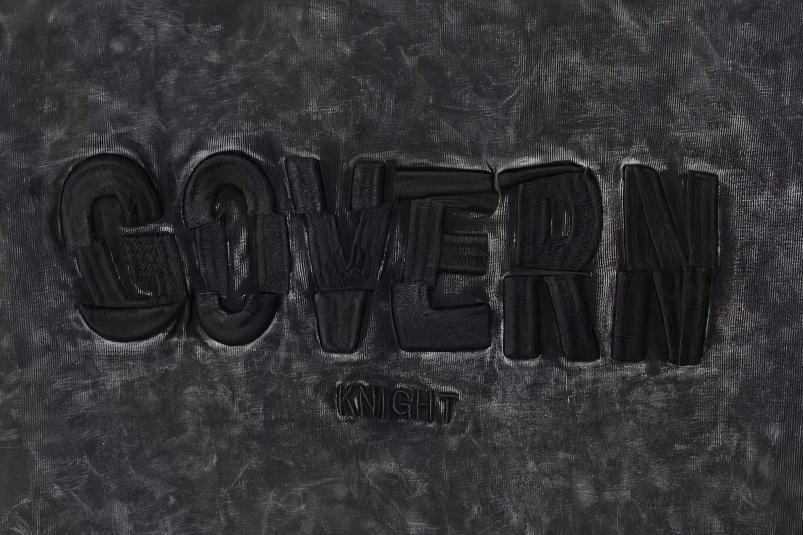
In-Line Flat Embroidery Production
Embroidery is integrated directly into our Dongguan cut-and-sew workflow. Multi-head machines handle flat logo, text and custom graphic embroidery on cut panels or finished garments, with real-time quality checks at every station to maintain thread tension and stitch integrity.
- 12-head and 6-head Tajima machines running daily shifts for high-volume orders
- Hooping and stabilization tailored to garment weight and stretch recovery
- In-line QC inspects thread breaks, registration and fabric pull on every piece
- Monthly capacity exceeds 80,000 embroidered garments across all decoration lines
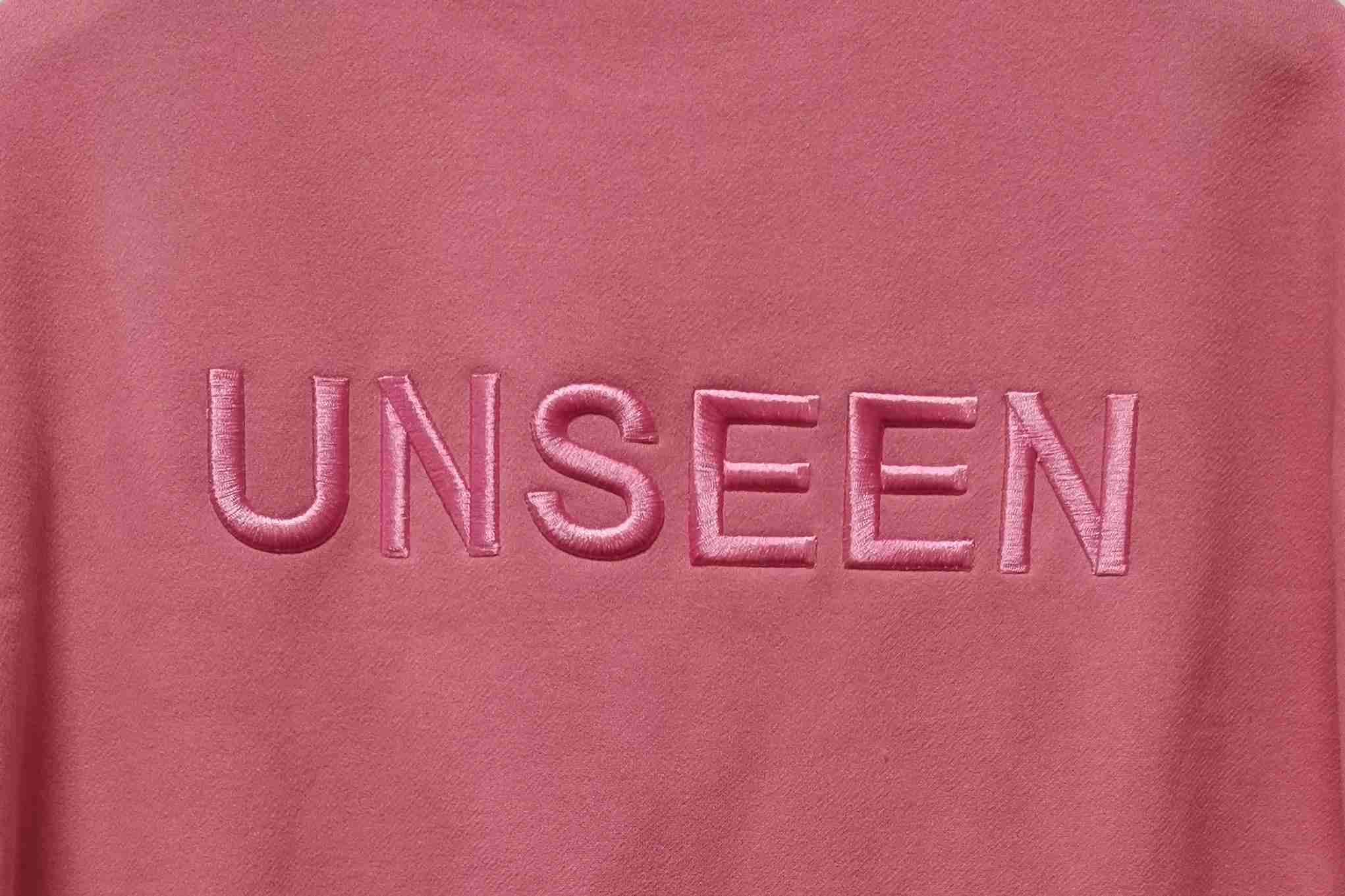
Final QC & Packaging for Export
Every embroidered garment passes a multi-point inspection for stitch quality, thread trim, backing removal and overall finish. We then apply your custom labels, hang tags and poly-bag or carton packaging, ready for direct shipment to your warehouse or fulfillment partner.
- 100% visual inspection for loose threads, skipped stitches and color accuracy
- Steam pressing or heat-setting to lock embroidery and remove hoop marks
- Custom woven labels, printed neck labels, swing tags and branded packaging included
- Export documentation, carton marking and freight coordination handled in-house
MENWILD Flat Embroidery Service vs. Standard Embroidery Suppliers
Not all embroidery services understand big & tall fit, low-MOQ flexibility, or the end-to-end production that growing menswear brands need. Here’s how MENWILD‘s flat embroidery service compares to typical local or generic embroidery shops.
← 左右滑动查看 →
Our Flat Embroidery Service Production Process
From tech pack to delivery, every flat embroidery order follows a proven six-phase workflow designed for speed, quality control and consistent results across 100-piece minimums to multi-thousand-unit runs.
Tech Pack & Design Approval
Submit your design or work with our team to finalize artwork, garment specs, thread colors and placement. Approval locks in all embroidery details before sampling.
File Digitizing & Sample Embroidery
Your logo or artwork is digitized into embroidery-ready format. We produce physical samples on your chosen garment within seven days for approval and fit check.
Fabric Sourcing & Pre-Production
Approved fabrics are ordered from trusted mills. Patterns are graded across 2XL to 6XL, cut tickets issued, and bulk embroidery files prepared for production.
Bulk Embroidery & In-Line QC
Flat embroidery is completed in-house on multi-head machines. Every garment passes in-line quality checks for stitch density, thread tension, alignment and fabric integrity.
Finishing, Washing & Packaging
Garments undergo final pressing, optional garment wash or softening, trim attachment, custom labels, hang tags and poly-bag or carton packaging per your brand requirements.
Shipping & Global Logistics
Finished orders are inspected, packed and shipped worldwide via sea or air. Full tracking, customs documentation and delivery coordination included for every shipment.
How Our Flat Embroidery Service Works
From your first inquiry to finished garments, MENWILD makes custom embroidered menswear production simple, fast and flexible—even for orders starting at just 100 pieces.
Submit Your Design or Tech Pack
Send us your embroidery artwork, garment specs, or even just a concept. Our team will review your requirements and recommend thread colors, placement and compatible fabrics.
Receive Quote and Sampling Timeline
Within 24 hours, you’ll get a detailed quote covering embroidery, garments and decoration, plus a sampling timeline—typically 7 days for most flat embroidery projects.
Approve Your Embroidered Sample
We produce a physical sample with your exact embroidery, fabric and trims. Review fit, thread quality and placement, request revisions if needed, then approve for bulk.
Confirm Bulk Order and Production
Place your order from as low as 100 pieces per style and color. We keep your patterns, graded sizes and embroidery files on record for fast re-orders.
Receive Quality-Controlled Finished Goods
Every garment passes in-line quality control before packing. We handle global logistics, customs documentation and delivery direct to your warehouse or fulfillment center.
Certifications & Quality Standards for Our Flat Embroidery Service
Flat Embroidery Service Success Stories
We launched our big & tall polo line with custom flat embroidery logos at just 150 pieces per color. MENWILD delivered samples in 6 days, and we’ve reordered four times in eight months. The stitch quality on 4XL and 5XL is flawless.
Their flat embroidery service turned around our wholesale hoodie collection in under three weeks, 500 pieces across three sizes. Thread tension stayed perfect even on heavy fleece, and the 3XL fit grading finally worked for our customers.
MENWILD’s embroidery team handled our intricate chest logo on oxford shirts from 2XL to 6XL with zero distortion. We started at 200 pieces, now we’re at 1,200 per quarter. Their pattern grading and decoration consistency is unmatched.
Flat Embroidery Service — Frequently Asked Questions
What is the minimum order quantity for your flat embroidery service?
How long does sampling take for flat embroidery service orders?
Do you charge for embroidery samples, and is the cost refundable?
What file formats do you accept for flat embroidery service artwork?
Can your flat embroidery service match specific Pantone or brand thread colors?
What fabrics are compatible with your flat embroidery service?
What payment terms do you offer for embroidery orders?
How do you protect my logo and design files during the embroidery process?
Can I request revisions to embroidery placement or design after seeing the sample?
The Complete Buyer’s Guide to Flat Embroidery Service for Menswear Brands
Navigate supplier selection with confidence. This guide delivers a proven decision framework, critical quality criteria, pricing benchmarks, and the most common mistakes fashion brands make when sourcing flat embroidery services—so you avoid costly delays and quality issues.
1. What Is a Flat Embroidery Service?
Flat embroidery stitches thread directly onto fabric surfaces using computerized multi-needle machines, creating logos, text and designs that sit flush with the garment. Unlike 3D puff embroidery — which layers foam under the thread to create raised, dimensional lettering — or appliqué, which sews cut fabric patches onto a base, this technique produces a smooth, professional finish ideal for detailed artwork and small text.
Menswear brands choose flat embroidery for polo shirts, caps, jackets and workwear because it delivers durability that outlasts printing: a properly tensioned flat stitch survives 50+ industrial wash cycles without fading or cracking. Thread counts typically range from 5,000 to 15,000 stitches per design, balancing detail with fabric stability on woven twill, pique knit, denim and canvas.
MENWILD’s embroidery service supports up to 15 thread colors per design, handles placements from left chest to sleeve and back yoke, and starts at just 100 pieces per style — letting brands test logo treatments, refine branding and launch capsule collections without committing to thousands of units or separate decoration vendors.
2. The Evolution of Flat Embroidery in Apparel Manufacturing
Hand embroidery dominated apparel decoration for centuries, requiring skilled artisans and weeks per garment. The 1980s brought computerized digitization, converting artwork into stitch files that multi-head machines could execute in minutes, slashing labor costs and opening commercial flat embroidery service to mid-tier brands.
The 2000s saw the rise of dedicated contract embroidery services as factories installed 12- and 15-head machines, enabling simultaneous decoration of multiple garments. Lead times dropped from 4–6 weeks to 10–14 days, and minimum order quantities fell from 1,000 pieces to 500 as throughput efficiency improved.
Today’s automated quality-control systems — thread-break sensors, tension monitors and real-time camera inspection — reduce defect rates below 2% and push MOQs down to 100–200 pieces per style. Independent menswear designers and small brands now access the same flat embroidery service quality once reserved for large orders, with digital proofing and sample turnarounds in 3–5 days instead of weeks.
3. Types of Flat Embroidery Service Offerings
Flat embroidery service providers operate under four distinct models, each with different MOQ floors, lead times and quality workflows. Understanding which model matches your brand stage and order volume prevents bottlenecks and cost overruns.
In-House Embroidery at Cut-and-Sew Factories
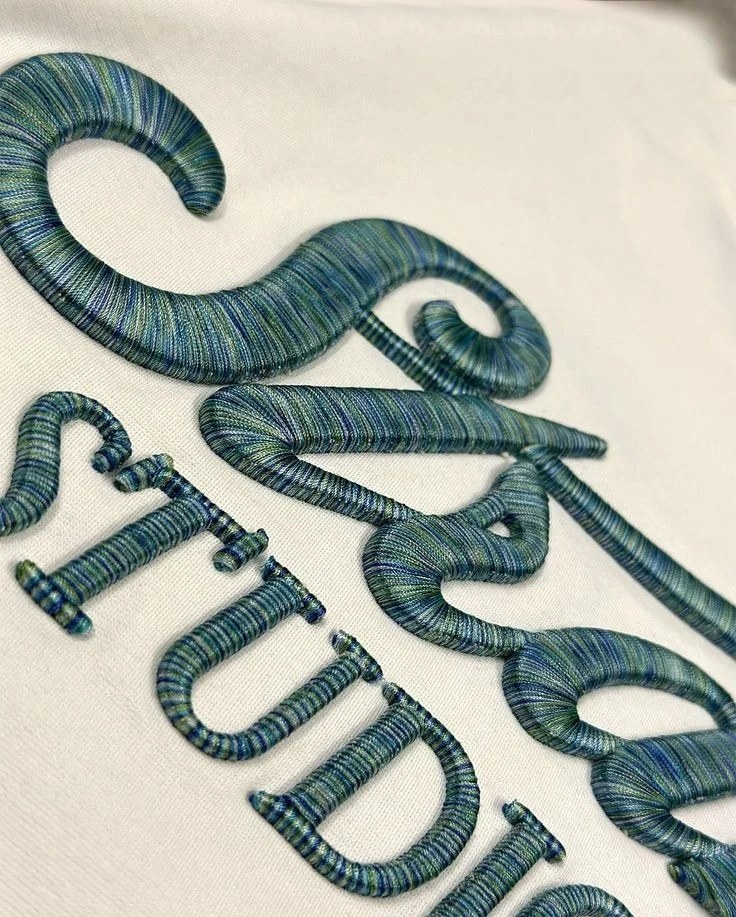
Vertically integrated manufacturers like MENWILD run embroidery machines alongside cutting and sewing lines, eliminating handoffs between contractors. MOQs typically start at 100–300 pieces per style/color, and lead times compress to 18–25 days because garments move directly from cut to embroidery to finishing.
Quality control is tightest here: a single team inspects fabric, stitching and decoration before packing. Established brands and startups launching full collections benefit most, since one partner handles fabric sourcing, grading, production and decoration under one roof.
Standalone Embroidery Contractors
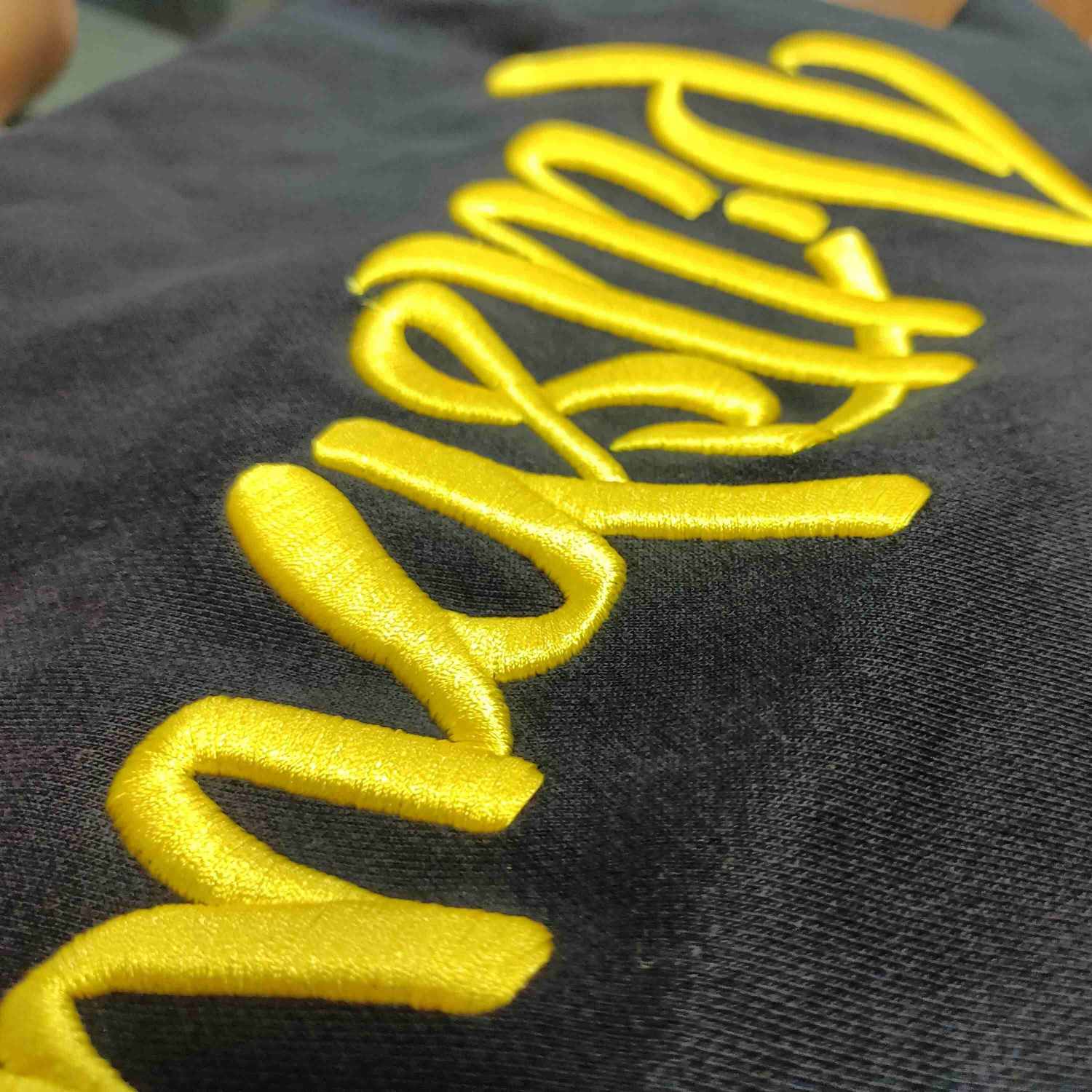
Independent embroidery shops accept finished garments from any cut-and-sew factory, offering MOQs as low as 50 pieces and turnarounds of 5–10 days. They excel at rush re-orders and single-decoration projects but require you to coordinate fabric, blanks and shipping between multiple vendors.
Quality depends entirely on the contractor’s machine maintenance and digitizer skill. Wholesale buyers and retailers adding logos to pre-made stock find this model efficient when decoration is the only variable.
Digitizing Plus Embroidery Bundles
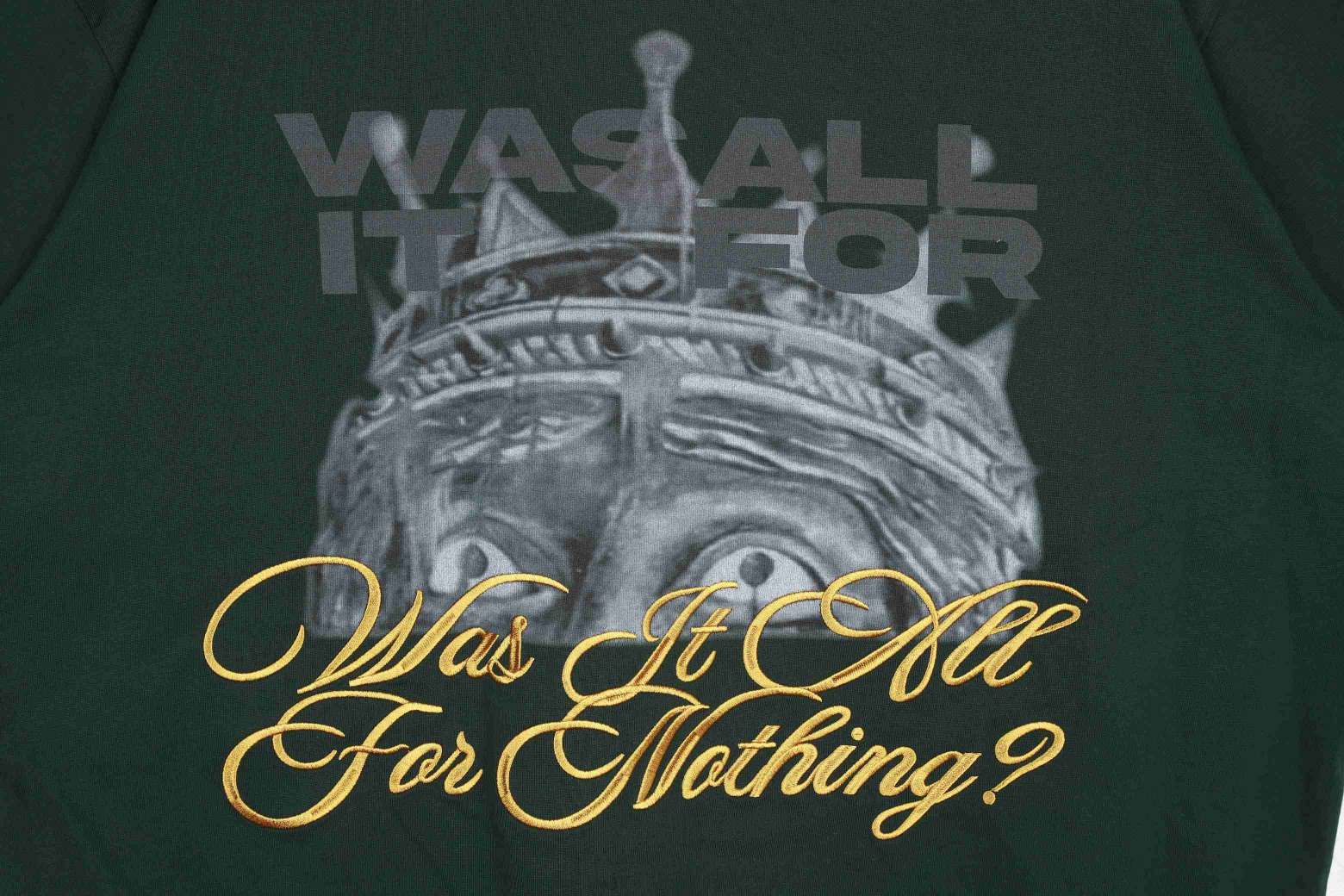
Some providers package DST file creation with embroidery runs, charging a one-time digitizing fee of 15–50 USD per design plus per-piece decoration costs. Lead time adds 2–3 days for file proofing. MOQs range from 100 to 500 pieces.
This model suits startups without in-house design resources who need logo conversion and production in one quote. Quality hinges on whether the digitizer understands stitch density for your fabric weight and whether you receive a physical strike-off before bulk runs.
Sample-Only Embroidery Services
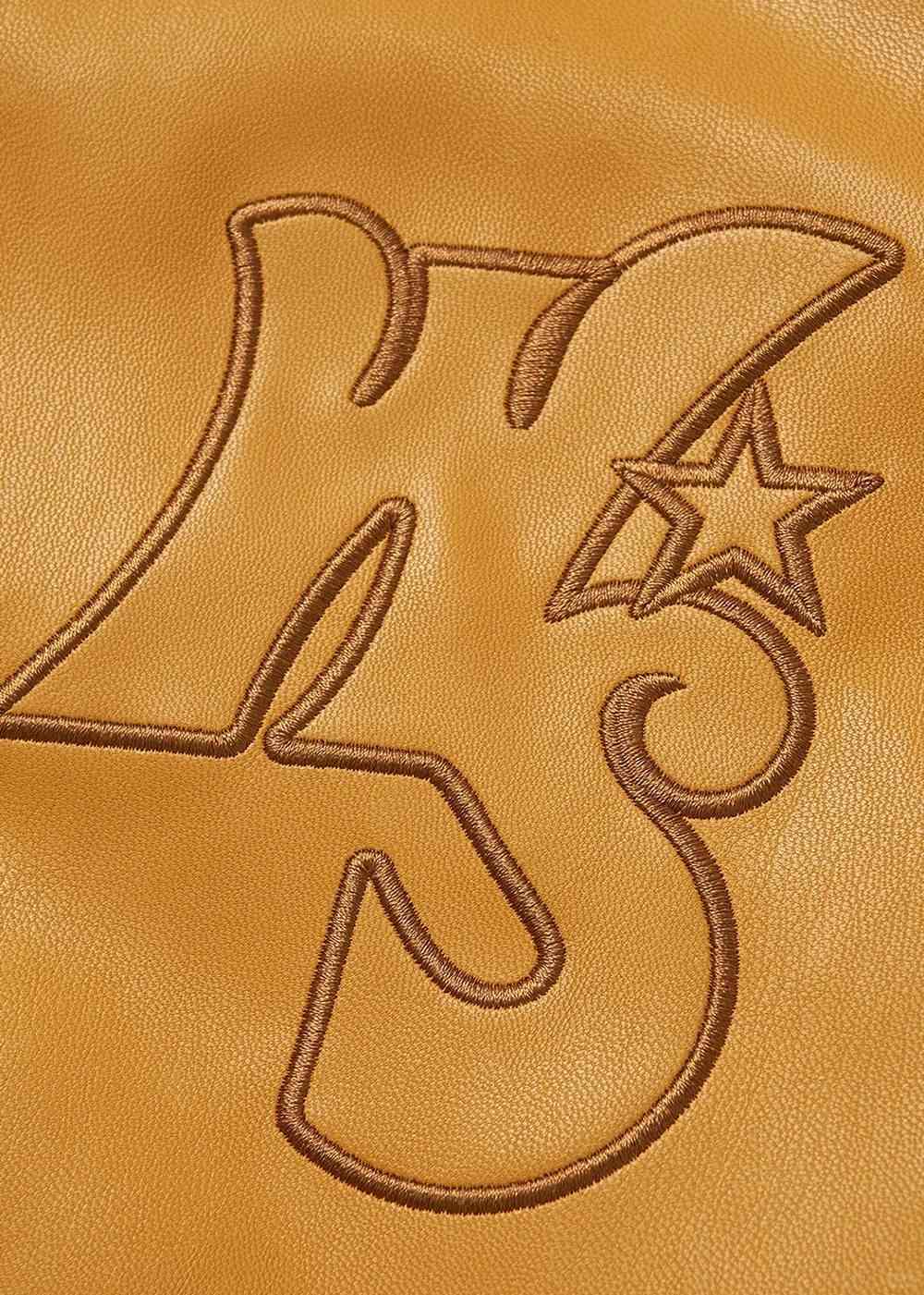
Sample houses produce 1–10 embroidered prototypes with no bulk-production obligation, typically at 20–50 USD per piece and 3–5 day turnaround. They let designers test logo placement, thread color and stitch type before committing to a factory.
Influencers, independent designers and brands validating fit or branding use sample services to refine tech packs. Because these providers rarely scale to bulk, you will need a second partner for production, risking stitch-count or color mismatches if digitizing files are not transferred carefully.
4. Fabrics and Materials Compatible with Flat Embroidery Service
Not every fabric accepts embroidery the same way. Stitch density, backing stabilizer type and thread weight must match the base material to prevent puckering, thread breaks and distortion during production.
| Fabric Type | Recommended Backing | Typical Stitch Density | Common Use Cases |
|---|---|---|---|
| Cotton piqué | Cut-away medium | 4,000–6,000 stitches/in² | Polo shirts, dress shirts |
| Twill (chino, workwear) | Tear-away light | 5,000–7,000 stitches/in² | Caps, chinos, jackets |
| Fleece / French terry | Cut-away heavy | 3,500–5,500 stitches/in² | Hoodies, sweatshirts |
| Denim | Cut-away or polymesh | 5,000–8,000 stitches/in² | Jeans, denim jackets |
| Nylon / polyester (activewear) | Water-soluble or polymesh | 4,500–6,500 stitches/in² | Windbreakers, track jackets |
| Stretch knits (jersey blends) | Cut-away stretch or polymesh | 3,000–5,000 stitches/in² | T-shirts, performance polos |
5. Customization and Branding Options in Flat Embroidery Service
Flat embroidery service transforms a logo file into a stitched brand asset, but the final impact depends on thread choice, placement and decoration layering. Understanding digitizing fees, color-change costs and design complexity helps brands control both aesthetics and unit economics from the first sample onward.
Thread Color Matching and Material Options
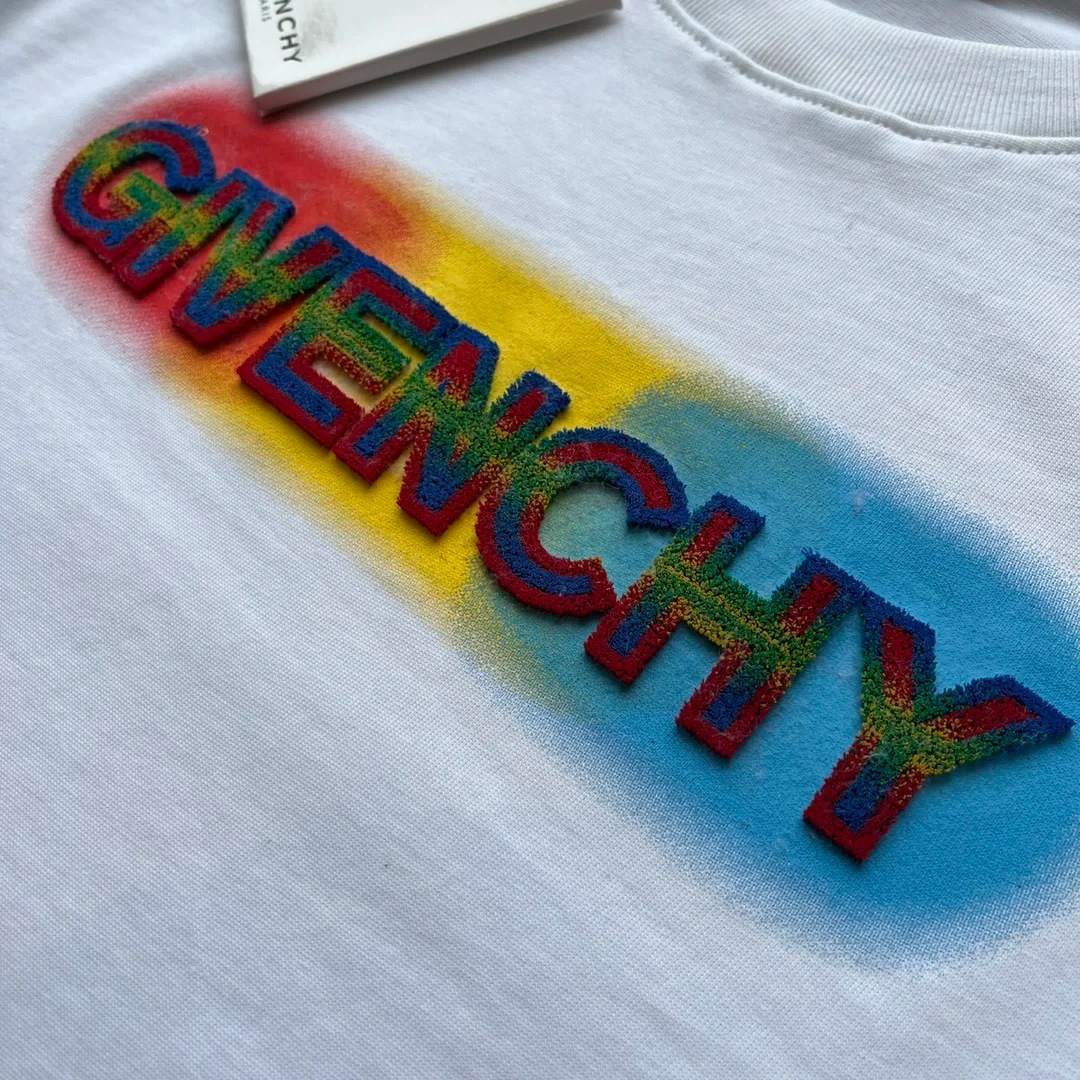
Most factories stock 120–200 standard polyester thread colors; exact Pantone matching requires special-order thread and adds 5–10 days to sampling. Metallic, glow-in-the-dark and variegated threads increase per-piece cost by 15–30% but deliver premium shelf appeal.
MENWILD digitizes logos at no charge for orders above 300 pieces and stocks Madeira polyester thread in over 180 colors, with metallic and reflective options available for streetwear and activewear collections.
Logo Size and Placement Zones
Common placements include left chest (8–10 cm wide), full back (25–30 cm), sleeve (5–7 cm) and cap front (6–8 cm). Larger logos increase stitch count and per-piece cost; a 10 cm design typically runs 8,000–12,000 stitches, while a 25 cm back piece may exceed 40,000.
Placement on seams, pockets or curved areas requires experienced hooping and may incur a 10–20% surcharge to prevent puckering on big & tall garments.
Combination Decoration Techniques
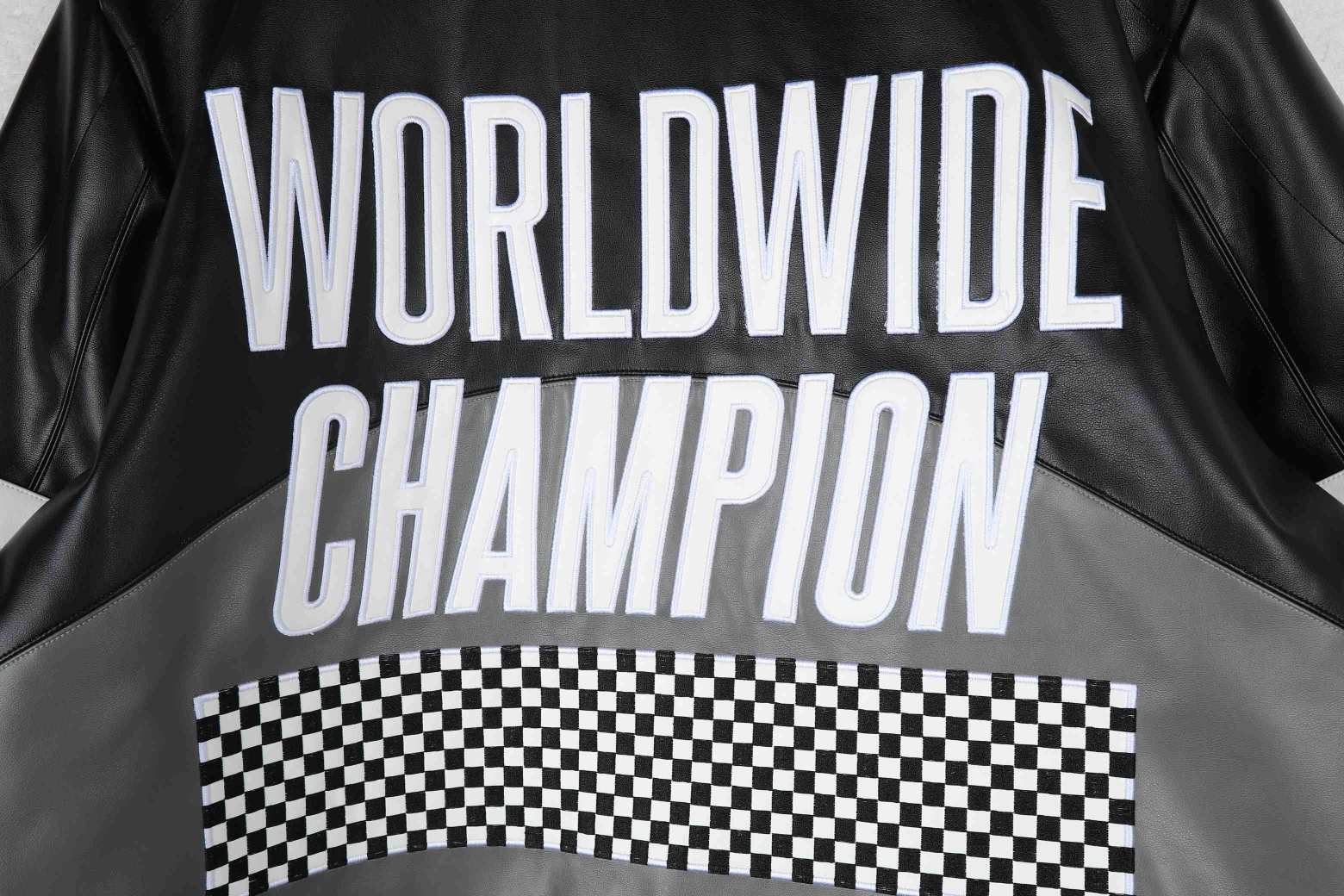
Pairing flat embroidery with screen printing, heat transfer or appliqué creates depth and reduces thread density on large fills. A common workflow embroiders fine detail and outlines while screen-printing solid backgrounds, cutting stitch count by 30–50%.
MENWILD’s in-house screen printing and embroidery lines coordinate multi-decoration runs without third-party hand-offs, maintaining quality control and shortening lead times for capsule launches and influencer collaborations.
6. Key Quality Indicators for Flat Embroidery Service
Professional embroidery quality separates a premium garment from a flawed sample. Every stitch reveals machine calibration, operator skill and process control — factors that determine whether your logo survives wash cycles or unravels after the first wear.
Stitch Density and Coverage
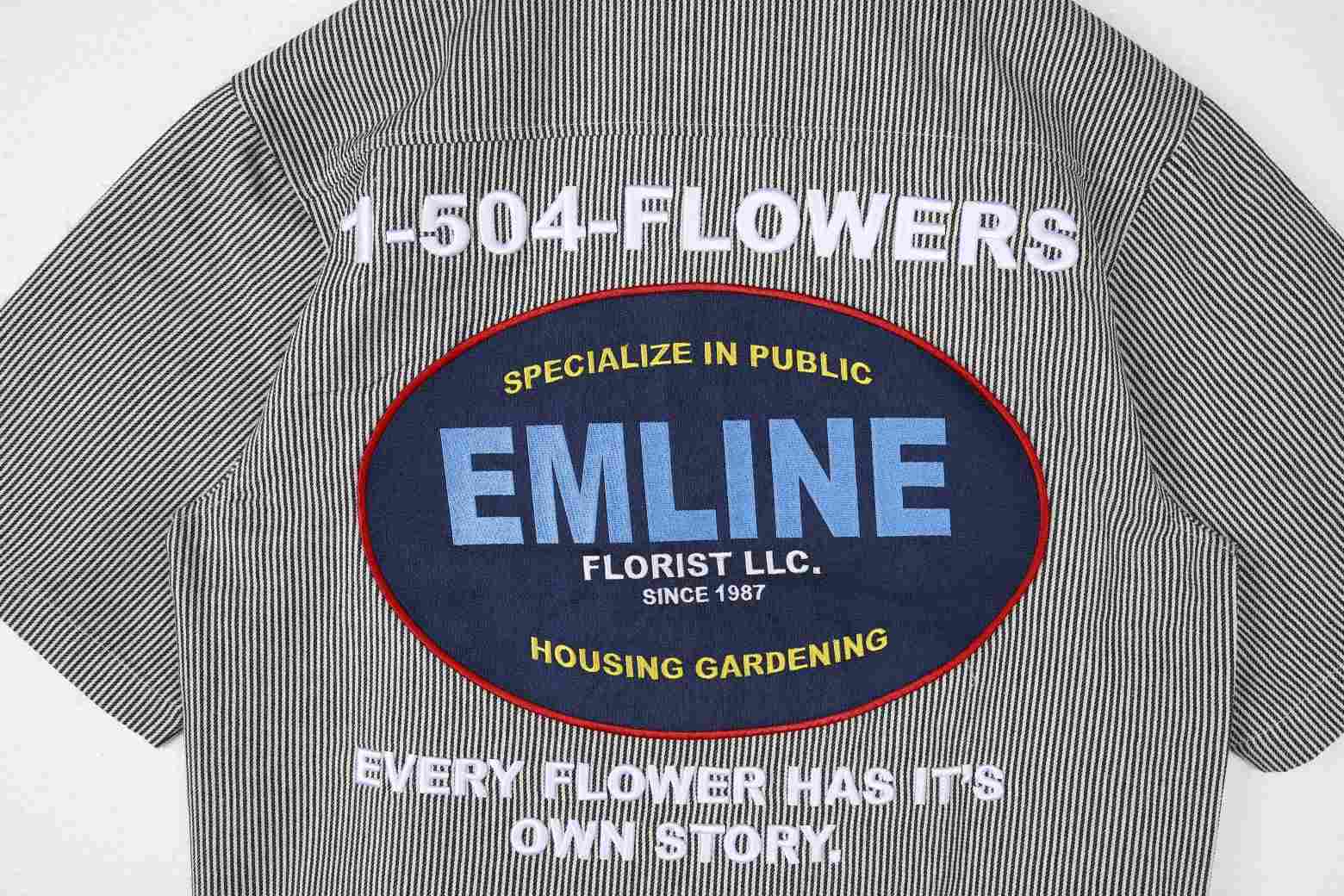
Stitch density between 4.5 and 6.0 stitches per millimeter ensures clean fill without fabric show-through or thread buildup. Under-dense designs expose base fabric; over-dense runs risk puckering and thread breaks.
MENWILD calibrates density by fabric weight — lighter jersey requires lower density than twill or fleece — and tests every logo on the target garment before bulk production.
Thread Tension and Registration Accuracy
Consistent thread tension prevents loops on the reverse and tight pulls on the face. Multi-color logos demand registration accuracy within ±0.5 mm; misaligned overlays signal uncalibrated hoops or worn needles.
Color bleeding after washing indicates low-grade polyester thread. MENWILD uses only colorfast rayon and polyester threads tested to ISO 105 standards, with tension verified on every head before each run.
Backing Removal and Finish Quality
Tear-away backing must separate cleanly without distorting stitches; cut-away backing should lie flat with no visible edges. Puckering around the design reveals incorrect stabilizer weight or poor hooping tension.
MENWILD trims backing within 3 mm of the stitch perimeter and inspects every garment under task lighting, rejecting any piece with thread tails, skipped stitches or fabric distortion before packing.
7. How to Choose the Right Flat Embroidery Service Provider
Selecting a flat embroidery service provider requires evaluating technical capacity, workflow flexibility and quality controls. The right partner balances machine capability with responsive service and transparent processes.
Machine Capacity and Equipment
Ask how many embroidery heads the factory operates and maximum hoop size — multi-head machines (6–15 heads) speed bulk runs, while larger hoops (up to 500 × 400 mm) accommodate oversized placements. Verify whether digitizing is handled in-house or outsourced; in-house teams reduce turnaround and simplify revisions.
Sample Turnaround and MOQ Flexibility
Request sample strike-off timelines — 3–5 days is standard, 24–48 hours indicates rush capability. Confirm minimum order quantities per style and colorway; MOQs starting at 100 pieces per design enable testing without excess inventory risk.
Certifications and Quality Metrics
Look for OEKO-TEX certified threads and ISO 9001 quality systems. Ask directly: What is your defect rate? Can you provide thread color matching to Pantone or physical samples? Factories tracking defect rates below 2% demonstrate process control.
Communication and RFQ Questions
Evaluate responsiveness during the RFQ phase. Key questions include: Can you handle rush orders? Do you keep digitized files and thread records on file for re-orders? What payment terms apply for first and repeat orders? Clear answers signal reliable partnership.
8. Common Mistakes When Sourcing Flat Embroidery Service
Even experienced brands encounter challenges when ordering flat embroidery service. Five recurring mistakes drive puckering, color fade and costly delays — yet each has a straightforward fix.
Skipping Digitizing Proofs
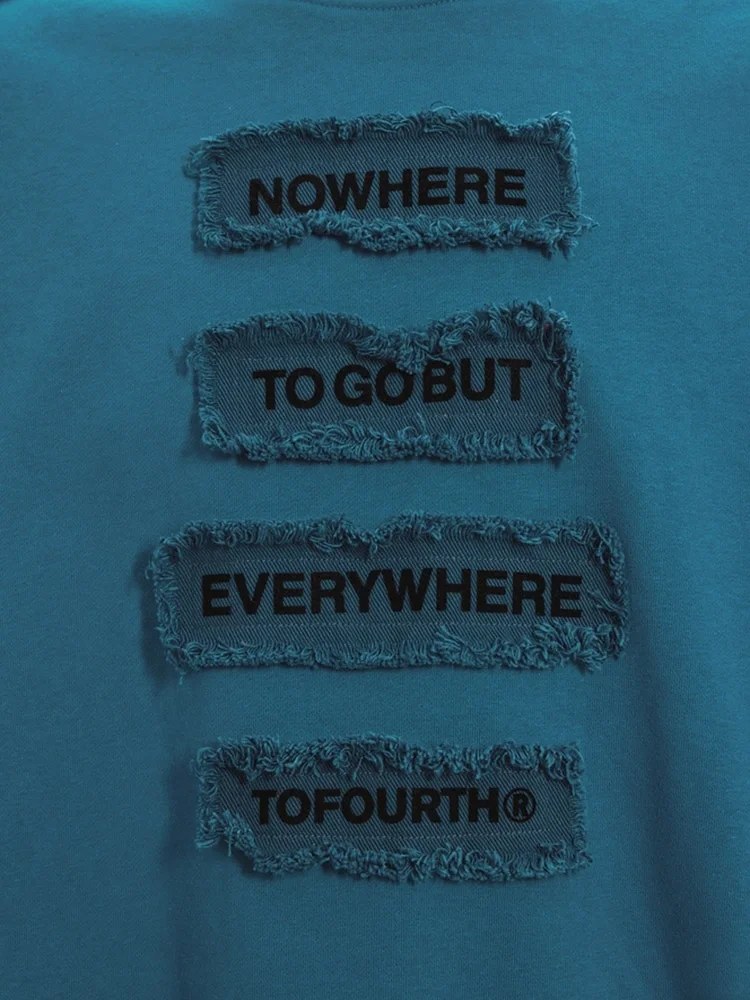
Approving a design without reviewing the digitized embroidery file leads to misaligned stitches and distorted logos. Stitch density, underlay paths and pull compensation are invisible in artwork alone.
Request a digital proof or a physical sew-out on your final fabric before bulk production. MENWILD supplies digitizing previews and sample embroidery to catch errors early.
Underestimating Backing Stabilizer Importance
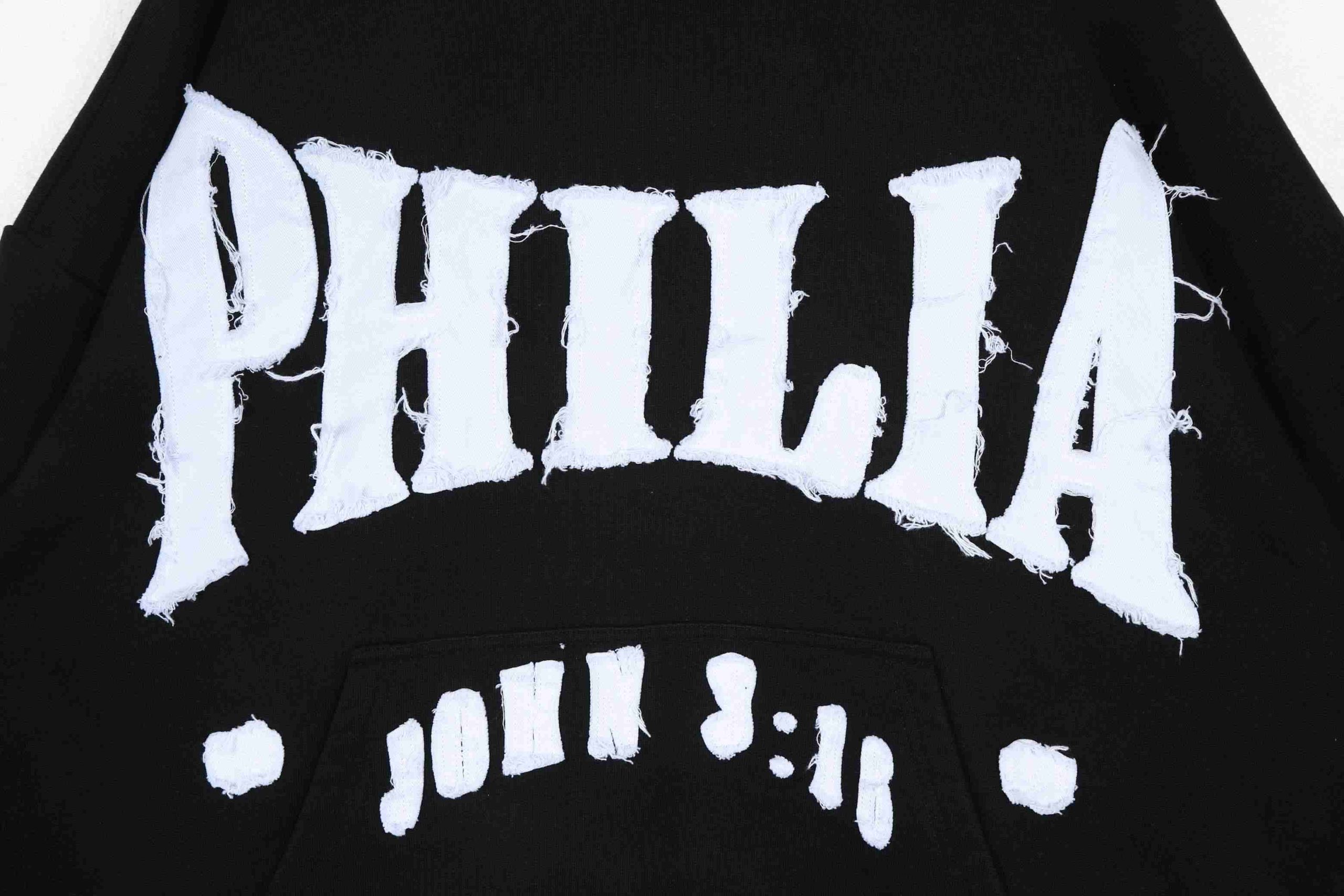
Choosing the wrong stabilizer — or none — causes puckering, fabric stretch and thread tension breaks. Cut-away, tear-away and water-soluble backings each suit different fabrics and stitch counts.
Specify stabilizer type in your tech pack or rely on your manufacturer’s recommendation. MENWILD matches stabilizer weight to fabric GSM and design density for every flat embroidery run.
Choosing the Cheapest Quote Without Quality Vetting
Low pricing often signals outdated machines, unbranded thread or skipped quality checks. Color bleed, loose stitches and inconsistent registration appear only after shipment.
Review samples, ask for thread brand (Madeira, Isacord) and confirm machine maintenance schedules. MENWILD operates multi-head Tajima embroidery equipment with inline quality control at every 500-piece interval.
Ignoring Wash-Test Results
Embroidery that looks sharp on a hanger can fade, fray or pucker after three home washes. Polyester thread color-fastness and backing compatibility determine garment lifespan.
Demand pre-production wash tests — five cycles minimum — and request photos of washed samples. MENWILD includes wash testing in sample approval and documents thread lot numbers for traceability.
Failing to Specify Thread Brand or Weight
Generic thread varies in sheen, strength and color consistency between batches. A logo embroidered with 40-weight polyester will look different than the same file stitched in 60-weight rayon.
Name the thread brand, fiber type and weight in your purchase order. MENWILD stocks Madeira and Isacord polyester in 40 wt and 60 wt, with Pantone-matched color references for brand consistency.
9. Steps to Launch Your Menswear Brand with Flat Embroidery Service
Launching a menswear line with flat embroidery service requires a clear sequence from artwork to bulk shipment. Following six discrete phases — each with its own timeline and deliverables — keeps production on schedule and prevents costly rework.
Finalize Logo Artwork and Convert to Vector
Supply your logo as a vector file (AI, EPS or high-resolution PDF) with clean paths and defined Pantone or thread colors. Raster images (JPG, PNG) introduce pixelation and require redrawing, adding 1–2 days to digitizing.
MENWILD’s design team can convert sketches or low-resolution files into embroidery-ready vectors at no extra charge for orders above 500 pieces.
Request Digitizing and Approve Stitch File
The factory converts your vector into a machine-readable DST or Tajima file, mapping every stitch path, density and underlay. Digitizing typically takes 1–3 business days; you receive a digital proof showing stitch count, dimensions and thread changes.
Approve the file in writing before sampling to lock registration and prevent mid-production edits that reset lead times.
Order Sample Garments with Embroidery
Request samples on your target fabric and colorway — thread tension and registration shift between jersey, fleece and twill. Sample turnaround runs 5–7 days including fabric prep and embroidery setup.
MENWILD includes up to two sample revisions within the quoted sampling fee, letting you refine placement, scale or thread color before committing to bulk.
Conduct Wash and Wear Testing
Launder samples three to five cycles at your care-label specifications, checking for thread fray, puckering, color bleed and backing delamination. Wear-test under normal use to confirm comfort against skin.
Document any defects with photos and request adjustments to stabilizer type, stitch density or thread grade before bulk production begins.
Negotiate Production MOQs and Lead Times
MENWILD’s flat embroidery service starts at 100 pieces per style and color, with bulk lead times of 18–25 days after deposit and final approval. Lock your production slot by confirming fabric yardage, thread inventory and machine scheduling at least two weeks ahead.
Request a detailed production calendar showing cut date, embroidery window, QC checkpoint and ship-ready date to align with your launch or restock deadline.
Place Bulk Order with Quality Checkpoints
Submit a 30–50% deposit to trigger fabric procurement and digitizing file loading. Schedule in-line QC at 30% and 70% completion, inspecting stitch consistency, placement tolerance (±2 mm) and thread tension across the run.
Final pre-shipment inspection covers random pulls for wash durability, color match to approved sample and correct packaging, ensuring every carton meets your brand standard before export.
10. Flat Embroidery Service Pricing and Cost Breakdown
Flat embroidery service pricing follows a two-part structure: a one-time digitizing fee ranging from $15 to $50 per design, plus a per-piece embroidery charge that decreases with volume. Most manufacturers, including MENWILD, waive digitizing fees for orders above 500 units or for repeat clients whose design files remain on record.
Stitch count drives per-unit cost. A simple left-chest logo averaging 5,000 stitches costs $1.50–$2.50 per piece at 100 units, while a complex multi-color back design with 15,000 stitches and six thread changes may reach $4.00–$6.00 per piece. Each thread color change adds machine downtime, raising labor cost by approximately $0.30–$0.50 per change.
Placement also affects pricing. Standard locations — left chest, sleeve, back yoke — incur no premium, but pocket interiors, cuffs and multi-position designs require re-hooping and can add 20–30% to the base rate.
| Quantity Tier | Per-Piece Cost | Digitizing Fee | Lead Time |
|---|---|---|---|
| 50–99 units | $2.50–$3.50 | $25–$50 | 10–14 days |
| 100–499 units | $1.80–$2.80 | $15–$25 | 8–12 days |
| 500–999 units | $1.20–$2.00 | Waived | 7–10 days |
| 1,000+ units | $0.90–$1.50 | Waived | 5–8 days |
Start Your Flat Embroidery Service Project Today
Launch your embroidered big & tall menswear line with 100-piece MOQ, 7-day samples, and 28+ years of specialist pattern grading and decoration expertise.