
Big & Tall Menswear Manufacturer — OEM, ODM & Private Label
Professional big & tall and plus-size menswear manufacturer specializing in 2XL–6XL OEM, ODM and private label production. 100-piece MOQ, full in-house decoration, and 28+ years of expertise in Dongguan, China.
Big & Tall Menswear Production Gallery
Why MENWILD as Your Big & Tall Menswear Manufacturer
Specialist Big & Tall Fit
True 2XL–6XL pattern grading and extended-size proportions built specifically for larger bodies, not just scaled-up afterthoughts.
28+ Years Manufacturing Experience
Since 1998 in Dongguan, China’s garment hub, serving over 2,000 menswear brands with consistent quality and reliable partnerships.
Full In-House Embroidery & Decoration
Flat, 3D puff, appliqué, patches, sequin embroidery, plus screen print, DTG, DTF and sublimation—all under one roof.
Fast Sampling & Product Development
Dedicated design team turns sketches, tech packs or ideas into production-ready samples with graded size sets quickly.
OEM, ODM & Private Label
Flexible partnership models from your designs to our full concept-to-production development, with your branding throughout.
Low MOQ from 100 Pieces
Start small per style and color to test products, reduce risk, and scale confidently as your brand grows.
In-House Decoration Services for Extended-Size Menswear
Chain Stitch Embroidery
Chain stitch embroidery creates bold, vintage-inspired outlines and lettering on t-shirts, hoodies, jackets and workwear. Ideal for retro branding, varsity detailing and streetwear graphics across 2XL–6XL garments. Durable, textured finish suitable for high-volume production and repeat orders.
Get a Quote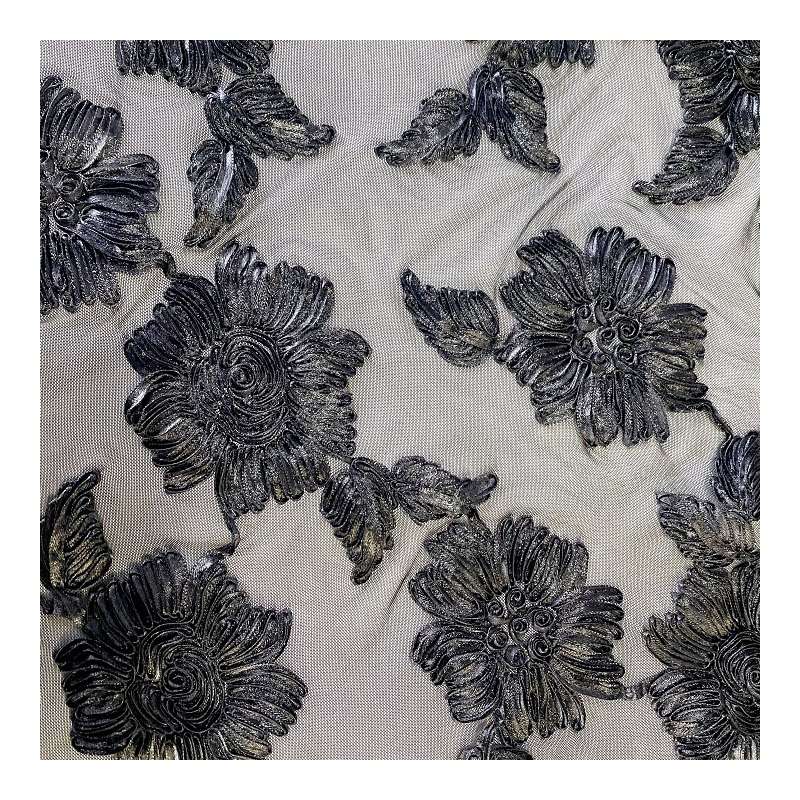
3D / Puff Embroidery
3D puff embroidery adds dimensional logos and text to caps, hoodies, polo shirts and outerwear. Foam underlay creates raised, tactile branding that stands out on big & tall menswear. Perfect for bold brand statements, team uniforms and premium streetwear collections with lasting impact.
Get a Quote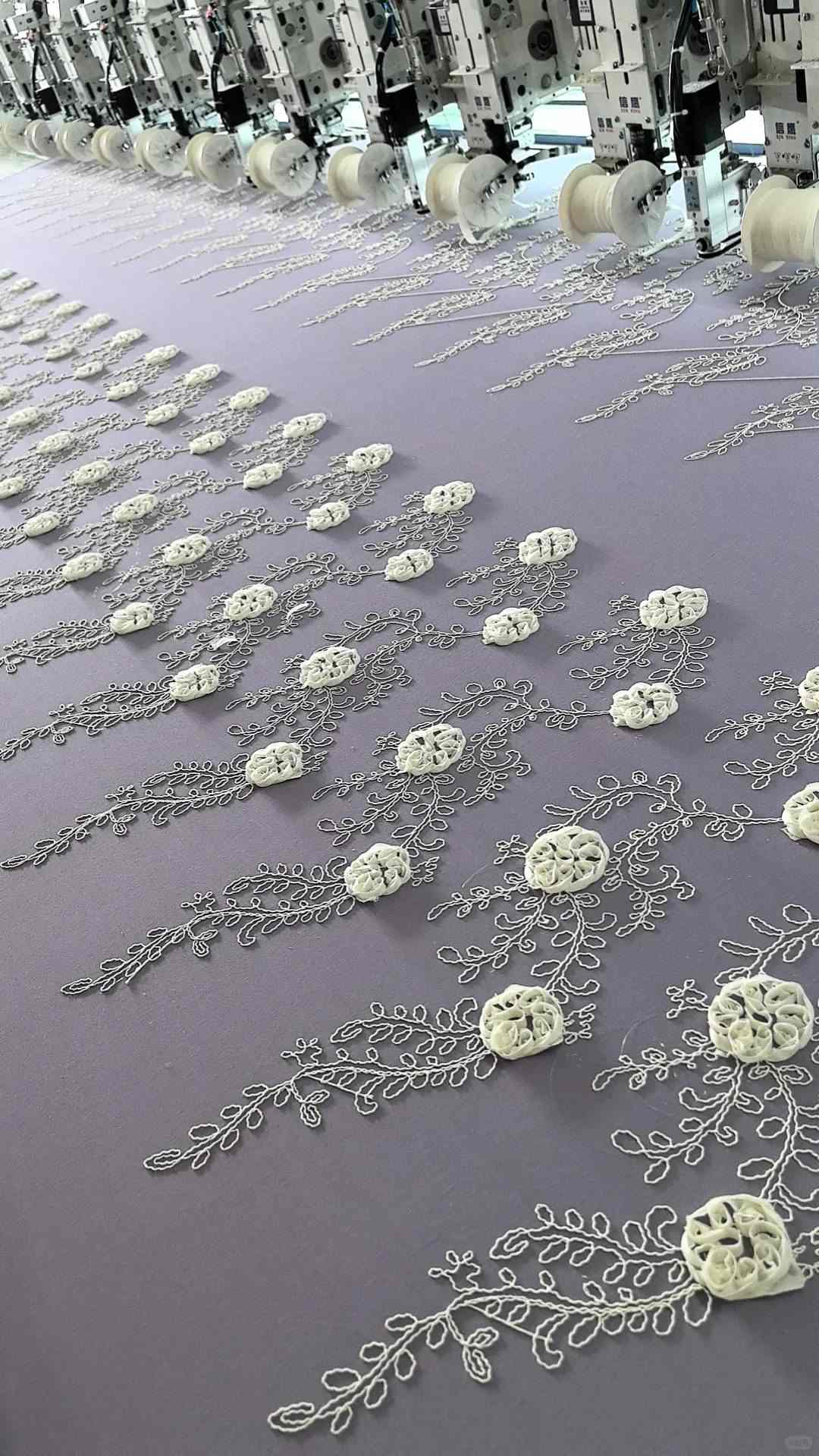
Flat Embroidery
Flat embroidery delivers clean, professional logos and monograms on dress shirts, polos, jackets, workwear and uniforms. Thread-based detailing suitable for corporate branding, chest logos, sleeve badges and custom labels. Available across all extended sizes with precise placement and color matching for consistent brand identity.
Get a Quote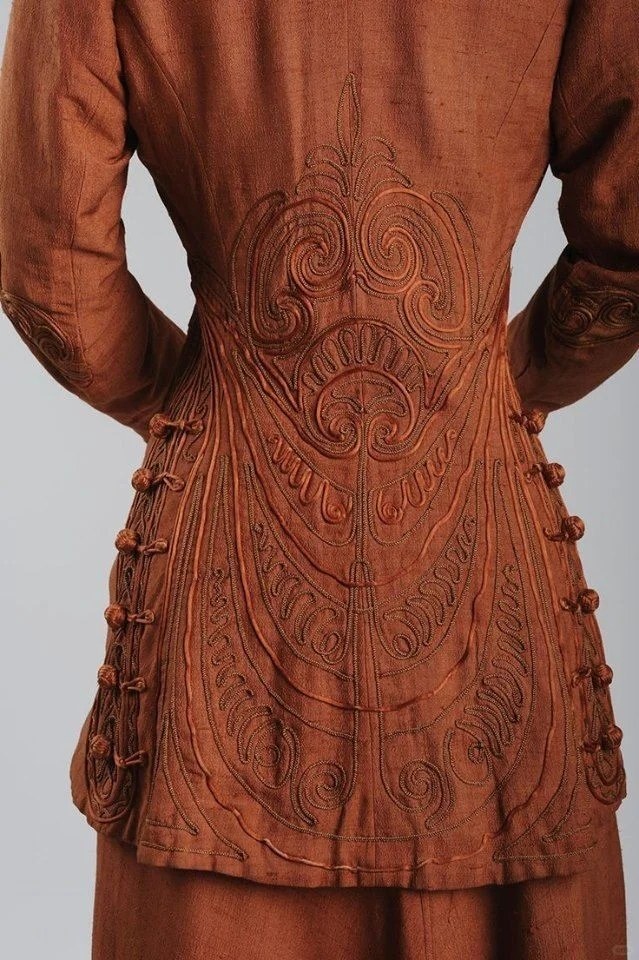
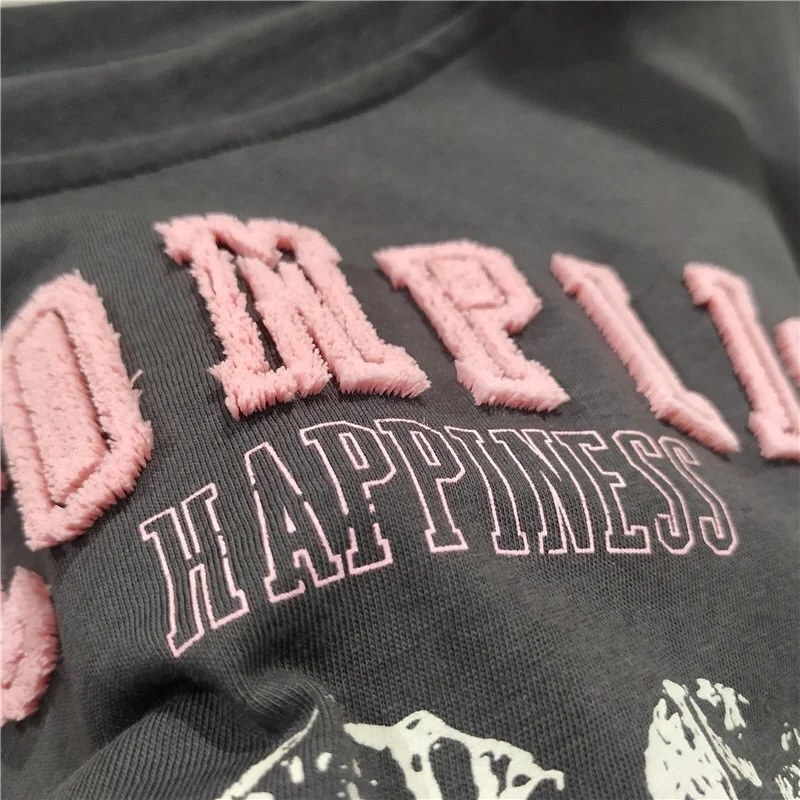
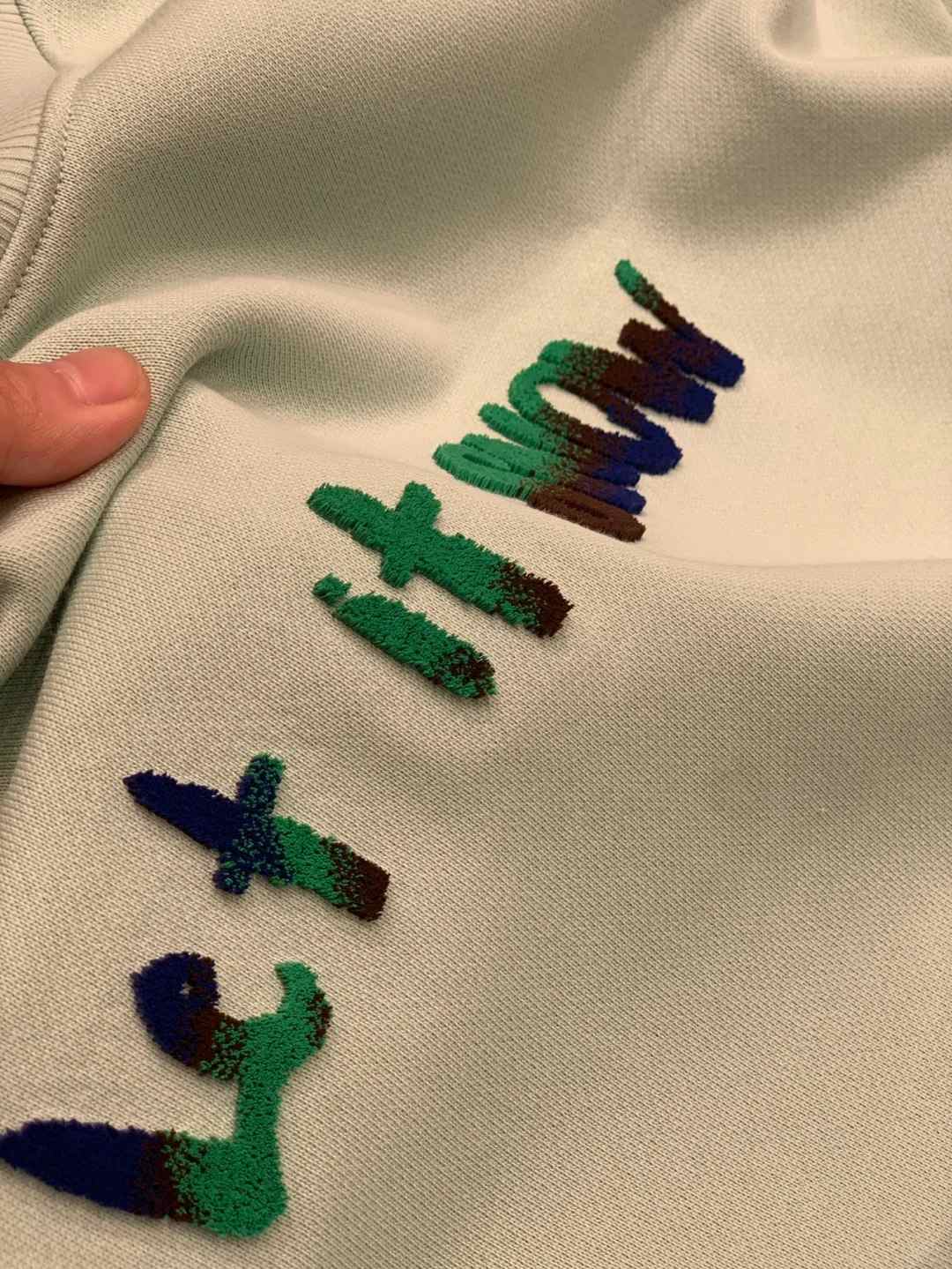
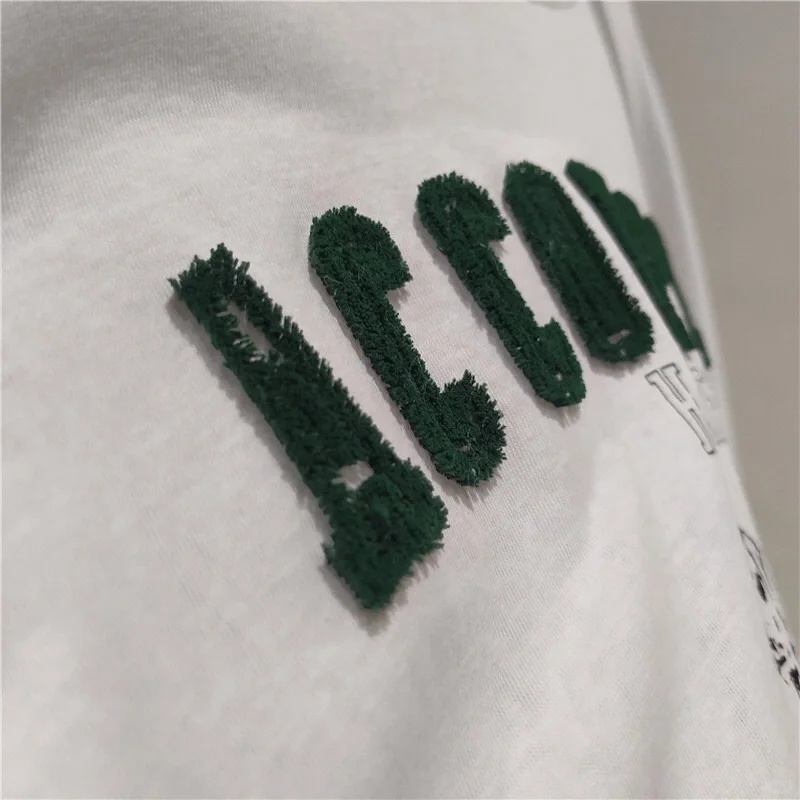
Towel Embroidery
Towel embroidery produces plush, raised textures on hoodies, sweatshirts, caps and streetwear using looped thread technique. Creates soft, tactile logos and lettering with a luxe, terry-cloth feel. Particularly effective on French terry and fleece garments in oversized and big & tall fits.
Get a Quote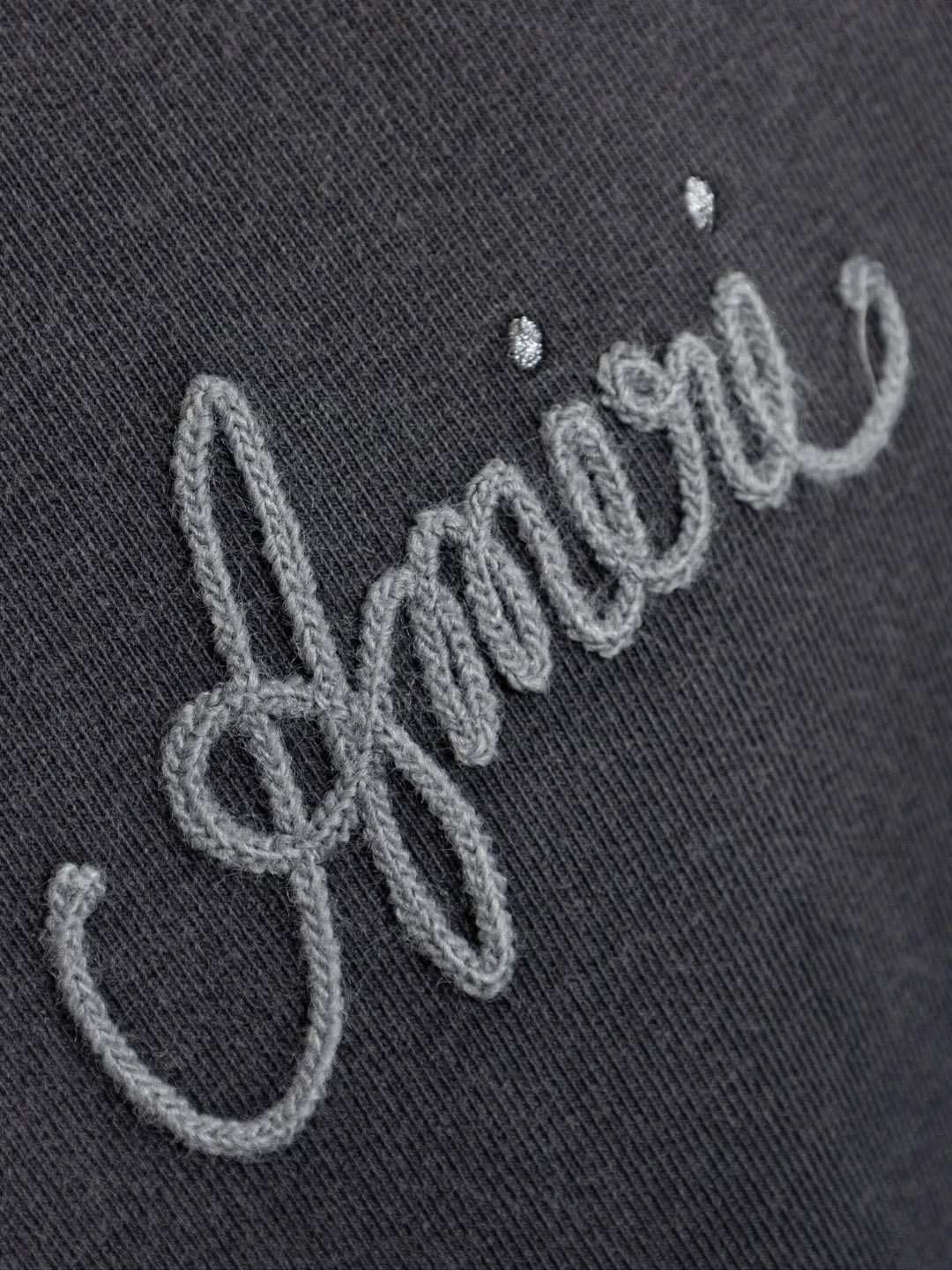
Ribbon Embroidery
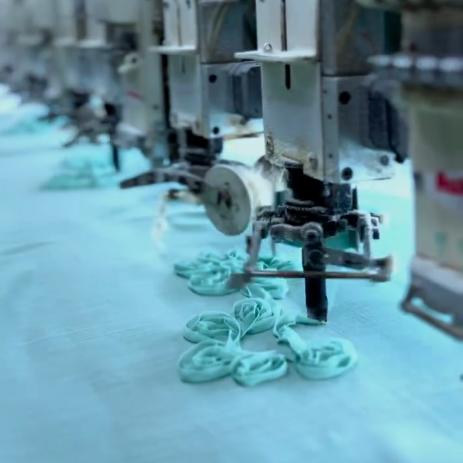
Ribbon embroidery integrates woven or satin ribbon into garment decoration for layered, dimensional branding on outerwear, jackets, caps and premium streetwear. Combines traditional embroidery with textile ribbon for unique texture and visual depth. Suitable for limited-edition collections and elevated big & tall menswear requiring distinctive detailing.
Get a Quote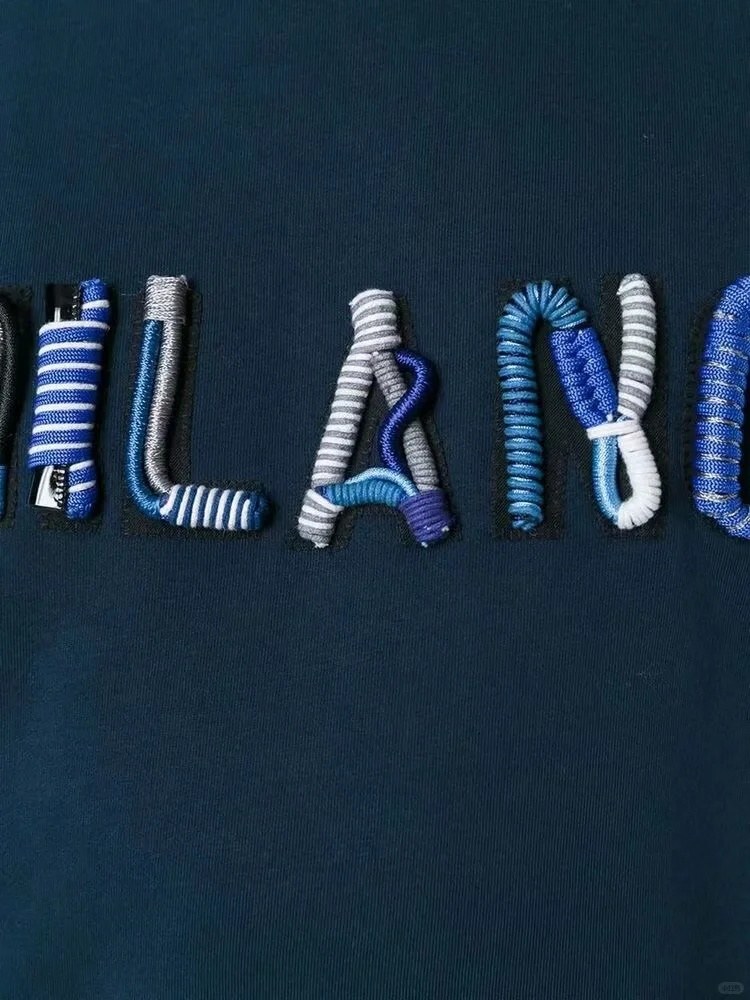
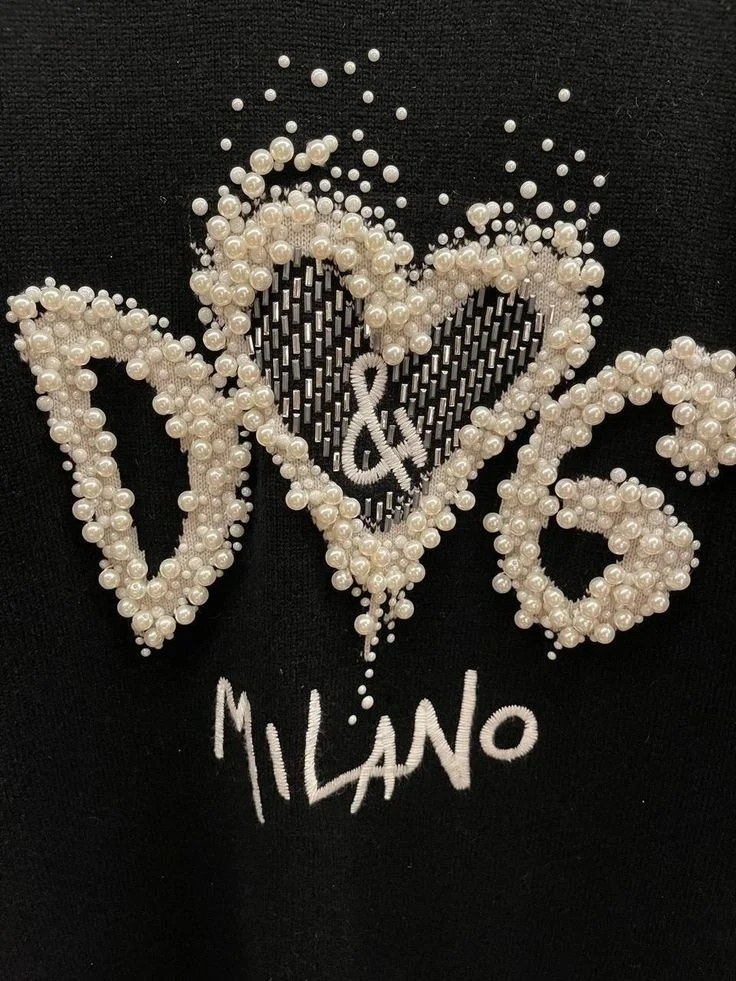
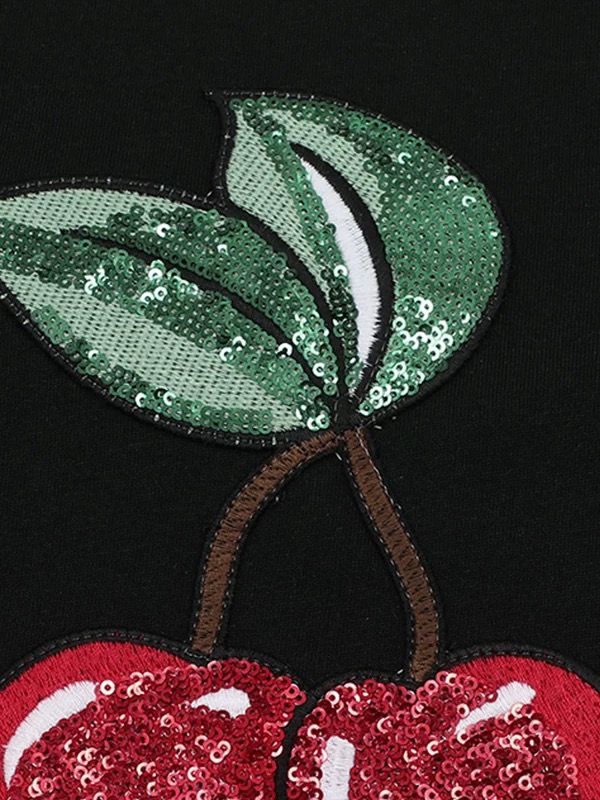
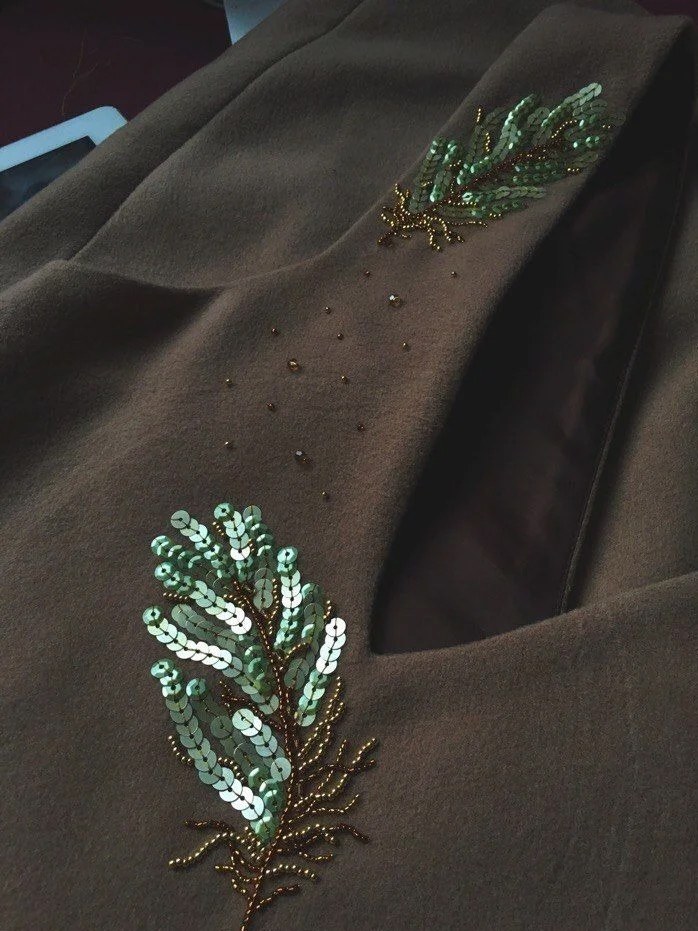
Sequin Embroidery
Sequin embroidery applies reflective, metallic or colored sequins to create eye-catching logos, patterns and accents on hoodies, t-shirts, jackets and caps. Ideal for event merchandise, performance wear and fashion-forward streetwear. Durable sequin application withstands washing and wear across extended-size garments with bold visual impact.
Get a Quote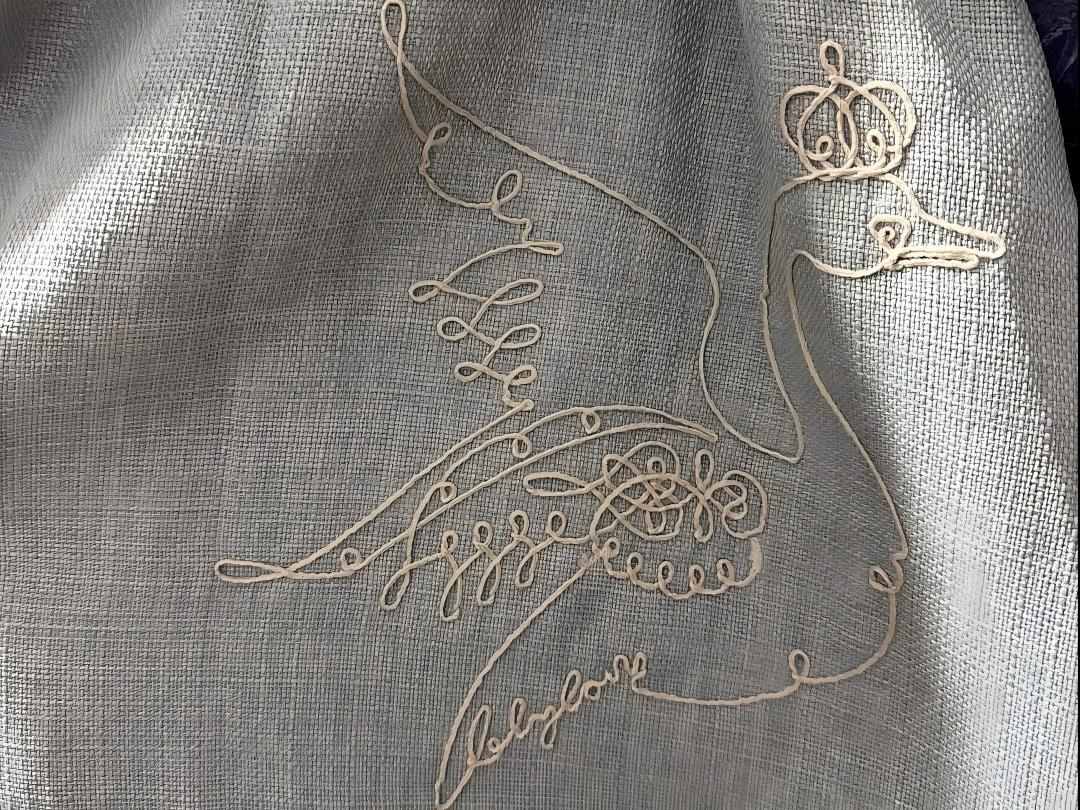
Rope Embroidery
Rope embroidery uses thick, cord-like thread to create bold, raised lettering and graphics on caps, hoodies, jackets and workwear. Delivers a rugged, tactile finish ideal for outdoor brands, workwear collections and streetwear requiring strong visual presence. Holds structure well on heavy fabrics and oversized garments in 2XL–6XL sizing.
Get a Quote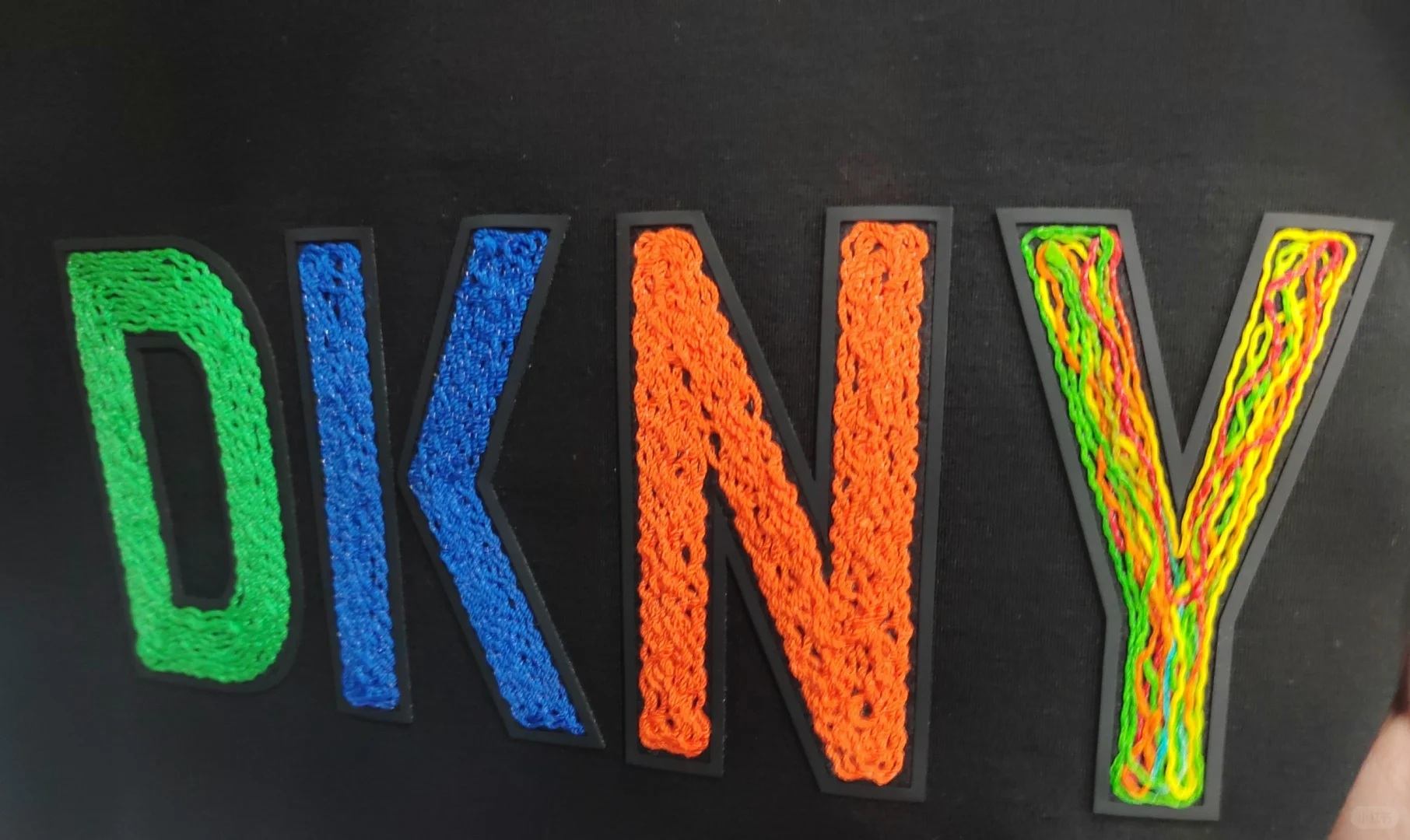
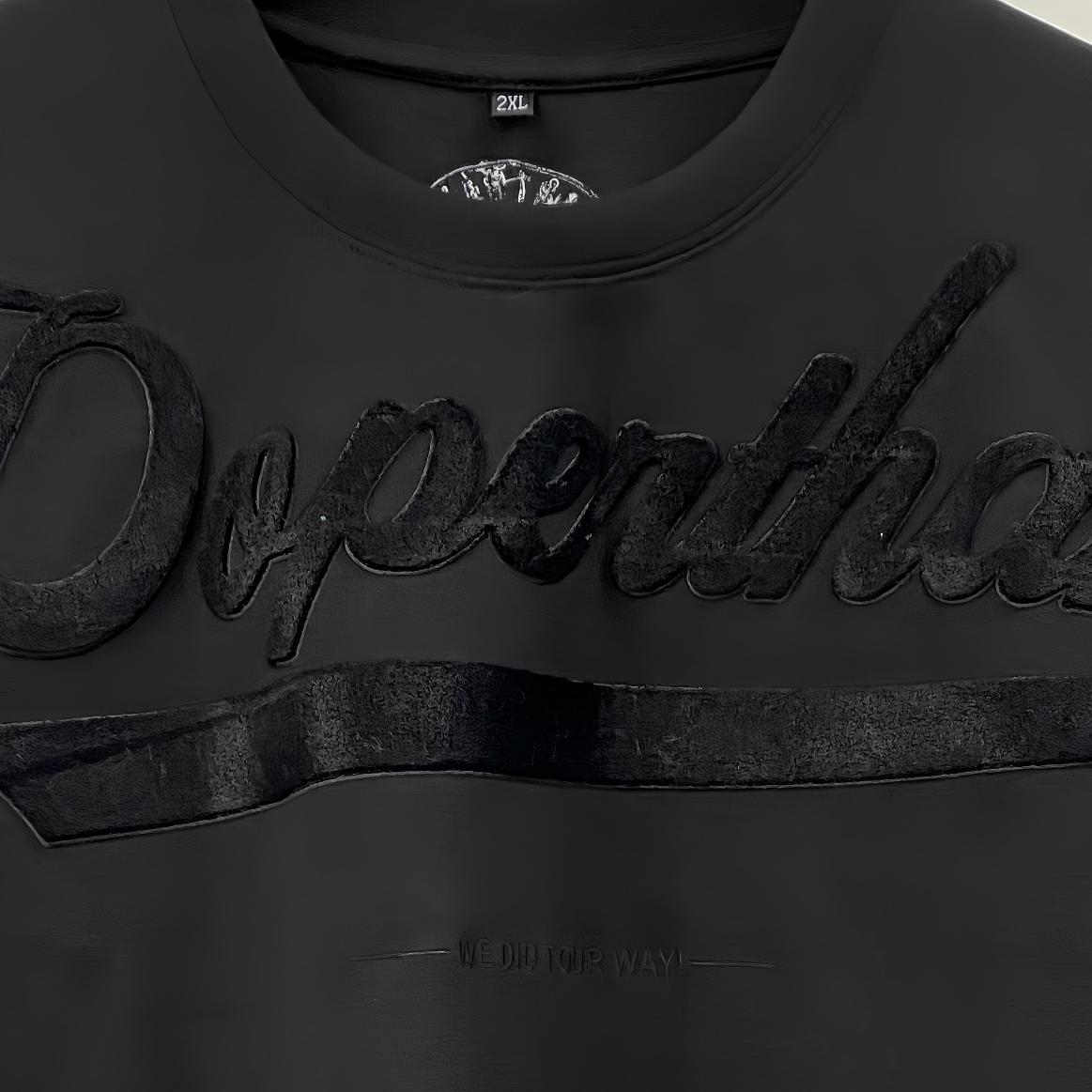
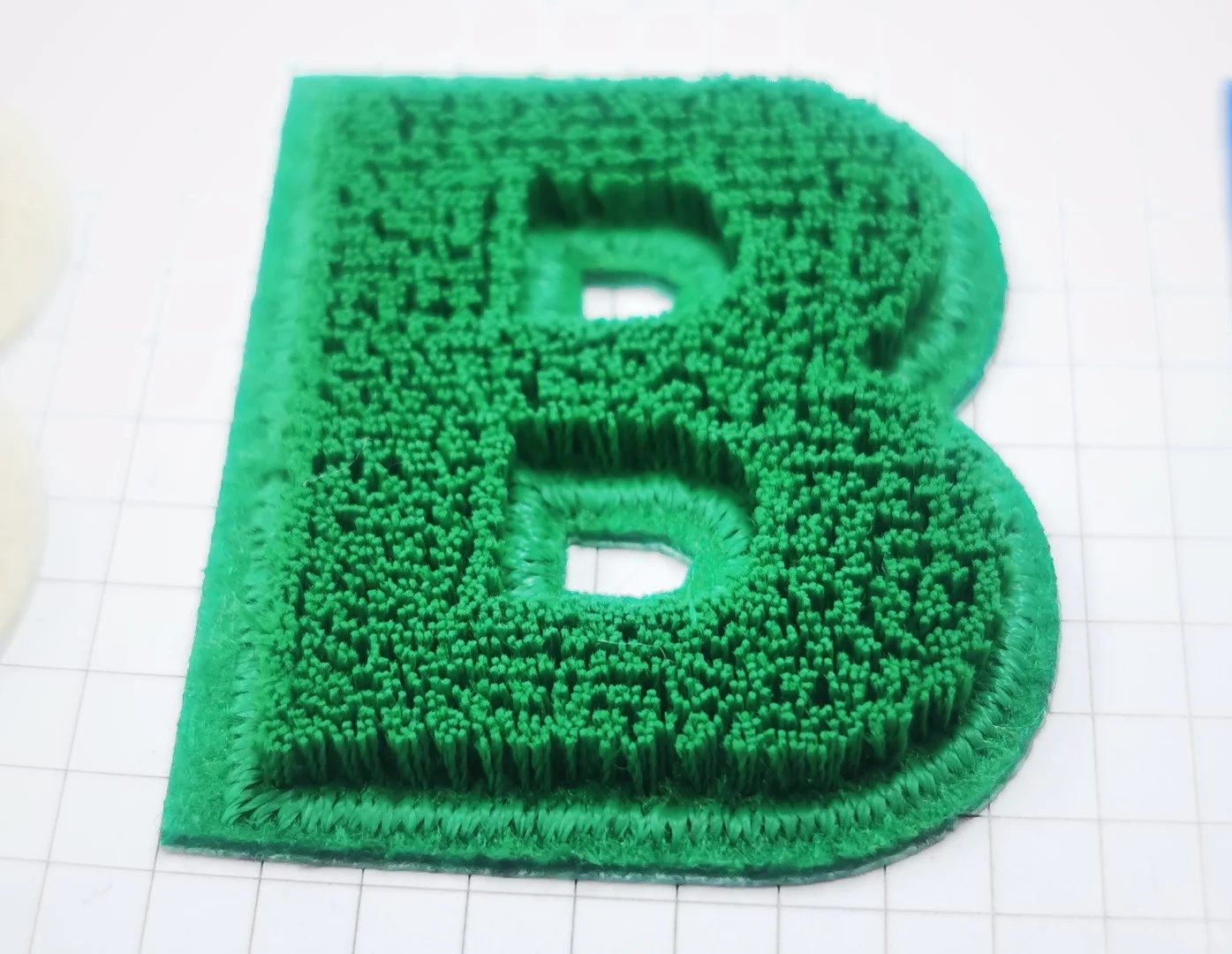
Toothbrush Embroidery
Toothbrush embroidery creates dense, brush-like texture using specialized looped stitching on caps, patches, hoodies and outerwear. Produces a soft, chenille-style finish popular in varsity and collegiate branding. Adds vintage athletic character to big & tall menswear, team uniforms and retro-inspired streetwear collections with tactile appeal.
Get a Quote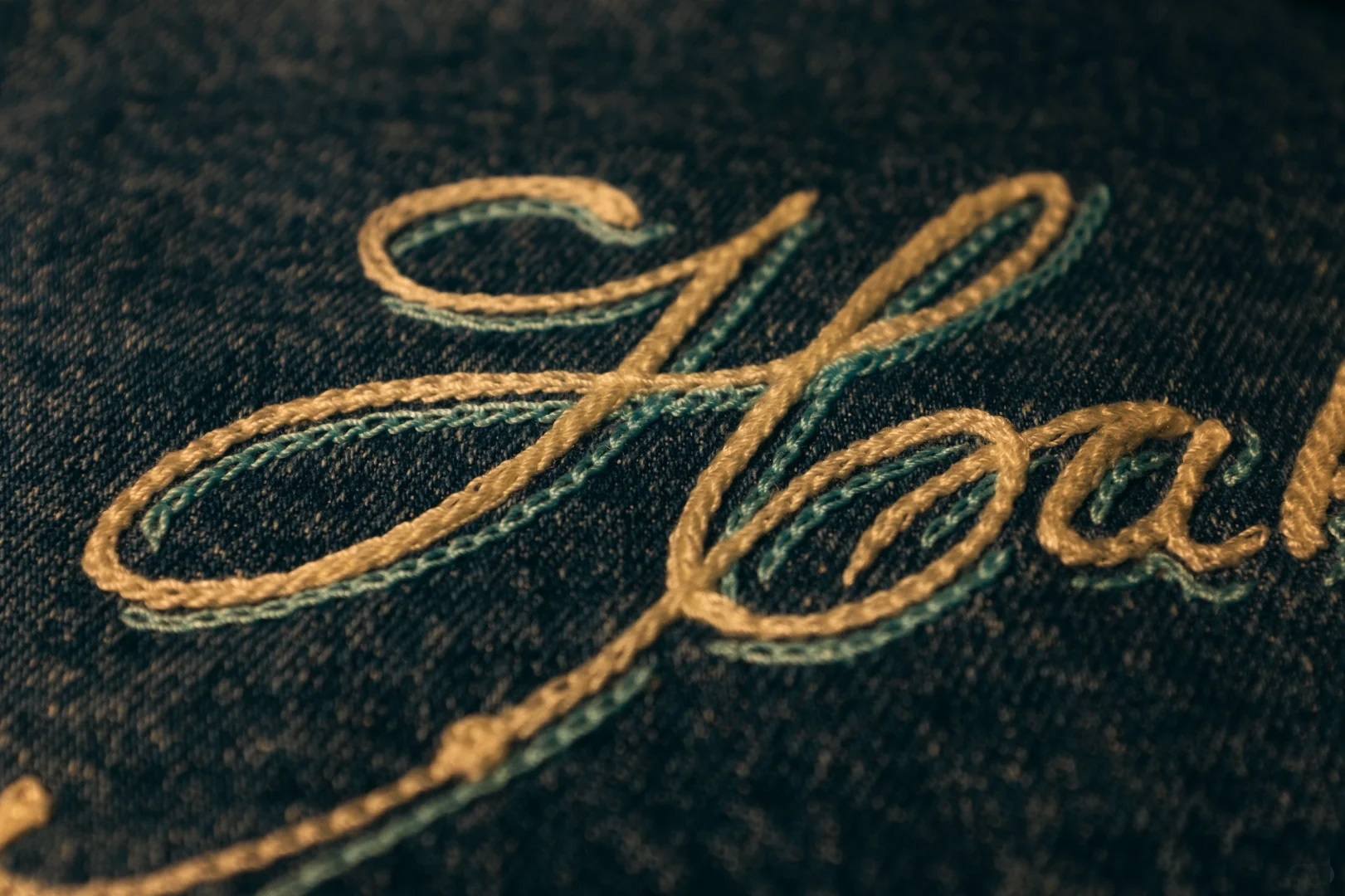
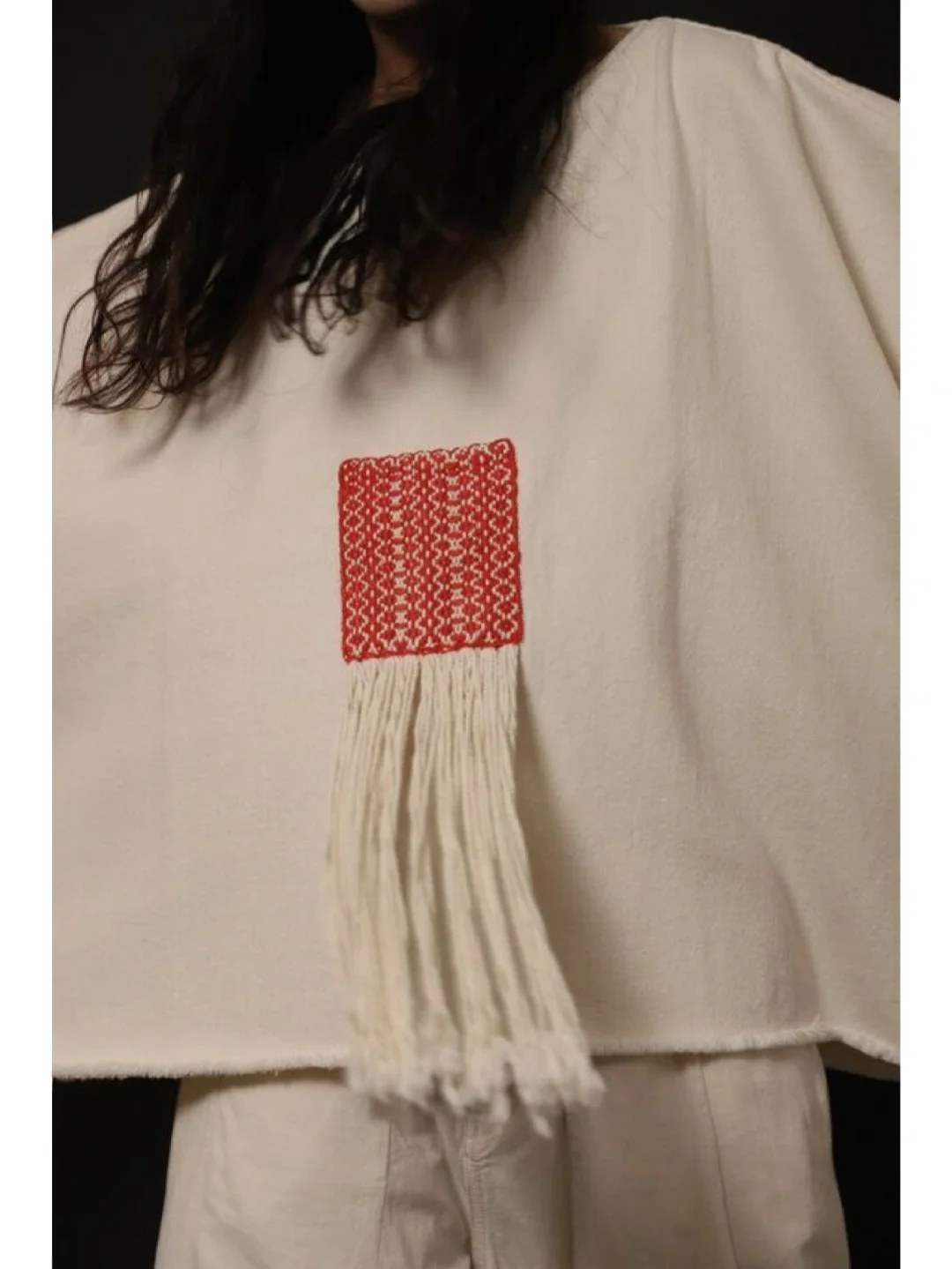
Cross Stitch Embroidery
Cross stitch embroidery delivers a handcrafted, folk-inspired aesthetic on shirts, jackets, caps and casual menswear. Geometric, grid-based stitching creates detailed patterns, logos and decorative accents. Suitable for heritage branding, artisan collections and independent designers seeking unique detailing on extended-size garments with traditional craftsmanship.
Get a Quote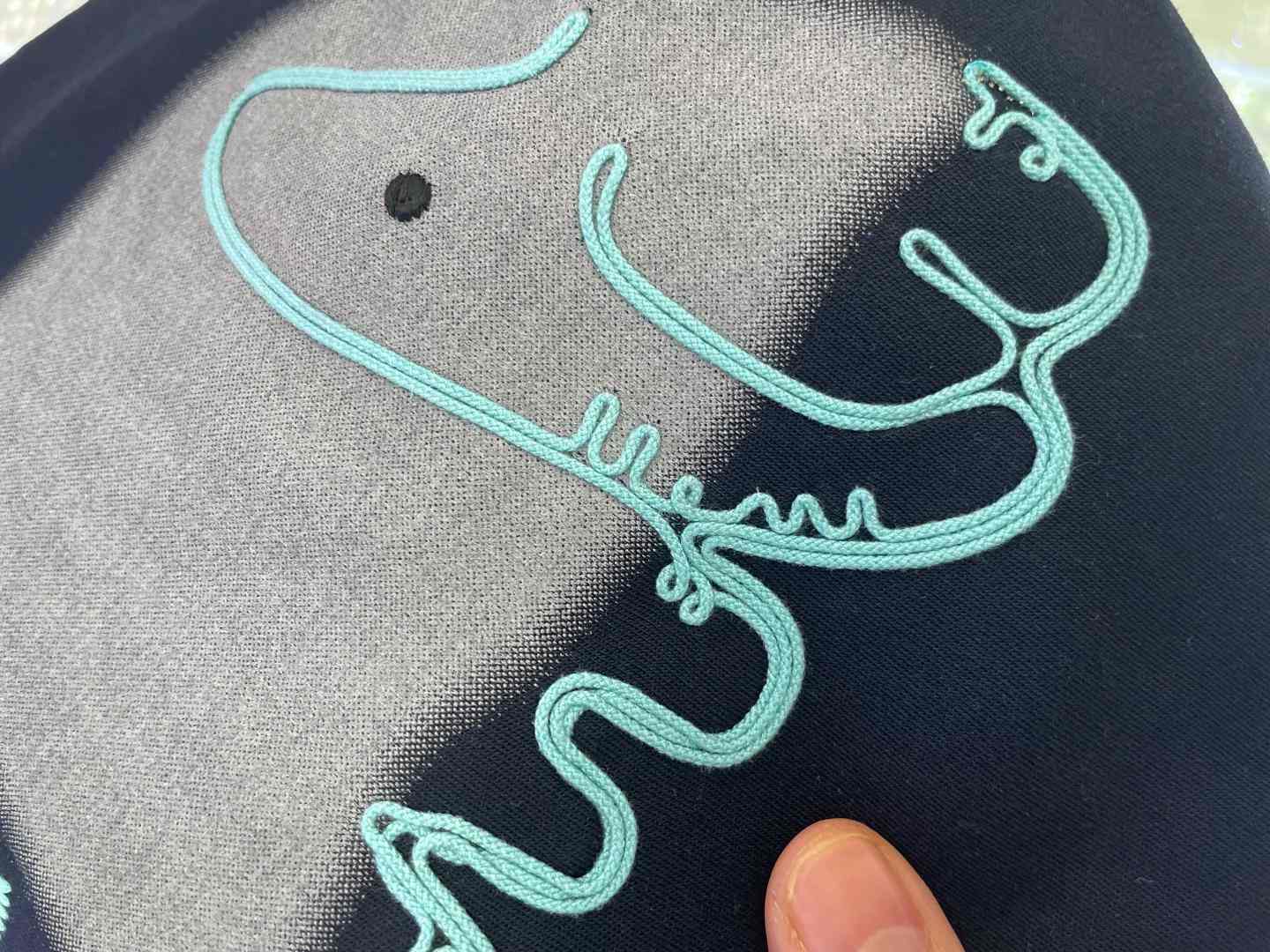
Eyelet Embroidery
Eyelet embroidery punches decorative holes bordered by stitching into fabric, creating airy, textured patterns on shirts, lightweight jackets and summer menswear. Adds breathability and visual interest to woven garments. Ideal for warm-weather collections, resort wear and contemporary big & tall menswear requiring functional and aesthetic detailing.
Get a Quote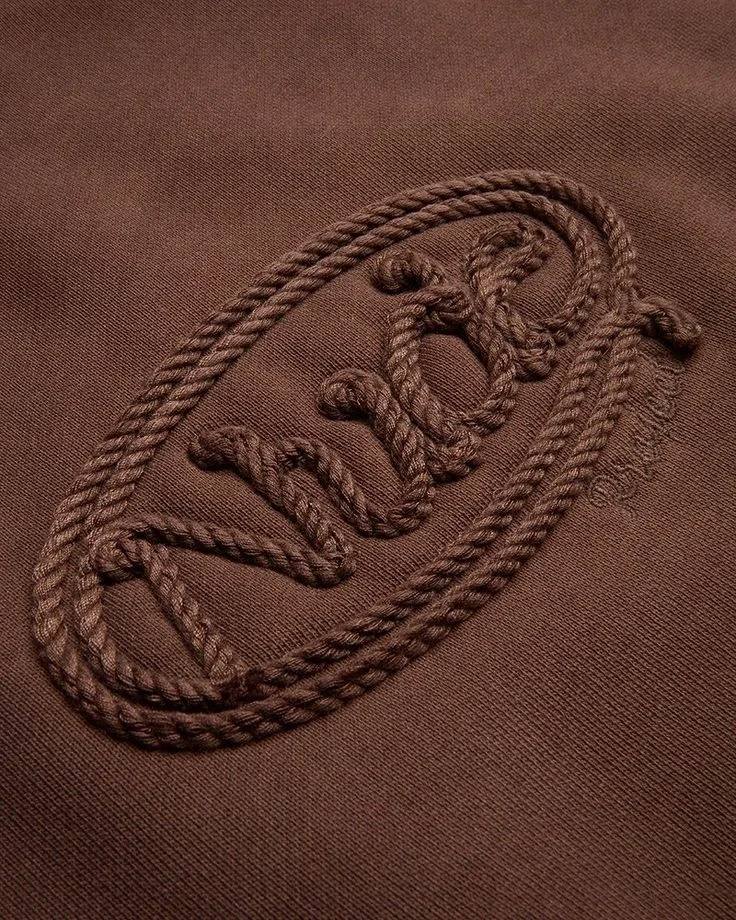
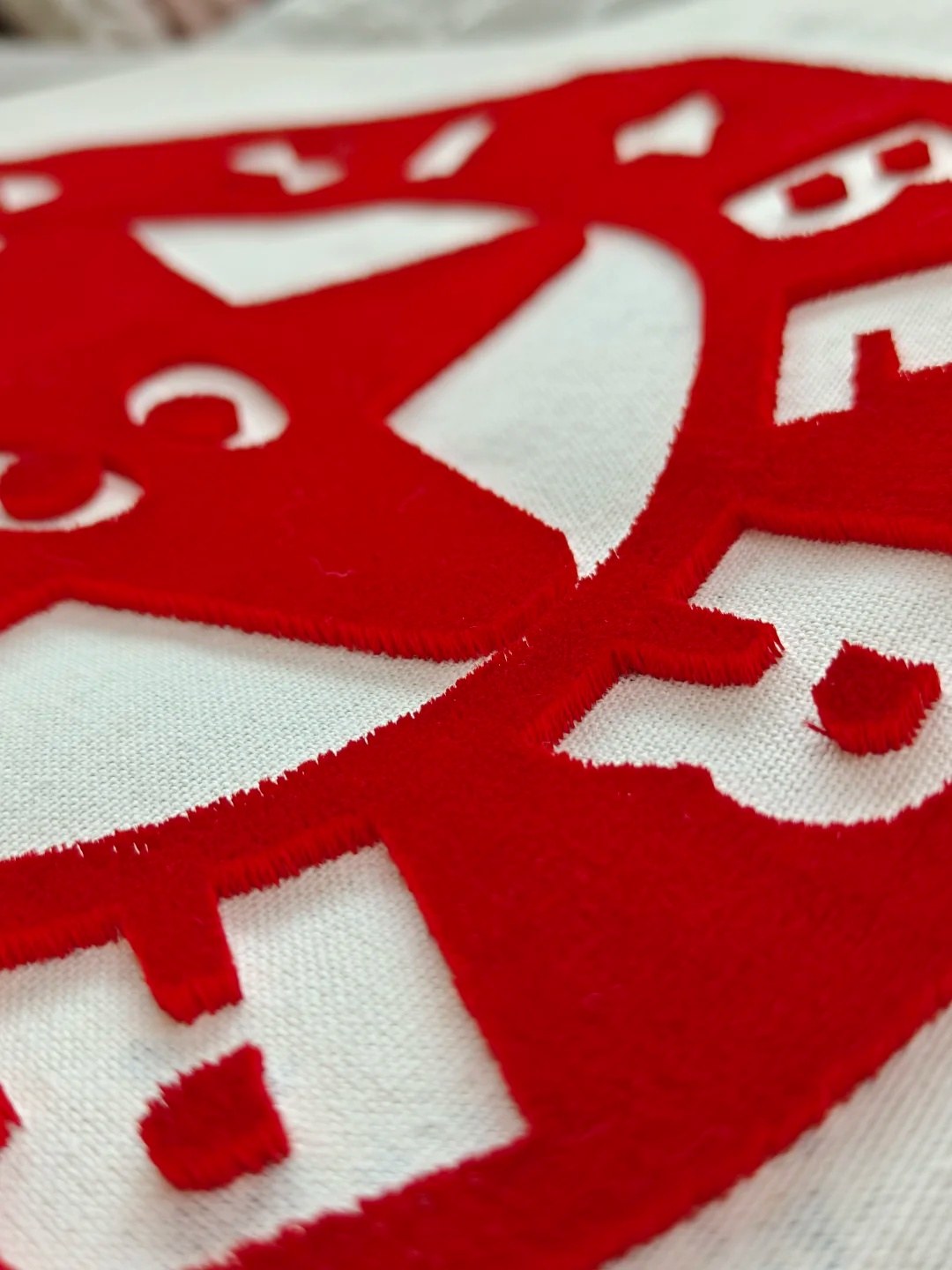
Applique Embroidery
Applique embroidery layers fabric shapes secured with stitching to create bold, multi-textured logos, patches and graphics on hoodies, jackets, t-shirts and caps. Combines fabric and thread for dimensional branding with reduced stitch count and faster production. Perfect for varsity styles, streetwear and big & tall collections requiring standout visual identity.
Get a Quote
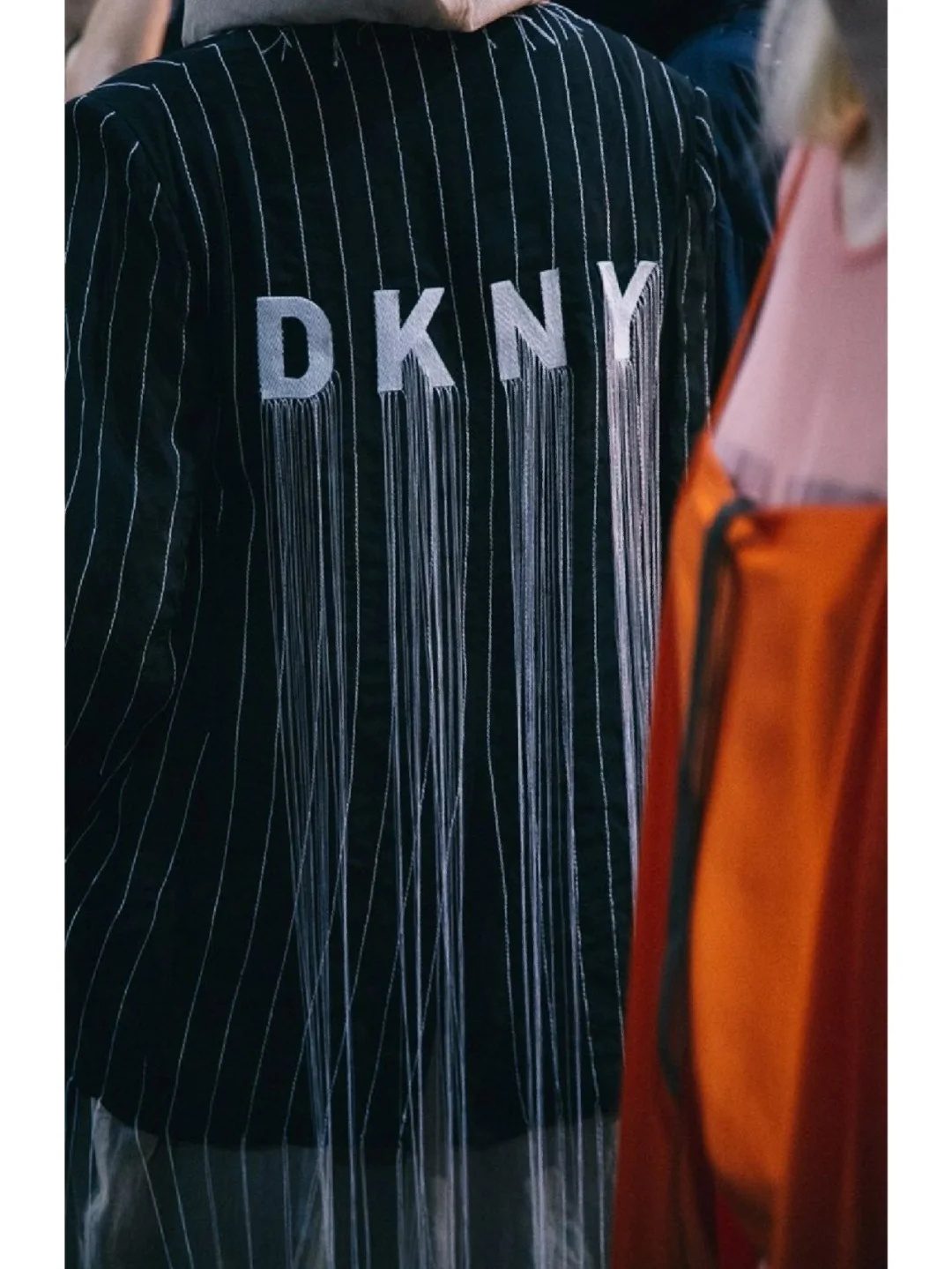
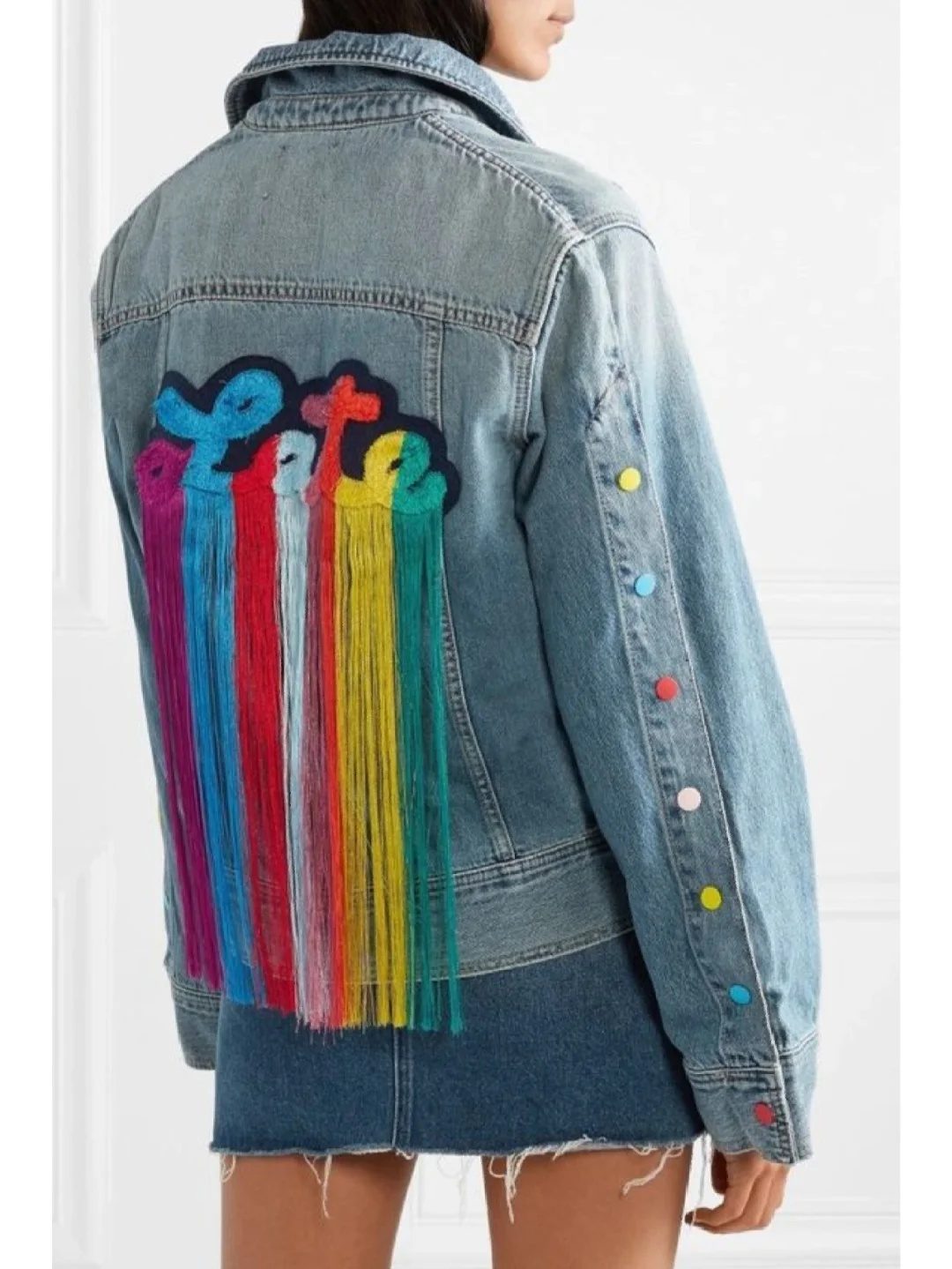
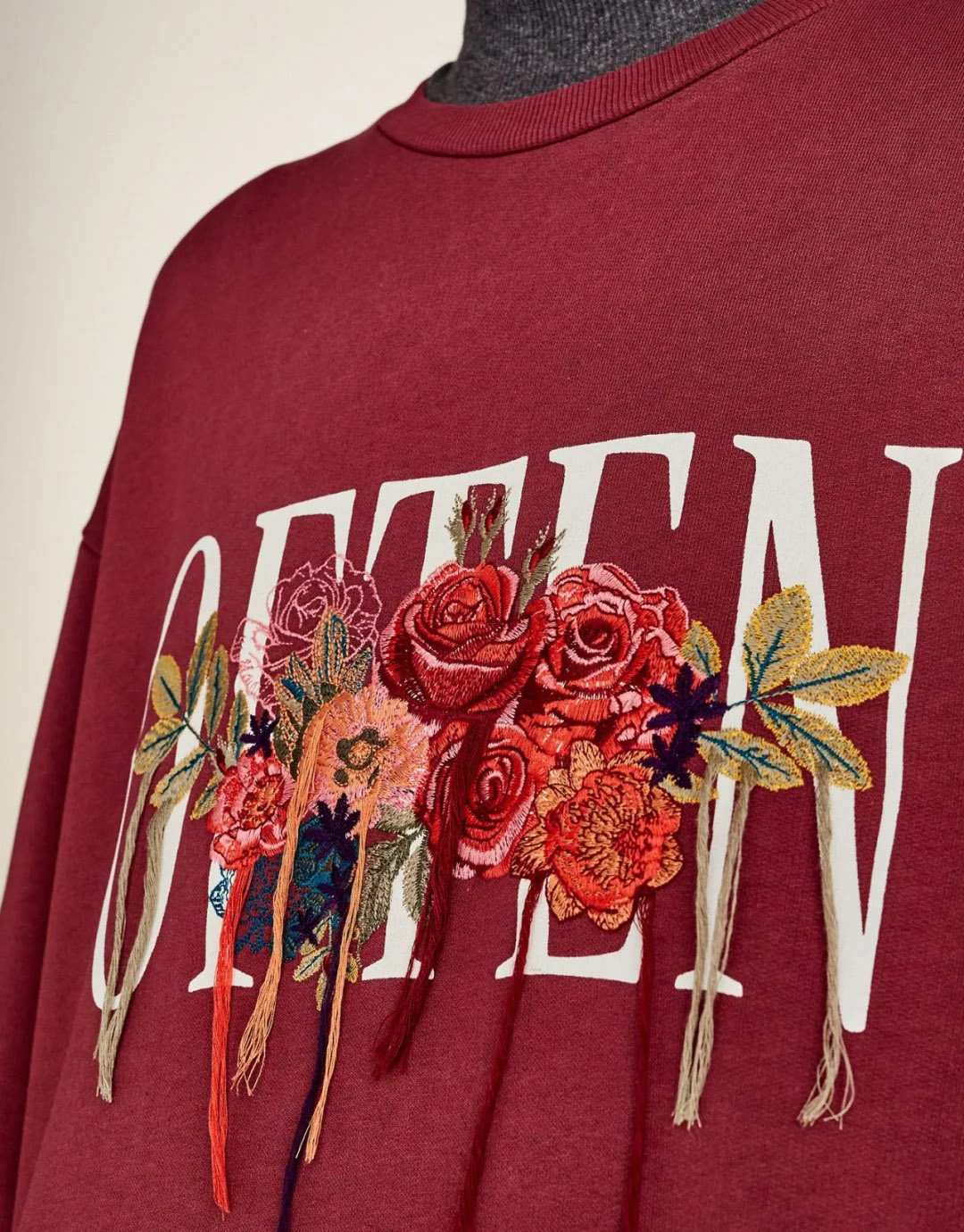
Tassel Embroidery
Tassel embroidery adds decorative hanging thread elements to garments and accessories for movement and texture. Applied to jacket hems, hoodie drawstrings, caps and custom details. Suitable for premium streetwear, limited-edition collections and fashion-forward big & tall menswear seeking unique, artisan-inspired embellishment with cultural or contemporary flair.
Get a Quote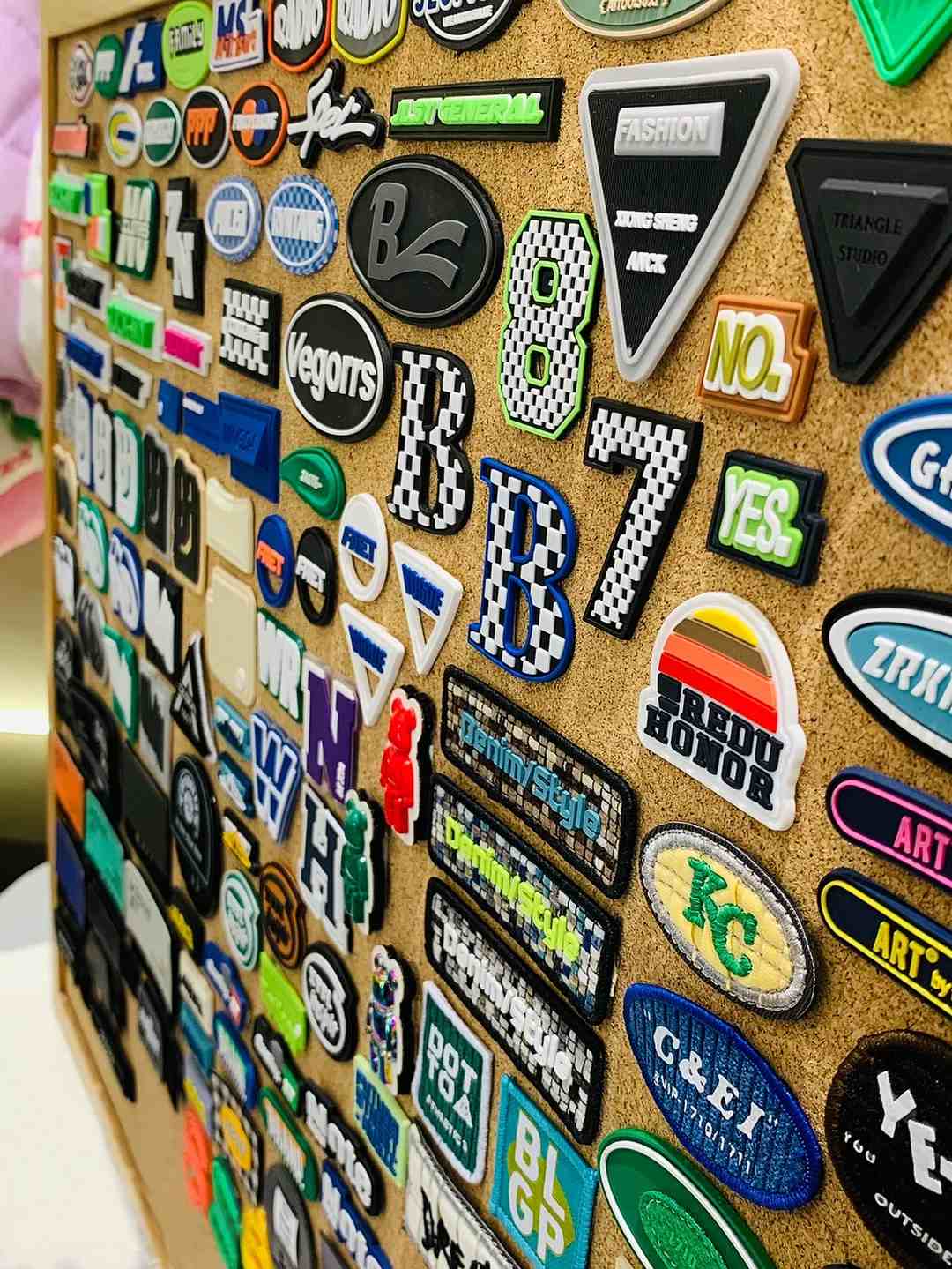
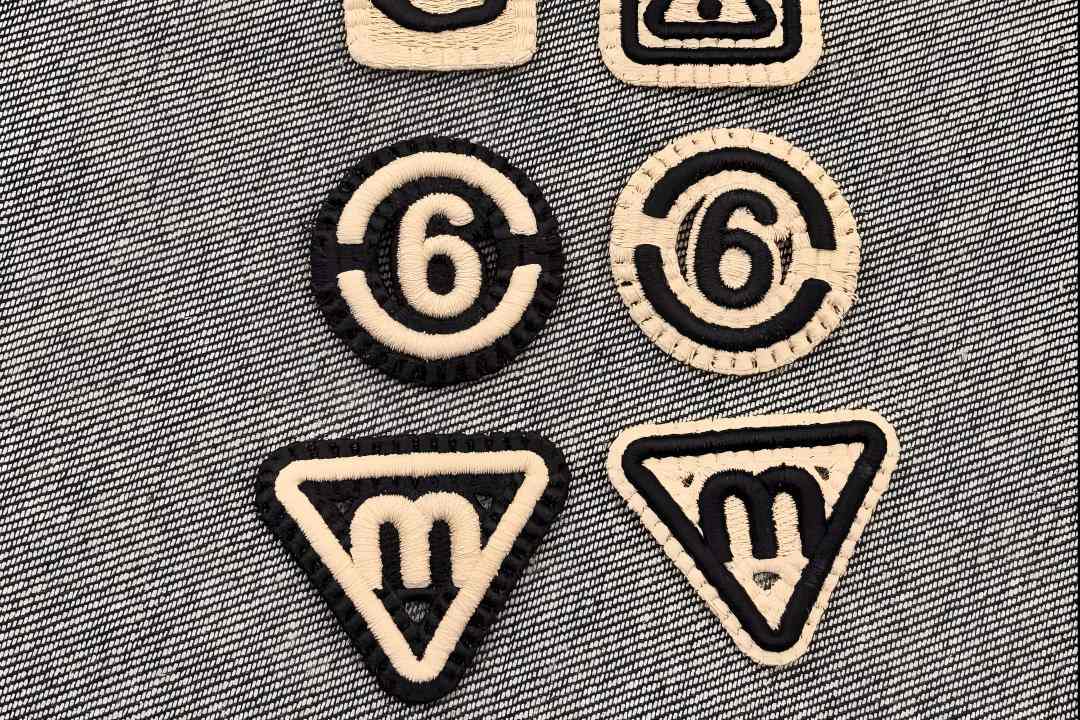
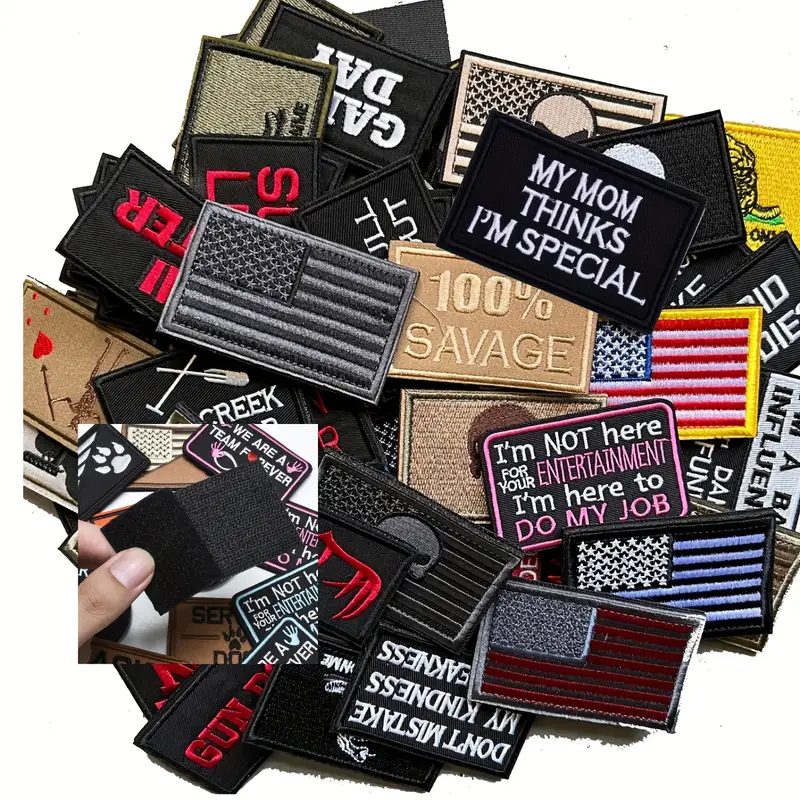
Custom Embroidery Patches
Custom embroidered patches are designed, produced and applied in-house for jackets, workwear, caps, hoodies and uniforms. Available as sew-on, iron-on or Velcro-backed in any size, shape and thread color. Ideal for branding, team identity, limited releases and big & tall collections requiring removable or interchangeable detailing with professional finish.
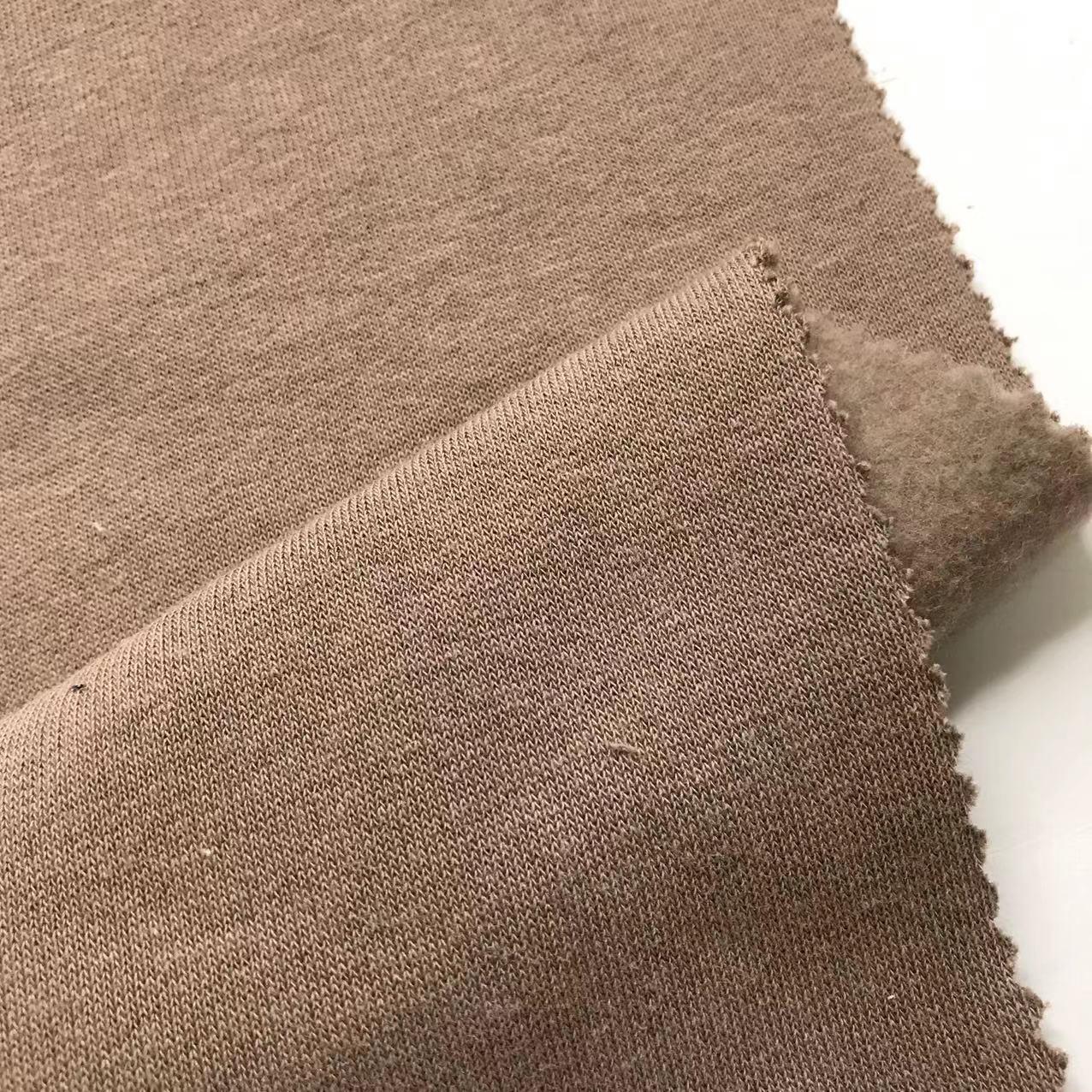
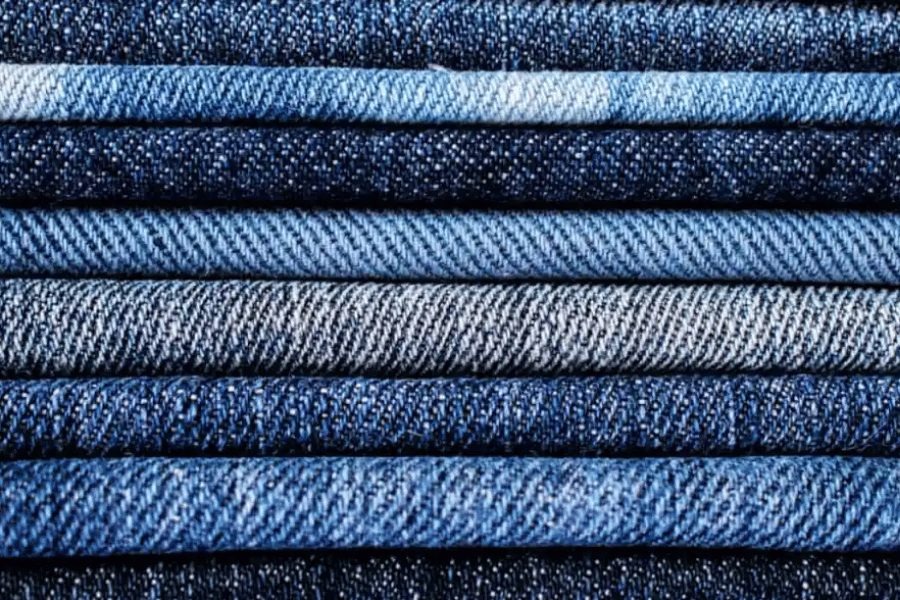
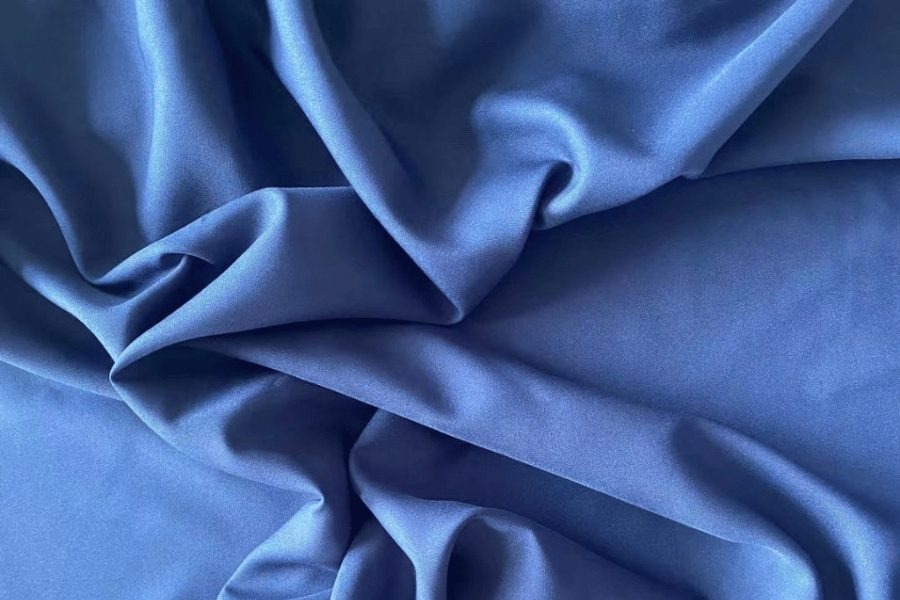
Get a QuotePremium Fabrics for Big & Tall Menswear Manufacturing
Full-Service Decoration Techniques for Big & Tall Menswear
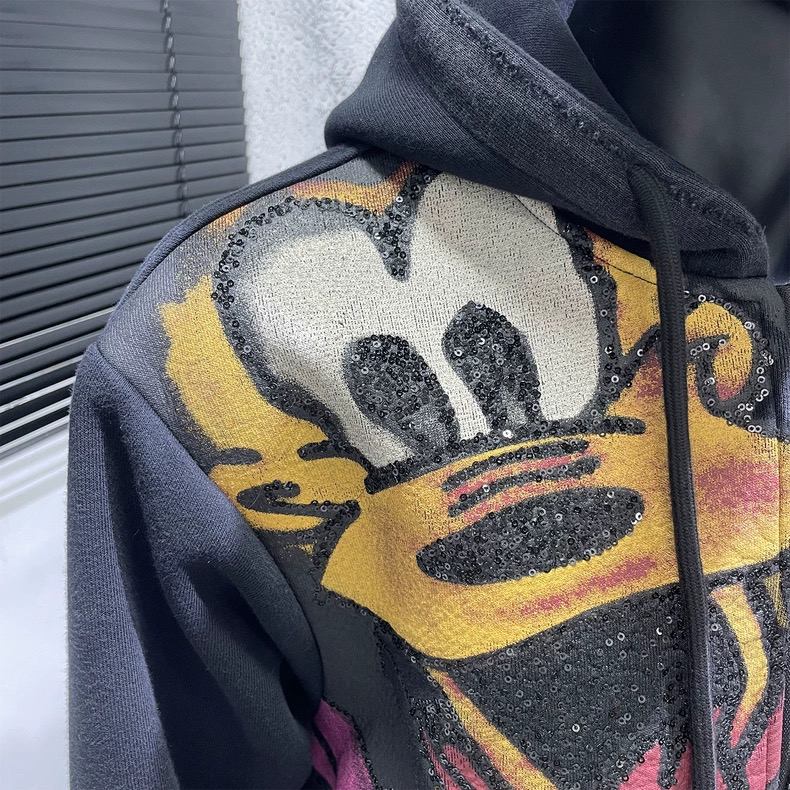
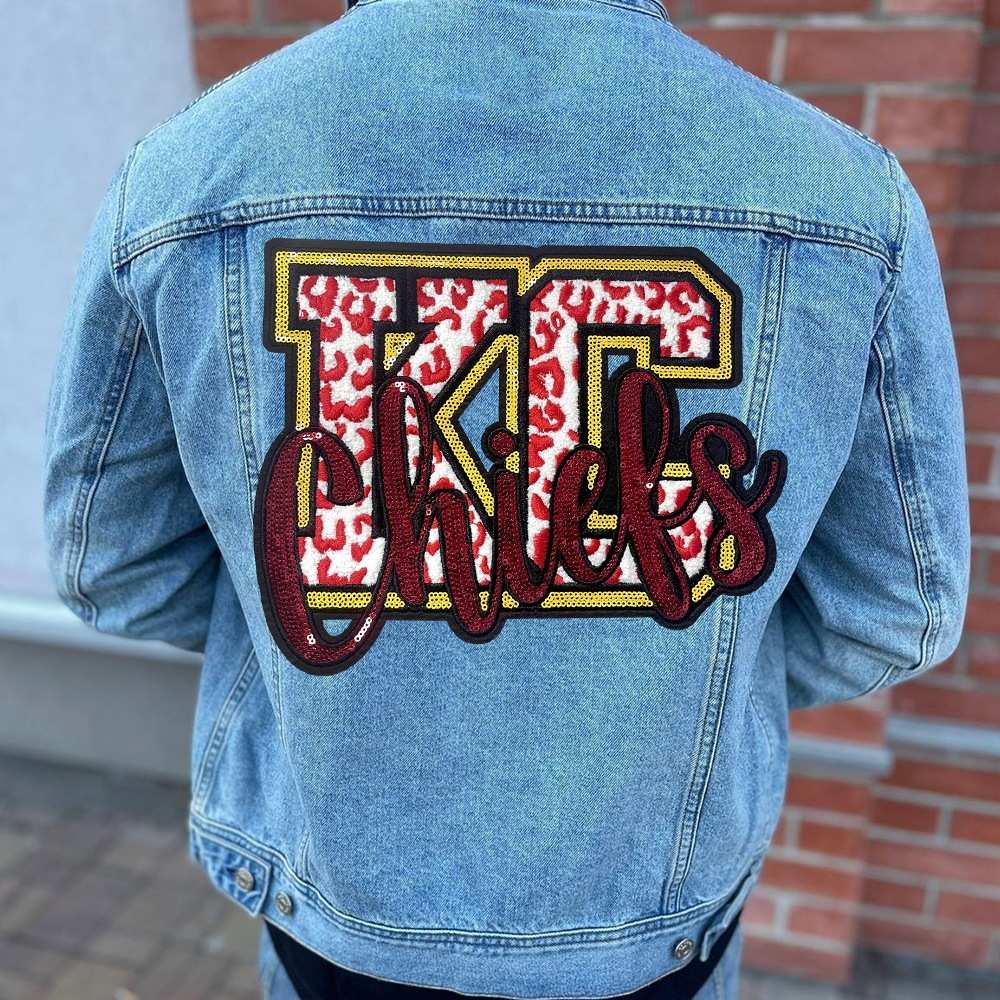
Chain-Stitch & Appliqué
Chain-stitch delivers vintage, looped texture for retro athletic looks, while appliqué layers cut fabric beneath embroidery for rich color blocks and reduced stitch count. Both excel on jackets, varsity pieces and heritage-inspired collections.
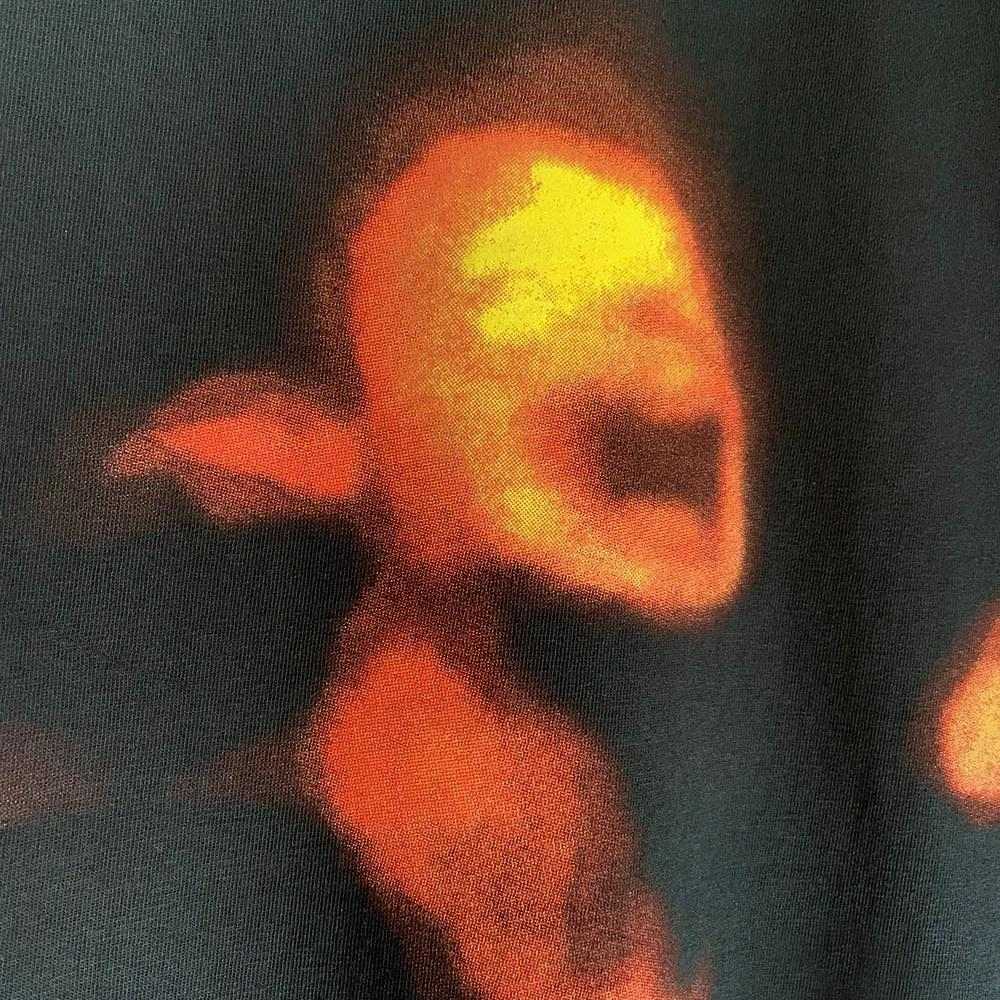
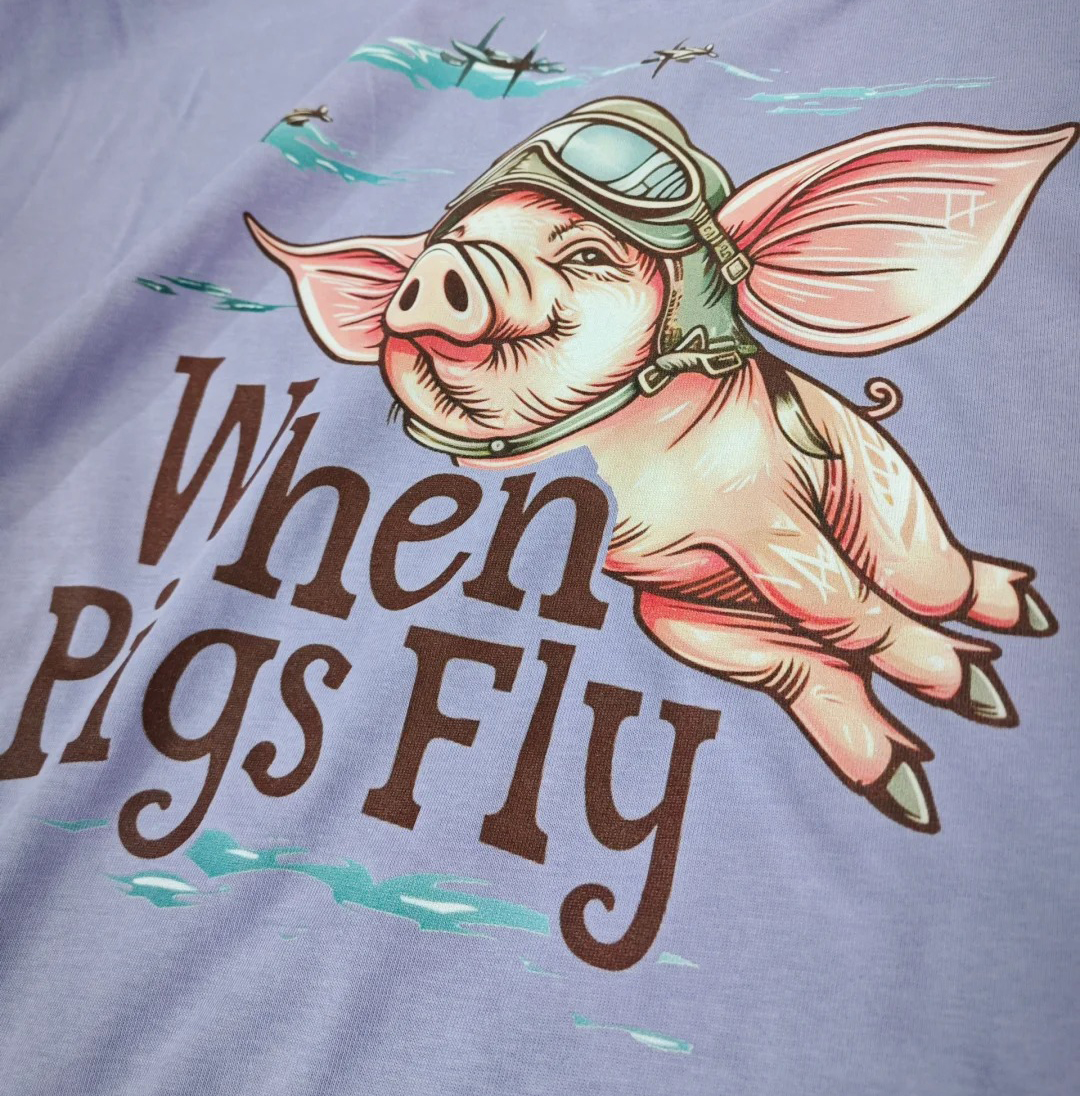
DTG & DTF
Direct-to-garment and direct-to-film digital printing enable full-color photographic detail with no screens or setup fees. Ideal for low-MOQ custom designs, complex artwork, personalization and test launches starting from just 100 pieces per style.
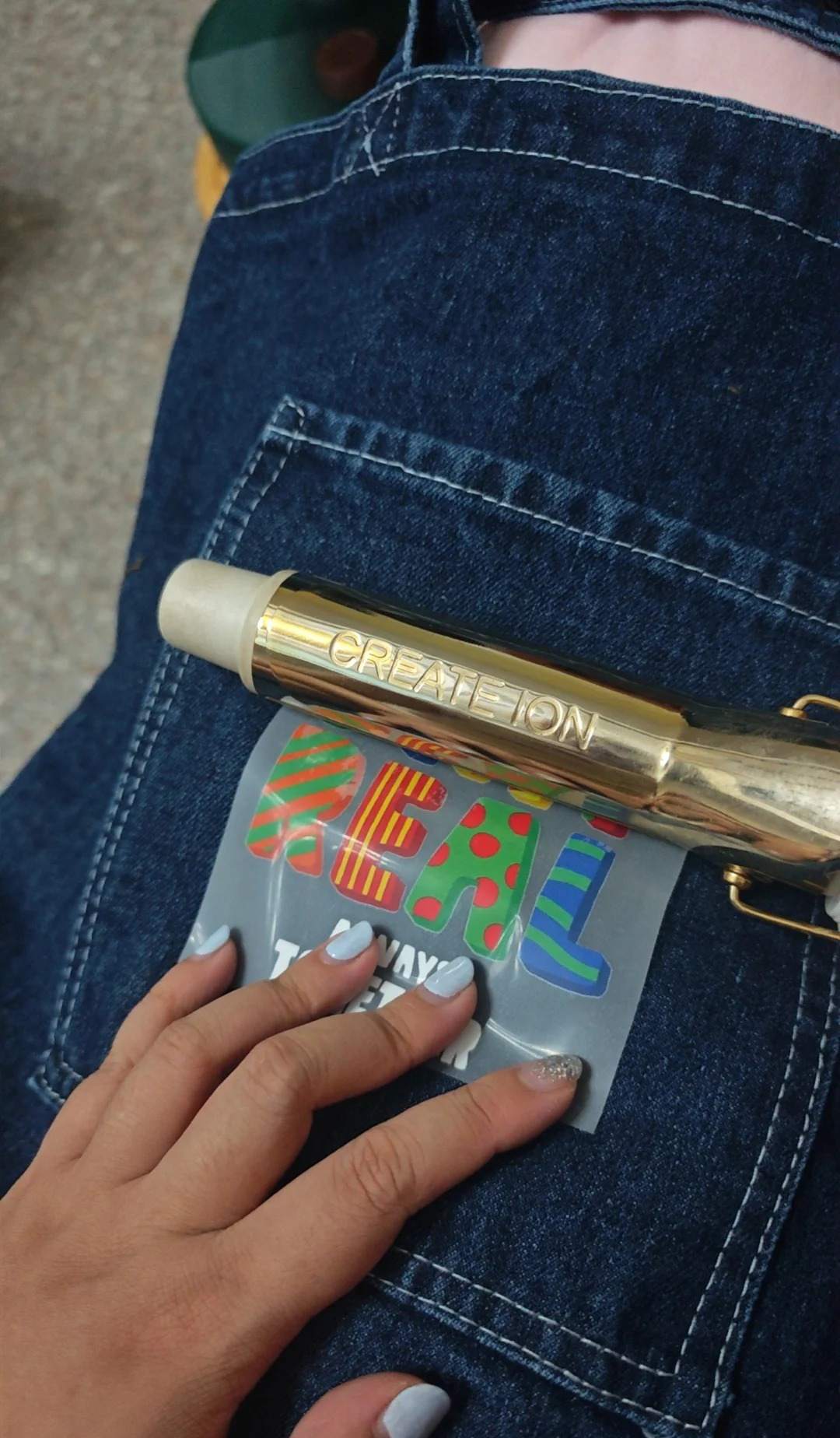
Custom Trims, Labels & Finishing for Big & Tall Collections
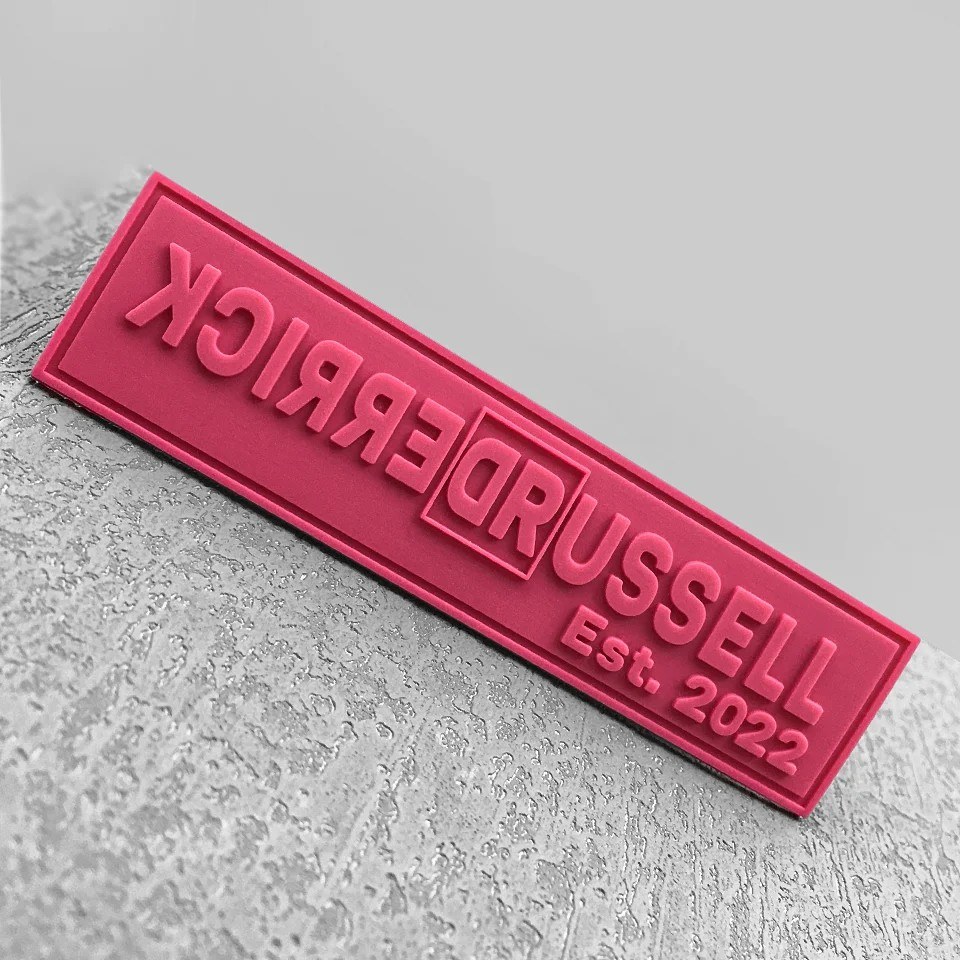
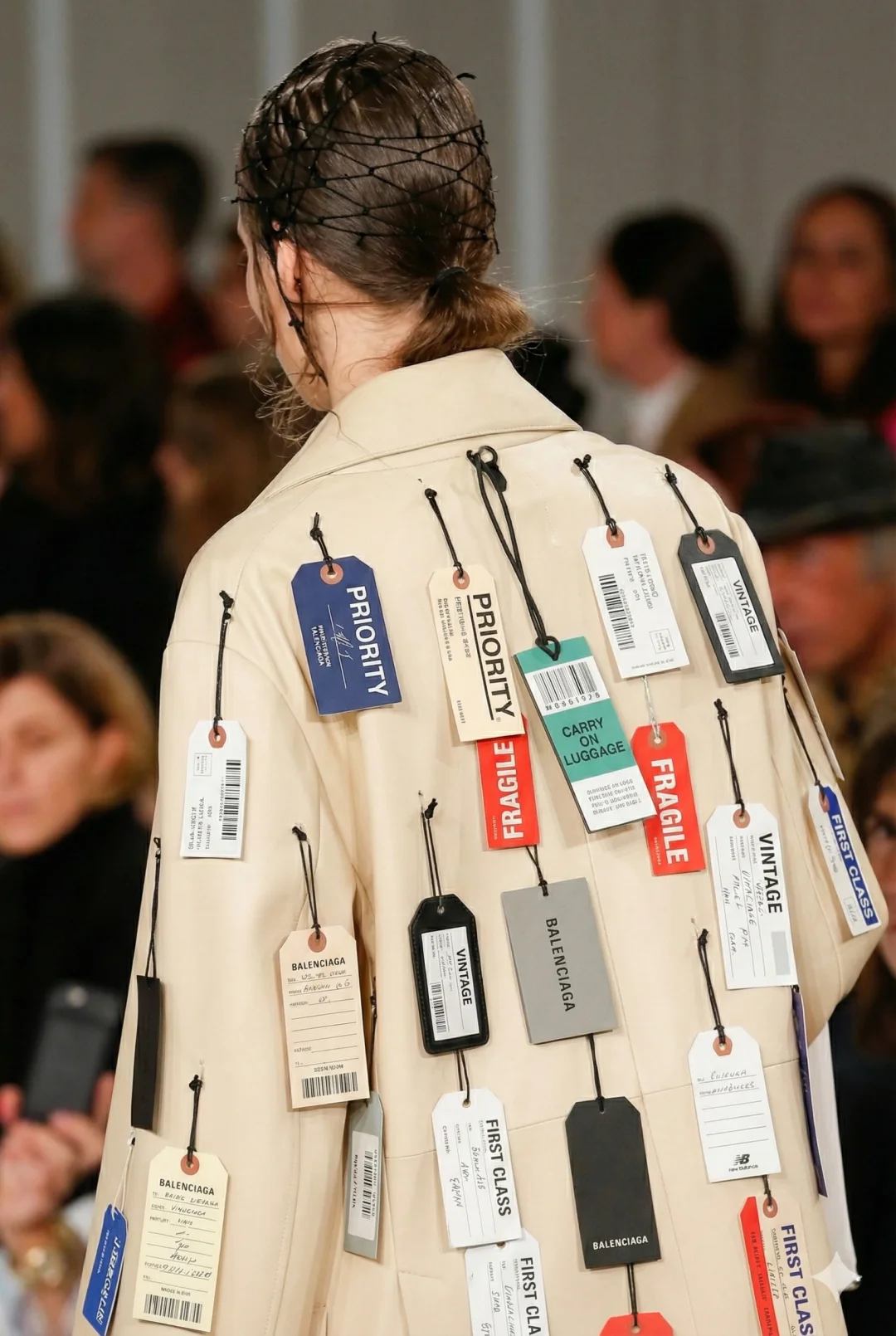
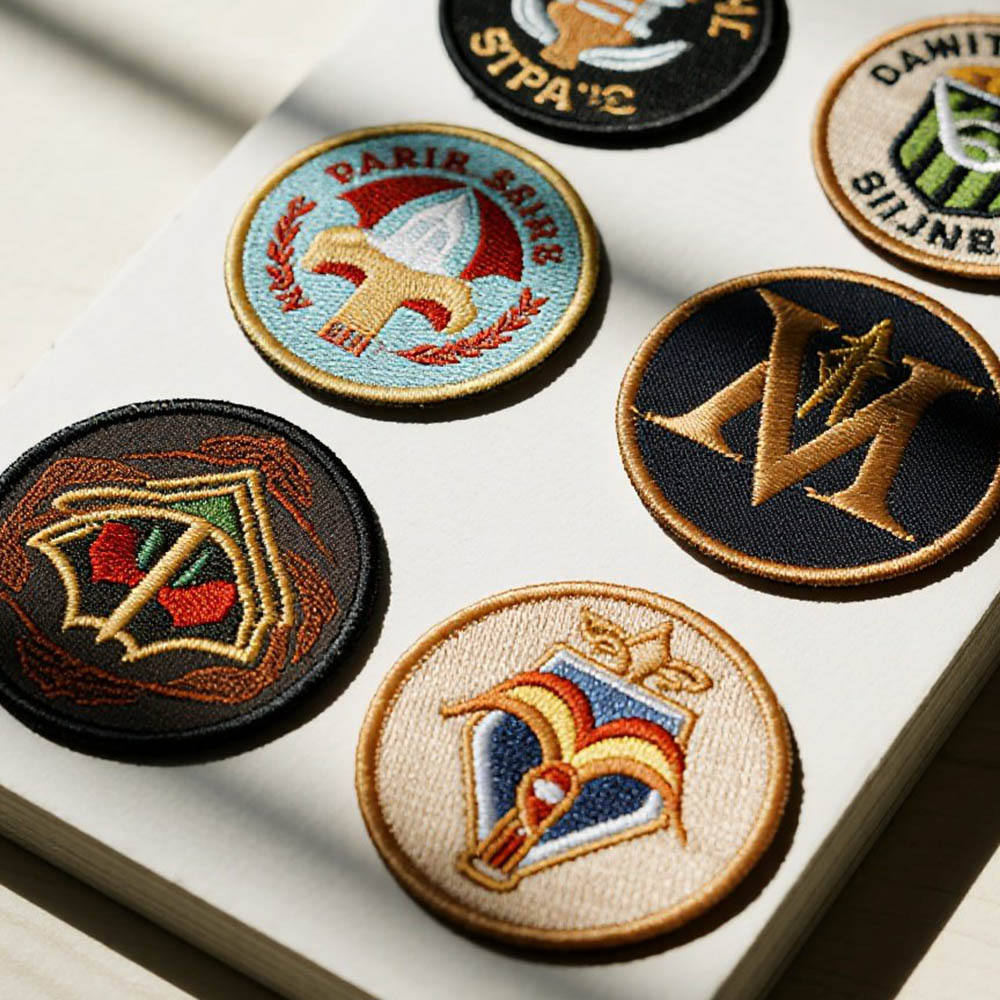
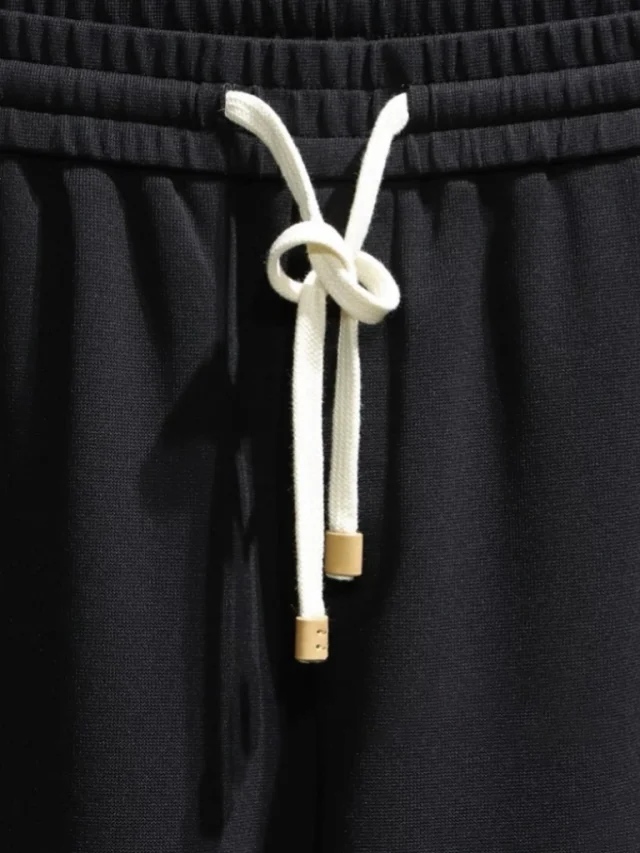
Drawcords & Tipping
Round, flat and rope drawcords in cotton, polyester or blended yarns with metal, plastic or custom-branded aglets and cord locks. Coordinates with embroidered hoods, waistbands and necklines across streetwear and activewear collections.
About MENWILD — 28+ Years of Big & Tall Expertise
Founded in 1998 in Humen, Dongguan — the heart of China’s garment manufacturing hub — MENWILD began as a small family cut-and-sew workshop and has grown into a full-service custom embroidery manufacturer and OEM/ODM partner for big & tall menswear brands worldwide. Today, over 200 skilled employees deliver 80,000+ pieces monthly to clients across the United States, Canada, Europe, Australia and beyond.
What sets MENWILD apart is our specialist focus on true big & tall fit. Most factories simply scale patterns up, but we develop 2XL–6XL garments with extended-size grading built for bigger bodies — longer rises, proper sleeve lengths and proportions that actually work. Combined with full in-house embroidery, screen printing, DTG, DTF and finishing, we’re a one-stop manufacturing partner, not just a supplier.
We’ve served over 2,000 fashion brands with flexible MOQs from 100 pieces per style, supporting startups, independent designers, wholesalers and established labels at every stage. Whether you bring a finished tech pack or just an idea, our design and sampling team turns concepts into production-ready embroidered menswear with speed, quality and fit-first expertise.
Full-Service Big & Tall Manufacturing with In-House Decoration
Specialist 2XL–6XL Pattern Grading for Big & Tall
Most factories scale up patterns until proportions collapse. MENWILD engineers extended-size grading from scratch, ensuring embroidered logos, chest placements and sleeve details land exactly where they should on bigger, taller frames across every size from 2XL to 6XL.
- True big & tall pattern blocks developed over 28+ years, not simple grade-ups
- Embroidery placement mapped to real body proportions for each extended size
- Fit samples and size-set approvals before any embroidered bulk production
- Graded tech packs and pattern files kept on record for fast, consistent re-orders
In-House Embroidery and Full Decoration Suite
From flat and 3D puff embroidery to appliqué, sequin, chain-stitch, patches and logo work, MENWILD runs every decoration method under one roof. Combine embroidery with screen printing, DTG, DTF, heat transfer or dye sublimation — all coordinated in-house for speed, quality control and lower cost.
- Flat, 3D/puff, chain-stitch, appliqué, sequin and custom embroidered patches
- Screen printing (plastisol, water-based, puff, discharge, foil, high-density, flocking, silicone)
- DTG, DTF, heat transfer and dye sublimation for full-color graphics
- Multi-technique decoration managed in one facility — no third-party delays
Fast Sampling and Product Development Support
Whether you arrive with a finished tech pack, a sketch, a reference photo or just an idea, MENWILD’s design team transforms concepts into embroidered samples fast. Original design, graded size sets, fabric sourcing and embroidery digitization are all handled in-house to accelerate your launch.
- Design team turns sketches, photos or ideas into production-ready tech packs
- In-house embroidery digitization for logos, graphics and custom artwork
- Fabric swatches and fit samples provided before bulk commitment
- MOQ from just 100 pieces per style/color for risk-free testing and capsule launches
Global Logistics and Flexible Payment Terms
MENWILD ships embroidered menswear worldwide — United States, Canada, UK, Germany, Australia, Russia and the Middle East — with full export documentation and freight coordination. Payment via T/T, PayPal, credit card, USDT or VTB Bank (Russia), with deposit terms easing to 30% for long-term partners.
- Export-ready logistics to North America, Europe, Australia, Russia and the Middle East
- Payment by T/T bank transfer, PayPal, credit card, USDT or VTB Bank channel
- Deposit steps down from 100% (first order) to 30% for established partners
- Patterns, graded sizes and fabric records stored on file for seamless re-orders
MENWILD vs. Standard Custom Embroidery Manufacturers
Most embroidery suppliers treat big & tall as an afterthought and demand high minimums. MENWILD is built differently — specialist extended-size grading, flexible MOQ, full in-house decoration and 28 years of proven menswear expertise.
← 左右滑动查看 →
How Your Custom Embroidery Manufacturer Brings Designs to Life
MENWILD’s proven six-phase production process ensures every embroidered piece meets your fit, quality and decoration standards — from initial tech pack through global delivery.
Design & Tech Pack Development
Submit your tech pack, sketch or idea. Our design team refines garment specs, embroidery placement, thread colors and 2XL–6XL grading for big & tall fit.
Fabric Sourcing & Swatches
We source fabrics from trusted Chinese mills — cotton, fleece, denim, twill or performance knits — and send swatches for your approval before sampling.
Sampling & Embroidery Setup
Receive pre-production samples with flat, 3D puff, chain-stitch or appliqué embroidery. Refine fit, decoration and trims until you approve for bulk production.
Bulk Production & In-Line QC
Cut-and-sew and embroidery lines run your order with real-time quality checks. Monthly capacity exceeds 80,000 pieces; MOQ starts at just 100 per style/color.
Garment Finishing & Decoration
Apply final embroidery, screen printing, patches, garment wash, custom labels, hang tags and packaging — all in-house for consistent quality and fast turnaround.
Final Inspection & Export Logistics
Every garment passes final QC before packing. We handle export documentation and global shipping, delivering your embroidered collection ready to sell.
How to Partner with a Custom Embroidery Manufacturer
From inquiry to embroidered delivery, MENWILD’s streamlined process gets your big & tall collection to market fast — with low MOQ, specialist grading and full decoration support.
Submit Your Inquiry & Tech Pack
Share your embroidery concept, garment specs or reference images. Our team reviews your requirements and confirms feasibility, decoration techniques and 2XL–6XL fit options within 24 hours.
Review Quote & Order Sample
Receive a detailed quote covering fabric, embroidery, grading and MOQ from 100 pieces. Approve pricing, then we produce your embroidered sample with actual thread and placement.
Approve Sample & Place Order
Inspect the embroidered sample for quality, fit and design accuracy. Request revisions if needed, then confirm your bulk order with flexible deposit terms starting at 30–100%.
Production, QC & Global Shipment
We cut, sew, embroider and finish your garments under strict in-line quality control. Once approved, your collection ships worldwide with full export documentation and tracking.
Certified Custom Embroidery Manufacturer You Can Trust
What Our Custom Embroidery Manufacturer Partners Say
MENWILD’s embroidery precision on our 3XL–5XL hoodies is flawless. We went from concept to approved sample in 11 days, and the puff embroidery held perfectly through wash testing. Our re-order rate jumped 34% since switching.
Finding a manufacturer that understands big & tall fit and delivers sharp chain-stitch embroidery at 150-piece MOQs changed our business. Three years in, every collection launches on time and our return rate dropped to under 2%.
The embroidery team nailed our intricate logo on heavyweight twill jackets in 4XL–6XL. Placement was consistent across all sizes, and their in-house quality control caught a thread tension issue before bulk production. True partners.
Frequently Asked Questions About Custom Embroidery Manufacturing
What is the minimum order quantity with a custom embroidery manufacturer?
How long does it take to receive embroidery samples and bulk orders?
Do you charge for samples when working with a custom embroidery manufacturer?
What embroidery techniques does your custom embroidery manufacturer offer?
What payment methods does a custom embroidery manufacturer accept?
How do you protect my designs and intellectual property?
Can I customize garment styles, fabrics, and embroidery placement?
What shipping options are available for international orders?
Do you offer embroidery on extended sizes like 2XL to 6XL?
The Complete Buyer’s Guide to Choosing a Custom Embroidery Manufacturer
Navigate the custom embroidery landscape with confidence. This guide delivers a proven decision framework, essential supplier criteria, quality benchmarks, and the most common mistakes fashion brands make when selecting an embroidery partner—so you can source smarter and scale faster.
1. What Is a Custom Embroidery Manufacturer?
A custom embroidery manufacturer is a specialized production partner that converts brand artwork into stitched decoration on finished garments, typically using multi-head commercial machines capable of flat, 3D puff, chain-stitch, appliqué, sequin and patch embroidery. Unlike screen printing or DTG, embroidery delivers a tactile, premium finish that withstands 50+ industrial washes without cracking or fading, making it the preferred choice for logos, monograms and branding on polos, caps, outerwear and workwear.
Three service models dominate the landscape: in-house decoration shops that embroider garments you supply, contract embroiderers who handle only stitching and digitizing, and full-service garment manufacturers offering embroidery as part of a complete cut-and-sew, decoration and fulfillment package. MENWILD operates in the third category, digitizing vector or raster files, sourcing thread from trusted mills, grading embroidery placement across 2XL–6XL size sets, running inline quality checks and shipping decorated garments direct to your warehouse or customers.
Buyers should expect logo digitizing, Pantone-matched thread selection, sample approval, per-garment stitch-count estimates and post-production quality control as standard services within any reputable custom embroidery manufacturer partnership.
2. The Evolution of Custom Embroidery in Menswear
Hand-stitched military insignia and family crests defined embroidery for centuries, with each piece requiring hours of skilled labor and commanding premium prices. By the 1980s, single-head computerized machines began replacing manual pantographs, but true scalability arrived in the 1990s when digital digitizing software and multi-head machines — often 6, 12, or 15 heads running simultaneously — slashed turnaround from weeks to days and dropped MOQs from 500+ to under 200 pieces per design.
Contract embroidery exploded in the 2000s as streetwear brands and corporate-apparel programs demanded logo decoration at volume. Multi-head Tajima, Barudan, and ZSK machines became the industry standard, pushing monthly capacity into the tens of thousands while maintaining stitch precision within ±0.5 mm.
Today’s custom embroidery manufacturers offer 3D puff, appliqué, sequin, and chain-stitch techniques that were once reserved for luxury tailoring, now accessible at MOQs as low as 100 pieces. Automated thread-trimming, color-change systems, and cloud-based digitizing have cut sample lead times to 5–7 days and enabled same-pattern re-orders in under two weeks.
3. Types of Custom Embroidery Manufacturer Services
Custom embroidery manufacturer services fall into four distinct categories, each suited to different stages of brand development and operational models. Understanding these structures helps buyers match partner capabilities to their sourcing workflow, inventory strategy, and quality expectations.
Digitizing-Only Bureaus
These specialists convert artwork into machine-readable embroidery files but do not stitch garments. Typical turnaround is 24–48 hours, with fees from $15–$50 per design. Ideal for brands that already have embroidery equipment or work with multiple contract stitchers and need consistent file standards across vendors.
Standalone Embroidery Contractors
Contract embroiderers receive cut-and-sewn blanks from clients or third-party factories, stitch logos, then return finished goods. MOQs range from 50–500 pieces; lead times span 7–14 days. Quality control focuses solely on stitch work, not garment construction. Best for brands with established cut-and-sew partners seeking decoration only.
Vertically Integrated Cut-and-Sew Factories with In-House Embroidery
Factories like MENWILD combine pattern development, cutting, sewing, and embroidery under one roof. MOQs start at 100 pieces per style/color, with 25–35 day lead times from sampling to shipment. Single-source quality control covers fabric, construction, and decoration. Ideal for brands prioritizing fit consistency, extended sizing, and streamlined communication.
Full-Package Manufacturers
These partners source blank garments, embroider per spec, and handle fulfillment. MOQs typically begin at 500–1,000 units; lead times run 30–45 days. Quality oversight depends on the manufacturer’s supply-chain relationships. Suited to retailers and wholesalers needing turnkey programs with minimal internal production management.
4. Fabrics and Materials Best Suited for Embroidery
Not every fabric accepts embroidery equally. Stitch density, backing type and fabric structure determine whether a logo stays crisp through wash cycles or puckers after the first wear. Experienced manufacturers match stabilizer weight to fabric stretch and thread count.
| Fabric Type | Recommended Backing | Max Stitch Density | Common Applications |
|---|---|---|---|
| Cotton twill / denim | Tear-away or cut-away | 8,000–10,000/sq.in. | Jackets, caps, chinos, workwear |
| Piqué knit | Medium cut-away | 6,000–8,000/sq.in. | Polo shirts, golf apparel |
| Fleece / French terry | Heavy cut-away + topping | 5,000–7,000/sq.in. | Hoodies, sweatshirts |
| Lightweight jersey | Soft mesh backing | 4,000–6,000/sq.in. | T-shirts, oversized tees |
| Performance polyester | Water-soluble or heat-away | 5,000–7,000/sq.in. | Activewear, sports jerseys |
Woven Fabrics: Cotton Twill and Denim
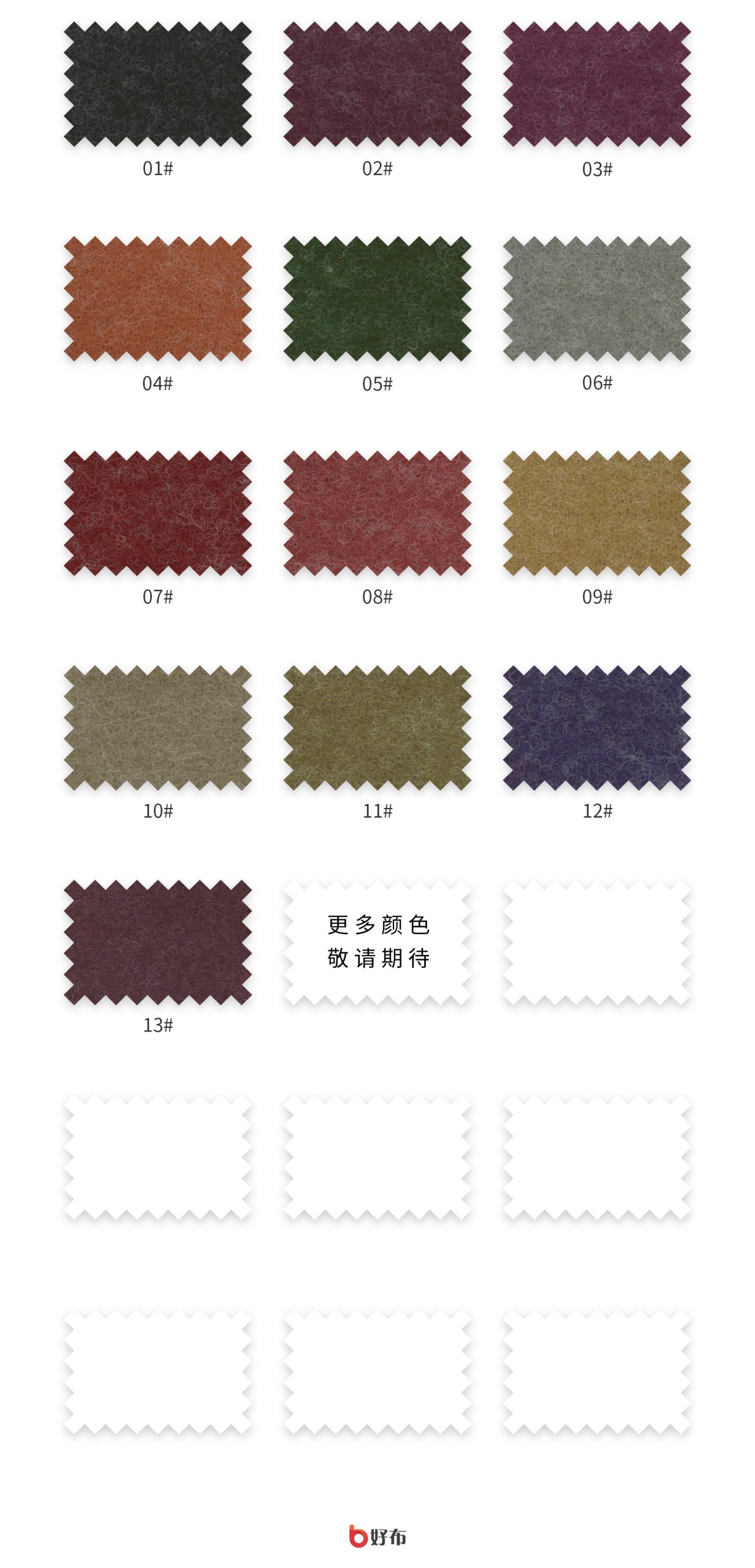
Woven cotton twill and denim provide the most stable embroidery base. Their tight, non-stretch weave anchors stitches without distortion, supporting stitch densities up to 8,000–10,000 stitches per square inch. A light tear-away or cut-away backing prevents puckering on medium-weight twill; heavyweight denim often needs only minimal stabilizer.
Jackets, chinos, caps and workwear use these fabrics because embroidered logos hold detail and withstand industrial laundering.
Knit Fabrics: Piqué, Fleece and Jersey
Piqué knits — common in polo shirts — accept embroidery well when paired with medium-weight cut-away backing that moves with the fabric. Fleece and French terry require heavier cut-away or water-soluble topping to prevent stitches from sinking into the pile. Lightweight jersey stretch demands lower stitch density (4,000–6,000 per square inch) and soft mesh backing to avoid waves.
MENWILD’s embroidery team adjusts underlay stitching and digitizing for each knit weight, ensuring hoodies, sweatshirts and tees maintain shape after decoration.
Performance and Synthetic Fabrics
Performance polyester and poly-blends used in activewear resist needle penetration and require sharp needles, slower machine speeds and water-soluble or heat-away stabilizers. High-stretch fabrics can distort under tension; experienced operators pre-hoop with firm backing and reduce pull compensation in digitizing.
MENWILD sources performance knits from mills across Guangdong and tests embroidery samples before bulk runs, preventing common issues like hoop burn and stitch registration drift on moisture-wicking garments.
5. Customization and Decoration Techniques Beyond Basic Embroidery
A custom embroidery manufacturer offering only flat thread work leaves half the brand-building toolkit unused. Advanced techniques — 3D puff, appliqué, chenille, specialty threads and mixed-media layering — deliver texture, depth and retail differentiation that flat embroidery cannot match.
| Technique | Visual Effect | Cost vs. Flat | Best Placements |
|---|---|---|---|
| 3D Puff | Raised 3–5 mm dimension | 1.3–1.6× | Caps, chest, sleeves |
| Appliqué | Fabric patch texture | 0.9–1.3× | Varsity jackets, back yokes |
| Chenille | Plush looped surface | 1.8–2.2× | Letterman jackets, patches |
| Metallic Thread | Reflective shimmer | 1.2–1.4× | Luxury logos, cuffs |
| Mixed Media | Layered depth | 1.5–2.0× | Chest, back graphics |
3D Puff and Appliqué Embroidery
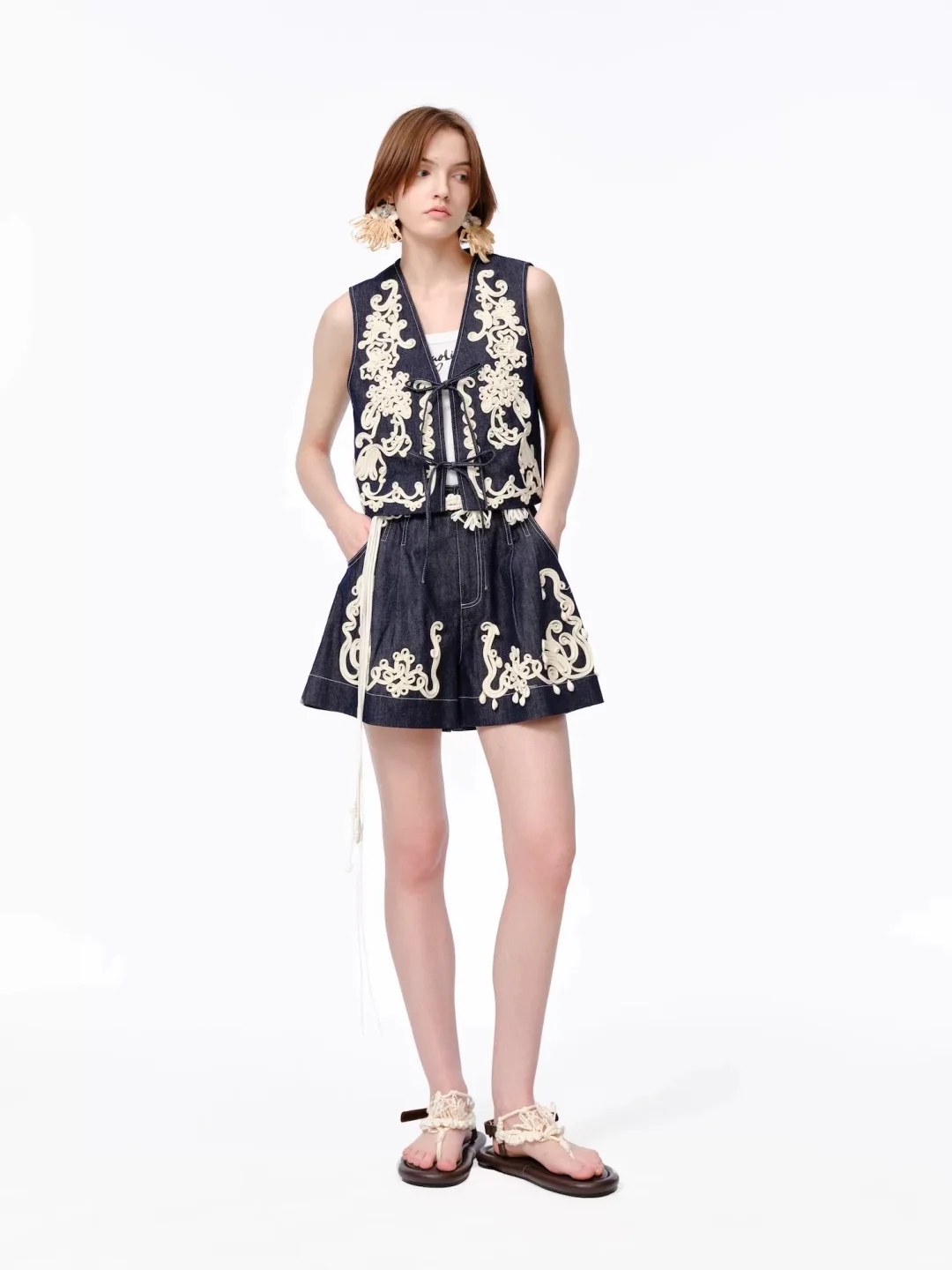
3D puff places foam beneath stitches; heat expands the foam to raise logos 3–5 mm, creating bold dimension on caps, hoodies and jackets. Cost runs 1.3–1.6× flat embroidery.
Appliqué sews fabric patches — twill, felt, leather — onto garments, then locks edges with satin or zigzag stitching. The technique reduces stitch count on large areas, cutting cost and weight while adding texture. Varsity jackets and college-style branding rely on appliqué for heritage appeal.
Chenille, Metallic and Glow Threads
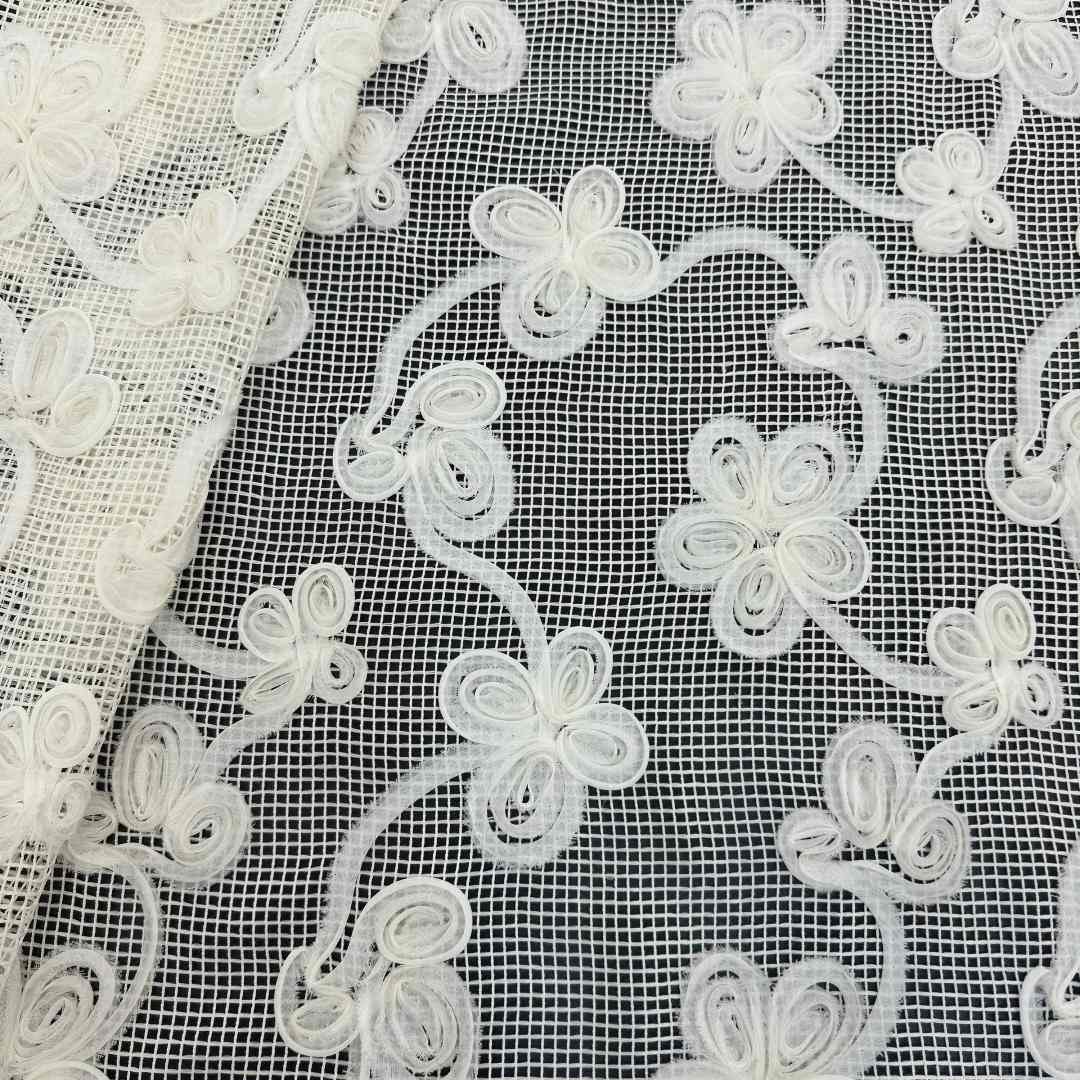
Chenille uses looped thread to form plush, raised letters and monograms — the signature of varsity letterman jackets. Production is slower; expect 1.8–2.2× flat embroidery pricing.
Metallic threads add shimmer for luxury branding; glow-in-the-dark threads suit streetwear and promotional collections. Both require tension adjustments and polyester backing, adding 1.2–1.4× cost and a vector file with thread-color callouts.
Mixed-Media Combinations
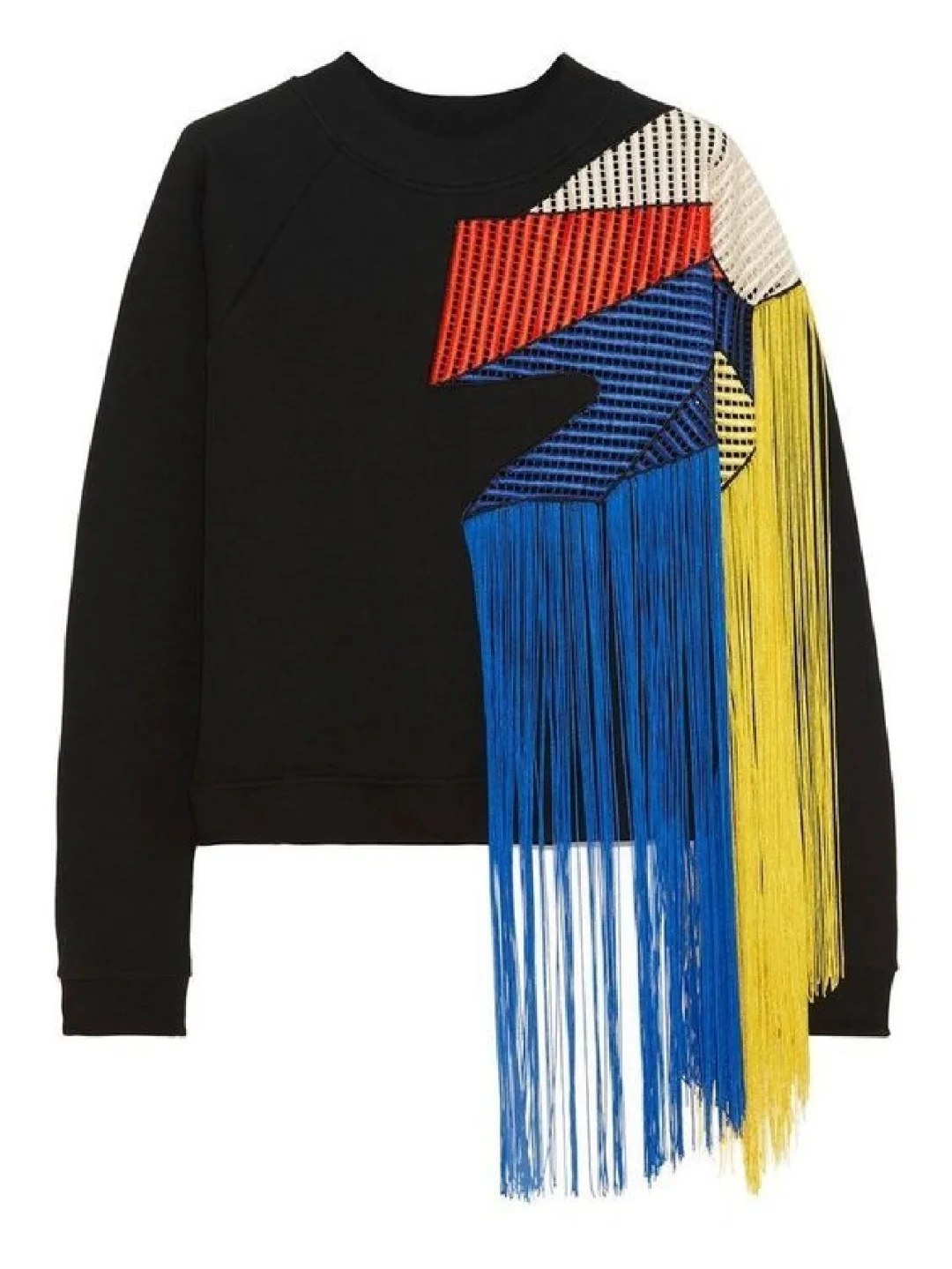
Layering embroidery over screen-printed gradients, foil or discharge ink creates depth impossible with one method alone. A chest logo might combine puff embroidery for the wordmark and metallic screen print for the underlay.
Mixed-media demands tight registration and separate design files per layer. Cost premiums stack — expect 1.5–2× base decoration — but the result commands higher wholesale and retail margins.
6. Key Quality Indicators When Evaluating a Custom Embroidery Manufacturer
Quality embroidery separates a premium garment from a factory second. Before committing to bulk production, verify that a custom embroidery manufacturer meets industry-standard checkpoints for thread work, digitizing precision and fabric handling.
Thread Tension and Underlay Stitching
Consistent thread tension prevents loops on the reverse and puckering on the face. A qualified manufacturer uses proper underlay stitching — foundation rows that stabilize knit and woven fabrics before the top design is applied.
Request close-up photos of both garment face and reverse. Clean back stitching with no bird-nesting indicates calibrated machines and experienced operators.
Hoop Registration and Placement Accuracy
Misaligned logos destroy brand credibility. Hoop registration must hold placement within ±2 mm across a full production run, especially on chest-left logos and sleeve patches.
For big-and-tall garments from 2XL to 6XL, placement coordinates scale with body proportions. A chest logo positioned for Medium will sit too high on a 4XL; experienced manufacturers adjust hoop settings per size grade.
Digitizing Skill and Pre-Production Samples
Digitizing translates artwork into stitch files. Poor digitizing causes skipped stitches, fabric distortion and broken detail. Examine sample photos for sharp letter edges, smooth curves and correct stitch density — typically 4–6 stitches per millimeter.
Always approve a pre-production sample on your chosen fabric and color before bulk. MENWILD provides sample garments so brands verify thread color match to Pantone standards, trim quality with no loose threads, and final scale before committing to an 80,000-piece monthly run.
7. How to Choose the Right Custom Embroidery Manufacturer for Your Brand
Selecting a custom embroidery manufacturer requires evaluating both technical capability and partnership fit. A systematic checklist ensures your logo work scales cleanly across extended sizes and production volumes without distortion or delays.
MOQ Flexibility and Scalability
Start-up brands and capsule collections need low entry thresholds; 100-piece minimums per style/color let you test embroidered designs without tying up capital. Confirm the factory can also scale to multi-thousand-piece runs as your line grows, maintaining consistent stitch density and thread tension across batch sizes.
Machine Capacity and Digitizing
Ask how many embroidery heads the manufacturer operates and whether digitizing is handled in-house or outsourced. In-house digitizing teams respond faster to revisions and understand garment-specific underlay requirements. Verify maximum stitch count per design and turnaround windows from artwork approval to sample delivery.
Extended-Size Experience and Fit
Logo placement on 2XL–6XL chest panels demands adjusted hoop positioning and stitch-path mapping to prevent puckering or distortion. A manufacturer experienced in big & tall menswear will proof embroidery on graded samples, ensuring your crest or script reads cleanly on larger torsos without warping seams or stretching artwork.
8. Common Mistakes Buyers Make When Sourcing a Custom Embroidery Manufacturer
Sourcing a custom embroidery manufacturer is straightforward, but six recurring mistakes can derail quality, timeline and cost control. Brands that recognize these pitfalls upfront negotiate clearer terms and avoid costly re-runs.
Choosing Price Over Quality
The lowest quote often masks inadequate backing, loose tension or inexperienced digitizers. Puckered logos, thread breaks and misaligned repeats emerge after the deposit is paid.
MENWILD uses cut-away and tear-away stabilizers matched to fabric weight and stitch density, ensuring flat, durable embroidery across jersey, fleece and twill.
Submitting Low-Resolution Artwork
Raster images below 300 DPI cannot be digitized cleanly; fine serifs and gradients turn into jagged outlines. Always supply vector files — AI, EPS or high-resolution PDF — and confirm the factory reviews artwork before digitizing begins.
Ignoring Lead Time for Digitizing and Sampling
Digitizing a new logo takes 3–5 days; a physical embroidered sample adds another 5–7 days. Brands that skip this step discover fit or placement issues only after bulk production starts, adding weeks to the schedule.
Not Clarifying Digitized-File Ownership
Some factories retain the DST or PES file and charge a re-digitizing fee if you move production. Negotiate upfront that you own all digitized files, or request a copy after the first bulk order is paid in full.
9. Steps to Launch Your Embroidered Menswear Collection
Launching an embroidered menswear collection requires a structured workflow from artwork to final shipment. Big-and-tall brands face additional validation steps: embroidery scale, placement coordinates and backing stability shift across 2XL to 6XL size runs, making strike-off samples and fit approvals non-negotiable.
Finalize Design, Artwork and Placement Mockups
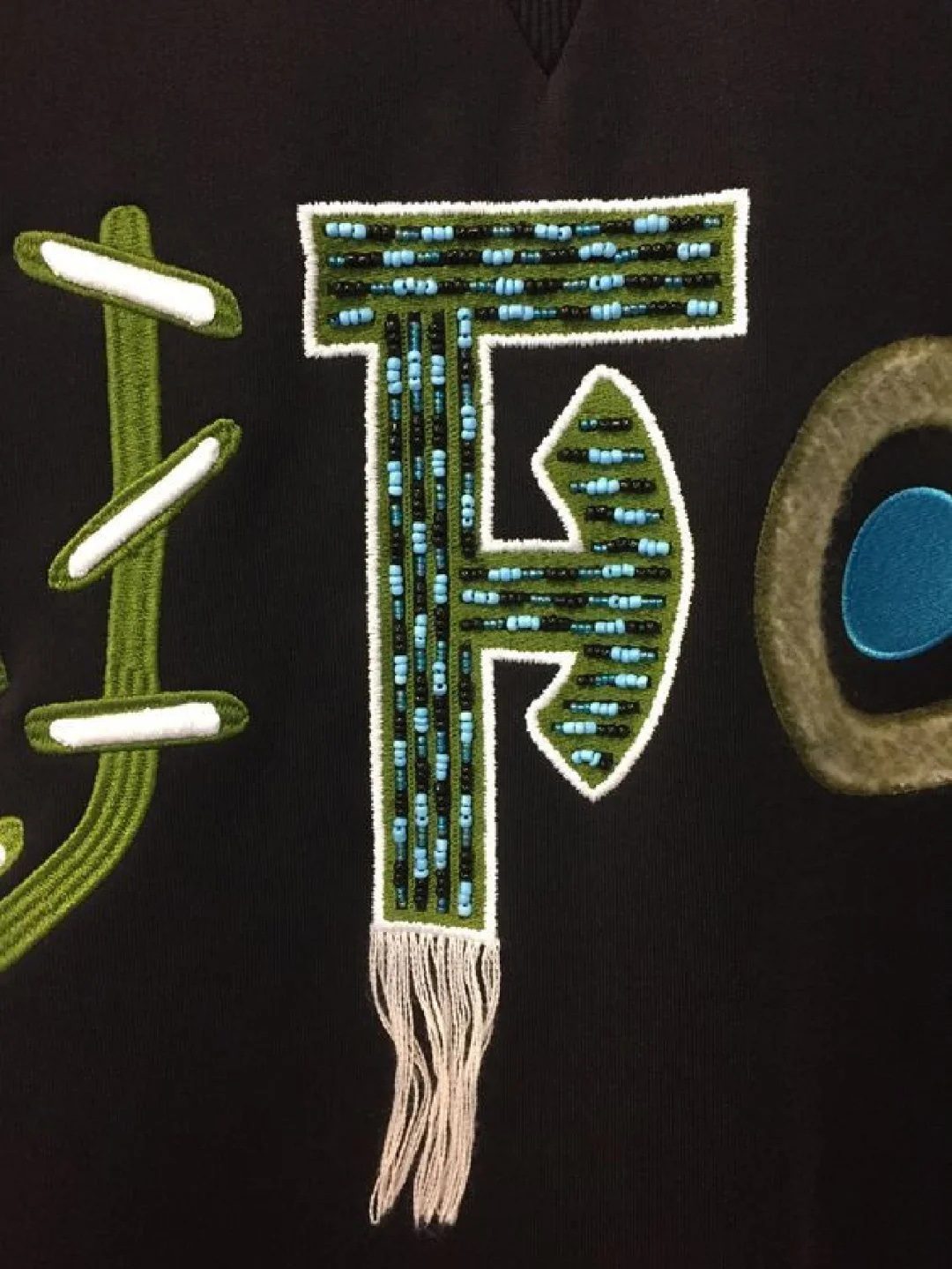
Submit vector artwork in AI, EPS or PDF format with Pantone or thread-color callouts. Specify exact placement coordinates — left chest 7 cm from shoulder seam, back yoke centered 5 cm below collar — because proportional shifts in extended sizes move visual balance. Request digital mockups showing embroidery at actual scale on each size before digitizing begins.
Request Digitizing and Strike-Off Samples
Your custom embroidery manufacturer converts artwork into machine files, selecting stitch type, density and underlay. Order strike-off samples on your chosen fabric and backing — cutaway for stretch knits, tearaway for wovens — to verify thread tension, registration and wash stability. Approve or request density adjustments before bulk digitizing locks in.
Approve Fit and Embroidery Across the Size Run
Request pre-production samples in at least three sizes — typically M, 2XL and 5XL — to confirm that embroidery placement remains proportional and backing does not pucker or pull across larger chest and shoulder spans. Check stitch count consistency, color matching under daylight and edge finish quality on each size before issuing the purchase order.
Issue Purchase Order with Complete Specifications
Your PO must list thread brand and color codes, backing type, placement coordinates per size, stitch count per design and any special finishes like 3D puff or appliqué. Include fabric GSM, garment-wash instructions and trim details. Clear specs prevent mid-production revisions and ensure every re-order matches the approved standard.
Monitor Production and Conduct Final Inspection
Track in-line quality checks at 25%, 50% and 100% completion milestones. Request photos of random units showing embroidery detail, thread trim and backing removal. Conduct a final AQL 2.5 inspection before shipment, verifying stitch integrity, color consistency and that no loose threads or puckering appear across the size range.
Plan Logistics and Prepare for Re-Orders
Confirm shipping method — air for samples and small batches under 100 kg, sea freight for bulk orders above 500 units — and review Incoterms with your manufacturer. Archive approved digitized files, thread charts and graded placement specs so re-orders ship faster without re-sampling, maintaining brand consistency as your collection scales.
10. Pricing and Cost Structures for Custom Embroidery
Most custom embroidery manufacturers price either per thousand stitches (typically $0.50–$1.50) or as a flat per-logo fee ($2–$8), depending on complexity. A simple left-chest logo averaging 5,000–7,000 stitches costs $3–$6 per garment at mid-volume, while back or jacket placements with 15,000+ stitches can reach $10–$15. Thread changes, 3D puff foam and specialty materials add $0.50–$2 per color or layer.
Digitizing fees range from $15 for basic text to $75+ for intricate artwork and are one-time charges; most factories waive the fee on re-orders. Setup costs cover machine programming and are amortized across order size, making per-unit embroidery cheaper as quantity rises.
Lead time shortens with volume: 50-piece test runs require 12–18 days, while 1,000+ orders with locked artwork ship in 7–10 days after sampling. Garment type matters — structured caps and heavyweight outerwear take longer to hoop and stitch than jersey tees, adding 1–3 days and $0.50–$1.50 per unit.
| Quantity Tier | Embroidery Cost per Unit | Digitizing / Setup Fee | Typical Lead Time |
|---|---|---|---|
| 50 units | $5.00–$8.00 | $50–$75 (one-time) | 12–18 days |
| 250 units | $3.50–$5.50 | $50–$75 (one-time) | 10–14 days |
| 500 units | $2.50–$4.00 | $50 (waived on re-order) | 8–12 days |
| 1,000+ units | $2.00–$3.50 | Waived | 7–10 days |
Ready to Partner with a Custom Embroidery Manufacturer?
Get expert big & tall embroidery, low MOQ from 100 pieces, and 28+ years of proven craftsmanship. Start your project today.