
Bulk Plus Size Clothing — OEM Manufacturer with 100-Piece MOQ
Source bulk plus size clothing built for real fit. 2XL–6XL specialist grading, private label, ODM design support, and 28+ years Dongguan manufacturing experience.
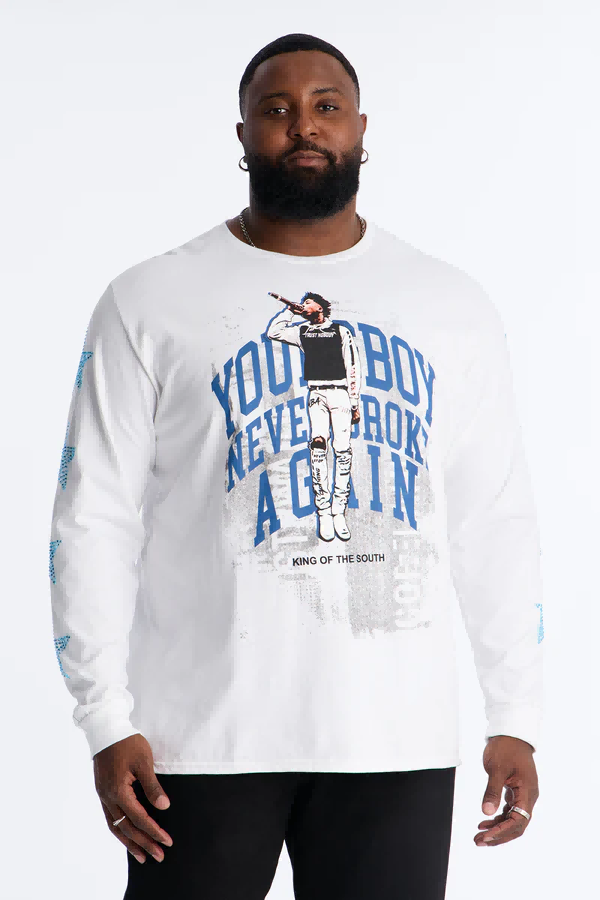
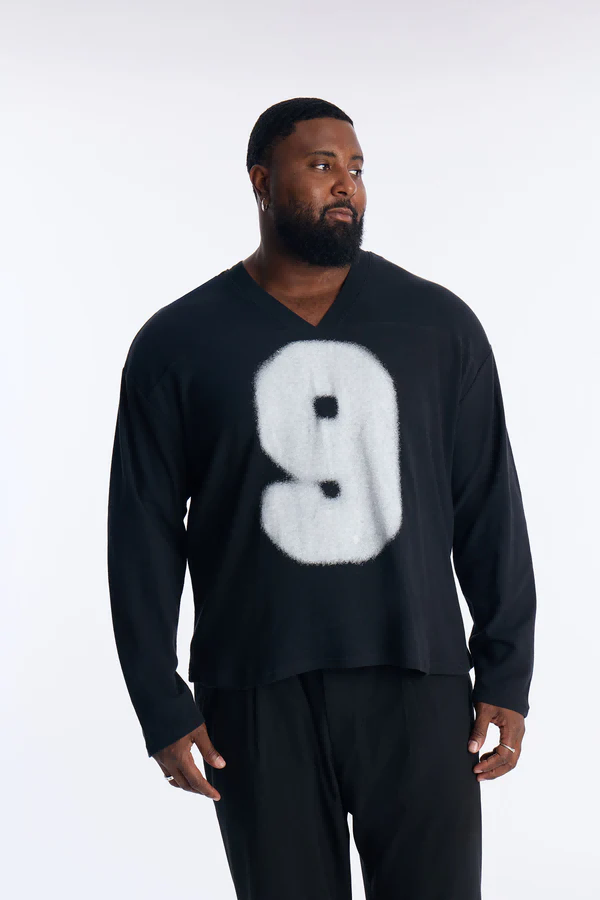
Product Gallery — Extended-Size Menswear Styles
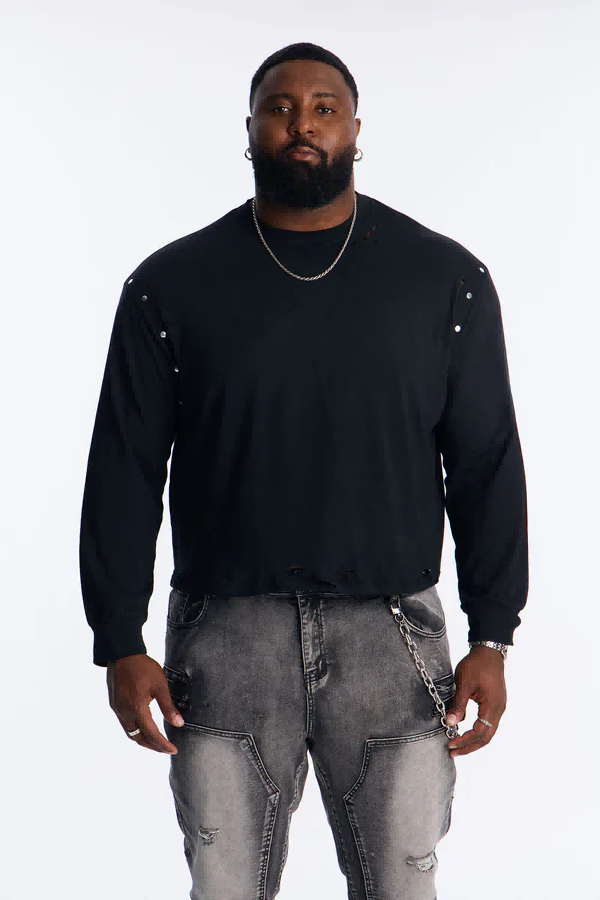
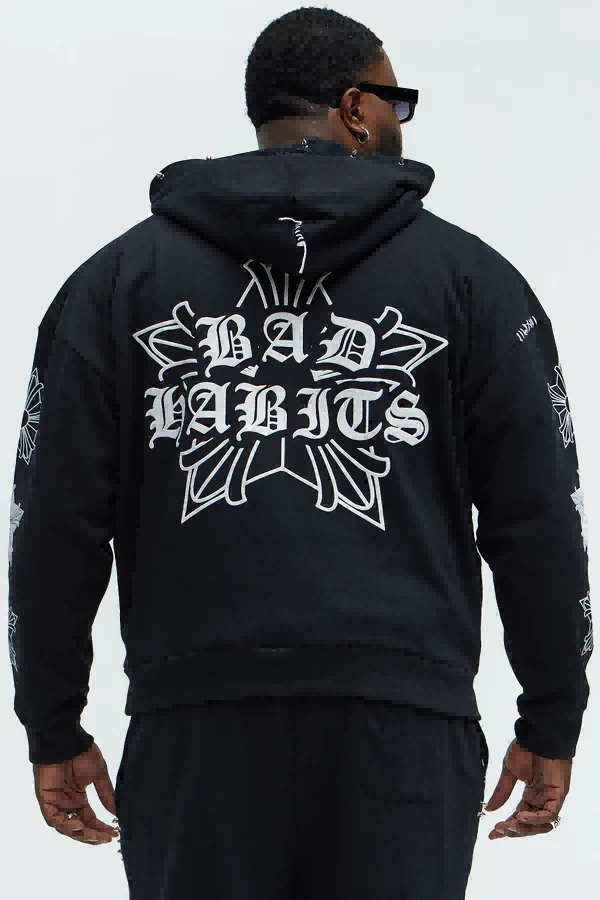
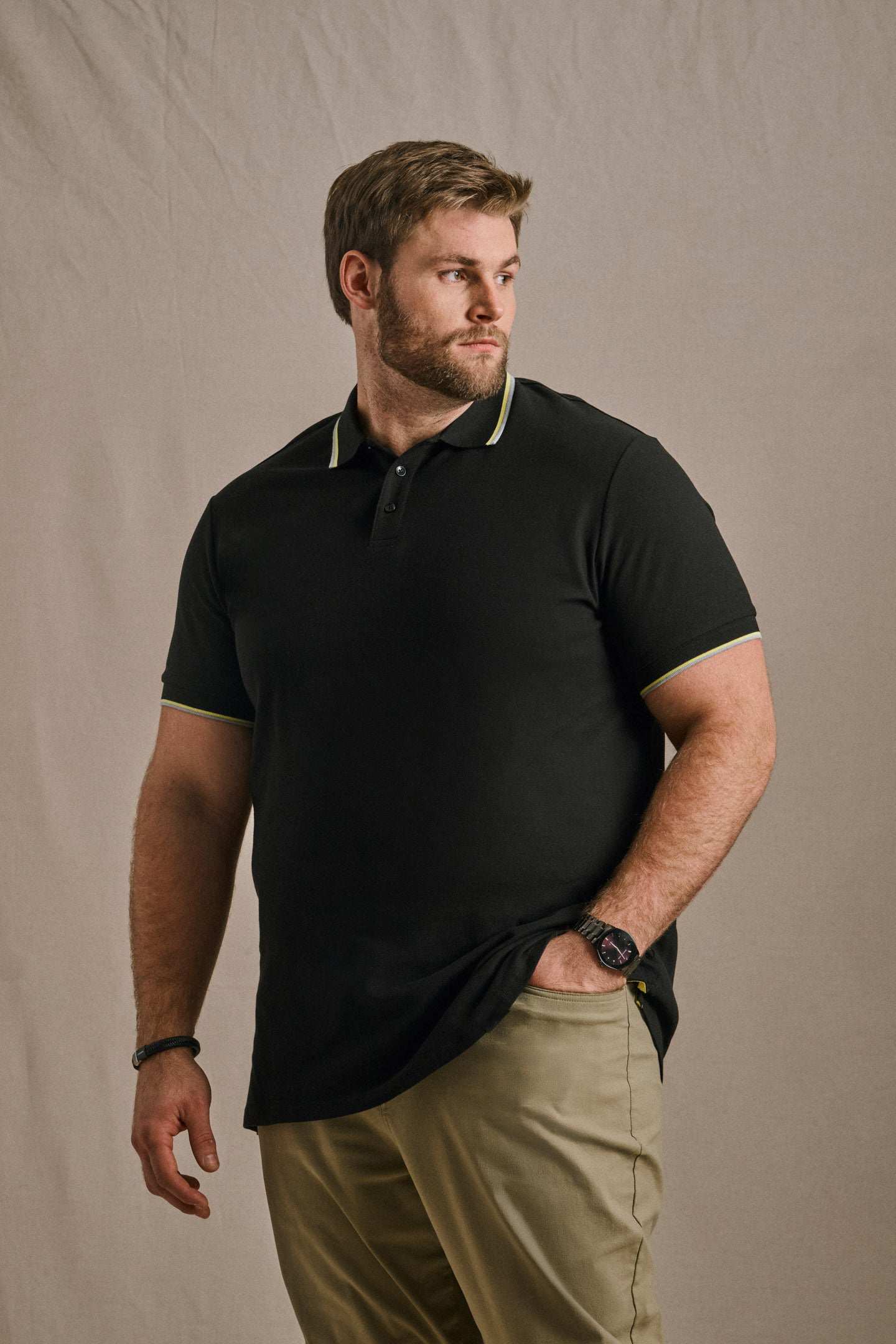
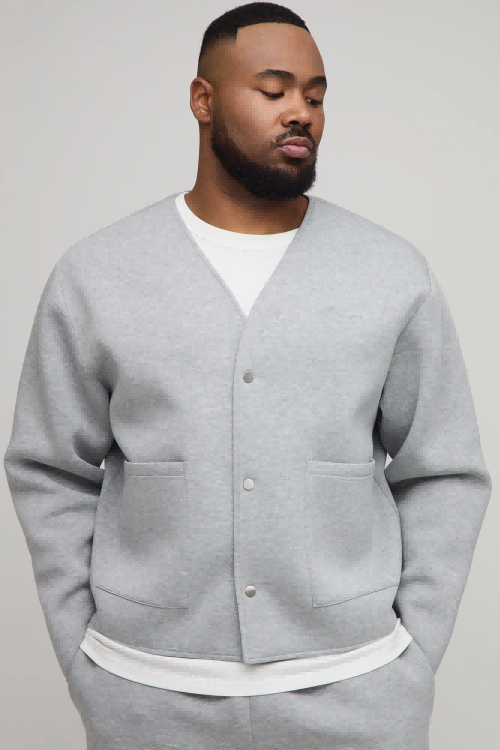
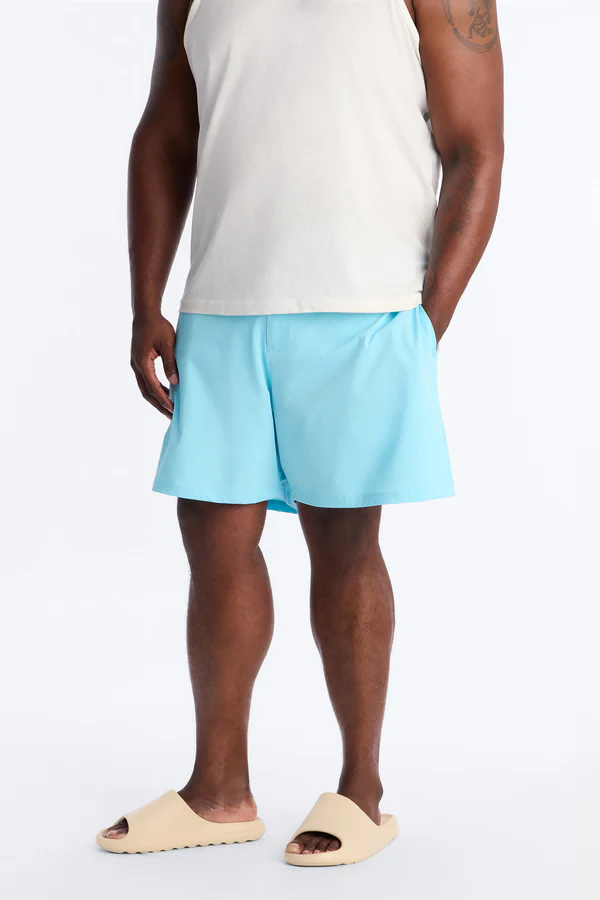
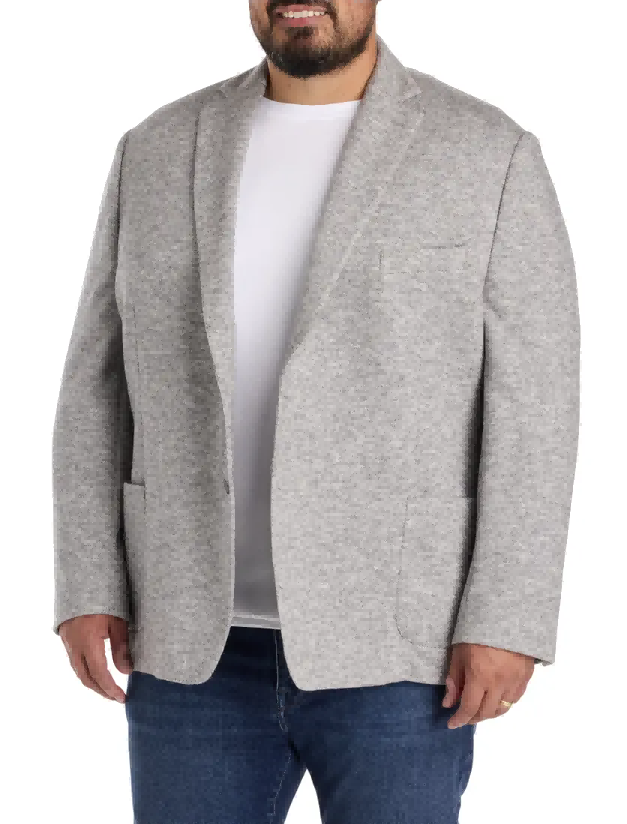
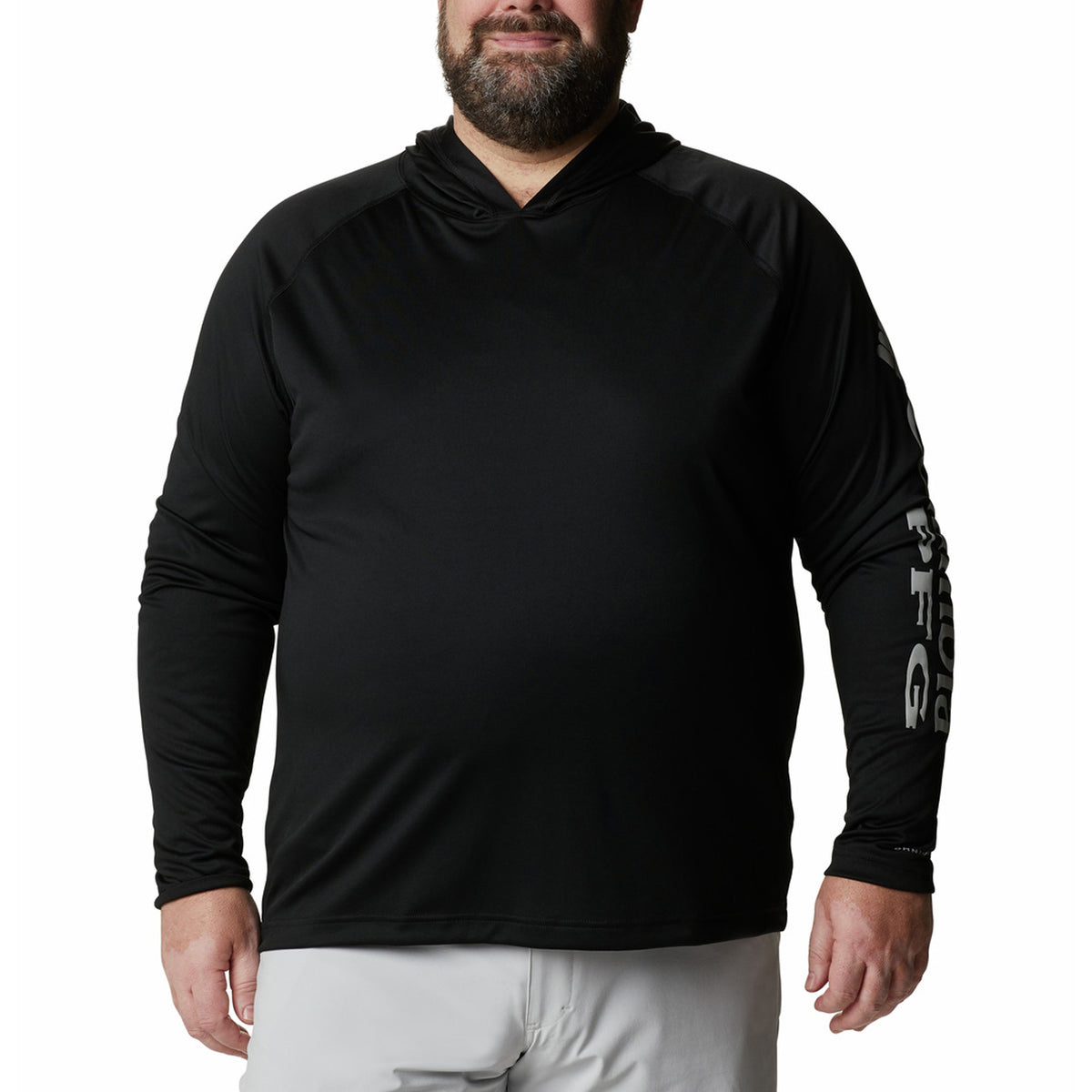
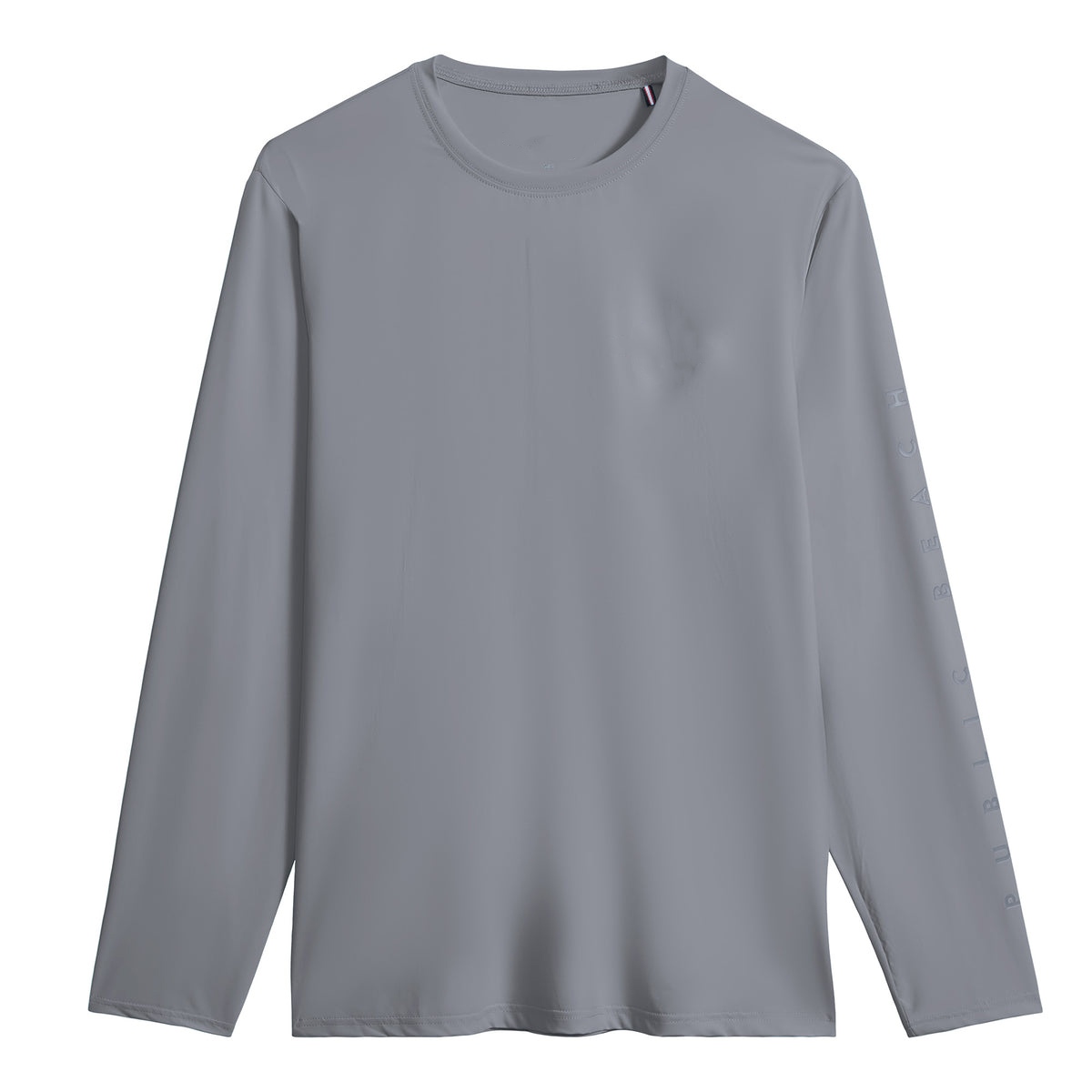
Why MENWILD Stands Out in Bulk Plus Size Clothing
Specialist 2XL–6XL Pattern Grading
Extended-size grading engineered for genuine big and tall fit, not simple scaling. Proportions built for larger bodies from the ground up.
100-Piece MOQ Per Style
Test products, launch capsule collections and reduce inventory risk with our flexible low minimum order quantity from just 100 pieces.
28+ Years Manufacturing Experience
Since 1998, over 2,000 brands worldwide have trusted our Dongguan facility for consistent quality and reliable extended-size menswear production.
Full In-House Decoration Services
Embroidery, screen printing, DTG, DTF, sublimation, garment wash and finishing — all controlled under one roof for quality and speed.
Fast Sampling & Development
Turn your concept into production-ready samples quickly. Our design team supports tech packs, sketches, photos or even just an idea.
OEM, ODM & Private Label
Flexible partnership models to match your brand stage. Bring your designs or co-develop new styles with our experienced product team.
Plus-Size Categories We Manufacture
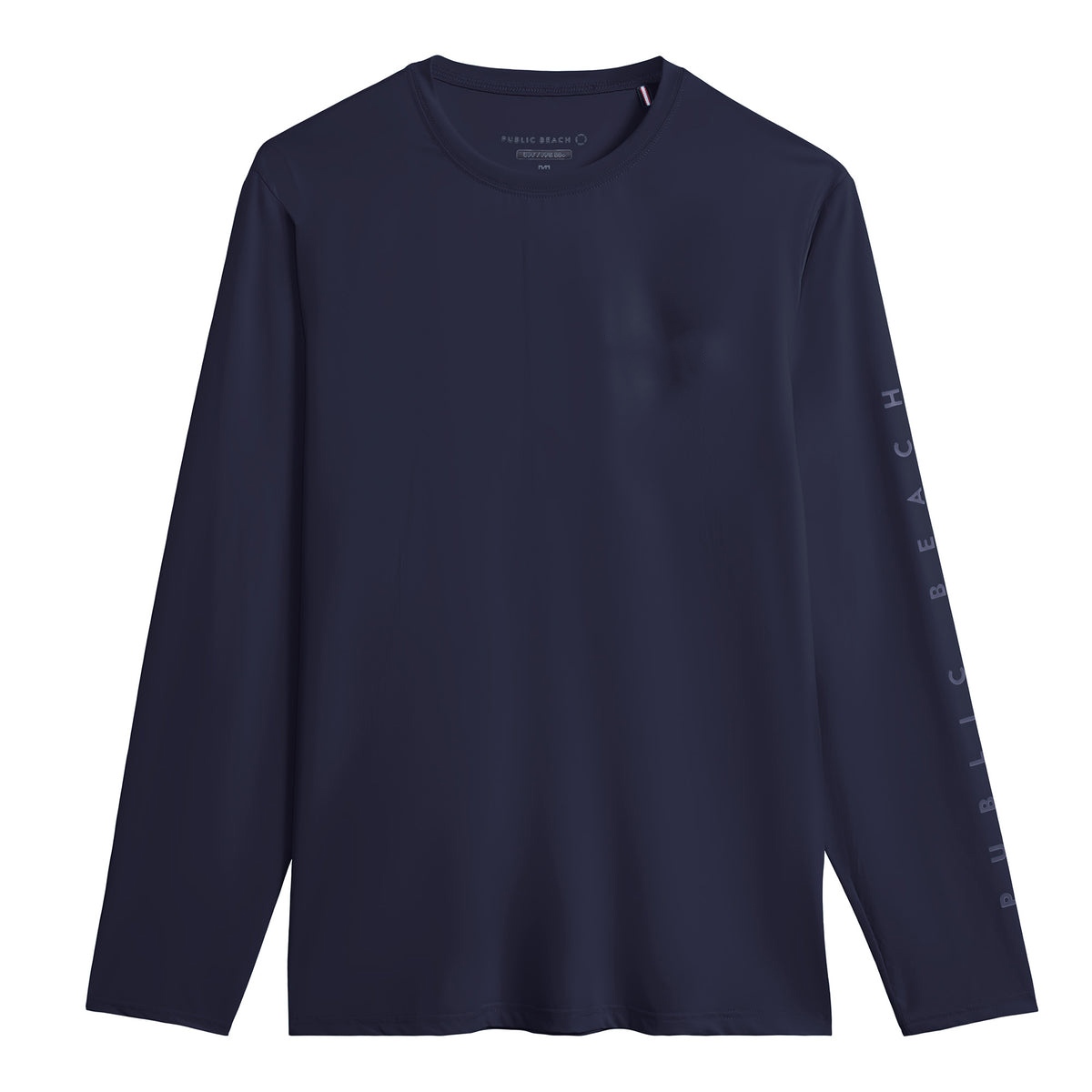
Bulk Big & Tall T-Shirts
Cut-and-sew jersey tees engineered for true big & tall proportions from 2XL to 6XL. Extended shoulder slopes, longer body length, deeper armholes and refined necklines prevent ride-up and ensure comfort across chest and waist. Available in cotton, Pima, organic and cotton-poly blends with custom embroidery, screen print, DTG and heat transfer decoration. MOQ 100 pieces per style and color.
Get a Quote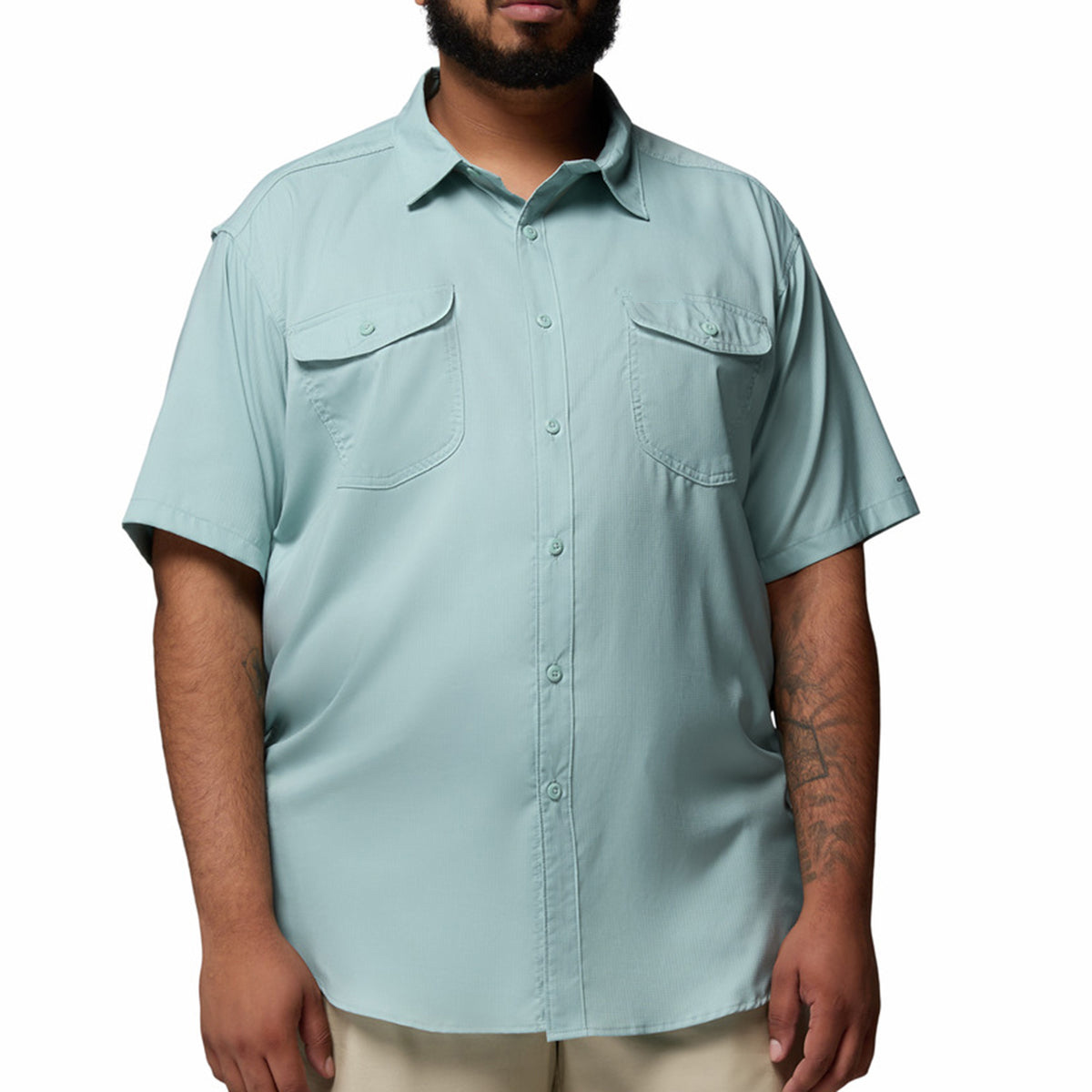
Bulk Plus Size Shirts
Woven dress shirts, casual button-downs, flannels and oxfords graded specifically for larger frames. Longer sleeves, fuller chest and waist blocks, adjusted rise and collar proportions maintain clean lines without pulling or gaping. Sourced from trusted mills in cotton poplin, twill, chambray and stretch blends. Full garment wash, enzyme finish and custom label services in-house.
Get a Quote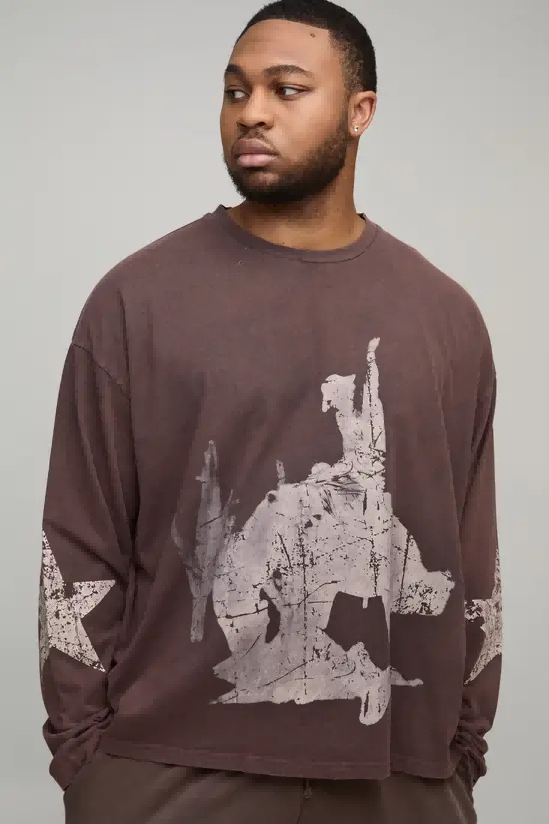
Bulk Oversized T-Shirts
Modern oversized streetwear silhouettes with intentional drop shoulders, extended body length and boxy cuts that work across standard and extended sizing. Pattern grading ensures the oversized aesthetic translates consistently from M through 6XL. Heavyweight jersey, French terry and vintage-wash fabrics. Screen print, puff embroidery, DTF and dye sublimation available. Low 100-piece MOQ per colorway.
Get a Quote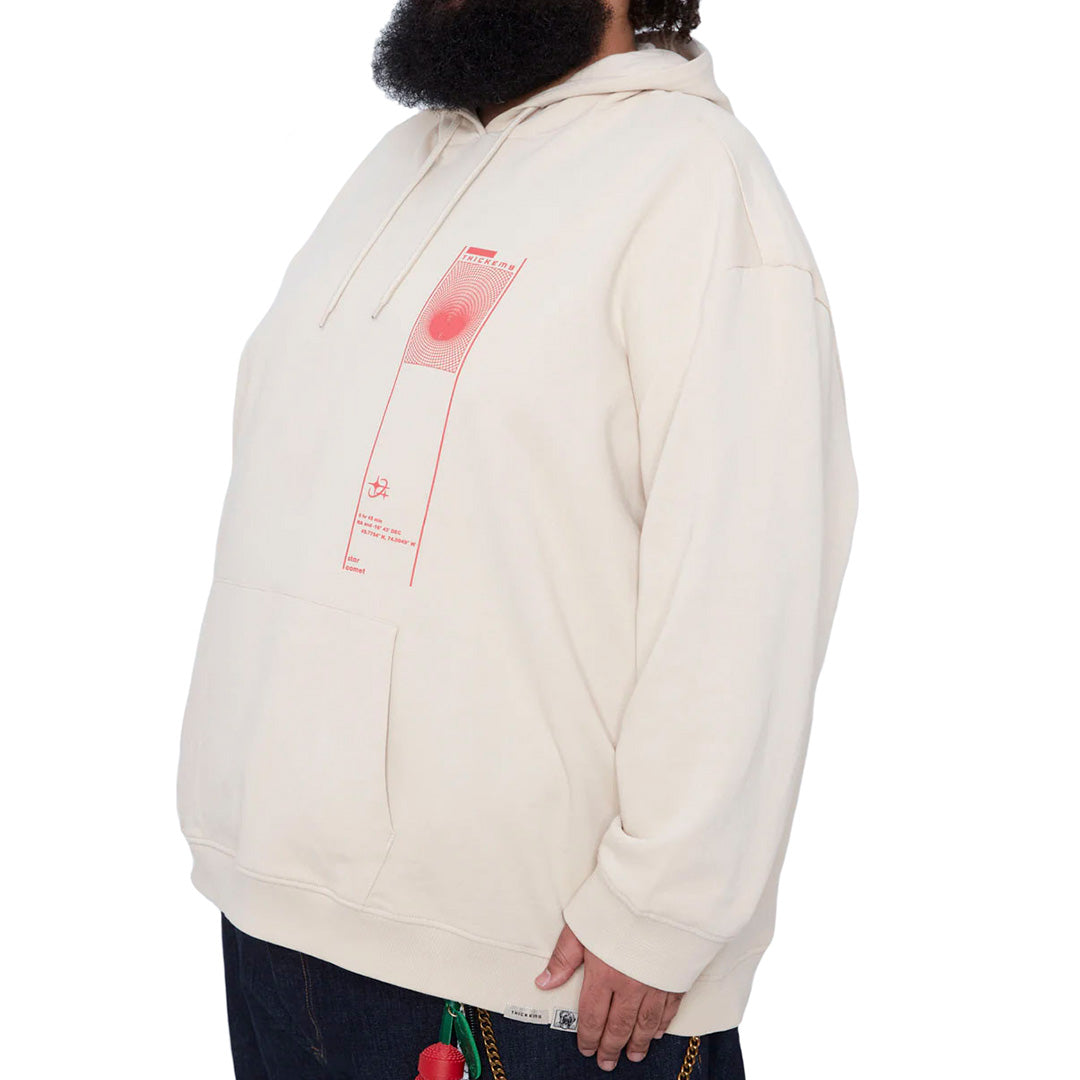
Bulk Oversized Hoodies & Sweatshirts
Heavyweight fleece and French terry hoodies and crewneck sweatshirts built for layering and true oversized fits in 2XL to 6XL. Reinforced shoulder seams, ribbed cuffs and hem, kangaroo or set-in pockets, and extended sleeve and torso length. Garment-dyed, enzyme-washed and brushed finishes. Embroidery, chenille patches, screen print and custom drawcords supported. Sampling within 7–10 days.
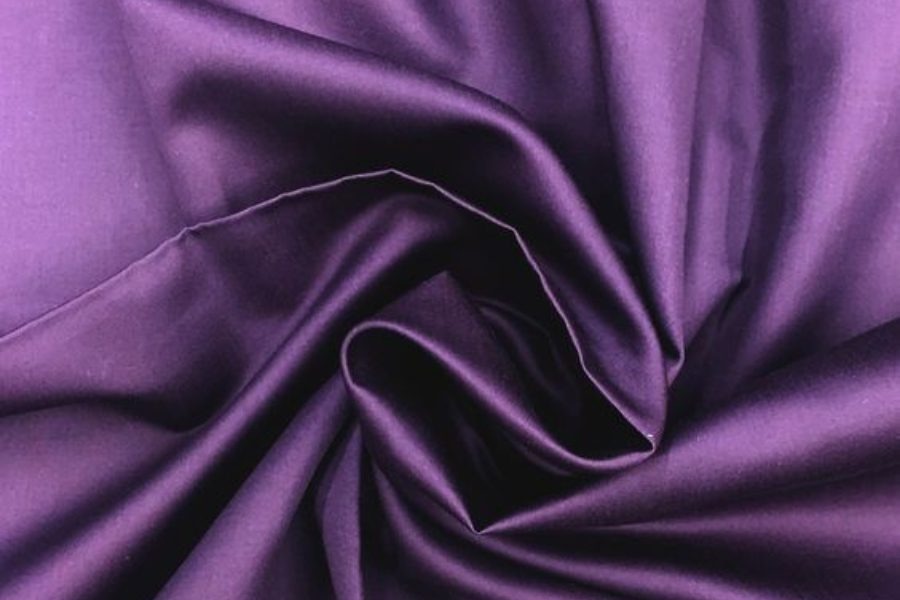
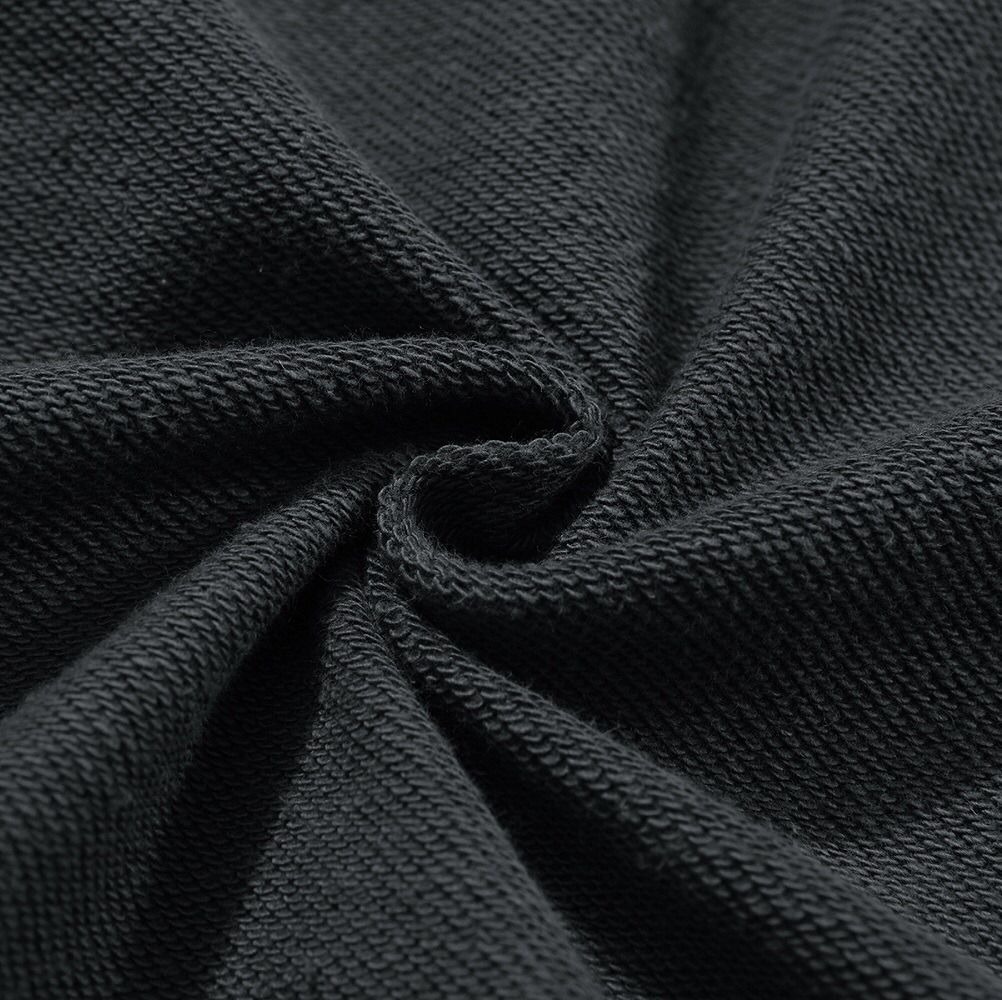
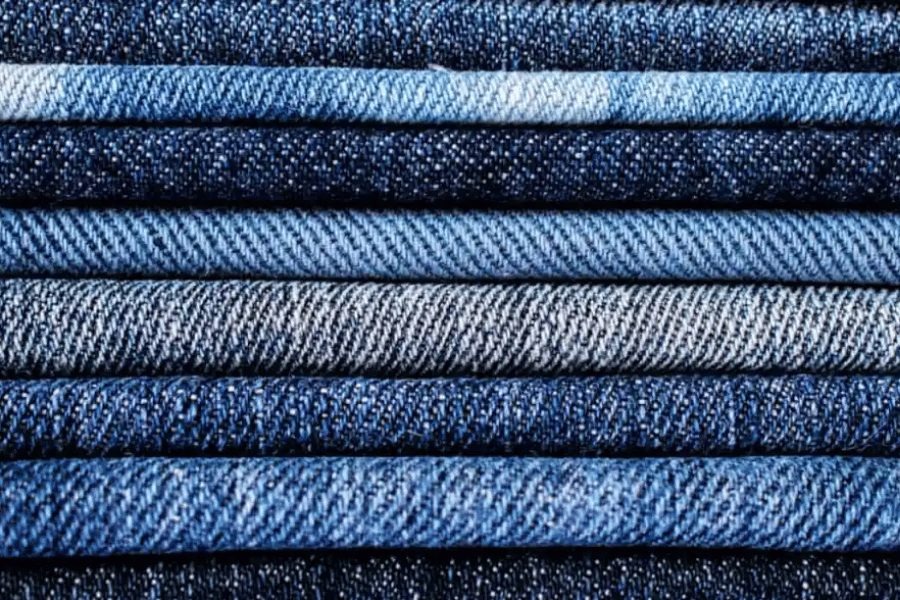
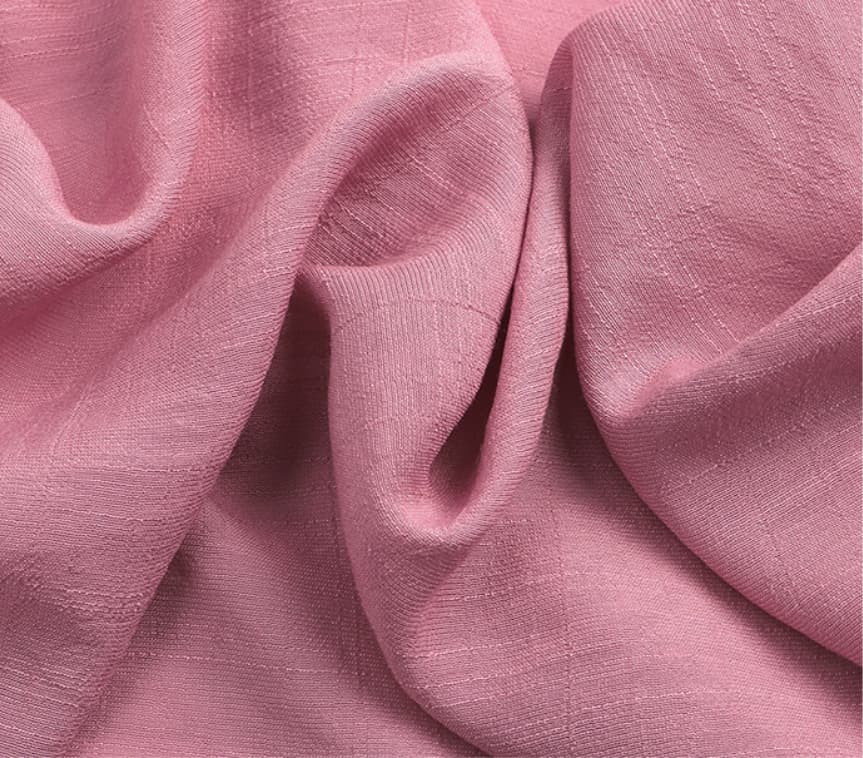
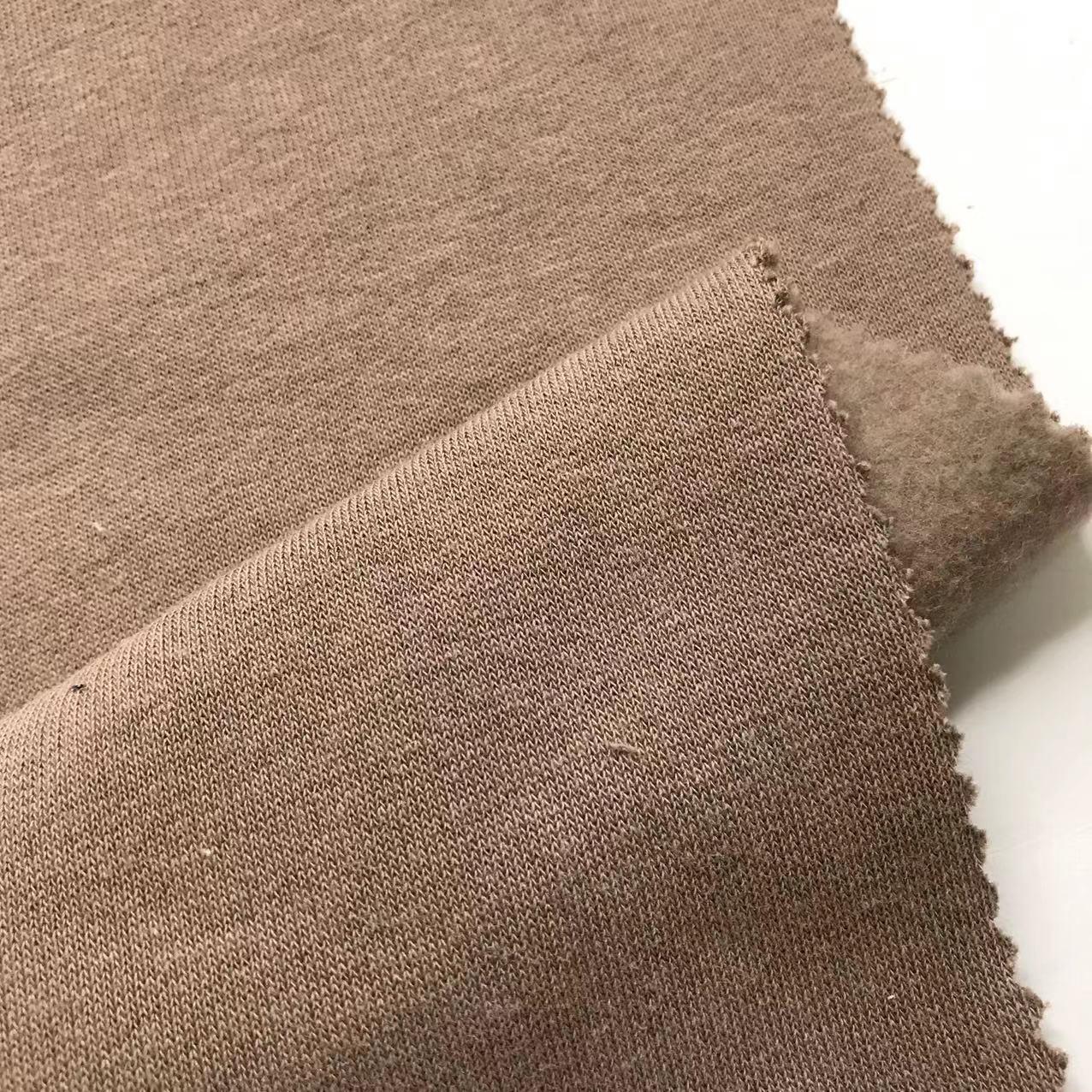
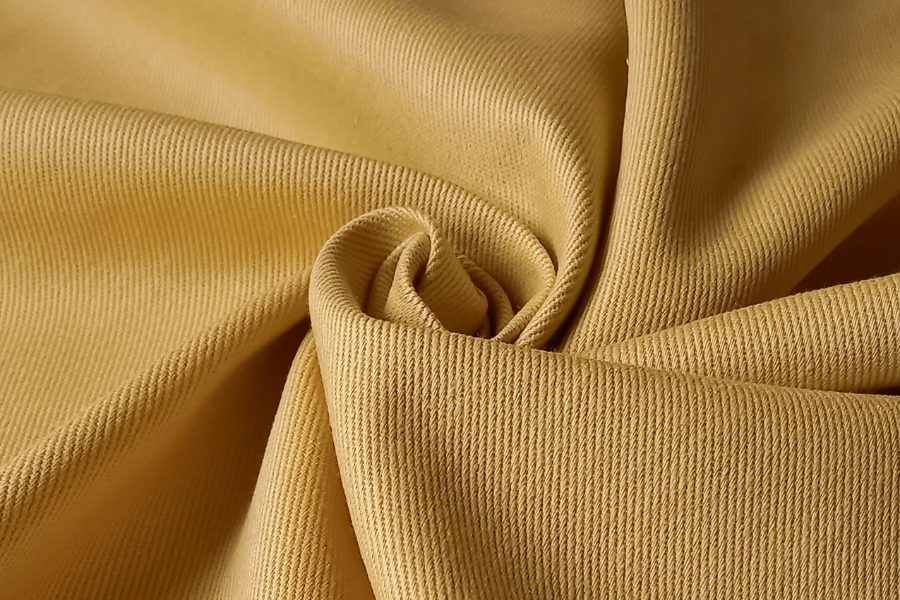
Get a QuotePremium Fabrics for Bulk Plus Size Clothing
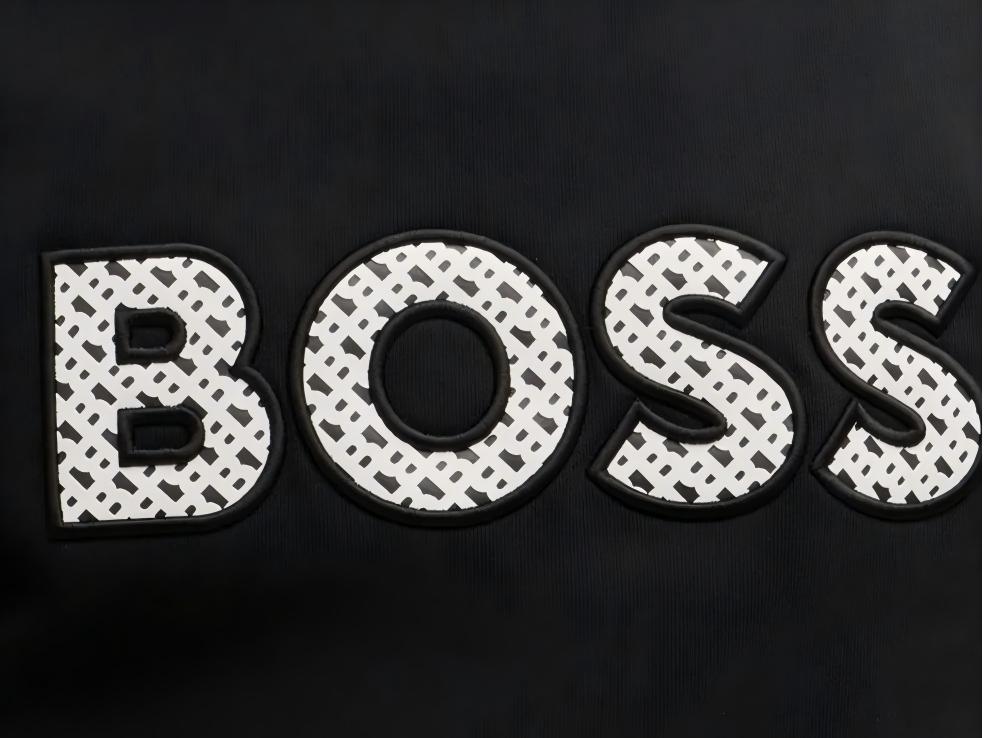
Decoration & Finishing Processes for Bulk Plus Size Clothing
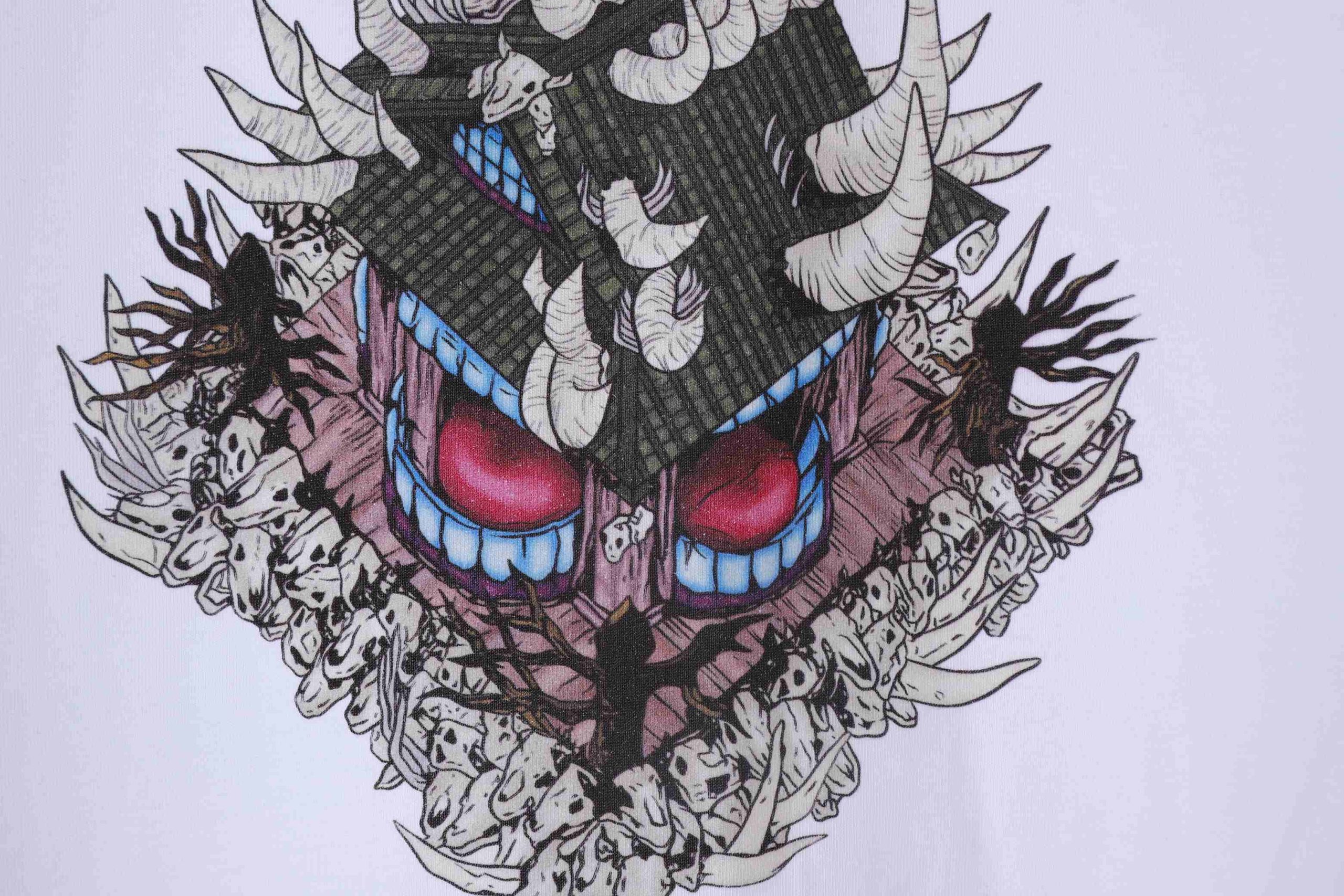
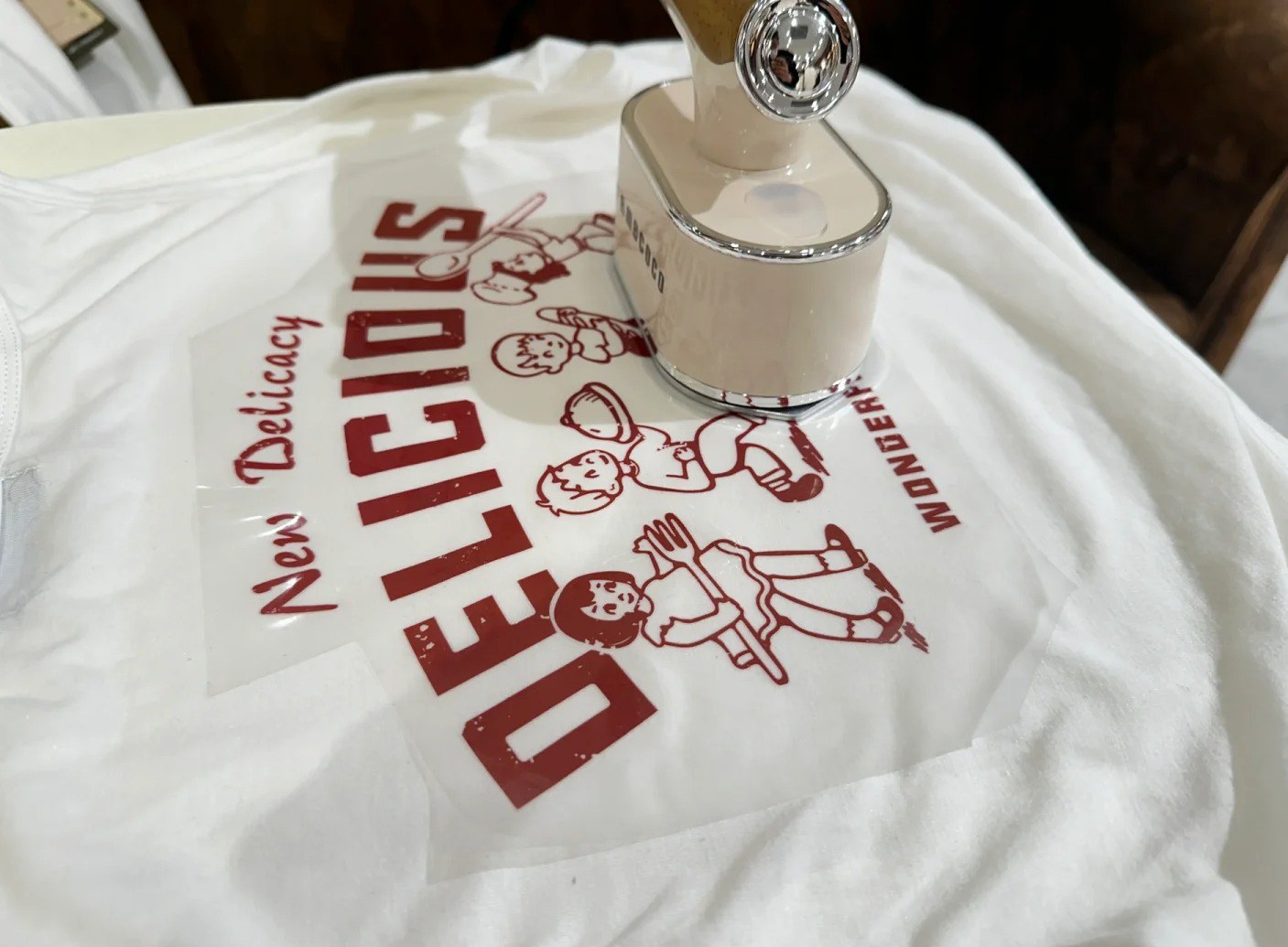
DTG & DTF
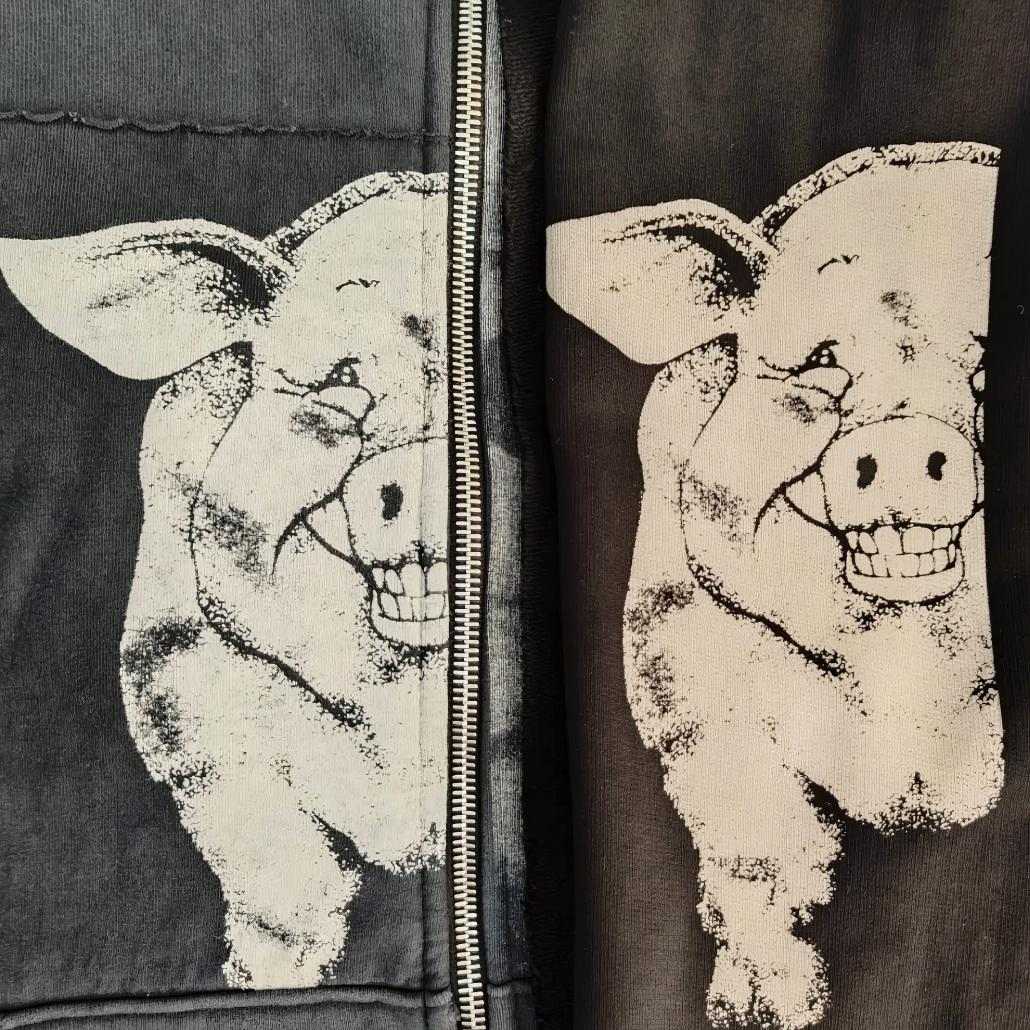
Direct-to-garment and direct-to-film printing for photorealistic designs, gradients and complex artwork. Perfect for low-MOQ bulk plus size clothing with intricate, full-color graphics and soft hand feel.
Custom Trims & Accessories for Your Bulk Plus Size Clothing
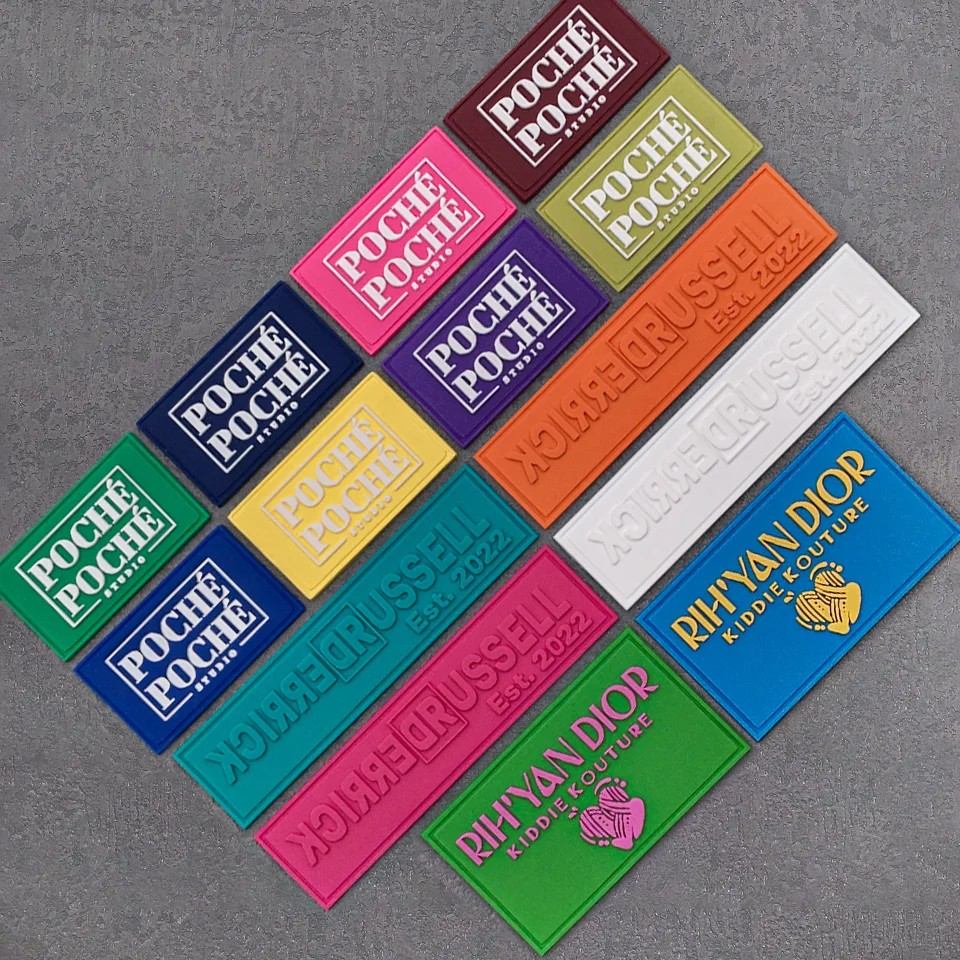
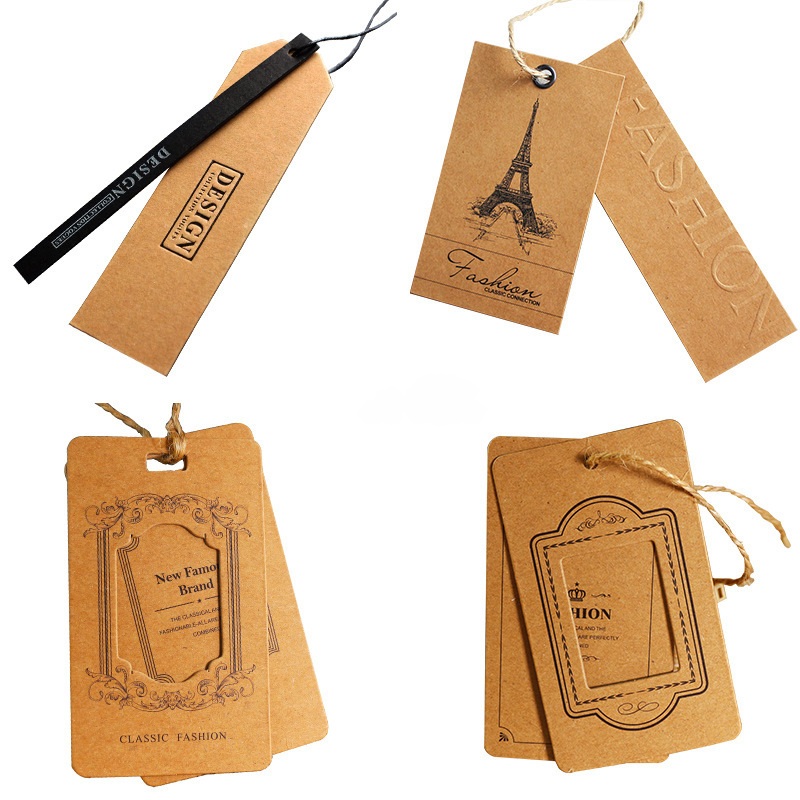
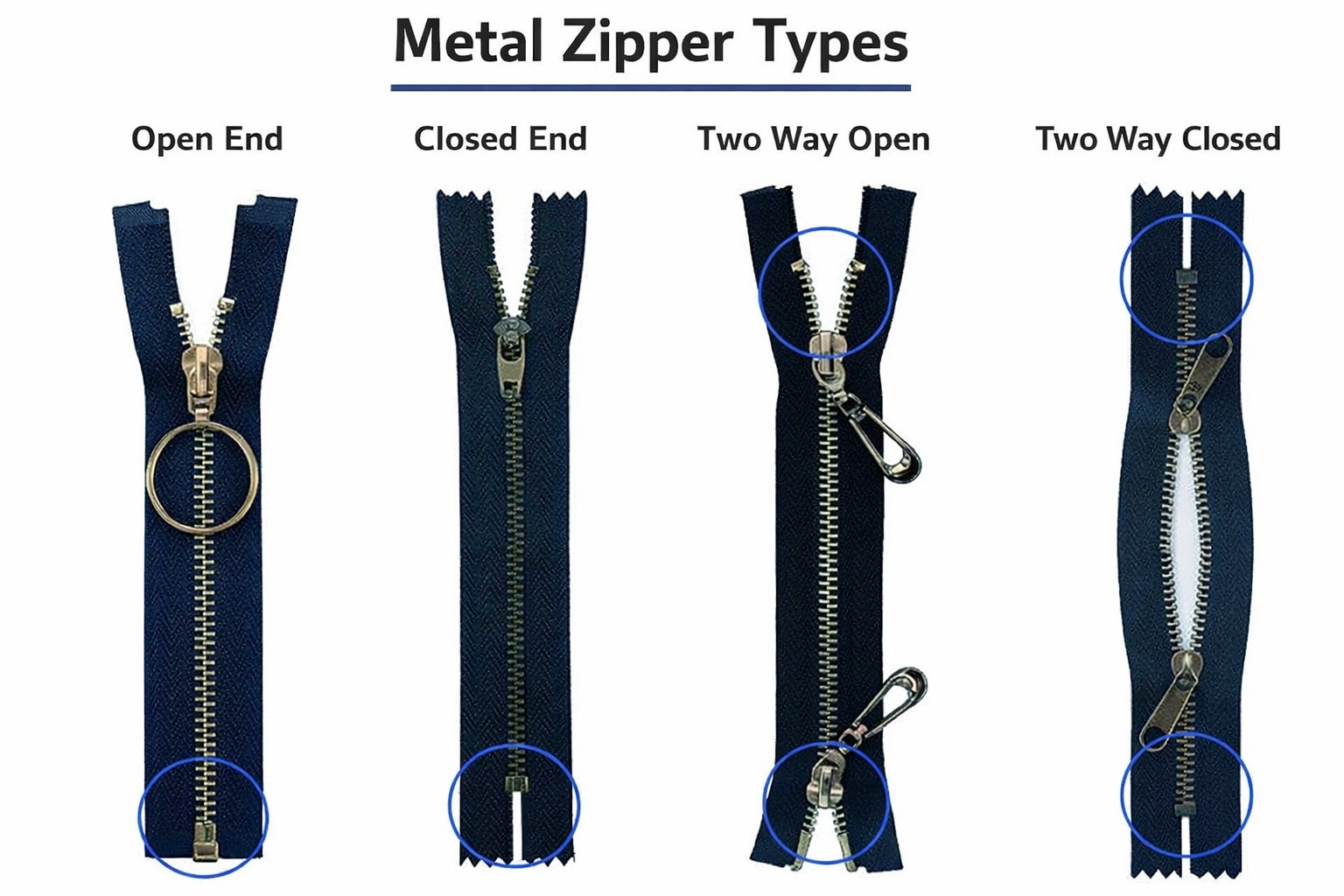
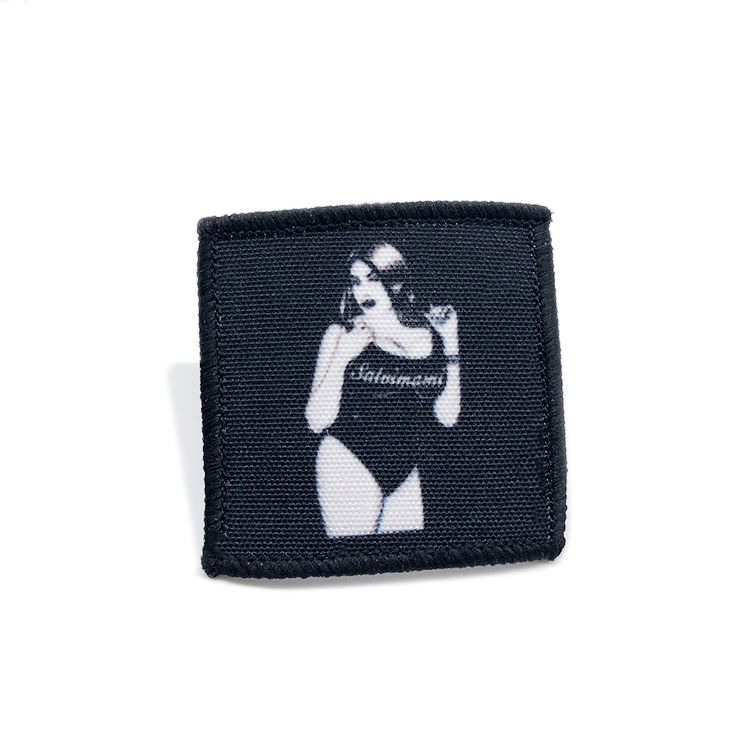
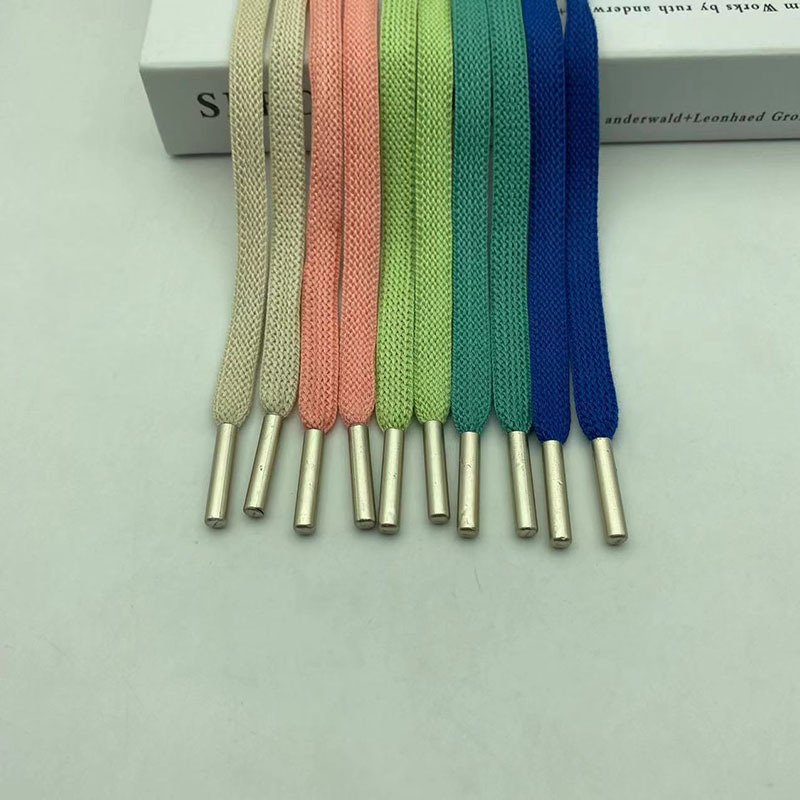
Drawcords & Tipping
Round, flat, or elastic drawcords with metal, plastic, or custom-branded aglets and cord locks. Functional and decorative detailing for hoodies, joggers, shorts, and outerwear in 2XL–6XL extended sizing.
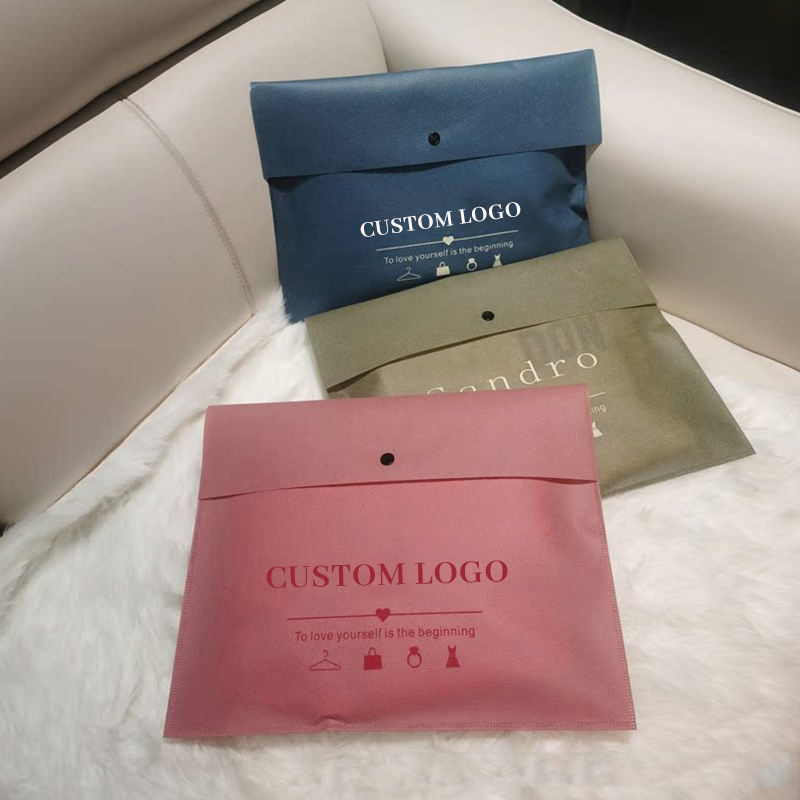
Bulk Plus Size Clothing Experts Since 1998
Founded in 1998 in Humen, Dongguan — the heart of China’s garment manufacturing industry — MENWILD has spent over 28 years perfecting what most factories overlook: genuine fit for larger and taller men. With a team of more than 200 skilled employees and monthly production capacity exceeding 80,000 pieces, we’ve grown from a small cut-and-sew workshop into a full-service OEM, ODM and private label partner for bulk plus size clothing brands worldwide.
We’ve served over 2,000 fashion brands across the United States, Canada, the United Kingdom, Germany, Australia, Russia and the Middle East. Our core mission is simple: engineer extended-size menswear that actually fits. From 2XL to 6XL, we develop specialist pattern grading and proportions built specifically for bigger bodies — not lazy scale-ups that break fit and comfort.
MENWILD offers the complete manufacturing solution: design development, fabric sourcing, sampling, cut-and-sew and knitting production, embroidery, screen printing, DTG, garment washing, quality control, packaging and export logistics. With flexible MOQs starting from just 100 pieces per style and color, we help brands test products, reduce risk and grow with confidence.

Our Core Capabilities in Bulk Plus Size Clothing Manufacturing
Specialist 2XL–6XL Proportional Pattern Grading
True extended-size fit starts with proportional grading built for bigger bodies. MENWILD develops patterns from scratch for 2XL through 6XL, adjusting rise, sleeve pitch, shoulder slope and body length—not simply scaling up smaller sizes that leave tall men with short sleeves and big men with poor drape.
- Proportional adjustments across chest, waist, sleeve length, rise and inseam for each size
- Graded size sets stored on file for fast, consistent re-orders and seasonal updates
- 28+ years of fit refinement across hoodies, shirts, denim, outerwear and activewear
- Sample garments provided before bulk production to validate fit and proportions
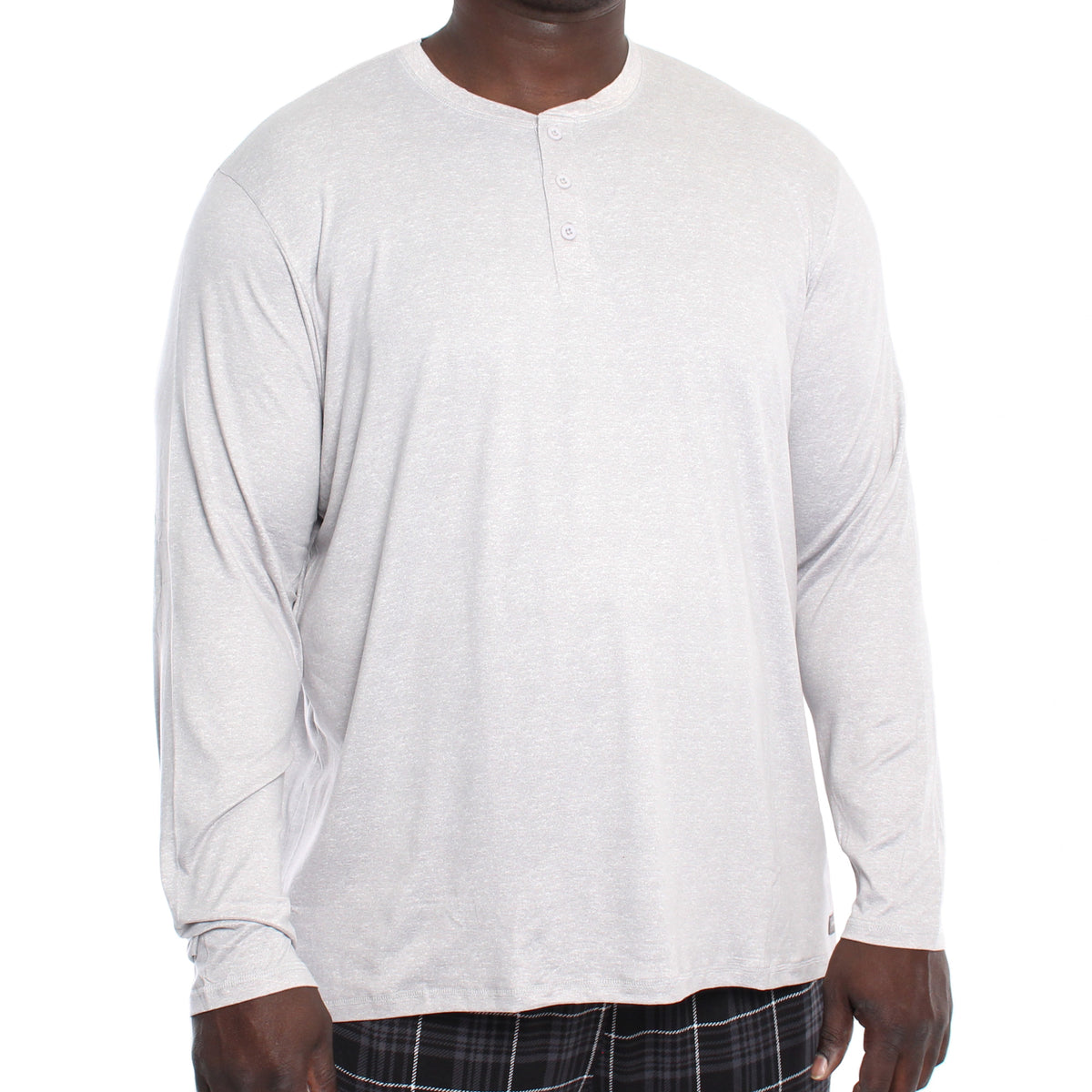
Modern Oversized Streetwear Fit Development
Oversized isn’t just bigger—it’s a deliberate silhouette. MENWILD’s design team develops drop-shoulder tees, boxy hoodies, wide-leg denim and relaxed outerwear with intentional proportions that work across 2XL to 6XL, ensuring oversized streetwear looks styled, not stretched, on every frame.
- Drop-shoulder, boxy and relaxed fits engineered for extended sizing
- Pattern blocks refined for modern streetwear aesthetics across all size grades
- In-house sampling and fit sessions to dial in silhouette before bulk runs
- Fabric recommendations matched to drape, weight and intended fit
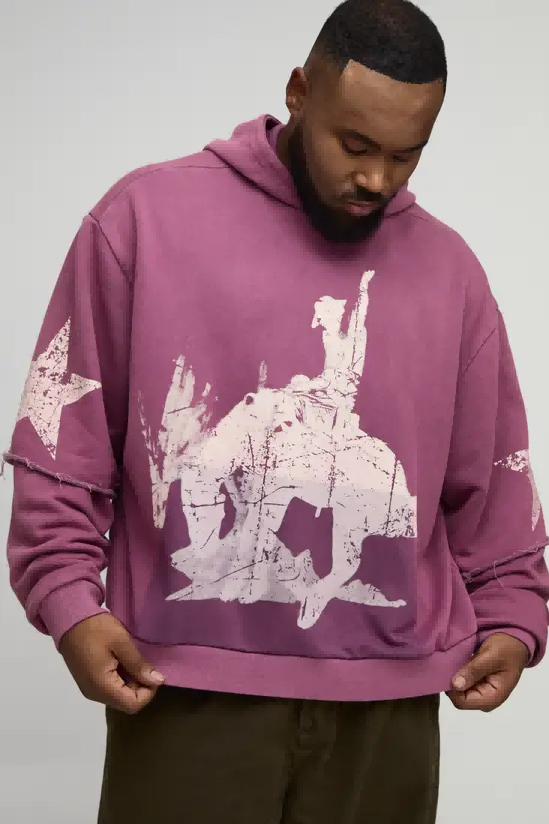
Full Design Development from Concept to Production
Whether you arrive with a finished tech pack, a sketch, a reference photo or just an idea, MENWILD’s design team turns your vision into production-ready bulk plus size clothing. Original design, CAD tech packs, full graded size sets, fabric sourcing and pre-production samples—all handled in-house.
- Design team supports clients at any starting point—idea, sketch or tech pack
- CAD pattern development, grading and tech-pack creation included
- Fabric swatches and lab-dip approvals before sampling begins
- Revisions and fit adjustments built into the sampling phase
Fast Sampling and Production Turnaround
Speed matters when testing new styles or restocking bestsellers. MENWILD delivers sample garments in 7–10 days and completes bulk production in 25–35 days after approval, with patterns and fabric records on file to accelerate re-orders and keep your pipeline moving.
- Sample development completed in 7–10 days for most garment categories
- Bulk production runs finished in 25–35 days post-approval
- Patterns, graded sets and fabric specs stored for instant re-order setup
- In-line quality control and final inspection before every shipment
MENWILD vs. Standard Wholesale Suppliers for Bulk Plus Size Clothing
When sourcing extended-size menswear in bulk, the right manufacturing partner makes all the difference. Here’s how MENWILD‘s specialist capabilities compare to typical wholesale suppliers.
← 左右滑动查看 →
Our Bulk Plus Size Clothing Production Process — From Inquiry to Shipment
MENWILD’s proven nine-step workflow ensures every bulk plus size clothing order — from 100 pieces to 10,000 — moves smoothly from concept to finished garment, with specialist 2XL–6XL grading, in-line quality control and global logistics built in.
Inquiry & Tech-Pack Development
Share your design, sketch or idea. Our team develops production-ready tech packs with full 2XL–6XL size grading and extended-size fit specifications.
Fabric Sourcing & Swatches
We source fabrics from trusted mills across China — cotton, fleece, denim, performance knits — and send swatches for your approval before sampling.
Sampling & Fit Refinement
Receive pre-production samples in your chosen sizes. We refine patterns and proportions until fit, construction and finishing meet your brand standards.
Bulk Production & In-Line QC
Cut-and-sew or knitting begins with continuous in-line quality checks. Monthly capacity exceeds 80,000 pieces across all product categories and extended sizes.
Decoration & Finishing
In-house embroidery, screen printing, DTG, DTF, garment wash and custom trims are applied, ensuring consistent quality and faster turnaround on bulk orders.
Packaging & Global Logistics
Garments are inspected, packed with custom labels and hang tags, and shipped worldwide. Patterns and records stay on file for seamless re-orders.
How to Order Bulk Plus Size Clothing from MENWILD
Three simple steps to launch your extended-size menswear production with a trusted manufacturing partner.
Submit Your Design or Tech Pack
Share your tech pack, sketches, reference photos or even just an idea. Our design team will develop it into production-ready patterns with specialist 2XL–6XL grading.
Approve Samples and Pricing
Receive fabric swatches and pre-production samples for fit approval. Review transparent pricing and flexible payment terms tailored to your order size and partnership stage.
Launch Your Bulk Production
Confirm your bulk plus size clothing order from as low as 100 pieces per style. We handle cutting, sewing, decoration, QC and global logistics — you focus on sales.
Certifications & Quality Standards for Bulk Plus Size Clothing

Customer Success Stories — Brands Growing with Bulk Plus Size Clothing
We launched a 500-piece capsule collection in just six weeks with MENWILD. Their 2XL–5XL grading was spot-on, and the low MOQ let us test the market without tying up our entire budget.
Switching to MENWILD dropped our minimum order from 500 to 100 pieces per style. We now offer 4XL and 5XL, and those sizes account for 32% of our revenue. Game changer for our brand.
MENWILD extended our size range from XL to 6XL without compromising fit. Our return rate on big & tall styles dropped by 18%, and customer feedback has never been stronger.
FAQ — Bulk Plus Size Clothing & OEM Sourcing
What is the minimum order quantity for bulk plus size clothing?
How long does sampling and bulk production take?
What are your payment terms and deposit requirements?
Can I source bulk plus size clothing with my own designs and branding?
How do you protect my designs and intellectual property?
What decoration and customization options are available for bulk plus size clothing orders?
Do you handle international shipping and logistics for bulk orders?
How is pricing structured for bulk plus size clothing orders?
Why should I choose MENWILD over other bulk clothing suppliers?
The Complete Buyer’s Guide to Bulk Plus Size Clothing for Brands and Retailers
Navigate the wholesale extended-size menswear market with confidence. This guide delivers a proven decision framework, supplier evaluation criteria, material specifications, customization options, and the critical mistakes to avoid when sourcing bulk plus size clothing.
1. What Is Bulk Plus Size Clothing?
Bulk plus size clothing refers to wholesale orders of extended-size menswear — typically 2XL through 6XL and above — purchased in production quantities rather than single retail units. Minimum order quantities range from 50 to 500 pieces per style and colorway at most factories, though manufacturers like MENWILD start at just 100 pieces per style/color to reduce inventory risk for emerging brands.
The distinction between retail and wholesale is critical: retail plus-size means individual garments sold to consumers, while bulk ordering means brands, wholesalers and retailers contract manufacturers to produce entire size runs at factory pricing. This model enables private label development, custom branding and significantly lower per-unit costs — often 40–60% below retail.
Men’s extended sizing now represents one of the fastest-growing segments in fashion. Over 40% of adult men in the United States wear XL or larger, yet most menswear lines stop at 2XL or offer poorly graded 3XL as an afterthought. Brands that stock true big and tall proportions from 2XL to 6XL capture underserved demand, reduce returns from poor fit and build loyalty in a market hungry for garments that actually work.
2. Evolution of the Plus Size Menswear Market
Big and tall menswear began as a specialty retail segment in the 1950s and 1960s, confined to standalone stores and mail-order catalogs offering basic wardrobe staples with minimal style variation. For decades, extended sizing remained an afterthought — simple arithmetic scaling that left proportions broken and fit poor.
The 2010s brought demographic and cultural shifts that reshaped demand. In the United States, over 40% of adult men now wear size XL or larger, and body-positive movements challenged fashion’s narrow size standards. Brands recognized that larger men wanted the same trend-forward cuts, fabrics and finishes as straight-size collections, not outdated basics.
Wholesale suppliers responded by investing in true extended-size pattern grading — adjusting rise depth, sleeve pitch, shoulder slope and body length across 2XL to 6XL size runs — rather than proportional scaling. Modern cut-and-sew facilities added dedicated grading libraries, fit-sample protocols and low-MOQ flexibility to serve emerging big and tall labels.
Today bulk plus size clothing is a strategic growth category. Brands that offer authentic fit and contemporary design in extended sizes capture underserved market share, build loyal communities and command premium pricing in a segment historically starved for quality and style.
3. Types of Bulk Plus Size Clothing
Wholesale extended-size menswear spans every category from casual basics to tailored formalwear. Each garment type presents unique fit challenges and fabric requirements that standard grading cannot solve.
Casual Tees and Polos
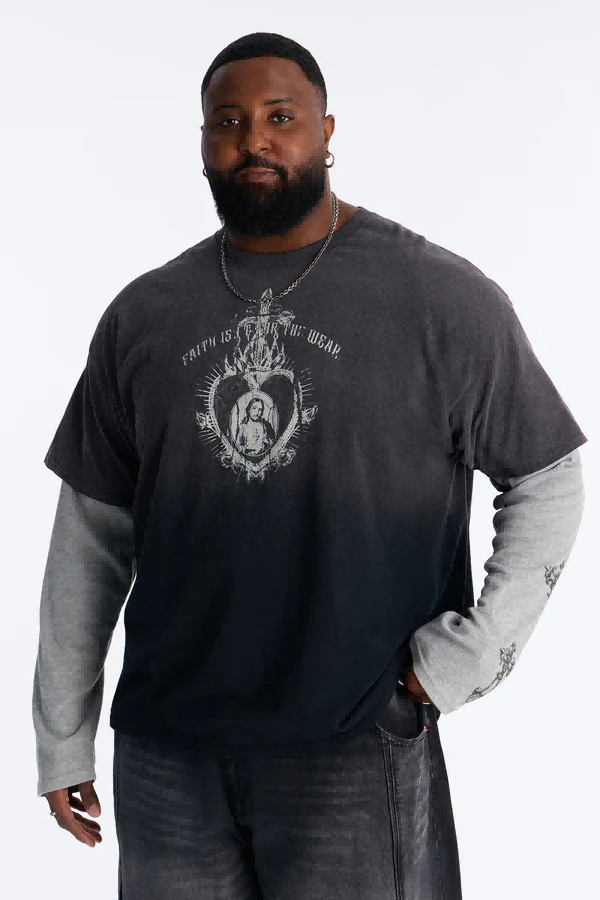
Cotton jersey and cotton-poly blends dominate this category, typically 160–220 GSM for tees and 180–240 GSM for polos. Proper big & tall grading extends body length, widens shoulders and adjusts armhole depth to prevent ride-up. MOQ starts at 100 pieces per style/color.
Activewear and Performance Apparel
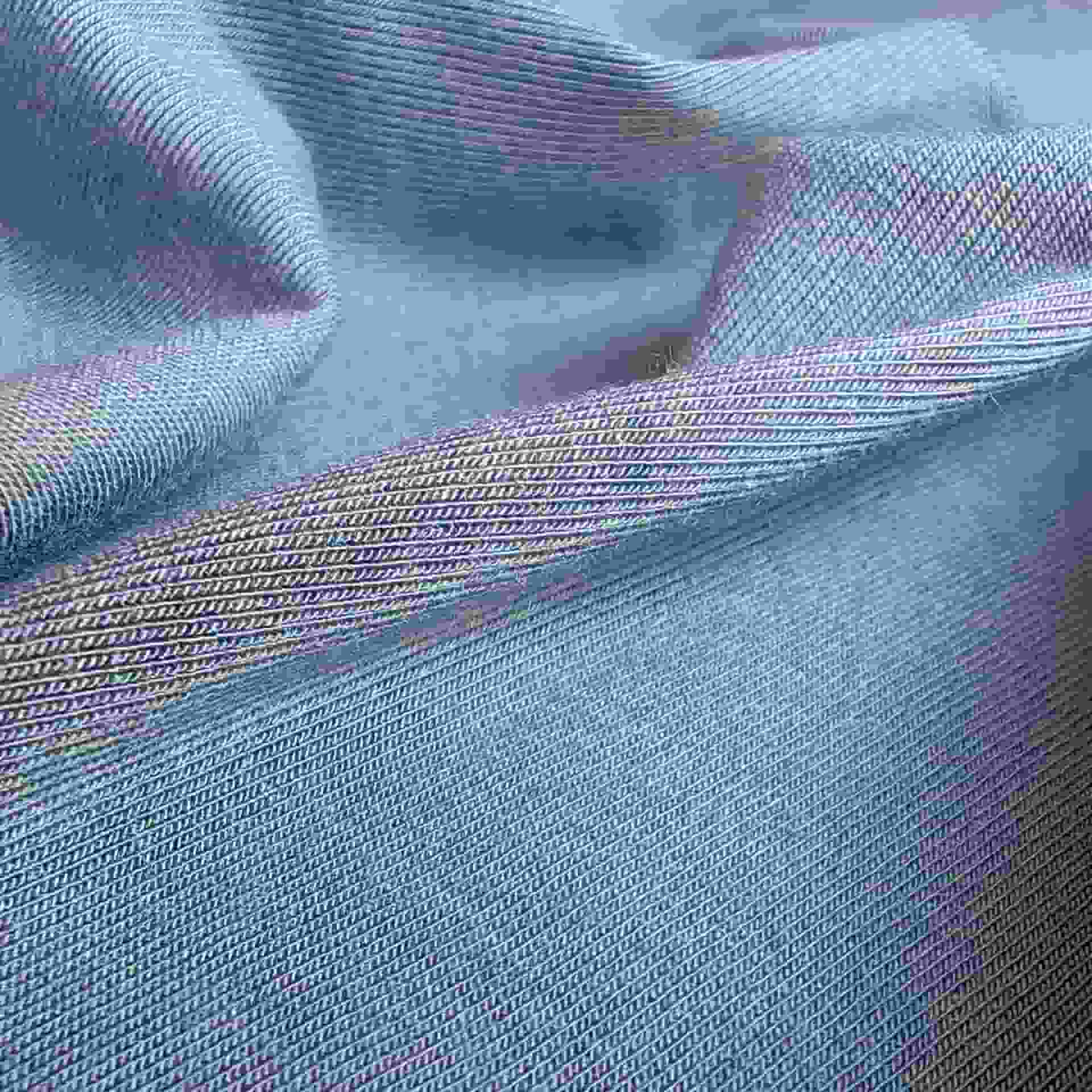
Moisture-wicking polyester, nylon-spandex blends and four-way stretch knits require flatlock seams and anti-chafe construction. Extended sizing must account for greater range of motion and higher stress points. Typical MOQ is 100–200 pieces per colorway.
Outerwear and Jackets
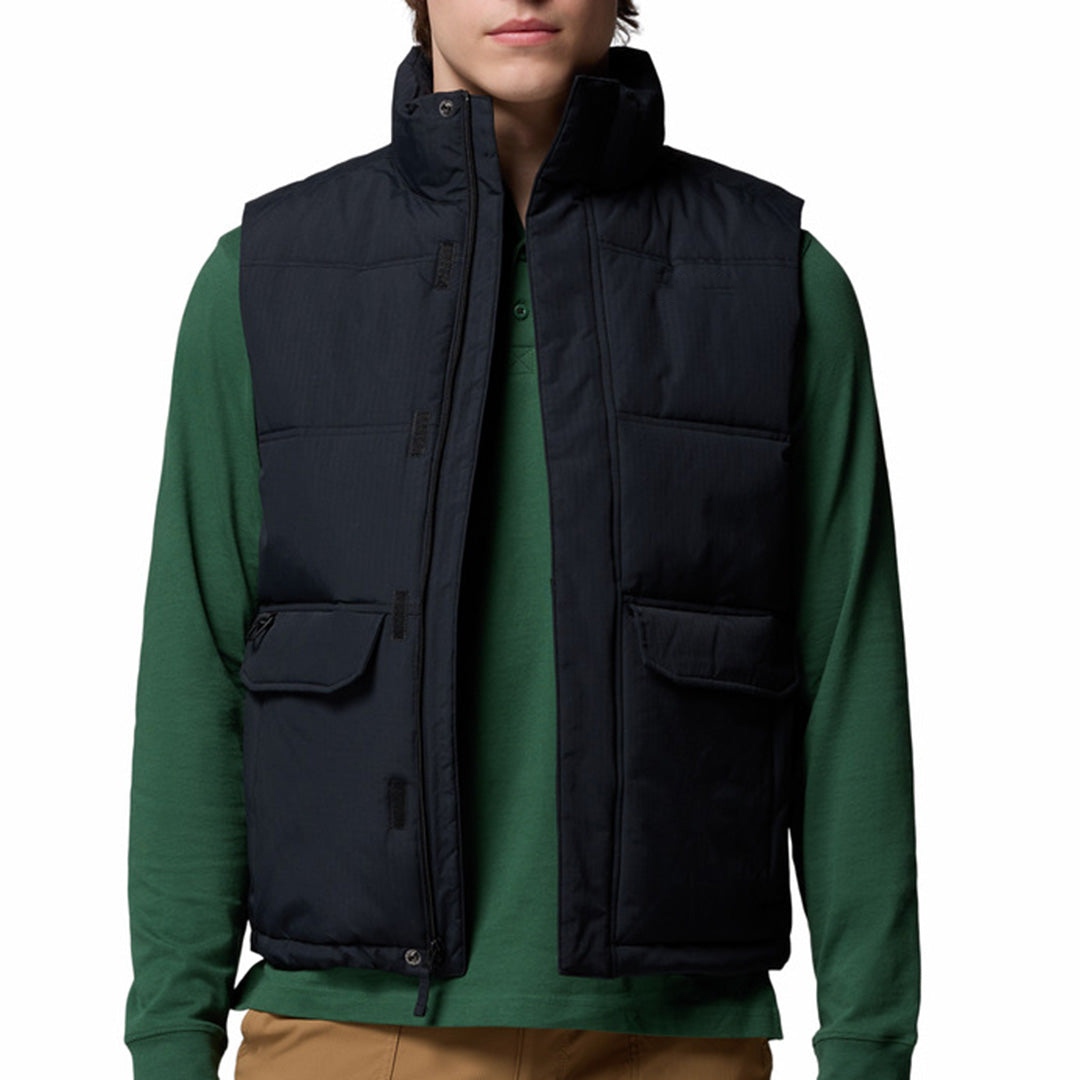
Jackets in 2XL–6XL demand longer sleeves, dropped shoulders and adjusted torso proportions. Fabrics include denim, twill, fleece, nylon and wool blends. MOQ typically runs 100–150 pieces per style due to higher material and labor costs.
Dress Shirts and Formalwear
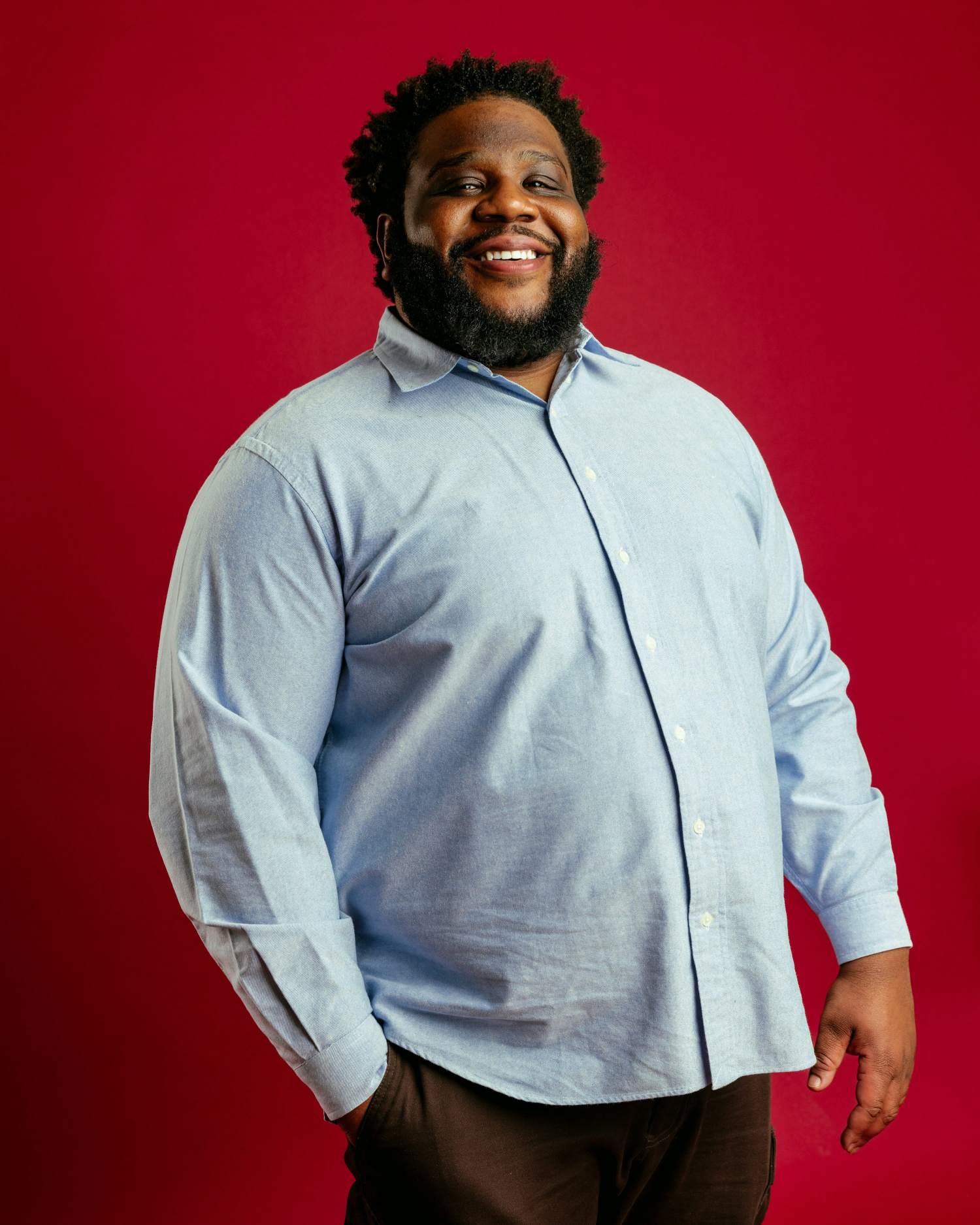
Oxford, poplin and twill shirting require precise collar, cuff and placket scaling. Big & tall dress shirts need longer tails, wider yokes and proportional button spacing. Suiting and blazers follow similar grading rules. MOQ starts at 100 pieces per fabric/color.
Bottoms: Jeans, Chinos and Joggers
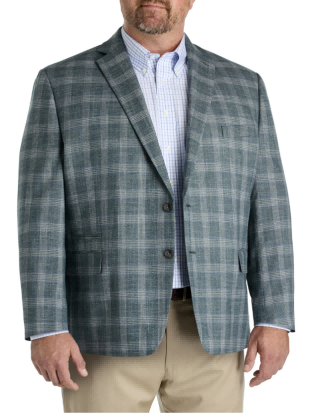
Denim, stretch denim, twill and French terry bottoms require extended inseams, adjusted rise and proportional leg openings. Waistband construction and pocket placement must scale correctly. MOQ is typically 100–200 pieces per wash or color.
Specialty Items: Uniforms and Workwear
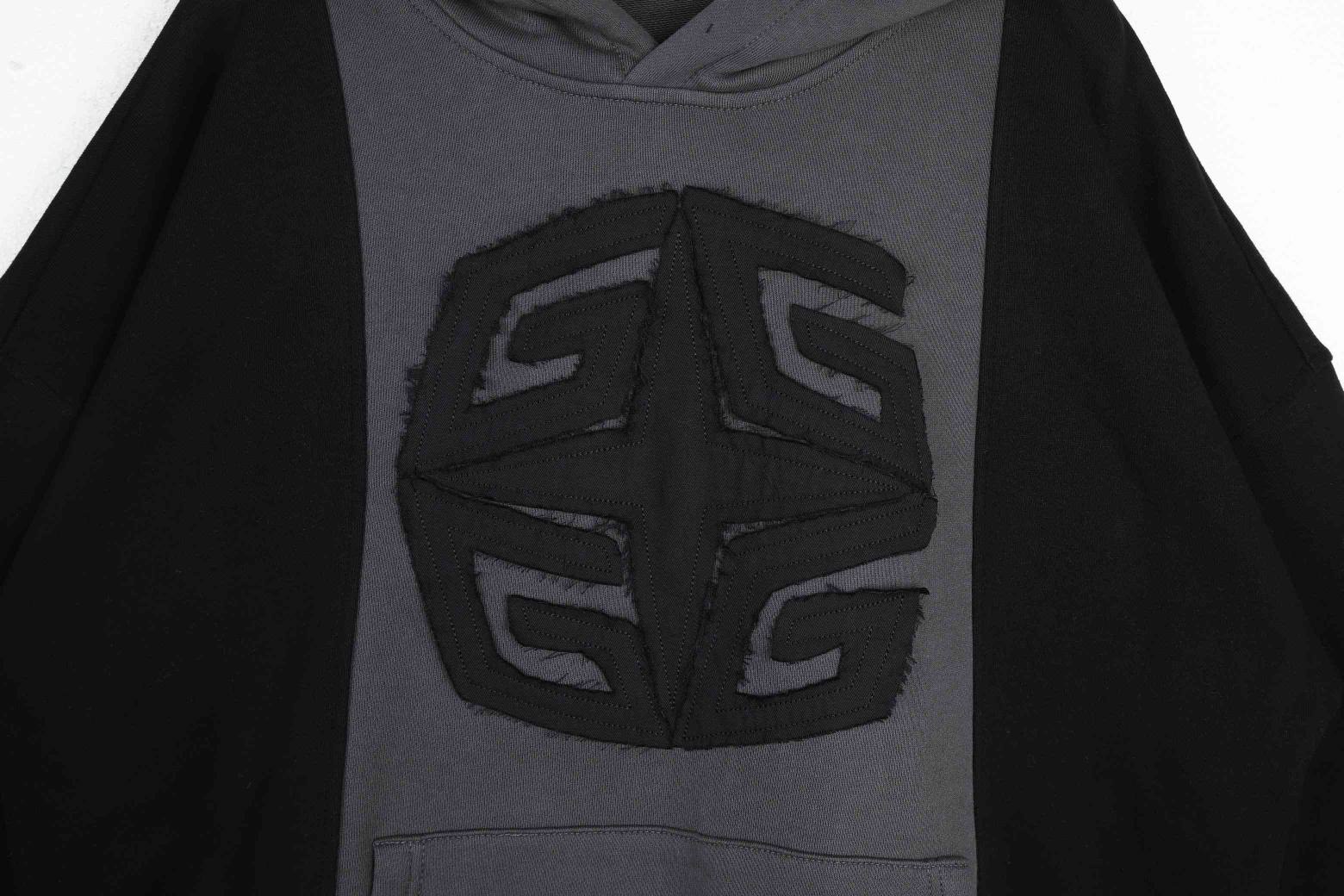
Corporate uniforms, hospitality wear and industrial workwear in extended sizes use durable twill, ripstop and poly-cotton blends. Reinforced stitching, utility pockets and logo embroidery are standard. MOQ often negotiable for corporate programs starting at 100 pieces.
4. Materials and Fabrics for Bulk Plus Size Clothing
Fabric choice governs fit retention, comfort and durability across extended sizing. Stretch recovery prevents waistbands and armholes from sagging after wear, breathability reduces overheating in larger surface areas, and drape ensures garments hang correctly rather than cling or bag.
| Fabric Type | GSM Range | Stretch % | Best Applications | Cost Tier |
|---|---|---|---|---|
| Cotton-Poly Jersey | 180–220 | 5–10% | T-shirts, polos, basics | Low |
| Polyester-Spandex | 240–280 | 15–20% | Activewear, athleisure | Medium |
| Bamboo / Modal | 160–200 | 0–5% | Underwear, layering | Medium |
| Stretch Denim | 10–12 oz | 2–5% | Jeans, chinos | Medium–High |
| French Terry / Fleece | 280–320 | 5–10% | Hoodies, sweatshirts | Low–Medium |
Cotton Blends and Jersey Knits
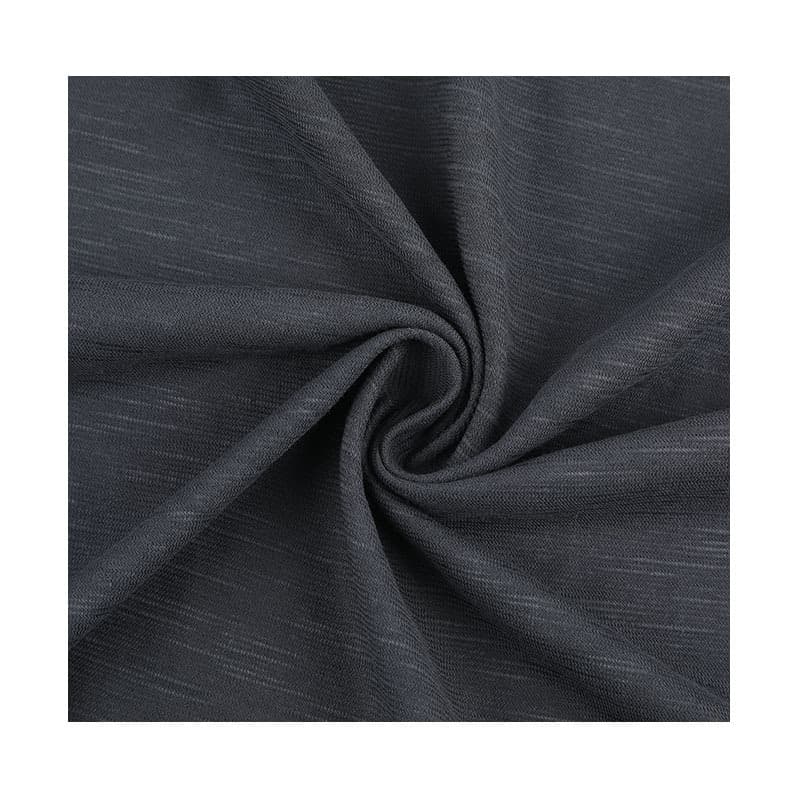
Cotton-polyester blends in 180–220 GSM deliver softness with shape stability. Ring-spun cotton-spandex jersey at 5–10% stretch suits tees and polos that must recover after stress at seams and closures.
Combed 30s cotton-poly in 200 GSM balances cost and hand-feel for everyday basics, while Pima or organic cotton upgrades premium lines without sacrificing washability.
Performance Synthetics
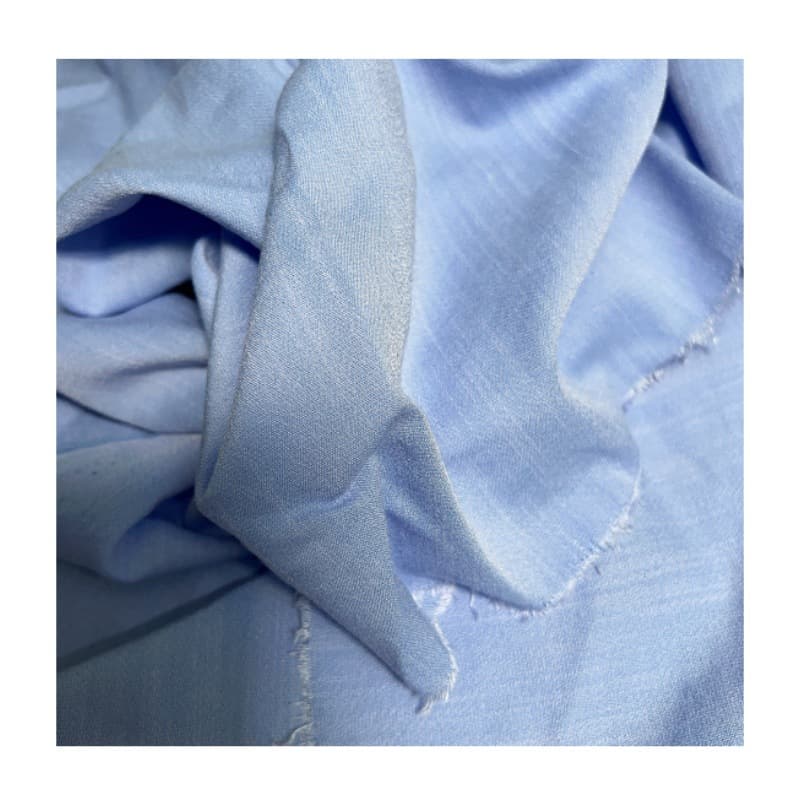
Polyester-spandex blends at 15–20% stretch excel in activewear and athleisure, offering moisture-wicking and rapid recovery. Four-way stretch wovens in 240–280 GSM enable full range of motion in pants and outerwear.
Spandex content above 5% is critical for extended sizes to prevent knee bagging and seat distortion over repeated wear cycles.
Natural and Technical Fibers
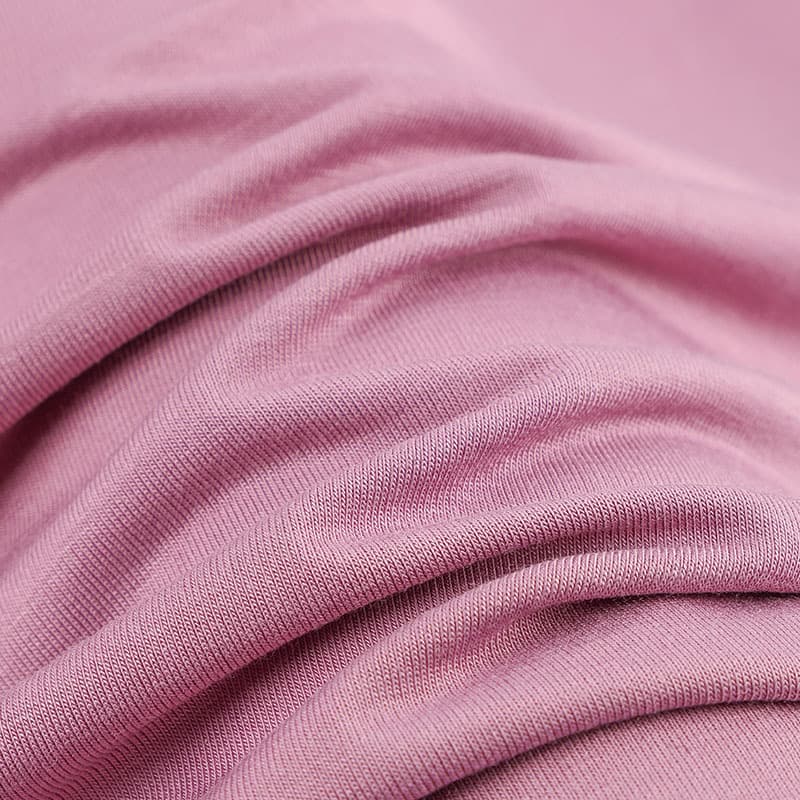
Bamboo and modal rayon provide drape and breathability in 160–200 GSM for layering pieces and underwear. Technical fabrics — ripstop nylon, coated canvas, stretch denim at 10–12 oz — add durability for workwear and outerwear where abrasion resistance matters in high-stress zones.
5. Customization and Decoration Options for Bulk Plus Size Clothing
Branding bulk plus size clothing requires decoration techniques that scale artwork proportionally and account for larger chest, shoulder and sleeve placements. Screen printing, embroidery, heat transfer, sublimation and woven labels each carry distinct setup costs, durability ratings and minimum-quantity thresholds that influence both unit economics and brand perception.
| Method | Setup Cost | Durability | Ideal Order Size |
|---|---|---|---|
| Screen Printing | $15–$35/screen | Excellent (50+ washes) | 100+ pieces |
| Embroidery | $5–$25 digitizing | Excellent (permanent) | 50+ pieces |
| DTG / DTF | None | Good (30–40 washes) | 10–100 pieces |
| Sublimation | None | Excellent (permanent) | 25+ pieces |
Screen Printing
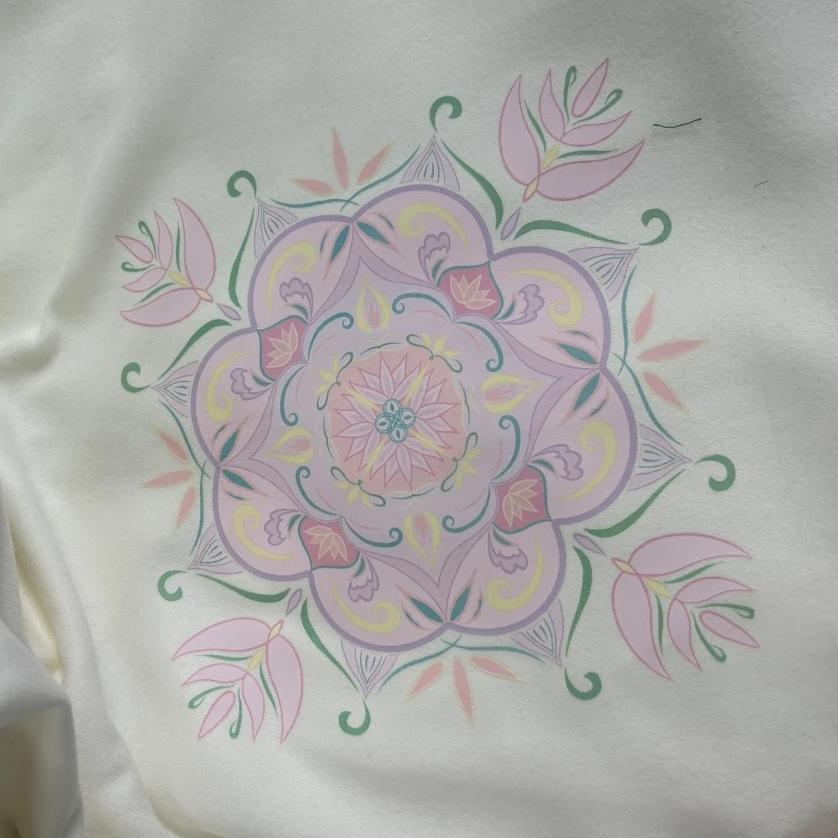
Screen printing delivers vibrant, durable graphics on cotton and cotton-blend jerseys, fleece and twill. Plastisol, water-based, discharge, puff and high-density inks each require mesh screens; setup costs range $15–$35 per screen, making runs above 100 pieces most economical.
On 2XL–6XL garments, chest prints scale from 12″ to 14″ wide to maintain visual balance. Left-chest logos hold at 3.5″–4″, while oversized back prints may reach 16″ without distortion.
Embroidery
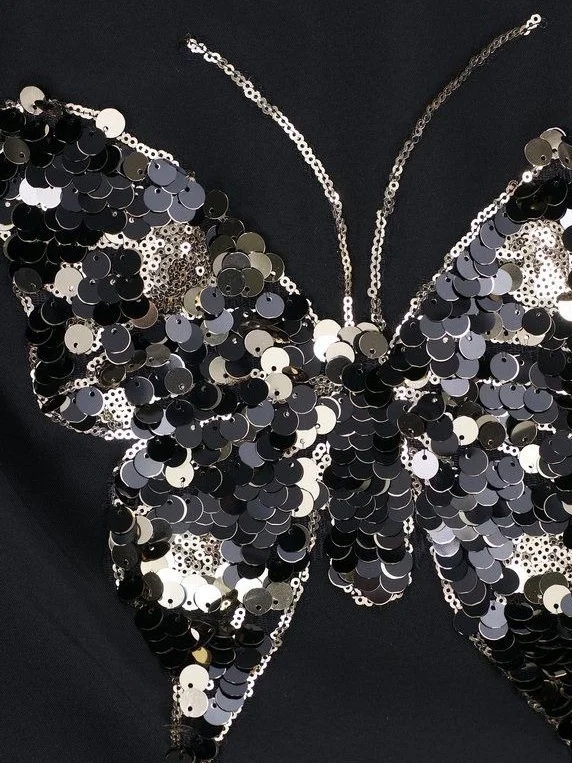
Embroidery adds texture and permanence to polos, hoodies, hats and outerwear. Digitizing fees run $5–$25 per design; stitch count drives per-piece cost, typically $0.50–$3.00 for left-chest logos under 10,000 stitches.
Flat, 3D puff, chain-stitch, appliqué and sequin techniques suit structured fabrics. Placement on larger sizes demands repositioning to avoid stretch zones and maintain symmetry across wider chest panels.
Heat Transfer and Sublimation
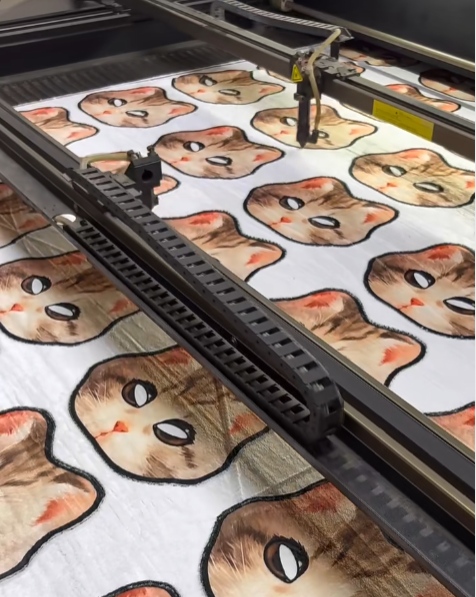
DTG, DTF and heat-transfer vinyl require no screens, ideal for low-MOQ runs under 50 pieces. Per-unit costs range $1.50–$4.00; durability trails screen printing after 30–40 washes.
Dye sublimation bonds ink into polyester fibers, enabling full-coverage all-over prints on activewear and jerseys. Artwork files must account for extended-size pattern pieces to prevent misalignment at seams.
6. Key Quality and Construction Elements
Premium bulk plus size clothing is defined by construction details that budget factories skip. Grading, reinforcement and finishing separate garments that fit from those that merely stretch.
Grading and Fit Consistency Across Size Runs
Extended-size grading is not linear scaling. A 3XL chest that grows 2 inches per size will leave a 5XL with sleeves too short and a rise that rides up.
MENWILD grades each size independently, adjusting armhole depth, sleeve pitch, back length and inseam to maintain proportion. Pattern sets are stored on file so re-orders match the original fit every time.
- Each size receives unique body-length and sleeve adjustments
- Armhole depth and shoulder slope scaled separately from chest
- Graded sets archived for consistent re-order production
Reinforced Seams and Stress Points
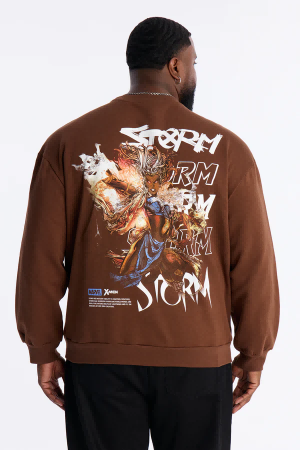
Larger garments endure higher tension at pocket openings, fly bars, armhole seams and waistbands. Budget factories use the same stitch count and thread weight across all sizes.
Premium construction adds bar tacks at pocket corners, double-needle topstitching on side seams, and reinforced stitching at crotch intersections and sleeve joins to prevent blow-out under real-world wear.
Quality Control for Larger Pattern Pieces
Extended-size cutting requires tighter fabric-tension control and alignment checks. A 6XL body panel that drifts 3 mm during lay-up creates a twisted side seam.
MENWILD inspects every cut piece for grain alignment and runs in-line checks during assembly. Final garments are measured against the approved size spec before packing.
7. How to Choose a Bulk Plus Size Clothing Manufacturer
Selecting the right partner for bulk plus size clothing requires a methodical vetting process beyond price comparison. Brands must evaluate technical grading capability, production infrastructure, compliance credentials and ethical standards to ensure quality and reliability.
Verify Extended-Size Grading Expertise
Ask to see graded spec sheets from 2XL to 6XL, not simple scale-ups. True extended-size grading adjusts rise, sleeve pitch, chest-to-waist drop and shoulder slope independently. Request fit samples across the full size run and compare armhole depth, inseam proportion and neck opening against standard sizing.
Red flags include identical grade increments across all measurements or no pattern archives for big & tall styles.
- Request complete graded spec sheets showing independent adjustments per size
- Ask how many extended-size brands the factory currently serves
- Check if pattern-makers have specific big & tall training
Assess Production Capacity and Lead Times
Monthly capacity above 50,000 pieces signals stable infrastructure for bulk plus size clothing orders. Confirm cut-and-sew and knitting lines, fabric-sourcing lead times (typically 10–15 days) and bulk production windows (25–35 days for most wovens and knits).
Ask whether patterns and fabric records are kept on file to accelerate re-orders.
Review Certifications and Compliance
ISO 9001, OEKO-TEX Standard 100, WRAP and BSCI certifications demonstrate quality systems and chemical safety. Request copies and verify certificate numbers online.
Certifications reduce compliance risk for U.S., EU and Australian markets and confirm tested, non-toxic dyes and finishes.
Evaluate Sample Quality and Fit
Order pre-production samples in at least three sizes (e.g., 2XL, 4XL, 6XL) to test grading consistency. Inspect stitch density (12–14 SPI for wovens, consistent cover on knits), seam allowances and trim placement.
Poor samples — puckering, uneven hems, misaligned prints — predict bulk defects.
Negotiate MOQs and Payment Terms
MOQs from 100 pieces per style/color suit emerging brands testing bulk plus size clothing. Confirm deposit structure: 100% upfront signals higher risk; 30–50% deposits with balance before shipment reflect stable partnerships.
Ask about payment methods (T/T, PayPal, credit card, USDT) and whether terms improve over repeat orders.
Confirm Ethical Labor Practices
Request factory audit reports (WRAP, BSCI, SA8000) and ask about working hours, wage compliance and dormitory conditions. Ethical practices protect brand reputation and meet retailer code-of-conduct requirements.
Red flags include reluctance to share documentation or allow third-party audits.
8. Common Mistakes When Sourcing Bulk Plus Size Clothing
First-time buyers of bulk plus size clothing often repeat the same costly errors: skipping fit validation, misjudging fabric behavior at larger scales, and underestimating production timelines. Each mistake delays launch, inflates returns, and erodes customer trust.
Ignoring Fit Model Testing in Extended Sizes
A 2XL pattern scaled to 5XL without live fit testing produces sleeves that ride up, rises that pinch, and armholes that bind. MENWILD tests every graded size set on fit models across the 2XL–6XL range to confirm proportions hold.
Request pre-production samples in your highest size and validate shoulder width, sleeve length, rise depth, and body length on a representative wearer before approving bulk production.
Underestimating Fabric Stretch Requirements
Woven twill and rigid denim that work at medium sizes become restrictive at 3XL and above without added stretch. Blends with 2–5% spandex maintain shape while allowing movement across the chest, waist, and thighs.
Specify stretch content in your tech pack and request fabric swatches with recovery testing to confirm the hand and performance match your brand standards.
Choosing the Wrong Decoration Method
Heavy plastisol screen printing cracks across chest curves on larger garments; embroidery puckers on lightweight jersey. MENWILD matches decoration to fabric weight and garment construction — water-based ink for soft hand, chain-stitch for stretch zones, appliqué patches for dimension.
Review decoration samples on the actual fabric and size you will produce, not on medium blanks, to catch tension and distortion issues early.
9. Steps to Launch Your Bulk Plus Size Clothing Line
Launching a bulk plus size clothing line requires a clear sequence from research to shipment. MENWILD’s nine-step process — inquiry, tech pack, fabric sourcing, sampling, approval, bulk production, quality control, finishing and logistics — keeps timelines predictable and re-orders consistent.
Market Research and Target Customer Definition
Define your core customer by body type, lifestyle and price sensitivity before choosing styles. Big & tall proportions differ from oversized streetwear; a 3XL customer may need longer sleeves and deeper rises, while a 2XL streetwear buyer expects drop shoulders and boxy cuts.
Map competitor size charts, gather fit feedback from forums and social channels, and identify gaps in fabric weight, decoration or silhouette. This research shapes your size range, fabric selection and decoration budget from day one.
Designing the Size Range and SKU Matrix
Start with three to five sizes — typically 2XL, 3XL, 4XL — and two to four colors per style to keep MOQ manageable at 100 pieces per color. Each additional size multiplies pattern grading, sampling and inventory complexity.
MENWILD maintains graded size sets on file, so re-orders and seasonal expansions add sizes without re-engineering. Balance breadth (more styles) against depth (more sizes per style) based on cash flow and warehouse capacity.
Selecting Fabrics and Trims
Request fabric swatches early — GSM, stretch percentage and hand-feel vary widely even within ‘cotton jersey.’ MENWILD sources from trusted Chinese mills and provides physical swatches before sampling.
Choose trims (ribbing, zippers, labels, hang tags) that match your price tier. YKK zippers and woven labels signal premium quality; heat-transfer labels and generic pulls reduce cost. Lock fabric and trim specs in writing before the first sample to avoid mid-production substitutions.
Requesting and Approving Samples
Order a full size-set sample — one piece in each size — to verify grading accuracy across the range. Fit issues in 2XL often amplify by 4XL, so test every size on real wearers or fit models.
Approve fabric, construction, decoration placement, trim quality and packaging in one consolidated sign-off. Any change after sample approval may reset lead time and incur re-sampling fees.
Quality Inspection and Logistics Planning
In-line inspection during bulk production catches stitching defects, color variance and measurement drift before garments leave the cutting table. MENWILD conducts AQL-based checks at cutting, sewing and packing stages.
Confirm shipping method — sea freight (30–45 days, lowest cost), air freight (7–10 days, higher cost) or express courier (3–5 days, small orders) — and arrange customs clearance, duties and final-mile delivery before the balance payment deadline.
10. Pricing and Cost Breakdown for Bulk Plus Size Clothing
Unit cost for bulk plus size clothing varies by order volume, fabric weight and grading complexity. Extended-size patterns consume 15–30% more fabric than standard M–XL cuts, and grading from 2XL to 6XL adds development hours that spread across production runs. MENWILD’s 100-piece minimum lets brands test styles before scaling, with per-unit costs dropping as volume climbs.
Lead time ranges from three to six weeks depending on fabric availability, decoration method and order size. Knit basics ship faster than woven outerwear; screen-printed tees turn quicker than multi-head embroidery. Deposit terms ease from 100% on first orders to 30% for established partners, with balance due before shipment.
Decoration adds setup and per-unit costs that amortize over quantity. Screen printing carries a one-time screen fee but low incremental cost, making it economical above 200 units. Embroidery setup is lower, yet per-stitch charges favor simpler logos at smaller runs.
| Quantity Tier | Unit Cost Range (USD) | Lead Time (Weeks) | Customization Notes |
|---|---|---|---|
| 100–299 pcs | $8–$18 | 4–6 | Full custom; higher setup share |
| 300–999 pcs | $6–$14 | 3–5 | Screen print, basic embroidery |
| 1,000+ pcs | $5–$12 | 3–4 | Volume discount; archived patterns |
Ready to Source Bulk Plus Size Clothing? Get Your Quote Today
No obligation, 24-hour response. Start with just 100 pieces and partner with a specialist big & tall manufacturer.