1. What Are Plus Size Wholesale Distributors?
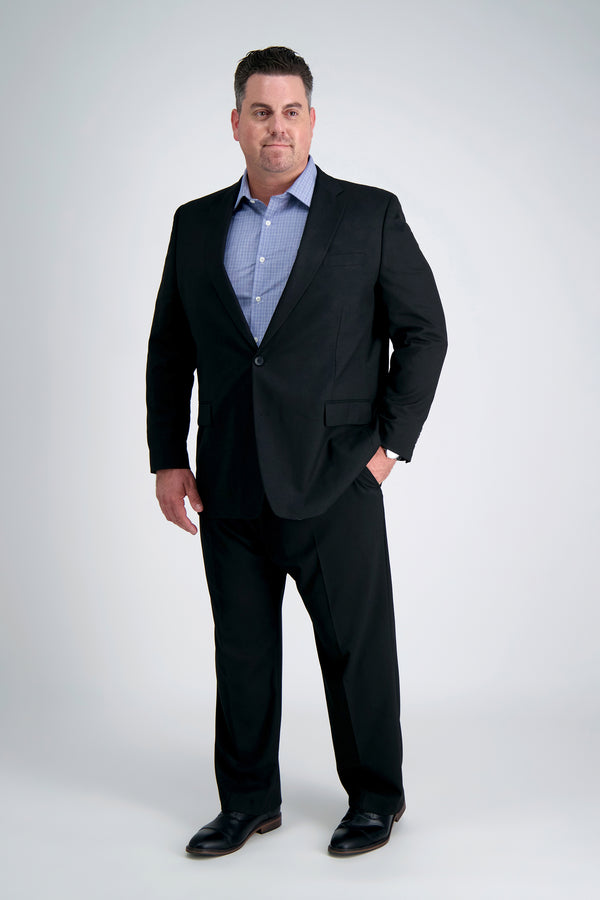
Plus size wholesale distributors serve the extended-size menswear market, typically covering XL through 8XL and waist sizes from 40 to 70+ inches. Unlike standard apparel wholesalers that scale patterns uniformly, specialized distributors work with manufacturers who engineer garments for proportional fit — longer rises, deeper armholes, adjusted shoulder slopes and sleeve lengths that match larger frames.
In the supply chain, a manufacturer produces garments in-house, a distributor buys finished inventory and resells at markup, and a dropshipper never holds stock. Many plus size wholesale distributors function as direct manufacturers offering OEM and ODM services, eliminating middleman costs and enabling lower MOQs — often starting at 100 pieces per style compared to 500–1,000 minimums at general wholesalers.
Brands and retailers choose specialized plus size wholesale distributors because fit engineering for bigger bodies requires distinct pattern grading, fabric selection for stretch and recovery, and reinforced construction at stress points. General suppliers lack the technical expertise and size-set libraries needed to deliver garments that actually fit men over 2XL.
2. Evolution of the Plus Size Wholesale Market
Before 1980, big and tall menswear was dominated by bespoke tailors and a handful of specialty retail chains; wholesale distribution was fragmented and regional. The 1990s brought the first industry-wide standardization of extended sizing — 2XL through 5XL grading charts emerged from trade associations — enabling mass-market wholesale and catalog fulfillment at scale.
By the early 2000s, performance fabrics originally engineered for activewear — stretch denim, moisture-wicking jersey, four-way-stretch twill — entered big and tall production lines, solving durability and comfort issues inherent in larger garment construction. Plus size wholesale distributors began offering these technical fabrics as standard options, not premium upgrades.
The 2010s saw direct-to-consumer brands rise rapidly, yet most still partnered with plus size wholesale distributors for inventory management, low-MOQ test runs and fulfillment infrastructure. Today, data-driven fit models and 3D body-scan libraries guide pattern grading, while factories like MENWILD maintain on-file size sets and fabric records to accelerate re-orders and ensure consistency across seasons.
3. Types of Plus Size Wholesale Distributors
Not all plus size wholesale distributors operate the same way. Understanding the five main models — import/export, stock-lot, private-label manufacturers, dropship hybrids and specialty cut-and-sew — helps you match lead times, MOQ and customization needs to your brand's growth stage.
Import/Export Distributors with Regional Warehouses
These distributors manufacture overseas — typically China, Bangladesh or Vietnam — and maintain stock in US or EU warehouses. MOQ ranges from 500 to 2,000 pieces per style. Lead times split into 45–60 days for initial production plus immediate restock from local inventory. Customization is limited to logo placement and colorways within existing SKUs. Ideal for retailers needing predictable restocks without direct factory communication.
Domestic Stock-Lot and Closeout Distributors
Stock-lot distributors buy overruns, canceled orders and end-of-season inventory from factories and brands. MOQ drops to 50–200 mixed pieces, often sold by the case or pallet. Lead time is 1–7 days since goods are already warehoused. Customization is impossible; you buy as-is. Best for discount retailers, pop-ups and resellers prioritizing price over brand identity.
Private-Label Manufacturers Offering Wholesale
Factories like MENWILD that run OEM and ODM production also offer finished-goods wholesale for brands wanting full control. MOQ starts at 100 pieces per style/color, with 30–45 day lead times after sampling. Full customization — fabric, fit grading, decoration, labels and packaging — is standard. Ideal for independent designers, influencers and growing brands building differentiated big & tall collections.
Dropship and Print-on-Demand Hybrids
POD platforms handle fulfillment per order with zero inventory risk. MOQ is one piece; lead time is 3–10 business days. Customization covers graphics and text via DTG or DTF printing on blank templates. Fit grading and fabric choice remain fixed. Suited to e-commerce startups testing designs before committing to bulk orders.
Specialty Fabric and Cut-and-Sew Houses
These suppliers focus on specific fabric categories — denim mills, performance knit specialists or wool suitings — and offer vertical cut-and-sew. MOQ ranges 300–1,000 pieces; lead times run 50–70 days. Customization depth is high within their fabric niche. Best for brands with a signature fabrication or technical performance requirement in extended sizes.
4. Fabrics and Materials in Plus Size Wholesale
Fabric selection drives fit, comfort and durability in extended-size menswear. Plus size wholesale distributors must balance stretch recovery, weight and breathability to ensure garments hold their shape across 2XL–6XL without sagging or binding.
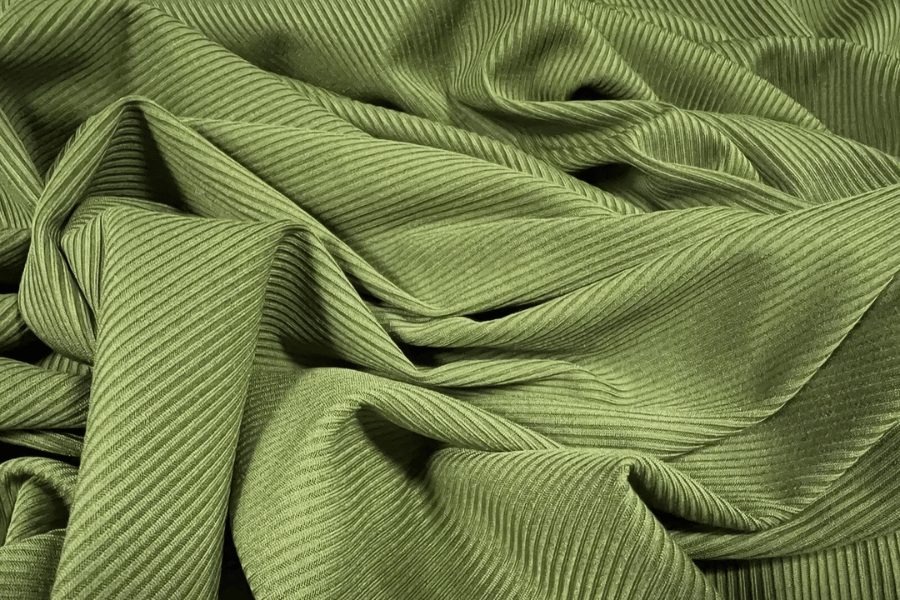
| Fabric Type | GSM / Weight | Stretch % | Best Garment Category | Price Tier |
|---|
| Cotton Jersey | 160–220 g/m² | 5–10% | T-shirts, basics | Low |
| Poly-Cotton Blend | 180–240 g/m² | 3–8% | Polos, workwear | Low–Mid |
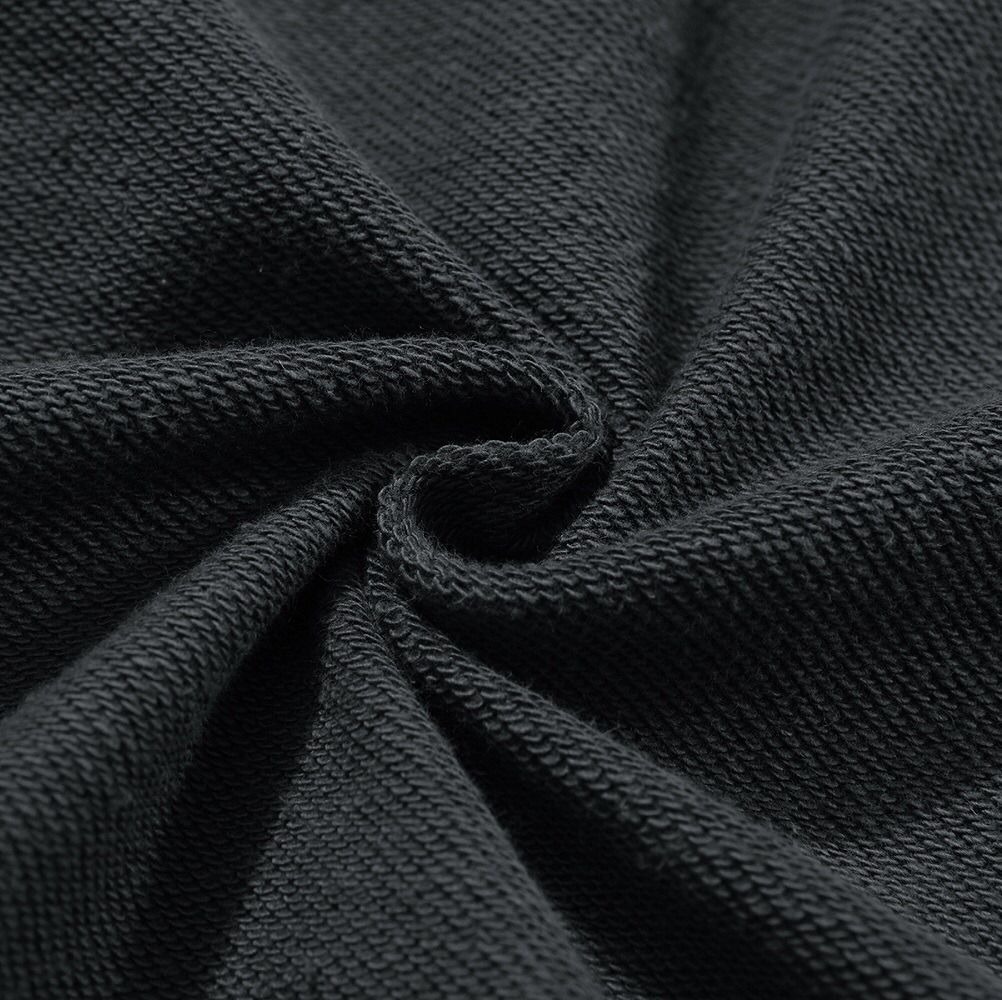
| French Terry / Fleece | 280–350 g/m² | 5–15% | Hoodies, sweatshirts | Mid |
| Performance Knits | 180–260 g/m² | 15–30% (4-way) | Activewear, athleisure | Mid–High |
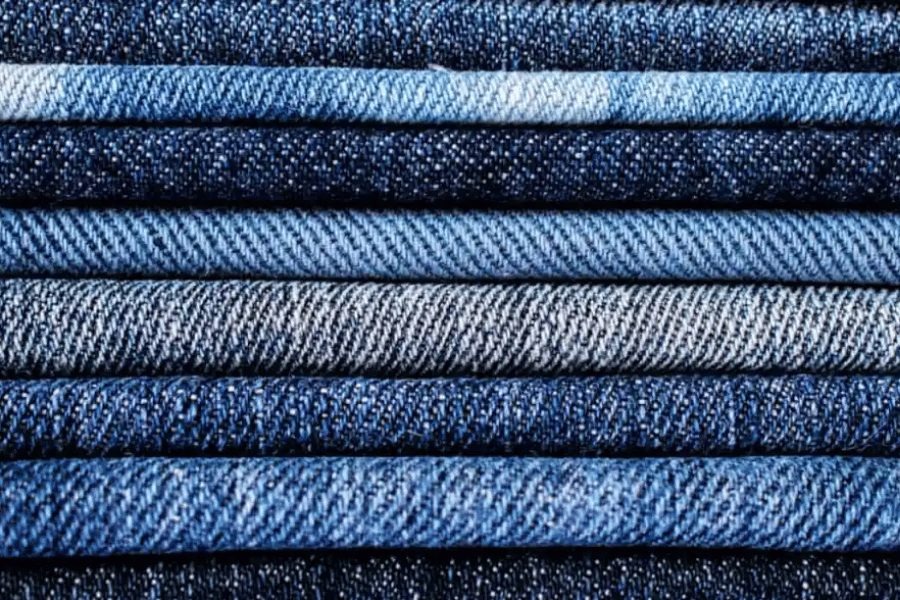
| Denim / Stretch Denim | 10–14 oz | 1–3% (warp stretch) | Jeans, jackets | Mid |
| Twill / Chino | 220–280 g/m² | 2–5% | Pants, chinos, shorts | Low–Mid |
5. Customization and Decoration Options with Plus Size Wholesale Distributors
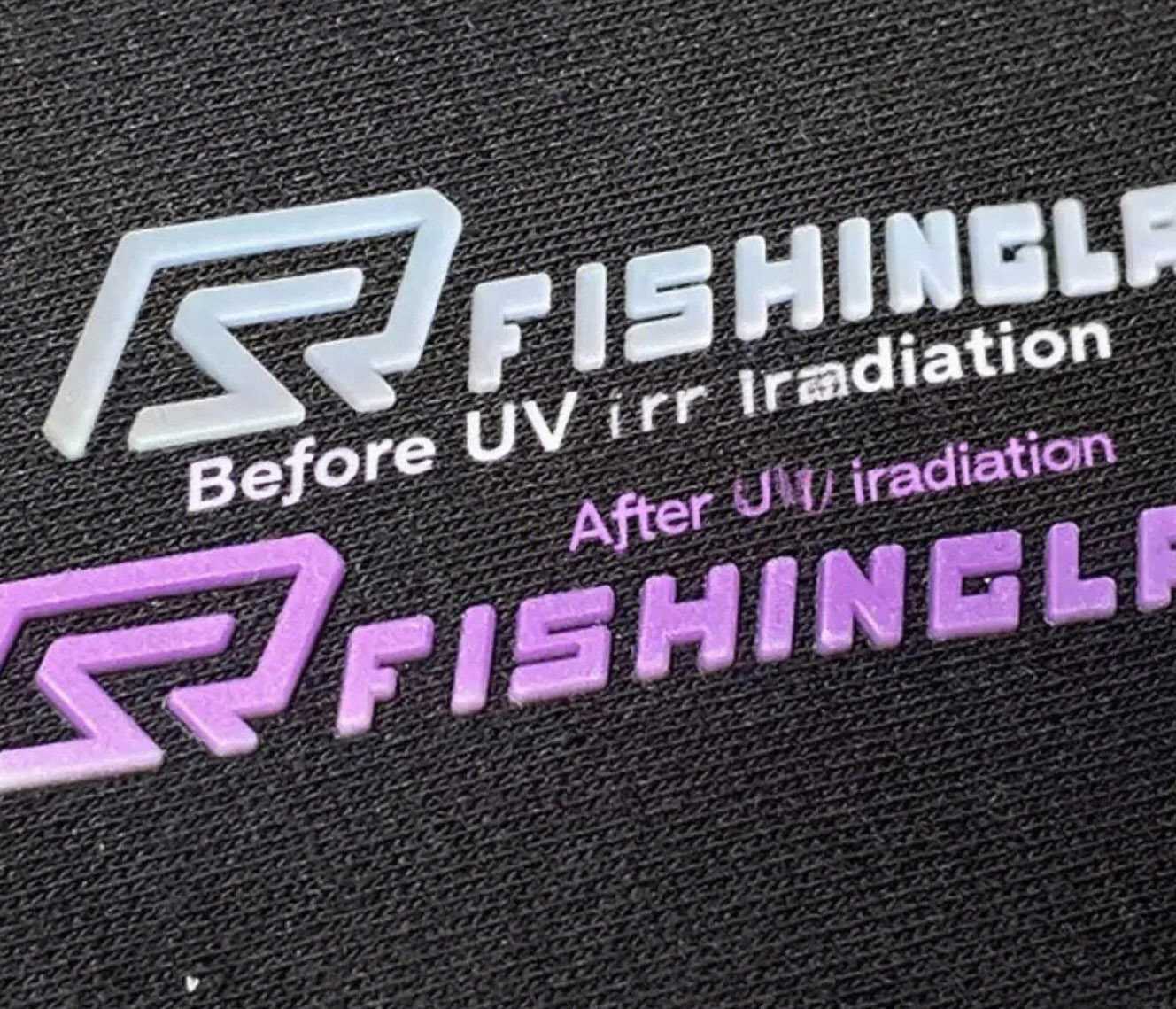
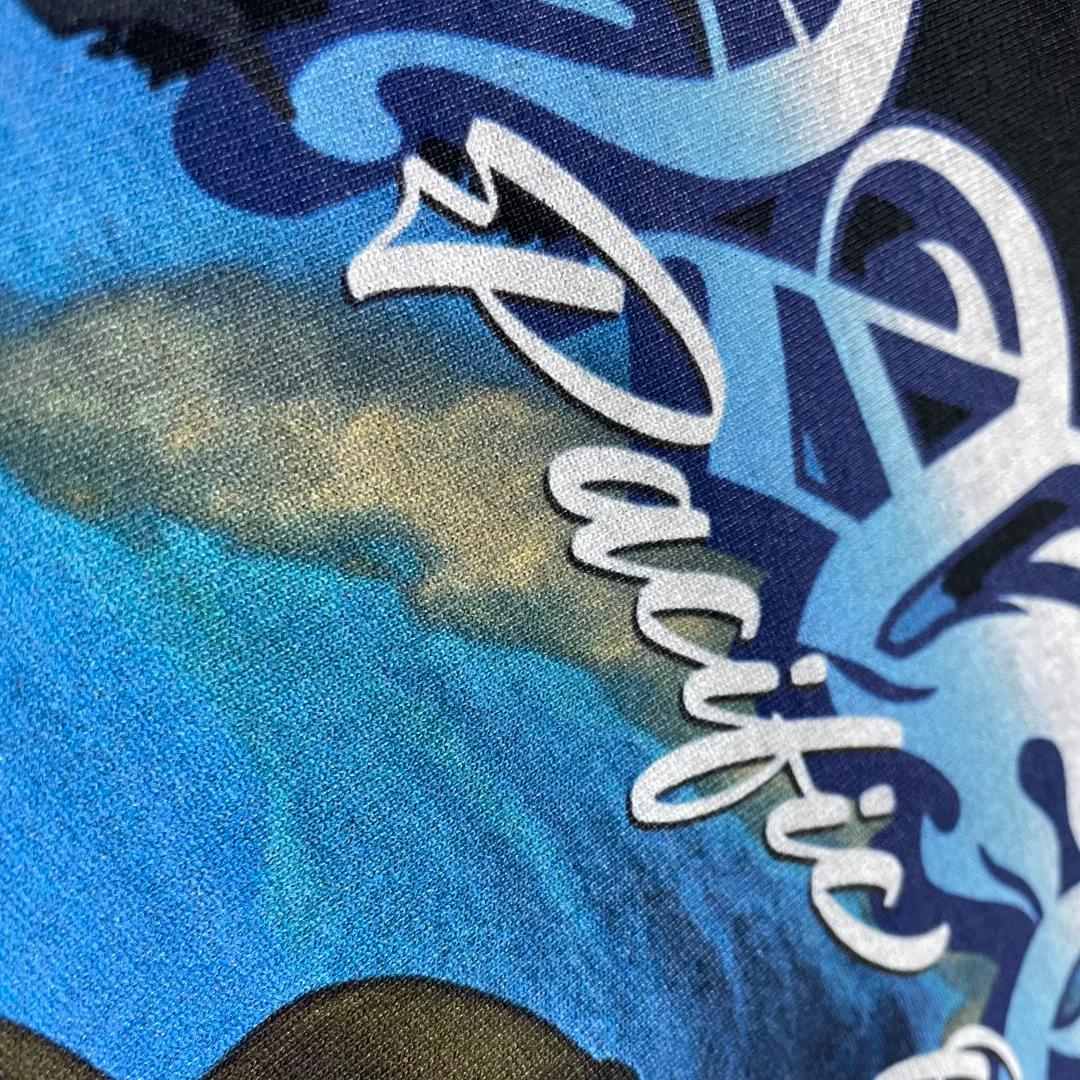
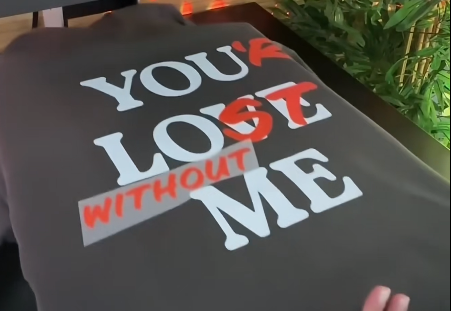
Most plus size wholesale distributors offer comprehensive branding and decoration services — screen printing, embroidery, heat transfer, woven labels, hang tags and poly-bag packaging — to help emerging brands launch private-label and white-label collections. Setup costs, per-unit fees and MOQ thresholds vary by decoration method, durability requirements and order volume.
| Decoration Method | Setup Cost | Per-Unit Cost | Durability | Best For |
|---|
| Screen Printing (plastisol, water-based, puff) | $25–75 per color/location | $0.50–2.00 | High; 50+ washes | Large runs, bold graphics, streetwear |
| Embroidery (flat, 3D puff, patches) | $15–50 digitizing + $25–60 setup | $1.50–4.00 | Very high; 100+ washes | Polos, outerwear, premium branding |
| Heat Transfer (DTG, DTF, vinyl) | $0–30 setup | $2.00–5.00 | Medium; 20–40 washes | Low MOQ, photo-realism, samples |
| Woven Labels & Hang Tags | $50–150 plate/die | $0.10–0.60 each | Permanent | Neck labels, care tags, brand identity |
| Poly-Bag & Custom Packaging | $0–100 plate | $0.05–0.30 per bag | Single-use | Retail-ready, e-commerce fulfillment |
6. Quality Benchmarks for Extended-Size Garments
Quality control in extended sizing is more complex than straight-size production because proportional fit, stress distribution and fabric recovery all shift as garments scale. Plus size wholesale distributors must validate grading accuracy, structural integrity and consistency across every production run.
Grading Accuracy and Proportional Scaling
True big & tall grading adjusts rise, sleeve length, shoulder slope and chest-to-waist drop — not just width. A 3XL scaled uniformly from a medium will fit poorly. MENWILD develops graded size sets from 2XL to 6XL with proportional pattern adjustments specific to larger frames, preserving silhouette and mobility.
Reinforced Seams and Stress Points
Underarms, crotch seams and waistbands endure higher tension in plus sizes. Reliable manufacturers use double-needle stitching, bar tacks and reinforced gussets at stress zones. These details prevent blowouts and extend garment lifespan.
Fabric Recovery and Hand-Feel
Knit fabrics in extended sizes must return to shape after stretch. Cotton-spandex blends with 5–10% elastane and 200–240 GSM jersey offer durability without sagging. Pre-production swatches confirm hand-feel and recovery before bulk commitment.
Colorfast and Shrinkage Testing
Larger garments consume more dye and water, raising colorfastness risk. ISO-compliant factories test wash stability and dimensional change before shipment. WRAP, BSCI and ISO 9001 certifications signal process discipline and traceability in plus size wholesale distributors.
7. How to Choose the Right Plus Size Wholesale Distributors
Choosing among plus size wholesale distributors requires a systematic evaluation of technical capabilities, production flexibility and partnership readiness. Five criteria separate experienced extended-size manufacturers from generic suppliers.
Verify Size-Range Expertise and Grading Tables
Request complete grading tables from 2XL through 6XL before any commitment. True big & tall grading adjusts sleeve length, rise, shoulder width and body proportions — not just chest circumference. MENWILD provides full spec sheets showing how each measurement scales across the size run, ensuring sleeves lengthen and rises deepen appropriately for larger frames.
Request Samples and Check Fit on Real Body Forms
Physical samples reveal what tech packs cannot. Fit samples on actual body forms or fit models in your target size range to confirm proportions, fabric hand and construction quality. MENWILD ships pre-production samples in multiple sizes so brands verify fit integrity across the entire extended range before bulk production begins.
Compare MOQ, Lead Time and Payment Terms
MOQ from 100 pieces per style/color enables testing and reduces inventory risk. Confirm sampling lead time (typically 7–10 days) and bulk production (21–35 days). Payment flexibility — stepping from 100% deposit on first orders to 30% for repeat partners — signals a distributor invested in long-term growth, not transactional volume.
Assess Communication Responsiveness and Language Support
Clear, fast replies in your working language prevent costly misunderstandings. Test responsiveness during the inquiry phase: distributors who answer technical questions within 24 hours and provide detailed quotations demonstrate the communication discipline required for smooth production cycles and on-time delivery.
8. Common Mistakes When Sourcing from Plus Size Wholesale Distributors
Even experienced buyers stumble when moving from standard sizing into extended-size production. Five recurring mistakes account for most quality failures, delivery delays and inventory write-offs when sourcing from plus size wholesale distributors.
Assuming Proportional Scaling Instead of True Grading
Scaling a 2XL pattern by 10 percent does not create a proper 3XL. True big & tall grading adjusts rise, sleeve pitch, shoulder drop and torso length independently. Request graded spec sheets and fit samples for every size break — especially 4XL and above — to confirm proportions match taller, broader frames.
Choosing the Lowest Price Without Sampling
A $2 per-unit saving disappears when 30 percent of garments arrive with puckered seams or misaligned prints. Always order pre-production samples in your full size range before committing to bulk. Compare fabric hand, stitch density and decoration quality across at least two distributors.
Underestimating Lead Times for Extended Sizes
Extended-size runs often require custom fabric yardage and additional grading steps, adding 7–14 days beyond standard timelines. Build a 10–15 percent time buffer into your launch calendar and confirm fabric availability before placing deposits.
Skipping Contractual Defect and Return Clauses
Without written defect-rate caps (typically 2–3 percent) and clear return windows, you absorb the cost of faulty goods. Specify acceptable quality levels, inspection checkpoints and remedy terms — replacement, credit or refund — in every purchase order.
Stocking Only 2XL–3XL When Demand Spans to 6XL
Sales data from established big & tall retailers show 4XL and 5XL together often represent 25–35 percent of extended-size volume. Use pre-order campaigns or small test batches across the full 2XL–6XL spectrum to map your true size-mix before committing inventory dollars.
9. Steps to Launch Your Big & Tall Brand with Wholesale Partners
Launching a big & tall brand with plus size wholesale distributors follows a clear sequence. First-time buyers who skip steps often face fit failures, inventory bloat or deposit disputes that could have been avoided with structured planning.
Market Research and Size-Range Definition
Define your target size range — 2XL–4XL, true big & tall, or oversized streetwear — before contacting distributors. Survey competitor size charts and customer feedback to identify gaps in rise, sleeve length and chest-to-waist proportion.
Sourcing and Vetting Distributors
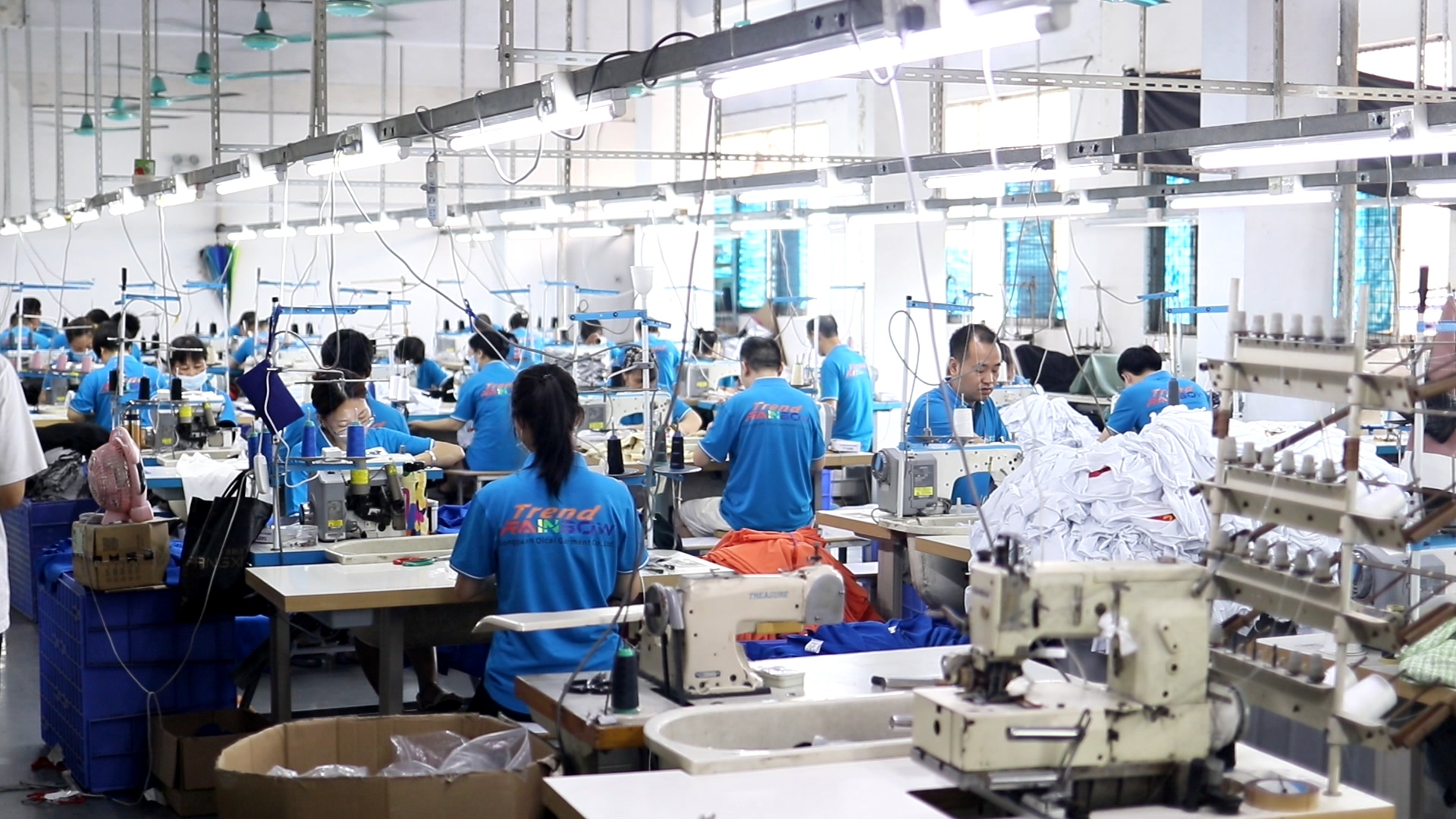
Request factory photos, client references and production-capacity details. Verify extended-size grading capability, MOQ flexibility and decoration options. MENWILD's 100-piece MOQ and 28-year track record reduce entry risk for new brands.
Ordering Samples and Fit Testing
Order a full size set — not just one sample — and test on real bodies across your range. Check rise, armhole depth and sleeve taper. Approve fabric swatches and construction before bulk production begins.
Negotiating Terms and Placing the First Order
Clarify deposit structure, payment methods and lead time in writing. First orders typically require 100% upfront; stable partners may drop to 30%. Lock unit price, color count and packaging specs in a signed purchase order.
Quality Inspection and Logistics
Conduct in-line or pre-shipment inspection using an AQL 2.5 standard. Verify measurements, stitching and decoration against your approved sample. Arrange freight and customs documentation before the balance payment deadline.
Launch, Inventory Management, and Reorder Planning
Start with conservative stock depth per size and track sell-through weekly. Reorder fast-moving SKUs while patterns and fabric records remain on file. Plan lead time buffers of 45–60 days for repeat production runs.
10. Pricing and Cost Structures
MENWILD's pricing reflects three core drivers: garment category, order quantity and decoration complexity. Base unit costs in extended 2XL–6XL sizing start lower than most plus size wholesale distributors because patterns, grading and fabric records stay on file for repeat orders, eliminating setup redundancy and shortening lead times for established clients.
MOQ begins at 100 pieces per style and color, enabling brands to test fits and colorways without tying up capital in deep inventory. Fabric choice—ring-spun combed cotton versus open-end jersey, or premium French terry versus standard fleece—can shift unit cost by 15–30 percent, while decoration methods layer predictably: screen printing adds modest per-piece charges after setup, whereas embroidery and appliqué carry higher stitch-count fees but deliver perceived-value lift that supports retail markup.
Payment terms ease as partnership matures: 100 percent deposit on a first order steps down to 30 percent for stable accounts, with balance due before shipment. Lead time compresses from 35–45 days for new styles to 25–30 days when re-ordering cataloged designs.
| Garment Category | Base Cost (USD) | Screen Print Add-On | Embroidery Add-On | Lead Time (Days) |
|---|
| T-Shirt (2XL–6XL) | $4.50–$6.80 | $0.80–$1.20 | $1.50–$2.50 | 25–35 |
| Polo Shirt (2XL–6XL) | $7.20–$10.50 | $0.90–$1.40 | $2.00–$3.20 | 30–40 |
| Hoodie (2XL–6XL) | $11.00–$16.50 | $1.20–$1.80 | $3.00–$5.00 | 35–45 |
| Jeans / Denim (2XL–6XL) | $13.50–$19.00 | N/A | $2.50–$4.00 | 40–50 |